What Is Hanging Basket Gardening And Why Beginners Love It
The Simple Appeal Of Growing Plants In Hanging Baskets
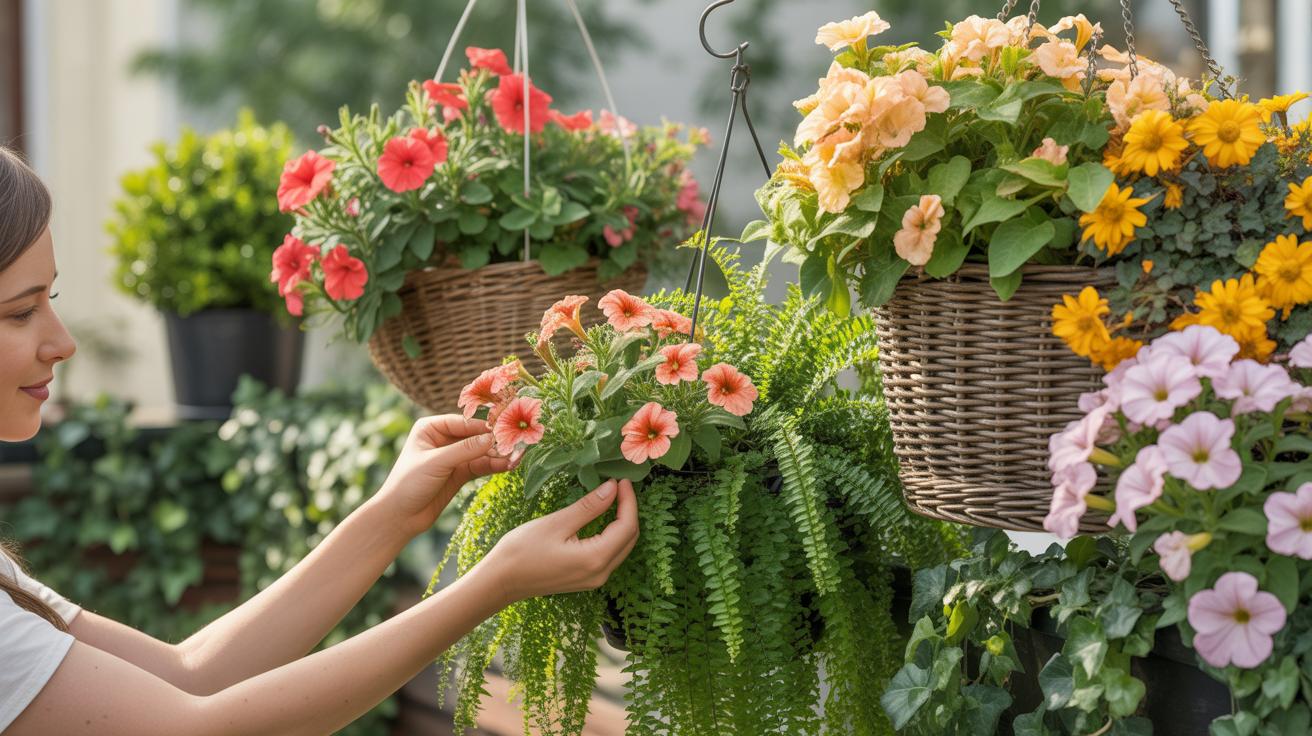
Hanging basket gardening moves plants from the ground to eye level. This method eliminates the need for heavy digging or tilling. Beginners prefer this approach because it limits the growing area to a manageable size. You control the soil quality and moisture levels within a small container. This setup reduces the physical strain typically associated with traditional in-ground backyard gardening tasks.
Suspension prevents many common soil-borne pests and diseases from reaching your plants. Slugs and snails rarely climb high enough to damage the foliage. This vertical positioning also improves air circulation around the stems and leaves. Better airflow lowers the risk of fungal growth and rot. You spend less time applying pesticides and more time monitoring plant health. It is a highly efficient system for new growers.
How Hanging Basket Gardening Fits Into Any Home Or Outdoor Space
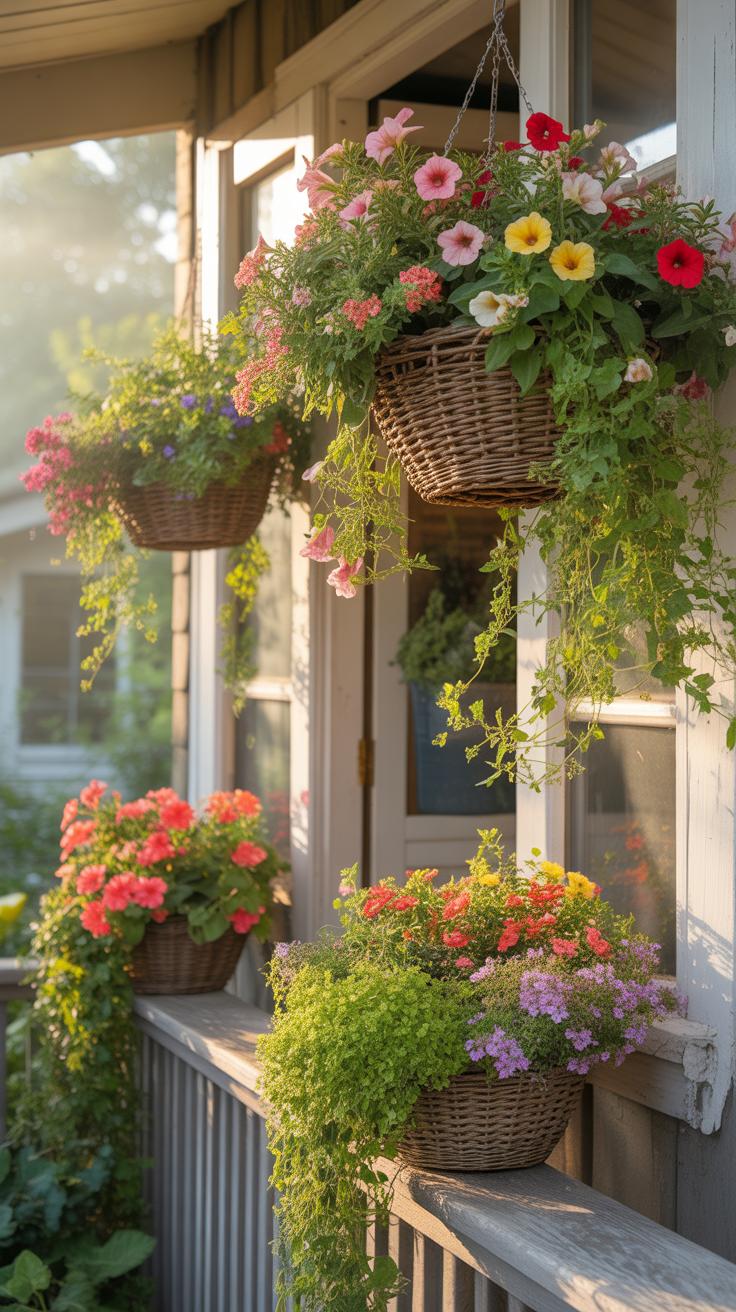
This gardening style utilizes vertical dimensions to save floor space. It works well on small balconies, narrow porches, or even indoor apartments with high ceilings. You can install hooks into overhead beams or use free-standing shepherd hooks. These containers turn unused air space into productive growing zones. They provide a solution for residents who lack access to a yard or traditional garden plots.
You can move these baskets easily to follow the sun. This flexibility allows you to optimize light exposure as seasons change throughout the year. If a frost or storm approaches, you quickly relocate the plants to a sheltered area. Traditional garden beds do not offer this mobile protection. This adaptability increases the survival rate for sensitive plants. It makes gardening possible in any climate or housing situation.
Choosing The Right Hanging Baskets For Your Garden Setup
Wire, Plastic, Or Coco Liner: Understanding Your Hanging Basket Options
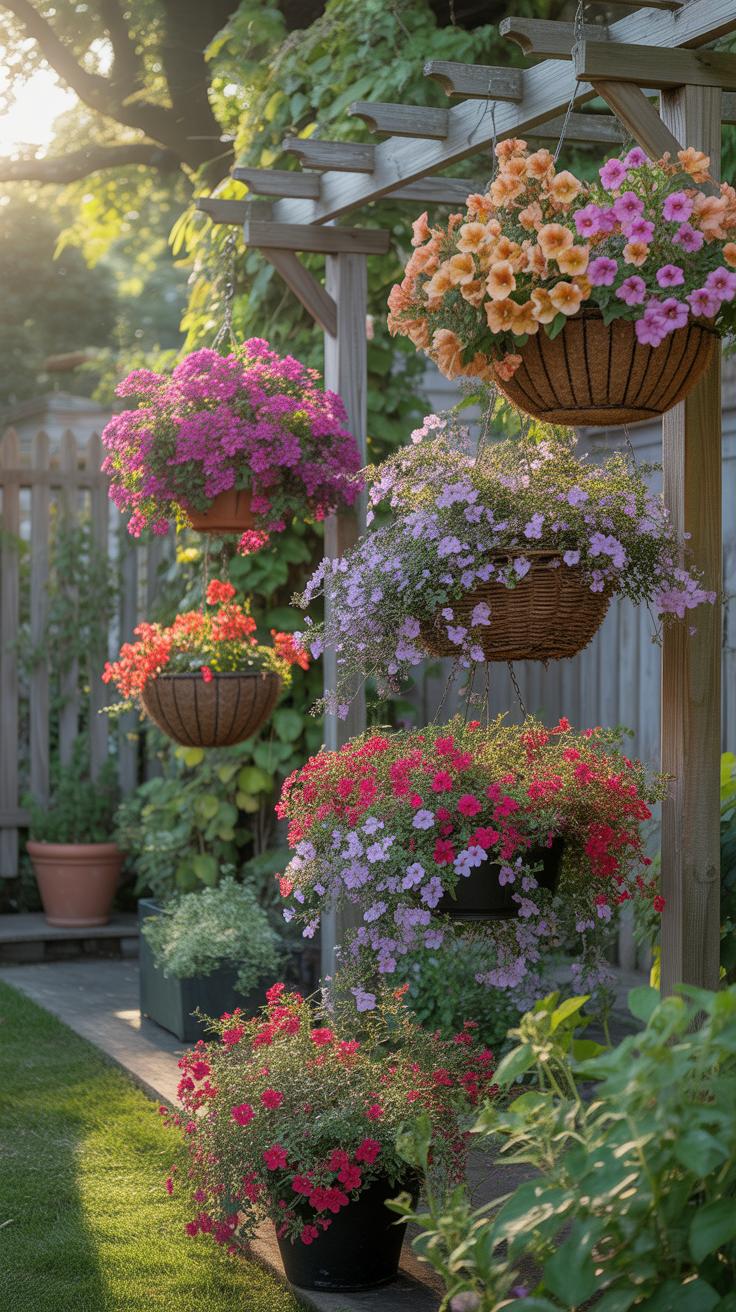
Plastic baskets retain water better than any other material. They work best in hot climates or high wind areas where evaporation happens fast. Modern plastic designs often include a built-in reservoir at the base to prevent soil from drying out. Use these for leafy greens or moisture-loving flowers. They are light and cheap but lack the classic look of metal frames.
Wire baskets offer superior drainage and aeration for root systems. You must use a liner like coco coir or moss with these frames. These liners allow you to plant through the sides for a full sphere effect. This technique dates back to Victorian era display gardens. Air hits the roots directly which prevents rot but causes the soil to dry out daily.
What Size And Weight Capacity To Look For When Buying Hanging Baskets
Basket size dictates your watering schedule and plant health. Small baskets under ten inches hold very little soil. They dry out in hours during the summer heat. Stick to twelve or fourteen inch baskets for most outdoor setups. Larger volumes of soil hold more water and nutrients. This extra mass protects the root systems from rapid temperature changes throughout the day.
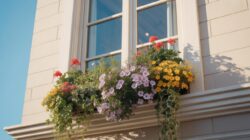
Calculate the total weight before you install any hardware or brackets. A wet fourteen inch basket can weigh over twenty pounds. Standard plastic hangers often fail under this stress. Use heavy duty steel chains and lag bolts for wooden beams. Ensure your mounting point can support the weight of the basket plus the water weight. Gravity and wind tension increase the load on your fasteners.
Best Hanging Basket Flowers Ideas To Inspire Your First Planting
Classic Flowering Plants That Thrive Beautifully In Hanging Baskets
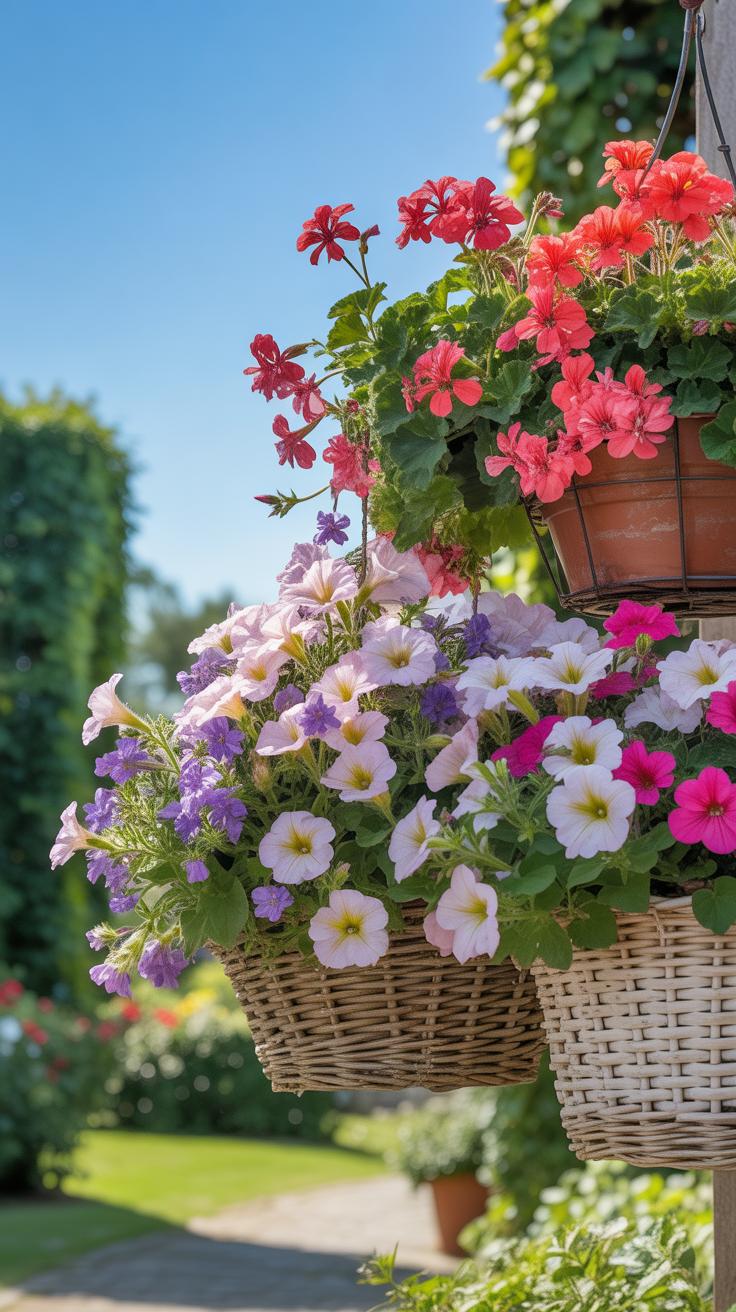
Select plants based on growth habit and light requirements. Trailing petunias offer high impact because they spill over container edges. These plants require full sun to produce consistent blooms throughout the season. Fuchsias serve as the standard for shaded locations. They thrive in cooler temperatures and higher humidity. Begonias provide another reliable option for low light. They store water in their stems and resist short drought periods.
Geraniums work well in sunny baskets due to their heat tolerance. Look for ivy-leaved varieties for a cascading effect. Calibrachoa functions as a low-maintenance alternative to petunias. These plants do not require deadheading to stay productive. Ensure your selected species share the same water needs. Mixing drought-tolerant succulents with water-heavy tropicals leads to root rot or plant death. Consistent moisture levels determine success for these classic species.
Mixing Colors And Textures For Truly Beautiful Hanging Basket Ideas
Effective design uses the thriller, filler, and spiller method. Place one tall plant in the center as the thriller to create height. Surround it with mounding filler plants to add volume and hide the soil. Use trailing plants at the edges as spillers. This technique creates a dense and balanced look. Large leaves contrast against fine foliage to provide visual depth. Focus on leaf shape to maintain interest.
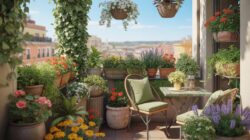
Color choice dictates the energy of the basket. Monochromatic schemes use different shades of one color for a clean look. Complementary colors sit opposite each other on the color wheel. For example, purple and yellow create high contrast and visibility from a distance. Consider how sun exposure changes color perception throughout the day. Bright light washes out pale pastels. Use bold primary colors for baskets viewed from far away in open areas.
How To Use Trailing Plants To Create Stunning Hanging Basket Displays
Why Hanging Basket Trailing Plants Are Essential For A Full Lush Look
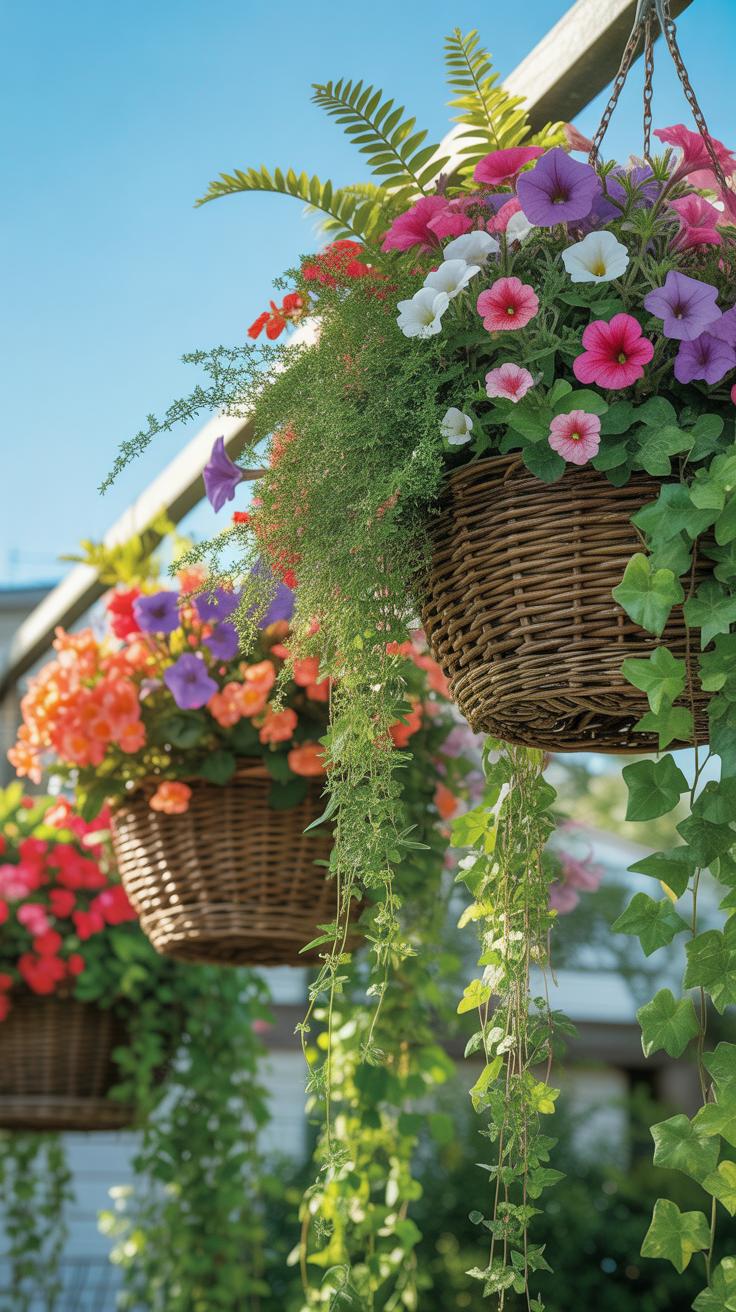
Trailing plants provide the necessary vertical scale for any professional floral arrangement. These species grow downward to mask the structural container. This technique hides plastic or wire edges and creates a seamless dome of color. Without trailing elements, the basket looks unfinished and flat. You need these plants to break the hard horizontal line of the basket rim and soften the overall display.
Effective design relies on the spiller principle to maximize visual impact. Trailing plants draw the eye downward and increase the perceived size of the arrangement. They also serve a functional purpose by shading the root zone and reducing soil evaporation. You must use high-volume trailers to create a professional finish. This strategy ensures your basket looks mature and full shortly after the initial planting is complete.
Top Trailing Plants That Are Easy To Grow For Absolute Beginners
Beginners must select resilient species that tolerate various light conditions and occasional watering mistakes. Reliable trailing plants establish quickly and fill gaps within weeks. These varieties require minimal deadheading to maintain their appearance throughout the growing season. High-performance trailers provide consistent blooms and foliage density with basic care. Choose these specific varieties to ensure success and reduce the need for constant maintenance or plant replacement.
- Trailing Petunias: These vigorous growers produce massive amounts of trumpet-shaped flowers. They spread rapidly and drape over the edges of containers. Modern varieties like Wave petunias are self-cleaning. This means they drop old blooms automatically. You do not need to pinch every dead flower to keep the plant blooming.
- Creeping Jenny: This foliage plant provides striking chartreuse color. It thrives in various light levels from full sun to partial shade. The stems grow long and thin to create a waterfall effect. Use this plant for texture rather than flowers. It is extremely hardy and survives minor droughts or low nutrient levels.
- Bacopa: Small white or purple flowers cover this delicate looking plant. It is tougher than it appears and fills small gaps between larger specimens. Bacopa requires consistent moisture to prevent flower drop. It acts as a perfect filler and spiller because it stays low while cascading down several inches past the rim.
- Lobelia: This plant offers intense blue or violet shades that are rare in other species. Look for trailing varieties specifically labeled for hanging baskets. It prefers cooler temperatures and performs best in spring or fall. Lobelia creates a dense mat of color that hides soil and container walls effectively during the early season.
- Silver Falls Dichondra: This unique foliage plant features soft silver leaves on long stems. It can grow up to several feet long in a single season. It is highly drought-tolerant and thrives in hot, sunny locations. The metallic color contrasts well with bright flowers. It provides a modern and professional aesthetic to any basket.
Proper placement of these trailers determines the final shape of your display. Plant them near the outer edge of the basket at a slight outward angle. This positioning encourages the stems to grow over the side immediately. Use at least three trailing plants for a standard twelve-inch basket to ensure full coverage. Space them evenly around the perimeter to achieve a balanced look that appears professional from every viewing angle.
How To Plant And Assemble Your Hanging Basket Garden Step By Step
Choosing The Right Potting Mix And Liner For A Healthy Hanging Basket Garden
Standard garden soil is too heavy for Hanging Basket Gardening. It compacts quickly and restricts oxygen to roots. You must use a high-quality soilless potting mix containing peat moss, perlite, or vermiculite. These components ensure the container remains lightweight while retaining enough moisture to keep plants alive. Professional graders prioritize drainage to prevent root rot during heavy rain cycles or overwatering.
Liners maintain the shape of your basket and regulate temperature. Coconut coir and sphagnum moss are the industry standards for wire frames. These natural fibers allow for lateral planting through the sides of the basket. Ensure your liner is thick enough to hold soil but permeable enough for air exchange. Synthetic liners work for solid plastic pots but lack the breathability required for high-performance floral displays.
Planting Your Basket Correctly To Encourage Root Growth And Full Coverage
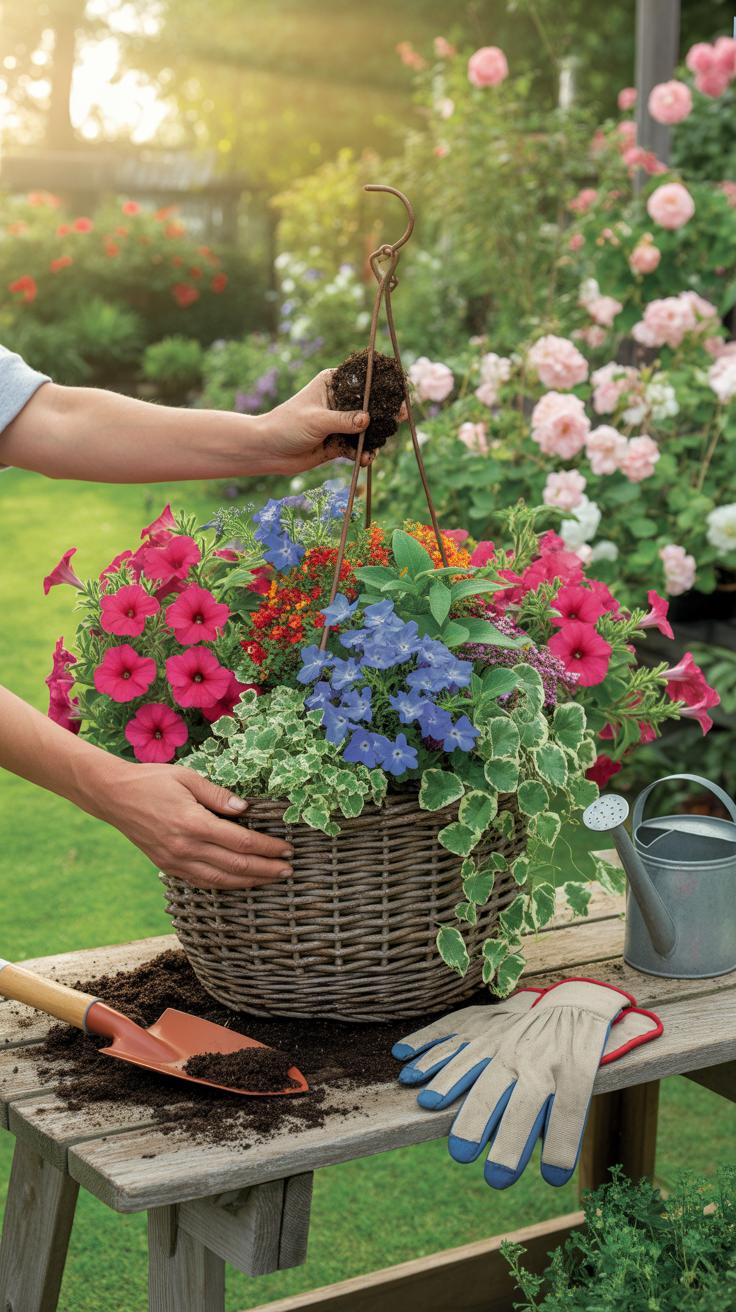
Begin by filling your basket one-third full with pre-moistened soil. Do not use dry mix as it repels water and shrinks away from the edges. Place your largest “thriller” plant in the center to create a focal point. Gently tease the roots to encourage outward growth into the new medium. Firm the soil around the base to eliminate large air pockets that dry out delicate root systems.
Space your “filler” and “spiller” plants evenly around the center. Leave two inches of clearance below the rim to prevent water runoff when irrigating. If using a wire basket, cut slits in the liner to tuck small plants into the sides. This technique creates a spherical bloom effect rather than a flat top. Water the basket immediately after planting to settle the soil and reduce transplant shock.
Watering Feeding And Caring For Your Outdoor Hanging Baskets
How Often To Water Outdoor Hanging Baskets And Signs Of Over Or Under Watering
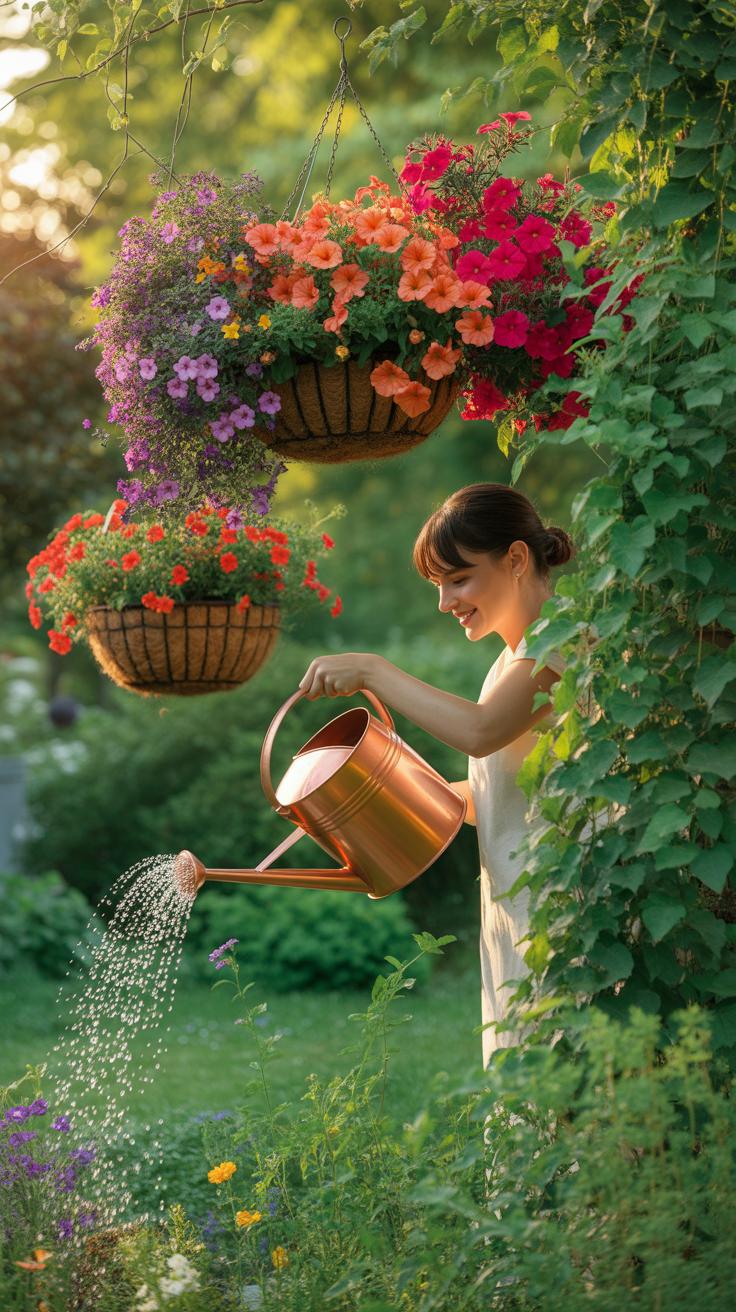
Hanging baskets lose moisture faster than ground plants. Wind and heat pass through the sides of porous containers like coco liners. You must check soil daily by touching the top inch. If the soil feels dry, apply water until it drains from the bottom. During peak summer heat, most baskets require watering twice per day. Morning is the best time to hydrate plants before the noon sun hits.
Under-watered plants show wilted leaves and dry soil that pulls away from the container edges. Over-watered plants develop yellow leaves and soggy soil that may smell like rot. Lift the basket to judge the weight. A light basket needs immediate water. A heavy basket contains plenty of moisture. Adjust your schedule based on the weather. Rain does not always reach the soil because the foliage acts like an umbrella.
Feeding Your Hanging Basket Plants For Season Long Blooms And Vitality
Confined roots quickly exhaust the nutrients in potting soil. Frequent watering also leaches minerals out of the drain holes. You must replace these nutrients to maintain flower production. Use a balanced water-soluble fertilizer every two weeks. This provides an immediate boost to the root system. High-phosphorus formulas encourage more blooms during the peak growing season. This chemical fuel keeps the plants from becoming thin and leggy.
Slow-release granules offer a steady supply of food over several months. Mix these into the soil during planting for a baseline of nutrition. Observe the foliage color to track plant health. Pale or stunted leaves signal a lack of nitrogen. Dark green leaves with no flowers indicate too much nitrogen. Balance your feeding routine to match the growth stage. Regular maintenance prevents the plant from shutting down early in the autumn season.
Growing A Hanging Veggie Basket Edible Gardening Above The Ground
Which Vegetables Work Best In Vegetable Hanging Baskets For Small Spaces
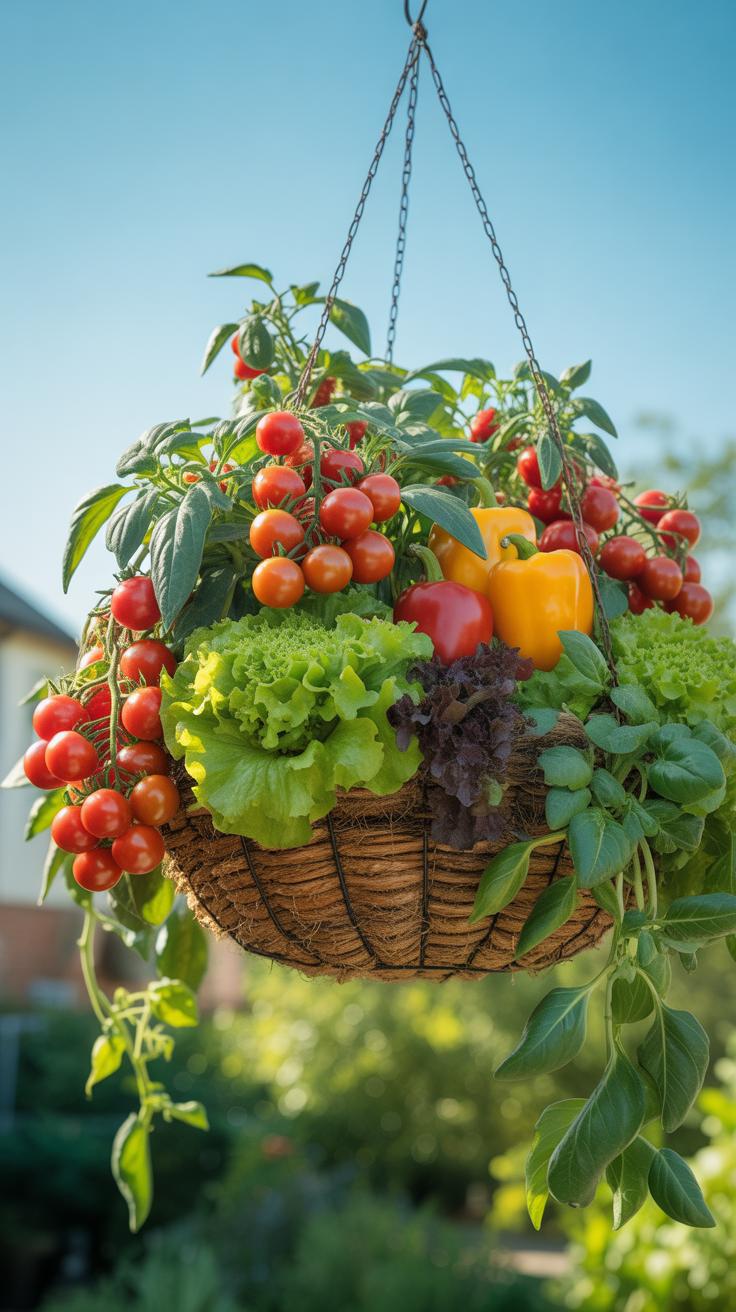
Successful edible hanging baskets require specific plant genetics. You must select determinate or compact cultivars that thrive in restricted root zones. Standard garden varieties grow too large and heavy for most ceiling mounts. Focus on species that naturally trail or maintain a bushy shape. These plants use vertical space efficiently while providing high yields in small footprints.
- Cherry Tomatoes: Select tumbling or trailing varieties specifically bred for baskets. These plants spill over the edges and do not require heavy staking or cages. They produce high sugar fruit throughout the summer heat.
- Strawberries: Day-neutral varieties work best for consistent harvests. These plants produce runners that hang down naturally. They keep the fruit off the ground and away from common soil pests like slugs or snails.
- Leafy Greens: Loose-leaf lettuce and spinach grow quickly in shallow soil. These crops prefer the cooler air circulation found in elevated positions. You can harvest individual leaves frequently to encourage new growth during the spring season.
- Chili Peppers: Compact pepper plants offer ornamental value and high yields. They handle the drainage patterns of hanging containers better than larger bell peppers. Use pots with at least ten inches of depth for the best results.
- Culinary Herbs: Mint, oregano, and thyme are aggressive growers that fill baskets fast. Their trailing habit hides the container and provides fresh flavor for cooking. These hardy plants tolerate wind better than most soft-stemmed vegetable crops.
Weight management is the primary technical challenge for edible baskets. Wet soil and heavy fruit loads put extreme stress on hardware. Use lightweight potting mixes rich in perlite to reduce the total mass. Ensure your mounting brackets screw directly into solid wood studs or masonry. Plastic or resin pots retain moisture better than porous terracotta for these thirsty food crops.
Tips For Keeping Your Hanging Veggie Basket Productive Throughout The Season
Consistent moisture levels dictate your harvest success. Edible plants in elevated baskets dry out faster than those in the ground. Wind and sun hit the container from all angles. You must check the soil daily and water until it drains from the bottom. Lack of water causes blossom end rot in tomatoes and makes greens taste bitter and tough.
Nutrient depletion happens quickly in small containers. Frequent watering leaches minerals out of the potting soil every week. You must apply a balanced liquid fertilizer every fourteen days to sustain fruit production. Remove dead leaves and spent fruit to prevent disease and pest infestations. Proper airflow around the basket reduces fungal growth and keeps the plants vigorous through the harvest.
Common Hanging Basket Problems Beginners Face And How To Fix Them
Why Your Hanging Basket Plants Are Wilting, Yellowing, Or Not Blooming
Baskets fail because they lack stable moisture. High exposure to wind and sun dries out the limited soil volume quickly. Wilting happens when the roots cannot pull enough water to support the foliage. This stress stops flower production. Yellow leaves often sign nutrient depletion or overwatering. Frequent watering leaches essential minerals from the growing medium. You must monitor moisture levels daily to prevent these common physiological stresses.
Nutrition and lighting issues cause poor blooming. Plants need high phosphorus levels to generate flowers. Standard potting soil loses its nutrient charge within weeks. If your basket stops flowering, it likely needs supplemental liquid fertilizer. Insufficient sunlight also prevents bud formation. Most flowering baskets require at least six hours of direct light. Check your specific plant variety to ensure the location meets its light and caloric needs.
The glory of gardening: hands in the dirt, head in the sun, heart with nature. To nurture a garden is to feed not just on the body, but the soul.
How To Revive A Struggling Hanging Basket And Prevent Future Issues
Revival starts with a deep hydration soak. If the soil pulls away from the basket edges, water runs down the sides without hitting the roots. Submerge the entire bottom of the basket in a bucket of water for thirty minutes. This rehydrates the peat moss or coconut fiber core. Prune back dead stems and faded flowers to redirect energy. This force-starts new growth and improves the overall air circulation.

Prevention requires a consistent schedule. Use a slow-release fertilizer at the start of the season. This provides a baseline of nutrients as you water. Switch to a liquid bloom booster every two weeks during peak heat. Always check soil moisture with your finger before adding water. If the top inch feels dry, add water until it drains from the bottom. Consistent care prevents the cycle of stress and recovery.
Creative And Beautiful Hanging Basket Ideas To Elevate Your Outdoor Space
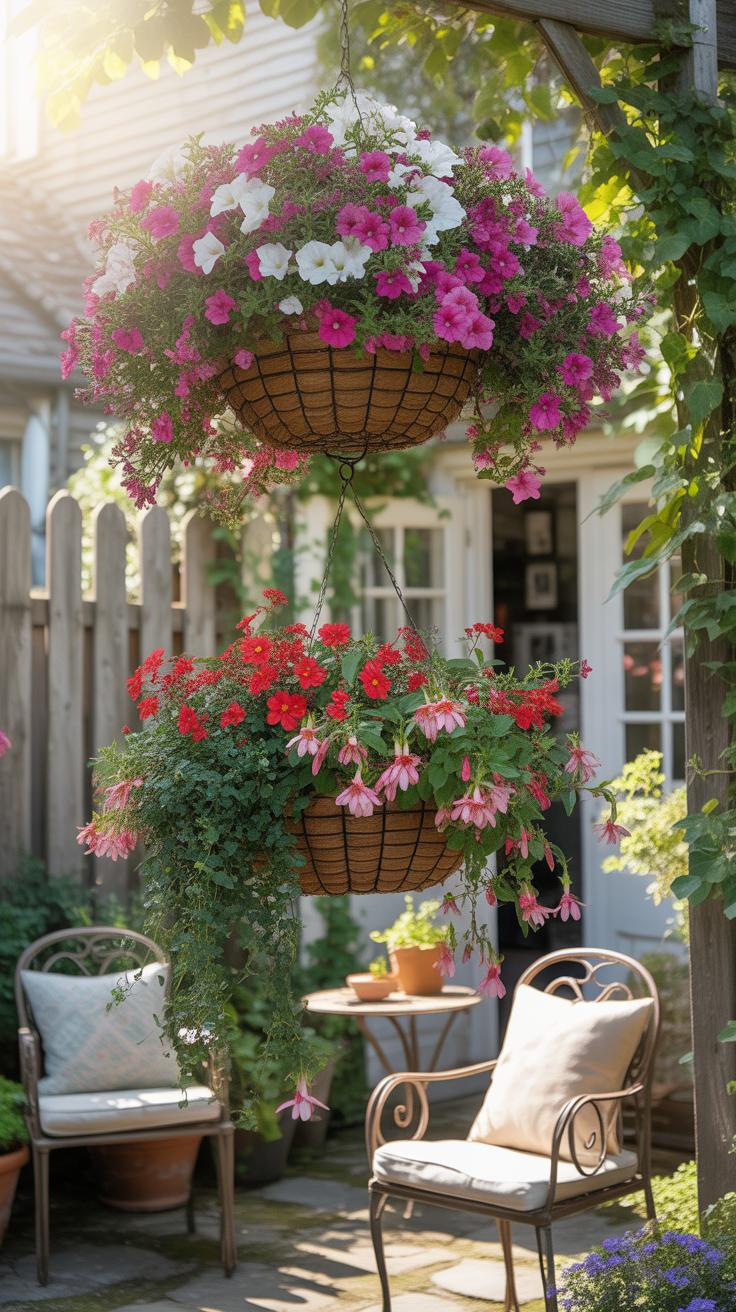
Seasonal Themes And Plant Combinations For Year Round Hanging Basket Appeal
Effective year-round displays require a strict schedule of plant rotation based on temperature thresholds. Spring baskets utilize cold-tolerant species like pansies and violas that thrive in cool soil. Summer transitions require heat-loving plants like petunias or lantana to handle high ultraviolet exposure. You must match the growth rate of each plant. Fast growers will choke out slower species if you mix them in the same container.
Fall displays rely on hardy ornamental peppers and kale to survive the first frost. Most gardeners stop in winter, but you should use evergreen boughs and berries for structure. Match your colors to the natural light of the season. Use bright yellows and whites in spring to catch early sun. Use deep purples and oranges in fall to ground the visual weight of your porch or garden.
Where To Hang Your Baskets For Maximum Visual Impact In Any Garden Or Patio
Placement determines the visual success of your effort. Hang baskets at eye level to create immediate vertical interest. This technique draws the gaze upward and makes small patios feel larger. You should place baskets near entryways to frame doors or gates. Use heavy-duty wall brackets for masonry and swivel hooks for overhead beams. Proper hardware prevents accidents and allows you to rotate plants for even sunlight.
Analyze the shadows on your property before drilling holes. You must align the plant species with the light available at that specific spot. A basket in deep shade will fail even with perfect watering. Cluster baskets in groups of three at varying heights for a professional look. This creates a wall of color rather than a single floating point. Strategic placement hides ugly fences and breaks up flat external walls.
Frequently Asked Questions

What are the best plants to use when starting a hanging basket for the first time?
For those new to hanging basket gardening, it is best to start with hardy, low-maintenance varieties that trail beautifully. Petunias, fuchsias, and trailing lobelia are iconic choices because they provide lush coverage and vibrant color with minimal effort. If you have a sun-drenched porch, pelargoniums are incredibly resilient. Beginners should focus on “thrillers” for height and “spillers” to flow over the edges for a professional, full-bodied look immediately.
How often should I water and fertilize my hanging plants to keep them healthy?
Because they are exposed to air on all sides, hanging baskets dry out much faster than garden beds. During hot summer months, you may need to water them daily or even twice a day. To master hanging basket gardening, always check the soil moisture with your finger first. Additionally, since frequent watering leaches nutrients, apply a liquid seaweed or balanced fertilizer every two weeks to keep your blooms prolific and foliage green.
Is hanging basket gardening expensive to set up on a tight budget?
Not at all! You can easily enjoy this hobby without spending a fortune by upcycling household items like old colanders or sturdy plastic buckets as planters. Simply drill drainage holes and add a layer of inexpensive coconut coir or moss. Buying “plug plants” instead of fully grown nursery pots also saves significant money. With a little creativity, you can create a stunning vertical display that adds immense curb appeal for just a few dollars.