

What Is Window Box Gardening And Why ItS Worth It
The Origins And Purpose Of Window Box Gardening
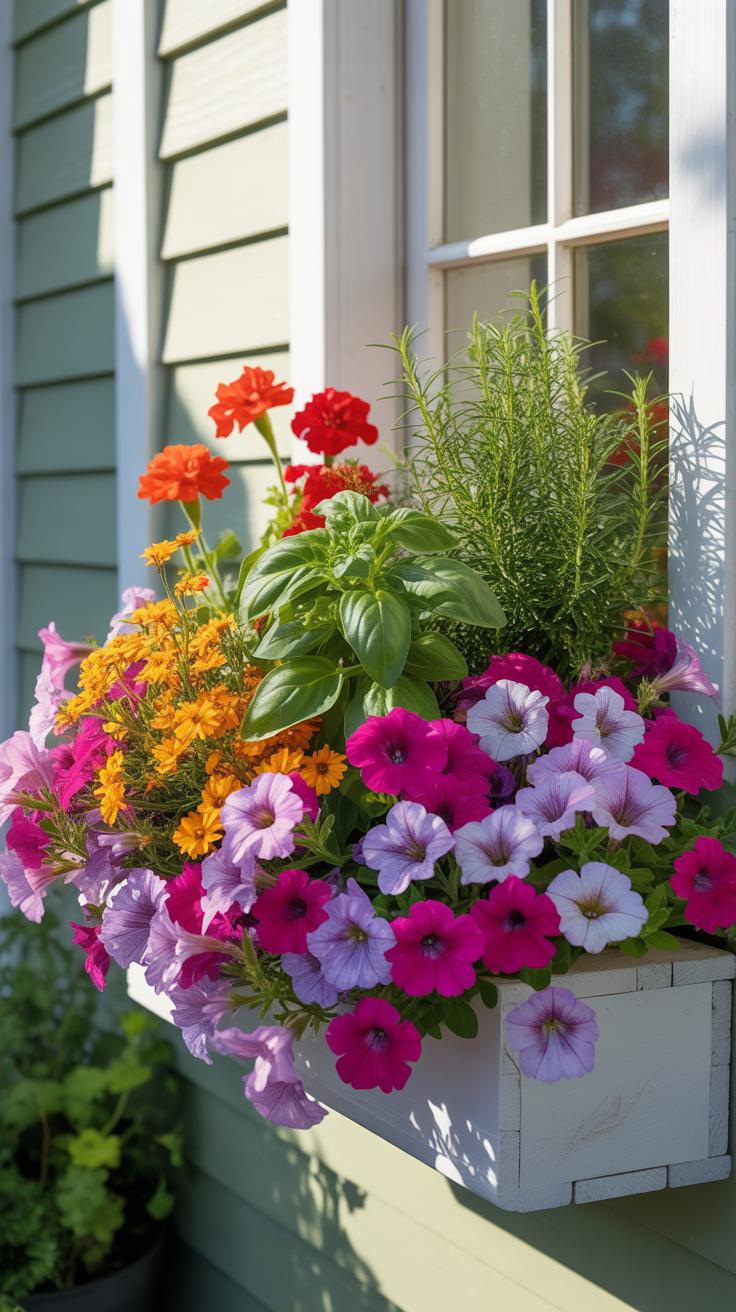
Window box gardening started in ancient Rome. Residents in crowded urban areas lacked land for traditional farms. They built small terracotta containers to grow herbs and medicinal plants on their windowsills. This method allowed families to access fresh food in tight city spaces. It served a purely functional role. These early gardens provided nutrition and healing ingredients directly to the kitchen.
During the Victorian era, the purpose shifted toward aesthetics. Homeowners used cast iron and wood boxes to display exotic flowers. This trend showed off wealth and horticultural skill. Today, window box gardening combines these two goals. Modern growers use them for high-yield food production or curb appeal. The core purpose remains efficient use of space. You maximize your footprint by gardening vertically on existing structures.
How Window Boxes Add Character And Value To Any Home
Window boxes provide immediate structural rhythm to a house. They break up flat walls and draw the eye to architectural features. Well-maintained boxes signal that a homeowner cares about detail. This perceived effort increases curb appeal and market interest. Real estate experts often suggest them as a low-cost upgrade. They hide unsightly sills and create a cohesive look across different exterior materials.
Strategically placed boxes also help regulate interior temperatures. Dense foliage provides a layer of shade against the glass. This reduces solar heat gain during summer months. In urban settings, boxes act as sound buffers against street noise. They create a private transition zone between the public sidewalk and your private living space. You gain a functional garden and a more comfortable home environment with one installation.
Choosing The Right Window Box Flowers For Every Season
Spring And Summer Window Box Flower Ideas That Bloom Beautifully
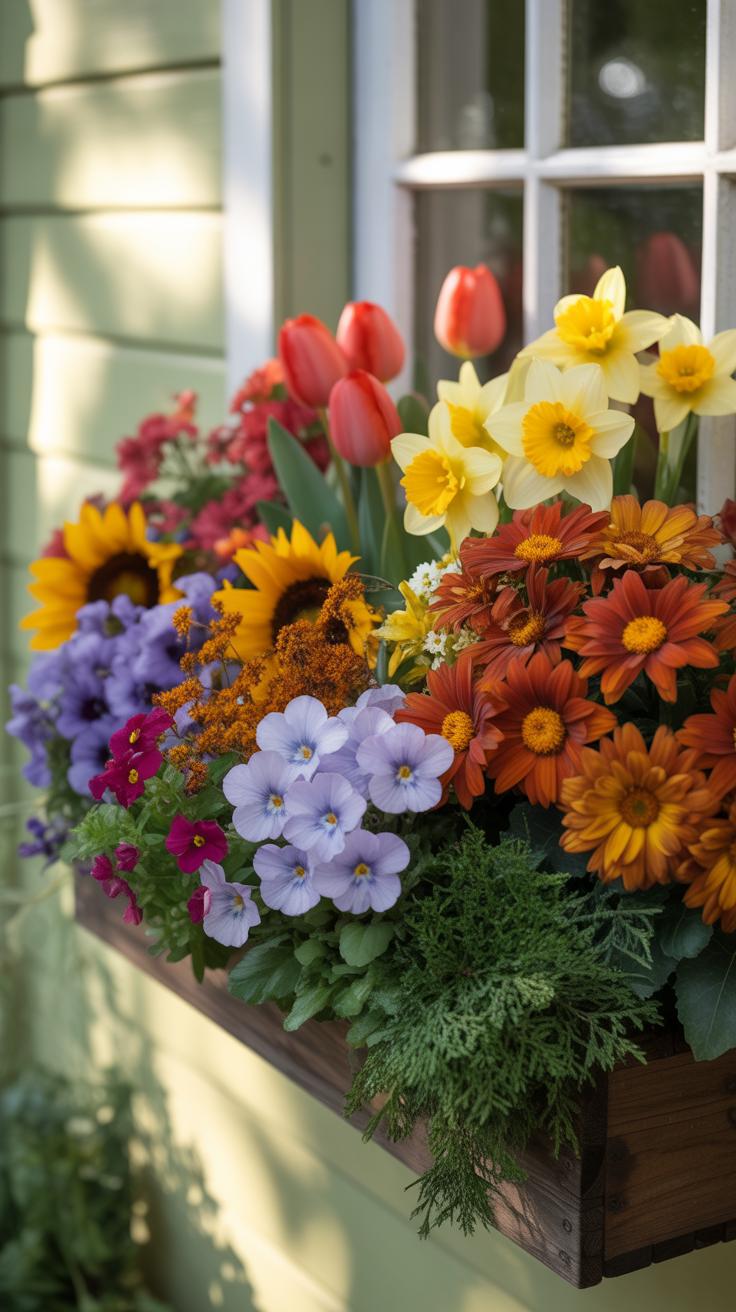
Spring window boxes require plants that handle fluctuating temperatures. Pansies and violas survive late frosts while providing early color. Combine these with bulbs like dwarf daffodils for vertical structure. These species thrive in the increased daylight of March and April. They establish strong root systems before the heat of summer arrives. Early planting ensures the box fills out completely before the next growth phase.
Summer demands heat-tolerant species that withstand direct sun exposure. Pelargoniums and petunias offer high drought resistance and continuous flowering. Use trailing lobelia or sweet alyssum to cover the edges of the container. This technique reduces soil evaporation by shading the surface. Regular deadheading maintains the bloom cycle through August. High-density planting prevents weed growth and maintains a professional appearance throughout the warmest months.
The glory of gardening: hands in the dirt, head in the sun, heart with nature. To nurture a garden is to feed not just on the body, but the soul.
Autumn And Winter Window Box Flowers To Keep Your Home Vibrant Year Round
Autumn shifts the focus from soft petals to hardy textures and bronzed foliage. Heuchera and ornamental peppers provide deep colors that survive cooler nights. Use chrysanthemums for immediate impact but monitor soil moisture closely. These plants bridge the gap between summer heat and winter frost. Selecting varieties with dark leaves creates a strong visual contrast against light-colored exterior walls or window frames.
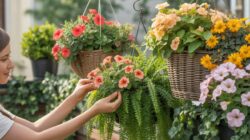
Winter window boxes require evergreen structure to avoid a barren look. Combine English ivy with dwarf conifers for permanent green architecture. Add cyclamen or winter-flowering heather for subtle color in freezing temperatures. These plants survive dormant periods without losing their shape. Incorporating dried elements like birch branches or berries adds height and visual interest. Focus on resilience to ensure the container remains attractive until the spring thaw.
Best Window Box Plants For Lush And Long Lasting Displays
Low Maintenance Window Box Plants Perfect For Busy Homeowners
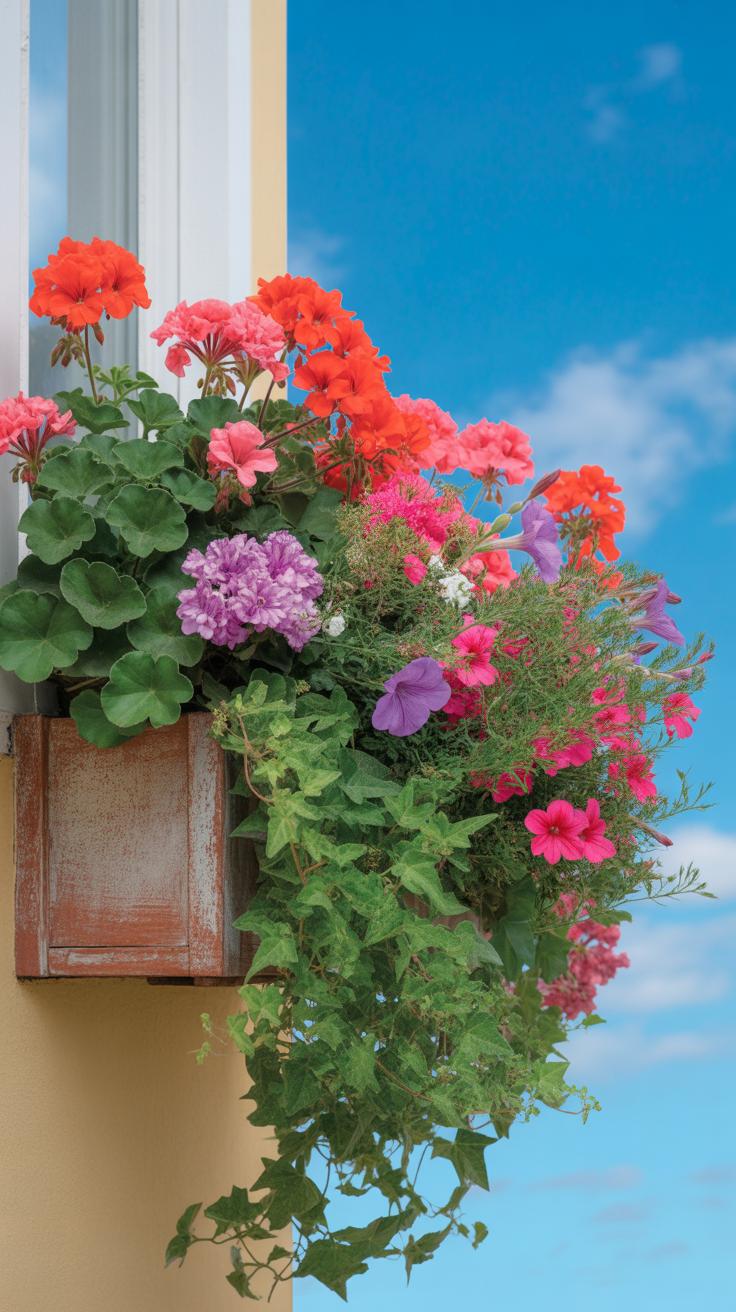
Select plants that thrive on neglect to ensure your window box survives the season. Geraniums remain a top choice because they tolerate drought and rebound quickly after a dry spell. These plants store water in their stems and require minimal deadheading to continue blooming. Use them in south-facing boxes where the sun is strongest and water evaporation happens at the fastest rate.
Succulents and sedums offer a modern aesthetic with almost zero maintenance requirements. These species thrive in gritty soil and require very little water compared to traditional annuals. Place succulents in shallow boxes with excellent drainage to prevent root rot. This strategic choice saves time and reduces the need for daily monitoring. These plants maintain their structure and color even during intense summer heat.
Mixing Foliage And Flowering Window Box Plants For Layered Visual Interest
Apply the thriller, filler, and spiller design rule to create a professional look. Use a central flowering plant as the focal point to draw the eye. Surround this centerpiece with foliage plants like coleus or heuchera to provide a steady backdrop. Foliage maintains the visual weight of the box when flowers take a break from blooming. This layered approach creates depth and hides the potting soil.
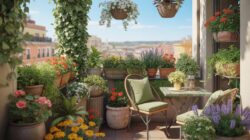
Incorporate trailing vines to break up the hard lines of the window box container. Sweet potato vine or ivy provides a cascading effect that connects the box to the rest of the house. Contrast the texture of small leaves with larger flowering petals to add complexity without clutter. Proper plant spacing prevents overcrowding and ensures each layer receives enough airflow. Healthy airflow reduces the risk of fungal diseases.
Top Window Box Flowers For Sun Drenched Spots And Bright Exposures
Heat Tolerant Window Box Flowers For Sun That Thrive All Summer Long
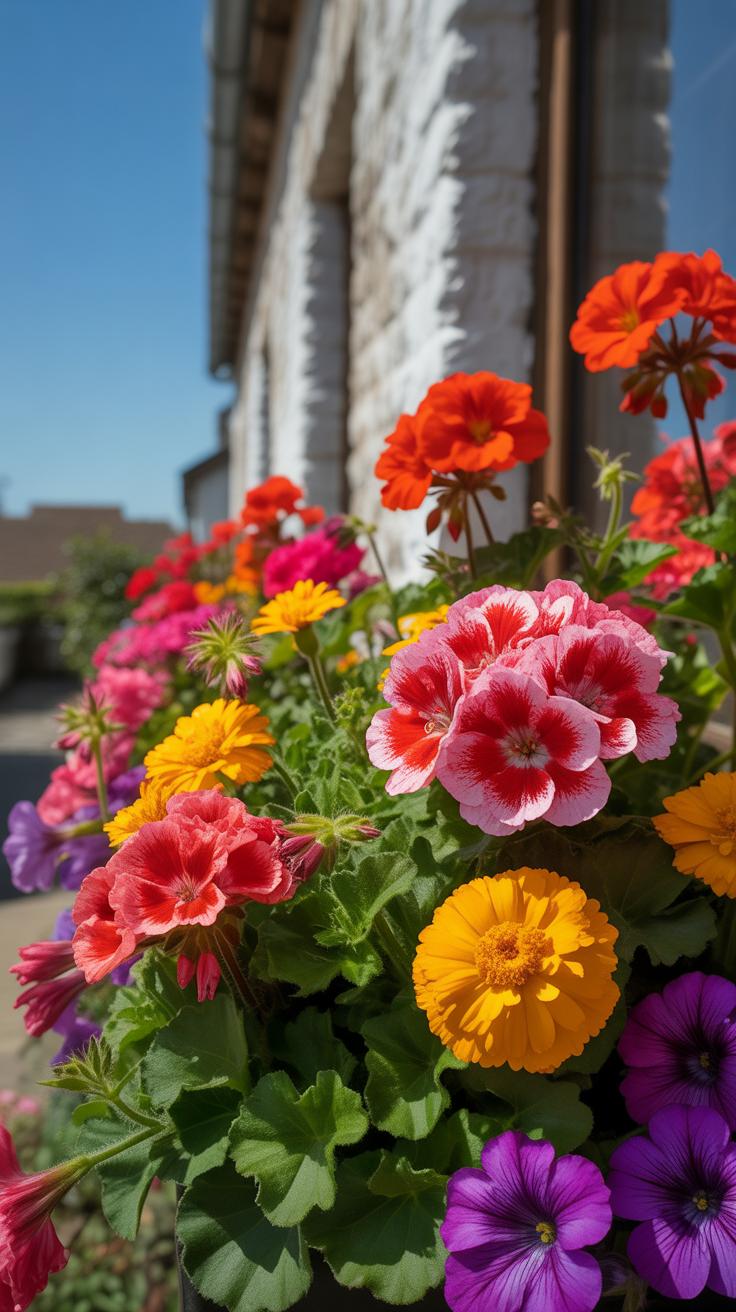
South-facing window boxes face intense thermal stress and high UV exposure. You must select species with physiological adaptations to heat, such as waxy cuticles or water-storing tissues. These plants maintain turgor pressure even when ambient temperatures exceed ninety degrees. Selecting the wrong species leads to scorched foliage and stunted growth. Choose cultivars specifically bred for high-performance solar endurance to ensure consistent blooming through the hottest months.
- Zonal Geraniums: These plants feature thick stems and fuzzy leaves that resist water loss. They handle direct sunlight better than most flowering perennials. Deadhead spent blooms to redirect energy toward new bud production and maintain a clean appearance throughout the peak growing season.
- Lantana: This species thrives in extreme heat and poor soil conditions. Its woody structure provides a sturdy base for the window box. It attracts pollinators while requiring very little supplemental feeding. Lantana remains vibrant even during prolonged heat waves that cause other flowers to fail.
- Angelonia: Often called summer snapdragon, this upright plant offers vertical interest and heat resistance. It does not require deadheading to remain productive. Its stiff stems withstand wind gusts common at higher window elevations. Use it as a central thriller element in your container design.
- Portulaca: Also known as moss rose, this succulent stores water in its fleshy leaves. It is the ultimate choice for shallow boxes that dry out quickly. The flowers open in full sun and close under clouds. It provides excellent ground cover and spills over the box edges.
- Pentlas: These star-shaped flowers are highly resistant to heat and humidity. They maintain their color intensity under heavy UV exposure without fading or bleaching. They grow at a moderate pace, making them easy to manage in confined spaces. Use them to fill the mid-section of your arrangement.
Proper plant placement within the box determines the longevity of the display. Put taller, sun-hungry species at the rear to provide a slight windbreak for smaller plants. Grouping plants with similar transpiration rates prevents one species from outcompeting others for moisture. Use high-quality potting soil with perlite to ensure drainage. Good drainage prevents root rot during the heavy watering cycles required for sun-exposed containers.
How To Care For Sun Facing Window Boxes Without Overwatering Or Wilting
Sun-facing boxes require a disciplined watering schedule to prevent soil hydrophobic behavior. Water the boxes early in the morning before the sun hits the foliage. This timing allows the plants to hydrate before the peak evaporative demand of the afternoon. Avoid wetting the leaves directly to minimize the risk of fungal infections or sun scald. Check soil moisture levels daily by inserting a finger two inches deep.
Mulching the soil surface significantly reduces evaporation rates and stabilizes soil temperature. Use organic materials like cedar chips or cocoa hulls to create a protective barrier. Apply liquid fertilizer every two weeks to replace nutrients washed away by frequent watering. If the soil pulls away from the container edges, the root ball has become too dry. Submerge or slow-drip water until the soil expands back to the container walls.
Selecting The Best Window Planters For Style And Functionality
Material Guide: Wood, Metal, Plastic, And Fiberglass Window Planters Compared
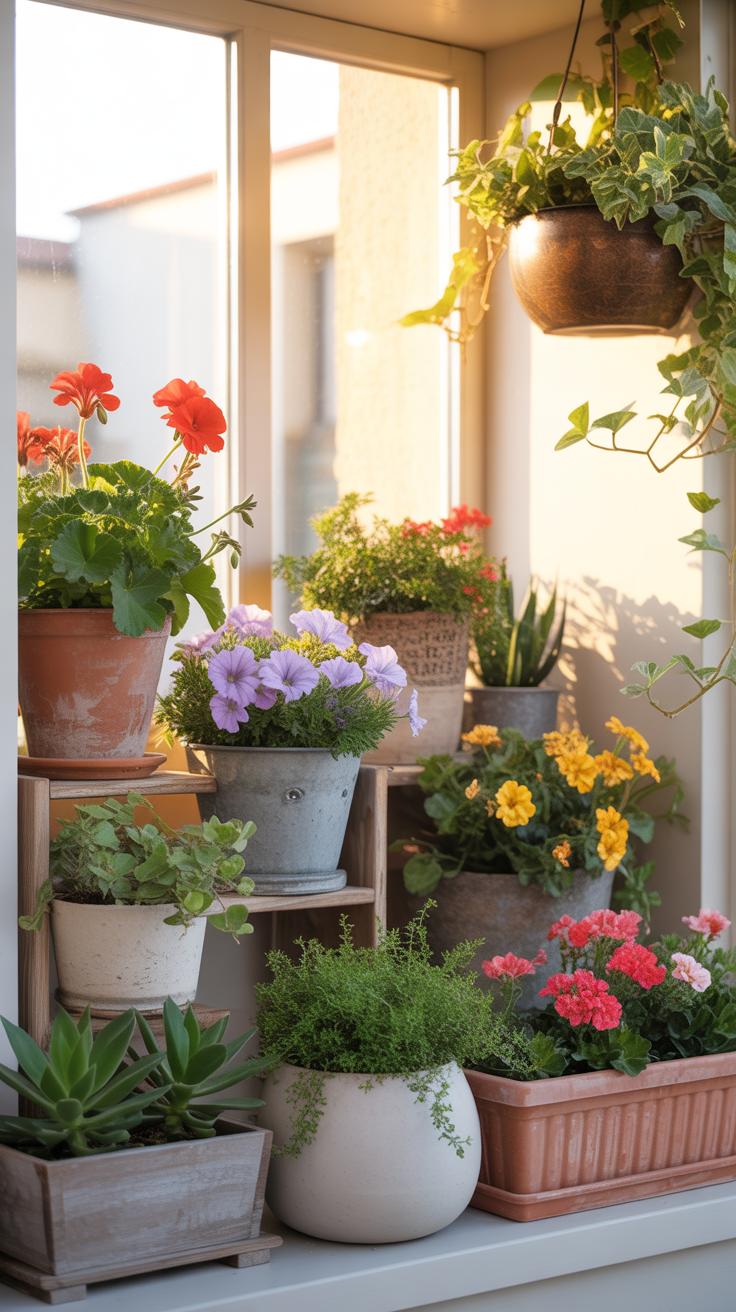
Cedar and redwood naturally resist rot and insects without toxic chemicals. They offer a classic look that fits traditional architecture. Metal options like copper or galvanized steel provide high durability but conduct heat quickly. This heat can stress plant roots during summer months. Always use a liner with metal to prevent corrosion and soil overheating. Fiberglass remains the professional choice for its strength and light weight.
Plastic is the most affordable and keeps moisture well. High quality resins resist fading from sun exposure. Cheap plastics crack during winter freezes. Fiberglass mimics stone or wood textures but does not warp or rot. It handles extreme temperature shifts without breaking. Choose your material based on your local climate and maintenance capacity. Heavy materials require stronger mounting hardware to remain safe over time.
How To Size And Secure Your Window Planters Safely And Correctly
Correct sizing requires measuring the window width first. The planter should match the window width or be slightly shorter. Standard depths of eight inches allow for healthy root growth. Ensure the planter holds enough soil to prevent rapid drying. Large containers become very heavy when you add water. Calculate the total wet weight before choosing your mounting brackets and screws.
Safety demands securing brackets directly into wall studs or masonry. Do not rely on siding or window trim to hold the weight. Use stainless steel or galvanized hardware to prevent rust streaks on your house. Level the brackets to ensure even water distribution across the soil. Leave a small gap between the planter and the wall. This gap prevents trapped moisture from causing rot on your siding.
Creative Flower Window Boxes Ideas To Match Your Homes Aesthetic
Cottage Modern And Mediterranean Flower Window Boxes Styles Explained
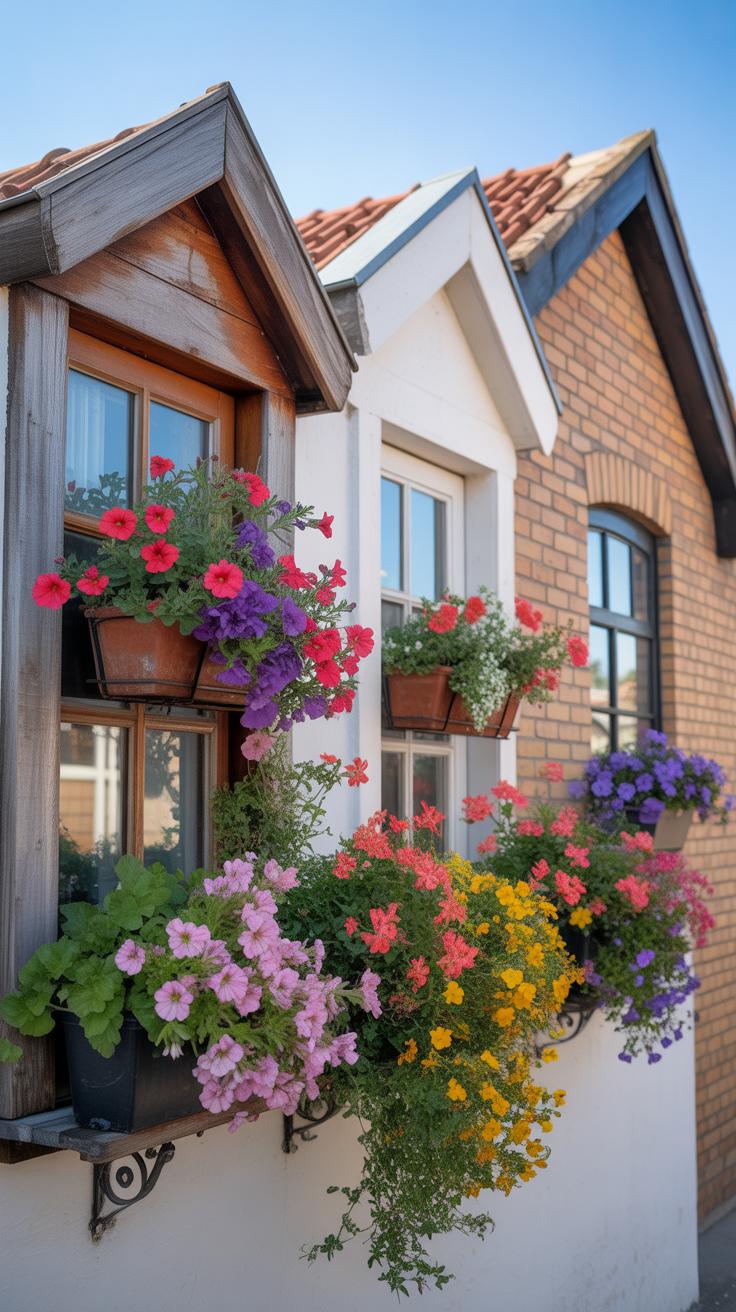
Cottage design uses dense plantings to mimic English gardens. This style relies on wood boxes and traditional joinery. Proper cottage setups use spillers like lobelia to soften hard edges. You must use organic shapes and varied heights. Select wood like cedar to resist rot. This style works best on brick or stone facades. High density planting keeps soil moisture levels consistent in heat.
Modern style focuses on clean lines and industrial materials. Use zinc, steel, or fiberglass boxes with sharp corners. Plantings should be geometric and minimalist. Focus on one or two species like horsetail or snake plants. Mediterranean style requires terracotta or clay vessels. These materials breathe well and suit drought tolerant plants. Use lavender or rosemary to match this historical architectural theme.
Color Coordination Tips For Stunning Flower Window Boxes Displays
Match flower colors to your home exterior using the color wheel. Complementary colors create high contrast for curb appeal. Use purple flowers against yellow paint for maximum visual impact. Neutral houses benefit from monochromatic schemes using various shades of one color. This technique adds depth without looking messy. Darker boxes absorb more heat and dry out soil faster than light colors.
Consider the fixed elements like roof shingles and window trim. Analogous colors sit next to each other on the wheel and create calm. For example, pair blue flowers with green foliage. Limit your palette to three colors to maintain a professional look. Use white flowers to provide high visibility at night. Consistent color patterns make small spaces look larger and more organized.
Inspiring Window Boxes Ideas For Small Spaces And Urban Homes
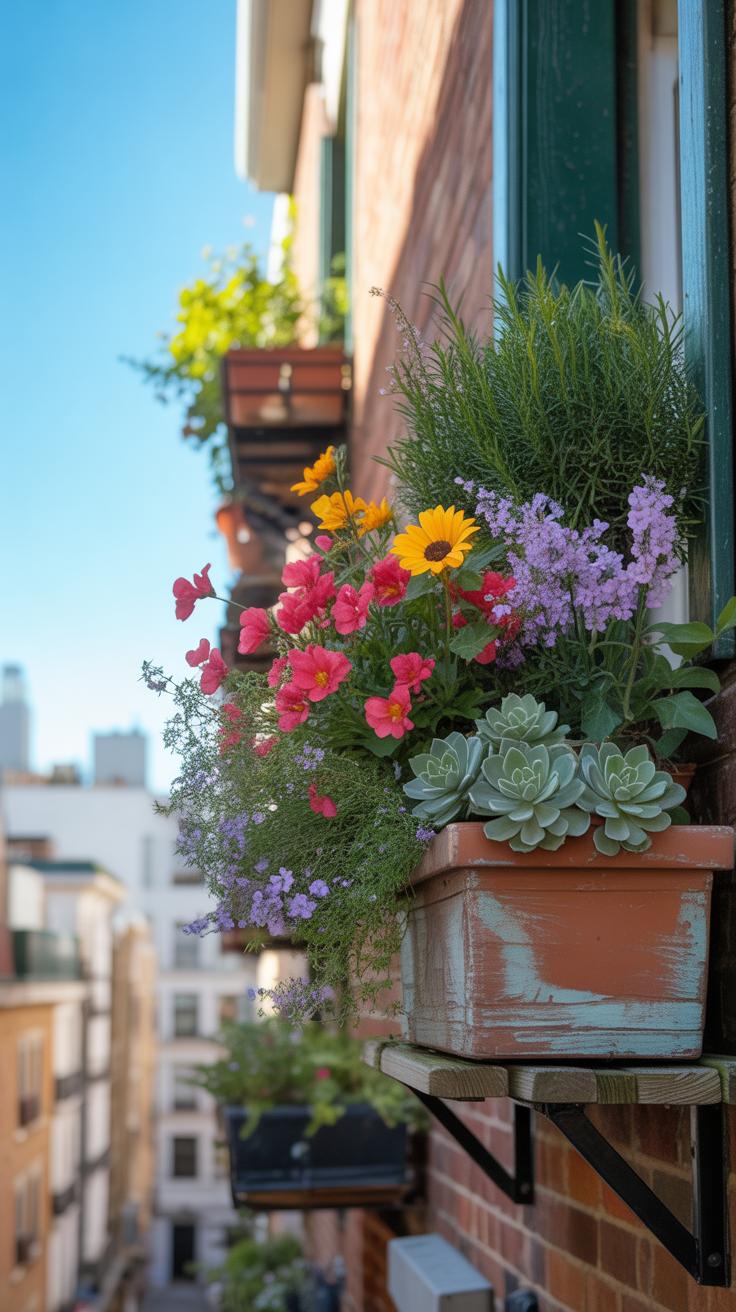
How To Plant A Window Flower Box In A Small Apartment Or Balcony Setting
Select a lightweight fiberglass or high-grade plastic box to reduce structural load on railings. Ensure the container has drainage holes to prevent root rot. Use a high-quality potting mix instead of garden soil to maintain aeration. Secure the box with steel brackets rated for the specific weight of wet soil. Check local building codes regarding overhanging objects before installation to avoid fines.
Place tall plants in the back and trailing varieties in the front. This layering technique maximizes visual impact in tight quarters. Water frequently because small containers dry out faster than the ground. Use a drip tray to catch runoff and prevent water from dripping on neighbors below. Monitor sun exposure daily to choose plants that thrive in your specific microclimate.
Window Boxes Ideas That Double As Herb Gardens For Everyday Use
Culinary window boxes provide immediate access to fresh ingredients for urban cooks. Position these boxes near the kitchen window for efficiency. Choose herbs that share similar water and light requirements. Grouping mediterranean herbs like rosemary and thyme ensures they thrive in well-draining soil. This tactical approach turns decorative space into a functional food source that saves money and improves health.
- Broadleaf Parsley: This biennial herb thrives in partial shade and consistent moisture. It provides high yields in small containers. Harvest the outer leaves first to keep the center growing.
- Common Thyme: This hardy perennial prefers full sun and dry conditions. It requires very little maintenance once established. Its trailing habit makes it perfect for the front edge of a window box.
- Sweet Basil: Give basil high heat and plenty of afternoon sun. Pinch off the top leaves regularly to prevent the plant from flowering and becoming bitter. It needs frequent watering during summer months.
- Chives: These plants occupy minimal horizontal space and grow vertically. They tolerate cold weather well and return every year. The purple flowers are edible and attract beneficial pollinators to your balcony garden.
- Greek Oregano: Use this vigorous grower to fill empty gaps quickly. It acts as a ground cover and prevents soil evaporation. Trim it back often to maintain a compact shape and encourage new flavorful growth.

Harvest herbs in the morning when essential oils are most concentrated. Sharp shears prevent bruising the delicate stems. Avoid removing more than one third of the plant at a time to ensure continued growth. Rotate the box every two weeks so all plants receive equal sunlight. Supplement with organic liquid fertilizer every month to replace nutrients leached out during frequent watering cycles.
How To Plant A Window Flower Box Like A Pro From Soil To Bloom
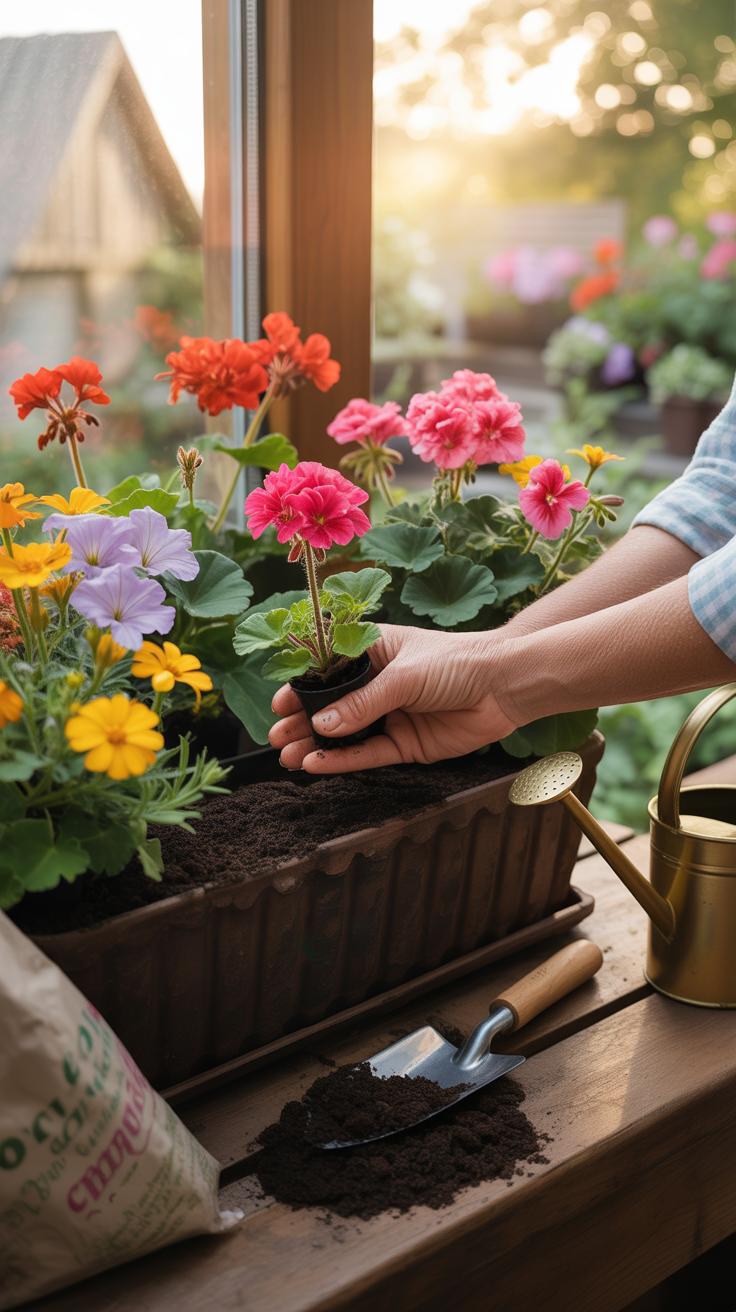
Choosing The Right Soil Mix And Drainage Setup For A Healthy Plant Window Display
Never use standard garden soil in window boxes. High density dirt compacts quickly and smothers root systems. Successful gardeners use a lightweight potting mix containing peat moss or coconut coir. These materials retain moisture without becoming waterlogged. Add perlite or vermiculite to improve aeration. Proper airflow prevents root rot and allows plants to establish strong foundations in confined spaces.
Drainage is the most critical technical factor. Ensure the container has half-inch holes spaced every six inches. Blockage leads to standing water and fungal infections. Place a thin layer of fine mesh over the holes to keep soil inside. Avoid adding rocks or gravel to the bottom. This old technique creates a perched water table that actually traps moisture near the roots.
Planting Depth, Spacing, And Watering Routines That Keep Window Boxes Thriving
Follow the specific depth requirements for each individual species. Set the root ball so the top sits one inch below the rim of the box. This gap prevents water and soil from spilling over the edge during maintenance. Space plants closer than in traditional garden beds to create an immediate full look. This high density helps the foliage shade the soil and reduce evaporation.

Watering frequency depends on container material and sun exposure. Wooden and terracotta boxes lose moisture faster than plastic or metal variants. Inspect the soil daily by sticking a finger one inch deep. If the soil feels dry, apply water until it drains from the bottom holes. Morning watering is best. It allows leaves to dry before nightfall, which prevents common mildew and blight issues.
Frequently Asked Questions

What are the best plants for a beginner starting a window box?
If you are new to window box gardening, start with hardy, low-maintenance varieties like petunias, geraniums, or marigolds. These flowers provide vibrant color and are forgiving of minor gardening mistakes. For a more modern look, consider mixing in trailing ivy or resilient succulents. The key is choosing plants that share the same light and water requirements to ensure your miniature garden thrives with minimal effort throughout the season.
How do I ensure proper drainage for my window box plants?
Proper drainage is essential for successful window box gardening to prevent root rot. Always choose a container with pre-drilled holes or add them yourself before planting. Place a thin layer of gravel or landscaping mesh at the bottom to stop soil from clogging the outlets. Use a high-quality potting mix rather than garden soil, as it is specifically designed to remain airy and allow excess water to flow through freely.
Can I create a stylish window box garden on a tight budget?
Absolutely! You can achieve a high-end look without a large investment by upcycling wooden crates or using plastic liners inside affordable wire troughs. To save money, consider growing your plants from seeds or propagating cuttings from friends. Focus on fast-growing greenery like sweet potato vine to fill space quickly. A simple coat of outdoor paint on an inexpensive container can instantly elevate your home’s curb appeal for just a few dollars.