What Are Self Watering Planters And How Do They Actually Work
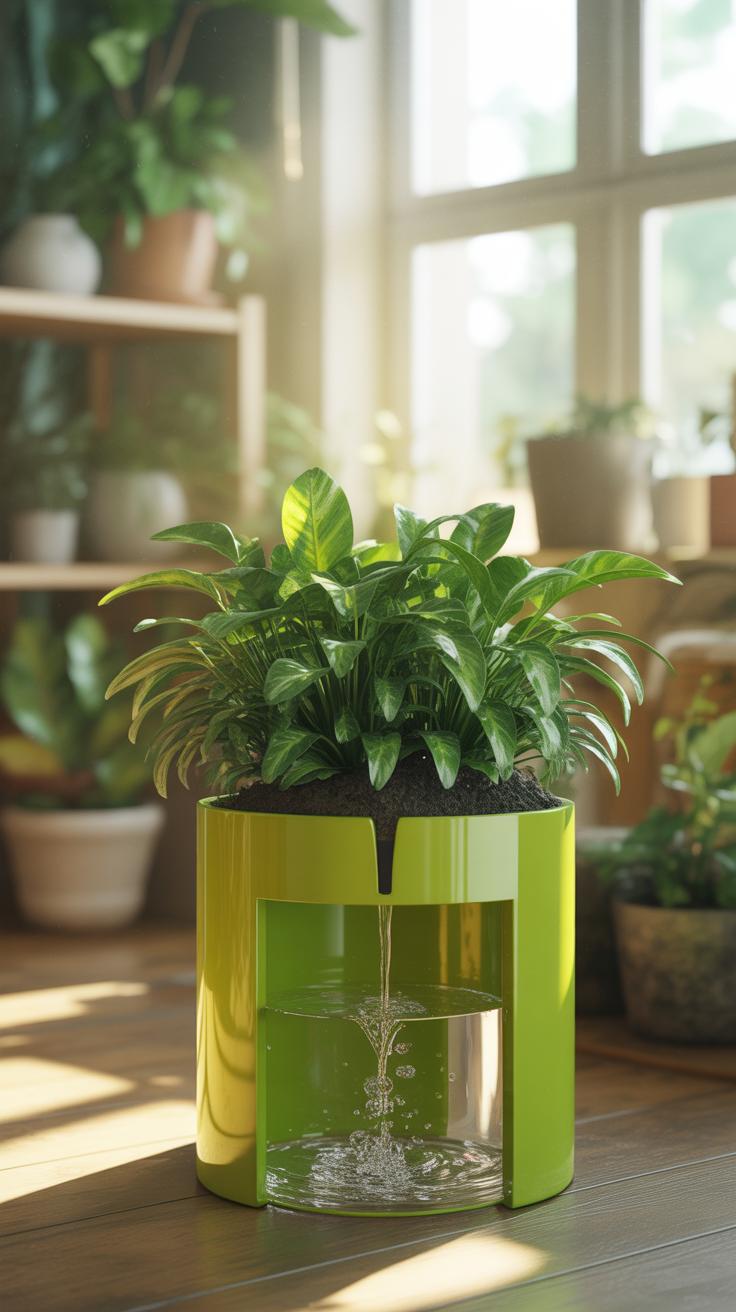
The Science Behind Sub Irrigation In Self Watering Planters
Self watering planters rely on sub-irrigation to deliver moisture directly to plant roots. This method uses capillary action to move water upward from a base reservoir. Soil particles pull liquid through small gaps against the force of gravity. This process keeps the growing medium moist without saturating the surface. It mimics how plants draw ground water in natural settings through deep soil layers.
This system creates a consistent moisture level that prevents plant stress. Traditional top watering causes a cycle of extreme wetness and drought. Sub-irrigation eliminates this volatility by providing a steady supply of hydration. Plants take exactly what they need based on evaporation rates and growth stages. This efficiency reduces water waste and prevents soil compaction. It also keeps foliage dry to stop fungal diseases.
Key Components That Make A Self Watering Planter Function Properly
A functional self watering system requires four main parts to work. The water reservoir sits at the bottom of the container. A separator platform keeps the soil above the water level to prevent root rot. Wicking chambers or fabric strips connect the soil to the liquid below. An overflow hole prevents the reservoir from flooding during heavy rain or overfilling by the user.
Proper aeration is also vital for root health in these systems. Most designs include air gaps between the water surface and the soil platform. This space allows oxygen to reach the root zone while the wicking action continues. A fill tube lets you add water directly to the base. This design ensures the top inch of soil remains dry while the roots stay hydrated underground.
Top Benefits Of Using Self Watering Planters Indoors And Outdoors
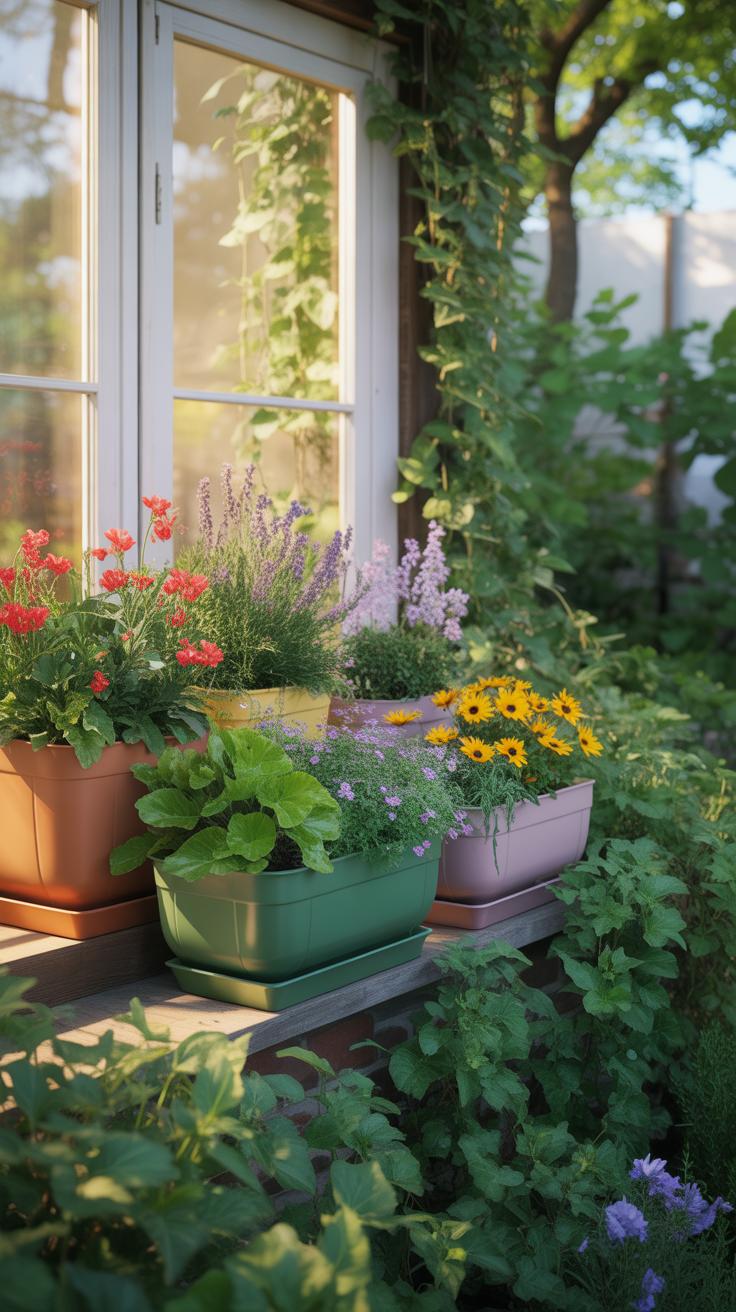
How Self Watering Planters Conserve Water And Reduce Plant Stress
Self watering planters use a sub-irrigation system to deliver moisture directly to the root zone. This system eliminates surface evaporation common in top watering methods. The sealed reservoir prevents runoff and ensures every drop supports plant growth. This efficiency saves considerable amounts of water over time. It mimics the natural capillary action found in soil to keep moisture levels consistent and controlled.
Plants face less physiological stress when they have a stable water supply. Traditional watering creates a cycle of flood and drought that damages delicate root hairs. A sub-irrigation reservoir provides water only when the plant needs it. This prevents root rot by keeping the upper soil layer aerated and dry. The result is a stronger root system and more resilient foliage growth in any environment.
The best self-watering planters allow us to preserve the timeless beauty of nature while making a stylish home feel like a living, breathing sanctuary. Growing things is a way to stay connected to the soul of the Earth, even in the busiest of modern lives.
Why Busy Homeowners And Frequent Travelers Rely On Self Watering Planters
Modern lifestyles require tools that automate basic maintenance tasks. Self watering planters act as a mechanical buffer between the gardener and the plant. These containers hold enough water to sustain growth for several weeks without human intervention. This automation removes the need for daily monitoring. It ensures that expensive tropical plants or outdoor vegetables do not die when the owner is away from home.
Reliability is the primary reason professionals choose these systems. A visible water level indicator tells the user exactly when to refill the reservoir. This data-driven approach removes guesswork and prevents human error. Travelers can leave for extended periods knowing their greenery will stay healthy. The system maintains the life of the plant through consistent hydration. It provides peace of mind and protects the financial investment in landscaping.
Best Self Watering Planters For Indoor Spaces And Home DCor
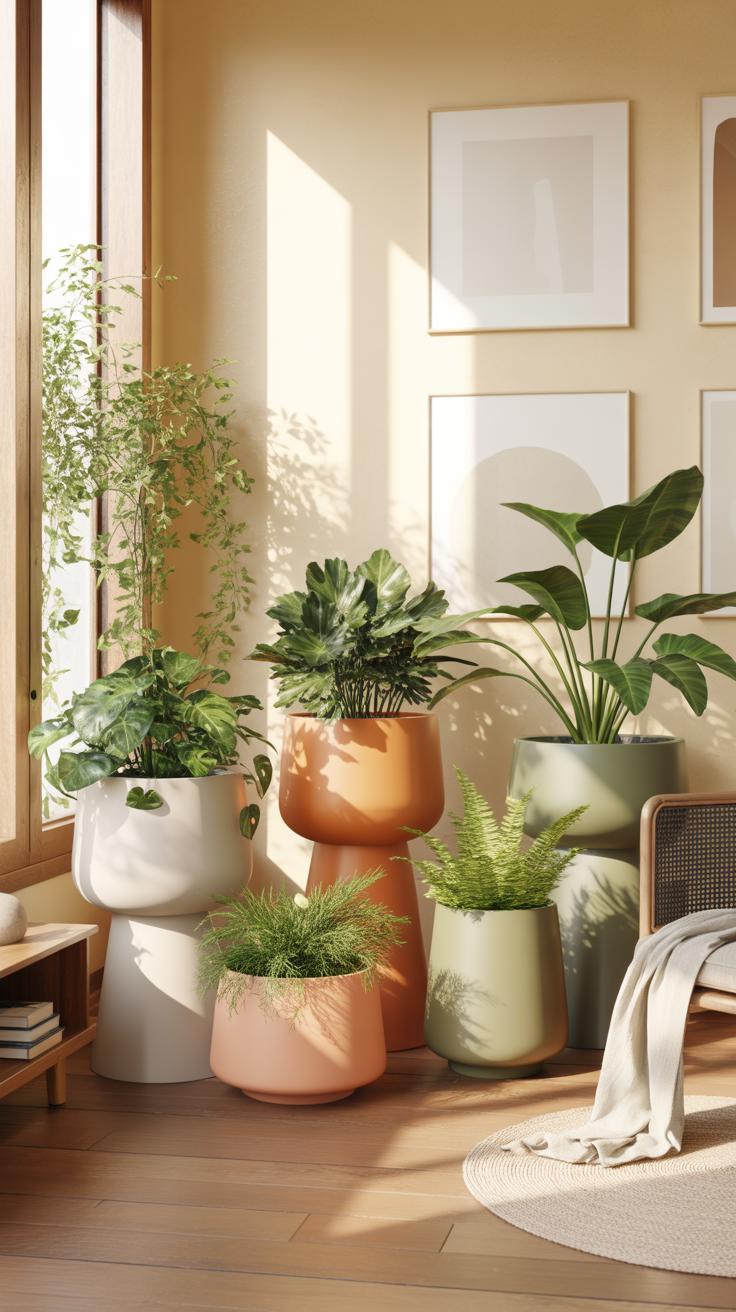
Stylish Self Watering Planters That Complement Modern Interior Design
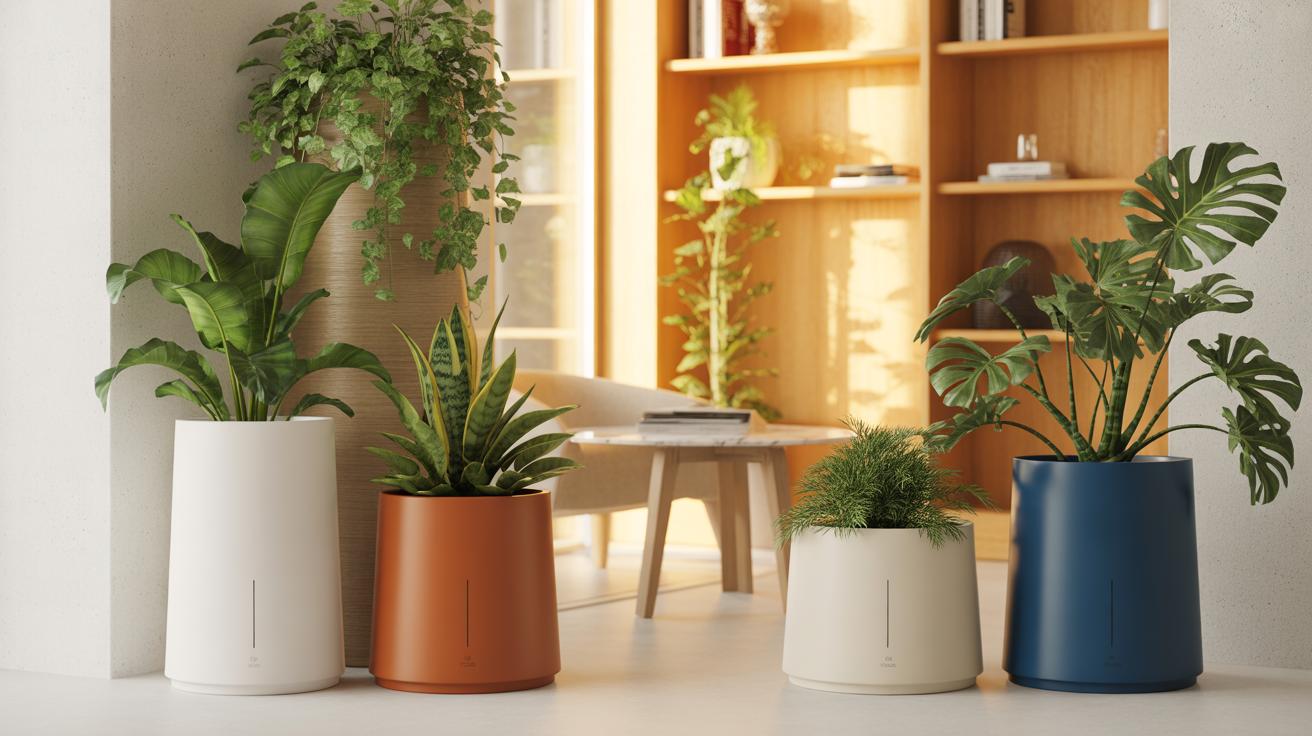
Modern interior design relies on clean lines and functional materials. Self watering planters now use high-grade polypropylene and ceramic finishes to match this aesthetic. These units hide the water reservoir beneath a false floor. This design maintains a sleek profile while keeping plants healthy. Manufacturers use matte coatings and neutral tones to ensure the hardware stays secondary to the room design.
Sub-irrigation systems work via capillary action to move water from the base to the roots. This method prevents salt buildup on the soil surface and keeps the foliage dry. High-end models often include water level indicators made of transparent plastic. These tools allow homeowners to monitor levels without disrupting the visual flow of the space. Proper design ensures the planter looks like standard high-quality pottery.
Compact Self Watering Planters Ideal For Shelves, Windowsills And Small Spaces
Small spaces require high efficiency and leak-proof construction. Compact self watering planters utilize vertical reservoirs to maximize soil volume in tight areas. These units often feature narrow footprints for windowsills. The internal wicking system allows small herbs and tropicals to thrive without frequent manual watering. Use these tools to keep plants alive in low-humidity indoor environments where small pots dry out fast.
Placement on shelves demands a secure water containment system. Strategic design prevents overflow and protects wood surfaces from moisture damage. Most compact models use a dual-shell system where the outer decorative pot acts as the tank. This eliminates the need for messy drainage saucers. You get a cleaner look for office desks and bookshelves while reducing the time spent on maintenance tasks.
Self Watering Planter DIY How To Build Your Own At Home
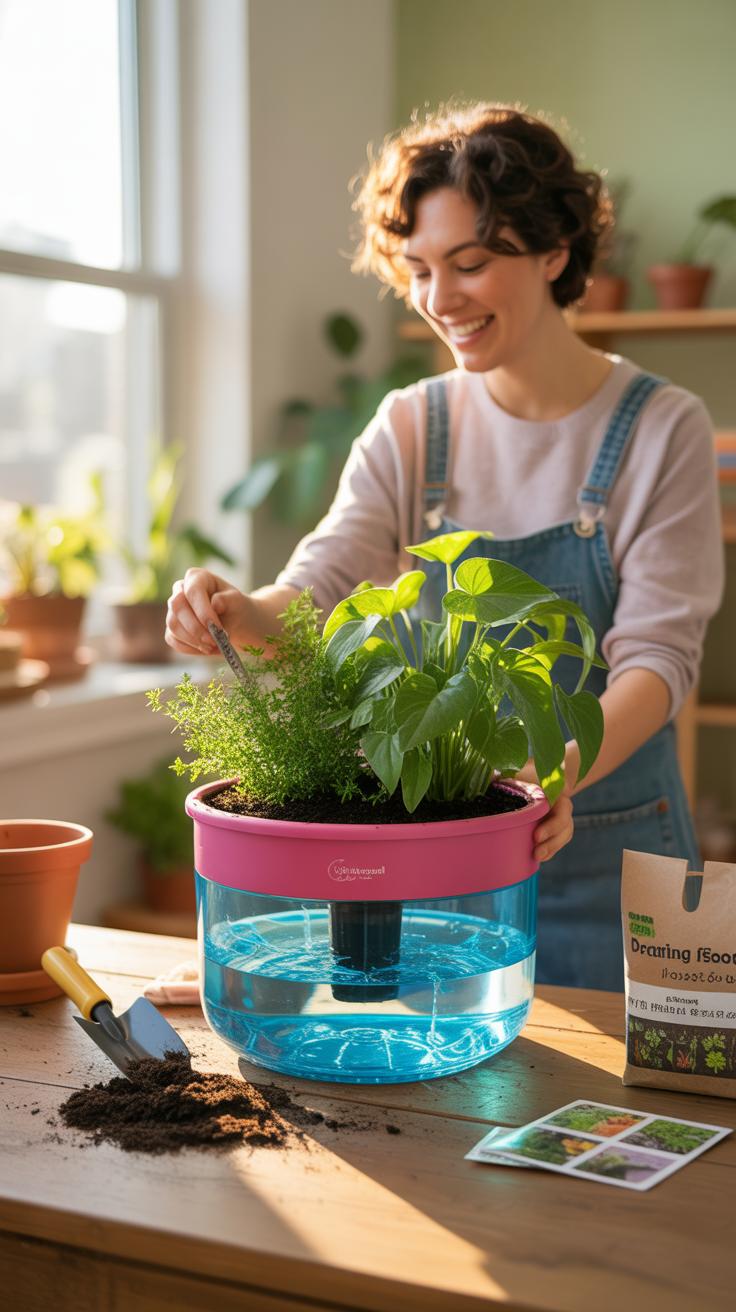
Materials You Need To Build A Simple DIY Self Watering Pot
Building a functional sub-irrigation system requires specific components to move water against gravity. You need two containers of different sizes or one container with a divider. This setup creates a reservoir at the bottom and a soil chamber above. Tactical material selection ensures the system does not rot or leak over time. Focus on food-grade plastics or non-porous materials for long-term durability.
- Outer Food-Grade Bucket: This serves as the external shell and water reservoir. Use a five-gallon plastic container or a large decorative pot without drainage holes. It must be airtight to hold water and prevent leaks inside your home or on your patio.
- Inner Planting Insert: You need a second container that fits inside the first one. This piece holds the potting mix and the plant. It must sit high enough to leave a gap at the bottom for the water reservoir where the roots will drink.
- Wicking Pipe: A PVC pipe or plastic tube serves as the fill point. It allows you to pour water directly into the bottom reservoir without wetting the soil surface. This prevents fungal growth and keeps the top layer of the potting medium dry.
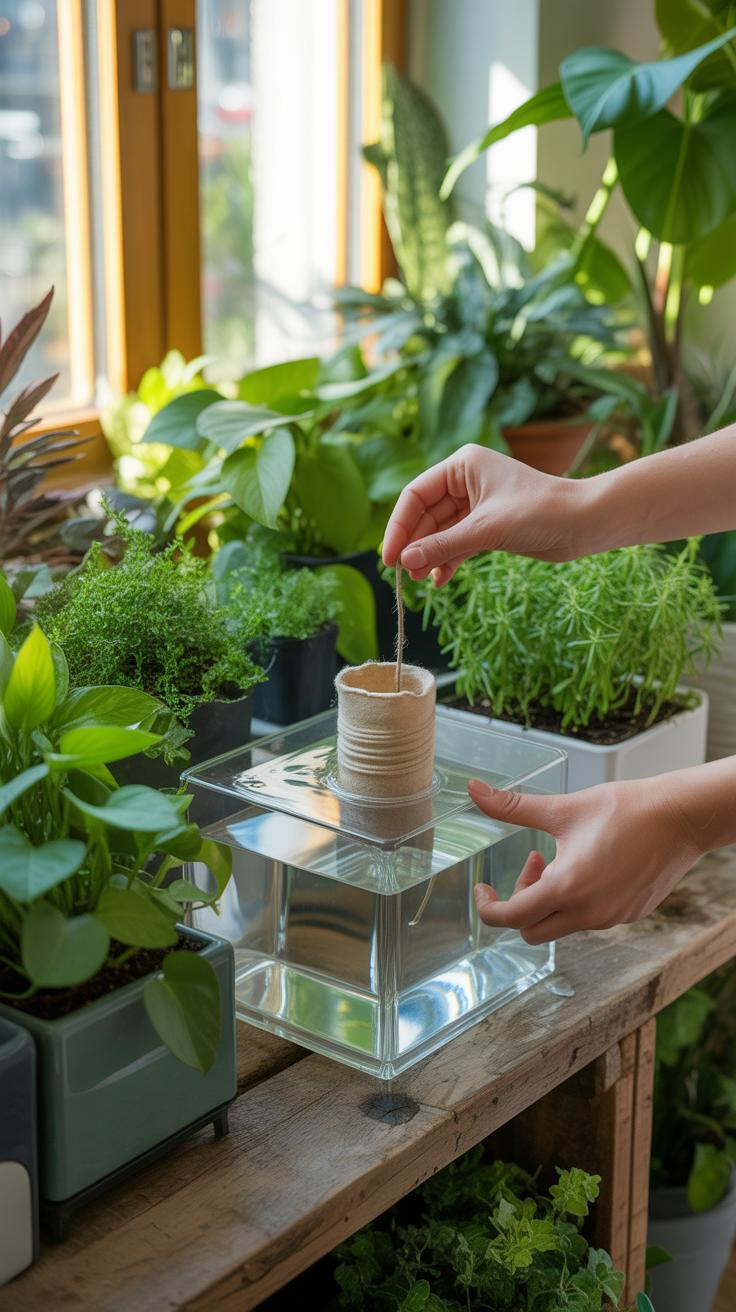
- Wicking Material: Cotton rope or a small perforated basket filled with soil acts as the bridge. It pulls water from the lower reservoir up into the root zone through capillary action. Ensure the material is long enough to stay submerged in the water.
- Aeration Divider: A sturdy plastic screen or heavy-duty mesh keeps the soil out of the water. It supports the weight of the wet dirt and the plant. You must drill holes in it to allow for oxygen heart and root penetration into the moisture.
Avoid using standard garden soil for this project. Field soil is too heavy and will compact, which stops the wicking process. Use a high-quality soilless potting mix containing peat moss or coconut coir and perlite. These materials have the right capillary properties to pull water upward. This specific mix keeps the roots hydrated while maintaining necessary air pockets for plant health.
Step By Step Overview Of Assembling Your DIY Self Watering Planter
Start by drilling a small overflow hole in the side of your outer container. Place this hole just below the level of the internal soil platform. This prevents the water from rising too high and drowning the roots. Next, cut your wicking pipe to a length that extends above the top of the pot. Shape the bottom of the pipe at an angle to ensure water flows freely.
Insert the wicking material through the center of your divider and secure it. Place the divider inside the main pot so it rests firmly on a support structure. Fill the wicking chamber with moist potting mix first to start the capillary action. Add the rest of your soil and your plant. Fill the reservoir through the pipe until water exits the overflow hole to finish the build.
Creative Self Watering Ideas For Potted Plants Around The Home
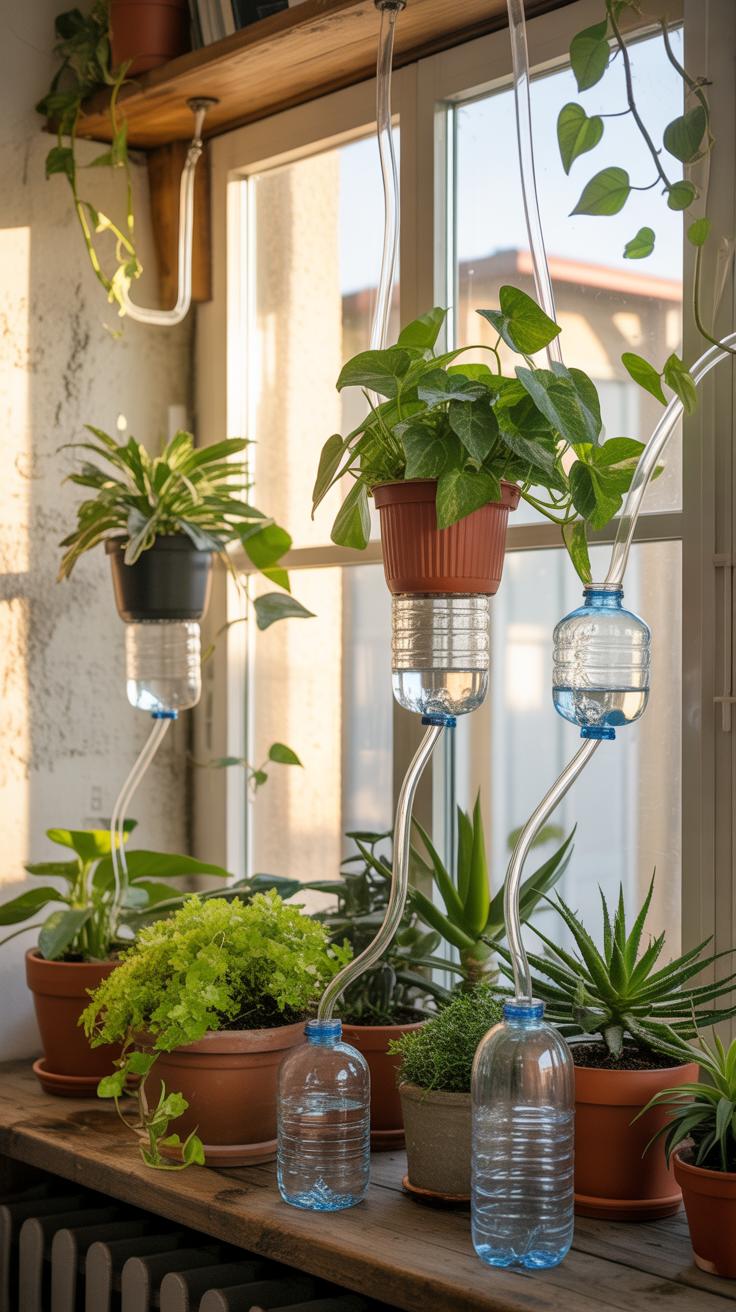
Repurposing Household Items As Self Watering Pots For A Budget Friendly Approach
You can build a functional subirrigation system using common glass or plastic bottles. Cut a bottle in half to create two distinct parts. Flip the top section over and place it inside the base. The bottom half holds the water supply. The top half holds the soil and the plant. This design mimics professional sub-irrigation kits at zero cost.
Select containers made from non-porous materials like heavy plastics or sealed ceramics. Porous materials like unsealed terracotta leak moisture and break the vacuum needed for many DIY systems. Ensure the upper container fits tightly into the lower reservoir. A tight fit prevents rapid evaporation and keeps the water clean. This method works best for small herbs and leafy greens in indoor spaces.
Using Wicking Systems And Water Reservoirs As Effective Self Watering Ideas For Potted Plants
Wicking systems move water from a lower reservoir to the roots using capillary action. Use absorbent materials like braided nylon or polyester cord for the wick. These materials resist rot and transport water consistently. Bury one end of the cord in the soil near the root zone. Drop the other end into the water. The soil pulls moisture up as it dries out.
Water reservoirs provide a steady supply of moisture for several weeks. You must separate the soil from the water to prevent root rot. Use a sturdy plastic platform with small holes to divide the pot. A fill tube allows you to add water directly to the bottom chamber. This setup ensures oxygen reaches the roots while the soil stays damp. It eliminates the need for daily maintenance.
DIY Plant Watering System Ideas For Larger Gardens And Balconies
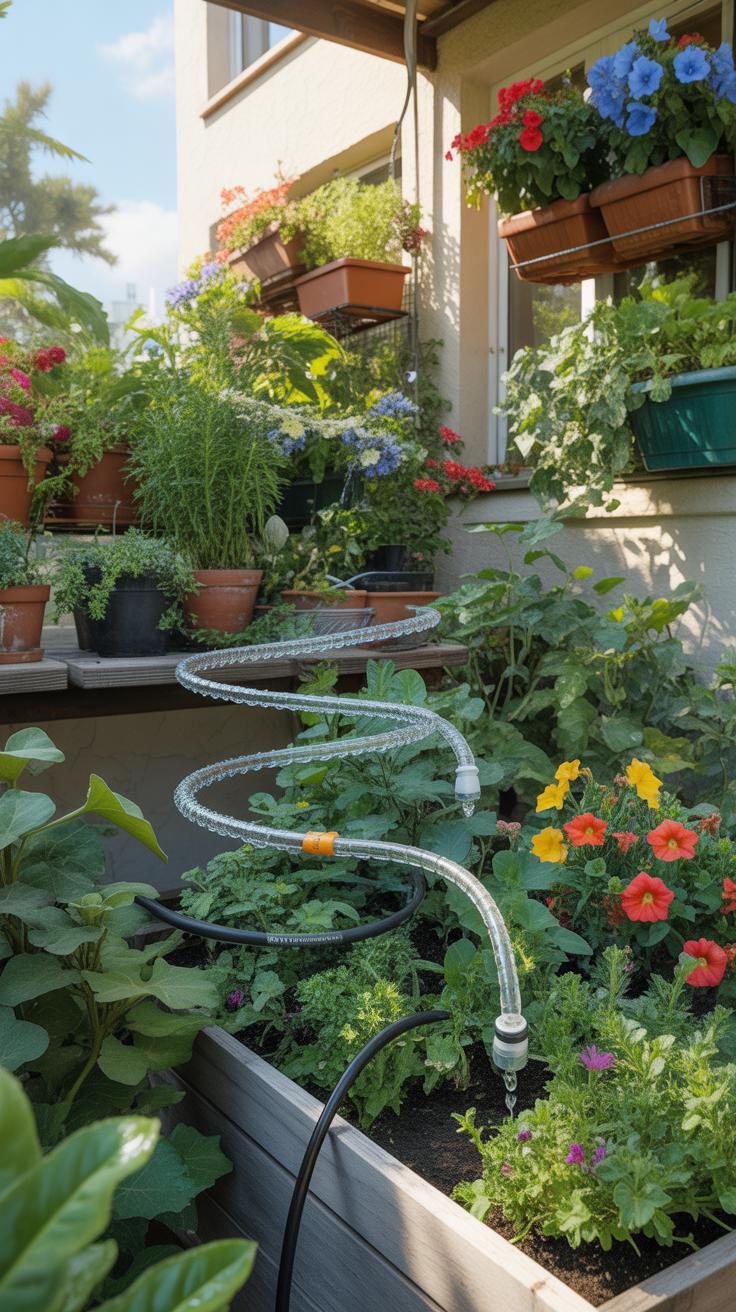
How To Design A DIY Plant Watering System For Multiple Containers At Once
Designing a system for multiple pots requires a central manifold approach. You must connect a single water source to several distribution lines. Use half-inch poly tubing as your main header pipe. Lay this pipe along the perimeter of your balcony or garden. This creates a reliable backbone for irrigation. It ensures every container receives a consistent supply of water without manual effort.
Connect smaller quarter-inch feeder lines from the main header to individual pots. Use barbed tees to secure these connections. Attach pressure-compensating emitters to the end of each line inside the pots. This setup balances the flow regardless of distance from the source. It prevents the first pot from flooding while the last stays dry. You gain total control over the hydration of your entire garden layout.
Gravity Fed And Drip Based DIY Watering Systems That Work While You Are Away
Gravity-fed systems eliminate the need for electrical pumps or active hose connections. You must elevate a large water reservoir above the level of your plants. Use a rain barrel or a heavy-duty plastic drum for this purpose. Physical height creates the necessary head pressure to push water through your lines. This method is highly reliable because it relies on basic physics rather than mechanical parts.
Install a low-pressure timer at the reservoir outlet to automate the process. Standard irrigation timers often fail without high city water pressure. Look for ball-valve timers designed specifically for gravity setups. Pair these with adjustable drippers in each container. You can calibrate each dripper to match the specific thirst of different plant species. This ensures your garden survives for weeks without any direct human intervention or maintenance.
Best Plants To Grow In Self Watering Planters For A Thriving Display
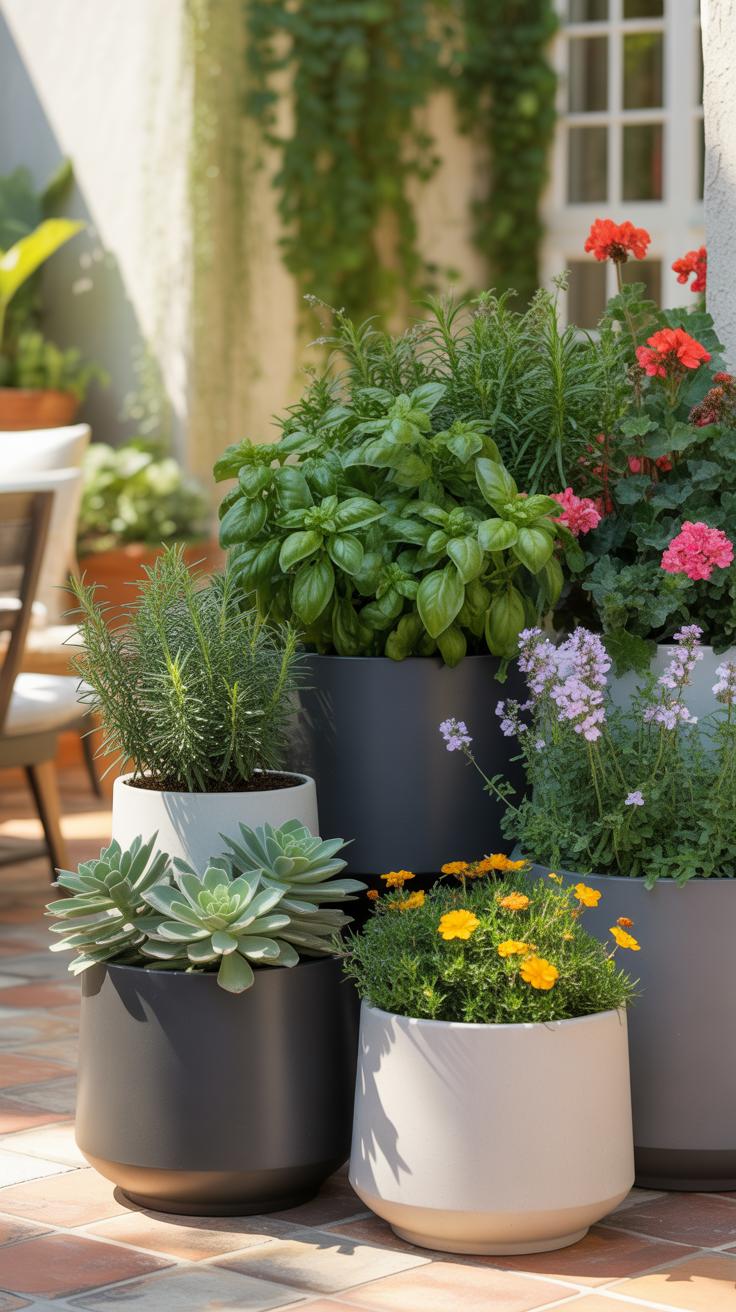
Vegetables And Herbs That Perform Exceptionally Well In Self Watering Pots
Vegetables with high transpiration rates thrive in sub-irrigated systems. Tomatoes and peppers require consistent soil moisture to prevent blossom end rot. This physiological disorder stems from calcium deficiency caused by erratic watering cycles. Self-watering reservoirs maintain a steady hydraulic pressure in the soil. This ensures the plant roots can transport nutrients to the fruit without interruption. These systems maximize yield in small spaces.
Leafy greens and soft-stemmed herbs also benefit from bottom-up irrigation. Spinach, lettuce, and basil wilt quickly when surface soil dries out. Sub-irrigation keeps the root zone cool and hydrated during peak daylight hours. This prevents the bitter taste associated with heat stress and premature bolting. Strategic use of these planters allows for a continuous harvest. It eliminates the risk of water hitting leaves and causing fungal diseases.
Indoor Houseplants And Flowering Species Best Suited To Sub Irrigated Planters
Tropical houseplants native to rainforest understories adapt perfectly to self-watering containers. These species prefer high humidity and soil that stays damp but not saturated. The wicking mechanism mimics the natural capillary action of forest soil. It provides a reliable water source without depleting oxygen in the root zone. This balance is critical for preventing root rot while maintaining the lush foliage desired in modern interior design settings.
- Peace Lily: These plants signal thirst by wilting visibly but recover quickly with steady moisture. Sub-irrigation prevents the brown leaf tips caused by underwatering. It maintains the turgor pressure needed for upright growth and frequent blooming.
- African Violets: These specimens are sensitive to cold water on their foliage. Bottom-watering through a reservoir keeps the leaves dry and prevents spotting. The constant moisture level promotes the steady nutrient uptake required for their delicate floral displays.
- Pothos: This hardy vine grows aggressively when it has access to a consistent water supply. It utilizes the reservoir efficiently to produce larger leaves and longer trails. The system supports its rapid transpiration rates in bright indoor light.
- Ferns: Species like the Boston Fern fail when soil dries out completely. They require the high moisture levels that sub-irrigated liners provide. The reservoir acts as a buffer against dry indoor air and HVAC systems that strip humidity.
- Snake Plants: While drought-tolerant, these plants grow faster with controlled moisture levels. High-quality self-watering pots allow for long intervals between refills. This suits their slow metabolic rate while preventing the soil from becoming a dusty, hydrophobic mass.
Flowering annuals also gain a competitive edge in these pots. Fuchsias and hydrangeas have high water demands that manual watering rarely satisfies in summer. The reservoir acts as a fuel tank for metabolic processes. It ensures the plant does not shut down during heat waves. This constant hydration cycle results in more vibrant colors and longer-lasting blooms. Use these planters to maintain high-impact visual displays with minimal daily maintenance.
How To Choose The Right Self Watering Planter For Your Specific Needs
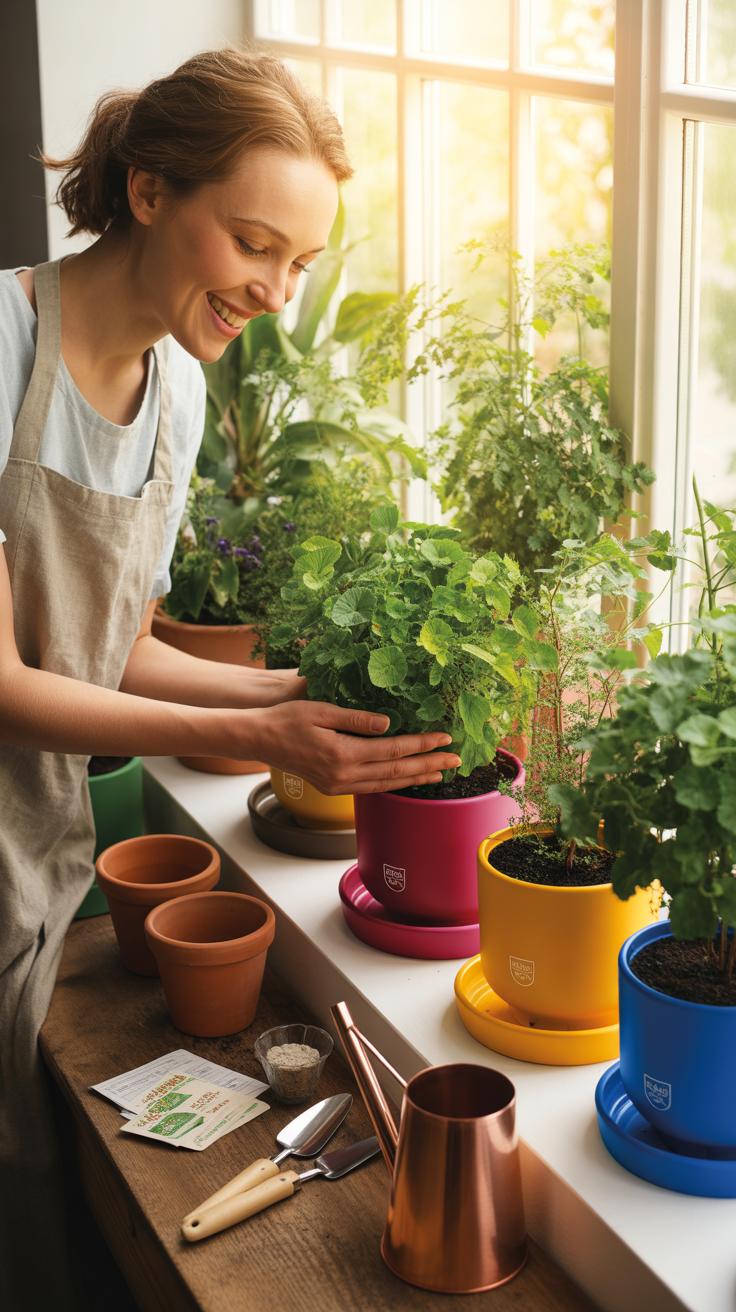
Comparing Materials Such As Plastic Ceramic And Fabric Self Watering Planters
Plastic remains the industry standard for sub-irrigation. Non-porous polymers keep water trapped in the reservoir and prevent evaporation through the walls. High-density polyethylene resists ultraviolet rays and cracking better than cheap alternatives. Choose food-grade plastic if you grow edible herbs. These lightweight containers suit modern minimalist designs and large floor plants. They offer the highest efficiency for the wicking process and water retention.
Ceramic and clay options provide aesthetic weight and stability. Glazed ceramic acts like plastic by sealing the walls to prevent moisture loss. Unglazed terracotta is porous and often fails in self-watering configurations. It pulls water away from the roots and out of the system. Fabric liners or aerated bags improve root oxygenation. Use fabric for rapid growth in temperate zones, but avoid them in dry climates due to high evaporation.
What To Look For In Reservoir Size Drainage Design And Planter Durability
Reservoir volume determines your maintenance schedule. A large tank reduces how often you top up the water supply. Match the capacity to the plant size and ambient temperature. Large leafy plants or hot rooms require more liquid. Ensure the system includes a clear water level indicator. This float mechanism prevents guesswork. Knowing exactly when to refill prevents root rot and keeps the sub-irrigation system functioning.
Reliable drainage design is vital for root health. The system must include an overflow hole. This feature allows excess water to escape during heavy rain or overfilling. Without it, the soil becomes saturated and the plant drowns. Check the durability of the wicking mechanism. Choose thick capillary mats or sturdy molded legs. Low-quality wicks fail over time and stop the flow of water. Invest in heavy duty materials for long term results.
Plant Self Watering DIY Tips To Maximise Growth And Planter Longevity
Common Mistakes To Avoid When Setting Up Self Watering Pots DIY Style
DIY setups often fail because builders use the wrong wicking material. Cotton rope rots quickly in wet soil. Use synthetic fibers like nylon or microfiber to ensure water moves upward consistently. Organic materials break down and stop the capillary action. This leads to dry soil even when the reservoir is full. You must select rot resistant materials to ensure the system functions for more than one season.
Another critical error is neglecting the overflow hole. A sealed reservoir will drown plant roots during heavy rain or accidental overfilling. You must drill a drainage point just below the soil platform. This air gap prevents the growing medium from becoming a swamp. Without this oxygen space, anaerobic bacteria thrive and cause root rot. Proper ventilation between the water level and the soil base maintains healthy gas exchange.
Maintenance Routines That Keep Your Self Watering Planter Performing At Its Best
Regular flushing is vital for long term planter health. Self watering systems accumulate fertilizer salts because water evaporates while minerals stay behind. These salts build up in the top layer of soil and can burn delicate roots. Every few months, pour water through the top of the soil until it runs out the overflow. This clears out excess nutrients and resets the chemical balance of the growing medium.
Inspect the reservoir for mosquito larvae and algae growth. Stagnant water attracts pests and clogs wicking tubes. Add a few drops of liquid vegetable oil to the water to create a surface film that kills larvae. Clean the tank once a year with a mild vinegar solution to remove mineral scale. Checking the wick for thickness and integrity ensures the plant receives a steady supply of moisture throughout the year.
Frequently Asked Questions
How do self-watering planters actually work for my indoor plants?
These innovative containers use a built-in reservoir system to provide consistent hydration to your greenery. Most self watering planters utilize a wicking mechanism or a capillary action design where the soil draws up moisture from a bottom chamber as needed. This prevents the common cycle of overwatering and under-watering, ensuring your plants receive a steady supply of water while keeping the roots aerated and healthy in a stylish home setting.
How often do I need to refill the reservoir in a self-watering system?
The refill frequency depends on the plant species, the size of your pot, and your home’s humidity levels. Generally, you only need to fill the reservoir every two to four weeks. Most high-quality self watering planters feature a convenient water-level indicator or float that lets you see exactly when the supply is running low, taking the guesswork out of plant care and saving you significant time on your weekly chores.
Can I find stylish self-watering options if I am shopping on a budget?
Absolutely! You don’t need to spend a fortune to enjoy the benefits of automated watering. Many affordable retailers now offer sleek, minimalist plastic and resin designs that mimic the look of high-end ceramic or stone. By choosing lightweight materials and simple silhouettes, you can easily find functional and attractive containers that fit your aesthetic without breaking the bank, making smart plant care accessible for every budget-conscious decorator.