Understanding The Basics Of Pollinator Garden Design
What Is A Pollinator Garden And Why Does It Matter
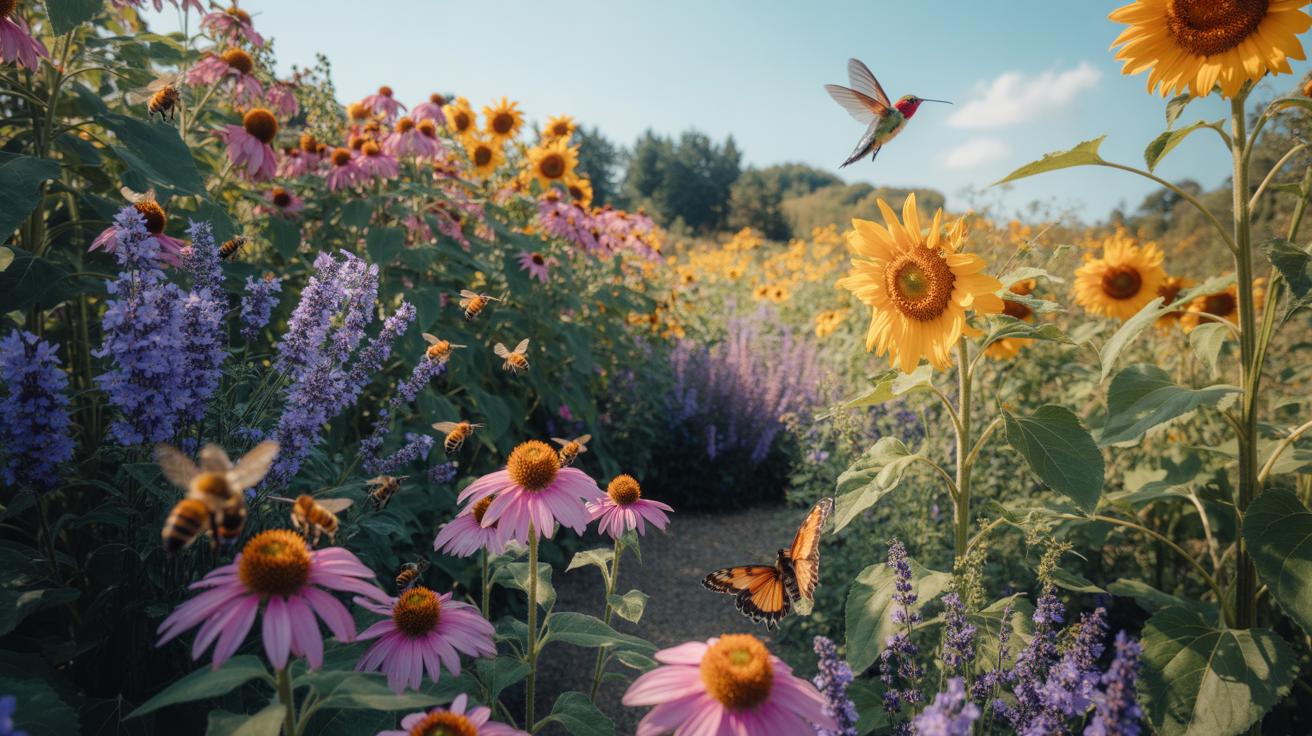
A pollinator garden identifies as a strategic landscape designed to attract and support specific insects and birds. These spaces provide essential nectar, pollen, and nesting materials. This design approach counters habitat loss caused by urban sprawl and industrial farming. High quality gardens focus on native plant species that evolved alongside local fauna. These environments serve as critical corridors for species migration and survival.
Pollinator gardens improve local food security by supporting the insects that fertilize human food crops. This design strategy moves beyond simple aesthetics to focus on ecological utility. Effective layouts ensure a continuous food supply throughout the entire growing season. This stabilizes the local ecosystem and increases the yield of nearby vegetable patches. Strategic planting creates a robust biological network within a residential or commercial property.
How Pollinators Interact With Plants And Support Ecosystems
Pollinators facilitate the reproduction of over eighty percent of the world’s flowering plants. They move pollen from male to female flower parts during their search for food. This physical interaction allows plants to produce seeds and fruit. Bees utilize specialized hairs and pockets to transport large quantities of pollen. Butterflies and moths contribute by visiting varied flower shapes and blooming schedules.
This interaction sustains the base of the food chain for birds and other wildlife. Plants reward pollinators with carbohydrate rich nectar or protein dense pollen. This mutual relationship ensures genetic diversity among plant populations. Without active pollinators many plant species would face immediate extinction. A functional garden design maximizes these interactions by grouping similar plants together. This efficiency allows pollinators to forage while using minimal energy.
Planning Your Pollinator Garden Layout For Maximum Impact
Assessing Your Space Sunlight And Soil Before You Begin
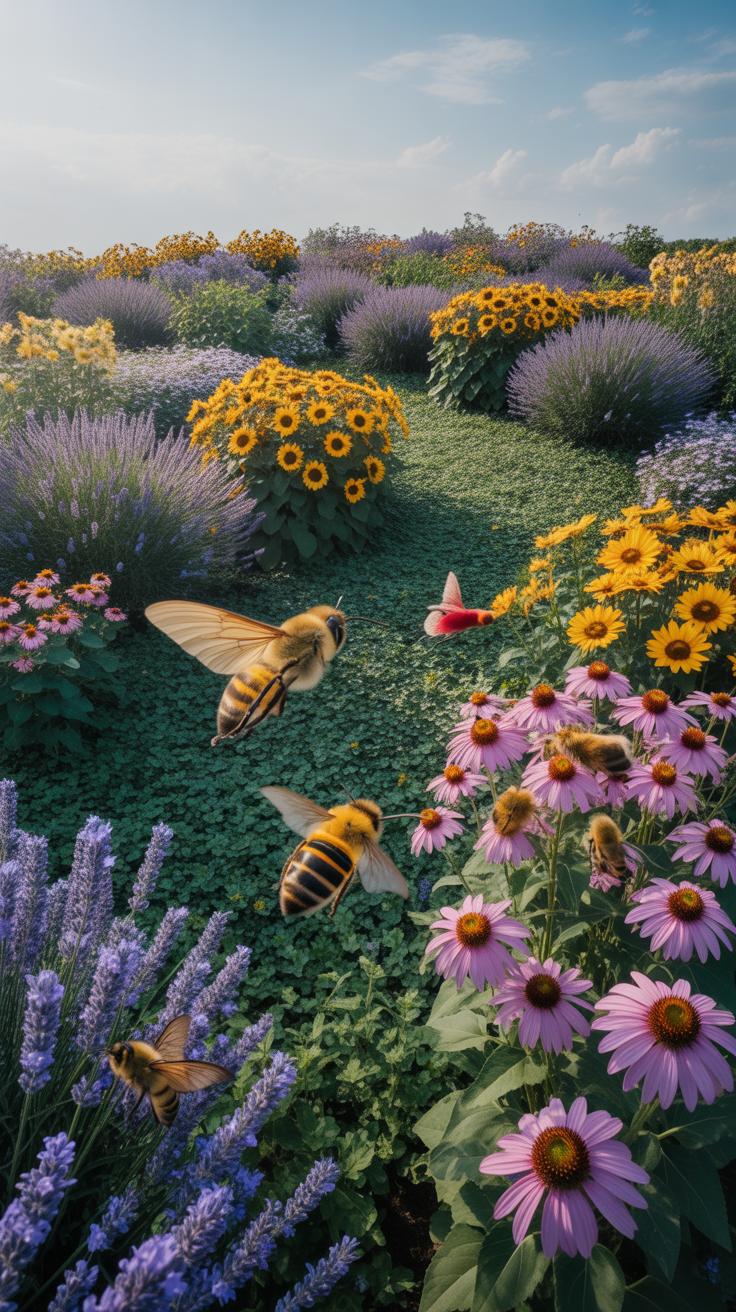
Productive pollinator garden design starts with a sunlight audit. You must track shadows for six hours during the peak growing season. Most local pollinators require full sun to regulate their body temperature and navigate effectively. Observe how buildings and trees block light. Map your site into sections based on light intensity. This data dictates your plant selection and bloom success.
Soil health determines plant longevity and nectar quality. Conduct a standard pH test to identify acidic or alkaline levels. Native plants often prefer lean soil with low organic matter. Inspect the drainage speed by digging a hole and filling it with water. Proper drainage prevents root rot in drought-tolerant species. Match your plant list to these existing conditions instead of trying to change the earth.
Designing Planting Zones And Pathways That Invite Pollinators In
Effective layouts use mass planting techniques to increase visual detection. Bees and butterflies find large groups of the same flower more easily than scattered individuals. Group at least five plants of the same species in a single drift. This strategy reduces the energy pollinators spend flying between food sources. Aim for three feet of width per species group to create a strong signal.

Pathways serve humans and pollinators by creating essential edge habitats. Bare ground provides nesting sites for many native bee species. Use gravel or mulch to define walking paths and keep soil compact in high-traffic zones. Keep central areas undisturbed for fragile larvae. Ensure your design includes a water source and windbreaks. Structured layers from ground cover to canopy provide the protection these insects need to thrive.
Choosing The Right Plants For Your Pollinator Garden
Native Flowering Plants That Pollinators Rely On Most
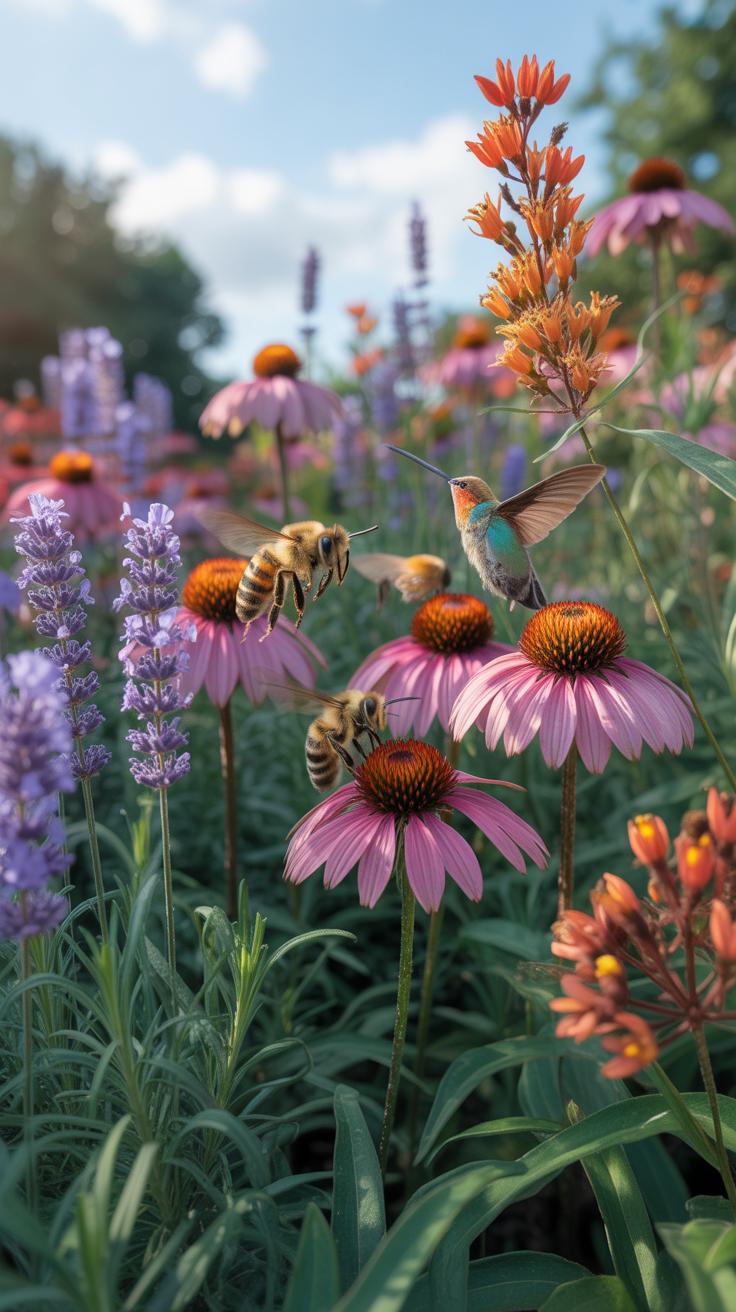
Native plants are the foundation of effective pollinator garden design. These species evolved alongside local bees, butterflies, and birds. They provide the specific chemical compounds and protein levels these insects require for survival. Non-native plants often lack the necessary pollen quality or accessible nectar structures. Specialists like the monarch butterfly depend entirely on specific native host plants to complete their life cycle.
Strategic plant selection focuses on straight species rather than highly modified cultivars. Modern hybrids often prioritize aesthetics over function. These changes can hide nectar sources or alter flower colors that guide pollinators. Select plants that matches your local ecoregion and soil profile. This ensures the garden remains low maintenance and resilient. Native perennials establish deep root systems that stabilize soil and manage water better than exotic species.
Seasonal Bloom Sequencing To Keep Your Garden Active Year Round
Pollinators need reliable food sources from early spring through late autumn. A failure in bloom continuity creates a resource gap that can collapse local colonies. Design your garden to have at least three different species blooming during each growth phase. Early spring foragers rely on woody shrubs and trees. Summer species demand high energy from meadow flowers. Late season nectar supports migratory species and overwintering queens.
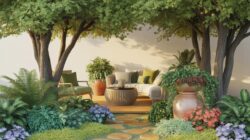
Plan your layout by mapping the bloom times of every selected plant. Group plants with similar water needs to improve efficiency. Overlap the end of one bloom cycle with the start of the next. This strategy prevents insects from wasting energy searching for food elsewhere. Uniformity in bloom timing across large patches helps bees find resources quickly. Consistent food availability directly increases the carrying capacity of your urban or suburban landscape.
Top Pollinator Garden Ideas To Inspire Your Unique Space
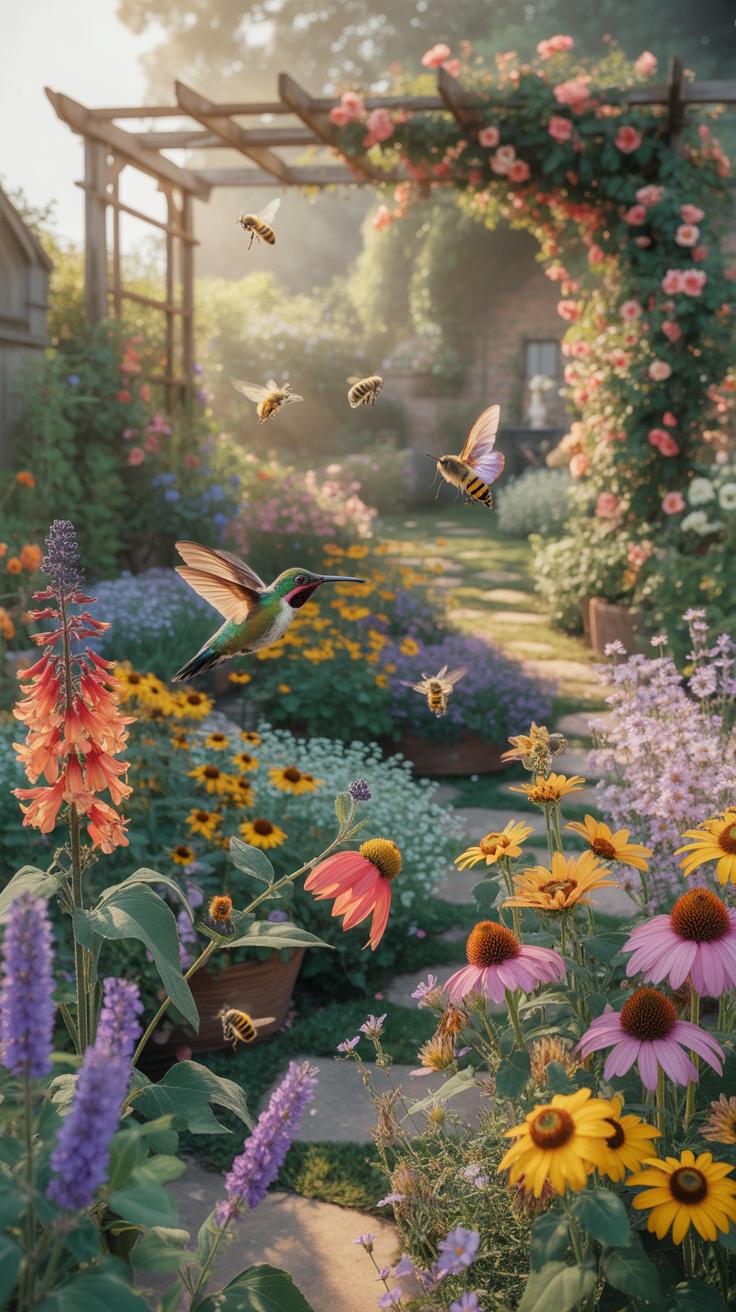
Creative Themed Garden Styles From Meadow To Cottage Design
Design themes dictate your plant selection and maintenance schedule. Meadow gardens mimic natural grasslands by using native grasses and wildflowers in large groups. This style provides essential nesting materials and massive nectar sources for bees and butterflies. Meadows require low water once established but need annual mowing to prevent woody plant takeover. This functional approach creates a self-sustaining ecosystem that supports local biodiversity.
Cottage gardens prioritize high density and diverse floral structures. This movement draws from English tradition where food and flowers grow together. You must pack plants closely to shade out weeds and maintain high humidity for insects. Use vertical elements like trellises to support climbing vines for long-tongued pollinators. A successful cottage design ensures bloom overlap from early spring through late autumn to prevent food gaps.
Small Space Pollinator Garden Ideas For Patios Balconies And Raised Beds
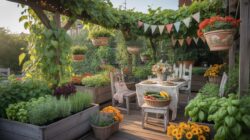
Limited square footage does not stop pollinator activity. Container gardens allow you to control soil quality and moisture levels precisely. Focus on nectar rich perennials and annuals that thrive in confined root spaces. Grouping pots together creates a microclimate that protects insects from wind and heat. Use varying heights to maximize the forage area within a small footprint on your patio or balcony.
- Vertical Trellising: Install wall mounted grids to grow climbing plants like honeysuckle or clematis. This uses air space instead of floor space. It provides essential nectar for moths and butterflies in tight urban environments.
- Tiered Raised Beds: Build stepped planters to increase planting surface area. This design allows you to separate plants by water needs. Deep beds support larger root systems for hardy native perennials and shrubs.
- Pollinator Window Boxes: Attach deep troughs to window sills using sturdy metal brackets. Plant trailing herbs like thyme or dwarf lavender. These boxes bring pollinators directly to eye level for easy observation and consistent feeding.
- Half Barrel Planters: Use reclaimed wooden barrels to hold large volumes of soil. These heavy containers provide excellent insulation for plant roots during temperature swings. They are ideal for tall nectar plants like coneflowers or black-eyed Susans.
- Hanging Baskets: Suspend baskets to attract hummingbirds and high flying insects. Use coco liners to maintain moisture levels in the soil. Plant trumpet shaped flowers to accommodate the specific feeding mechanics of larger specialized pollinators.
Select compact cultivars that do not sacrifice nectar production for size. Many modern dwarf varieties provide the same sugar content as their full sized counterparts. Ensure every container has drainage holes to prevent root rot in rainy seasons. Move pots throughout the year to follow the sun and maximize bloom duration. Strategic placement near water sources will further increase the number of visitors to your small space.
Attracting Bees With The Right Flowers Colors And Garden Features
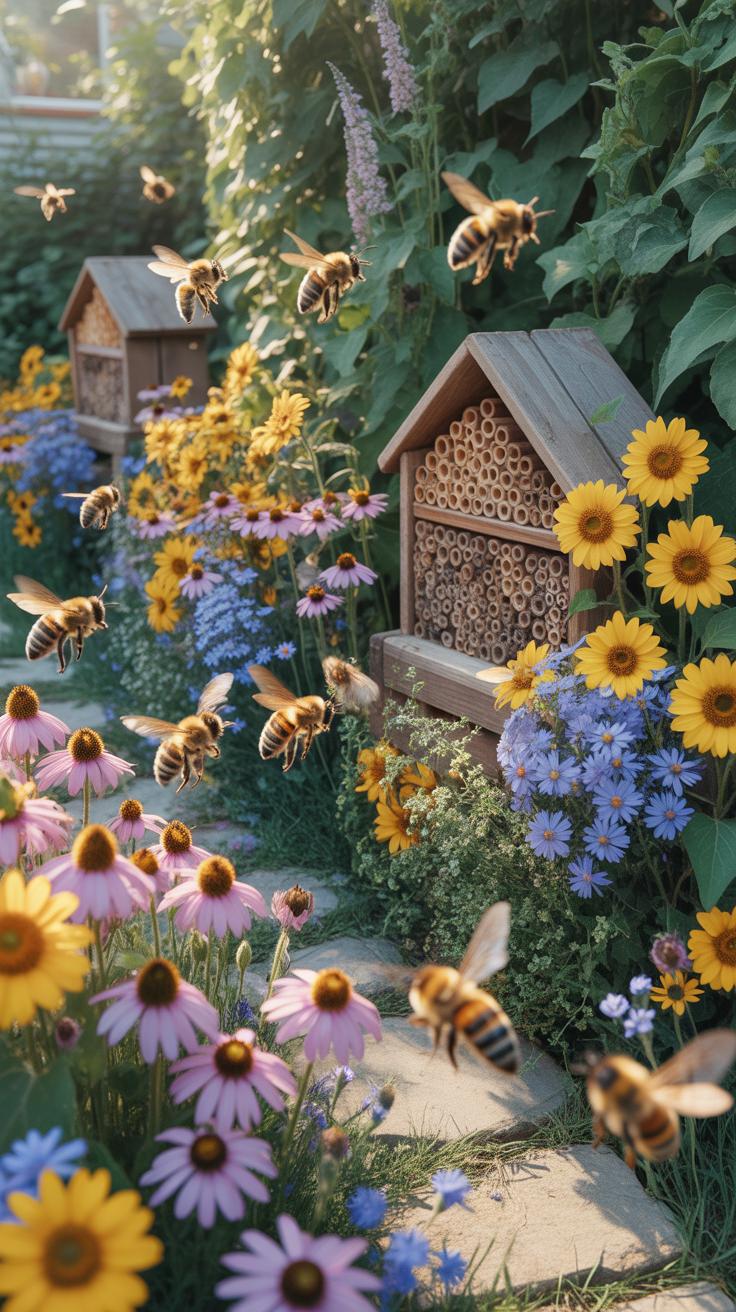
Which Flower Colors And Shapes Bees Are Most Drawn To
Bees see ultraviolet light. This shift determines their preference for specific colors. They favor blue, purple, and yellow blooms. These colors stand out against green leaves. White flowers also attract them easily. Avoid red flowers because bees cannot see that color well. Red often looks like dark shadows to them. Select native plants to match local bee biology and foraging habits.
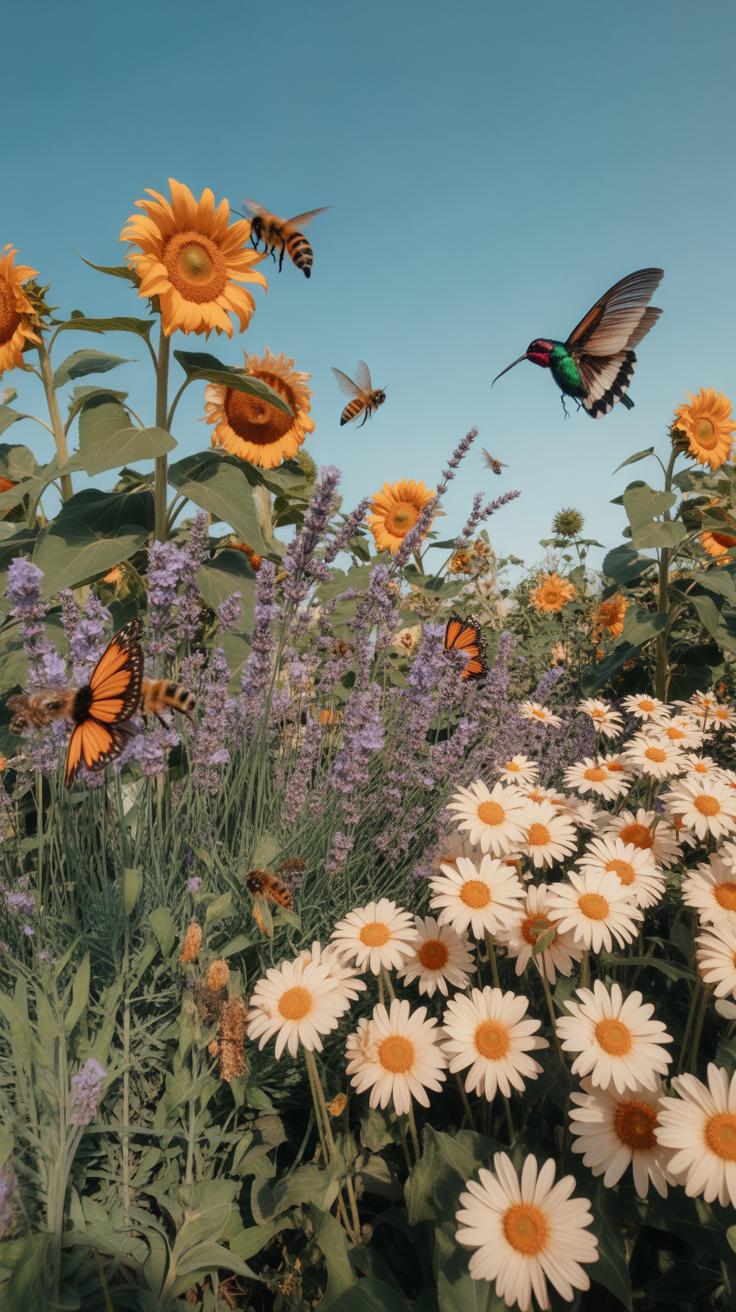
Flower shape dictates which bee species can feed. Shallow flowers with open faces assist short-tongued honeybees. Tube-shaped flowers work for long-tongued bumblebees. Composites like daisies provide a stable landing platform. This platform allows bees to rest while gathering nectar. Plant large groups of the same flower together. This strategy makes the garden easier for bees to find from the air.
How To Add Water Sources And Nesting Habitat To Support Bee Populations
Bees require water to regulate hive temperature and dissolve crystallized honey. A standard birdbath is often too deep. Bees can drown in deep water. Use a shallow dish filled with pebbles or marbles. The stones provide a safe landing spot. Keep the water level just below the top of the stones. Replace the water often to prevent mosquitoes from breeding in the dish.
Most native bees nest in the ground. They need patches of bare soil to dig. Do not cover every inch of your garden with thick mulch. Leave some sunny spots of earth open. Some species nest in dead wood or hollow stems. Leave dried flower stalks standing through the winter. This provides shelter for larvae. Proper nesting sites ensure your bee population stays on your property year after year.
Butterfly Garden Design Principles For A Vibrant Outdoor Sanctuary
Host Plants Vs. Nectar Plants And Why Butterflies Need Both
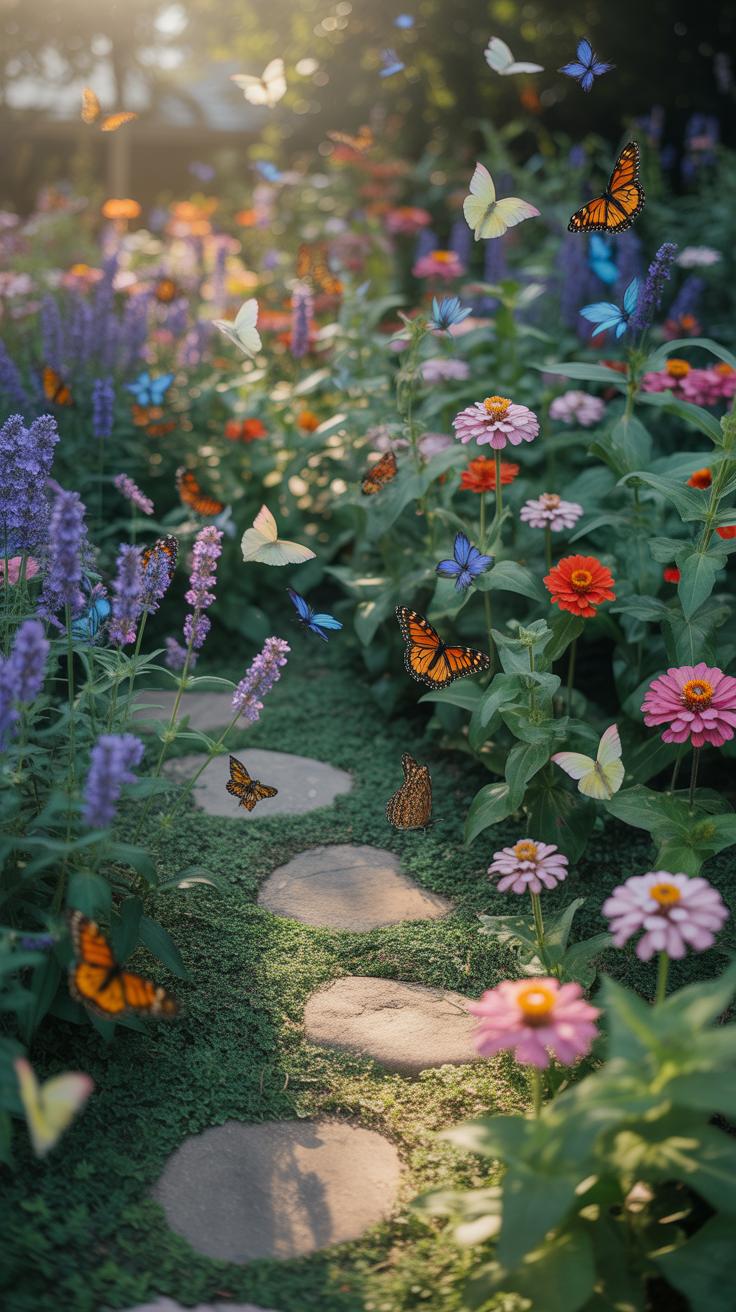
Butterflies require two distinct types of vegetation to survive. Nectar plants provide high-sugar fuel for adult flight. Host plants serve as the only food source for larvae. Most caterpillars are specialists and can only eat specific leaves. If your design lacks host plants, you only have a feeding station. You do not have a true sanctuary for reproduction.
Balance these two categories to ensure a full life cycle. Place host plants like milkweed or parsley in the interior of your beds. These plants often look ragged because caterpillars consume them. Position showy nectar plants like zinnias or coneflowers around the perimeter. This layout keeps the garden attractive while supporting growth. Successful design treats the garden as a nursery and a kitchen.
Designing Sunny Basking Spots And Shelter To Support Butterfly Life Cycles
Butterflies are cold-blooded insects that require external heat to fly. They need flat stones or light colored gravel in full sun. These surfaces absorb solar energy and transfer it to the insect. Place these basking areas in the center of the garden. Ensure the spots stay clear of tall foliage that casts shade. This tactical placement maximizes their active morning hours.
Wind protection is equally important for energy conservation. Strong gusts make flight difficult and lower body temperatures. Use dense shrubs or tall perennial grasses to create a windbreak on the windy side of your plot. These thick plantings also offer vital hiding spots from rain and predators. A functional design provides both a thermal heater and a safe harbor for the night.
Exploring Pollinator Garden Design Ideas That Blend Beauty And Function
How To Use Color Layers, Texture, And Height To Create Visual Depth
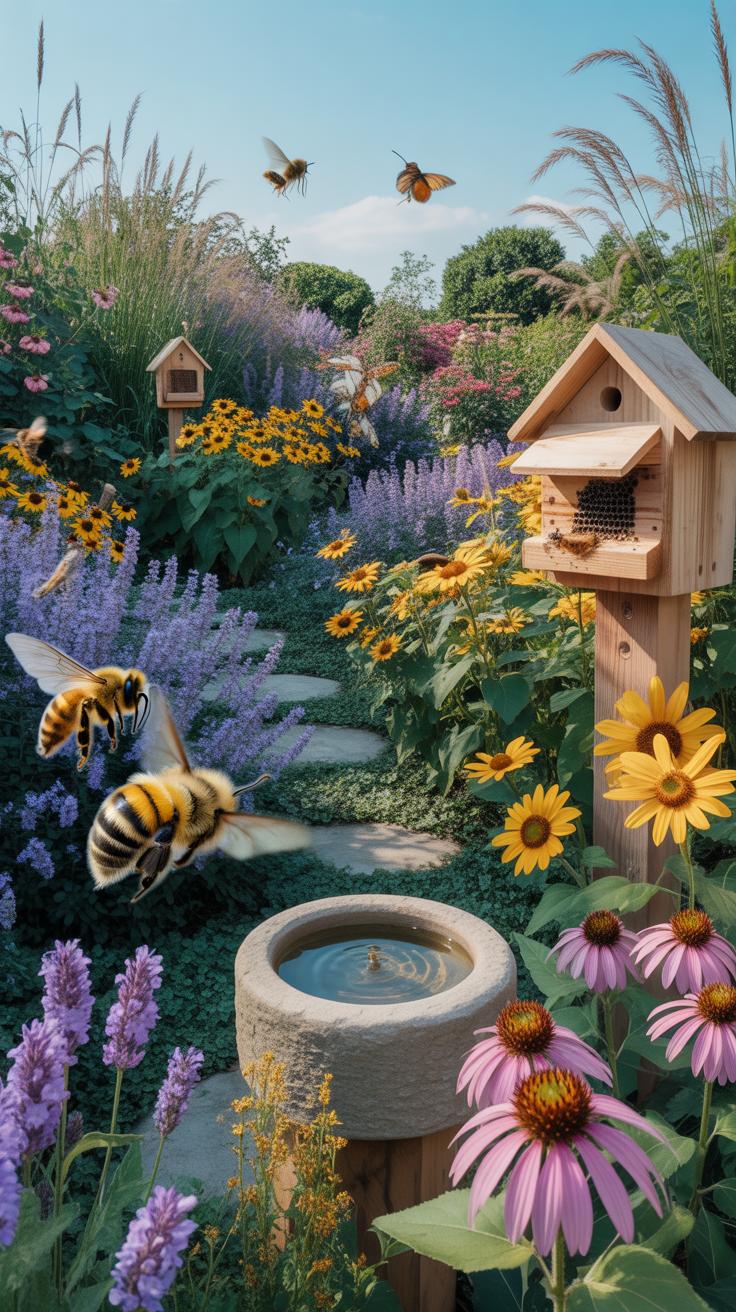
Strategic depth requires organized vertical tiers. Place tall perennials like Joe Pye Weed or Sunflowers at the back of the border. Position mid-sized species such as Echinacea or Monarda in the center. Use low-growing groundcovers like Wild Strawberry or Thyme at the front edge. This staircase arrangement ensures sunlight reaches every plant. It also allows humans and pollinators to see all available bloom types clearly.
Color blocking increases foraging efficiency for bees. Group at least five plants of the same species together. This creates a bold visual target that attracts insects from a distance. Mix fine-textured grasses with coarse-leaved plants to provide structural contrast. This technique mimics natural meadows while maintaining a clean aesthetic. Varying leaf shapes and heights prevents the garden from looking flat. Every layer serves a specific ecological niche.
To plant a garden is to believe in tomorrow, weaving a tapestry of color that invites the wild hum of life back to your doorstep.
Incorporating Garden Structures Like Trellises And Hedgerows For Added Habitat
Vertical elements maximize small spaces and provide essential windbreaks. Structures like wooden trellises support climbing vines which offer nectar and nesting sites. Hedgerows serve as permanent corridors for wildlife movement across the landscape. These features create microclimates by blocking harsh gusts and trapping heat. Use durable materials like cedar or stone to ensure these investments last for decades. They anchor the garden design throughout the winter months.
- Dead Wood Piles: Stack fallen branches in a discreet corner to provide nesting cavities for solitary bees. This mimics natural forest floor patterns and offers essential winter cover for various beneficial insect species.
- Stone Gabions: Use wire cages filled with local rocks to create thermal mass. These structures absorb heat during the day and release it at night. Basking butterflies use these warm surfaces to regulate their body temperature.
- Woven Willow Fences: Install natural wattles to define garden boundaries while allowing airflow. These biodegradable barriers provide a rustic aesthetic. They offer numerous crevices for many types of small pollinators to hide from predators or heavy rain.
- Native Hedgerows: Plant a dense row of shrubs like Serviceberry or Elderberry. This living wall provides food through berries and protection through thick foliage. It creates a private sanctuary for you and a protected highway for birds.
- Arbors and Pergolas: Build overhead frames to support heavy flowering lianas like Trumpet Honeysuckle. These structures bring the pollinator activity up to eye level. They increase the total floral volume of your property without expanding the garden footprint.
Hardscaping must serve a biological purpose beyond simple decoration. Path systems should guide human traffic away from delicate nesting grounds. Use permeable materials like gravel or flagstone to manage water runoff effectively. Integrating these physical anchors makes the garden look intentional rather than wild. Proper placement of structures ensures the space remains functional for both people and the local ecosystem. Strategic design bridges the gap between art and nature.
Supporting Beneficial Insects Beyond Bees And Butterflies
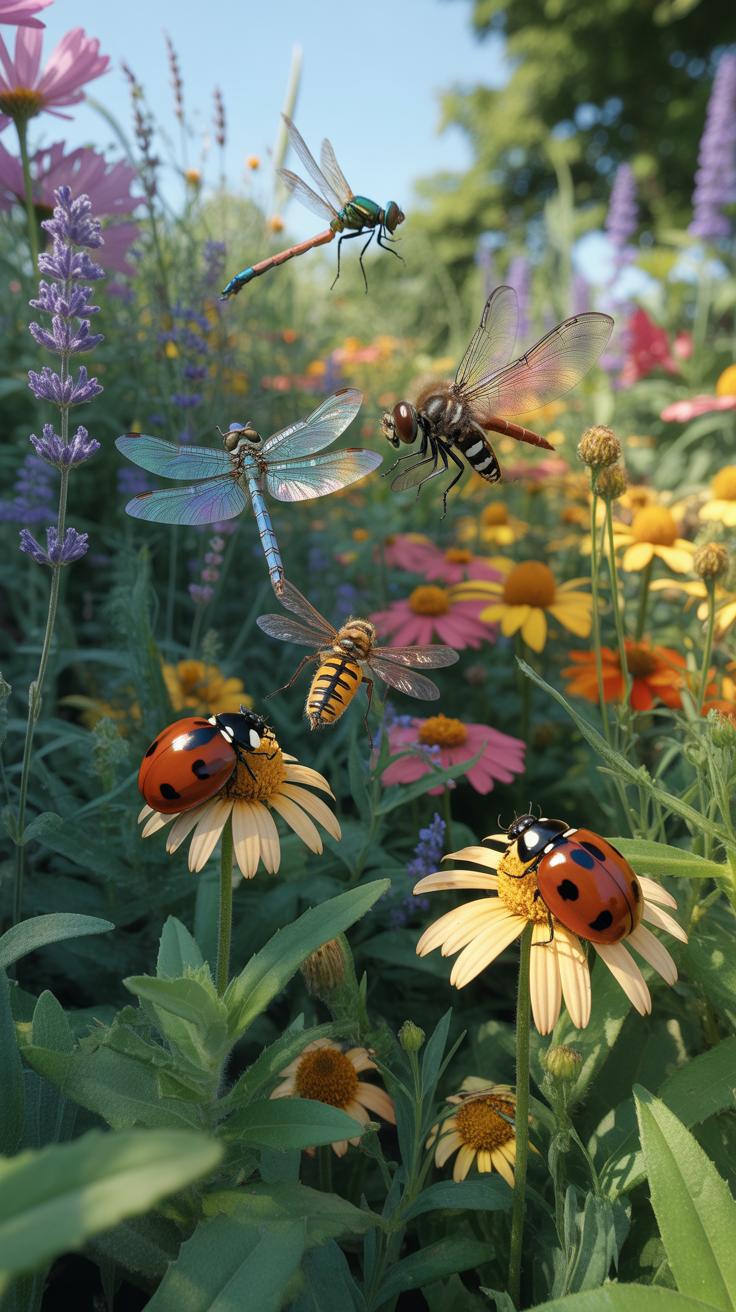
The Role Of Beetles, Hoverflies, And Moths As Often Overlooked Pollinators
Beetles represent the oldest group of pollinators. They rely on large and open flowers like magnolias or water lilies. These insects crawl through blossoms and move pollen on their bodies as they feed. Strategic Pollinator Garden Design must include plants with sturdy petals to support their weight. Do not overlook these ancient flyers. They provide essential services in diverse ecosystems across many different climates.
Hoverflies and moths offer unique tactical advantages. Hoverflies mimic bees to avoid predators while consuming nectar and pollen. Their larvae also eat aphids which protects your plants. Moths handle the night shift. They target white or pale flowers that open after dusk. You must select night-blooming species like evening primrose to support them. Diversifying your plant selection ensures pollination happens around the clock throughout the year.
How To Create Microhabitats That Shelter And Sustain Beneficial Insects
Microhabitats provide survival zones for insects during extreme weather and winter months. Bare soil serves as a primary nesting site for many species. Leave small patches of ground uncovered by mulch or lawn. Dead wood and hollow stems also offer critical housing. Do not clear every fallen branch or dead flower stalk. Insects use these structures to lay eggs and hide from larger birds or lizards.
Rock piles and leaf litter create stable thermal environments. These areas stay cool in summer and insulate during freezing periods. Place stones in sunny spots to help insects regulate their body temperature. Avoid the urge to tidy every corner of the yard. A sterile garden is a dead garden. High-functioning Pollinator Garden Design requires messy zones where insects can complete their full life cycles safely without human interference.
Maintaining An Eco Friendly Garden That Supports Pollinators Long Term
Why Avoiding Pesticides And Choosing Organic Practices Protects Your Garden Ecosystem
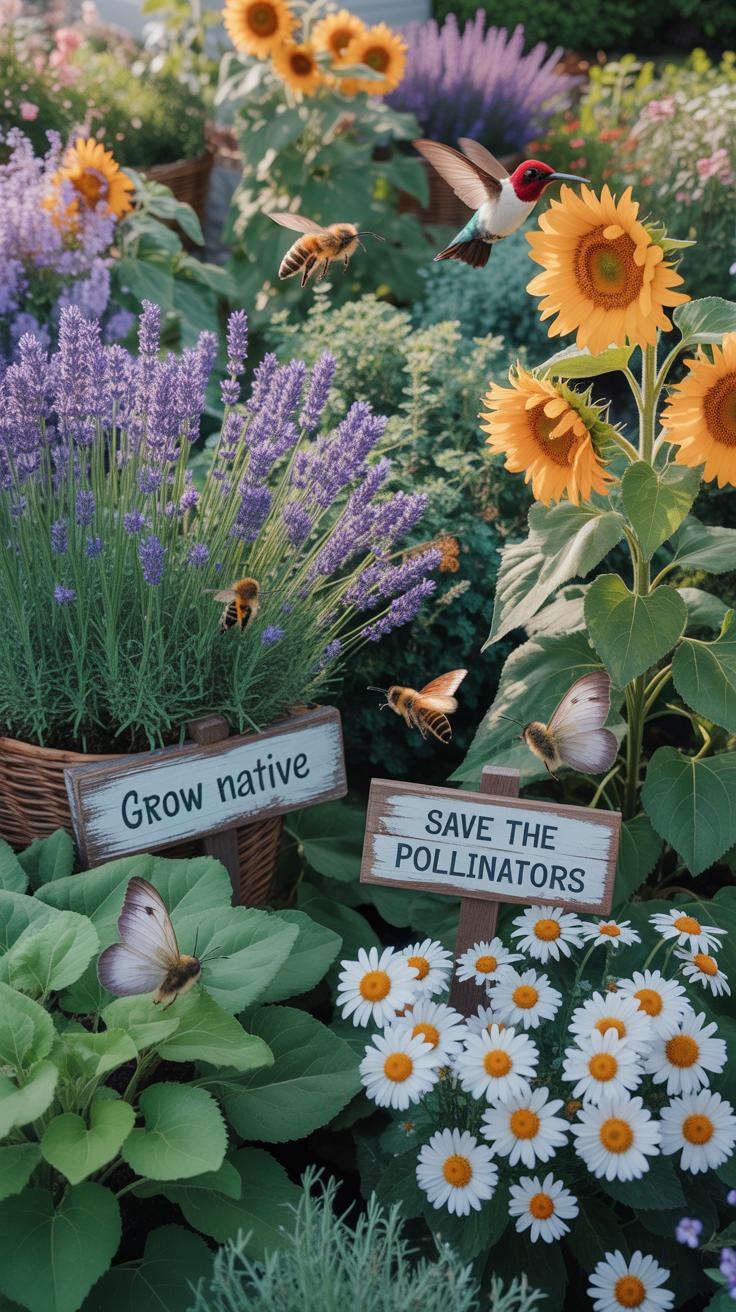
Pesticides kill bees, butterflies, and beetles instantly. Synthetic chemicals also linger in the soil and water. These toxins disrupt the natural food chain by removing essential insects. Without insects, birds and small mammals lose their primary food source. Chemical runoff further harms the local watershed. Organic practices preserve the soil biology required for plant health. Healthy soil produces strong plants.
Use non-toxic methods to manage pests in your garden. Integrated Pest Management focuses on biological controls. Introduce predatory insects like ladybugs to eat aphids. Use physical barriers or hand-picking for larger pests. Healthy ecosystems balance themselves over time. Avoiding sprays allows beneficial insects to thrive. These survivors will pollinate your flowers and vegetable crops. Constant chemical use creates a sterile and failing environment.
Seasonal Maintenance Habits That Keep Your Pollinator Garden Healthy And Thriving
Stop cleaning your garden too early in the spring. Many pollinators hibernate in dead hollow stems and leaf litter. Wait until temperatures stay above fifty degrees consistently before removing debris. This protects developing larvae and resting queens. Leaving the ground covered also prevents soil erosion and helps retain moisture. Minimal disturbance during the winter months ensures a higher survival rate for local native species.
Deadhead flowers during the summer to encourage more blooms and nectar production. Leave some seed heads in late autumn for birds to eat. Avoid using heavy machinery that compacts the soil. Compressed earth prevents ground-nesting bees from digging their tunnels. Use organic compost to add nutrients instead of chemical fertilizers. Sustainable maintenance requires less labor once the natural cycle establishes itself. Smart timing saves your garden.
Frequently Asked Questions

What are the essential elements of a successful pollinator garden design?
A successful pollinator garden design focuses on diversity and season-long blooms to support bees, butterflies, and birds. To attract various species, you should incorporate a mix of native flowering plants, provide a shallow water source, and include nesting sites like woody debris. By grouping similar colors together, you make it easier for pollinators to spot your garden from a distance, creating a vibrant ecosystem that thrives throughout the changing seasons.
How do I arrange plants to create an aesthetically pleasing pollinator garden?
When planning your layout, utilize the principles of height and layering. Place taller perennials and shrubs at the back or center, tapering down to shorter groundcovers along the edges. This structural approach to pollinator garden design ensures every plant receives sunlight while creating a lush, professional look. Massing the same plant species in clusters of three or five creates intentional “color pops” that look curated rather than cluttered.
Is it possible to build a beautiful pollinator garden on a tight budget?
Absolutely! You can create a stunning landscape without overspending by starting small and using seeds instead of mature nursery plants. Many local gardening groups offer seed swaps or plant divisions for free. Focus your budget on high-impact native perennials that return every year, reducing long-term costs. With a little patience, your affordable pollinator garden design will naturally fill in over time, providing a gorgeous sanctuary for local wildlife.