
What Is A Butterfly Garden Design And Why Every Home Should Have One
Understanding The Purpose And Beauty Of A Butterfly Garden
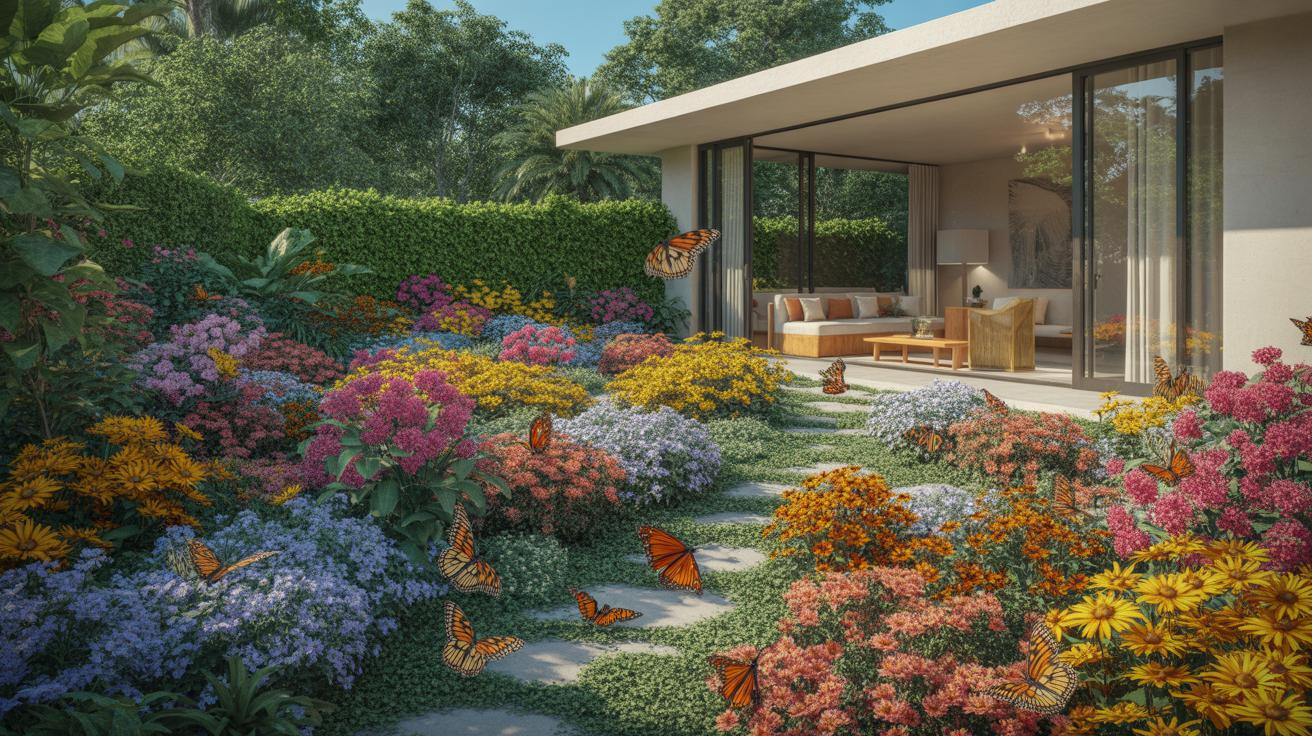
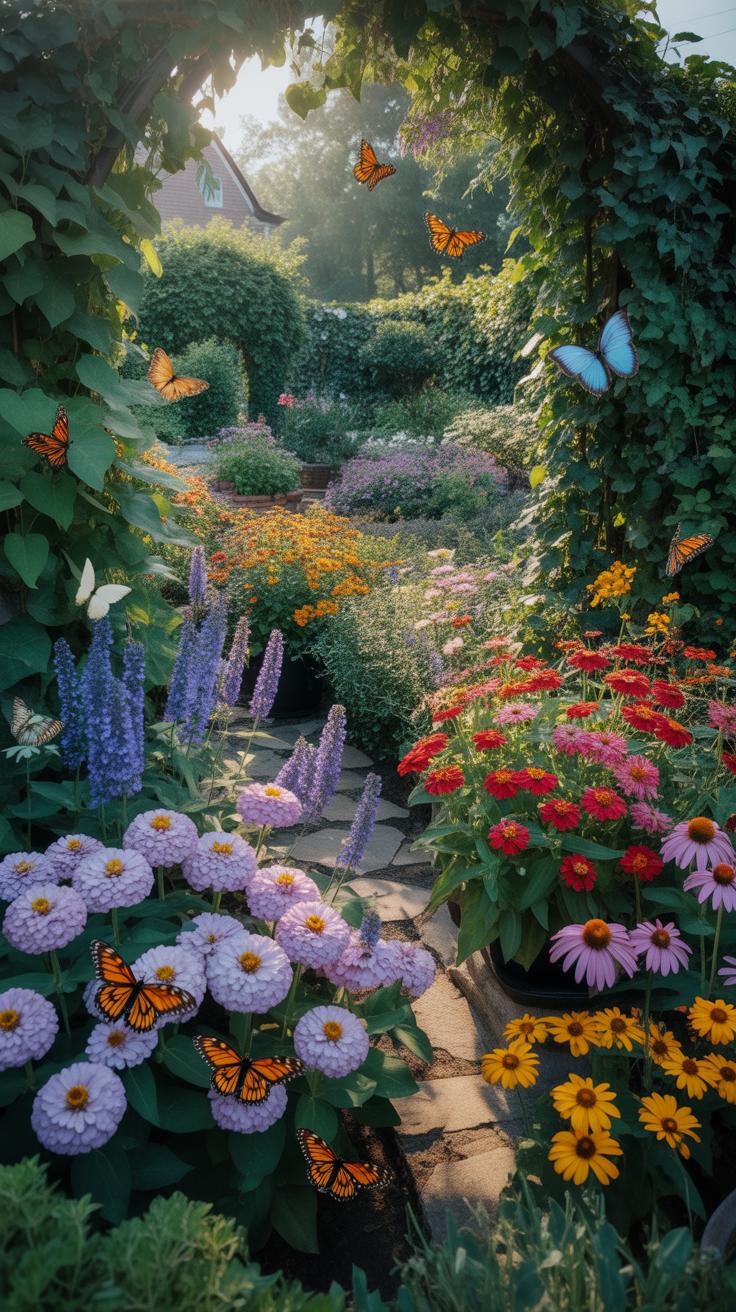
A butterfly garden design is a deliberate landscape strategy. It focuses on providing specific resources for the life cycle of lepidoptera. You do not just plant flowers for visual appeal. You install host plants for larvae and nectar sources for adults. This design serves as a critical biological corridor. It addresses habitat loss in urban areas while creating a controlled and structured outdoor space.
Successful designs prioritize function over decoration. You must integrate sun-exposed areas and wind protection into the layout. Butterflies are ectothermic and require solar heat to fly. A professional design uses mass plantings to make nectar sources visible from the air. This approach ensures the garden functions as a reliable feeding station. It transforms a standard yard into a high-performance ecological asset for the local environment.
How A Butterfly Garden Adds Ecological And Aesthetic Value To Your Property
A butterfly garden increases property value through sophisticated curb appeal and environmental stewardship. Modern buyers look for sustainable landscapes that require fewer chemical inputs. These gardens utilize native plants that thrive in local soil conditions. This reduces maintenance costs and water usage. A well-executed design replaces high-maintenance turf with perennial beds. These beds provide year-round structure and visual interest for the homeowner.
Ecologically, these gardens support essential pollination services for the entire neighborhood. They attract beneficial insects that prey on common garden pests. This creates a natural balance and eliminates the need for toxic pesticides. By choosing diverse plant species, you ensure a continuous bloom cycle. This strategy supports biodiversity while maintaining a high-end aesthetic. It represents a shift from passive landscaping to active environmental management.

Core Principles Of Butterfly Garden Design That Attract And Sustain Butterflies
Choosing The Right Location For Sunlight, Wind Protection And Water Access
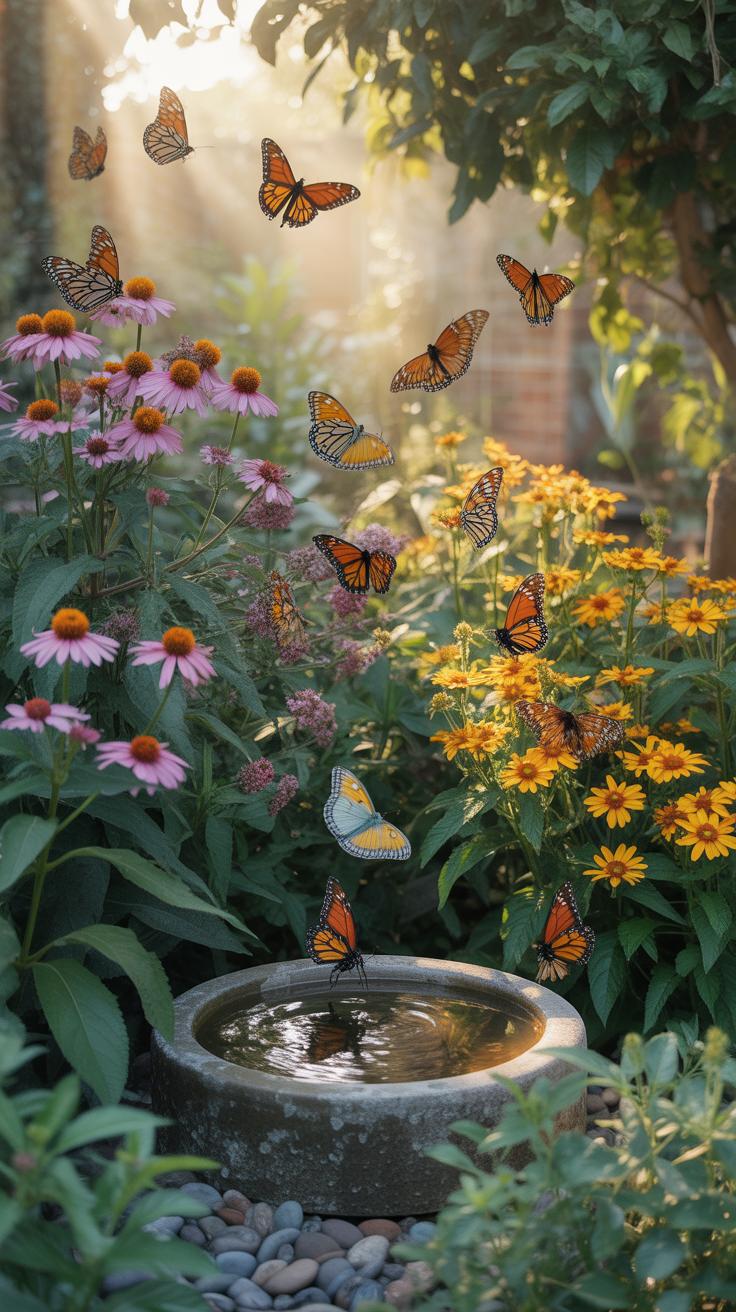
Butterflies are cold-blooded insects. They require external heat to regulate their body temperature for flight. You must place your garden in a spot that receives at least six hours of direct sunlight daily. Morning sun is the most critical factor. It allows butterflies to warm their wings and begin foraging early. Avoid low-lying areas where cold air traps moisture. Sunlight drives the entire biological process.
Wind is an enemy to small flying insects. High winds exhaust butterflies and push them away from food sources. Plant your garden near a south-facing wall or install a dense hedgerow to create a windbreak. Butterflies also need shallow water. They cannot drink from deep ponds. Create a puddling station using a shallow tray filled with wet sand and stones. This provides necessary minerals and hydration.
Designing With Host Plants And Nectar Plants To Complete The Butterfly Life Cycle
You cannot have a permanent butterfly population with nectar alone. You must include host plants where female butterflies lay eggs. Caterpillars are pick eaters. They usually eat only specific plants. Monarchs require milkweed while Black Swallowtails need dill or parsley. Without these specific plants, the life cycle stops. Research the local species in your region before choosing your greenery. Tactical planting ensures a new generation stays in your yard.

Nectar plants act as the refueling station for adult butterflies. Use mass plantings of the same species to create large color blocks. This makes it easier for butterflies to spot the garden from the air. Choose a variety of species that bloom at different times throughout the season. Early spring and late fall are the most vulnerable times for butterflies. A constant food supply keeps the population stable and prevents them from migrating elsewhere.
Best Butterfly Garden Ideas To Inspire Your Outdoor Space
Cottage Style And Wildflower Butterfly Garden Ideas For A Natural Relaxed Look
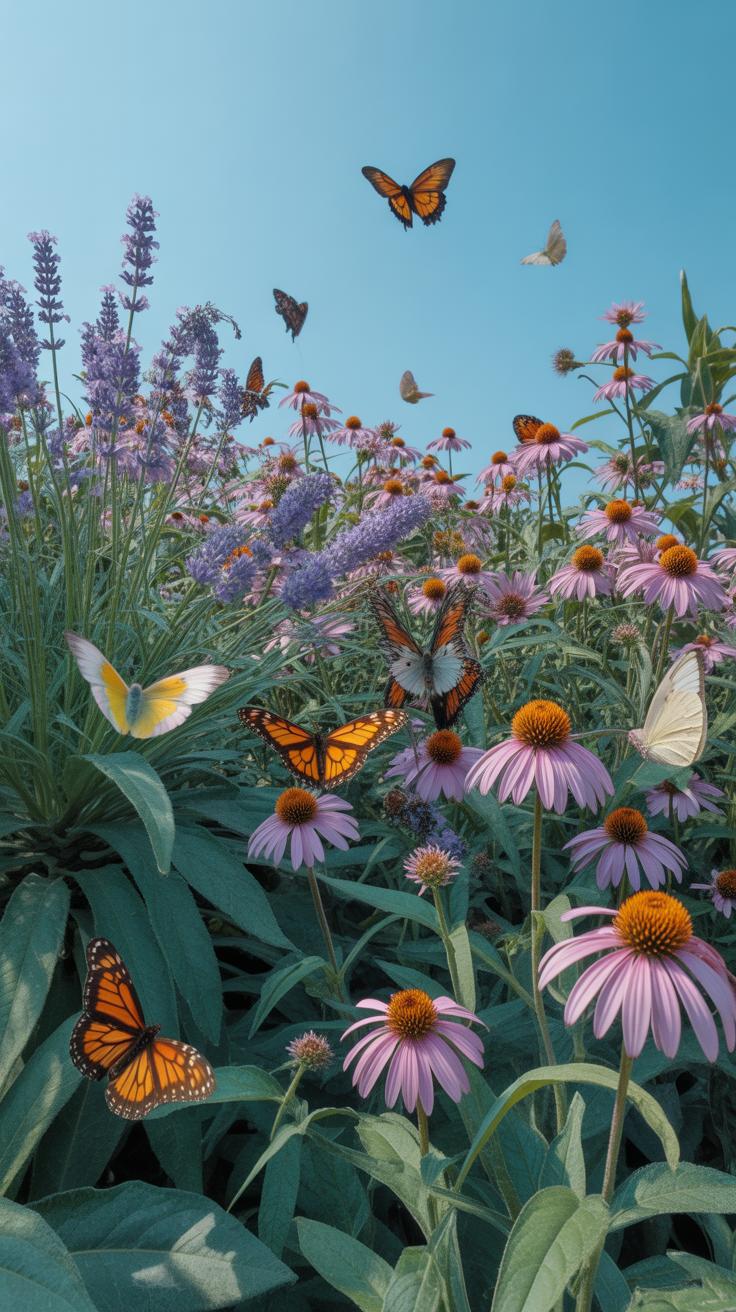
Cottage gardens use dense plantings to maximize nectar sources. This style mimics natural meadow ecosystems by mixing host plants and nectar flowers. You should avoid rigid rows. Instead, group plants in clusters of three or five. This helps butterflies locate food sources from the air. High plant density also creates a microclimate. These trapped pockets of air stay warm and protect fragile wings from wind.
Successful wildflower designs prioritize native species for local pollinators. Use Milkweed for Monarchs and Coneflowers for Tiger Swallowtails. These gardens require less water and chemical intervention once established. You must leave some dead plant material throughout the winter. Many butterfly species overwinter as larvae or pupae in leaf litter. Strategic neglect supports the full life cycle of the insect. This approach ensures a sustainable butterfly habitat.
Formal And Structured Butterfly Garden Ideas Design For A Polished Home Exterior
Formal butterfly garden design uses geometric layouts and clear borders. You achieve this look with boxwood hedges or stone paths. These structures define the space while interior beds hold pollinator plants. Use mass planting techniques to keep the aesthetic clean. Plant one species per section to create bold blocks of color. This organization appeals to human eyes while providing efficient foraging for butterflies.

Incorporate hardscaping like stone pavers or gravel paths. These materials serve a biological purpose. Butterflies are cold-blooded and need flat, sun-exposed surfaces to regulate their body temperature. Place flat stones in the sunniest parts of the garden. This provides necessary basking spots. Pair these with structured water features like shallow stone basins. These basins prevent drowning while offering essential minerals. Formal designs balance high-end curb appeal with ecological function.
Small Butterfly Garden Design Layout Making The Most Of Limited Space
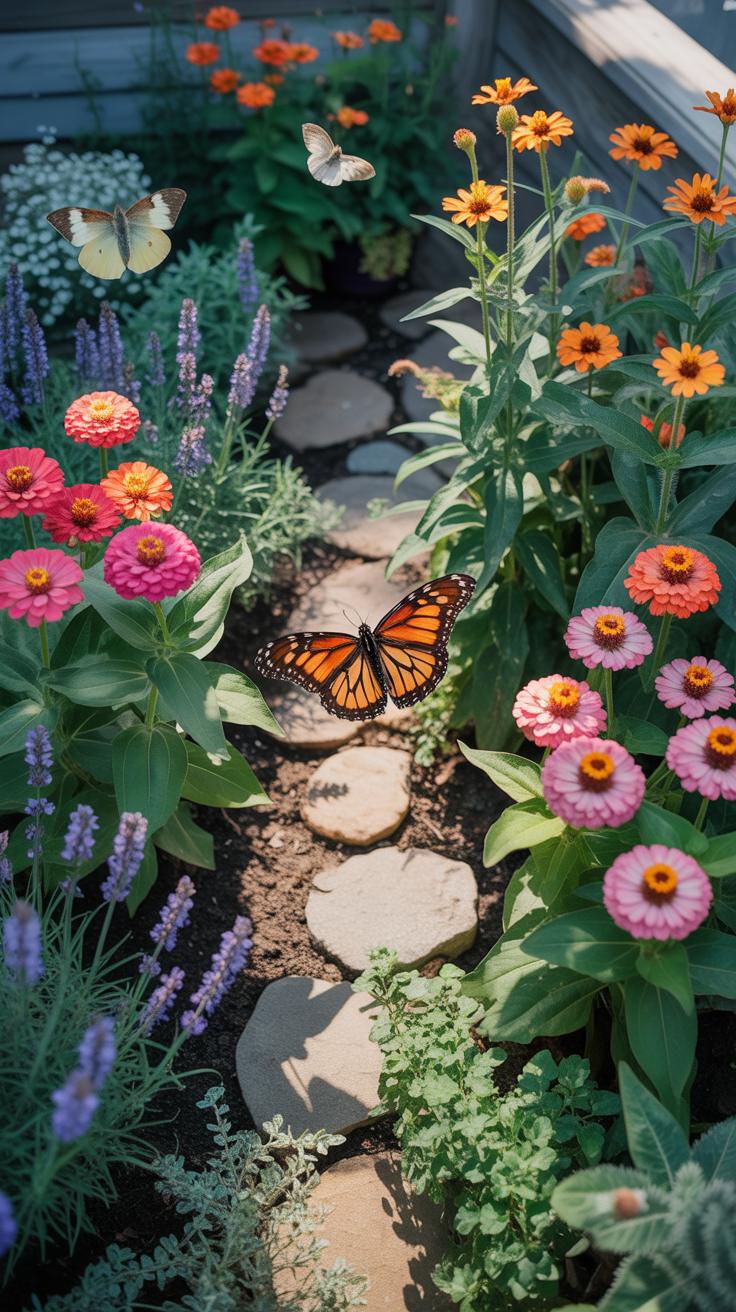
How To Plan A Small Butterfly Garden Design Layout In A Compact Yard Or Patio
Small spaces require high density planting to attract butterflies effectively. You must prioritize sun exposure and wind protection. Butterflies need sunlight to warm their wing muscles for flight. Map your yard to find areas receiving six hours of direct sun. Position your tall host plants against walls or fences to create a windbreak. This prevents fragile insects from being blown off course during feeding.
Focus on vertical layers to maximize your footprint. Use climbing vines like Honeysuckle or Pipevine on trellises to provide larval food without taking up floor space. Group plants by bloom time to ensure a constant nectar source from spring through fall. Select compact cultivars of native species to prevent overcrowding. Dense clusters of the same flower color help butterflies locate nectar sources from a distance.
Container Gardening And Raised Bed Strategies For Small Butterfly Gardens
Containers offer total control over soil quality and drainage. Most nectar plants require well draining soil to prevent root rot. Use large pots to insulate roots against temperature swings. Group several containers together to create a microclimate that retains humidity. This setup mimics a larger meadow and makes it easier for butterflies to find your garden. Place pots on casters to follow the sun.

Raised beds allow you to manage invasive host plants like Common Milkweed. These structures keep aggressive root systems contained while providing depth for perennials. Use cedar or stone for durability and aesthetic consistency with a modern home. Fill beds with a mix of organic compost and native topsoil. This provides the specific nutrients needed for healthy plant growth and high quality nectar production.
Butterfly Garden Design Layout Flower Beds Structuring Color Layers And Bloom Seasons
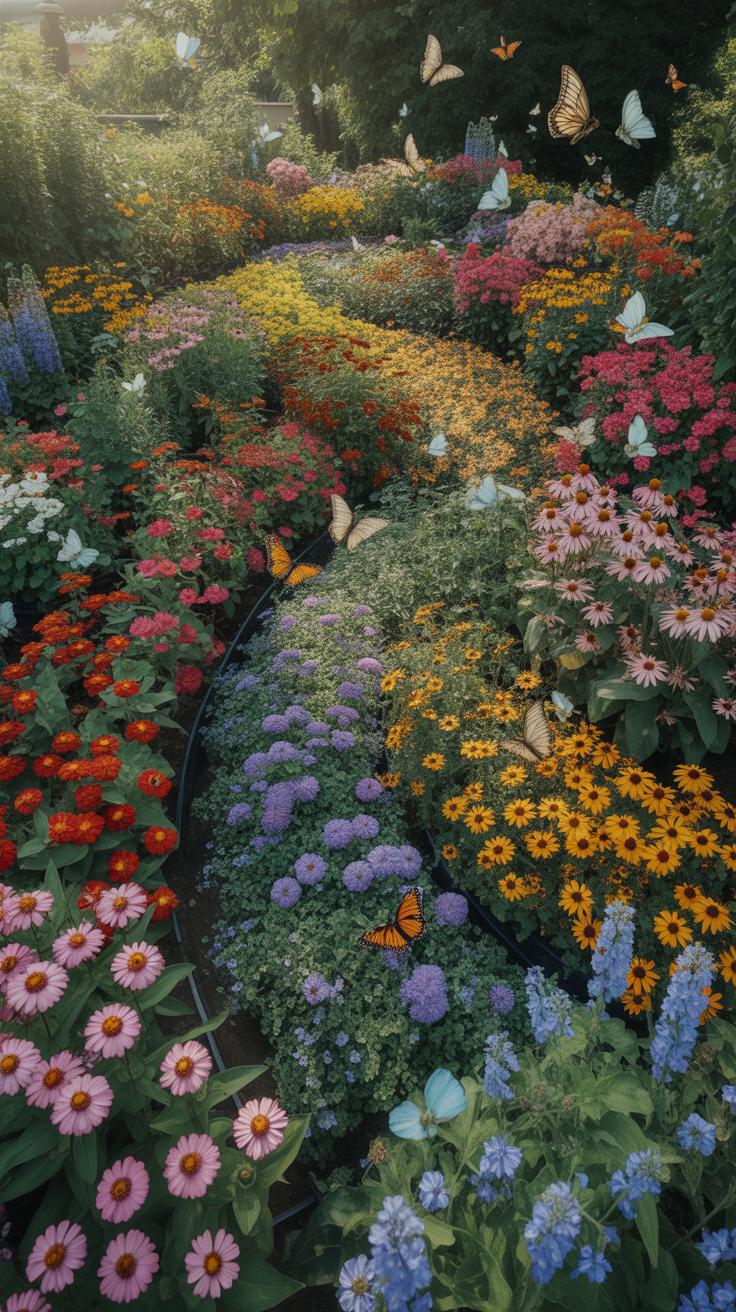
How To Arrange Butterfly Garden Design Layout Flower Beds By Height And Bloom Time
Arrange plant heights using a tiered system to maximize visibility and sunlight access. Place the tallest larval host plants at the back of the bed. Position mid-sized perennials in the center. Use low-growing ground covers at the front edges. This structural layering creates a windbreak that protects butterflies during flight. It also ensures every plant receives the specific light levels required for nectar production.
Strategic timing ensures a consistent food supply throughout the entire active season. Research the specific flight periods of local butterfly species to match your bloom schedule. You must overlap flowering times from early spring through late autumn. Gaps in blooming will force butterflies to leave your garden in search of other resources. Focus on clustering three to five plants of the same species to make them visible from the air.
The Best Flowering Plants To Include In Your Butterfly Garden Flower Bed Layout
Effective butterfly garden design requires a mix of nectar sources and host plants. You must provide food for both the adult butterflies and their developing larvae. Choose native species whenever possible to ensure local climate resilience and higher nutritional value. High-quality nectar plants usually feature flat-topped flower clusters. These platforms allow butterflies to land and feed easily without wasting energy while hovering or searching for access.
- Asclepias Tuberosa: This essential host plant serves the Monarch butterfly specifically. It provides vital nutrients for caterpillars and produces bright orange flowers that offer high nectar volumes for many other adult species during the peak summer months.
- Buddleja Davidii: Known for high nectar concentrations, this shrub attracts a wide variety of large butterflies. You must prune it regularly to maintain a manageable size and encourage new flowering growth for the duration of the warm season.
- Echinacea Purpurea: This sturdy perennial features a prominent central cone and flat petals. It withstands drought conditions well and provides a reliable landing platform for heavy butterflies like Swallowtails. It blooms consistently from mid-summer until the first frost.
- Symphyotrichum Oblongifolium: Native asters are critical for late-season energy. They provide the necessary fuel for migrating species when most other garden plants have finished blooming. Their compact growth habit makes them ideal for front-of-bed placement in structured layouts.
- Zinnia Elegans: These annuals offer some of the highest nectar yields per flower head. They are easy to grow from seed and provide vivid color until late autumn. Use them to fill temporary gaps in new perennial beds.

Select plants with different flower shapes to accommodate various proboscis lengths. Long-tongued butterflies prefer tubular flowers found on plants like honeysuckle. Smaller species focus on tiny clusters like those on yarrow or solidago. Maintaining a diverse selection of flower anatomy increases the total number of species your garden supports. Avoid double-bloom cultivars as these plants often trade nectar production for extra petals, rendering them useless for pollinators.
Butterfly Garden Plans Layout Mapping Out Your Garden From Concept To Reality
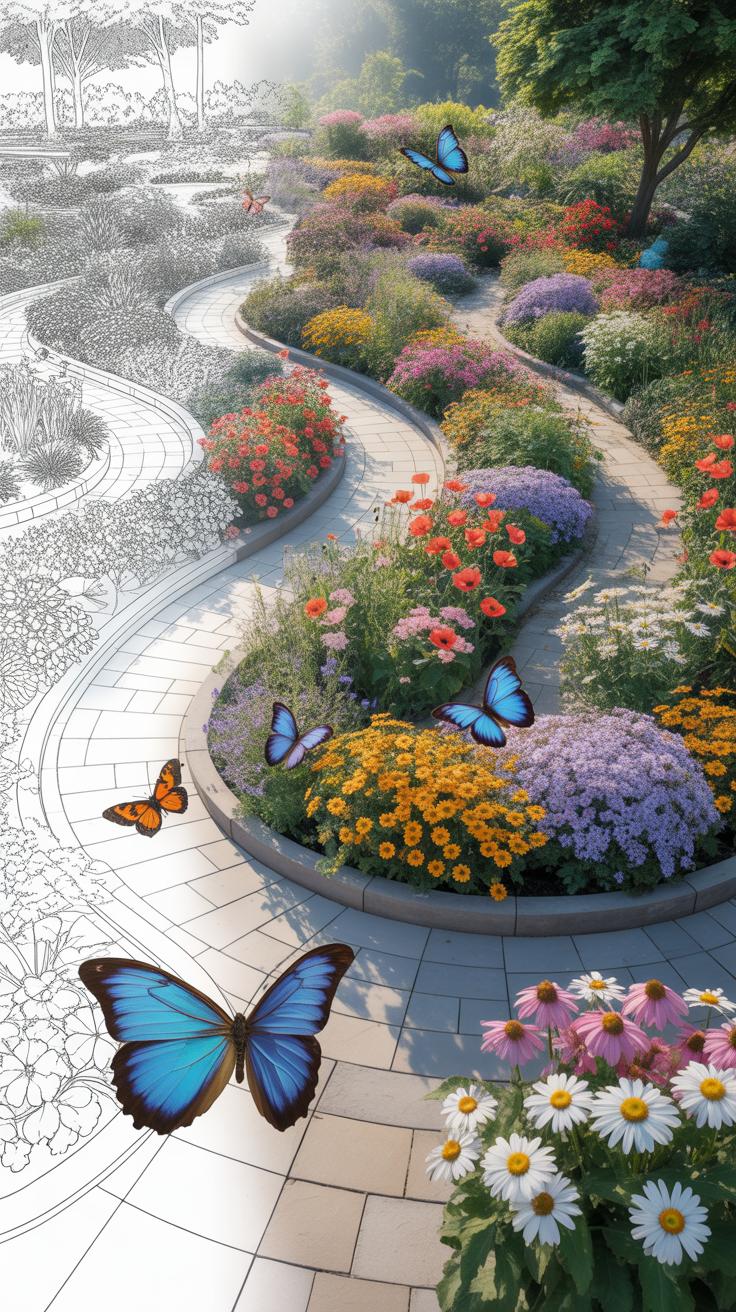
How To Sketch And Scale A Butterfly Garden Plans Layout That Works For Your Yard
Measure your available space using a fixed starting point like a fence or house wall. Transfer these dimensions to graph paper using a one-to-one scale. One square should equal one square foot of ground. Mark permanent structures and existing shadows first. Large trees or buildings create microclimates that dictate where your plants will actually survive. Accurate measurements prevent overcrowding and wasted money at the nursery.
Identify the path of the sun across your sketch. Most butterfly nectar plants require six to eight hours of direct light daily. Cluster your tallest host plants at the rear or center of the bed to avoid shading lower growers. Ensure your layout includes access paths for maintenance. Narrow walkways allow you to weed and deadhead without compacting the soil. Proper scaling ensures every plant has the airflow needed to prevent fungal diseases.
Key Design Zones To Include In Your Butterfly Garden Plans: Basking, Feeding And Shelter Areas
Strategic layouts must include distinct zones for different butterfly behaviors. Create a basking area by placing flat dark stones in the sunniest part of the garden. Butterflies are cold-blooded and need external heat to fly. Position these stones away from high traffic areas to prevent disturbance. Place water stations nearby using shallow dishes filled with damp sand. This allows for puddling behavior where insects extract essential minerals.

Design feeding and shelter zones with structural layers in mind. Group nectar-rich flowers in large monochromatic drifts to make them visible from the air. Butterflies waste energy searching for isolated plants. Surround these feeding stations with dense shrubs or tall grasses. These windbreaks create the calm microclimate necessary for delicate wings during storms. High-density planting also provides essential hiding spots from predators during the night.
Butterfly Garden Ideas Landscaping Blending Natural Habitat With Stylish Garden Design
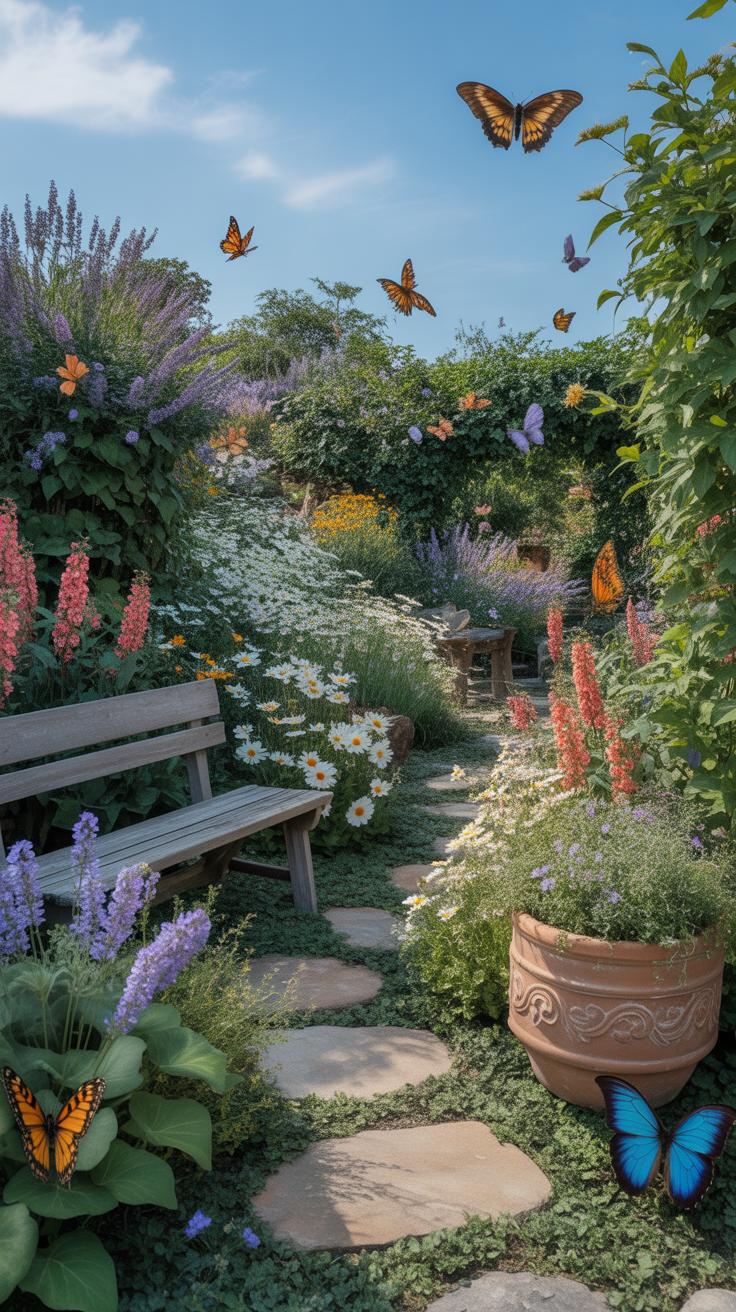
Using Native Plants, Stones And Water Features In Butterfly Garden Ideas Landscaping
Native plants provide the essential foundation for any functional butterfly habitat. These local species evolved alongside native pollinators to offer specific nectar and larval food. Modern landscaping integrates these plants into structured beds to maintain a clean aesthetic. Strategic placement ensures a continuous bloom cycle from spring through autumn. This approach supports biodiversity while adhering to the visual standards of high end residential design.
Stones and water features serve critical biological needs beyond their visual appeal. Large flat rocks placed in sun exposed areas allow butterflies to regulate their body temperature through basking. Shallow water sources or damp sand patches provide necessary minerals and hydration. Incorporating these elements into a patio or walkway design creates a seamless transition. This blends raw natural requirements with the clean lines of contemporary landscape architecture.
The butterfly is a flying flower, the flower a tethered butterfly. A garden designed with elegance becomes the perfect stage for this timeless dance of nature.
Practical Landscaping Tips To Maintain A Thriving And Visually Appealing Butterfly Garden
Successful butterfly gardening requires a strict departure from traditional chemically dependent lawn care. You must eliminate all synthetic pesticides and herbicides to protect larvae and adult insects. Use organic mulches to suppress weeds and retain soil moisture without introducing toxins. Focus on structural integrity by grouping plants of the same species. Mass plantings create high visibility for pollinators and a bold color statement for the home.
- Deadheading and Pruning: Remove spent flowers regularly to encourage new blooms throughout the growing season. This practice extends the nectar supply for migrating species and prevents the garden from looking unkempt. High quality shears ensure clean cuts that minimize plant stress and disease risk.
- Windbreak Installation: Butterflies are weak fliers and avoid feeding in high winds. Use dense evergreen hedges or decorative fencing to create calm microclimates within your garden. Strategic positioning allows butterflies to expend less energy while feeding on nectar rich blossoms near your home.
- Soil Management: Test your soil to ensure it meets the specific drainage needs of your native plant selection. Most butterfly attracting perennials thrive in well drained soil with moderate nutrient levels. Avoid over fertilizing with nitrogen as this promotes excessive leaf growth at the expense of flower production.
- Sanitation Practices: Leave some dried plant stalks and leaf litter in your garden beds during the winter months. Many butterfly species overwinter as eggs or pupae within this debris. You can clear the remaining surface clutter in late spring once temperatures consistently rise above fifty degrees.
- Irrigation Timing: Use drip irrigation systems to deliver water directly to the plant roots rather than spraying foliage or flowers. Wet petals can dilute nectar and make it harder for butterflies to feed. Morning watering ensures plants remain hydrated through the heat of the day without encouraging fungal growth.

Organize your plantings by height to create a tiered effect that mimics natural woodland edges. Place tall host plants like milkweed in the rear and shorter nectar sources in the front. This layering technique maximizes sun exposure for all species and improves visual depth. Maintenance remains manageable when the design accounts for plant maturity and spacing. Proper planning results in a resilient garden that looks intentional and professional.
How To Maintain Your Butterfly Gardens Through Every Season
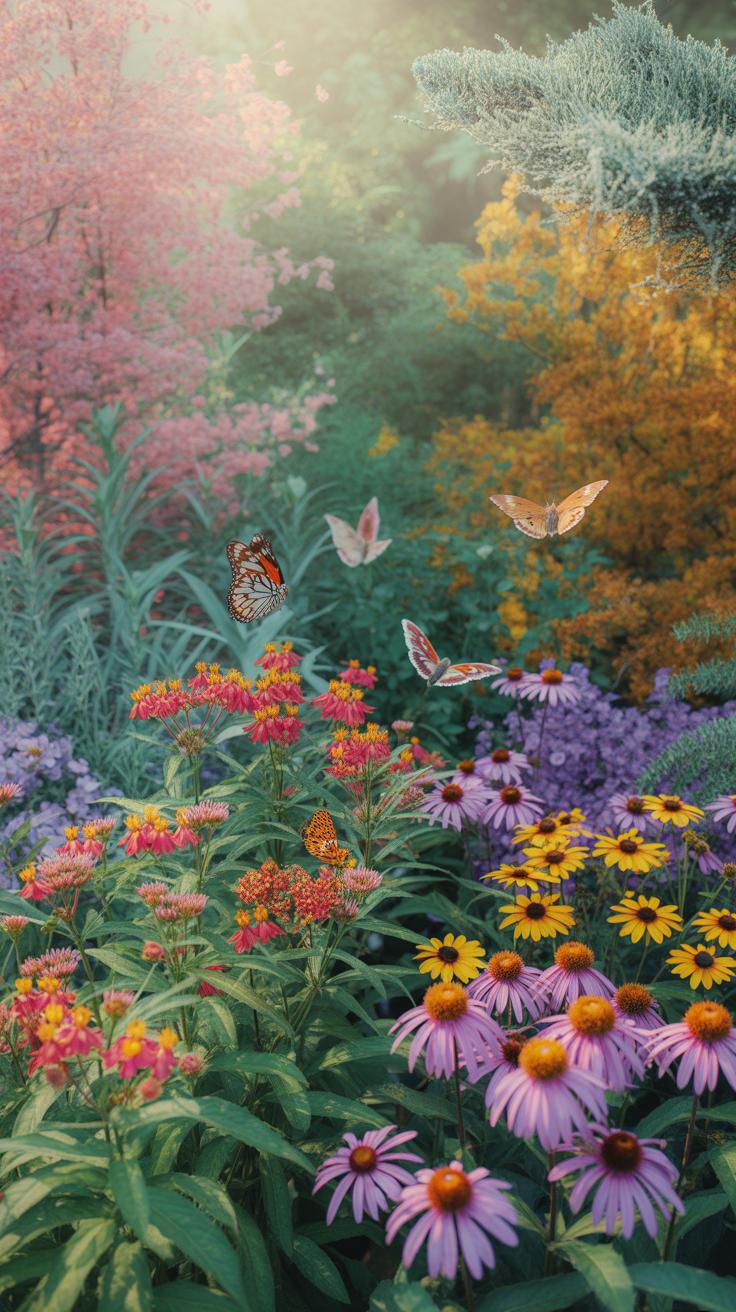
Seasonal Care Routines That Keep Your Butterfly Gardens Healthy And Active Year Round
Spring and summer require active monitoring of soil moisture and nectar production. Deadheading spent blooms encourages continuous flowering and provides a steady food source. You must water at the base of plants to prevent fungal growth on foliage. This practice keeps the habitat clean and accessible for foraging adults. Ensure that mud puddles remain damp during heat waves to facilitate essential mineral intake.
Winter maintenance focuses on preservation rather than cleaning. Do not cut back dried stalks or remove fallen leaves until spring temperatures stay above fifty degrees. Many species overwinter as eggs or chrysalises within this debris. Removing leaf litter destroys the next generation of butterflies. Leave the garden messy to provide insulation and protection from predators. High-quality habitats rely on this structural decay to survive the cold.
Avoiding Common Mistakes That Harm Butterflies And Undermine Your Garden Design
Pesticide use is the primary cause of butterfly garden failure. Broad-spectrum insecticides kill larvae and adults instantly. Even organic treatments like neem oil can disrupt the life cycle of beneficial insects. Spot-treat specific pests only if necessary or use physical barriers. Integrated pest management focuses on biological controls like ladybugs. Maintaining a chemical-free zone ensures the safety of the entire local pollinator population.

Incorrect plant selection often creates ecological traps. Avoid double-flowered cultivars because they often lack accessible nectar or pollen. Stick to straight species found in your local ecoregion to ensure nutritional compatibility. Managing invasive species is also critical for long-term success. Non-native plants can quickly crowd out the host plants that caterpillars need for survival. Monitor your garden borders to keep aggressive spreaders from dominating the design.
Frequently Asked Questions

What are the fundamental elements needed for a successful butterfly garden?
To create a thriving environment, you must provide both nectar plants for adult butterflies and host plants for their caterpillars. A great butterfly garden design also incorporates sunny spots for basking and shallow water sources for “puddling.” By layering various flower heights and blooming schedules, you ensure a continuous food supply throughout the season, making your backyard a reliable sanctuary that supports the entire pollinator life cycle beautifully.
How do I incorporate a butterfly garden design into a modern landscape?
Integrating pollinator-friendly plants into a contemporary aesthetic is all about structure. Use geometric raised beds or sleek steel edging to define your planting zones, preventing the garden from looking overgrown. Choose native perennials with bold colors that complement your home’s exterior. By grouping similar species together rather than scattering them, your butterfly garden design achieves a clean, intentional look that feels sophisticated while remaining highly functional for local wildlife.
Is it possible to create a beautiful butterfly garden on a tight budget?
Absolutely! You can achieve a stunning look without a large investment by starting plants from seeds rather than buying mature nursery containers. Focus on high-impact, easy-to-grow varieties like zinnias, cosmos, and marigolds. Additionally, many gardeners are happy to share divisions of their established perennials. With a little patience and strategic planning, you can develop an enchanting pollinator habitat that adds immense curb appeal to your home without overspending.