
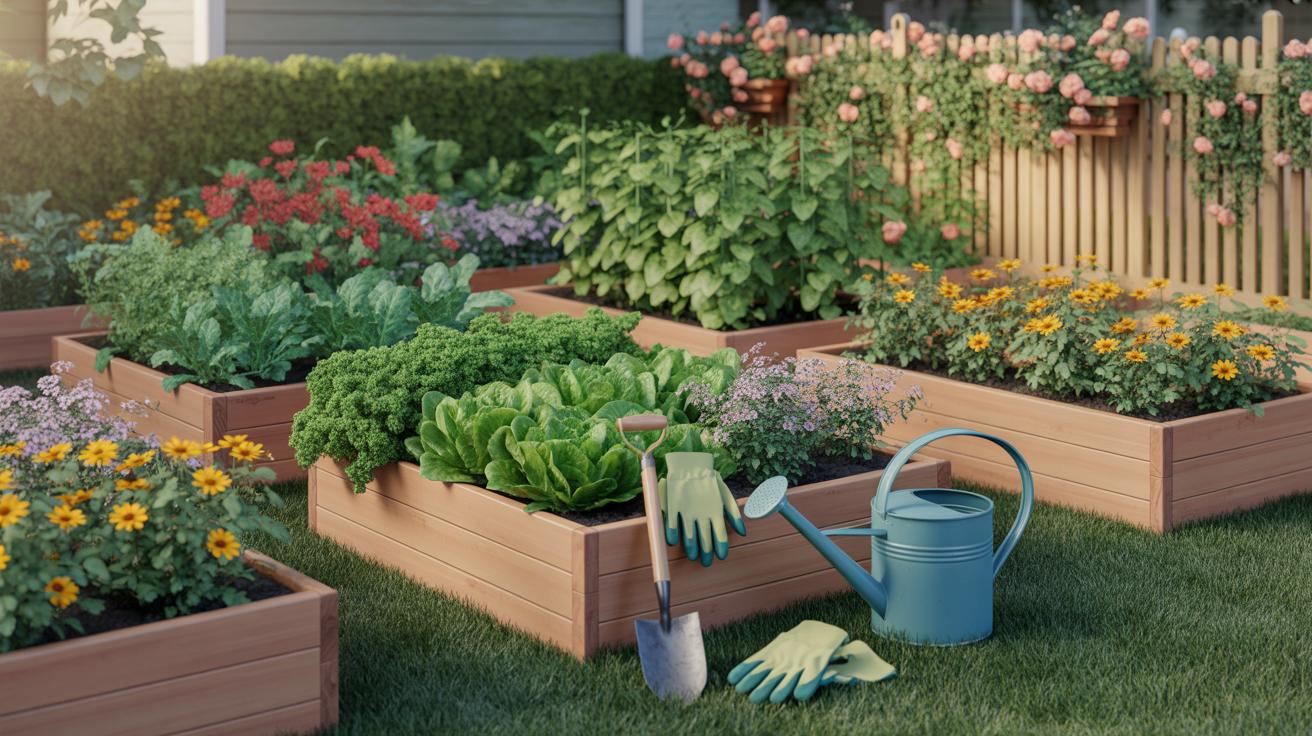
What Is A Raised Bed Garden Design And Why Beginners Love It
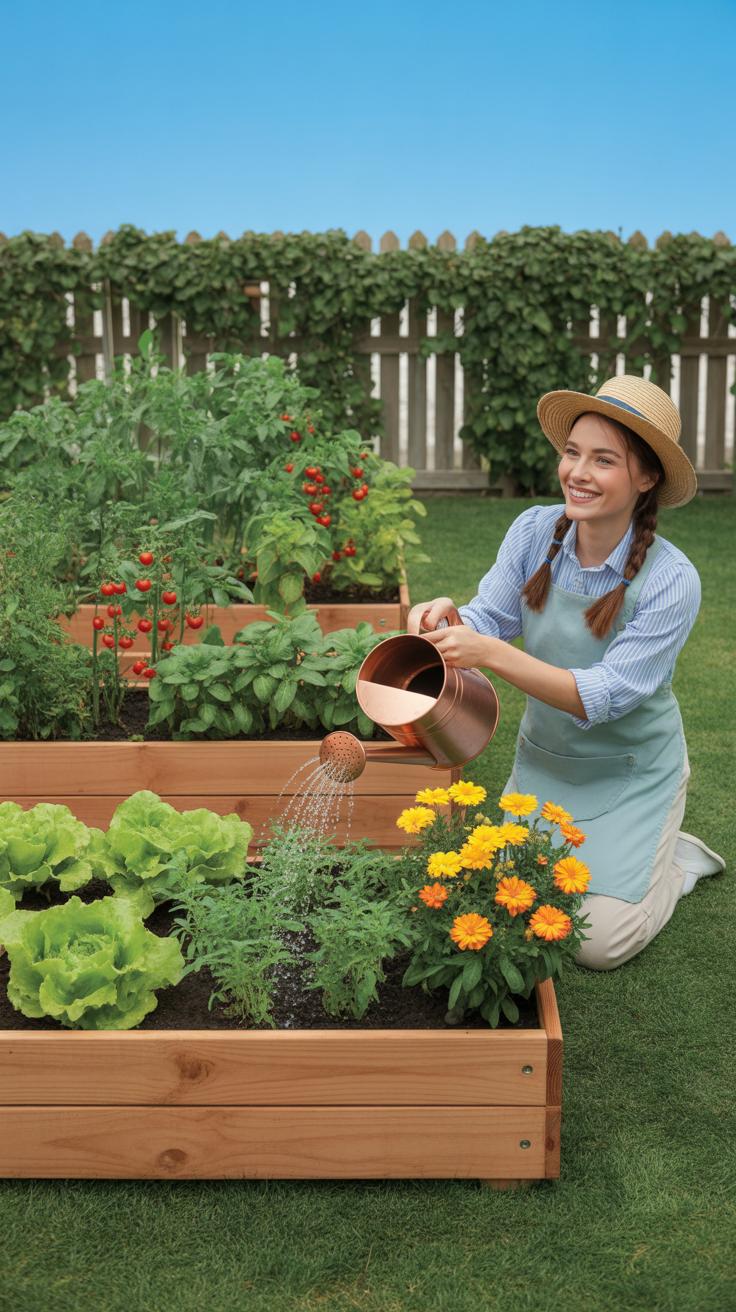
Understanding The Basic Concept Of Garden Beds And How They Differ From In Ground Planting
A raised bed garden uses a contained frame built above the natural soil line. You fill this frame with a specific mix of soil and organic matter. This design separates the growing area from the surrounding ground. While in-ground gardening relies on the existing dirt at your site, raised beds allow you to build an ideal environment from the ground up right away.
In-ground planting requires heavy tilling and constant struggle against native soil compaction. Raised beds eliminate these issues because you never walk on the growing surface. This prevents the soil from becoming hard and dense. You gain total control over the height and depth of the root zone. This structural shift changes how water moves and how roots expand compared to traditional flat ground rows.
Key Beginner Benefits: Better Drainage, Fewer Weeds, And Easier Soil Control
Raised beds provide superior drainage because the soil sits above the water table of the yard. Gravity pulls excess moisture through the loose soil mix and out the bottom of the frame. This prevents root rot during heavy rains. Beginners often overwater their plants. The elevated design acts as a safety net by ensuring that the soil stays aerated and never becomes a swamp.
Weed management is significantly easier in a raised bed system. You start with clean, weed-free soil rather than fighting dormant seeds in the ground. The physical barrier of the frame also stops creeping grasses from invading the garden space. Because you control the soil quality, you can ensure high nutrient density from day one. You do not need to spend years amending poor local clay or sand.

Choosing The Right Location For Your Raised Garden Beds
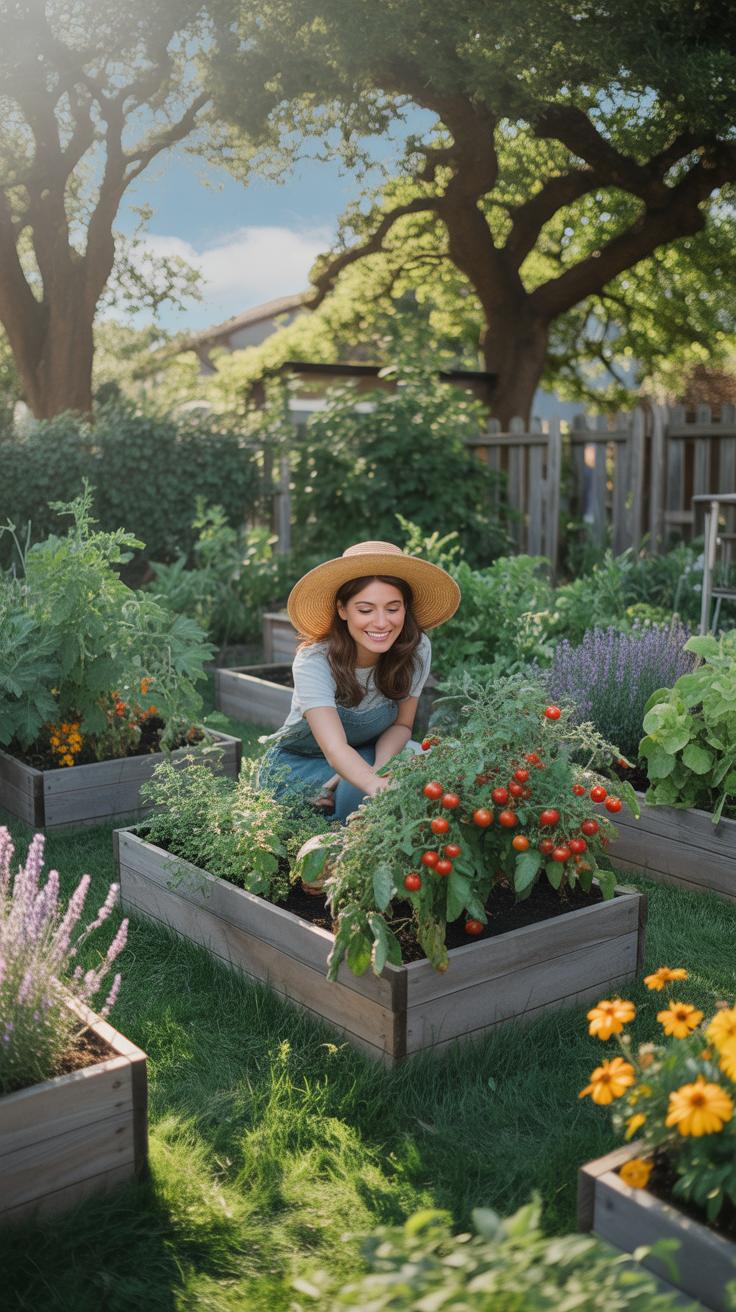
How Sunlight, Water Access, And Ground Level Affect Where You Place Your Raised Beds
Vegetables require six to eight hours of direct sunlight daily to produce energy. Position your beds along a south-facing axis to maximize solar exposure throughout the day. Avoid placing structures near tall fences or large trees that cast long shadows. Shaded plants grow weak stems and produce low yields. Track the sun patterns across your yard before you build any permanent frames.
Water access determines the long-term success of your garden. Place beds near an external faucet or rain barrel. Lugging heavy hoses across large distances creates friction and leads to neglect. Level ground is also vital for uniform moisture. Sloped ground causes water to pool at one end, leaving some plants dry and others drowning. Level the site or use shims to stabilize the base.
Evaluating Your Yard Space And Avoiding Common Placement Mistakes
Space evaluation requires looking beyond the footprint of the bed itself. You must leave at least two feet of walking space between each unit. This allows room for wheelbarrows and maintenance tools. Avoid placing beds in low-lying areas where water collects after rain. Poorly drained soil under the bed can rot the wood and suffocate plant roots. Strategic spacing ensures you can reach the center comfortably.

Placement mistakes often include ignoring wind patterns and underground utilities. High winds can snap tall plants like tomatoes or corn. Position your beds near a windbreak or use the house for protection. Check for buried power or water lines before driving stakes into the ground. Do not block access to septic tanks or meters. A tactical layout prevents future property damage and makes harvesting your crops much easier.
How To Choose The Best Size And Shape For Your Bed Design
Standard Raised Bed Dimensions: Why A 4×8 Foot Bed Is The Most Beginner Friendly Option
The four-by-eight-foot rectangle is the industry standard for tactical efficiency. This size allows you to reach the center of the bed from either side without stepping on the soil. Most lumber comes in eight-foot lengths, which eliminates the need for complex sawing. A four-foot width prevents soil compaction because your feet never enter the growing area. Keeping soil loose is vital for root health and drainage.
This specific footprint creates thirty-two square feet of growing space. It fits standard irrigation kits and row covers perfectly. Greenhouses and supply stores build accessories around these dimensions. You save money by using stock materials instead of custom cuts. Beginners avoid the trap of building beds too wide. If you cannot reach the middle, you will struggle with weeding and harvesting throughout the season.
Exploring Different Shapes — Rectangular, Square, And L Shaped Raised Garden Beds For Unique Spaces
Rectangular beds maximize straight-line irrigation and mechanical efficiency. Square beds, usually four-by-four feet, work well for small patios or tight corners. They use less lumber and are easy to assemble quickly. These shapes follow the Square Foot Gardening methodology developed in the late twentieth century. This method organizes plants into grids to boost yield. Use these shapes when your primary goal is high-density food production in a small area.

L-shaped beds solve the problem of corner placement. They wrap around fences or deck edges to use dead space. You must ensure you can reach every part of the bend without overextending. This shape often requires more structural bracing at the joints to prevent bowing. Choose an L-shape if you want to create a visual border or a wraparound garden path. It maximizes your walking room while keeping plants accessible.
Best Materials To Build Long Lasting Raised Garden Beds
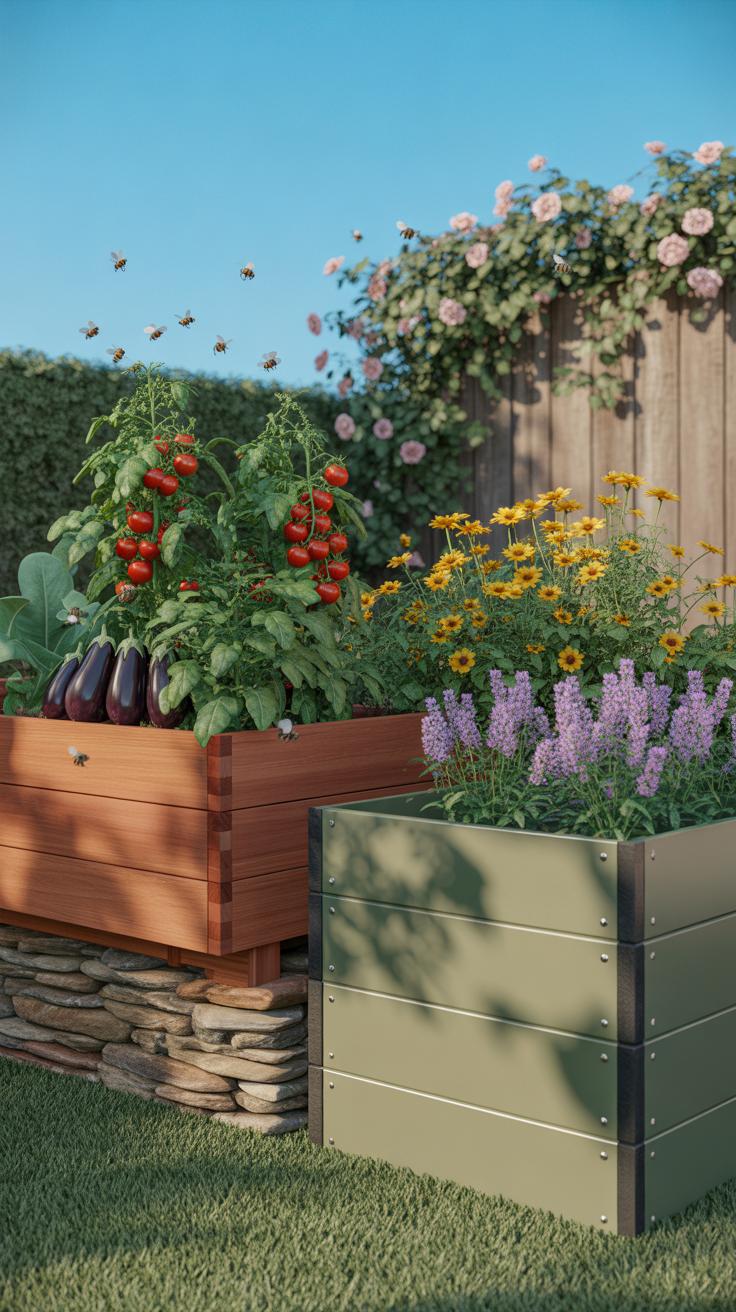
Comparing Wood, Cedar, Galvanized Steel, And Composite Materials For Your Raised Beds
Selecting the right material determines the lifespan and cost of your raised bed garden design. Wood remains the most common choice due to its availability and ease of assembly. However, different wood species offer varying levels of rot resistance. Metal and composite options provide modern alternatives that eliminate the risk of decay. You must balance initial investment against long term durability and maintenance.
- Cedar: This wood contains natural oils that repel insects and resist rot for many years. It remains the gold standard for wooden garden beds because it does not require chemical treatments. It costs more than pine but lasts much longer in wet soil conditions.
- Pressure Treated Pine: Modern treated lumber uses micronized copper azole which is safer than older chemical versions. It is the most affordable way to build a durable bed that resists fungal decay and termites. Expect a lifespan of roughly ten years in many climates.
- Galvanized Steel: This material reflects heat and will not rot or crack over time. High quality steel beds feature a zinc coating that prevents rust even after years of exposure to moisture. It is lightweight and easy to move before you add soil.
- Composite Boards: Made from a blend of wood fibers and recycled plastic, these boards never rot or warp. They offer the look of wood without any of the maintenance requirements like staining or sealing. They are very heavy and require strong supports to prevent bowing.
- Douglas Fir: This represents a middle ground between cheap pine and expensive cedar. Fir is stronger than pine and offers moderate resistance to the elements for a few seasons. Use thicker boards to extend the life of the bed when choosing this budget wood.
Steel and composite materials offer the highest durability for permanent installations. Metals like aluzinc or galvanized steel withstand extreme weather shifts without expanding or contracting. Composites provide a clean look and survive for decades without structural failure. While these materials cost more upfront, they save money over time. You will not have to replace rotted boards every five years with these durable options.
What To Avoid: Treated Wood, Tires, And Other Materials That Can Leach Toxins Into Soil
Avoid using old railroad ties or telephone poles for your garden beds. These materials contain creosote which is a toxic wood preservative derived from coal tar. Creosote leaches into the soil and can harm your plants and your health. Older pressure treated lumber from before 2003 often contains chromated copper arsenate. This material releases arsenic into the ground and is dangerous for growing food.

Steer clear of used tires and painted scrap wood for your garden. Tires release heavy metals and chemical stabilizers as the rubber breaks down in the sun. Lead based paint on old boards can flake off and contaminate your vegetable harvest permanently. Always choose untreated or food safe materials to keep your soil clean. Focus on stability and safety to ensure your garden remains a healthy source of food for years.
Planning Your Garden Bed Layout For Maximum Growth And Accessibility
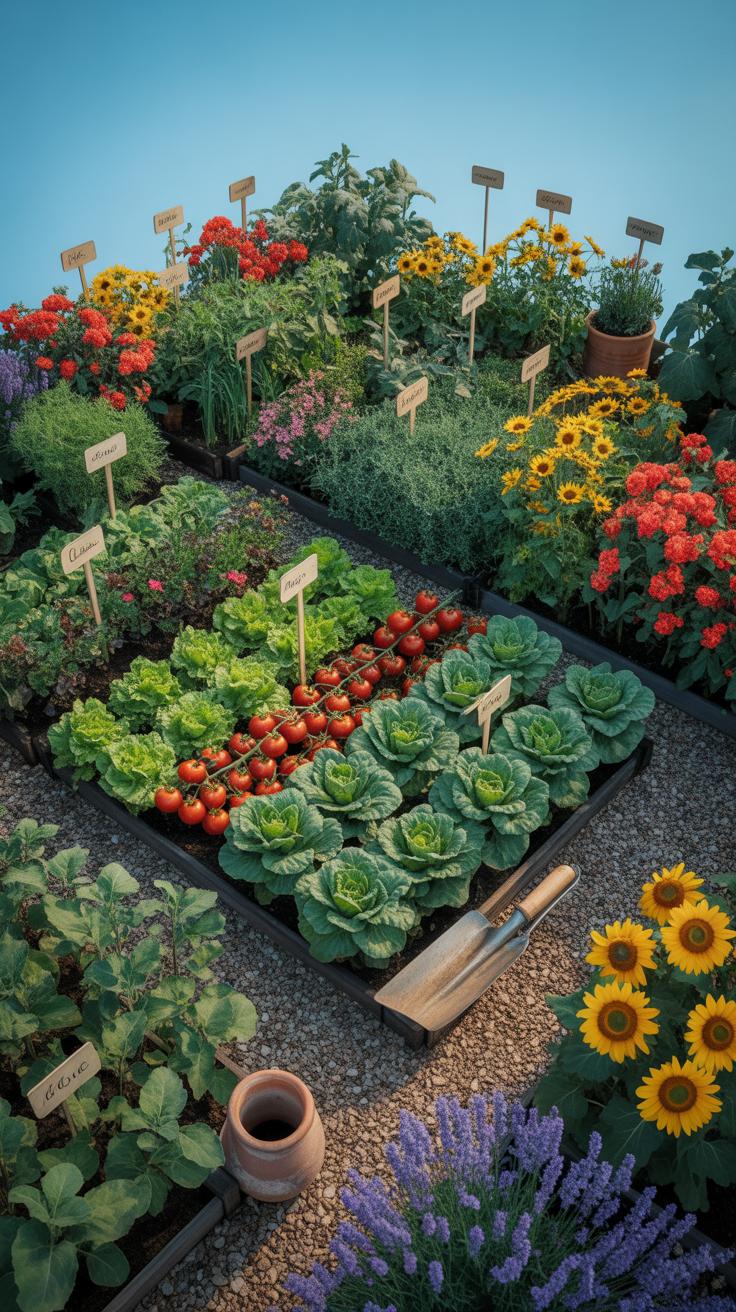
How To Design A Raised Bed Garden Layout That Maximizes Space Using Square Foot Gardening Principles
Square foot gardening uses a grid system to manage space. You divide every bed into one foot squares. This method removes the need for traditional rows. Mel Bartholomew popularized this system in 1981 to reduce waste. It allows you to plant high density crops in small areas. You calculate exactly how many plants fit in each square based on mature size.
Proper grid planning prevents overplanting and soil compaction. You never step on the growing medium in this layout. You can reach the center of the bed from the perimeter. This setup maximizes yield per square inch. It works best in beds four feet wide or smaller. You focus resources only on the areas where plants grow. This efficiency saves water and expensive soil components.
Spacing Pathways And Grouping Raised Garden Beds Layout For Easy Harvesting And Maintenance
Pathway width determines the long term success of your garden. You must leave three feet between beds for standard foot traffic. Leave four feet if you use a wheelbarrow or garden cart. Narrow paths make harvesting difficult and restrict airflow. Wide paths improve sunlight exposure for low plants. You need stable ground like gravel or wood chips to prevent mud and weeds.

Group beds in blocks to consolidate irrigation systems. Align the long side of the beds toward the south for even sun. This orientation prevents tall plants from shading smaller neighbors. Place your most frequent harvest crops closest to the kitchen. Rational grouping reduces the steps you take every day. Logical layouts minimize physical strain during heavy maintenance tasks like mulching or soil amendments.
Filling Your Raised Garden Beds With The Right Soil Mix
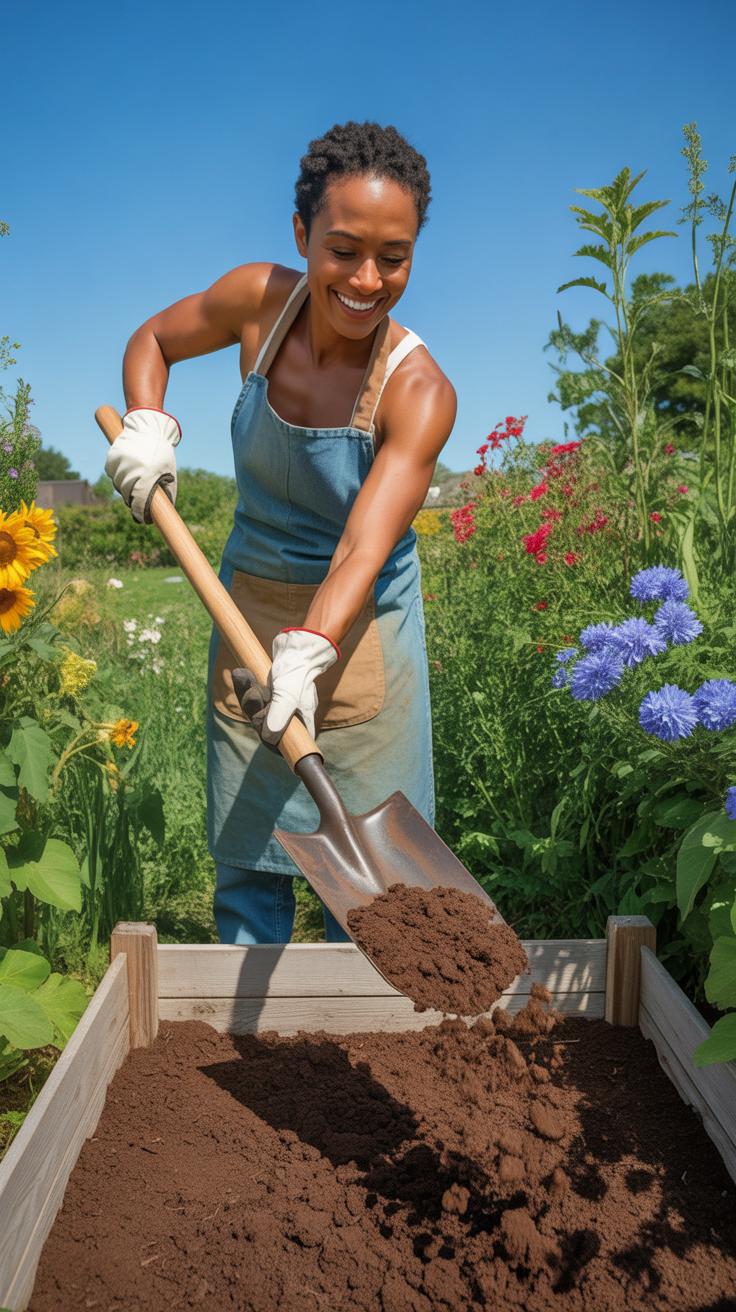
The Ideal Soil Blend: Understanding The Ratio Of Topsoil, Compost, And Coarse Sand Or Perlite
Successful raised bed garden design relies on a specific three part ratio. You must mix sixty percent topsoil with thirty percent high quality compost. Fill the remaining ten percent with coarse sand or perlite. This combination ensures the medium holds enough moisture for roots while allowing excess water to drain away. This structure prevents soil compaction and allows air to reach plant roots.
Topsoil provides the physical volume and mineral base for your garden beds. Compost introduces essential nutrients and beneficial microbes that feed your plants throughout the growing season. Coarse sand or perlite improves the internal drainage and prevents the mix from becoming a solid block of mud. Use these specific proportions to create a loose and friable texture that makes planting and weeding easy.
Why Native Ground Soil Alone Is No Recommended For Raised Beds And What To Use Instead
Never fill your raised beds with plain dirt from your backyard. Native ground soil usually contains high levels of clay or silt that drain poorly in an enclosed frame. This soil becomes heavy and compacts quickly when you water it. Compressed soil starves roots of oxygen and leads to root rot. Traditional ground soil also contains dormant weed seeds and harmful soil pathogens.

Professional growers use soilless mixes or engineered blends to avoid these issues. If you cannot mix your own, purchase a high quality raised bed potting mix from a reputable supplier. These commercial blends use peat moss or coconut coir to regulate moisture levels effectively. Choosing the right medium at the start saves money on fertilizers. It also reduces the time you spend fighting weeds and poor plant growth.
Raised Garden Bed Ideas Layout To Inspire Your Dream Backyard Garden
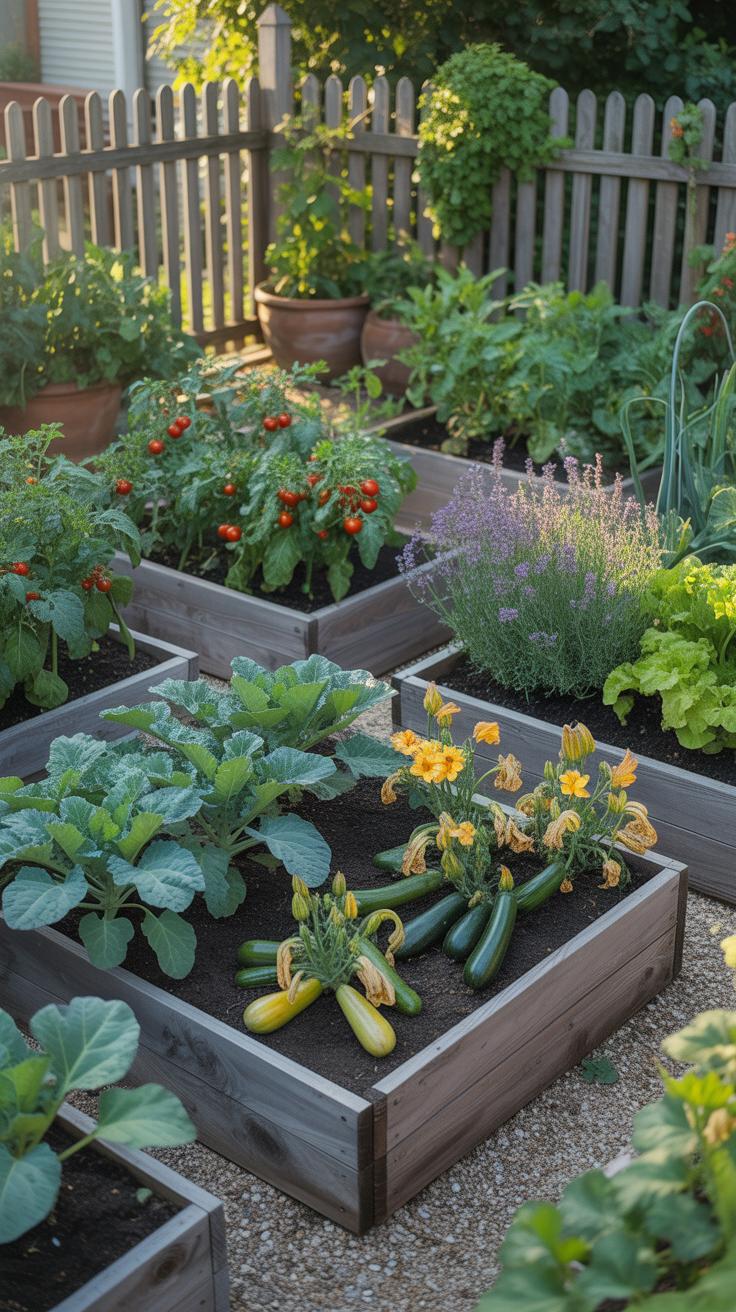
Popular Raised Garden Bed Ideas Layout Styles: Cottage, Kitchen Garden, And Formal Symmetrical Designs
Cottage layouts prioritize high density and natural wood materials like cedar. These designs use irregular spacing to maximize food production in small areas. You place taller crops in the center and shorter herbs at the edges. This style mimics traditional English gardens where efficiency and biodiversity matter more than rigid lines. It works best for beginners who want a low-maintenance, organic appearance.
Formal symmetrical designs follow the Potager style from 17th-century France. You arrange rectangular or square beds in mirror images across a central axis. This layout provides clear access for maintenance and harvesting. It relies on geometric precision to create a clean, organized aesthetic. Use gravel or brick paths to define the boundaries. This structure simplifies crop rotation and irrigation planning for long-term success.
The most noteworthy thing about a gardener is that they are always optimistic. To plant a simple raised bed is to believe in the soft beauty of tomorrow.
Adding Trellises, Pathways, And Borders To Elevate Your Raised Bed Garden Layout Aesthetically
Vertical infrastructure and ground-level transitions determine the functionality of your garden layout. Trellises allow you to grow vining crops like cucumbers and pole beans without taking up bed floor space. Pathways provide a stable surface for wheelbarrows and heavy foot traffic. Borders prevent soil erosion and keep grass from invading your growing area. These elements transform a group of boxes into a cohesive system.
- Cattle Panel Trellises: These heavy-duty steel grids arch between two parallel beds. They provide a rigid structure for heavy climbing plants like melons or squash. This setup creates a walk-through tunnel that maximizes vertical space and improves air circulation for the plants.
- Permeable Gravel Paths: Graded gravel allows water to drain away from the beds while providing a weed-free walking surface. Use a landscape fabric underlayment to prevent soil mixing. This material handles heavy weight and remains stable in wet weather conditions throughout the year.
- Stone Masonry Borders: Natural stone or pavers create a permanent perimeter around the garden zone. This barrier stops invasive root systems from entering your nutrient-rich soil. It also provides a flat edge for lawn equipment to trim grass without damaging the raised bed walls.
- Hardwood Mulch Walkways: Organic mulch offers a cost-effective and soft path material that suppresses weeds. As the wood breaks down, it improves the biology of the surrounding soil. This is a tactical choice for gardens that may require layout adjustments in future seasons.
- Obelisk Support Structures: Free-standing pyramids add height and focal points within a symmetrical layout. Use these for indeterminate tomatoes or flowering vines. They provide structural integrity against wind and keep fruit off the ground to prevent rot and pest damage.

Integrated accessories must match the load-bearing requirements of your specific crops. Wooden trellises require pressure-treated or rot-resistant species like redwood to last more than three seasons. Paths must be at least thirty-six inches wide to allow for comfortable movement and tool access. Proper spacing between borders and beds ensures you have room to kneel and work. Plan these measurements before you drive the first stake into the ground.
What To Plant First Beginner Friendly Crops For Your New Raised Bed Garden Design
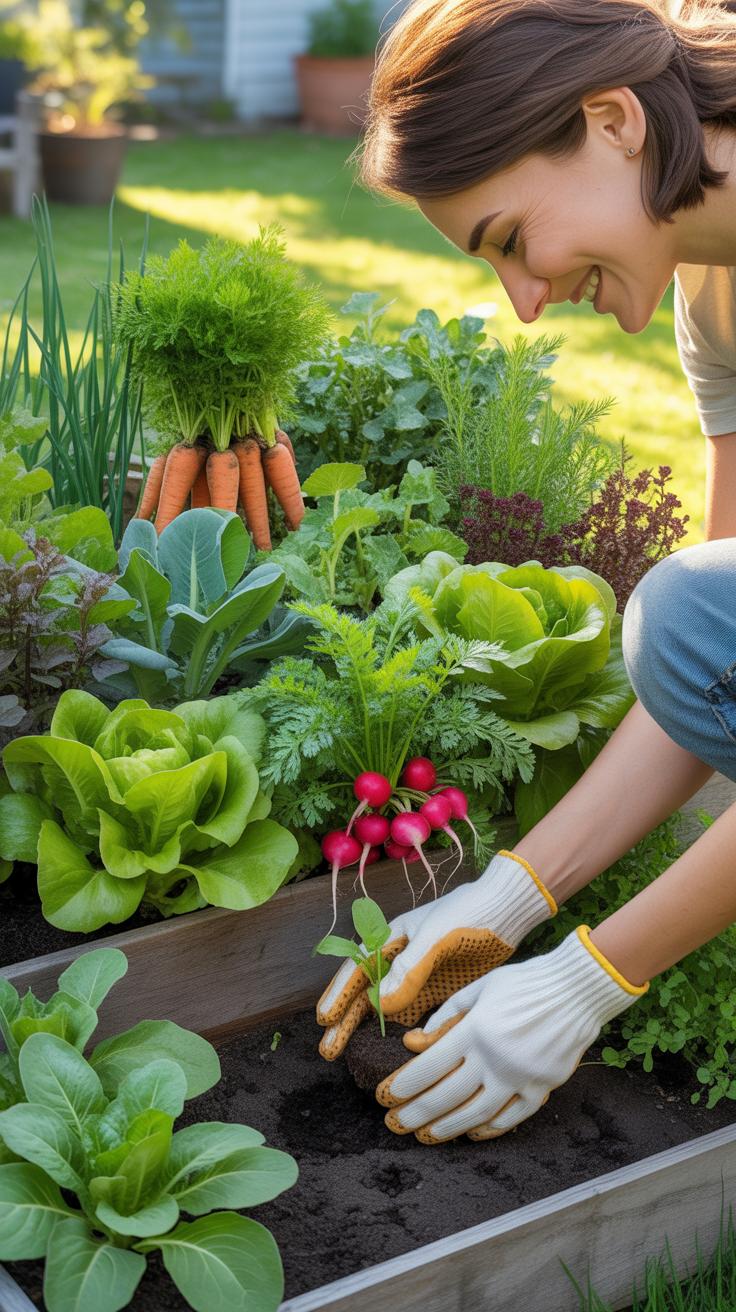
Easy Vegetables And Herbs That Thrive In Raised Beds: Lettuce, Tomatoes, Basil, And Radishes
Radishes offer the fastest results for new gardeners. These root vegetables mature in thirty days or less. They require minimal depth and tolerate various soil conditions. Lettuce also performs well in raised beds because the soil warms faster in the spring. You can harvest outer leaves early to extend the season. These crops provide immediate success while you wait for slower plants to grow.
Tomatoes and basil form a high-yield duo for any raised bed. Indeterminate tomato varieties require vertical support like cages or stakes to maximize space. Basil thrives in the warm, well-drained soil found in these elevated structures. Both plants need consistent water and high nutrient levels. Planting them together utilizes the specific drainage benefits of a raised design. This combination ensures a productive harvest throughout the summer months.
Companion Planting Basics: How Pairing The Right Plants Improves Yields In Your Garden Bed Layout
Companion planting maximizes your garden efficiency. This strategy places specific plants together to help each other grow. Some plants deter pests with their natural scent. Others fix nitrogen into the soil to feed their neighbors. Tall plants like corn or sunflowers provide shade for delicate greens. Using these biological relationships reduces the need for chemicals. It also helps you grow more food in less total space.

Correct plant placement prevents competition for resources. Deep-rooted crops should sit next to shallow-rooted ones. This ensures they do not fight for water in the same soil layer. Strategic pairing can also improve the flavor of certain vegetables. Marigolds are a common choice for borders because they repel harmful insects. Good design considers these interactions before the first seed hits the soil. Research your specific plant needs to build a stable ecosystem.
Frequently Asked Questions

What are the best materials for a beginner raised bed garden?
For a simple raised bed garden design, untreated cedar or redwood are the gold standards because they naturally resist rot and pests without leaching chemicals into your soil. If you are looking for an even easier start, consider durable composite kits or galvanized steel beds. These materials provide a clean, modern aesthetic and are incredibly easy to assemble, allowing you to focus on planting rather than complex carpentry tasks.
How do I choose the best location and size for my new garden beds?
When planning your raised bed garden design, prioritize a flat area that receives at least six to eight hours of direct sunlight daily. Accessibility is key for beginners, so ensure you design your beds to be no wider than four feet. This width allows you to reach the center from either side without stepping on and compacting the soil, keeping your plants healthy and your maintenance routine manageable throughout the season.
Is it possible to build a functional raised garden on a tight budget?
Absolutely! You can create a budget-friendly garden by upcycling materials like heat-treated shipping pallets, old dresser drawers, or even large fabric grow bags. To save more, use the “hugelkultur” method by filling the bottom half of your beds with fallen branches, dried leaves, and grass clippings. This reduces the amount of expensive potting soil you need to purchase while providing long-term nutrients for your vegetables as the organic matter decomposes.