
What Is A Cutting Garden Design And Why Every Beginner Should Have One
The Simple Purpose Behind A Cut Flower Garden
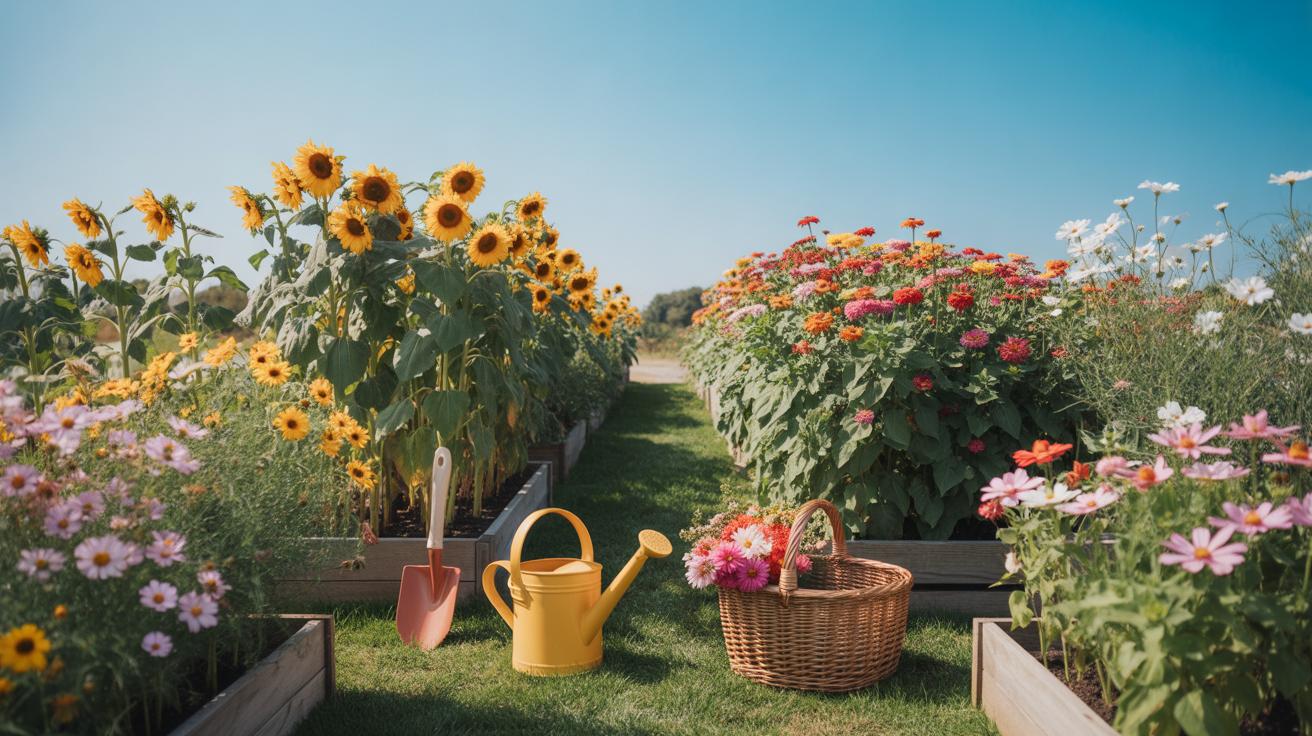
A cutting garden serves one tactical goal. You grow flowers specifically for harvest and indoor display. This space functions as a private supply chain for floral arrangements. You do not design this area for curb appeal or neighborhood aesthetics. It is a production zone. You manage it like a vegetable plot to maximize yield. Every plant must provide high value for vases.
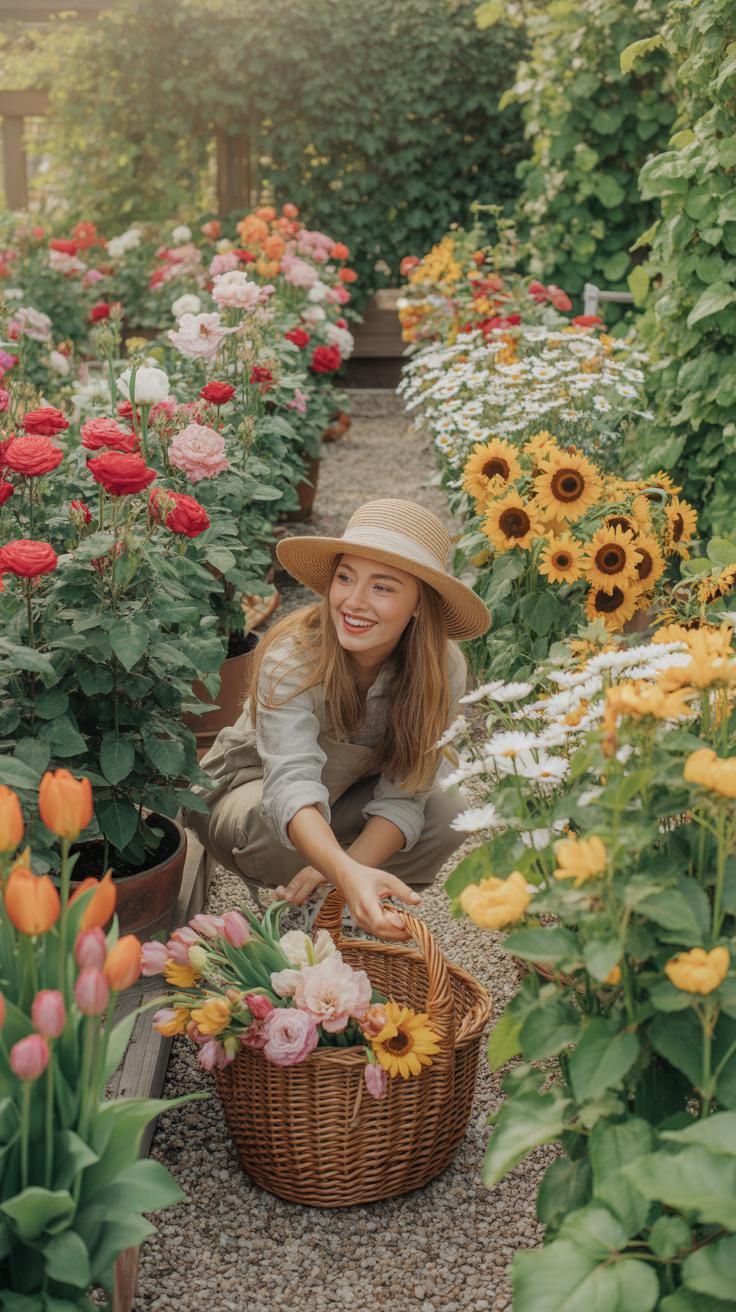
Beginners need this design to lower costs and increase efficiency. High-quality floral stems are expensive to buy frequently. Growing your own ensures a fresh supply of seasonal varieties. You control the growing conditions and the timing of the harvest. This approach eliminates the waste seen in retail supply chains. A well-planned garden provides consistent raw materials for home decor and gifts throughout the season.
How A Dedicated Cutting Garden Differs From A Decorative Flower Bed
Decorative flower beds focus on the visual impact of the landscape. You arrange these plants by height and color to create a permanent scene. In contrast, a cutting garden uses a utilitarian layout. Practicality dictates the design. You plant in rows to make maintenance and harvesting easier. You prioritize stem length and vase life over how the garden looks to passersby.
Functionality drives the choice of materials and spacing. Decorative beds often hide soil with mulch or groundcover. Cutting gardens leave space for heavy feeding and irrigation lines. You treat individual plants as disposable units. Once a plant stops producing quality stems, you remove it to make room for the next crop. This intensive management style ensures you utilize every square foot for maximum flower production.
Choosing The Right Location For Your Cut Flower Garden

Why Sunlight And Soil Drainage Are The Two Most Critical Factors
Sunlight drives the production of sucrose in flowering plants. Most cut flowers require six to eight hours of direct sun to develop strong stems and high bud counts. Insufficient light produces weak, leggy stems that cannot support heavy blooms in a vase. You must position your garden away from the shadow lines of buildings or mature trees to ensure maximum solar gain.
Soil drainage prevents root rot and fungal pathogens. Wet soil starves roots of oxygen and kills the plant. You can test your drainage by digging a hole and filling it with water. If the water remains after four hours, the site is unsuitable. You must either choose a different location or build raised beds to provide the necessary vertical drainage for healthy root systems.
The gardener who can gather a cluster of home-grown beauty at any hour is rich indeed. Let your first garden be simple, for the joy is in the sharing.
How To Evaluate Your Yard’S Microclimate Before You Plant Anything
A microclimate is the specific weather condition of your small plot. Wind is a primary threat to tall flowers like dahlias and delphiniums. High wind speeds snap stems and dehydrate foliage quickly. You should look for natural windbreaks or plan for structural support like netting. Monitor how air moves through your space to avoid low spots where frost settles and kills young plants.

Thermal mass affects your growing season length. Brick walls and paved surfaces soak up heat during the day and release it at night. This warmth can help you start planting earlier in the spring. Observe where snow melts first in your yard to identify these warm zones. Accurate observation of these small environmental shifts prevents crop failure and extends your harvesting window significantly.
Understanding Flower Garden Layouts That Work Best For Small Spaces
Row Style Flower Garden Layout: The Most Practical Approach For Beginners
The row style layout mimics traditional agricultural production. You plant flowers in straight lines to simplify maintenance and harvesting. This design minimizes confusion for beginners by providing clear paths between different species. It allows for efficient irrigation setup using drip tapes or soaker hoses. You can easily identify weeds when they appear outside the designated planting lines. This system prioritizes function over aesthetic appeal.
Straight rows make harvesting easier because you can access both sides of the plant. Professional flower farmers use this method to track maturity dates and yield metrics. You should spacing rows according to the mature width of the species to prevent disease from poor airflow. Sturdy stakes and netting provide necessary support for tall stems within these channels. This layout remains the most effective way to produce high volumes of cut flowers.
Raised Bed Garden Layout: How To Maximize Yield In A Compact Area
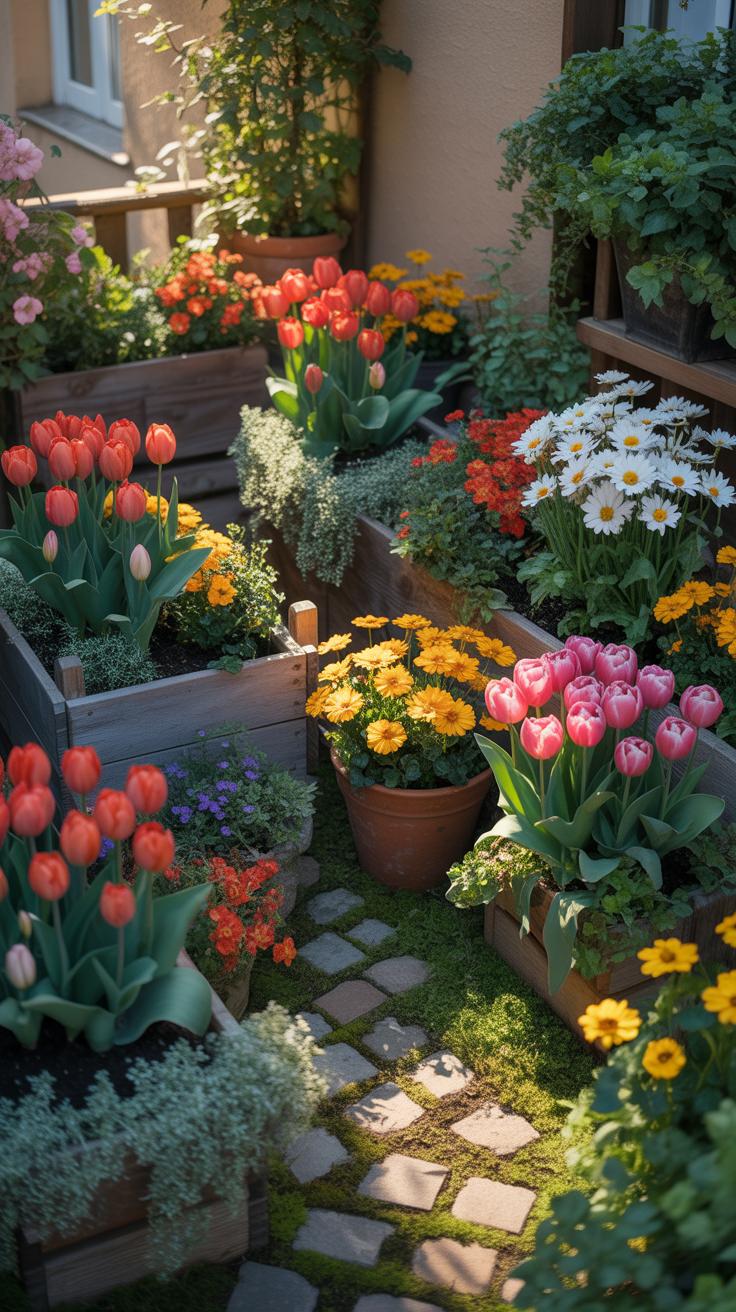
Raised beds offer superior drainage and soil temperature control for small spaces. You construct these frames from cedar, stone, or galvanized steel to contain high quality compost and topsoil. This elevation prevents soil compaction because you never step on the growing surface. Intense planting patterns work best here. You can grow more stems per square foot compared to ground level rows. This method saves your back during harvest.

Vertical space becomes your primary asset when using raised beds. You can install trellises directly onto the frames to support climbing varieties like sweet peas. Square foot gardening techniques allow you to rotate crops quickly throughout the season. Proper drainage ensures that root systems stay healthy during heavy rains. These structures define the Cutting Garden Design clearly within a backyard. You focus all nutrients and water directly on the root zones.
Inspiring Cut Flower Garden Layout Ideas To Spark Your Creativity
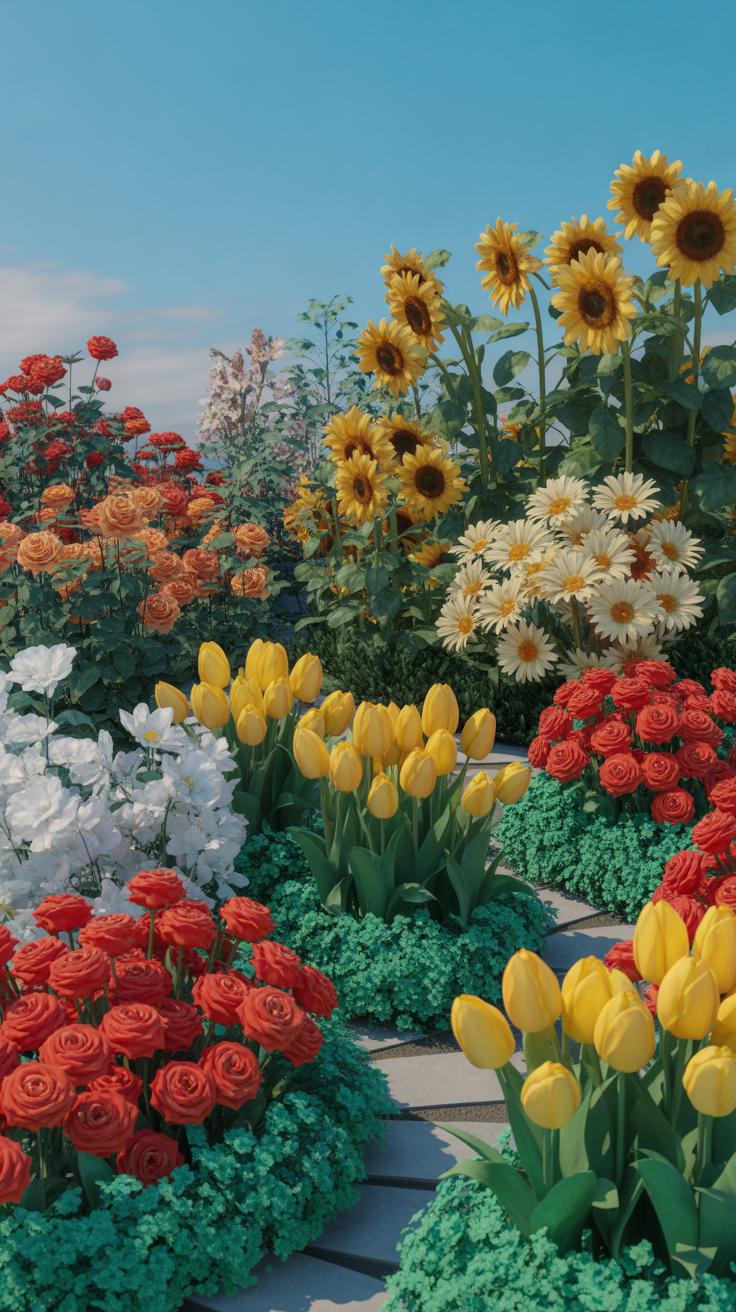
The Cottage Style Cut Flower Garden Layout: Relaxed, Abundant And Beginner Friendly
The cottage garden layout prioritizes high density and visual layers to maximize space. This design hides bare stems and soil by packing plants closely together. You achieve this by placing tall species like delphiniums in the back and shorter fillers like nigella in the front. This method creates a natural support system where plants lean on each other. It reduces the need for external stakes.
Beginners benefit from this layout because it hides planting errors and gaps. You focus on mixing varied flower shapes and heights within a single bed. Use gravel or mulch paths to define the space and allow access for cutting. This style matches the informal aesthetic of 19th-century English gardens. It provides a constant supply of blooms without the rigid pressure of perfect geometric rows.
The Grid Block Cut Flower Garden Layout Idea: Organized Planting For Easy Harvesting
The grid block layout treats the garden as a production floor. You divide garden beds into uniform squares or rectangles using measuring tape and string. Each block contains a single variety of flower. This separation allows you to manage specific water and nutrient needs for each species. It also simplifies the harvesting process. You can quickly see which blocks have reached peak maturity.
This tactical approach improves workflow and pest management. You install irrigation lines along the straight rows for efficient watering. Use horizontal netting or metal cages within the blocks to keep stems upright. This prevents wind damage and ensures straight stems for floral arrangements. The clear paths between blocks allow you to move tools and buckets without stepping on soil. It is the most efficient layout for maximizing yield.
The Best Cut Flower Garden Ideas Which Flowers To Grow For Long Vase Life
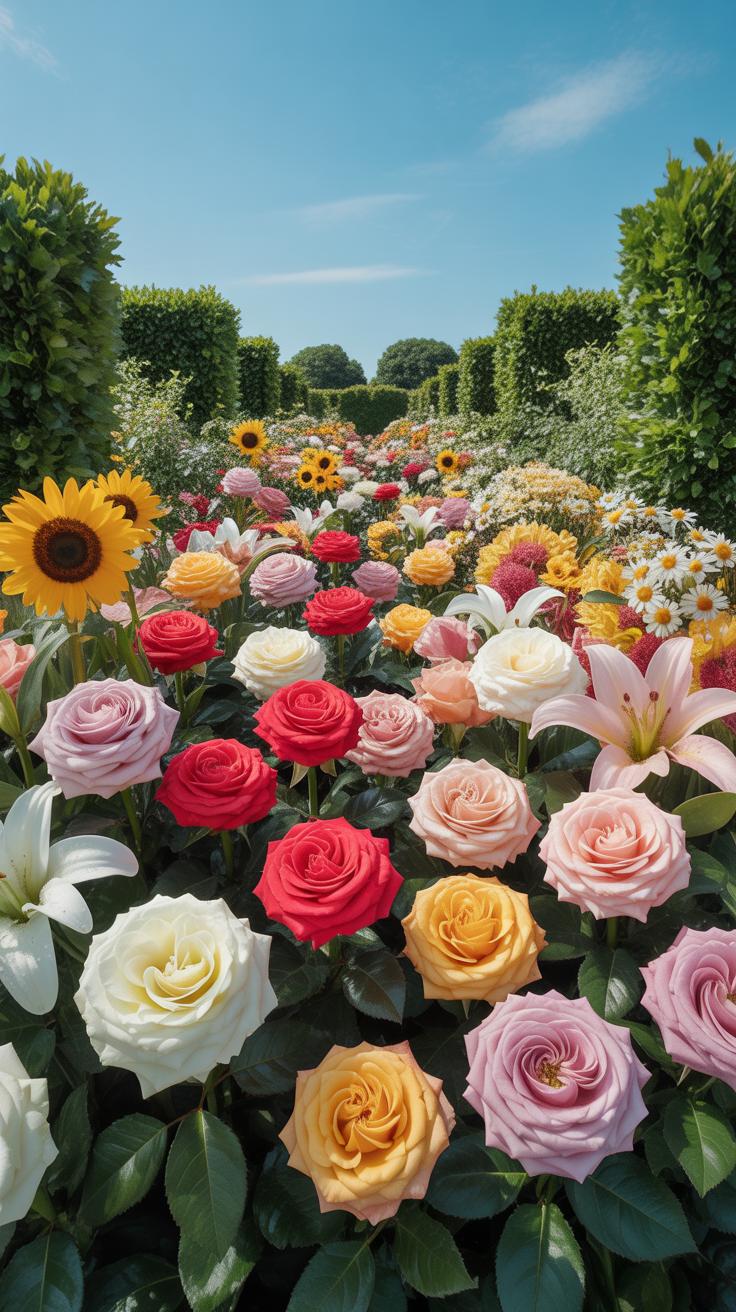
Top Annual Flowers That Thrive In A Beginner Cut Garden
Annuals provide the highest yield of blooms within a single growing season. These plants complete their life cycle in one year and require replanting each spring. They offer immediate results for beginners because they produce flowers continuously if you harvest them regularly. Focus on species with stiff stems and high petal counts to ensure they survive the transition from soil to water.
- Zinnias: These heat loving plants produce sturdy stems and flat or pompon shaped blooms. They offer a vase life of seven to ten days if harvested before the pollen stems emerge.
- Cosmos: This species produces airy foliage and daisy like flowers on long thin stems. They bloom more heavily as you cut them and provide a delicate texture to mixed floral arrangements.
- Sunflowers: Branching varieties work best for cutting because they produce multiple smaller heads rather than one giant stalk. Select pollen free types to prevent yellow dust from staining your indoor furniture.
- Snapdragons: These spikes add vertical interest and height to designs. They are cool season annuals that thrive in early spring or fall. Harvest when the bottom three flowers on the spike open.
- Calendula: Also known as pot marigolds these plants withstand light frosts and produce resinous stems. They offer bright orange and yellow hues and last nearly a week in a clean vase.
Success with annuals depends on deadheading and consistent watering. If you leave fading flowers on the plant it stops producing new buds to focus on seed production. Strip all foliage that falls below the water line in your vase. This prevents bacterial growth which is the primary cause of premature wilting. Change the water every two days to maintain maximum freshness.
Perennial Cut Garden Flowers Worth Planting Once And Enjoying For Years
Perennials form the structural backbone of a permanent cutting garden. These plants return every year from the same root system which reduces your annual seed costs and labor. While they usually have a shorter blooming window than annuals their flowers are often more complex and command a higher visual impact. Select varieties known for repeat blooming or exceptionally long flowering periods to maximize your square footage.

Strategic selection ensures you have blooms from early spring through late autumn. Plant Peonies for early summer bulk and Echinacea for mid summer durability. Rudbeckia provides dependable golden tones well into the cooling temperatures of October. Proper spacing is critical for perennials to allow for air circulation which prevents powdery mildew. Dig and divide these plants every three years to maintain their vigor and increase your flower harvest.
How To Plan Your Cut Flower Garden Layout From Seed To Stem
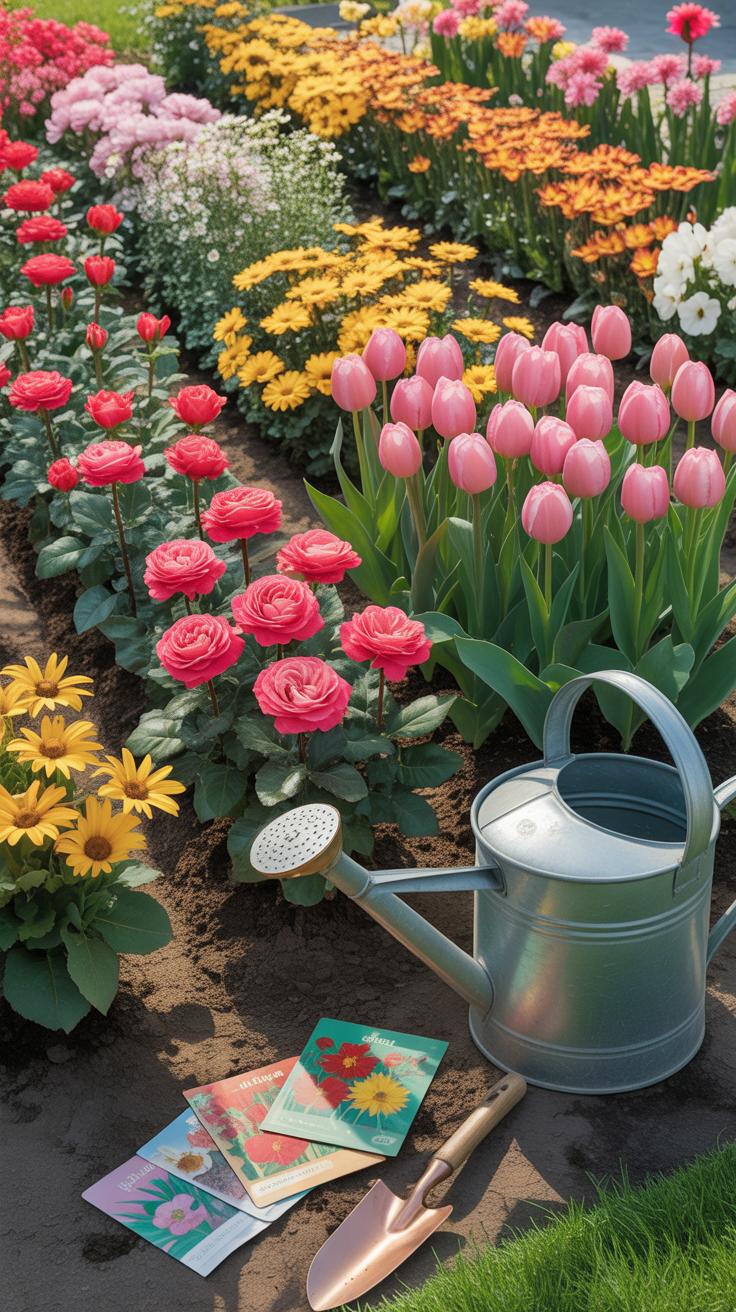
Mapping Out Bloom Times To Ensure Continuous Color Through The Season
Effective yields require a staggered planting schedule. You must identify the specific harvest windows for cool season and warm season annuals. Most beginners plant everything in May and face a harvest glut in July followed by a dead garden in September. Strategic planning prevents this waste. You must utilize succession planting by sowing seeds every two weeks to maintain a steady inventory of stems for cutting.
Focus on the transition between spring bulbs and summer annuals. Tulips and narcissus provide early revenue but fade quickly. You must have heat loving species like zinnias and dahlias ready to take over the space when the ground warms. Use a garden calendar to track days to maturity for every variety. This technical data allows you to coordinate bloom times so your garden never stays empty during the growing months.
Spacing And Height Planning: Why Tall Flowers Go To The Back In Every Garden Layout
Vertical hierarchy prevents shorter plants from losing sunlight. Tall species like sunflowers and foxgloves cast long shadows that stunt the growth of low growing fillers. You must place your tallest stems on the north side of the garden bed. This placement ensures that the sun hits every plant regardless of its mature height. Proper orientation maximizes the photosynthetic capacity of your entire plot for higher quality blooms.

Airflow is the second critical factor in height based layouts. Dense plantings of tall flowers can block wind and trap humidity at the soil level. This environment encourages fungal diseases like powdery mildew. You need to space plants based on their mature width rather than their seedling size. Use grid netting for support on taller varieties. This keeps stems straight and allows for easier movement between rows during the harvest process.
Using Companion Planting To Strengthen Your Cutting Garden Naturally
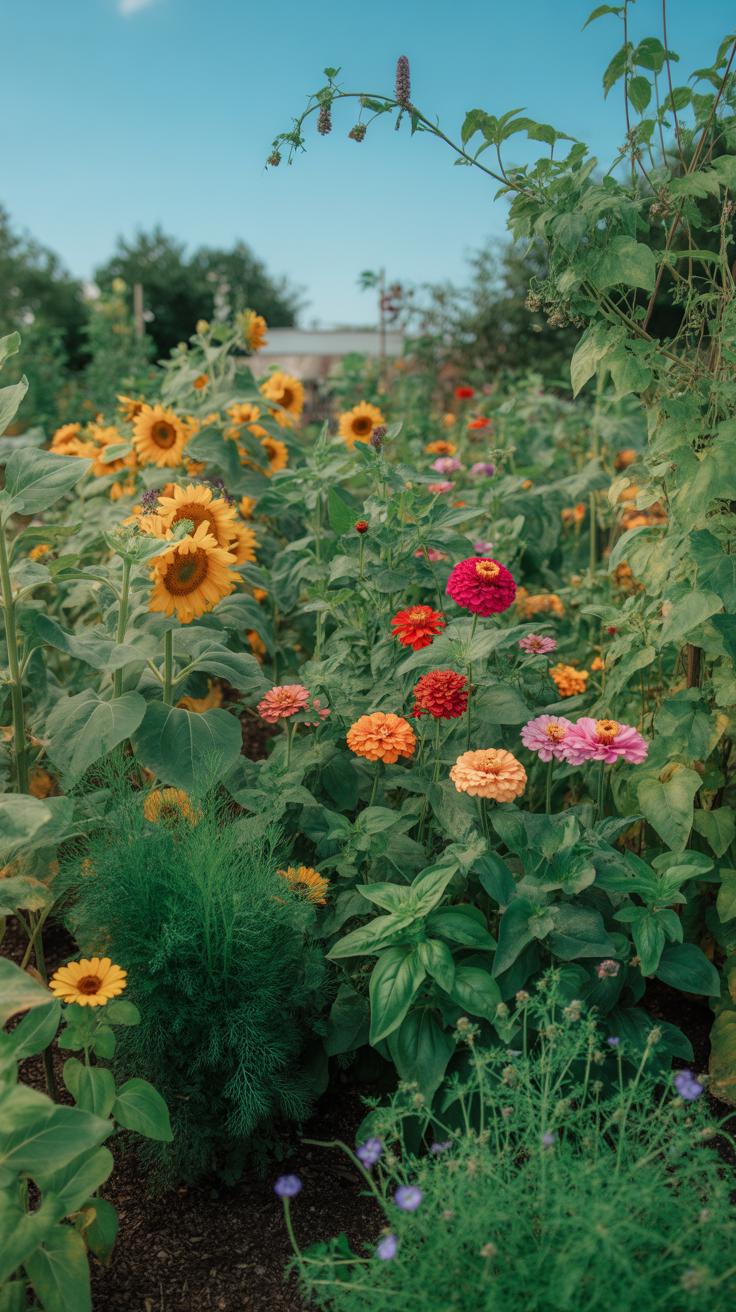
How Companion Planting Deters Pests Without The Use Of Chemical Sprays
Companion planting creates a complex ecosystem that disrupts pest life cycles. Volatile organic compounds released by specific plants mask the scent of your flowers. This prevents predatory insects from locating their host plants. You reduce crop damage by confusing the pests. Diversifying your planting beds prevents the rapid spread of infestations. Nature provides the defense when you select the right neighbors.
Intercropping attracts beneficial insects like lacewings and ladybugs to the garden. These predatory insects hunt aphids and mites that damage flower stems. Trap cropping is another tactical move. You plant a highly attractive species to draw pests away from your primary cut flowers. This sacrificial strategy keeps your harvestable stems clean. Strategic planting eliminates the need for toxic sprays in a cutting garden.
The Best Companion Planting Combinations For Common Cut Garden Flowers
Success in a cutting garden requires pairing plants that share cultural needs while providing mutual benefits. These combinations focus on physical support, soil health, and pest suppression. You must match light and water requirements to ensure both species thrive in the same bed. High-performing pairs increase the overall yield per square foot. Use these proven combinations to maximize your flower production.
- Marigolds and Zinnias: Marigolds release thiophenes from their roots which repel harmful soil nematodes. This creates a cleaner environment for zinnias to develop strong root systems. These two heat-loving species share identical water and sun requirements during the peak summer growing season.
- Sweet Peas and Tall Snapdragons: These flowers provide vertical structure and nitrogen fixation. Sweet peas pull nitrogen from the air into the soil which fuels the leafy growth of snapdragons. Both thrive in the cool temperatures of early spring and provide long stems for floral arrangements.
- Dahlias and Alliums: Alliums act as a biological deterrent against aphids and thrips that often attack dahlia buds. The strong scent of the onion family provides a protective barrier. Allium bulbs can remain in the ground while you lift dahlia tubers for winter storage in colder climates.
- Sunflowers and Cosmos: Sunflowers serve as living trellises for delicate cosmos stems in windy areas. The deep taproots of sunflowers bring nutrients to the surface for the shallower cosmos roots. This vertical stacking technique allows you to grow more flowers in limited garden spaces.
- Lavender and Roses: Lavender provides an effective ground cover that hides the bare lower stems of rose bushes. The fragrance of lavender confuses pests that target roses like sawflies. Both plants require well-drained soil and full sun exposure to produce the best scents and blooms.

Evaluate your garden layout to place these pairs in compatible zones. Proper spacing ensures adequate airflow which prevents powdery mildew. Monitor how these plants interact over one growing season. Adjust your strategy based on the specific microclimate of your site. Consistent observation leads to better yields. Integrated plant management turns a simple garden into a high-production system.
Soil Preparation And Feeding Essentials For A Thriving Cut Garden
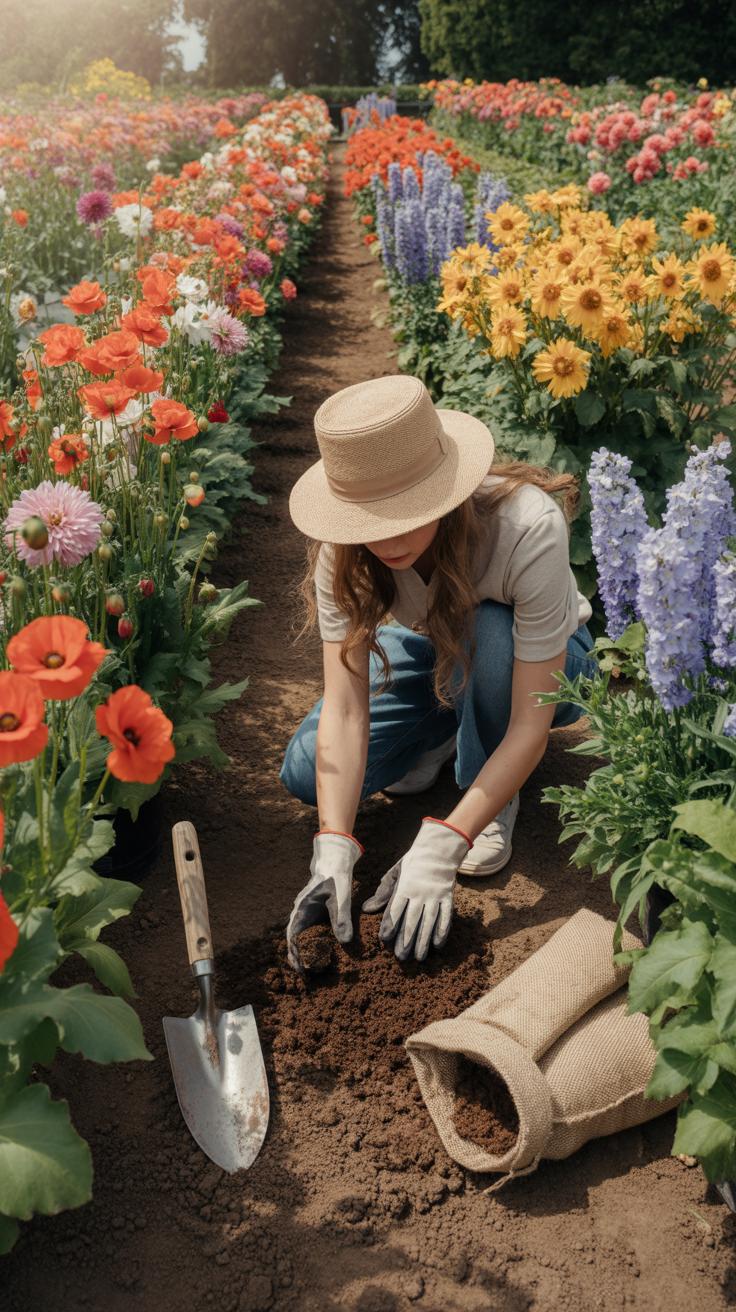
How To Amend And Enrich Your Soil Before The First Planting Season
Success starts with a soil test. This test reveals your pH levels and nutrient deficiencies. Most cut flowers prefer a pH between 6.0 and 7.0. If your soil is too acidic, add lime. If it is too alkaline, apply sulfur. You must fix the chemistry before you put plants in the ground. Do not skip this step or your plants will struggle to grow.
Healthy soil needs organic matter to hold water and nutrients. Mix four inches of finished compost into the top eight inches of your beds. This improves drainage in clay soil and adds water retention to sandy soil. Use well-rotted manure or leaf mold for the best results. Turn the soil when it is moist but not saturated. Compaction kills roots, so avoid walking on prepared beds.
Organic Fertilizing Strategies That Keep Cut Garden Flowers Blooming Longer
Cut flowers require consistent energy to produce multiple flushes of blooms. Use a slow-release organic granular fertilizer at planting time. This provides a steady base of nitrogen, phosphorus, and potassium. Balanced ratios like 5-5-5 work well for general growth. High nitrogen promotes leaves but reduces flowers. Phosphorous is the key for strong root systems and high bud counts. Use bone meal for an extra bloom boost.

Apply liquid seaweed or fish emulsion every two weeks during the growing season. This foliar feeding delivers immediate micronutrients to the plants. It helps flowers recover quickly after you cut them. Stop fertilizing late in the season to let perennial plants harden off for winter. Mulch with wood chips or straw to keep the soil cool. Consistent moisture and feeding prevent plant stress and extend the harvest window.
Harvesting And Caring For Cut Garden Flowers To Extend Their Beauty Indoors
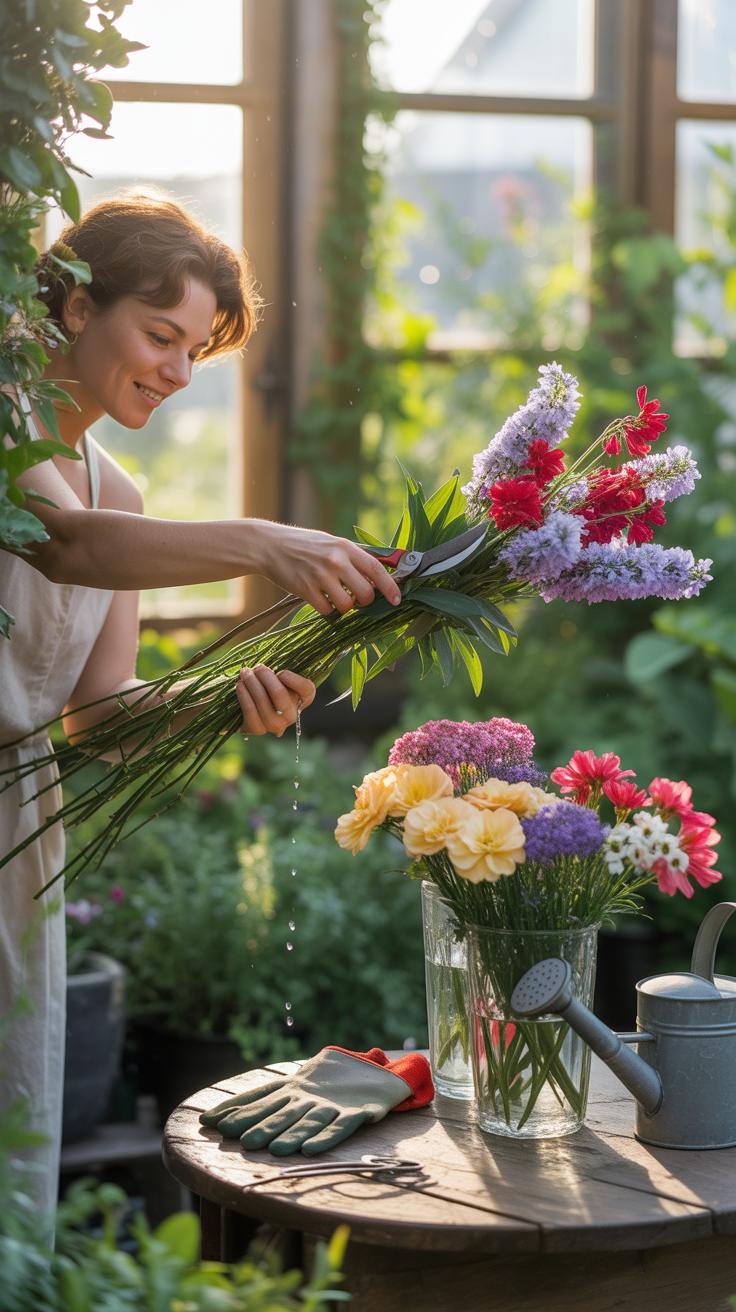
The Right Time Of Day To Cut Flowers For The Longest Vase Life
Cut your flowers in the early morning before the sun heats the ground. Plants hold the most water just after dawn. Their stems are firm and fully hydrated because evening temperatures reduce evaporation. High turgor pressure prevents immediate wilting after you make the cut. Harvesting at noon causes rapid moisture loss and high stress. This heat exposure significantly shortens the life of your arrangement.
Check the developmental stage of each bloom before cutting. Most flowers should be cut when the buds just start to show color but are not yet fully open. This stage allows the flower to finish blooming in the vase. For composite flowers like zinnias, wait until the stem is stiff. Perform a wiggle test by holding the stem and shaking it. If the head flops, it stays.
Post Harvest Conditioning Techniques That Keep Arrangements Looking Fresh
Carry a clean bucket of lukewarm water into the garden to hydrate stems immediately. Air bubbles block the vascular system if stems sit dry for even a few minutes. Strip all foliage from the bottom half of the stem. Submerged leaves rot and breed bacteria that kill flowers. Bacteria clog the stem and prevent water uptake. Clean water is the most important factor in floral longevity.
Re-cut every stem at a forty-five-degree angle once you move indoors. This angle increases the surface area for water absorption. Use sharp, bypass pruners to avoid crushing the delicate tissue. Place the arrangement in a cool location away from direct sunlight and ripening fruit. Fruit releases ethylene gas which triggers flowers to drop their petals. Change the vase water every two days to prevent bacterial buildup.
Seasonal Maintenance Tips To Keep Your Cutting Garden Design Productive Year After Year
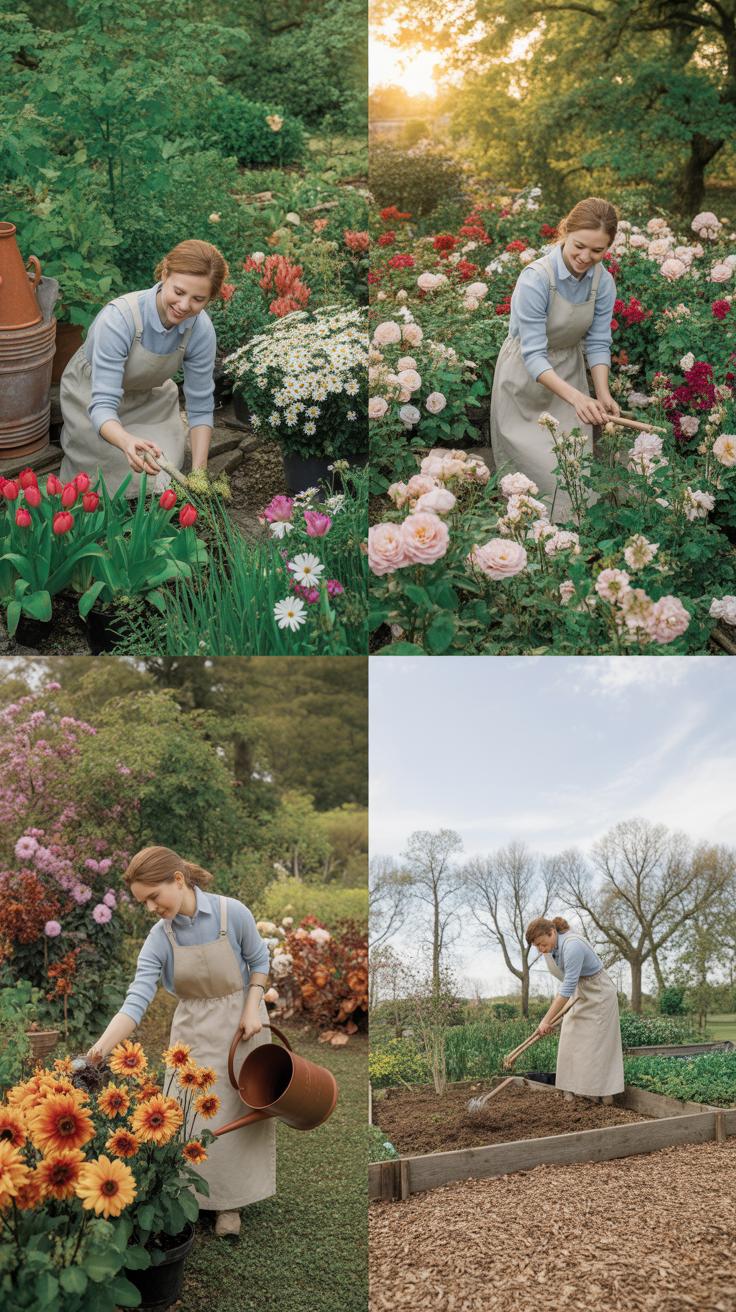
End Of Season Tasks That Set Your Flower Garden Layout Up For Next Year’S Success
Clear your beds as soon as the first frost kills tender annuals. Removing dead plant material prevents pests and diseases from overwintering in your soil. Cut back perennials to three inches above the ground to protect the crown. Focus on sanitation to ensure a clean start for the next growing season. Leaving debris creates a habitat for pathogens that ruin future flower crops.
Apply a three-inch layer of organic compost over your planting rows in late fall. This practice feeds the soil biology during the winter months. Do not till the compost into the earth. Let the weather and earthworms incorporate the nutrients naturally. Use weed-free straw or shredded leaves to mulch empty spaces. Proper soil preparation in autumn reduces your workload when the heavy spring planting window begins.
How To Refresh And Rotate Your Cutting Garden Design As Your Skills Grow
Practice crop rotation to maintain soil health and interrupt pest lifecycles. Do not plant the same botanical family in the same row two years in a row. Move your zinnias and sunflowers to a different section of the layout. This tactical shift prevents specific soil-borne diseases from building up. Use a simple map to track where you placed each species during the previous three years.
Expand your design by incorporating high-value woody perennials and bulbs. Replace underperforming annuals with roses or hydrangeas that provide structural foliage and repeat blooms. Analyze your harvest data to identify which flowers earned their space. Shed the varieties that require too much maintenance for a low yield. Professional growers constantly refine their plant lists to maximize stem counts and minimize wasted garden space.
Frequently Asked Questions

What exactly is a cutting garden and how do I start one as a beginner?
A cutting garden is a dedicated space specifically designed to grow flowers for harvesting rather than just landscape aesthetics. For beginners, the best cutting garden design focuses on productivity and accessibility. Start by choosing a sunny spot with well-draining soil and planting high-yield varieties like zinnias or cosmos. By grouping plants by their water needs and height, you ensure a steady supply of fresh, beautiful blooms for your indoor floral arrangements.
How should I lay out my cutting garden design for the best results?
When planning your cutting garden design, prioritize functionality by using narrow rows or raised beds. This layout allows you to reach the center of the patch to harvest flowers without stepping on and compacting the soil. Grouping your “thrillers, fillers, and spillers” together makes it much easier to assemble professional-looking bouquets later. Remember to leave enough space between rows for easy foot traffic and tool access during your weekly harvesting sessions.
Can I create a beautiful cutting garden if I am on a tight budget?
Absolutely! You don’t need expensive seedlings or high-end infrastructure to grow a floral oasis. Starting from seed is the most cost-effective way to populate your garden; many prolific “cut and come again” varieties like sunflowers and marigolds are very affordable. You can also repurpose household items for irrigation or use recycled wood for garden borders. With a little creativity, you can achieve a lush, productive space without a large financial investment.