What Makes Tall Floral Centerpieces A Timeless Choice For Weddings And Events
The Visual Impact Of Height In Floral Design
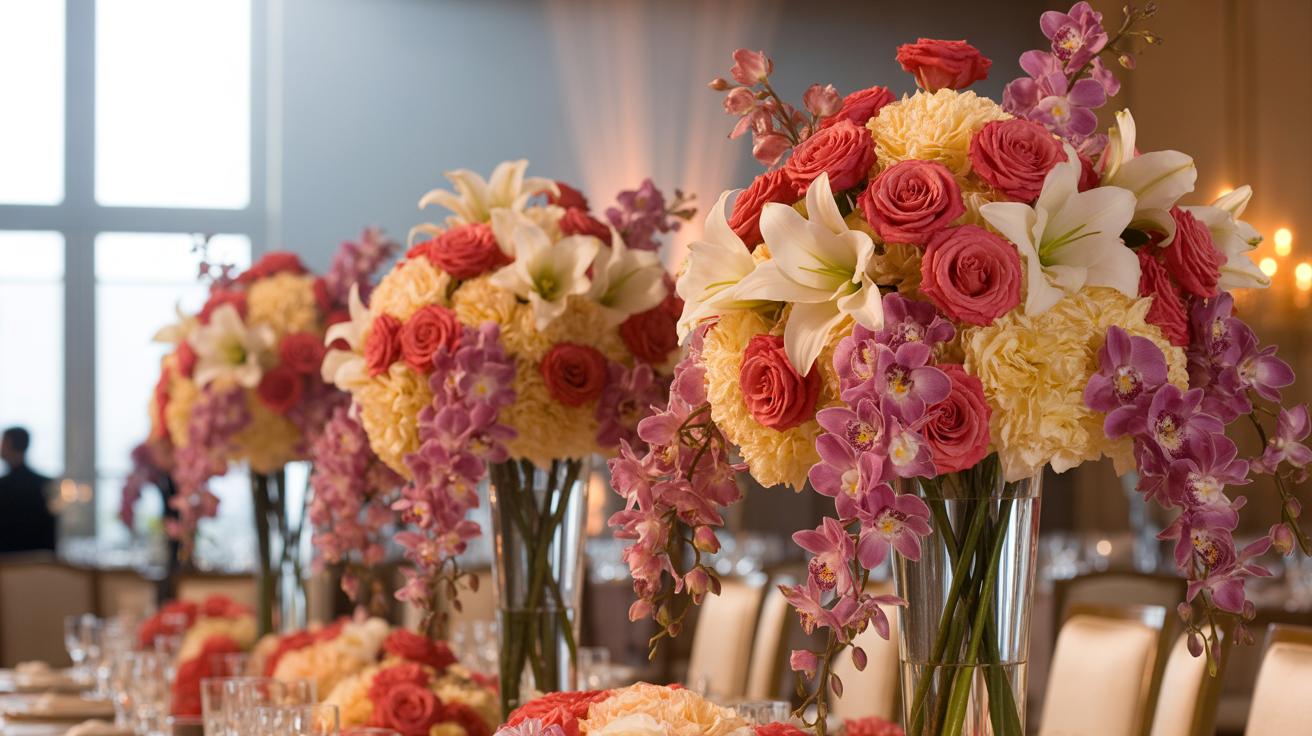
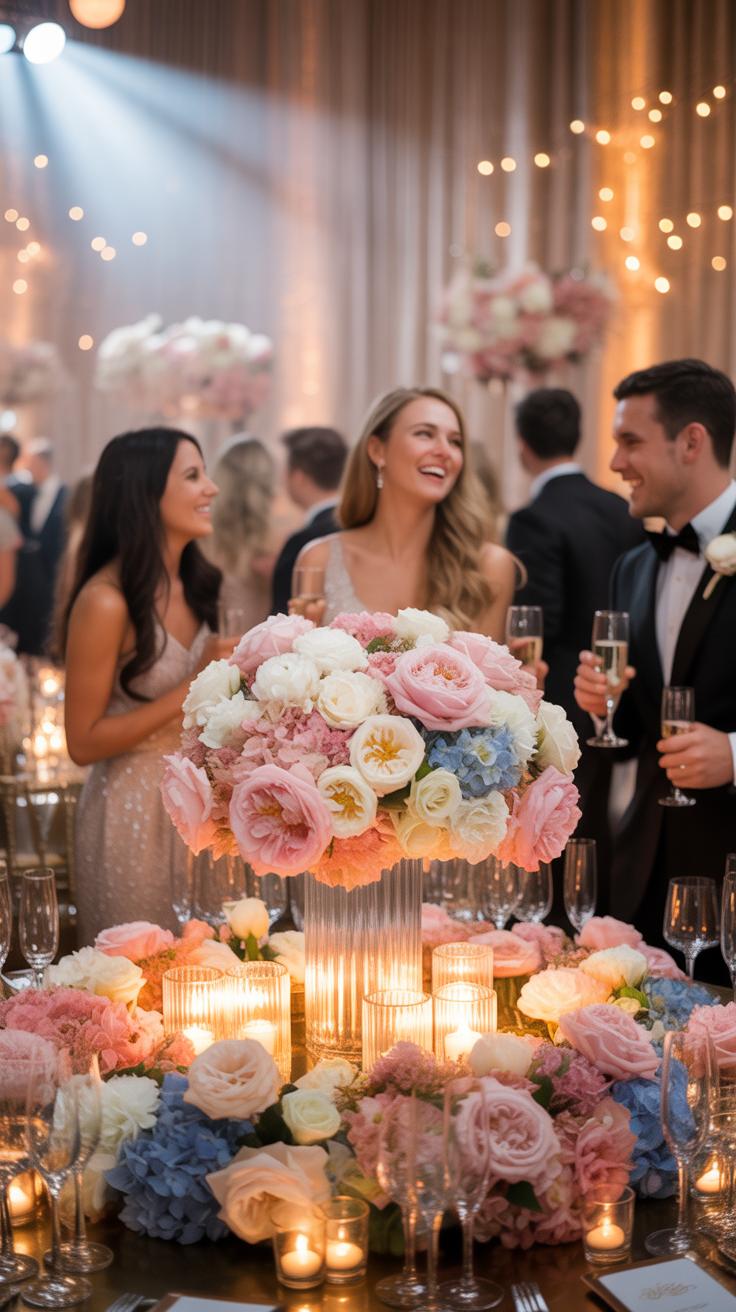
Tall floral centerpieces draw the eye upward immediately. This vertical movement makes a room feel larger and more grand. Designers use height to conquer vast empty spaces in ballrooms. High arrangements break the horizontal plane of the guest tables. This creates a more dynamic environment for the attendees. Elevating flowers ensures the decor does not get lost once guests fill the room and sit down.
Height serves a functional purpose in event flow. It keeps the bulky part of the arrangement above the sightline of the guests. People can see across the table and talk without obstruction. Designers often use clear glass trumpets or thin metallic stands to support the blooms. These structures provide stability while maintaining an open feel. Proper height allows the floral design to dominate the room without blocking personal interaction.
How Tall Centerpieces Define The Aesthetic Of A Reception Space
Tall arrangements set the tone for formal events. Large scale designs signal luxury and high production value to every guest. They fill the top third of a room which often stays empty. This creates a cohesive look from the floor to the ceiling. Designers use this technique to ground the theme of the event. It turns a standard rental hall into a curated and professional environment.
These centerpieces also highlight architectural features like high ceilings or chandeliers. They bridge the gap between the table and the overhead space. This prevents the decor from looking disjointed or bottom heavy. Use tall designs to direct focus toward specific areas of the venue. They act as anchors for the overall floor plan. Effective use of height makes the entire design feel intentional and expensive to the viewer.
Most Popular Flower Varieties Used In Tall Floral Centerpieces Wedding Arrangements
Classic Blooms That Elevate Height And Elegance
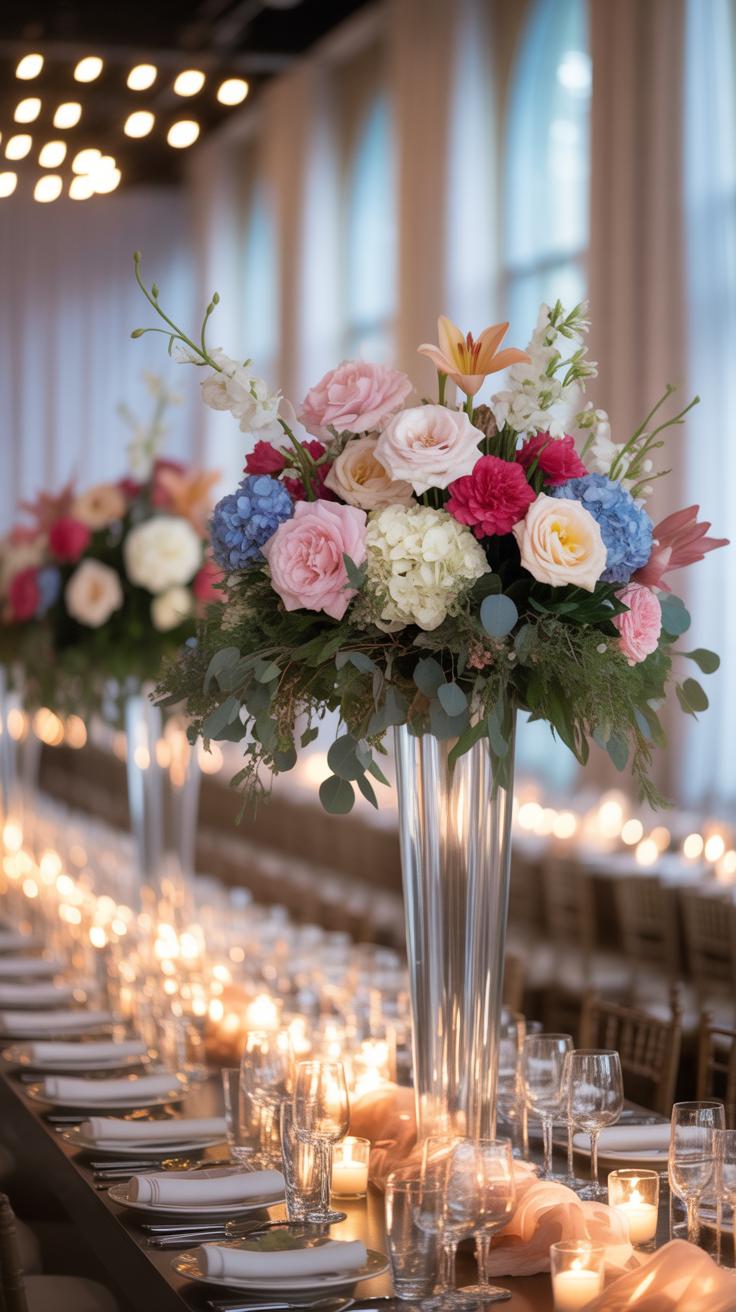
Tall floral centerpieces require structured flowers with strong stems. These varieties provide the verticality needed to clear the line of sight for guests. Designers choose these specific blooms because they maintain their shape under gravity. You must select flowers that do not wilt quickly in heated ballrooms. Height creates a sense of luxury and fills the empty air in high-ceiling venues.
- Delphinium: These long spiked flowers offer natural height and come in rare blue shades. They provide a strong vertical line that leads the eye upward. Use them to establish the primary height of the arrangement without adding excessive weight or bulk.
- Hydrangea: Large heads provide a sturdy base for other flowers. They cover floral foam quickly and hold significant moisture to keep the display fresh. Most designers use them as a foundation to support more delicate stems and create a full, rounded appearance.
- Orchids: Varieties like Phalaenopsis or Dendrobium add high value and movement. Their arching stems create a cascading effect that softens the rigid structure of tall stands. They signal premium quality and handle temperature changes better than many common garden flowers.
- Roses: Standard and garden roses offer density and classic appeal. Their thick stems fit securely into floral foam or water tubes. They act as focal points that bridge the gap between the tall vertical elements and the lower greenery of the base.
- Calla Lilies: These flowers feature sleek, trumpet-shaped heads and flexible but durable stems. They work well in modern, minimalist tall designs. You can submerge them in tall glass vases or use them to create clean, architectural lines that define the arrangement shape.
Stability is the most important factor when choosing these primary blooms. Heavy flower heads require reinforced supports or thick-gauged florists wire to prevent drooping. Proper hydration techniques ensure these tall stems transport water to the very top of the bloom. High-quality varieties reduce the total stem count needed to make an impact. This strategy controls costs while maximizing the visual scale of the wedding decor.
How To Layer Textures And Colors For A Lush, Dramatic Look
Layering requires a strategic mix of focal, filler, and airy flowers. Place the largest blooms first to set the center of gravity. Surround these with medium textures to build volume. Use “floater” flowers on long stems to break the solid silhouette and add depth. This technique prevents the arrangement from looking like a flat wall of color. Depth makes the centerpiece look professional.

Contrasting colors and foliage types create visual interest. Dark green leaves like Ruscus or Eucalyptus provide a backdrop that makes bright petals pop. Use different finishes مثل matte leaves against glossy petals to catch the light. Sharp lines from grasses or branches should intersect with soft, round flower shapes. This balance of hard and soft elements creates the drama required for high-end event design.
Design Styles And Themes For Floral Wedding Centerpieces Tall Arrangements
Romantic And Garden Inspired Tall Centerpiece Styles
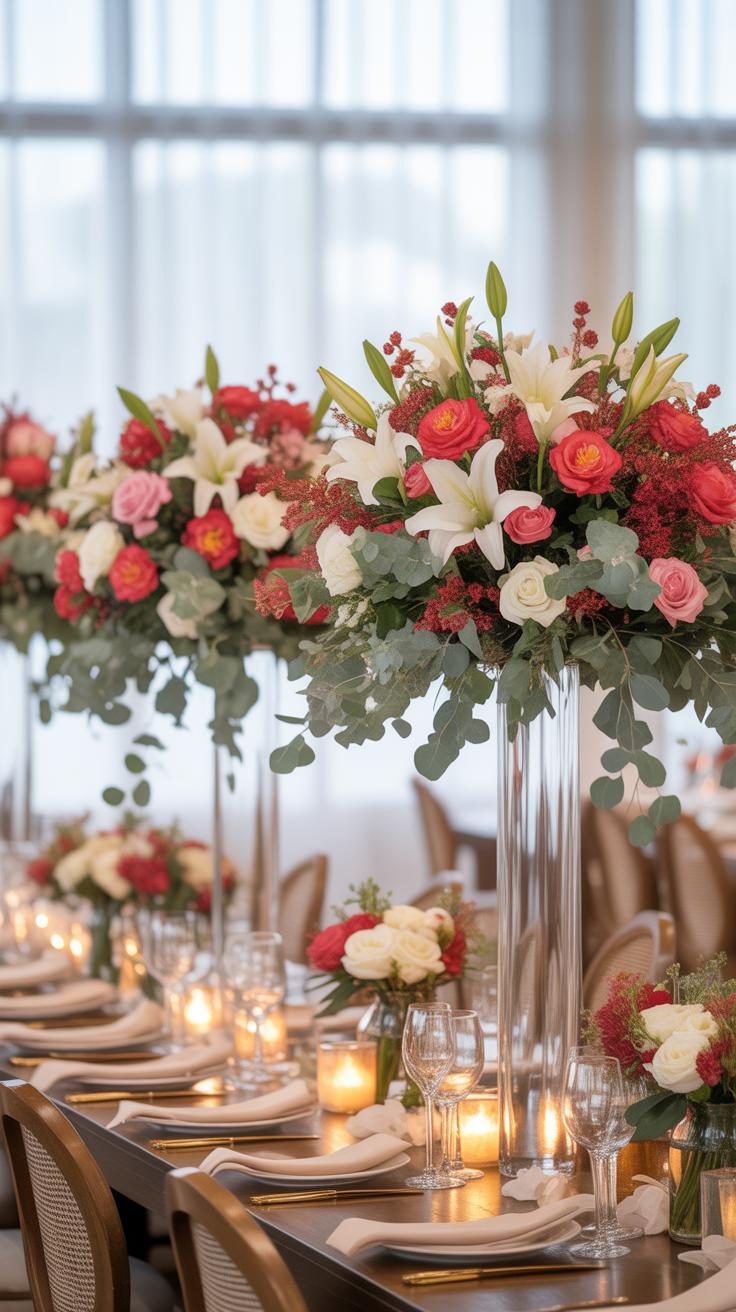
Romantic tall centerpieces use organic shapes and varied textures. These designs mimic natural growth patterns seen in classic English gardens. Designers use tall glass vases or gold stands to elevate the weight. They often select soft flowers like peonies, garden roses, and ranunculus. These blooms have high petal counts. They provide the necessary volume for large scale installations without looking rigid or manufactured.
The key technique involves asymmetrical placement and trailing greenery. Designers use eucalyptus or jasmine vine to create movement. This breaks the hard lines of the support structure. It makes the arrangement feel like it grows from the table. Strategic use of negative space prevents the design from looking heavy. This style relies on tonal color palettes. It prioritizes depth and layering over strict geometric patterns.
Modern And Minimalist Approaches To Tall Floral Design
Modern tall arrangements focus on clean lines and structural clarity. This style uses architectural flowers like calla lilies, orchids, or tropical leaves. Designers often choose clear acrylic stands or thin matte black metal frames. These supports disappear into the background. This puts the focus entirely on the plant material. The goal is to maximize height while minimizing visual clutter on the guest table.

Monochromatic color schemes define this approach. Designers often use one single type of flower in large groups. This creates a high impact look that feels controlled and deliberate. Precision is the priority here. Every stem must sit at a specific angle to maintain the geometric balance. This tactical choice suits industrial venues or contemporary spaces. It avoids the excess associated with traditional wedding decor.
Structural Foundations And Vessels That Support Tall Flower Arrangements Wedding Designs
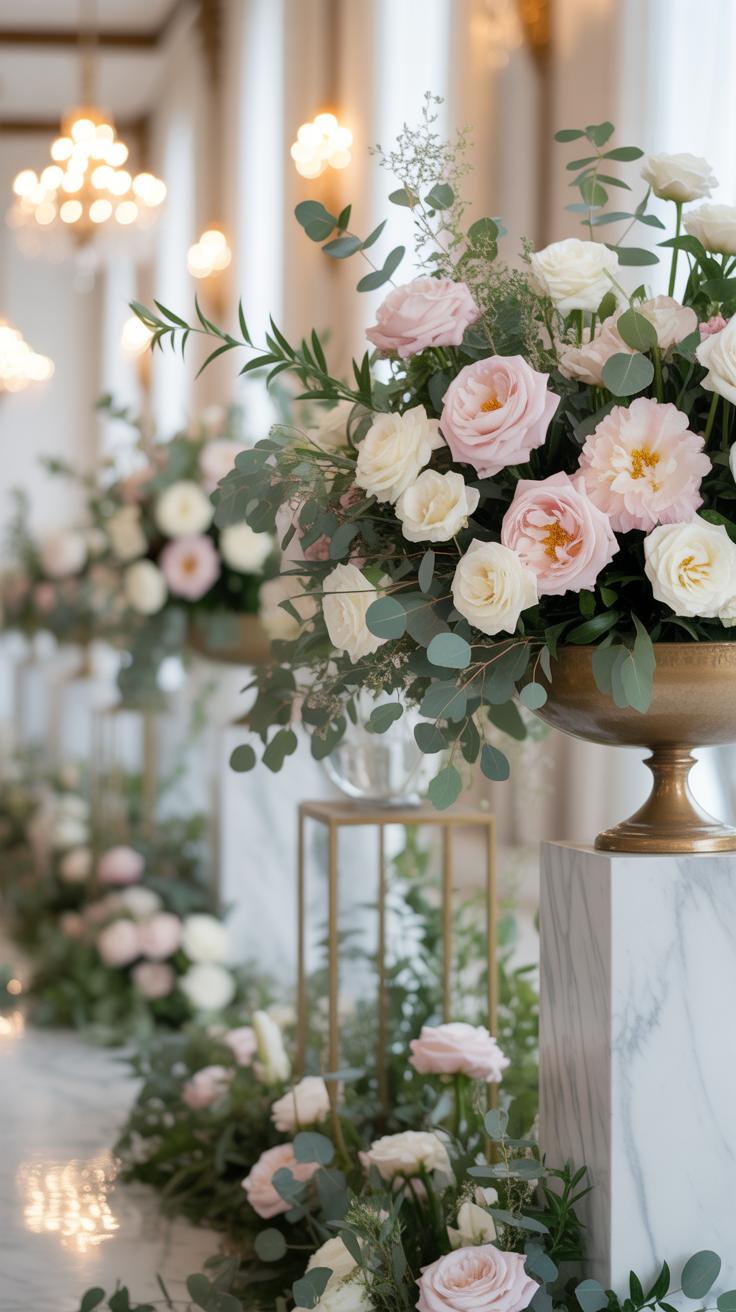
Choosing The Right Vase Or Vessel For Stability And Style
Tall floral centerpieces require vessels with heavy bases to prevent tipping. Trumpet vases and pilsner glass designs offer a narrow footprint but expand at the top. This shape concentrates weight at the bottom. Metal stands provide a modern alternative with a wider center of gravity. You must match the vessel height to the reception ceiling to ensure proper visual scale.
Stability depends on the ratio of the base diameter to the arrangement height. A base that is too small fails under the weight of water and heavy blooms. Glass vessels allow guests to see through the arrangement for better conversation. Stone or ceramic containers provide more weight but block sightlines. Choose materials that support the total load without flexing or breaking.
Armature And Mechanics That Keep Tall Arrangements Secure
Internal mechanics provide the physical support for heavy stems. Designers use floral foam bricks or chicken wire cages to lock flowers in place. Fix the foam to the vessel using waterproof adhesive tape in a cross pattern. This prevents the arrangement from shifting during transport or setup. A secure armature ensures that top heavy designs stay balanced throughout the entire event.

Modern techniques often use clear acrylic rods or metal lattices for a clean look. These structural elements must handle the tension of both fresh and dried materials. Ensure the center of gravity remains directly over the vessel opening. Use weighted pucks or lead weights in the bottom of light containers. Proper mechanics prevent structural failure and protect the flowers from falling.
Seasonal Inspiration For Tall Wedding Floral Centerpieces Throughout The Year
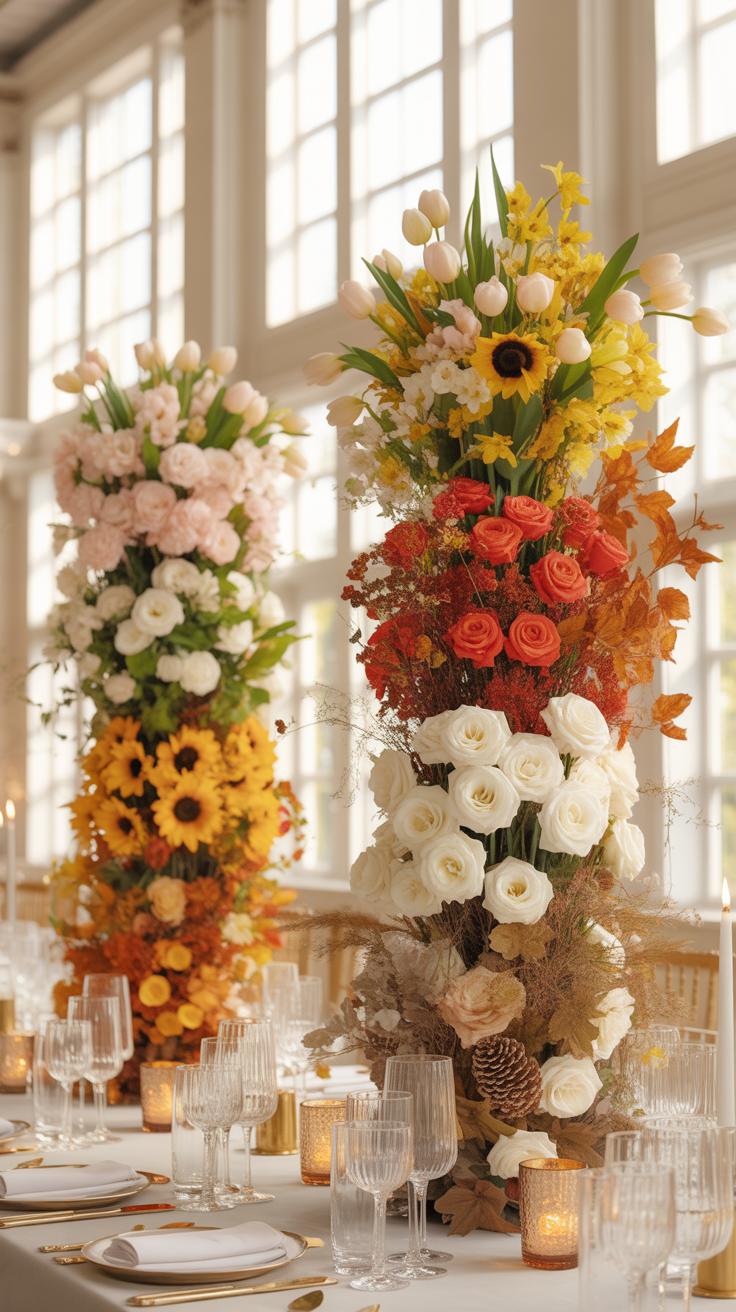
Spring And Summer Blooms That Thrive In Tall Centerpiece Designs
Spring builds on structural integrity. Use branches like cherry blossom or forsythia to establish height. These woody stems support the weight of heavy blooms. Peonies and ranunculus provide volume but require internal support systems. Place them at varying heights to create depth. Use clear glass vases to maintain a light aesthetic. This allows the natural stem lines to become part of the design.
Summer demands heat-resistant varieties. High temperatures wilt soft-stemmed flowers quickly. Select gladiolus and delphinium for natural verticality. These species thrive in tall water-filled vessels. Use tropical elements like protea or ginger for maximum durability in outdoor settings. Hydrangeas require constant hydration. Submerge their stems deeply or use water vials in foam. Proper hydration ensures the structure remains crisp for the entire duration of the event.
Autumn And Winter Floral Palettes For Dramatic Table Displays
Autumn designs focus on texture and density. Incorporate dried elements like pampas grass or preserved eucalyptus. These materials add height without adding significant weight. Use deep tones like burgundy and ochre to match the season. Integrate branches with berries or turning leaves for organic movement. Secure these heavy elements in weighted bases. Stability prevents top-heavy arrangements from tipping over during the reception service.
Winter requires a shift toward architectural silhouettes. Use bare birch or manzanita branches to create a skeletal frame. Hang glass orbs or crystals to catch low light. Evergreen foliage provides a sturdy green base that lasts in dry indoor air. Amaryllis and white lilies offer bold focal points against dark backgrounds. Use metallic finishes on containers to reflect candlelight. This strategy maximizes impact in darker venues during shorter winter days.
Budgeting Smart How To Achieve Stunning Tall Floral Arrangements Wedding Looks For Less
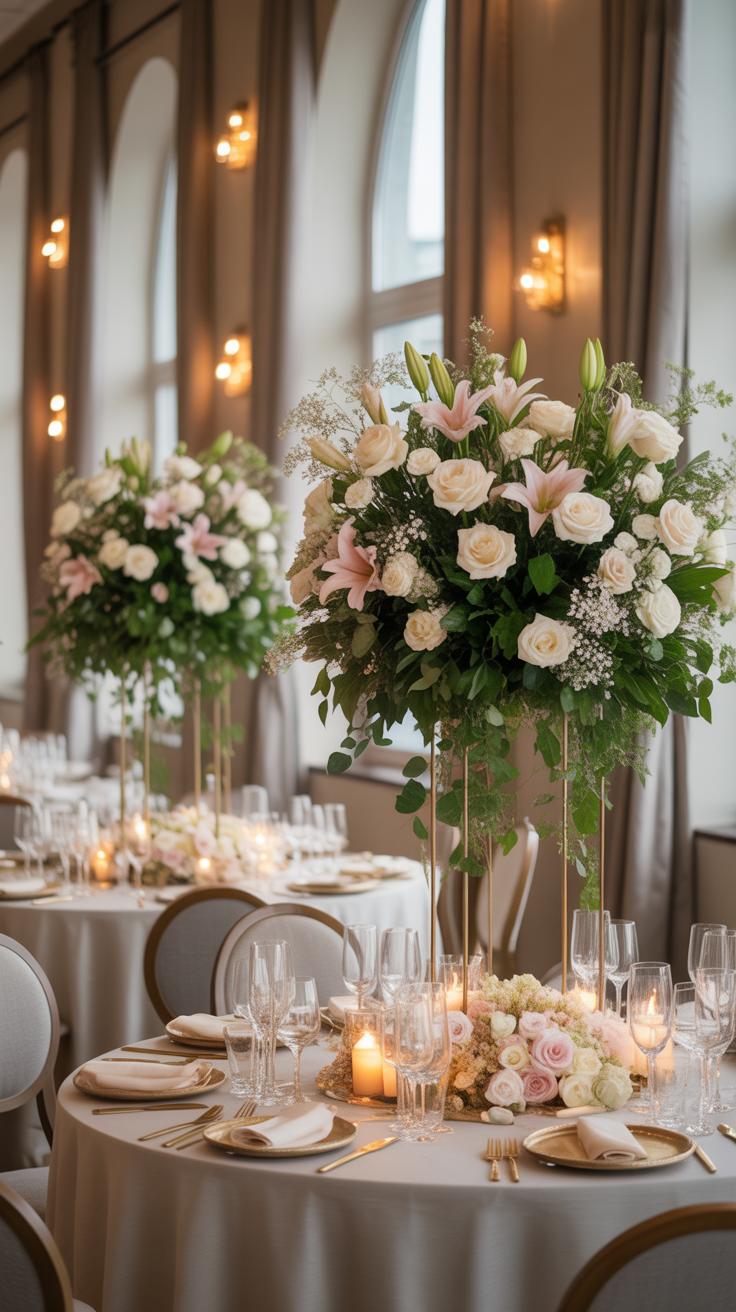
Mixing Premium Blooms With Affordable Greenery And Fillers
Tall floral centerpieces require significant mass to maintain visual balance. Utilizing expensive focal flowers like peonies or orchids for the entire structure drives costs up instantly. Smart designers use high impact blooms only at eye level or top focal points. They fill the remaining volume with architectural greenery like Italian Ruscus or Eucalyptus. This technique creates a full appearance while keeping the price per unit manageable.
Greenery provides the structural skeleton for height. Large tropical leaves or long branches like curly willow offer massive scale for very little money. You can hide mechanical supports within this dense foliage. This allows you to use fewer stems of premium flowers like garden roses. The contrast between lush green textures and bright petals makes the expensive flowers stand out more. It maximizes every dollar spent on premium imports.
Deep in their roots, all flowers keep the light, reaching toward the sky to turn a simple gathering into a memory of grace.
Tips For Working With Your Florist To Maximize Your Floral Budget
Professional florists manage tight margins and complex logistics. You must communicate your total budget before they start the design process. Ask for seasonal substitutions that mimic the look of more expensive flowers. Ranunculus can often replace peonies in certain seasons for less cost. Standard carnations in muted tones provide excellent density and longevity. Leveraging the florist’s knowledge of regional flower markets will result in a better final product.
- Reuse Ceremony Flowers: Move large arrangements from the altar to the reception guest tables. This double use of tall floral centerpieces cuts your total inventory needs in half immediately.
- Choose Seasonal Varieties: Select flowers that grow naturally during your wedding month. Out-of-season imports carry high shipping fees and surcharges. Local blooms are fresher and cost significantly less per stem.
- Opt For Glass Vases: Use clear glass cylinders or slender trumpets instead of custom ceramics. Glass is often available in bulk rental stock. It provides the necessary height without the high purchase price of trendy containers.
- Limit Flower Species: Stick to three or four types of flowers instead of ten. Buying in bulk quantities reduces the wholesale price per stem. Simple palettes also look more sophisticated and organized in tall displays.
- Incorporate Non-Floral Elements: Use branches, dried grasses, or even feathers to add volume. These items occupy more space than a single flower head. They add height and texture without requiring water or refrigeration.
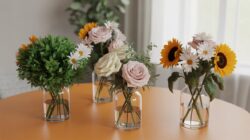
Trust the florist to choose the best quality stems within your color palette. Strict demands for specific flower types limit their ability to find deals. Give them a color range and a desired shape instead. This flexibility allows them to buy what is peaking in quality at the market. You get fresher flowers and better prices. A flexible approach ensures your tall floral centerpieces look expensive and professional.
Beyond Weddings Large Floral Centerpiece Wedding Styles Adapted For Other Special Occasions
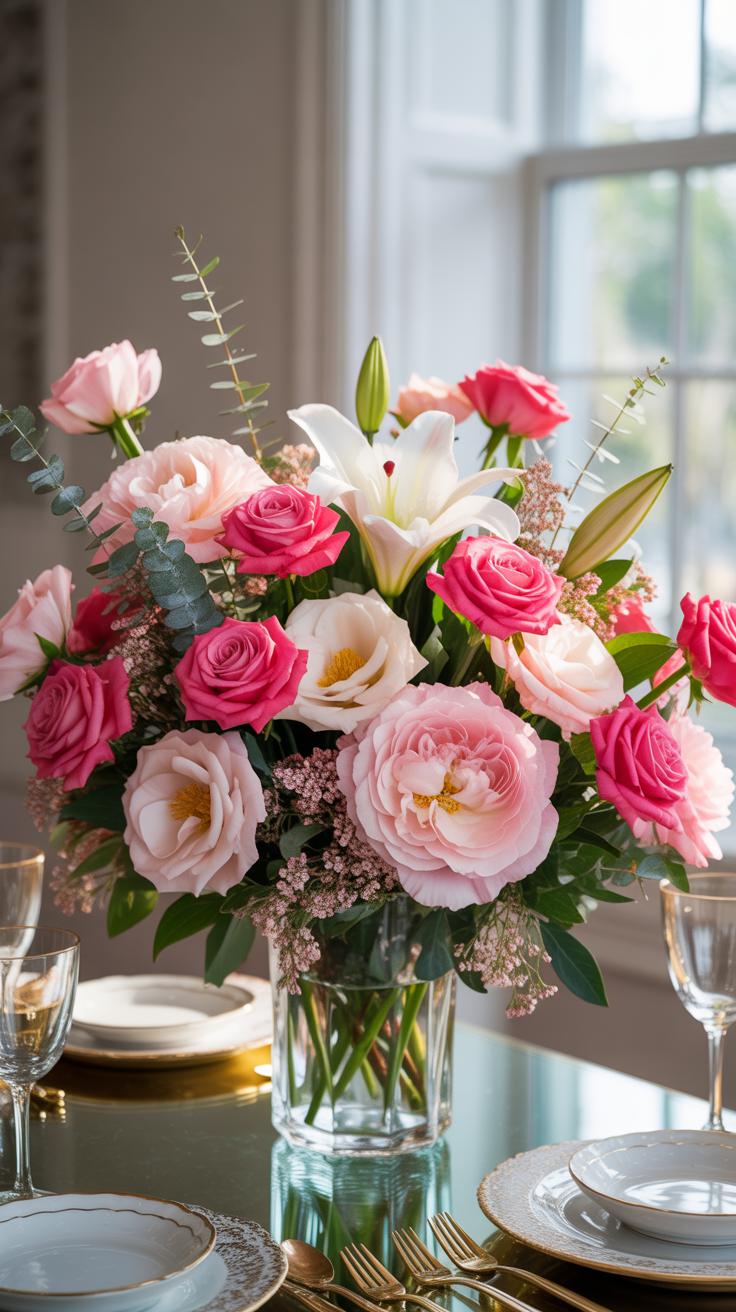
Tall Floral Centerpieces For Corporate Galas And Milestone Celebrations
Corporate galas require designs that reinforce brand identity and facilitate networking. Tall Floral Centerpieces serve a strategic purpose by keeping sightlines clear across the room. Use metal stands or glass trumpets to lift the arrangement above eye level. This prevents decor from blocking guests during keynote speeches. Choose architectural flowers like calla lilies or orchids to project a modern and professional image.
Milestone celebrations like anniversaries or retirements benefit from formal structures. Use the Art Deco style to create height with symmetry and clean lines. Incorporate gold pedestals to signify prestige and longevity. Ensure the base remains narrow to maximize table space for plated service. Use monochromatic color palettes to keep the focus on the guest of honor. High arrangements command attention in large ballrooms and convention centers.
Adapting Large Wedding Centerpieces For Intimate Dinner Parties And Seasonal Events
Intimate dinner parties require a scale shift for Tall Floral Centerpieces. Use thin candelabras or slender bud vases on elevated risers. This maintains the drama of height without overwhelming a smaller room. Focus on verticality rather than horizontal volume. Use a single type of greenery like eucalyptus to keep the look clean. This approach creates a focal point that does not physically crowd the dining guests.

Seasonal events use local textures to ground the design. Incorporate bare branches or dried elements during winter events for structural integrity. Use tall cherry blossoms in spring to fill vertical space naturally. These shifts replace traditional wedding roses with contextually accurate flora. Maintain a stable base to prevent tipping in high-traffic residential areas. Match the vase material to the existing interior decor for a cohesive and intentional look.
Sustainability And Longevity In Large Wedding Centerpieces And Tall Flower Wedding Centerpieces
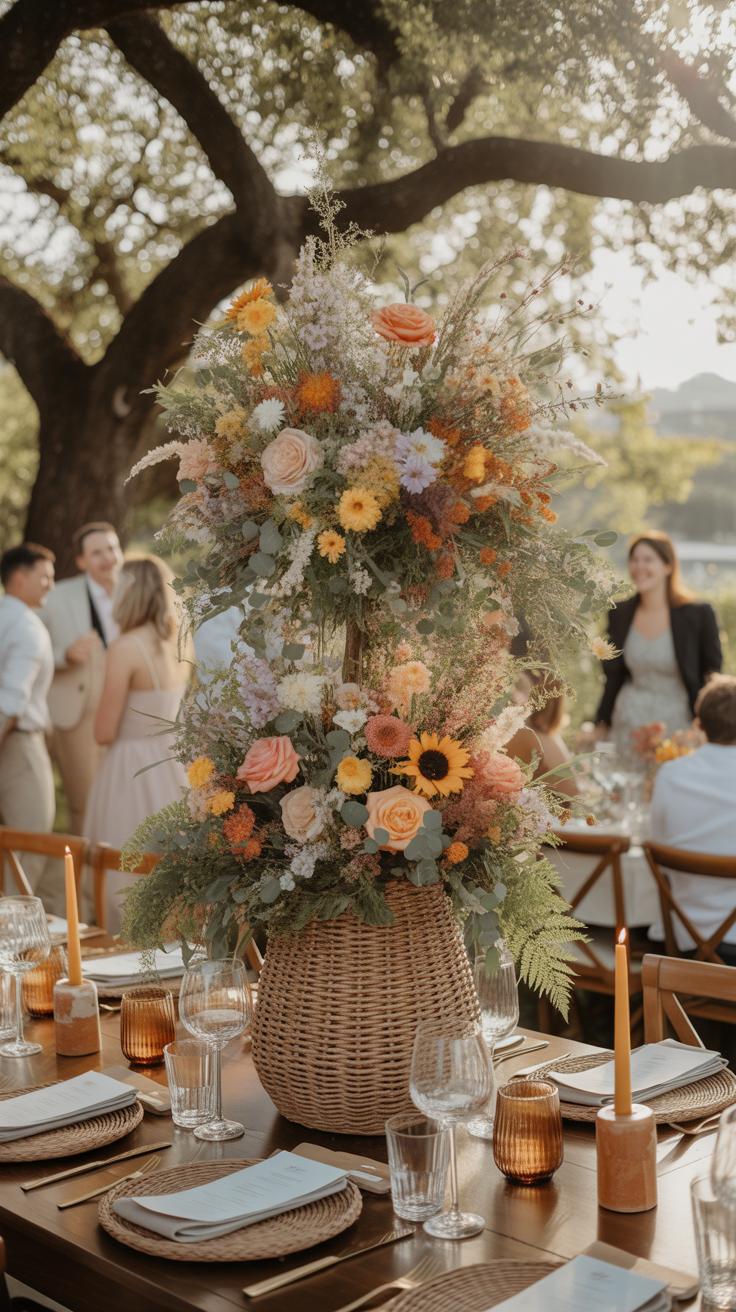
Eco Friendly Flower Sourcing And Seasonal Availability
Sourcing local flowers reduces the carbon footprint of tall floral centerpieces. Imported blooms require long distance air travel and heavy refrigeration. This burns excessive fuel and increases waste. Buyers should prioritize regional farms to ensure stems stay fresh longer. Use the Slow Flowers movement principles to find seasonal growers. These flowers adapt better to local humidity levels. They hold their structure without failing early.
Seasonality dictates the structural integrity of large designs. Spring offers sturdy branches like forsythia or quince for height. Summer provides tall delphiniums and gladiolus. Using out of season stems forces reliance on chemical preservatives and energy intensive greenhouses. Check seasonal availability charts before finalizing a design concept. Sticking to what grows naturally ensures the stems are strong enough to support their own weight in elevated stands.
How To Preserve And Repurpose Tall Centerpieces After Your Event
Repurposing tall arrangements requires a clear logistics plan. Large designs often use expensive metal stands or glass trumpets. Staff should disassemble these on site immediately after the event. Move the focal flowers into smaller handheld bouquets or short vases. This allows guests to take them home easily. Donating these repurposed blooms to local hospitals or nursing homes extends their functional life. It prevents immediate disposal in landfills.
Composting is the final step for organic waste management. Remove all non-organic materials like floral foam, plastic ties, and wire first. Traditional floral foam contains microplastics and does not biodegrade. Replace it with reusable pin frogs or chicken wire structures to make composting easier. Dry hardware like stands should return to rental inventory for future use. Proper cleanup prevents waste and lowers the total cost of the floral investment.
Frequently Asked Questions

Why should I choose tall floral centerpieces for my event instead of low arrangements?
Choosing tall floral centerpieces is an excellent way to add drama and elegance to any venue with high ceilings. These elevated arrangements draw the eye upward, creating a grand sense of scale without obstructing views across the table. By lifting the blooms above eye level, you allow guests to converse freely while still enjoying the lush, sophisticated atmosphere that only large-scale floral displays can provide for special celebrations.
How do I ensure my tall floral centerpieces stay stable and secure throughout the evening?
Stability is key when working with height. Start with a heavy, wide-based vase or a weighted pedestal to prevent tipping. Use floral foam securely taped into a container at the top of the stand to anchor your stems. If you are designing tall floral centerpieces with top-heavy blooms like hydrangeas or lilies, always double-check the balance of the arrangement to ensure the weight is distributed evenly around the central axis.
Can I create an impressive tall floral display on a limited budget?
Absolutely! You can achieve a high-end look without a massive price tag by using cost-effective “filler” greenery like eucalyptus or monstera leaves to build volume. Incorporate a few large, focal flowers rather than dozens of expensive roses. Another great tip for budget-friendly tall arrangements is to use elegant branches or long-stemmed dried florals, which provide significant height and architectural interest at a much lower cost than fresh premium imports.