
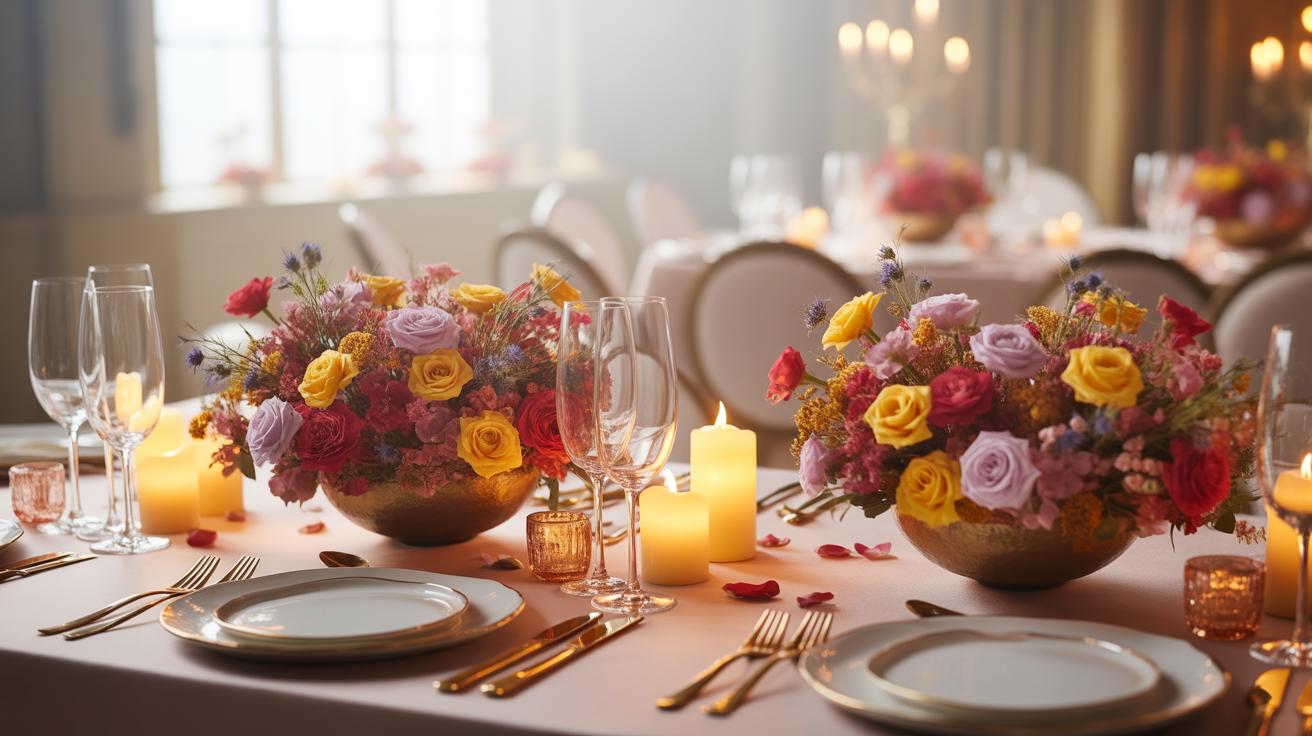
What Are Low Profile Centerpieces And Why They Work So Well For Wedding Reception Centerpiece Ideas
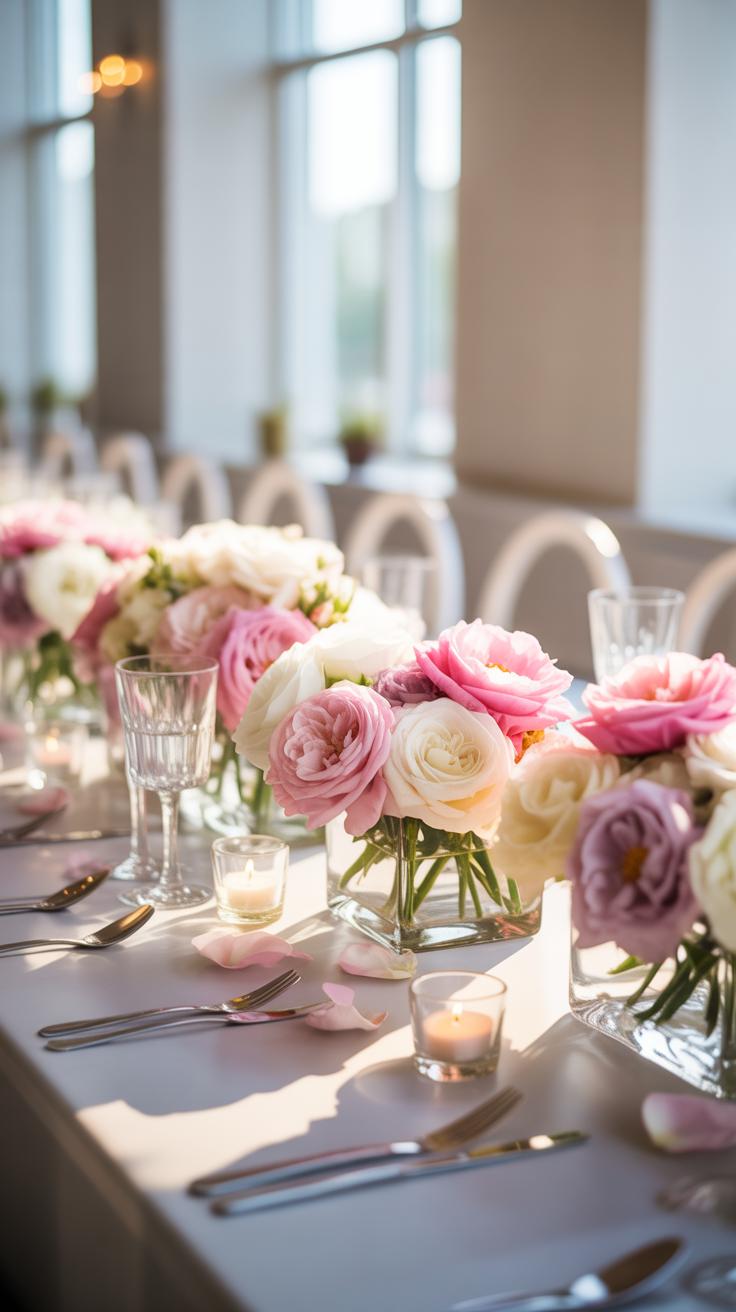
Defining The Low Centerpiece Height Scale And Visual Balance
Low profile centerpieces maintain a strict height limit to ensure clear sightlines across a table. These arrangements typically stay below twelve inches from the table surface. This height keeps the decor below the eye level of seated guests. Design focuses on horizontal expansion rather than vertical reach. Designers use heavy bases or shallow containers to anchor the floral weight near the tabletop surface.
Scale determines how the arrangement fills the immediate dining area without crowding place settings. Visual balance relies on the relationship between the vessel width and the table diameter. A well executed low design uses negative space to highlight specific textures. This technique prevents the decor from feeling bulky or cluttered. It forces the viewer to focus on detail and intricate craftsmanship at a close range.
Why Guests And Event Planners Prefer Low Profile Designs Over Tall Arrangements
Guests prefer low designs because they enable direct eye contact and fluid conversation. Tall arrangements often create physical barriers that block the view of people sitting opposite each other. These obstructions force guests to lean uncomfortably to speak. Removing these barriers improves the social experience at a wedding reception. Low designs also feel more intimate because they reside within the personal space of the diners.
Planners choose low profile centerpieces for logistical stability and cost efficiency. These arrangements have a lower center of gravity and rarely tip over in high traffic areas. They require less structural rigging than massive elevated installations. Smaller vessels also allow planners to utilize expensive blooms more effectively by placing them where guests can see them. This strategy maximizes the impact of the floral budget while reducing setup time.

The Art Of Floral Arrangements Choosing The Right Blooms For A Low Profile Look
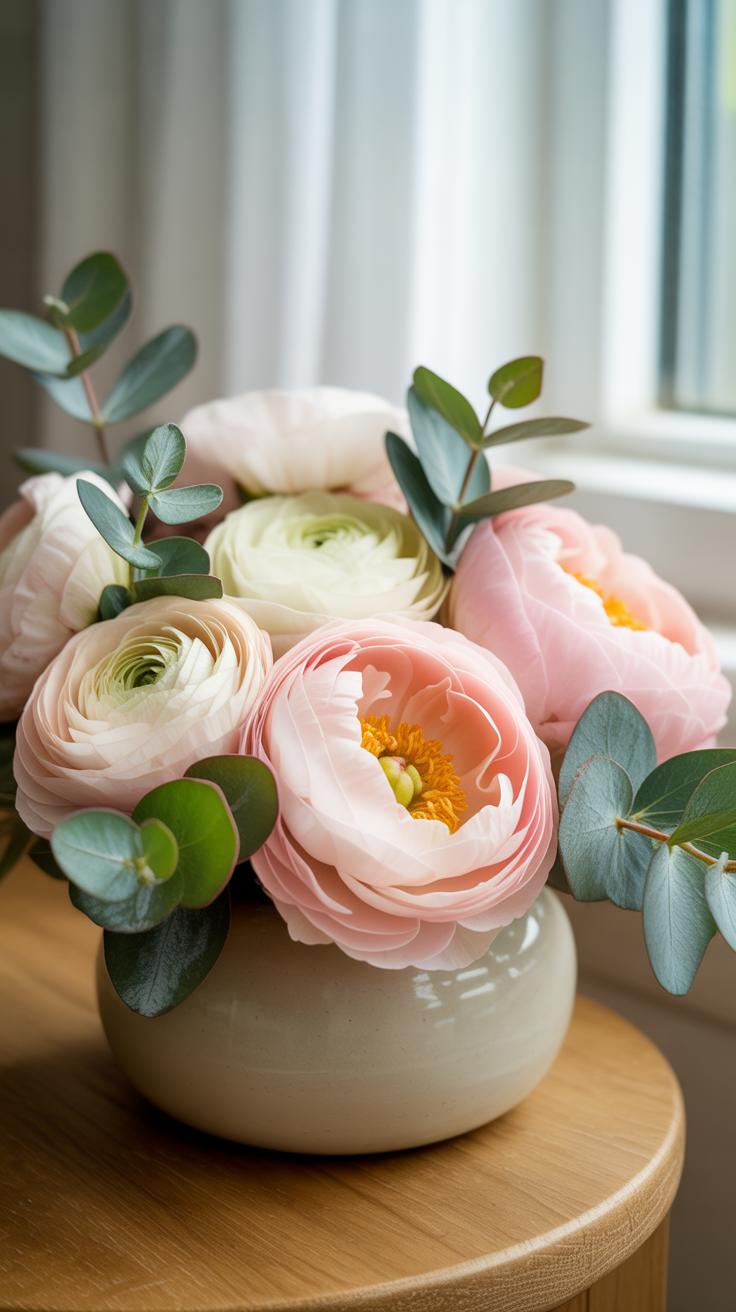
Best Flower Varieties That Naturally Suit A Low, Compact Arrangement
Select flowers with large heads and short, sturdy stems to maintain structural integrity. Ranunculus and anemones offer dense petal counts that fill space without adding height. Roses and peonies provide a traditional foundation because their blooms expand horizontally. These varieties allow you to create a lush appearance while keeping the arrangement below the sightline of seated guests. Focus on mass flowers over line flowers for these designs.
Avoid top-heavy species that require long stems for support. Hydrangeas work well as a base because one stem covers significant surface area. Succulents provide a modern, durable alternative that stays low to the container rim. Use focal flowers with flat profiles like dahlias to maintain a clean horizontal plane. This approach ensures the centerpiece remains functional for conversation. It prevents the visual clutter that taller, wispy stems often create.
Seasonal Considerations When Selecting Flowers For Your Centerpiece
Temperature and humidity dictate the lifespan of your low profile centerpieces. Heavy spring blooms like tulips continue to grow toward light sources after being cut. This movement can ruin a precise, low design within hours. Choose cool-season varieties for indoor events to prevent wilting near candles or heat sources. Local sourcing reduces transport stress on the plants. This ensures the petals remain firm and the colors stay vivid throughout your event.

Summer heat requires hardy choices like zinnia or tropical orchids that resist dehydration. Autumn designs benefit from the structural rigidity of dried elements and woody stems. These materials hold their shape without drooping into the table space. Winter arrangements often utilize evergreen boughs and berries to create a dense, low base. Matching your floral selection to the current season guarantees better availability and lower costs. It also ensures the flowers perform better in their environment.
Low Floral Centerpieces Simple Achieving Beauty Without Overcomplicating The Design
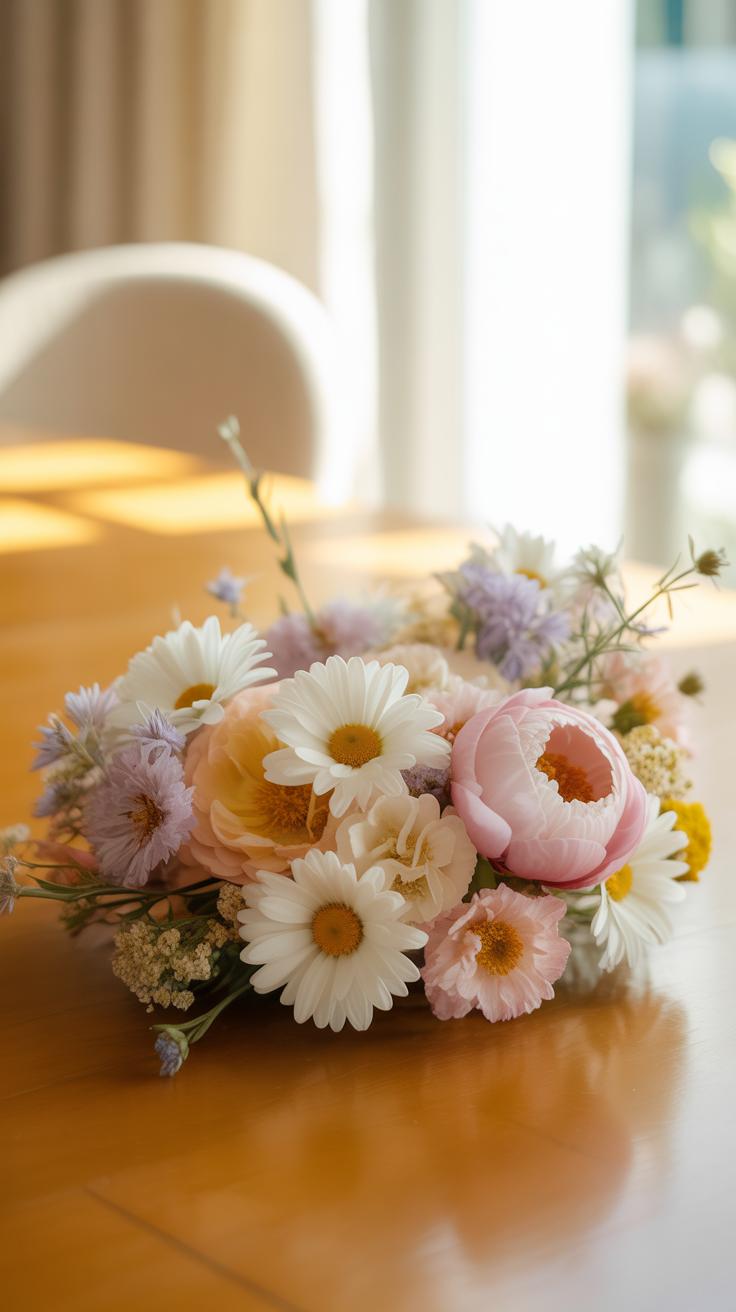
Simple Design Principles That Make Low Floral Centerpieces Look Effortlessly Polished
Effective low profile design relies on the principle of negative space and visual mass. You must keep the arrangement below eye level to ensure guests can maintain eye contact. Use odd numbers of flower stems to create a natural look. Focus on a single color palette to reduce visual noise. This approach draws attention to the texture of each bloom rather than a complex structure.
Balance is the primary technical requirement for these pieces. You must distribute the weight evenly so the container does not tip. Use a central focal point flower and surround it with supporting foliage. This method follows the golden ratio used in classical art. It creates a stable base that feels substantial despite its small size. Simple designs succeed when you prioritize clean lines over excessive decoration.
Essential Materials And Tools You Need To Build A Simple Low Floral Centerpiece
Success in floral construction starts with the right mechanical foundation. You need tools that provide stability and allow for precise stem placement. Professionals use heavy duty bypass pruners to make clean cuts. This prevents the crushing of vascular tissue in the stems. Without proper hydration and clean cuts, a low arrangement will wilt before the event concludes. High quality materials ensure longevity.
- Floral Pin Frog: This heavy metal tool sits at the bottom of the container. It features upright spikes that hold thick or thin stems at specific angles. This tool originated in Japanese Ikebana and provides superior stability compared to foam.
- Waterproof Floral Tape: Use this adhesive specifically to create a grid across the mouth of your vessel. It secures the stems in place and maintains the structure of the arrangement. This tape stays sticky even when the container becomes wet during filling.
- Low Profile Vessel: Select a container that is no more than four inches tall. Glass bowls or ceramic trays work best for this purpose. The vessel acts as the structural anchor for your entire design and dictates the maximum width of the piece.
- Bypass Pruners: Most floral experts prefer bypass blades over anvil styles. These blades act like scissors to provide a sharp and clean slice. This tool is essential for keeping the stems healthy and allowing the flowers to drink water effectively throughout the day.
- Floral Preservative: This chemical solution contains sugar for food and bleach to kill bacteria. Adding this to the water extends the life of the blooms. It keeps the water clear in glass containers where debris is easily visible to guests.

Properly prepping your materials avoids mid-build failures. Always soak your floral foam or clean your pin frogs before you begin the assembly. Place your grid or frog first to establish the architectural skeleton. Once the base is secure, you can focus on the artistic placement of the flora. These tools allow you to execute a professional look with minimal effort or advanced training.
Minimalist Floral Arrangements Wedding Less Is More On Your Big Day

How Minimalist Floral Philosophy Translates Into Stunning Wedding Table Decor
Minimalist floral design focuses on the structural beauty of individual stems. This philosophy strips away the bulk of traditional round bouquets. Designers select flowers based on form and texture rather than quantity. You highlight the natural lines of the bloom. This approach reduces visual noise on the table. It ensures that the guests can focus on the primary event without a wall of flowers blocking their view.
Execution requires precision in placement and scale. Low profile centerpieces must stay under twelve inches tall to maintain sight lines. You use clear glass or ceramic vessels to ground the arrangement. The goal is a clean look that emphasizes quality over volume. This method lowers costs because you buy fewer stems. It also speeds up the setup process on the wedding day. Every stem must serve a specific visual purpose.
Pairing Greenery And Negative Space To Enhance A Minimalist Floral Arrangement
Negative space is the empty area around the flowers. It is a deliberate design tool. In a minimalist centerpiece, the silence between the leaves matters as much as the blooms. Crowding the vase ruins the effect. You must leave room for the eye to rest. This technique draws attention to the unique shape of a single monstera leaf or a branch of eucalyptus. It creates a modern look.

Greenery provides the necessary contrast against white linens. Use hardy foliage like ruscus or ferns for longevity. These plants stay fresh throughout the reception without constant water. Select different shades of green to add depth without adding bulk. Place greenery at varying angles to mimic natural growth. This strategy fills the table space horizontally. It keeps the height low while creating a full but tidy appearance for the guests.
No Vase Floral Centerpiece Creative Alternatives To Traditional Containers
Using Wooden Slabs, Moss, And Fabric Bases As Natural Anchors For Your Centerpiece
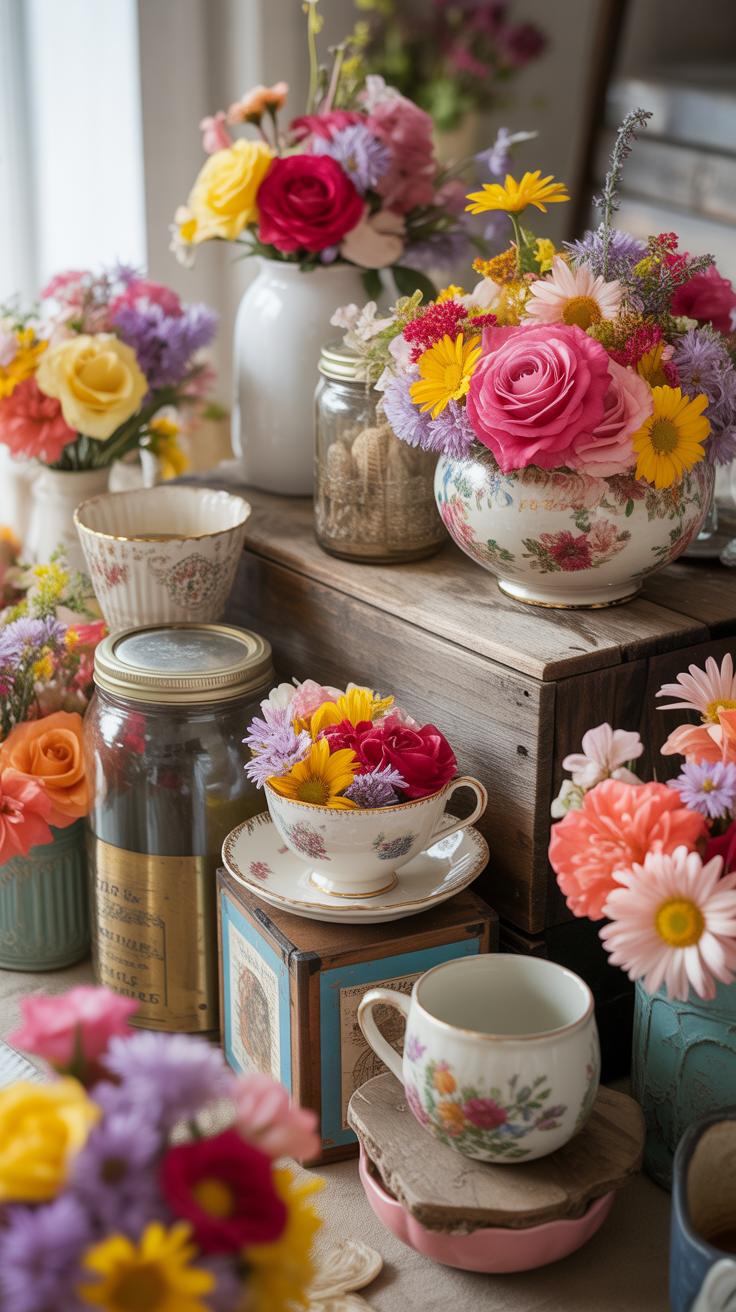
Wooden slabs provide a heavy and level foundation for low profile centerpieces. Cross-cut tree rounds, often called cookies, offer a flat surface that prevents tipping. You can sand these surfaces to prevent splinters or leave them rough for a raw look. These slabs act as a physical boundary for your arrangement. They keep the tabletop clean while defining the visual space for the floral elements.
Moss and fabric bases add texture and hide mechanical supports. Sheet moss or Spanish moss can cover plastic trays or hydration foam. This creates a seamless transition between the flowers and the table surface. Heavy linens or velvet runners also serve as anchors. You can pin or wire stems directly into these soft surfaces. This method eliminates the height added by glass jars or ceramic pots.
How To Keep Flowers Fresh And Secure Without A Traditional Vase
Hydration requires hidden water sources when you skip the vase. Floral foam bricks allow you to insert stems at specific angles. You must soak the foam in water treated with floral preservatives before use. For a foam-free approach, use water tubes or floral vials. These small plastic containers hold enough water for several days. You can easily hide these tubes under foliage, bark, or decorative stones.

Securing stems on flat surfaces involves mechanical tools like pin frogs or kenzans. These metal spikes hold heavy stems in place without deep water. You can also use waterproof floral tape to create a grid on a low tray or plate. Chicken wire serves as a flexible armature for larger arrangements. These tools ensure the design stays low and does not shift during the event. Use these methods to maintain a clean line of sight.
Elegant White Floral Centerpiece Timeless Sophistication For Formal Occasions
Why All White Floral Palettes Remain A Classic Choice For Weddings And Galas
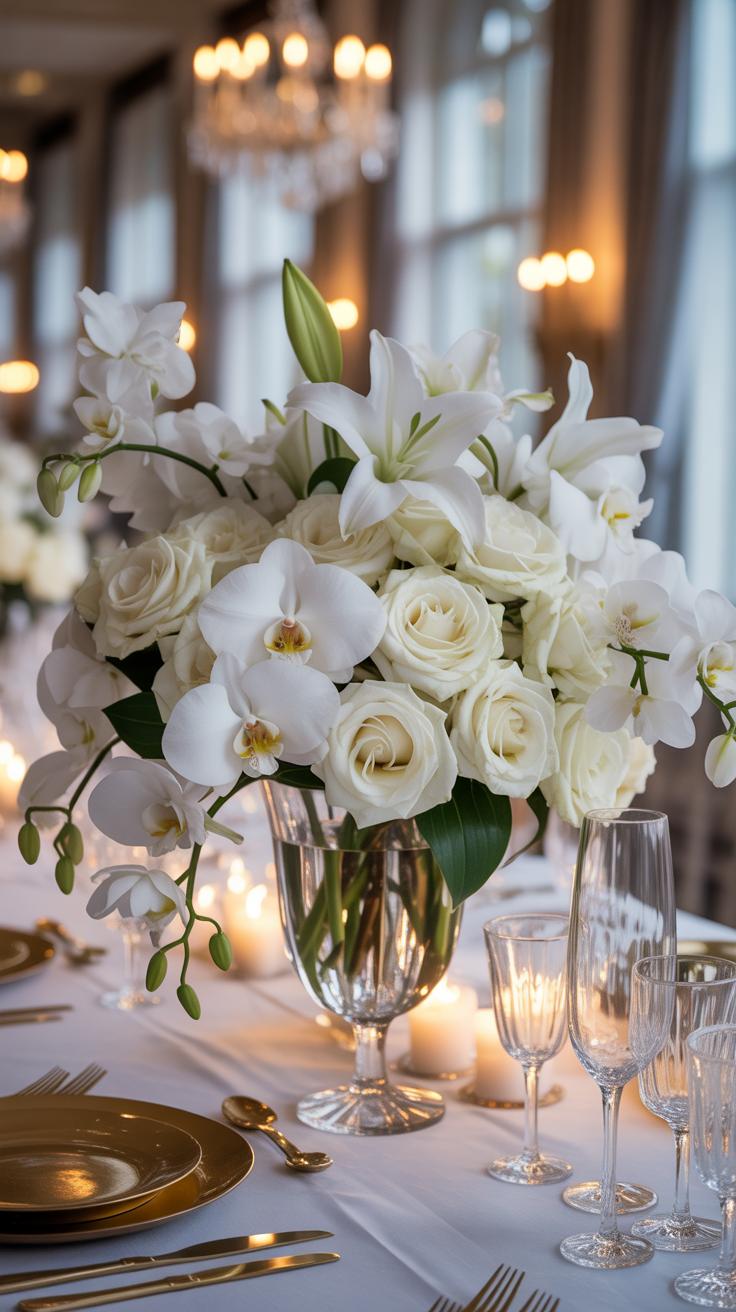
White floral arrangements eliminate visual noise in high stakes environments. This palette ensures the centerpieces do not clash with venue architecture or existing decor. Formal events require a sense of permanence and order. All white designs provide a neutral base that reflects light well in dim ballrooms. These arrangements communicate a high level of cleanliness and precise attention to detail for guests.
Strategically, low profile white centerpieces facilitate direct eye contact across a dinner table. Guests can converse without navigating tall obstructions. This height ensures the decor stays below the chin level of a seated adult. Using a single color simplifies the planning process for large scale logistics. Designers focus on texture and shape rather than color matching. This approach reduces the margin for error during fast event setups.
Top White Flower Varieties To Feature In An Elegant Low Profile Centerpiece
Success depends on selecting hardy blooms with high petal counts. Ranunculus and garden roses offer dense structures that fill gaps in low containers. These species maintain their shape even in warm indoor temperatures. Hydrangeas provide a necessary foundation of volume. They act as a natural mechanic to hold smaller stems in place. Steer clear of flowers that droop or wilt quickly under harsh dry lighting.

Incorporate calla lilies for a sleek and architectural look. Their smooth stems work well in modern glass vessels. White tulips add a sense of fluid movement to static arrangements. Use anemones with dark centers if you need a sharp point of contrast. These selections offer different heights within the low profile limit. High quality white flowers look expensive and intentional. They convey a professional image for any corporate or private gala.
How To Style A Minimalist Table Around A Low Profile Centerpiece
Coordinating Linens Tableware And Candles To Complement Your Low Centerpiece
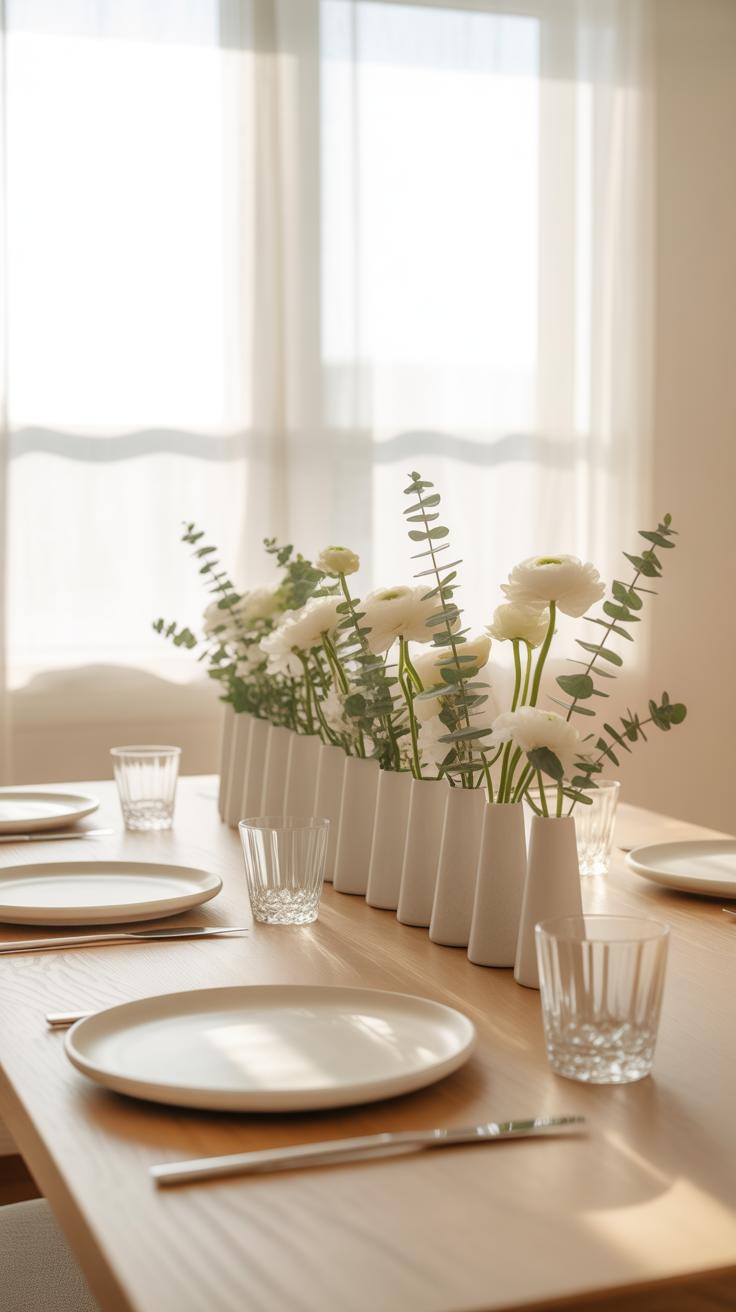
Minimalist design requires a restricted color palette to maintain visual order. Select natural fabrics like stone-washed linen or plain weave cotton in neutral tones. These materials provide a textured backdrop without distracting from the central arrangement. Ensure the linen drapes evenly on all sides of the table. A flat surface is vital because Low Profile Centerpieces sit close to the tabletop and reveal every wrinkle.
Choose tableware with clean silhouettes and matte finishes to reduce glare. Stoneware or porcelain works best for this aesthetic. Integrate slim taper candles or low tea lights in glass holders to provide height variation. Place them strategically so they do not block lines of sight across the table. Use neutral metals like brushed brass or polished steel for flatware to create a cohesive and professional appearance.
Step By Step Guide To Laying Out A Minimalist Table Setting From Center To Edge
Start by placing your primary centerpiece exactly at the geometric center of the table. This focal point dictates the spacing for every other element. Measure the distance from the centerpiece to the table edge to ensure symmetry. Minimalist layouts rely on precise measurements to create a sense of balance. Keep the height of the centerpiece under six inches to protect the view.
- Primary Focal Point: Position the main low profile arrangement at the dead center. Use a ruler to verify its distance from the table ends. This ensures the visual weight remains balanced across the entire surface area.
- Plate Placement: Set the dinner plates directly in front of the chairs. Maintain a distance of one inch from the table edge. Align the plates with the center of the focal arrangement to create a strong vertical line.
- Utensil Alignment: Lay out the flatware from the inside out. Place the forks to the left and knives to the right. Ensure the bottom of each handle aligns perfectly with the bottom edge of the dinner plate for a clean look.
- Glassware Grid: Position the water glass above the knife. If using wine glasses, place them to the right of the water glass at a forty five degree angle. This diagonal line leads the eye back toward the centerpiece.
- Secondary Accents: Add taper candles or small stones in the negative space between the plates and the center. Keep these items in a straight row. Consistent spacing prevents the table from looking cluttered or disorganized during the event.

Review the final layout from a seated position at each chair. Adjust any items that interfere with the arm movement of the guests. Clear communication across the table is the goal of a low profile design. Remove any unnecessary decor that does not serve a functional or structural purpose. High quality minimalism depends on the deliberate removal of secondary distractions.
Minimalist Wedding Decor Extending The Low Profile Aesthetic Beyond The Table
How Low Profile Centerpieces Tie Into A Broader Minimalist Wedding Decor Vision
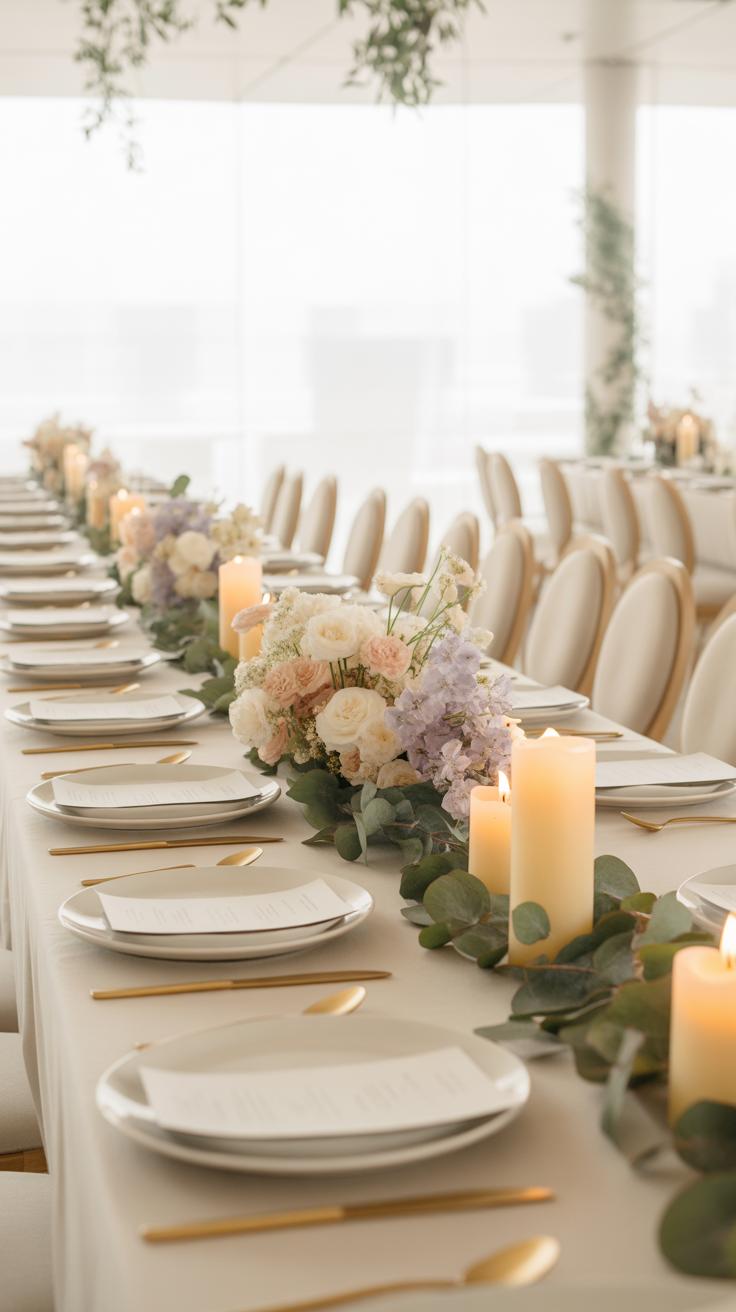
Low profile centerpieces anchor a minimalist design by removing visual clutter. These arrangements focus on scale and negative space. They prevent the table from feeling overcrowded. This approach mirrors the core principles of the International Typographic Style. You prioritize function and clarity over decoration. Low arrangements ensure guests maintain eye contact. This fosters direct communication. The tabletop becomes part of a cohesive spatial plan.
A minimalist vision requires every element to serve a purpose. Thin bud vases or stone trays create horizontal lines. These lines guide the eye across the room without interruption. This strategy works well with monochromatic color palettes. You use texture instead of mass to create interest. By keeping centerpieces low, you allow the architecture of the venue to remain the primary focus. This creates a unified and intentional atmosphere.
True hospitality consists of giving the best of yourself to your guests, starting with a table that invites conversation and connection. Low arrangements ensure that every laugh and memory shared is seen across the candlelight.
Venue Considerations That Make Minimalist Wedding Decor Shine Most Effectively
Industrial lofts and art galleries provide the best backdrops for minimalist decor. These spaces feature high ceilings and raw materials like concrete or brick. Minimalist centerpieces contrast with these hard surfaces. White walls act as a clean canvas for sharp floral silhouettes. Bright, natural light reveals the texture of simple stone or glass containers. The lack of existing ornate trim prevents visual conflict with your design.
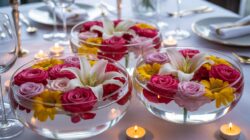
Outdoor settings with natural landscapes also benefit from low profiles. Wide horizons and open skies demand unobstructed views. Tall centerpieces block the scenery and fight the environment. Low arrangements sit below the shoulder line of seated guests. This preserves the panoramic view of the site. Use heavy materials like slate or solid wood to withstand wind. Align your table heights with site lines to maximize the impact of the location.
Budget Friendly Low Profile Centerpiece Ideas For Every Type Of Special Occasion
How To Source Affordable Blooms And Foliage Without Sacrificing Visual Impact
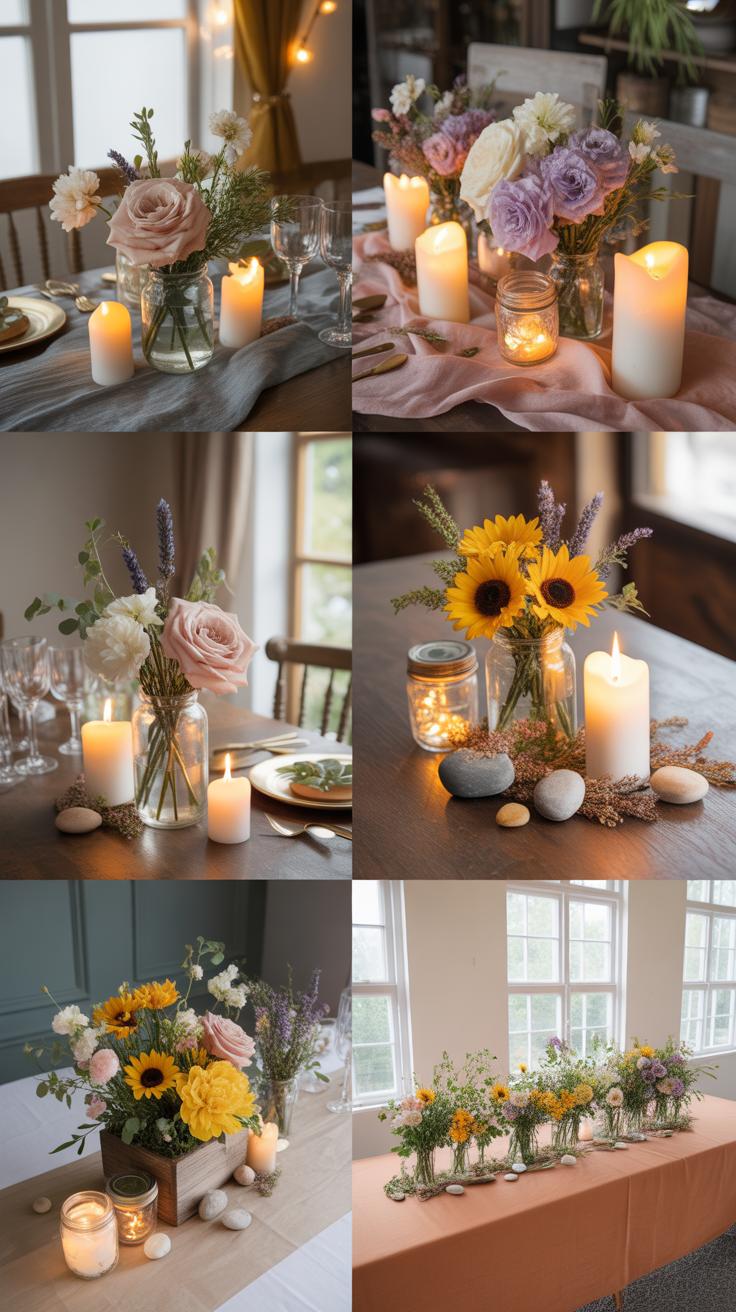
Sourcing affordable materials for low profile centerpieces requires a shift toward bulk procurement and seasonal awareness. Purchase stems from wholesale markets or local flower farms to bypass retail markups. Focus on hardy greenery like eucalyptus, ruscus, or fern fronds. These fillers occupy significant horizontal space for a fraction of the cost of premium flowers. Using more foliage allows fewer focal blooms to create a dense and high-end look.
Maximize visual impact by selecting larger face flowers like hydrangeas or garden roses that cover the container rim quickly. Buy in-season varieties to avoid high shipping costs and poor quality. Scour local grocery chains for white carnations or chrysanthemums. When grouped tightly in low vessels, these common flowers mimic the appearance of expensive peonies. Strategic color blocking with thrifted glass or ceramic containers further elevates the perceived value of cheap stems.
DIY Vs. Florist Made: When To Do It Yourself And When To Call A Professional
Execute your own low profile centerpieces when the design uses a singular flower type or simple grid mechanics. DIY projects work best for casual events where the host has ample time for assembly 24 hours before the occasion. Use floral foam or tape grids to keep stems in place. This approach saves money on labor and delivery fees. Choose this route if you have a cool space to store the finished arrangements.
Hire a professional florist for large-scale events or designs requiring complex structural integrity. Professionals handle the logistics of sourcing, hydration, and on-site setup that DIYers often underestimate. Use a pro when your vision involves delicate, high-moisture blooms like lily of the valley or steep tropical stems. They provide the necessary equipment and insurance to manage transport risks. Choose the florist when your time is worth more than the potential savings of manual labor.
Adapting Low Profile Centerpieces For Different Occasions Beyond Weddings
Tailoring Low Centerpiece Designs For Corporate Events, Baby Showers, And Milestone Birthdays
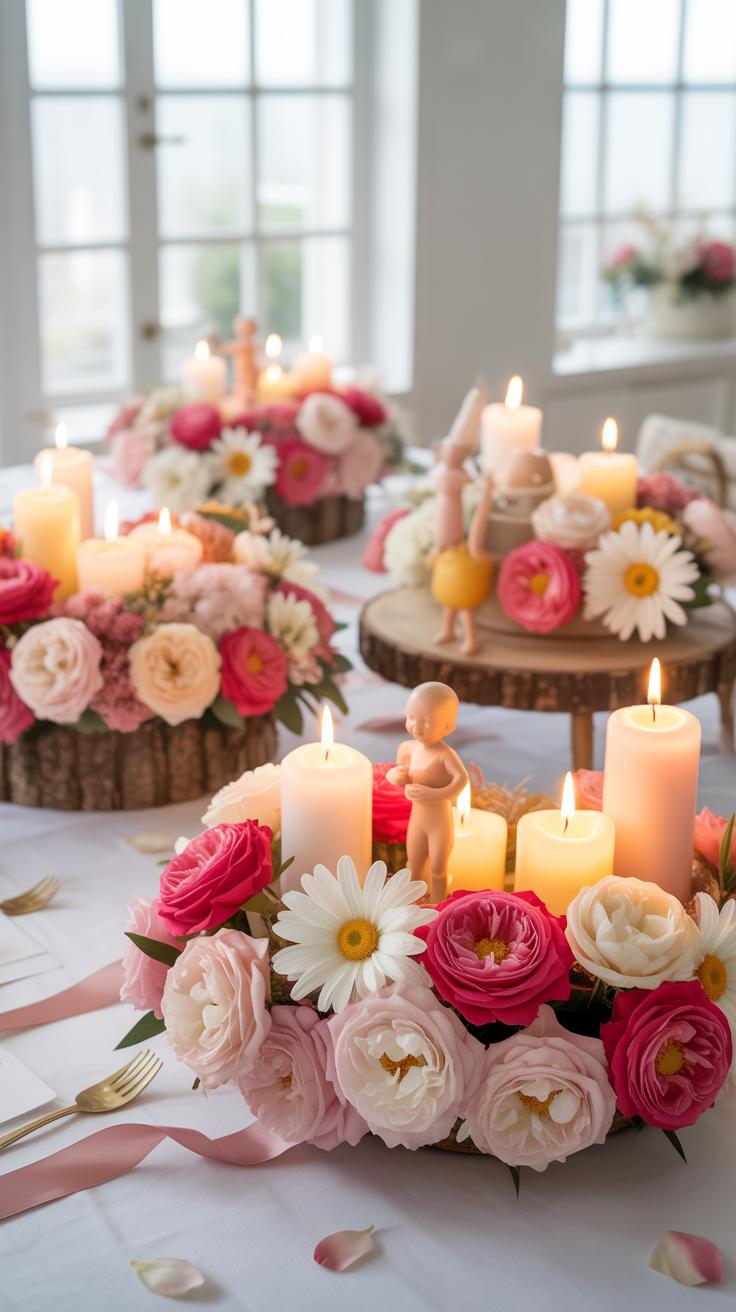
Corporate events prioritize line of sight for networking and branding. Use low profile centerpieces to keep views clear across the conference table. Select sleek glass troughs or slate bases to match modern office aesthetics. Incorporate company colors through stones or monochromatic blooms. These choices ensure the arrangement supports the business objective. High arrangements block faces and hinder crucial professional connections during formal dinners.
Social events like baby showers or birthdays require a different tactical approach. Use soft textures and playful containers like ceramic bowls or wooden crates. These low designs encourage intimate conversation among guests. Focus on scent and color to set the mood without dominating the physical space. Use durable materials that guests can easily move if the table needs more room for food or gifts later.
Seasonal And Thematic Variations That Keep Your Low Profile Centerpiece Feeling Fresh Year Round
Seasonal shifts dictate your material selection and color palette. Use local greenery and hearty textures during winter months to ensure longevity. Switch to shallow vessels with floating blossoms or citrus during summer to provide a cooling effect. This strategy aligns your decor with the natural environment. It reduces costs by sourcing materials that are in high supply during specific times of the year.
Thematic variations depend on the historical or cultural context of the event. Mid-century modern themes utilize geometric low bowls and minimal foliage. Traditional holiday settings benefit from horizontal evergreen swags and tapered candles. Always match the vessel material to the era of the theme. Polished metal works for industrial styles while unglazed clay fits rustic motifs. Consistency between the container and the theme determines the overall success.
Frequently Asked Questions

What exactly are low profile centerpieces and why should I choose them for my event?
Low profile centerpieces are floral or decorative arrangements designed to sit below eye level, typically under twelve inches tall. The primary benefit of choosing these shorter designs is that they facilitate effortless conversation across the table. Unlike tall, bulky displays that obstruct views, these arrangements create an intimate atmosphere where guests can easily interact while still enjoying a beautifully curated aesthetic that enhances the overall theme of your special occasion.
How can I ensure my low profile centerpieces still look lush and professional without the extra height?
To achieve a high-end look, focus on texture and density rather than vertical volume. Use shallow vessels like metallic trays or wooden troughs and pack them with a variety of textures, such as trailing ivy, succulents, or tightly clustered peonies. Incorporating horizontal elements like driftwood or a velvet table runner can also help your low profile centerpieces feel expansive and significant, grounding the table setting with a sophisticated, intentional touch.
Can I create beautiful low profile centerpieces on a tight budget?
Absolutely! You can craft stunning affordable arrangements by repurposing items you already own, such as vintage tea tin containers or mismatched glass jars. Filling these small vessels with seasonal greenery, floating tea lights, or single stems from a grocery store bouquet creates a charming effect. This approach proves that you do not need a massive floral budget to produce elegant low profile centerpieces that feel both thoughtful and incredibly stylish for any gathering.