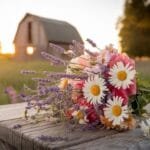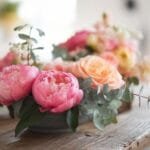

Why Candle And Flower Centerpieces Remain A Timeless Choice For Wedding Table Decorations With Candles
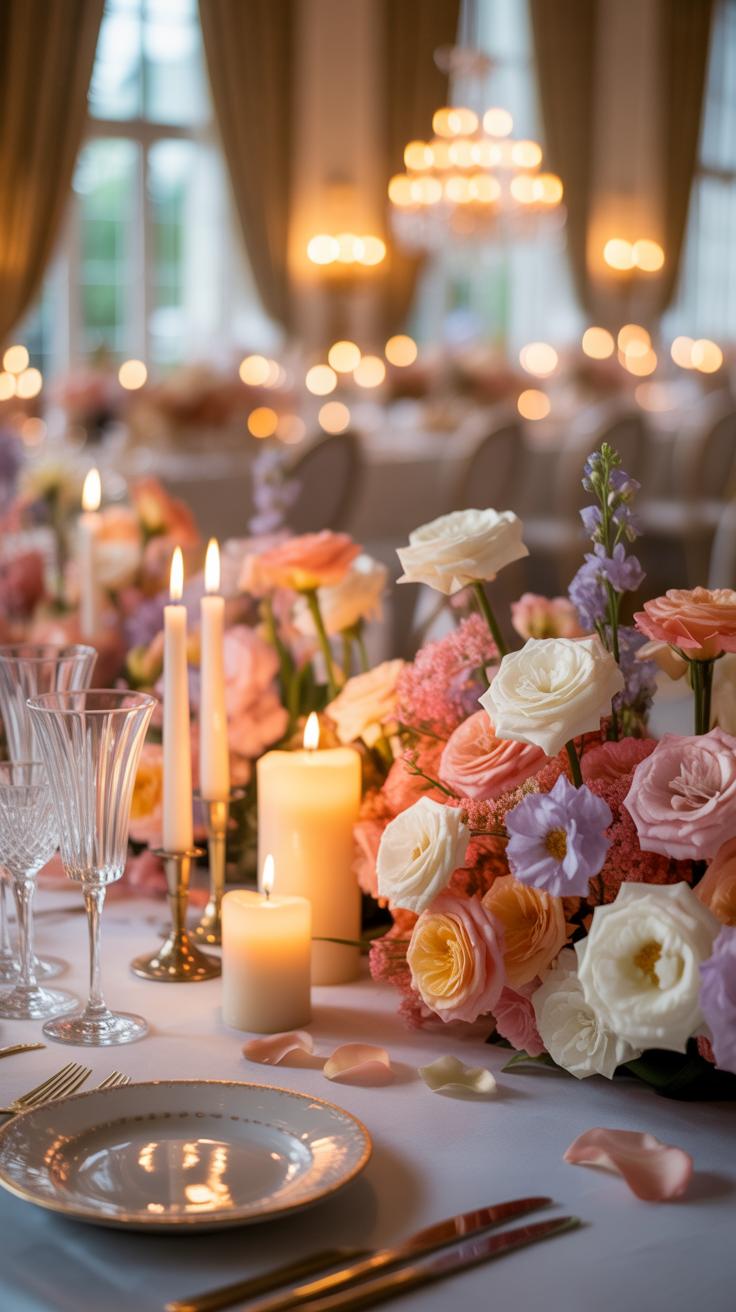
The Enduring Appeal Of Combining Candlelight And Fresh Florals At The Table
Candle and flower centerpieces dominate event design because they balance organic textures with living light. High-end events use these elements to anchor the table layout. Florals provide structural volume while candles add vertical height and movement. This combination works across diverse design styles from Neoclassical to Minimalist modernism. Designers rely on this pairing to create focal points that occupy the visual center of the guest experience.
The synergy between these materials stems from their contrasting properties. Flowers represent color and softness. Candles provide warmth and dynamic energy through flickering flames. This duality ensures the table remains visually interesting throughout the entire event. As natural light fades during evening receptions, the candle flames take over the lighting duties. This transition keeps the decor functional and relevant for the duration of the wedding or dinner.
How Warmth And Fragrance Work Together To Set The Mood For Guests
Sensory design relies on the interaction of temperature and scent to influence guest comfort. Candles emit heat that physically warms the immediate air around the table. This heat also helps disperse the scent molecules from nearby floral arrangements. Effective strategists choose flowers with subtle profiles to avoid overpowering the dining area. The goal is a controlled sensory environment that encourages guests to remain at the table longer.
The psychological impact of low-level lighting is a proven tactic in hospitality. It puts guests at ease and facilitates closer conversation. Florals act as a buffer and aesthetic backdrop for this light. Together, they create a private atmosphere within a larger room. Professional planners use paraffin or soy wax candles for their clean burn. They match these with seasonal blooms to ensure the fragrance remains fresh and the heat stays manageable.
Elegant Bud Vases Wedding Arrangements Paired With Taper And Pillar Candles
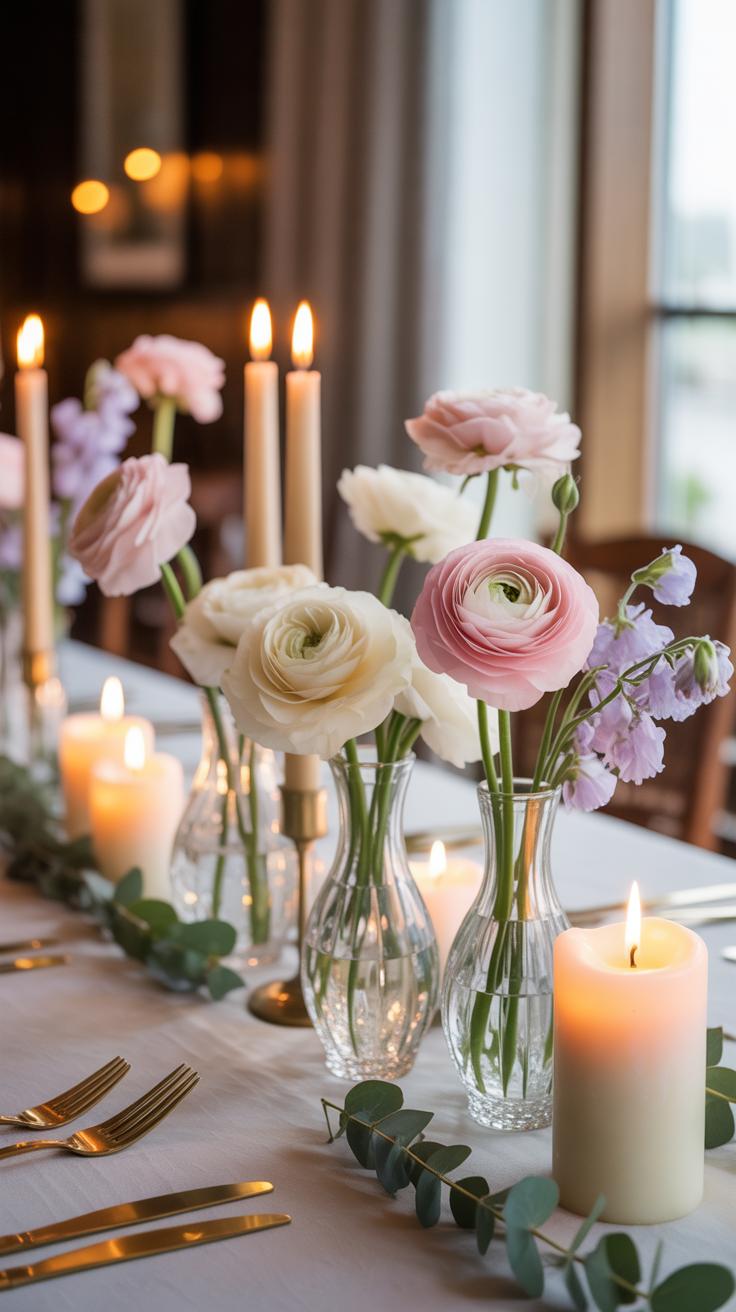
Using Clustered Bud Vases To Create Visual Depth Across A Reception Table
Clustering bud vases creates a focal point without blocking sightlines. Group three to five vases of varying shapes in the center of the table. Place the largest blooms in the middle of each cluster to anchor the arrangement. This technique mimics natural growth patterns found in English cottage gardens. It ensures the table looks full while using fewer stems than traditional large floral foam centerpieces.
Strategic placement of candles around these clusters adds immediate dimension. Position pillar candles at the ends of the floral groupings to provide structural weight. Fill the gaps with smaller votives or tapers to guide the eye across the entire surface. This alternating pattern breaks up the linear feel of long banquet tables. It forces the viewer to notice individual flower varieties rather than a single mass of color.
To light a candle is to cast a shadow, but when paired with the bloom of a flower, it creates a memory that glows forever.
Selecting The Right Stem Heights And Candle Sizes For A Balanced Tablescape
Balance requires strict attention to vertical proportions. Cut stems so flower heads sit at three different heights. The tallest stem should not exceed the height of your taper candles. Keeping flowers below eye level allows guests to converse easily. This approach follows the Golden Ratio principles used in classical design. It creates a sense of harmony that feels intentional rather than cluttered or random.

Pair thin taper candles with delicate stems like ranunculus or sweet peas. Use thick pillar candles to ground heavier blooms like garden roses or peonies. Large candles provide a necessary counterweight to the airy feel of bud vases. Ensure the candle flame stays at least three inches away from any flammable foliage. This safety margin prevents scorched petals and protects the integrity of your floral design throughout the event.
Wedding Decor Timeless Styles Classic Floral And Candle Combinations That Never Go Out Of Fashion
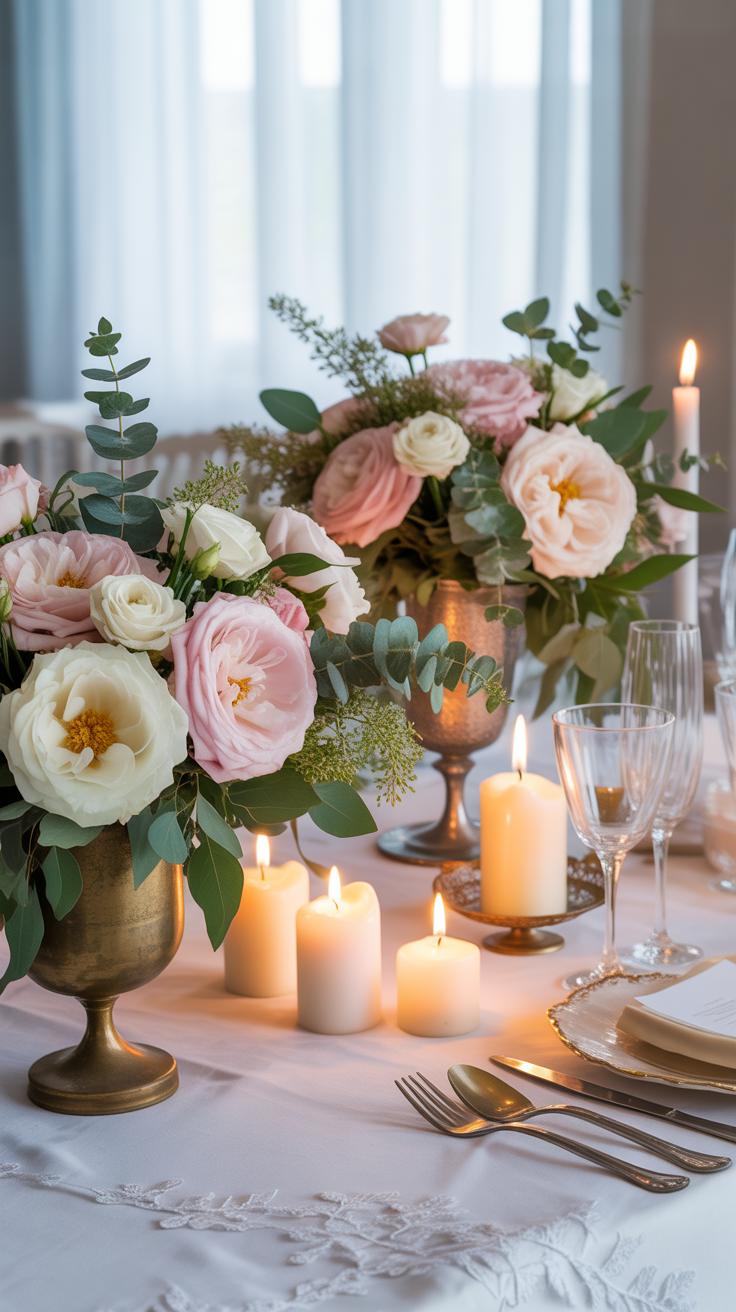
Why Roses, Peonies, And Eucalyptus Remain The Backbone Of Classic Centerpiece Design
Roses and peonies provide a dense floral structure that anchors any centerpiece. These flowers have high petal counts and maintain their shape under various temperatures. Designers choose them because they occupy significant visual volume. This structural integrity allows for predictable placement in large arrangements. Eucalyptus serves as the primary greenery due to its muted silver-blue tones. It creates a neutral backdrop for the blooms.
The combination functions as a standard in the floral industry because of availability and durability. Eucalyptus contains natural oils that prevent rapid wilting compared to sensitive ferns. Roses and peonies offer clear focal points that draw the eye toward the center of the table. These materials allow for a balanced scale between the height of the flowers and the surrounding candles. Consistency in these materials ensures a reliable professional result.
How Ivory Pillar Candles And White Blooms Create A Sense Of Refined Elegance
Ivory pillar candles offer a neutral light source that does not clash with floral pigments. Standard white blooms like hydrangeas or ranunculus reflect the candle light to increase brightness at the table level. This monochromatic approach removes visual clutter. Designers use varying heights of pillars to create depth without adding unnecessary color. The wax surface provides a clean texture that contrasts with the soft edges of the petals.

Using a single color palette simplifies the design process and ensures a cohesive look. High quality ivory wax burns with a steady flame and lacks the starkness of pure white. This warmth complements the natural creams found in many premium flower varieties. The technique relies on the repetition of shapes and colors to build a formal environment. It remains a top choice for upscale events requiring a sophisticated and polished aesthetic.
Designing Stunning Table Centerpieces For Wedding Reception Layouts Of All Sizes
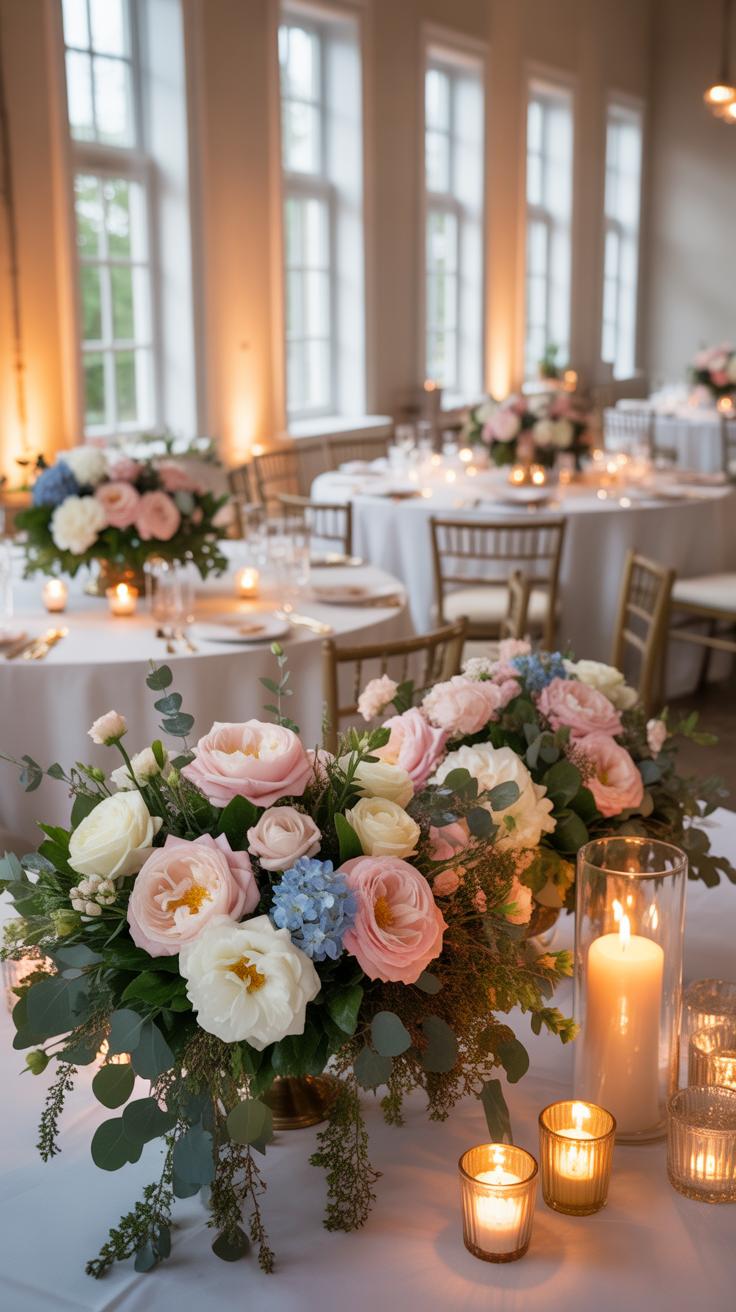
Adapting Tall And Low Centerpiece Formats To Suit Round, Rectangular, And Banquet Tables
Round tables require a central focal point. Use a single high-impact arrangement to anchor the space. Tall elevated stands work best here. They keep the bulk of the flowers above the guests. Surround the base with three small votive candles for depth. This layout ensures every guest has an equal view. It maximizes the limited surface area found on standard sixty-inch rounds.
Rectangular and banquet tables need a linear approach. Do not use one large center piece. It creates dead space at the ends. Instead, repeat smaller low-profile floral clusters every two feet. Bridge the gaps with taper candles in varying heights. This creates a rhythmic flow down the long axis. Use low glass troughs or bud vases to keep the table footprint narrow for place settings.
Key Measurements And Spacing Guidelines To Keep Sightlines Open For Guests
Sightlines dictate the success of any event layout. Keep all floral arrangements either below fourteen inches or above twenty-four inches. This creates a clear window for eye-level conversation. Tall arrangements must sit on thin pedestals or clear acrylic stands. Thick bases block the view across the table. Use precise measurements to ensure guests do not have to lean or crane their necks to talk.

Candle placement follows strict safety and logic rules. Place pillar candles at least three inches away from any flammable organic material. Taper candles require stable holders to prevent tipping. Space individual light sources six to eight inches apart to distribute a glow evenly. This prevents hot spots or dark zones on the table. Always test the height of the flame against the lowest hanging flower or foliage leaf.
Formal Wedding Centerpieces Elevated Floral And Candelabra Pairings For Grand Venues
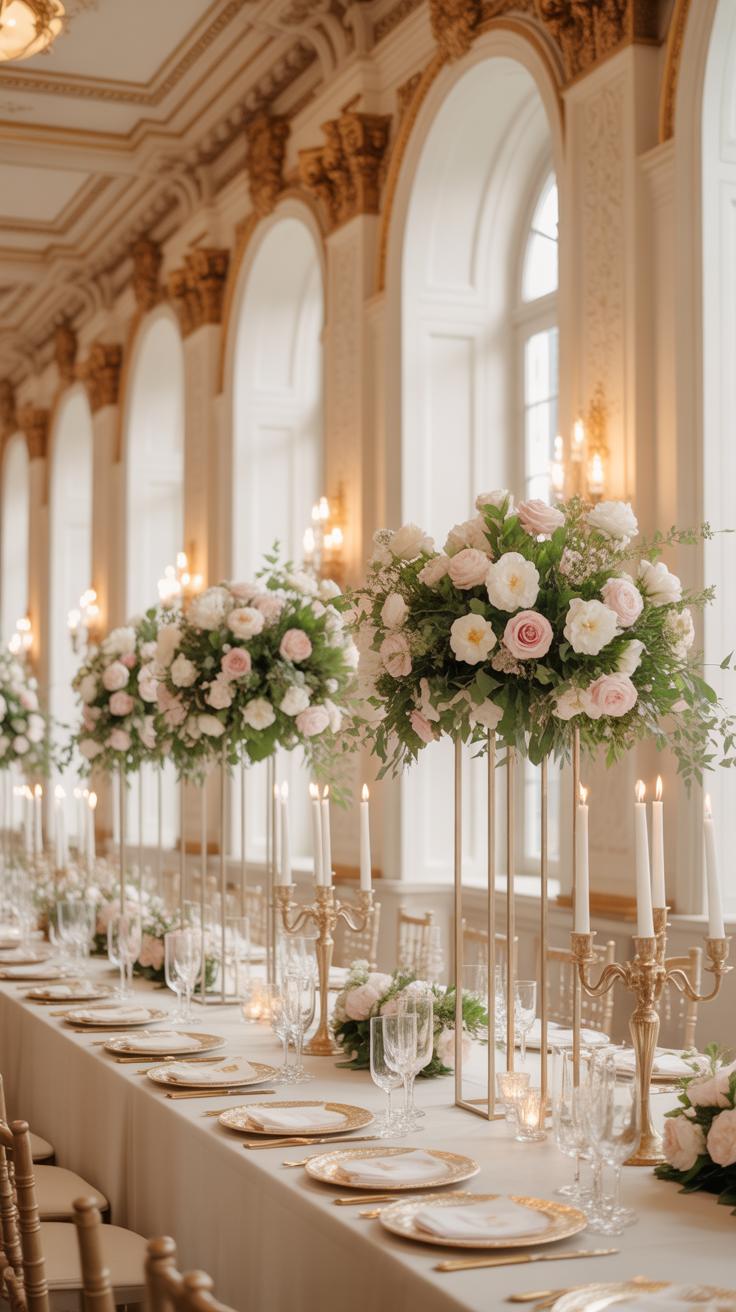
How Candelabras And Cascading Floral Arrangements Complement High Ceiling Ballrooms
High ceilings swallow small decor. You must use vertical scale to command the room. Tall candelabras provide the necessary height to bridge the gap between table surfaces and the ceiling. Placing light sources at eye level and above creates a layered visual effect. This technique draws the gaze upward while filling the empty air. It ensures the room feels occupied rather than cavernous.
Cascading floral arrangements work with candelabras to soften rigid metal lines. Drape greenery and blooms from the arms of the stand toward the tabletop. This creates a fluid connection between different design levels. Tall structures prevent guest sightlines from being blocked during dinner. Strategic placement of these tall elements provides a sense of grandeur. Use heavy bases to ensure stability for these top-heavy installations in high-traffic areas.
Choosing Premium Flower Varieties That Hold Up Through An Entire Evening Reception
Select flowers based on cellular structure and water retention. Formal weddings often last six hours or more. Heat from candles accelerates wilting by drying out the air around the blooms. You need varieties with thick stems and waxy petals. These physical traits help the plant resist dehydration. Choosing the wrong species leads to drooping mid-reception. Stick to hardy, high-end crops for long events.
- Hydrangeas: These flowers require significant water but provide massive volume. Use them as a base for hiding floral foam or mechanics. Ensure they are fully hydrated before the event starts to prevent premature wilting under warm lights.
- Standard Roses: Roses are the industry standard for durability. Their layered petal structure holds shape even as the temperature rises. They come in counts that allow for precise density control in tight candelabra clusters or sprawling displays.
- Orchids: Phalaenopsis and Dendrobium varieties offer a modern look with extreme longevity. They survive for hours without a direct water source. Their stems are flexible enough to drape elegantly from tall silver or gold candelabra arms.
- Lisianthus: This flower mimics the look of a rose but offers better heat resistance. The stems carry multiple buds which provide a lush, filled-out appearance. They do not drop petals easily, keeping the white linens clean throughout the meal.
- Calla Lilies: These have thick, fleshy stems that store water efficiently. Their sleek profile fits formal aesthetic requirements perfectly. They withstand handling and movement better than delicate field flowers, making them ideal for tall, structured wedding centerpieces.

Avoid delicate species like sweat peas or hydrangeas if they lack a constant water source. Use floral foam soaked in preservative to extend life. Test your flowers in a climate-controlled environment before the wedding date. This prevents failure on the day of the event. Aim for a mix of textures to keep the eye moving. High-quality flowers ensure the centerpiece looks as fresh at midnight as it did during the entrance.
Creative Wedding Table Decor With Candles Mixing Textures Vessels And Blooms
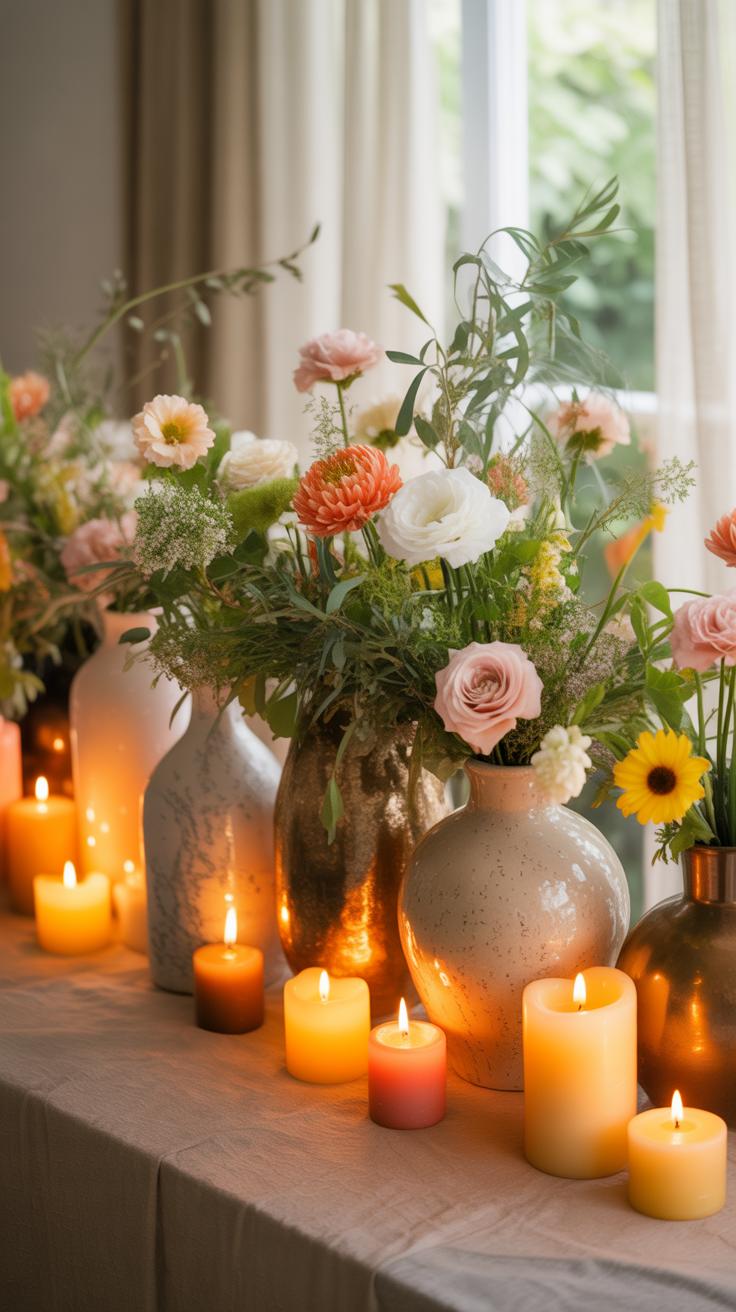
Combining Glass Hurricanes, Mercury Votive Holders, And Floating Candles With Fresh Flowers
Glass hurricanes provide safety and stability for open flames in drafty venues. Use varied heights to create visual depth across the table. Pair these tall cylinders with mercury glass votive holders to add reflective surfaces. Mercury glass features a silvered finish that mimics antique mirrors. This combination maximizes light output without requiring more fuel. Place these vessels among low-profile floral arrangements to maintain clear sightlines for guests.
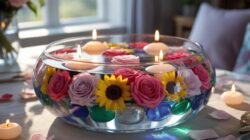
Floating candles offer a functional solution for shallow bowls and wide-mouth vessels. Water acts as a heat sink and prevents wax from sticking to the glass. Ensure blooms remain submerged or stay clear of the wick to prevent fire hazards. Use clear water to emphasize the transparency of the glass. This setup works best with dense flowers like hydrangeas or roses. It creates a clean look that fits modern or classic wedding themes.
Layering Organic Textures Like Moss, Driftwood, And Linen Runners Beneath Candle Arrangements
Organic substrates ground the centerpieces and protect the table surface from heat. Use preserved sheet moss to hide floral foam and candle bases. This material holds moisture and maintains a green pigment for long durations. Pair the moss with weathered driftwood to introduce structural elements. These natural materials soften the hard edges of glass vessels. They create a stable foundation for complex candle and flower centerpieces on uneven surfaces.
Linen runners provide the final textural layer beneath the arrangement. Choose high-density weaves to prevent hot wax from reaching the tabletop. The matte finish of linen contrasts with the high shine of polished glass and metal. Position the runner along the center of the table to define the design zone. This layer absorbs sound and prevents vessels from sliding. It unifies the disparate elements of wood, moss, and glass into one cohesive unit.
Blush And Cream Wedding Centerpiece Palettes That Feel Soft Romantic And Cohesive
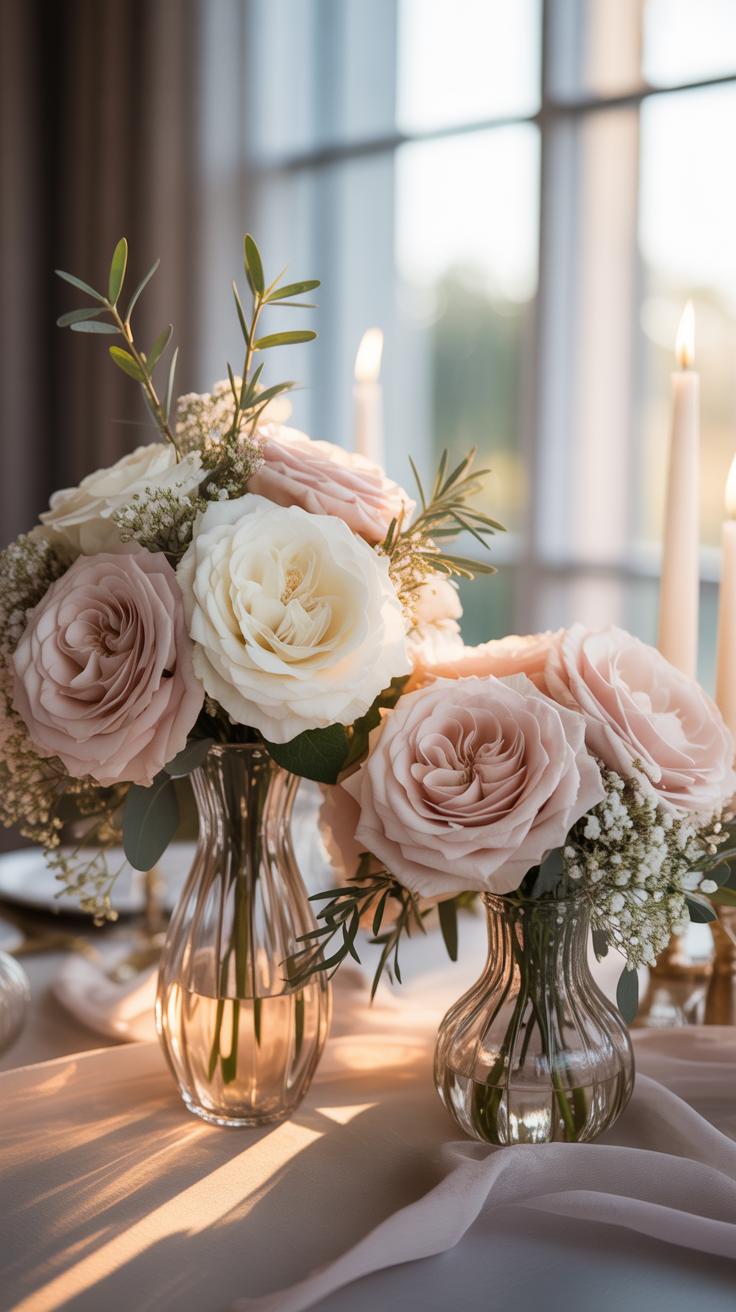
How To Build A Blush And Cream Color Story Using Garden Roses, Ranunculus, And Soft Candlelight
Establish the visual base with cream O’Hara garden roses. These multi-petaled blooms provide structural density. Layer in pale pink ranunculus to add varying textures. These flowers have tight, circular petal structures that contrast with the open rose shape. Use odd numbers of stems to create a natural look. Keep the floral heights low to maintain clear sightlines across the dining tables.
Select ivory pillar candles to match the cream floral tones. Pure white candles often look harsh against blush petals. Use clear glass cylinders to protect the flames and contain melting wax. Position candles in clusters of three at different heights. This creates depth and reflects light off the hydrated flower petals. The warmth from the flame enhances the subtle pink undertones in the roses.
Complementary Greenery And Metallic Accents That Enhance A Blush And Cream Theme
Use silver-toned greenery to bridge the gap between colors. Eucalyptus populus or dusty miller offers a muted finish that does not distract from the blooms. Avoid dark, waxy greens because they create too much contrast. Place the foliage low to hide the floral foam or water tubes. This technique ensures the arrangement looks finished from every angle. It anchors the light colors effectively.
Incorporate gold or champagne metallic accents through candle holders or rimmed glass. These warm metals reflect candlelight better than silver or chrome. Use brushed metal finishes to avoid excessive glare in photography. Small mercury glass votives add a vintage texture that fits this palette. These hard materials balance the soft organic shapes of the flowers. This creates a professional and cohesive tabletop design.
Achieving An Elegant Wedding Aesthetic Decor With Candle And Flower Centerpieces On Any Budget
Cost Effective Flower Choices And Candle Alternatives That Still Deliver A Luxurious Look
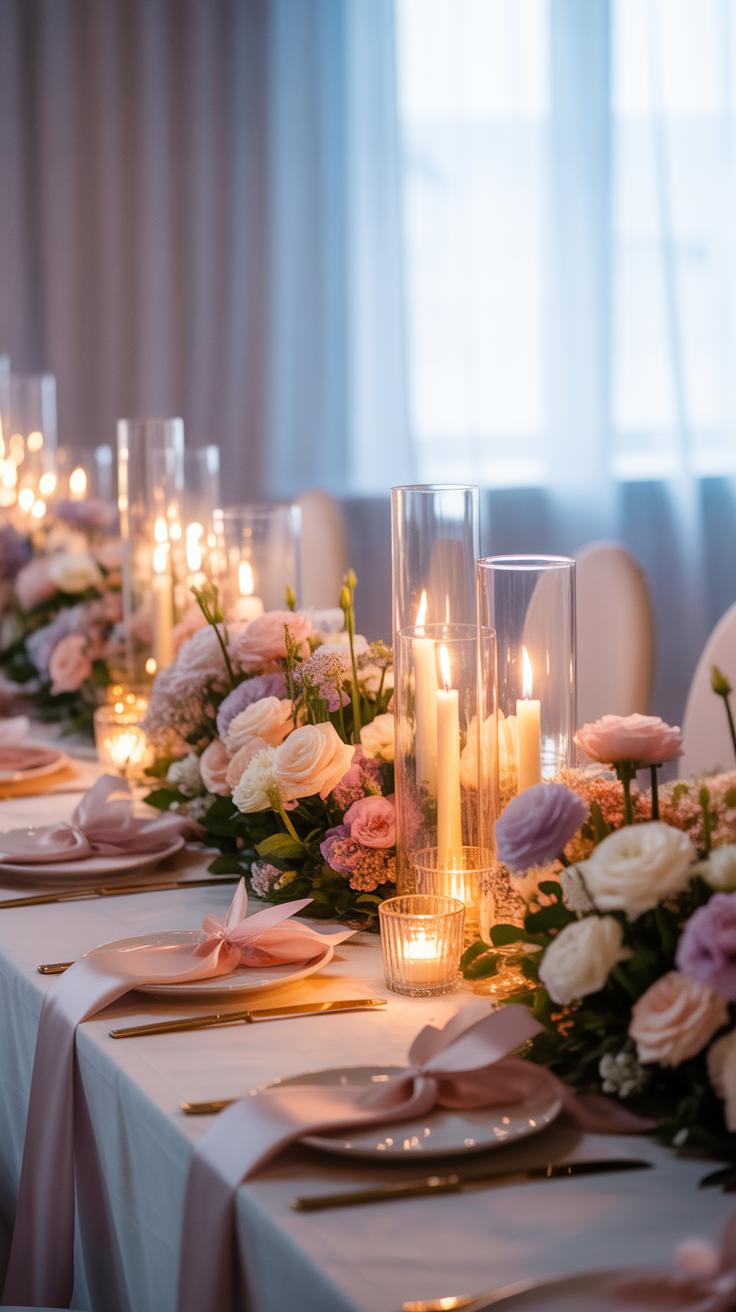
High-end wedding aesthetics do not require rare species. Smart planners use bulk-sourced greenery and hardy blooms to build volume. These choices resist wilting under heat and transport. Pairing these with strategic lighting creates a premium feel without the markup of high-maintenance florals. Focus on texture and height to fill visual space on the table. This method lowers costs significantly.
- Hydrangeas: These flowers yield significant volume per stem. One bloom covers as much space as five roses. Professionals use them to hide floral foam and structural supports quickly. They provide a lush base for any candle arrangement.
- LED Pillar Candles: Modern battery-operated candles use moving flame technology. They mimic real fire without the safety risks of open flames. Venue managers often require these for historic buildings. They last for thousands of hours and eliminate messy wax cleanup.
- Eucalyptus Foliage: Silver dollar and seeded eucalyptus offer a muted color palette. This greenery drapes naturally over table edges. It provides a dense backdrop for white candles. It stays fresh for several days and works well in water-free designs.
- Carnations: Strategic floral designers use carnations in tight clusters. Massing them together mimics the appearance of expensive peonies. They are biologically durable and survive long reception hours. Modern varieties offer sophisticated dusty rose and champagne shades.
- Floating Tealights: Small discs of wax float in glass cylinders. These provide light at multiple levels for a low unit price. Water magnifies the flame and reflects it across the table. This setup uses very few flowers to achieve a high-impact look.
Alternative lighting sources like submerged LEDs provide a glow from within the water. This technique highlights the stems and petals of submerged flowers. It replaces expensive large candles with a modern electrical solution. Using these materials ensures the decor stays within budget while maintaining a professional finish. Consistency in color and scale is more important than the price of individual stems.
DIY Assembly Tips For Couples Who Want To Personalize Their Reception Tables
Successful DIY centerpieces require a strict production schedule. Begin by hydrating all flowers in a cool, dark room forty-eight hours before the event. Use sharp shears to cut stems at a forty-five-degree angle. This maximizes water intake and prevents wilting. Set up a prototype table to check the scale of the candles against the floral volume. Ensure the design does not block guest sightlines.
Stable foundations prevent accidents during the reception. Use floral tape or weighted frogs to secure stems in the containers. Test each candle to ensure it sits level and firm within the arrangement. If using real fire, keep flammable petals at least three inches away from the flame. Transport the components separately and assemble them at the venue to prevent damage. This systematic approach guarantees a polished and safe final result.
Safety And Longevity Tips For Wedding Decorations Candles Used In Floral Centerpieces
Fire Safety Best Practices When Placing Live Candles Near Fresh And Dried Florals
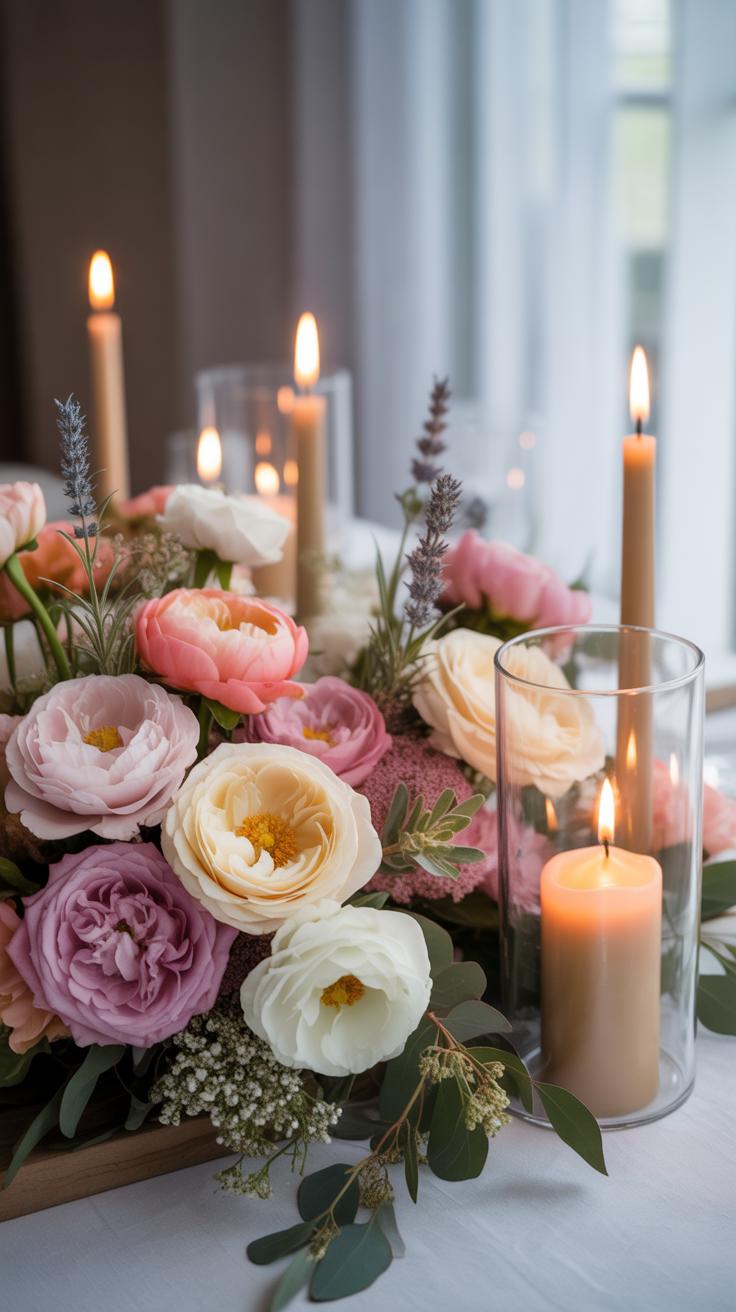
Open flames require physical barriers to prevent accidental ignition of floral materials. Use glass hurricane chimneys or cylinders that extend at least two inches above the candle flame. This setup shields the fire from drafts and prevents petals from leaning into the heat. Dry botanicals pose the highest risk because they lack moisture and ignite instantly. Secure all elements with floral wire.
Distance is the primary defense against heat damage and fires. Keep wicks at least three inches away from any flammable foliage or ribbon. Trim wicks to one quarter inch before lighting to control flame height and prevent soot buildup. Monitor the centerpieces throughout the event to ensure candles do not burn down too close to the base. Use non flammable containers for all setups.
How To Keep Flowers Fresh And Candles Burning Evenly Throughout A Long Reception
Temperature control determines how long your display lasts. Keep flowers hydrated by using water filled tubes inside the centerpiece structure. High heat from candles can wilt soft petals quickly. Choose hardy blooms like orchids or waxflowers that withstand warmth better than hydrangeas. Ensure the room stays cool to slow down the metabolic rate of the cut flowers. This prevents premature drooping during the party.
Candle performance depends on proper preparation and environment. Place centerpieces away from air conditioning vents and open windows. Moving air causes rapid, uneven melting and creates messy wax drips. For maximum burn time, freeze candles for several hours before the event starts. This hardens the wax and slows the consumption rate. High quality paraffin or beeswax candles provide the most stable flame for long wedding receptions.
Frequently Asked Questions

How do I choose the right type of candle for my floral arrangement?
When designing candle and flower centerpieces, the key is balancing height and scent. Use tall taper candles for elegance or pillar candles for a rustic look. Always ensure your blooms are placed away from the open flame. If your event involves food, opt for unscented candles to avoid clashing with the aroma of the meal, allowing your beautiful floral selection to be the main sensory focus.
How can I safely combine fresh flowers and candles in one display?
Safety is paramount when creating candle and flower centerpieces. Use glass hurricanes or vases to shield flames from petals and leaves. If you are using floral foam, ensure it is thoroughly soaked to keep stems hydrated and cool. For a worry-free alternative, high-quality LED flameless candles provide the same warm glow as traditional wax without the risk of scorching your delicate blossoms or seasonal greenery.
Can I create an elegant centerpiece on a limited budget?
Absolutely! You can achieve a high-end look by using “filler” greenery like eucalyptus or baby’s breath, which are more affordable than premium blooms. Repurpose glass mason jars or mismatched vintage bottles to hold single stems around a central candle. Shopping for seasonal flowers and buying simple white tea lights in bulk are excellent ways to create stunning, professional-looking decor without overspending on expensive materials or professional florists.