Why Inside Plants Are More Than Just Decoration

The Proven Benefits Of Living With Indoor Plants
Indoor plants improve air quality through natural filtration. They absorb common volatile organic compounds found in modern building materials and furniture. This biological process removes toxins like formaldehyde and benzene from the air. High transpiration rates also increase humidity levels in dry indoor environments. Scientific research confirms these functions. Strategic placement of foliage directly impacts the chemical composition of a room.
Proper indoor planter styling integrates these biological assets into your floor plan. Foliage acts as a functional tool for sound absorption in hard-surfaced rooms. Designers use large leaf surfaces to break up sound waves and reduce echoes. This utility makes plants essential for open offices and minimalist homes. You treat greenery as physical infrastructure rather than just visual filler. Functional design requires this shift in perspective.
How Plants Create A Sense Of Calm And Comfort At Home
Biophilic design principles explain the human need for nature in built environments. Integrating plants into your home reduces physiological stress indicators. Studies show that looking at greenery lowers heart rates and blood pressure. This effect stems from our evolutionary history in natural landscapes. Modern interiors often lack these organic visual cues. Your styling choices bridge this gap by reintroducing organic shapes and textures.
Plants also provide a sense of control and accomplishment through maintenance. The routine of watering and pruning offers a structured break from digital tasks. This tactile interaction grounds you in the physical moment. Expert stylists use plants to soften sharp architectural lines and cold materials like concrete or glass. This contrast makes a space feel inhabited and safe. Effective styling targets these psychological responses to improve daily well-being.
The Best Indoor Plant Ideas Living Room Owners Actually Use
Choosing The Right Plant Scale For Your Living Room Size
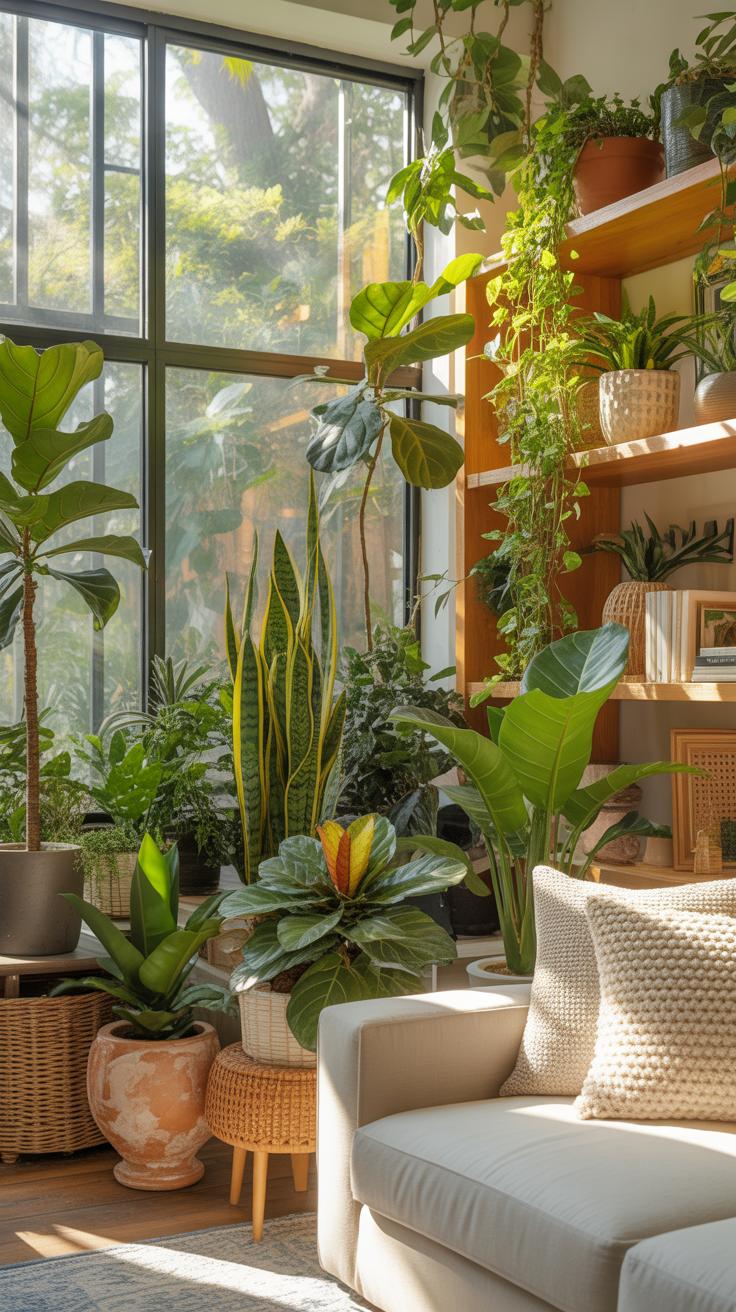
Scale determines how a plant interacts with your architecture. Small rooms require verticality without bulk. Use tall, slender species like Dracaena marginata to draw the eye upward. Large rooms need volume to prevent furniture from dwarfing the greenery. A broad Strelitzia nicolai fills expansive corners effectively. Always measure your ceiling height before purchasing. A plant should never touch the ceiling or block walking paths.
Proportion creates visual balance in the living space. Designers follow the rule of thirds to place planters near seating. A floor plant should reach at least two-thirds the height of the adjacent sofa. Small accent plants belong on side tables or mantels. Avoid placing tiny pots on the floor as they create visual clutter. Match the planter diameter to the plant spread to ensure physical stability.
Mixing Textures And Leaf Shapes For A Layered Living Room Look
Effective styling uses contrast to create depth. Combine matte foliage with glossy leaves to break up visual monotony. Pair the waxy, structural leaves of a Ficus elastica with the soft, feathery fronds of a Nephrolepis exaltata. This technique mimics natural forest floor patterns. High contrast draws the eye across the room. It makes the collection look intentional rather than random. Use varied leaf sizes for maximum impact.

Leaf shape influences the perceived energy of the room. Pointed, lanceolate leaves provide a sharp and modern aesthetic. Rounded, cordate leaves offer a softer and more traditional feel. Mix these shapes to build a sophisticated landscape. Place fine-textured plants in the foreground for detail. Position bold, large-leafed varieties in the background to act as anchors. This layering method ensures every plant remains distinct and visible.
How To Design A Dedicated Indoor Plant Area In Your Home
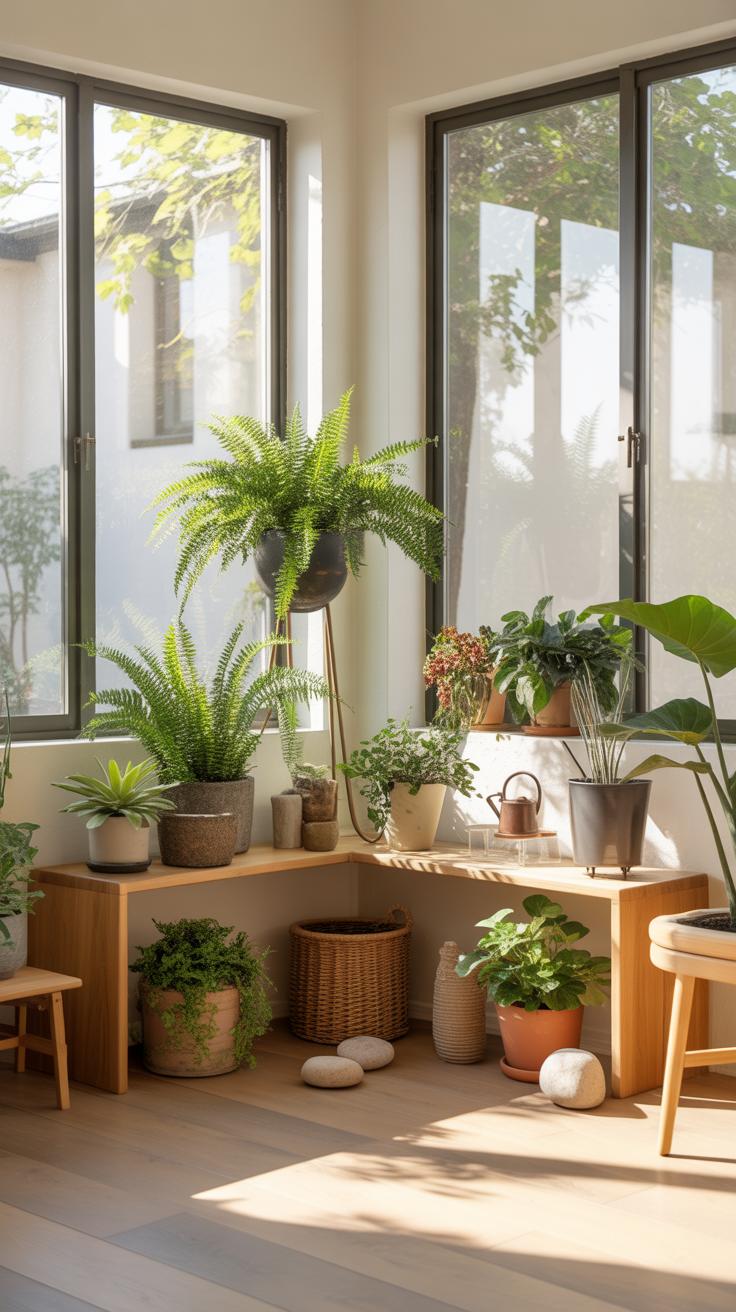
Selecting The Ideal Corner, Shelf, Or Wall Space For Your Plant Area
Location choice dictates the long-term health of your collection. Dead space in corners often lacks sufficient airflow. This leads to stagnant moisture and root rot. Seek areas with high foot traffic or open ventilation. Modern minimalist design favors grouping plants in zones rather than spreading them thin. Use vertical wall space to maximize square footage. Wall-mounted planters save floor space in smaller urban apartments.
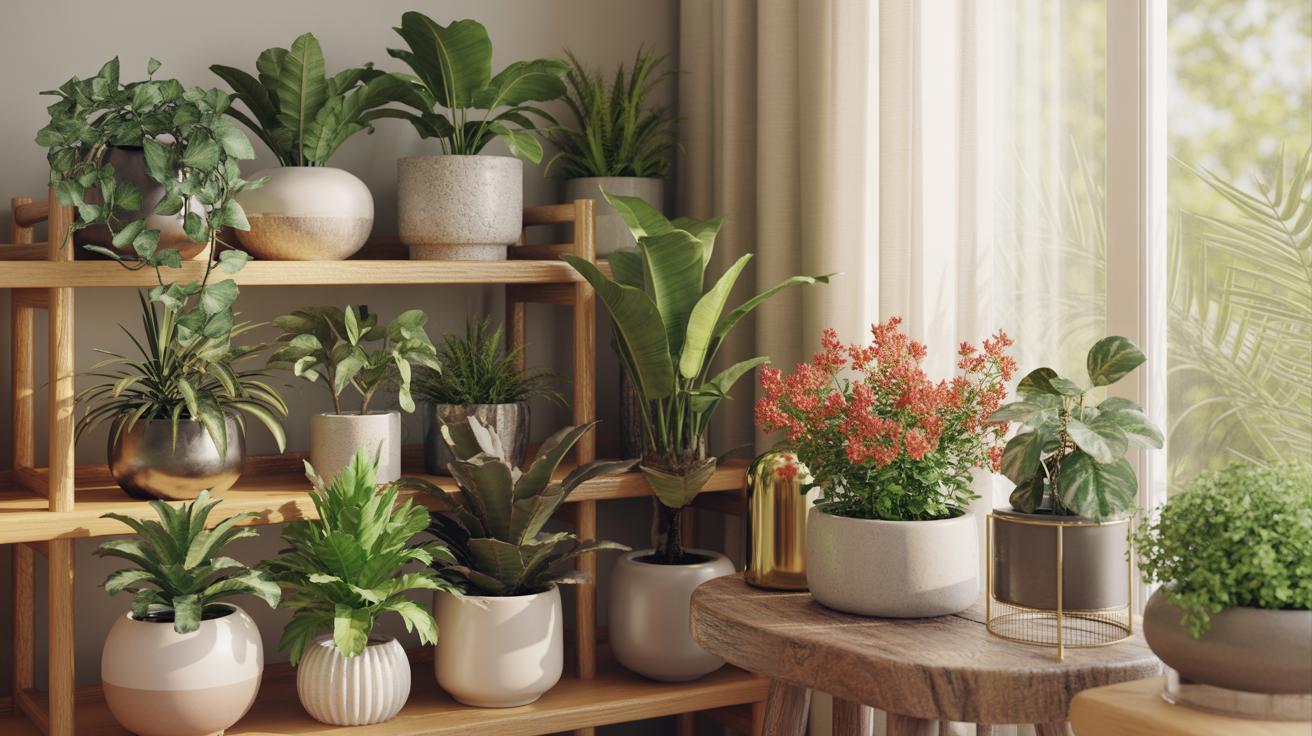
Heavy ceramic pots require stable surfaces. Check weight limits on floating shelves before installation. Grouping plants together creates a microclimate with higher humidity. This mimicry of natural forest floors reduces the need for constant misting. Place larger floor specimens in the back to anchor the design. Position smaller pots on pedestals or tiered stands. This layering adds depth and mirrors mid-century modern aesthetic principles found in professional interior landscaping.
Lighting Considerations When Setting Up A Dedicated Plant Zone
Lighting is the primary driver of plant metabolism. Most indoor species require bright indirect light to photosynthesize effectively. South-facing windows provide the most consistent intensity throughout the day. North-facing windows offer low-level light suitable for ferns or snake plants. Measure light levels using a digital meter or mobile app. This data allows you to place high-light species exactly where the sun hits the most.

Distance from the glass significantly impacts photon delivery. Light intensity drops quickly as you move back from the window. Sheer curtains help diffuse direct rays that scorch delicate tropical leaves. If natural light is insufficient, install full-spectrum LED grow lights. These fixtures provide the specific blue and red wavelengths needed for vegetative growth. Consistent light exposure prevents leggy stems and maintains the compact shape of your indoor garden.
Exploring Creative Planters Ideas Indoor Designers Love
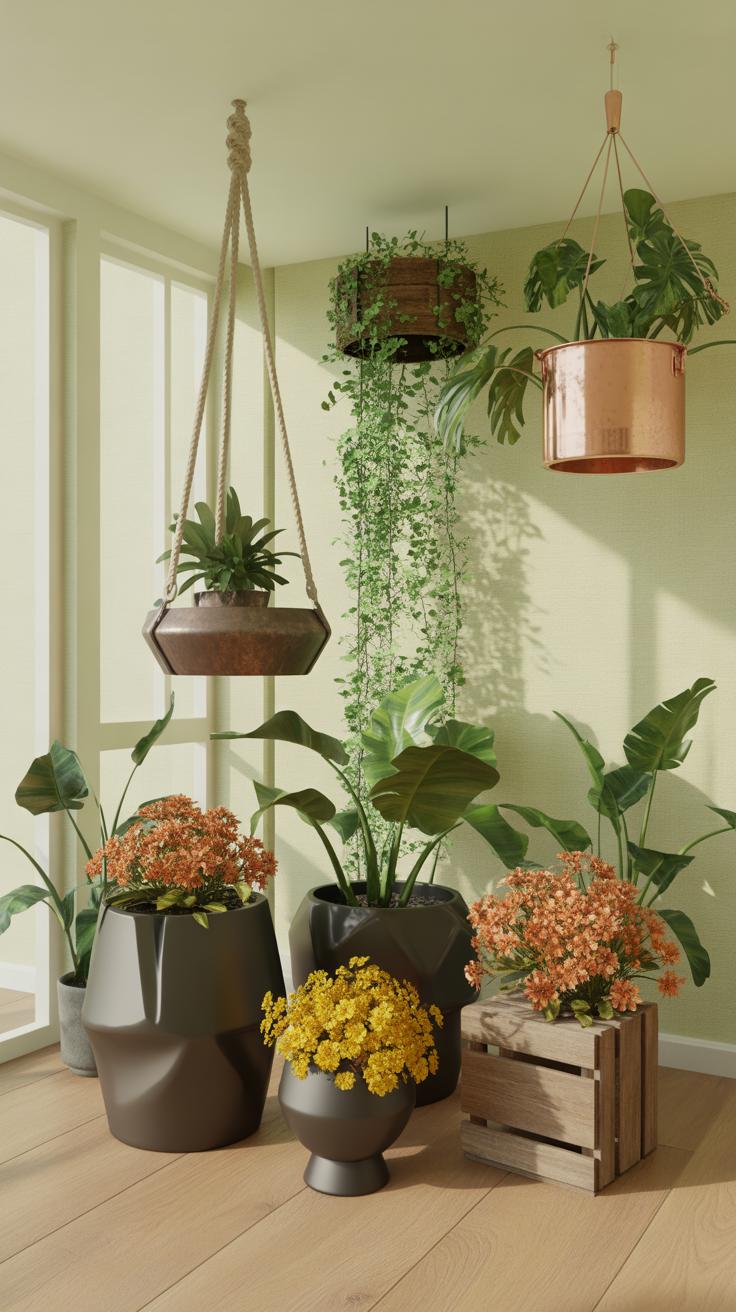
Matching Planter Materials To Your Interior Design Style
Industrial design relies on raw materials like concrete and weathered steel. These heavy materials ground a room. They provide a neutral backdrop that highlights green foliage. Use concrete for modern spaces to add visual weight and texture. Metal planters work best in loft styles where exposed ductwork and brick are present. These materials resist damage and offer long term durability for heavy indoor plants.
Mid Century Modern homes require ceramics with matte or satin glazes. Designers select these for their clean lines and organic feel. Minimalist interiors benefit from fiberglass planters because they offer a seamless look without visible joins. Natural wood planters suit Scandinavian or Bohemian styles by adding warmth. Match the wood grain to your furniture to create a cohesive look. Select materials that reinforce the existing architectural elements of the room.
Top Planter Shapes And Finishes That Elevate Any Room
Planter geometry dictates the flow of a room. Tall cylindrical planters draw the eye upward and save floor space in tight corners. Square containers provide a structured look that aligns with formal or traditional layouts. Proper scaling prevents the planter from disappearing or overwhelming the furniture. Finish selection transforms a standard pot into a design focal point that dictates the atmosphere of the entire living area.
- Geometric Pedestals: Elevated stands lift plants to eye level and create architectural interest. Use these to fill vertical voids in rooms with high ceilings. Metal or wood legs provide a sturdy base for heavy ceramic pots while maintaining a light visual footprint.
- Trough Planters: Long rectangular shapes define boundaries within open floor plans. Use them behind sofas or along hallways to direct foot traffic. These planters accommodate multiple plants in a single vessel for a lush and consolidated appearance.
- Hand Thrown Terra Cotta: Artisanal finishes offer unique textures that machine made pots lack. High quality terra cotta provides breathability for root systems. The iron rich clay provides a classic warm tone that complements earthy color palettes and desert inspired interior designs.
- High Gloss Lacquer: Shiny finishes reflect light and create a sense of luxury in modern settings. These surfaces are easy to clean and resist water stains. Use bold colors like deep navy or forest green to create a high contrast statement against neutral walls.
- Ribbed Textures: Vertical fluting adds depth to monochromatic planters. This design technique plays with light and shadow to create visual variety without using loud colors. It works effectively on large floor pots that need to look interesting from every angle in the room.
Glossy finishes maximize light reflection in dim rooms. Matte finishes absorb light and reduce glare in sunrooms or bright offices. Contrast the finish of the planter with the texture of the plant leaves. Use smooth pots for jagged ferns and textured pots for broad leafed rubber trees. This balance ensures the plant and the container work together. Strategy beats decoration every time you select a new vessel for your indoor space.
How To Style Decorative Plants Indoor For Maximum Visual Impact
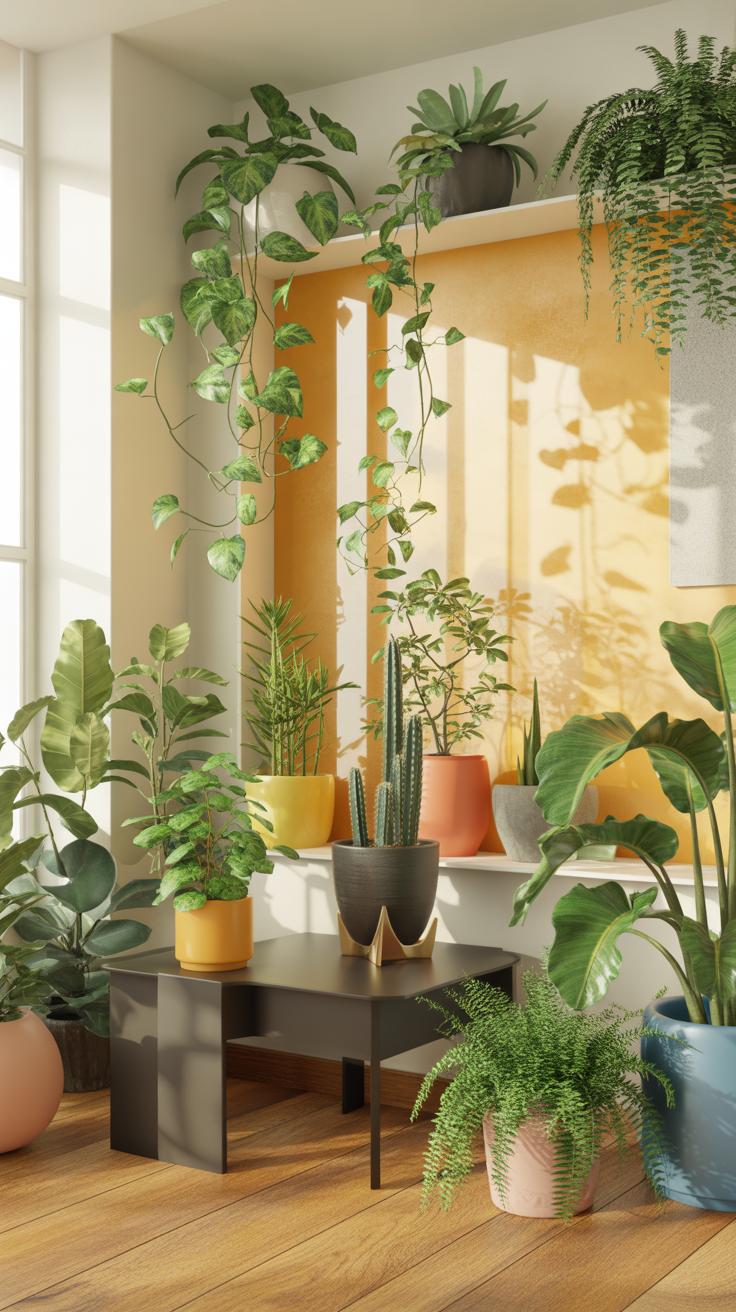
Using Plant Height And Placement To Draw The Eye Around A Room
Vertical layering forces the eye to move upward. This technique fixes flat room designs. Use tall species like Ficus lyrata or Dracaena to fill empty corners. Place these large plants on the floor to anchor the space. Higher placements change how people see the room. Elevated plants make low ceilings feel higher. Use wall shelves or ceiling hooks for trailing ivy.
Position plants at three distinct levels: floor, tabletop, and eye level. This creates a zig-zag path for the viewer. Interior designers call this visual scanning. Do not pack all plants in one spot. Space them out to balance the weight of your furniture. Grouping three plants of different heights creates a pyramid shape. This shape provides a stable and professional look for any room.
Pairing Decorative Foliage Plants With Flowering Varieties
Foliage provides the permanent structure of your indoor garden. Use plants like Monstera or Sansevieria for their strong shapes and green tones. These plants act as a background for temporary color. Flowering plants add focal points. Introduce Peace Lilies or Anthuriums to break the green wall. The contrast between matte leaves and bright blooms creates immediate visual interest for the observer.
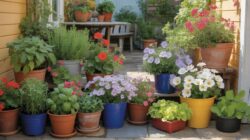
Select flowering plants that share similar light needs with your foliage. This ensures both types thrive in the same spot. Place colorful Kalanchoe in front of darker ferns to make the colors pop. Orangeries in the 19th century used this layering to show off rare species. Keep the foliage count higher than the flower count. This ratio prevents the display from looking cluttered or messy over time.
Plant Decorations Indoor That Work With Every Interior Style
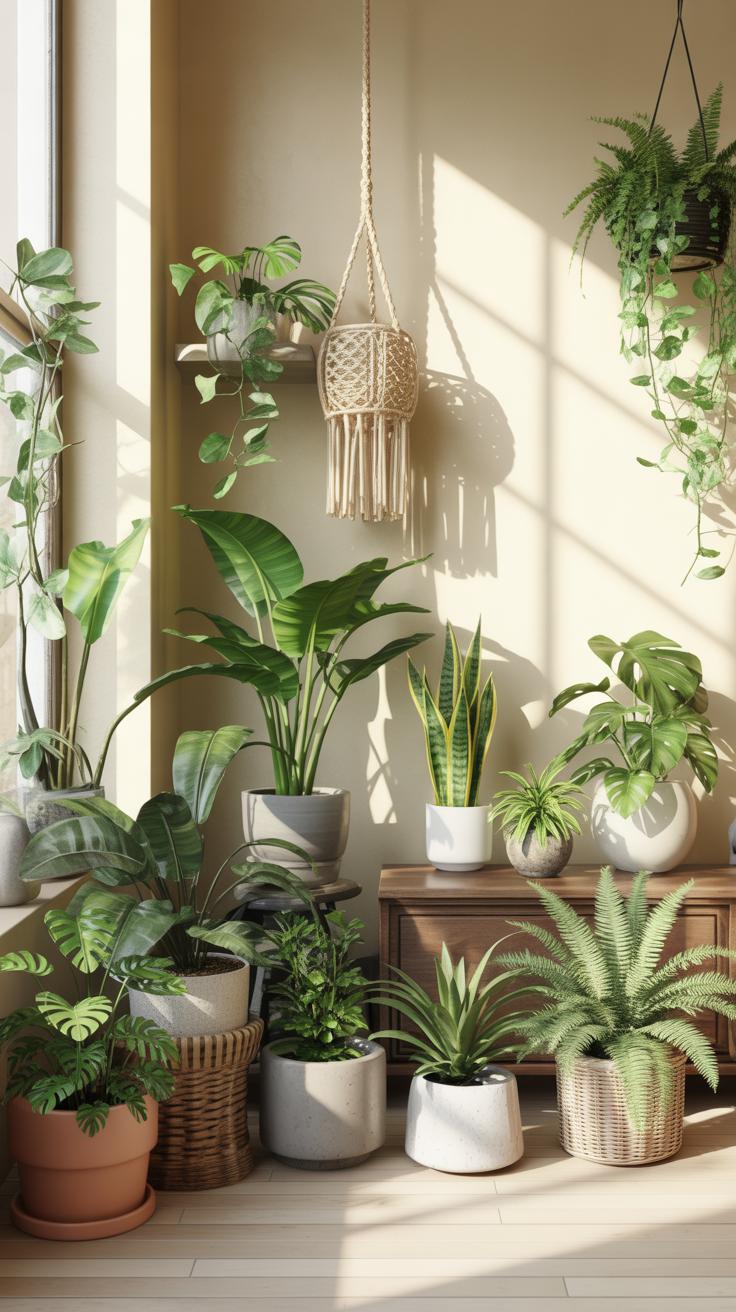
Styling Indoor Plant Decor For Minimalist And Scandinavian Interiors
Minimalist and Scandinavian styles prioritize functional space and clean lines. You must select planters with matte finishes and neutral tones. Concrete, stone, and unglazed ceramic work best. These materials ground the room without adding visual noise. Place one large specimen like a Ficus lyrata in a corner. This creates a singular focal point. Avoid grouping too many small pots together.
Negative space defines these design movements. You should leave ample room around each plant to emphasize its form. Use elevated wooden stands to add height while maintaining a light footprint. Keep the color palette to whites, grays, and blacks. This ensures the greenery provides the primary pop of color. Practicality is the goal. Choose hardy plants that require infrequent maintenance and look tidy.
Incorporating Plant Decorations Into Bohemian And Eclectic Home Styles
Bohemian and eclectic styles allow for high density and diverse textures. You can mix materials like terracotta, woven seagrass, and patterned brass. Layering is the core strategy here. Place plants at different heights using hanging macrame and floor pots. Use trailing species like Pothos or Philodendron to soften the edges of bookshelves and cabinets. These styles thrive on a lived-in and organic feel.
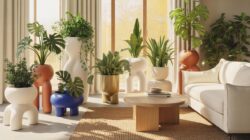
Eclectic interiors require a curated mix of vintage and modern elements. Source antique vessels or repurposed containers to house your plants. Vary the leaf shapes and colors to add depth to the room. Use clusters of three or five plants to create visual interest through odd numbers. Ensure every planter has drainage or a hidden nursery pot inside. This protects your furniture while maintaining a lush and dense indoor garden.
Creating A Plants Aesthetic Living Room That Feels Curated Not Cluttered

The Rule Of Odd Numbers And Grouping Plants Effectively
Grouping plants in odd numbers prevents the eye from seeing a perfect, static symmetrical line. Sets of three or five create a natural visual triangle. This arrangement forces the viewer to move their eyes across the different heights and textures. Interior designers call this dynamic balance. It makes a plant collection look intentional and permanent rather than like a temporary storage spot.
Vary the height of each plant within your group to ensure clarity. Place the tallest plant in the back or center. Use smaller pots to fill the foreground. This layering technique mimics how plants grow in nature. By clustering different species, you also create a microclimate that helps maintain humidity. Avoid using more than five plants in one tight cluster to prevent a messy look.
To plant a garden is to believe in tomorrow, and dressing our homes with greenery brings that timeless hope indoors. A house is transformed into a sanctuary when we tuck our favorite plants into beautiful vessels that tell our story.
How To Use Color Coordination Between Plants And Soft Furnishings
Professional stylists match leaf undertones with existing room textiles. Deep green plants like the Rubber Tree pair well with velvet sofas in jewel tones. Variegated plants with white or cream stripes complement linen curtains and neutral rugs. This creates a cohesive visual bridge between organic living elements and manufactured fabrics. It ensures the plants look like part of the room design rather than an afterthought.
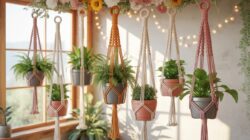
Use the color wheel to select your planters. Complementary colors create high contrast for a bold look. Analogous colors offer a calm and sophisticated environment. If your pillows are terracotta, choose pots in a similar warm clay tone. This connects the floor level to the seating level. Consistent color stories reduce visual noise. Matching these details results in a curated space that feels professional and refined.
Wohnzimmer Pflanzen What German Interior Design Teaches Us About Living Room Plants
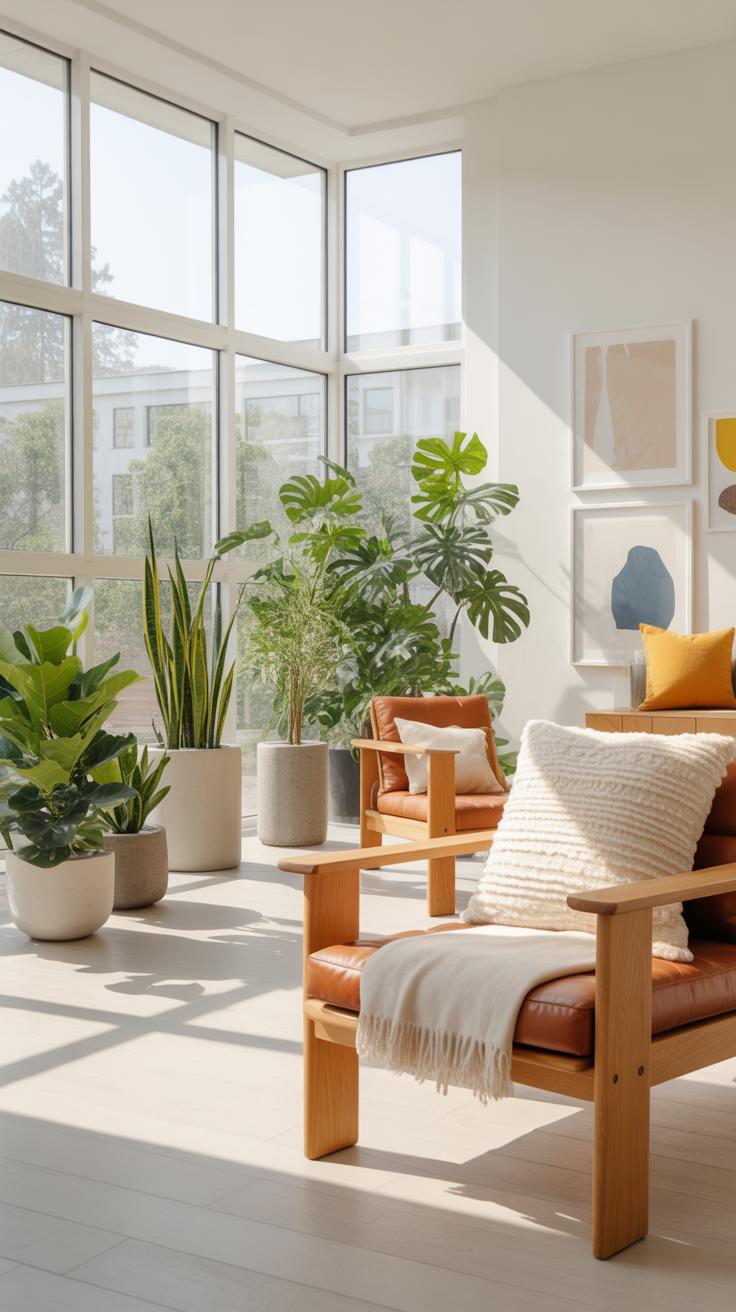
The Central Role Of Nature And Greenery In German Home Interiors
German interior design prioritizes the concept of Gemütlichkeit. This philosophy focuses on comfort and emotional well-being within the home. Plants serve as essential tools to achieve this balance. Experts use greenery to soften the clean lines of functional Bauhaus-inspired furniture. This integration bridges the gap between structured human environments and the natural world. It creates a space that feels grounded and intentional.
Strategic placement defines the German approach to indoor nature. Designers often use plants to define specific zones within open living rooms. Large floor specimens create natural dividers between dining and seating areas. Small groupings on windowsills maximize light exposure and improve air quality. Every plant choice serves a functional purpose. There is no waste in this design scheme. Greenery acts as living architecture rather than simple decoration.
Popular Plant Varieties Favored In European Living Room Styling
The Monstera Deliciosa remains a staple in European living rooms. Its large and perforated leaves provide a bold graphic element. It fits perfectly into the minimalist aesthetic common in Berlin and Munich apartments. Designers value its ability to fill vertical space without requiring complex support systems. This plant offers a high visual impact for low maintenance effort. It thrives in the indirect light found in urban dwellings.

Ficus Lyrata and Sansevieria are also prominent in continental styling. The Ficus offers a tree-like structure that adds height to corners. The Sansevieria provides sharp and vertical lines that complement modern metal or concrete planters. Practitioners choose these species for their longevity and structural integrity. They handle temperature fluctuations well during European winters. These plants represent a long-term investment in the home atmosphere. Consistent growth ensures a permanent design feature.
Smart Plant Decor Indoor Tips For Small Spaces And Apartments
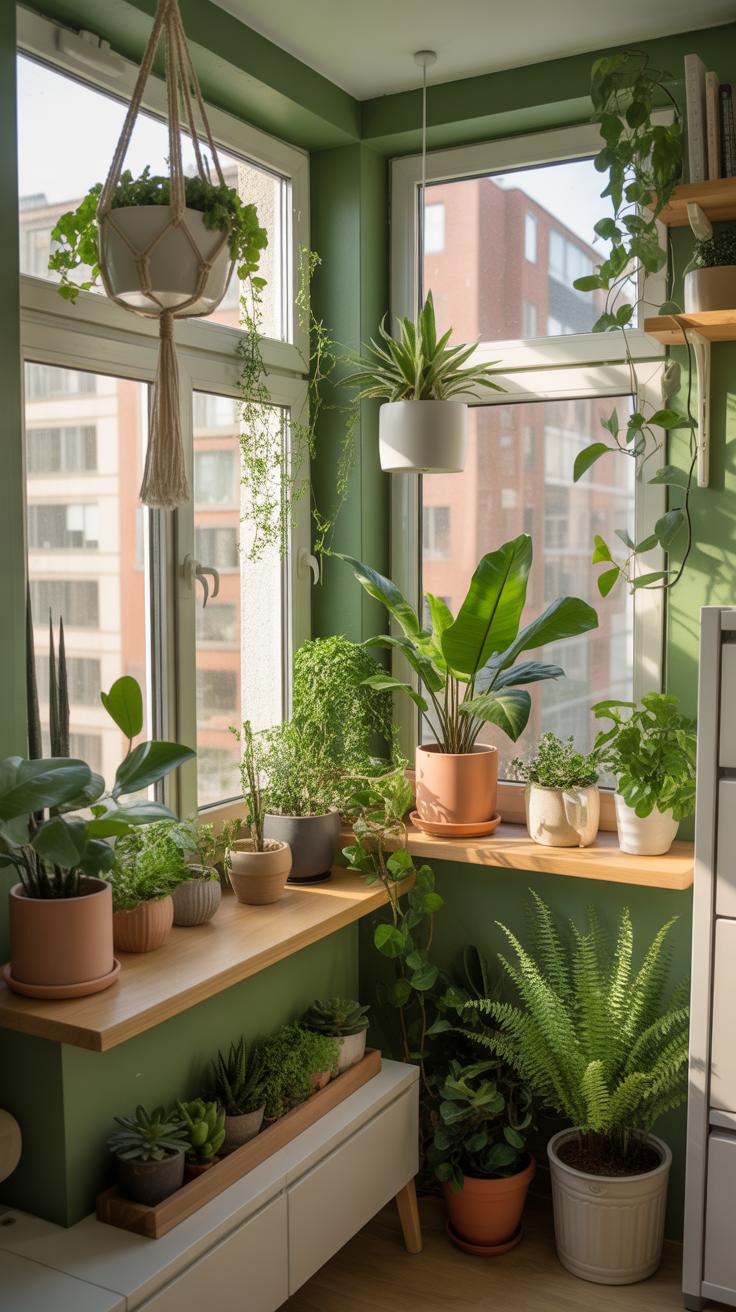
Vertical Plant Displays And Wall Mounted Planters For Limited Floor Space
Floor space is a premium asset in urban apartments. You must look upward to maximize greenery without creating clutter. Vertical gardening utilizes walls and ceilings to move plants off the ground. This strategy keeps walkways clear while adding texture to the room. Use modular wall systems or floating shelves to create a living gallery. Secure hardware into studs to support the weight of wet soil.
Wall mounted planters work best when you group them together. This creates a focal point and simplifies the watering process. Position these displays near windows to ensure adequate light exposure. Use drip trays to protect your walls from water damage. Trailing species like ivy create a cascading effect that softens hard architectural lines. Systematic placement turns a blank wall into a functional and efficient interior garden.
Best Low Maintenance Indoor Plants Suited For Compact Living Areas
Small apartments often suffer from inconsistent light and restricted airflow. You need resilient plants that survive in less than ideal conditions. Choose species that tolerate low light and infrequent watering schedules. These plants maintain their structure and health without aggressive pruning or specialized care. Stick to hardy varieties that do not outgrow their designated space quickly. This keeps your layout organized and manageable over time.
- Snake Plant: This plant survives in very low light and requires minimal water. Its vertical growth habit takes up very little horizontal space. It is a durable choice for beginners and busy apartment dwellers.
- ZZ Plant: Known for its thick waxy leaves, this plant stores water efficiently. It handles neglected corners well and thrives under standard indoor fluorescent lighting. It grows slowly, which helps maintain your specific design layout.
- Pothos: This trailing vine is highly adaptable to various light levels. You can hang it from the ceiling to save shelf space. It is easy to propagate and signals when it needs water by wilting slightly.
- Cast Iron Plant: This species earned its name through extreme durability. It handles temperature fluctuations and low light without shedding leaves. It provides a classic deep green look that fits nearly any interior design style.
- Succulents: Small varieties like Haworthia stay compact and require very little maintenance. They sit perfectly on narrow windowsills or small side tables. Ensure they have well draining soil and bright light to prevent stretching.
Avoid high maintenance plants like ferns or orchids in small, busy spaces. These often require high humidity levels and precise feeding schedules. Stick to the proven winners mentioned above to keep your apartment looking professional. Proper selection reduces the time you spend on upkeep. Your goal is a high impact visual with low physical effort. Focus on these hardy options to ensure your indoor styling remains sustainable.
Seasonal Indoor Planter Styling Refreshing Your Plant Decor Year Round
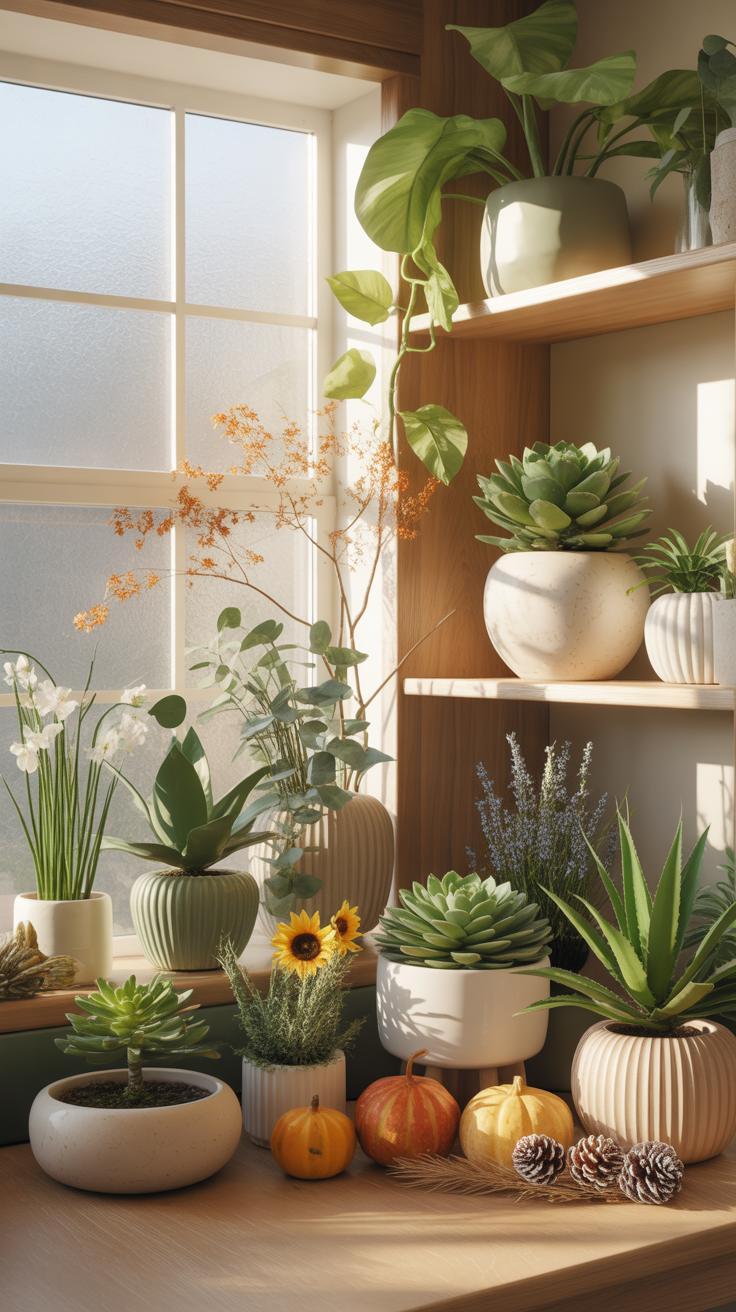
How To Rotate And Update Your Indoor Plant Arrangements Each Season
Indoor plant styling requires a tactical shift as light levels change throughout the year. Winter sun sits lower and provides less intensity than summer sun. You must move light-hungry species closer to south-facing windows during cold months. This rotation prevents leggy growth and maintains the structural integrity of your design. Moving pots also prevents floor damage from trapped moisture in one spot for too long.
Swap your planter materials to match the thermal needs of the season. Use heavy terracotta in summer to help soil breathe and cool the root systems. Switch to glazed ceramics or fiberglass in winter to retain moisture when indoor heating dries out the air. Reorganize plant clusters by height to maximize light penetration for every leaf. Proper spacing prevents stagnant air and reduces the risk of pest infestations during seasonal transitions.
Choosing Seasonal Blooms And Foliage To Keep Your Home Feeling Fresh
Select plants that offer visual contrast to the outdoor environment. In spring, focus on forced bulbs like hyacinths or paperwhites to introduce immediate vertical interest and color. These temporary additions allow you to change your interior palette without repotting permanent specimen plants. Use species with bright green foliage to signal the start of the growing season. This strategy keeps your indoor styling aligned with natural biological cycles.
Incorporate darker, textured foliage during autumn and winter to create a grounded aesthetic. Use plants like the rubber tree or raven zamioculcas for deep tones that complement metal or wood planters. These species handle lower light levels better than variegated varieties. Integrate dried botanical elements like eucalyptus or pampas grass into your pots for added texture. These materials require no water and maintain a high-end look during the dormant season.
Frequently Asked Questions

How can I start styling indoor plants if I have no experience?
The easiest way to begin is by grouping plants in odd numbers, such as three, to create a natural and balanced look. Focus on varying the heights and textures of your pots to add visual interest. Mastering basic indoor planter styling starts with choosing one statement piece, like a large fiddle leaf fig, and surrounding it with smaller, trailing vines to create a cohesive and welcoming green corner in your home.
How do I choose the right pots to create a cohesive look?
To achieve a professional finish, stick to a consistent color palette or material, such as terracotta, ceramic, or woven seagrass. You can mix shapes and sizes, but keeping a common element ensures your indoor planter styling feels intentional rather than cluttered. Always consider the drainage needs of your plants while selecting decorative outers, ensuring they complement your existing furniture and wall colors for a seamless, designer-inspired interior.
Can I style my indoor plants beautifully on a tight budget?
Absolutely! You don’t need designer containers to make an impact. Consider upcycling vintage tins, wooden crates, or thrifted woven baskets to use as unique decorative covers. You can also refresh inexpensive plastic pots with a coat of matte spray paint or wrapped natural twine. Creative DIY solutions often lead to the most charming results, allowing you to personalize your space without spending a fortune on luxury gardening boutiques.