
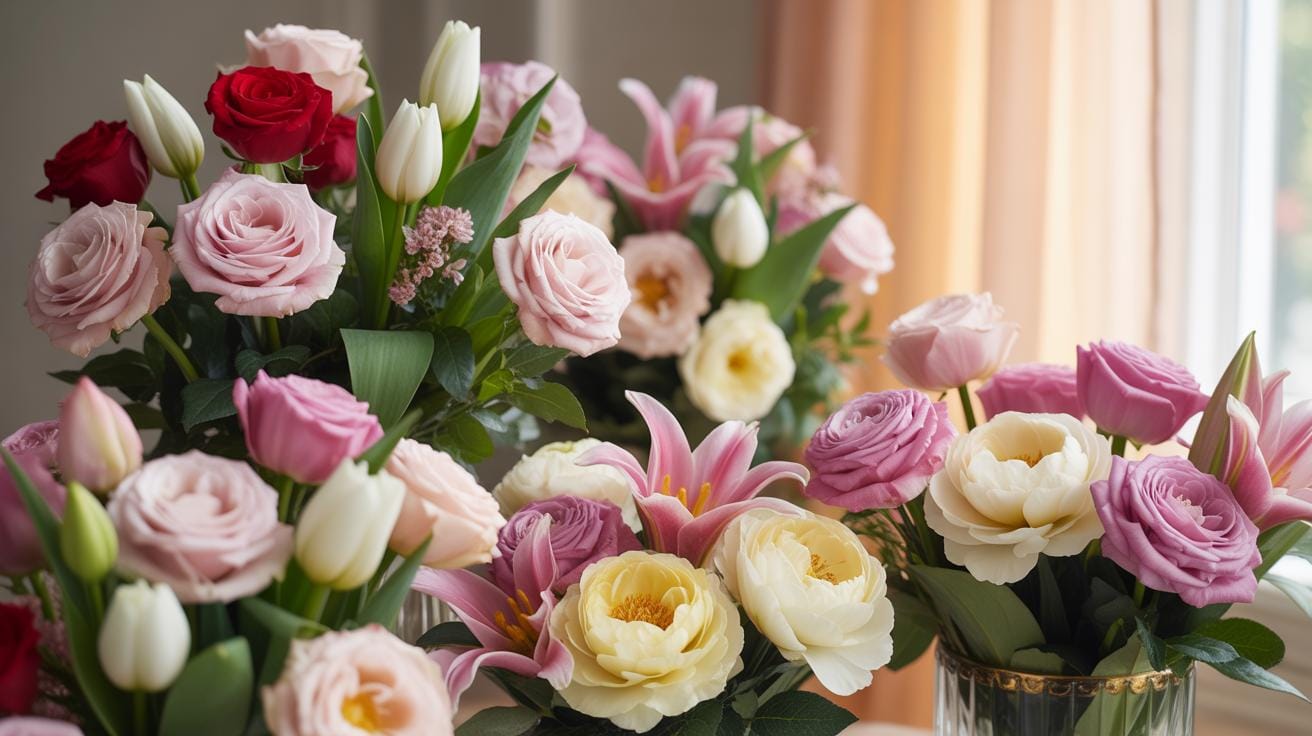
Why Mothers Day Flower Arrangements Have Stood The Test Of Time
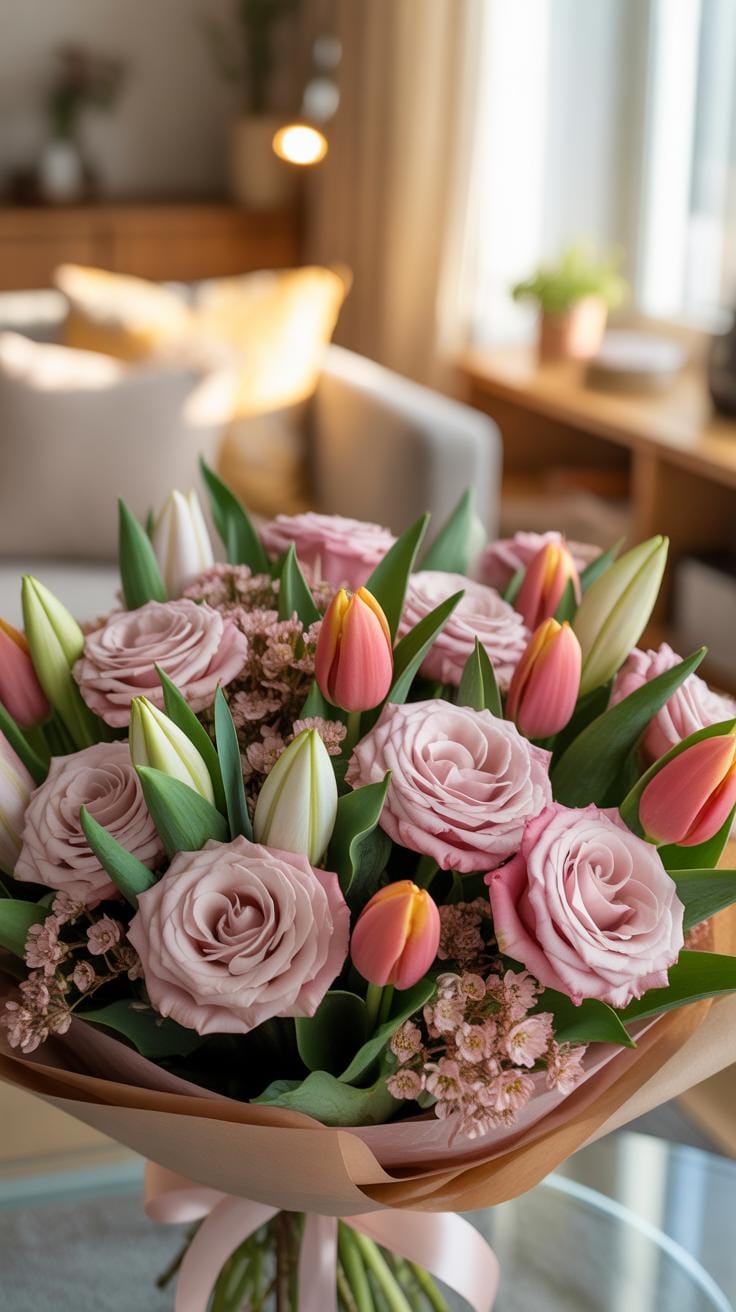
The Deep Rooted History Of Gifting Flowers On Mother’S Day
Anna Jarvis started the modern holiday in 1908. She chose the white carnation to honor her mother. This flower represented purity and endurance. Jarvis sent five hundred carnations to a church in West Virginia for the first service. This event linked floral gifts to the holiday immediately. Florists quickly saw the business potential. They marketed specific blooms to the public.
By 1914, President Woodrow Wilson made the day a national holiday. Industrialization helped the floral industry grow. Greenhouse technology allowed florists to grow flowers out of season. Improved rail transport moved fresh blooms across the country quickly. These logistics made flower arrangements the standard gift. The industry shifted from simple bouquets to complex designs. This transition solidified the role of flowers in the annual celebration.
How Flowers Became The Universal Language Of Maternal Love
Flowers communicate complex emotions without using words. This utility makes them a powerful tool for consumers. Specific colors and species carry distinct meanings. Red roses signify deep respect. Pink carnations represent a mother’s undying love. This symbolic system allows people to personalize their gifts. It creates a direct emotional connection between the giver and the recipient. Meaningful design adds value to the physical product.
The perishable nature of flowers creates a sense of urgency. Buyers understand that these items are temporary and precious. This scarcity mirrors the unique nature of the maternal bond. Modern arrangements use specific textures and structures to suggest high quality. Professional florists use technical skills to balance height and color. These design choices ensure the arrangement stands out in the home. Strategic gifting keeps this tradition relevant today.

The Most Popular MotherS Day Flower Arrangements Trending This Year
Garden Style Arrangements: Loose, Lush, And Romantically Wild
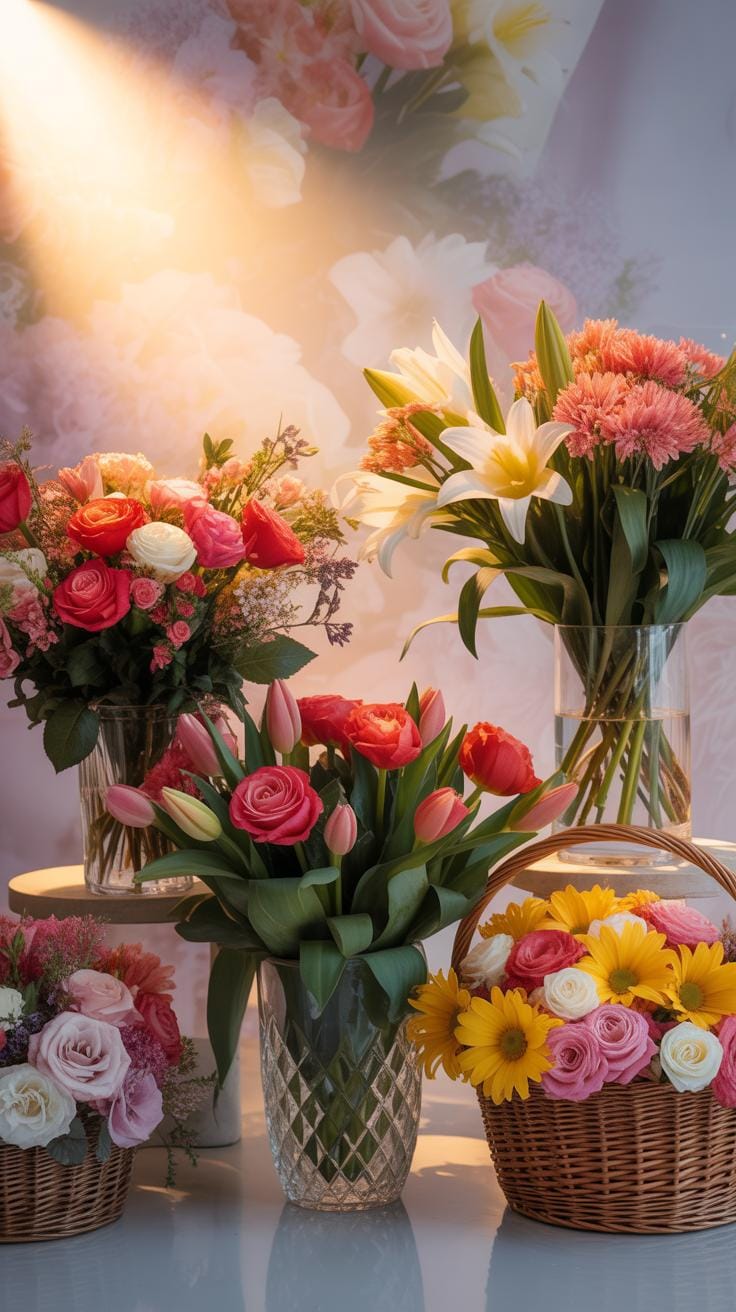
Garden-style Mothers Day Flower Arrangements prioritize movement and asymmetry. Designers use varying stem lengths to mimic how flowers grow in nature. This technique moves away from the tight spheres of the past decade. It relies on a strong structural base of greenery like eucalyptus or ferns. Florists then layer focal blooms at different depths to create a three-dimensional look.
The strategic shift toward these airy designs responds to a demand for authenticity. High-end florists use chicken wire or pin frogs instead of floral foam to support stems. This choice allows for better water intake and longevity. It also creates more space between blooms. These arrangements appear unforced but require precise placement to balance weight and color. They look best in low, wide vessels.
Minimalist Monochromatic Designs Taking Center Stage In 2025
Monochromatic Mothers Day Flower Arrangements focus on a single color family to create impact. This design movement removes visual clutter by using different textures instead of different colors. Designers layer various species in identical shades to highlight shapes. For example, a mix of light pink roses, ranunculus, and sweet peas offers depth. This approach creates a clean and modern aesthetic for contemporary homes.

Executing a monochromatic look requires high-quality stems and meticulous grading. Because the color is uniform, any damage or wilting becomes immediately visible. Florists select blooms with different petal counts and sizes to ensure the arrangement does not look flat. This style simplifies the gift-giving process while maintaining a sophisticated feel. It remains a top choice for those who prefer architectural and structured floral art.
Best Mother Day Flower Arrangements By Bloom Type
Classic Roses, Peonies, And Tulips That Never Go Out Of Style
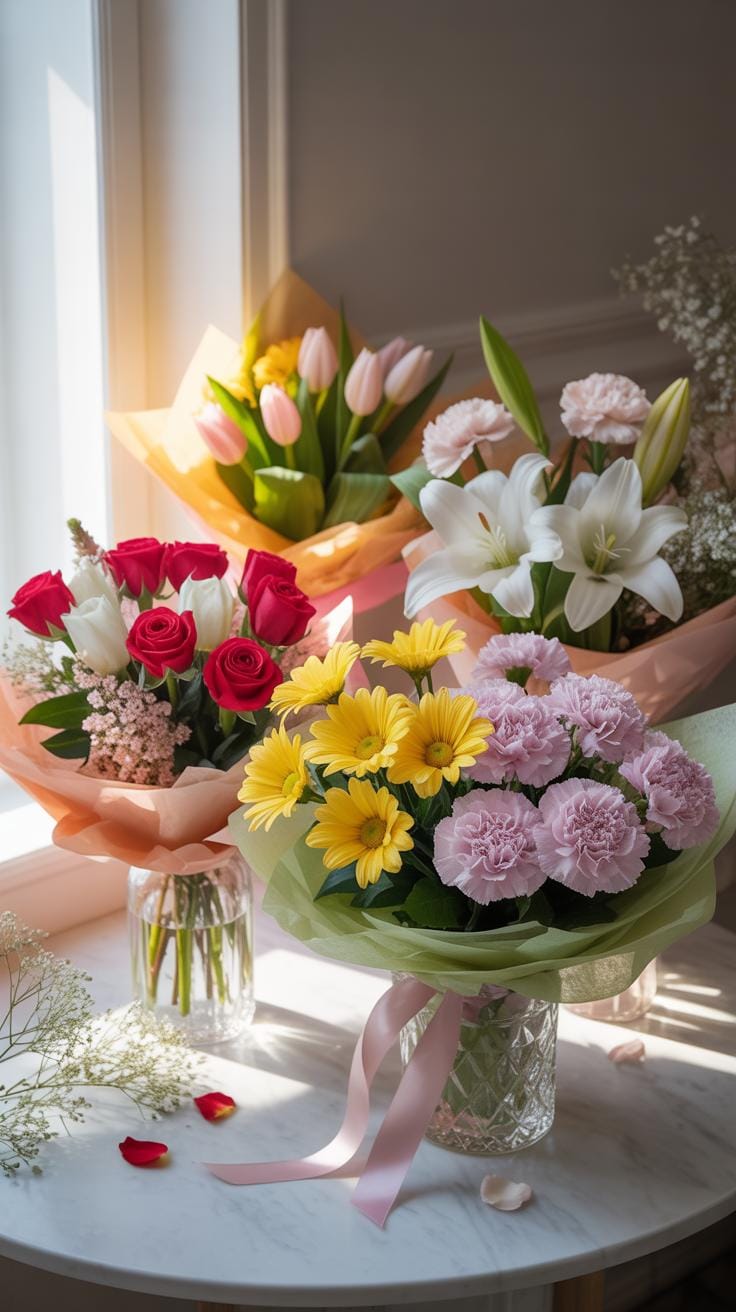
Roses remain the standard for Mothers Day flower arrangements due to their long vase life and availability. High petal counts in garden roses offer a premium look compared to standard grocery store varieties. Professionals select these for their structural integrity in foam or water. They provide a predictable focal point for any design. Red and pink shades dominate the market during this specific peak season.
Peonies and tulips provide texture and movement that roses lack. Peonies have a short blooming window in spring which keeps their demand high. Their large heads fill space quickly and reduce the total stem count needed for a full look. Tulips continue to grow after they are cut. Designers must account for this height change when placing them in a fixed arrangement to avoid a messy appearance.
Flowers are like a mother’s love, always evolving into something more beautiful each season. These new floral trends are simply nature’s way of whispering ‘thank you’ for a lifetime of grace.
Exotic And Seasonal Blooms That Make Arrangements Feel Extra Special
Exotic selections like orchids and protea increase the perceived value of Mothers Day flower arrangements. These tropical stems last longer than temperate flowers. They survive well in warmer indoor environments and do not wilt easily. Designers use them to create a contemporary look that departs from traditional round bouquets. Their unique shapes serve as conversation pieces and provide a modern aesthetic for high-end floral orders.

Seasonal fillers like ranunculus and sweet peas add delicate detail and natural scents. These blooms have fragile stems and require careful handling during the design process. They bridge the gap between heavy focal flowers and greenery. Using seasonal items ensures the flowers are fresh and at their peak color. This strategy helps florists manage costs while providing a custom feel that looks different from mass-produced supermarket bundles.
Flower Arrangements Mothers Day Color Palettes That Say It Best
Soft Pastels Vs Bold Brights: Choosing The Right Palette For Mom
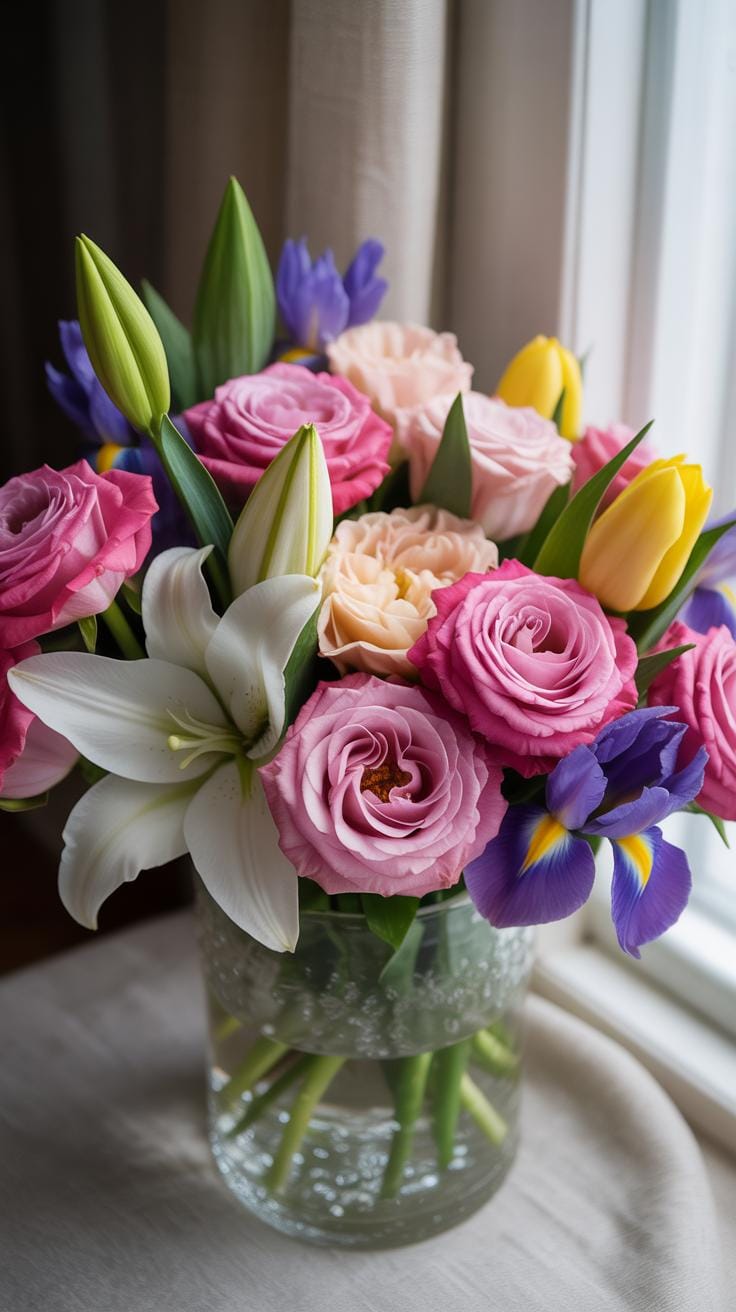
Pastel palettes remain the standard for Mothers Day flower arrangements. Florists use blush pink, lavender, and peach to create a sense of calm. These light values reflect traditional spring themes and the Victorian language of flowers. Soft tones blend well in low-light indoor environments. They do not overwhelm a room. Use these colors for mothers who prefer classic decor and subtle visual textures.
Bold palettes utilize high-saturation hues like hot pink, orange, and yellow. These colors command attention and signal energy. Modern designers use deep purples and bright blues to create high-contrast displays. Bold colors work best for outdoor celebrations or contemporary homes with neutral walls. Sharp color shifts draw the eye to specific focal points. Select these intense shades to celebrate a vibrant and active personality.
What Each Flower Color Symbolizes And Why It Matters On Mothers Day
Pink is the primary color for this holiday. It represents gratitude and grace. Pink carnations became the official flower for Mother’s Day in the early twentieth century. White carries historical weight as well. Anna Jarvis used white carnations to honor deceased mothers. Today, white signifies purity and remembrance. Understanding these historical links helps you choose a palette with actual depth and traditional meaning.

Yellow and orange communicate joy and warmth. These colors indicate friendship and pride in professional floral design. Red flowers usually signal deep love or admiration. Purple suggests royalty and elegance. Use these specific color cues to send a clear message. Do not leave the emotional tone to chance. A deliberate color choice ensures the arrangement matches the intent of the gift and honors the recipient correctly.
MotherS Day Floral Arrangements DIY Create Something Truly Heartfelt
Essential Supplies And Flowers You Need To Build A DIY Arrangement At Home
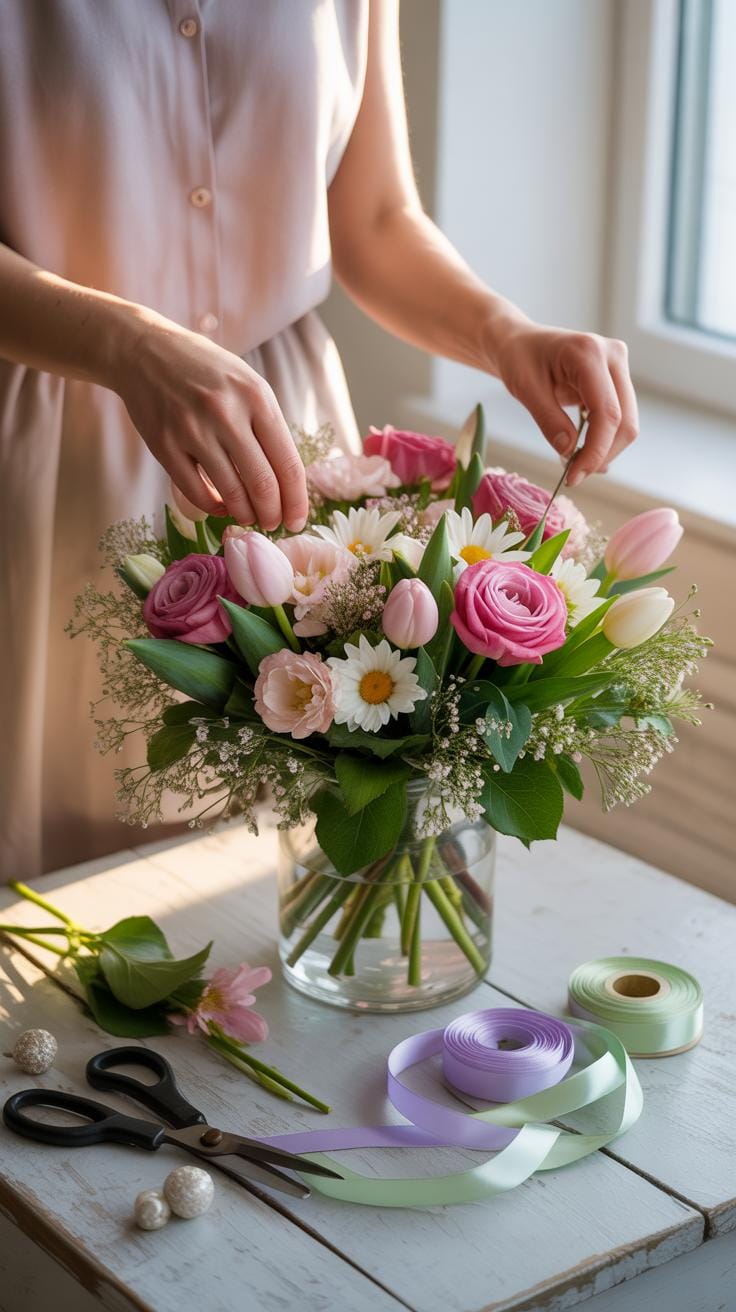
Professional Mother’s Day flower arrangements require specific tools to ensure structural integrity and plant health. You cannot rely on standard kitchen scissors because they crush the vascular system of the stem. Proper preparation prevents premature wilting and allows the flowers to hydrate efficiently. Selecting a mix of focal flowers and secondary fillers creates a balanced look that mimics high-end floral shop designs.
- Floral Shears: Use sharp, bypass-style pruners to make clean diagonal cuts. This maximize the surface area for water intake and prevents bacterial growth caused by crushed tissue.
- Floral Foam or Frog: These tools anchor stems in place for precise positioning. Use biodegradable foam or a reusable metal pin frog to maintain the geometry of your specific design.
- Floral Tape: Waterproof green tape creates a grid across the mouth of the vase. This grid supports heavy blooms and prevents them from falling to the sides of the container.
- Focal Flowers: Select large, high-impact blooms like peonies, roses, or hydrangeas. These act as the primary visual center and dictate the overall color palette of your Mother’s Day gift.
- Filler and Greenery: Use eucalyptus, ruscus, or baby’s breath to occupy empty space. These elements provide texture and cover the mechanics like tape or foam to ensure a clean appearance.
Clean your vase with bleach before starting to kill any existing bacteria. Fresh water should be mixed with flower food containing sugar, acid, and bleach. The sugar feeds the petals while the acid lowers the pH level for better water flow. This chemical balance is the only way to keep home arrangements alive for more than three days in a heated environment.
Simple DIY Techniques To Make Your Homemade Bouquet Look Professional
Start your arrangement by building a framework with greenery. This creates a natural nest that holds the flower stems in place without excessive tape. Experts use the rule of thirds to dictate height and width. The flowers should be one and a half times the height of the vase. This ratio creates a visual balance that looks stable and intentional rather than cluttered or sparse.

Place your largest focal blooms first in a triangular pattern to guide the eye. Work from the outside in and vary the heights of the stems to create depth. Remove all leaves that fall below the water line to prevent rot. Crowding the stems causes heat buildup and shortens the life of the petals. Rotate the vase constantly during the process to ensure no gaps exist.
Mothers Day Flower Arrangements Bouquets Wrapped Boxed Or Vased
The Charm Of Hand Tied Bouquets Vs Structured Vase Arrangements
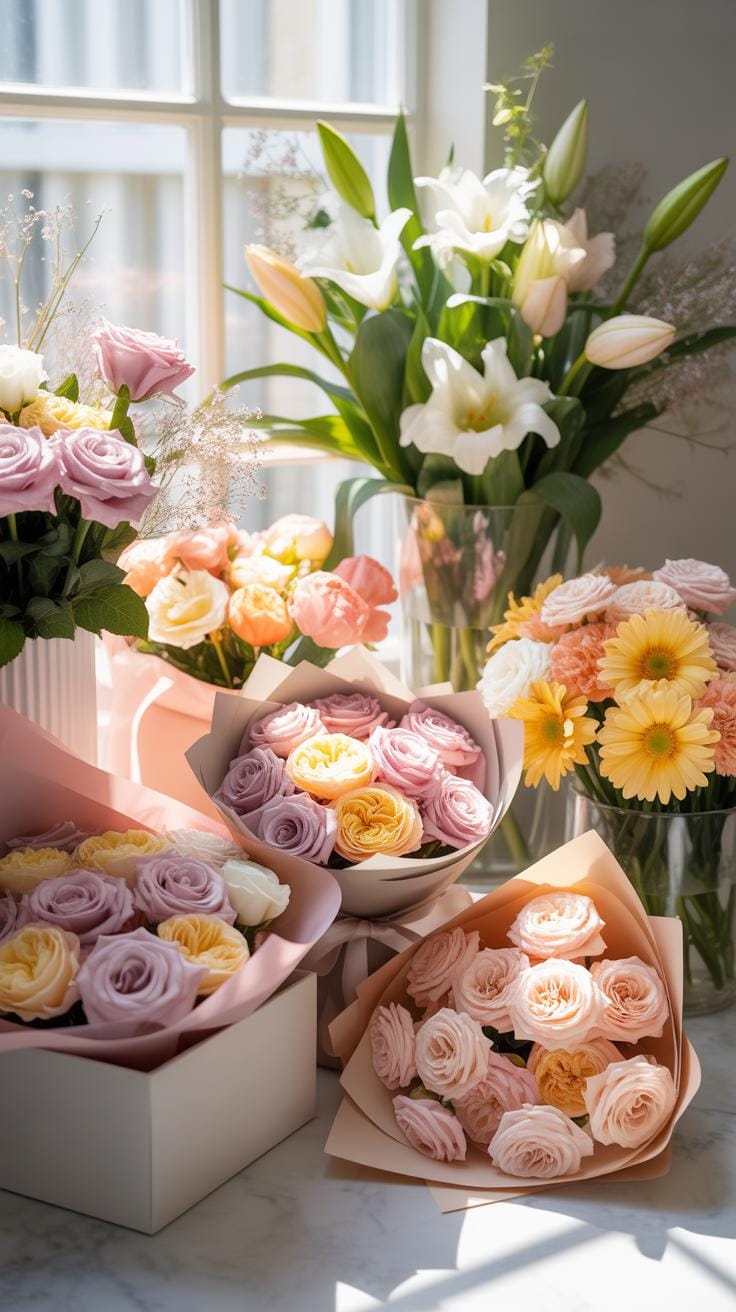
Hand-tied bouquets use the spiral technique to create a self-supporting cluster of stems. Florists tie them at the binding point with twine or ribbon. This delivers a raw and organic appearance. Customers choose these for a personal touch because they look freshly gathered. They require the recipient to have a spare vase. This format reduces shipping weight and lowers initial costs for the buyer.
Vase arrangements provide immediate utility and structure. Florists use floral foam or chicken wire to hold stems in specific spots. This ensures the design stays exactly as the artist intended during transport. It eliminates work for the recipient. These arrangements often use heavier glass or ceramic vessels to provide stability. They serve as a permanent home decor item long after the flowers die.
Why Flower Box Arrangements Are Becoming A Modern Mother’S Day Favorite
Flower boxes represent a major shift in floral mechanics. These containers hold water-saturated foam that keeps blooms hydrated without a deep reservoir. Designers cut stems short to create a dense and luxurious look. This method protects delicate petals during delivery better than open wraps. The rigid walls shield the blooms from wind and impact. It is a high-end choice for busy households.

Modern flower boxes offer better portability and shelf life for specific varieties. The low center of gravity prevents tipping during transit. Recipients do not need to trim stems or change water as frequently as traditional vases. The box itself acts as a premium gift package. It fits well on small side tables or desks where a tall vase might obstruct views. This design minimizes mess and maintenance.
Flower Bouquet Mothers Day How To Choose The Right One For Your Mom
Matching The Bouquet Style To Your Mom’S Personality And Taste
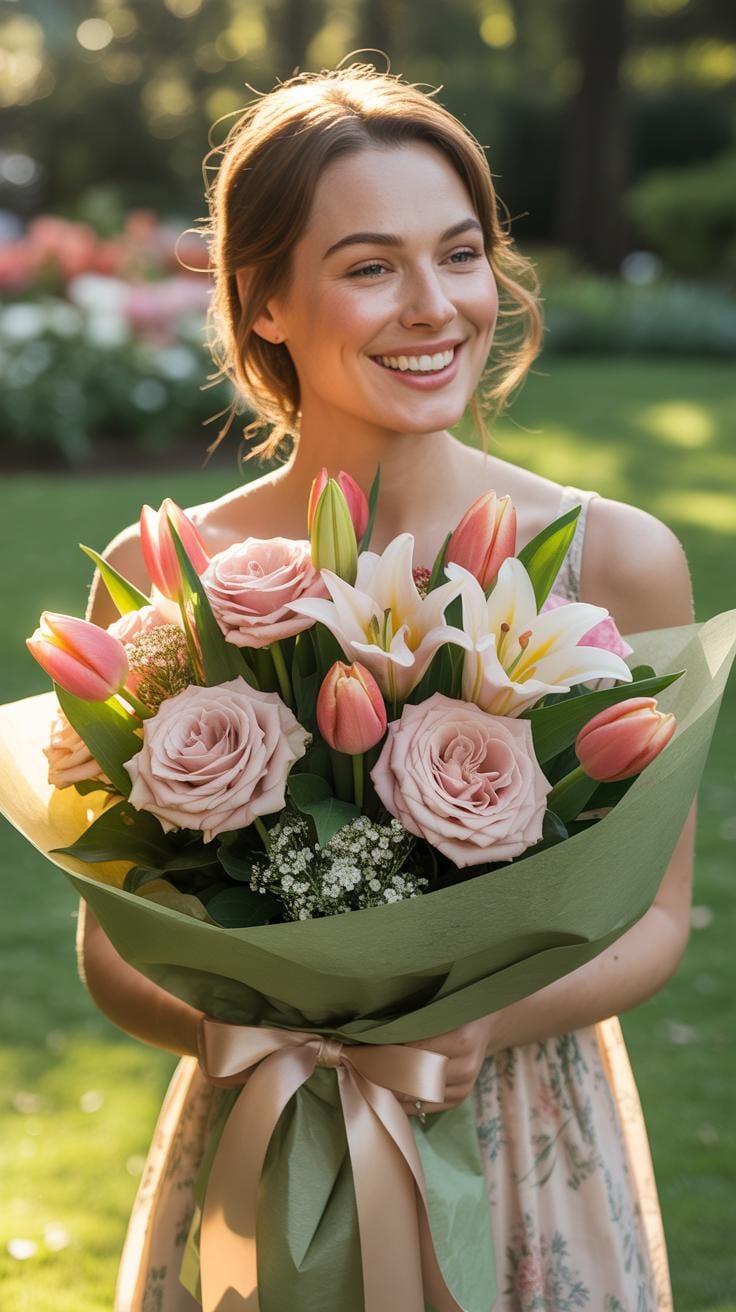
Identify your mother’s interior design style before selecting any Mothers Day flower arrangements. A home filled with antiques requires a structured, Biedermeier style bouquet. This German design movement uses tight concentric circles of flowers. It offers a formal look that fits traditional spaces. Conversely, a modern home suits a minimalist Ikebana approach. This Japanese technique focuses on linear shapes and negative space rather than sheer flower volume.
Match the color palette to her existing wardrobe or home decor. If she prefers neutral tones, choose monochromatic white lilies or cream roses. These provide a clean aesthetic. For bold personalities, select high-contrast primary colors. Use deep blue delphiniums against bright yellow sunflowers. Selecting a style based on her daily environment ensures the flowers integrate into her life. This tactical approach removes guesswork and prevents visual clashing in her living space.
Top Tips For Ordering Fresh Flowers Online Without Disappointment
Online flower shopping requires strict attention to logistical details to avoid wilted deliveries. You must verify the shipping method before you pay. Look for “farm-direct” shipping to reduce the time flowers spend in transit. This method cuts out middlemen. It ensures the blooms arrive in peak condition. Always check the delivery date availability three weeks early. Prices spike and slots fill up as the holiday approaches.
- Verify the Source: Check if the site is a local florist or a national order-gatherer. Local florists handle the product directly. National sites often take a commission and outsource the work to unknown shops. This can cause quality drops.
- Analyze the Descriptions: Read the fine print about stem counts and vase inclusions. Marketing photos often show the premium arrangement. The price you see might be for the standard version with fewer flowers. Ensure you know exactly what you are buying.
- Review Delivery Policies: Confirm the company uses climate-controlled vehicles for the final mile. Extreme heat or cold kills cut flowers quickly. A company that leaves a box on a porch in direct sunlight will result in dead blooms and wasted money.
- Check Substitution Rules: Florists often substitute flowers if the specific bloom is out of stock. Read the policy to ensure they replace stems with flowers of equal or greater value. This prevents you from paying for roses and receiving cheap carnations instead.
- Confirm Arrival Window: Select a delivery date one or two days before the actual holiday. High demand on Sunday can lead to late arrivals. Early delivery allows the flowers to hydrate and open fully before the celebration begins. This ensures a better visual display.

Inspect the flower hydration requirements upon arrival. Most online orders ship in a semi-dormant state to preserve energy. You must trim the stems at a forty-five-degree angle immediately. Use sharp shears to avoid crushing the water-conducting tissue. Place them in lukewarm water mixed with the provided flower food. This surge of nutrients revives the blooms within hours. Proper post-delivery care determines if the arrangement lasts three days or ten.
How To Make MotherS Day Flowers Last Longer After Gifting
Proven Care Practices That Keep Cut Flowers Fresh For Days Longer
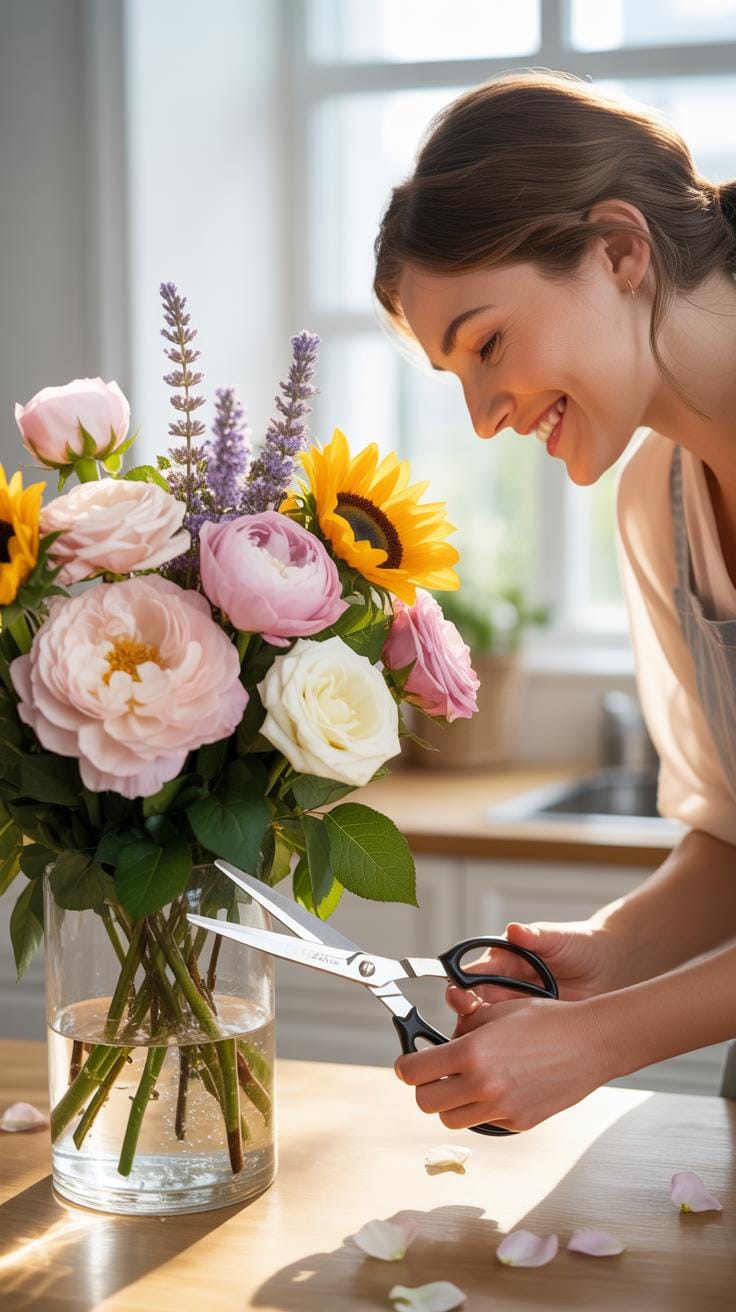
Bacteria kill flowers by clogging the stems. This prevents water uptake and leads to premature wilting. You must use a clean vase and fresh water. Cut stems at a forty five degree angle under running water. This prevents air bubbles from blocking the vascular system of the plant. Use the included flower food packets. These contain sugar for energy and acid to balance pH levels effectively.
Change the water every two days to maintain clarity and health. Remove all leaves that sit below the water line. Decaying foliage releases ethylene gas which speeds up the aging process for nearby blooms. Keep the arrangement away from direct sunlight and ripening fruit. Heat and ethylene cause petals to drop early. Place the flowers in a cool spot at night to slow down the metabolic rate of the blooms.
Drying And Preserving Mother’S Day Blooms As A Lasting Keepsake
Air drying is the traditional method for preserving floral structures. Take the flowers out of the water before they start to wilt. Group stems with rubber bands and hang them upside down in a dark dry room. Air circulation is vital to prevent mold growth during this process. Darkness preserves the natural pigments of the petals. Light causes the colors to fade into a dull brown or gray shade quickly.

Silica gel provides a faster more professional result for delicate species like roses or peonies. Place the flower heads in an airtight container filled with silica crystals. This desiccant pulls moisture out of the plant tissue while maintaining the original shape. Leave the flowers for one week then remove them carefully. Spray the dried results with an unscented hairspray. This creates a protective barrier against humidity and dust for long term display.
Frequently Asked Questions

What are the most popular styles for Mother’s Day flower arrangements this year?
This season, the biggest trends in Mother’s Day flower arrangements prioritize texture and soft, organic shapes. We are seeing a shift away from stiff, symmetrical bouquets toward “garden-style” designs that look hand-picked. Monochromatic palettes in shades of blush and peach are incredibly popular, as are sustainable presentations that use rustic burlap wraps or reusable ceramic pitchers instead of traditional floral foam, creating a thoughtful and eco-friendly gift.
How can I keep my Mother’s Day floral gift looking fresh for longer?
To extend the life of your Mother’s Day flower arrangements, start by trimming the stems at a 45-degree angle before placing them in lukewarm water. Change the water every two days to prevent bacteria growth, and always remove any leaves that fall below the waterline. Keep the bouquet in a cool spot away from direct sunlight, ripening fruit, and air vents to ensure the blooms stay vibrant for a week or more.
Is it possible to create a trendy Mother’s Day bouquet on a tight budget?
Absolutely! You can achieve a high-end look without a luxury price tag by choosing seasonal “filler” flowers like waxflower or eucalyptus to add volume. Focus on one or two statement blooms—like a single breathtaking peony or a few roses—and surround them with lush greenery. Buying local and assembling the arrangement yourself in a vintage mason jar is a wonderful way to provide a personalized, stylish gift while staying mindful of your spending.