What Makes A Flower Bouquet Spring Ready And Why Seasonal Blooms Matter
The Natural Rhythm Of Spring Blooms And How It Shapes Your Bouquet
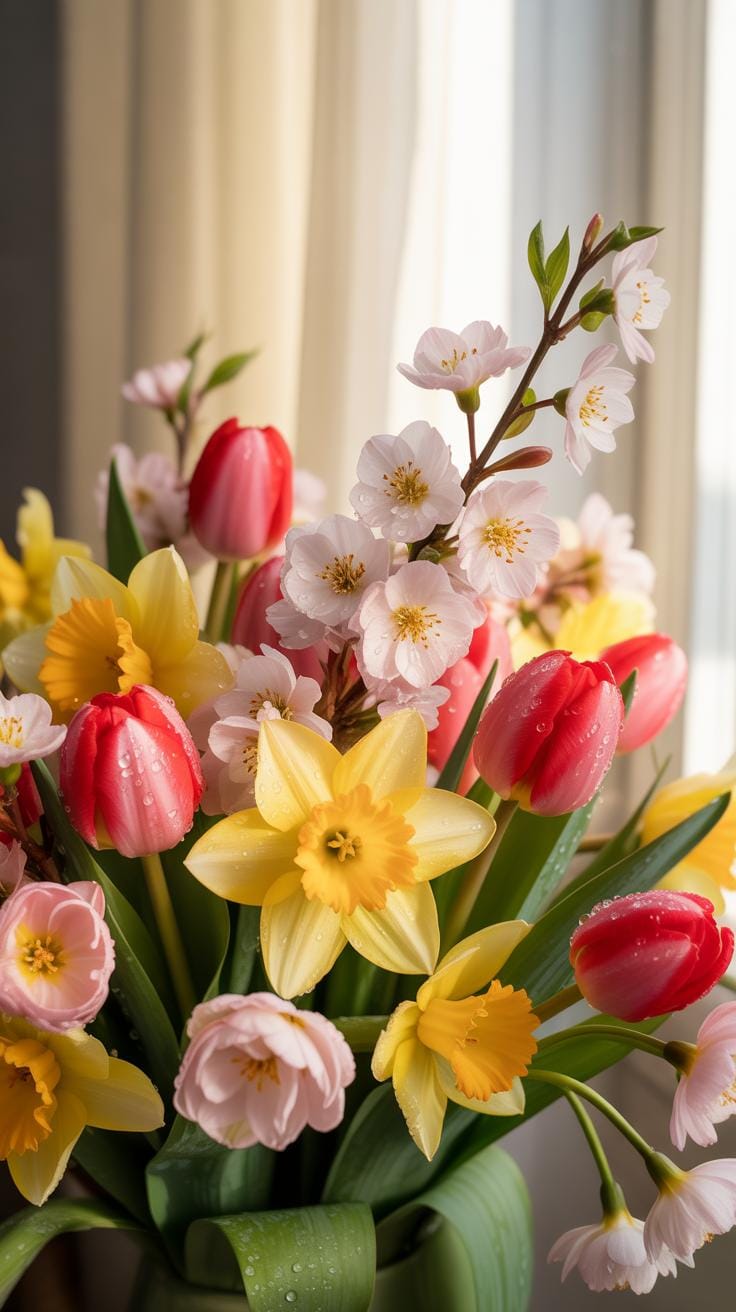
Spring garden bouquets depend on the biological timing of bulb plants and early perennials. These plants respond to increasing daylight and soil temperature after winter dormancy. You must select flowers like tulips, daffodils, and hyacinths that naturally peak between March and May. This timing ensures the stems are strong and the petals contain maximum hydration. Designing with the season reduces dependence on forced greenhouse imports.
Historical design movements like the European Flemish style emphasize these seasonal shifts. You create a superior arrangement by mimicking how these plants grow in nature. Use a mix of heavy focal flowers and airy fillers to represent the spring landscape. This approach provides a structural balance that feels authentic. Authentic spring bouquets reflect the immediate environment. They prioritize local growth cycles over synthetic, year-round floral availability.
Why Cutting Flowers At Their Peak Makes All The Difference In Freshness And Longevity
Harvesting flowers at the correct stage of development dictates their vase life. You should cut most spring blooms when the buds show color but remain tight. For example, harvest tulips when the bloom is fully colored but not yet open. This tactic prevents early wilting and allows the flower to expand in the vase. Early morning cutting preserves the highest moisture levels within the plant tissue.
Proper timing also affects the chemical stability of the stem. Sugars remain concentrated in the plant during the cool morning hours. These sugars fuel the bloom once you place it in water. If you cut during the midday heat, the plant loses moisture through transpiration. This stress leads to drooping heads and brown edges. Professional growers prioritize this window to ensure the bouquet survives for a full week or longer.

Best Flowers To Grow For A Spring Flower Bouquet Straight From Your Garden
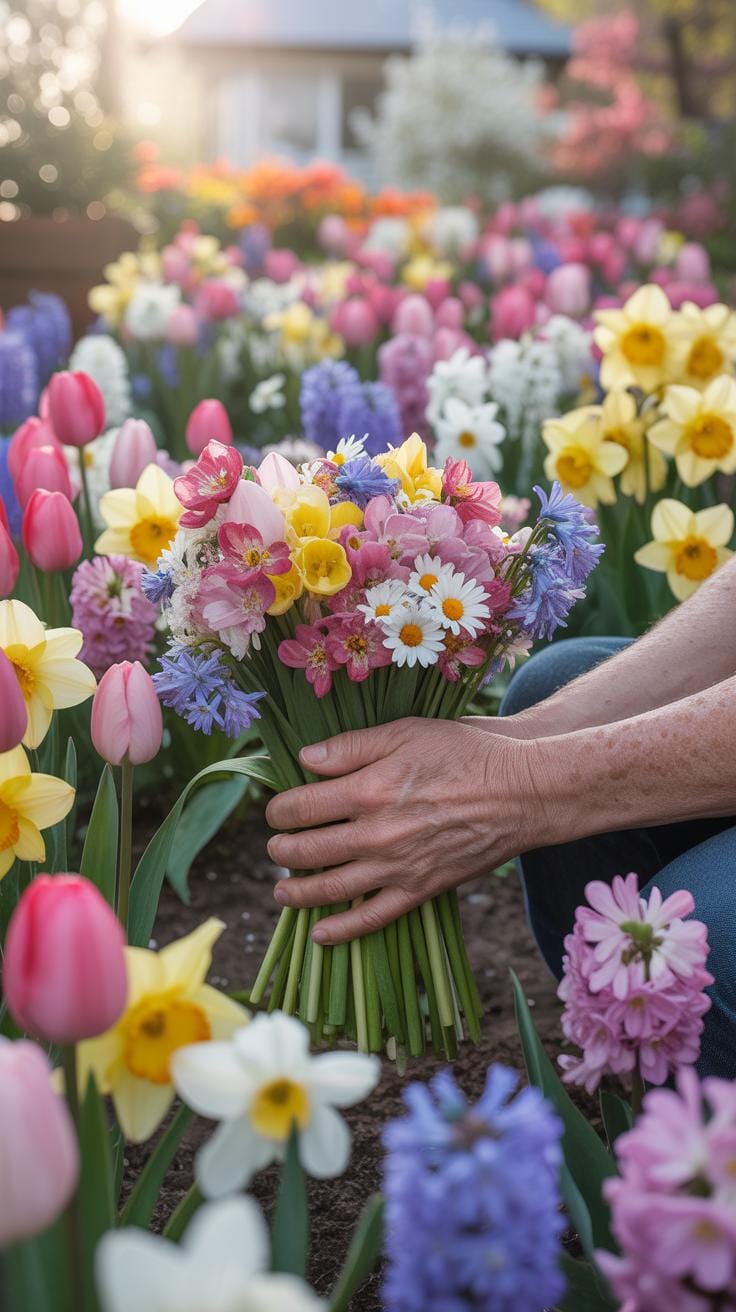
Top Spring Blooming Flowers That Thrive In Home Gardens And Cut Well
Select flowers with strong stems and long vase lives to ensure your arrangements stay fresh. Focus on varieties that produce multiple blooms per plant. Hardiness matters when planting for cutting gardens. You need plants that withstand early spring temperature swings. Choose varieties known for high petal counts and firm neck structures to prevent drooping after you place them in water.
- Tulips: Select Darwin Hybrid or Double Late varieties for the longest stems. These types provide structural height and saturated colors. Harvest when the bud is fully colored but still closed to maximize indoor life.
- Ranunculus: These plants produce high petal counts and flexible stems. They offer a rose-like appearance with a much longer vase life. Success requires cool soil and consistent moisture during the early growth phase.
- Daffodils: Use the Trumpet or Large-Cupped classes for bold visual impact. Avoid mixing them with other flowers immediately after cutting. Their stems leak sap that wilts other blooms unless you soak them alone for several hours.
- Hellebores: These perennials flower early and tolerate shade. They provide muted tones and unique textures. Mature blooms with visible seed pods last longer in water than young blossoms. Sear the stem ends to improve water uptake.
- Anemones: The De Caen variety offers striking dark centers and vibrant petals. They bloom heavily in cool weather. These flowers continue to grow and move toward light sources even after you place them in a floral vase.
Proper harvesting techniques determine the success of your garden bouquet. Use sharp snips to avoid crushing the vascular system of the stem. Cut flowers in the early morning when hydration levels are highest. Remove all foliage that sits below the water line to prevent bacterial growth. Immediate immersion in cool water settles the plant and stops the wilting process during heat.
Understanding Bloom Times So You Always Have Fresh Stems Ready To Arrange
Succession planting ensures a steady supply of stems throughout the season. Early spring brings bulbs like crocus and early tulips. Mid-season offers lilacs and bleeding hearts. Late spring provides peonies and sweet peas. Map your garden beds by bloom month to avoid gaps in production. This strategy allows you to cut fresh material every week without depleting your entire landscape at once.

Temperature and daylight hours dictate when your garden produces specific flowers. Warm spells accelerate blooming while frost delays the process. Monitor local weather patterns to time your harvests. Record the dates when specific varieties peak in your zone. This data helps you plan future plantings for high-demand events. Consistent observation turns a casual backyard into a reliable source for professional quality floral design materials.
How To Build A Wildflower Bouquet Using What Grows Naturally Around You
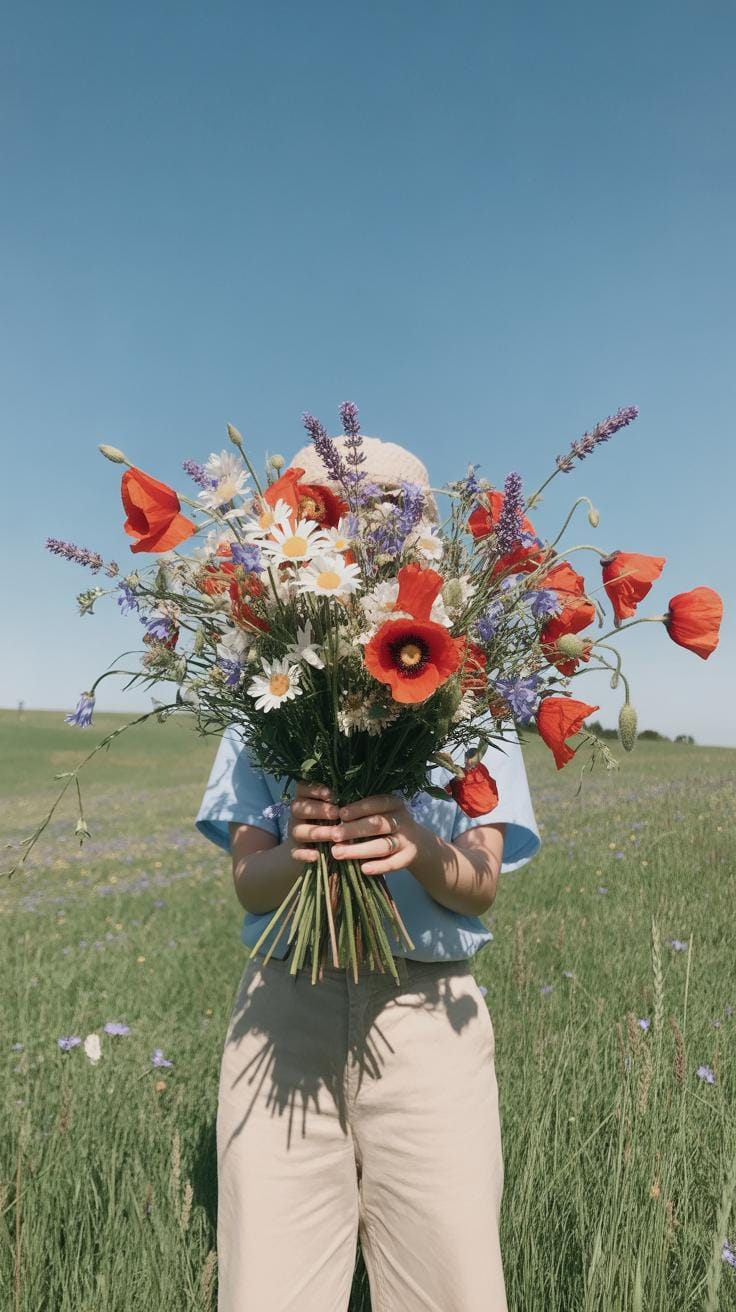
Identifying Common Wildflowers That Are Safe To Pick And Beautiful In Arrangements
Look for hardy species that frequent roadsides and fields during spring. Queen Anne’s Lace provides a sturdy white lattice framework for any arrangement. Coreopsis and Black-eyed Susans offer bright yellow tones and tough stems that survive long after cutting. Ensure you distinguish these from toxic lookalikes like poison hemlock. Hemlock has purple splotches on the stem and remains dangerous to touch or bring indoors.
Research local land regulations before you harvest any plants. Many state parks and private lands prohibit picking flowers to protect the ecosystem. Stick to your own backyard or areas where you have clear permission. Focus on invasive or abundant species like chicory or wild violets. These plants handle the stress of cutting well. They will not wilt immediately when you move them into a vase of fresh water.
Combining Wildflower Textures And Heights To Create An Effortlessly Natural Look
Successful wildflower arrangements rely on the Dutch New Perennial movement principles. This style emphasizes the structural form of the plant over just the color of the petals. Mix thin grasses with heavy round flower heads to create visual contrast. Use tall spikes of toadflax or wild larkspur to set the vertical boundary of the bouquet. These taller elements provide the primary skeleton for the rest of your floral work.

Fill the gaps with mid-sized airy textures to hide the stems. Use yarrow or fleabane to create a dense middle layer that supports shorter stems. Place the heaviest blooms near the rim of the vase. This technique grounds the arrangement and prevents it from looking top-heavy. Keep the stems at varying lengths to mimic how they grow in a field. Random heights make the final display feel authentic and unforced.
Essential Tools And Supplies For Putting Together A Flower Bouquet Garden Style
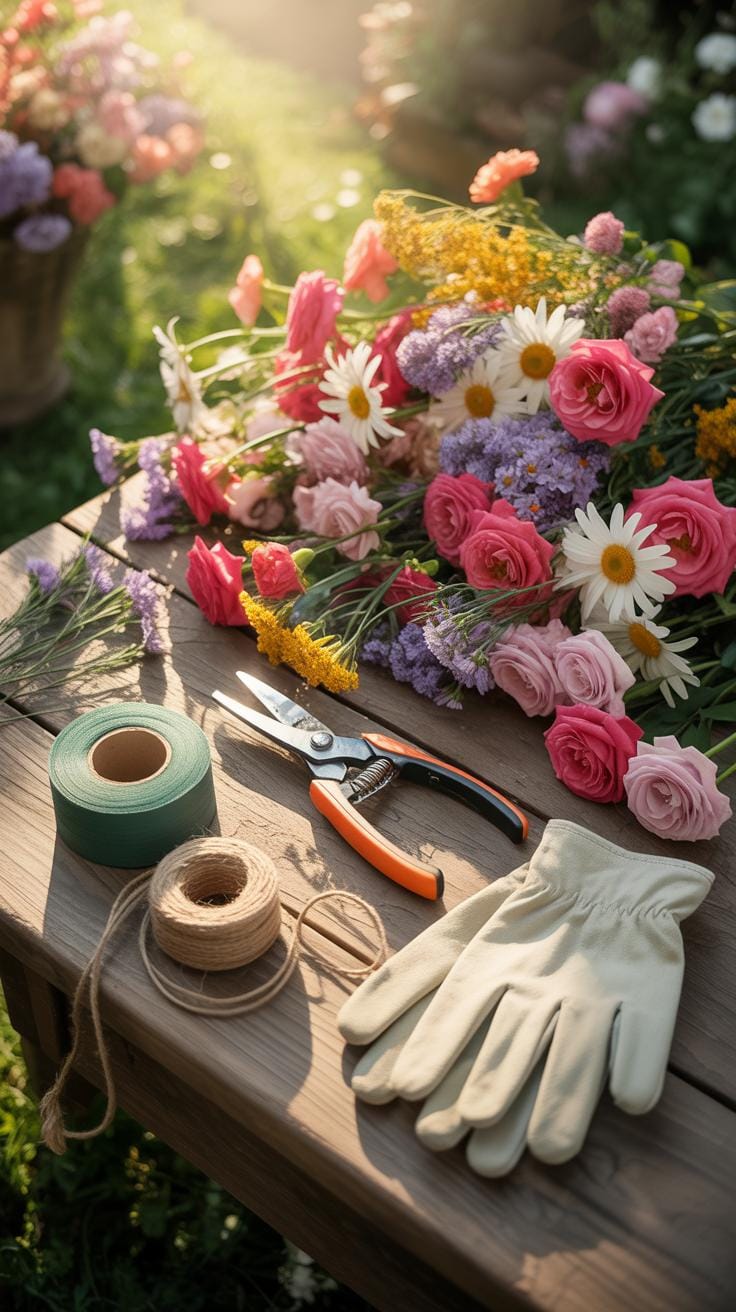
The Basic Cutting And Conditioning Tools Every Home Arranger Should Have On Hand
Professional results require professional hardware. You cannot use standard kitchen scissors to cut garden stems. Dull blades crush the vascular system of the plant. This prevents water from traveling up to the flower head. High quality bypass pruners provide a clean cut that keeps the stem open. Strategic preparation starts with having the right equipment ready before you enter the garden.
- Bypass Pruners: Use these for woody stems and thick branches. The blades act like scissors to create a clean slice. This prevents tissue damage at the base of the plant. High carbon steel blades stay sharp longer than cheap stainless steel alternatives found at big box stores.
- Floral Snips: These lightweight tools work best for soft green stems and delicate blossoms. Their pointed tips allow for precision when thinning out crowded foliage. You can reach deep into a bunch without harming nearby buds. They reduce hand fatigue during long sessions of harvesting or arranging.
- Floral Knife: Professional florists use a sharp knife for the final cut before the stem hits the water. A knife creates the largest surface area for water absorption. It does not compress the stem at all. Mastering this tool takes practice but ensures the highest level of hydration for your plants.
- Clean Buckets: Plastic buckets must be scrubbed with soap and water before every use. Bacteria is the primary enemy of a fresh bouquet. It clogs the stem and causes premature wilting. Always use food grade or floral grade plastic that does not leach chemicals into the water supply.
- Stripping Tool: A thorn or leaf stripper saves time when cleaning stems. Removing foliage that falls below the water line is mandatory. This prevents rot and keeps the water clear. Use a flexible rubber stripper to avoid scarring the delicate outer skin of soft spring stems like tulips.
Organization of these tools ensures a fast workflow. Keep your blades sharp and sterilized with isopropyl alcohol. This prevents the spread of soil-borne diseases between plants. Proper tool maintenance extends the life of your garden and your bouquets. A sharp cut is the first step in the conditioning process. It determines how long the flower will survive once removed from its root system.
How To Condition Freshly Cut Stems So Your Blooms Last Longer In The Vase
Harvest your flowers during the coolest part of the day. Early morning is best because the plants are fully hydrated. Bring a bucket of lukewarm water directly into the garden with you. Place stems into the water immediately after cutting them. This prevents air bubbles from entering the stem and blocking water flow. Embolisms cause flower heads to droop and die within hours.

Remove all foliage from the bottom half of the stem. Leaves left in water will decay and create toxic bacteria. Recut every stem at a forty-five degree angle once you are indoors. Place the flowers in a cool, dark room for several hours before arranging. This resting period allows the stems to drink and stabilize. Proper conditioning can double the lifespan of many spring varieties like peonies and lilac.
Designing A Multi Color Bouquet That Feels Balanced And Visually Harmonious
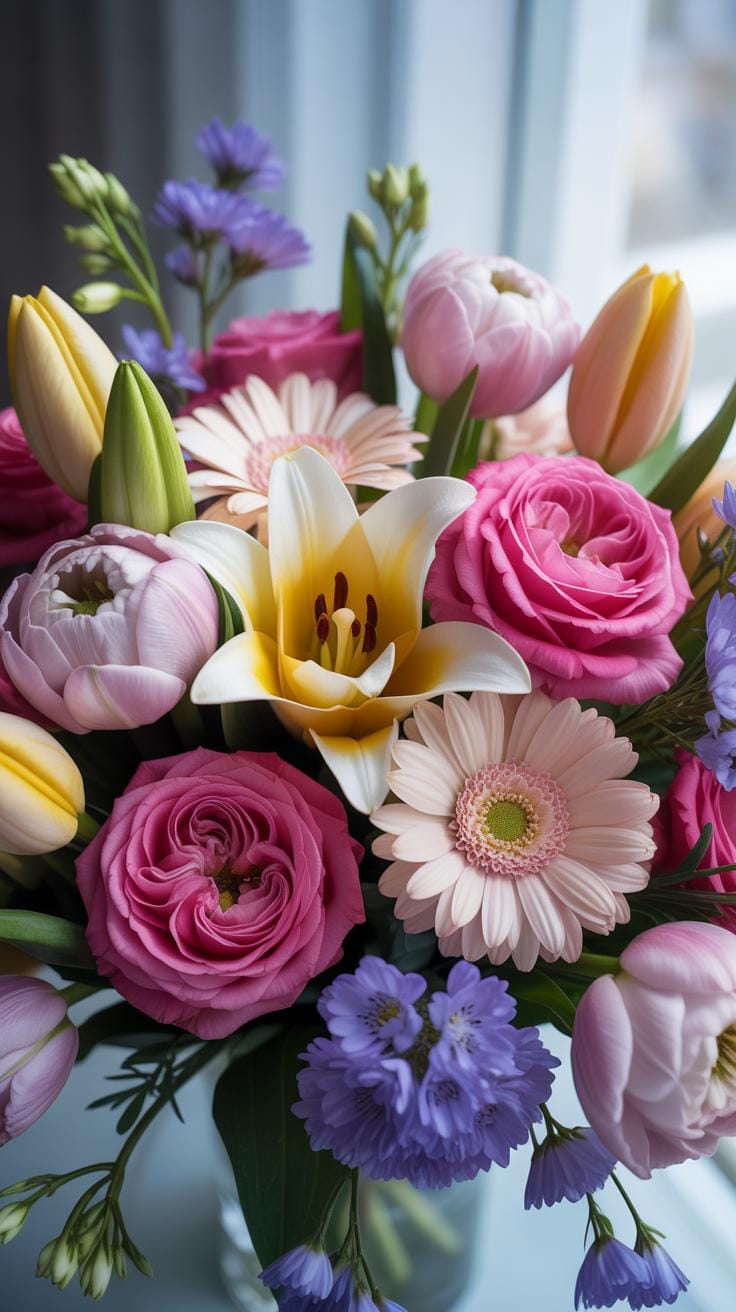
Using The Color Wheel As A Simple Guide For Pairing Spring Flower Shades
The color wheel dictates how the eye perceives floral combinations. For high contrast, select complementary colors located directly across from each other. Pair yellow daffodils with purple irises to create immediate visual impact. This technique relies on physics to produce vibrating color boundaries. For a softer look, use analogous colors found side by side. Combine pink tulips with purple lilacs to ensure a smooth transition.
Color saturation matters as much as the hue itself. Match the intensity of your flowers to maintain balance. Do not pair pale pastels with neon shades or one will disappear. Use the triadic method by picking three colors spaced equally on the wheel for a vivid Spring Garden Bouquet. This objective approach removes guesswork and prevents your arrangement from looking messy. It ensures every flower has a purpose.
How To Use Foliage And Filler Flowers To Anchor A Multi Toned Spring Arrangement
Foliage provides the structural framework for multi-colored designs. Green acts as a neutral base that separates competing colors. It prevents clashing by providing a visual rest point. Use stiff stems like eucalyptus or ruscus to create the shape first. This perimeter contains the vibrant blooms and gives the bouquet a professional silhouette. Without a green anchor, a mix of bright flowers looks cluttered and unstable.

Filler flowers bridge the gaps between large focal blooms. Use small white flowers like feverfew or baby’s breath to add light. These tiny blossoms diffuse the intensity of darker colors. They create texture and volume without adding more weight to the palette. Strategic placement of fillers ensures the eye moves smoothly across the entire arrangement. This tactic creates a cohesive unit that feels intentional rather than random.
How To Arrange Different Flowers Bouquet Styles For Varying Home Aesthetics
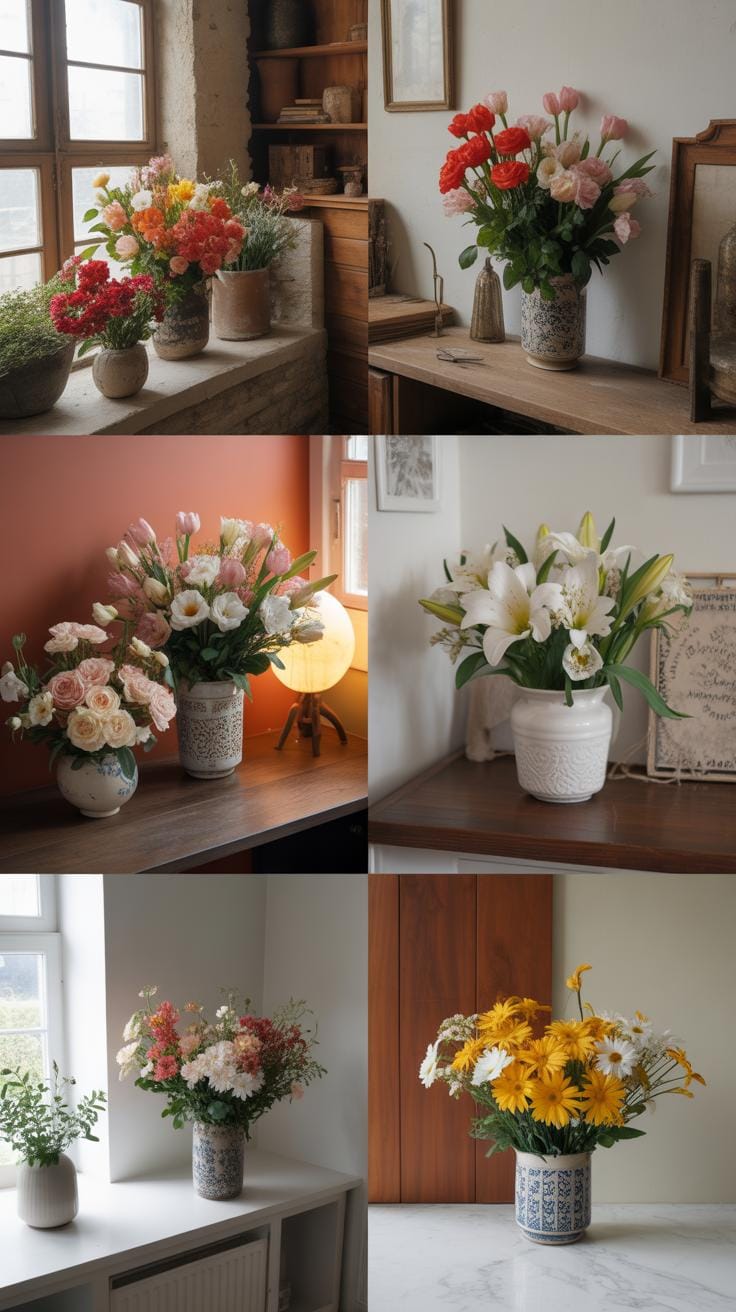
The Garden Gathered Style Versus The Structured Round Bouquet And When To Use Each
The garden-gathered style mimics natural growth patterns found in Dutch Still Life paintings. Designers use varied stem lengths and asymmetrical placements to create an airy look. This style suits rustic or eclectic interiors. It relies on a three-point balance system to ensure the arrangement stays upright without a grid. You must choose stems with natural curves to achieve this specific look effectively.
The structured round bouquet follows Biedermeier principles from the nineteenth century. It uses dense placement and uniform stem lengths to create a geometric dome. This style fits formal settings or modern minimalist homes. You strip all leaves below the binding point to maintain a clean appearance. Use a spiral hand-tied technique to keep the stems organized and the flower heads locked in place.
The glory of gardening: hands in the dirt, head in the sun, heart with nature. To nurture a garden is to feed not just the body, but the soul.
Mixing Bloom Sizes And Shapes To Add Depth And Movement To Your Arrangement
Effective Spring Garden Bouquets require three distinct flower types: mass, line, and filler. Mass flowers like peonies provide a focal point for the eye. Line flowers like snapdragons create vertical height and define the outer boundaries. You must place mass flowers at varying depths to avoid a flat surface. This technique forces the viewer to look into the arrangement rather than just at it.

Movement comes from the interaction between stiff and flexible stems. Use disc-shaped blooms like scabiosa on long thin stems to create a dancing effect when air moves. Incorporate small filler flowers like Queen Anne’s Lace to bridge gaps between larger petals. This layering prevents the bouquet from looking static. Proper placement ensures each flower has enough space to open fully without crushing its neighbor.
Inspiration For Spring Wedding Bouquets That Start Right In Your Backyard
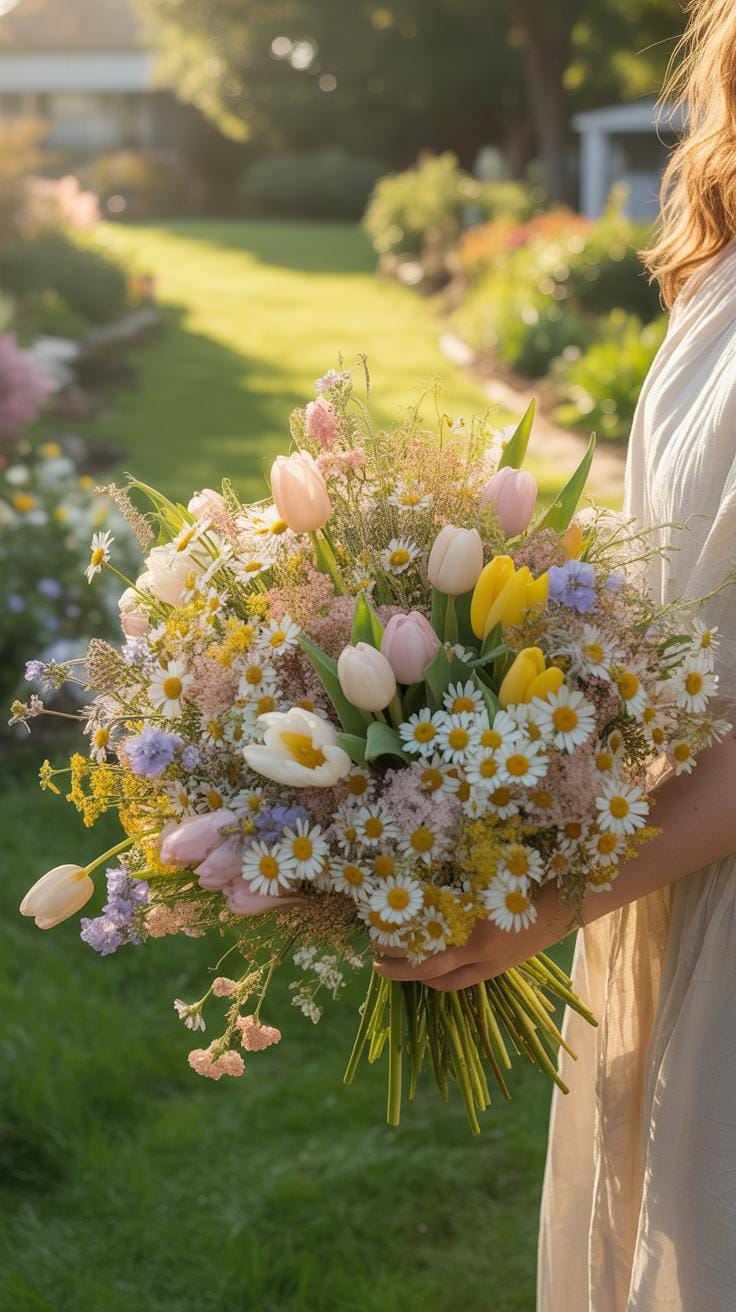
Why Garden Grown Spring Blooms Are A Meaningful And Budget Friendly Bridal Choice
Cutting flowers from your own soil eliminates the markup of retail florists. Commercial wedding flowers often travel thousands of miles before reaching the altar. These imported stems lose fragrance and vitality during shipping. Garden-grown blooms stay fresh because you harvest them hours before the event. You control the chemistry and the water quality. This ensures your bouquet remains strong and hydrated throughout the entire ceremony.
Homegrown flowers offer a physical connection to your specific location and season. You can select varieties that retail shops rarely carry due to fragile petals. Heirloom sweet peas and bleeding hearts do not ship well but thrive in backyard gardens. Using these local stems creates a unique aesthetic that mass-market sources cannot replicate. You save money while gaining professional-grade freshness. This strategy delivers a high-end look without the standard industry price tag.
Planning Your Garden Timeline So Blooms Peak Right Around Your Wedding Date
Success requires back-dating your planting schedule from the wedding day. Spring bulbs like tulips and narcissus need planting in the previous autumn. Shrubs like lilacs or viburnum require several years to establish before they produce enough stems for cutting. Use local frost dates to determine your exact planting window. You must track daily temperatures to predict when buds will open. Consistent monitoring prevents the disappointment of early or late blooms.

Climate dictates the speed of growth for every plant in your yard. Use floating row covers to speed up growth in cold snaps. Apply organic mulch to keep roots cool and delay flowering if the weather turns hot too early. Prune your perennials strategically to encourage long, straight stems for easy binding. Proper hydration and soil nutrition ensure your plants reach peak maturity exactly when you need them. Timing is the difference between success and failure.
Creating A Wildflower Wedding Bouquet That Feels Romantic And Effortlessly Organic
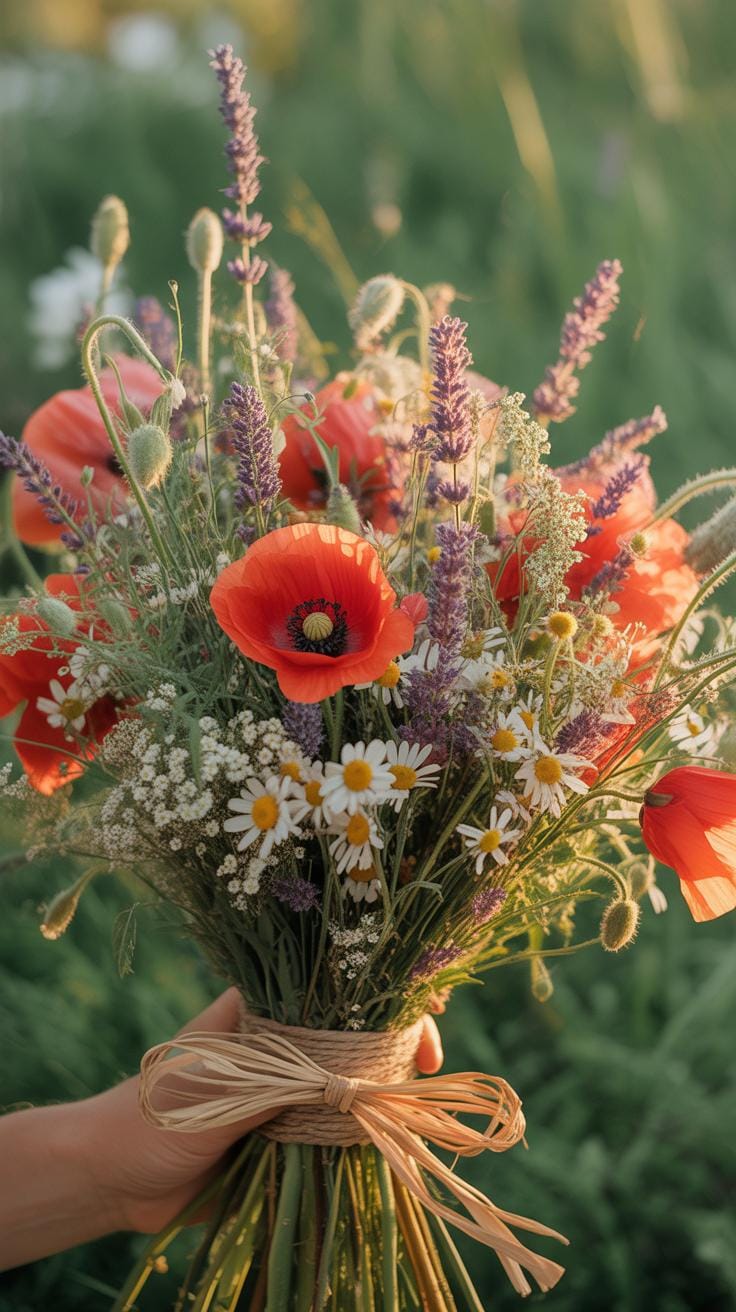
Which Wildflower Varieties Hold Up Well Through A Full Wedding Day Without Wilting
Strategic wildflower selection depends on cellular structure and hydration capacity. Native perennials often outperform delicate meadow annuals in heat. Choose Scabiosa for its sturdy stems and resilience under direct sun. Use Nigella for structural longevity and unique texture. These species maintain turgor pressure longer than soft stemmed field weeds. Proper conditioning ensures these blooms remain upright from the ceremony through the evening reception.
Harvest stems during the coolest part of the day to maximize moisture retention. Remove all foliage that sits below the water line to prevent bacterial growth. Use a professional floral preservative to maintain the vascular system of the plant. Sear the ends of woody stems to improve water uptake. These mechanical steps prevent premature drooping and browning. Durable flowers ensure the bouquet looks fresh in every photograph.
How To Wrap And Secure A Wildflower Bridal Bouquet So It Stays Beautiful All Day
Support the organic structure with a concealed mechanics system. Use waterproof floral tape to bind the stems at the natural binding point. This prevents the arrangement from shifting during movement. Keep the grip tight enough to secure the flowers but loose enough to prevent crushing the delicate stems. Practical binding allows the bride to hold the bouquet comfortably without losing the intentional garden aesthetic.
Finish the handle with natural fibers like silk or linen for a refined look. Secure the fabric with pearl headed pins driven upward into the stems. This prevents the pins from snagging the wedding dress. Leave an inch of stem exposed at the bottom. This allows the bride to place the bouquet in a vase of water during the reception. Exposed stems keep the bouquet hydrated and vibrant.
Wedding Bouquets Bride Colorful Looks That Pair Well With Spring Garden Themes
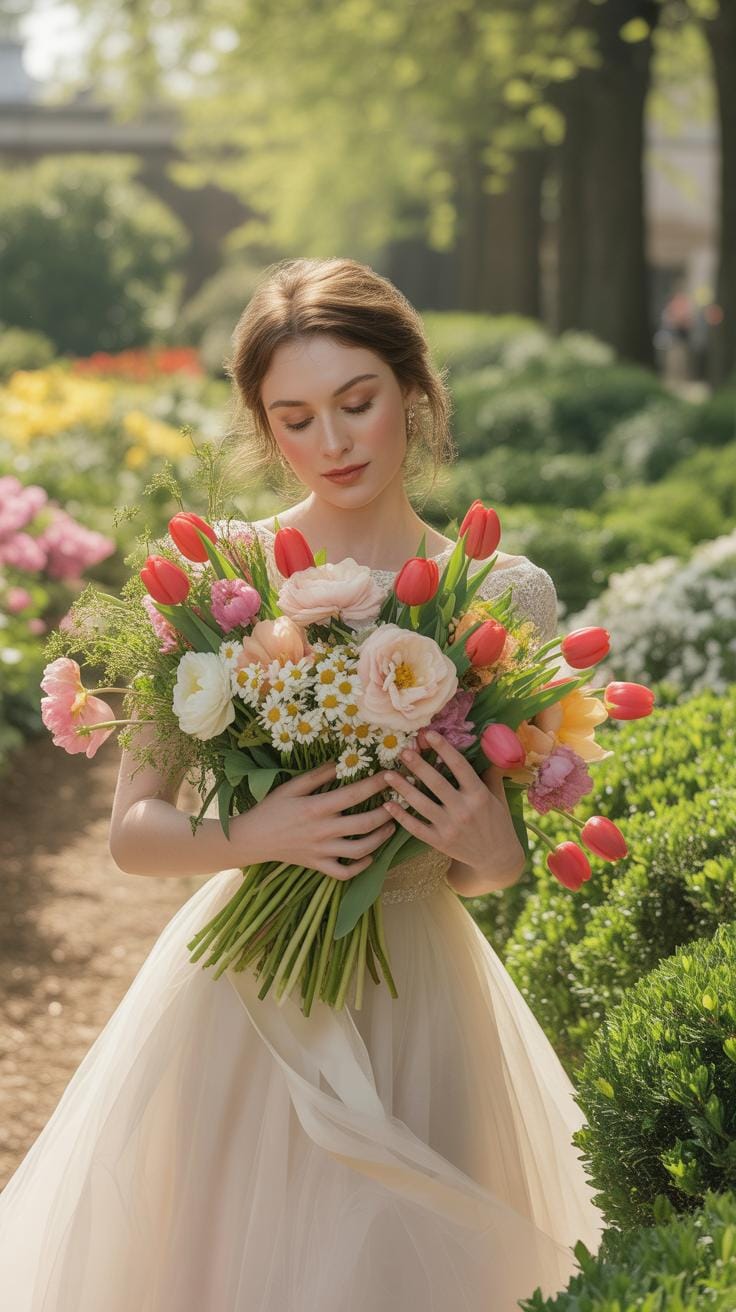
Choosing Bold And Pastel Color Combinations That Photograph Beautifully In Natural Light
High-contrast pairings ensure your flowers do not disappear against a white gown. Combine soft lavender or pale peach with deep violet or vibrant coral. This balance prevents the camera from blowing out lighter shades in bright sun. Natural light softens colors. Using a mix of saturation levels maintains depth in your photos. Avoid monochromatic white schemes as they often lose detail in direct spring sunlight.
Layering textures also improves how colors translate to digital sensors. Use matte foliage like eucalyptus to ground shiny petals like ranunculus. Place darker blooms deep within the arrangement to create natural shadows. This technique builds three-dimensional interest. It prevents the bouquet from looking like a flat mass of color. Select stems that reflect light differently. This variety ensures your colors remain distinct and sharp in every frame.
How To Match Your Bridal Bouquet Colors To Spring Garden Ceremony Decor
Your bouquet must act as the focal point while acknowledging the venue surroundings. Identify the dominant flower species currently blooming in the garden. Use those same colors in your hand-held arrangement to create visual harmony. If the garden features yellow daffodils, incorporate yellow accents in your bouquet. This strategy makes the wedding party look like a natural extension of the landscape rather than a separate element.
Coordinate your floral saturation with the physical structures in the garden. Stone walls and wooden gazebos provide neutral backdrops that can handle high-intensity colors like hot pink or bright orange. If the ceremony occurs in a lush green field, use white and cream to provide necessary contrast. Direct coordination prevents color clashing with fixed garden elements. Align your ribbon choices with the metallic or wood tones found in the garden furniture.
Simple Care Tips To Keep Your Spring Garden Bouquets Looking Fresh Longer
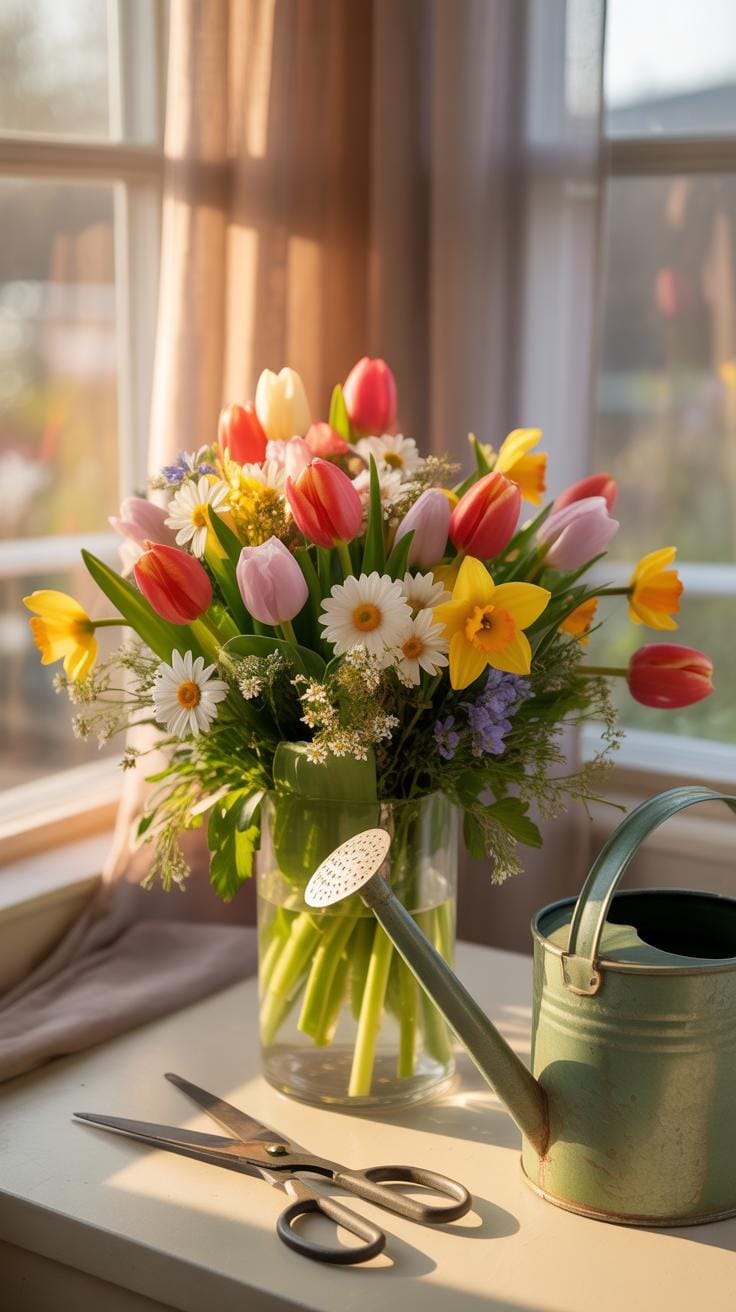
Daily Maintenance Habits That Significantly Extend The Vase Life Of Spring Flowers
Bacteria growth is the primary cause of flower decay in a vase. You must change the water every single day to keep stems clear. Fresh water prevents the vascular system of the plant from clogging. Always use a clean blade to trim stems at a forty five degree angle during every water change. This creates more surface area for the flower to pull hydration.
Temperature control determines how fast a bloom opens and dies. Keep your arrangement away from direct sunlight and heat drafts. Spring flowers like tulips and daffodils prefer cool environments. Remove any leaves that sit below the water line immediately. Decaying foliage releases gases that kill the rest of the bouquet. These tactical steps double the lifespan of your cut garden flowers through simple hygiene.
When To Refresh Your Arrangement And How To Repurpose Fading Blooms Creatively
Watch for signs of wilting or browning on the outer petals. Most spring arrangements last five to seven days before requiring a refresh. Once the main blooms start to sag, pull the remaining healthy stems. You can move these survivors to smaller bud vases. This technique keeps the display functional even as the bulk of the bouquet reaches its natural end.
Dry hardy stems like lavender or certain woody branches instead of discarding them. Hang them upside down in a dark room with low humidity. This preserves the color and shape for permanent decor. Compost the soft stems that have turned mushy to avoid trash waste. Repurposing allows you to maximize the value of your garden harvest. Smart gardeners never waste a healthy stem just because the focal flower faded.
Frequently Asked Questions

What are the easiest flowers for a beginner to grow for a spring bouquet?
If you are new to gardening, start with hardy bulbs like daffodils, tulips, and hyacinths. These are incredibly resilient and provide the vibrant colors essential for stunning spring garden bouquets with very little maintenance. Pansies and sweet peas are also excellent choices for beginners because they bloom prolifically, allowing you to harvest multiple stems throughout the season while encouraging the plants to produce even more beautiful flowers for your home.
How can I make my fresh-cut spring flowers last longer in a vase?
To extend the life of your spring garden bouquets, harvest your flowers in the early morning when they are most hydrated. Use clean shears to cut stems at a forty-five-degree angle and immediately place them in lukewarm water. Removing any foliage that sits below the water line prevents bacterial growth. Change the water every two days and keep the arrangement away from direct sunlight or ripening fruit to ensure your display stays fresh.
Can I create a beautiful spring arrangement if I only have a small yard or balcony?
Absolutely! You don’t need a massive estate to enjoy fresh florals. Many spring favorites like anemones, ranunculus, and dwarf tulips thrive in small containers or raised beds. By utilizing vertical space with climbing sweet peas or planting densely in pots, you can grow enough variety to assemble charming, petite arrangements. Creative gardening proves that elegance is accessible to everyone, regardless of the size of your outdoor living space.