
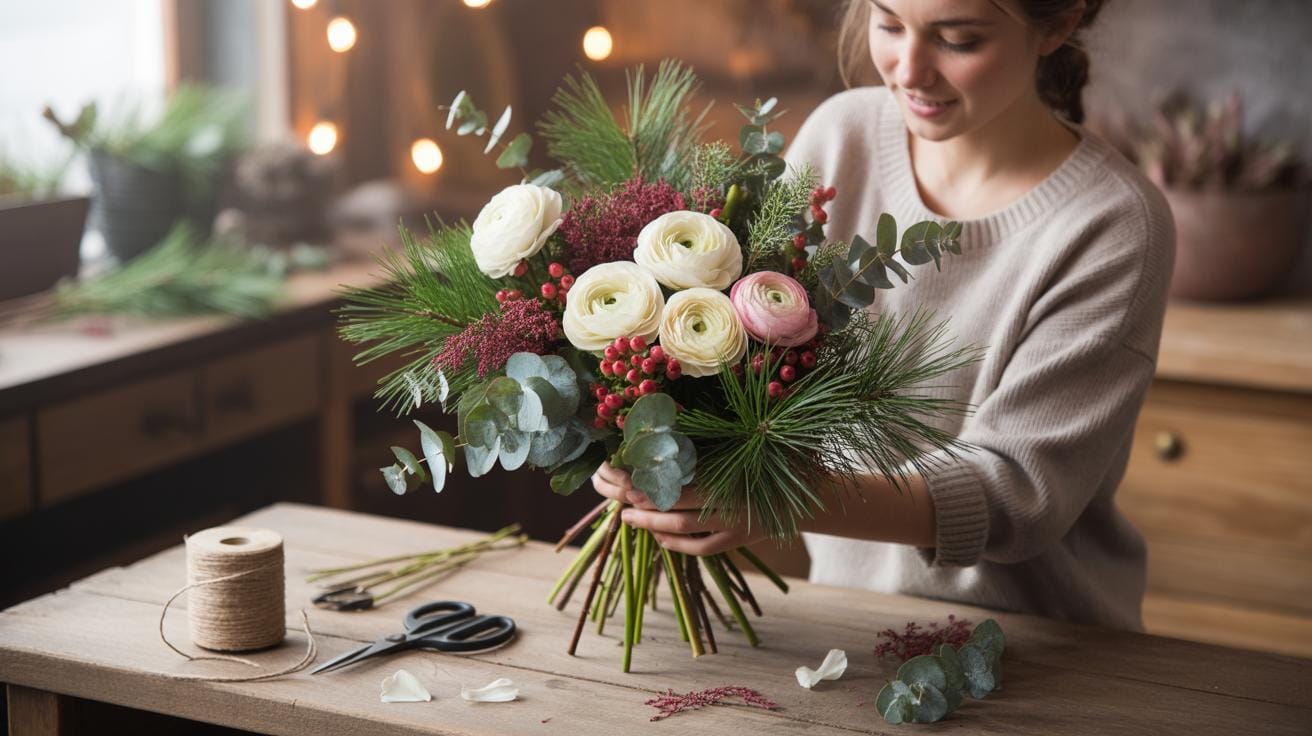
What Are Winter Garden Bouquets And Why They Are Perfect For The Cold Season
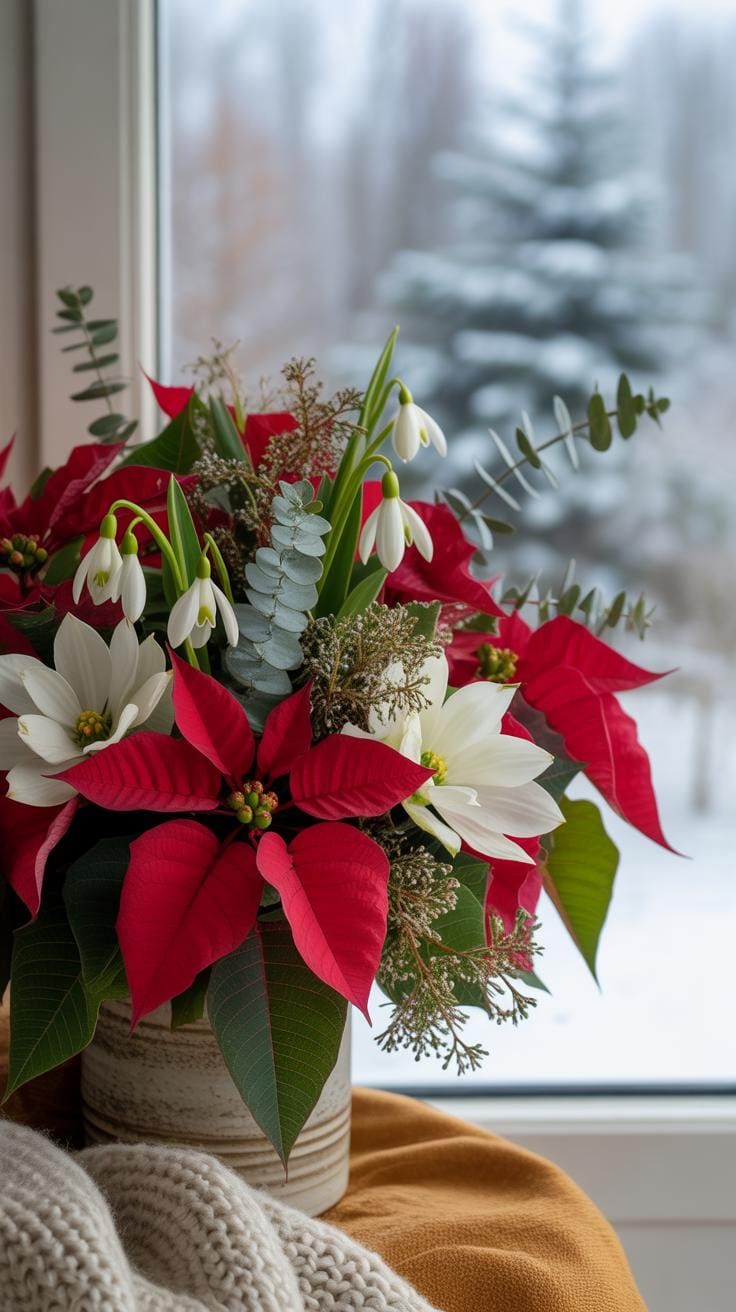
Understanding The Charm Of A Winter Bouquet And What Makes It Unique
Winter garden bouquets differ from summer arrangements because they focus on structural integrity and texture. You do not rely on soft petals that wilt quickly in dry indoor heat. Instead, these bouquets use hardy evergreens, bare branches, and dried seed heads. These materials provide a neutral color palette that highlights form over color. This design approach creates a clean aesthetic.
The unique appeal of these arrangements lies in their longevity. Soft spring flowers die within days. Winter materials like holly, cedar, and dried hydrangeas last for weeks with minimal maintenance. You use architectural elements like berries and colorful stems to create visual interest. This shift from floral abundance to structural depth defines the winter style. It rewards gardeners who plan for year-round garden interest.
Why Winter Is A Surprisingly Great Season For Garden Flower Arrangements
Winter provides the best materials for durable home decor because dormant plants are naturally tough. Low temperatures and frost concentrate colors in stems like dogwood and willow. You find high contrast between dark greens and bright berries. This season forces you to look at the skeletal beauty of your garden. You can harvest materials that remain stable for long periods without water.
Most people assume the garden is dead in January. This is a tactical error. Winter allows you to forage for unique textures like pine cones and interesting bark. You avoid the pests and diseases that plague summer harvests. The lack of foliage on deciduous branches reveals intricate patterns. Sharp, clean lines define these arrangements. You get a professional look by simply utilizing the natural dormancy of your landscape.

Best Winter Flowers To Grow And Harvest For Your Flower Bouquet Winter Arrangements
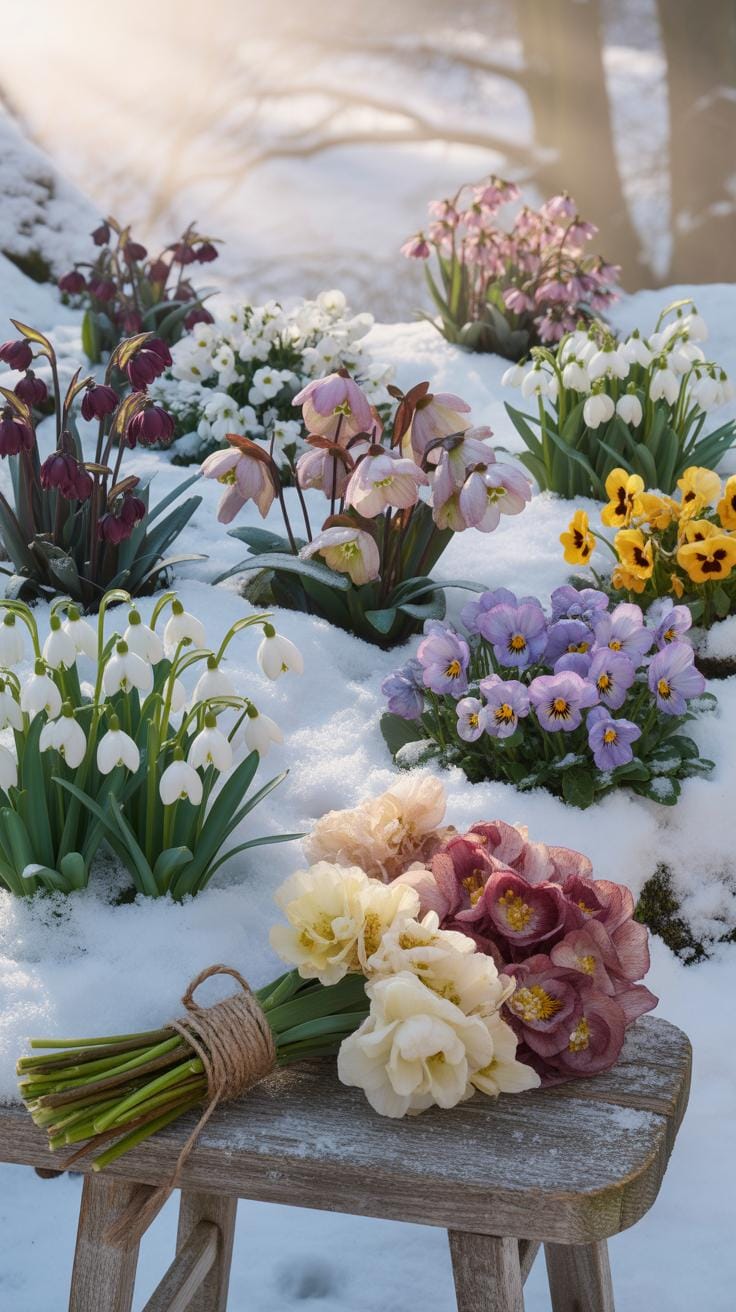
Top Cold Hardy Blooms That Thrive In Winter Gardens
Select plants based on their USDA hardiness zone and ability to withstand frost. Winter blooming species often produce smaller flowers but offer intense fragrance and resilient stems. You must establish these plants in well-drained soil during the autumn months. Successful winter gardening requires choosing varieties that naturally bloom when light levels are low. These plants provide the structural base for any seasonal arrangement.
- Hellebores: These perennials bloom from mid-winter through early spring. They feature thick, waxy petals that resist freezing temperatures. Growers value them for their downward-facing bells and muted color palettes.
- Witch Hazel: This woody shrub produces spindly, ribbon-like petals on bare branches. It adds distinct architectural lines to a bouquet. The yellow or orange blooms provide a strong scent even in extreme cold.
- Winter Jasmine: This vine produces bright yellow flowers on green stems before leaves appear. It offers a flexible structure for cascading bouquet designs. The stems remain green all winter, providing built-in foliage.
- Snowdrops: These small bulbs are the first to emerge through frozen soil. They provide delicate white accents for small, hand-tied arrangements. Their sturdy stems support the weight of the bell-shaped flowers well.
- Pansies: Hardier varieties survive significant frost and keep their color. They offer wide faces and bold hues that act as focal points. Use them in short-stemmed arrangements or low table displays.
Focus on species that maintain their structural integrity after cutting. Many winter blooms have thicker cell walls to protect against ice damage. This biological trait also extends their vase life significantly compared to summer flowers. Prioritize woody stems and waxy petals for the most durable results. Proper selection ensures your garden remains productive during the coldest months of the year.
How To Identify Peak Harvest Times For Winter Flowers To Keep Bouquets Fresh Longer
Harvest flowers during the coldest part of the day to minimize moisture loss. Early morning is the best time for cutting stems. Look for blooms that have just begun to open. Fully open flowers will shatter quickly when moved into a warm indoor environment. Cut stems at a sharp angle to maximize water uptake from the vase.

Observe the petal texture before you cut the stem. Healthy winter blooms feel firm and cool to the touch. If the edges appear brown or translucent, the flower has suffered frost burn and will not last. Immediate hydration is critical once you bring the stems inside. Place them in lukewarm water to ease the transition from the freezing outdoor air.
Essential Tools And Supplies You Need To Create A Beautiful Winter Flower Bouquet
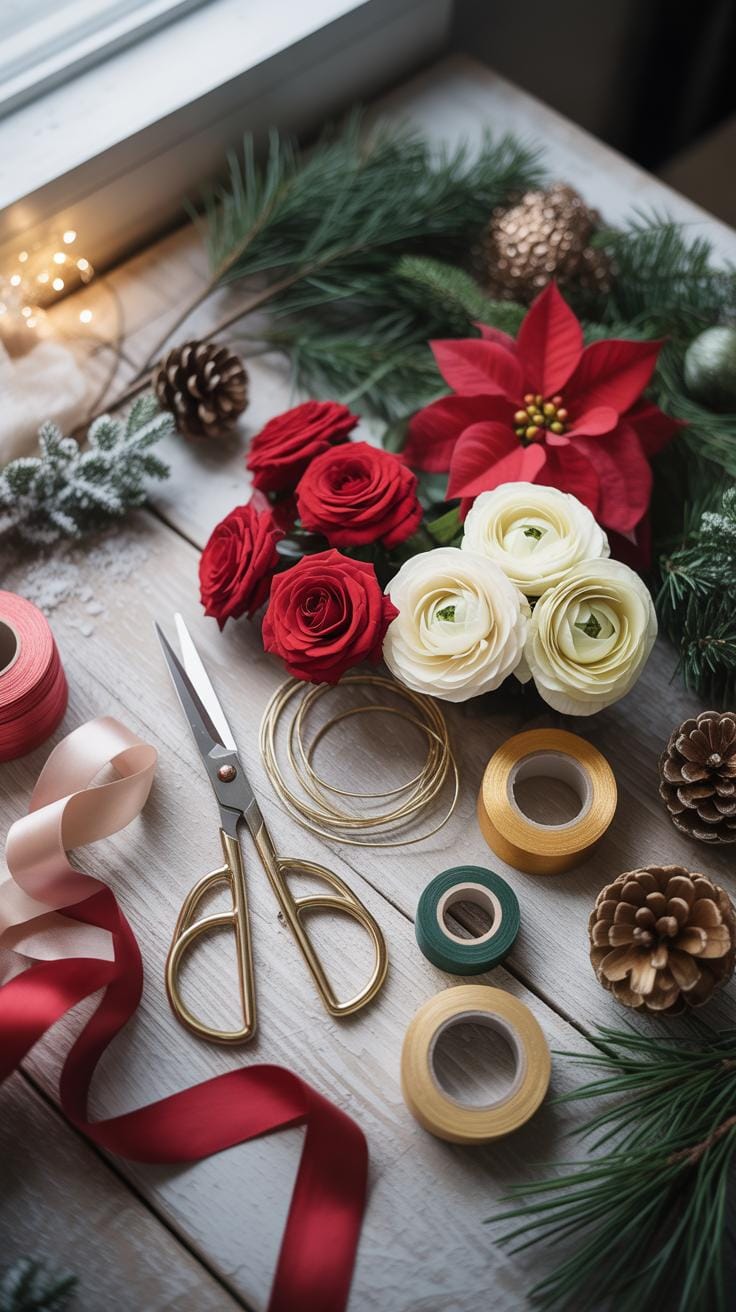
Basic Floral Tools Every Beginner Should Have Before Getting Started
Winter stems are often woody and thick. You need tools that provide leverage and clean cuts. Dull blades crush the vascular system of the plant. This prevents water uptake and kills the bouquet. High quality steel handles the resistance of dormant branches. Proper maintenance of these tools ensures longevity. Clean your blades after every use to prevent the spread of garden pathogens.
- Bypass Pruners: Use these for thick woody stems like dogwood or evergreen branches. The scissor action makes clean cuts without crushing the delicate internal tissue. This keeps the water flowing to the leaves.
- Floral Snips: These are for soft stems and delicate finishing work. They offer precision when you reach the final stages of your arrangement. Sharp snips allow you to trim small needles and dried leaves with total control.
- Floral Tape: This waterproof tape secures the structural grid across the mouth of your vase. It stays sticky even when wet. It provides the necessary friction to keep heavy winter branches from falling out of position.
- Stem Strippers: Winter greens often have sharp needles or prickly bark. These tools remove foliage from the bottom half of the stem quickly. Keeping the water clear of submerged organic matter prevents bacterial growth and foul odors.
- Thorn Strippers: Use these specifically if you include late season roses or berried branches with spikes. They protect your hands from injury during the assembly process. Safety is a priority when handling wild harvested winter materials.
Organization keeps the workspace efficient. Set up a dedicated table with all tools within reach. Fill a clean bucket with room temperature water before you start cutting. Prepare your floral preservative according to the package directions. Immediate hydration is the most critical step for stem health. Professional results come from disciplined preparation and the right mechanical support for heavy winter materials.
Choosing The Right Vessels And Wrapping Materials To Complement Winter Stems
Select heavy vessels for winter arrangements. Tall branches and dense evergreens create top heavy designs. Glass cylinders or stoneware crocks provide the necessary weight to prevent tipping. Avoid thin plastic containers because they lack stability. Darker colors like charcoal or deep brown highlight the bright textures of winter berries. Opaque materials hide the messy stems and mechanical supports inside the vase.

Wrapping materials must withstand cold and moisture. Use heavy kraft paper or waxed floral sheets for outdoor transport. These materials insulate the blooms against freezing temperatures during travel. Tie the bundles with natural twine or thick velvet ribbons. These textures match the rugged aesthetic of the season. Simple finishes let the natural beauty of the plant material lead the design without unnecessary visual noise.
How To Design An Elegant Winter Bouquet Using Simple Composition Techniques
Understanding The Basic Rule Of Proportion And Focal Flowers In Winter Arrangements
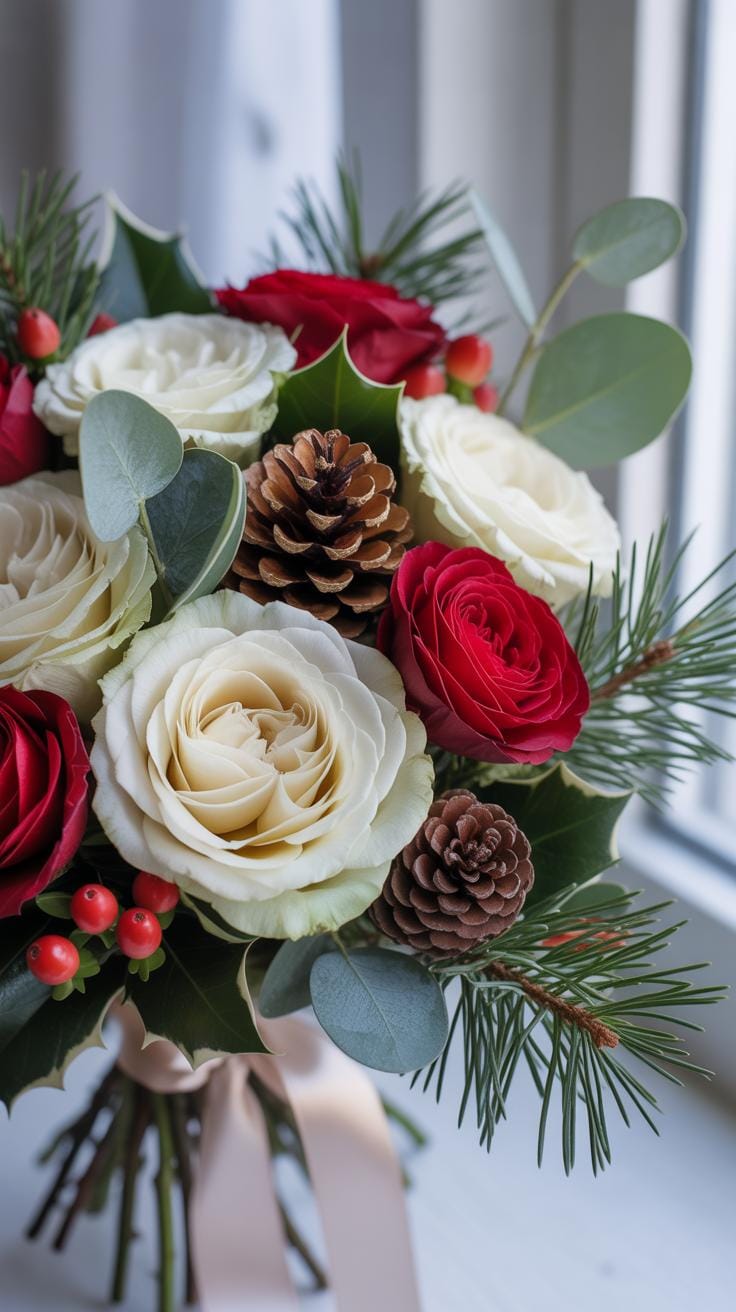
Designers use the golden ratio to create balanced winter arrangements. For most vases, the height of your stems should be one and a half times the height of the container. This technique stops the display from looking top-heavy or cluttered. Place your largest blooms first near the rim of the vase. These focal points anchor the design and draw the eye toward the center.
Hellebores and Camellias serve as excellent focal flowers during the cold months. Their broad petals provide a visual weight that smaller sprigs cannot match. Position these primary flowers at different angles to create a natural look. Do not place them in a straight line or at the same height. Varying the depth of your focal flowers gives the arrangement a professional and three-dimensional appearance.
Even when the earth sleeps, a few simple sprigs of evergreen and dried berries can bring the quiet mystery of the winter woods right to your table.
How To Layer Textures And Greenery To Create Depth In Your Winter Bouquet Design
Texture acts as the foundation of every winter arrangement. Use evergreen branches like cedar or pine to build a sturdy structure for your flowers. These needles provide a dark backdrop that makes light-colored petals stand out. Layering different foliage types prevents the bouquet from looking flat. Mix needle-like textures with broad, glossy leaves from shrubs like laurel or holly for the best visual contrast.

Depth comes from placing materials at different levels within the arrangement. Push some greenery deep into the vase to create a dark core. Allow fine elements like dried grasses or birch twigs to extend past the main flowers. This layering technique mimics how plants grow in nature. Strategic placement of rough bark and soft leaves adds tactical interest. Use these varying surfaces to catch the light and create shadows.
Step By Step Guide To Assembling Your First Winter Garden Bouquet At Home
Preparing And Conditioning Your Stems Before Building The Bouquet
Clean cuts are vital for winter stems. Dormant wood and evergreen branches require sharp bypass pruners to avoid crushing the vascular tissue. Cut stems at a forty five degree angle to increase the surface area for water intake. Remove all foliage that will sit below the water line in your vase. Decomposing organic matter creates bacteria that kills flowers and blocks nutrient flow.
Place your prepared stems in lukewarm water immediately after cutting. This process is known as conditioning and ensures the plant remains hydrated during the assembly process. Keep the stems in a cool and dark place for at least two hours before you start building your arrangement. Professional florists often use professional hydrating solutions but clean tap water works for most hardy winter species and evergreens.
Putting It All Together: Building A Hand Tied Winter Bouquet From Your Garden
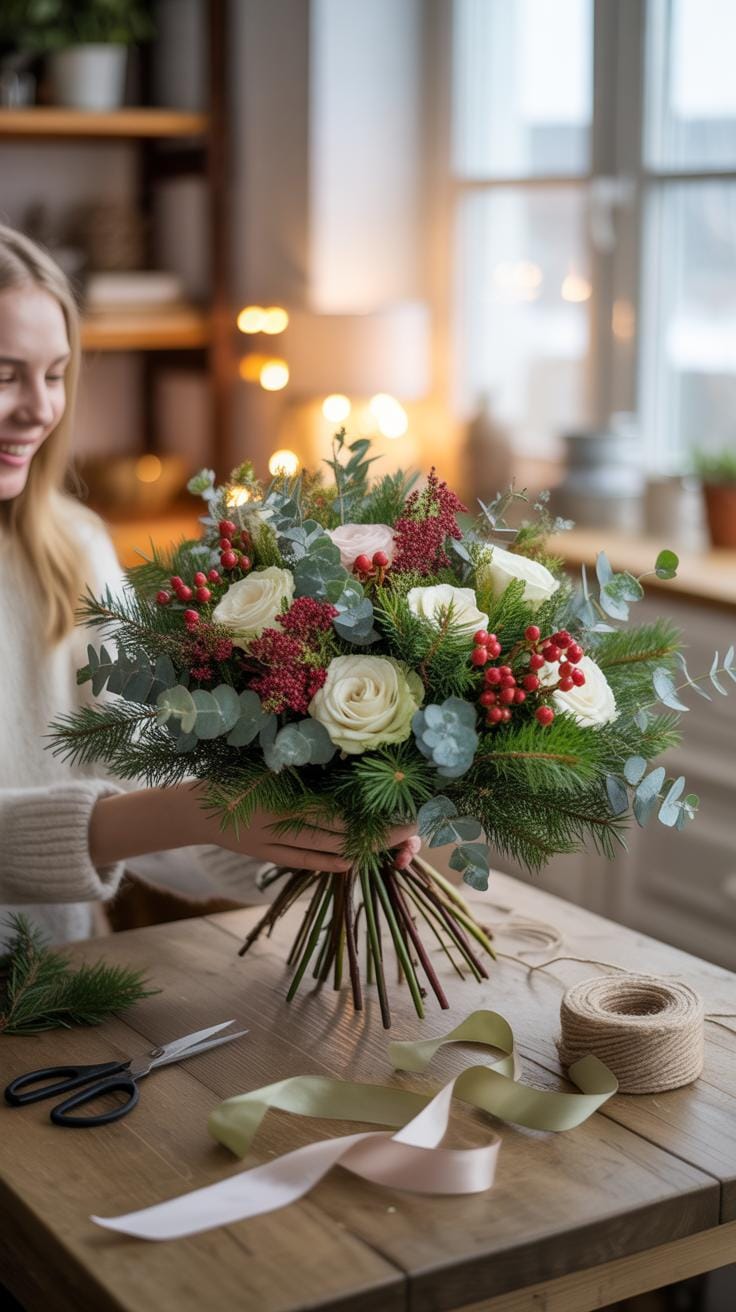
Start by selecting your strongest woody branch to act as the central pillar. Hold this stem in your non dominant hand. Add secondary evergreen branches around the center at an angle. Rotate the bouquet in your hand as you add each new piece. This creates a spiral effect that provides structural integrity and allows the stems to stand firmly in the vase without support.

Incorporate focal elements like dried flower heads or berry clusters into the gaps. Use the natural curves of the branches to guide the shape of the arrangement. Secure the stems with floral wire or twine at the narrowest point of the handle. Trim the base of the stems one last time so they are even. Place the finished bouquet into a clean vessel filled with fresh water.
Winter Wedding Flowers Adapting Your Garden Bouquet Into A Stunning Bridal Bouquet Winter Style
What Makes A Winter Wedding Bouquet Different From A Standard Seasonal Arrangement
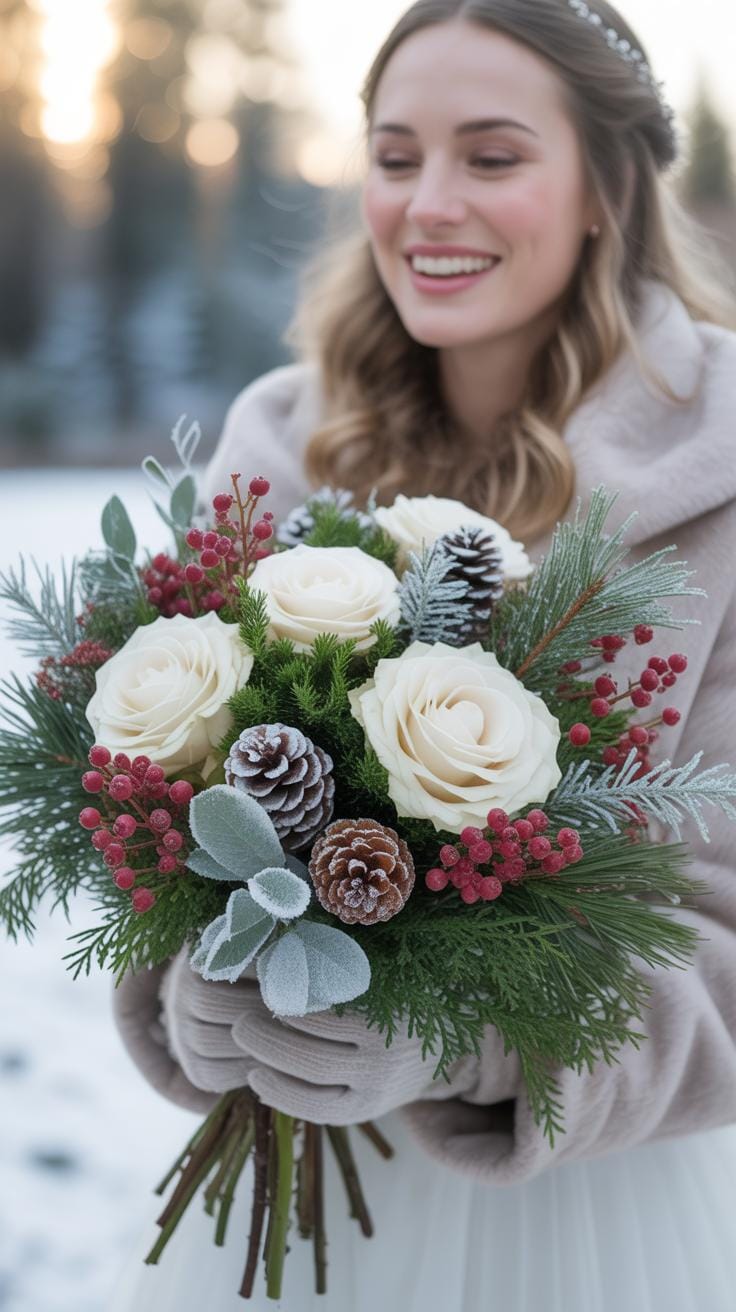
Standard winter arrangements often serve as casual home decor. They prioritize longevity and scent. A bridal version requires structural integrity and high visual impact. You must select stems that withstand cold temperatures and frequent handling. Casual bouquets use loose stems in water. Bridal bouquets require specific binding techniques. You must ensure the flowers do not wilt during long photo sessions or outdoor ceremonies.
Texture replaces the bright colors found in spring weddings. Use evergreen foliage to provide a dark backdrop for pale blooms. Hellebores and snowdrops offer natural elegance but require careful hydration. Standard arrangements use glass vases for support. Wedding bouquets rely on hand-tied stems or floral foam cages. Focus on the silhouette. A bridal bouquet must look balanced from every camera angle. Traditional winter weddings favor compact, dense shapes.
How To Refine A Garden Grown Winter Flower Bouquet Wedding Look On A Budget
Professional bridal looks come from finishing details rather than expensive imports. Use silk or velvet ribbons to hide floral tape and wire. Neutral colors like cream or deep forest green look expensive. Prune your garden shrubs for structural filler. Boxwood and holly provide a polished shape without costs. Remove all thorns and lower leaves. This creates a clean handle for the bride to hold comfortably.

Group small clusters of garden flowers to simulate larger blooms. Use floral wire to support weak stems like anemones or winter jasmine. This prevents heads from drooping. Apply a light mist of anti-transpirant spray to seal in moisture. This keeps garden-grown plants fresh without a constant water source. Focus on monochromatic schemes to hide any small imperfections in homegrown petals. Consistency in color creates an immediate high-end aesthetic.
How To Keep Your Winter Flower Bouquet Looking Fresh For Longer
The Science Behind Cut Flower Longevity And Why Cold Weather Helps
Cut flowers survive through respiration and transpiration. High temperatures speed up metabolic processes. This causes flowers to consume stored sugars quickly. Cold air slows these biological functions. It preserves the energy within the stem. Low temperatures also reduce ethylene gas production. This gas causes plants to age and wilt. Cold weather acts as a natural preservative for most winter species like hellebores and camellias.
Vascular tissues in stems transport water to the petals. Bacterial growth often blocks these narrow tubes. Cold water holds more dissolved oxygen than warm water. This prevents rapid microbial spikes in the vase. Winter blooms evolved to withstand frost. Their cellular structures handle thermal stress better than tropical varieties. Keeping your bouquet in a cool room replicates their natural habitat. This simple environmental change extends your display life significantly.
Practical Care Tips To Extend The Life Of Your Winter Bouquet After Cutting
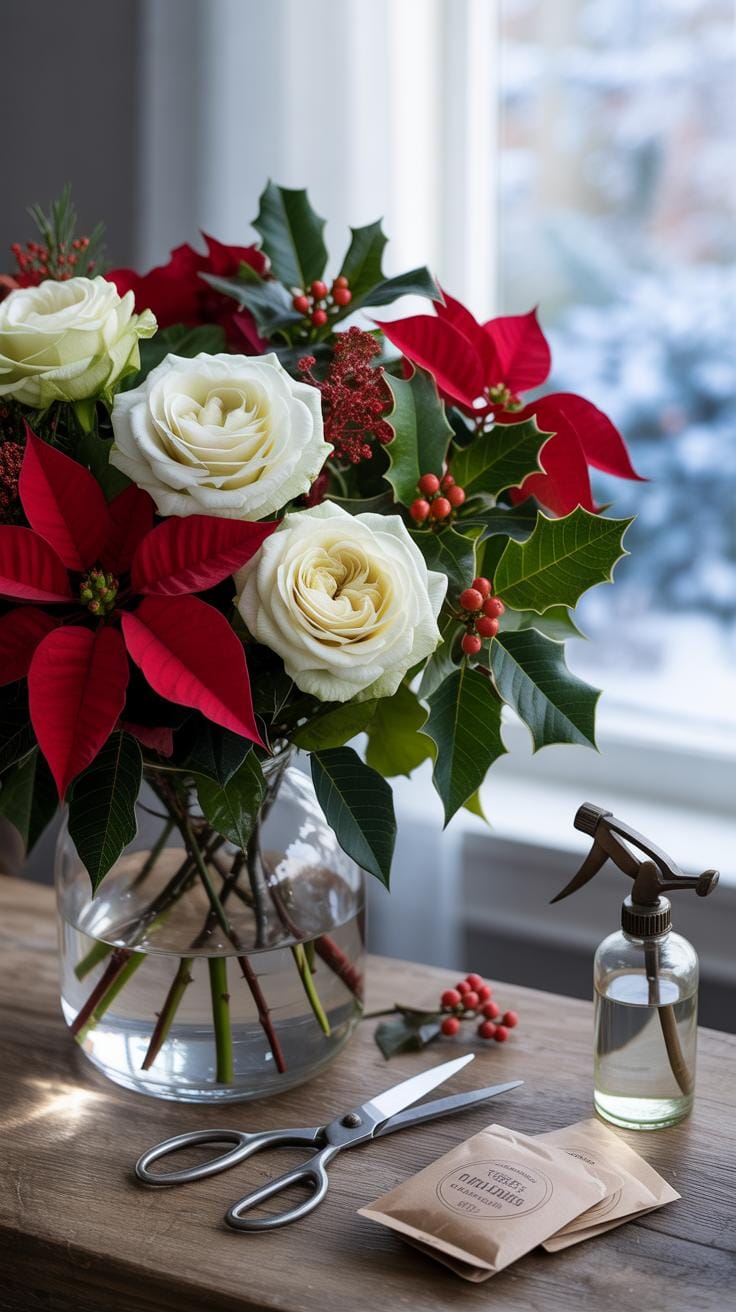
Cut stems at a forty-five degree angle using sharp bypass pruners. Do not use kitchen scissors. Standard scissors crush the vascular system. This prevents the flower from drinking water effectively. Work quickly to get stems into a bucket. Remove all foliage that sits below the water line. Decaying leaves create bacteria that kill the blooms. Use lukewarm water for the initial soak to clear air bubbles.

Change the vase water every forty-eight hours. Scrub the container with soap to remove biofilm. Add a DIY preservative using sugar and a drop of bleach. The sugar provides energy. Bleach kills harmful pathogens. Keep the arrangement away from heaters or direct sunlight. Drafty windows are actually beneficial for winter stems. Re-cut the bottoms of the stems by one inch during every water change to open fresh tissue.
Creative Ways To Display And Gift Your Winter Garden Bouquets
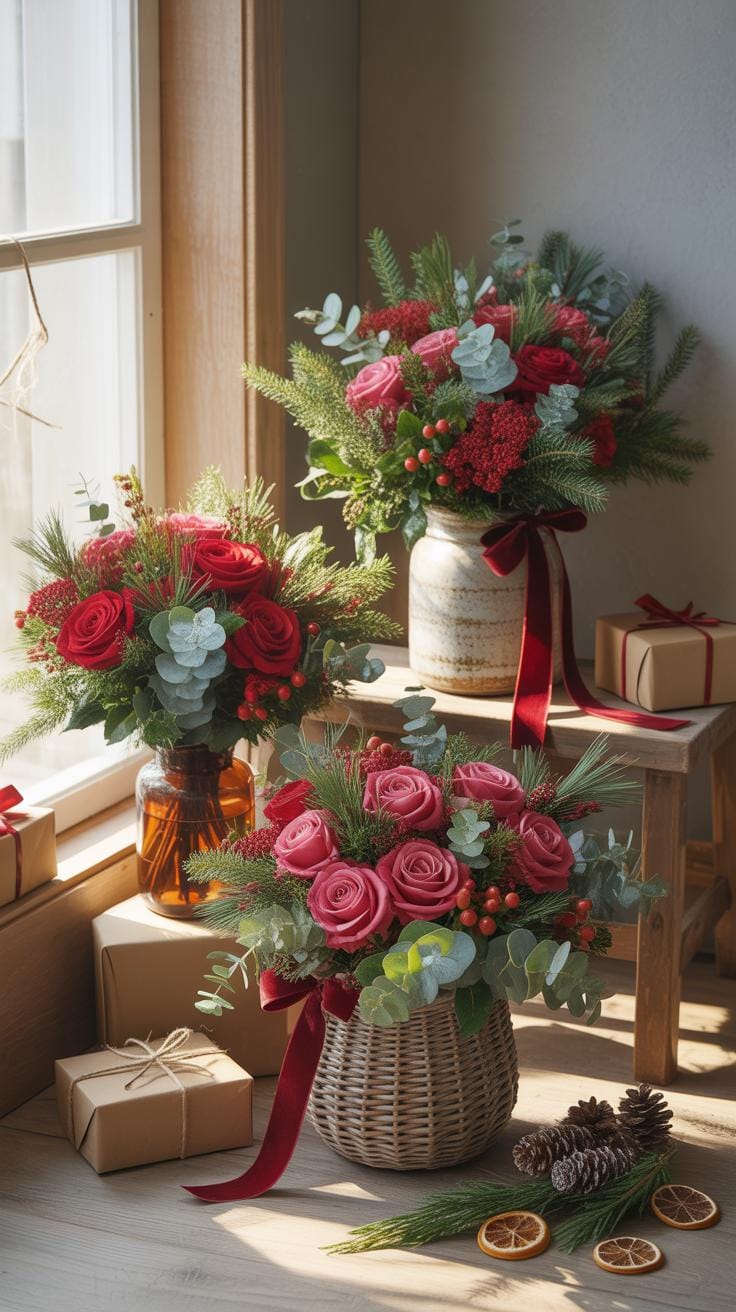
Seasonal Display Ideas That Highlight The Natural Beauty Of Winter Arrangements Indoors
Maximize the impact of winter stems by selecting heavy glass or stoneware vessels. These materials support the weight of woody branches and thick evergreens like pine or cedar. Place your arrangements in areas with cool air circulation to extend their lifespan. Avoid spots near heaters or direct sunlight which cause needles to drop. Use a clean blade to make fresh cuts before placing stems into cold water.
Utilize the architectural lines of bare branches to create height in any room. Movement in winter design often comes from the natural sweep of willow or dogwood. Contrast these rigid lines with the soft textures of dried seed heads or remaining garden berries. Change the water every two days to prevent bacterial growth. Clean water keeps the conductive tissues of the plants open and ensures a longer display period.
Thoughtful Gifting Ideas Using Your Homegrown Winter Bouquet For Any Occasion
Prepare winter garden bouquets for gifting by stripping all foliage from the bottom three inches of the stems. This prevents rot and keeps the presentation clean for the recipient. Wrap the stems in brown kraft paper or reusable fabric to protect them from cold winds during transit. Secure the bundle with natural twine or a thick cotton ribbon. Include a small card with the specific names of the plants.
Deliver your bouquet in a jar filled with water if the recipient lives far away. This ensures the garden material remains hydrated and vibrant upon arrival. Focus on seasonal scents by including sprigs of rosemary or boxwood. These hardy greens withstand handling better than delicate summer flowers. Remind the recipient to trim the ends once they move the bouquet to a permanent vase. This simple step helps the stems drink.
Frequently Asked Questions

What are the best plants to use for winter garden bouquets if I am a total beginner?
For those just starting out, the best approach is to look for hardy evergreens and resilient structural branches. Boxwood, holly, and cedar provide a lush, fragrant base that stays fresh for weeks. You can also incorporate dried hydrangea heads or colorful dogwood stems to add texture. These sturdy materials make creating beautiful winter garden bouquets simple because they require very little maintenance and naturally hold their shape in a vase.
How do I arrange a winter bouquet to make it look professional yet effortless?
Start by creating a “grid” with woody evergreen branches to act as a natural frog for your stems. Place your largest greenery first, then add focal points like pinecones on wires or bright berries. To ensure your winter garden bouquets look balanced, vary the heights of your stems and allow some greenery to spill over the rim. Remember to change the water every few days to keep the arrangement looking vibrant and crisp.
Can I create beautiful winter floral arrangements without spending a lot of money?
Absolutely! One of the best things about seasonal decor is that you can forage most materials for free from your own backyard or local neighborhood. Look for interesting textures like dried seed pods, ornamental grasses, or fallen birch branches. By repurposing glass jars from your kitchen and using natural twine, you can curate stunning, rustic displays that bring the beauty of the outdoors inside without any unnecessary retail cost.