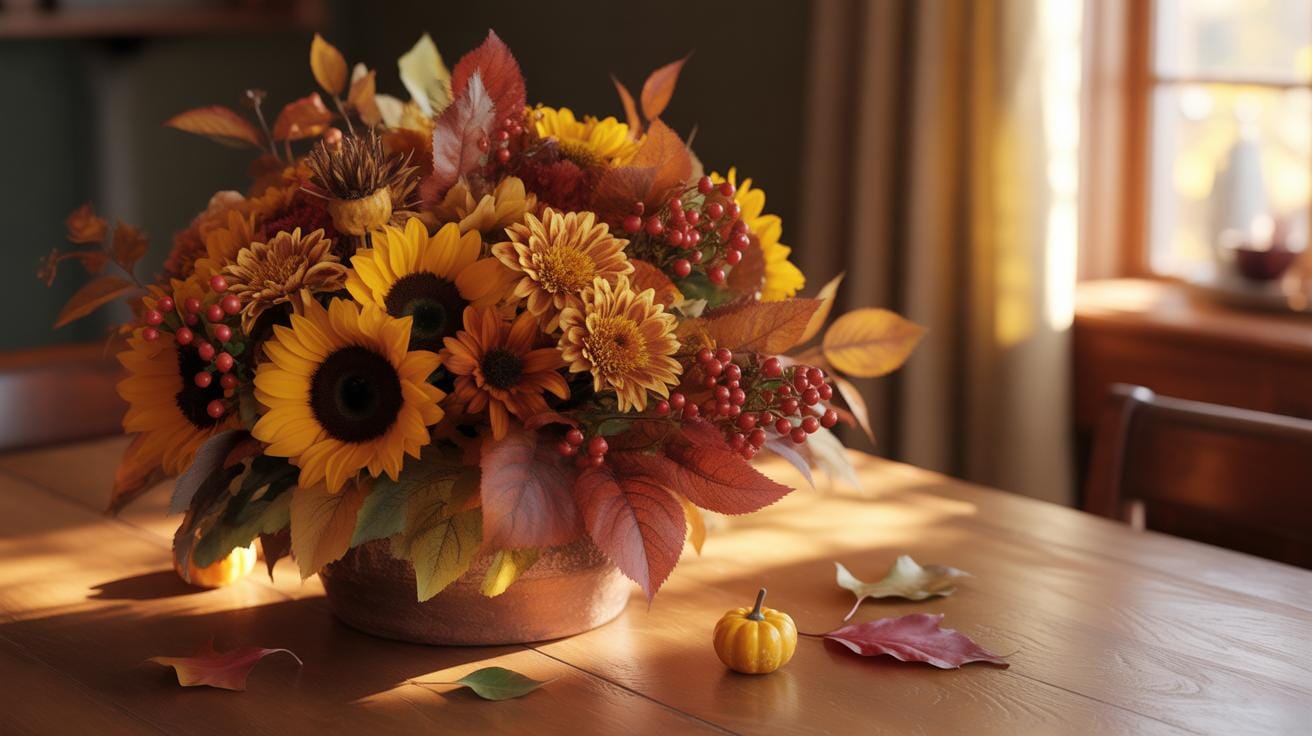
The History And Tradition Behind Thanksgiving Flower Arrangements
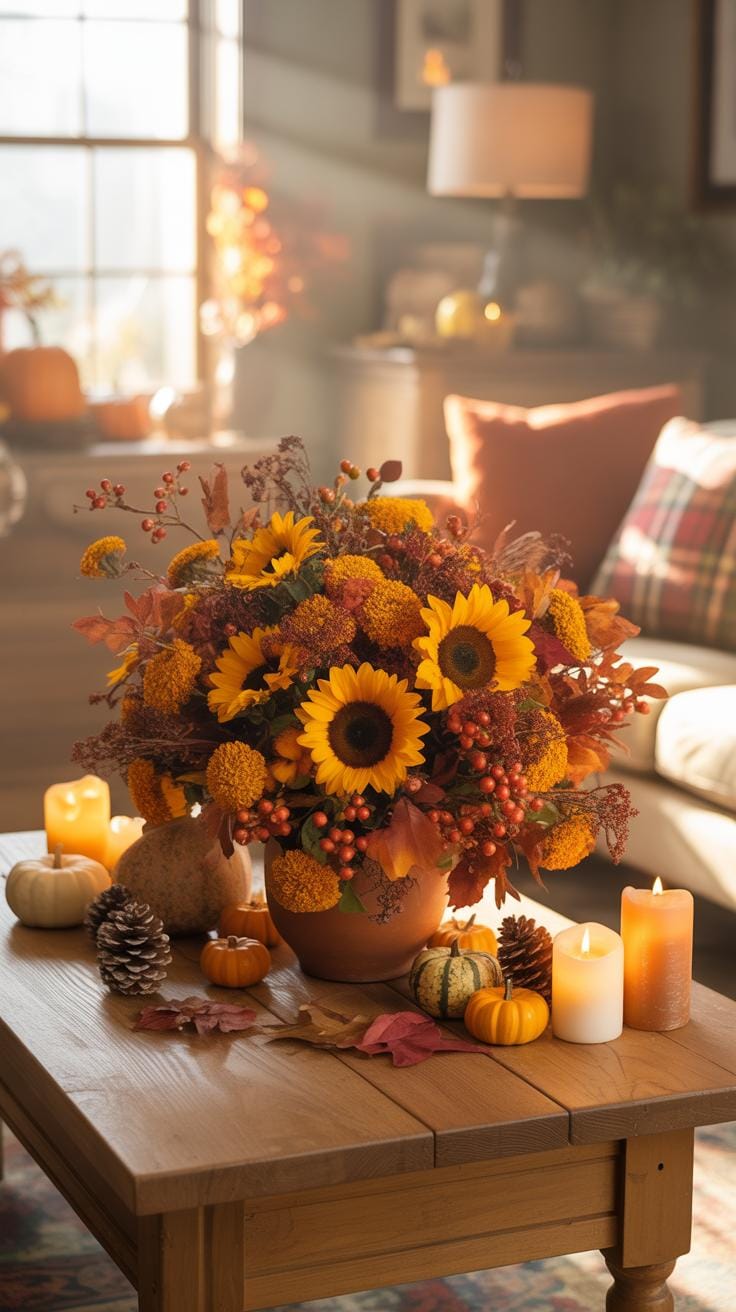
How Floral Decor Became A Thanksgiving Staple
Early American harvest festivals focused on survival. Settlers used edible crops for table decor. This practice changed during the Victorian Era. Sarah Josepha Hale campaigned for a national holiday in the mid-1800s. People began using local flora to create formal displays. Urbanization later disconnected families from farms. Flowers brought nature back to city dining rooms. This transition shifted floral use from food to fashion.
The floral industry standardized Thanksgiving arrangements in the early 20th century. Teleflora and FTD pressured the market with specific autumnal designs. They used wicker cornucopias to mimic traditional Greek symbols of plenty. This solidified the horn of plenty as a centerpiece requirement. Modern logistics allow for year-round flower access. However, consumers still demand the specific earth tones established by these early marketing campaigns.
The Symbolic Meaning Of Autumn Blooms In Harvest Celebrations
Floral choices for Thanksgiving carry specific historical meanings. Chrysanthemums represent longevity and joy in many cultures. During the harvest, they signify the end of the growing season. Their hardy nature makes them ideal for late November displays. Designers use sunflowers to symbolize the sun and gratitude for the crop. These blooms provide structural height and focal points. They anchor the visual weight of heavy centerpieces.
Secondary materials like wheat and oak leaves provide texture and context. Golden wheat represents productivity and a successful harvest. Deep red oak leaves symbolize strength and endurance. These dried elements extend the life of an arrangement during indoor heating use. Using these materials connects the modern table to agricultural history. Professional florists use these specific colors to trigger a psychological sense of warmth and abundance for guests.
Best Flowers To Use In Floral Arrangements For Thanksgiving
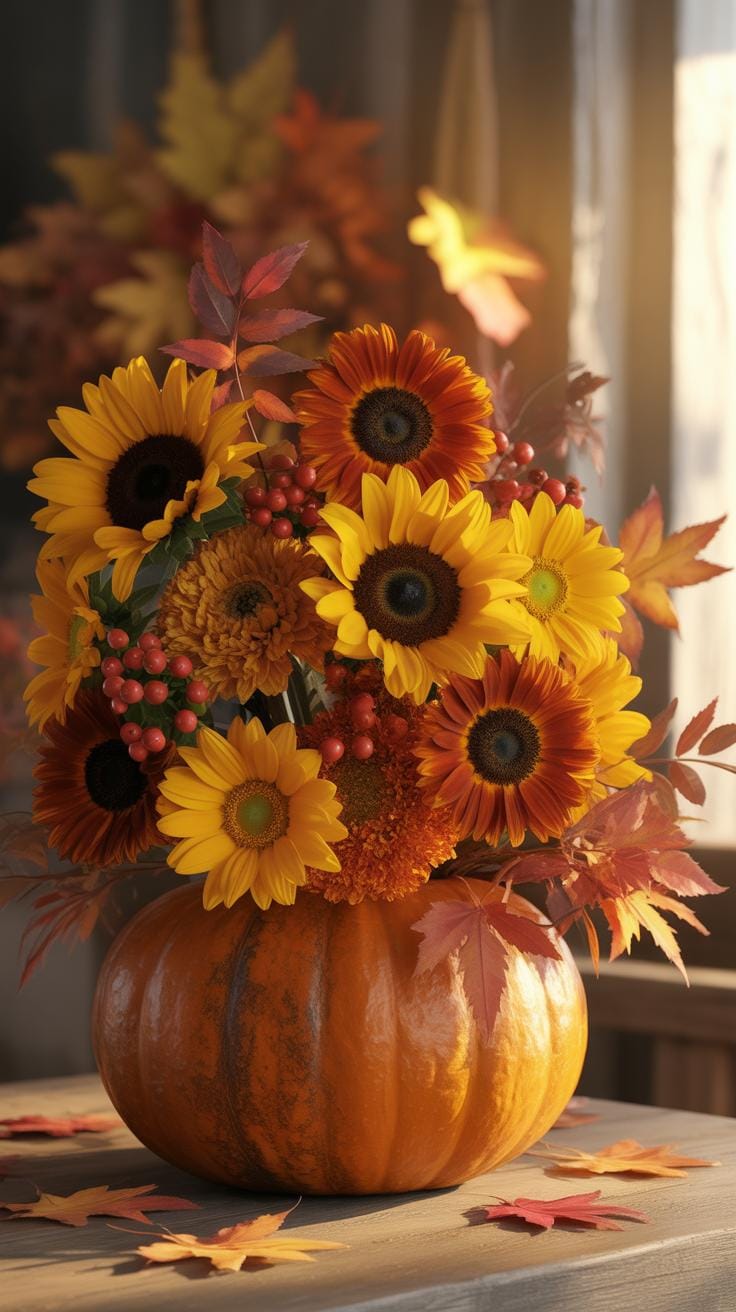
Seasonal Blooms That Thrive In November Flower Arrangements
Chrysanthemums dominate the November market because they tolerate dropping temperatures and offer high petal density. These flowers provide the structural mass needed for heavy table centerpieces. Their long vase life ensures the arrangement lasts from preparation day through the holiday weekend. Select disbudded varieties for a focal point or spray mums to fill gaps between larger stems.
Dahlias remain viable through late autumn in many regions before the first hard frost kills the tubers. They offer intricate geometric patterns that draw the eye toward the center of a floral design. Combine them with hypericum berries to add texture and visual interest. These berries hold their shape well in heated indoor environments. This stability makes them a reliable choice for long dinners.
How To Choose Flowers That Complement A Warm Autumn Color Palette
Color selection for Thanksgiving relies on the use of tertiary colors like russet, amber, and burnt orange. Designers use the color wheel to pair these warm tones with muted greens or deep purples. This contrast makes the warm colors appear more vibrant on the table. Focus on flowers with natural matte finishes to mimic the look of changing autumn leaves.
Incorporate bronze or goldenrod hues to reflect the harvest theme without using bright yellows. Darker shades like burgundy or maroon provide depth and prevent the arrangement from looking flat under indoor lighting. Use roses in terracotta or mustard tones to bridge the gap between different shades. These specific colors ground the design and match the traditional wooden textures of dining room furniture.
Essential Foliage And Filler Elements For Flower Arrangements Thanksgiving
Greenery, Branches, And Berries That Enhance Autumn Arrangements
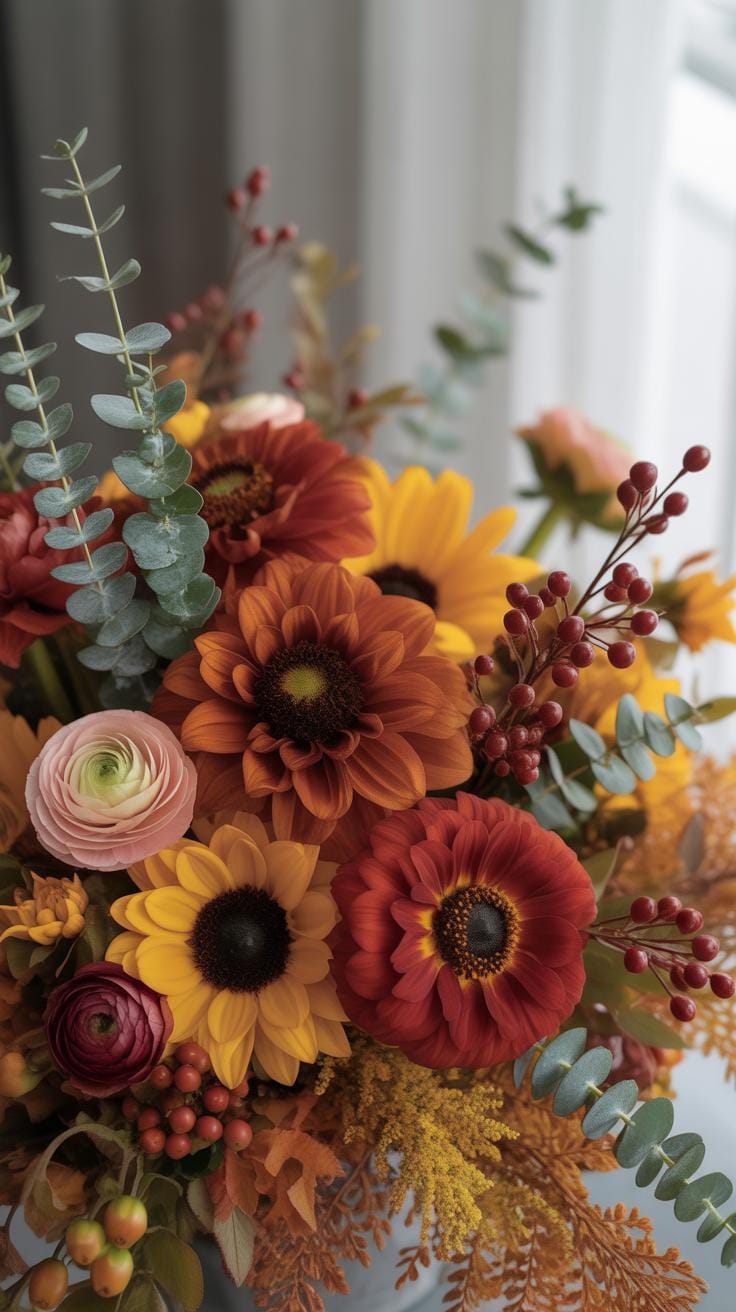
Stable greenery serves as the structural foundation for your floral design. Eucalyptus and Magnolia leaves provide necessary surface area to hide mechanics like floral foam or tape grids. These hardy species withstand the heat of a dining room without wilting. Use Salal or Ruscus to create a dark green backdrop. This contrast makes the warm oranges and reds of your focal flowers pop.
Branches add height and a sense of architectural scale to the centerpiece. Bittersweet vines and Ilex berries introduce bright pops of color without the fragility of petals. Hypericum berries offer a smooth texture that complements rougher elements. Always strip the lower leaves from woody stems to prevent bacterial growth in the water. This step ensures your arrangement stays fresh throughout the entire holiday weekend.
How Textural Fillers Add Depth And Dimension To Your Bouquets
Textural fillers break up the visual weight of large blooms like Mums or Roses. Dried elements such as Wheat stalks or Scabiosa pods ground the arrangement in a rustic style. These materials reflect the harvest season literally. They provide a stiff contrast to soft flower heads. Place these items at varying heights to move the eye across the design. Proper placement prevents the bouquet from looking flat.

Incorporate Seeded Eucalyptus or Broom Corn to fill internal gaps. These fillers add a fine-grained detail that makes the arrangement look professional. Using different shapes like spiky Eryngium or fluffy Solidago creates visual interest. Avoid overstuffing the container or you will lose the individual shapes. Balance your distribution to ensure every angle of the table has a clear view of the diverse textures.
How To Create Stunning Floral Thanksgiving Centerpieces For Your Table
Choosing The Right Vessel And Height For Your Thanksgiving Table Display
Centerpiece height dictates the flow of guest communication. Displays must remain below fourteen inches to ensure clear lines of sight across the table. Alternatively, use tall, slender pedestals that elevate the blooms above eye level. Low containers like birch troughs or ceramic bowls work best for rectangular tables. These vessels provide stability and prevent the arrangement from tipping during heavy meal service.
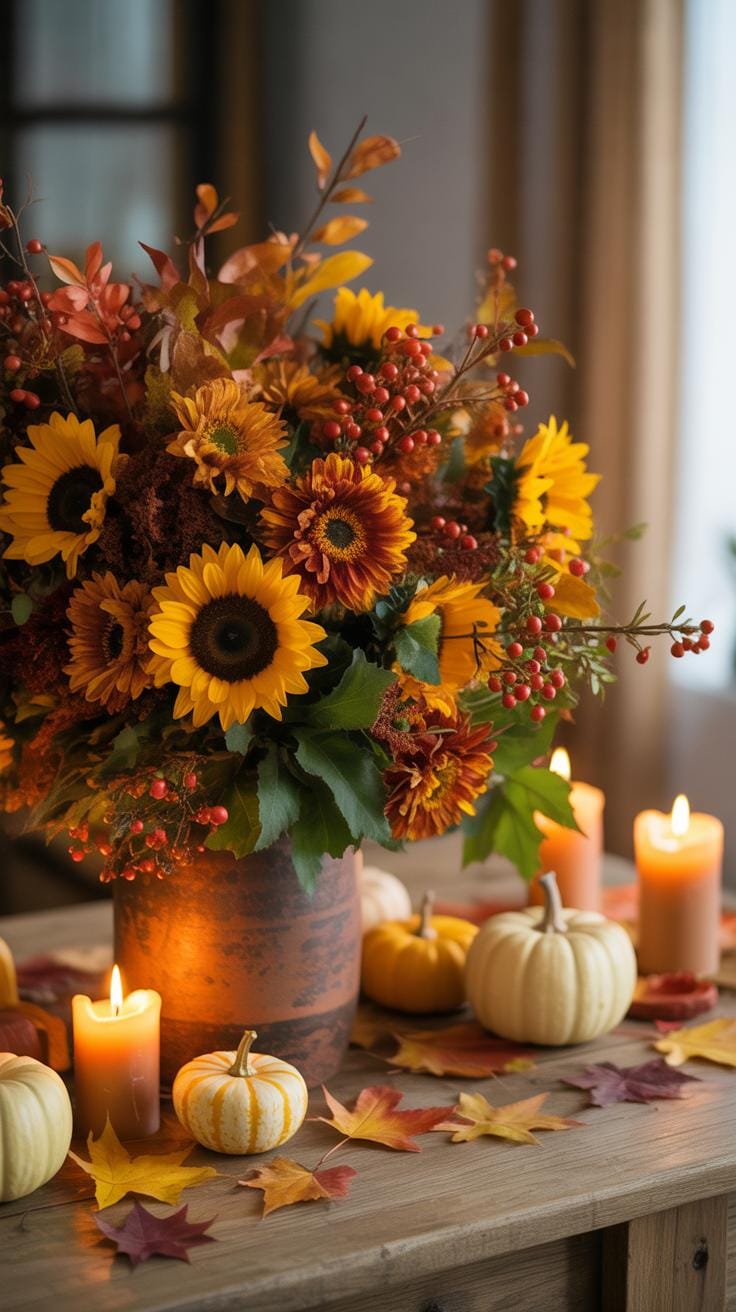
The material of the vessel sets the design tone. Use weathered wood or terracotta for a rustic aesthetic rooted in early American history. Select metallic finishes like copper or brass for a formal, mid-century modern look. Always ensure the vessel is watertight to protect table linens. Use floral foam or a pin frog for low vessels to secure heavy branches and large flower heads effectively.
Step By Step Guide To Assembling A Balanced And Beautiful Centerpiece
Effective assembly requires a structural foundation to support heavy seasonal blooms. Start by creating a grid using florist tape or chicken wire over the mouth of your vessel. This framework holds stems in place and ensures your design remains symmetrical. Place your heaviest foliage first to establish the shape and boundary of the arrangement. Focus on creating a solid green base before adding color.
- Establish the Frame: Position sturdy greenery like eucalyptus or magnolia leaves around the rim. These branches define the width and provide mechanical support for the inner flowers. Use the natural curve of the stems to direct the eye outward.
- Set the Focal Point: Insert three to five primary blooms like Dahlias or Chrysanthemums at the center. Cluster these flowers at different heights to create visual depth. Ensure the largest heads face the guests directly for maximum impact.
- Add Secondary Textures: Integrate smaller flowers like Hypericum berries or Spray Roses to fill gaps. These elements bridge the space between the foliage and the focal flowers. Variation in texture adds professional complexity to the overall Thanksgiving design.
- Incorporate Height Elements: Slide tall, thin stems like Snapdragons or dried wheat into the center. These vertical pieces add movement without blocking the view across the table. Always maintain the fourteen inch height limit for functional dining conversation.
- Finish with Detail: Inspect the arrangement for visible foam or tape and cover with small leaves. Rotate the centerpiece to ensure it looks balanced from every chair. Clean the stems of any submerged leaves to prevent bacteria growth and extend flower life.
Finalize the arrangement by misting the petals and checking water levels. Thanksgiving environments are often warm, which causes rapid evaporation. Refill the vessel daily to keep the blooms hydrated throughout the holiday weekend. Remove any wilting stems immediately to maintain a fresh appearance. Proper maintenance ensures your handcrafted centerpiece survives from the initial meal through the final leftovers.
Thanksgiving Floral Arrangements DIY Budget Friendly Ideas Anyone Can Try
Sourcing Affordable Materials For Thanksgiving Floral Arrangements DIY Projects
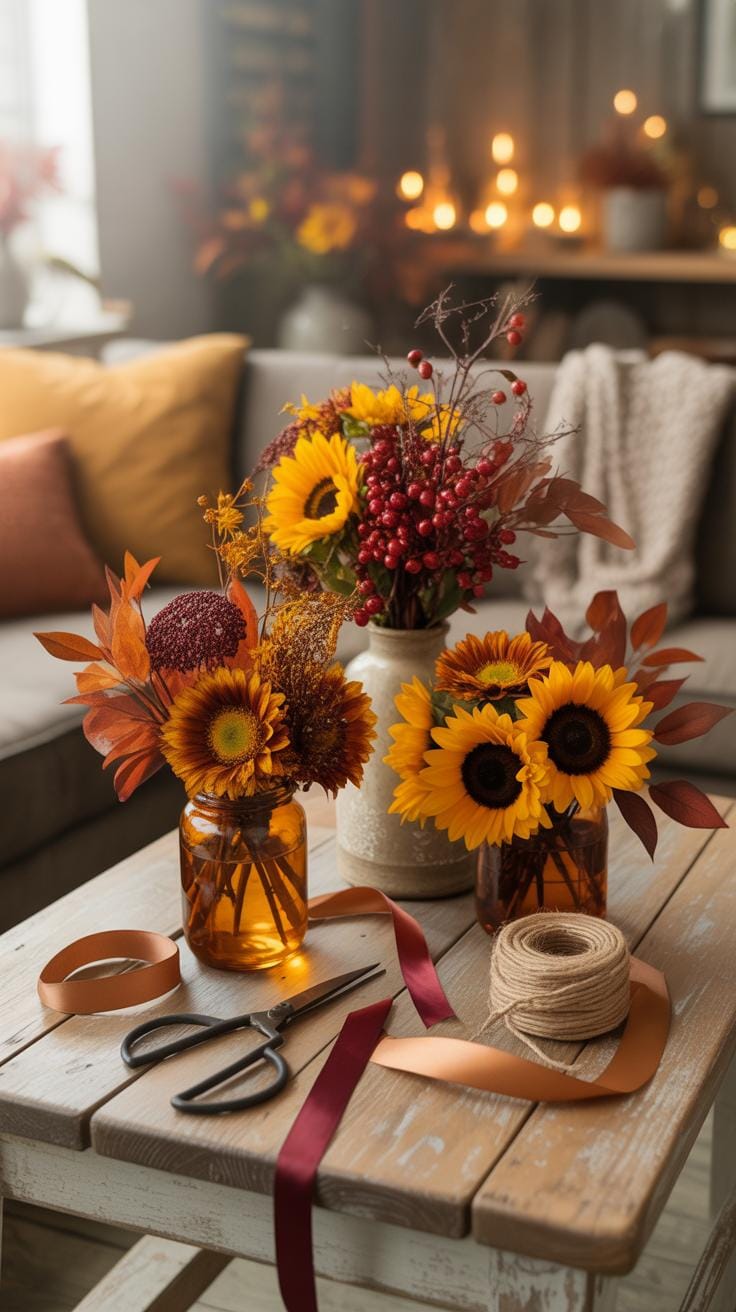
Professional florists maximize margins by sourcing foundation materials outside of premium retail shops. You must look for bulk options and unconventional suppliers to keep costs low. Foraged items provide texture and structural support without adding to your total bill. Focus on seasonal availability to ensure the lowest price point. High volume purchases reduce the per-stem cost significantly for large holiday gatherings.
- Supermarket Bundles: Grocery stores buy high volumes of seasonal flowers like chrysanthemums and carnations. These retailers often sell straight bunches at a fraction of the cost found at boutique florists. Remove the generic packaging immediately to assess stem health and prep them for your specific design.
- Foraged Greenery: Scavenge your immediate environment for evergreen branches, dried grasses, and colorful autumn leaves. These natural elements provide the structural skeleton for your arrangement. Utilizing local flora ensures your design matches the current seasonal landscape while costing you zero dollars in materials.
- Wholesale Floral Markets: Public-access wholesale markets offer professional grade tools and bulk stems. Purchase full wraps of focal flowers like roses or lilies to get the best unit price. These locations also stock essential mechanics like floral foam, waterproof tape, and heavy-duty wire for stable construction.
- Produce Aisle Accents: Integrate edible elements like artichokes, pears, or small pumpkins into your display. These items occupy significant space and add weight to the composition. They are cheaper by the pound than premium imported flowers and perfectly represent the traditional harvest theme.
- Thrift Store Vessels: Abandon expensive crystal vases in favor of unique secondhand containers. Look for brass bowls, ceramic pitchers, or rustic wooden crates at local charity shops. A unique vessel creates a high-end look even when filled with inexpensive or basic floral varieties.
Dry goods and hard goods represent a hidden cost in any floral project. Reuse mechanics like chicken wire or floral frogs instead of buying disposable foam every year. This practice saves money and provides better stem stability for heavy autumn branches. Store your floral tape and wire in a cool place to prevent degradation. Planning your inventory early prevents last-minute expensive trips to retail craft stores.
Creative DIY Techniques To Elevate Simple Blooms Into Elegant Displays
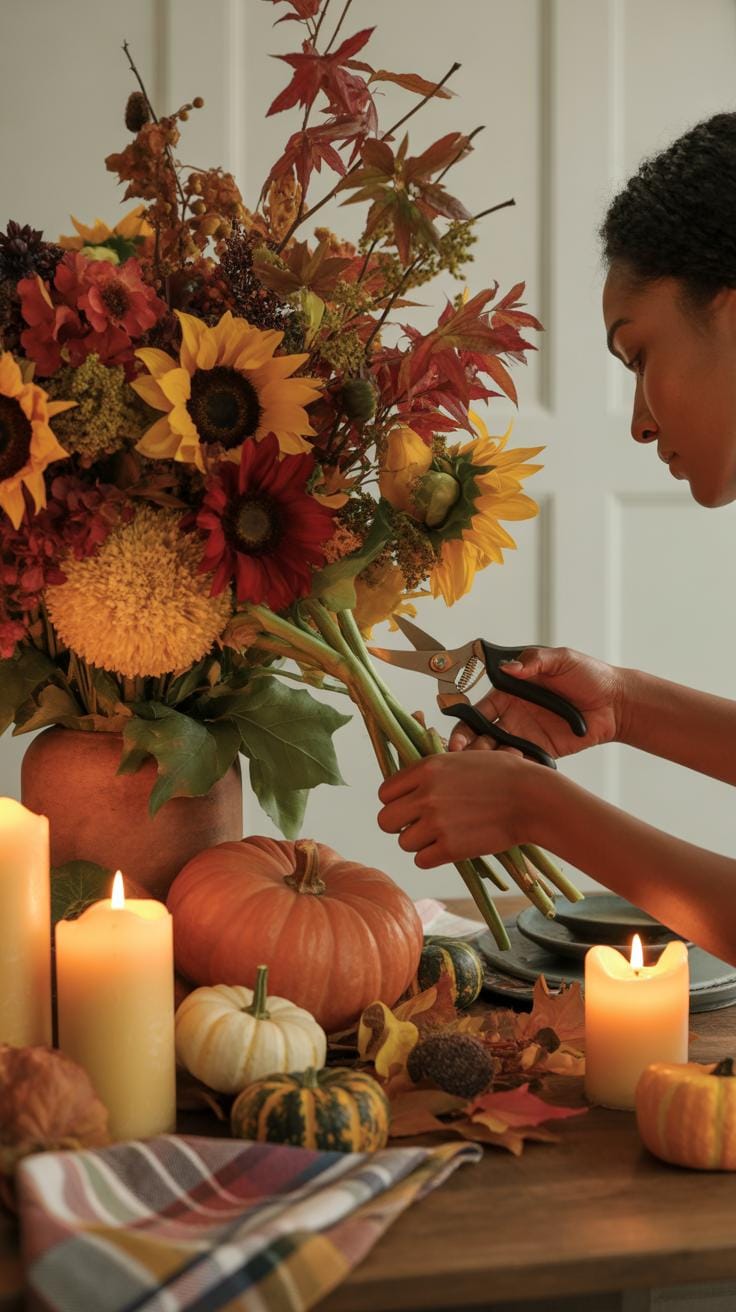
Proper stem preparation changes the look of cheap flowers. Strip all foliage that falls below the water line to prevent bacterial growth and maintain water clarity. Use a sharp knife or floral shears to cut stems at a forty-five-degree angle. This increases the surface area for water intake and extends the life of your display. Grouping identical stems together creates a modern, high-impact aesthetic.

Implement the grid technique using clear waterproof tape across the mouth of your vessel. This structure holds individual stems in place and prevents them from flopping to the sides. Place your largest focal flowers first at varying heights to create depth. Fill the remaining gaps with smaller filler flowers and textured greenery. This method ensures your arrangement looks professional and intentional rather than cluttered or disorganized.
Thanksgiving Floral Centerpieces Styles From Rustic To Elegant
Rustic And Farmhouse Inspired Thanksgiving Floral Centerpiece Ideas
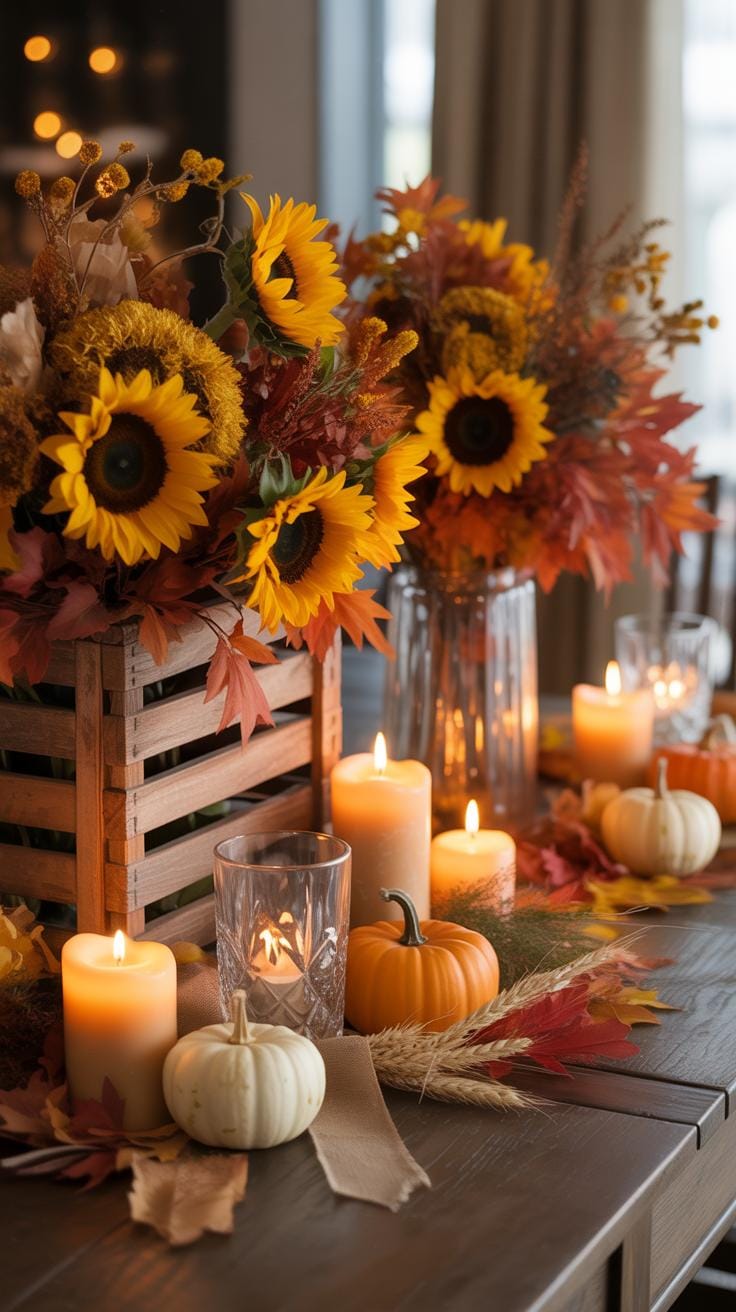
Rustic design prioritizes natural textures and raw materials. Use wooden crates, galvanized buckets, or hollowed-out pumpkins as primary vessels. Incorporate dried elements like wheat stalks, lotus pods, and cinnamon sticks to add height and scent. Focus on heavy textures rather than delicate petals. Choose sturdy flowers that survive without constant water. Select sunflowers, marigolds, and solidago for a durable base. These materials hold up well during long holiday dinners.
A farmhouse aesthetic requires a muted color palette with pops of deep orange and burgundy. Use burlap runners to anchor the arrangement on the table. Integrate fresh produce like pears, persimmons, and mini gourds directly into the floral bed. This creates a harvested look that connects to the historical origins of the holiday. Keep the arrangement low to the table. This ensures guests see each other over the flowers while they eat.
Modern And Elegant Approaches To Thanksgiving Centerpiece Design
Modern elegance relies on minimalism and high-quality focal flowers. Move away from traditional orange to use monochromatic white or deep plum themes. Use sleek glass or metallic vessels in brass and gold finishes. Choose premium blooms like calla lilies, orchids, or ranunculus for a sophisticated look. Focus on clean lines and intentional negative space. Avoid overcrowding the container. This style works best in contemporary homes with clean interior lines.
Incorporate architectural greenery like eucalyptus or monstera leaves to define the shape. Use clear glass marbles or river stones at the bottom of vases to hide stems and provide stability. Layer different heights using slender taper candles in matching tones. This adds vertical interest without creating visual bulk. Professionals use floral foam or chicken wire to secure stems at specific angles. This precision creates a polished and expensive appearance for guests.
Incorporating Fruits Vegetables And Gourds Into Thanksgiving Arrangements
Why Pumpkins, Squash, And Gourds Are Classic Thanksgiving Arrangement Elements
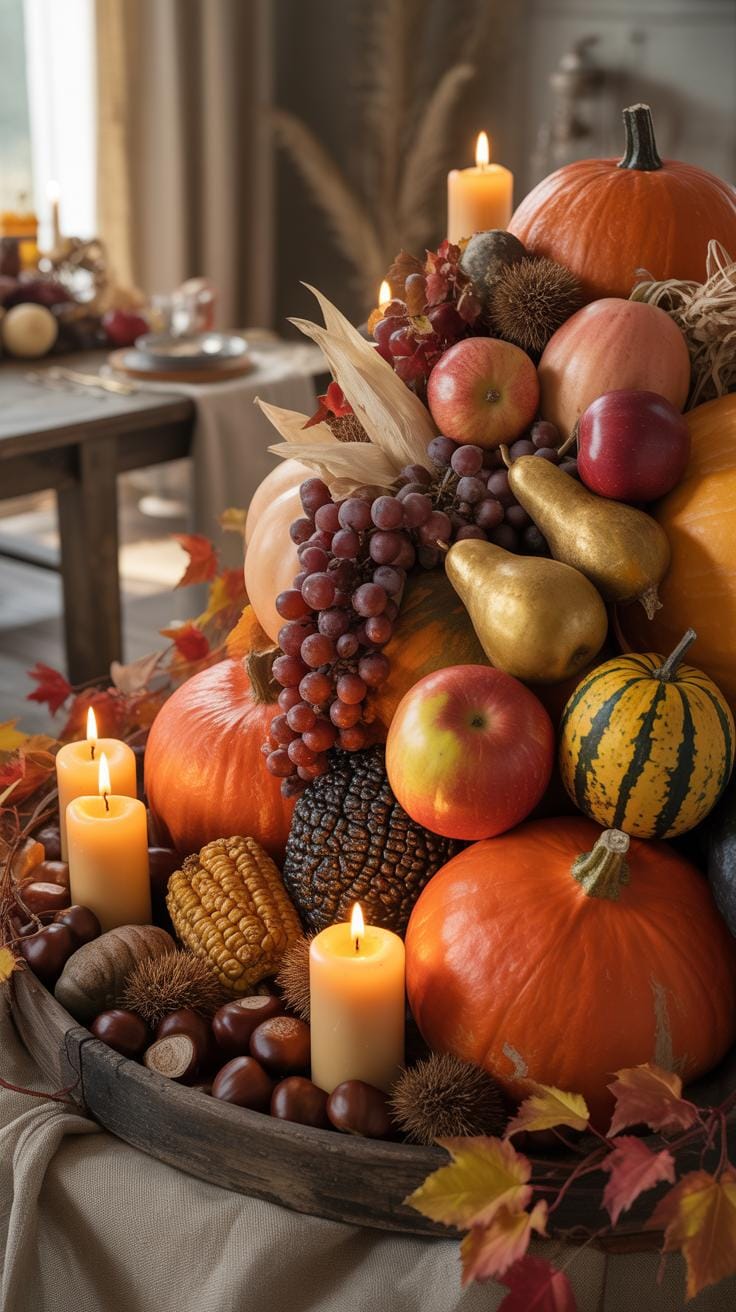
Pumpkins and gourds serve as functional anchors in harvest design. These elements tie modern floral work to the Horn of Plenty or Cornucopia tradition. This symbol dates back to ancient Greek mythology but became a standard American Thanksgiving staple in the late nineteenth century. Using these items provides immediate visual weight. They ground the arrangement and signify the end of the growing season.
These organic materials provide textures that flowers cannot mimic. The hard shells of Hubbard squash or the warty skin of ornamental gourds create contrast against soft petals. They also offer a practical advantage by filling large gaps in a display for less money than premium blooms. Their natural colors like deep orange and muted green define the classic autumn palette used in professional event design.
How To Blend Produce And Florals For A Cohesive Harvest Aesthetic
Successful integration depends on physical stability and scale. Use wooden picks or heavy gauge wire to secure small fruits like pears or apples into floral foam. For larger items like pumpkins, hollow out the center to create a natural vase. Line the cavity with plastic to prevent the moisture from the fruit from rotting the flower stems. This technique keeps the entire display fresh for several days.
Coordinate colors by matching the undertones of the produce to the flowers. Pair deep purple grapes with burgundy dahlias for a monochromatic look. Scatter loose walnuts or cranberries around the base of the container to hide mechanics and add depth. Place heavier vegetables at the bottom of the design to maintain a low center of gravity. This prevents the arrangement from tipping over during the holiday meal.
Caring For Your Floral Arrangements Thanksgiving Week To Keep Them Fresh
How Far In Advance You Can Prepare Thanksgiving Flower Arrangements
Purchase your focal flowers three days before Thanksgiving. This timing allows buds like lilies or roses to open fully by dinner. Woody stems and greenery last longer and you can buy them five days early. Do not assemble the full centerpiece until Tuesday or Wednesday. Early assembly leads to wilted petals by Thursday morning. Proper timing ensures maximum visual impact.
Hardy flowers like chrysanthemums and carnations survive a full week if kept cool. Delicate blooms like dahlias or gardenias require last minute placement. Prepare your vases and soak floral foam on Monday to save time. Store finished designs in a cool, dark room away from ripening fruit. Ethylene gas from fruit will kill your flowers. Rapid preparation prevents holiday stress and dead displays.
The table is a place of memory and the center of the home, where the colors of the season bloom to welcome our loved ones.
Proven Tips For Extending The Life Of Cut Flowers Through The Holiday
Cut every stem at a forty five degree angle before placing it in water. This increases the surface area for hydration. Use lukewarm water for most flowers to speed up uptake. Check water levels daily because heavy hitters like hydrangeas drink fast. Remove all leaves that sit below the water line. Decaying foliage creates bacteria that plugs the stems and rots the arrangement.
Change the water entirely every two days to keep it clear. Use the provided flower food packets to provide sugar and acid. If you run out, a tiny drop of bleach kills harmful bacteria. Keep the arrangement away from heater vents and direct sunlight. High heat causes rapid moisture loss through the petals. Consistent cooling extends bloom life by several days beyond the holiday feast.
Beyond The Table Thanksgiving Arrangements For Every Corner Of Your Home
Welcoming Guests With Thanksgiving Floral Displays At Entryways And Mantels
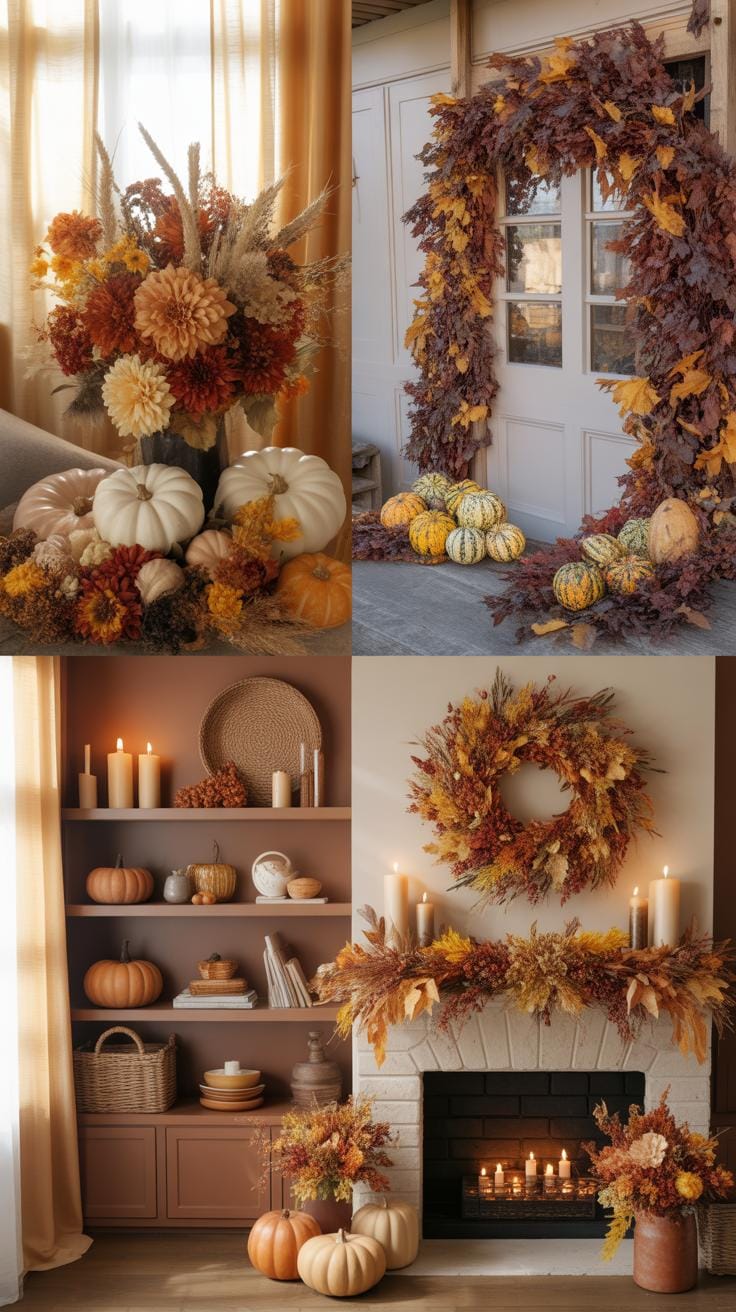
The entryway sets the tone for the entire holiday event. Use heavy ceramic or metallic vessels to anchor large scale arrangements on console tables. Incorporate tall branches like curly willow or bittersweet to provide vertical structure. These hardy materials withstand temperature shifts from opening doors. Choose high impact blooms like chrysanthemums or protea to ensure the display remains vibrant throughout the long holiday weekend.
Mantel displays require a horizontal focus to complement architectural lines. Use low profile containers to prevent blocking sightlines or television screens. Layer evergreen branches with magnolia leaves for a dense base. Intersperse seasonal fruits like persimmons or pomegranates to add weight and texture without the wilting risks of delicate petals. Ensure all organic materials remain clear of open flames or heat sources to maintain safety standards.
Smaller November Flower Arrangements For Guest Rooms And Accent Spaces
Guest rooms require compact arrangements that do not crowd bedside tables. Use small glass vials or bud vases to hold single stems of ranunculus or spray roses. These flowers offer visual appeal without taking up vital surface area. Avoid highly fragrant lilies or paperwhites in sleeping quarters to prevent allergic reactions or sleep disruption. Fresh water changes every two days will extend the life of these small displays.
Accent spaces like powder rooms or sideboards benefit from repetitive styling. Use three identical vessels with uniform floral choices to create a cohesive look. Small succulents or air plants work well in humid bathroom environments. Dried elements like wheat stalks or bunny tails provide a seasonal touch that requires zero maintenance. These tactical choices ensure every room feels curated without adding significant labor to your holiday preparation schedule.
Frequently Asked Questions

What are the most popular flowers to use for Thanksgiving?
When choosing flowers for the holiday, focus on blooms that reflect the harvest season’s rich palette. Sunflowers, chrysanthemums, and marigolds are quintessential choices due to their bold oranges and yellows. To elevate your Thanksgiving flower arrangements, consider adding textures like hypericum berries or dried wheat stalks. These elements bring a rustic, autumnal charm to your table, perfectly complementing the traditional turkey dinner and cozy home atmosphere.
How do I keep a Thanksgiving centerpiece fresh throughout the holiday weekend?
To extend the life of your Thanksgiving flower arrangements, start by trimming stems at a forty-five-degree angle before placing them in clean, lukewarm water. Change the water every two days and keep the display away from direct sunlight or heat sources like fireplaces. If you are using floral foam, ensure it stays consistently saturated. Removing any wilting petals immediately will prevent bacteria growth and keep your centerpiece looking vibrant for leftovers.
Can I create a beautiful Thanksgiving display on a limited budget?
Absolutely! You can design stunning decor without overspending by focusing on greenery and foraged items. Head to your backyard for colorful fallen leaves, pinecones, or interesting branches to provide volume. Supplement these with a few focal stems from a local market, such as deep red carnations or roses. Using pumpkins or gourds as vases is another affordable way to make your festive floral displays look high-end and uniquely seasonal.