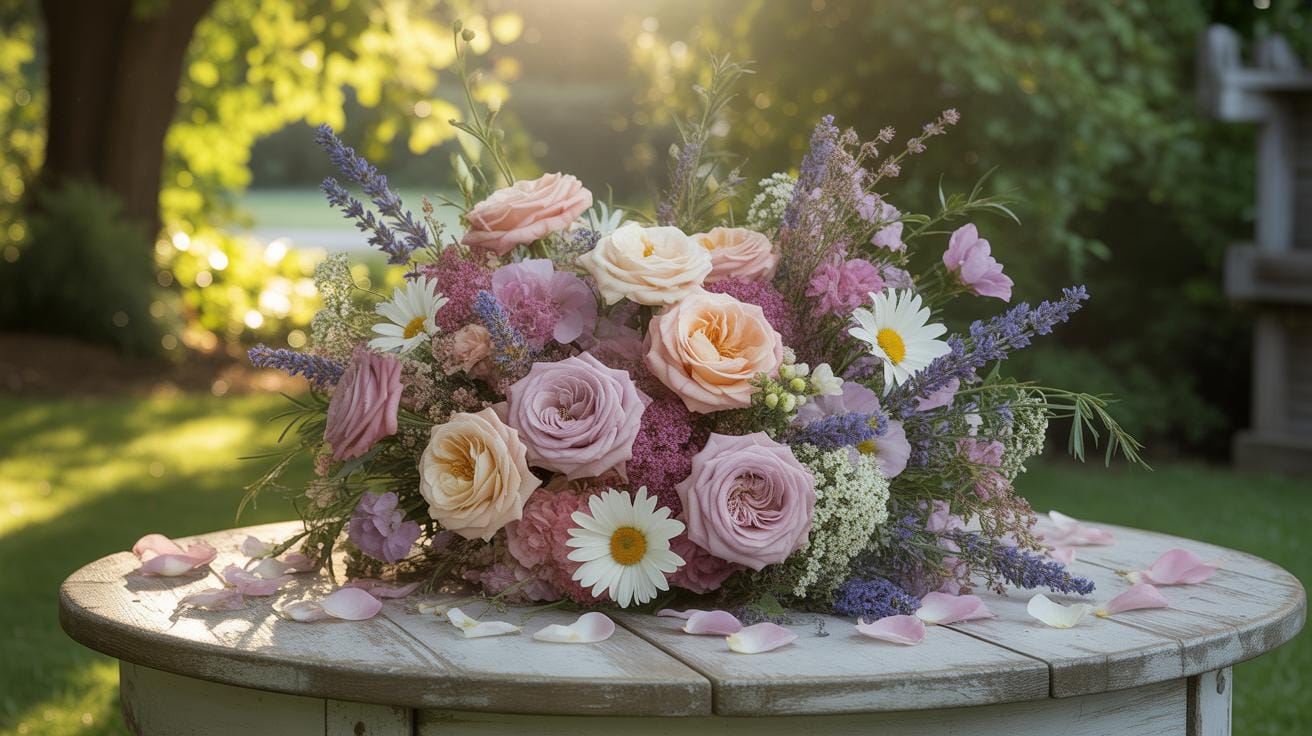
Why Garden Wedding Flowers Are The Perfect Choice For Any Couple
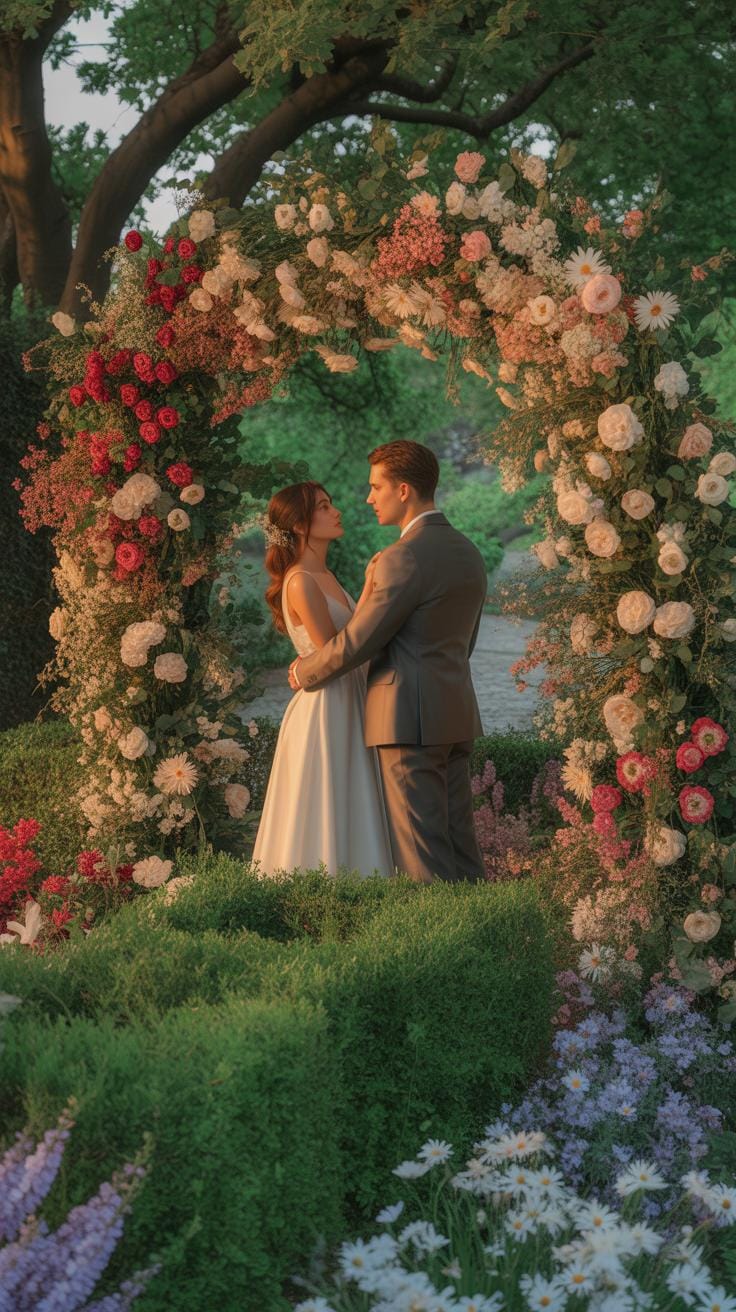
The Natural Charm Of An Outdoor Floral Aesthetic
Garden wedding flowers utilize the English Landscape Movement principles to create a relaxed environment. This style avoids the rigid structures found in formal French gardens. You use loose arrangements and mixed textures to mimic nature. This approach works well because it blends with the existing greenery of your venue. It removes the need for heavy plastic supports or foam bases.
The aesthetic relies on seasonal availability and local growth patterns. You choose flowers that look like they belong in the surrounding soil. This creates a cohesive visual bridge between your decor and the landscape. It reduces visual clutter and focuses on the organic lines of the plants. Using these flowers ensures your wedding feels grounded and authentic to its specific geographical setting.
How Garden Flowers Fit Almost Every Wedding Budget
Garden flowers reduce costs by cutting out expensive shipping and refrigeration fees. You source blooms from local growers or wholesale markets during their peak season. High supply keeps prices low for popular varieties like zinnias or cosmos. You avoid the premium markup of exotic or out of season species. This strategy saves a significant portion of your total floral budget for other needs.
Labor costs drop when you choose simple garden styles. These arrangements do not require the precise engineering of modern architectural bouquets. You use natural stems and basic tying techniques. This simplicity allows you or a small team to handle the setup without specialized tools. Lowering the complexity of the design prevents expensive hourly labor charges from high end floral studios.
Best Seasonal Blooms To Use As Garden Wedding Flowers
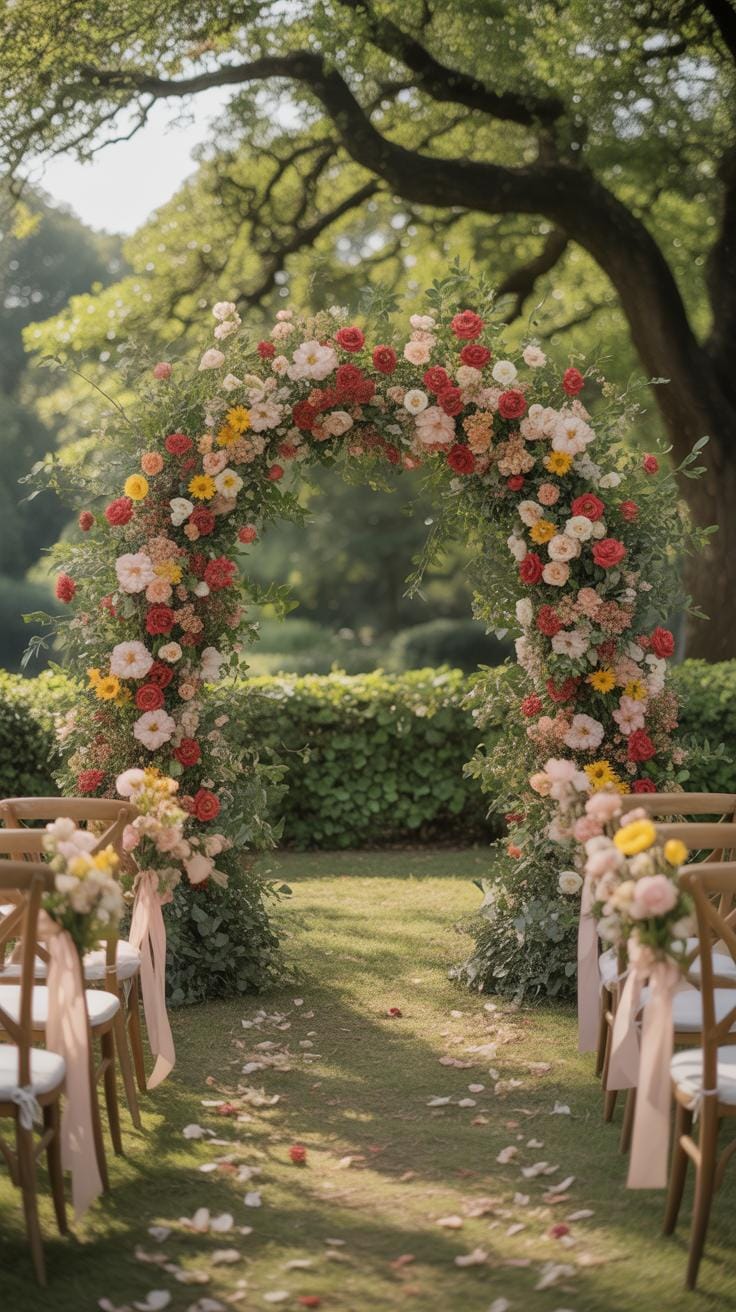
Spring And Summer Flowers That Thrive In Garden Settings
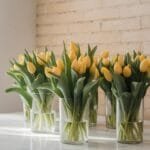
Spring offers peak availability for bulb flowers like tulips and ranunculus. These species withstand cool morning air and provide structural stability in outdoor arrangements. Peonies remain the standard choice for late spring due to their large head size and high petal count. Designers use these to fill space quickly. You must source them during their short six week window to ensure the stems stay firm and hydrated.
Summer heat requires heat tolerant glasshouse or field grown varieties. Zinnias and dahlias perform best in direct sun because they do not wilt as fast as soft stem spring blooms. Hydrangeas need constant water access or they will fail before the ceremony ends. Pros use heavy gauge wire to support these larger heads. Select local field flowers to reduce transport stress. This ensures the petals stay crisp for the entire event.
Where flowers bloom, so does hope. A few simple blossoms gathered from the garden are all you need to celebrate a lifetime of love.
Autumn And Winter Blooms Worth Considering For A Garden Ceremony
Autumn demands hardy textures that match the changing landscape. Chrysanthemums and celosia offer extreme durability against wind and dropping temperatures. These flowers contain less water in their petals than summer varieties. This makes them less likely to bruise during handling. Use deep toned scabiosa to add movement. These plants tolerate the shift from warm afternoons to cold nights without losing their structural integrity or deep color.
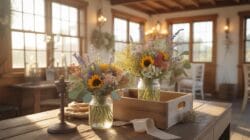
Winter garden weddings rely on evergreens and forced bulbs. Hellebores thrive in cold shade and serve as the primary focal flower for winter designs. They possess a waxy coating that prevents moisture loss in dry air. Combine these with berried branches like ilex for visual weight. You must keep these arrangements away from heaters. Cold hardy plants react poorly to sudden temperature spikes. Stick to woody stems to guarantee the display lasts.
How To Build A Beautiful Wildflower Wedding Bouquet From Scratch
Choosing The Right Mix Of Wildflowers For A Loose Natural Look
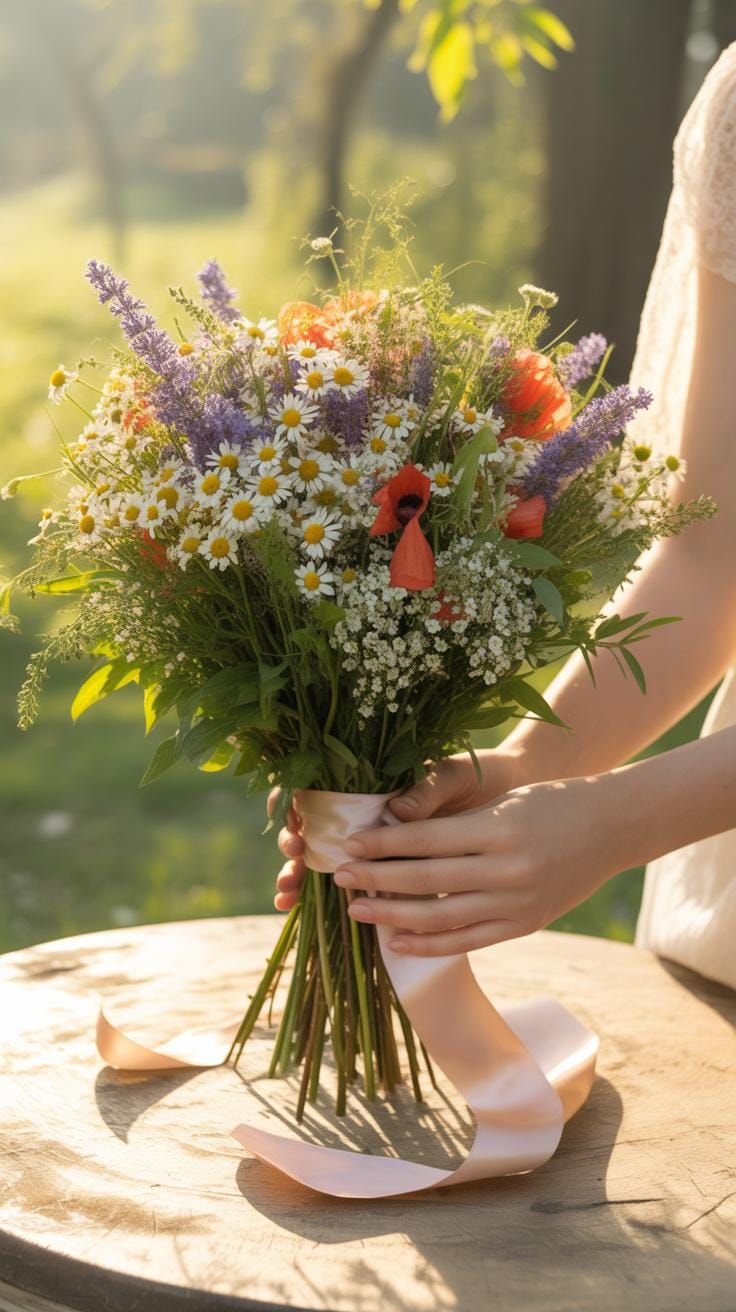
Select blooms based on stem strength and vase life. Delicate field flowers like Queen Anne’s Lace provide necessary texture but wilt quickly without water. Balance these with sturdy focal flowers like Zinnias or Echinacea. These species survive the heat of an outdoor ceremony. Use at least three different flower shapes to create visual depth. Round heads, vertical spikes, and airy filler create a professional silhouette.
Avoid picking endangered local species or toxic plants. Research common weeds like Hemlock which look like harmless wildflowers but pose serious health risks. Stick to cultivated varieties that mimic the wild look. Feverfew and Cosmos offer a cottage core aesthetic while remaining predictable for design. Combine different stages of bloom to mimic nature. Include tight buds alongside fully open flowers to ensure the arrangement looks authentic and evolving.
Simple Steps To Arrange And Wrap Your Own Wildflower Wedding Bouquet
Hold the largest stem in your non-dominant hand to serve as the structural anchor. Cross additional stems at a forty-five-degree angle to create a spiral. This technique prevents the stems from crushing each other. It also allows the bouquet to flare out naturally. Rotate the bundle as you add layers. Keep the heaviest colors near the center to maintain balance and prevent the arrangement from looking lopsided.
- Stem Stripping: Remove all leaves from the bottom two-thirds of every stem. Foliage trapped under the binding point rots quickly and creates bacteria. Clean stems ensure the water stays clear and the flowers remain hydrated throughout the wedding day event.
- Spiral Construction: Place each new stem across the previous one in the same direction. This mechanical method creates a stable handle and a wide dome. It allows you to adjust individual flower heights without pulling the entire bouquet apart or damaging fragile stems.
- Securing the Bind: Wrap floral tape or waterproof twine tightly around the natural pinch point of the stems. This is where your hand holds the bouquet. A firm bind prevents flowers from shifting during transport. Ensure the tie is hidden by the final decorative ribbon.
- Trimming the Ends: Use sharp floral shears to cut all stems to an even length. Leave at least six inches of handle below the binding point. A fresh diagonal cut increases the surface area for water absorption. This step is critical for preventing immediate wilting.
- Ribbon Application: Cover the structural tie with silk or linen ribbon. Start from the top of the bind and wrap downward for a clean finish. Use pearl-headed pins to secure the fabric into the stems. Point the pins downward to avoid injuring the person carrying it.
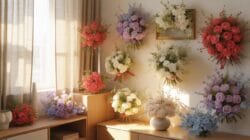
Place the finished bouquet in a clean bucket of room temperature water immediately. Store it in a cool, dark location away from direct sunlight or ripening fruit. Ethylene gas from fruit causes petals to drop prematurely. Mist the focal blooms lightly to maintain humidity. Do not submerge the ribbon wrap. Pat the stems dry with a clean towel before the walk down the aisle to avoid staining the dress.
Minimalist Wedding Flowers Doing More With Less In A Garden Setting
Why A Minimalist Approach Works So Well For Garden Weddings
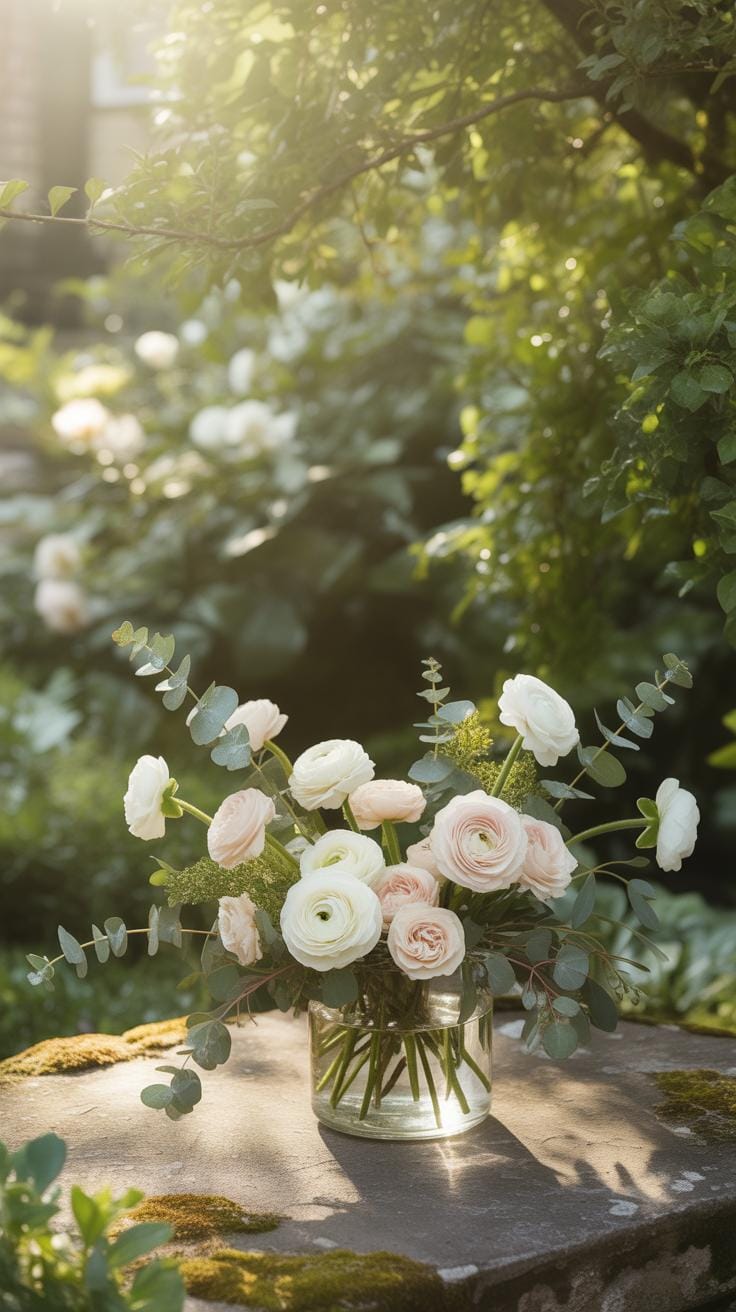
Garden venues already provide a dense visual backdrop of green foliage and natural textures. Adding heavy floral arrangements creates visual competition and clutter. Minimalism allows the existing landscape to serve as the primary decor. This strategy reduces your total flower count and lowers your overall budget. You save money by letting the natural environment do the heavy lifting for your event design.
A restrained floral plan emphasizes quality over quantity. You can invest in premium blooms like peonies or garden roses because you need fewer stems to make an impact. This approach aligns with the Modernist design movement, which prioritizes function and clean lines. By using less material, you ensure that guest sightlines remain clear. Minimalist designs are also easier to transport and set up in outdoor conditions.
Elegant Single Stem And Sparse Arrangement Ideas For The Modern Bride
Single-stem arrangements focus on the architectural beauty of a specific flower. A single long-stemmed Calla Lily or a large Protea creates a bold statement without extra filler. Use glass bud vases of varying heights to create a clean, linear look on long tables. This technique highlights the unique shape and color of each individual bloom. It removes the need for complex floral foam or heavy structures.

Sparse arrangements utilize negative space to draw the eye toward specific focal points. Use thin wooden frogs or kenzan pins to secure a few choice branches or stems in shallow bowls. This method follows the principles of Ikebana, a Japanese floral art that values simplicity. Choose stems with interesting curves or buds to add movement. These lightweight setups withstand wind better than top-heavy, dense bouquets often found in traditional weddings.
Pastel Wedding Flowers Bridal Bouquets In Soft Dreamy Tones
What Makes Pastel Flower Bouquets A Timeless Wedding Choice
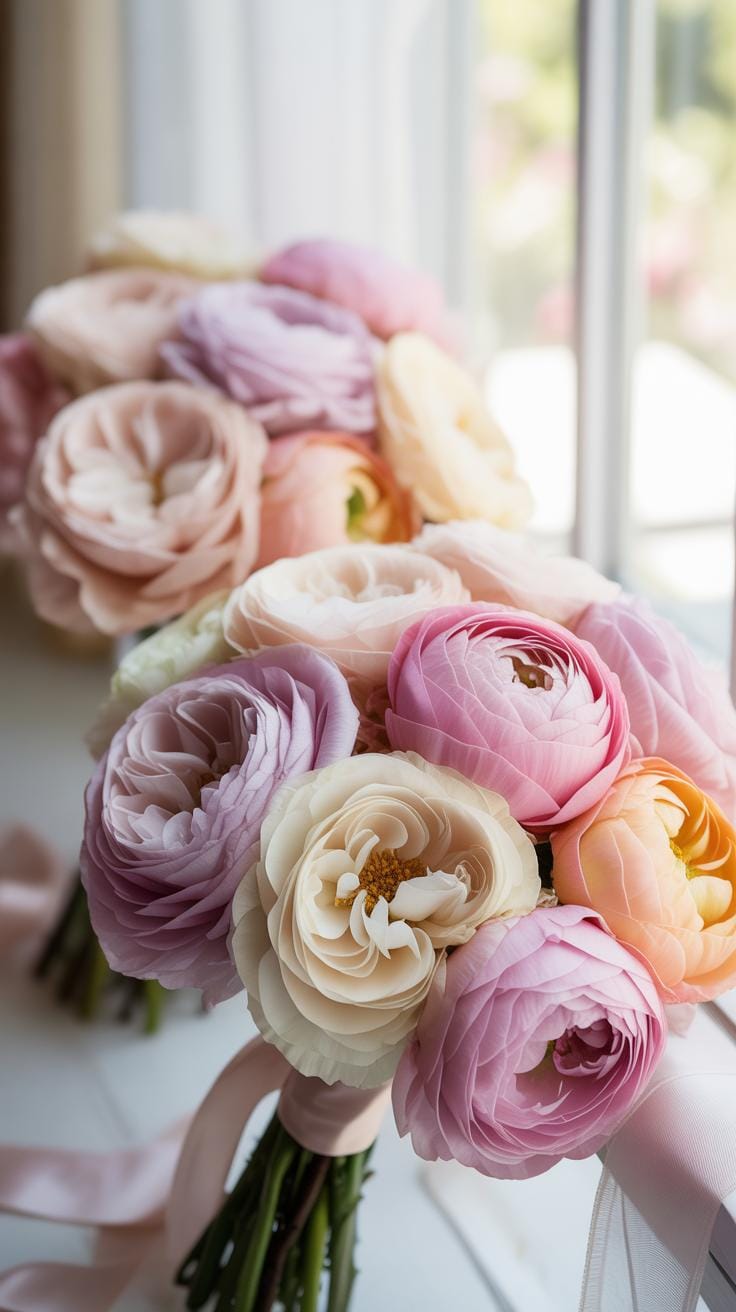
Pastel flowers remain a standard choice for garden weddings because they mimic natural light. These desaturated hues provide a high luminous value that stands out against green foliage. They create a clean visual transition between the bridal gown and the outdoor environment. Professional designers use these tones to ensure the bouquet does not distract from the face of the bride in high-contrast outdoor photography.
This color palette draws from the Rococo and Impressionist art movements. These styles prioritized soft light and naturalistic forms over harsh lines. Modern garden weddings use pastels to achieve a balanced aesthetic that feels established rather than trendy. These colors work across all seasons but peak in spring when most bulb flowers naturally bloom. They offer maximum flexibility when matching different bridal party attire and metallic accents.
Popular Pastel Blooms To Feature In Your Bridal Bouquet
Select flowers based on their structural integrity and color stability. High-petal count blooms provide the density required for a professional shape. These specific varieties are the industry standard for achieving a desaturated garden look. They offer reliable stems and petal textures that withstand outdoor heat while maintaining their pale coloration. These choices ensure the arrangement looks intentional and stays fresh during the ceremony.
- Peonies: These large blooms offer a high volume-to-stem ratio. They provide soft pink and cream tones that fill space quickly. Peonies represent the primary focal flower in most high-end spring garden arrangements due to their dense, layered petal structure and classic silhouette.
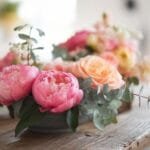
- Garden Roses: These differ from standard roses by having a higher petal count and an open center. Varieties like the David Austin series provide peach and blush tones. They offer a strong fragrance and a shape that mimics wilder, historical garden aesthetics.
- Sweet Peas: These climbing flowers add movement and a delicate texture to the edges of a bouquet. They come in lavender and pale blue shades. Their thin stems and ruffled petals break up the dense look of larger focal flowers for a natural appearance.
- Ranunculus: These flowers provide a precise, geometric look with tightly packed petals. They are available in nearly every pastel shade. Their curved stems allow for more dynamic positioning, making them ideal for adding depth and detail to the center of the bridal bouquet.
- Hydrangeas: This wood-stemmed shrub flower provides a massive base of small florets. It is the most efficient way to add pale blue or green to an arrangement. Hydrangeas act as a structural foundation that supports smaller, more expensive stems throughout the day.
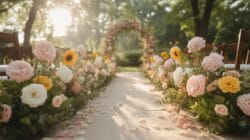
Balance these varieties by mixing different head sizes and textures. Start with three large focal flowers and fill the gaps with secondary blooms. Use light greenery like eucalyptus to separate the pastel tones. This separation prevents the colors from blurring together into a single mass. Proper spacing ensures each unique flower shape remains visible to the viewer and the camera lens.
Wedding Bouquet Pastel Colors How To Pair Shades For A Cohesive Look
Understanding Color Harmony When Mixing Pastel Colorful Bouquet Tones
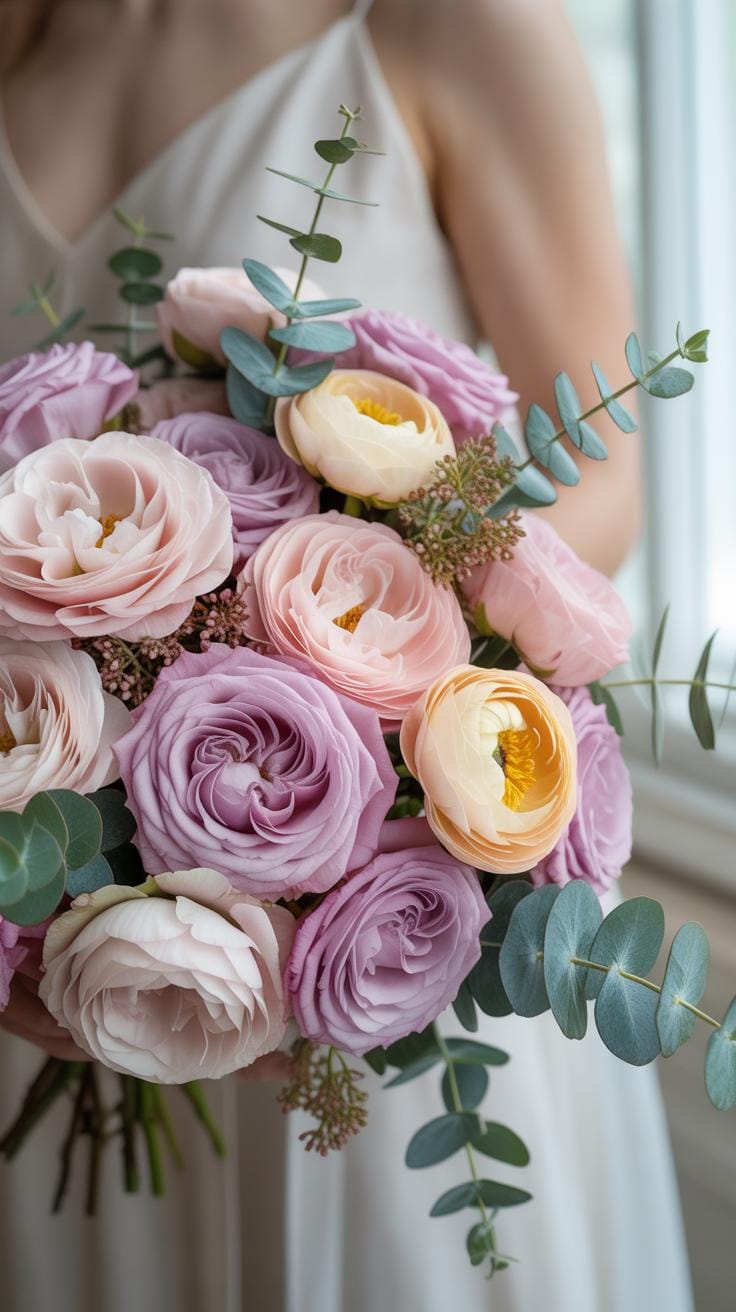
Successful pastel palettes require specific color theory application. Designers use the analogous method by picking three colors next to each other on the color wheel. This creates a smooth visual flow. For high contrast, choose complementary colors like pale yellow and soft violet. These opposites create energy without breaking the soft aesthetic. You must balance warm and cool tones to avoid a flat appearance.
Control the saturation to keep the bouquet professional. True pastels have high value and low saturation. Mixing a bright neon flower with muted petals ruins the cohesion. Use white or cream flowers as transition points between different pastel shades. This helps the eye move across the arrangement. It also prevents colors from bleeding together. Proper spacing ensures each unique floral shape remains visible to the viewer.
Pastel Colored Bouquet Combinations That Complement Common Wedding Themes
English Garden themes rely on romantic pinks, soft blues, and sage greens. This look mimics historical landscapes from the Victorian era. Use peonies and delphiniums to achieve natural height and volume. These colors work best with antique textures like lace and stone. Focus on asymmetrical shapes to keep the design looking organic. Avoid rigid patterns that make the garden style look forced or artificial.
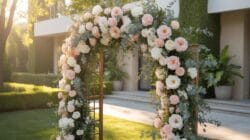
Modern minimalist weddings demand a restricted pastel palette. Use monochromatic variations of a single color like blush or lavender. This approach creates a clean and sophisticated visual. Pair these soft tones with architectural greenery like eucalyptus or ruscus. The contrast between structural leaves and soft petals adds necessary depth. Stick to three flower types maximum to maintain the minimalist standard. High quality blooms are essential when using fewer elements.
Pastel Wildflower Bouquet Ideas For A Relaxed And Romantic Garden Wedding
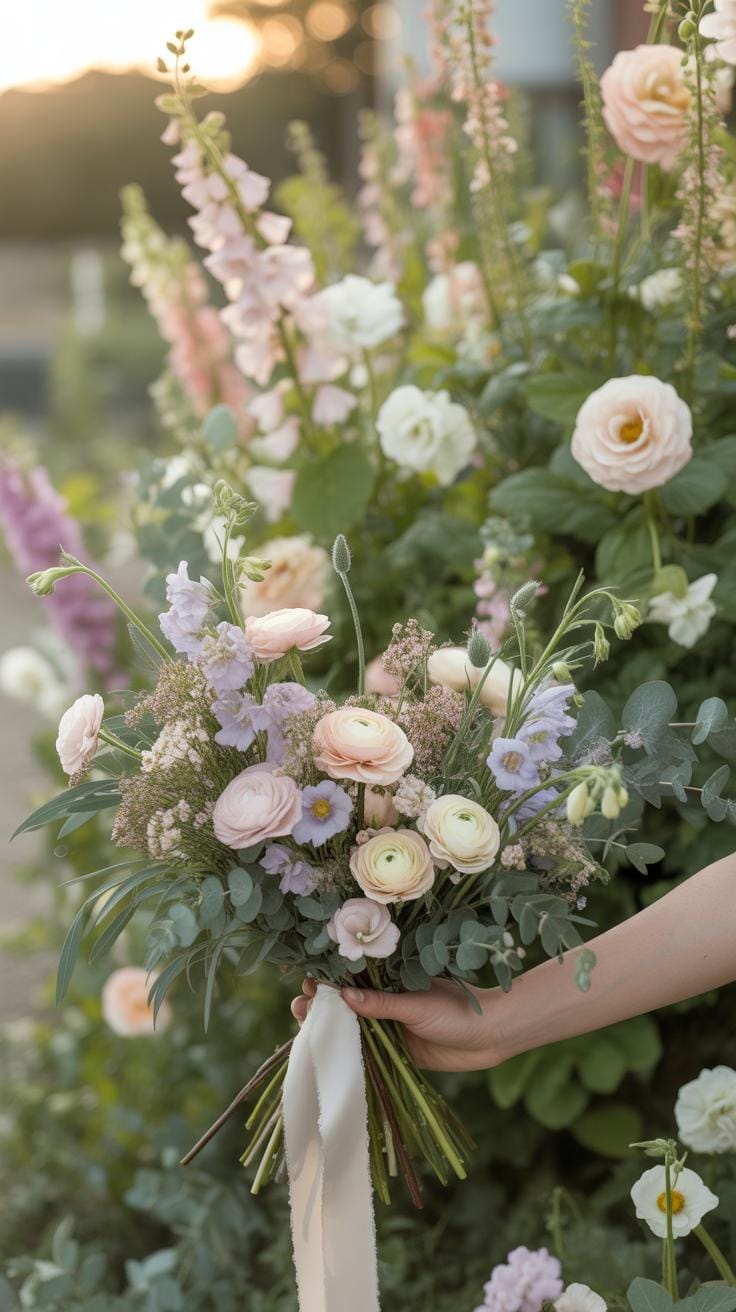
Combining Wildflower Textures With Soft Pastel Hues For A Bridal Bouquet Pastel Style
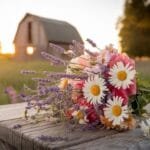
Wildflower design relies on structural variety rather than uniform blooms. You must balance airy fillers like Queen Anne’s Lace with solid focal flowers. Use pale blue Tweedia or Nigella to provide a soft color base. These species offer distinct geometric shapes that stand out against standard greenery. Mix smooth petals with jagged foliage to create visual depth. This approach ensures the bouquet looks authentic to a garden setting.
Select a color palette using desaturated pinks, lavenders, and creams. Scabiosa and Cosmos are primary choices for this specific aesthetic. These flowers feature slender stems that allow for natural movement. Avoid stiff wiring or tight binding techniques. Secure the stems with simple silk or linen ribbons to maintain a loose shape. This strategy emphasizes the raw form of the plants. Use varying heights to mimic how flowers grow in nature.
Real Wedding Inspiration: Pastel Wildflower Bouquets That Felt Effortlessly Beautiful
Modern garden weddings often draw from the Dutch Masters design style. This movement focuses on asymmetrical arrangements and a sense of abundance. Designers use seasonal stems like Sweet Peas and Ranunculus to achieve this look. These flowers offer high petal counts but remain lightweight in a hand-tied bouquet. The goal is to make the arrangement look gathered rather than manufactured. Success depends on selecting flowers at different stages of bloom.
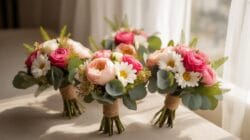
Historical garden themes frequently use Chamomile and Feverfew as grounding elements. These small, daisy-like flowers provide a consistent white or yellow center. They bridge the gap between bolder pastels and green filler stems. Professional florists often add dried elements like bleached grasses for extra texture. This technique adds durability to the bouquet during outdoor ceremonies. This specific combination creates a rugged but refined appearance that suits any outdoor garden environment.
Practical Tips For Sourcing And Caring For Your Garden Wedding Flowers
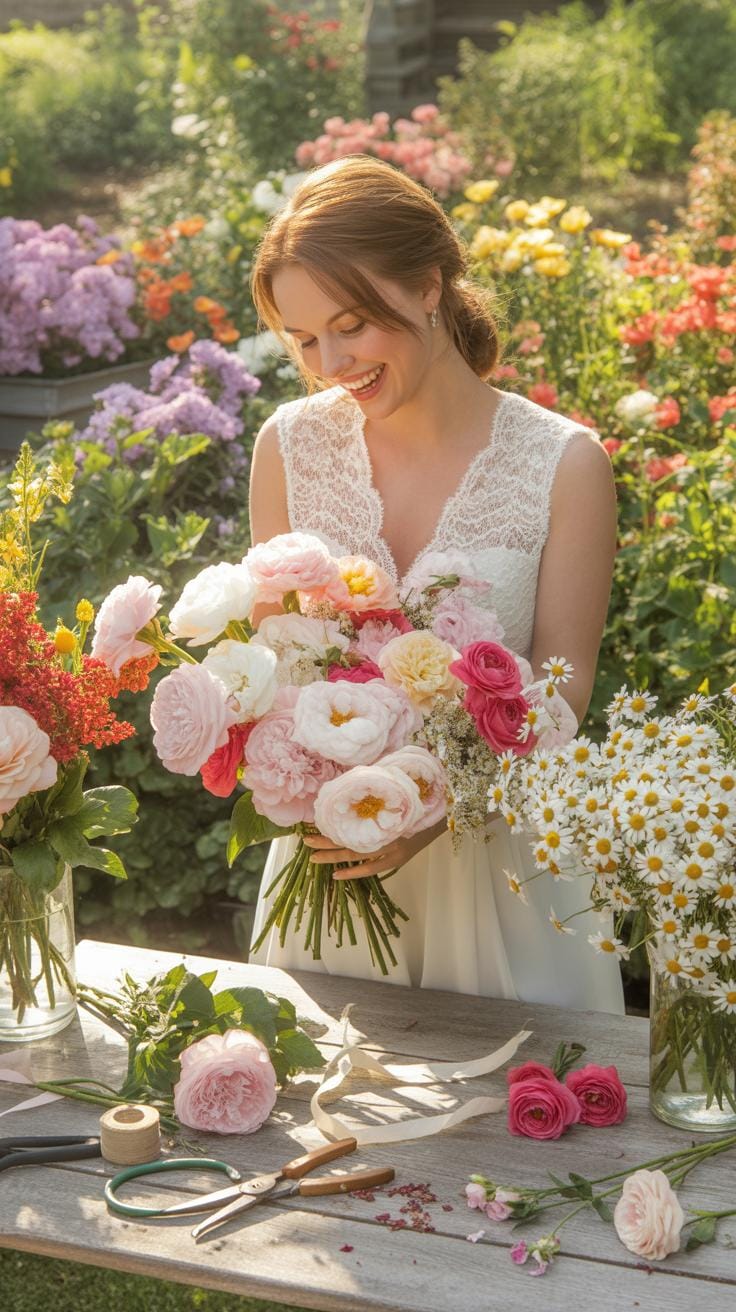
Where To Source Fresh Garden Wedding Flowers: Local Markets, Florists, And DIY Gardens
Identify reliable sources early to ensure quality. Local flower markets offer the best value for bulk stems. Visit these markets at dawn to secure the freshest inventory. Wholesale shippers provide specific varieties that may not grow in your region. Verify lead times for imported stems at least six weeks before the event date. This timeline prevents logistics failures and ensures your inventory arrives on schedule.
Grow your own blooms for a true garden aesthetic. Zinnias, cosmos, and sweet peas grow fast and produce high yields. If you lack a green thumb, hire a local florist for a bucket service. Many growers sell loose stems at lower prices than full arrangements. This method provides professional quality without the high cost of design labor. Always check local availability charts to match your wedding date with natural bloom cycles.
How To Keep Your Wedding Flowers Fresh From The Morning Prep To The Last Dance
Hydration is the primary factor in flower longevity. Cut stems at a forty-five-degree angle using sharp shears. This increases the surface area for water intake. Use lukewarm water for most varieties to speed up hydration. Remove all foliage that sits below the water line. Rotting leaves create bacteria that kill flowers quickly. Store prepared buckets in a cool, dark room away from direct sunlight or drafts.
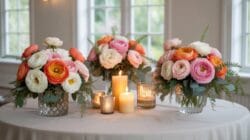
Temperature control maintains the structural integrity of the petals. Avoid placing flowers near ripening fruit because ethylene gas triggers wilting. Use a fine mist spray to keep petals hydrated throughout the ceremony. For outdoor events, keep bouquets in vases of water until the moment they are needed. Use floral foam for complex arrangements to provide a constant water source. These tactical steps ensure your displays survive the heat and remain vibrant until midnight.
Frequently Asked Questions

What are the best low-maintenance flowers for a beginner to use in a garden wedding?
If you are new to floral design, focus on hardy varieties like sunflowers, zinnias, or hydrangeas. These blooms are incredibly forgiving and naturally sturdy, making them ideal garden wedding flowers for DIY enthusiasts. Their large heads fill space quickly, meaning you need fewer stems to create a lush, professional look. Stick to one or two colors to keep your arrangements cohesive without feeling overwhelmed by complex color theory.
How can I keep my DIY flower arrangements fresh during an outdoor summer ceremony?
Hydration is the secret to successful garden wedding flowers. Always cut your stems at a forty-five-degree angle and let them drink in cool water for several hours before arranging. On the big day, keep bouquets in vases of water until the very last moment. Avoid direct sunlight during setup and use a fine misting spray to keep petals hydrated, ensuring your simple arrangements stay crisp and vibrant despite the outdoor heat.
Is it possible to create beautiful wedding florals on a very tight budget?
Absolutely! The most cost-effective way to save is by sourcing seasonal greenery from your own backyard or local farms. Mixing inexpensive filler flowers like baby’s breath or waxflowers with a few “hero” blooms creates an elegant, high-end aesthetic without the premium price tag. By focusing on locally grown, seasonal stems, you can achieve a stunning natural look that celebrates the environment while keeping your floral expenses manageable and stress-free.