What Is A Corsage And Why Corsage Ideas Are Inspiring Modern Home DCor
The History And Origin Of The Corsage In Floral Design
The term corsage comes from the French phrase bouquet de corsage. It originally referred to a small bunch of flowers worn on the bodice of a dress. During the 18th and 19th centuries, women wore these arrangements to ward off evil spirits and mask body odors. The placement near the heart served a functional and protective purpose before becoming a formal fashion accessory.
Floral designers shifted the corsage from a protective charm to a status symbol in the early 20th century. Men gave these arrangements to their dates for proms and weddings. This tradition solidified the corsage as a technical exercise in floral mounting. Florists used wire and tape instead of water to keep the blooms light. These specific construction methods now inform how designers create small floral accents for interiors.
How Traditional Corsage Styles Are Being Reimagined For Interior Styling
Modern interior design adopts corsage techniques to create micro-arrangements for the home. Stylists use the same wiring and taping methods to attach greenery to napkin rings, curtain tiebacks, and furniture handles. This approach allows for delicate floral accents in places where heavy vases cannot fit. It changes the focus from large centerpieces to small, strategic pops of color and texture throughout a room.
The move toward minimalism drives this trend in home décor. Localized floral accents use fewer resources than large bouquets but provide high visual impact. Designers utilize sturdy plants like succulents, air plants, and dried stems to ensure longevity. These small-scale installations follow the same structural rules as wearable flowers. They offer a tactical way to refresh a space without expensive renovations or high maintenance flower arrangements.

Top Wedding Corsage Ideas To Draw Floral Inspiration From For Your Home
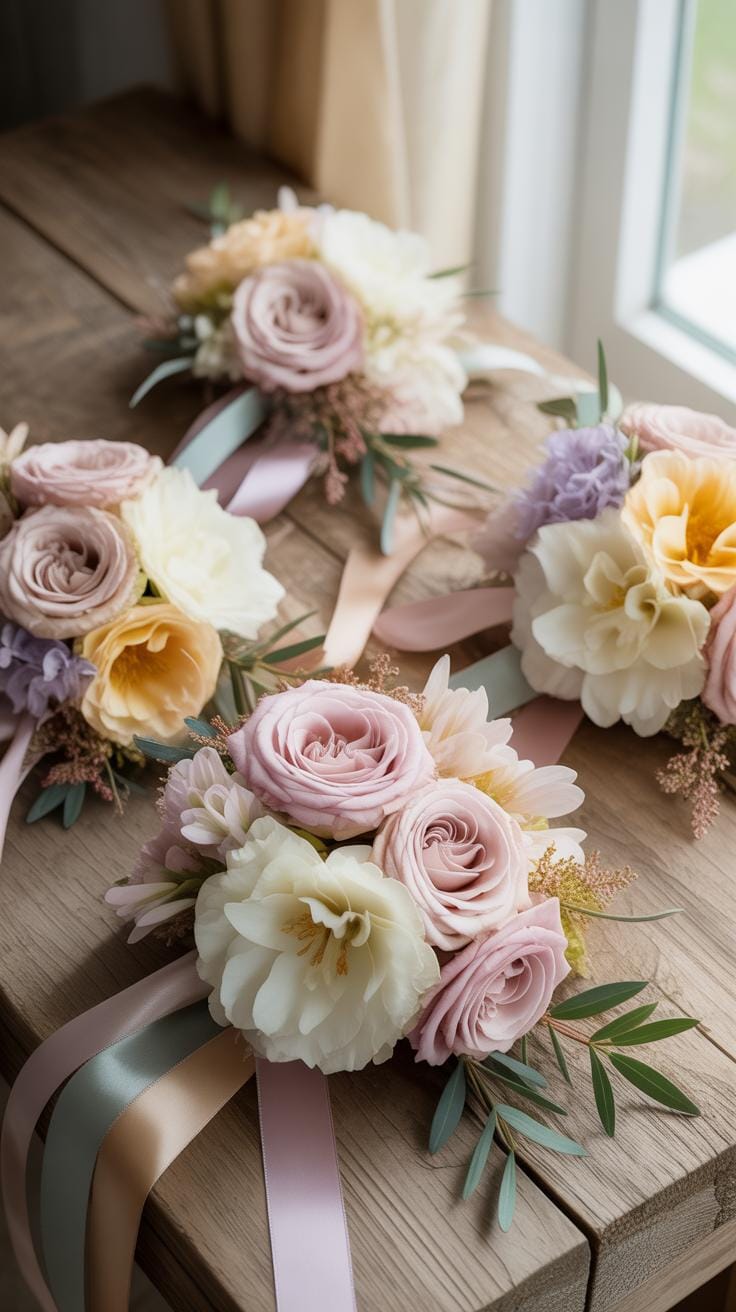
Classic Wedding Corsage Arrangements And The Flowers That Make Them Timeless
Traditional wedding corsages rely on structural integrity and longevity. Florists select spray roses and ranunculus for their dense petal counts and sturdy stems. These flowers maintain their shape without a water source for several hours. This design logic translates well to home decor. Use these durable varieties in high traffic areas. They resist wilting and provide a consistent aesthetic for days after purchase.
Standard assembly uses the wiring and taping technique. This method replaces bulkier stems with thin florist wire to reduce weight and increase flexibility. You can apply this tactic to small home arrangements or napkin rings. It allows for precise positioning of flower heads. Focus on symmetry and balance as seen in mid-century floral design. These techniques ensure the floral display remains stable and visually grounded in any room.
To have an eye for the best corsage ideas for a stylish home is to understand that flowers are the music of the ground. From earth’s lips spoken without sound, they bring a timeless grace to every room.
How Wedding Corsage Color Palettes Can Inspire Your Homes Floral DéCor Scheme
Wedding corsages often use monochromatic or analogous color schemes to ensure they do not clash with formal attire. White and cream palettes remain the standard for a clean look. You can use this strategy to brighten dark corners of a house. Neutral tones reflect light and make small spaces feel larger. Stick to one primary flower color and use varied textures to create visual depth.

Contrast is another tool used in professional floral design. A dark burgundy scabiosa paired with dusty green eucalyptus creates a sophisticated focal point. In your home, match these bold colors to existing furniture or wall art. Use these dark tones in well lit rooms to prevent the space from feeling heavy. Precise color matching between your florals and textiles creates a professional and high end interior atmosphere.
How To Make A Wrist Corsage Wedding Style As A Decorative Home Accent
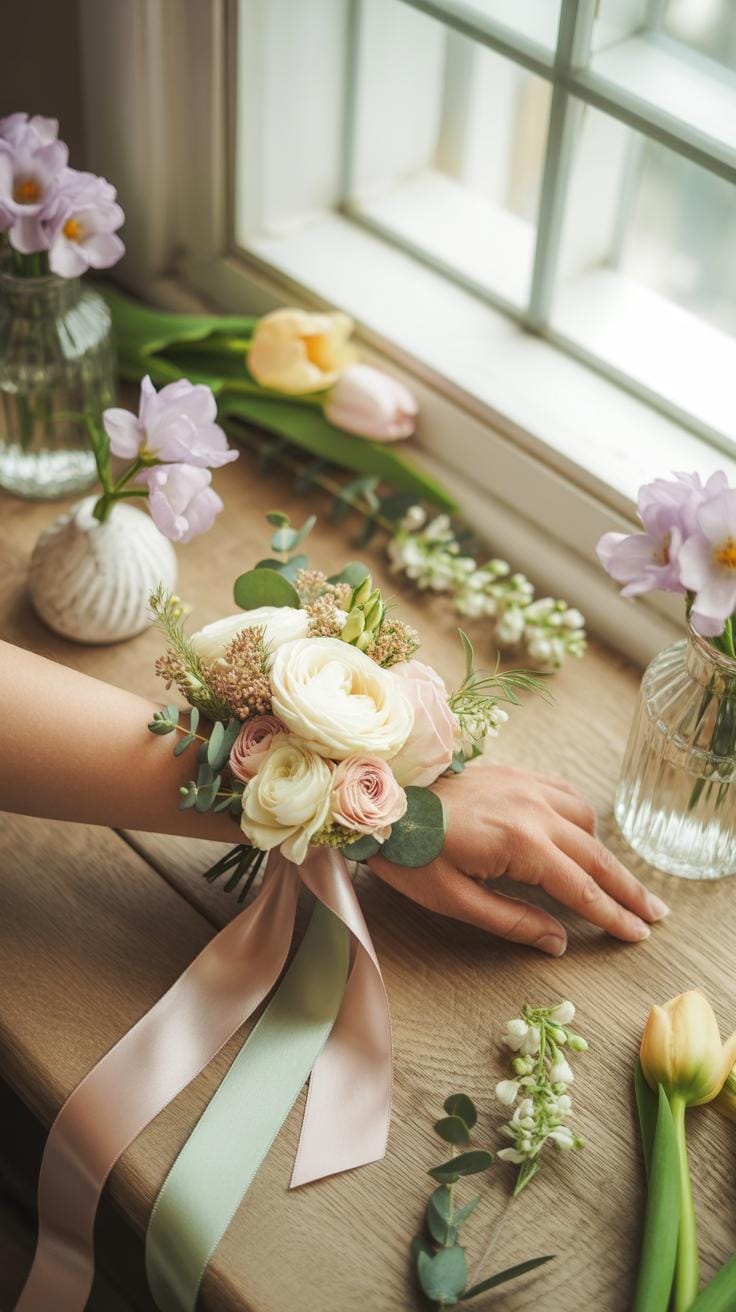
Essential Materials And Flowers Needed To Craft A Wrist Corsage At Home
Professional floral design requires specific tools to ensure the arrangement stays intact when used as home decor. You must select flowers with high turgidity and low respiration rates to prolong their appearance. Use structural elements like wire and tape to mimic professional wedding standards. This approach transforms a simple botanical element into a durable piece of art for your interior space.
- Floral Wire: Use 22 or 24 gauge wire to provide internal structure to flower stems. Weak stems fail under the weight of decorative accents. Proper wiring allows you to position blooms precisely for a balanced aesthetic.
- Floral Tape: This wax-based wrap creates a cohesive look while sealing in moisture. Stretch the tape as you wrap to activate its adhesive properties. It conceals the wire and prevents the metal from damaging home surfaces.
- Wristlet Base: Select a sturdy metal or elastic band to serve as the foundation. For home decor uses, a metal cuff works best as it can be molded around vases or napkin rings. It provides a flat surface for glue application.
- Main Florals: Choose hardy varieties like spray roses or orchids for longevity. These species withstand environmental shifts inside a home better than delicate field flowers. Ensure all stems are hydrated for at least two hours before you start building.
- Cold Floral Glue: Use specialized floral adhesive rather than hot glue to avoid burning delicate plant tissues. This adhesive creates a permanent bond between the plant and the base. It secures the arrangement against accidental bumps or movement.
Select fillers and greenery to hide the mechanics of your work. Leather leaf fern or eucalyptus provides a neutral background and adds texture to the design. Use small accents like berries or dried elements to increase visual interest. These materials ensure your wrist corsage looks intentional and high-end when displayed on a mantle or table setting.
Step By Step Guidance On Assembling A Wrist Corsage With A Polished Finish
Begin by cutting flower stems to one inch and inserting floral wire through the calyx. Fold the wire down and wrap the entire length with green floral tape. This technique provides a flexible skeleton for your design. Create small bundles of greenery and filler flowers using the same method. Arrange these components into a small fan shape to establish the outer dimensions of your piece.

Secure the central focal bloom to the wristlet using floral glue or wire. Layer your pre-made bundles around the main flower to cover any visible mechanics. Apply firm pressure to ensure the adhesive bonds correctly to the base material. Inspect the arrangement from all angles to confirm total coverage of the wire and tape. Place the finished accent in a cool area to set before integrating it into your home.
Making A Corsage Wristlets Turning A Wearable Floral Piece Into Home Art
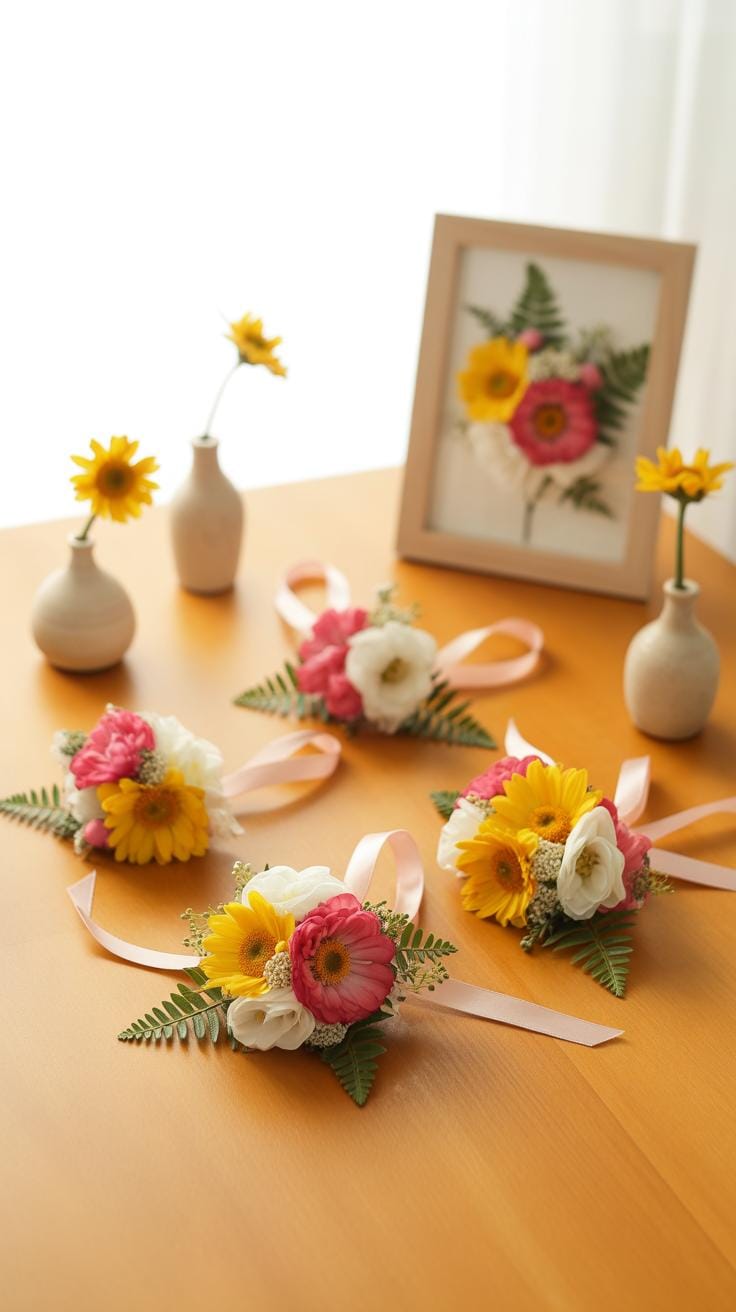
What Makes Corsage Wristlets Unique Compared To Traditional Bouquets
Corsage wristlets focus on structure and scale. Traditional bouquets rely on mass and volume to create impact. A wristlet uses a rigid or elastic base to keep flowers in place. This design requires light materials to prevent sagging. You must balance the focal bloom with small fillers. Engineering a wristlet involves wire and floral tape. This creates a compact and sturdy floral unit.
The architecture of a wristlet allows for 360-degree viewing. Bouquets often have a front and a back. A well-made corsage looks finished from every angle. It uses less water than a vase arrangement. Builders use hydration sprays or wax to seal the stems. This keeps the piece fresh without a constant water source. Its small size makes it a versatile tool for interior styling.
Creative Ways To Display Corsage Wristlets As Tabletop Or Wall DéCor
Use wristlets to accent vertical home surfaces. You can hook the elastic band over vintage door knobs or curtain tiebacks. This adds texture to hard surfaces without permanent changes. For a gallery look, mount the wristlet inside a shadow box. Secure the base to the backing with pins. This protects the delicate petals from dust. It turns a temporary accessory into a focal wall piece.

Repurpose wristlets as napkin rings for high-end tablescapes. The band fits perfectly around rolled linens. This method ensures every guest has a fresh floral arrangement at their seat. For a centerpiece, place the wristlets on tiered dessert stands. This layers the color at different heights. It breaks up the flat plane of a dining table. Use these small units to fill gaps where large vases cannot fit.
Mother Of The Bride Flowers Corsage Styles That Double As Elegant Home Florals
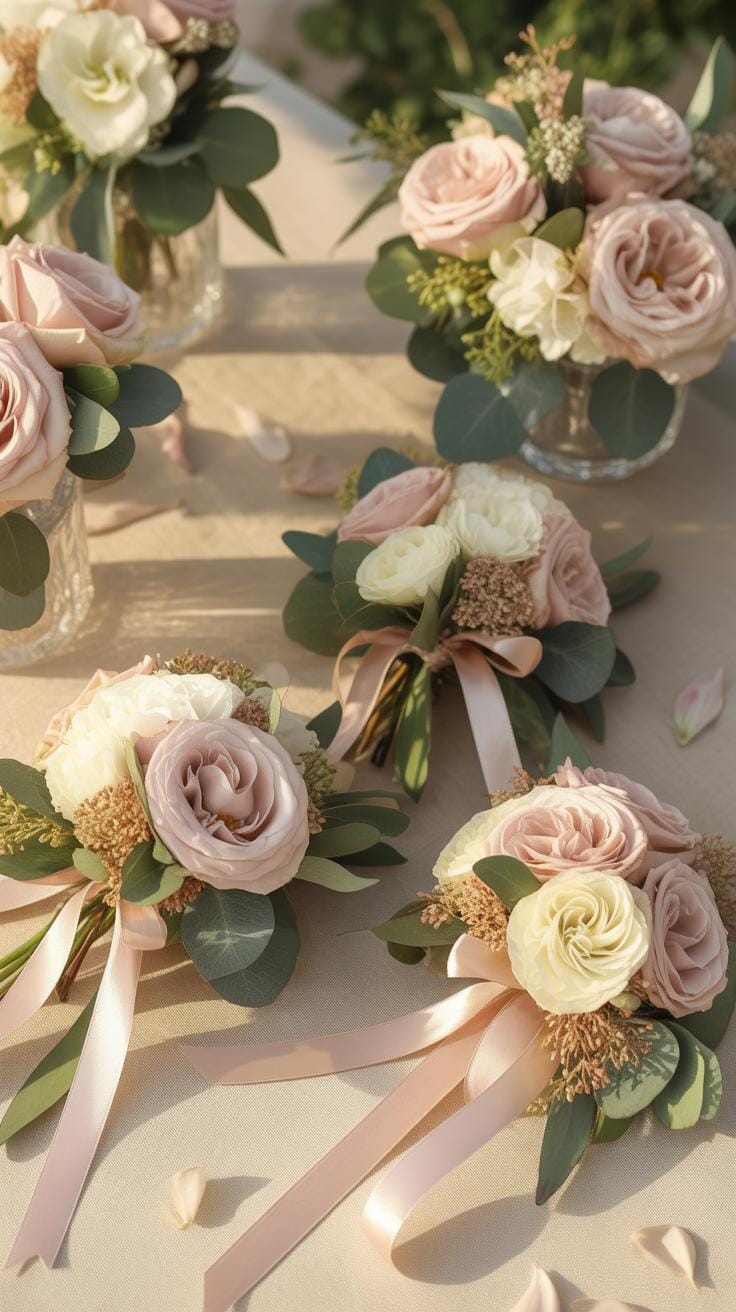
Signature Flowers Traditionally Used In Mother Of The Bride Corsage Arrangements
Traditional Mother of the Bride corsages prioritize durability and structure. Florists select high-performing blooms like cymbidium orchids and spray roses for their longevity. These flowers maintain their shape without a constant water source. Steer clear of soft petals like hydrangeas that wilt quickly. Focus on classic whites, creams, and champagne tones to ensure the arrangement remains timeless. These colors allow the corsage to integrate easily into different environments.
Structured foliage provides the necessary foundation for these designs. Use Italian ruscus or ivy to add movement and depth. These greens do not shed or brown easily. Small accent flowers like waxflower or baby’s breath add texture without overwhelming the focal bloom. Proper wiring techniques secure these elements together. This craftsmanship ensures the corsage looks as good at the end of the day as it did at the start.
Adapting Mother Of The Bride Corsage Elegance Into Vase And Centerpiece Styling
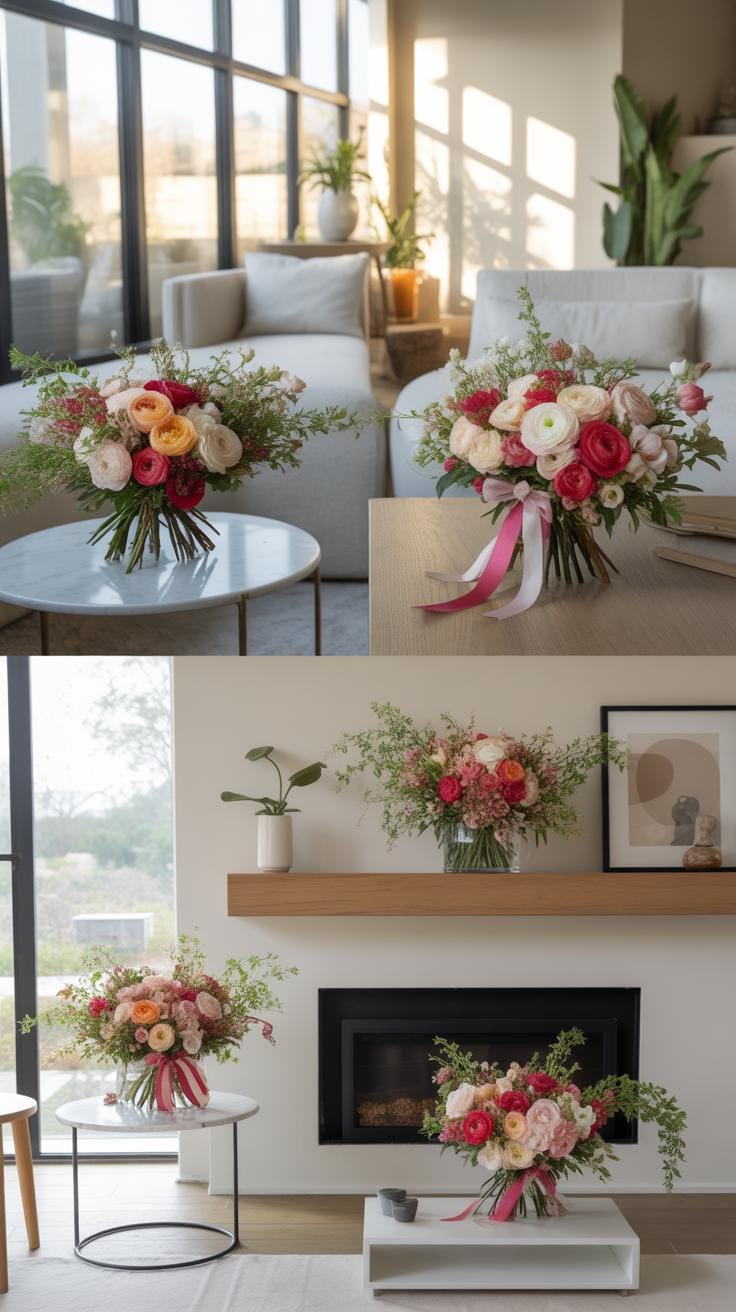
You can scale corsage design principles to create refined home accents. Use the same high-end blooms to build small bud vase clusters. Group these vases on a dining table or mantel. This technique replicates the intricate feel of a corsage on a larger scale. Focus on the interplay between the focal flower and the accent greenery. This creates a cohesive look that mirrors professional event floral designs.
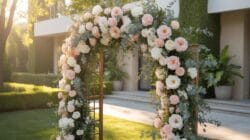
Maintain the formal aesthetic by keeping the arrangements compact and low. Use clear glass or silver vessels to match the metallic accents found in traditional corsage ribbons. Ensure every stem sits at a deliberate angle to show off the bloom head. Avoid overcrowding the vessel to keep each flower distinct. This methodical approach brings the sophisticated atmosphere of a wedding directly into your living space with minimal effort.
How To Make A Corsage Wristlet With Real Flowers For A Fresh Natural Look
Choosing The Best Real Flowers For A Long Lasting And Visually Stunning Wristlet
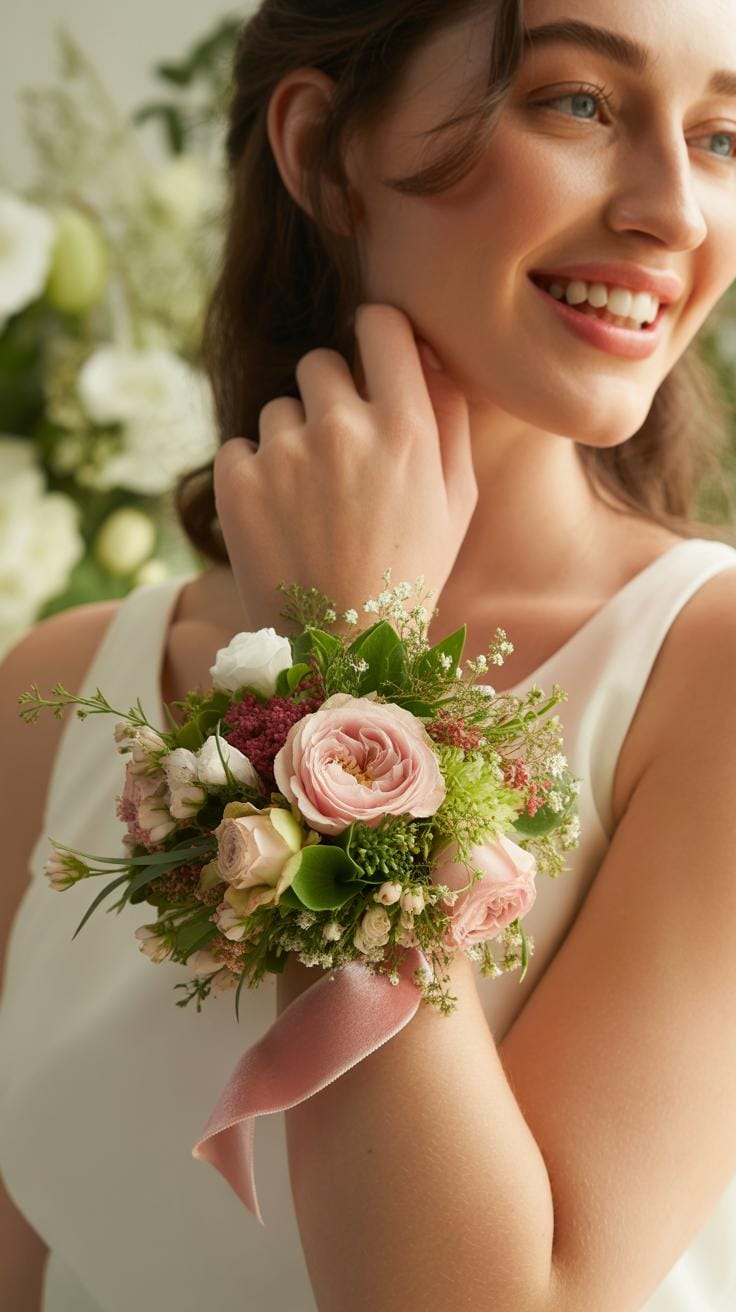
Select flowers with high petal counts and firm stems to ensure they survive the day. Roses, ranunculus, and spray carnations provide structural integrity without immediate wilting. These species hold water well within their tissues. Avoid delicate blooms like hydrangeas or sweet peas. Those varieties drop petals quickly when they lose a constant water source. Focus on hardy botanicals that can withstand temperature shifts and physical movement.
Check each bloom for freshness before assembly. Petals must feel turgid and show no brown edges. Use greenery like eucalyptus or ruscus to create a stable base. These greens act as a frame and protect the more fragile petals. Small filler flowers like waxflower or statice add texture and durability. These choices ensure the design remains intact from the start of the event until the very end.
Techniques For Securing Real Flowers Onto A Wristlet Band Without Damaging Blooms
Mechanical stability starts with wire and floral tape. Insert a thin gauge wire through the calyx of the flower. Bend the wire down to create a false stem. Wrap this wire tightly with floral tape to seal in moisture. This technique reduces weight and prevents the natural stem from snapping. It allows for precise positioning on the wristlet frame without crushing the delicate vascular system of the plant.
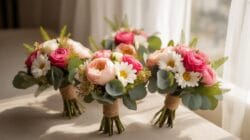
Use cold floral adhesive for the final attachment to the wristlet base. Hot glue will burn the living tissue and cause immediate browning. Apply a small dab of cold glue to the taped stem and the base. Let it become tacky before pressing the flower into place. This bond remains flexible and strong. Secure the heaviest flowers first to balance the weight. Finish by tucking smaller accents into the remaining gaps.
Wrist Flowers Wedding Bridesmaid Corsage Looks Adapted For Home Floral Displays
Popular Bridesmaid Wrist Flower Styles And The Blooms That Define Each Look
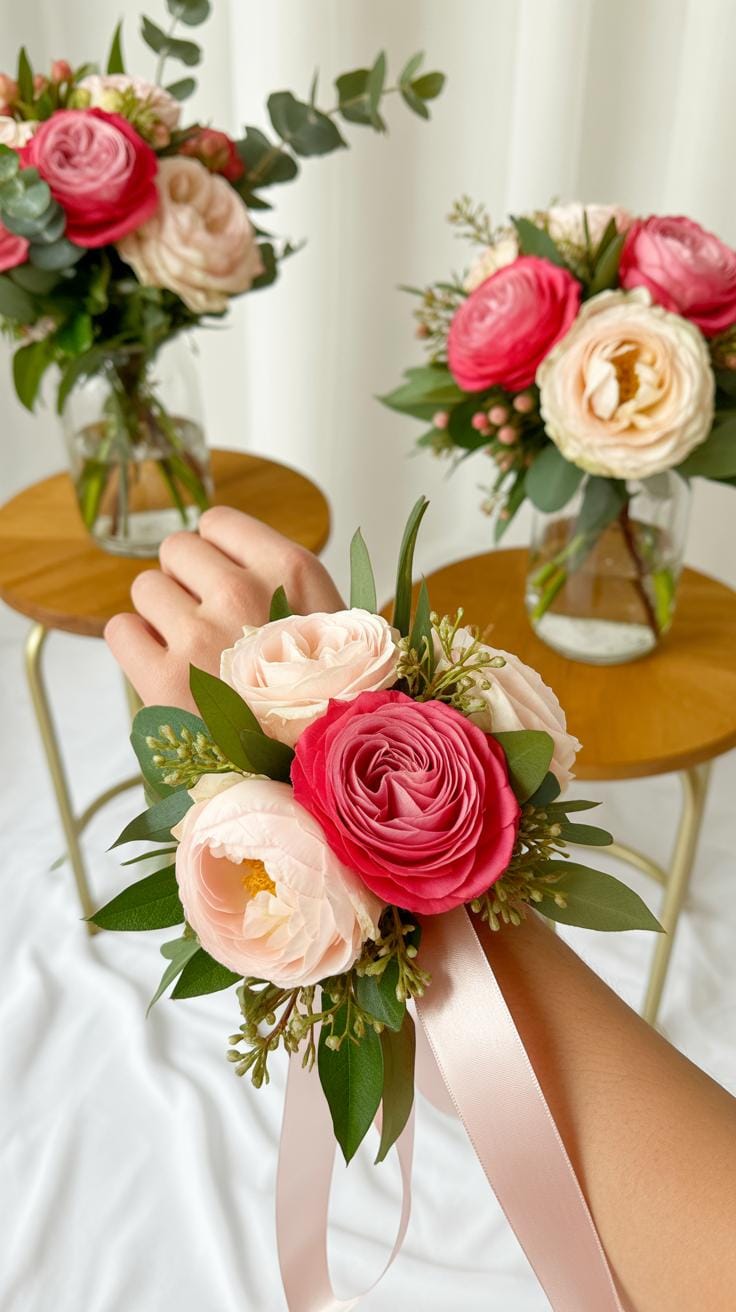
Modern bridesmaid corsages focus on texture and durability. Designers often choose spray roses or ranunculus because these blooms hold their shape without a water source. Bohemian styles frequently incorporate dried elements like pampas grass or bleached ruscus. These materials resist wilting and provide a neutral color palette. Successful designs balance a focal flower with smaller fillers to create a compact and professional appearance.
Minimalist trends favor a single, bold bloom secured to a metal cuff or velvet ribbon. Orchids and calla lilies work best for this clean aesthetic. These flowers provide structural integrity and withstand physical contact throughout an event. Greenery like eucalyptus or ferns creates a soft frame. Understanding these material choices allows you to select long-lasting components for your home displays that mimic professional wedding floral work.
Translating Bridesmaid Corsage Aesthetics Into Mantle And Shelf Floral Arrangements
Scale the small corsage concept up for mantles by grouping similar floral clusters. Use low-profile vessels to keep the arrangement close to the surface. This replicates the flat profile of a wrist corsage. Use heavy gauge wire or floral tape to secure stems into tight bundles. This technique ensures the arrangement maintains its shape. Anchor these clusters with stones or moss to hide the mechanics of your display.
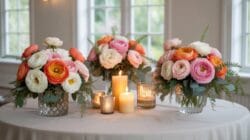
Repeat the color story across your shelf to create visual rhythm. Bridesmaid designs use consistent palettes to unify different dress styles. Apply this logic by placing three to five small arrangements along a single ledge. Use varying heights of the same flower species to add depth. This method transforms a wedding accessory into a permanent design feature. Focus on grouping and spacing to achieve a modern and curated home environment.
DIY Hand Corsage Projects That Add A Personal Touch To Your Living Space
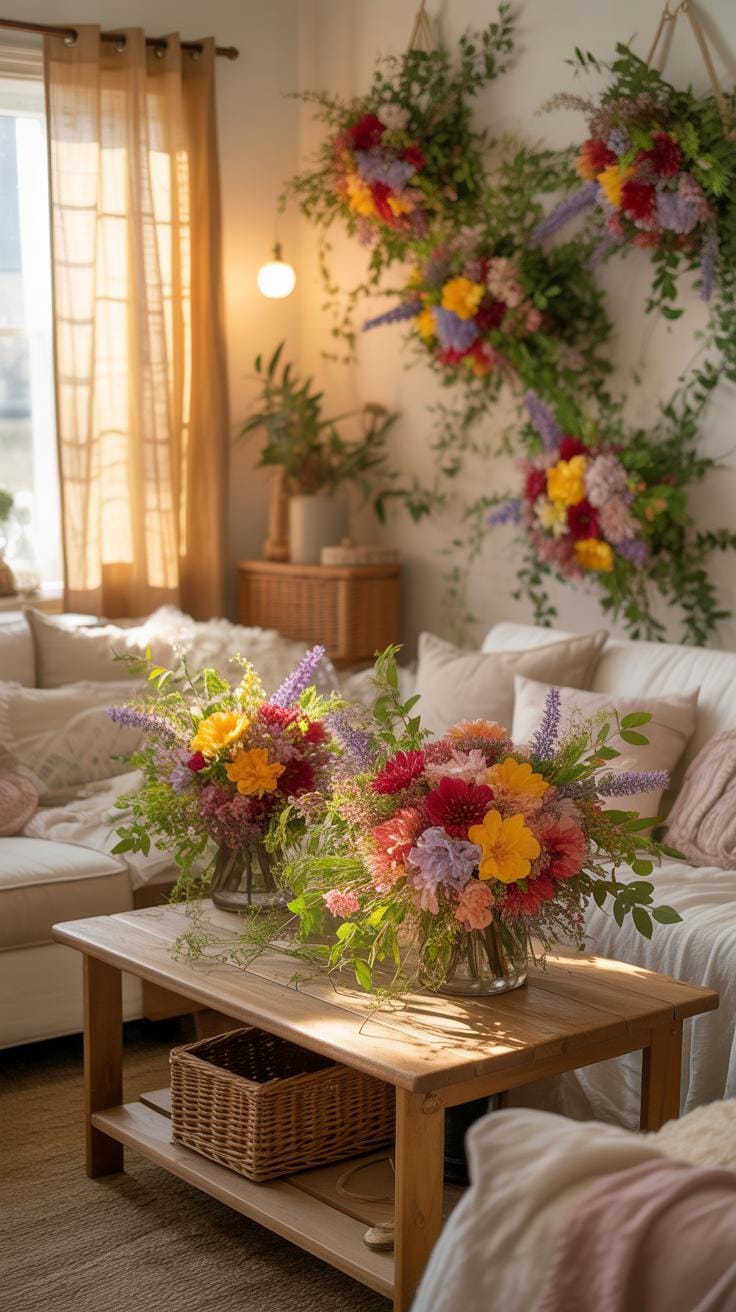
Beginner Friendly DIY Hand Corsage Designs Using Accessible Everyday Flowers
Standard grocery store carnations and spray roses provide the best foundation for beginners. These blooms have thick stems and durable petals that resist bruising during assembly. Use floral tape to wrap stems individually before grouping them. This technique ensures the structure remains rigid. Choose a sturdy elastic wristband or a wide velvet ribbon as your base to ensure the weight balances properly.
Focus on color blocking to make a high impact with simple materials. Group three small buds with a sprig of silver dollar eucalyptus for a clean look. Secure the floral cluster to the base using thin gauge floral wire. This method allows you to adjust the angle of each flower easily. Trim all stems to one inch to prevent the design from becoming bulky.
How To Preserve A DIY Hand Corsage To Keep It As A Lasting Home Keepsake
Preservation transforms a temporary floral arrangement into a permanent interior design element. You must remove moisture quickly to prevent rot and maintain the original petal shape. Different methods produce different textures and color depths in the dried material. Professional crafters select the preservation technique based on the specific flower species and the desired final aesthetic for the home display.
- Silica Gel Desiccant: Submerge the entire corsage in a container filled with silica sand for several days. This medium pulls moisture out while physically supporting the delicate petals to prevent drooping. It preserves the original vibrant colors better than air drying methods.
- Professional Floral Sprays: Apply a clear acrylic or specialized floral sealant to the dried arrangement. This coating creates a moisture barrier that prevents the flowers from absorbing humidity. It also adds a subtle sheen while strengthening the brittle parts of the dried plant.
- Traditional Air Drying: Hang the corsage upside down in a dark and dry space with consistent airflow. Gravity keeps the stems straight while the darkness prevents UV rays from bleaching the natural pigments. This method works best for hardy flowers like roses and lavender stems.
- Glycerin Immersion: Replace the natural water content of the plant cells with a glycerin solution. This chemical process keeps the foliage and petals flexible rather than brittle. It results in a leather-like texture that lasts for years without crumbling under light touch.
- Shadow Box Mounting: Place the preserved corsage inside a sealed glass frame to protect it from household dust. Use acid-free adhesive to secure the ribbon to the backboard of the frame. This presentation prevents mechanical damage and slows down the natural oxidation process of the flowers.

Clean the preserved corsage regularly using a soft brush or canned air at a distance. Avoid placing these items in direct sunlight to prevent fading. A well-preserved corsage serves as a tactical decor piece on bookshelves or gallery walls. Proper chemical treatment ensures the organic material does not attract pests. Follow these steps to maintain the structural integrity of your floral DIY projects indefinitely.
Wrist Corsages As Seasonal Home DCor Ideas For Every Time Of Year
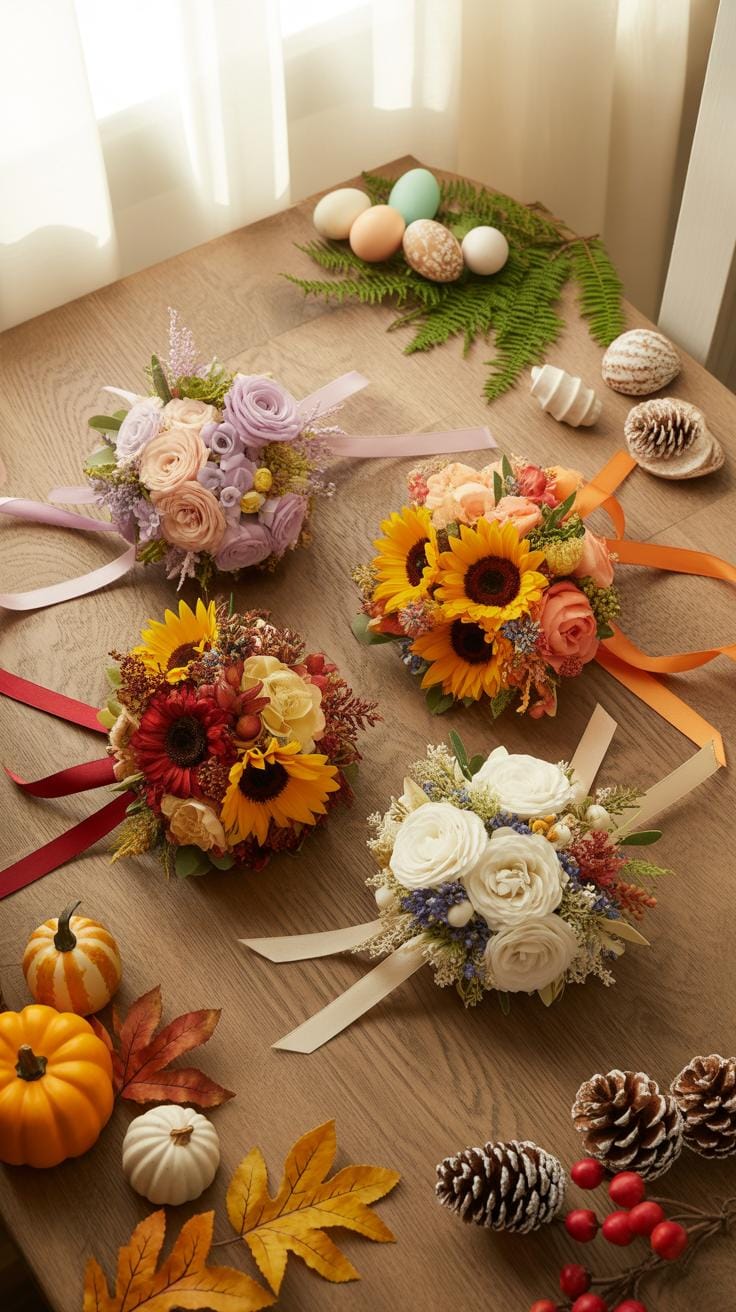
Spring And Summer Wrist Corsage Floral Combinations For Bright, Airy Home Spaces
Spring decor requires high moisture retention and light colors. Use ranunculus and sweet peas for early season displays. These flowers reflect the transition from winter. Attach these blooms to silk ribbons rather than heavy metal cuffs. This choice maintains a light appearance on side tables or vanity mirrors. Use cold glue for a permanent bond. This technique prevents wilting in humid spring air.
Summer designs focus on heat resistance and saturation. Incorporate succulents and dried lavender to survive high temperatures indoors. These materials align with the Mediterranean style often found in coastal homes. Use thin wire frames to keep the structure rigid. Position these pieces near windows where natural light highlights the vibrant yellows and blues. High light levels can fade soft petals so choose hardy varieties.
Autumn And Winter Wrist Corsage Themes That Bring Warmth And Texture Indoors
Autumn designs prioritize earth tones and organic textures. Use dried wheat stalks and preserved oak leaves to create a rustic aesthetic. These materials mirror the Arts and Crafts movement focus on natural forms. Secure these elements to leather bands for a sturdy finish. Place them on wooden mantels or dining centerpieces. The brown and copper hues ground the room and add visual weight.
Winter themes require durability and contrast for holiday settings. Use evergreen sprigs and holly berries for a traditional look. These materials stay fresh in cool indoor climates. Pair these with velvet ribbons to add a tactile layer to the decor. This approach follows Victorian era traditions of bringing greenery inside during the solstice. Secure the stems with floral tape to hide the mechanical parts of the design.
DIY Wrist Corsage Tutorial A Complete BeginnerS Guide To Crafting At Home
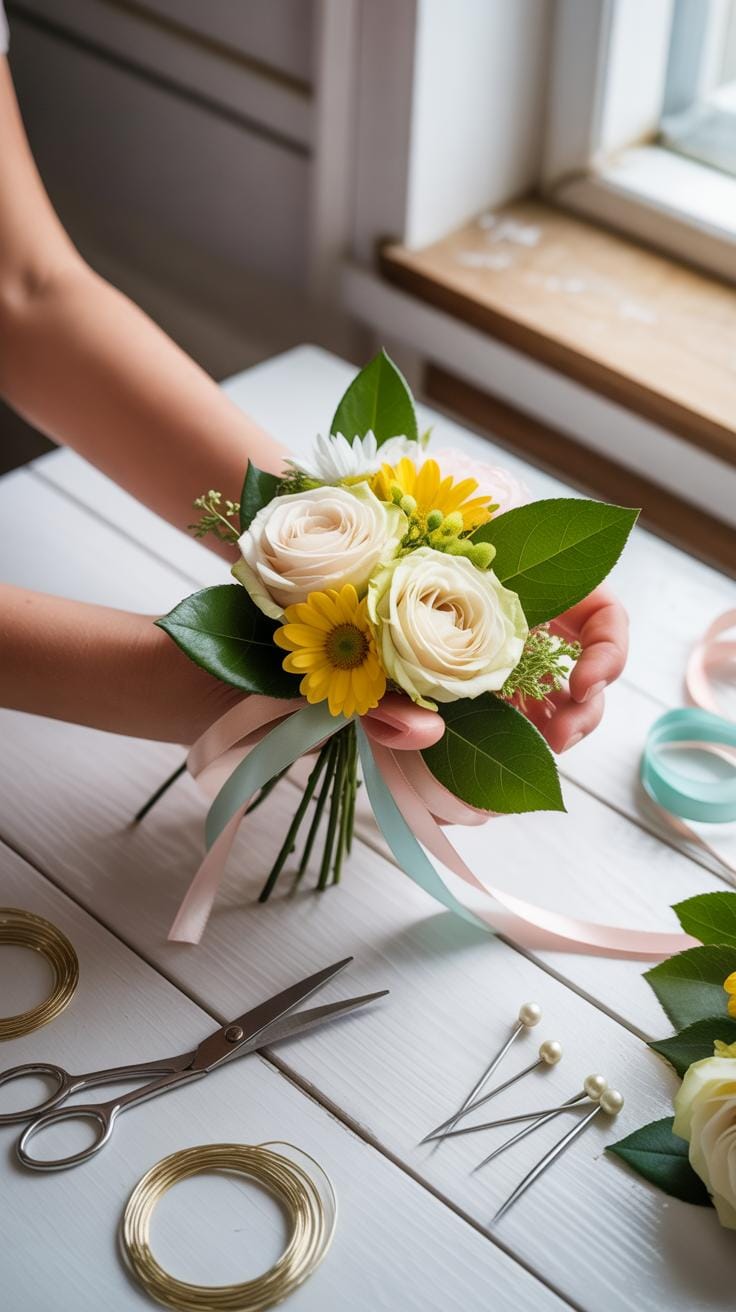
Understanding Floral Tape, Wire, And Ribbon: The Core Tools Of Any Corsage Tutorial
Floral wire provides the necessary skeleton for soft stems. Use 22-gauge or 24-gauge wire to pierce the calyx of the flower. This allows you to bend the bloom into position without snapping the natural stem. High-quality wire ensures the flower stays upright throughout the event. Beginners must master the piercing technique to create a stable foundation for the entire floral arrangement.
Floral tape activates its adhesive through tension. Pull the tape slightly as you wrap it around the wire and stem. The heat from your fingers seals the wax-based coating. This creates a water-resistant barrier that holds the structure together. Ribbon finishes the design by hiding the tape and wire. Choose a material that complements the flower color and stays secure on the wrist.
Common Mistakes To Avoid When Following A DIY Wrist Corsage Tutorial At Home
Many beginners fail to hydrate their flowers before starting the assembly. Flowers lose moisture rapidly once cut and wired. You must soak the blooms in cool water for at least two hours. Skipping this step leads to wilting before the event ends. Professional florists always prioritize hydration to maintain the structural integrity and visual appeal of the petals during long hours of wear.
Overloading the wristlet with heavy flowers causes the corsage to flip or sag. Balance the weight by placing larger focal flowers in the center. Use lightweight greenery and filler flowers to round out the edges. Avoid using too much cold glue or tape, which adds unnecessary bulk. A well-constructed corsage feels light on the arm while remaining secure enough to withstand constant movement and dancing.
Frequently Asked Questions

What are floral corsages and how can they be used in home decor?
While traditionally worn as wearable art, floral corsages are becoming a popular micro-trend in interior styling. These miniature arrangements can be used to accent decorative pillows, dress up napkin rings for a dinner party, or add a delicate touch to curtain tie-backs. Exploring creative corsage ideas allows you to introduce sophisticated, botanical texture into small corners of your home that larger floral bouquets simply cannot reach.
How can I create a long-lasting floral corsage for my dining table setting?
To make a durable piece, choose hearty blooms like ranunculus, spray roses, or orchids. Start by trimming the stems short and securing them with floral wire and green tape to create a sturdy base. To ensure your corsage ideas stay fresh throughout a dinner event, lightly mist the petals with a floral sealant and store the finished arrangements in the refrigerator until your guests arrive at your home.
Are there budget-friendly ways to incorporate the corsage look into my home?
Absolutely! You can achieve a high-end look without a designer price tag by using high-quality silk flowers or dried botanicals like lavender and eucalyptus. These materials are cost-effective because they never wither, allowing you to reuse your decorations season after season. Simply gather small remnants of ribbon or twine from your craft bin to bundle the sprigs together for a charming, rustic accent that fits any budget.