What Are Rustic Wedding Flowers And Why Are Rustic Flowers Wedding Styles So Popular
The Defining Characteristics Of Rustic Wedding Florals
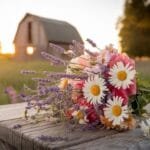
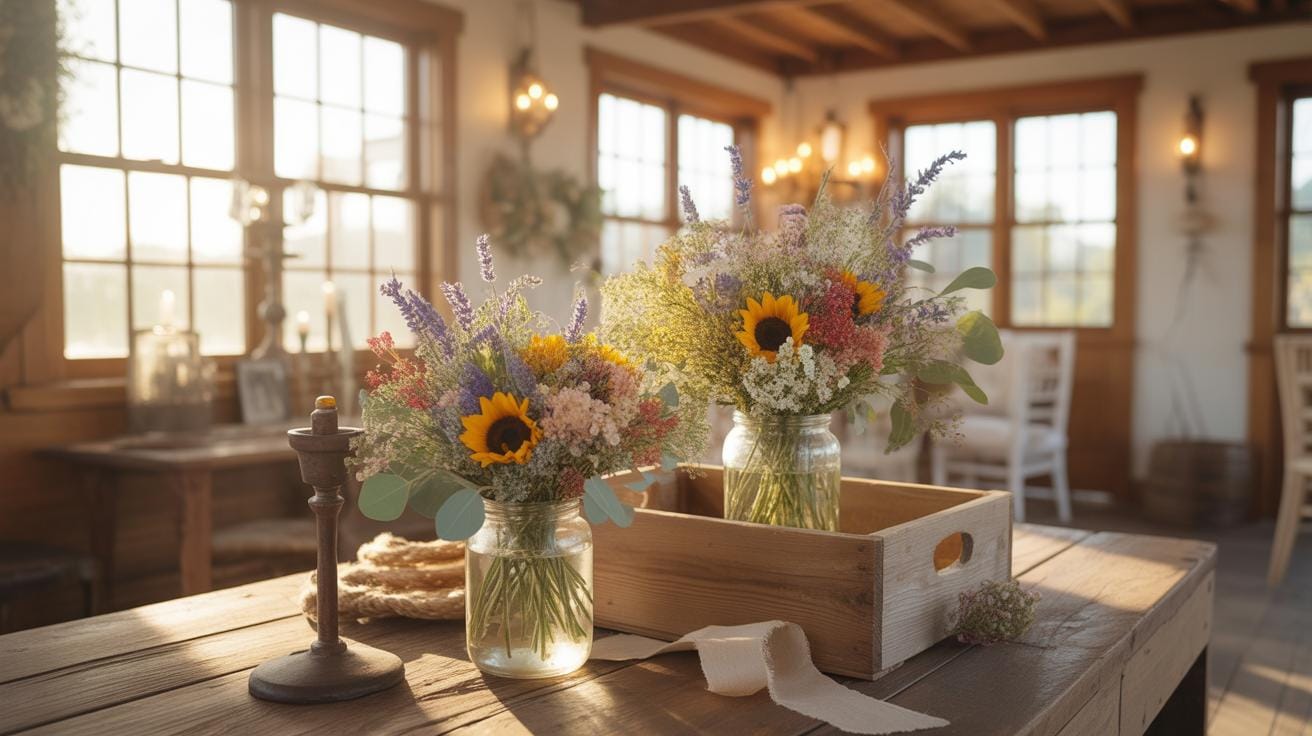
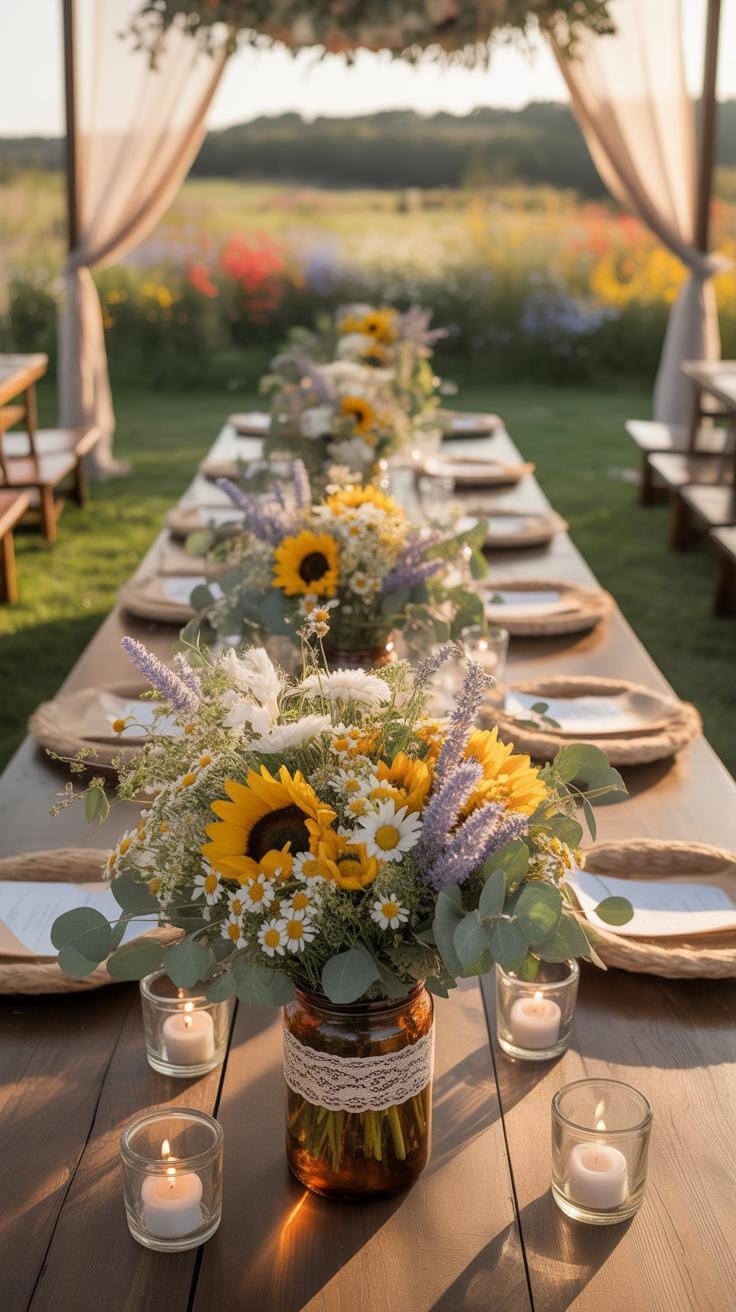
Rustic wedding flowers focus on texture rather than uniform shape. Designers use seasonal blooms that look gathered from a field. These arrangements avoid the tight and symmetrical look of formal ballroom displays. The style emphasizes movement and organic growth patterns. You will see stems of varying lengths and asymmetrical placements. This approach mimics how plants naturally grow in a garden or wild meadow environment.
Structure plays a vital role in this aesthetic. Designers use hearty materials like wood, twine, and stone to anchor the florals. They prioritize muted tones and earthy greens over neon or synthetic colors. Common elements include seed pods, dried grasses, and woody branches. These components add physical depth and a sense of history. The final product feels sturdy and grounded. This style rejects perfection in favor of raw and tactile visual interest.
Why Rustic Flower Aesthetics Have Become A Timeless Wedding And Home Decor Trend
Modern couples choose rustic flowers because they offer versatility and cost control. Seasonal sourcing reduces shipping fees and ensures freshness. This style works in barns, lofts, or modern living rooms. The focus on greenery makes the decor feel alive and breathable. It removes the pressure of matching colors perfectly. Natural variations in stems allow for a more forgiving and approachable design process that many homeowners can replicate.
The trend draws heavily from the Arts and Crafts movement and farmhouse design. These movements value craftsmanship and honest materials. People want to connect with nature inside their living spaces. Rustic flowers bridge the gap between high design and everyday comfort. They provide a relaxed atmosphere that formal arrangements cannot match. This durability makes them a staple for events and long term home decoration. The look stays relevant across different seasons and years.
Top Rustic Wedding Flower Varieties That Work Beautifully In Any Home Setting
Classic Blooms Like Sunflowers, Lavender, And Baby’S Breath That Define A Rustic Wedding Flower Look
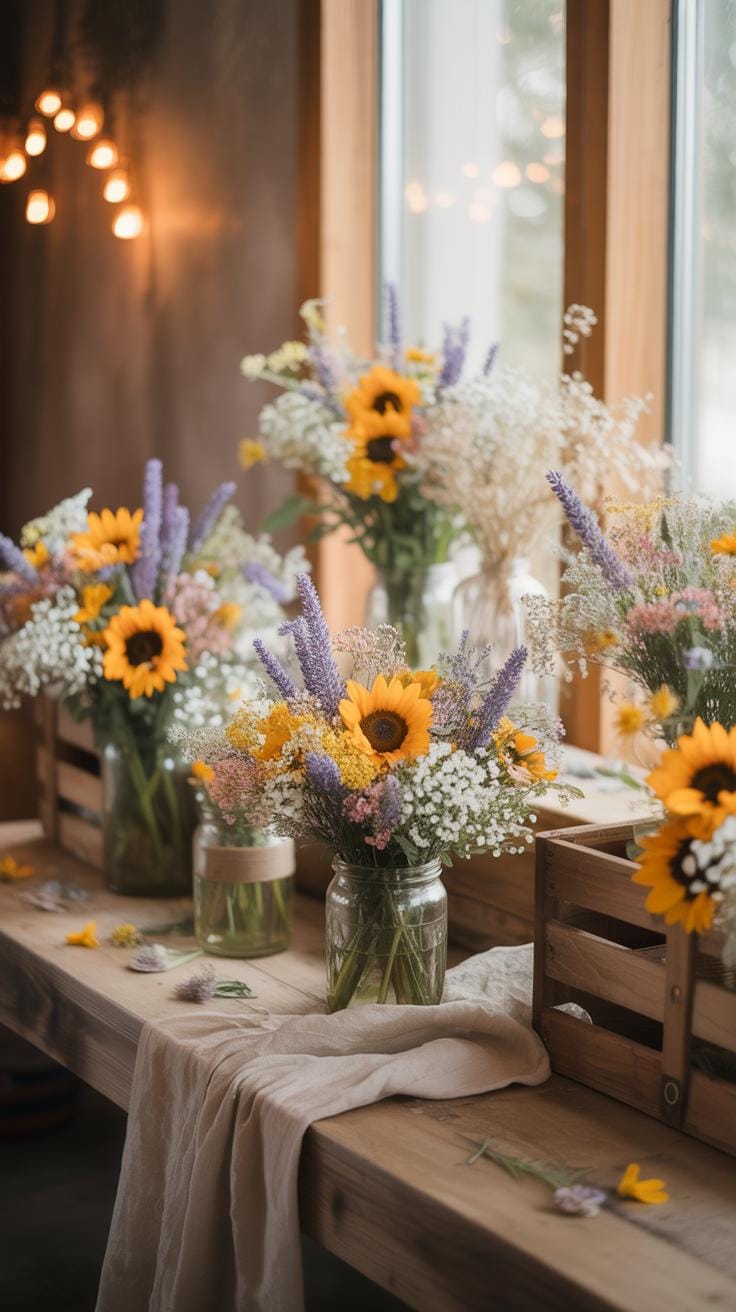
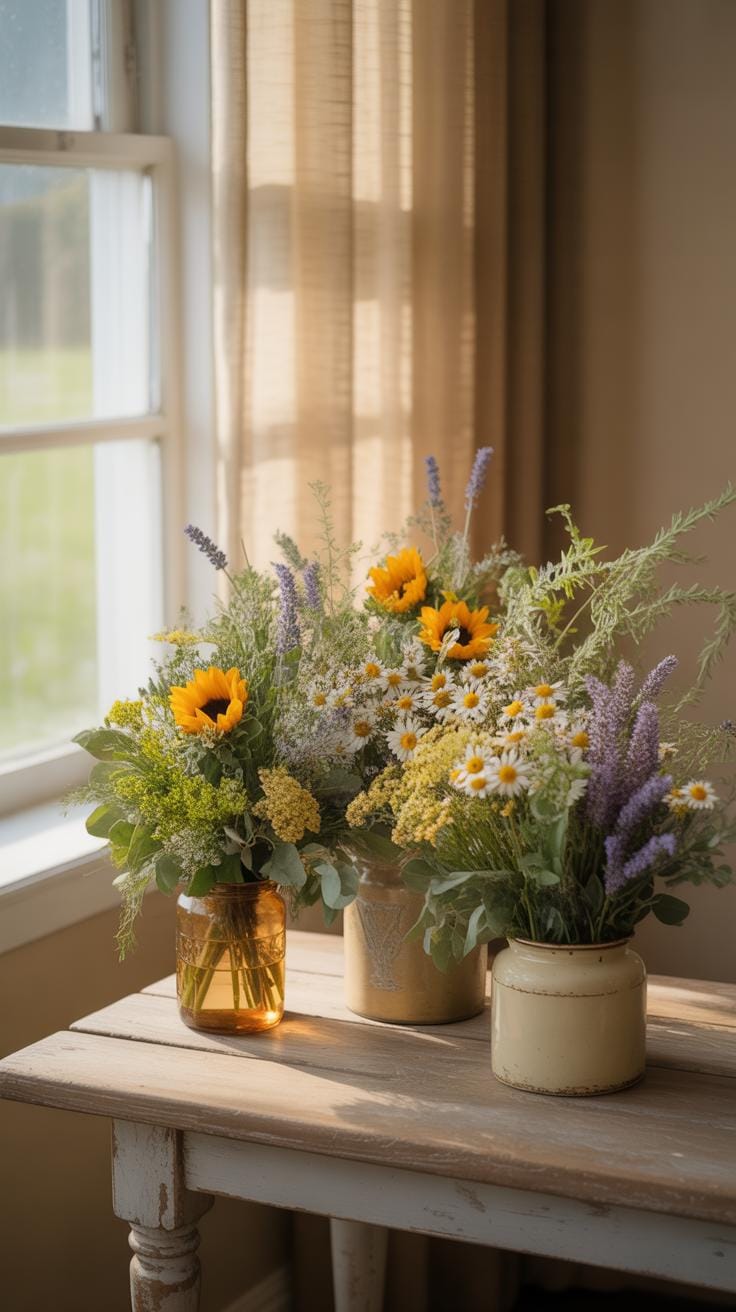
Sunflowers provide the primary visual anchor for rustic designs. Their thick stems and large yellow heads offer immediate structural impact. These flowers grew in popularity during the American farmhouse movement because they were easy to cultivate. They bring gold tones into a room without appearing formal. Use them in heavy ceramic crocks or wooden crates to balance their physical weight and bright colors effectively.
Lavender and Baby’s Breath function as essential fillers and scent drivers. Lavender offers a muted purple hue that mimics the look of dried herbs. It lasts for weeks and retains its shape well after drying. Baby’s Breath adds a light cloud of white to break up dense focal flowers. These plants work because they require little water. They fit the utilitarian nature of true rustic interior styling perfectly.
Wildflowers And Greenery That Add Texture And Depth To Rustic Floral Arrangements
Wildflowers and foliage create the physical layers necessary for a professional rustic look. You must use varying heights to mimic a natural field. Greenery provides the frame while smaller buds fill the gaps. This technique creates a sense of movement in fixed arrangements. Choose stems with interesting leaf shapes or seed pods to add visual grit. This prevents the display from looking too polished or artificial.
- Eucalyptus: This silver-toned leaf provides a dusty color palette that complements aged wood and metal. Its sturdy stems allow for arching shapes that soften the hard edges of furniture. It also releases a clean scent that masks stagnant indoor air.
- Queen Anne’s Lace: This delicate white flower mimics the appearance of lace patterns from the Victorian era. It adds fine detail and a lightweight texture to heavy arrangements. The wide flat heads help fill large horizontal spaces in centerpieces without adding bulk.
- Thistle: These blue or purple spiky plants add an architectural element to the bouquet. They represent a rugged aesthetic that stands up well against leather or stone surfaces. Thistles are extremely durable and can survive for long periods without wilting in heat.
- Seeded Eucalyptus: This specific variety includes small berry clusters that provide a unique tactile quality. The seeds offer a darker green contrast to the pale leaves. It works best when draping over the sides of containers to create a cascading visual effect for tables.
- Scabiosa Pods: These rounded textured spheres provide a neutral brown tone that links flowers to earthier elements. They add a sophisticated geometric shape that draws the eye. Use them to provide a focal point in arrangements that lack traditional bright bloom colors.
Texture is the most important factor when selecting these secondary plants. Avoid shiny or waxy leaves that look like office plants. Stick to matte finishes and fuzzy stems to maintain the rural theme. Arrange these items in odd numbers to ensure the layout looks organic rather than planned. Proper layering of these materials creates the depth needed to make a simple home arrangement look like professional decor.
How To Style Rustic Floral Arrangements For A Warm And Inviting Home Atmosphere
Choosing The Right Vessels And Containers For Authentic Rustic Floral Arrangements
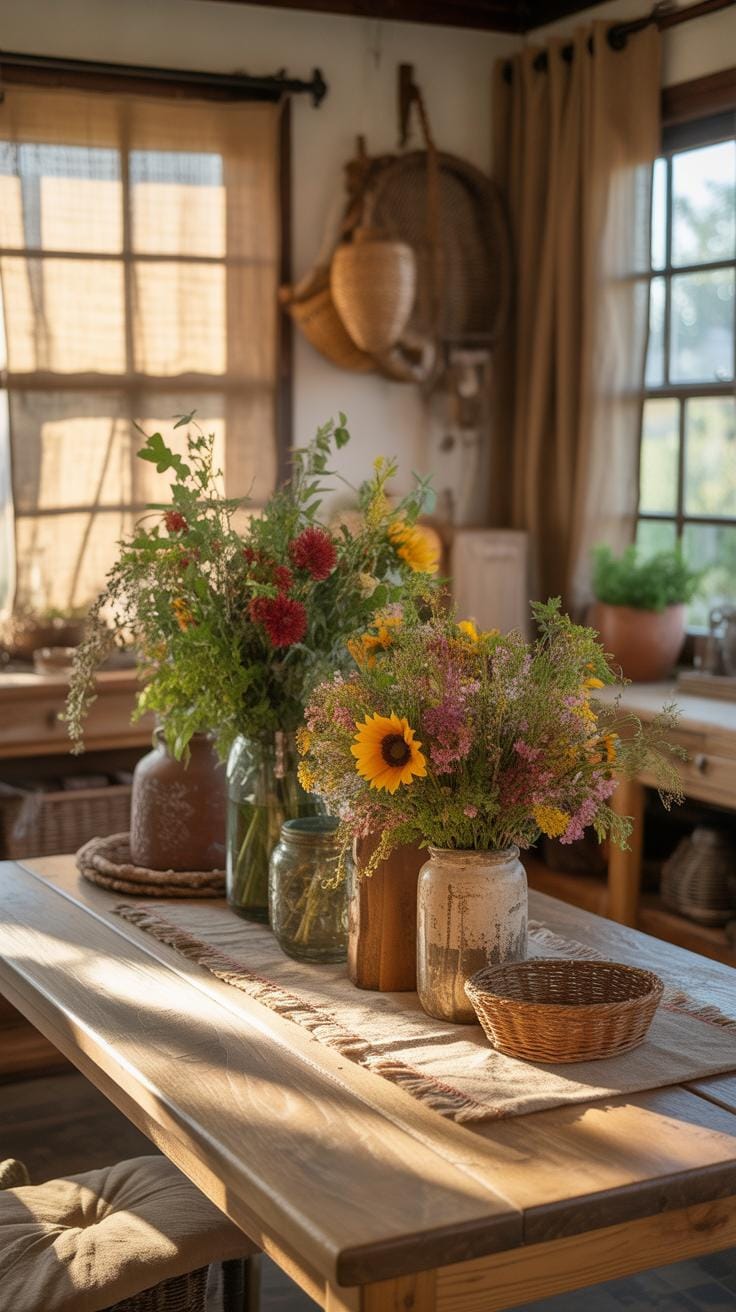
Authentic rustic design relies on repurposed utilitarian objects. Select containers made from natural materials like weathered wood, galvanized steel, or hammered copper. Stoneware crocks and amber glass jars provide the necessary weight and visual depth. Avoid shiny plastics or mass produced ceramics. Use vessels with visible wear or patina to ground the arrangement. These materials reflect historical rural life where functionality dictated the aesthetic.
The scale of the container must match the display area. Use narrow necked bottles for single stems on mantels. Select wide mouth wooden crates or ceramic pitchers for central dining tables. Ensure your vessel is waterproof or use a hidden plastic liner. Heavy bases prevent top heavy rustic branches from tipping. Secure stems using chicken wire or floral frogs instead of green foam to maintain a natural look.
Balancing Color, Texture, And Scale When Arranging Rustic Flowers At Home
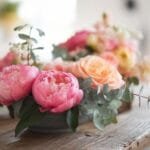
Successful rustic arrangements prioritize texture over symmetry. Mix coarse elements like dried seed pods or thistles with soft petals from garden roses. Incorporate varying heights to mimic how flowers grow in nature. Use a neutral color palette with pops of deep burgundy or dusty blue. This approach ensures the display feels organic rather than manufactured. High contrast between rough stems and delicate blooms creates immediate visual interest.

Scale determines the impact of the arrangement within a room. Large branches of eucalyptus or pussy willow provide height and structure. Tuck smaller filler flowers like waxflower or feverfew into the gaps to create density. Place the heaviest blooms near the rim of the container to act as a focal point. Always leave negative space between stems. This allows each unique flower shape to remain distinct and visible.
Exploring Wedding Ideas Boho Style That Translate Seamlessly Into Home Flower Decor
The Core Principles Of Boho Wedding Flower Design And Their Roots In Natural Living
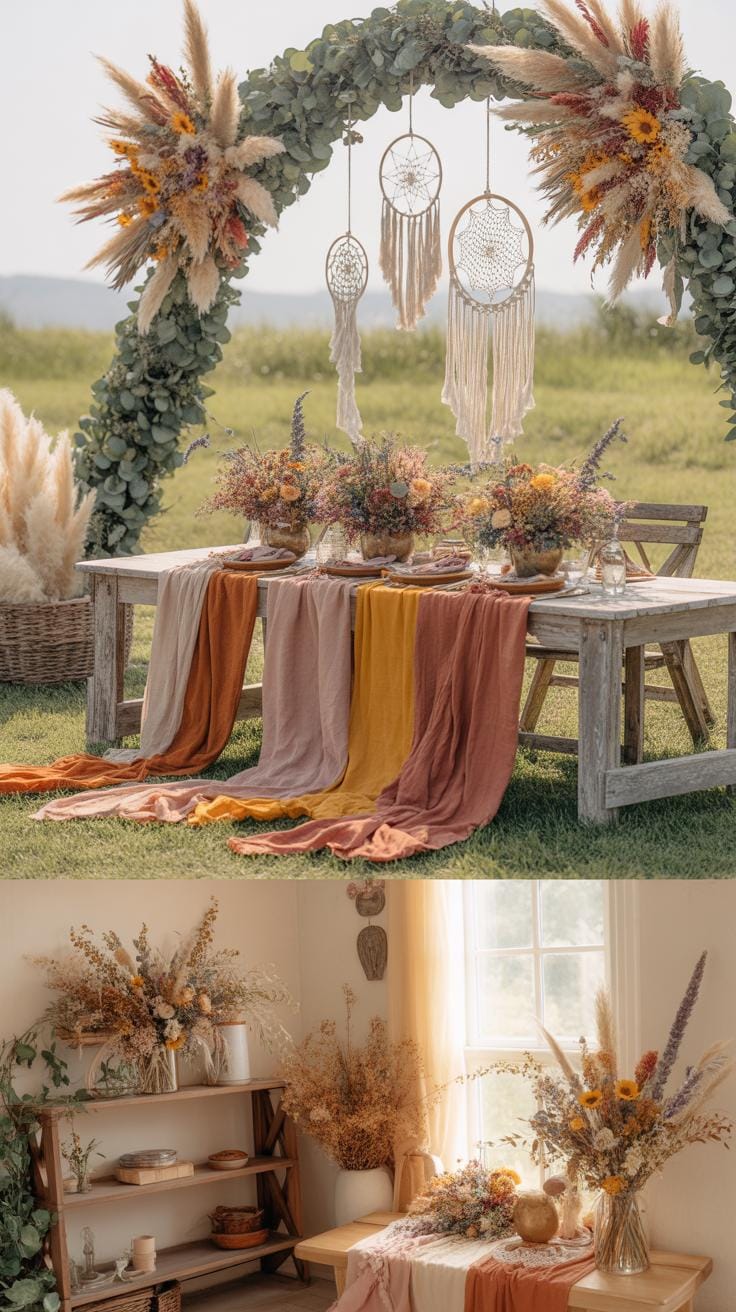
Boho flower design prioritizes texture over symmetry. This movement stems from the 1970s revival of Arts and Crafts values. It rejects stiff, formal structures. Practitioners use varying stem lengths to mimic how plants grow in nature. This approach creates a relaxed visual state. It focuses on the raw form of the plant. Designers prioritize muted tones and earth colors to ground the display.
Natural living principles dictate the use of seasonal and local materials. Real boho style avoids synthetic dyes or plastic foams. Artists use mechanics like chicken wire or floral frogs to hold stems. These tools allow for better water flow and longer plant life. The goal is a sustainable aesthetic that feels effortless. You must understand these structural basics to maintain a healthy home arrangement that lasts.
How Boho Bouquets Of Flowers Inspire Loose, Organic Arrangements For Everyday Home Styling
Wedding bouquets often use a focal flower surrounded by wild fillers. You can replicate this in home decor by using one primary bloom. Surround it with grasses, seed pods, or dried branches. This technique breaks the round shape of traditional vases. It draws the eye outward and creates a sense of movement. Sharp vertical lines from reeds add height without occupying much physical space.
Loose arrangements work best when you ignore strict rules of proportion. Fillers like eucalyptus or ferns provide the necessary bulk. They create a backdrop for the main flowers. This layering method hides the vase rim and looks natural. Use different vessel types like stoneware or amber glass to enhance the earthy look. Strategic placement of these items brings a calm, outdoor feel to any indoor living area.
Brides Bouquet Ideas That Double As Stunning Rustic Home Centerpieces
Deconstructing The Bridal Bouquet To Create Lasting Floral Displays Around The Home
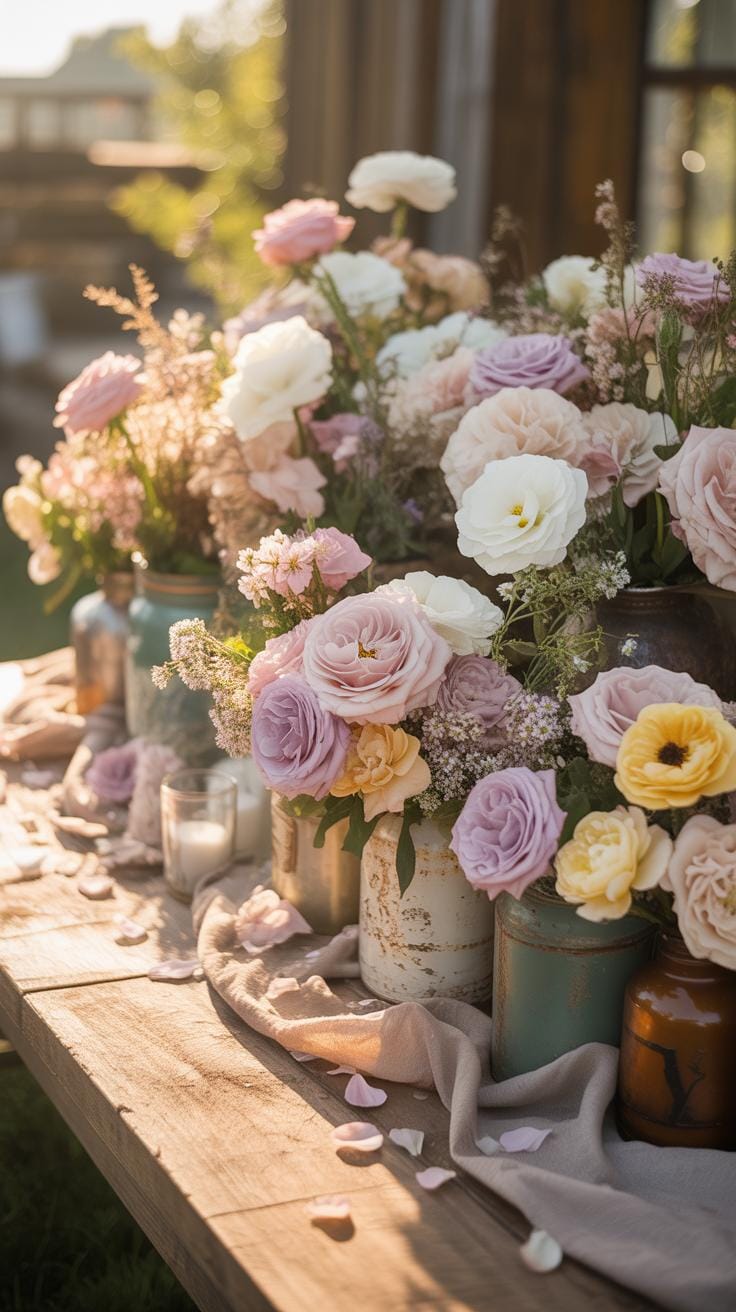
Modern rustic bouquets often feature a high ratio of foliage and structural branches. You can extend their utility by breaking the arrangement apart after the ceremony. Separate heavy woody stems from soft-stemmed blooms. Place larger focal flowers like protea or garden roses into individual stoneware crocks. This distribution spreads the wedding aesthetic throughout your living space instead of centralizing it in one vase.
Prioritize stems that maintain their structural integrity without constant hydration. Eucalyptus and olive branches work best for this transition. Trim the ends at a forty-five-degree angle to maximize water intake during the first week. Transition these components into smaller bud vases once the primary blooms begin to fade. This method ensures your home decor reflects the organic and loose styling characteristic of the rustic design movement.
The best rustic flowers carry the warmth of a sun-drenched meadow into the heart of a home. They are a timeless bridge between the wild beauty of your wedding day and the graceful comfort of your everyday life.
Preserving And Repurposing Your Wedding Bouquet As A Permanent Rustic Home Decoration
Long-term preservation transforms perishable wedding flowers into permanent interior assets. You must select a method that suits the specific moisture content of your blooms. Air drying works effectively for hardy varieties like lavender, thistle, and baby’s breath. More delicate petals require desiccants to maintain their color and shape. These preserved elements fit the wabi-sabi aesthetic by celebrating the natural aging process of organic materials.
- Silica Gel Desiccants: This chemical process involves burying flower heads in fine sand-like crystals. It pulls moisture out rapidly while preserving the three-dimensional shape and vibrant pigment of the petals. It is the best choice for roses and ranunculus.
- Traditional Air Drying: Hang the bouquet upside down in a cool, dark, and dry room. Gravity keeps the stems straight while the moisture evaporates naturally. This technique creates a vintage, muted look that complements salvaged wood and industrial metal home accents.
- Pressed Flower Frames: Flatten individual petals and leaves using a heavy press or parchment paper. Arrange these dried components between two panes of glass in a wooden frame. This creates a botanical art piece that fits minimalist and rustic minimalist home styles.
- Resin Casting: Professional artists submerge dried flowers in clear epoxy resin blocks. This protects the vegetation from oxygen and humidity indefinitely. Use these blocks as heavy bookends or decorative paperweights on a farmhouse desk or a solid wood bookshelf.
- Wax Dipping: Dip fresh blooms into melted paraffin or soy wax to seal them. This temporary preservation method keeps flowers looking fresh for several weeks without water. It provides a unique matte texture that pairs well with rustic tabletop displays and candlelight.
Integrate these preserved pieces into your home by mounting them in shadow boxes or placing them under glass cloches. These methods protect the fragile materials from dust and physical damage. Proper lighting is critical for display. Keep dried arrangements out of direct sunlight to prevent UV rays from bleaching the natural colors. These tactics turn a one-day accessory into a permanent fixture of your home design strategy.
Rustic Wedding Bouquet Fall Color Schemes That Bring Warmth To Your Interior Spaces
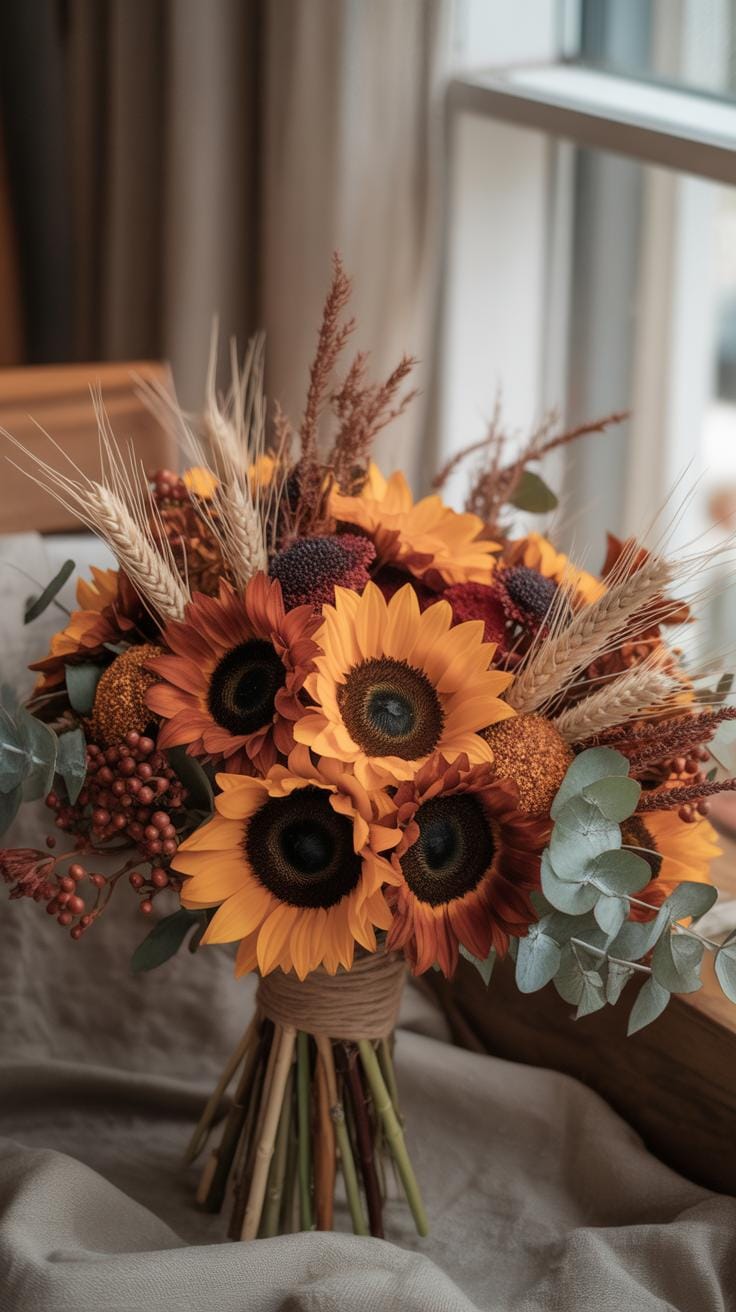
Rich Autumn Tones Like Burgundy, Terracotta, And Amber That Define Fall Rustic Bouquets
Fall rustic palettes rely on heavy saturation and structural depth. Burgundy stems like Scabiosa or Ranunculus provide a dark anchor for the arrangement. Terracotta tones emerge through dried elements or specific rose varieties like Toffee or Amnesia. These colors mimic the natural decay process seen in autumn forests. They create a visual weight that feels grounded and substantial within a room.
Amber accents come from goldenrod or tinted eucalyptus. This specific yellow hue adds brightness without using pastel tones. It cuts through the darker shades to create contrast. You must balance these high-pigment colors with neutral bases like dried wheat or tan grasses. This strategy ensures the bouquet looks intentional rather than cluttered. These tones reflect the harvest period and traditional agricultural cycles.
How To Carry Fall Rustic Color Palettes From The Wedding Table Into Your Home Decor Year Round
Transitioning wedding colors into home design requires a focus on permanent materials. Use the warm palette in textiles like linen pillows or wool throws. Match your floral burgundy shades to velvet upholstery or dark wood finishes. This creates a cohesive look that does not rely on fresh blooms. You can maintain the rustic aesthetic by keeping the textures raw and tactile throughout the house.
Preserved stems allow you to keep the actual wedding palette on display. Dried banksia and protea hold their terracotta and amber colors for years. Place these in heavy stoneware or matte ceramic vases to ground the space. Avoid shiny finishes that clash with the organic feel of fall tones. This approach turns a temporary event theme into a permanent design language for your living environment.
Wedding Flower Ideas Fall Season Picks That Work As Long Lasting Home Floral Decor
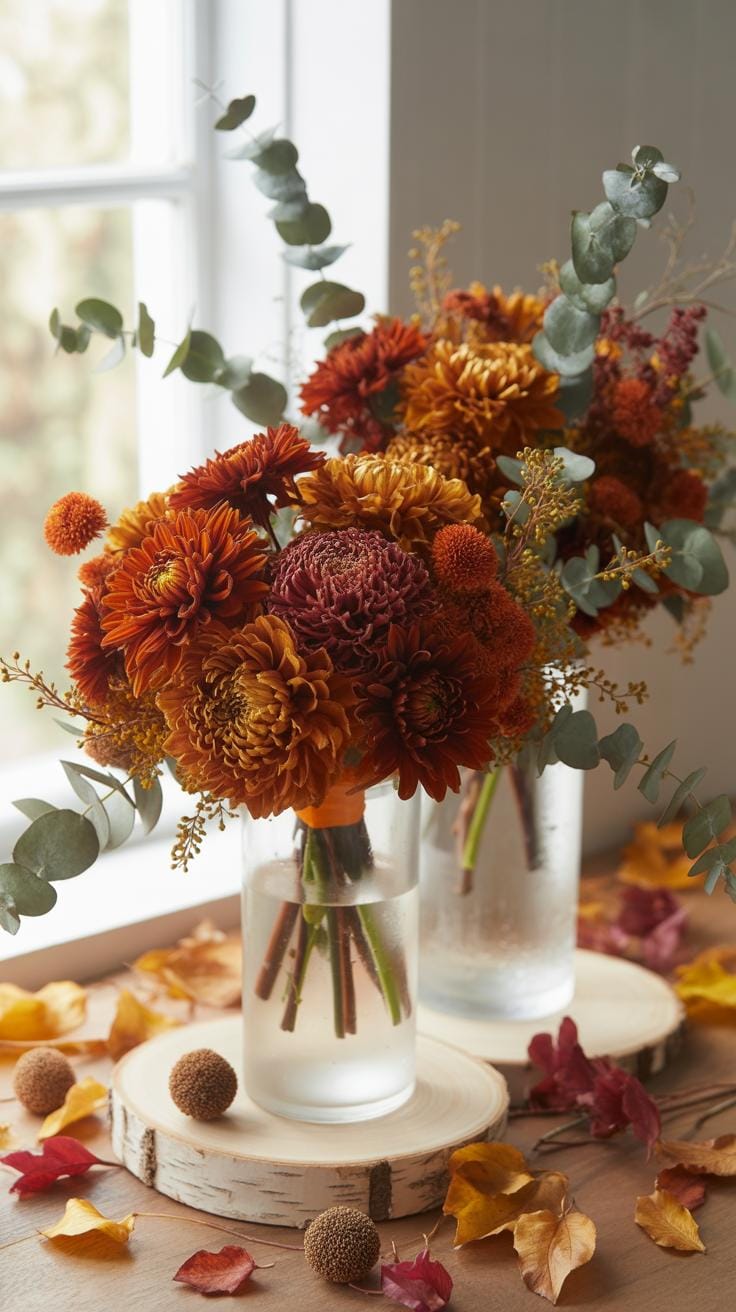
Seasonal Fall Flowers Such As Dahlias, Chrysanthemums, And Marigolds For Rustic Home Styling
Fall flowers offer structural strength and deep pigments. Dahlias provide heavy heads and thick stems. They stay fresh for up to a week in cool water. Chrysanthemums are even more durable. They often last two weeks in a home setting. These plants handle the temperature shifts common in rustic homes. Their solid shapes create a visual anchor in any room.
Use these blooms to maintain a harvest aesthetic. Marigolds add a pungent scent that many people find grounding. Their orange and gold tones reflect natural wood finishes well. Cut the stems at sharp angles to increase water intake. Change the water every two days to prevent bacteria growth. This maintenance ensures your wedding flowers transition into reliable home decor without immediate wilting.
Incorporating Dried Fall Botanicals And Seed Pods To Extend The Life Of Your Rustic Floral Decor
Dried elements provide the longest lifespan for rustic decor. Lotus pods and poppy heads offer unique geometric shapes. They do not require water or light to look good. You can mix these with fresh flowers during the wedding. After the event, remove the dying fresh stems. Keep the pods and dried grains like rye or wheat for a permanent display.
Strategically place dried botanicals in high-traffic areas. They do not drop petals or create messes like wilting roses. Use unscented hairspray to seal delicate dried grasses. This prevents shedding on your furniture. These materials fit the Arts and Crafts movement style. They emphasize raw, organic beauty over artificial refinement. This approach saves money and reduces waste while keeping the home looking professional.
Practical Tips For Sourcing And Maintaining Rustic Wedding Flowers In Your Home
Where To Source Affordable And Authentic Rustic Flowers For Ongoing Home Decoration
Avoid traditional retail florists to save money. Local farmers markets offer the most authentic seasonal stems. These growers sell varieties that fit the rustic aesthetic like zinnias, sunflowers, and dahlias. Buying local ensures the flowers are fresh and last longer. Visit these markets early in the morning for the best selection. Bulk wholesalers often sell to the public if you buy a full box of one variety.
Utilize your own backyard for greenery and texture. Foraging on your property provides free eucalyptus, ferns, and wild grasses. Ensure you identify plants correctly before bringing them inside. Check for pests on every stem. Dry excess blooms to extend their use throughout the year. Use thrift stores and flea markets to find copper pots or wooden crates. These vessels complete the rustic look without the high cost of designer boutique vases.
How To Care For Rustic Cut Flowers And Dried Arrangements To Keep Them Looking Their Best
Cut fresh stems at a forty-five degree angle under lukewarm water. This increases the surface area for water intake. Remove all leaves that sit below the water line to prevent bacterial growth. Bacteria will kill your flowers faster than anything else. Change the water every two days and add a drop of bleach to keep it clear. Keep the arrangement away from direct sunlight and ripening fruit to prevent premature wilting.
Dried arrangements require different tactics to stay clean. Use a hair dryer on a cool, low setting to blow off dust. Do not use water or cleaning sprays on dried materials. Keep them in low humidity areas to prevent mold or drooping. Spray a light coat of unscented hairspray on fragile stems like pampas grass. This stops shedding and keeps the shape intact. Store them in a dark closet when not in use to prevent color fading.
Frequently Asked Questions

What are the most popular types of flowers used in rustic wedding decor?
When selecting rustic wedding flowers, the goal is to create a natural, wildflower aesthetic. Top choices include sunflowers, lavender, protea, and baby’s breath. These blooms pair beautifully with textured greenery like eucalyptus or seeded ferns. By choosing varieties with organic shapes and muted or earthy tones, you can easily transition these floral arrangements into your home, adding a charming, countryside feel to any room or mantelpiece.
How can I repurpose my rustic wedding flowers to decorate my home after the ceremony?
To extend the life of your rustic wedding flowers, trim the stems at an angle and place them in fresh water immediately after your event. Mason jars or vintage milk crates serve as the perfect vessels to maintain that farmhouse style. For a long-lasting look, consider drying herbs and sturdier blooms like strawflowers or thistles. Hanging them upside down in a cool, dry place creates timeless, stylish decor for your walls.
Are there affordable ways to achieve a high-end rustic floral look on a budget?
Absolutely! You can achieve a stunning look without overspending by focusing on seasonal blooms and incorporating plenty of foraged greenery. Using fillers like Queen Anne’s Lace or dried wheat can bulk up bouquets while keeping costs low. Shopping from local flower markets or using potted herbs as centerpieces are also great ways to get gorgeous rustic wedding flowers that are both budget-friendly and easy to replant in your home garden.