The Timeless Appeal Of Flower Crowns In Wedding Traditions
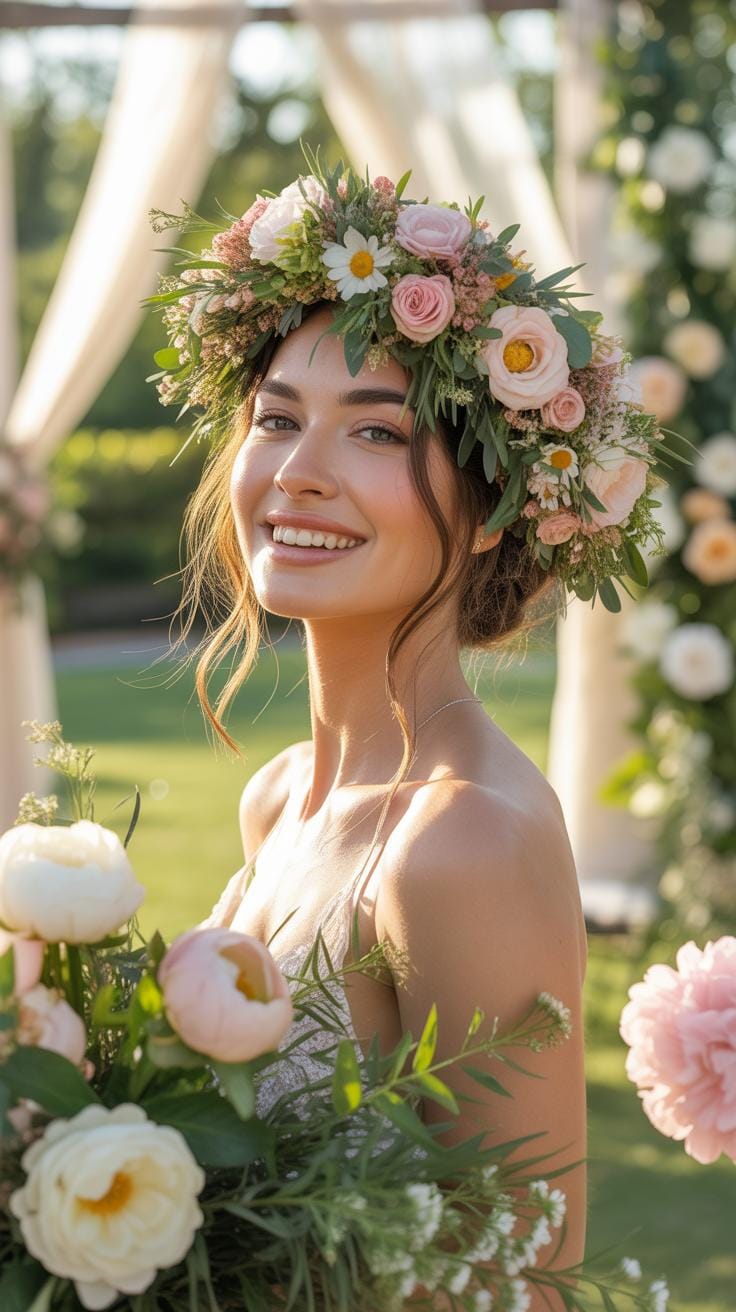
A Brief History Of Floral Crowns In Wedding Ceremonies Across Cultures
Floral headpieces date back to ancient civilizations. In Ancient Greece, brides wore crowns made of myrtle and olive branches to honor the gods and represent fertility. This practice shifted to Rome, where garlands signified victory and new beginnings. During the Victorian era, Queen Victoria popularized the use of orange blossoms. This choice changed bridal fashion standards for decades across Europe.
In Eastern Europe, Slavic traditions feature the wreaths as a rite of passage. These crowns often utilize specific grains and wildflowers to represent a connection to the land. Traditional Hawaiian weddings use the Haku Lei, which involves intricate braiding techniques using local flora. Each culture uses these headpieces to mark a distinct transition from one life stage to the next during marriage.
Why The Crown Has Remained A Symbol Of Beauty And Celebration In Bridal Wear
The flower crown persists because it serves as a functional focal point. It draws immediate attention to the face while providing a natural contrast to structured bridal fabrics. Unlike metal tiaras, floral crowns offer flexibility in weight and design. They allow brides to incorporate seasonal colors and local botanical elements. This versatility ensures the accessory remains relevant as modern wedding themes continue to evolve.
Tactical design keeps the crown in high demand for outdoor and destination weddings. It replaces heavy veils that catch the wind or heat. Florists use wire frames and floral tape to ensure durability throughout the event. This construction supports long periods of wear without losing structural integrity. Strategic material choices like wax flowers or hardy greenery ensure the headpiece survives professional photography and changing weather conditions.

Most Popular Wedding Flower Crowns Styles Dominating 2024 And 2025
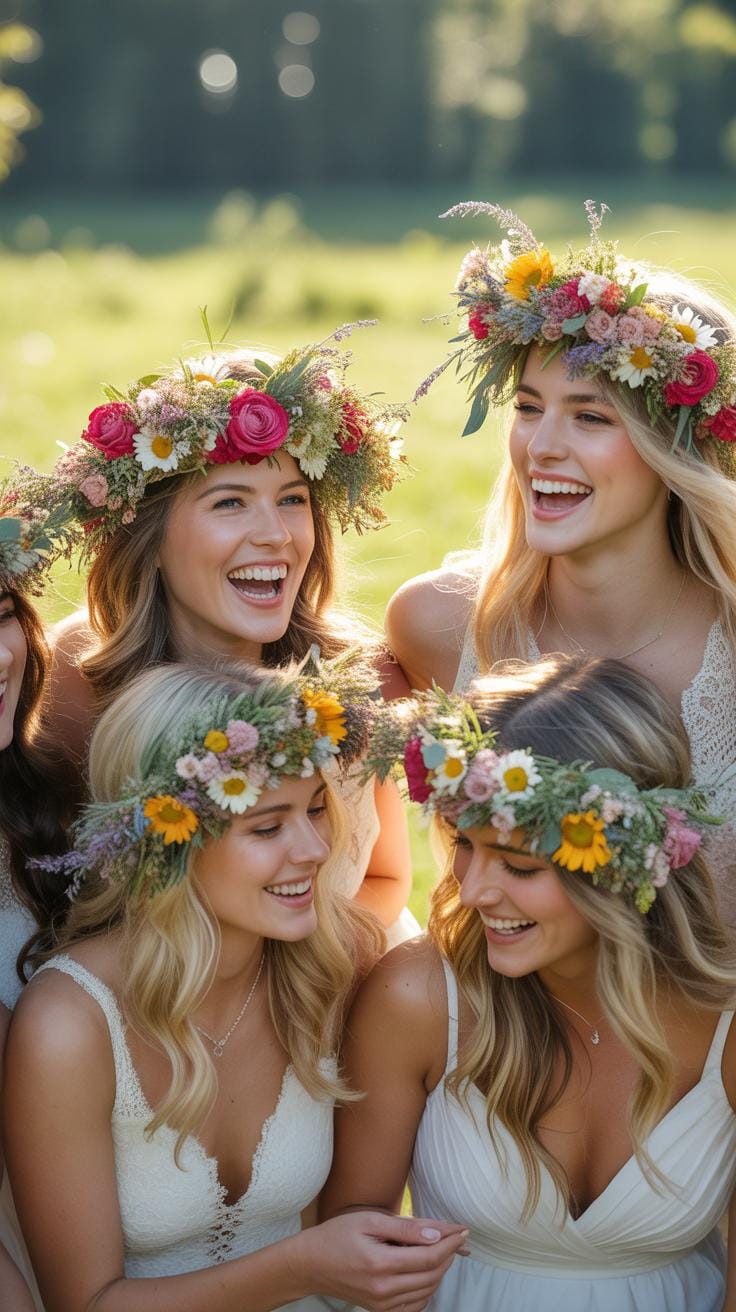
Full Bloom Crowns Vs. Delicate Floral Circlets: Which Trend Is Right For You
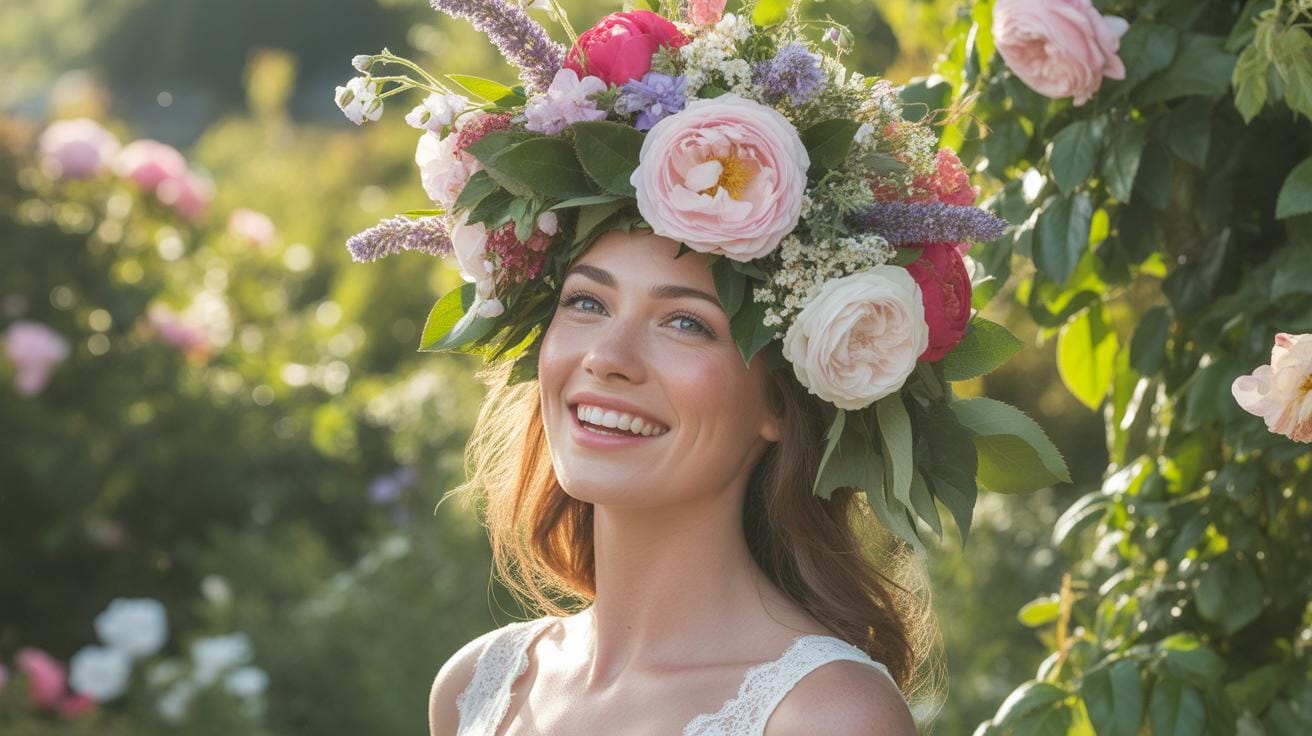
Full bloom crowns prioritize high impact through volume and density. Designers use large focal flowers like peonies or garden roses to build a thick perimeter. This style suits large hairstyles or heavy veils. The weight of these crowns requires a sturdy wire base and secure anchoring with bobby pins. These pieces act as a primary statement piece for the bride.
Delicate floral circlets offer a minimalist alternative focused on fine textures. These crowns use small filler flowers like baby’s breath, waxflower, or spray roses. Designers often use a thin vine base for a flexible fit. This style works best for loose hair or fine textures. It provides a subtle accent without overwhelming the face. Choose this option for comfort during long events.
How Seasonal Blooms Are Shaping The Most Sought After Wedding Flower Crown Designs
Seasonality dictates the durability and look of your headpiece. Spring designs use bulb flowers like ranunculus which have hollow stems. These require internal wiring for stability. Summer crowns rely on heat tolerant varieties like zinnias or succulents. Using out of season flowers increases costs and risk of wilting. Modern designers now select local blooms to ensure the crown stays fresh until the reception ends.

Autumn and winter designs incorporate dried elements and hardy greenery. Designers use eucalyptus, berries, and preserved ferns to create structural depth. These materials survive cold temperatures better than soft petals. Incorporating textures like pine cones or dried wheat moves away from traditional floral patterns. This shift focuses on longevity and architectural shape. Seasonal choices determine the physical integrity of the crown throughout the wedding ceremony.
How To Choose The Right Flower Hair Crown For Your Face Shape And Hair Type
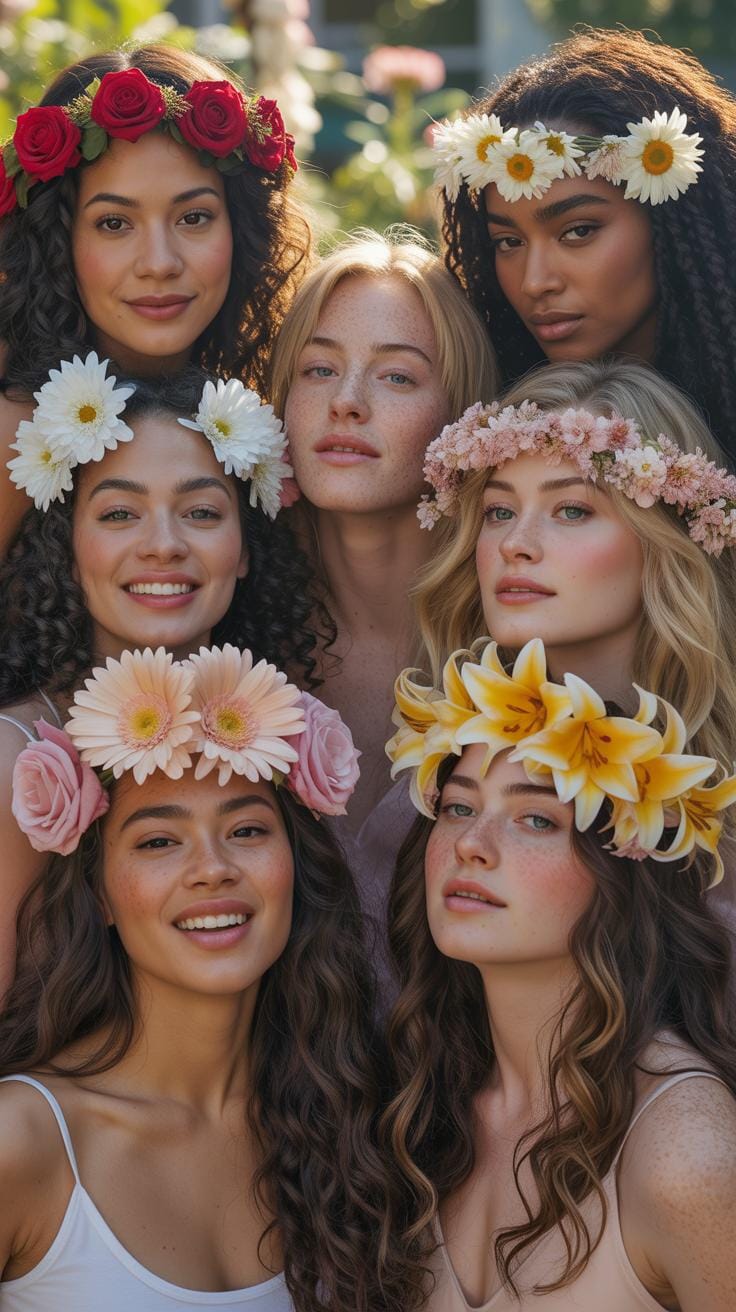
Matching Your Flower Hair Crown To Your Face Shape For A Flattering Bridal Look
Round faces require height to elongate the profile. Position flowers at the top center of the head to draw the eyes upward. Avoid placing large blooms at the temples because this widens the face. Use structured greenery to create vertical lines. This tactic balances soft features and provides a more defined silhouette. Stick to smaller buds on the sides to maintain a narrow appearance.
Square faces benefit from asymmetrical arrangements that soften the jawline. Place larger focal flowers on one side of the crown rather than across the front. This breaks up the symmetrical lines of the face. Heart shaped faces should avoid heavy volume at the forehead. Place delicate flowers toward the back of the crown or near the nape. This keeps the chin from appearing too sharp or out of proportion.
Like a wildflower in a field, a bride should feel natural, effortless, and eternally beautiful in her crowning glory.
Best Flower Hair Crown Styles For Fine, Thick, Curly, And Straight Hair
Thin or fine hair cannot support heavy weight. Select lightweight materials like dried lavender, baby’s breath, or wax flowers. Use a thin wire base rather than a thick vine to prevent the crown from sliding. Secure the piece with hidden combs or U-pins to ensure it stays in place. Overloading fine hair with heavy roses will cause the style to sag and reveal bare spots.
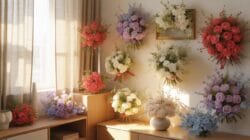
Thick and curly hair provides a natural grip for larger installations. You can use substantial blooms like peonies or ranunculus without structural failure. The texture of curly hair hides wire frames easily. For straight hair, use texturizing spray before fitting the crown. This adds the necessary friction to keep the accessory from slipping. Always match the floral volume to the density of the natural hair for balance.
Stunning Flower Crown Hairstyles That Pair Perfectly With Bridal Looks
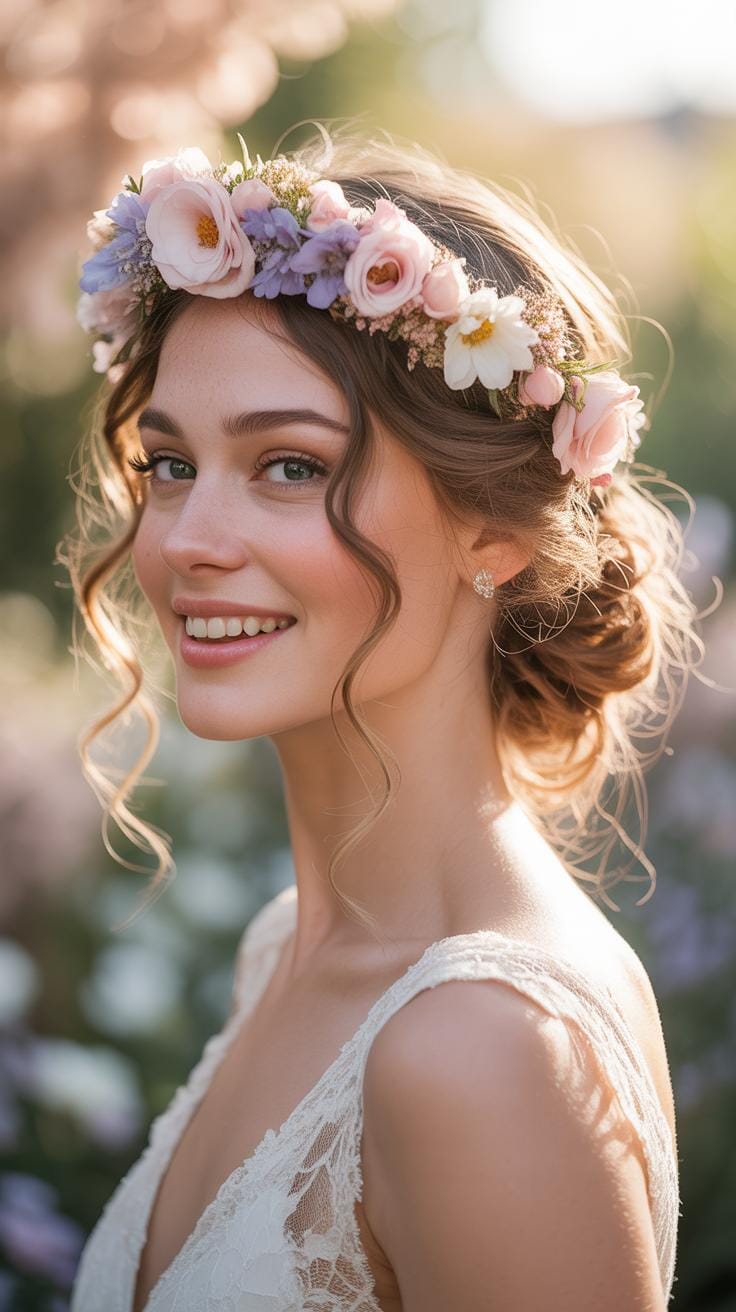
Top Flower Crown Hairstyles For Updo, Half Up, And Loose Waves
Select your hairstyle based on the weight and volume of the floral piece. Fine hair requires lightweight blooms to prevent the crown from slipping or flattening the style. Thick hair handles heavy greenery and large focal flowers like peonies or garden roses. Your choice of hairstyle dictates where the crown sits on the head and how you will anchor it during the ceremony.
- Low Chignon: Position the crown so it rests just above the bun. This classic look provides a natural shelf for the floral base. It works best with asymmetrical designs where flowers cluster on one side.
- Bohemian Loose Waves: Drape the crown straight across the forehead for a 1970s aesthetic. This style suits thin, flexible vines that wrap easily around the head. Ensure the waves have enough texture to prevent the band from sliding down.
- Half Up Half Down: Pin the top section of hair into a small crown or knot before placing the flowers. Use the pinned section as a solid foundation to tuck the wire ends. This prevents the crown from shifting during movement.
- Braided Halo: Weave small spray roses or waxflowers directly into a Dutch or French braid. This technique integrates the florals into the hair structure itself. It offers the most security for outdoor weddings with high wind risks.
- Side Swept Braid: Place a partial crown or floral comb along the side opposite the braid. This creates visual balance and keeps the weight concentrated in one area. Use sturdy floral tape to hide the wire stems within the hair.
Match the flower size to the scale of the braid or bun. Large flowers overwhelm small updos and create an unbalanced silhouette. Use filler flowers like baby’s breath or feverfew for delicate styles. Secure the crown after the hair is fully set with spray. Alcohol in hairspray wilts live petals and damages delicate leaf structures upon contact.
How To Secure Your Flower Crown Hairstyle So It Stays Beautiful All Day Long
Stability starts with a custom wire frame measured to your head circumference. Use floral wire wrapped in brown or green florist tape to create a non-slip surface. Direct contact between smooth wire and hair causes shifting. Apply a mattifying hair powder or dry shampoo to the hair at the crown area. This grit provides the necessary friction to hold bobby pins in place.

Drive bobby pins through the wire frame and into the hair at an upward angle. Criss-cross two pins to create an X shape over the wire for maximum grip. Repeat this at the front, back, and sides of the head. Avoid using thin plastic headbands as they lack the flexibility to conform to the skull. Always test the security by having the bride move her head before she leaves the chair.
Wedding Hair Flower Crown Ideas For Every Wedding Theme And Venue
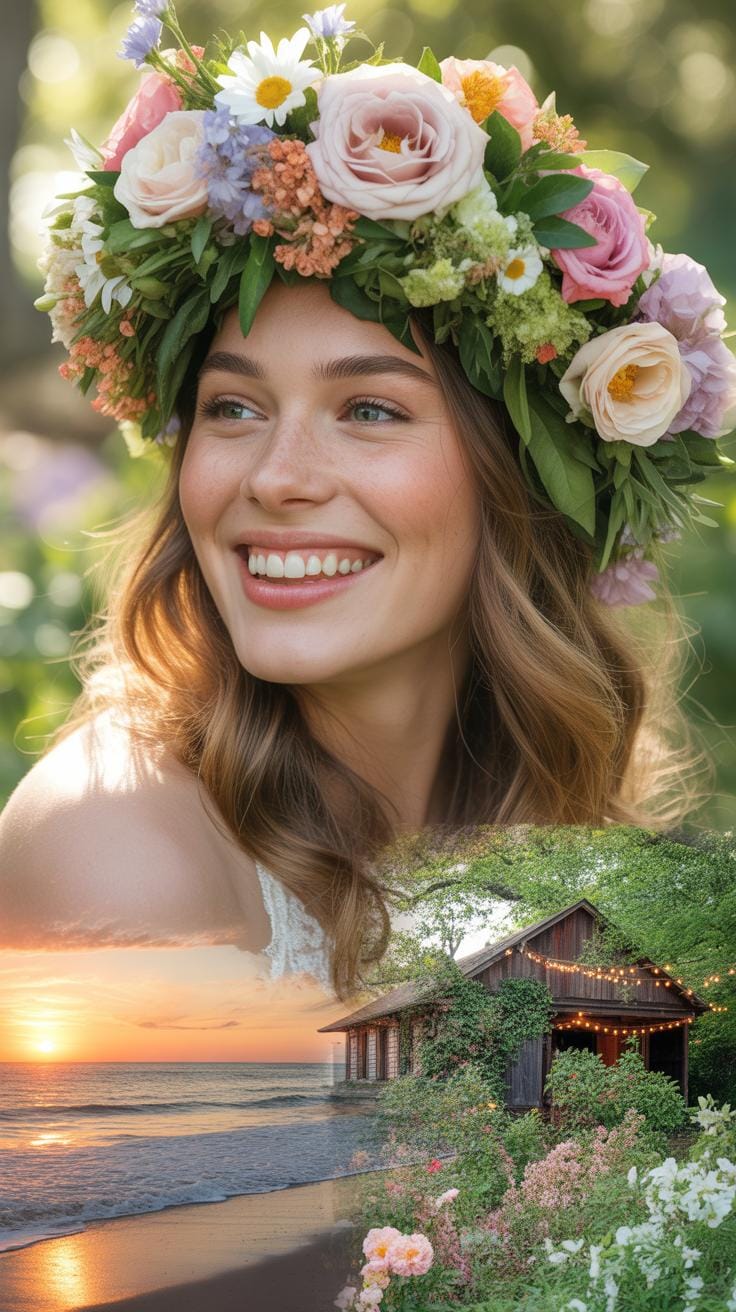
Bohemian And Garden Wedding Hair Flower Crown Inspirations For Outdoor Brides
Bohemian crowns prioritize organic structure and asymmetrical balance. Designers use a mix of textures like seeded eucalyptus and waxflowers to mimic natural growth. This style avoids stiff wires and heavy floral tape. Instead, it relies on flexible vine bases like grapevine or willow. These materials handle heat well in outdoor settings. They stay secure even without heavy pinning into the hair.
Garden ceremonies require hardy blooms that resist wilting in sunlight. Succulents and ranunculus are tactical choices for these environments. They hold water longer than delicate petals. Brides should match crown volume to their hair density. Fine hair requires thin wire bases with small buds. Thick hair can support larger focal flowers like garden roses. Proper hydration treatments during assembly ensure the crown remains fresh all day.
Elegant Wedding Hair Flower Crown Designs For Ballroom And Formal Ceremonies
Formal settings demand symmetry and clean lines. Modern formal crowns often incorporate metals like gold or silver wire. This creates a bridge between traditional jewelry and floral design. Orchids and calla lilies offer the structured look required for black-tie venues. These flowers have smooth surfaces that reflect indoor lighting well. The goal is a polished finish that complements structured bridal gowns and sleek updos.
Technique is critical for ballroom longevity. Designers use cold glue rather than hot glue to prevent petal damage. Parafilm wrapping hides mechanics to keep the look clean from every angle. Monochromatic color schemes increase the perceived value and formality of the piece. White stephanotis or lily of the valley provide classic scents without overwhelming guests. High-quality silk flowers are also valid for climate-controlled rooms where real pollen might stain expensive fabrics.
The Beauty Of A Simple Flower Crown For The Minimalist Modern Bride
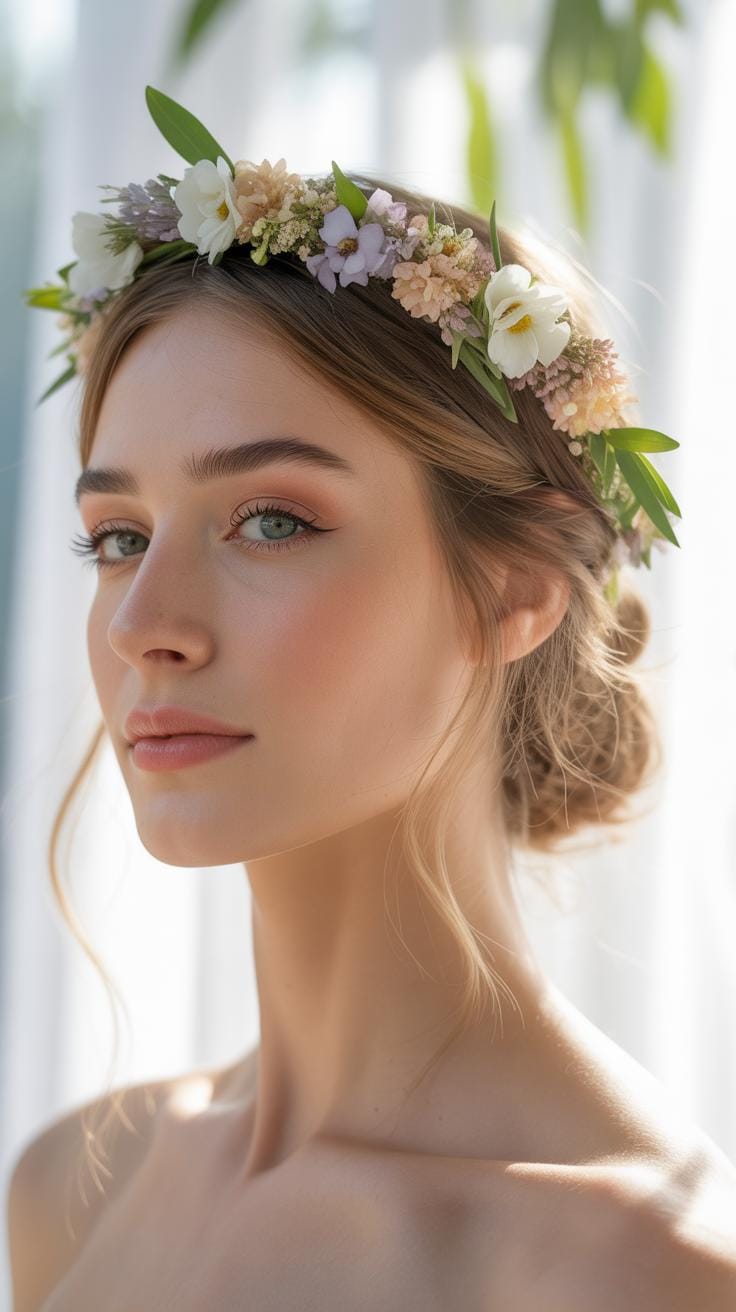
Why Less Is More: How A Simple Flower Crown Makes A Sophisticated Statement
Minimalist design focuses on a single focal point to reduce visual clutter. This approach ensures the headpiece does not distract from the facial features or the gown. A simple crown uses negative space and thin wire frames. This technique mimics the clean lines found in modern architectural design. It provides a deliberate and disciplined look for the bride who values clarity.
Strategic placement of greenery or small blooms creates a balanced silhouette. Thin crowns weigh less and provide more comfort during long ceremonies. This practical choice prevents the accessory from slipping or causing fatigue. You achieve sophistication by selecting high quality materials rather than high volumes of flora. A restrained design demonstrates confidence. It shows that the wearer does not need excess to command attention.
Best Flower Varieties To Use When Crafting A Simple Flower Crown For A Wedding
Selecting the right species determines the structural integrity of a thin crown. You must choose hardy varieties that survive without a constant water source. Soft stems fail quickly under heat and movement. Focus on small head sizes to maintain a narrow profile. These selections ensure the crown remains a subtle accent rather than a heavy focal point.
- Baby’s Breath: This classic choice offers tiny white clusters that provide texture without bulk. It dries well and maintains its shape throughout the event. It works best for a delicate halo effect on thin wire bases.
- Waxflower: These small waxy blooms are extremely durable and resist wilting in high temperatures. They feature multiple flowers on a single woody stem. This makes them easy to secure with floral tape for a sturdy finish.
- Italian Ruscus: This greenery provides a deep green color and a sleek leaf shape. It is a primary choice for minimalist crowns that feature only foliage. The flexible stems wrap easily around any head shape without breaking or snapping.
- Spray Roses: These offer the traditional look of a rose but at a much smaller scale. Use only two or three buds to maintain a simple aesthetic. They provide a structural center that anchors the rest of the floral design.
- Olive Branches: This foliage represents a Mediterranean style and offers a silver green hue. The leaves sit flat against the head for a low profile look. It connects the design to historical Greek traditions while remaining modern.
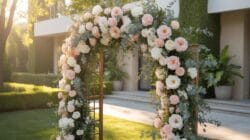
Avoid mixing too many colors or textures in one piece. A monochromatic palette reinforces the minimalist theme. Use fine gauge floral wire to keep the base invisible. This technical precision results in a professional appearance. Proper stem preparation ensures the flowers stay fresh for the duration of the wedding. Secure each bloom tightly to prevent shifting during the walk down the aisle.
Embracing Wildflower Wedding Hair For A Free Spirited Bridal Aesthetic
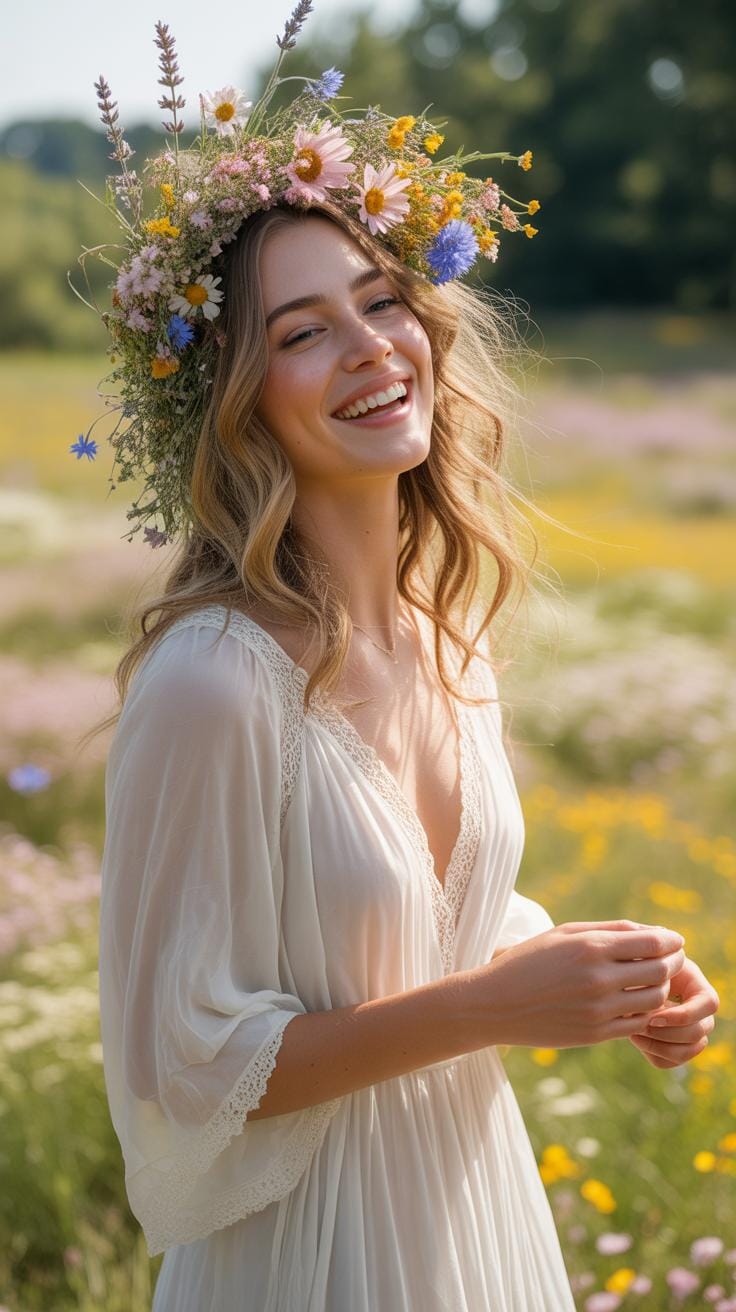
What Makes Wildflower Wedding Hair Unique Compared To Traditional Floral Crowns
Traditional crowns rely on heavy, cultivated blooms like roses or peonies. These flowers create a formal and symmetrical look. Wildflower crowns prioritize variety and texture over size. They use thin stems and irregular shapes to create a natural appearance. Designers draw inspiration from the Arts and Crafts movement. This movement focused on organic forms and craftsmanship rather than industrial perfection in floral design.
Selection of materials determines the structural integrity of the piece. Wildflowers often have smaller heads and more foliage than florist grade imports. This allows for a lighter weight on the head. You get more movement and a less rigid profile. Unlike round, uniform traditional crowns, wildflowers offer a jagged and multi-dimensional silhouette. This style matches outdoor settings better than formal ballroom environments. It feels less like a costume.
How To Source And Style Wildflowers For An Authentic And Natural Bridal Crown
Sourcing requires a focus on local seasonality. You must select flowers that grow together in the same climate to ensure visual harmony. Use hardy species like feverfew, chamomile, or waxflowers. These plants withstand heat because their stems are more durable than soft-petaled varieties. Professional florists use cold-water conditioning for twelve hours before assembly. This process hydrates the cells to prevent wilting during the ceremony.
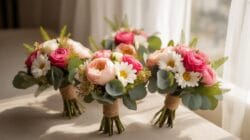
Styling depends on a thin wire base. Wrap the base in green floral tape to mimic a natural branch. Attach small clusters of flowers using fine gauge wire. This technique avoids the bulkiness of thick floral foam. Keep the placement asymmetrical to achieve the authentic wildflower look. Distribute the weight evenly to prevent the crown from slipping. Mist the final product with water and store it in a refrigerator until use.
Wedding Floral Headpiece Alternatives That Complement Or Replace Flower Crowns
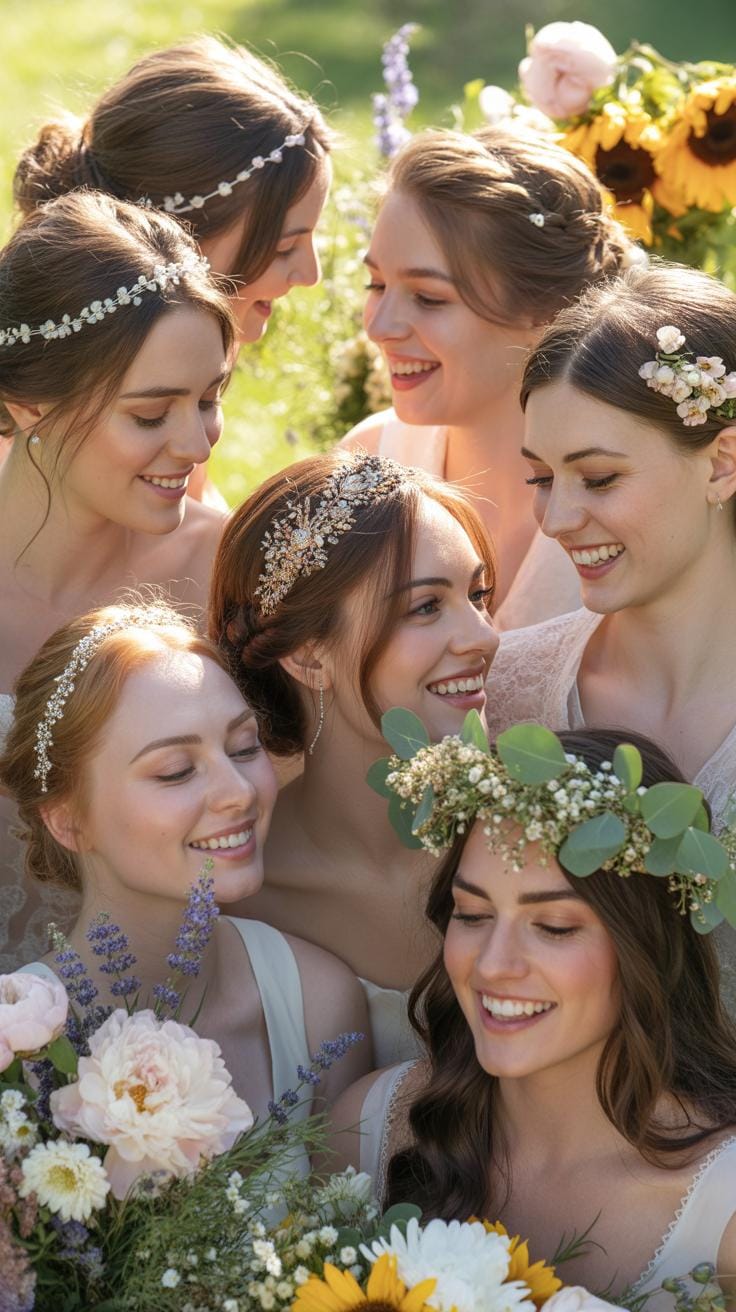
Exploring Wedding Floral Headpiece Options Beyond The Traditional Full Crown
Standard wedding flower crowns wrap the entire head. This design can overwhelm smaller facial features or clash with complex hairstyles. Alternatives like floral combs or hair pins offer precise placement. Designers use these smaller pieces to highlight specific areas like a low bun or a side sweep. These options use less water and weigh less than a full circular crown.
Select floral hair clips or individual blooms for a minimalist look. Metal combs provide a secure anchor for heavy flowers like ranunculus or spray roses. Florists often wire these stems directly to the hardware for stability. This method prevents the flowers from shifting during movement. Choosing asymmetrical accents allows for a modern aesthetic. These pieces work well for brides who want nature without the bulk.
How To Blend A Wedding Floral Headpiece With Your Veil Or Other Bridal Accessories
Integrating flowers with a veil requires strategic planning. Do not place a heavy crown directly on top of delicate tulle. This can tear the fabric or cause the veil to sag. Use a floral comb to bridge the gap between the hair and the veil attachment point. This creates a seamless transition. Position the flowers slightly above the veil comb to hide the plastic or metal teeth.
Balance your jewelry with your floral choices. Large earrings compete with wide flower crowns for visual space. If you wear bold earrings, choose a slender floral headband or a few pinned blossoms. Match the metal of your hair pins to your necklace or rings. Consistent metal tones create a professional look. Ensure the flower colors do not wash out the stones in your headpiece or veil.
Fresh Vs Faux Choosing The Best Flowers For Your Wedding Flower Crowns
The Pros And Cons Of Fresh Flowers Versus Artificial Blooms In Bridal Flower Crowns
Fresh flowers offer scent and natural movement. They provide a high-end look that artificial versions struggle to match. However, organic material wilts. Heat and lack of water cause petals to brown by midday. You must store fresh crowns in a refrigerator until the ceremony starts. Weight is another factor. Real stems and water-saturated floral foam add bulk and tension to the head.
Artificial blooms use silk, polyester, or wax. High-quality silk crowns last forever and survive any weather. They work best for destination weddings where heat kills real plants. The downside is the texture. Synthetic fibers can look flat in close-up photography. Do not buy cheap plastic versions. They reflect light poorly and look low-quality. Choose premium hand-painted silks to ensure the colors look deep and realistic.
How To Work With Your Florist To Design A Custom Wedding Flower Crown That Lasts
Communicate your timeline to your florist. A crown needs hardy species to survive without a water source. Ask for spray roses, ranunculus, or waxflowers. These varieties hold their structure for hours. Avoid hydrangeas or poppies as they wilt within thirty minutes of cutting. Your florist will use floral tape to seal the stems. This technique traps moisture inside the plant. Use a wire base for maximum security.
Request a trial run during your hair appointment. This step ensures the weight distribution works with your hairstyle. The florist should provide a hydration spray. This mist seals the petals and prevents evaporation. Store the crown in a sealed plastic bag in the fridge. Do not place it near fruit. Ethylene gas from fruit makes flowers die faster. Proper mechanical construction ensures the crown stays secure during the reception and dancing.
Frequently Asked Questions

What are the most popular styles for wedding flower crowns this season?
Current trends for wedding flower crowns focus on a mix of ethereal aesthetics and bold statements. Many brides are opting for “monochromatic chic,” using various textures of white blooms and greenery for a timeless look. Others prefer the “boho-wildflower” vibe, which incorporates asymmetrical arrangements and dried elements like pampas grass. Whether you choose delicate baby’s breath or oversized peonies, these headpieces add a romantic, organic touch to any bridal ensemble.
How can I ensure my flower crown stays fresh throughout the entire wedding day?
To keep your wedding flower crowns looking vibrant, choose hardy blooms like ranunculus, spray roses, or orchids that withstand heat well. Have your florist provide the headpiece in a sealed bag or container, and keep it refrigerated until the very moment you are ready to walk down the aisle. Additionally, a light misting of floral finishing spray can help seal in moisture and prevent wilting during outdoor ceremonies or long photo sessions.
Is a floral crown an affordable alternative to a traditional bridal veil?
Absolutely! Choosing a floral headpiece can be a very budget-friendly option compared to high-end designer veils. The cost primarily depends on the types of flowers used and the intricacy of the design. You can save money by selecting seasonal, locally grown blossoms or by incorporating more greenery and filler flowers. This versatility allows every bride to find a beautiful floral accessory that fits her specific style and financial plan perfectly.