
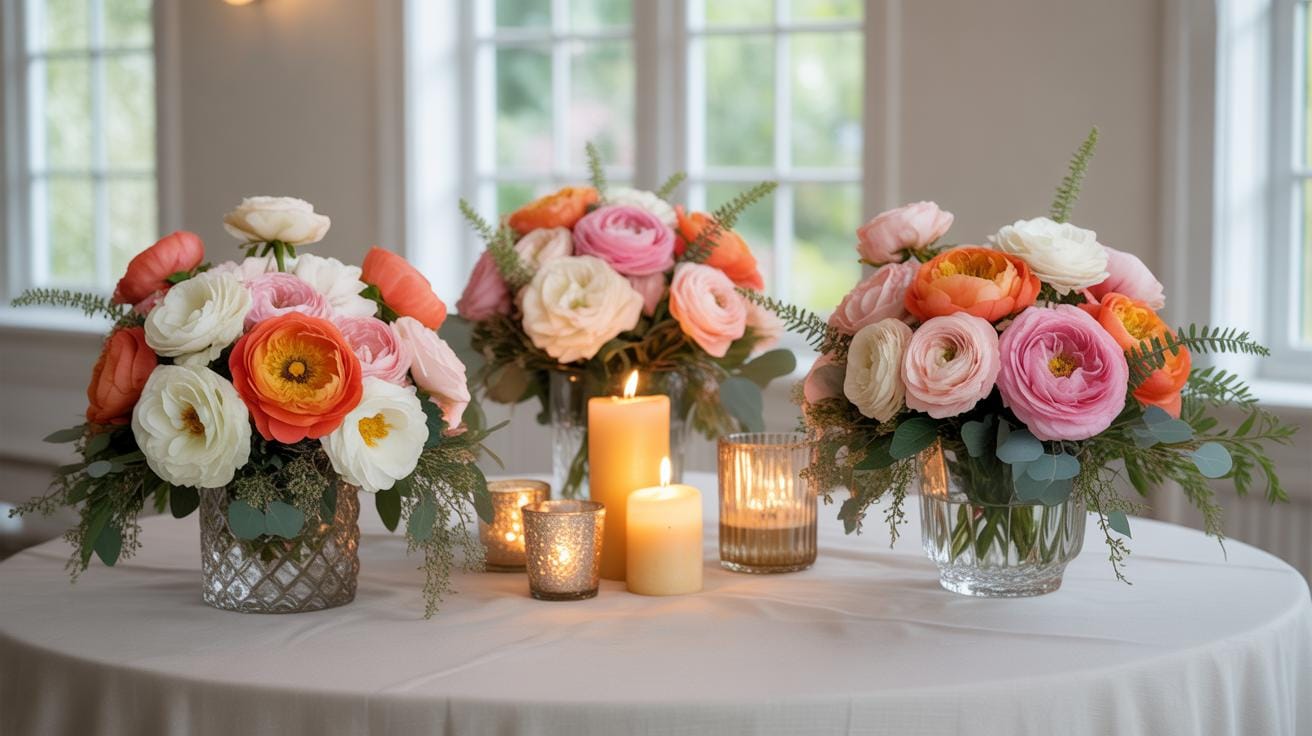
What Makes Great Wedding Table Centerpieces The Foundation Of Reception DCor
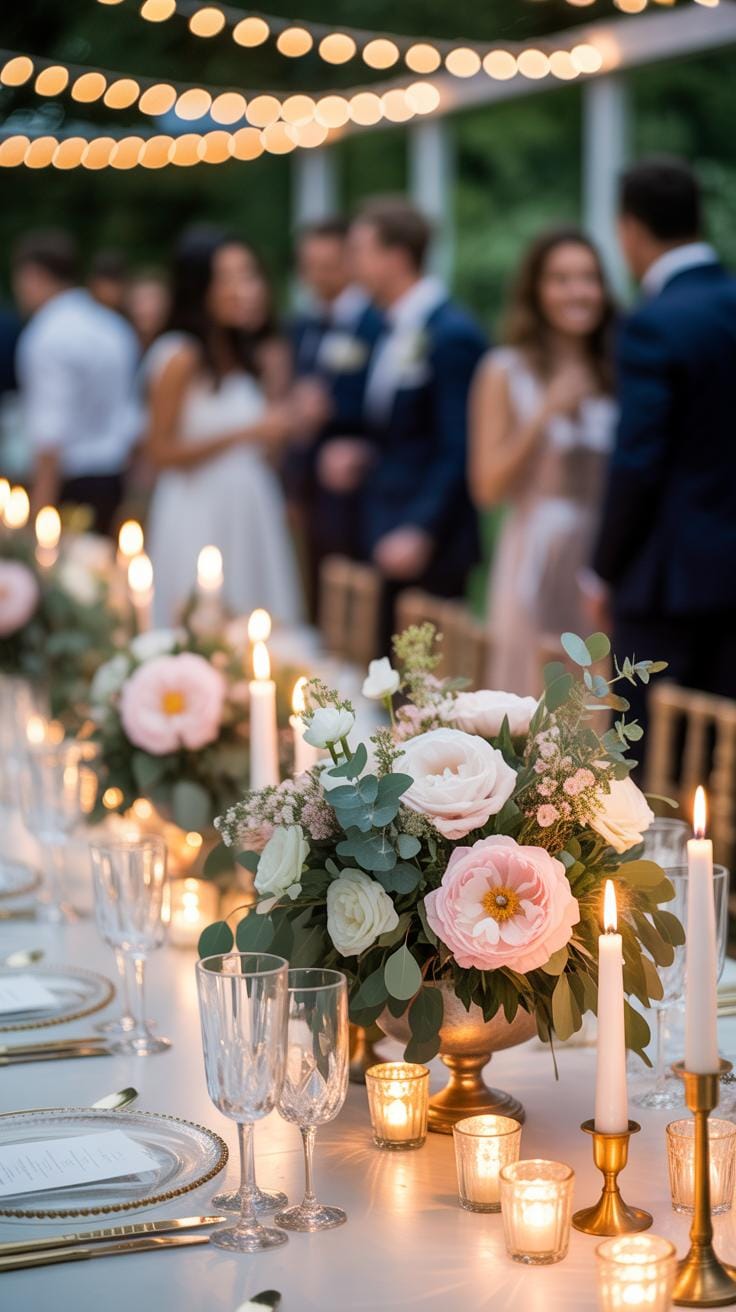
How Centerpieces Set The Mood And Theme Of Your Wedding Reception
Centerpieces function as the primary visual anchor for every guest table. They communicate the specific design movement of the event immediately upon entry. A minimalist arrangement using industrial glass and single stems signals a modern aesthetic. Conversely, heavy pewter vessels and dark fruits evoke a Flemish still life style. These choices dictate how guests perceive the formality and atmosphere of the evening.
Strategic placement of these elements ensures the theme remains consistent throughout the venue. Designers use repetition to create a cohesive narrative across large spaces. If the centerpieces fail to align with the architectural style of the room, the event feels disjointed. Quality materials and proper lighting change how colors appear on the table. You must select objects that reflect the planned energy of the celebration.
Balancing Height, Scale, And Color When Choosing Your Wedding Centerpieces
Scale determines the functionality of the dining experience. Centerpieces must sit below eye level or stand high enough to allow clear sightlines across the table. Specifically, stay under 12 inches or go above 24 inches to prevent guests from struggling to see each other. Large rooms with high ceilings require tall arrangements to fill the vertical void. Small, intimate spaces benefit from low, dense compositions.
Color theory dictates the emotional response of the room. Warm tones like red and gold create energy and intimacy. Cool tones like blue and silver provide a formal and calm environment. You must account for the physical weight of the objects used. Heavy stone bases provide stability for outdoor events with wind risks. Lightweight acrylic stands suit indoor venues where floor surfaces remain perfectly level and protected.

Breathtaking Table Flower Centerpieces From Classic Blooms To Modern Arrangements
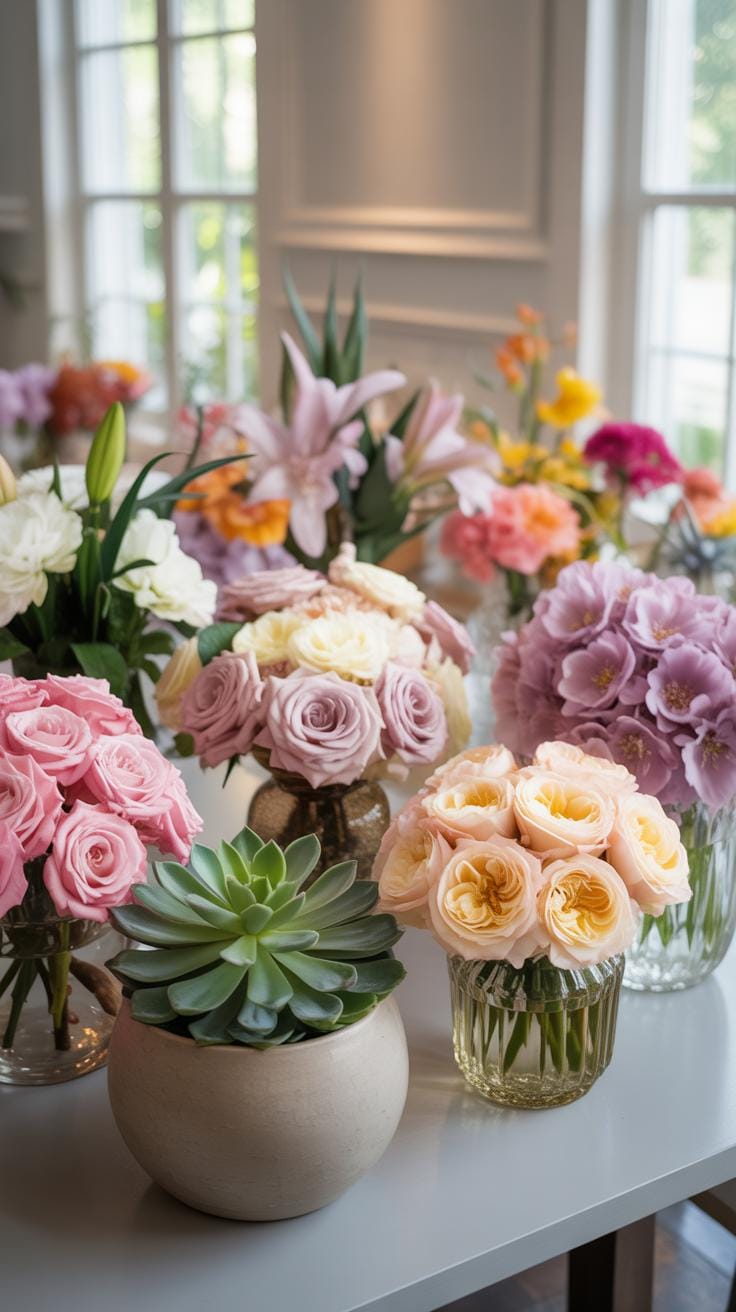
Most Popular Flowers Used In Wedding Table Floral Centerpieces
Select flowers based on structural integrity and seasonal availability. High-volume events require hardy species that withstand temperature shifts and lack of immediate water. Professionals prioritize blooms with thick stems and high petal counts to maintain visual impact throughout the reception. These selections ensure the centerpiece remains upright and vibrant from the ceremony start until the final guest departs the venue.
- Roses: These flowers offer unparalleled durability and a wide color range. Their thick stems support heavy heads in floral foam or water. They serve as the primary focal point in traditional and modern designs due to their consistent availability and classic structure.
- Peonies: Large bloom heads provide significant spatial coverage in any arrangement. These seasonal flowers create texture and depth with layered petals. Designers use them to fill gaps quickly while providing a high-end visual aesthetic that smaller flowers cannot match in scale.
- Hydrangeas: These act as a structural base for many centerpieces. Their large clusters provide immediate volume and hide mechanics like tape or foam. They require a constant water source but offer more coverage per stem than almost any other common wedding flower.
- Ranunculus: These flowers add intricate detail and curved lines to arrangements. Their flexible stems allow for movement and a less rigid look. They work well in smaller bud vases or as secondary accents in large, complex table displays for added texture.
- Orchids: Use these for clean lines and modern aesthetics. They survive well in warm environments and do not wilt easily. Their unique shape makes them ideal for tall, architectural centerpieces or submerged water designs where traditional soft-petal flowers might fail or disintegrate.
Sourcing these varieties guarantees a professional result. Mix focal flowers with secondary fillers to manage costs without sacrificing density. Always consider the scent profile of these selections. Avoid highly fragrant lilies in tight spaces to prevent overwhelming guests during the meal. Focus on mechanical stability to ensure the arrangement does not tip or shed petals onto the dining surface during the event.
The flowers in our home are not just decor but gentle whispers of the love and memories from our most sacred days.
How To Choose The Right Floral Arrangement Style For Your Venue
Match the scale of the arrangement to the ceiling height and table dimensions. High ceilings require tall stands or elevated glass trumpets to fill the vertical void. Low-profile designs work best in intimate spaces with standard lighting. Consider the line of sight for guests seated across from each other. Heavy, mid-level arrangements block conversation and frustrate attendees. Proper height prevents these common logistical errors.

Architecture dictates the design movement of your centerpieces. Industrial spaces with exposed brick suit minimalist or geometric structures. Historic ballrooms require symmetrical, lush arrangements that mirror classical proportions. Use gold or brass finishes for traditional settings. Select clear glass or matte black stone for contemporary environments. Evaluate the existing color palette of the room before choosing petal shades to ensure the flowers do not clash with the walls.
Elegant Beach Wedding Centerpieces Bringing Coastal Beauty To Your Reception
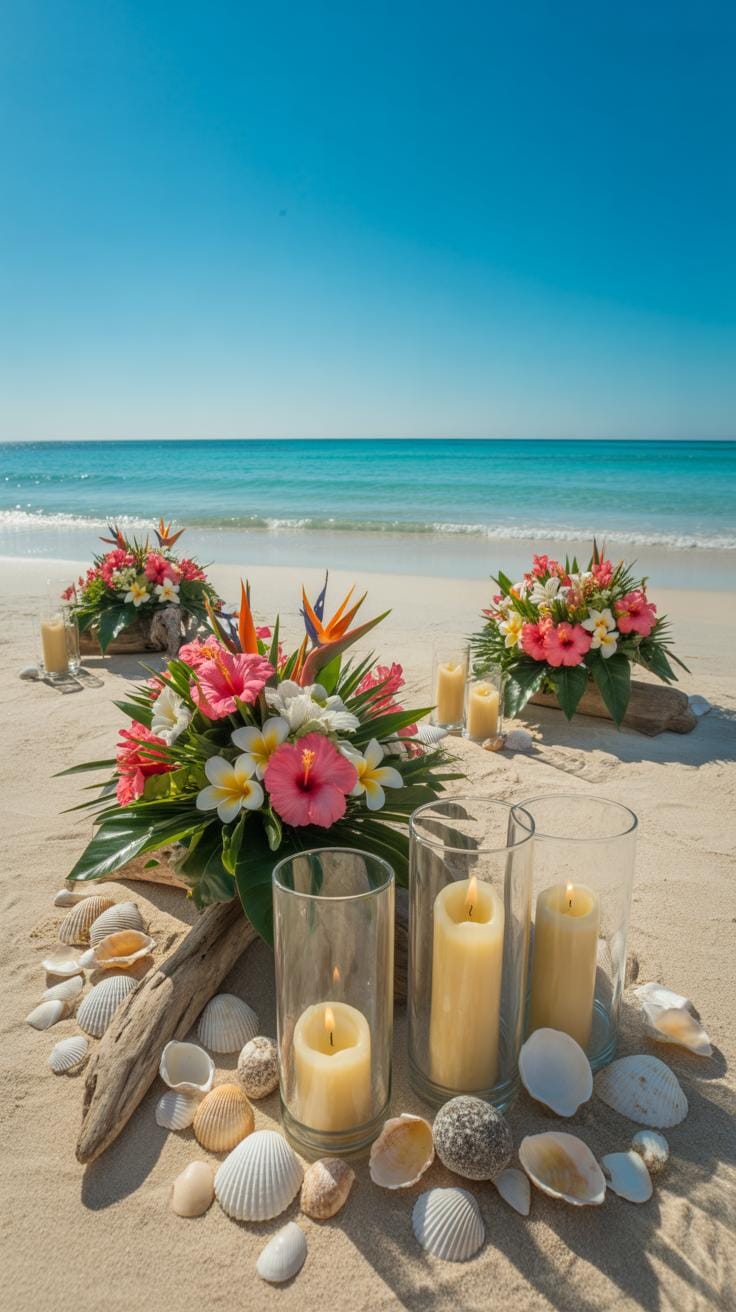
Design Elements That Define Beach Wedding Centerpieces Elegant Style
Elegant beach centerpieces rely on structural balance and transparency. Designers use clear glass vessels like hurricanes or cylinders to maintain sightlines across the table. These containers hold elements that ground the arrangement without creating visual clutter. High-end coastal design avoids kitsch like plastic anchors or synthetic glitter. Instead, focus on height through bleached manzanita branches or tall candles that mimic the verticality of a coastline.
Scale determines the success of these arrangements. Large venues with high ceilings require tall, architectural pieces to fill the volume. Minimalist settings benefit from low, clustered arrangements that encourage conversation. Use professional floral foam or pin frogs to secure stems in sea glass. This ensures stability against ocean breezes if the reception is outdoors. Clean lines and geometric shapes create a modern aesthetic that elevates the natural beach theme.
Color Palettes And Natural Textures That Elevate Coastal Wedding Tables
Color palettes for upscale coastal weddings move beyond basic blue and white. Expert designers use muted tones like sand, driftwood gray, and seafoam green. These shades reflect the actual environment rather than a cartoon version of it. Incorporate metallic accents like brushed gold or champagne silver to add light. This strategy pulls the natural light from the sunset and mirrors it on the tabletop for a sophisticated glow.
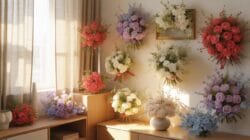
Texture provides the necessary depth in monochromatic coastal designs. Contrast smooth surfaces like polished marble or silk linens with rougher elements. Use natural materials such as weathered teak, dried sea fans, or matte ceramics. These organic textures prevent the table from looking flat. Layering different fabric weights like linen runners over cotton cloths adds a tactile quality. This approach creates a high-end feel through material variety rather than bright color.
Simple Beach Centerpieces Wedding Couples Love Effortless And Affordable Ideas
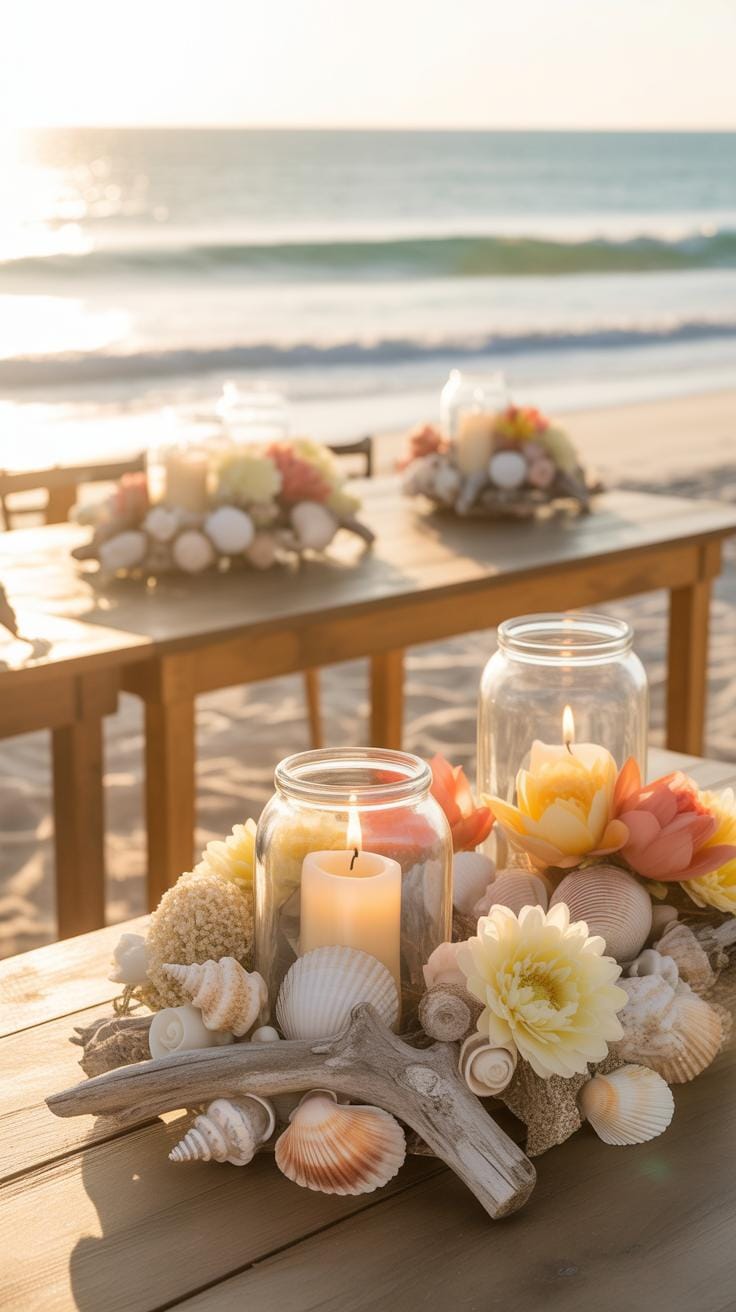
Budget Friendly Simple Beach Centerpieces That Still Look Luxurious
Achieving a high-end look on a budget requires a focus on raw materials. Use glass vessels in varying heights to create visual depth. Fill the base with industrial-grade sand or polished river stones. These materials are cheap but offer a clean aesthetic. Clear glass allows light to pass through easily. This makes the space feel larger and more open.
Focus on single-stem florals or hardy succulents to reduce costs. Tropical leaves like monstera or palm fronds provide massive scale for very little money. These plants last long without water and handle heat well. Avoid delicate blooms that wilt in sea salt air. Invest your remaining budget in high-quality candles. Flame light reflects off glass and water to create a premium atmosphere.
DIY Techniques For Creating Simple Yet Stunning Coastal Centerpieces
Master the layering technique to build professional displays. Start with a heavy base material like coarse sand to anchor the design. Place larger elements like driftwood or conch shells first. These act as the focal point of the arrangement. Ensure the weight is distributed evenly so the piece does not tip. Wind is a factor at beach venues so use heavy containers.

Use clear floral tape to create grids on top of vases. This holds stems in specific positions without using expensive foam. Submerging elements in water is another effective tactic. Place orchids or smooth stones in water-filled cylinders. Top the water with a floating candle for a finished look. This method keeps the design stable and simplifies transportation to the venue.
Beachy Centerpieces Wedding Inspiration Shells Driftwood And Sea Glass DCor
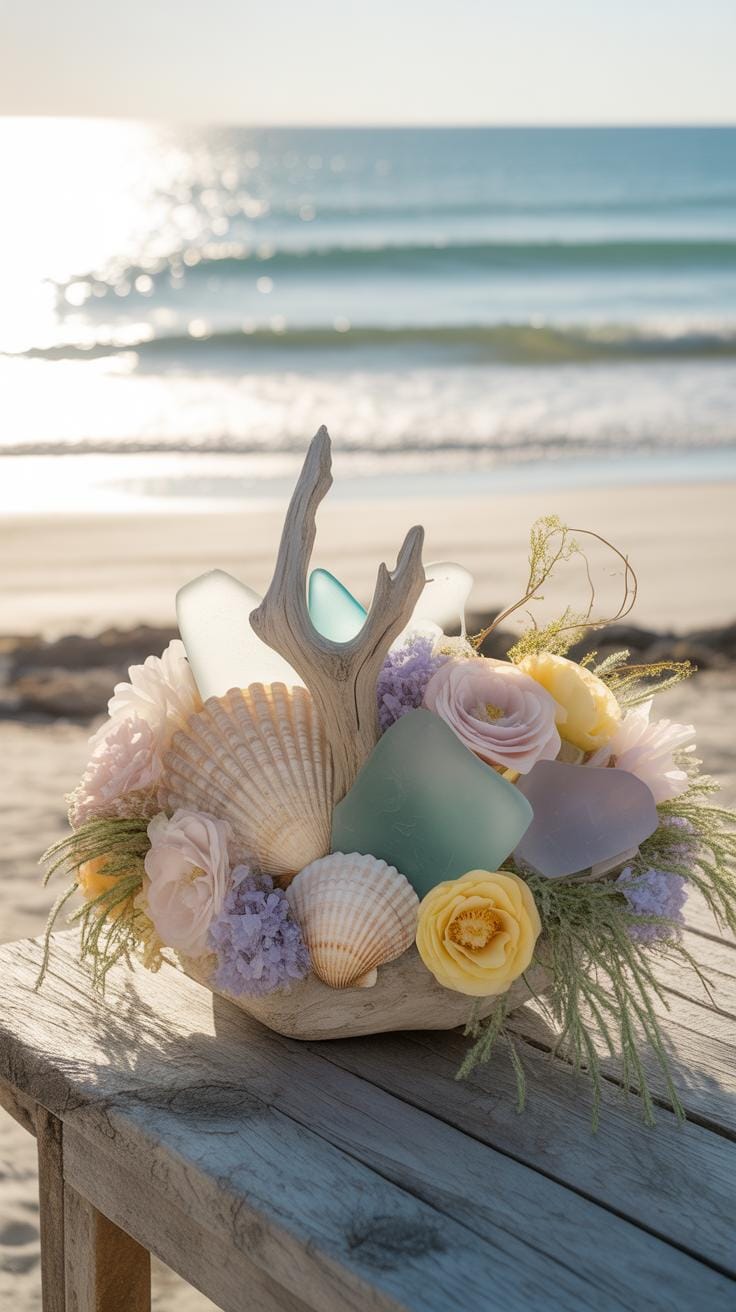
How To Incorporate Natural Coastal Materials Into Your Beachy Wedding Centerpieces
Natural coastal materials provide texture and structural integrity to tabletop displays. Use weathered driftwood as a central anchor for long guest tables. This wood offers a sturdy base for attaching air plants or floral foam. Driftwood also creates height without blocking sightlines across the table. For round tables, use large conch shells or scallop shells as vessels for succulents or small blooms.
Sea glass adds color and light refraction to your design. Spread frosted glass shards around the base of your main arrangements to mimic high-tide debris. Use clear vases filled with layers of sand and crushed shells to stabilize stems. This technique prevents top-heavy flowers from tipping over in outdoor wind. Mixing these raw materials creates a balanced look that reflects authentic coastal environments.
Styling Tips For Mixing Lanterns, Candles, And Nautical Accents On Reception Tables
Nautical lighting serves both functional and aesthetic purposes for evening receptions. Lanterns protect open flames from coastal breezes and provide a geometric contrast to organic drift wood. Place heavy brass or wooden lanterns in the center of the table to establish a focal point. Surround these structures with smaller votive candles to create layers of light. Proper spacing ensures the table remains uncluttered for food service.
- Metal Lanterns: Use stainless steel or galvanized metal frames to prevent rust in humid salt air environments. These materials withstand wind and provide a heavy base that keeps the centerpiece secure on the table surface.
- Pillar Candles: Select thick candles in varying heights to create visual depth within your lanterns. Use white or ivory wax to reflect light efficiently and maintain a clean color palette that does not compete with the scenery.
- Manila Rope: Wrap thick hemp or manila rope around the base of vases to add a rugged nautical texture. This material provides grip for moving arrangements and introduces a traditional maritime element used in historical sailing and shipping.
- Votive Glass: Place small tea lights in frosted or tinted glass holders to mimic the appearance of sea glass. These small accents diffuse light softly across the table and prevent harsh glares from distracting guests during the wedding dinner.
- Compass Accents: Incorporate small brass compasses or vintage navigation tools as functional paperweights for menu cards. These metal items add historical weight and a sense of exploration to the coastal theme while serving a tactical logistical purpose.

Balance your lighting with textured accents to maintain a professional design. Place rope coils or knots next to smooth glass surfaces to create contrast. Use sand at the bottom of lanterns to level the candles and catch dripping wax. This prevents damage to linens and simplifies the cleanup process after the event. Strategic placement of nautical tools ensures the theme remains sophisticated and structured.
The Timeless Calla Lily Wedding Centerpiece Elegance In Its Simplest Form
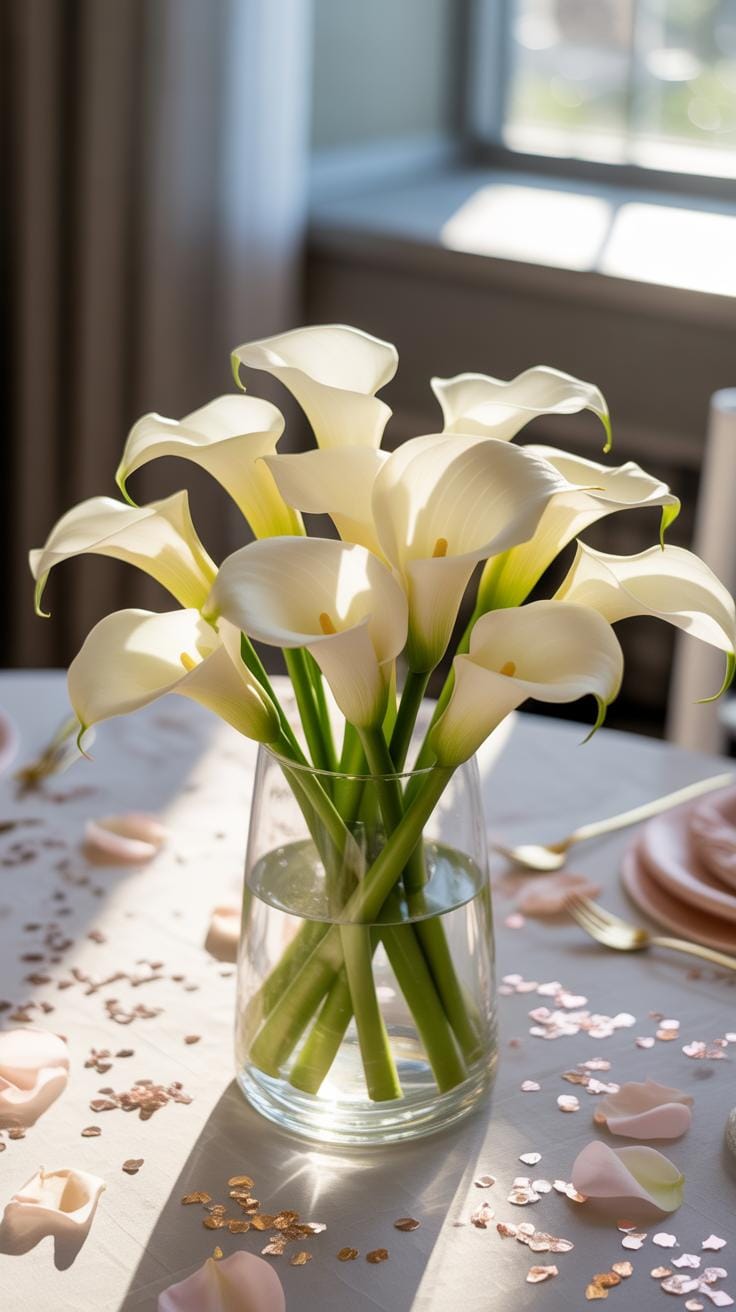
Why The Calla Lily Has Remained A Beloved Wedding Flower For Decades
Calla lilies dominate wedding design because of their structural integrity. Unlike softer blooms, these flowers feature thick, waxy stems that hold moisture well. This durability ensures the centerpiece looks fresh from the ceremony through the reception. Designers favor them for their clean lines and architectural shape. They fit perfectly into modern, minimalist, and traditional themes without needing extra filler.
History shows this flower gained massive popularity during the Art Deco movement of the 1920s and 1930s. Artists and photographers valued the bloom for its smooth curves and sleek profile. This association with high-end style remains today. The flower represents a sophisticated choice that resists trends. Choosing calla lilies provides a high-impact visual that requires very little maintenance during the event.
Best Vase Styles And Complementary Greenery For Calla Lily Centerpiece Arrangements
Tall cylinder vases best showcase the long, straight stems of the calla lily. Using clear glass allows the submerged stems to become part of the design. Many planners use tall trumpet vases to provide height without blocking guest sightlines across the table. For a modern look, lay the stems flat in a low rectangular glass trough. This approach keeps the arrangement stable.
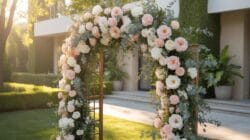
Limit greenery to maintain the clean profile of the lily. Large Monstera leaves or bold Aspidistra foliage provide a sharp contrast to the white spathe. Avoid delicate fillers like Baby’s Breath which clutter the design. Stick to broad, dark green leaves to emphasize the flower’s shape. Use river stones or clear glass beads at the bottom of the vase to anchor the stems securely.
Round Table Centerpieces Wedding Guide Designs That Work With Your Layout
Understanding Proportions For Round Table Centerpieces At Wedding Receptions
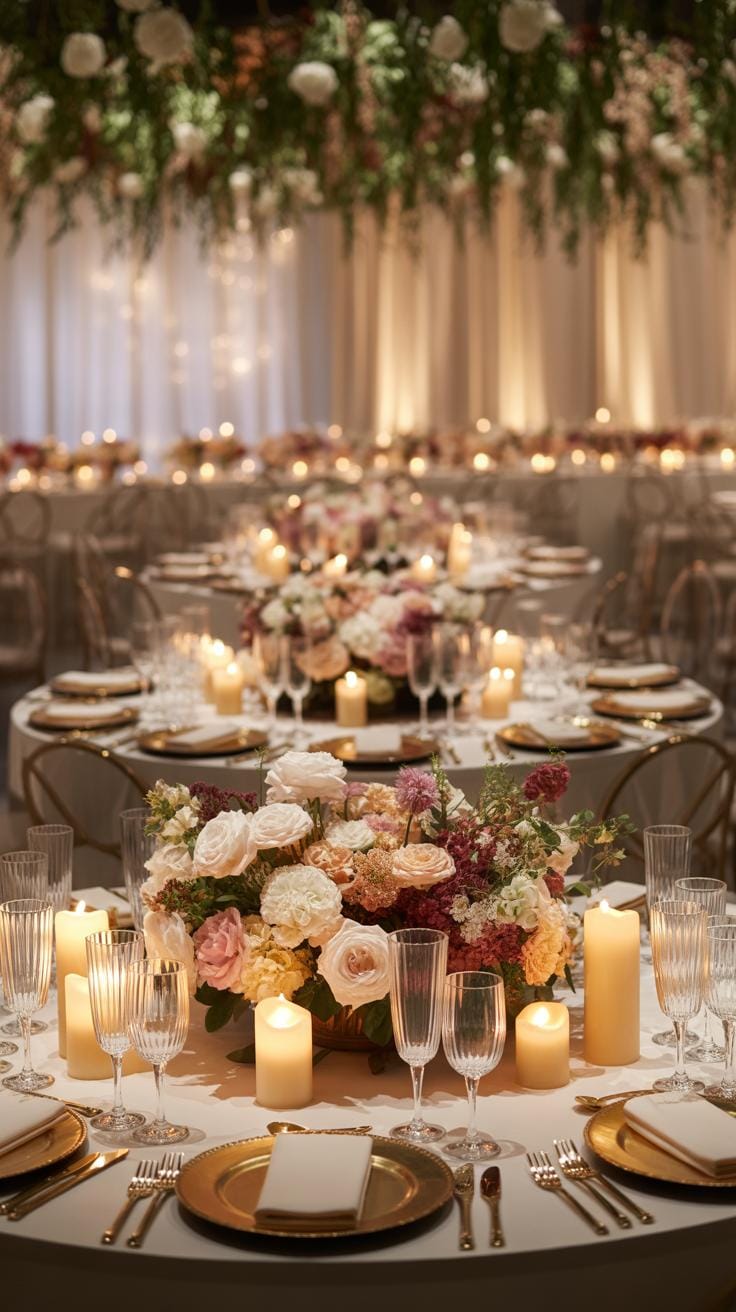
Standard round reception tables usually measure sixty or seventy-two inches in diameter. You must maintain a clear boundary for place settings and glassware. A centerpiece should never exceed one-third of the total table surface area. This calculation leaves enough room for wine glasses and bread plates. Scale dictates the visual weight of the room. Small arrangements on large tables look unfinished and cheap.
Proportion also involves the height of your guests. Align the bulk of the arrangement above or below the eye level of a seated adult. This range usually falls between fourteen and twenty-four inches. Avoiding this zone ensures guests can see each other across the table. Effective design uses vertical space without blocking sightlines. Precise measurements prevent the centerpiece from becoming a physical barrier during the meal.
Low Vs. Tall Round Table Centerpieces: Which Style Suits Your Wedding Best
Low centerpieces work best for intimate gatherings and venues with standard nine-foot ceilings. These designs keep the focus on the table surface and the food. Use sturdy containers like heavy glass or ceramic to prevent tipping. Low arrangements allow for more detail in the floral selection. Guests appreciate the ability to converse freely without leaning around branches. This style minimizes the risk of accidental damage.

Tall centerpieces solve the problem of high ceilings and cavernous ballrooms. Use narrow stands or clear glass trumpets to lift the weight. The base must remain thin to avoid taking up table space. Elevated designs command attention from the entrance of the room. Combining both heights across different tables creates visual texture. This strategy manages costs while adding depth to the overall room layout.
Creative Round Table Centerpieces Beyond Flowers Candles Greenery And Unique DCor
Non Floral Round Table Centerpiece Ideas That Make A Bold Statement
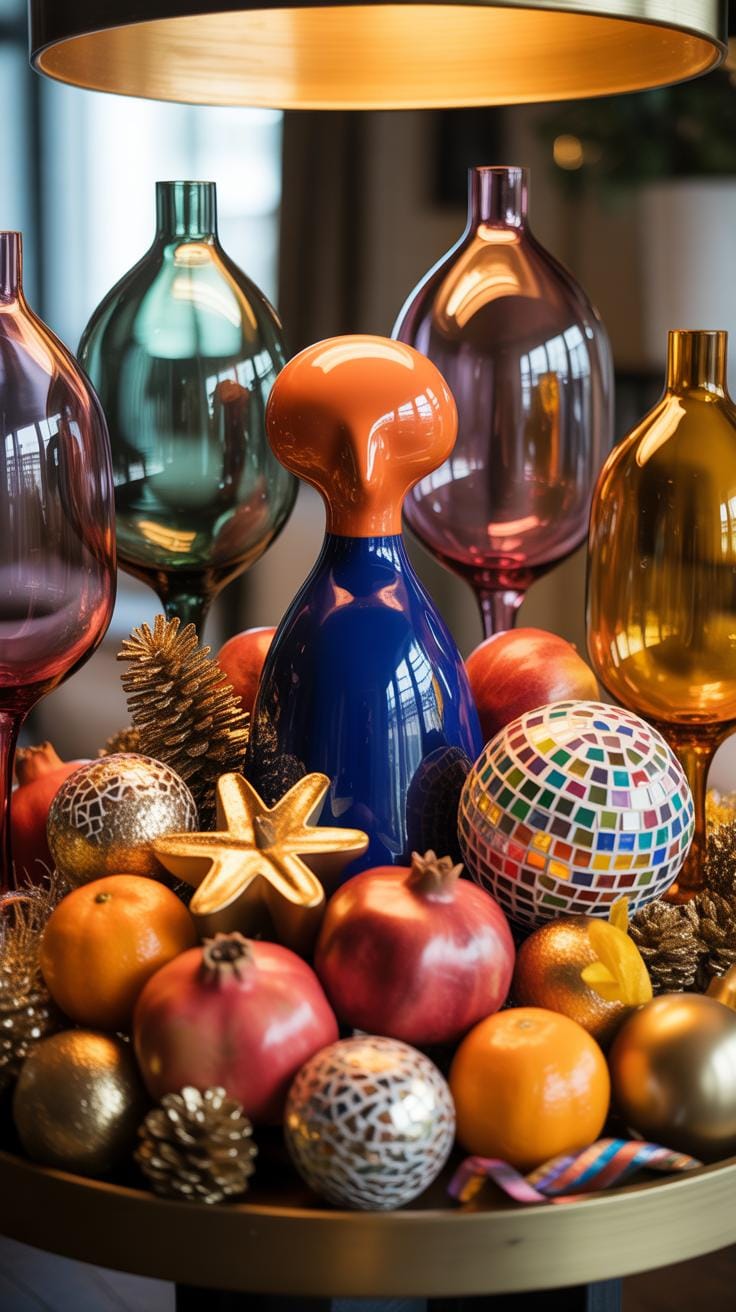
Round tables require a central focal point that allows for 360-degree visibility. Traditional floral arrangements often block sightlines. Use light and texture instead. High-quality pillar candles at varying heights create a structural triangle. This technique draws the eye upward without obstructing conversation. Use glass hurricanes to protect the flame and add a reflective layer. This setup works for any formal or modern event.
Greenery offers a sustainable and cost-effective alternative to cut flowers. Focus on structural plants like eucalyptus, ferns, or ruscus. These materials provide deep pigment and organic shapes. Incorporate non-traditional items like architectural driftwood or geometric terrariums. These elements introduce a Brutalist or minimalist aesthetic. Use heavy materials like stone or metal to ground the design. These choices withstand heat and wind better than delicate petals.
How To Personalize Your Round Table Centerpieces To Reflect Your Wedding Story
Personalization depends on specific details that represent shared history. Avoid generic items. Use physical artifacts like vintage cameras, antique books, or travel mementos. These objects act as conversation starters for guests. Ensure every item has a clear connection to your timeline. Scale is critical here. Group smaller items on a tray or riser to prevent a cluttered appearance. This keeps the table organized and intentional.

Use typography to tell a story through table numbers or descriptions. Print meaningful dates or locations on high-quality cardstock using classic serif fonts. Integrate these into the centerpiece design using brass or wood holders. This adds a graphic element to the layout. Choose materials that match your home decor style. This ensures the items remain useful after the event. Focus on durability and timelessness to maximize the value of your investment.
Frequently Asked Questions

What are some simple ways to start choosing a centerpiece style?
Selecting the right look begins with identifying your home’s existing aesthetic. For beginners, start by browsing various wedding centerpiece ideas and narrowing them down by color palette and height. Consider whether you prefer a minimalist single-stem vase or a lush, romantic floral arrangement. Always ensure the scale of the decor fits your table size so that it enhances the room without feeling overwhelming or obstructing your guests’ views.
How can I assemble a professional-looking centerpiece at home?
To create a stunning display, start with a sturdy base like a decorative tray or a wooden riser. Arrange your main elements using the “rule of three” to create visual balance and varying heights. If you are experimenting with DIY wedding centerpiece ideas, use floral foam or a frog to secure stems in place. Finish the look by adding texture with greenery, candles, or river stones to provide a sophisticated, polished touch.
Is it possible to create elegant table decor on a limited budget?
Absolutely! You can achieve a high-end look without overspending by repurposing household items like vintage glass jars or wine bottles. Using seasonal greenery from your own garden or incorporating affordable unscented pillar candles can create a warm, inviting atmosphere. Focusing on a few high-quality statement pieces rather than many small trinkets ensures your decor looks intentional and elegant, proving that beautiful style doesn’t require a massive financial investment.