
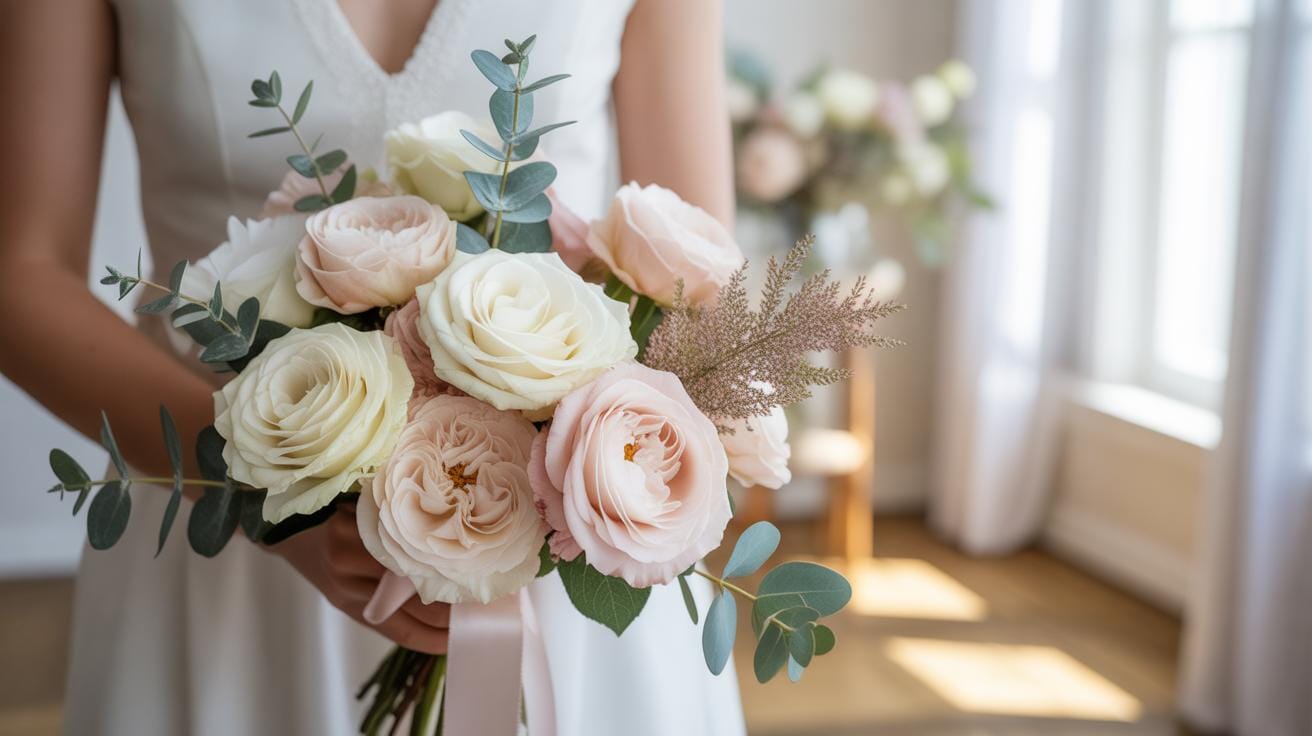
What Are Minimalist Wedding Flowers A Clean Intentional Aesthetic Explained
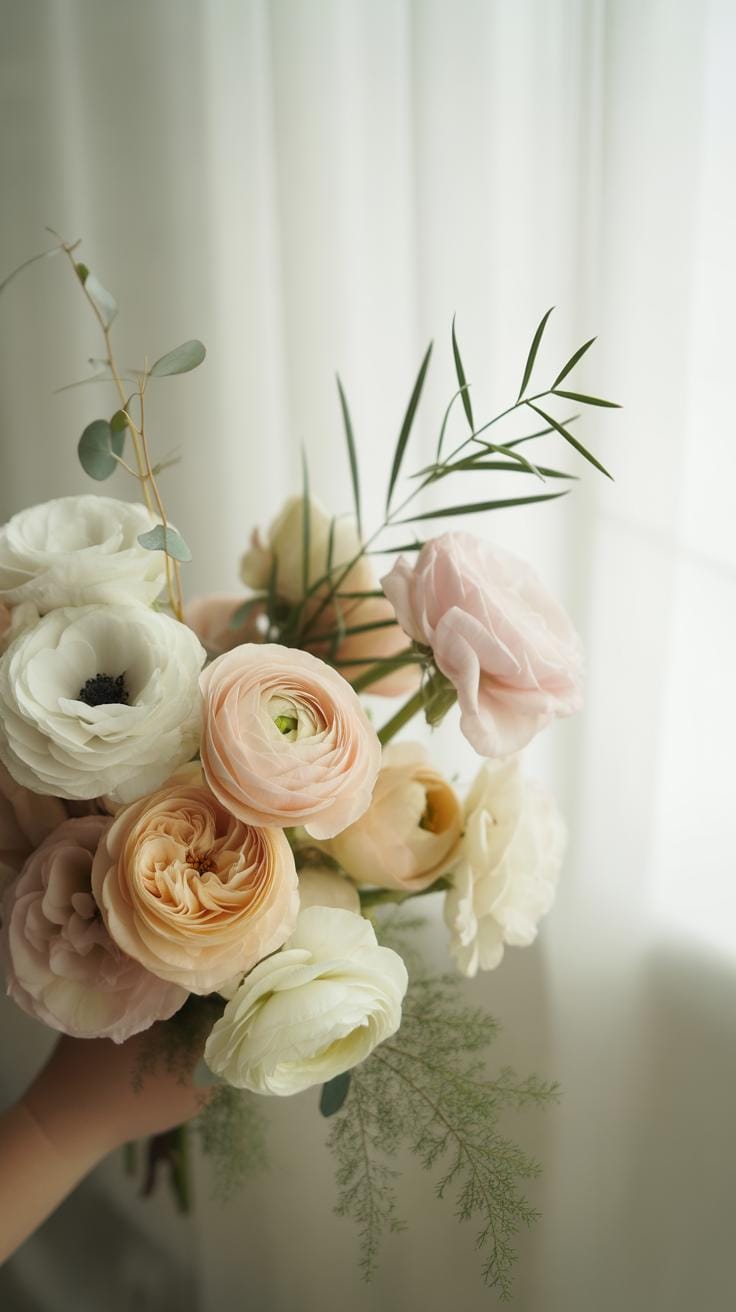
Defining The Minimalist Floral Style In Modern Weddings
Minimalist wedding flowers focus on negative space and architectural form. This style rejects the crowded look of standard bouquets. Designers select each stem for its specific shape and texture. You use fewer varieties to create a high visual impact. This approach aligns with the mid-century modern design movement. It prioritizes function and clean lines over excessive decoration. Every flower serves a strategic purpose.
This aesthetic requires high-quality specimens because there is no filler to hide flaws. Designers often use single-source groupings or monochromatic palettes. This strategy simplifies the visual field and directs the eye to specific focal points. You select vessels with geometric shapes to complement the stems. Use this style to create a calm and organized atmosphere. It removes unnecessary clutter from the wedding environment.
How Minimalist Wedding Florals Differ From Traditional Arrangements
Traditional arrangements rely on mass and volume to create impact. They use secondary fillers and greenery to hide floral foam or mechanics. Minimalist designs rely on the natural line of the stem. You do not hide the mechanics in this style. Instead, you integrate the structure into the overall look. Traditional styles often follow a round or symmetrical shape. Minimalist designs utilize asymmetry and negative space.
Choice of materials sets these two styles apart. Traditional weddings often feature many different bloom types in one container. Minimalist weddings often feature a single flower type. This “mono-botanical” approach creates a bold statement without visual noise. You ignore the industry standard of using baby’s breath or heavy foliage. Instead, you focus on the silhouette of the individual plant. This shift reduces waste and emphasizes clear design intent.

The Best Flowers For A Simple Chic Bridal Bouquet That Wows Without Excess
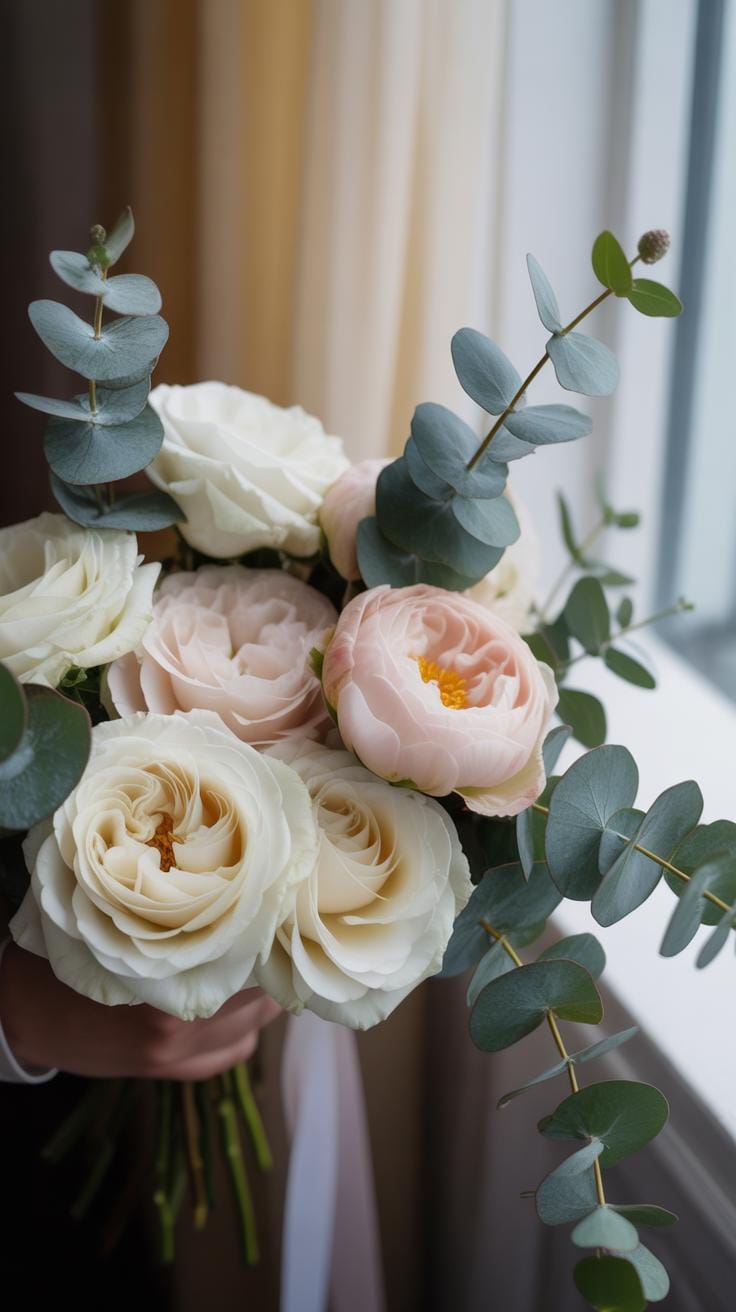
Top Blooms That Thrive In A Minimalist Wedding Setting
Minimalist design relies on structural integrity and clear lines. You must select flowers with strong stems and distinct silhouettes to avoid a messy appearance. Choosing species with high petal density or unique geometric shapes allows a single variety to carry the entire visual load. This strategy eliminates the need for filler greenery or complex layering which often creates unwanted visual noise.
- Calla Lily: This bloom offers a sleek and sculptural form. Its thick and waxy stem provides a clean line that works well in presentation bouquets. You do not need ribbon or wire to support its natural grace and strength.
- Long Stemmed Rose: High quality roses with uniform petal structures create a classic look. Select a single color to maintain a monochromatic palette. This choice aligns with modern Dutch floral design principles that prioritize form over excessive variety.
- Orchid: Phalaenopsis or Cymbidium orchids provide an architectural feel. They have a natural drape that adds movement without adding bulk. These flowers stay fresh for long periods and require very little water during the ceremony or reception.
- Anthirium: This flower has a flat and heart shaped appearance with a bold spadix. It fits perfectly in contemporary and industrial minimalist settings. The glossy texture reflects light well and looks sharp in high contrast photography and modern venues.
- Tulip: French or parrot tulips offer clean stems and soft curves. They continue to grow toward light sources after cutting which adds a dynamic element. Use them in mono-botanical bunches to emphasize their rhythmic shape and simple elegance.
Focus on the condition of the petals rather than the size of the arrangement. Minimalist bouquets expose every flaw because there are no fillers to hide bruises or wilted edges. Source your flowers from growers who prioritize stem strength and petal thickness. Using a single species simplifies the logistics and ensures a cohesive look that honors the Bauhaus principle of form following function.
How To Choose Flowers That Complement A Minimalist Bridal Theme
Select flowers based on the local season and the architectural style of your venue. Minimalist weddings often take place in galleries or lofts with clean lines. You must match the flower shape to these surroundings. Large and fluffy blossoms compete with structured environments while streamlined stems enhance them. Evaluate the color temperature of the space before you finalize your floral selection for the day.

Prioritize monochromatic color schemes to maintain a sharp focus. Using different shades of the same color creates depth without breaking the minimalist aesthetic. Avoid mixing too many textures which can lead to a cluttered appearance. A successful design uses negative space as a fundamental tool. Ensure the bouquet size remains proportional to the bridal silhouette to keep the overall look balanced and intentional throughout the event.
The Timeless Appeal Of A Simple White Bouquet For The Modern Bride
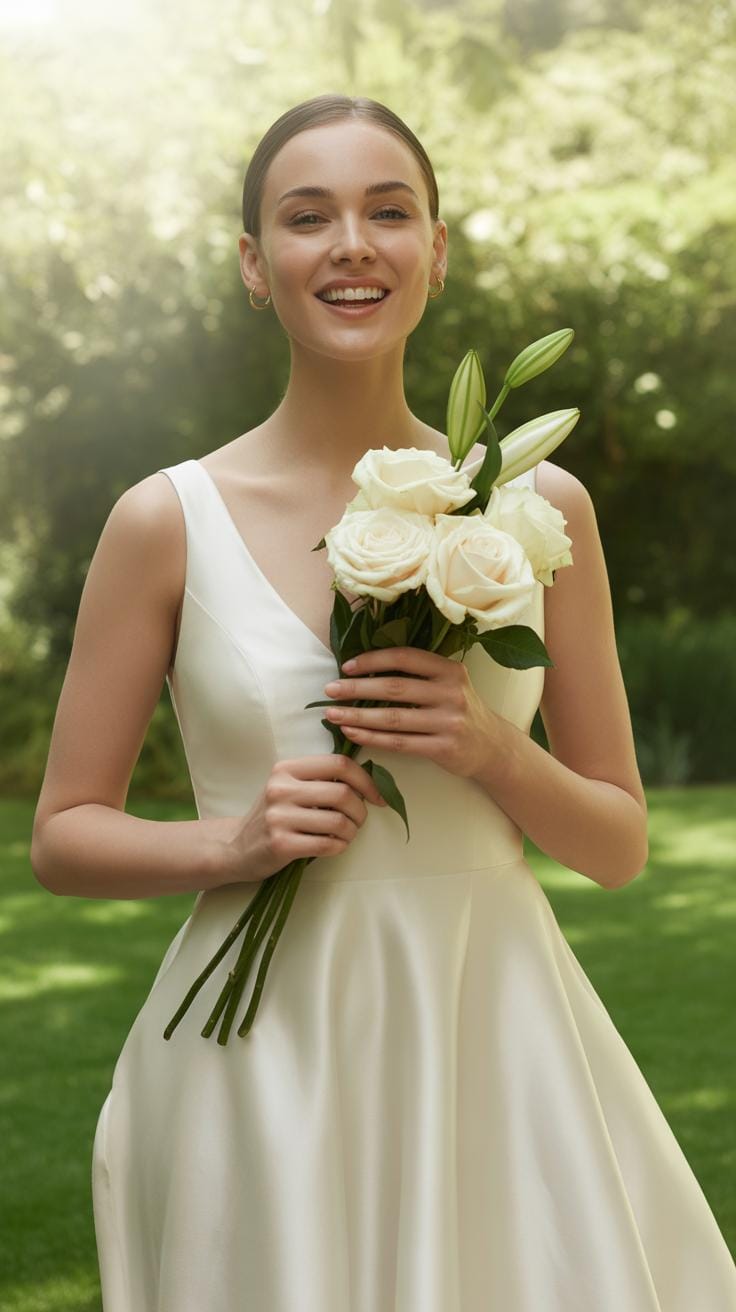
Why White Blooms Remain The Gold Standard In Minimalist Bridal Florals
White flowers provide the highest level of visual clarity in bridal design. This color choice removes the distraction of complex palettes. It focuses the eye on the shape and texture of the petals. High-contrast arrangements use white to create a sharp break against darker backgrounds. This strategy mimics the clean lines found in mid-century modern architecture. It emphasizes form over decorative excess.
The tradition of white bridal flowers became standard during the Victorian era. It signaled high social status and cleanliness. Today, the choice serves a more functional purpose in minimalism. White reflects light and brightens the bridal silhouette in photographs. Designers use monobotanical groupings of white blooms to achieve a cohesive look. This approach simplifies the planning process and ensures a consistent aesthetic throughout the event.
Styling A Simple White Bouquet To Match Your Wedding Dress And Venue
The scale of your bouquet must align with the proportions of your dress. A small posy of white lily of the valley creates a balanced look with a sleek column gown. Large, structured white calla lilies complement voluminous architectural silk dresses. Match the flower finish to the fabric texture. Satin fabrics work well with waxy petals. Matte crepe dresses pair better with soft, papery white ranunculus.
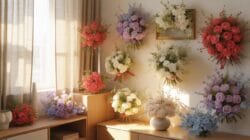
Venue lighting dictates how white flowers appear to guests. In dark industrial lofts, bright white blooms provide necessary visibility. In outdoor garden settings, white flowers separate the bride from the green foliage. Use a single ribbon material for the stem wrap to maintain a streamlined profile. Cut the stems to a uniform length to emphasize precision. These tactical choices ensure the flowers enhance the bride without competing for attention.
Wedding Bouquets Bride Simple Shapes Sizes And Silhouettes That Make A Statement
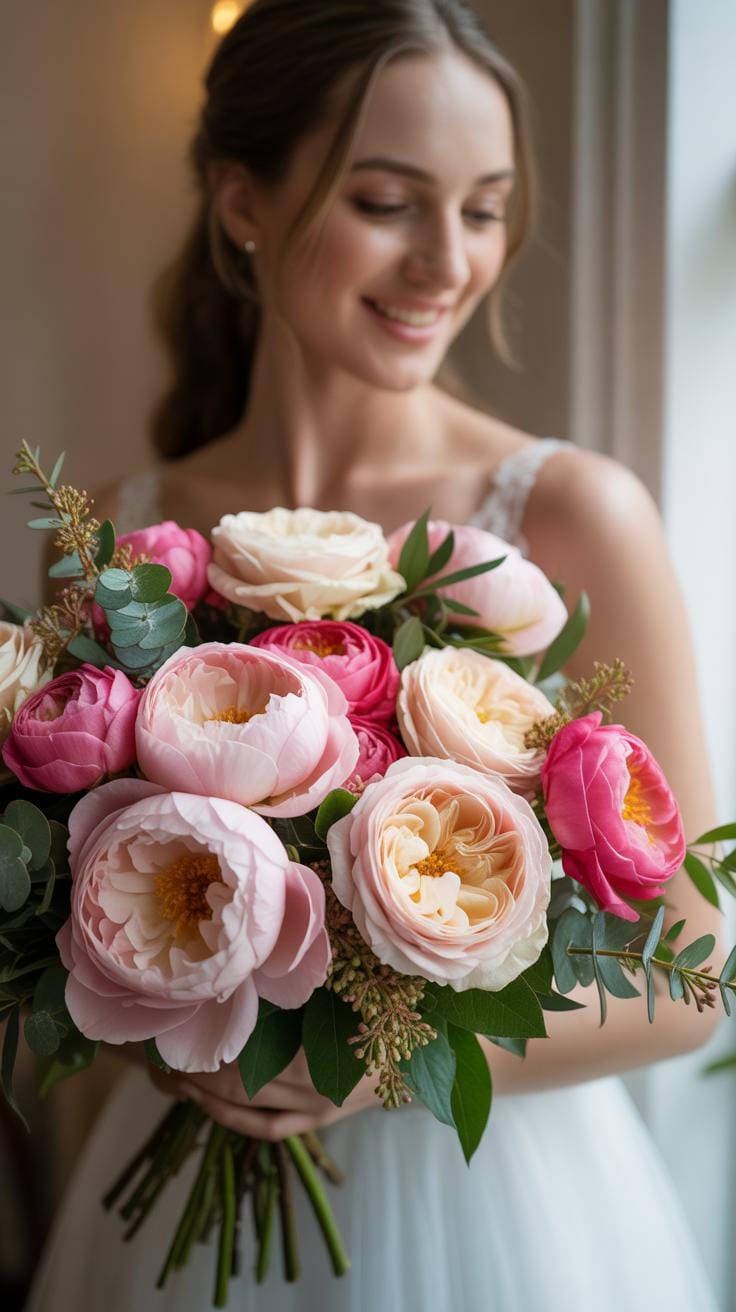
The Most Popular Bouquet Shapes For A Minimalist Bridal Look
The hand tied clutch dominates minimalist design. This shape relies on a natural gathering of stems bound by a single ribbon. It excludes the rigid structure of traditional round bouquets. Designers often use a few high quality stems to create this look. The focus remains on the silhouette of the individual flowers. This approach mirrors the Mid-Century Modern movement’s emphasis on clean lines.
The single stem bouquet offers the most extreme minimalist profile. Brides often choose a long stemmed Calla Lily or a single Protea for this style. This shape eliminates visual clutter entirely. It forces the viewer to focus on one singular point of interest. This technique aligns with contemporary architectural principles. It treats the flower as a sculptural object rather than a decorative bunch.
How Bouquet Size Affects The Overall Minimalist Aesthetic
Size determines the visual weight of the bride. A small bouquet prevents the flowers from overwhelming the dress design. It acts as a subtle accessory rather than a focal point. Excessive volume creates visual noise that distracts from the wedding attire. Minimalist strategy favors a scale that complements the body proportions. This ensures the bouquet does not hide important design details of the gown.

Proportional balance is the goal of minimalist sizing. A petite bouquet works best for sleek and modern silhouettes. Large overflowing arrangements belong to Romantic or Victorian styles. Minimalist practitioners avoid these heavy shapes to maintain a clean appearance. Reducing the physical diameter of the bouquet simplifies the overall look. Strategic sizing shows discipline in design. It proves that less volume creates a stronger visual impact.
Incorporating A Bouquet Lily Into Your Minimalist Wedding Flower Vision
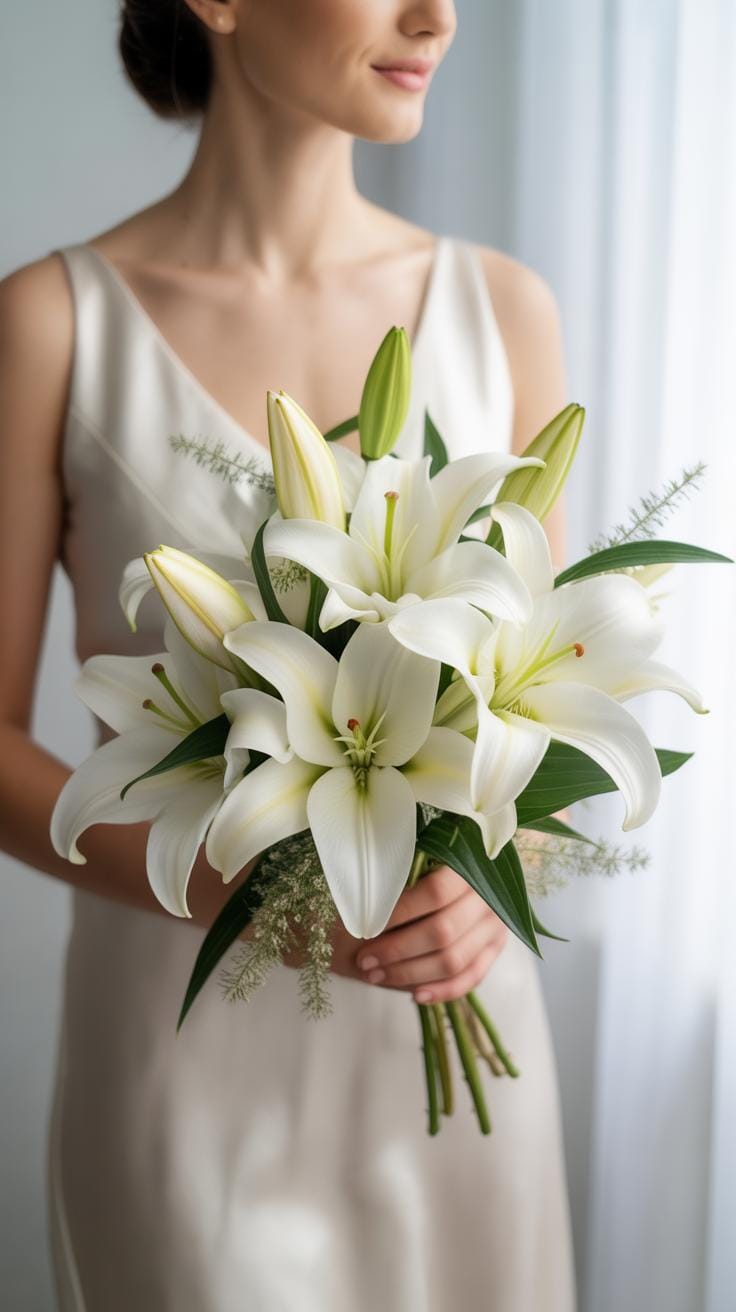
Why Lilies Are A Naturally Elegant Choice For Minimalist Wedding Arrangements
Lilies offer a high visual impact with very few stems. Their large scale and architectural lines satisfy the core principles of minimalist design. You do not need fillers or bulk when using these flowers. A single Calla lily or Longiflorum stem creates a clear focal point. Designers choose them for their structural integrity and clean profiles. They represent a functional choice for modern weddings.
The geometric form of the lily aligns with Mid-Century Modern and contemporary aesthetics. Its smooth petals and long stalks provide a sense of order and balance. You can skip complex floral foam setups by using these sturdy stems. Lilies last a long time after cutting which ensures the arrangement stays fresh throughout the event. This durability makes them a practical asset for any streamlined floral strategy.
Pairing Bouquet Lilies With Greenery And Neutral Accents For A Refined Look
Combine lilies with broad-leaf greenery to emphasize their shape. Monstera leaves or Ruscus provide a dark contrast that makes the white petals pop. Use a limited color palette of green, white, and earth tones. This approach maintains a clean look without distracting the eye. Focus on texture rather than variety. Stick to one type of foliage to keep the design intentional and sharp.
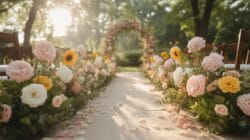
Neutral accents like dried grasses or bleached stems add depth to the arrangement. Use these elements sparingly to avoid cluttering the visual field. The goal is to support the lily, not hide it. Choose glass or ceramic vessels with simple lines to house the bouquet. This ensures the focus remains on the floral structure. Proper spacing between stems prevents the arrangement from looking like a traditional dense bunch.
Wedding Florals Simple Decorating Your Venue With Less And Achieving More
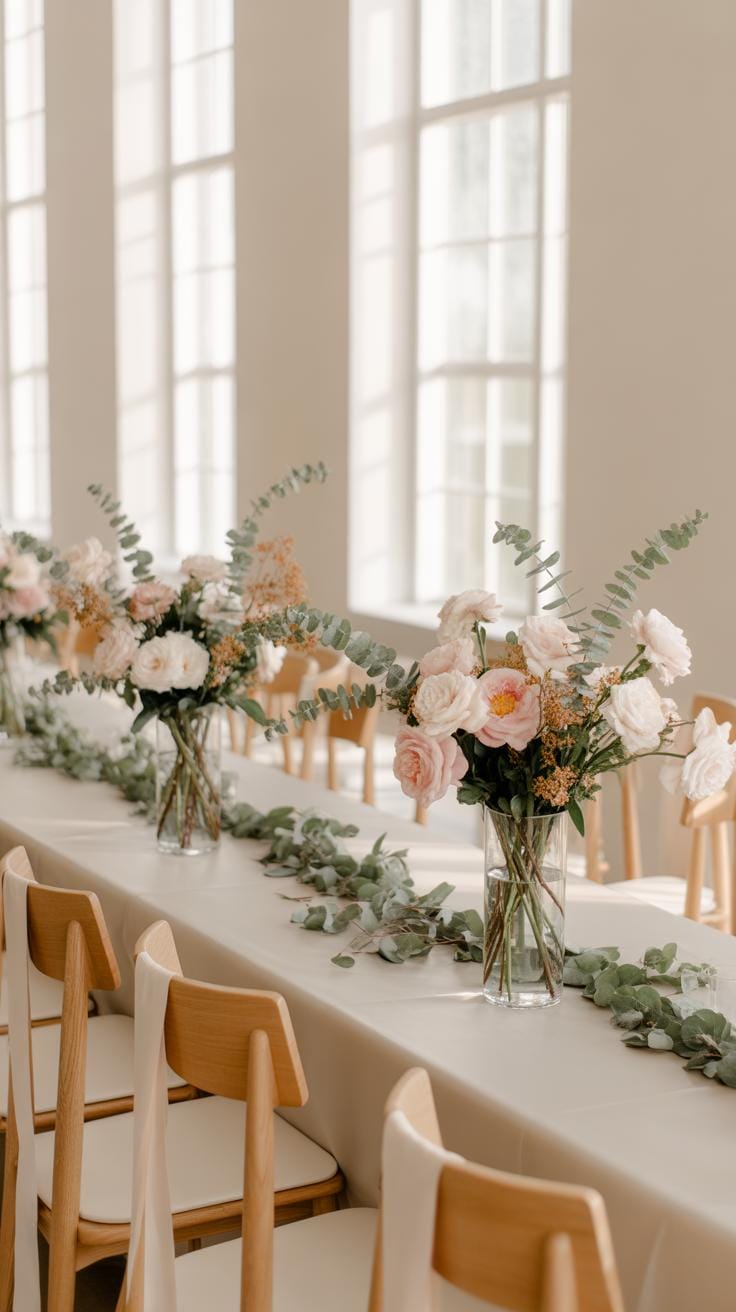
Minimalist Centerpiece Ideas That Let The Space Speak For Itself
Modern minimalist centerpieces rely on negative space and clean lines. You must select a singular focal point rather than building dense clusters. Using glass bud vases of varying heights creates a visual rhythm without blocking sightlines across the table. This approach forces the guest to appreciate the architectural form of a single stem. Low profiles keep the conversation flowing and the focus on the venue architecture.
Structural integrity matters more than volume in these designs. Use heavy-bottomed vessels to provide stability for singular branches or large blooms. Mono-botanical arrangements use one flower type to create a cohesive look. This reduces visual noise and simplifies the setup process for the vendor. Clear water and clean stems are non-negotiable requirements for this style. Dirty water ruins the intended polished effect and distracts the eye.
Ceremony Arch And Aisle Floral Styling Kept Simple And Intentional
The ceremony arch acts as a frame for the couple. Minimalist designs utilize asymmetrical placement to create visual interest. You should cover only one third of the structure to leave the primary material exposed. Use sturdy greenery like ruscus or eucalyptus to build the base. This technique lowers costs and reduces waste. It ensures the floral elements do not overwhelm the actual human subjects during the service.
Aisle styling stays effective when you limit the number of markers used. Place small groupings only at the entrance and the front rows. This draws the eye toward the altar without creating a physical barrier. Use floor-based installations to simulate natural growth patterns from the ground. This method mimics the Japanese Ikebana philosophy of bringing nature into a space. Intentional placement beats repetitive density every time in high-end design.
The BrideS Bouquet As A Personal Statement Making It Uniquely Yours

How To Personalise A Minimalist Bride’S Bouquet Without Overcomplicating It
Personalization in minimalist design relies on conscious selection rather than volume. You must choose one dominant element to anchor the arrangement. This might be a specific flower variety that holds personal history or a stem length that alters the silhouette. Focus on the shape of the bloom to communicate your style. A single large flower provides a focal point without requiring filler.
Select your primary flower based on its architectural form. Calla lilies offer clean lines while peonies provide soft texture. Ensure the stem count remains low to maintain the minimalist aesthetic. A small cluster of three identical stems creates a stronger visual impact than a mixed bundle. Your choice of stem density defines the overall weight of the design. Stick to one species.
Meaningful Touches: Ribbon, Wrapping, And Subtle Details That Add Depth
The handle of the bouquet offers the best opportunity for subtle detail. Use high-quality materials like hand-loomed silk or raw linen to wrap the stems. These fabrics provide a tactile contrast to the organic plant matter. Avoid plastic tapes or heavy wire. Secure the wrap with a clean pin or a hidden stitch. This keeps the focus on the natural state of the plant.
Historical floral design often used small charms or heirlooms tucked into the binding. You can add a vintage pin or a piece of family lace around the base. Ensure these additions do not hang loose or disrupt the clean profile. The goal is to integrate the item so it looks like part of the structure. Keep the color palette neutral to avoid visual distraction.
2026 Wedding Bouquets The Minimalist Trends Shaping The Next Wave Of Bridal Florals
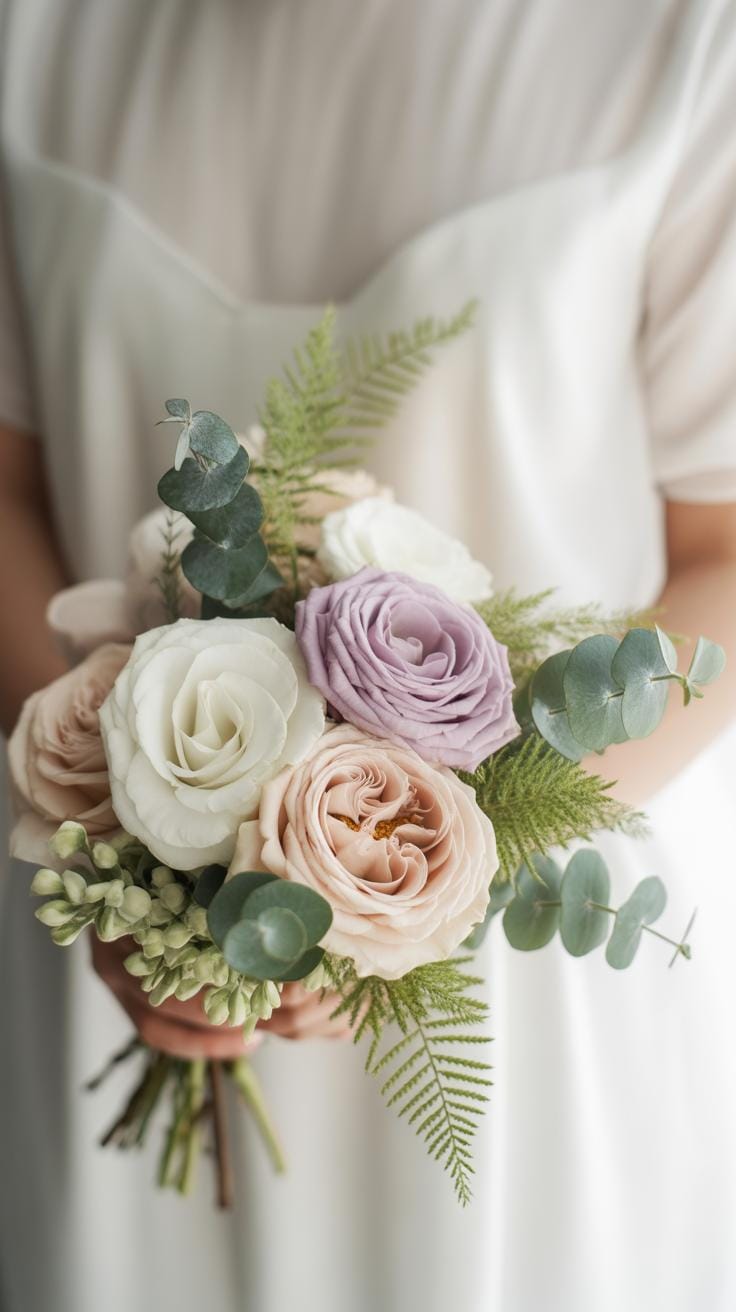
Emerging Colour Palettes And Flower Varieties Trending For Bride Bouquets 2026
The 2026 market shifts toward monochromatic palettes with high tonal contrast. Designers are moving away from multi-colored bundles to focus on single-color impact. Deep ochre, muted terracotta, and stark architectural whites dominate the upcoming season. These colors work best when paired with structural stems that offer clean lines and sharp silhouettes. Modern brides prioritize visual clarity over traditional floral density for a more sophisticated aesthetic.
Specific flower varieties for 2026 focus on longevity and form. Calla lilies, anthuriums, and single-stem orchids take center stage. These blooms require less filler and maintain their shape in various climates. Designers use these varieties to create “sculptural” bouquets that look like art rather than garden picks. This strategy reduces waste and ensures the bouquet remains light for the bride to carry throughout the long wedding day.
Love is not found in the weight of an armful of blossoms, but in the quiet beauty of a single rose that whispers forever. True elegance is always found in the simplest of gestures.
Sustainability And Seasonal Sourcing: Why 2026 Brides Are Choosing Mindfully
Sustainability is no longer a niche choice for wedding planning. Modern couples now demand local sourcing to reduce carbon footprints from air freight. Sourcing flowers within a hundred-mile radius ensures maximum freshness and supports local economies. This shift eliminates the need for chemical preservatives and excessive plastic packaging. 2026 brides view seasonal availability as a design constraint that actually simplifies and improves the final floral aesthetic.
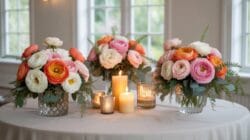
Seasonal sourcing dictates the floral calendar and prevents the use of thirsty, out-of-season blooms. Choosing flowers that naturally thrive in the current month reduces the need for refrigerated storage and heavy irrigation. This tactical approach lowers the overall cost and environmental impact of the wedding. Minimalist design complements this movement by using fewer stems of higher quality. Strategic sourcing results in a bouquet that is both ethically sound and visually striking.
How To Work With A Florist To Bring Your Minimalist Wedding Flowers Vision To Life
Questions To Ask Your Wedding Florist Before Signing A Contract
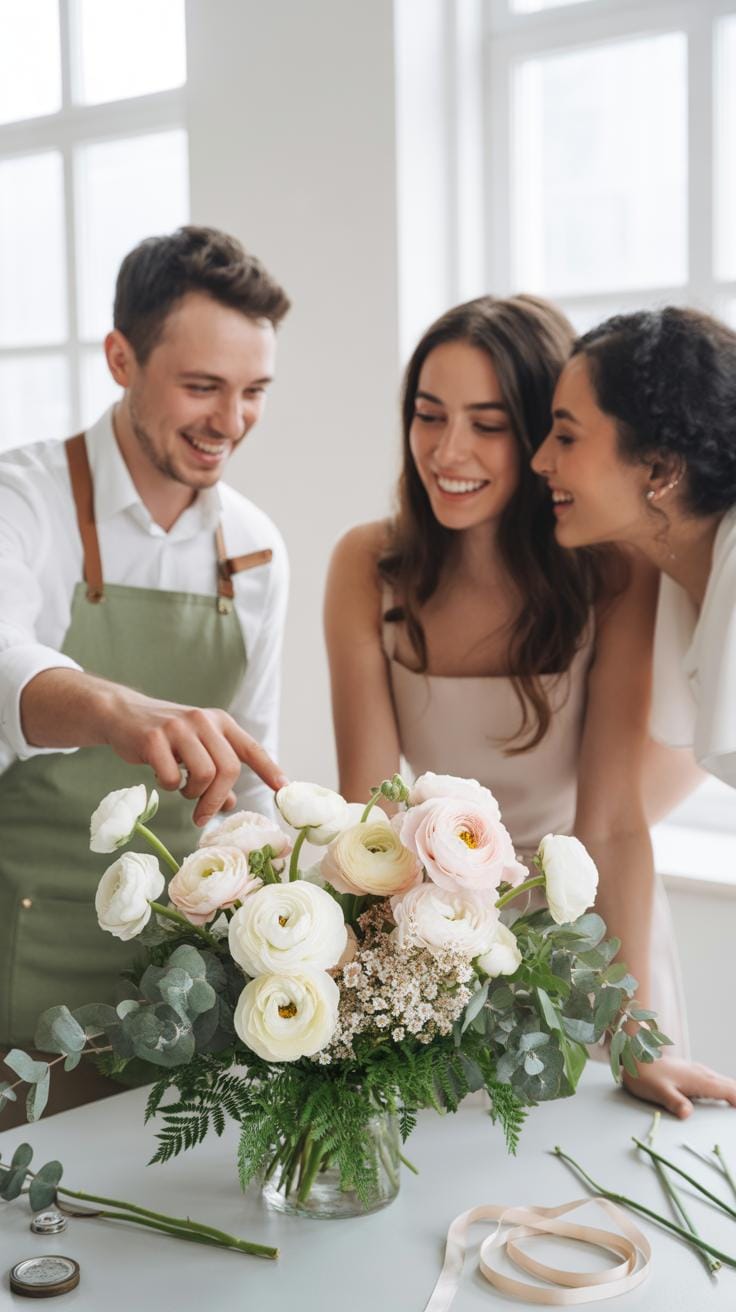
Minimalist design leaves no room for error. You must ensure your florist understands that every stem carries weight. Large arrangements hide poor mechanics or wilted petals. Minimalist setups expose them. Use these questions to verify their technical skill and sourcing methods. You need a partner who values quality over volume and has experience with structural floral design techniques.
- Experience with Ikebana or Architectural Styles: Ask if they have training in Japanese floral art or sculptural installations. These disciplines focus on negative space and line. A florist used to making dense round bouquets may struggle with the restraint required for a truly minimalist aesthetic.
- Sourcing and Seasonality: Inquire about where they get their flowers during your wedding month. Minimalist designs rely on the physical perfection of a few stems. You need to know if they can guarantee high-quality, local, or premium imports that will not bruise or droop quickly.
- Mechanical Execution: Ask how they create height and stability without using green floral foam. Many modern minimalists prefer sustainable methods like kenzans or chicken wire. Understanding their tools tells you if they can achieve the clean, airy look you want without bulky, visible support systems.
- Rental Inventory: Confirm what types of vessels and hardware they own. Minimalism often requires specific glass, ceramic, or stone containers. If they do not own the right sleek vases, you will face extra costs for sourcing or shipping specialized items from third-party rental companies.
- Setup and Strike Logistics: Clarify how much time they need for on-site installation. Large-scale structural pieces may require several hours of precision work. You need to know their team size and if they handle the removal of all materials at the end of the night to avoid venue fees.
Review their portfolio for actual minimalist work rather than just small bouquets. Look for clean lines and intentional color palettes. If their past work is mostly rustic or bohemian, they may overfill your space. Get every detail regarding stem counts and vessel types in writing. Finalize the contract only when you are certain they can deliver precision without adding unnecessary bulk.
How To Communicate A Minimalist Aesthetic Clearly Using Mood Boards And References
Effective communication requires visual proof. Do not rely on words like simple or clean because these terms are subjective. Create a mood board that highlights negative space as much as the flowers. Show your florist exactly what you want them to leave out. Use images of modern architecture or industrial design to help them understand the structural feel of your event.
Focus on texture and form rather than variety. Label your reference photos to point out specific elements like a single curved branch or a specific vase shape. Avoid photos with heavy greenery or filler flowers if those do not fit your vision. Be blunt about what you hate. Clearly stating your dislikes prevents the florist from adding traditional elements that clutter the final design.
Budget Friendly Tips For Achieving Stunning Minimalist Wedding Flowers Without Overspending
Why Minimalist Wedding Bouquets Simple In Design Are Naturally More Cost Effective
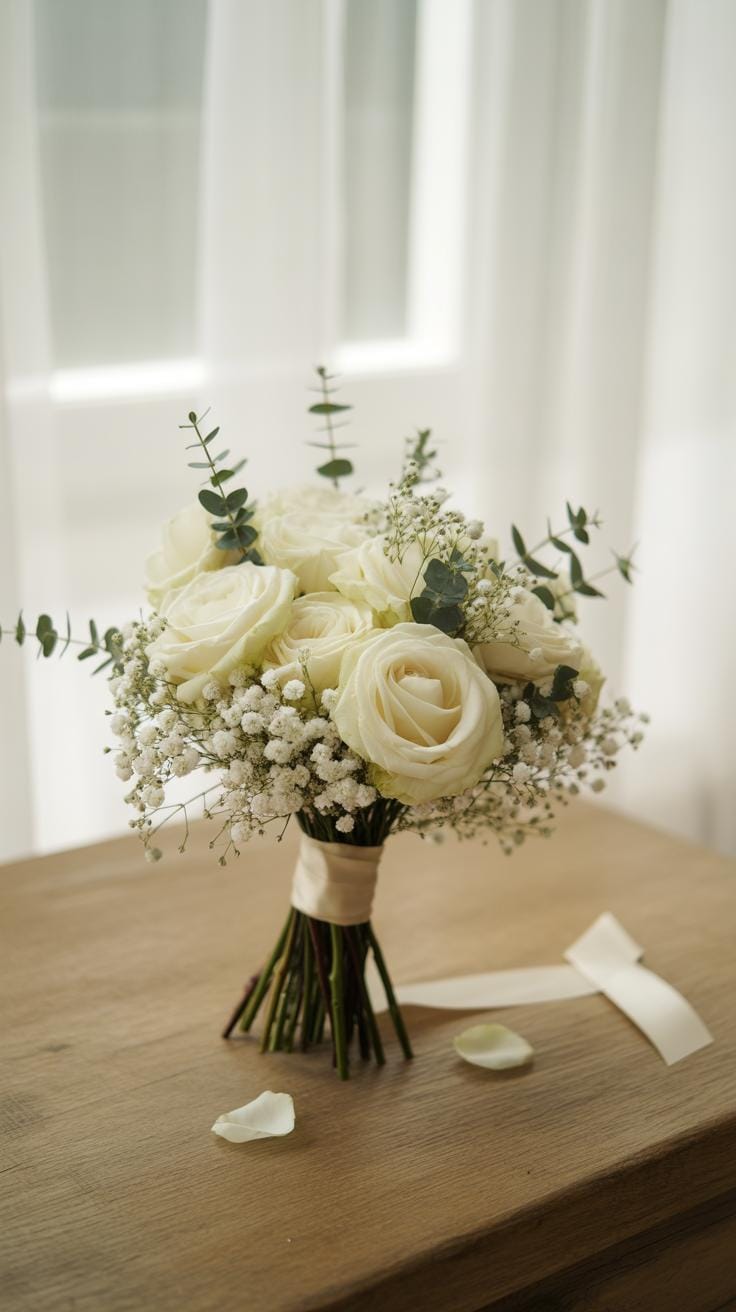
Minimalist wedding bouquets focus on form and quality over sheer volume. Traditional round bouquets require dozens of stems to create a dense shape. This high stem count drives up labor and material costs. Minimalist designs use fewer stems, which immediately lowers the base price. Florists bill for time spent on complex wire work and tape. Simple designs reduce these billed hours significantly.
Strategic placement also saves money. Minimalist styles often feature a single architectural bloom or a small bunch of one variety. This approach eliminates the need for expensive filler greenery and multiple flower types. You pay for the impact of the flower rather than the bulk of the arrangement. Eliminating variety reduces the overhead cost of ordering separate floral bunches that might go to waste.
Smart Swaps And Seasonal Choices That Stretch Your Floral Budget Further
Seasonality dictates the price of every stem in your arrangement. Buying flowers during their natural peak blooming period ensures the lowest prices and the highest quality. Out of season imports require air freight and specialized handling which adds to your bill. Local flowers reduce transportation costs and support local economies. Always ask your florist for a list of locally available varieties for your date.
Substitutions allow you to keep the aesthetic while lowering the price point. Swap expensive Peonies for Garden Roses to achieve a similar petal count at a lower cost. Use Ranunculus instead of costly Sweet Peas for a clean line. Modern minimalism rewards these smart swaps because it focuses on the overall silhouette. High impact stems like Calla Lilies provide structural elegance without needing multiple supporting flowers.
Frequently Asked Questions

What exactly defines minimalist wedding flowers for a modern ceremony?
Minimalist wedding flowers focus on simplicity, intentionality, and negative space rather than sheer volume. Instead of dense, multi-colored arrangements, this style emphasizes “less is more” by using monochromatic palettes, architectural shapes, and clean lines. By selecting a few high-quality stems like single-variety bouquets or structural greenery, you create a sophisticated aesthetic that highlights the natural beauty of the blossoms without overwhelming your venue’s existing architecture or decor.
How can I style minimalist wedding flowers to ensure they look intentional?
To master this look, focus on curated placement and sculptural silhouettes. Start by selecting a hero flower, such as a crisp white calla lily or a singular protea, and use sleek glass or ceramic bud vases to display them. Strategic grouping is key; rather than scattering petals everywhere, place a few impactful arrangements in focal points like the altar or guest tables to make your minimalist wedding flowers feel deliberate and high-end.
Are minimalist wedding flowers actually a more budget-friendly option for couples?
Generally, yes! Embracing minimalist wedding flowers can significantly reduce costs because you are prioritizing quality over quantity. By opting for impactful greenery like eucalyptus or long-stemmed roses in simple glass vessels, you save on both floral bulk and labor-intensive assembly. This approach allows you to allocate your budget toward premium, statement blooms that stand alone beautifully, ensuring your celebration looks luxurious and modern without the price tag of traditional, overflowing installations.