
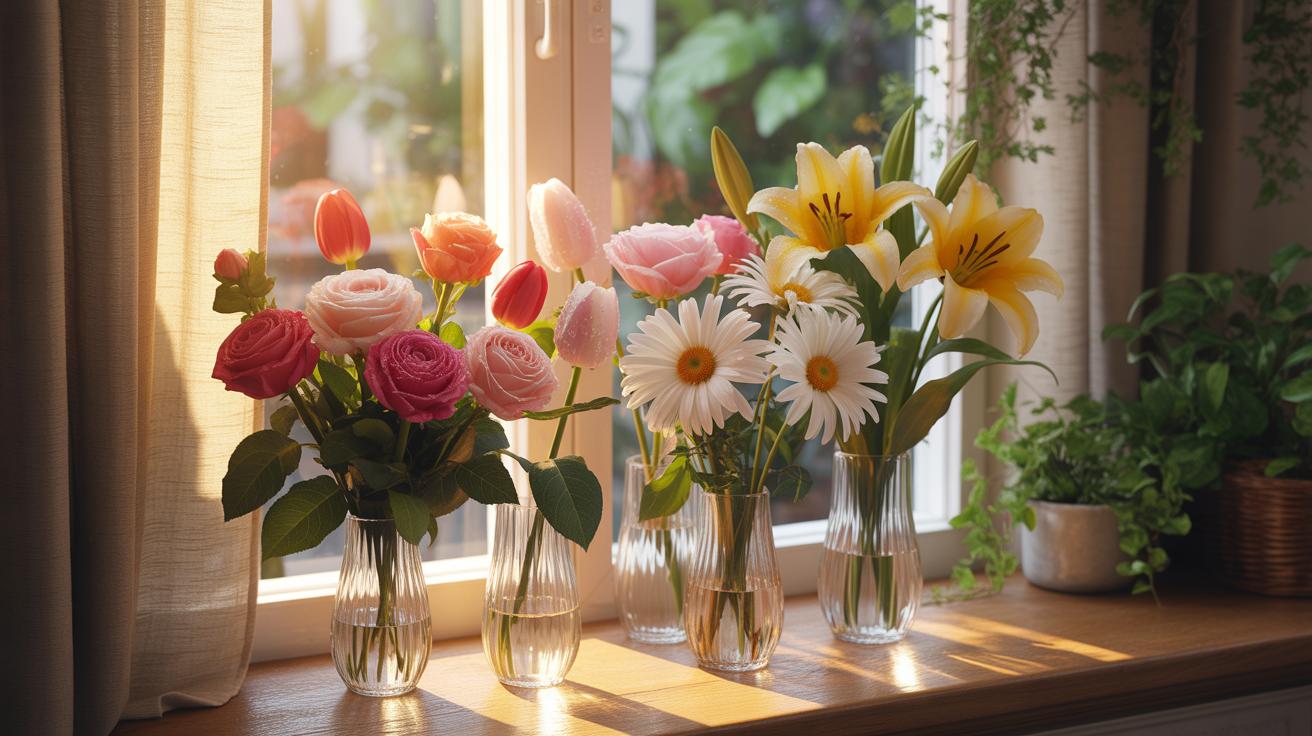
Understanding The Basics Of A Cut Flower Garden And Why Proper Care Begins At The Source
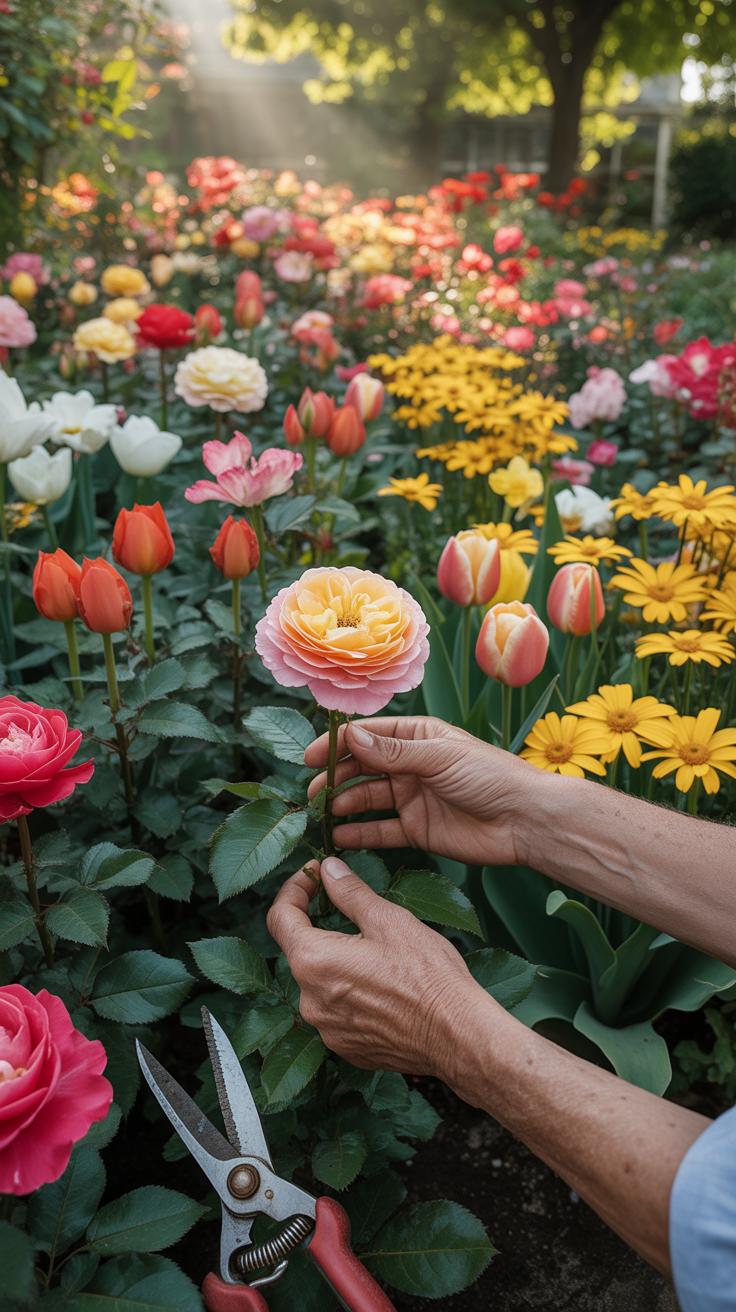
What Makes A Thriving Cut Flower Garden The Best Starting Point For Long Lasting Blooms
A healthy cut flower garden provides the biological foundation for vase longevity. Vigorous plants produce stems with high carbohydrate reserves and robust cell walls. These structural elements allow the flower to survive the stress of being severed from its root system. You must prioritize soil health and consistent hydration to ensure the plant is at its physiological peak before harvest occurs.
Proper garden management reduces the presence of pathogens and bacteria. Stems grown in clean, well-aired environments carry fewer microbes into the vase water. Bacteria block the vascular system of the flower and prevent water uptake. By maintaining a clean garden and choosing disease-resistant varieties, you eliminate the primary cause of premature wilting. Stronger plants simply last longer once you bring them indoors.
How The Time Of Day You Harvest From Your Cut Flower Garden Directly Affects Vase Life
Timing determines the moisture content within the plant tissue. You must harvest flowers in the early morning when temperatures are low and dew is still present. At this time, the plant is fully hydrated and turgid. Stems cut during the heat of the afternoon are under water stress. They will wilt quickly because their internal water pressure is already depleted by the sun.
The sugar levels in the plant also fluctuate throughout the day. Morning harvests capture the stem when it has the highest concentration of stored energy. This fuel allows the bud to continue opening after you place it in a vase. Evening harvests are a secondary option if morning is impossible. However, you should always avoid mid-day cutting to prevent immediate vascular collapse and permanent damage to the bloom.
How To Keep Fresh Flowers Alive Longer With The Right Tools And Initial Preparation
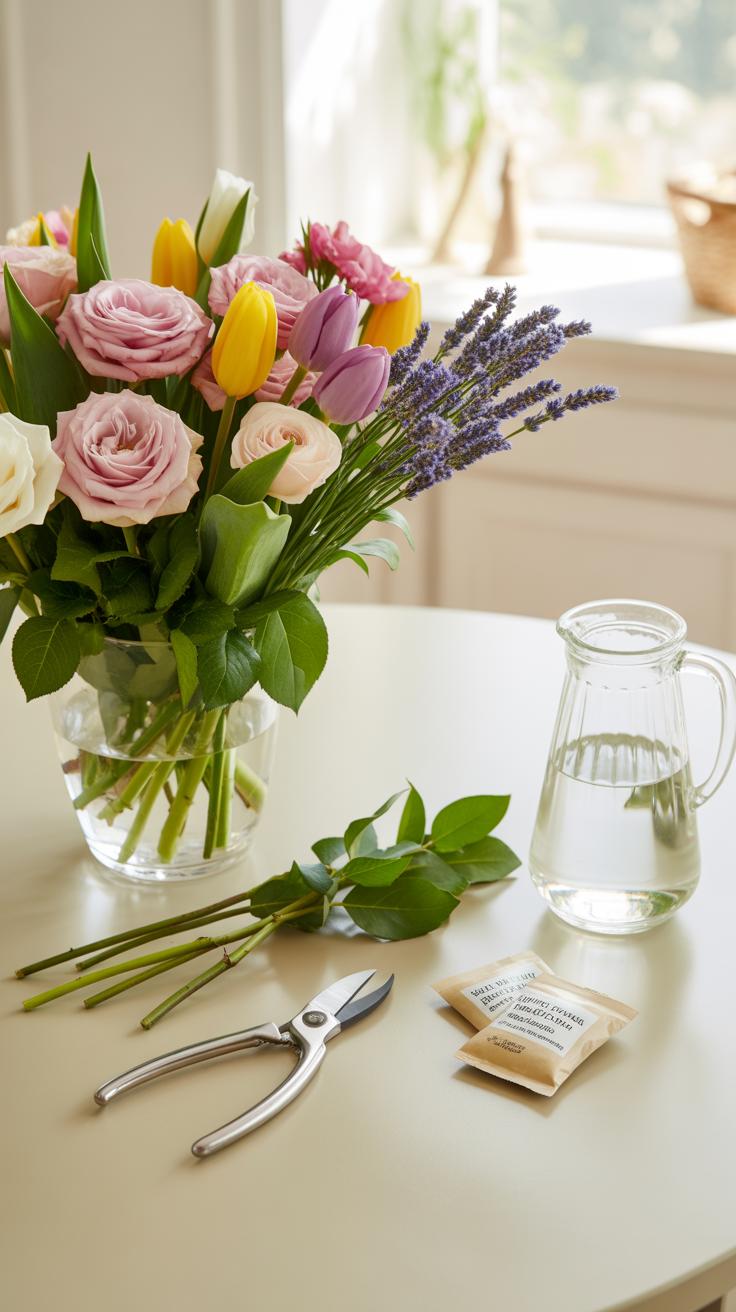
Why Clean Buckets, Sharp Shears, And Lukewarm Water Are Essential Before Anything Else
Bacteria kills flowers faster than anything else. You must use soap and bleach to scrub every bucket before use. Residual dirt from previous arrangements clogs the vascular system of the stems immediately. This blockage prevents water uptake and leads to premature wilting. Professionals maintain hospital grade cleanliness for all containers. A dirty bucket guarantees a short vase life for any bloom you select.
Sharp shears are non-negotiable for clean cuts. Dull blades crush the delicate xylem tissue within the stem. This physical damage creates a barrier that stops water from traveling up to the flower head. Use lukewarm water between ninety and one hundred degrees Fahrenheit. Warm water molecules move faster and enter the stem more easily than cold water. This heat also helps air bubbles escape the stem tissue.
The Importance Of Conditioning Stems In Deep Water Before Arranging Fresh Flowers
Conditioning is the process of hydrating flowers before you put them in a final arrangement. You must place freshly cut stems into deep water for several hours. This practice ensures the stems are fully turgid and stiff. It provides a massive reservoir of hydration that helps the plant survive the stress of being moved. Skip this step and your flowers will likely droop within twenty four hours.

Place your buckets in a cool, dark room during this period. Lower temperatures reduce the rate of transpiration through the leaves. You want the flower to pull in water without losing it to the air. Strip all foliage that falls below the water line to prevent rot. Let the flowers drink for at least two hours before you start designing. This initial soak is the most critical step for long term stability.
How To Make Fresh Flowers Last Longer With Proper Stem Cutting Techniques
Why Cutting Stems At A 45 Degree Angle Under Water Dramatically Improves Water Absorption
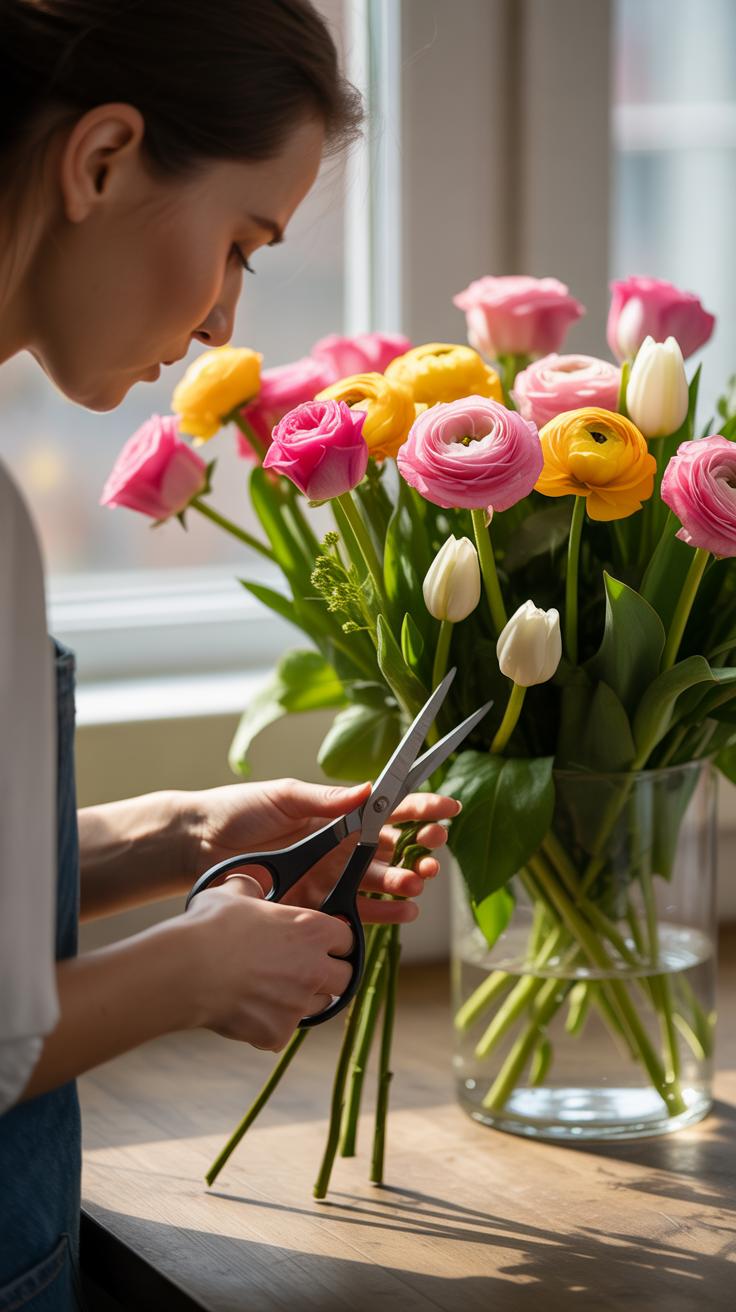
Cutting stems at a 45-degree angle increases the surface area for water intake. A flat cut allows the stem to sit flush against the vase bottom. This position blocks water flow and starves the flower. The angled cut creates a gap that ensures constant access to hydration. Use sharp, bypass shears to avoid crushing the vascular tissues. Clean cuts keep the xylem open for maximum liquid transport.
Cutting the stems under water prevents air from entering the plant tissue. When you cut in open air, a small bubble can form inside the stem. This air pocket blocks water from traveling up to the bloom. Professional florists use this submersion technique to stop physiological plugging immediately. This method maintains a continuous vacuum in the stem. Proper execution keeps the flower head upright and firm for days.
How Often You Should Re Cut Stems To Maintain Optimal Hydration Throughout The Week
Re-cut flower stems every two to three days to maintain peak health. Stems naturally seal themselves over time to protect against bacteria. This healing process slows down the rate of water absorption. Removing a half-inch of the stem exposes fresh, porous tissue. Regular maintenance prevents the flower from wilting prematurely. Consistent cutting ensures the plant receives the nutrients it needs to stay vibrant and strong.

Clean the vase and change the water whenever you re-cut the stems. Bacteria build up quickly in stagnant water and clog the stem ends. Freshly cut stems are highly vulnerable to these microorganisms. Removing the bottom section of the stem eliminates any rot occurring at the base. This routine keeps the water delivery system efficient. Frequent cutting is the most effective way to extend the lifespan of any bouquet.
How To Keep Flowers Fresh Longer By Choosing The Perfect Vase And Water Conditions
How Vase Shape, Size, And Material Influence The Health And Longevity Of Cut Flowers
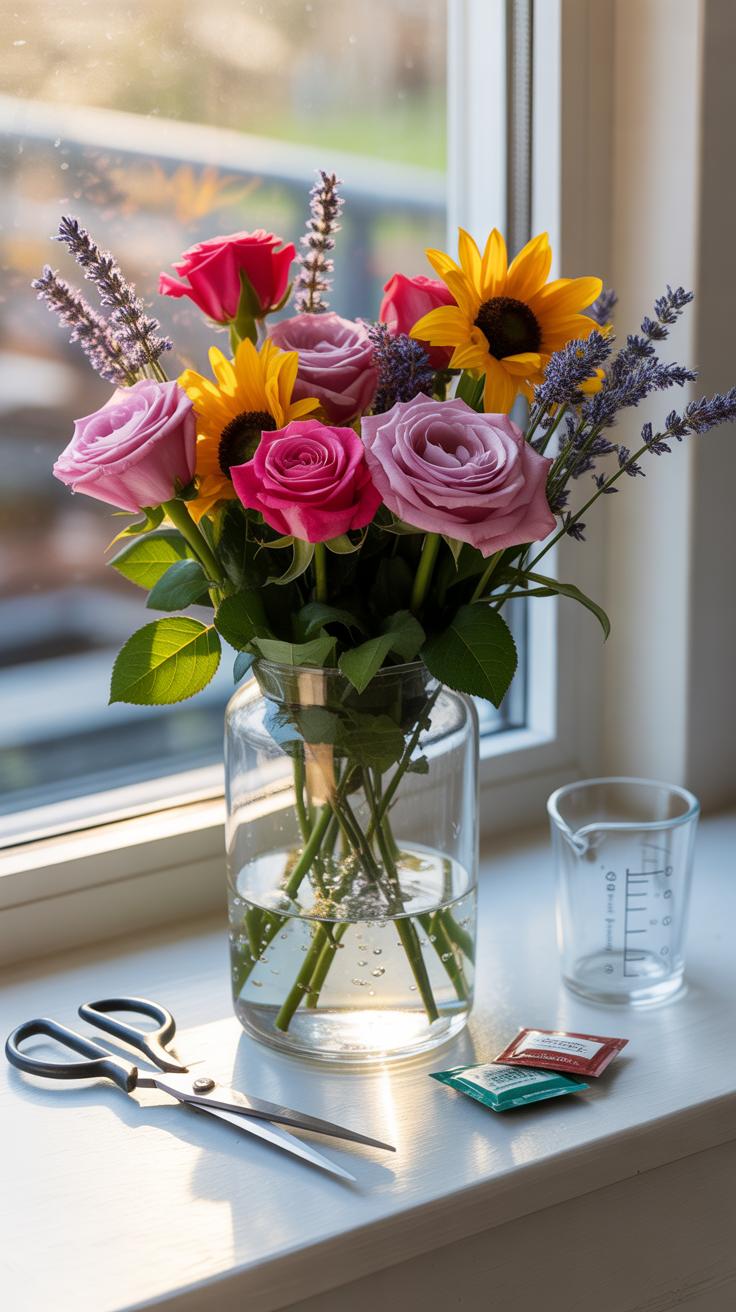
Vase selection dictates the lifespan of your bouquet. Use glass or ceramic vessels to prevent chemical reactions with flower food. Avoid lead crystal or cheap plastics that harbor bacteria in microscopic scratches. A narrow neck supports heavy heads but limits airflow. Ensure the opening is wide enough to prevent crushing the stems. Compressed stems block the vascular system and stop hydration.
The height of the vase must equal half the total height of the floral arrangement. This ratio provides structural stability and ensures proper water pressure. Metal containers often cause toxic reactions that kill flowers quickly. If you use copper or zinc buckets, insert a plastic liner first. Scrub every vessel with bleach after use to eliminate fungal spores from previous arrangements.
Why Water Temperature, PH Level, And Cleanliness Matter More Than Most People Realize
Fill your vase with lukewarm water measuring around 100 degrees Fahrenheit. Warm water contains fewer air bubbles than cold water. This allows the xylem to transport fluids to the petals faster. Cold water can shock the plant and slow down its metabolism. Most professional florists use this method to revive wilted blooms. Always remove leaves below the water line to prevent rot.

Water acidity affects how well stems absorb nutrients. Aim for a pH level between 3.5 and 4.5 to maximize intake. Most tap water is too alkaline for cut flowers. Add a high quality preservative to lower the pH and provide sugar for energy. Change the water entirely every forty eight hours. Cloudy water indicates bacterial growth that clogs stem endings and causes premature death.
How To Keep Cut Flowers Fresh Using Flower Food And Natural Homemade Alternatives
What Is Commercially Prepared Flower Food And How Its Three Key Ingredients Work Together
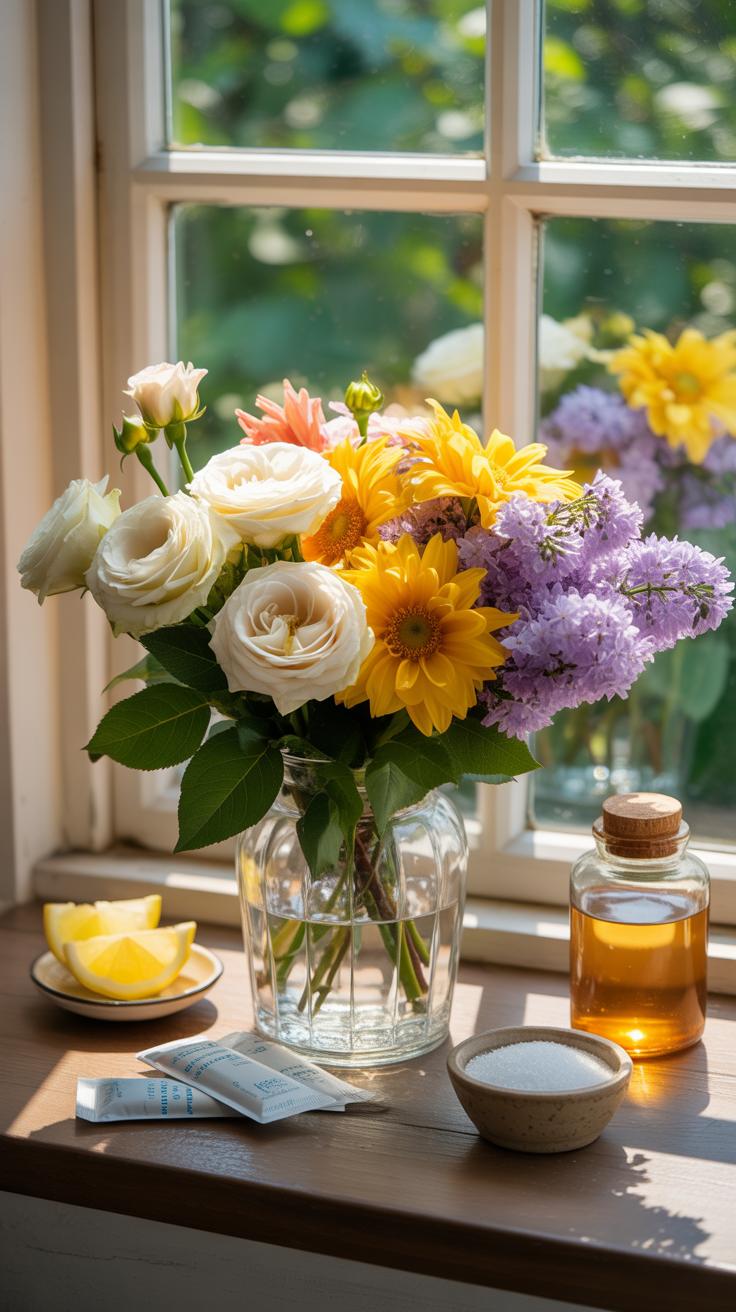
Commercial flower food uses a precise chemical balance to keep stems alive. It contains three critical components: carbohydrates, acidifiers, and biocides. Sugars provide the necessary energy for blooms to open and maintain their color. Since the flower no longer has leaves to produce food through photosynthesis, this external glucose source is vital for survival. Without it, the plant quickly starves and wilts.
The other two ingredients manage the water environment. Acidifiers lower the pH level of the water to mimic the acidic sap of the plant. This improves water uptake through the stem. Biocides or bleaches kill bacteria and fungi that grow in the vase. Microbial growth clogs the vascular system of the flower. These three elements work together to ensure the flower hydrates efficiently and stays fed.
To nurture a bouquet is to keep the garden’s memory alive within your walls. A little water and tenderness ensure that the beauty of yesterday continues to bloom in the heart of your home today.
Proven Homemade Recipes Using Common Household Ingredients To Extend Cut Flower Freshness
You can replicate commercial formulas using basic household supplies. The goal is to balance nutrition and sanitation. A standard mix uses sugar for energy and an acid to lower the pH. You must also add a disinfectant to prevent slime buildup. These ratios are critical. Too much sugar feeds bacteria, while too much bleach kills the delicate tissues of the plant stems.
- Lemon Lime Soda: Mix one part non-diet soda with three parts water. The sugar provides energy for the blooms. The citric acid lowers the water pH to help the stems drink faster. Do not use dark colas.
- Bleach and Sugar: Add one teaspoon of sugar and one drop of liquid bleach to one quart of water. The sugar feeds the plant. The bleach acts as a biocide to keep the water clear of harmful bacteria and mold.
- Apple Cider Vinegar: Combine two tablespoons of vinegar with two tablespoons of sugar in a vase of water. The vinegar creates an acidic environment that facilitates water movement. This mimics the natural chemical state found in living plant stems.
- Crushed Aspirin: Lower the pH of your vase water by adding one crushed aspirin tablet. Salicylic acid helps the water flow through the flower stems. This method is a traditional technique used to keep the vascular system from clogging.
- Copper Pennies: Place a pre-1982 copper penny in the vase water. Copper acts as a natural fungicide. It prevents the growth of fungi that cause stem rot. Use this in combination with a sugar source for the best results.

Always use lukewarm water when mixing these homemade solutions. Heat helps the solids dissolve quickly and removes air bubbles from the liquid. Check the water level daily. Flowers consume more water than most people realize. Change the entire solution every two days to prevent bacteria from overwhelming the homemade preservatives. Clean the vase thoroughly with soap between every use to ensure a sterile start.
Essential Flower Tips For Controlling Temperature Light And Placement In Your Home
Why Keeping Cut Flowers Away From Direct Sunlight, Heat Vents, And Ripening Fruit Matters
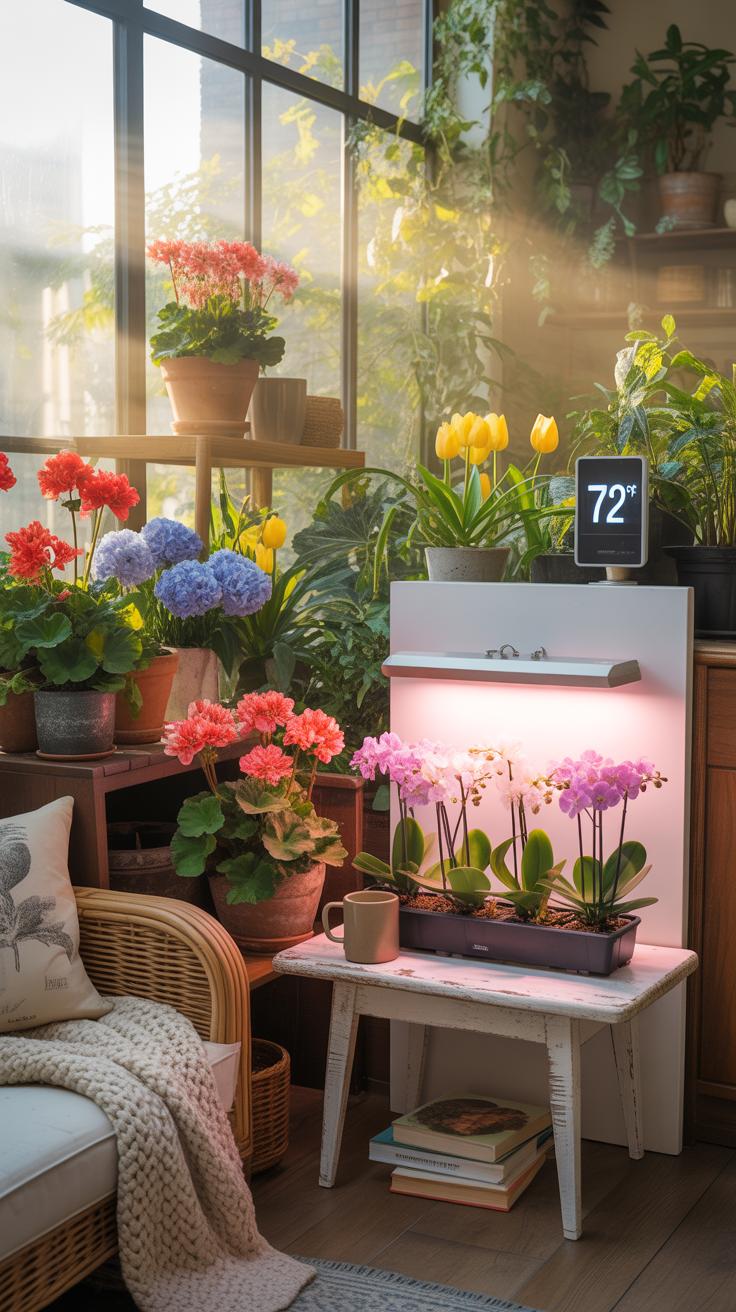
Direct sunlight and heat vents accelerate the transpiration process in cut flowers. This causes the plant to lose water faster than the stems can absorb it. High temperatures also increase the metabolic rate of the flower. This rapid energy use leads to premature wilting and total head droop. You must keep arrangements in stable environments to prevent cellular dehydration and maintain structural integrity.
Placement near ripening fruit introduces a chemical threat called ethylene gas. This odorless plant hormone triggers the aging process and causes petals to drop early. Domestic fruits like apples and bananas emit high levels of this gas. Commercial florists have avoided this cross-contamination since the early twentieth century to preserve stock. Keep your vases away from the kitchen counter to stop this invisible decay process immediately.
How Cooler Room Temperatures And Indirect Light Help Slow Petal Aging Naturally
Cooler air temperatures slow down the respiration rate of cut flowers. When the ambient air stays low, the bloom consumes its stored sugars more slowly. This conservation of energy keeps the petals firm and the colors vibrant for extra days. Professional floral coolers maintain temperatures just above freezing for this exact reason. Lowering your thermostat or choosing a cool room extends the vase life.
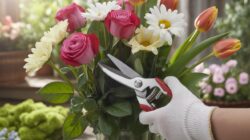
Indirect light provides enough visibility for your display without the damaging effects of UV rays. Intense light triggers the rapid opening of flower buds, which shortens their overall lifespan. Soft, filtered light prevents the water in the vase from heating up and breeding bacteria. Consistent, cool conditions mimic the natural nighttime environment where plants recover. Control your environment to manage the biological clock of every stem you display.
How To Make Flowers Last By Removing Foliage And Managing Bacteria In The Vase
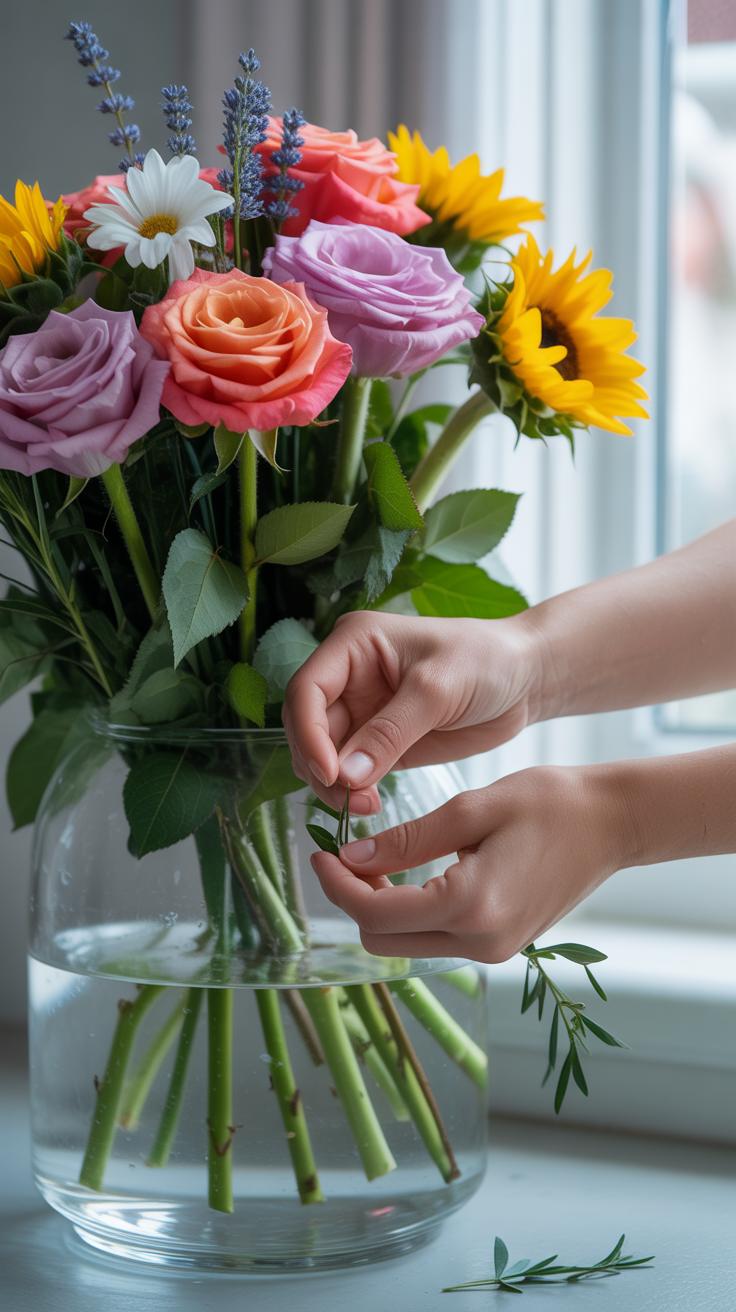
Why Stripping Leaves Below The Waterline Is One Of The Most Effective Cut Flower Care Tips
Leaves submerged in water rot quickly. This decay releases organic matter and gases into the vase environment. Rotting foliage fuels the rapid growth of harmful microorganisms. These organisms settle on the cut ends of the stems. Removing all greenery below the water line stops this cycle before it starts. It is a fundamental step for extending the life of any floral arrangement.
Stems prioritize moving water to the flower head. Submerged leaves compete for this hydration while simultaneously poisoning the source. Stripping the lower stems ensures all available water reaches the bloom. This technique also keeps the water clear and visually appealing. Clean stems allow for better oxygen flow within the vase. Process your flowers by removing every leaf that might touch the water to maximize their lifespan.
How Bacterial Buildup In Vase Water Blocks Stem Uptake And What You Can Do To Prevent It
Bacteria act like physical plugs in the vascular system of a flower. These microscopic organisms enter the xylem and block the flow of water. Within hours, a dirty vase can harbor millions of bacteria. Once the stem is blocked, the flower will wilt regardless of how much water is in the glass. This blockage is the primary cause of premature death in cut flowers.

Eliminating these microbes requires consistent hygiene and water management. Wash your vases with bleach or soap after every use to kill lingering spores. Change the vase water every two days to reset the bacterial count. Use commercial flower food to lower the pH of the water. This acidic environment makes it harder for bacteria to multiply. Clean water is the most critical factor for flower health and longevity.
How To Make Flowers Last Longer In A Vase With Regular Maintenance And Water Changes
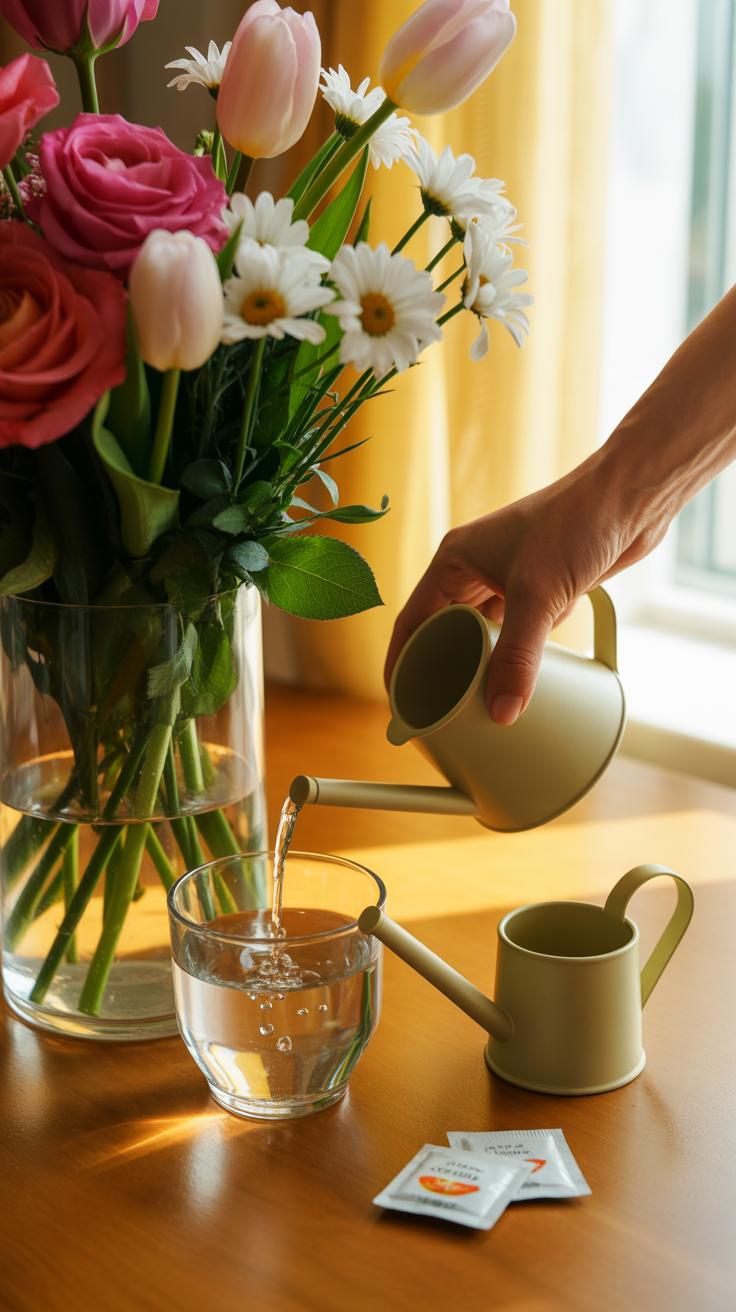
A Simple Daily And Weekly Maintenance Routine That Noticeably Extends Cut Flower Vase Life
Consistency determines the lifespan of cut stems. Bacteria multiply rapidly in standing water and clog the vascular system of the plant. This blockage prevents hydration and leads to premature drooping. A disciplined maintenance schedule eliminates pathogens and keeps the nutrient delivery pathways open. You must treat the vase as a controlled environment where cleanliness directly impacts the biological health of the flowers.
- Fresh Water Replacement: Change the vase water entirely every forty-eight hours. Do not just top it off with new water. Empty the container and scrubbing the interior surfaces removes the bacterial film that builds up on the walls and damages the stems.
- Stem Recutting: Trim one-half inch off the bottom of each stem at a forty-five-degree angle during every water change. This opens fresh xylem tissue for better water intake. Use sharp, sanitized shears to prevent crushing the delicate vascular bundles within the plant.
- Leaf Clearance: Remove any foliage that falls below the water line immediately. Submerged leaves rot quickly and release high levels of bacteria into the reservoir. Keeping the water clear extends the life of the blooms and prevents the water from becoming cloudy.
- Temperature Control: Place the vase in a cool location away from direct sunlight and drafts. Heat accelerates the transpiration process and causes the flowers to lose moisture faster than they can absorb it. Keeping the environment stable preserves the structural integrity of the petals.
- Vase Sanitization: Clean the vase with a mild bleach solution between every use. This removes stubborn microorganisms that survive in microscopic cracks. A sterile starting environment is the most effective way to prevent the early decay of newly purchased or cut floral arrangements.
Proper nutrient balance maintains the metabolic functions of the flower after it is cut. Commercial floral preservatives provide necessary sugars for energy and acidifiers to lower the water pH. Lower pH levels improve water uptake efficiency. Always follow the specific dosages on the packet. Using too much or too little can harm the plant. Consistent care prevents the physiological stress that shortens vase life.
How Removing Wilted Blooms From A Mixed Arrangement Protects The Remaining Healthy Flowers
Decaying plant matter produces ethylene gas as it breaks down. This naturally occurring hormone acts as a ripening agent that signals other flowers to age and die. One dying stem in a mixed arrangement will trigger a chain reaction that kills the surrounding healthy blooms. You must identify and remove spent flowers immediately to stop the spread of this invisible gas.

Fungal spores thrive on dead organic material and spread through contact or air. Mold from a single wilted petal can quickly colonize healthy stems and leaves. Removing debris keeps the air circulation high and the humidity levels balanced within the arrangement. Proper sanitation within the vase prevents cross-contamination. This proactive culling ensures that resources like water and nutrients go only to the viable flowers.
How To Make Cut Flowers Last Longer By Matching Care Routines To Specific Flower Varieties
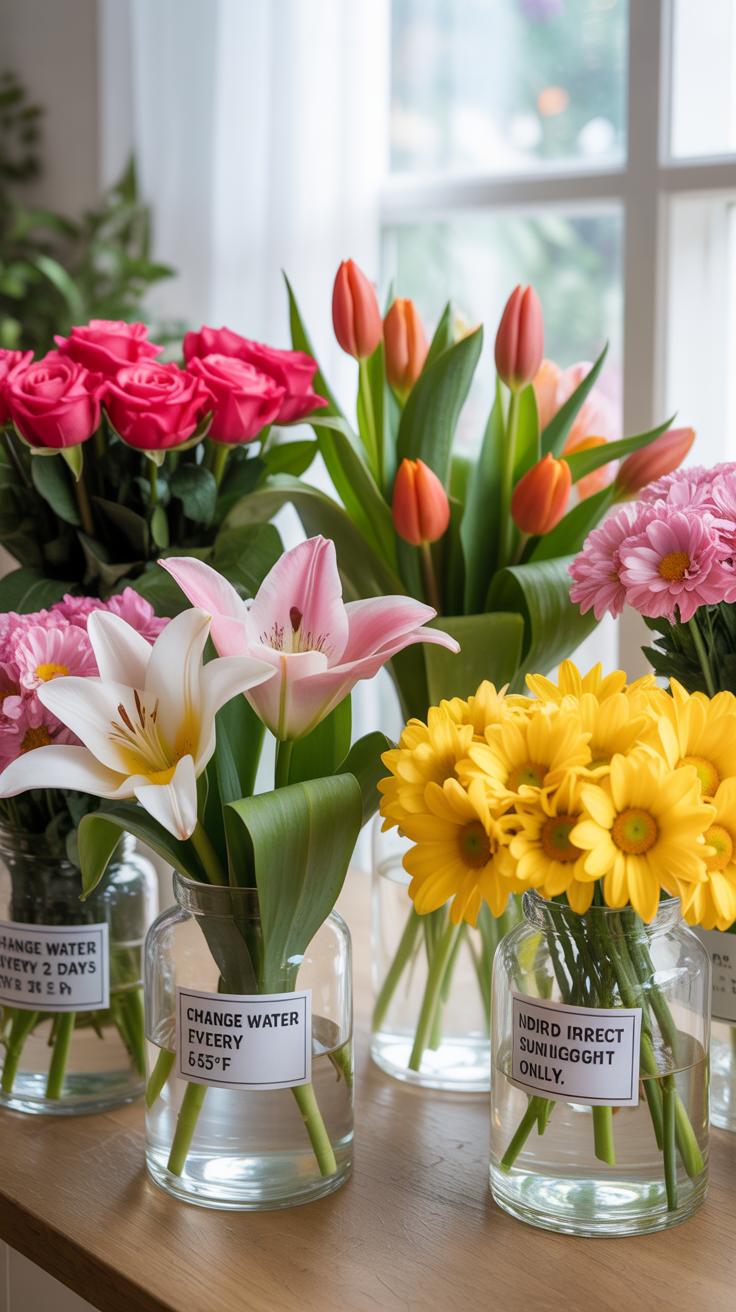
Care Differences Between Delicate Flowers Like Tulips And Hardy Varieties Like Chrysanthemums
Tulips possess hollow stems that continue growing even after you cut them. You must use cold water to slow this process and prevent drooping. These flowers are sensitive to light and heat sources. Keep them away from sunny windows to avoid premature wilting. Pinprick the stem just below the bloom to release trapped air. This tactic ensures better water uptake for these delicate specimens.
Chrysanthemums are much hardier and can survive for weeks with basic maintenance. They require slightly warmer water than tulips to trigger hydration. You should remove all foliage that sits below the water line to prevent bacterial growth. Recut their woody stems at a sharp angle every few days. This practice opens fresh tissue for maximum absorption. These flowers tolerate varying indoor temperatures better than soft-stemmed varieties.
Why Roses, Lilies, And Sunflowers Each Require Slightly Different Cut Flower Care Approaches
Roses demand strict hygiene and specific cutting techniques. You must trim rose stems under water to prevent air bubbles from blocking the vascular system. This blockage causes the neck to bend and the bloom to die early. Remove only the lower thorns to avoid wounding the stem tissue. Wounded stems leak sugars that feed bacteria. High acidity levels in the water also help roses stay hydrated.
Lilies and sunflowers have different biological needs. You must remove lily anthers to prevent pollen from staining petals or triggering decay. Sunflowers have heavy heads and thick, hairy stems that contaminate water quickly. Change sunflower water daily to keep bacterial counts low. Use tall, heavy vases to support their weight and prevent snapping. These specific steps address the physical structure of each plant to extend its vase life.
Frequently Asked Questions

What are the most basic steps for beginners to keep flowers fresh?
Starting with basic cut flower care tips can significantly extend the life of your bouquet. Begin by using a clean vase to prevent bacterial growth and fill it with lukewarm water. Always trim the stems at a 45-degree angle before placing them in the water. Removing any leaves that sit below the waterline is also essential, as decaying foliage can contaminate the water and cause your beautiful blooms to wilt prematurely.
How often should I change the water and trim the stems?
For the best results, you should refresh the water and trim the stems every two days. Bacteria build-up is the leading cause of flower decay, so keeping the environment sterile is one of the most effective cut flower care tips you can follow. When you change the water, snip about half an inch off each stem at a diagonal. This opens up new pathways for the flowers to hydrate efficiently and stay vibrant.
Can I make my own flower preservative using common household items?
You don’t need expensive store-bought packets to keep your arrangements looking lovely. A simple DIY solution involves mixing two tablespoons of lemon juice, one tablespoon of sugar, and a few drops of clear bleach into a quart of water. The sugar provides vital nutrients, the lemon juice adjusts the pH level to help water absorption, and the bleach inhibits bacteria. This cost-effective method ensures your home stays bright without extra spending.