Understanding The Delphinium Flower Origins Species And Unique Characteristics
The Botanical History And Natural Habitat Of The Delphinium Flower
Delphinium plants belong to the Ranunculaceae family and originate from the Northern Hemisphere. These perennials grow naturally in high-altitude meadows throughout North America, Europe, and Asia. Most species thrive in cool, moist climates with plenty of sun. The name comes from the Greek word for dolphin because the flower buds look like aquatic mammals. Breeders began crossing wild species in the nineteenth century to create the tall garden hybrids used today.
Victorians popularized these flowers in English cottage gardens during the mid-1800s. The Elatum group forms the backbone of modern cultivation because these plants produce the tallest flower spikes. Growers selected specific traits to improve stem strength and flower density for floral displays. Today, these plants remain a staple of the Perennial Movement in landscape design. You must understand their mountainous origins to provide the correct drainage and temperature conditions for successful growth.
Key Physical Traits That Make Flower Identification Of Delphiniums So Distinctive
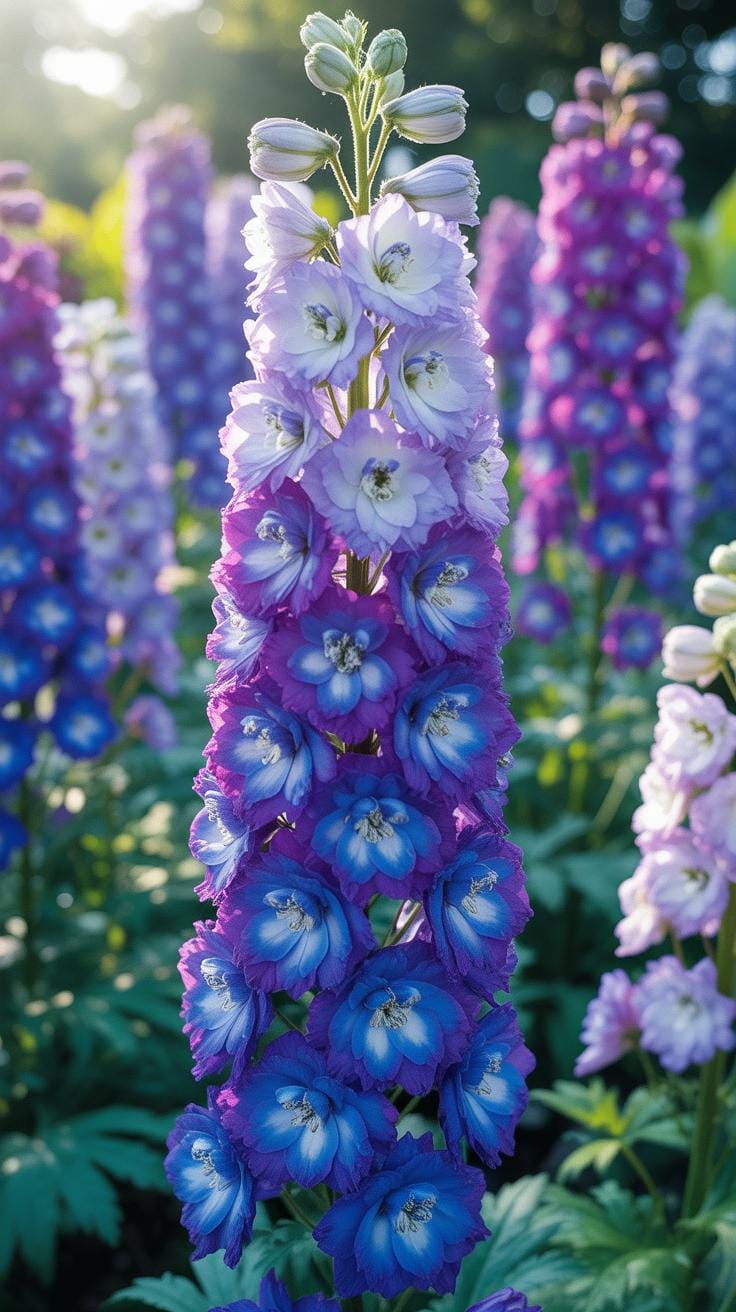
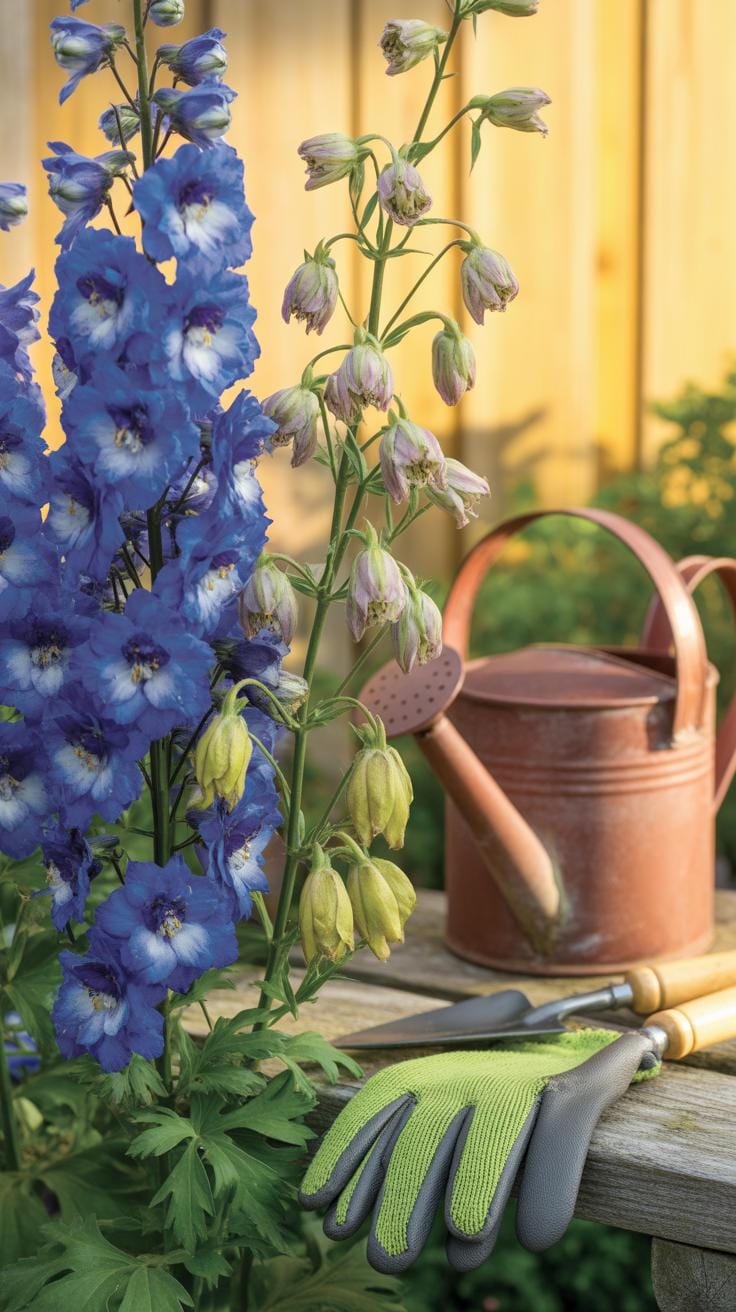
Delphiniums stand out due to their unique floral structure and vertical growth habit. The most identifiable feature is the long nectar spur that extends from the back of the flower. This spur gives the genus its common name, Larkspur, though Larkspur usually refers to annual varieties. Each bloom consists of five sepals that function like petals. The true petals form a small, fuzzy center known as the bee, which attracts pollinators.
The plant produces large, palmate leaves that feature deep lobes. These leaves grow in a basal clump before the central flowering stalk emerges. Stems can reach heights of eight feet depending on the specific cultivar and soil quality. The flowers bloom in a dense raceme, opening from the bottom of the spike upward. This staggered blooming pattern provides a long window of color for gardeners and commercial floral designers.
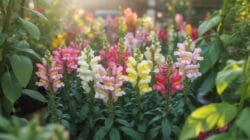
Delphinium Flowers Vs Larkspur Flowers Knowing The Difference
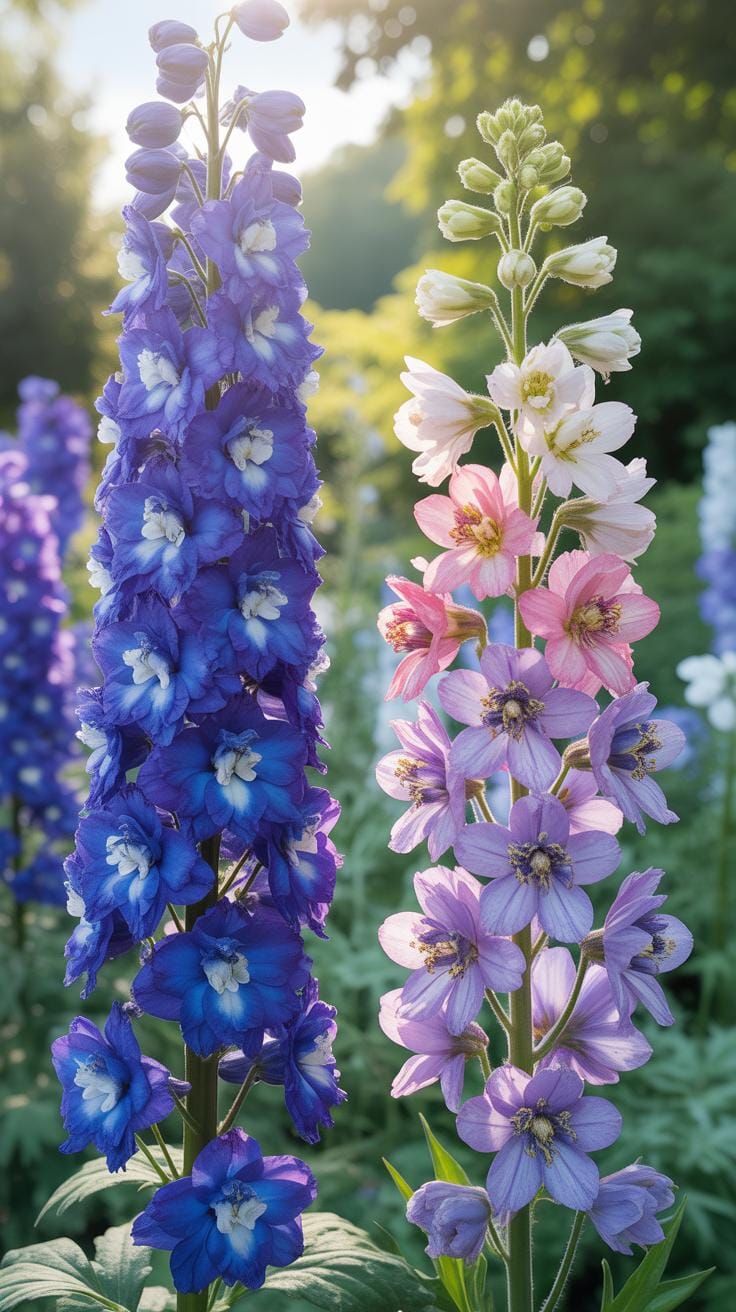
How Larkspur Flower And Delphinium Flower Are Related Yet Distinct Plants
Delphinium and Larkspur both belong to the Ranunculaceae family. Taxonomists previously grouped them together in the genus Delphinium. Modern botanists now place annual Larkspur in the genus Consolida. This distinction matters for your planting schedule. Delphiniums are mostly perennials that return every year. Larkspur completes its entire life cycle in one season. You must treat them as separate tools in your landscape design.
The biological connection explains their similar spurred flower shapes. Both plants contain toxic alkaloids that protect them from herbivores. However, their seeds and growth habits require different handling. Delphinium seeds often need cold stratification to germinate properly. Larkspur seeds grow quickly after direct sowing in cool soil. You cannot swap one for the other if you want consistent results in a permanent garden bed.
Visual And Structural Differences Between Larkspur Flowers And Delphiniums In The Garden
Visual identification starts with the foliage and stem density. Delphiniums produce thick, heavy spikes loaded with many individual blooms. Their leaves are large, palmate, and deeply lobed. These plants often reach heights of six feet or more. You will notice the stems are hollow and require sturdy staking. The flowers usually feature a distinct central eye, often called a bee, which contrasts with the petals.
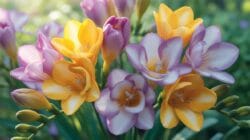
Larkspur presents a lighter and more delicate structure. The leaves look feathery and finely divided, similar to dill or cosmos. Stems are thinner and rarely grow as tall as professional-grade delphiniums. The flowers on a Larkspur spike are more spread out. You will not see the prominent central bee found in Delphinium blooms. Use Larkspur for airy fillers and Delphiniums for bold, vertical focal points in your rows.
Exploring Blue Flowers Delphinium Color Varieties And What They Symbolize
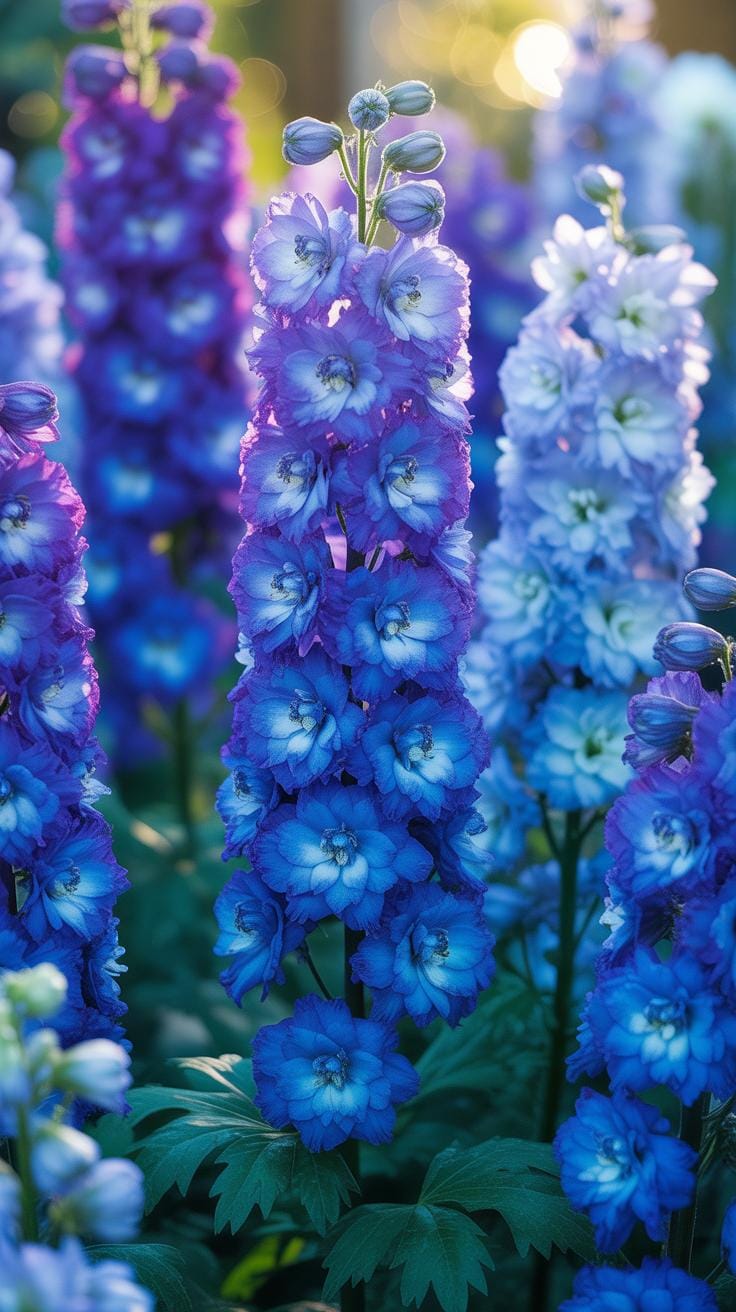
Why Blue Flowers Delphinium Are Among The Most Sought After Blooms In Horticulture
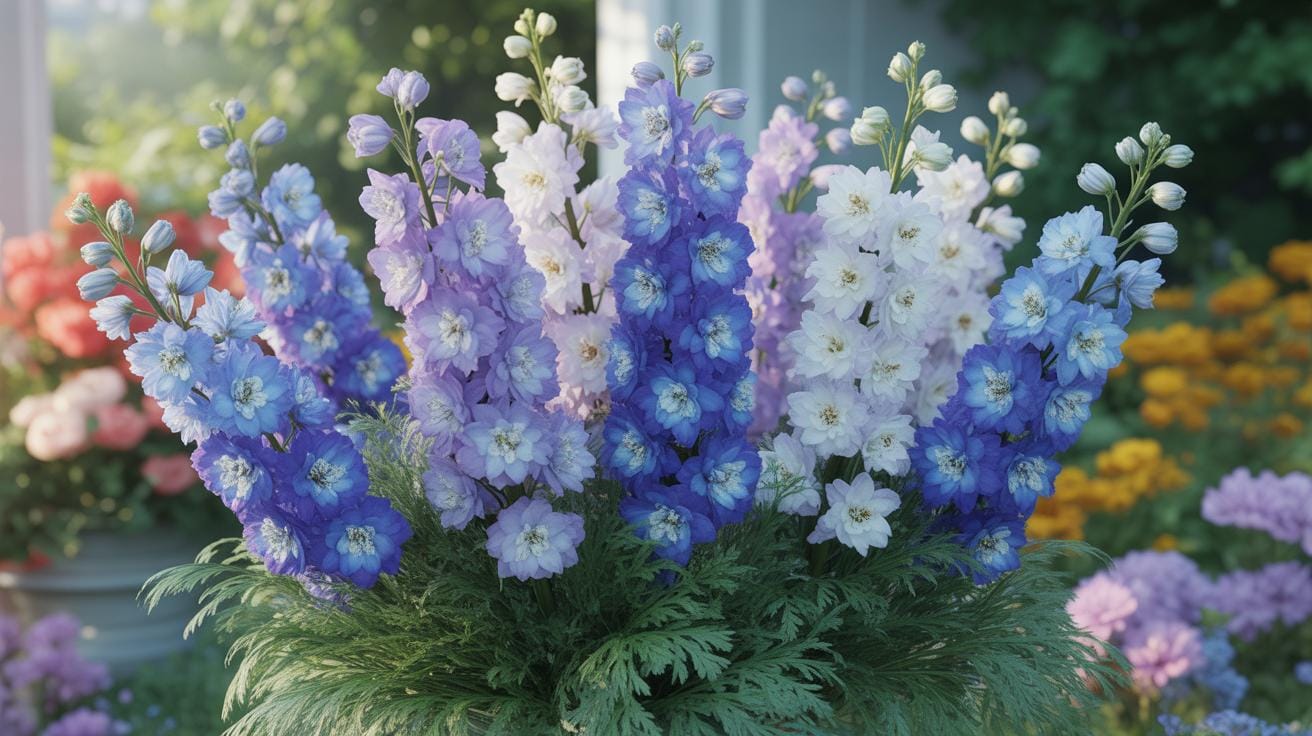
True blue pigments are rare in the plant world. Most flowers use anthocyanins to create purple or pink shades instead of pure blue. Delphiniums contain delphinidin, a specific plant pigment that produces a clear blue color. This chemical makeup allows the plant to stand out in garden design. Professional landscapers use these spikes to create vertical interest and high contrast against common green foliage.
Gardeners prioritize delphiniums because they offer a range of blue intensities. You can find shades from light sky blue to deep royal navy. High-end floral designers value these blooms for their height and saturated color. They provide a structural element that most other blue species cannot match. This demand keeps delphinium production high in the global cut flower market. These plants remain a staple for serious horticultural displays.
The Symbolism And Cultural Meaning Behind The Iconic Blue Delphinium Flower
The blue delphinium represents dignity and grace in classical floral language. Historically, people associated the tall spikes with a sense of reaching for high goals. The name comes from the Greek word for dolphin because the flower bud shape resembles a dolphin nose. In many cultures, giving these flowers signals a desire for new opportunities. It is a tactical choice for celebrating professional milestones or personal growth achievements.

In Victorian times, the blue delphinium signaled strong attachment and devotion. People used the specific blue hue to communicate sincerity in their intentions. Today, the flower remains a symbol of peace and openness. Its bold presence in a garden suggests success and protection. Florists often include these blooms in arrangements to convey a message of support. The color and height work together to command respect and project a confident image.
How To Grow A Thriving Delphinium Garden Soil Sunlight And Care Essentials
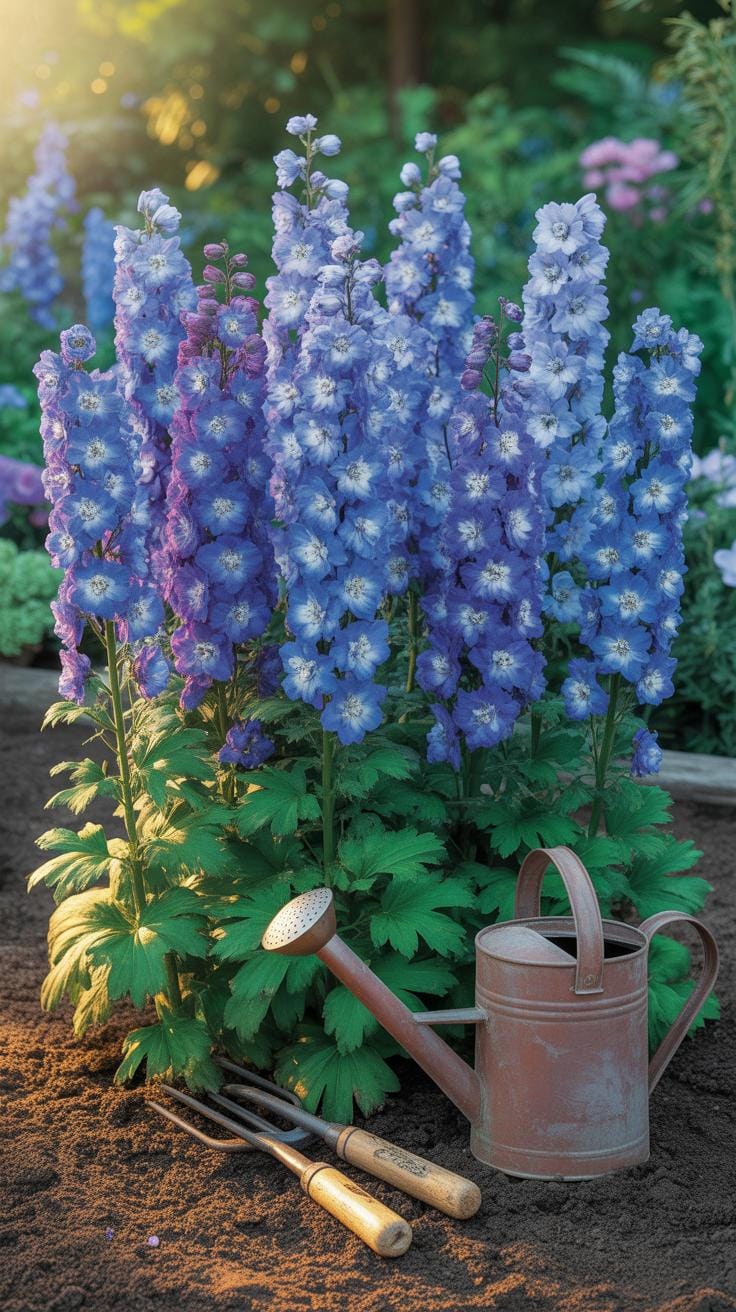
Choosing The Right Conditions And Location For A Healthy Delphinium Garden
Delphiniums require specific environmental parameters to survive and thrive beyond a single season. You must select a site that receives at least six to eight hours of direct sunlight daily. Morning sun is preferable to prevent mildew issues caused by damp foliage. Ensure the location provides protection from high winds. Strong gusts easily snap the hollow stalks of mature plants.
Soil quality dictates the success of your garden. These plants demand fertile and well-draining soil with a neutral to slightly alkaline pH level. Do not plant them in heavy clay or standing water. Root rot will kill the crown quickly in oversaturated earth. Amend the site with aged compost or organic matter before planting. This increases nutrient availability and improves the overall drainage.
Essential Care Tips For Watering, Staking, And Maintaining Your Delphinium Garden
Consistent moisture management is a tactical necessity for these heavy feeders. Apply water directly to the base of the plant to keep the leaves dry. Dry leaves resist fungal infections like powdery mildew. Mulch the surrounding soil to regulate temperature and retain moisture during heat waves. This prevents the shallow root systems from drying out and causing the plant to wilt.
- Support Staking: Install sturdy stakes early in the growing season before the stalks reach one foot in height. Tie the stems loosely with soft twine as they grow taller. This prevents the heavy flower spikes from collapsing under their own weight or during heavy rain.
- Regular Fertilization: Apply a balanced granular fertilizer every two to three weeks during the active growing phase. Delphiniums consume high levels of nitrogen and potassium to produce large blooms. Stop fertilizing once the plant finishes its primary flowering cycle to allow it to rest.
- Deadheading Technique: Remove spent flower spikes immediately after they fade to encourage a second flush of blooms in late summer. Cut the stalk down to the level of the foliage or lateral buds. This redirects the energy of the plant away from seed production and back into growth.
- Pest Management: Monitor the base of the plants for slugs and snails during the spring. These pests eat young shoots and can destroy a crop overnight. Use physical barriers or organic baits to protect the tender new growth. Check the leaves regularly for aphids and mites.
- Thinning Stems: Remove the weakest shoots in early spring when the plant is several inches high. Leave only the strongest three to five stems on established plants. This improves air circulation within the canopy. Better airflow reduces the risk of disease and results in larger individual flower spikes.
Sanitation defines long term success in a delphinium garden. Remove any yellowing or diseased foliage immediately to stop the spread of pathogens. Cut the plants back to the ground after the final frost has killed the top growth in late autumn. Clear away all debris from the garden bed. This prevents pests and fungi from overwintering near the sensitive crowns.
Step By Step Guide To Planting Delphinium Flowers Successfully
How To Start Delphinium Flowers From Seed: Germination And Early Growth Stages
Delphinium seeds lose viability fast. You must use fresh seeds for high success rates. Start your seeds indoors about ten weeks before the last frost. These seeds require a cold period to break dormancy. Place the seed tray in a dark location at 65 degrees Fahrenheit. Darkness is critical because light can stop the germination process entirely.
- Cold Stratification: Place seeds in a damp paper towel inside a sealed bag. Keep them in the refrigerator for two weeks. This trick mimics winter and forces the seed to wake up once you move it to a warm area.
- Seed Depth: Sow seeds one-eighth inch deep in a sterile seed-start mix. Using a fine layer of soil ensures the seed stays dark. Do not plant them too deep or they will run out of energy before hitting the surface.
- Moisture Control: Keep the soil consistently damp but never soaked. Use a spray bottle to mist the surface lightly. Excess water leads to damping off. This fungal disease kills young seedlings at the soil line before they can develop real strength.
- Light Exposure: Move seedlings to a bright window or under grow lights immediately after they sprout. They need sixteen hours of light daily. Without enough light, the stems become weak and leggy. These thin stems cannot support the heavy flower spikes later.
- Thinning Process: Remove the smallest seedlings once they grow two sets of true leaves. Leave only the strongest plant in each pot. This reduces competition for nutrients. It also improves air circulation around the base of the plants to prevent mold growth.
Early growth stages require steady temperatures and careful monitoring. Move seedlings to larger pots once they reach three inches in height. This prevents the roots from becoming root-bound. Use a balanced liquid fertilizer at half strength every two weeks. This builds a strong root system before the stress of outdoor planting. Strong roots are the only foundation for tall flower towers.
Transplanting And Spacing Delphinium Flowers For Maximum Bloom Impact
Hardening off is a non-negotiable step for transplanting. Move your young plants outdoors for a few hours each day. Gradually increase their time in the sun and wind over one week. This toughens the leaf cuticles. Plant them in the garden after the danger of frost passes. Choose a spot with full sun and protection from heavy wind gusts.
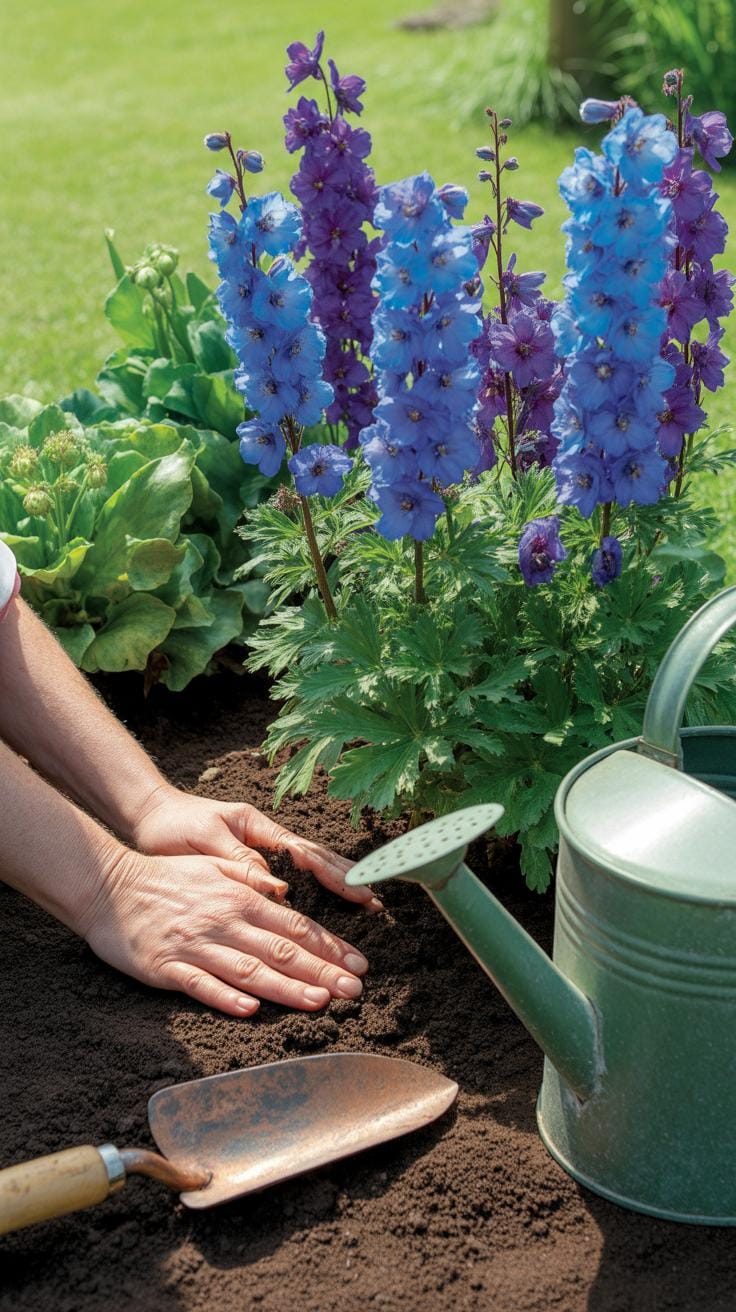
Space each plant twenty-four inches apart to ensure proper air flow. Crowding these flowers leads to powdery mildew. Dig a hole twice as wide as the root ball. Add organic compost to the soil to provide immediate nutrients. Ensure the crown sits exactly at the soil level. Planting too deep causes the crown to rot. Firm the soil to remove air pockets.
Capturing Delphinium Flowers Photography Tips For Stunning Floral Shots
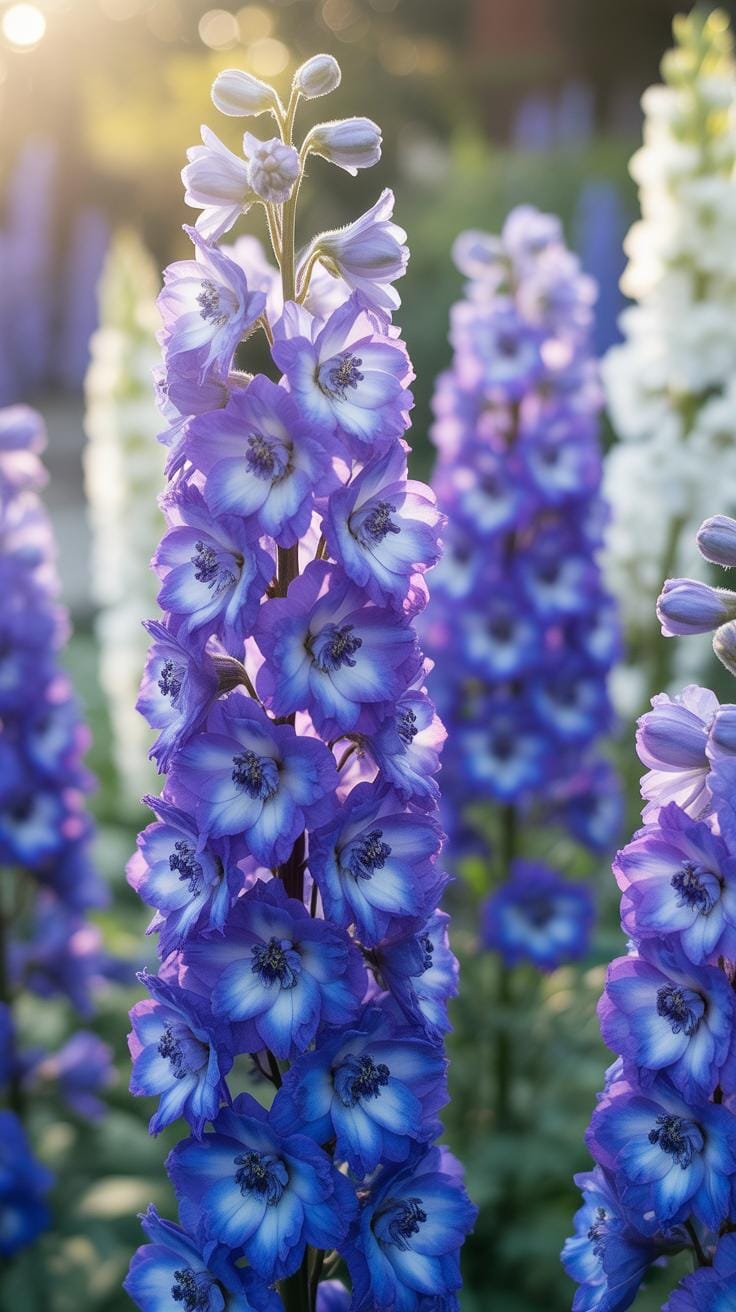
Best Camera Settings And Natural Lighting Techniques For Delphinium Flowers Photography
Set your aperture between f/2.8 and f/5.6 to isolate the tall flower spikes. This creates a shallow depth of field that blurs busy garden backgrounds. Use a fast shutter speed to stop motion from wind. Delphiniums have thin stems that shake easily in light breezes. Keep your ISO low to maintain color purity in the deep blues and purples.
Shoot during the golden hour to get soft light. Midday sun creates harsh shadows on the individual florets. Overcast days work best for capturing true blue tones without glare. High midday UV levels often shift blue petals toward purple on digital sensors. Use a reflector to bounce light into the dark centers of the blossoms. This reveals the intricate bee foliage.
Deep-blue delphiniums were the pride of my grandmother’s summer garden, reaching for the clouds with a grace that only patient hands and rich earth can provide. To grow them is to weave a piece of the sky into the very heart of your home.
Composition And Framing Strategies To Elevate Your Delphinium Flowers Photography
Focus on the vertical line of the plant to show its height. Place the main spike off-center using the rule of thirds. This creates a dynamic balance in the frame. Capture the progression of blooms from the bottom to the top. The lower flowers open first while the top remains in bud. This sequence tells a clear story of the plant growth cycle.
Shoot from a low angle to make the spikes look grand and imposing. This perspective mimics the Victorian style of botanical illustration. Fill the frame with a specific group of florets to show texture. Macro shots highlight the unique nectar spurs behind each flower. Use contrasting background colors like yellow or orange to make the blue petals pop. This follows standard color theory principles.
Mastering Delphinium Flower Drawing Artistic Techniques For Floral Illustration
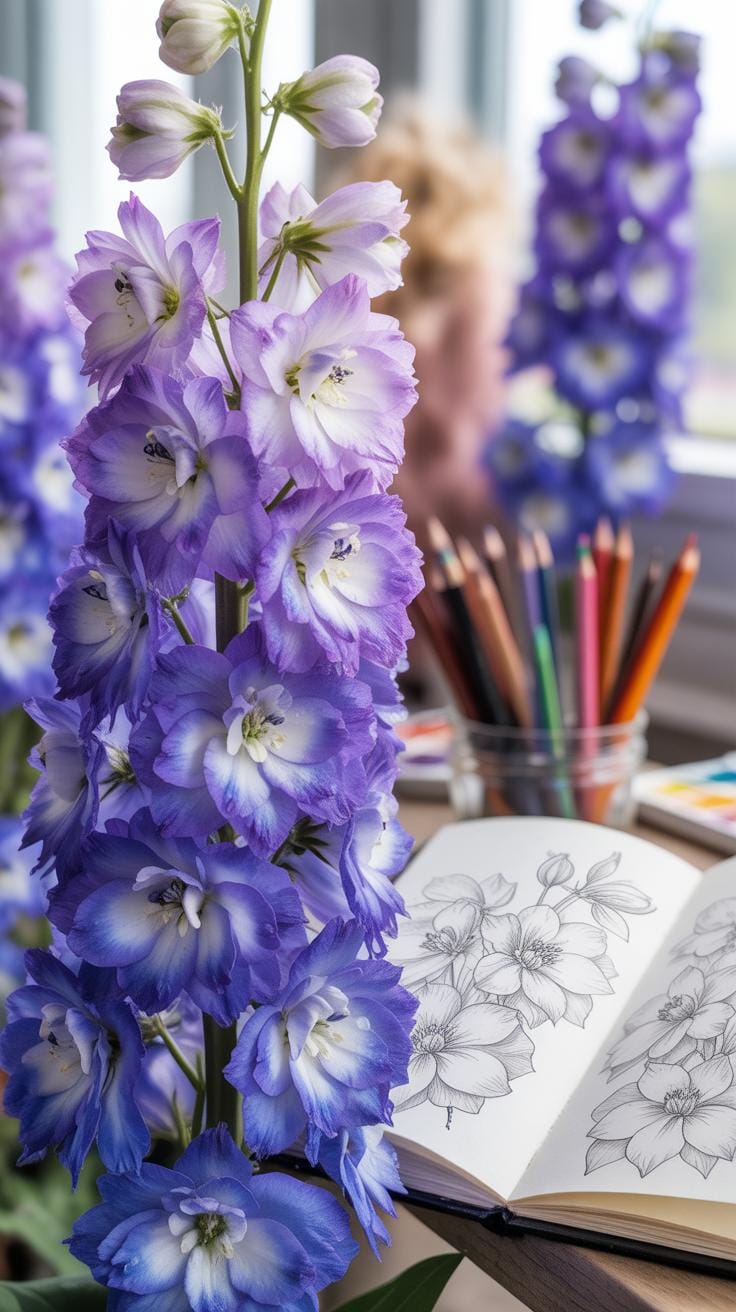
Understanding The Structure Of The Delphinium Flower Drawing: Petals, Spurs, And Stems
Successful illustration requires precise knowledge of the flower anatomy. The Delphinium flower features five outer sepals that look like petals. The top sepal extends backward into a hollow nectar spur. This spur characterizes the genus. In the center, four smaller true petals form the bee. Accurate drawings must capture this specific layered arrangement to look realistic. Use a vertical axis to align the florets.
The stem provides the structural foundation for the entire spike. It is thick, hollow, and tapers toward the top. Florets attach to this central stalk via small stems called pedicels. Lower flowers bloom first and sit on longer pedicels. Upper buds cluster tightly together and point upward. Mapping these physical connections ensures your drawing maintains proper botanical proportions. Draw the raceme shape before adding individual flower details.
Shading, Color, And Detail Techniques To Perfect Your Delphinium Flower Drawing
Color application requires layering to mimic the natural saturation of Delphiniums. These plants contain delphinidin pigments that produce deep blues and violets. Start with a light wash of ultramarine or cobalt. Build dark tones in the depths of the petals near the bee. Use a dry brush technique to create the fine veins found on individual sepals. This method adds necessary texture and depth to the illustration.
Shading defines the three-dimensional form of the flower spike. Direct light hits the outer edges of the sepals. Cast shadows fall between the overlapping florets and against the main stem. Use cool greys or deep purples for shadows instead of black. This keeps the colors vibrant and clean. Precise shading around the nectar spur emphasizes the unique shape. Focus on high contrast to make the floral column stand out clearly.
Common Problems When Growing Delphinium Flowers And How To Solve Them
Identifying Pests And Diseases That Threaten Delphinium Flowers And Their Prevention
Powdery mildew is the most frequent disease affecting these plants. It appears as white spots on leaves during humid weather. You must provide high airflow between stems to stop fungal spread. Slugs and snails also attack young shoots early in the spring. Use grit or copper barriers around the base of the plant. Act fast because pests can destroy a crown overnight.
Bacterial leaf spot causes black lesions on the foliage. Remove infected leaves immediately and destroy them. Do not compost diseased material because spores survive the heat. Cyclamen mites cause stunted growth and distorted flower spikes. These tiny pests require miticides or the removal of the entire plant. Consistent monitoring prevents a small infestation from becoming a total crop failure in your garden.
How To Revive And Protect Struggling Delphinium Flowers Through Each Growing Season
Check soil drainage if your plants look yellow or wilted. Delphinium flowers die quickly in standing water due to crown rot. Stake the tall spikes early in the season to prevent wind breakage. Use sturdy metal supports or bamboo canes tied with soft twine. If a spike snaps, cut it back to the ground. This encourages the plant to send up a second flush.
Feed the plants with a high nitrogen fertilizer in early spring. Switch to a phosphorus rich blend once buds appear. Cut spent flower spikes down to the small side shoots to trigger more blooms. After the first frost, cut the entire plant to two inches above the soil. Apply a thick layer of dry mulch to protect the crown from freezing and thawing cycles.
Frequently Asked Questions

Are delphiniums difficult for beginners to grow in a home garden?
While they have a reputation for being finicky, beginners can successfully grow delphinium flowers by focusing on two main factors: sun and soil. These perennials crave at least six hours of direct sunlight and thrive in rich, well-draining soil. As long as you protect them from harsh winds and keep the roots cool with a layer of mulch, you can enjoy their breathtaking blue spires all summer long.
Can I achieve a high-end floral look with delphiniums on a tight budget?
To create those iconic tall spikes, you must provide sturdy support early in the season. Use bamboo stakes or circular metal cages to prevent the hollow stems of your delphinium flowers from snapping during rain or wind. Additionally, deadheading the first round of faded blooms encourages the plant to produce a second flush of color in late summer, keeping your garden looking vibrant and professionally curated for months.
Can I grow delphiniums on a tight budget?
Absolutely! You can save money by starting your plants from seed in early spring rather than buying expensive mature pots from a nursery. For an affordable indoor display, a single stem in a tall, slender bud vase creates a sophisticated minimalist focal point. Since these blooms have such a dramatic presence, you only need one or two stalks to make a massive visual impact in any room.