
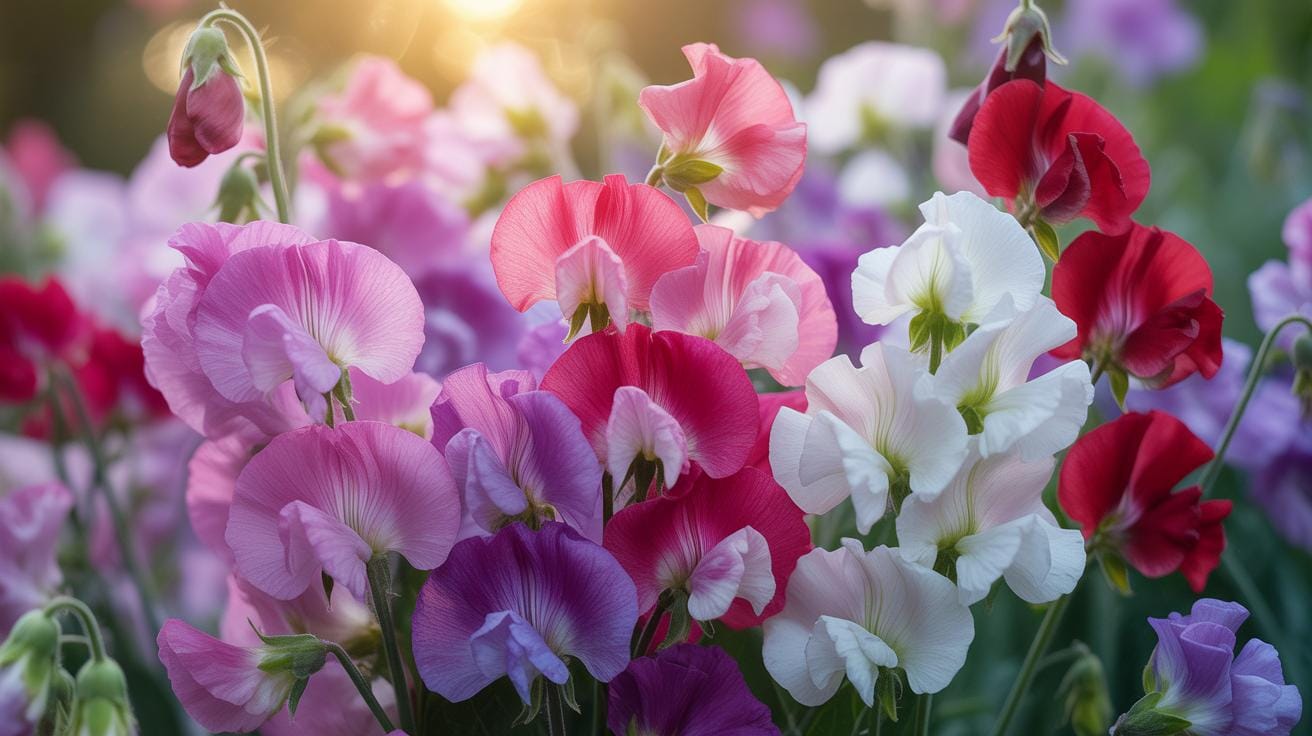
What Are Sweet Pea Flowers And Why Every Gardener Loves Them
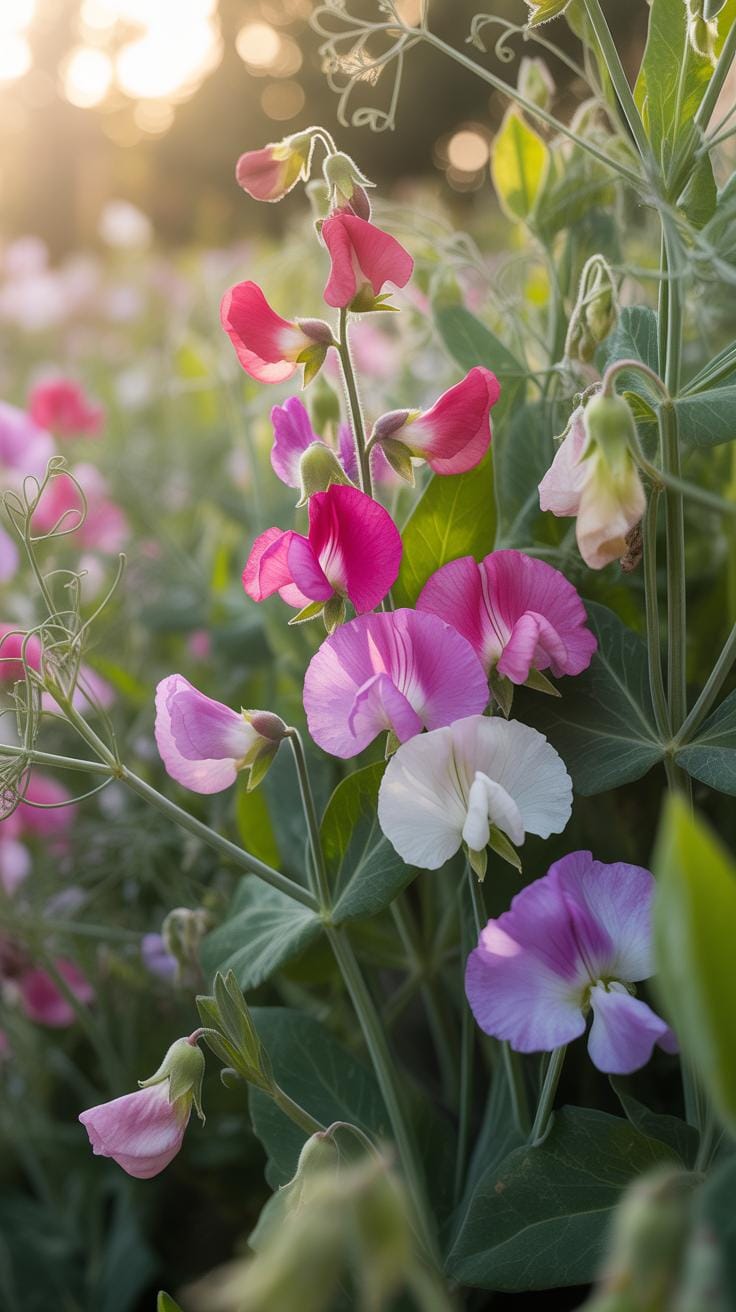
The Origins And Botanical Background Of The Sweet Pea Flower
The Sweet Pea, known as Lathyrus odoratus, belongs to the Fabaceae plant family. Father Francisco Cupani discovered the plant in Sicily during the late seventeenth century. He sent seeds to England and Holland, starting their global spread. This annual climbing plant uses small tendrils to grip vertical structures. Its biology dictates a preference for cool temperate climates where soil temperatures do not spike.
Breeding changed the plant drastically in the nineteenth century. Henry Eckford developed many varieties that increased flower size and color range. These cultivars transitioned the plant from a wild weed to a primary horticultural crop. They produce winged stems and papilionaceous flowers. Most modern varieties descend from this specific breeding line. Knowledge of these botanical roots helps you manage their specific light and temperature needs.
Why Sweet Peas Have Remained A Beloved Garden Classic For Centuries
Gardeners value this plant for its intense fragrance and heavy flower production. It is a workhorse in cut-flower gardens because it generates more blooms the more you pick them. This biological trait ensures a constant supply of material for home decor. The scent profile contains linalool, which provides a distinct aroma that few other spring flowers can match. It delivers high value for minimal space.
The Sweet Pea gained massive popularity during the Edwardian era. It fit perfectly into the formal garden designs of the time. Modern growers use them for vertical interest in tight urban spaces. Their ability to fix nitrogen improves soil health for future crops. This makes them a strategic choice for sustainable gardening cycles. You get aesthetic beauty and functional soil benefits from a single planting season.
Exploring The Most Popular Sweet Peas Flower Varieties Available
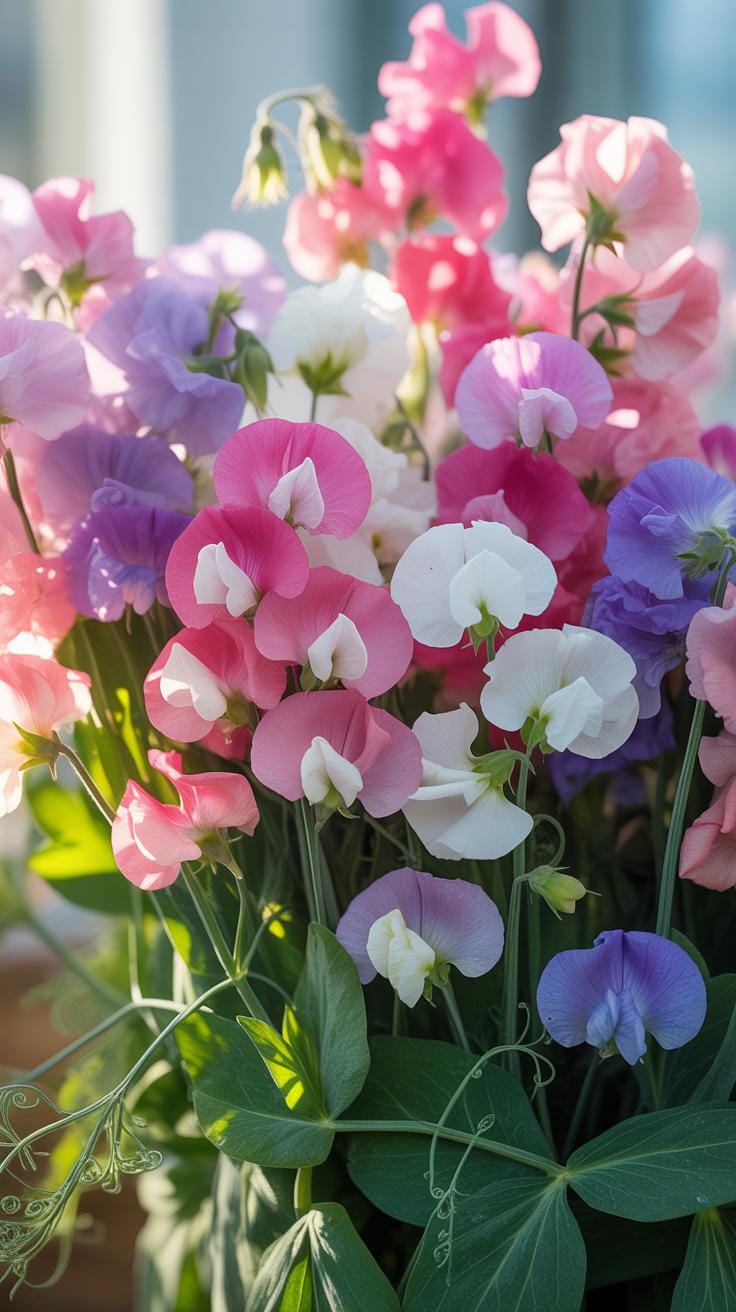
Heirloom Vs Modern Sweetpea Flower Varieties: What Sets Them Apart
Heirloom varieties trace back to the original Sicilian wild peas found by Francisco Cupani in 1699. These plants produce smaller flowers on shorter stems but offer intense fragrance. They tolerate heat better than modern hybrids. Gardeners choose them for historical accuracy and scent. They focus on genetic preservation rather than visual scale. These plants represent the foundation of the species before commercial breeding changed the plant.
Modern varieties stem from the late Victorian Spencer types developed by Silas Cole. These flowers feature large ruffled petals and long stems. Breeders prioritized showy displays and stem length for floral arrangements. This transition often decreased the natural scent intensity found in older lines. Modern types require more consistent support and cooler temperatures to thrive. They dominate the cut flower industry because of their impressive size and color range.
Best Sweet Peas Flowers Varieties For Beginners And Experienced Growers
Beginners should start with Grandiflora types like Cupani or Painted Lady. These varieties offer high germination rates and survive minor temperature fluctuations. They grow vigorously with minimal intervention. These seeds provide a reliable entry point for new gardeners. They deliver strong scent and steady blooms throughout the early spring season. Choosing these time tested options reduces the risk of crop failure due to environmental stress.

Experienced growers utilize specialized Spencer varieties for exhibition and high end floral work. These plants require precise pinching techniques and cordoned staking to produce long straight stems. Growers must monitor nutrient levels and water timing to maintain bloom size. Advanced cultivators often select specific colors like Winter Elegance for greenhouse forcing. These varieties demand strict attention but reward the effort with superior show quality flowers and complex color patterns.
Choosing The Right Soil And Location For Your Sweet Pea Flowers
Understanding Soil Requirements For Healthy Sweet Peas Growth
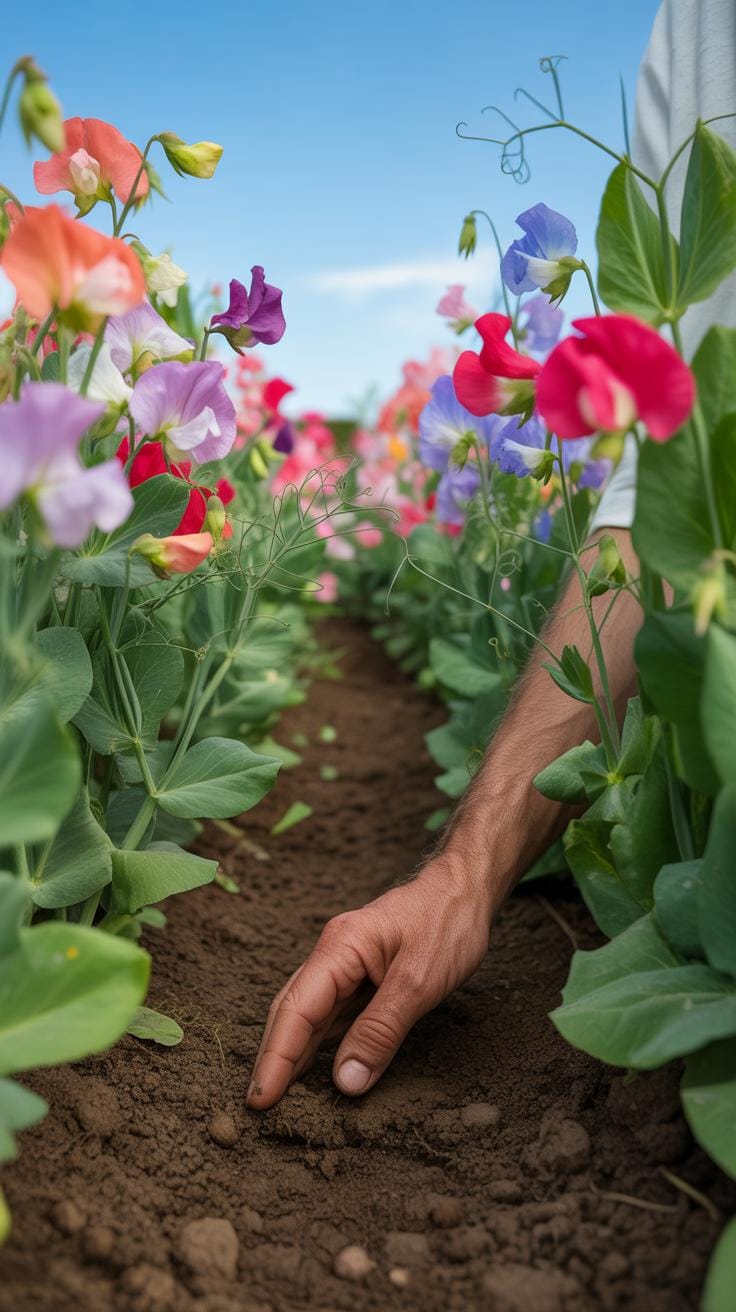
Sweet peas require rich soil with deep nutrient reserves. These plants are heavy feeders that pull nitrogen and minerals quickly. You must incorporate organic matter like compost or well-rotted manure before planting. Aim for a neutral to slightly alkaline pH between 6.0 and 7.5. Acidic soil stunts root development and limits flower production. Test your soil early to adjust levels with lime if necessary.
Prepare the planting trench at least 12 inches deep. This depth allows the long taproots to descend without hitting compacted layers. Mix in bone meal to provide phosphorus for strong stem growth. Avoid high-nitrogen fertilizers early in the season because they produce excess leaves instead of flowers. Focus on building a cool root zone. Consistent moisture retention is vital for sustained growth throughout the spring season.
How Sunlight And Drainage Conditions Affect Your Sweet Pea Flower Blooms
Select a site that receives six to eight hours of direct sunlight daily. Sunlight fuels the energy needed for large, fragrant blossoms. In warmer climates, afternoon shade protects the delicate petals from scorching. Air circulation is equally important to prevent powdery mildew and fungal diseases. Position the rows to catch prevailing winds. Proper spacing keeps the foliage dry and prevents heat buildup during the day.

Drainage determines the survival of your crop. Sweet peas cannot tolerate standing water or soggy roots. Waterlogged soil causes root rot and yellowing leaves. Use raised beds if your ground contains heavy clay. This elevation ensures excess water moves away from the root crown. A gradual slope also helps manage irrigation runoff. Combine full sun with sharp drainage to create the ideal environment for high-yield flower production.
How To Plant Sweet Pea Flowers From Seeds The Right Way
Step By Step Seed Preparation And Sowing Tips For Sweet Peas Flowers
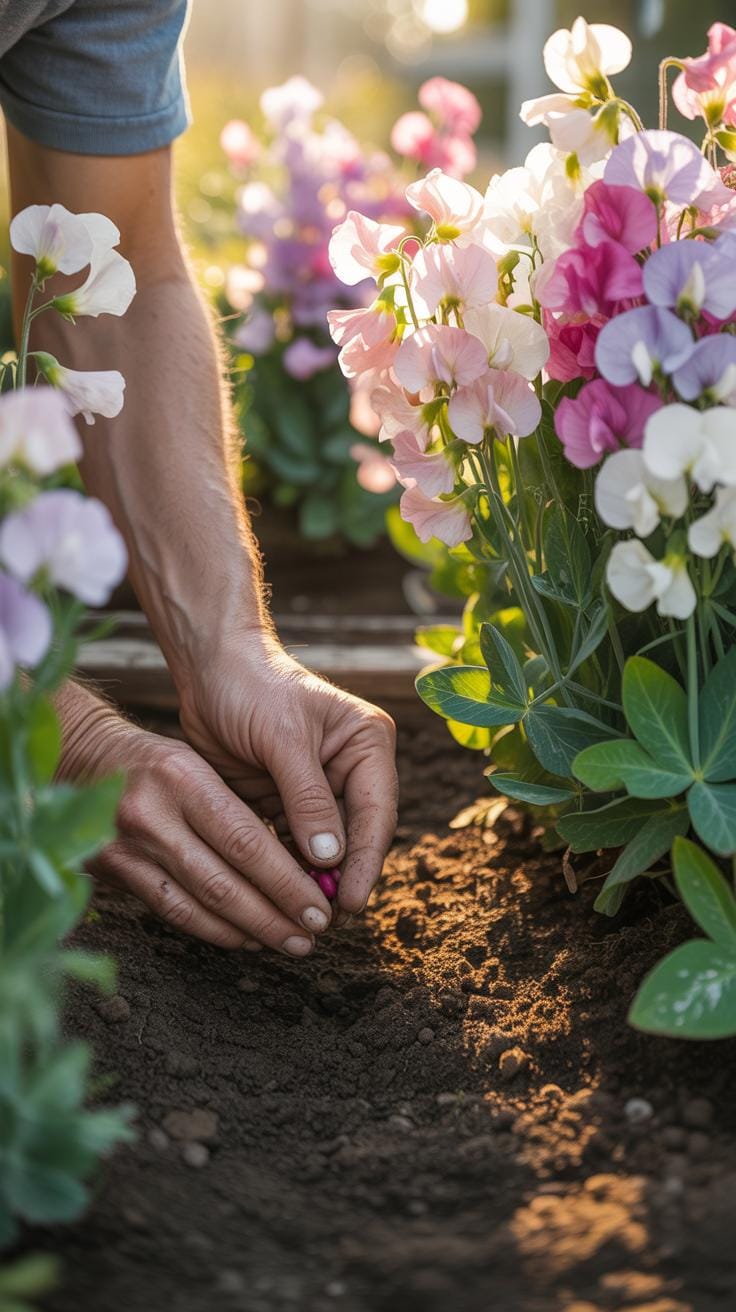
Successful germination begins with breaking the hard outer coat of the seed. This process ensures water reaches the embryo quickly. You must use high-quality potting soil with good drainage to prevent rot during the early stages. Maintain consistent moisture levels but avoid waterlogging the soil. Proper preparation reduces the time seeds spend dormant and increases your overall success rate significantly.
- Scarification: Use sandpaper or a small file to nick the seed coat. This allows moisture to penetrate the hard exterior. Be careful not to damage the internal embryo during this process. This mechanical intervention speeds up the natural biological cycle.
- Soaking: Submerge your seeds in room temperature water for twenty-four hours before planting. This softens the outer shell and triggers the hormonal signals for growth. Discard any seeds that appear mushy or show signs of fungal growth after the soak.
- Seed Trays: Use deep containers or root trainers to allow for long vertical growth. Sweet peas dislike root disturbance during transplantation. Deep cells provide the space necessary for a healthy pioneer root system to develop without hitting the container bottom.
- Inoculation: Coat seeds with a nitrogen-fixing bacteria powder before sowing. While not mandatory, this helps the plant process nutrients more efficiently from the soil. This practice mirrors the natural symbiotic relationship found in the wild for all legume species.
- Temperature Control: Maintain a steady temperature between 55 and 65 degrees Fahrenheit for optimal germination. Avoid high heat as it can force the seeds back into dormancy. Consistent cool temperatures replicate the late winter conditions these plants prefer for early life development.
Pinch out the growing tips once the seedlings reach four inches in height. This tactical move forces the plant to divert energy into lateral buds. You will get a bushier plant with more flowering stems instead of one weak vine. Keep the young plants in a bright area to prevent them from becoming leggy and weak before the final transplant.
When And How Deep To Plant Your Sweet Pea Flower Seeds For Best Results
Timing is the most critical factor for sweet pea success. Plant your seeds in late autumn or early spring depending on your local climate zone. They require a long period of cool weather to establish a massive root system before the summer heat arrives. If the roots are not deep and strong, the plant will fail when temperatures rise above eighty degrees.

Sow each seed exactly one inch deep into the soil. Planting too shallow leads to desiccation while planting too deep prevents the shoot from reaching the surface. Space seeds two to three inches apart to allow for proper airflow once they emerge. Crowding leads to mildew and poor light penetration. Consistent spacing ensures each vine has the resources it needs to produce large blooms.
Watering Feeding And Caring For Your Sweet Peas Throughout The Season
How Often And How Much To Water Your Sweetpea Flower Plants
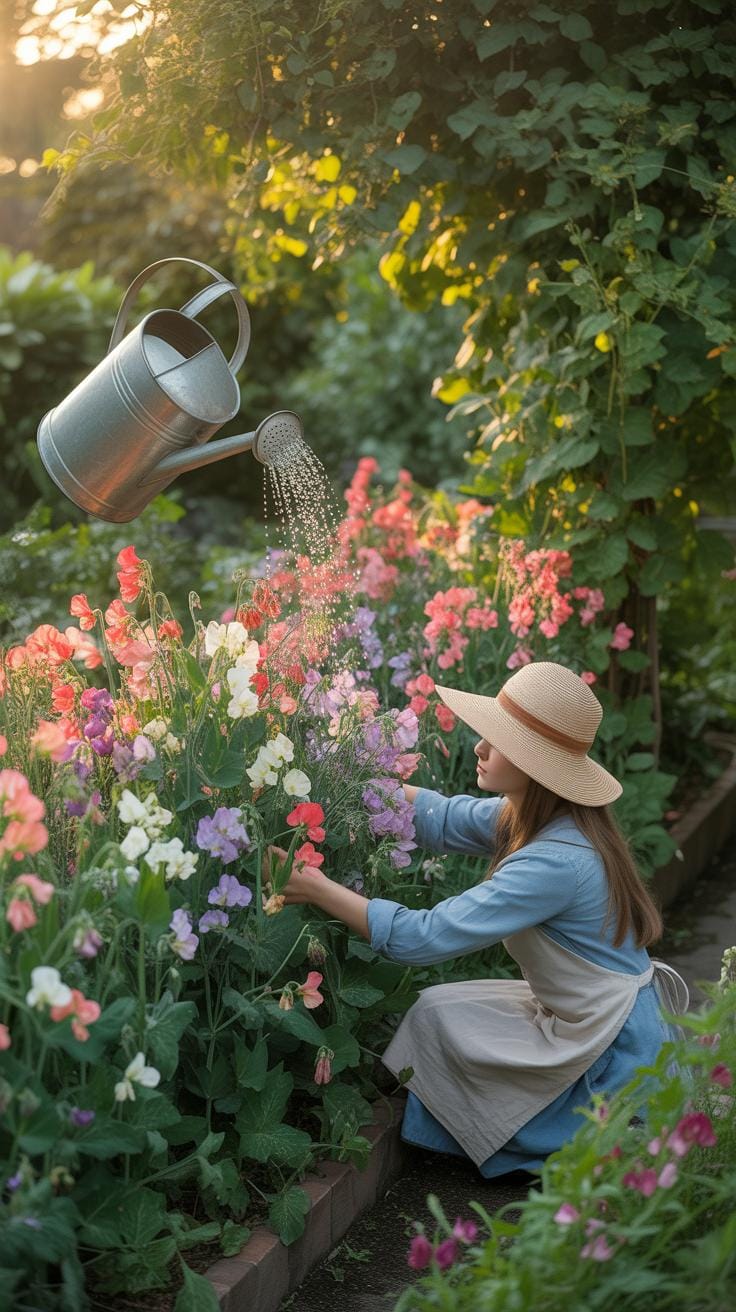
Sweet peas require consistent moisture to thrive. Dry soil triggers the plant to stop flowering and produce seeds early. You must maintain damp soil without making it soggy. Surface watering is inefficient and promotes shallow roots. Apply water at the base of the plant to keep foliage dry. This prevents fungal issues like powdery mildew from destroying your crop before the season ends.
Check the soil daily during high summer heat. Stick your finger two inches deep into the earth. If it feels dry, water immediately. Deep soaking two or three times a week is better than light daily sprays. Use a soaker hose for the best results. This delivers water directly to the root zone where the plant needs it most. Proper hydration keeps the stems long and the blooms fresh.
Fertilizing And Mulching Techniques That Keep Sweet Pea Flowers Thriving
Nutrition is vital for continuous blooming. Start with a high-potash fertilizer once the first buds appear. Avoid high-nitrogen feeds because they grow leaves instead of flowers. Apply a liquid tomato feed every two weeks during the peak growing season. This provides the specific nutrients needed for vibrant colors and strong scents. Constant feeding ensures the plant does not exhaust itself during the long summer months.

Apply a thick layer of organic mulch around the base of your plants. Use compost or well-rotted manure for this task. Mulch keeps the roots cool and traps moisture in the ground. Keep the material a few inches away from the actual stems to prevent rot. A solid mulch layer also suppresses weeds that compete for food. This cultural practice replicates the cool root environment sweet peas naturally prefer.
Training And Supporting Climbing Sweet Pea Flowers On Trellises And Supports
The Best Trellis And Support Structures For Your Sweet Peas Plants
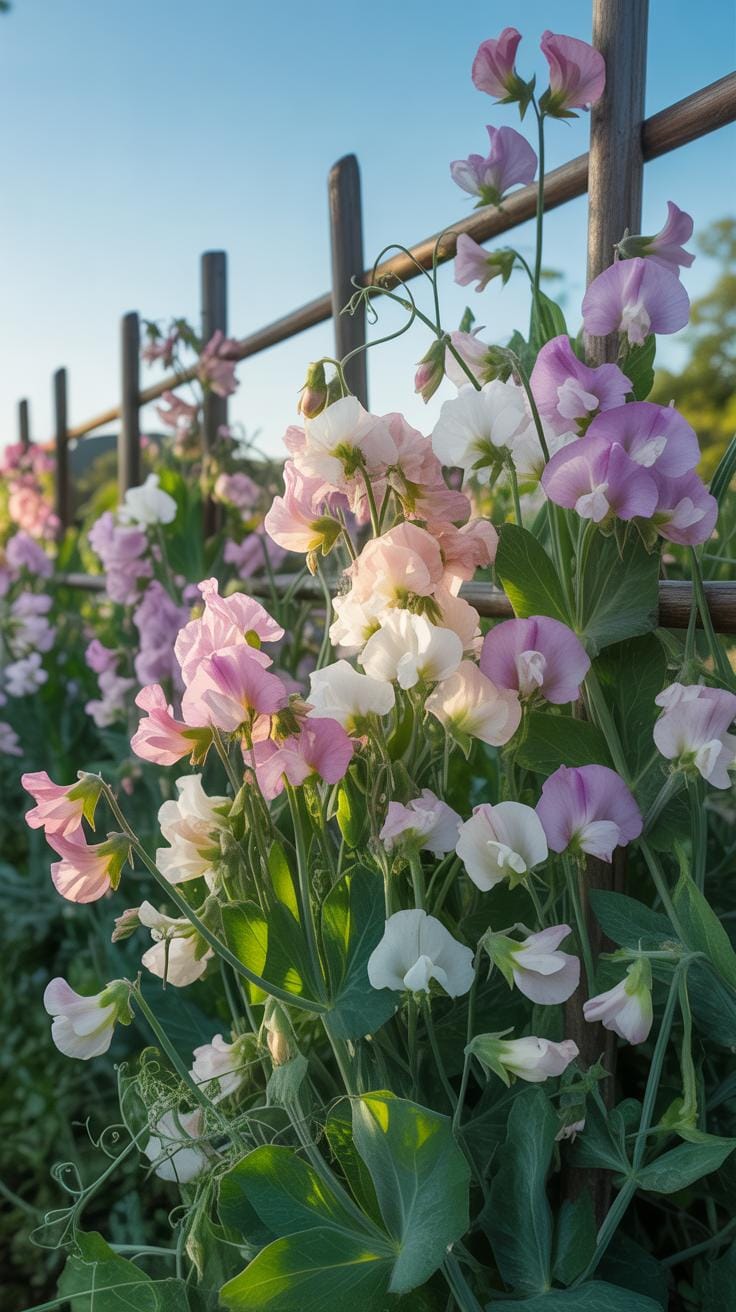
Sweet peas require vertical structures to thrive. These plants use tiny tendrils to climb. These tendrils cannot grip thick poles or heavy wooden fences. You must provide a thin material for them to wrap around. Netting, twine, or thin wire mesh works best. Professional growers often use large A-frames or tall bamboo teepees. These shapes provide stability against high winds and heavy rainfall.
Choose a support that stands at least six to eight feet tall. High-quality varieties will easily reach these heights in a single season. Metal obelisks offer a permanent solution for garden beds. Soft plastic netting is a cheaper alternative for large production. Ensure your support is anchored deep in the soil. The weight of the foliage increases significantly after a rain. Weak structures will collapse under the pressure.
How To Train Your Sweet Pea Flower Vines To Climb Properly And Produce More Blooms
Direct the young stems toward the support as soon as they reach six inches in height. Most plants will find the mesh on their own. However, some need help to start the upward journey. Use soft garden twine or plastic clips to secure the main stem. Do not tie it too tight. The stem needs room to expand as the plant matures. Check the growth every three days.
The Cordon Method is the most effective technique for high-quality blooms. Remove all side shoots and extra tendrils. This forces the plant to put all energy into one main stem. Tie this stem to a single vertical wire. This method results in longer stems and larger flowers. Modern exhibitors use this strategy to win competitions. Regular tying ensures the vines grow straight and allows for better air circulation between plants.
Common Pests And Diseases That Affect Sweet Peas Flowers And How To Treat Them
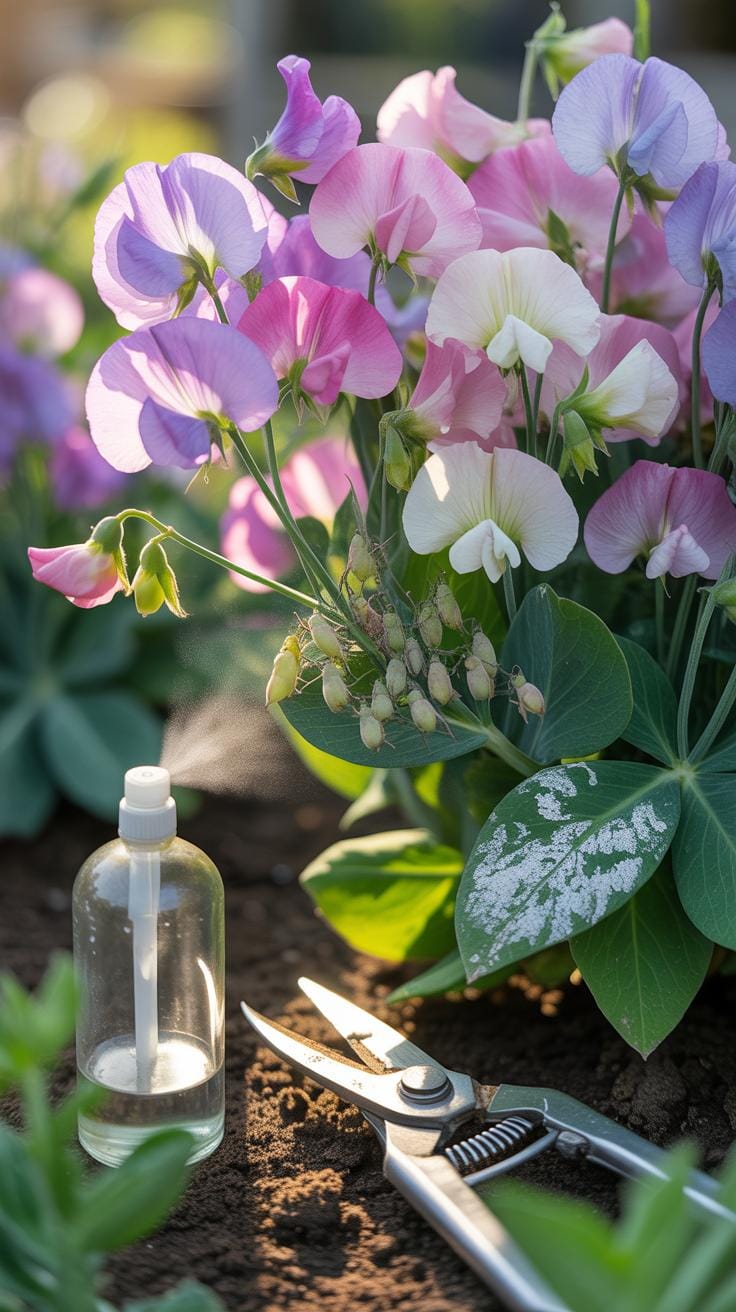
Identifying The Most Common Pests That Attack Your Sweet Pea Flower Plants
Aphids remain the primary threat to sweet pea success. These small insects cluster on soft new growth and flower buds. They suck essential sap from the stems. This action weakens the plant and causes foliage to curl or yellow. Aphids also act as vectors for viruses that stunt growth. You must inspect your plants daily to catch infestations before they ruin the entire crop.
Slugs and snails target young seedlings during the night. They eat large holes in leaves and can sever stems completely. In dry weather, red spider mites become a risk. They thrive in heat and leave fine webbing on the undersides of leaves. Thrips are another issue. They feed inside developing buds. This results in streaked or distorted petals. Early detection is the only way to prevent permanent damage.
To have these ruffling summer ladies in your garden, you must first plant their seeds with the same gentle patience that nature uses to paint the sunrise. The secret to their honeyed fragrance is simply a season of steady, nurturing love.
Organic And Chemical Solutions For Protecting Your Sweet Peas From Disease
Fungal issues frequently attack sweet peas when air circulation is poor or humidity is high. Powdery mildew appears as white dust on leaves. It usually strikes late in the season. Downy mildew is more dangerous and causes yellow blotches. To manage these, you must employ both cultural rotations and targeted treatments. Maintain clean tools to prevent the spread of spores between your garden beds.
- Neem Oil: This organic extract disrupts the life cycle of aphids and mites. It acts as both a pesticide and a fungicide. Apply it during the evening to avoid leaf scorch from the sun.
- Copper Fungicide: Use this chemical treatment to control downy mildew and leaf spot. It provides a protective barrier on the leaf surface. Spray your plants early in the spring if you live in a wet climate.
- Bacillus Thuringiensis: This natural soil bacterium targets leaf-eating caterpillars. It is safe for humans and beneficial insects like bees. Keep a consistent schedule to protect the foliage during peak growth periods in the summer.
- Iron Phosphate Pellets: These organic baits stop slug and snail damage effectively. Place them around the base of the stems in the evening. The pellets are non-toxic to pets and birds but kill mollusks quickly.
- Systemic Insecticides: Professional growers use these chemicals for severe thrip infestations. The plant absorbs the liquid through the roots or leaves. This creates long term protection but requires careful timing to avoid harming local pollinators.

Good drainage prevents root rot and wilt. Always remove infected plants immediately and do not compost them. This stops the disease cycle for next year. Use mulch to keep soil moisture even and prevent soil-borne spores from splashing onto leaves. Proper spacing allows wind to dry the foliage quickly. These tactical steps reduce the need for heavy chemical intervention throughout the growing season.
How To Deadhead And Harvest Flowers From Your Sweet Pea Flowers Garden
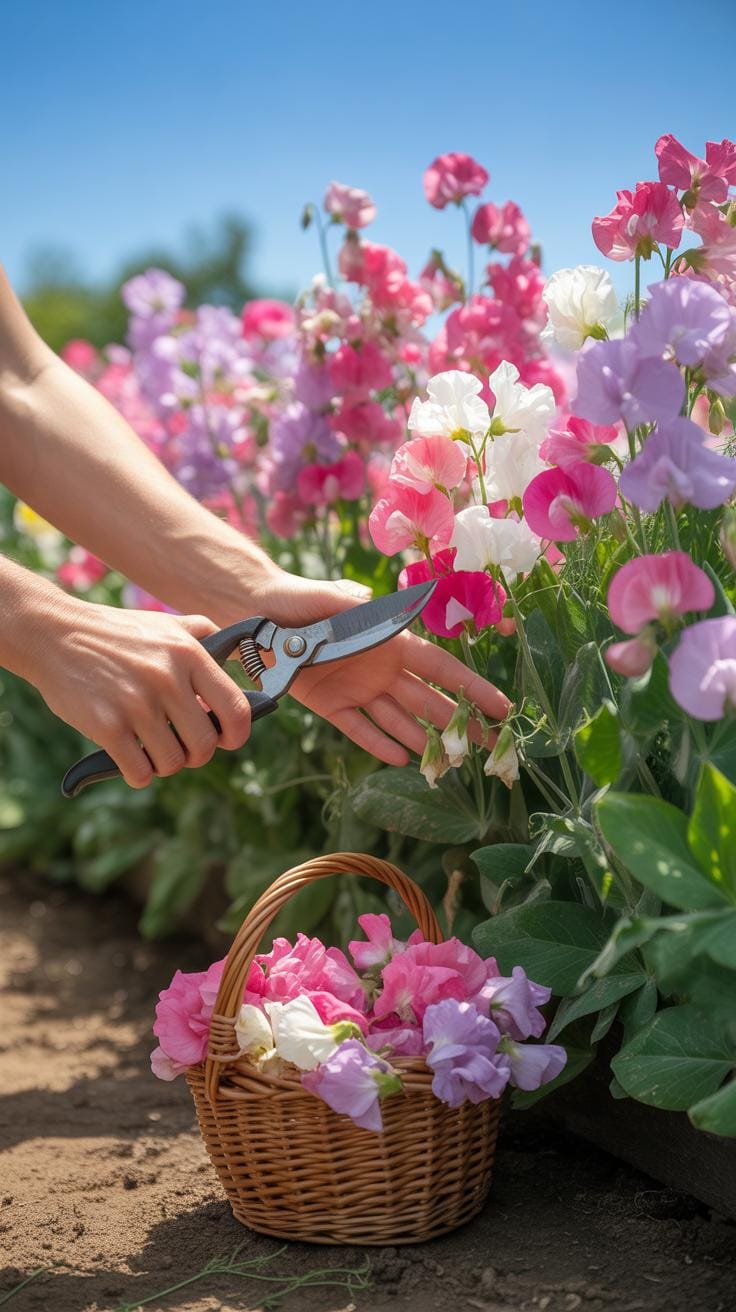
Why Deadheading Is Essential For Prolonging Your Sweet Peas Flower Blooming Season
Deadheading stops the plant from producing seed pods. Sweet peas are annuals programmed to reproduce and die. When flowers fade and turn into pods, the plant shifts its energy from blooming to seed production. This biological signal tells the plant its lifecycle is complete. Removing old blooms keeps the plant in a continuous growth phase. This process forces the vine to generate new buds.
Check your plants every two days for spent blooms. Look for flowers that have lost their color or started to wilt. Snip the stem at the base near the main vine. Use sharp snips to avoid tearing the tissue. If you leave pods on the vine, flower production will stop within days. Regular maintenance extends the harvest window from weeks into several months of growth.
How To Cut And Display Harvested Sweet Pea Flower Stems Indoors
Harvest flowers in the early morning while temperatures are cool. Choose stems where the bottom two flowers are open but the top bud is still closed. This timing ensures the longest vase life. Use clean shears to make a diagonal cut at the base of the stem. Place stems immediately into a bucket of tepid water. Immediate hydration prevents air bubbles from blocking the water intake channels.
Strip all foliage that falls below the water line in your vase. Leaves left in water rot and create bacteria. This bacteria kills the flowers prematurely. Change the vase water every twenty-four hours to maintain clarity. Keep the arrangement away from direct sunlight and ripening fruit. Ethylene gas from fruit causes the petals to drop. Proper handling keeps these blooms fresh for five to seven days.
The Symbolism And Design Appeal Of Purple Sweet Pea Png And Floral Artwork
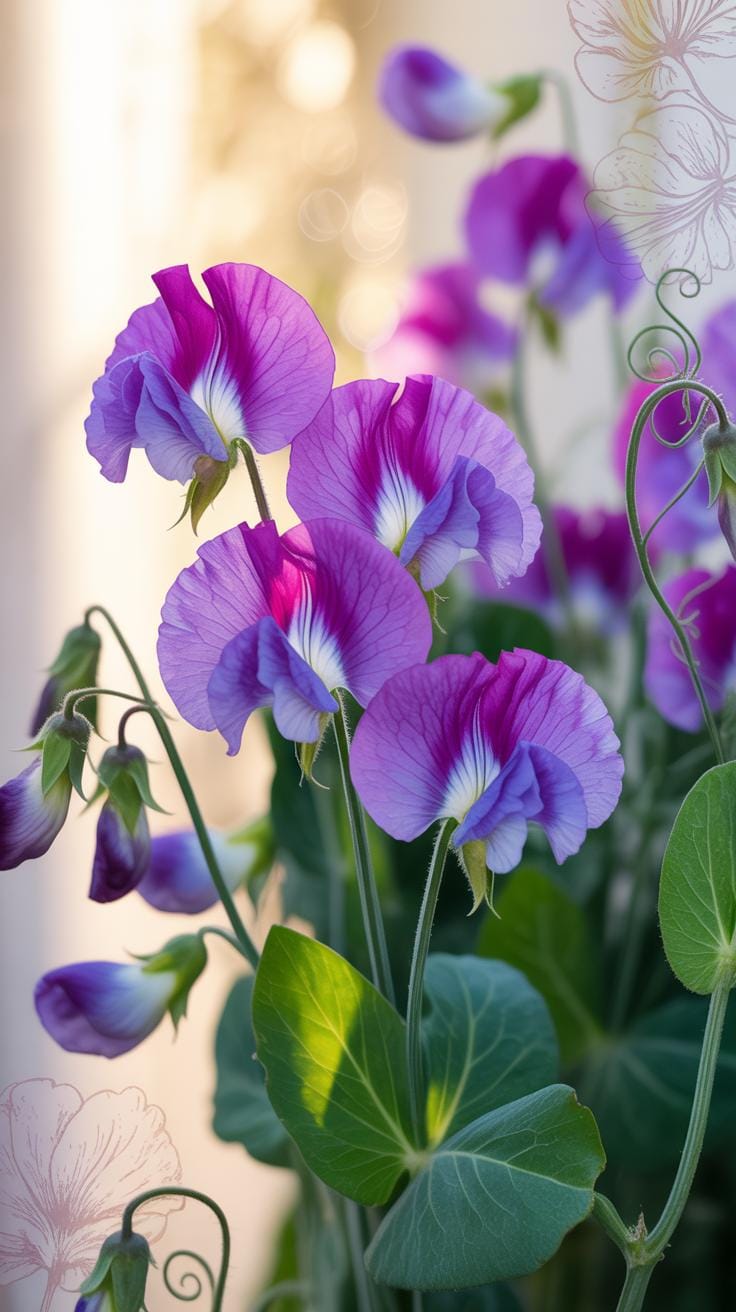
What Purple Sweet Pea Flowers Symbolize In Art, Culture, And Floral Design
Purple sweet pea flowers represent gratitude and fond farewells in traditional floral language. This symbolism stems from the Victorian era when social etiquette dictated specific meanings for every bloom. Designers use the purple variety to signal royalty and elegance due to its deep pigment. The color provides a visual weight that lighter pastels lacks. This makes it a primary choice for high-end event branding and luxury paper goods.
In botanical art, the purple sweet pea demonstrates complex petal structures. Artists study the standard, wing, and keel petals to show depth and light. Modern floral design uses these flowers to add texture and movement to arrangements. The ruffled edges create a soft silhouette that breaks up rigid lines. Professionals select the purple cultivars for their strong fragrance and visual impact in editorial photography and wedding installations.
How Sweet Pea Flower Transparent Background Images Are Used In Digital Design And Print
Digital designers use sweet pea flower transparent background images to create layered compositions without white borders. These assets allow for quick placement over different textures and colors. This flexibility saves time during the production of wedding invitations and marketing materials. High-resolution files preserve the delicate details of the tendrils and stems. Clear backgrounds ensure the floral art integrates seamlessly into any digital layout or print project.
Technical accuracy in these files is vital for professional print results. Designers look for clean edges and realistic shadows to maintain a sophisticated look. Layering these images creates a three-dimensional effect on flat surfaces. This technique works well for website headers and social media graphics. Using isolated flower elements allows for custom patterns and borders. It provides total control over the negative space and the overall visual balance of the design.
Creative Ways To Use Sweet Pea Flowers In Arrangements Events And Home Decor
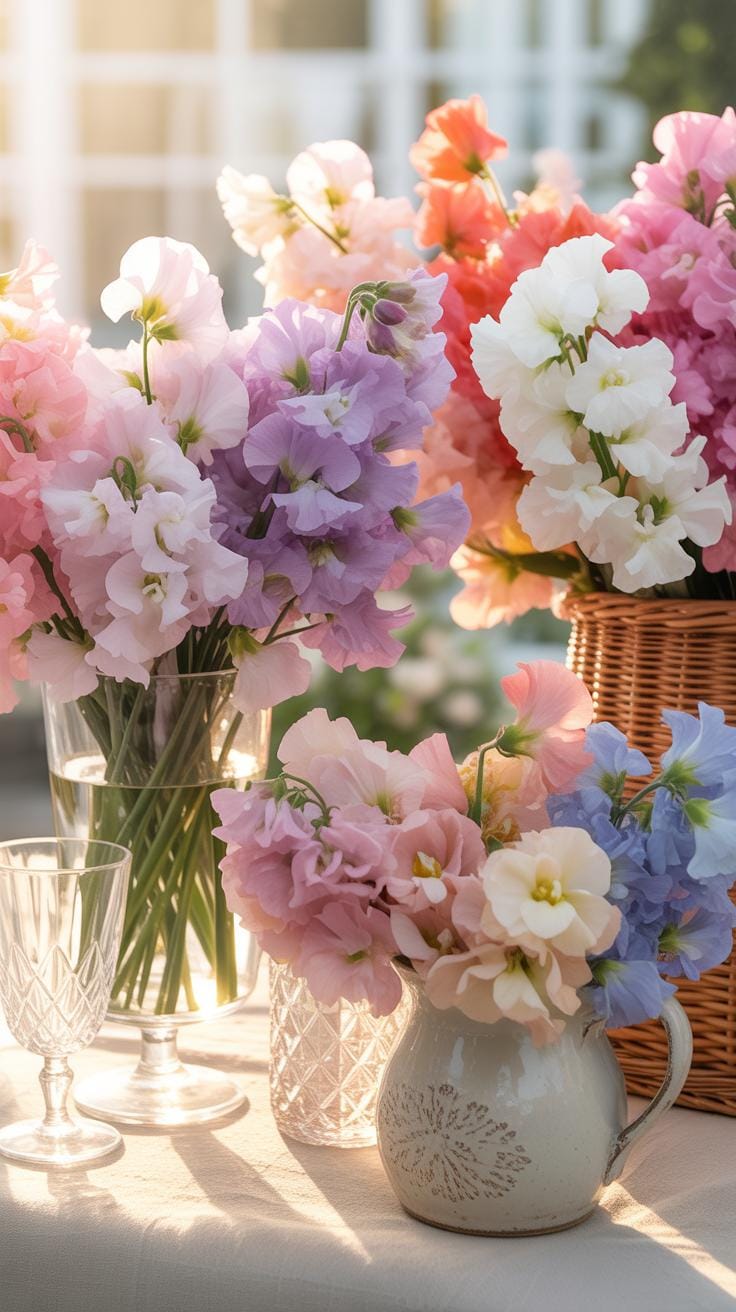
Using Flowers Like Sweet Peas In Wedding Bouquets And Seasonal Floral Arrangements
Sweet peas function as essential filler and movement plants in high-end floral design. Professional florists use them to create a sense of airiness in heavy bridal bouquets. Their thin, flexible stems allow for a cascading effect that rigid flowers cannot replicate. To maximize vase life, you must cut the stems at a forty-five degree angle and place them in cool water immediately after harvest.
Temperature control determines the success of these arrangements in event settings. These flowers wilt quickly in direct heat or dry air. Use a hydration spray on the petals to keep them turgid throughout a ceremony. When building a seasonal display, pair them with other cool-season crops like ranunculus or tulips. This creates a cohesive look that matches the biological timing of the blooms for a natural aesthetic.
Drying And Pressing Sweet Pea Flowers To Preserve Their Beauty Year Round
Standard pressing techniques work best for sweet peas due to their low moisture content and thin petals. Place the flowers between sheets of acid-free parchment paper to prevent browning or spotting. Use a heavy flower press or weighted books to apply even pressure for three weeks. This process locks in the pigment and flat structures. It creates a durable product for use in framed botanical art or stationary.
Silica gel provides an alternative for those wanting to maintain the three-dimensional shape of the bloom. Bury the flower heads in fine silica sand for approximately five days. This method extracts moisture rapidly while keeping the ruffled edges intact. Avoid air-drying by hanging, as the delicate stems often snap and the petals shrivel into unrecognizable shapes. Proper storage requires a dark environment with low humidity to prevent color fading.
Frequently Asked Questions

Are sweet pea flowers difficult for beginners to grow from scratch?
Not at all! Sweet pea flowers are incredibly rewarding for novice gardeners because they germinate reliably and grow rapidly. The most important tip for beginners is to start early in the spring while the weather is still cool. By soaking your seeds overnight before planting, you ensure a higher success rate. With just a little sunshine and consistent watering, you will soon enjoy a beautiful, fragrant display in your own backyard.
How do I ensure my sweet pea flowers produce a long-lasting bloom?
To keep your sweet pea flowers blooming throughout the season, regular deadheading is essential. This means you should snip off any fading blossoms before they have a chance to develop seed pods. By removing these spent flowers, you encourage the plant to put its energy back into creating new, vibrant buds. Additionally, harvesting the long stems for indoor bouquets actually stimulates the plant to produce even more stunning flowers for you to enjoy.
Can I grow beautiful sweet peas on a tight budget without a large garden?
Absolutely! You do not need an expensive garden setup to enjoy these blooms. Sweet peas thrive in simple containers or recycled buckets on a sunny balcony. Instead of buying a costly trellis, you can easily construct a vertical support using bamboo stakes or even gathered decorative twigs tied with twine. This affordable DIY approach allows anyone to experience the vintage charm and intoxicating scent of these classic flowers without spending much money.