
What Are Zinnia Flowers A BeginnerS Guide To This Classic Garden Bloom
The Origins And Botanical Background Of The Zinnia Flower
Zinnia flowers belong to the Asteraceae family. Scientists first identified these plants in the scrublands of Mexico and Central America. The name honors German botanist Johann Gottfried Zinn who studied the plant in the mid-1700s. Early wild varieties looked like weeds with small petals and dull colors. Breeders transformed these rugged specimens into the vibrant garden staples we use today.
The genus contains roughly twenty distinct species. These plants are annuals that complete their entire life cycle in one single growing season. They possess a high heat tolerance that allows them to thrive in harsh summer conditions. Growers prize them for their stiff stems and ray-like flower heads. This botanical structure makes them ideal for cutting and displaying in indoor floral arrangements.
Understanding Zinnia Elegans: The Most Popular Species For Home Gardens
Zinnia elegans serves as the primary species for modern home horticulture. This species offers the most diversity in bloom shapes and plant heights. You will find varieties ranging from dwarf mounds to tall stems reaching four feet. Cultivators categorize the blooms by petal count. Single-flowered types have one row of petals. Double-flowered types feature multiple layers that hide the center disk.
Success with this species requires full sun and well-drained soil. This plant grows quickly from seed and produces flowers in about sixty days. Gardeners use them to fill empty spaces in borders because they bloom continuously until the first frost. Proper spacing prevents powdery mildew by allowing air to flow between the leaves. Deadheading spent blooms forces the plant to produce more flowers.
Exploring The Many Varieties Of Zinnias Flowers Available To Beginners
Single, Semi Double, And Double Blooms: Knowing Your Zinnia Types
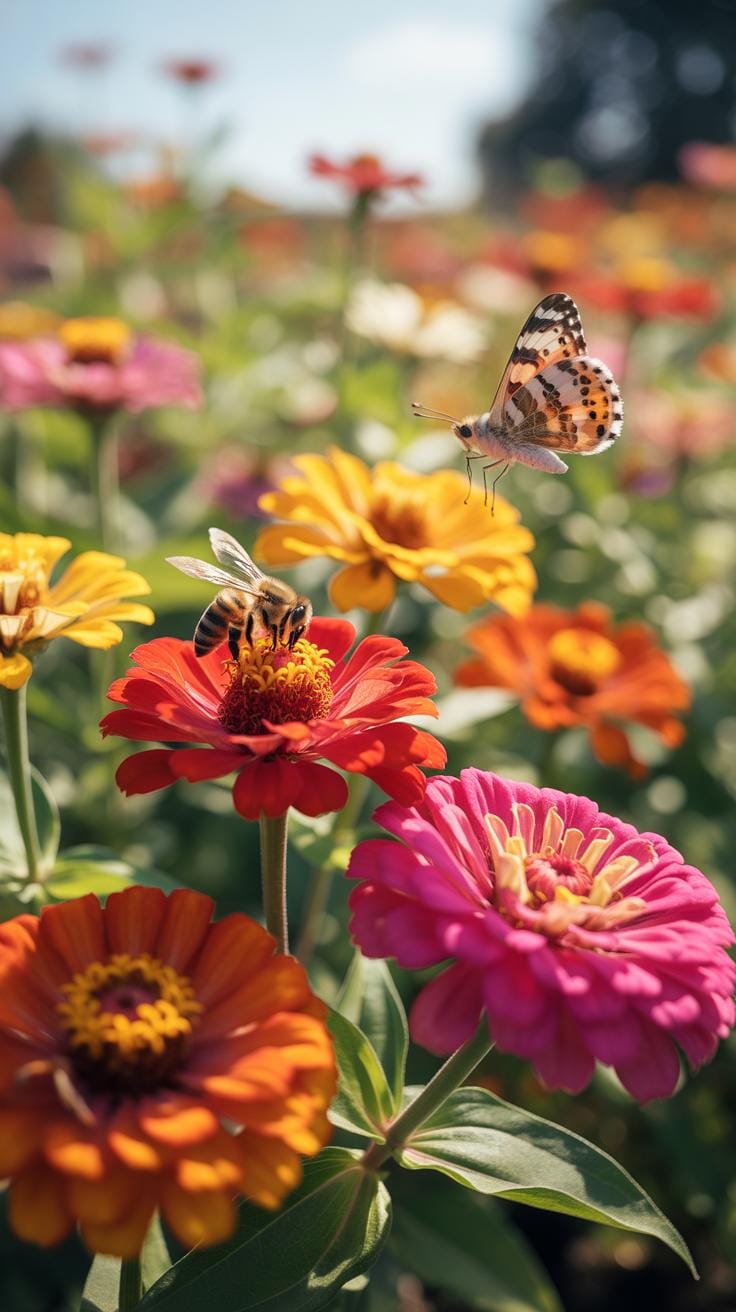
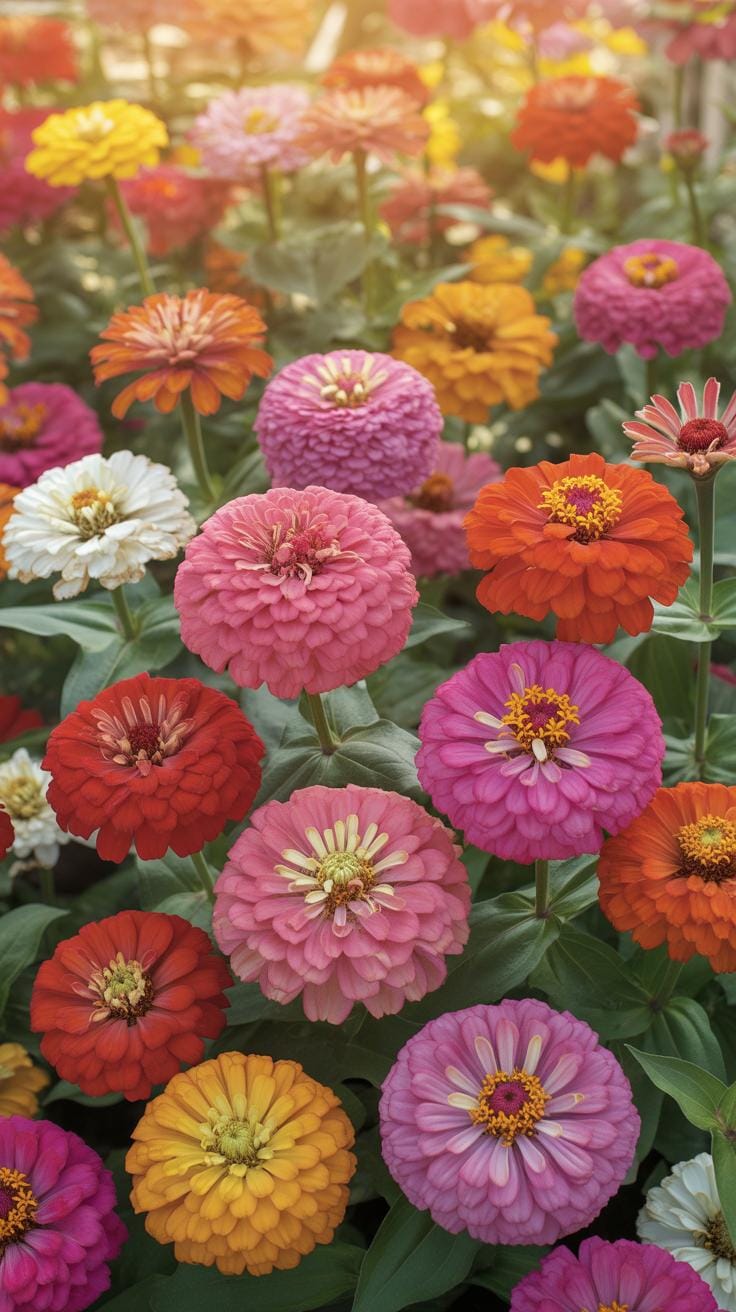
Zinnia flower heads differ based on their petal arrangement and visible centers. Single flowered zinnias feature one row of petals and an exposed central disk. This structure provides easy nectar access for pollinators like bees and butterflies. These varieties look like daisies and resist many common fungal diseases. Beginners choose single types when they want a natural garden look and maximum wildlife support.
Semi-double and double blooms offer more visual mass. Semi-double types have several rows of petals but still show the center. Double blooms possess many rows of petals that completely hide the central disk. These varieties look like pom-poms or dahlias. While visually dense, they may collect water between petals. This trapped moisture increases the risk of rot in humid climates. Select your type based on airflow.
Dwarf Vs. Tall Zinnia Varieties And Which Works Best For Your Space
Size determines where you plant zinnias in your garden layout. Dwarf varieties reach only 6 to 12 inches in height. These compact plants thrive in narrow borders and small patio containers. They require less staking because they resist wind better than taller types. Use dwarf zinnias for ground cover effects. They keep the garden looking full without blocking the view of other plants located behind them.
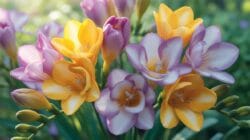
Tall zinnia varieties can reach 3 to 4 feet in height. These plants produce long stems that are ideal for cut flower arrangements. You must plant them in the back of the garden bed to prevent shading smaller crops. High winds can snap the stems of tall zinnias. Drive stakes into the ground at planting time to provide necessary physical support. Choose tall types for high impact.
How To Choose The Right Spot For Your Zinnia Garden
Sunlight And Soil Requirements Every Beginner Should Know Before Planting
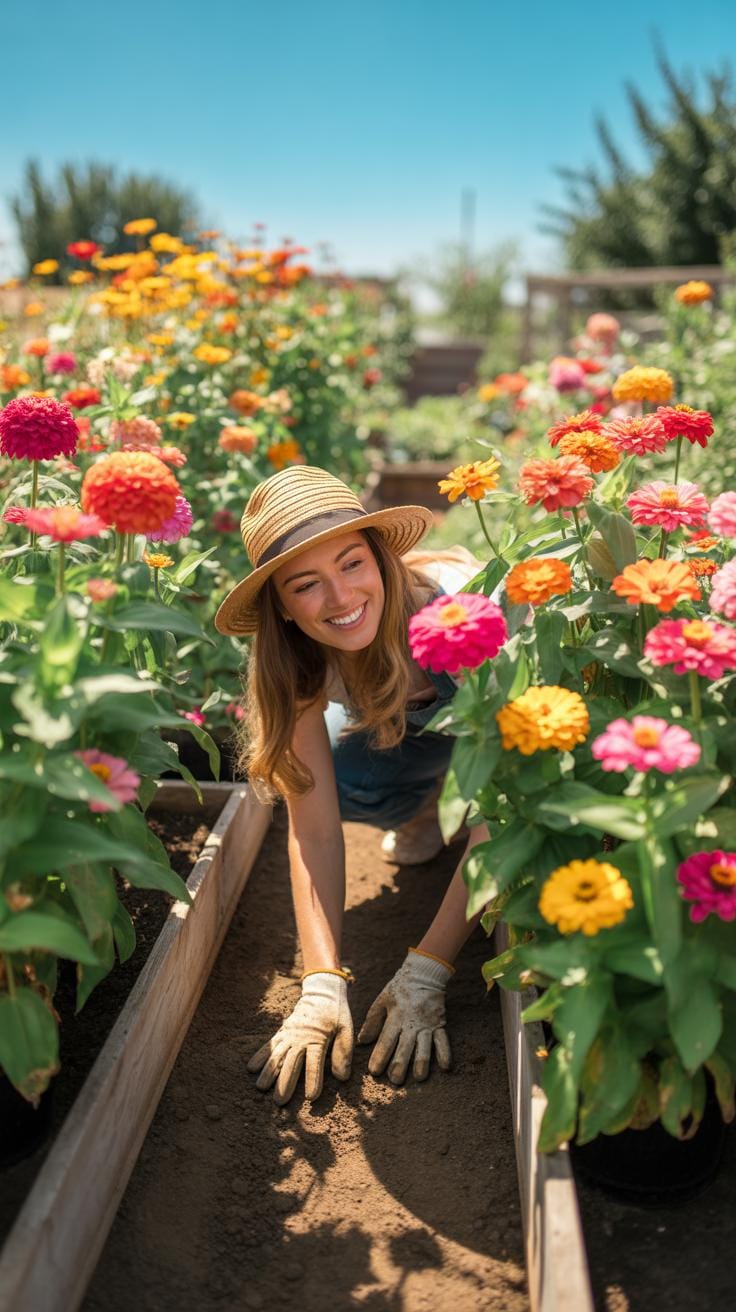
Zinnia flowers require full sun to reach their full potential. You must select a location that receives at least six to eight hours of direct sunlight daily. Dark or shaded areas lead to weak stems and fewer blooms. Sunlight also helps dry the foliage quickly after rain or dew. This process prevents common fungal issues like powdery mildew from destroying your crop.
Soil quality determines the strength of your root systems. Zinnias prefer well draining soil with a pH between 5.5 and 7.5. Avoid heavy clay that holds water for too long. Saturated soil will rot the roots and kill the plant. You should add organic matter like compost to improve drainage in poor ground. High nutrient levels support faster growth and larger flower heads during the season.
Spacing And Bed Preparation Tips For A Thriving Zinnia Garden
Airflow is the most critical factor in garden layout for zinnia flowers. You must space plants 6 to 18 inches apart depending on the specific variety size. Crowded plants trap moisture and invite disease. Proper spacing ensures each plant gets enough nutrients and light. Use a rake to level the bed before planting. A flat surface prevents water from pooling in low spots during heavy rain.

Effective bed preparation starts with clearing all weeds and debris from the site. Weeds compete for water and nutrients that your zinnias need to thrive. Turn the top six inches of soil to loosen it for easier root penetration. This mechanical preparation allows young seedlings to establish themselves quickly. Consistent soil texture across the bed ensures uniform growth. Focus on creating a clean and loose environment for the best results.
Step By Step Guide To Planting Vibrant Zinnia Flowers From Seed
When And How To Sow Zinnia Seeds Directly Into The Ground
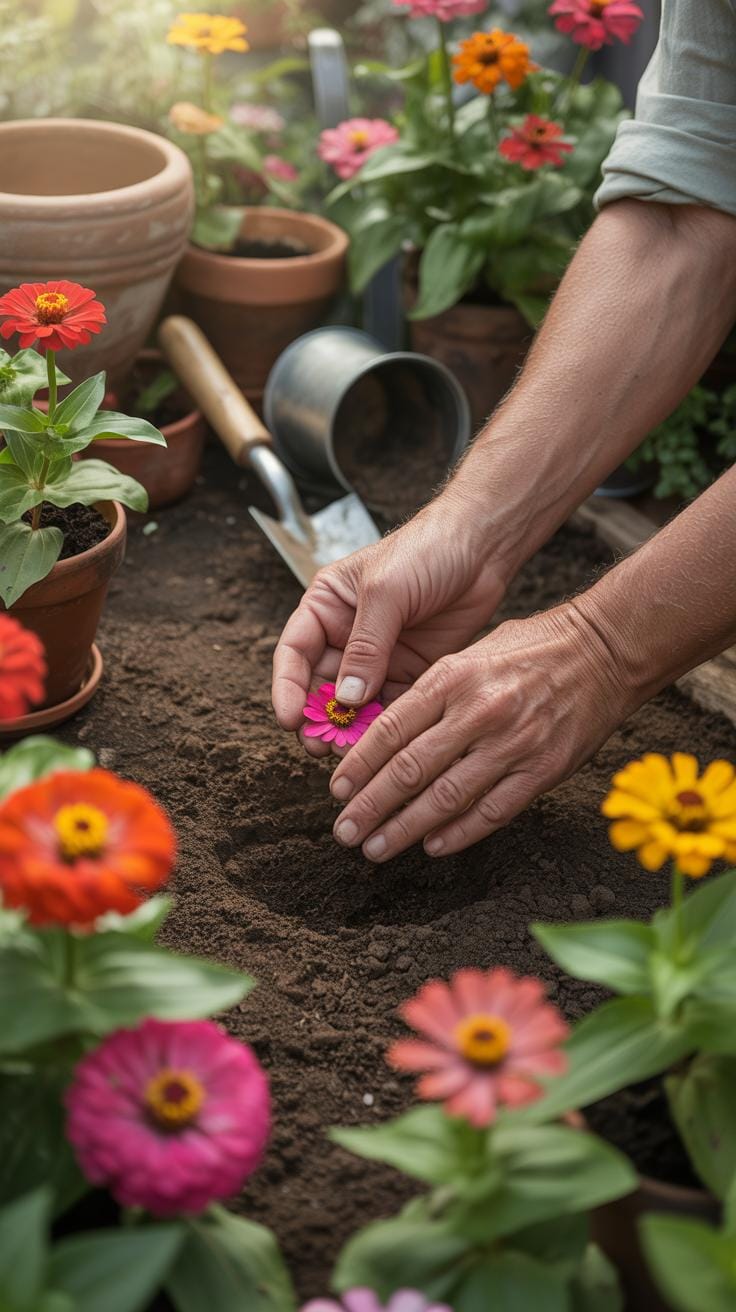
Direct sowing yields the strongest performance for Zinnia Flowers. These plants possess sensitive taproots that dislike the shock of transplanting. Wait until the soil temperature reaches at least 70 degrees Fahrenheit. This usually occurs two weeks after the final spring frost. Cold soil causes seed rot and stunts early growth. Clear all weeds and debris from the site before you begin planting.
Select a site that receives a minimum of six hours of direct sunlight. Press seeds one-quarter inch deep into the soil. Space them six inches apart for small varieties and twelve inches for larger types. Water the area immediately using a gentle spray to avoid washing seeds away. Keep the top layer of soil moist until sprouts appear. Thin the seedlings once they reach three inches tall to ensure proper air circulation.
Essential Supplies You Need To Get Started Planting Zinnias
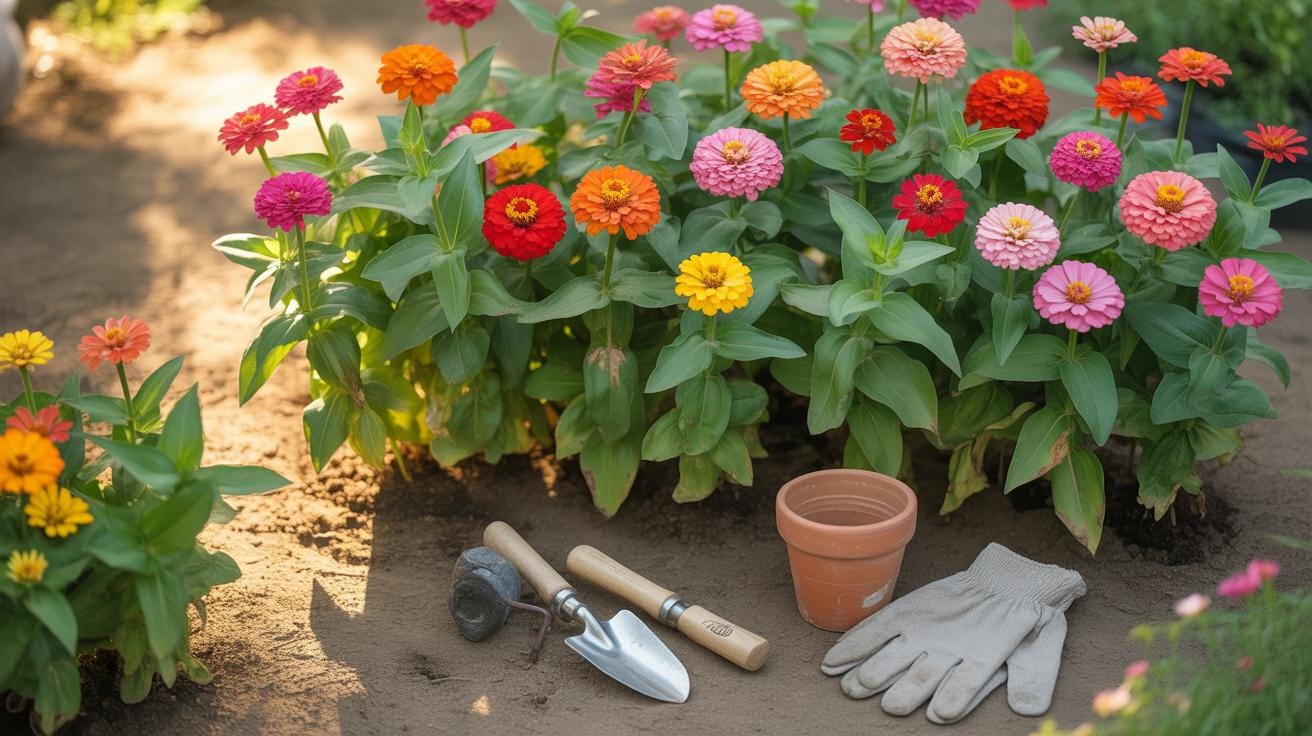
Proper preparation requires specific tools to ensure high germination rates. You must match your equipment to the biological needs of Zinnia Flowers. Using the wrong tools leads to poor drainage or disease. Gather these items before the soil warms to avoid delays. High-quality supplies prevent common cultivation errors. Successful planting depends on having the right materials ready for immediate use during the short spring window.
- Full Sun Location: Zinnias require a dedicated space that gets at least six to eight hours of direct sunlight. Morning sun is best because it dries dew off the leaves quickly. This prevents powdery mildew and other fungal issues that often kill Zinnia Flowers.
- High-Quality Seeds: Purchase fresh seeds from a reputable supplier to ensure high germination rates. Old seeds lose their vigor and may not sprout at all. Choose heritage or F1 hybrid varieties based on your specific height and color requirements for the garden bed.
- Well-Draining Soil: These plants need loose soil rich in organic matter to thrive. Heavy clay prevents root expansion and holds too much water. Amend your soil with compost or aged manure to improve the structure and provide necessary nutrients for the growing season.
- Hand Trowel and Rake: You need a sturdy trowel for digging and a small rake for leveling the surface. Smooth soil ensures even seed depth across the entire planting area. Consistent depth results in uniform germination so all your flowers bloom at the same time.
- Garden Hose with Mist Nozzle: A standard hose stream is too powerful for delicate seeds and young seedlings. Use a nozzle with a mist or shower setting. This allows you to hydrate the soil deeply without displacing the seeds or damaging the fragile new stems.

Test your soil drainage before you commit to a planting site. Dig a small hole and fill it with water to see how fast it empties. If the water stands for hours, find a different spot or build a raised bed. Proper drainage is the most critical factor for root health. Once you have the supplies and a dry site, you can begin the planting process with confidence.
Caring For Your Zinnias Flowers Through Every Stage Of Growth
Watering, Fertilizing, And Deadheading Zinnias For Maximum Blooms
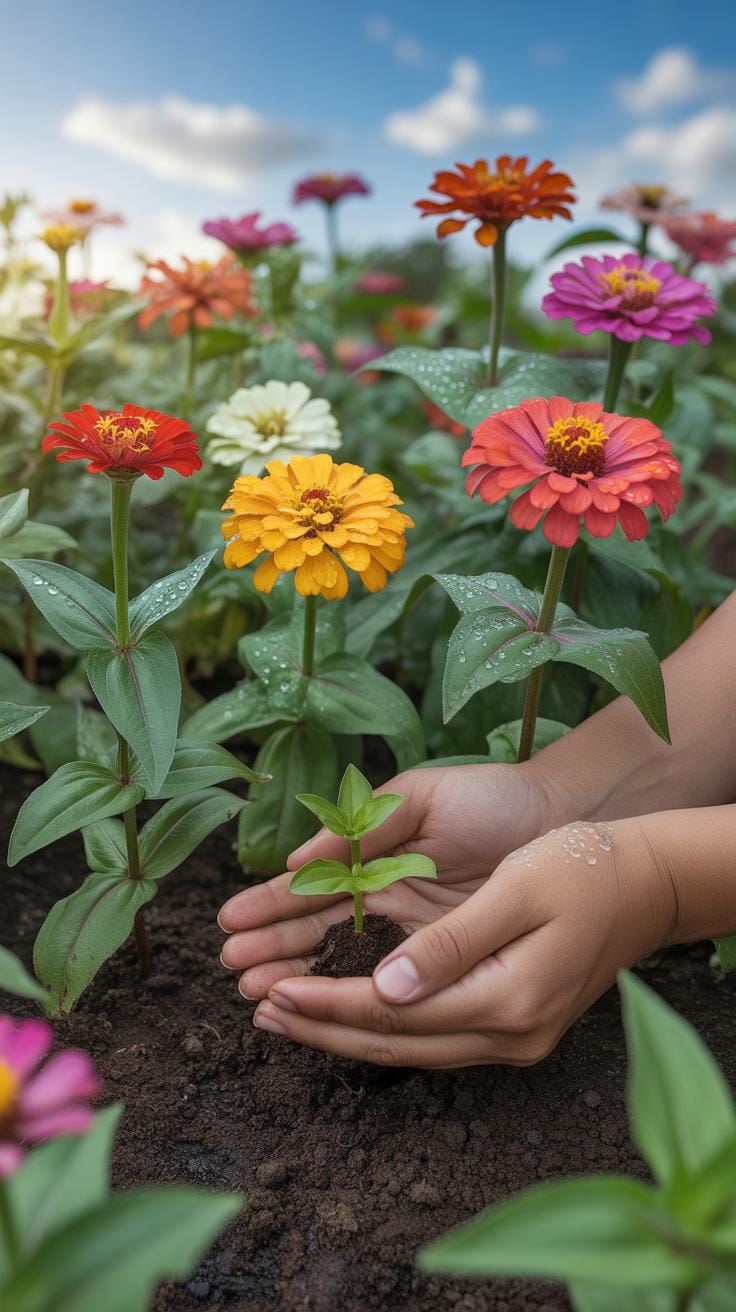
Water zinnias at the base of the plant to keep foliage dry. Wet leaves trigger fungal outbreaks and reduce plant lifespan. Aim for one inch of water per week through deep soaking sessions rather than light daily misting. This strategy encourages deep root systems and heat resistance. Maintain consistent soil moisture during the first month to ensure the root ball establishes properly.
Apply a balanced water soluble fertilizer every four to six weeks during the growing season. High nitrogen levels produce excessive leaves but fewer flowers. Use a low nitrogen mix to prioritize bloom production once the plant reaches six inches in height. Remove spent blooms immediately through deadheading. Cut the stem back to the next leaf node or bud to force the plant to generate new flowers.
Growing zinnias is like planting a bit of sunshine that even a child can tend. These cheerful blooms are the perfect starting point for anyone looking to color their world with ease.
Common Zinnia Problems Like Powdery Mildew And How To Manage Them
Powdery mildew is the primary threat to zinnia health in humid climates. This fungus appears as white dust on leaves and stems. Improve air circulation by spacing plants at least twelve inches apart. Remove infected leaves immediately to stop the spread of spores. Apply sulfur based fungicides or neem oil early in the morning if the infection persists across the entire crop.
Insects like aphids and spider mites frequently attack tender zinnia stems. Blast these pests off with a strong stream of water from a garden hose. Bacterial leaf spot also presents a risk during rainy periods. Prevent this by avoiding overhead irrigation and rotating crops every year. Healthy soil and proper spacing remain your best defense against most common pathogens. Monitor your plants daily for early signs of stress.
How Zinnia Flowers Support A Thriving Pollinator Garden
Why Bees, Butterflies, And Hummingbirds Are Drawn To Zinnia Blooms
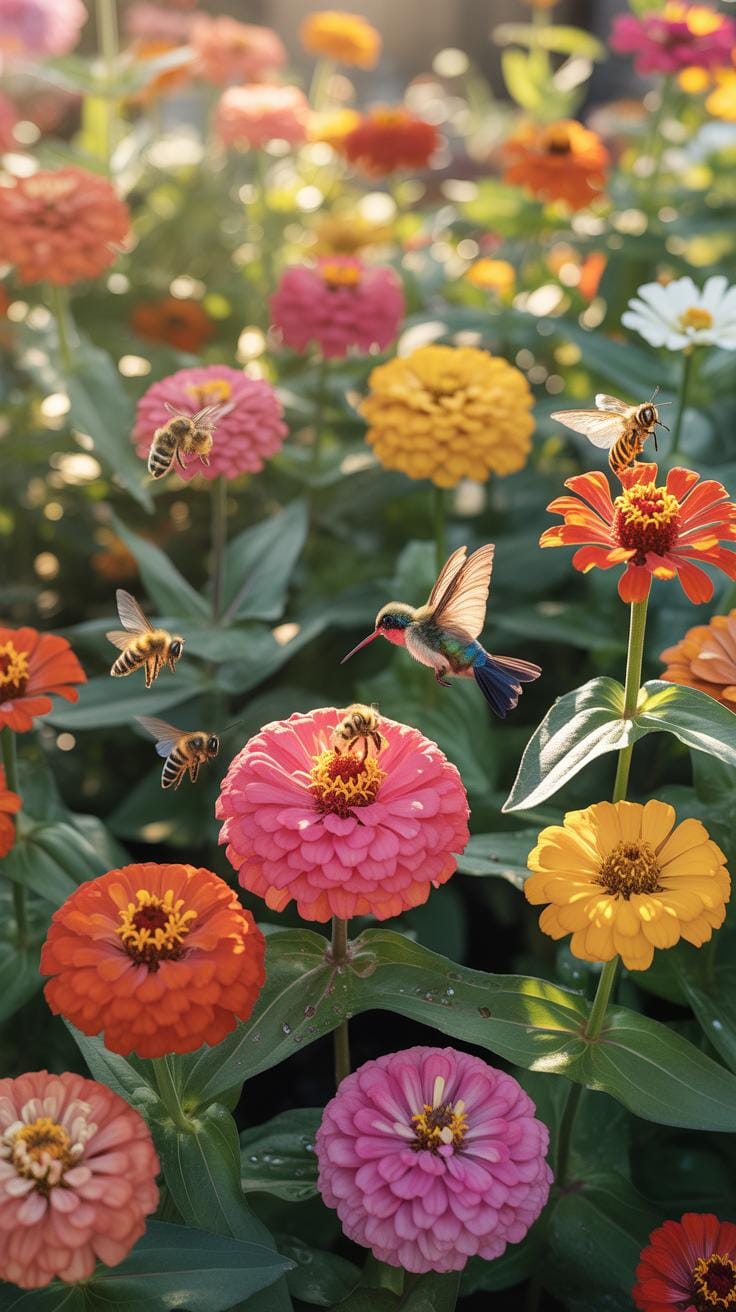
Zinnia flowers act as a primary food source due to their accessible nectar and bright colors. Bees and butterflies prefer the flat, open landing pads provided by single-flowered varieties. These wide platforms allow insects to land easily and feed without expending excessive energy. The central disc florets contain high sugar concentrations. This provides the fast fuel necessary for migration and daily foraging cycles in many garden environments.
The visual spectrum of Zinnia flowers specifically targets pollinator vision. Butterflies seek out the vibrant reds, oranges, and pinks that stand out against green foliage. Hummingbirds focus on tubular flower shapes found within certain Zinnia types. These birds use their long tongues to reach nectar deep inside the blooms. Constant blooming from mid-summer until the first frost ensures a reliable food supply when other native floral sources begin to fade.
Best Zinnia Varieties To Plant Alongside Other Pollinator Friendly Flowers
Strategic planting requires matching flower shapes to local pollinator species. Use Zinnia elegans for larger butterflies like Monarchs and Swallowtails. These tall plants produce sturdy stems that handle the weight of larger insects. Mix them with flat-topped flowers like Yarrow or Lantana to create a continuous landing zone. This layout keeps pollinators in your garden longer. Diverse heights and textures improve the overall ecosystem efficiency for all beneficial insect types.
Combine dwarf Zinnias with Salvia and Lavender to support smaller native bees. These compact varieties fit well in front of taller perennials. They provide a low-level nectar source that complements the vertical spikes of neighboring plants. Choose open-centered varieties over double-bloom types for maximum impact. Standard Zinnias offer better nectar access than highly bred decorative versions. This tactical selection ensures that your garden serves a functional purpose while maintaining a clean aesthetic.
The Beauty Of Pink And Red Zinnia Flowers In Garden Designs
How To Use Color Combinations Like Pink And Red Zinnias In Your Landscape
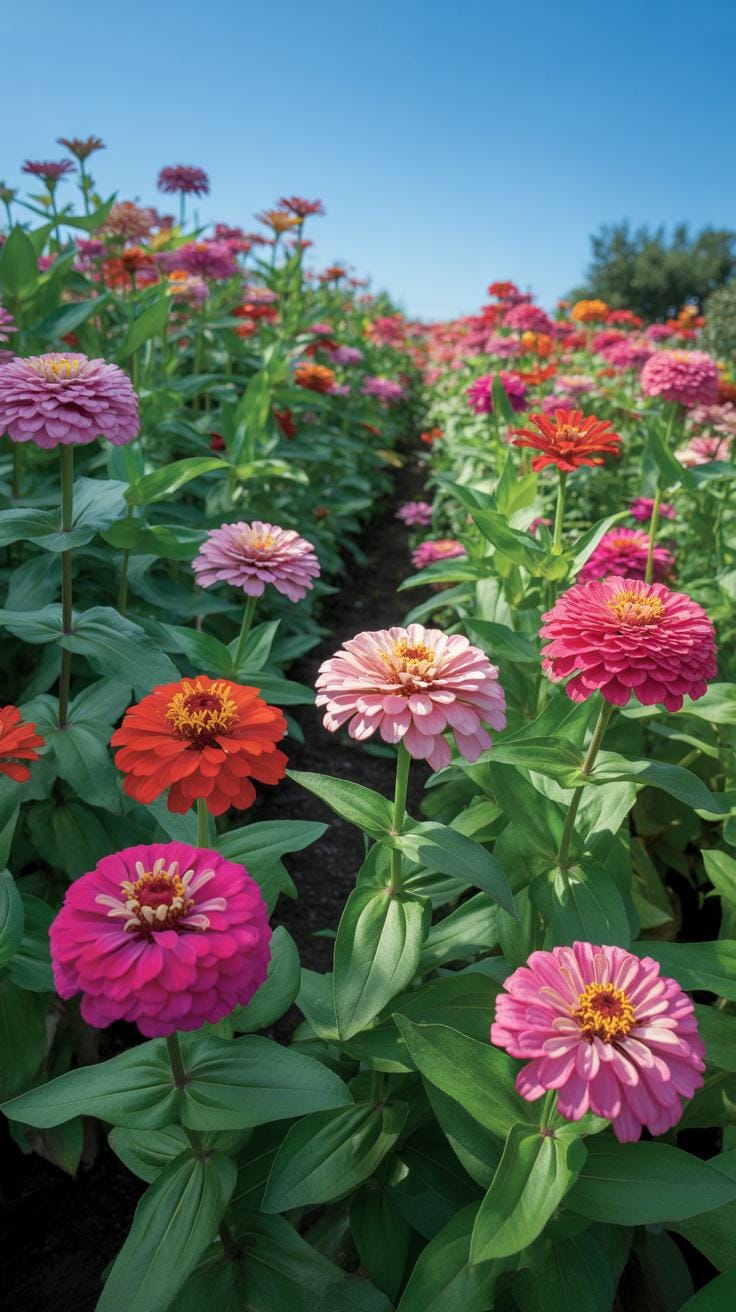
Pink and red zinnias provide high impact through monochromatic or analogous color schemes. Use deep red cultivars like Scarlet Flame to create focal points in the back of borders. Place softer pink varieties like Benary Giant Pink in the foreground to soften hard edges. This layering technique draws the eye through the garden bed. It ensures the landscape feels intentional rather than cluttered or random.
Designers use these warm tones to evoke energy and movement. Mass planting red zinnias near entryways grabs immediate attention from visitors. Interspersing pink shades helps blend these bold reds with green foliage. This approach mimics traditional cottage garden styles but maintains modern order. For best results, group at least five plants of the same color together. This creates a solid block of color that resists visual noise.
Pairing Zinnias With Companion Plants For A More Dynamic Garden Display
Effective companion planting boosts garden health and visual appeal. Zinnias thrive when paired with plants that share their cultural needs for full sun and well drained soil. Choose companions that offer contrasting textures to the stiff stems of the zinnia. This creates a professional look found in high end landscapes. Smart pairings also manage common pests like aphids naturally by attracting beneficial predatory insects to your plot.
- Purple Salvia: The upright spikes of salvia offer a vertical contrast to the round heads of zinnias. Purple and red sit across the color wheel to create high visual tension.
- Mexican Sunflower: These tall plants provide a sturdy backdrop for shorter pink zinnia varieties. They attract monarch butterflies and tolerate the same heat levels required for mid summer zinnia blooming.
- Sweet Alyssum: Use this low growing plant as a living mulch beneath your zinnias. The white flowers act as a neutral border that makes the red and pink petals pop.
- Common Marigolds: Marigolds share the same light and water requirements as zinnias. Their pungent scent helps deter certain garden pests while their yellow tones complement the warmth of red zinnia patches.
- Ornamental Grasses: Fine textured grasses like Blue Fescue break up the heavy leaf structure of zinnias. They add movement to the garden when the wind blows through the stiff zinnia stems.
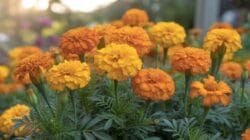
Balance your garden by considering height and bloom time. Zinnias bloom from early summer until the first frost in autumn. Select companions that fill the gaps when zinnias are still young. This ensures the garden stays productive and colorful for the entire growing season. Avoid plants that require heavy shade. These will compete for light and reduce the vigor of your zinnia display.
Capturing Zinnias Pictures Tips For Photographing Your Garden Blooms
Best Times Of Day And Natural Light Conditions For Photographing Zinnias
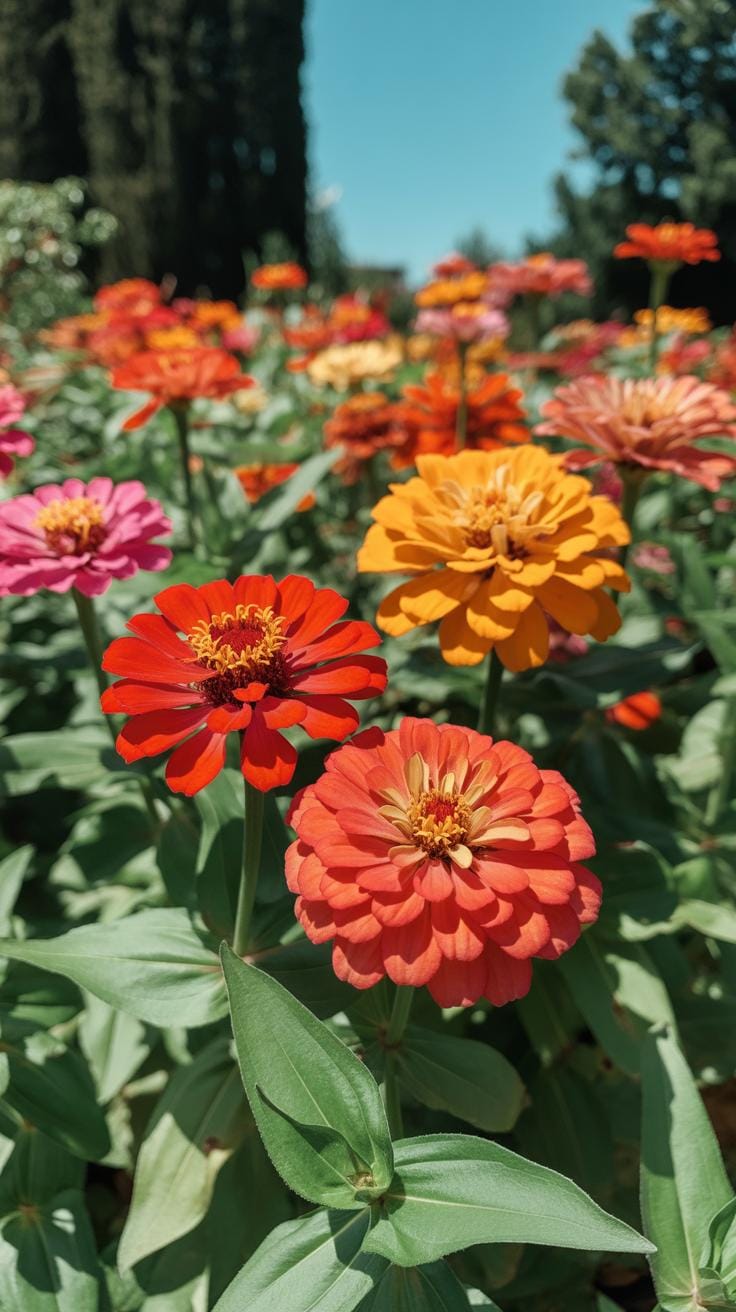
Timing dictates the quality of your garden photography. Shoot during the golden hour which occurs shortly after sunrise or before sunset. This low-angle sun provides soft illumination. It prevents harsh shadows on the flat petals of the zinnia. Midday sun creates high contrast and washes out the deep reds and oranges. Avoid direct overhead light to keep the flower details visible and clear.
Overcast days provide the best utility for capturing accurate flower colors. Clouds act as a giant softbox to diffuse light evenly across the garden bed. This environment eliminates glares on the foliage. It allows the camera sensor to record the full color spectrum of the bloom. Wind is usually lower during the early morning hours. This stability ensures sharp focus on the central disk of the flower.
Smartphone And Camera Techniques That Make Zinnia Photos Pop With Color
Focusing on the center of the zinnia creates a professional look. Use the portrait mode on your smartphone to blur the background. This depth of field effect isolates the bloom from distracting garden debris. Position the camera at the same height as the flower head. This straight-on angle creates a more intimate view than looking down. Clean your lens to remove oils that cause hazy images.
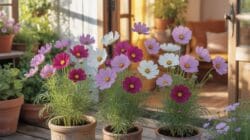
Adjust the exposure slider manually to prevent overexposure of bright petals. Tap the brightest part of the zinnia on your screen to lock the focus and light levels. Use a neutral background like green leaves to make the petals stand out. Avoid using the digital zoom feature because it degrades image resolution. Move your body closer to the plant for a tight macro shot. Simple stability improves every photo.
Saving Seeds And Extending The Life Of Your Zinnia Flower Season
How To Harvest And Store Zinnia Seeds At The End Of The Growing Season
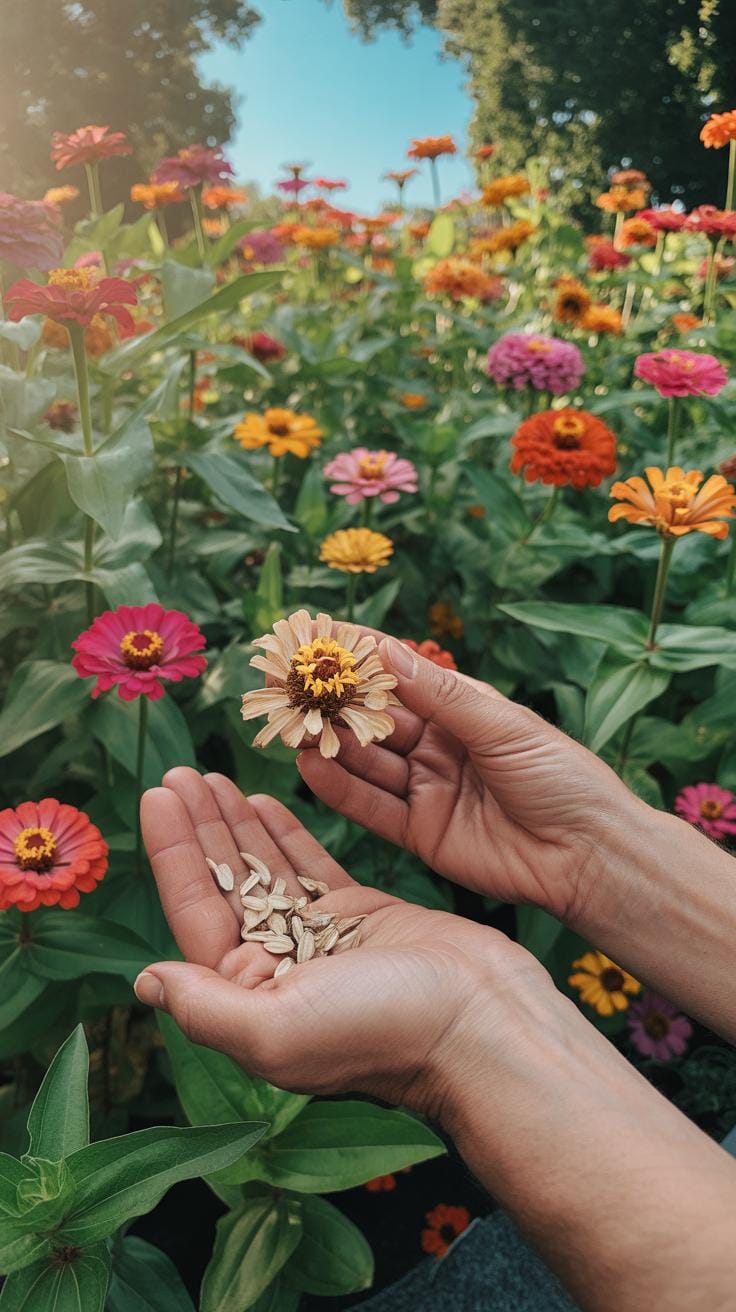
Identify flower heads that have faded and turned brown. Wait until the petals dry out and the base of the flower head feels firm. Cut the heads from the stem once they lose all color. Pull the dried petals away from the center to find the small seeds attached at the base. These seeds should be dark and hard.
Spread the harvested seeds on a screen or paper towel in a dry room. Keep them out of direct sunlight for one week to ensure all moisture evaporates. Place the dry seeds in a paper envelope or glass jar. Store them in a cool and dark location. Label the container with the variety name and the harvest date for future use.
Replanting Saved Zinnia Seeds Next Year For A Continuous Garden Cycle
Examine your stored seeds when the spring weather turns warm. Check for firm seeds and discard any that feel soft or look moldy. Direct sow the seeds into the garden after the final frost has passed. Zinnias require warm soil to germinate properly. Space the seeds according to the mature size of the specific variety you saved the previous year.
Note that seeds from hybrid zinnias may not look like the parent plant. They often revert to simpler forms or different colors. Pure heirloom varieties will consistently produce identical flowers every year. Clear away old plant debris before planting to reduce the risk of disease. Water the area well to help the new seedlings establish strong root systems in the ground.
Frequently Asked Questions

Are zinnia flowers actually easy for first-time gardeners to grow?
Absolutely! Zinnia flowers are widely considered the perfect entry point for beginners because they are incredibly resilient and fast-growing. These sturdy annuals germinate quickly from seed and thrive in various soil types as long as they have plenty of sunlight. Their ability to withstand heat and bounce back from minor neglect makes them a rewarding choice for anyone looking to build gardening confidence while enjoying a vibrant, colorful backyard display.
How do I plant and maintain zinnia flowers for the best results?
For the best results, sow your seeds directly into a sunny garden bed once the danger of frost has passed. Space them about six to twelve inches apart to ensure healthy air circulation, which prevents powdery mildew. Water at the base of the plant to keep the foliage dry, and be sure to “deadhead” or remove spent blooms regularly. This simple maintenance encourages your zinnia flowers to produce fresh blossoms all summer long.
Is it expensive to start a zinnia garden from scratch?
Growing beautiful flowers doesn’t have to break the bank. In fact, starting from seed is one of the most budget-friendly ways to landscape your home. A single packet of seeds costs just a few dollars and can produce dozens of high-impact blooms. Since these plants require very little specialized equipment or expensive fertilizers, they are an accessible and cost-effective way to add designer-level curb appeal to your property on a tiny budget.