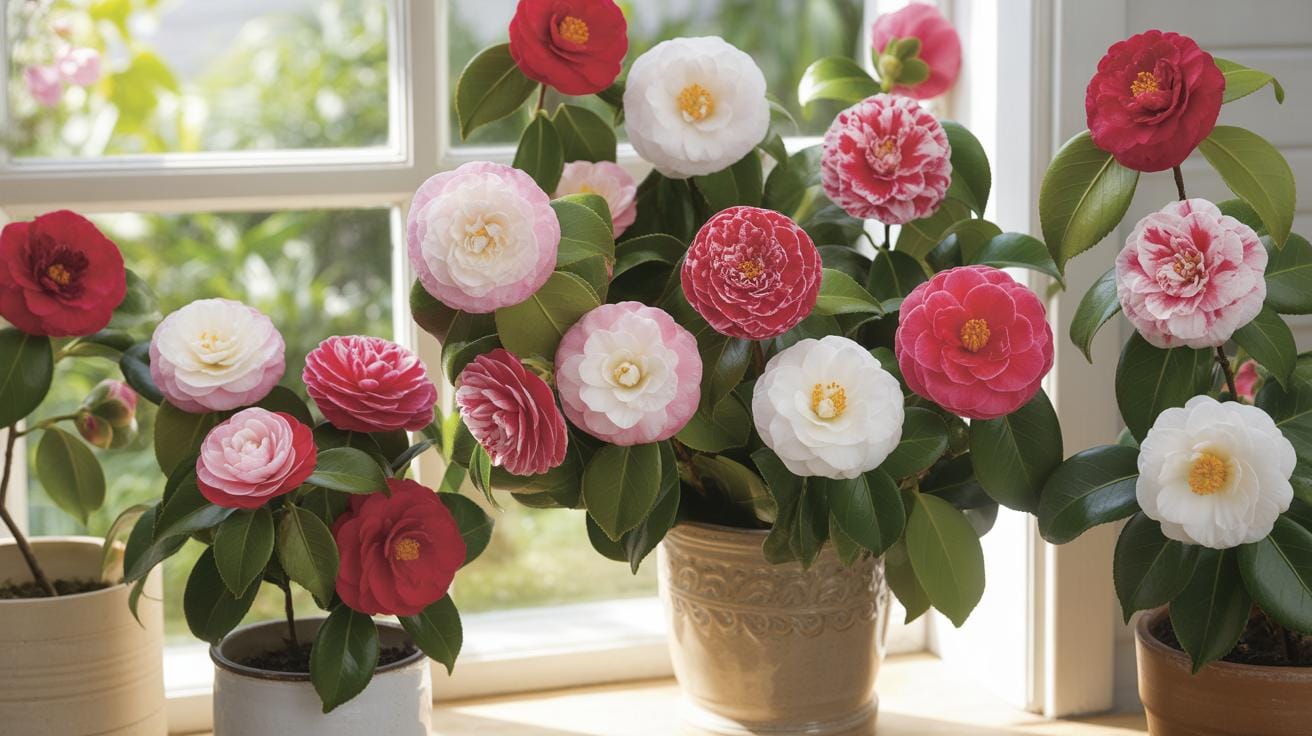
What Is A Camellia Flower A Closer Look At This Beloved Bloom
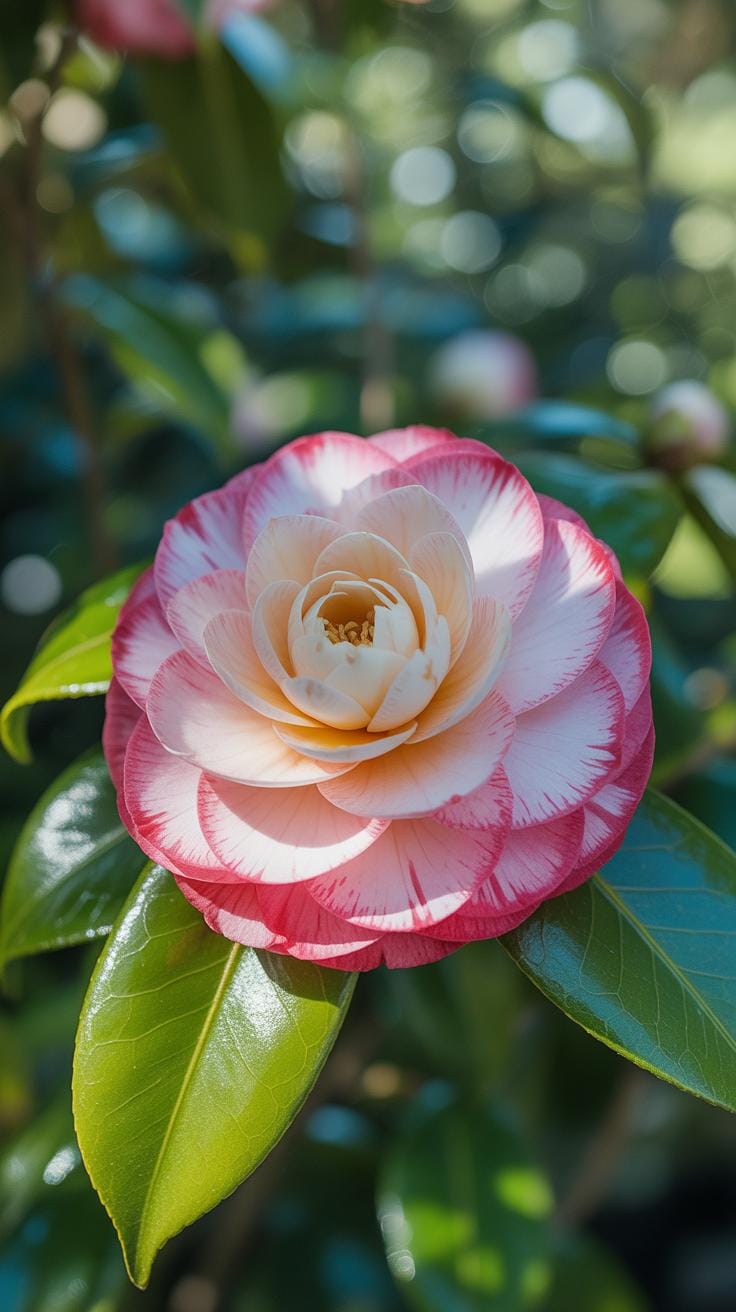
The Botanical Origins And Family Of The Camellia Flower
The Camellia flower belongs to the Theaceae family. This group also includes the plant used for commercial tea production. Most species originate from eastern and southern Asia. They grow naturally in regions like China, Japan, and Vietnam. Carl Linnaeus named the genus after Georg Joseph Kamel. Kamel was a Jesuit botanist who documented plants in the Philippines during the late seventeenth century.
European explorers brought these plants to the West in the eighteenth century. They first arrived in England and then spread to the United States. Breeders have since developed thousands of cultivars. Most modern garden varieties derive from species like Camellia japonica and Camellia sasanqua. These plants thrive in temperate climates with acidic soil. Understanding their lineage helps gardeners select the right species for specific hardiness zones.
Key Characteristics That Make The Camelia Flower Stand Out
Camellias are evergreen shrubs or small trees. They feature thick and leathery leaves with a deep green color. These leaves provide year-round structure in a garden layout. The plant produces flowers during late fall, winter, or early spring. This timing fills a gap when most other plants are dormant. Bloom shapes vary from simple single petals to complex formal double forms.
The flower lacks a scent in most common varieties. However, the visual impact is significant due to the symmetrical petal arrangement. Petal colors typically include shades of white, pink, and red. Some rare types show yellow hues. The plants require filtered light and protection from harsh afternoon sun. Well-drained soil remains a strict requirement for health. Proper maintenance ensures these shrubs live for many decades.
The Rich History And Cultural Significance Of Japanese Camellia
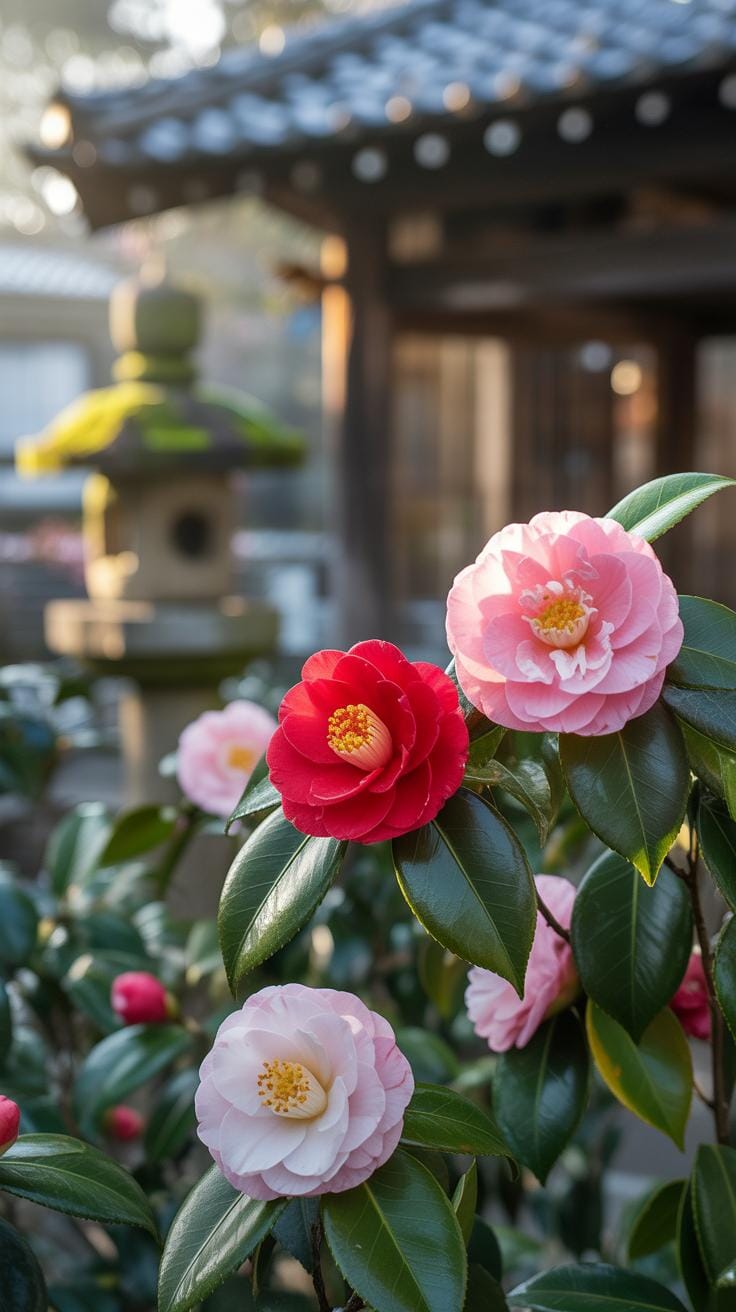
How The Japanese Camellia Became A Symbol Of Love And Longevity In East Asia
The Japanese Camellia became a symbol of love due to its unique physical structure. The petals and the calyx fall away from the stem together. This behavior differs from most flowers that shed petals individually. In Japan and China, this unity represents eternal union between lovers. People view the plant as a physical manifestation of devotion because the parts stay joined until the end.
Longevity is the other core trait of the camellia. These plants live for centuries in the wild and in managed gardens. Their thick evergreen leaves stay vibrant through harsh winters. This resilience makes the plant a primary symbol of endurance and strength. Scholars in the Edo period promoted the camellia as a sign of survival. It represents the ability to thrive under constant pressure over long timeframes.
The Role Of Japanese Camellia In Art, Literature, And Traditional Ceremony
Japanese Camellias serve a tactical role in the tea ceremony. Practitioners call this flower the Queen of the Winter Camellia. It is the preferred choice for chabana, which is the simple floral arrangement used in tea rooms. Hosts select a single bud to represent purity and the transition of seasons. The flower provides a focal point that encourages quiet reflection and discipline during the ritual.
In the art world, the camellia appeared frequently in woodblock prints and kimono patterns. Artists used its bold shape to create high-contrast designs. In literature, poets used the flower to signal the arrival of spring. The plant bridged the gap between the cold winter and new growth. This historical usage solidified its status as a premium design element. Modern designers still use these classic patterns to evoke luxury and historical depth.
Elegant White Camellias Ideas For Bringing Purity Into Your Home DCor
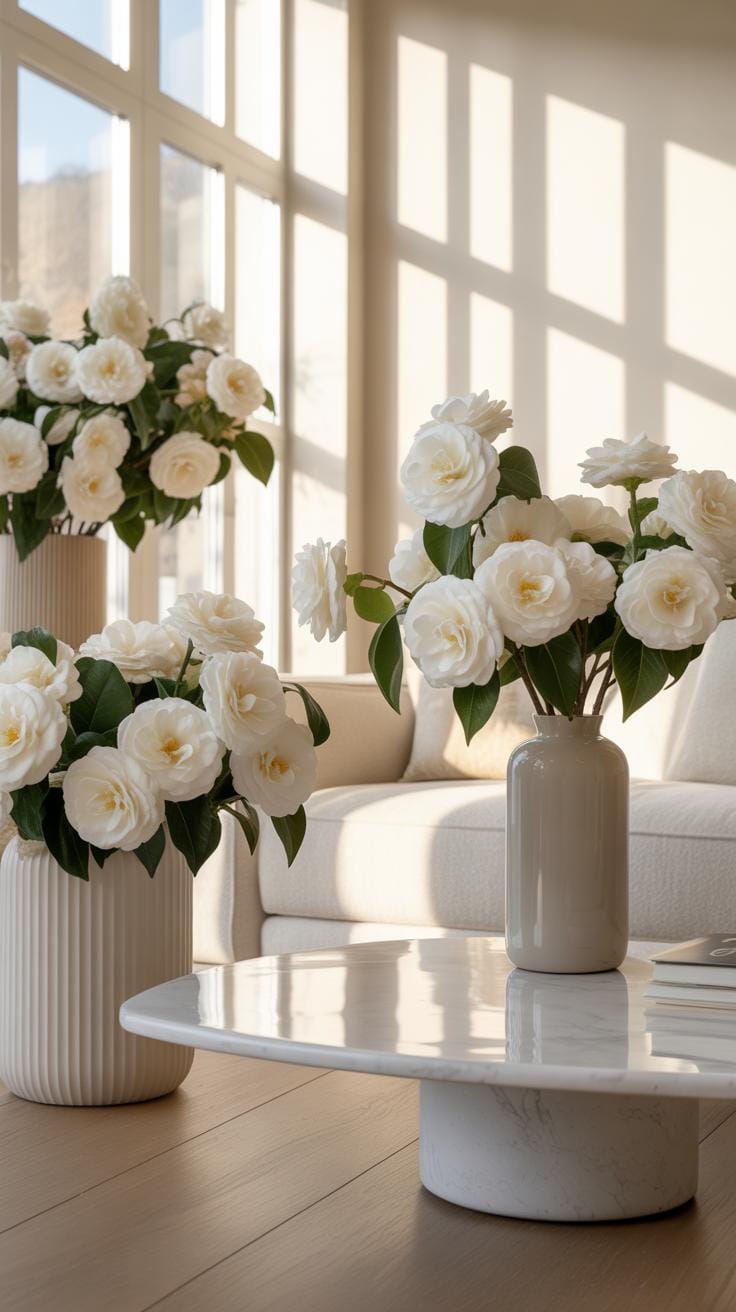
How To Style White Camellias In Minimalist And Classic Interior Settings
Minimalist design requires flowers with strong architectural shapes. White Camellia japonica varieties provide a thick petal structure that holds its form. Place a single stem in a heavy glass vase to create a focal point. This approach follows the principles of Japanese Ikebana. It emphasizes line and space over bulk. Use the natural stiffness of the camellia branch to guide the eye toward light sources.
Classic interiors benefit from the symmetrical form of formal double white camellias. High ceilings and crown molding pair well with these dense blooms. Use silver or porcelain vessels to mirror the refined texture of the petals. Keep the arrangement low to allow for conversation across tables. This method respects the Georgian and Victorian traditions of symmetry. It ensures the floral presence feels integrated rather than forced.
The camellia is a flower of memory, bringing the timeless grace of a winter garden into the heart of every home.
Pairing White Camellia Flowers With Greenery And Neutral Tones For Maximum Impact
White camellias depend on contrast to stand out. Their waxy dark green leaves serve as a natural frame. Add supplemental foliage like eucalyptus or ruscus to vary the texture. Stick to cool-toned greens to keep the palette tight and professional. Avoid variegated leaves that distract from the flower. The goal is to highlight the brightness of the white petals against a deep backdrop.
Neutral rooms provide the best stage for white flowers. Use taupe, grey, or cream walls to make the whites appear more vivid. This strategy prevents the room from feeling sterile. Use matte ceramic containers to contrast with the glossy finish of the camellia leaves. This blend of textures creates visual depth without adding unnecessary color. Tactical placement near natural light will enhance the natural luminescence of the blooms.
Bold And Beautiful Decorating With Camellia Red Varieties
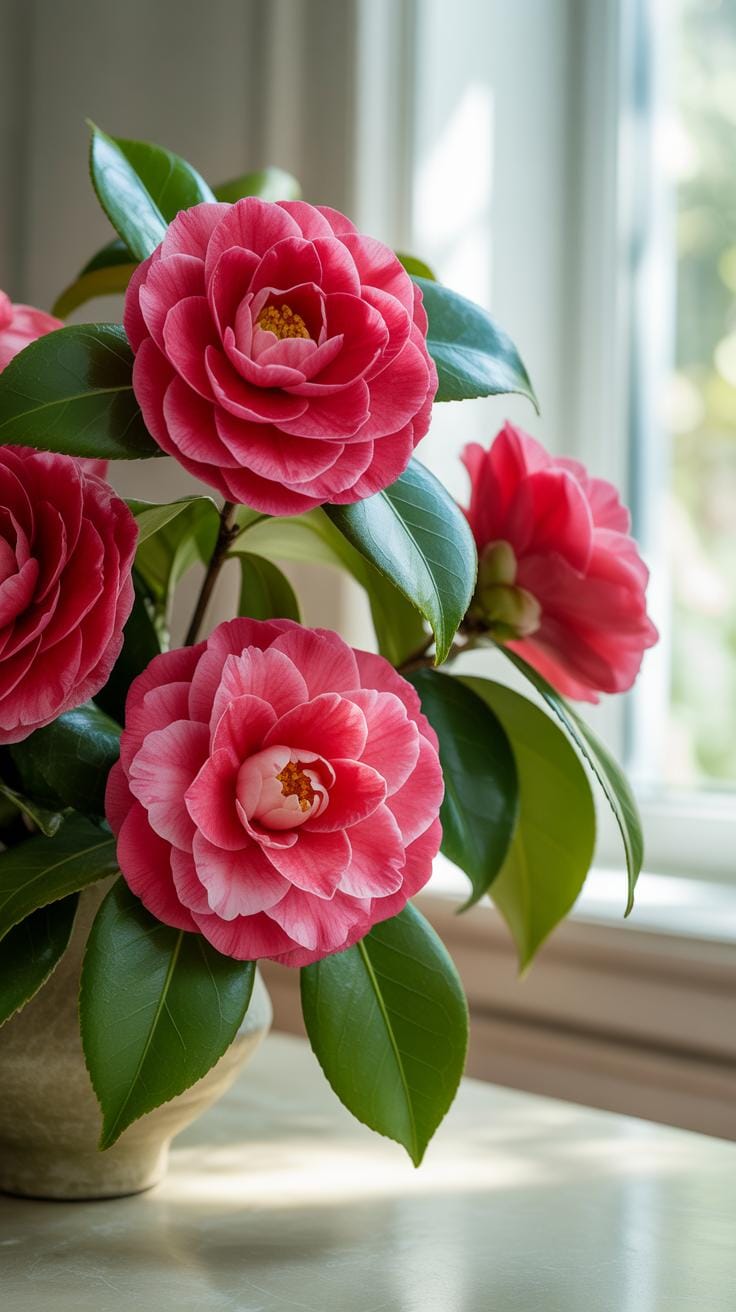
Popular Camellia Red Cultivars And What Makes Each One Unique
The Camellia japonica cultivar Kramer’s Supreme offers a deep red color and a peony form. It grows quickly and survives well in moderate climates. This variety brings a heavy scent that most camellias lack. You should pick this if you need a strong vertical presence in a landscape. Its thick petals hold their shape much longer than other early blooming varieties in the winter.
Royal Velvet is the standard for dark red blooms. It features semi double petals with a waxy texture. This plant grows upright and works well as a formal hedge. For a more traditional look, use the Black Tie variety. It produces formal double flowers that resemble small roses. These specific cultivars provide consistent color saturation and resist browning better than lighter colored varieties in the sun.
Room By Room Ideas For Displaying Red Camellia Blooms In Your Home
Place red camellias in the entryway to create a high contrast focal point. Use white ceramic or stone vases to make the red pigment pop against neutral walls. These flowers have sturdy stems that support their own weight without extra wiring. Check the water levels daily because heavy blooms drink fast. Position them away from direct heat vents to prevent the petals from dropping early.
In the dining room, use low profile glass bowls for floating arrangements. Cut the stems short and let the flower heads rest on the water surface. This method highlights the geometric petal patterns typical of formal double cultivars. It also keeps the centerpiece below eye level for better conversation. Use distilled water to avoid mineral spots on the dark petals. Change the water every two days for maximum life.
Soft And Romantic Decorating Your Home With Camellia Pink And Pink Camellia Blooms
The Most Admired Camellia Pink Varieties For Home Gardens And Indoor Display
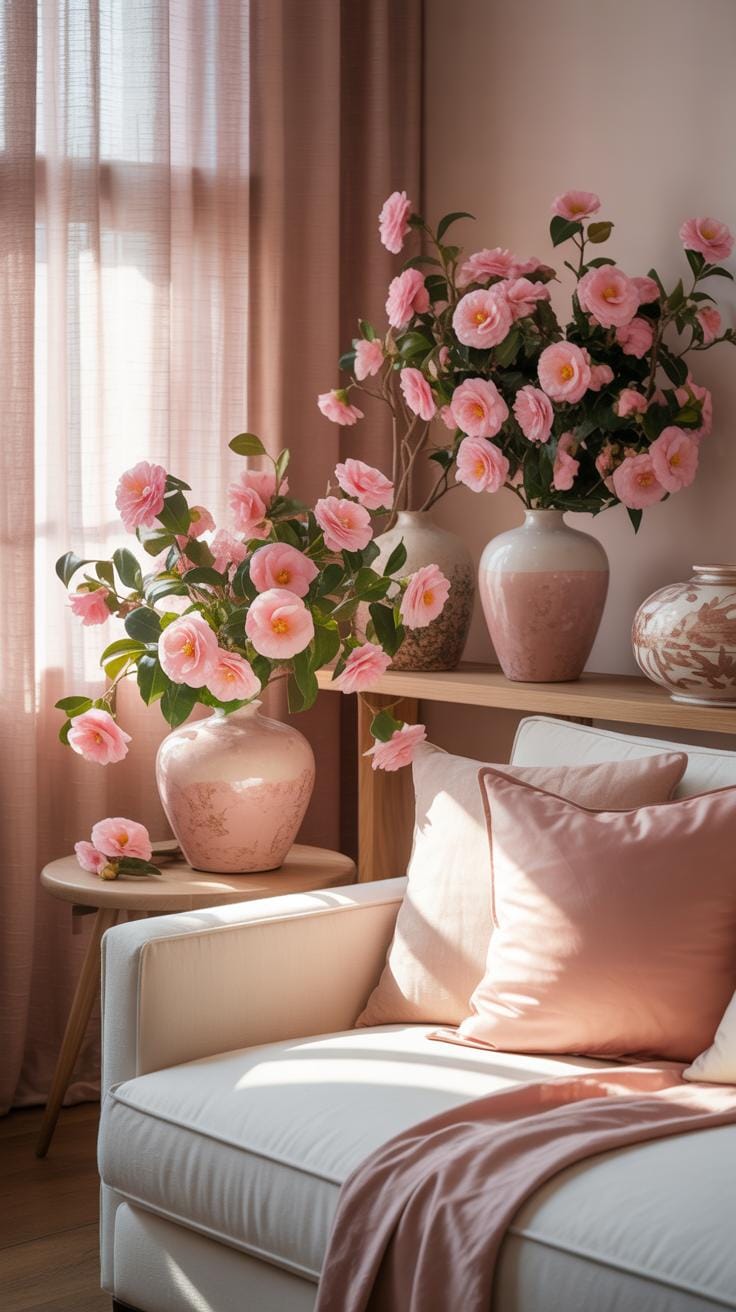
Camellia japonica Pink Perfection remains the industry standard for formal double blooms. This variety features shell pink petals arranged in precise concentric circles. It grows slowly and maintains a compact shape. This makes it ideal for large containers near entryways. You must provide filtered light to prevent petal scorch. High light intensity damages the delicate pale pigments in these specific cultivars.
The Debutante variety offers a different texture with its peony-form flowers. These blooms have ruffled inner petals that create high volume. They work well for cut flower displays because the stems stay rigid. For early season color, choose Camellia sasanqua Jean May. This variety tolerates more sun than japonica types. It produces light pink blossoms with visible yellow stamens that attract pollinators to the garden.
Creative Floral Arrangement Ideas Using Pink Camellia For Living Spaces
Floating camellia heads in shallow glass bowls maximizes their visual impact. Camellia stems often lack the length for tall vases. Place a single large bloom in a low vessel filled with clean water. This technique mimics traditional Japanese Ikebana styles. Focus on the symmetry of the flower head. This method prevents the heavy blossoms from drooping or snapping off their woody stems prematurely.
Use dark green camellia foliage to provide contrast against the pink petals. The waxy leaves act as a natural frame. Group three different pink shades together to create depth in a centerpiece. Keep the water cool to extend the life of the blooms. Do not mist the petals directly. Moisture on the face of the flower causes brown spots and fungal growth in indoor environments.
How To Grow Camellia Flowers Successfully At Home Essential Growing Tips
Ideal Soil, Light, And Climate Conditions For Thriving Camellia Flowers
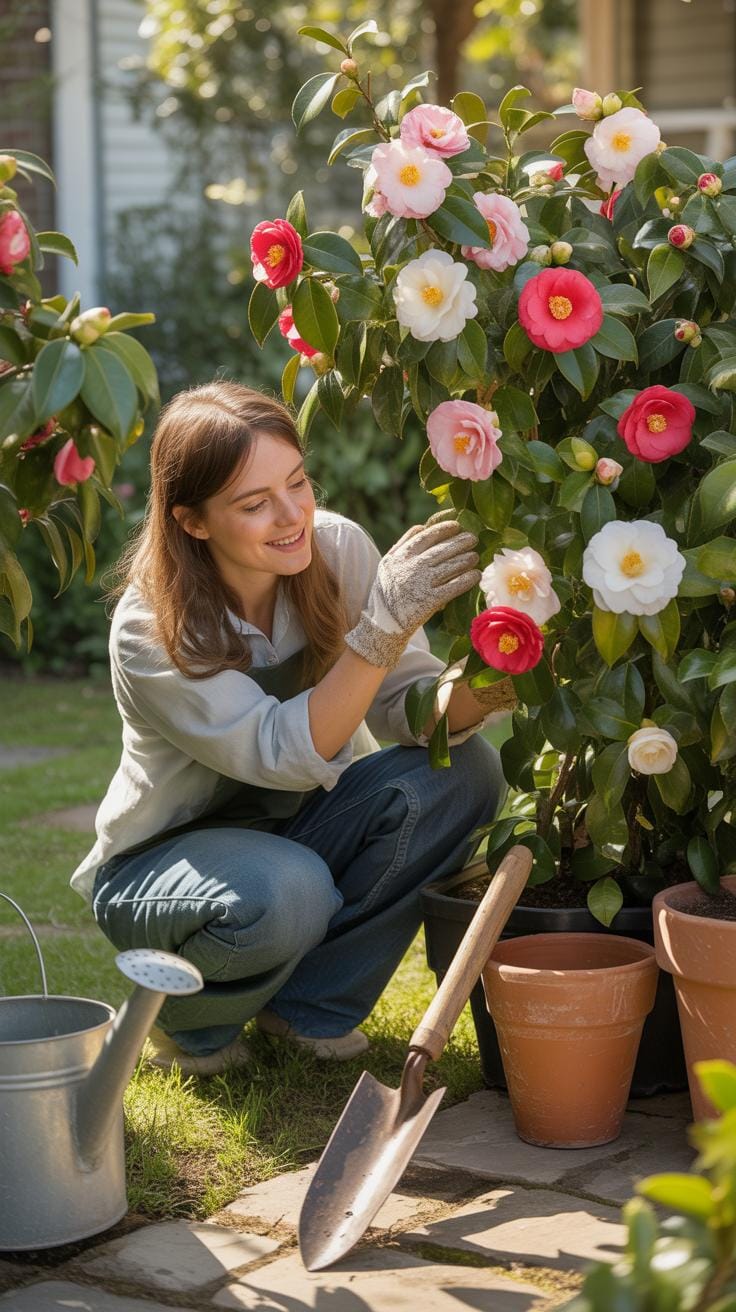
Camellia flowers require acidic soil with a pH between 5.5 and 6.5 to grow. High alkaline levels cause leaf yellowing and nutrient deficiency. The soil must drain rapidly to prevent root rot. These plants thrive in temperate climates found in USDA zones 7 through 9. Excessive heat or freezing wind damages flower buds. Site selection is the most critical factor for long term survival.
Proper lighting prevents leaf scorch and encourages blooming. Young plants need filtered shade or morning sun. Afternoon sun is too intense for most varieties and dries out the roots. Camellias prefer high humidity and consistent moisture. They do not tolerate salt spray or drought conditions well. You must protect them from harsh winter winds that cause desiccation. Proper placement ensures the plant lives for decades.
Step By Step Guide To Planting And Establishing Camellia Flowers In Your Garden
Dig a hole twice as wide as the root ball but no deeper. Set the plant so the top of the root ball sits slightly above the soil line. This positioning prevents stem rot and ensures proper oxygen flow. Backfill the hole with a mix of native soil and organic matter. Avoid burying the trunk too deep in the ground.
- Site Preparation: Clear all weeds and debris from the planting area. Amend the soil with peat moss or pine bark to increase acidity. Ensure the location offers protection from heavy afternoon sun and strong winds to prevent foliage damage.
- Hole Digging: Create a shallow, wide hole rather than a deep one. This allows the roots to spread horizontally through the topsoil where oxygen and nutrients are most abundant. Keep the base of the hole firm to prevent the plant from settling.
- Placement: Position the camellia so the top of the root ball is level with or slightly higher than the surrounding ground. Planting too deep is the primary cause of plant failure. This technique keeps water from pooling around the main stem and crown.
- Watering: Saturate the soil immediately after planting to remove air pockets. Maintain a regular watering schedule during the first two years to establish a strong root system. Check the soil moisture levels twice weekly during hot summer months to prevent stress.
- Mulching: Apply a three-inch layer of organic mulch around the base of the plant. Keep the mulch away from the trunk to avoid moisture buildup against the wood. Pine needles or wood chips help maintain soil acidity and keep roots cool.
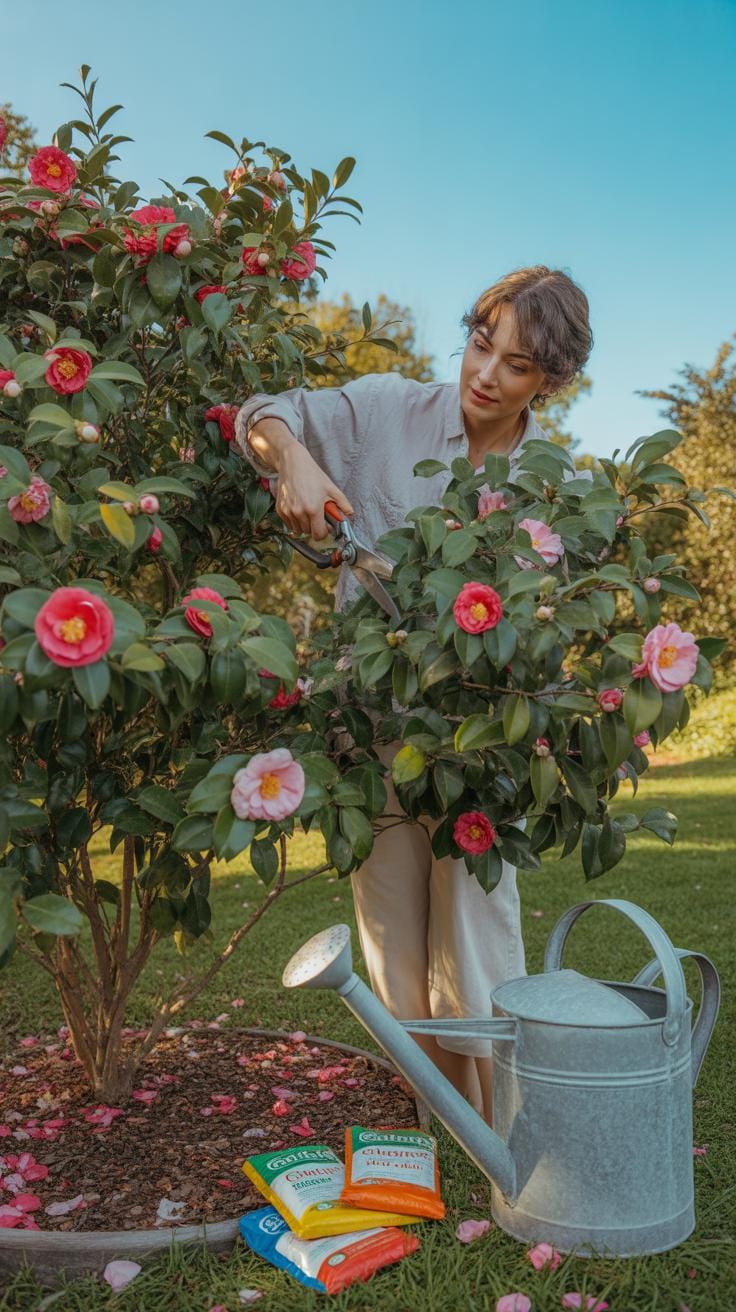
Feed the plants with an acid-forming fertilizer once the blooming season ends. Do not fertilize late in the year because it stimulates new growth that winter frost kills. Pruning should occur immediately after flowers drop to shape the bush. Healthy camellias require minimal interference once they are established. Consistency in water and mulch application provides the best results for garden success.
Caring For Your Camellia Flower Year Round Pruning Watering And Feeding
Seasonal Camellia Flower Care: What To Do In Spring, Summer, Autumn, And Winter
Spring marks the critical growth phase for Camellia flowers. Prune immediately after the final blooms fade but before new buds set. Apply an acidic fertilizer to replenish nutrients spent during the flowering cycle. Monitor soil moisture as temperatures rise. Consistent hydration prevents the plant from dropping its developing foliage. Mulch the base with pine bark to maintain soil acidity and stabilize ground temperatures.
Summer and autumn focus on bud development and stress management. Provide deep watering during dry spells to ensure next year’s blooms survive. Avoid heavy pruning or late-season feeding which triggers soft growth vulnerable to frost. Winter requires protection from harsh winds and morning sun. Frozen roots cannot hydrate leaves during bright winter days. Cover plants with burlap or move containers to sheltered spots if temperatures drop below freezing.
Top Maintenance Tips To Keep Your Camellia Flower Healthy And Blooming
Successful Camellia maintenance relies on acidic soil and drainage. These plants thrive in a pH range of 5.5 to 6.5. Alkaline soil causes iron deficiency leading to yellow leaves. Avoid deep planting to prevent root rot at the crown. Space plants to allow air circulation and reduce fungal risks. Consistent moisture levels are vital during the first two years of establishment for all varieties.
- Acidic Soil Management: Use pine needles or peat moss to lower soil pH. These plants require an acidic environment to absorb iron and stay green. Test your soil annually to ensure the pH stays below 6.5 for optimal health.
- Pruning Timing: Cut back branches only after the flowering season ends. Most Camellias set their flower buds in the summer. Pruning too late in the year removes the blooms for the next season. Aim for shape and light penetration.
- Watering Consistency: Maintain damp but not soggy soil. Young plants need frequent watering to build root systems. Established plants require deep soakings during summer droughts to prevent bud drop and leaf scorch from intense heat and low humidity.
- Mulching Depth: Apply a three-inch layer of organic mulch around the base. Keep the material away from the main trunk to avoid rot. Mulch regulates soil temperature and retains the moisture necessary for steady root growth throughout the changing seasons.
- Fertilizer Application: Feed with an especializado acid plant food twice a year. Apply the first dose in early spring and the second in mid-summer. Stop all fertilization by late summer to avoid new growth that will die in the winter cold.
Effective feeding and watering eliminate the common problem of bud drop. Lack of water in the summer causes buds to fail months later in the winter. Use rainwater when possible to avoid lime buildup from tap water. Remove spent flowers from the ground to prevent petal blight. Clean hygiene around the base of the plant stops fungal spores from infecting next season’s display.
Using The White Camellia Flower In Weddings Events And Gift Arrangements
Why The White Camellia Flower Is A Timeless Choice For Weddings And Celebrations
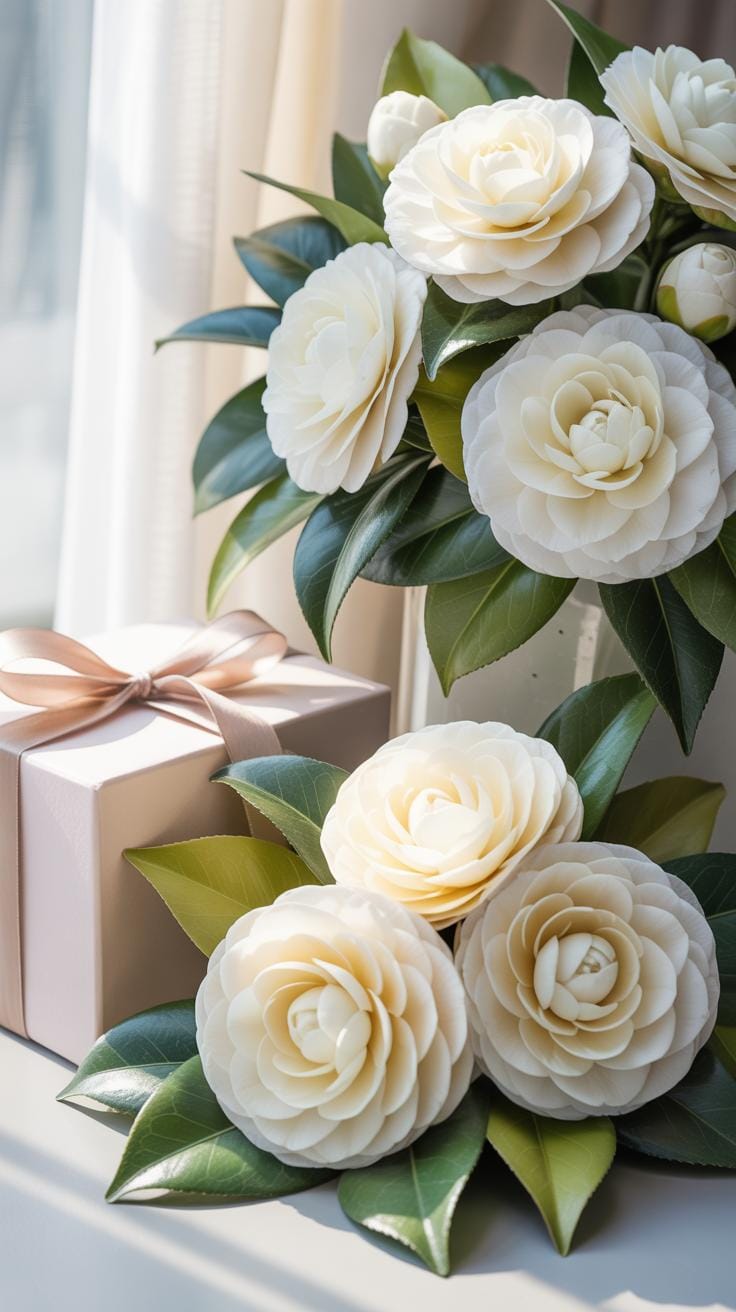
White camellias provide structural integrity and visual clarity in event design. Their symmetrical petal arrangement offers a cleaner look than the ruffled edges of peonies. These flowers bloom in late winter and early spring when other premium focal flowers are unavailable. Planners choose them for their sturdy stems and thick petals. This durability ensures the arrangements stay fresh through long ceremonies and high-heat receptions.
Modern minimalist and traditional formal designs utilize these blooms to signify purity and longevity. The deep green, glossy foliage provides built-in contrast, which reduces the need for expensive secondary greenery. Florists use the wired-bloom technique to secure them in bridal bouquets and boutonnieres. This method prevents the heavy heads from drooping. Their lack of heavy fragrance makes them safe for guest tables where scent can interfere with dining.
Gifting Camellia Flowers: Meanings, Occasions, And Presentation Ideas
Camellias represent adoration and perfection in floral communication. In East Asian traditions, they symbolize fusion and eternal devotion because the calyx and petals wither together. Give these flowers to celebrate long-term partnerships or to show deep respect to a mentor. Use potted camellias for housewarming gifts. These plants live for decades and offer more value than short-lived cut bouquets. A healthy shrub provides a permanent landscape addition.
Presentation requires care because the petals bruise easily on contact. Secure the stems in heavy glass or ceramic vessels to balance their weight. For a professional finish, keep the natural leaves attached to frame the bloom. Use acidic soil or specialized plant food if the gift includes a root ball. This ensures the recipient can maintain the plant. Clear instructions on light and water requirements should accompany any live plant gift.
Choosing The Right Camellia Flower Variety For Your Home Style And Climate
Matching Camellia Flower Colors And Forms To Your Home’S Aesthetic And Garden Design
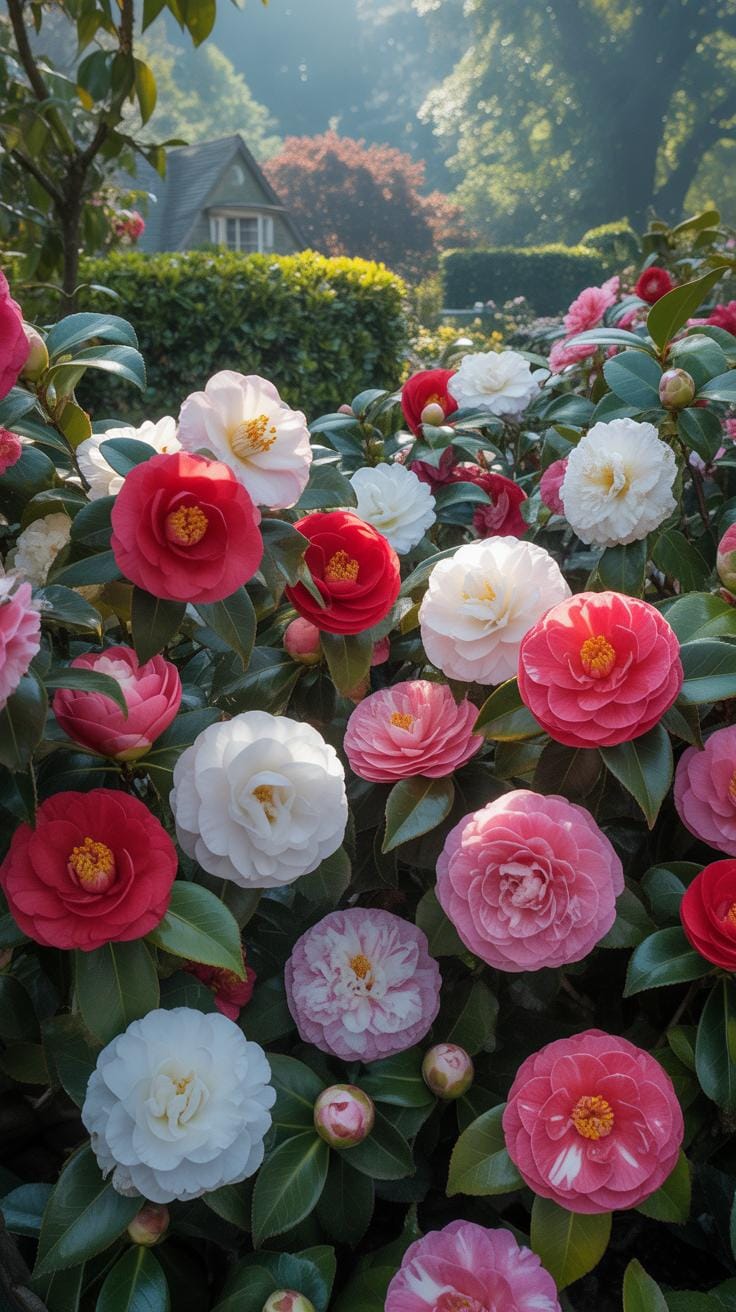
Architectural style dictates your choice of Camellia variety. Formal gardens and Neoclassical homes require symmetrical bloom forms. Select Formal Double varieties like Alba Plena for these structured spaces. Their precise petal layers mimic the geometry of classical architecture. Use white or pale pink blooms to maintain a clean aesthetic. These colors reflect light well in shaded areas common in traditional garden layouts.
Modern and minimalist homes benefit from single or semi-double bloom forms. These varieties offer a stripped-back look that emphasizes the glossy evergreen foliage. Choose deep red cultivars to create a bold contrast against concrete or dark wood siding. Place these plants as solitary specimens rather than in crowded drifts. This highlights the structural silhouette of the shrub. Tactical placement ensures the plant complements the building without overwhelming the design.
Climate Considerations When Selecting Camellia Flower Varieties For Outdoor Or Indoor Growth
Temperature range is the primary constraint for Camellia survival. Most varieties thrive in USDA Zones 7 through 9. Gardeners in Zone 6 must choose cold-hardy Ackerman hybrids developed for low temperatures. High heat regions require Camellia sasanqua because it tolerates sun better than Camellia japonica. Monitor local frost dates to prevent bud blast. Extreme cold kills flower buds before they open, ruining the seasonal display.
Indoor cultivation requires strict environmental control. Camellias are not standard houseplants and demand cool temperatures during winter bloom cycles. Move potted plants to a bright, unheated porch or sunroom. Keep humidity high but avoid soggy soil to prevent root rot. Use containers with high drainage capacity and acidic potting media. Positioning away from heating vents is necessary to stop the leaves from drying out and falling.
Frequently Asked Questions

What are the main types of camellias used in home gardens?
Most homeowners choose between two primary varieties: Camellia japonica and Camellia sasanqua. Sasanquas typically bloom in the fall, offering a delicate fragrance and sun tolerance, while Japonicas provide those iconic, rose-like spectacles during late winter or early spring. Both varieties of Camellia flowers offer glossy evergreen foliage that keeps your home landscape looking lush and sophisticated even when the plants are not currently in their peak flowering season.
How do I properly care for camellias in my garden?
To keep your Camellia flowers thriving, plant them in acidic, well-draining soil in a spot that receives dappled shade. These stunning shrubs prefer protection from the harsh afternoon sun and drying winds. Water them consistently during the first year to establish a strong root system, but be careful not to overwater. To maintain their beautiful shape, prune your bushes lightly immediately after the blooming period ends to encourage healthy new growth.
Are camellias an affordable flower choice for a budget-friendly garden?
Absolutely! While large, mature specimens can be an investment, you can save money by purchasing smaller “starter” plants from local nurseries. Since camellias are long-lived perennials, they are highly cost-effective over time compared to buying annuals every season. Additionally, you can easily propagate new plants from cuttings of your existing bushes, allowing you to expand your beautiful floral landscape throughout your property without spending an extra dime.