
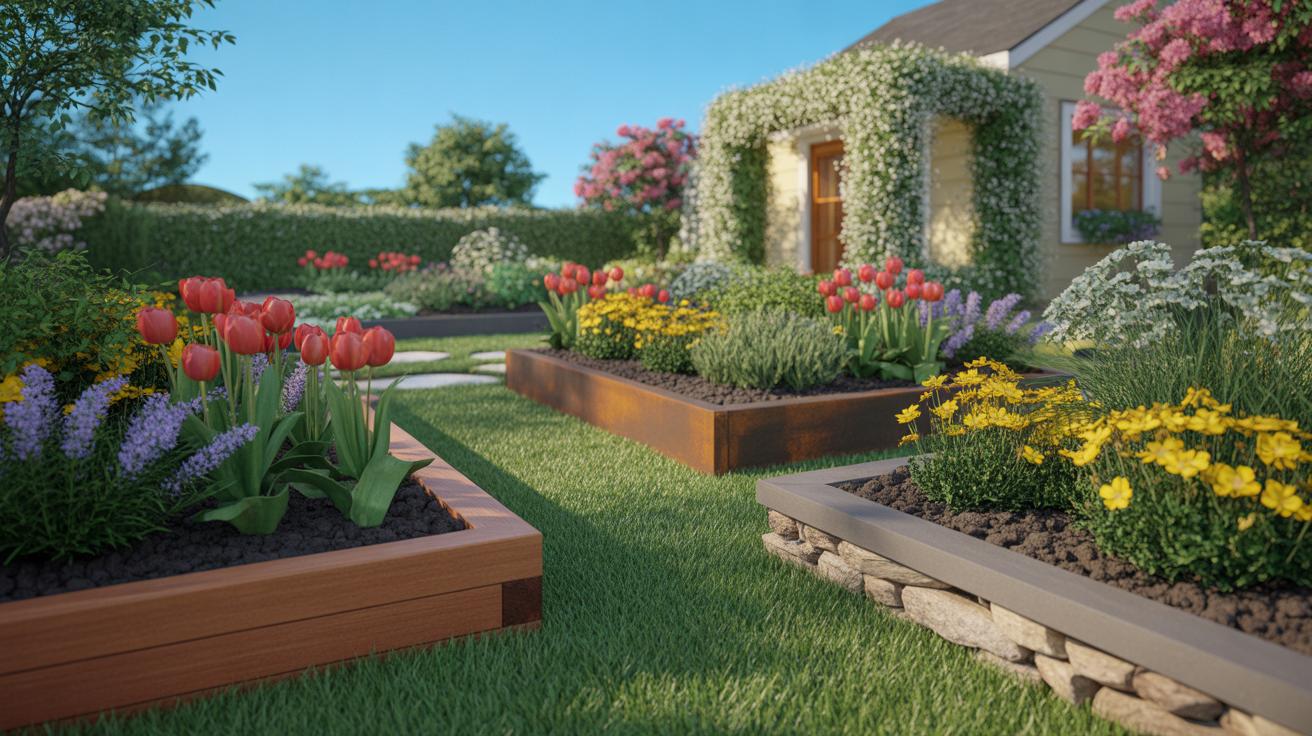
Why Garden Edges Ideas Matter For A Polished Landscape
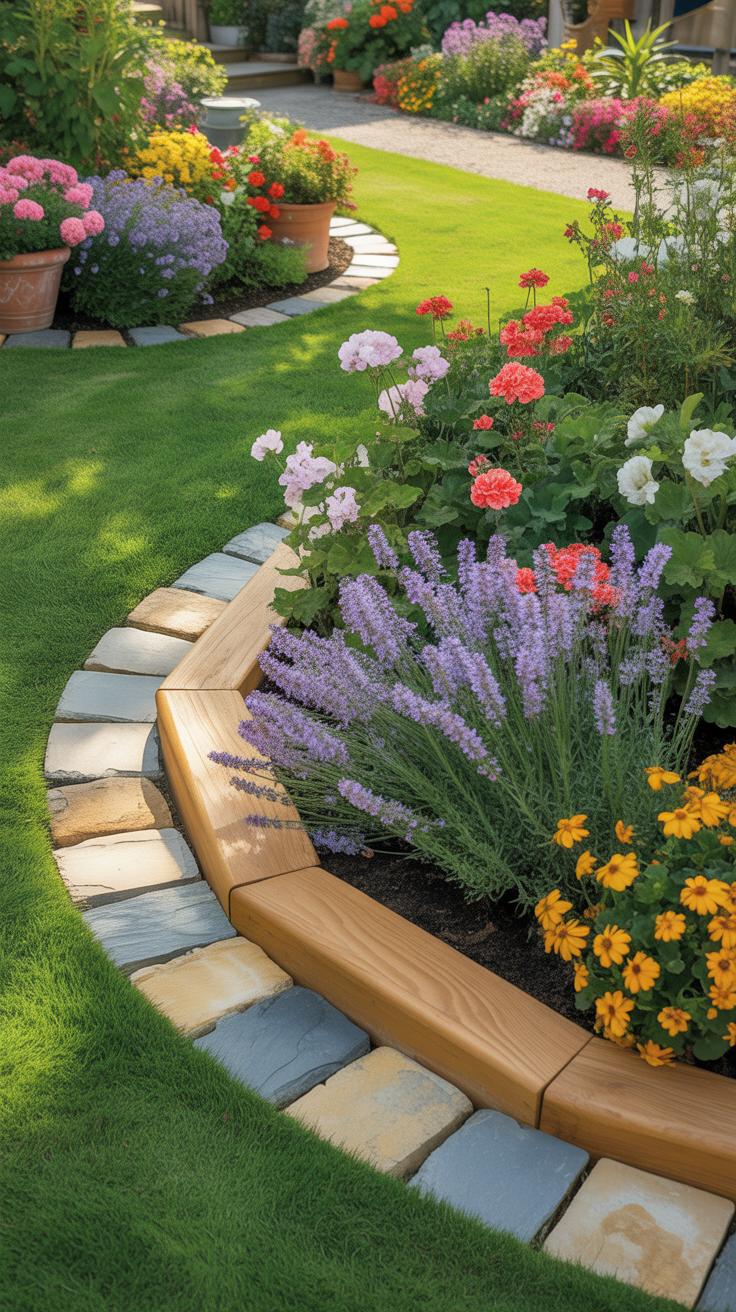
The Functional Role Of Garden Bed Edging In Landscape Design
Garden edging serves as a physical barrier between distinct zones. It stops aggressive turf grass from invading planting beds. This reduces weeding time and manual maintenance. Edging also retains mulch and soil within the designated area. This prevents runoff during heavy rain or irrigation. It protects expensive plants by keeping nutrient-rich topsoil exactly where it belongs. Proper installation ensures long term bed stability.
Structural edging protects your plants from mechanical damage. It creates a safe buffer for lawn mowers and string trimmers. This prevents equipment from hitting tree trunks or delicate flowers. Different materials provide varying levels of durability. Steel and concrete offer high impact resistance. Plastic and wood provide temporary solutions. Choosing the right material depends on your specific soil type and maintenance habits. Constant structural integrity is the goal.
How Clean Garden Edges Instantly Boost Curb Appeal
Visual contrast creates trade value for a property. Clean lines separate the organic textures of plants from the uniform look of a lawn. This distinction mimics professional design standards often seen in formal English gardens. Sharp borders draw the eye to specific focal points. They signal that the homeowner maintains the property with precision. High contrast between green grass and dark mulch looks professional and deliberate.
A defined edge hides imperfections in the lawn or garden. It provides a finished look even when plants are not in bloom. Designers use these lines to control how visitors view the house. Geometric patterns suggest modern style while curves feel more natural. Consistent edging creates a sense of order and symmetry. This perceived order increases the psychological value of the landscape. It makes the entire outdoor space feel intentional.

Top Border Ideas Landscape Designers Swear By
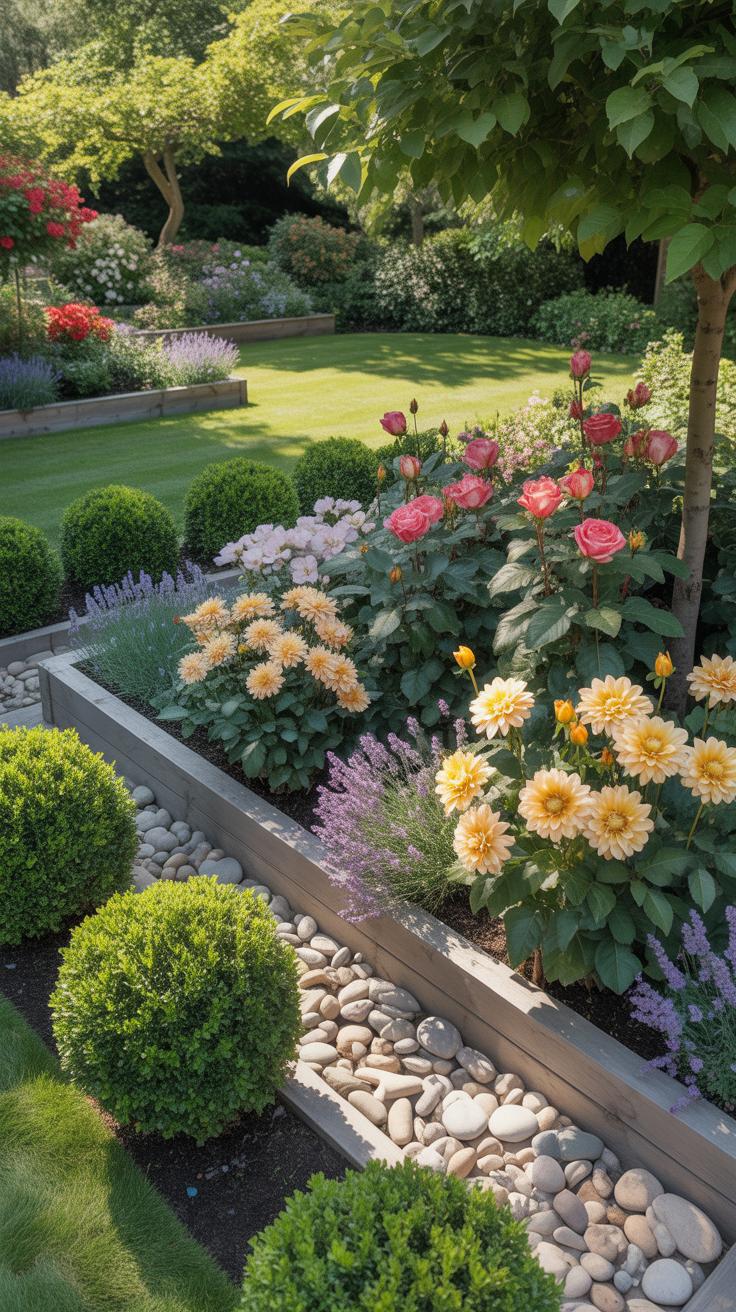
Formal Vs. Informal Border Styles And When To Use Each
Formal borders rely on symmetry and clean lines to create order. Use straight edges and sharp angles for high-traffic areas or front yards. Brick and cut stone work best for these designs. This style mimics European estate gardens where control is the primary goal. It forces the eye to follow a specific path. Proper installation requires precise leveling and rigid materials.
Informal borders use organic shapes and soft curves to mimic nature. These styles work well in backyard retreats or cottage gardens. Designers use natural stone or flexible metal to follow the land contours. This approach hides uneven ground better than straight lines. It creates a relaxed feel that fits woods or meadows. Choose this style to reduce maintenance and allow for plant spillover.
A garden should be a memory of something we have loved. The right frame for your flower beds turns a simple patch of earth into a timeless portrait of home.
How To Match Landscape Borders With Your Home’S Architectural Style
Traditional European homes require heavy stone or brick borders to match their historical weight. Colonial or Victorian houses often use red clay pavers or stacked slate. These materials ground the structure and provide a sense of permanence. Match the mortar color to your home exterior for a unified look. Using thin plastic or modern metal on these homes creates a visual disconnect.

Modern and mid-century homes demand minimalist borders like steel or poured concrete. These houses focus on industrial materials and horizontal lines. Aluminum or weathering steel strips provide the thin profile needed for this aesthetic. Avoid rounded river rocks or rustic wood in these settings. The goal is to make the transition between the lawn and the bed as invisible or sharp as possible.
Flower Bed Edging Ideas Stones Natural Beauty That Lasts
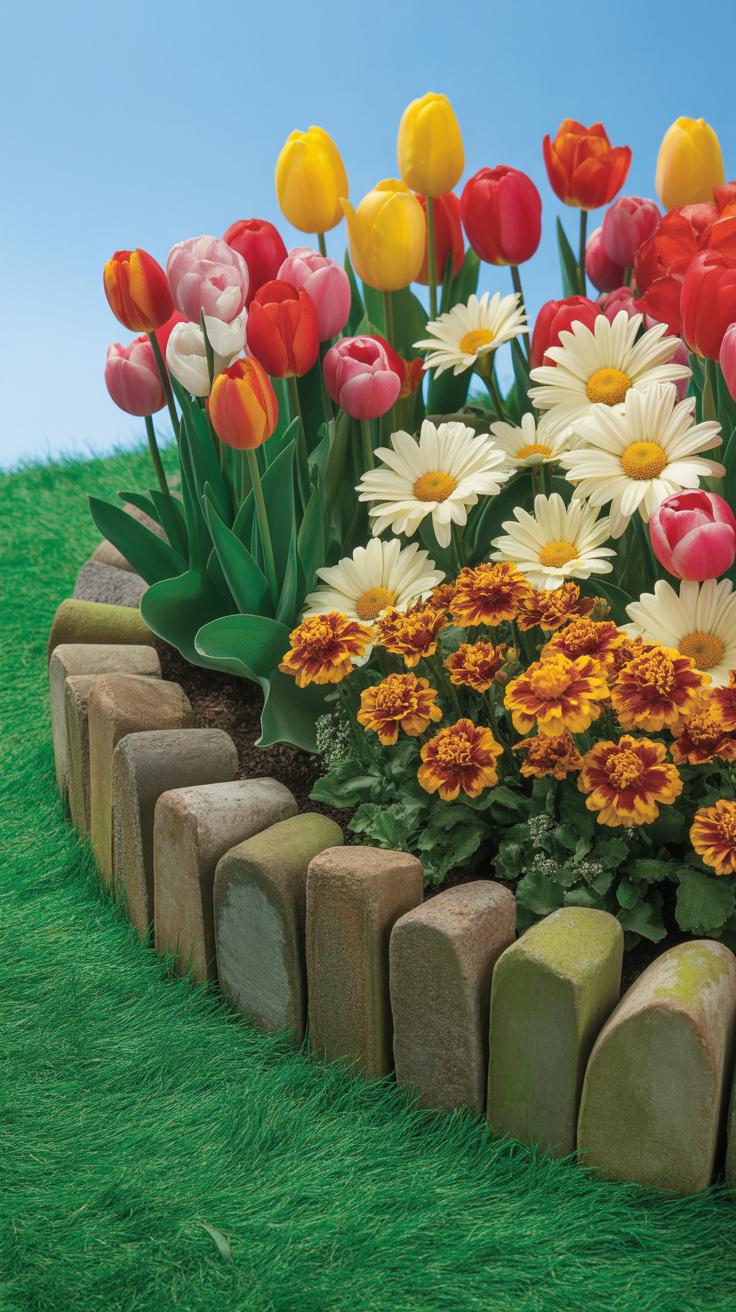
Best Types Of Stones To Use For Flower Bed Edging
Select stones based on regional availability and mineral density. Heavy materials stay in place without chemical adhesives. Use flat stones for stacking height and rounded stones for moisture drainage. Avoid soft sedimentary rocks that flake in freezing temperatures. Dense igneous and metamorphic rocks provide the best return on investment. They resist moss growth and maintain structural integrity for decades.
- Fieldstone: These irregular rocks come from surface soil. They offer a rustic look and vary in size. Use them for informal borders or multi-layered walls. They are heavy and stay put under pressure.
- Cobblestones: These uniform granite blocks originated in old European road construction. They handle heavy foot traffic and mower impact. Their consistent shape makes them easy to align in straight lines or tight curves.
- Flagstone: These flat slabs consist of sandstone or limestone. They work best for layering and stacking. Their wide surface area prevents them from sinking into soft garden soil over time.
- River Rock: These smooth stones have rounded edges from water erosion. They facilitate excellent water drainage. Use them in trenches to prevent soil erosion during heavy rain or irrigation cycles.
- Flagstone Edgers: These are pre-cut strips of natural stone. They provide the clean lines of masonry with the durability of raw rock. They suit modern landscapes that require precise geometry and minimal maintenance.
Landscape professionals prioritize stone hardness to prevent erosion. Harder stones like granite or basalt do not crumble under UV exposure. Softer stones like tufa or some limestones degrade faster in acidic soil environments. Match the stone weight to the slope of your yard. Steeper grades require larger boulders to anchor the garden bed against gravity and runoff.
How To Lay Stone Edging For A Durable And Attractive Finish
Success starts with a clean trench wide enough for your largest stones. Dig three to four inches deep to remove grass roots and create a stable base. Level the bottom of the trench with a hand tamper. Add two inches of crushed stone or coarse sand. This layer prevents the heavy edgers from sinking or shifting during seasonal freeze-thaw cycles.
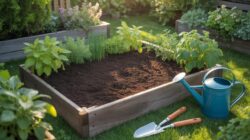
Place your largest stones into the trench first. Seat them firmly into the sand base using a rubber mallet. Check for levelness across the top of the row frequently. Fill gaps between stones with smaller pebbles or stone dust to lock them together. This tight fit stops weeds from growing through the gaps. Backfill the garden side with soil to secure the final structure.
Landscape Edging Ideas DIY Homeowners Can Tackle On A Weekend
Affordable DIY Edging Materials That Look Professional
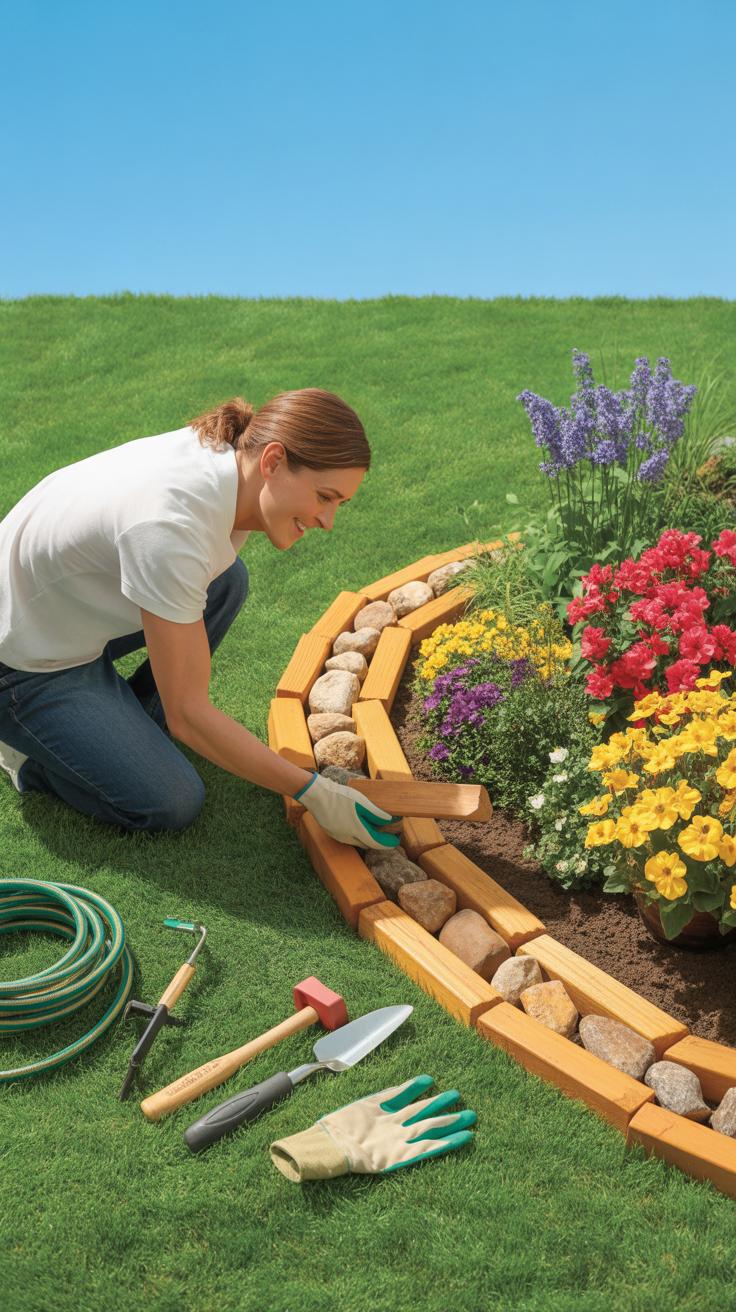
Achieving a high-end look on a budget requires selecting materials with clean lines and structural integrity. Pressure-treated timber and composite boards offer straight edges that mimic mid-century modern design. These materials resist rot and maintain their shape over several seasons. Natural stone and reclaimed brick provide a timeless aesthetic. They work well for traditional or cottage-style gardens. Use uniform sizes to ensure the final result looks intentional rather than cluttered.
Standard steel or aluminum strips provide a sleek profile that disappears into the landscape. This material suits modern homes where minimalism is the priority. Recycled plastic edging offers a cheaper alternative but requires proper anchoring to prevent frost heave. Always choose materials that withstand local weather conditions and soil acidity. Avoid thin plastics that crack under UV exposure. Investing in slightly thicker gauges ensures the edging remains functional and visually sharp for years.
Step By Step Guide To Installing DIY Landscape Edging
Installation success depends on a clear trench and a solid base. Start by marking the edge with a garden hose or spray paint to visualize the curve. Dig a trench deep enough to bury at least half of the material height. This prevents grass roots from creeping under the barrier. Ensure the bottom of the trench is level and compacted to avoid shifting after the first heavy rain.
- Mark the Perimeter: Use a flexible garden hose to trace the desired shape of the bed. Spray marking paint along the hose to create a precise guide. This step ensures curves are smooth and straight lines are perfectly aligned before you start digging into the turf.
- Excavate the Trench: Use a flat-head spade to cut a vertical line along your mark. Remove soil to a depth of four to six inches depending on your material. A clean vertical cut prevents the surrounding grass from invading the new garden bed space during the growing season.
- Level the Base: Pour an inch of sand or fine gravel into the bottom of the trench. Use a hand tamper to pack the base down firmly. A level foundation prevents heavy stones or bricks from sinking unevenly into the ground over time due to soil moisture.
- Set the Material: Place your edging blocks or metal strips into the trench. Use a rubber mallet to tap them into place without cracking the surface. Check the height frequently with a spirit level to ensure the entire run stays consistent and looks professional from a distance.
- Backfill and Secure: Fill the gaps behind the edging with the displaced soil or decorative mulch. Pack the earth tightly against the barrier to hold it in place. Add landscape spikes for metal or plastic edging to prevent the material from lifting during freeze and thaw cycles.

Finalize the project by trimming any stray grass blades along the new border. Use a string trimmer for a crisp finish against the material. Keeping the mulch or soil an inch below the top of the edging prevents spillover during storms. This gap creates a shadow line that defines the garden bed. Regular maintenance includes checking for shifts and replacing any loose spikes once a year.
Edged Garden Beds Design Principles For A Tidy Outdoor Space
How Defined Edges Shape The Visual Flow Of Your Garden
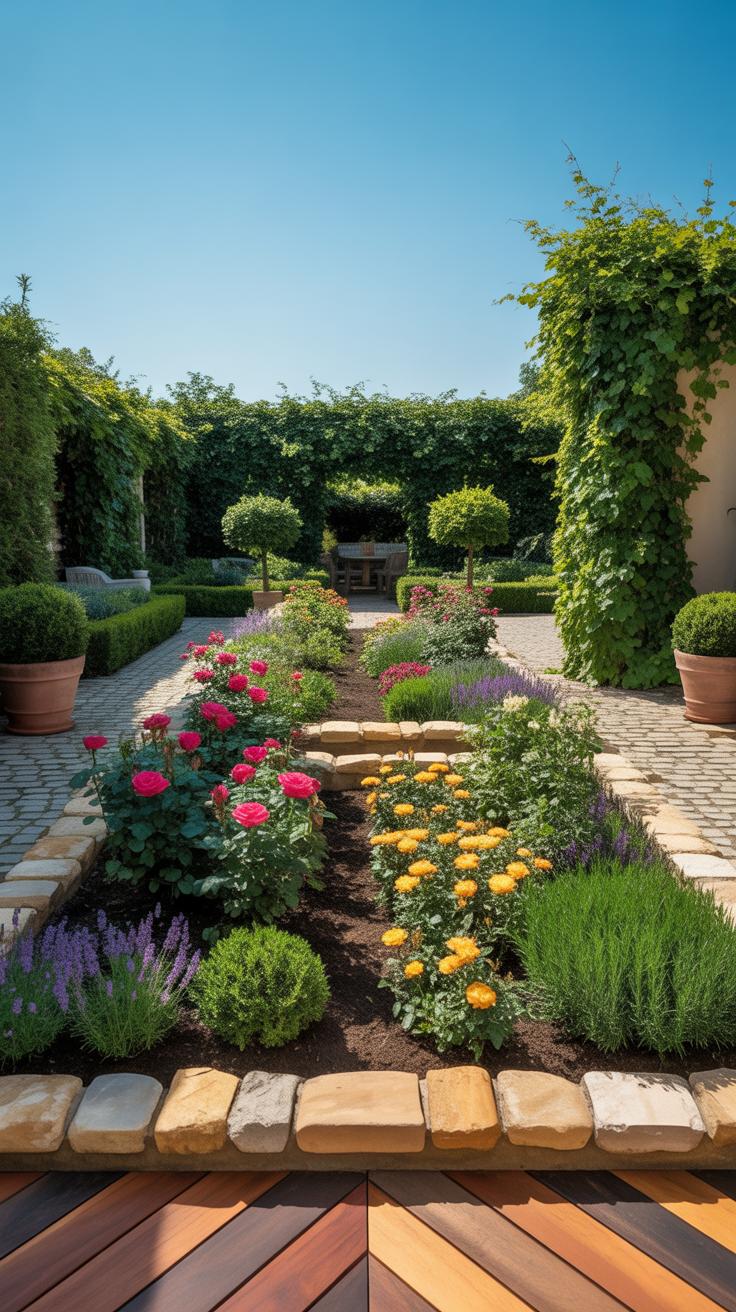
Defined edges act as the skeletal structure of a landscape. They direct the eye and create a clear distinction between managed beds and wilder lawn areas. This separation follows the principles of formal landscape design by using lines to control movement. Sharp borders prevent visual clutter. They make a small space look larger by defining specific zones. Clear boundaries signal intentionality and maintenance.
A crisp edge creates a frame for your plants. It emphasizes color and texture by providing a neutral perimeter. In modern design, straight lines suggest order and efficiency. Curved edges soften the transition and mimic natural forms. Both styles require a physical barrier to maintain their shape over time. Without this barrier, grass roots invade soil and degrade the path. Edging preserves the integrity of your layout.
Maintaining Edged Garden Beds Through The Seasons
Maintenance requirements shift based on your chosen materials. Plastic and metal strips need periodic inspection for frost heave. Cold weather causes soil to expand and push lightweight edging out of the ground. Check these borders in early spring. Re-seat any loose sections to prevent trip hazards. Clean debris from the base of the edge to stop weed seeds from nesting. This proactive step saves hours of weeding later.

Natural trench edges require a fresh cut once or twice per year. Use a half-moon edger or a sharp spade to redefine the vertical wall. This technique keeps mulch inside the bed and grass outside. Wood edging needs regular treatment or replacement to combat rot and pests. Stone and brick require less effort but may shift during heavy rains. Re-level these units to keep the line straight and the aesthetic intact.
Landscaping Borders Choosing The Right Material For Every Style
Wood, Metal, Brick And Plastic — Comparing Common Border Materials
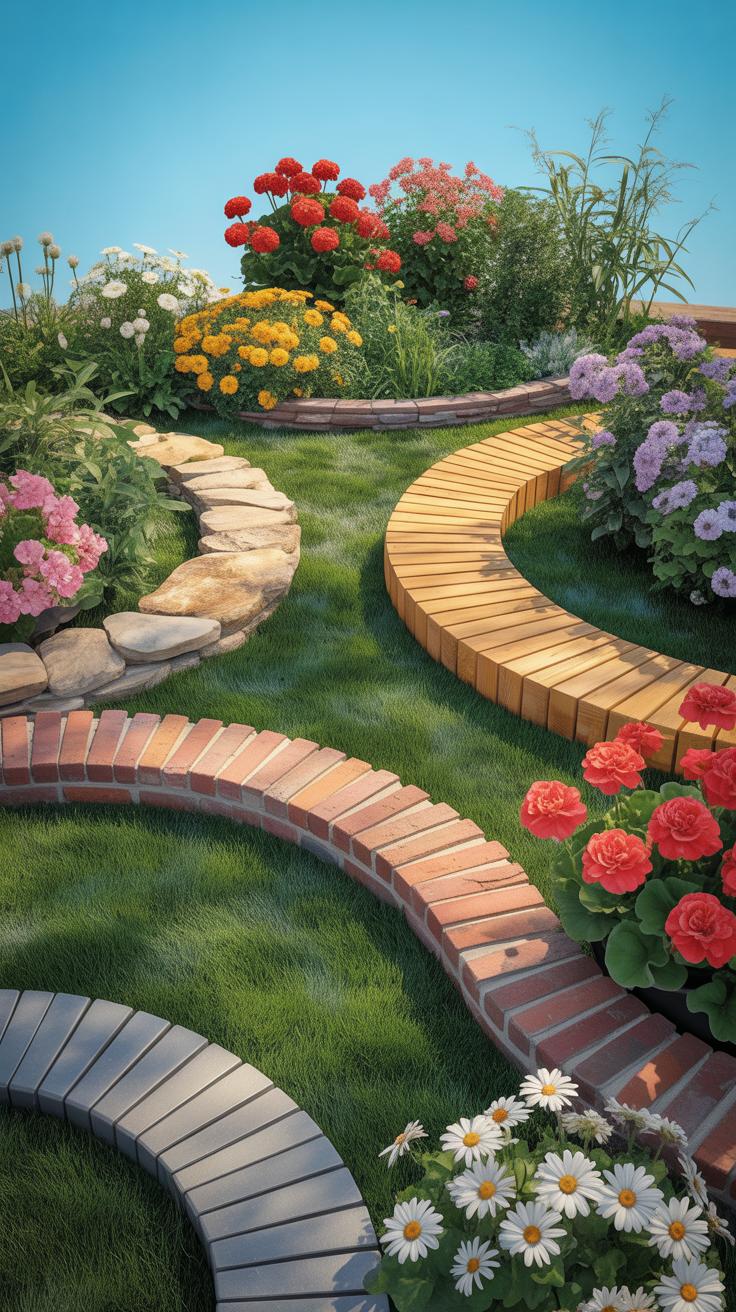
Material choice dictates both maintenance labor and boundary longevity. Wood offers a traditional look but rots without chemical treatment. Metal stays thin and creates clean lines that do not shift. Brick provides heavy mass and resists movement from soil pressure. Plastic is the cheapest option but cracks under extreme temperatures. You must match the material durability to your local weather patterns and soil acidity levels.
Selection depends on your specific function requirements. Steel edging works best for preventing grass from creeping into beds. Heavy masonry like brick or stone works well for raised beds needing structural support. Wood requires regular replacement even if you use cedar or pressure treated timber. Plastic serves temporary needs but lacks the professional finish of permanent materials. Evaluate the lifetime cost versus the initial installation price before you buy.
How To Select Landscaping Borders That Complement Your Plant Palette
Your border material must not compete with your foliage colors. Dark steel provides a neutral frame for bright green hostas and vibrant flowers. Natural stone fits best with wilder cottage gardens or native plant species. Red brick creates high contrast against light green shrubs and blue toned perennials. Keep the border texture simple if your plants have complex leaf patterns. This prevents the landscape from looking cluttered.

Scale determines the visual impact of your garden design. Use low profile metal or plastic for small ground covers and delicate flowers. Tall stone or wood borders provide the necessary balance for large shrubs and ornamental trees. The border acts as a frame for your living artwork. Choose materials that enhance the natural growth habits of your plants. A mismatched border distracts the eye and ruins the intended aesthetic of your yard.
Garden Path Edging Ideas That Blend Beauty With Practicality
Edging Materials That Work Best Along Garden Walkways And Paths
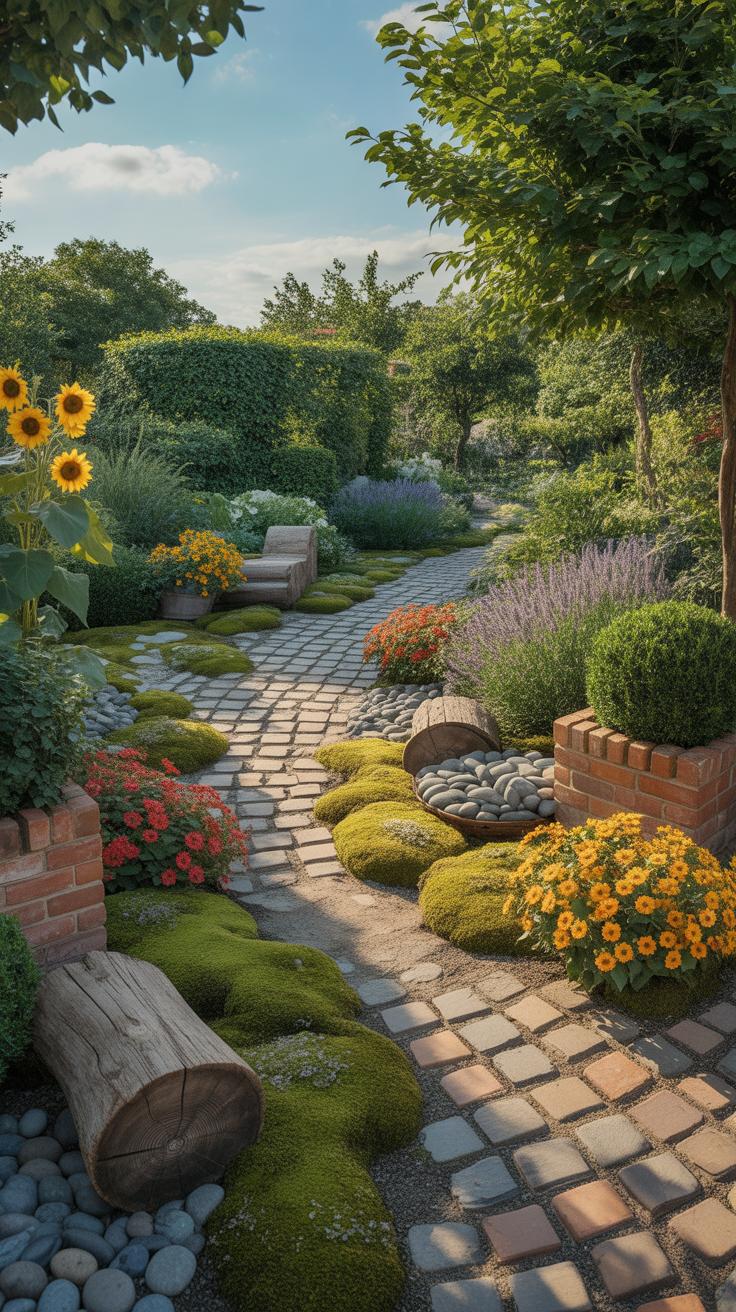
Path edging requires materials that withstand heavy foot traffic and frequent contact with maintenance tools. Physical durability is the primary metric for selection. Corten steel serves as a top choice for modern landscapes. It resists corrosion while providing a slim profile that does not obstruct the walking surface. Pressure treated timber offers a lower cost alternative but requires regular inspections for rot.
Natural stone and brick remain the standard for traditional designs. These materials offer high compressive strength and historical accuracy for English cottage or Colonial revival styles. Install stone deep enough to prevent lateral shifting during seasonal freeze-thaw cycles. Choose tumbled concrete pavers if budget constraints exist. These provide the same structural benefits as stone with more uniformity in size and easier installation.
Creative Ways To Use Path Edging To Guide Visitors Through Your Garden
Strategic edging acts as a silent navigator for anyone walking through the space. Use height variations to indicate transitions between different garden zones. Taller edging near entry points creates a sense of enclosure. Lower, flush edging in open areas encourages eye movement toward focal points or distant views. This technique controls the pace at which a visitor moves through the outdoor environment.

Contrast the edging color against the path material to define boundaries clearly. Darker borders against light gravel increase visibility during low light hours. This improves safety without the need for excessive artificial lighting. Curved edging lines soften the landscape and draw the person forward. Sharp angles suggest a formal and disciplined structure. Proper edging placement ensures people stay on the designated path to protect sensitive plant roots.
Garden Stone Edging Timeless Elegance For Any Outdoor Setting
Why Natural Stone Remains One Of The Most Popular Edging Choices
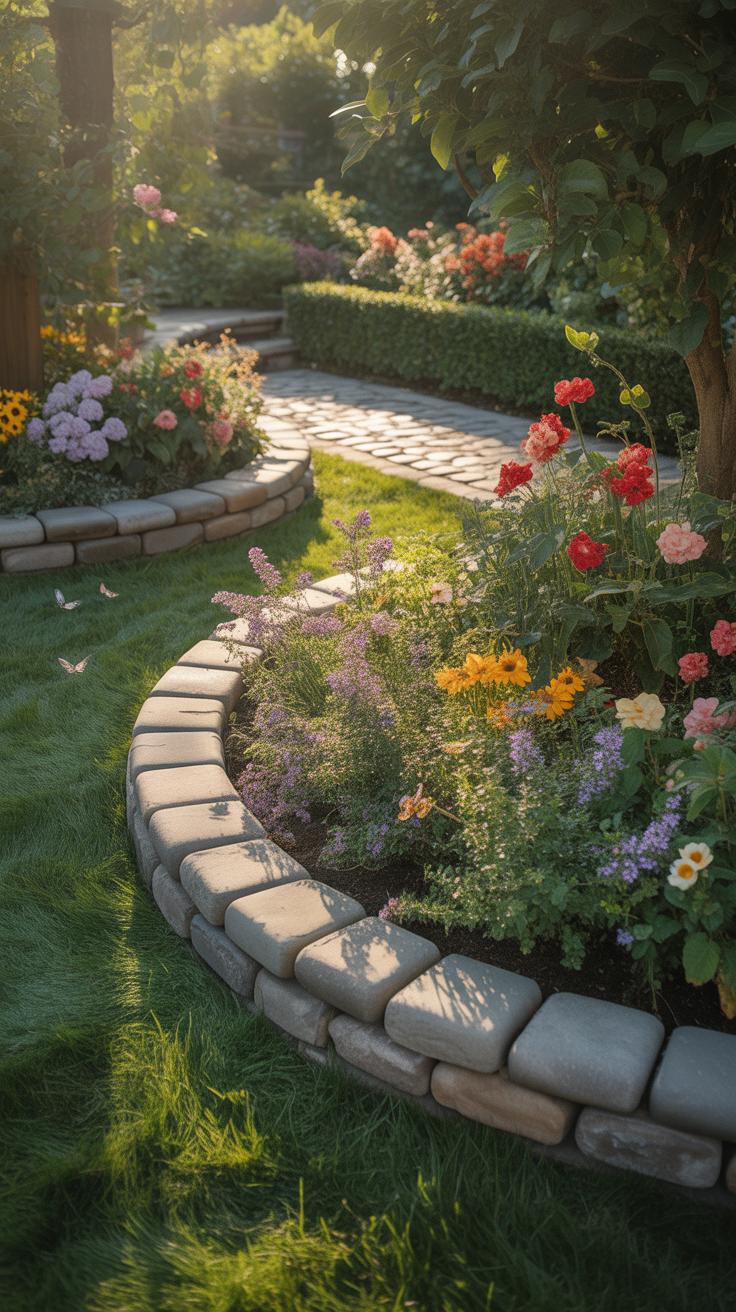
Natural stone offers unmatched durability and weight. Unlike plastic or thin metal, stone resists impact from mowers and foot traffic. It does not rot, rust, or degrade under UV exposure. Homeowners choose stone because it provides a permanent barrier that lasts for decades. This material fits various architectural styles from traditional English gardens to modern minimalist landscapes. It remains a functional investment for property value.
Installation involves digging a shallow trench to set the stones. This method prevents the material from shifting during heavy rains or soil expansion. High density stones like granite or slate block invasive grass roots effectively. Using local rock reduces transport costs and ensures the garden matches the surrounding environment. This choice prioritizes longevity over temporary aesthetics. Proper placement creates a clear physical boundary between turf and cultivated soil.
Combining Garden Stone Edging With Ground Cover And Mulch For A Finished Look
Stone edging works as a structural frame for loose surface materials. Set the stones slightly above the soil level to contain wood chips or bark mulch. This prevents mulch from washing onto the lawn during storms. The heavy stones create a hard edge that keeps organic matter away from the grass. This setup reduces maintenance time because it simplifies trimming and prevents cross-contamination of different landscape zones.

Low-growing ground covers like creeping thyme or sedum soften the transition between stone and garden. Plant these species in the gaps between pavers or rocks to suppress weeds. This biological layer acts as a living mulch that retains moisture. The combination of hard stone and soft foliage creates a professional finish. It hides uneven stone edges while maintaining a strict boundary. This strategy ensures the landscape looks intentional and managed.
Garden Lawn Edging Keeping Grass And Garden Beds Clearly Defined
The Difference Between Lawn Edging And Garden Bed Edging — And Why It Matters
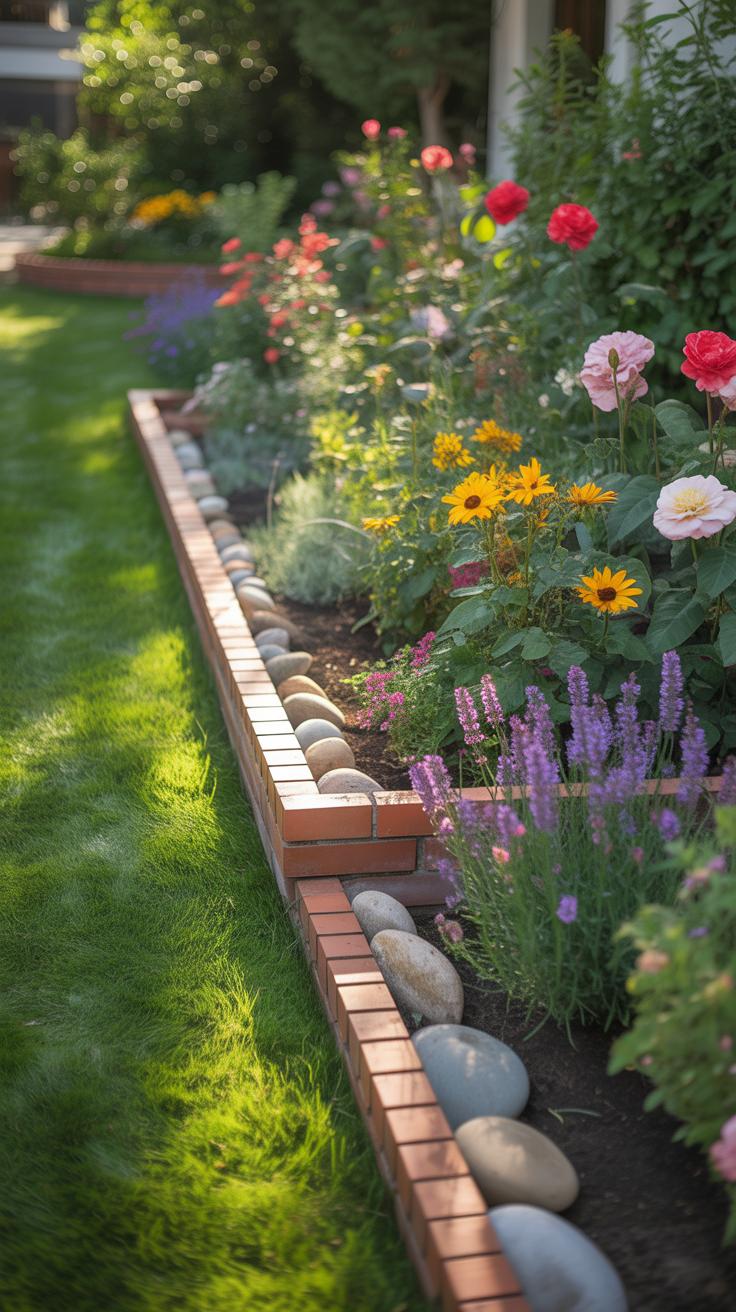
Garden bed edging creates a vertical barrier to hold soil and mulch inside a planting area. It focuses on aesthetics and containing loose materials. Modern landscape design uses these borders to separate textures and colors. You choose bed edging based on how it looks against your plants. It prevents mulch from washing onto paths during rain. It serves a mostly structural and decorative purpose.
Lawn edging solves a biological problem. It stops grass rhizomes from invading your garden beds. Turf grass spreads through underground runners that bypass surface barriers. Professional landscapers install deep lawn edging to block these roots. The goal is a clean line that keeps the lawn out of the mulch. This reduces weeding time and maintains a sharp contrast between green grass and dark soil.
Best Tools And Techniques For Achieving Sharp Garden Lawn Edges
The half-moon edger is the industry standard for manual work. It uses a sharp curved blade to cut a clean vertical line into the turf. Professionals use a string line to ensure the edge remains straight over long distances. You must remove the severed grass strips immediately to prevent re-rooting. This mechanical process creates a physical gap that stops grass from jumping into the garden bed.
Powered stick edgers use a spinning metal blade to maintain existing lines. These tools work best for weekly maintenance rather than creating new borders. For a Victorian-style trench edge, cut a ninety-degree angle down and a forty-five-degree angle back toward the bed. This creates a shadow line that makes the border pop. Apply a pre-emergent herbicide in the trench to stop new weed seeds from growing.
Eco Friendly And Sustainable Garden Bed Edging Ideas For The Modern Home
Recycled And Natural Materials That Make Responsible Garden Borders
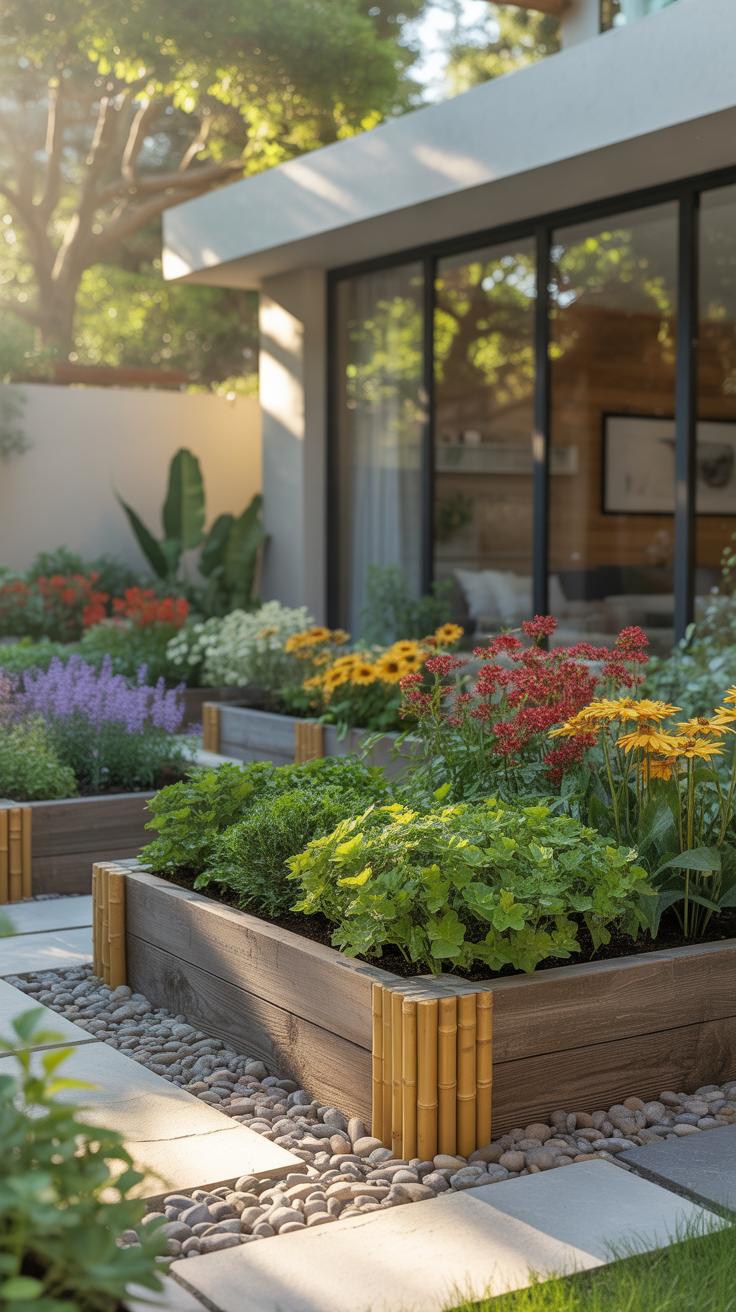
Smart landscaping prioritizes reclaimed resources to reduce landfill waste. Use salvaged brick from old construction sites or weathered timber from fallen trees. These materials provide high durability without New manufacturing energy costs. Natural stone found on your property offers the lowest carbon footprint. It requires zero transport and integrates perfectly with local soil profiles for a seamless aesthetic.
Recycled plastic edging mimics metal or wood but lasts longer in wet conditions. High-density polyethylene from consumer waste resists rot and chemical leaching. Cedar and redwood are top choices for untreated wood borders. These species contain natural oils that repel insects and prevent decay. Avoid pressure-treated lumber from before the mid-2000s. Older wood contains chromated copper arsenate which can contaminate your planting soil.
How Sustainable Edging Choices Support Soil Health And Garden Ecosystems
Functional edging does more than define space. It protects the soil structure from erosion and compaction. Permeable borders like loose stone or woven branches allow water to flow naturally. This prevents stagnant pools and promotes deep root growth. Proper installs reduce chemical runoff into local watersheds. Choosing local materials also prevents the introduction of invasive species often found in imported wood products.
Sustainable materials support beneficial micro organisms and local wildlife. Untreated wood slowly breaks down and adds organic matter back to the earth. This process feeds the fungi and bacteria that keep plants healthy. Rock borders create small habitats for predatory insects that control pests naturally. Avoid non-porous synthetic barriers that trap heat and kill earthworms. Healthy edging creates a living boundary that improves the garden over time.
Frequently Asked Questions

What are the primary benefits of adding edging to my garden beds?
Garden bed edging ideas serve both aesthetic and functional purposes for your landscape. Beyond providing a clean, professional finish that boosts curb appeal, edging creates a physical barrier that prevents grass from creeping into your soil and keeps mulch from washing away during heavy rain. It defines the transition between your lawn and plantings, making your outdoor space look more organized and significantly easier to maintain throughout the growing season.
How do I properly install garden edging to ensure it stays in place?
To install most garden bed edging ideas, start by marking your desired perimeter with a garden hose or string. Using a spade, dig a narrow trench roughly four to six inches deep, depending on the material. Clear away any rocks or roots before placing your edging firmly into the groove. Backfill with soil and pack it down tightly to ensure stability, ensuring the top sits just high enough to deter weeds effectively.
Are there any affordable or DIY options for stylish garden borders?
Absolutely! You don’t need a large budget to achieve a polished look. Some of the most charming garden bed edging ideas involve upcycling materials like reclaimed bricks, flat river stones, or even untreated timber sleepers. Terracotta roof tiles or woven branches also offer a rustic, cost-effective appeal. These DIY solutions provide a high-end, custom appearance while keeping your project environmentally friendly and well within a modest home improvement budget.