
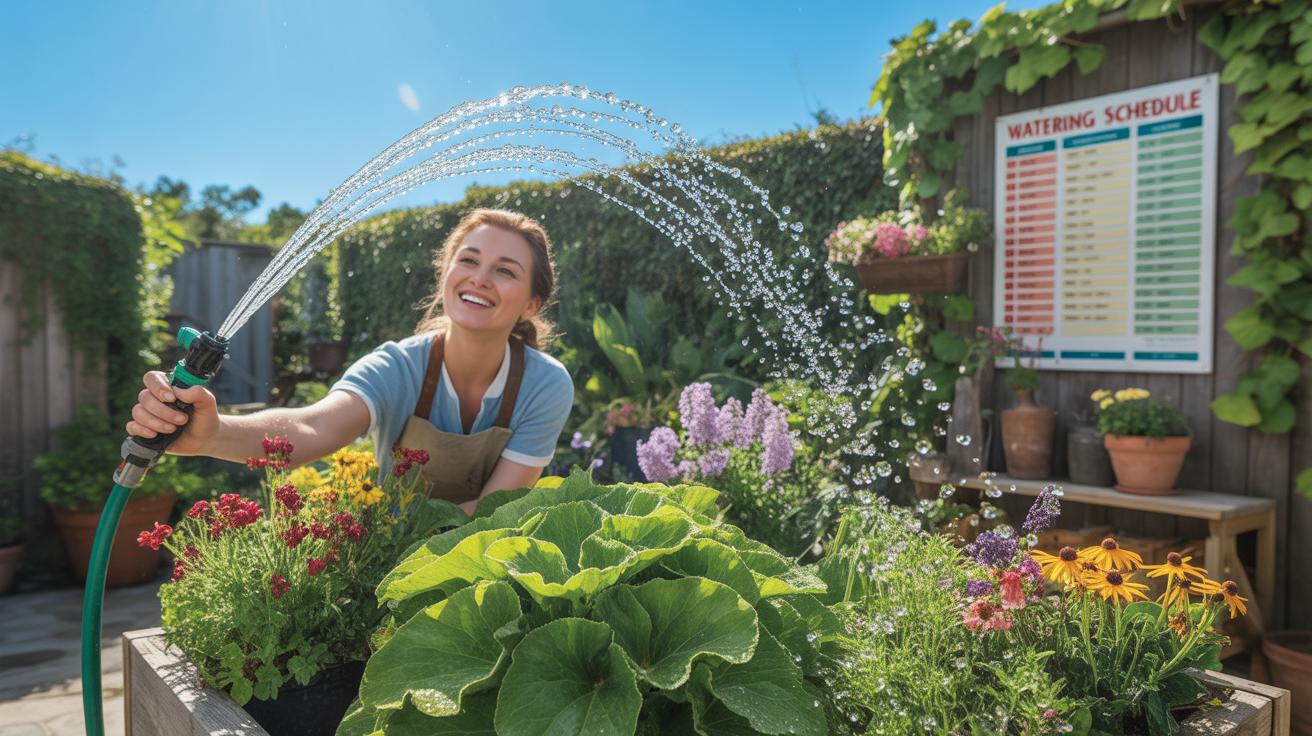
Why A Consistent Garden Watering Schedule Matters For Plant Health

How Irregular Watering Stresses Plants And Reduces Yields
Irregular watering triggers physiological stress in plants. When soil dries out completely, root hairs die back. This limits the plant’s ability to take up nutrients. The plant then closes its stomata to prevent water loss. This action stops photosynthesis and halts growth. Fluctuating moisture levels cause cellular instability. This often leads to fruit cracking and blossom end rot in vegetable crops.
Erratic moisture patterns weaken a plant’s natural defenses. Weak plants attract pests and succumb to fungal diseases more easily. Drought followed by sudden heavy watering causes rapid expansion. This pressure ruptures plant tissues and ruins harvest quality. You lose yield potential and crop flavor when you fail to maintain steady soil moisture. Consistent hydration keeps the internal pressure of the plant stable.
The Link Between A Steady Watering Routine And A Healthy Garden
A steady watering routine builds a deep and resilient root system. Roots grow toward consistent moisture sources in the soil profile. Regular hydration allow the plant to transport minerals from the earth to the leaves. This process maintains turgor pressure which keeps the plant upright and strong. Strategic scheduling ensures that water reaches the root zone before the heat of the day.
Reliable watering schedules support the beneficial microbes living in your garden soil. These organisms require moisture to break down organic matter into usable plant food. A dry soil environment kills these microbes and depletes soil health over time. By keeping the ground damp, you preserve the natural ecosystem of your garden beds. Healthy soil biology leads to faster growth and more robust plant development.

Key Factors That Shape Your Watering Schedule For Garden Success

How Soil Type, Climate, And Season Influence How Much Water Plants Need
Soil texture determines water retention and drainage speeds. Sandy soil drains fast and requires frequent irrigation to keep roots hydrated. Clay soil holds water for long periods and risks root rot if overwatered. Silt and loam offer the most balanced drainage for standard garden beds. You must test your soil drainage before setting a fixed timer or manual schedule.
Climate and seasonal shifts dictate evaporation rates and plant transpiration levels. Hot summer days with low humidity strip moisture from the soil quickly. High winds also accelerate drying times. Cooler autumn and spring months require a sharp reduction in watering frequency to prevent fungal growth. Monitor local weather data and adjust your output based on current temperatures and humidity levels.
Understanding Plant Growth Stages And Their Changing Water Demands
Seedlings and new transplants require consistent surface moisture to establish root systems. These young plants have shallow roots and cannot access deep water reserves. You must mist or water these areas daily in small amounts. Allowing the top inch of soil to dry out during this critical stage will likely kill the plant before it matures or produces fruit.

Established plants need deep watering to encourage downward root growth. This builds drought resistance and strengthens the plant against environmental stress. Change your schedule when plants begin flowering or fruiting because water demand peaks during these reproductive phases. Reduce watering as plants enter dormancy in late fall. Matching water delivery to the specific growth cycle ensures maximum yield and plant health.
How Often To Water Vegetable Garden Beds For Maximum Growth
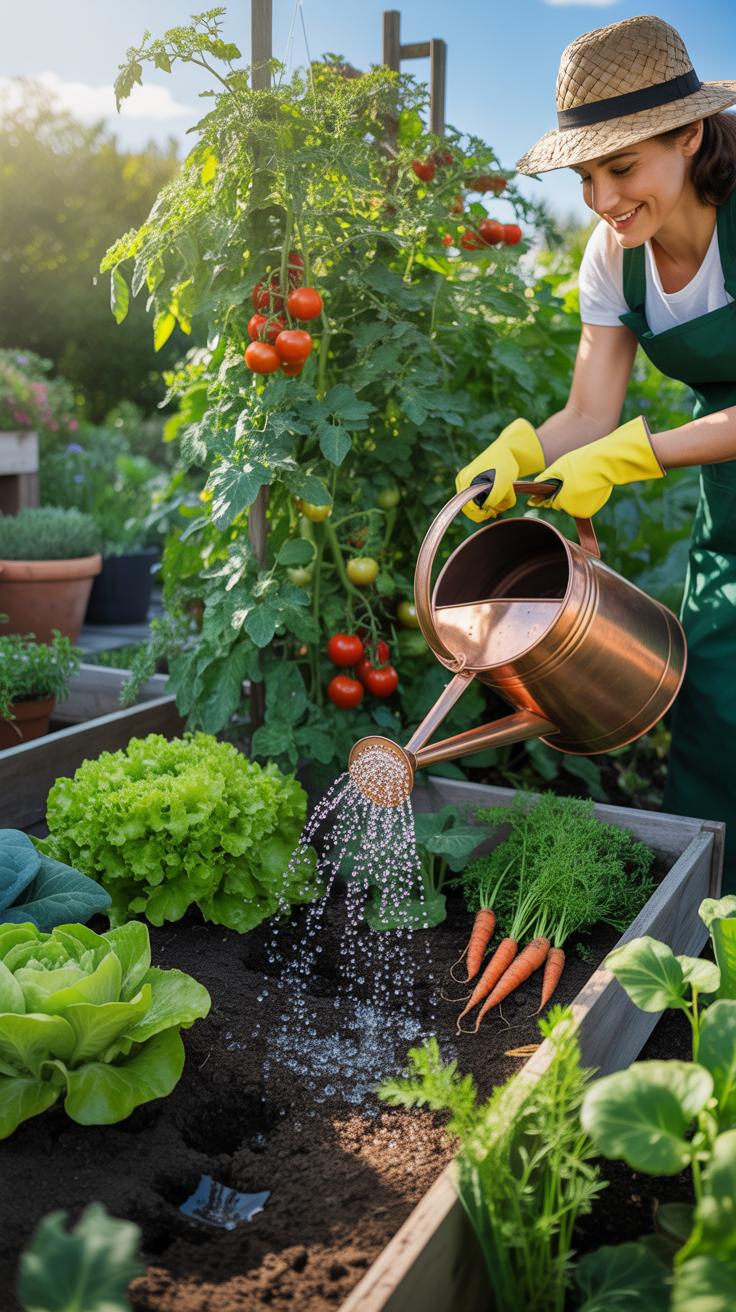
General Watering Frequency Guidelines For Common Vegetables
Most vegetable gardens require one inch of water per week to maintain steady growth. You must deliver this water through deep soakings rather than light daily sprinkles. Deep watering forces roots to grow downward into cooler soil. Shallow watering creates weak root systems that fail during heat waves. You should check moisture levels daily by sticking a finger two inches into the soil.
Climate and soil type dictate your specific schedule. Sandy soil drains fast and requires watering every two to three days. Clay soil holds water longer but absorbs it slowly. You must adjust for extreme heat or high winds which accelerate evaporation. Water your vegetables in the early morning to reduce water loss. This timing also allows leaves to dry before nightfall to prevent fungal diseases.
Signs Your Vegetable Garden Is Overwatered Or Underwatered
Underwatered plants show immediate stress through wilting or drooping leaves during the day. Soil often pulls away from the edges of the garden bed when it is too dry. You will notice slow growth and Premature flower drop on fruiting crops. If the leaves turn brittle or brown at the edges, the plant lacks sufficient moisture. Consistent dry spells will lead to bitter tasting harvests and tough plant fibers.

Overwatering causes its own set of lethal problems for vegetable beds. Yellowing leaves and soft stems usually indicate excessive moisture in the root zone. Wet soil prevents oxygen from reaching the roots and leads to rot. You might see mold or algae growing on the soil surface. Lift the plant slightly to check for mushy brown roots instead of firm white ones. Proper drainage prevents these issues and ensures plant survival.
Your Complete Vegetable Garden Watering Guide By Plant Type
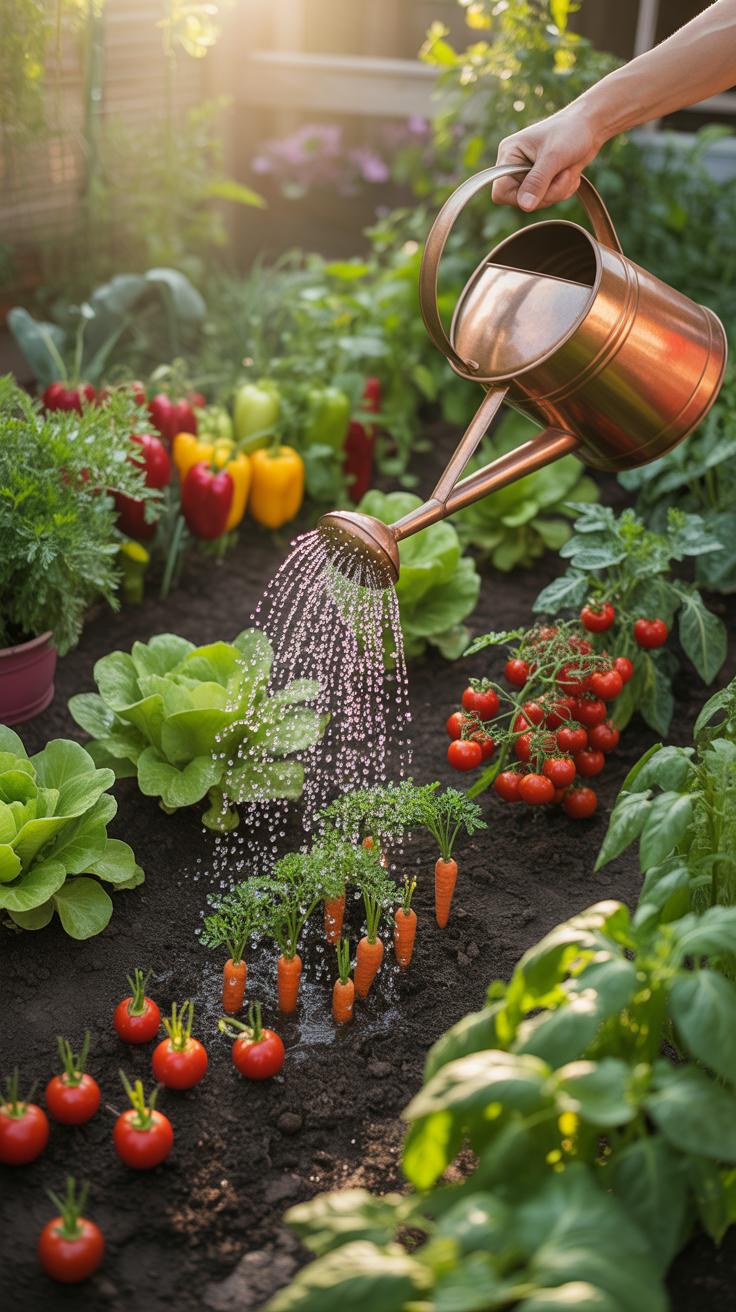
Water Needs For Root Vegetables, Leafy Greens, And Fruiting Plants
Root crops like carrots and potatoes require consistent moisture to prevent split skins or woody textures. You must keep the soil damp but not soaked. Leafy greens have shallow roots and high water content. They need frequent light watering to stay crisp and cool. Drought causes these plants to bolt and turn bitter. Monitor soil moisture daily to ensure these vegetables do not dry out completely.
Fruiting plants like tomatoes and peppers need deep watering to establish strong roots. These crops require more water during the flowering and fruiting stages. Uneven watering leads to blossom end rot and fruit cracking. Apply water directly to the soil to keep leaves dry. This technique prevents fungal diseases and ensures the plant gets maximum hydration. Consistency is the primary factor for high crop yields and healthy flavor.
The kiss of the sun for pardon, the song of the birds for mirth, one is nearer God’s heart in a garden than anywhere else on earth. A faithful watering can is the vessel that keeps this sacred rhythm alive.
Adjusting Your Vegetable Garden Watering Guide Across The Growing Season
Seedlings and new transplants require frequent light misting to survive. Their undeveloped root systems cannot reach deep soil moisture. You must water them daily or twice daily in hot weather. As plants grow larger, you should shift to deeper and less frequent watering sessions. This change forces roots to grow downward into the cooler earth. Deep roots help the plants survive heat waves and dry spells throughout the summer.
Mid-season heat increases evaporation rates and plant stress. You must increase the volume of water applied during July and August. Switch your watering time to early morning to minimize water loss. As the season ends and temperatures drop, reduce your watering frequency. Mature plants need less hydration as they reach harvest size. Overwatering late in the season can dilute flavors and cause root decay in ripening vegetables.
Building A Practical Watering Schedule For Vegetable Garden Layouts
How To Map Your Garden Zones And Assign Watering Days
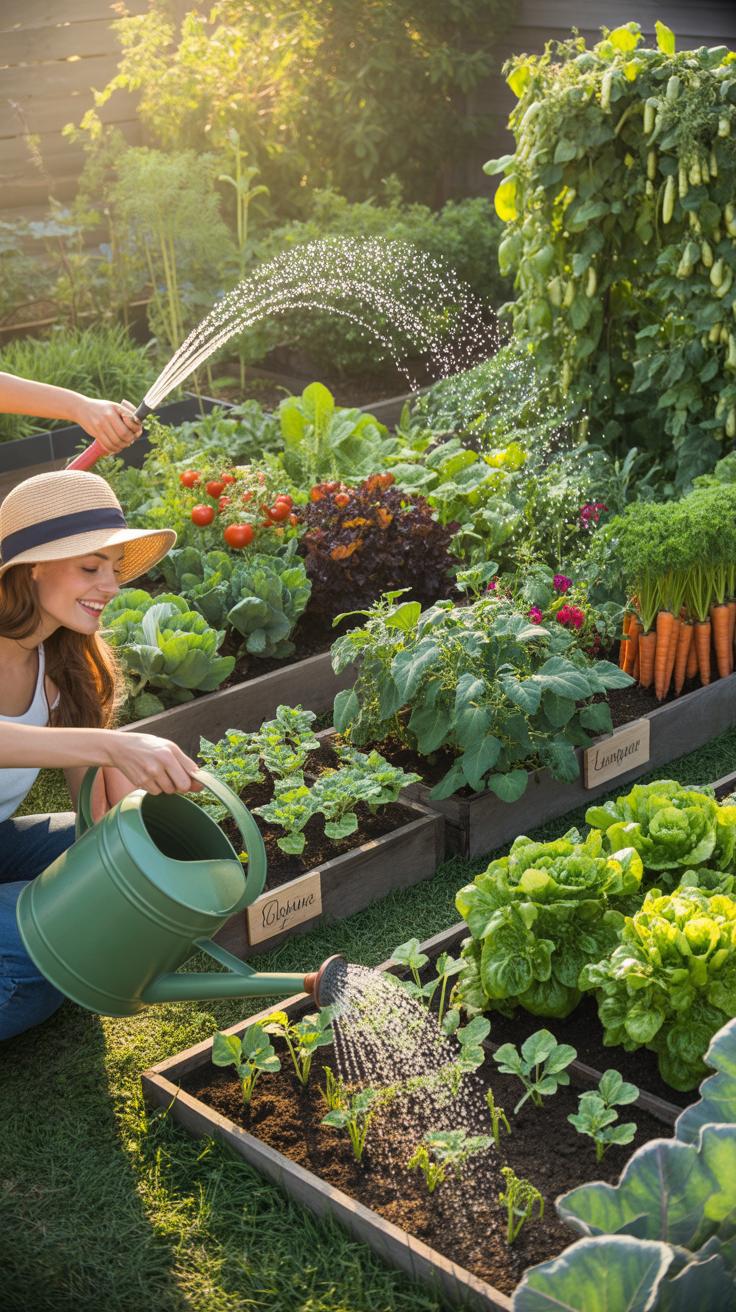
Group your vegetable crops based on their root depth and water consumption. Leafy greens like spinach require frequent shallow watering to prevent wilting. Root crops like carrots need consistent moisture to avoid splitting. Heavy feeders like tomatoes and melons require deep irrigation to establish strong roots. Mapping these needs allows you to apply water where it yields the highest return on investment.
Assign watering days based on soil drainage and local evaporation rates. Sandy soils lose water fast and need more frequent intervals. Heavy clay soils hold water longer and require fewer applications to avoid rot. Use a grid map of your garden to mark high-moisture zones and dry zones. This visual guide prevents overwatering certain crops while others starve. Match your delivery method to each specific zone.
Proven Tips For Sticking To Your Plant Watering Schedule All Season Long
Consistency determines the success of your vegetable harvest. Irregular watering cycles cause plant stress and lead to blossom end rot or fruit cracking. You must automate as much of the process as possible to remove human error. Use physical cues and technology to monitor soil moisture levels daily. Established routines ensure that plants receive hydration before the heat of the day causes moisture loss.
- Install Drip Irrigation: Low-pressure drip systems deliver water directly to the root zone. This method reduces evaporation and prevents fungal diseases caused by wet foliage. It is the most efficient way to maintain a strict schedule.
- Set Digital Timers: Programmable timers control hose faucets or manifold systems automatically. These devices ensure your garden receives water at dawn even if you are away. They eliminate the risk of forgetting to turn the water off.
- Apply Heavy Mulch: A thick layer of straw or wood chips keeps soil moisture levels stable. Mulching reduces the frequency of necessary watering sessions by preventing surface evaporation. It protects the soil from the intense midday sun and heat.
- Use Rain Gauges: Place gauges in various garden zones to track natural precipitation. This data allows you to skip scheduled watering days after heavy rainfall. Monitoring actual water input prevents overwatering and saves significant amounts of water.
- Check Soil Manually: Insert a finger or moisture probe two inches into the soil. If the soil feels dry, follow your schedule. If it feels wet, delay watering for twenty-four hours. This physical check confirms that your schedule matches the actual environment.

Audit your system every two weeks to account for changing weather patterns. Summer heat waves require more frequent sessions than a cool spring. Inspect all hoses and emitters for leaks or clogs that disrupt water flow. Adjust your timer settings as crops mature and their water needs increase. Precise maintenance of your hardware ensures the schedule remains effective throughout the entire growing season.
Choosing The Right Garden Watering System For Your Space
Comparing Sprinklers, Soaker Hoses, And Hand Watering Methods
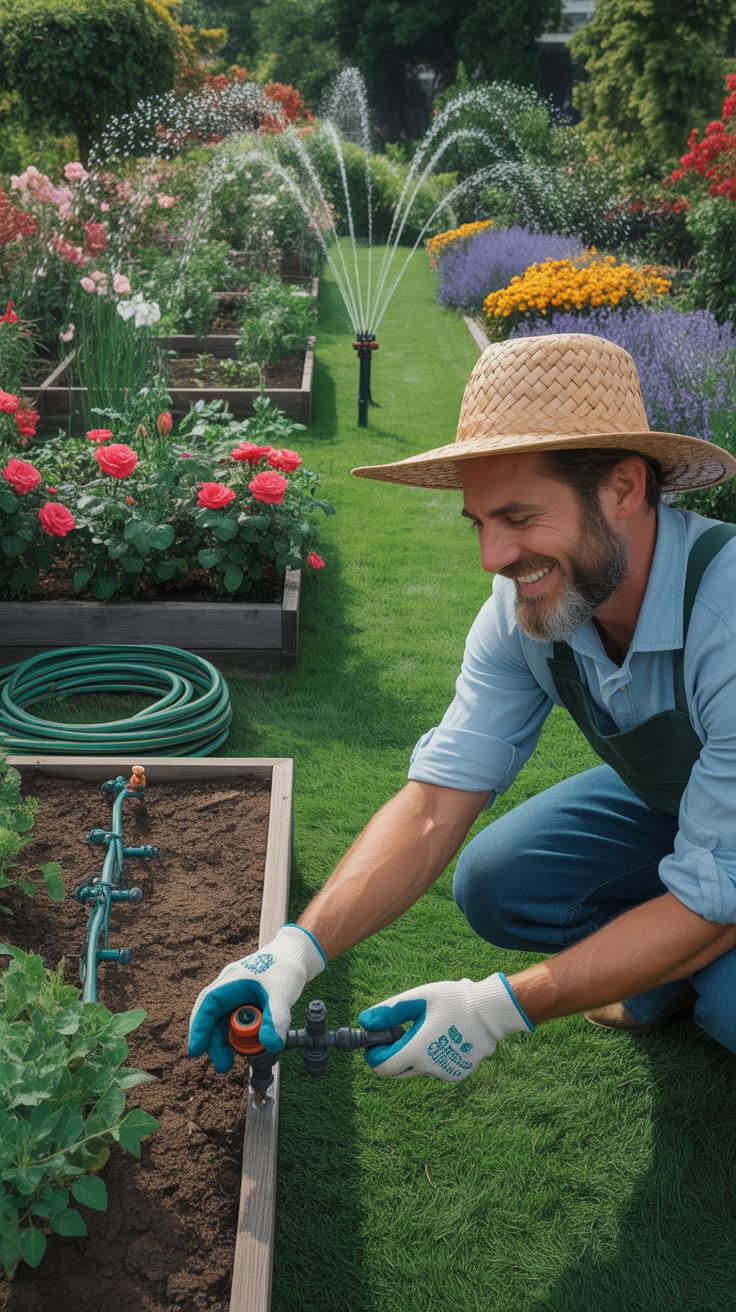
Sprinklers cover large areas quickly but waste water through evaporation and wind drift. They suit lawns but often cause fungal issues on leaf surfaces in dense gardens. Hand watering provides the most control for delicate plants or container gardens. This manual method ensures you target the root zone directly. However, it takes significant time and relies on human consistency to maintain deep soil moisture.
Soaker hoses represent the most efficient tactical middle ground. These porous pipes sweat water directly into the soil along the entire length of the line. This delivery method prevents runoff and keeps foliage dry to stop disease spread. For established beds, burial under a layer of mulch increases performance. Match your method to your plant density. High-value crops require the precision of hoses or hand tools.
How Smart Controllers And Timers Automate Your Garden Watering System
Smart controllers remove human error from irrigation management. These devices connect to local weather stations to adjust water output based on real-time data. If rain occurs, the system skips the scheduled cycle to prevent oversaturation and root rot. Modern units utilize Wi-Fi to allow remote adjustments from mobile devices. This technology ensures your garden receives exact moisture levels regardless of your physical presence or schedule.

Basic mechanical timers offer a lower-cost entry point for simple automation. These units attach to your outdoor faucet and shut off flow after a set duration. While they lack weather sensing capabilities, they maintain a rigid schedule for dry climates. Use these tools to water during pre-dawn hours when evaporation rates remain low. Consistent timing reduces plant stress and optimizes water absorption before the midday heat arrives.
How A Drip System Can Transform Your Garden Watering Efficiency

What A Drip System Is And How It Delivers Water Directly To Plant Roots
A drip system is a network of tubes that releases water slowly to specific soil locations. This method bypasses the foliage and targets the root zone directly. It uses low pressure to emit small droplets over long durations. This precision prevents the waste common in overhead spraying. You stop watering the gaps between plants and focus solely on the intentional growth.
Efficiency increases because you eliminate evaporation and wind drift. Surface runoff becomes impossible when the soil absorbs water at a controlled rate. This technique maintains consistent moisture levels in the subsurface. Plants experience less stress from dry spells or waterlogged conditions. You reduce weed growth because seeds in unplanted areas never receive a drink. This system provides a tactical advantage for any serious gardener.
Step By Step Guide To Setting Up A Basic Drip System In Your Garden
Start by connecting a backflow preventer and a pressure regulator to your main water source. These components protect your home pipes and prevent the drip lines from bursting. Map out your garden beds to determine where the main distribution tubing will run. Layout the solid tubing along the rows of plants. Use landscape staples to hold the lines firmly against the ground surface.
- Install the Header Line: Connect the main poly tubing to your water source using a swivel adapter. This line acts as the primary artery for your entire irrigation network. Ensure the tubing is flexible but durable enough to withstand outdoor UV exposure.
- Punch Holes for Emitters: Use a specialized hole punch tool to create openings in the distribution tubing. Place these holes near the base of each plant. Consistent spacing ensures even water distribution across your garden beds without creating dry spots.
- Attach Emitters or Microtubing: Insert pressure compensating emitters directly into the punched holes or attach small diameter microtubing. These devices regulate the flow rate to a specific gallon per hour. This ensures every plant receives the exact volume of water required for its species.
- Stake the Lines: Place plastic or metal stakes to hold emitters in the correct position over the root zones. This prevents the tubing from shifting during temperature changes or garden maintenance. Proper positioning keeps the water directed at the soil and away from the plant stems.
- Flush and Cap the Lines: Run the water through the system for one minute to clear out dirt and debris. Once the water runs clear, slide an end cap onto the end of each tubing run. This seals the system and builds the necessary pressure for the emitters.

Test the system by running it for thirty minutes to check for leaks or clogged emitters. Observe the soil to confirm that the moisture reaches the desired depth. You can add a battery operated timer to automate the schedule. Frequent short runs are better than occasional heavy soaking. Adjust the emitter flow rates as your plants grow larger and require more water volume.
Water Saving Strategies To Complement Your Garden Watering Schedule
Using Mulch And Soil Amendments To Retain Moisture Between Watering Sessions
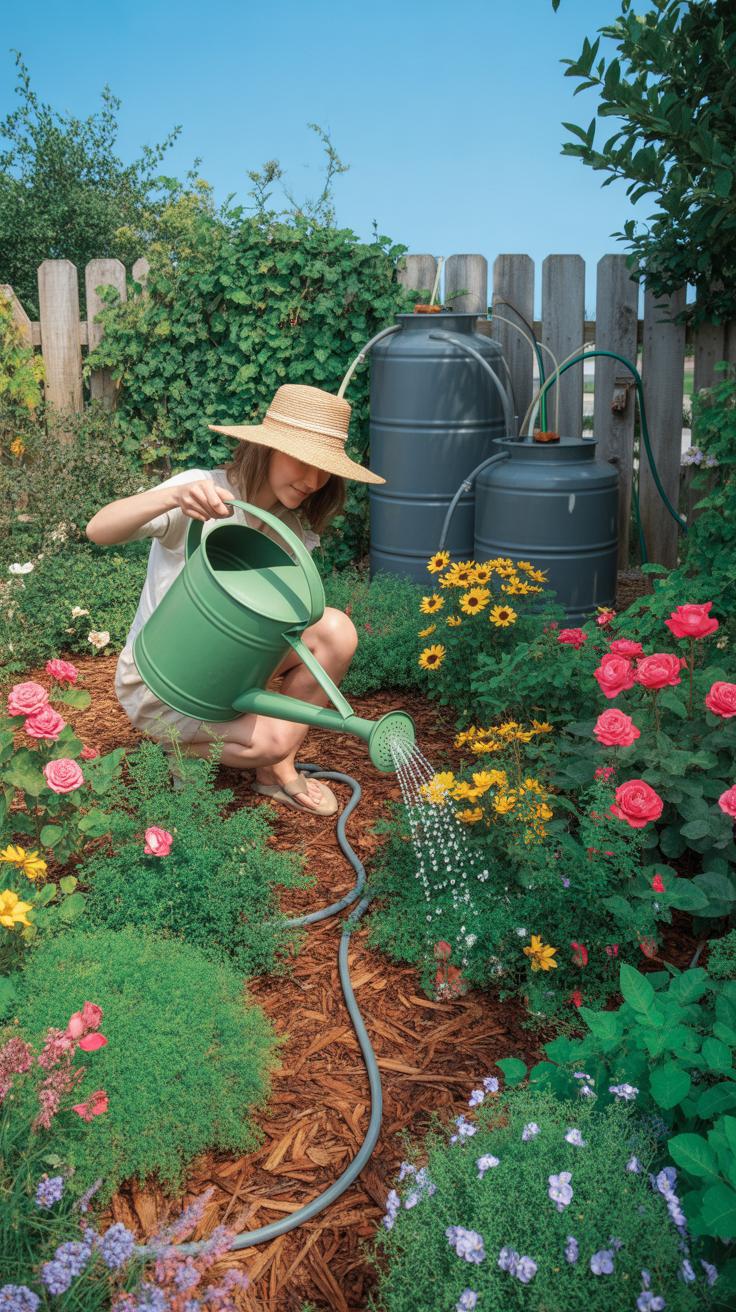
Mulch acts as a physical barrier between the soil and the sun. It reduces evaporation rates significantly by shading the ground. Organic options like wood chips or straw decompose over time to improve soil structure. This layer also regulates soil temperature to prevent root stress. Apply two to three inches of mulch to keep the moisture where plants need it most.
Soil amendments change the physical properties of your garden beds. Compost and peat moss increase the water holding capacity of sandy soils. These materials act like sponges to store liquid for late use by the roots. Dig these amendments into the top six inches of your soil before planting. This tactical step ensures your garden survives longer gaps in your watering schedule.
Rainwater Harvesting And How It Supports A Sustainable Watering Routine
Rainwater harvesting captures runoff from roofs and hard surfaces for later use. This method provides a free source of soft water that lacks municipal chemicals like chlorine. Most systems use barrels or large cisterns connected to downspouts. You can integrate these tanks directly into drip irrigation lines. This setup allows you to automate your garden watering schedule without relying on the city grid.

Historical records show civilizations used cisterns for thousands of years to manage dry spells. Modern rain barrels offer a low-cost entry point for home gardeners. Ensure your storage containers are opaque and sealed to prevent algae growth or mosquito breeding. Use a gravity-fed system or a small pump to move water to your crops. This practice builds resilience against local water restrictions and drought.
Frequently Asked Questions

How do I know when it is the right time to water my garden?
Determining the best timing depends on your soil and climate, but a general rule is to check the top two inches of soil. If it feels dry to the touch, your plants need hydration. Most experts recommend established Garden Watering Schedules focus on early morning sessions. This allows water to reach the roots before the midday sun causes evaporation, ensuring your plants stay vibrant and healthy throughout the heat.
How should I adjust my watering routine for different plant types?
Different plants have unique thirst levels, so your approach should be flexible. Vegetables and flowering annuals often require consistent moisture, while succulents and established shrubs prefer deeper, less frequent soakings. When developing your Garden Watering Schedules, group plants with similar needs together. This method, known as hydrozoning, ensures that thirstier plants get the soak they require without overwatering those that prefer drier conditions, promoting a balanced and thriving backyard ecosystem.
What are some low-cost ways to maintain a consistent watering routine?
You don’t need an expensive irrigation system to keep your garden lush. Hand-watering with a simple hose or watering can is highly effective if you stick to a routine. You can also repurpose plastic bottles into DIY slow-release drippers by poking small holes in the caps and burying them near roots. Additionally, applying a thick layer of organic mulch helps retain soil moisture, reducing the overall frequency and cost of your hydration efforts.