
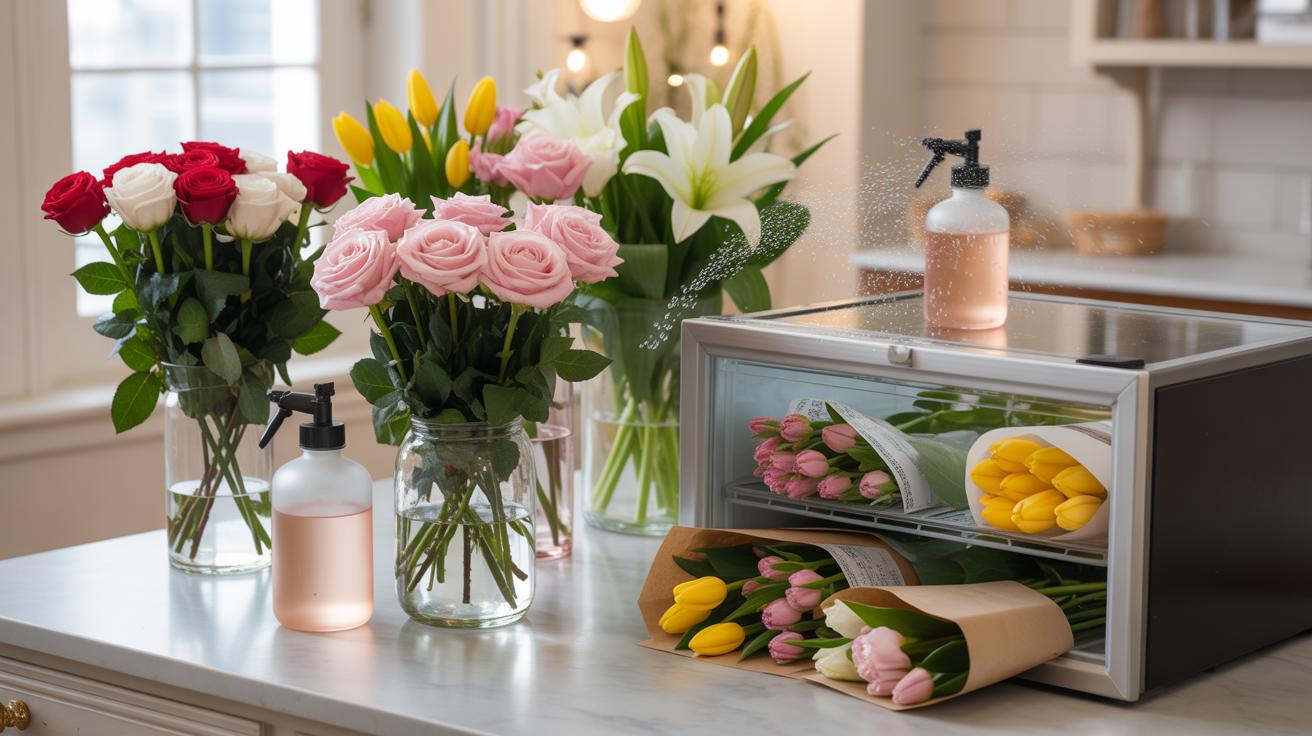
Why Proper Flower Storage Tips Matter For Longevity
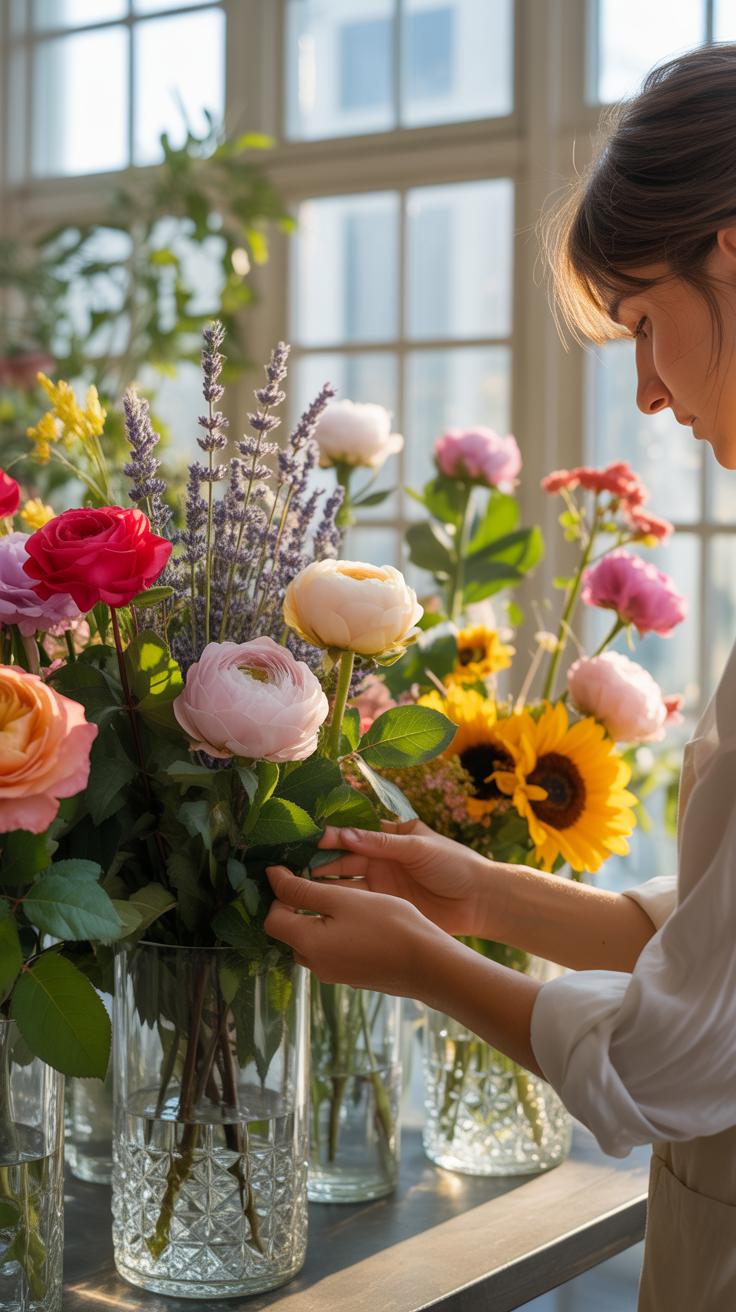
How Poor Storage Conditions Shorten The Life Of Fresh Flowers
Poor storage kills flowers fast. High temperatures speed up the metabolic rate of the plant. This causes the flower to consume its energy reserves too quickly. Bacteria grow rapidly in warm, stagnant water. These microbes plug the stem vessels and stop water uptake. When the stem cannot drink, the flower head droops and dies within a few days.
Environmental stress causes permanent damage to cellular structures. Direct sunlight and drafts pull moisture out of the petals faster than the roots can replace it. Ethylene gas from nearby fruit accelerates aging and makes petals drop. Ignoring these factors leads to a total loss of inventory or decor. Proper management prevents early decay and ensures the product justifies its cost through a longer life.
The Science Behind Why Flowers Wilt And How Storage Slows The Process
Wilting happens when the plant loses turgor pressure. This pressure keeps the stems upright and the petals firm. Once a flower is cut, it loses its primary source of hydration and nutrients. The plant continues to breathe through respiration. This process breaks down stored sugars to create energy. Storage techniques focus on lowering the respiration rate to conserve these critical food reserves for later.
Cold storage is the most effective way to slow down biological aging. Dropping the temperature reduces the chemical reactions inside the plant cells. It also limits the production of ethylene gas. Antiseptic solutions in the water prevent vascular blockages. These methods keep the water transport system open. Science shows that controlling the environment is the only way to extend the natural life of a cut bloom.

Essential Flower Storage Ideas For Fresh Cut Blooms At Home
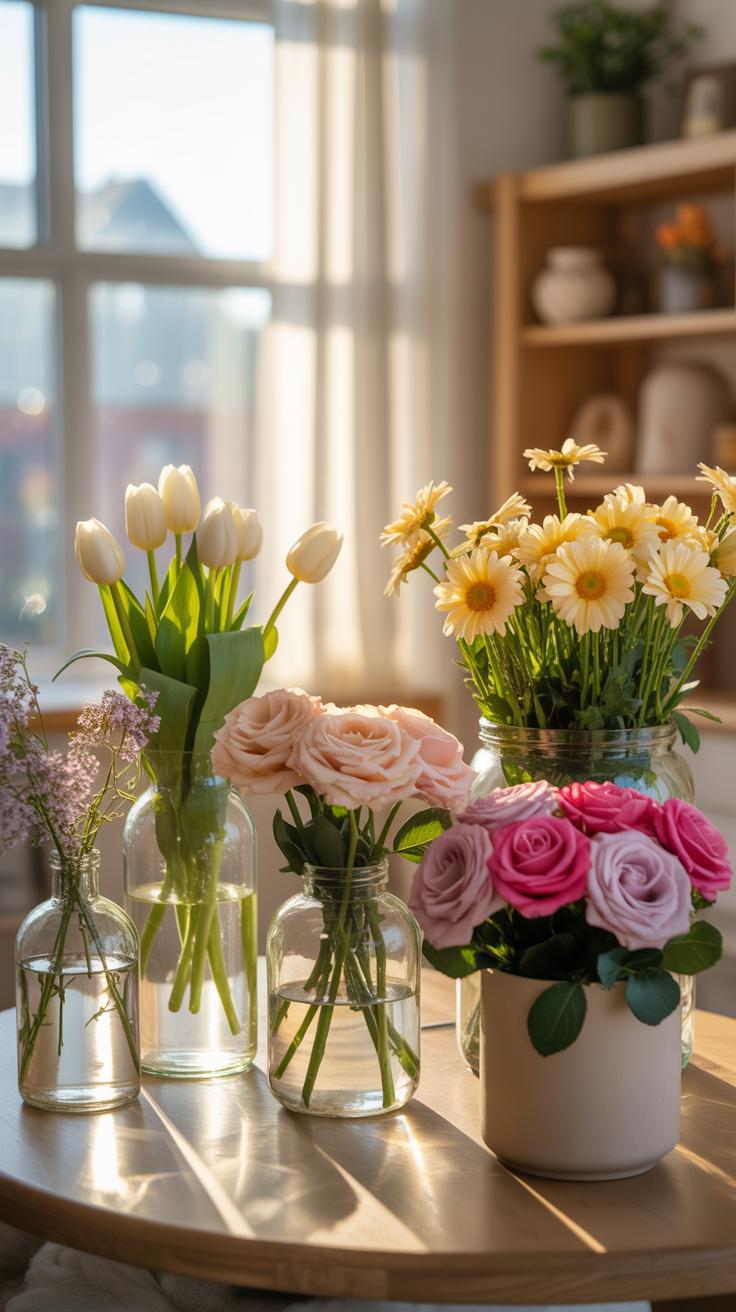
Choosing The Right Water Temperature And Container For Fresh Cut Flowers
Fill your vase with lukewarm water between 100 and 110 degrees Fahrenheit. This temperature allows stems to drink faster because the water molecules move more rapidly. Warm water also contains less dissolved air which prevents air bubbles from blocking the plant vascular system. Most flowers benefit from this method except for spring bulbs like tulips which require very cold water to stay firm.
Select a container made of glass or ceramic with a non-porous glaze. Avoid using metal buckets because the metal ions react with floral preservatives and change the water pH levels. Ensure the vessel is deep enough to support at least half the length of the stems. Clean the container with bleach before use to kill bacteria that cause premature wilting and stem rot.
Love is the flower you’ve got to let grow, but a little care ensures its beauty lingers in the heart forever.
How To Use A Refrigerator To Extend The Life Of Fresh Flowers
Place your flowers in a refrigerator overnight to slow down the aging process. Cold temperatures reduce the rate of respiration and transpiration in the plant tissues. Most temperate flowers thrive in temperatures between 34 and 38 degrees Fahrenheit. This mimics the professional floral coolers used by wholesalers to maintain stock. Extreme cold keeps the cell walls rigid and prevents the flower from opening too quickly.

Remove all ripening fruit from the refrigerator before storing your blooms. Fruits like apples and bananas release ethylene gas which acts as a ripening hormone for flowers. Ethylene causes petals to drop and heads to droop prematurely. Keep the vase away from the back wall of the fridge to prevent the petals from freezing. Air circulation is vital but do not place the flowers directly in the path of a fan.
Artificial Flower Storage Ideas To Keep Faux Blooms Looking Brand New
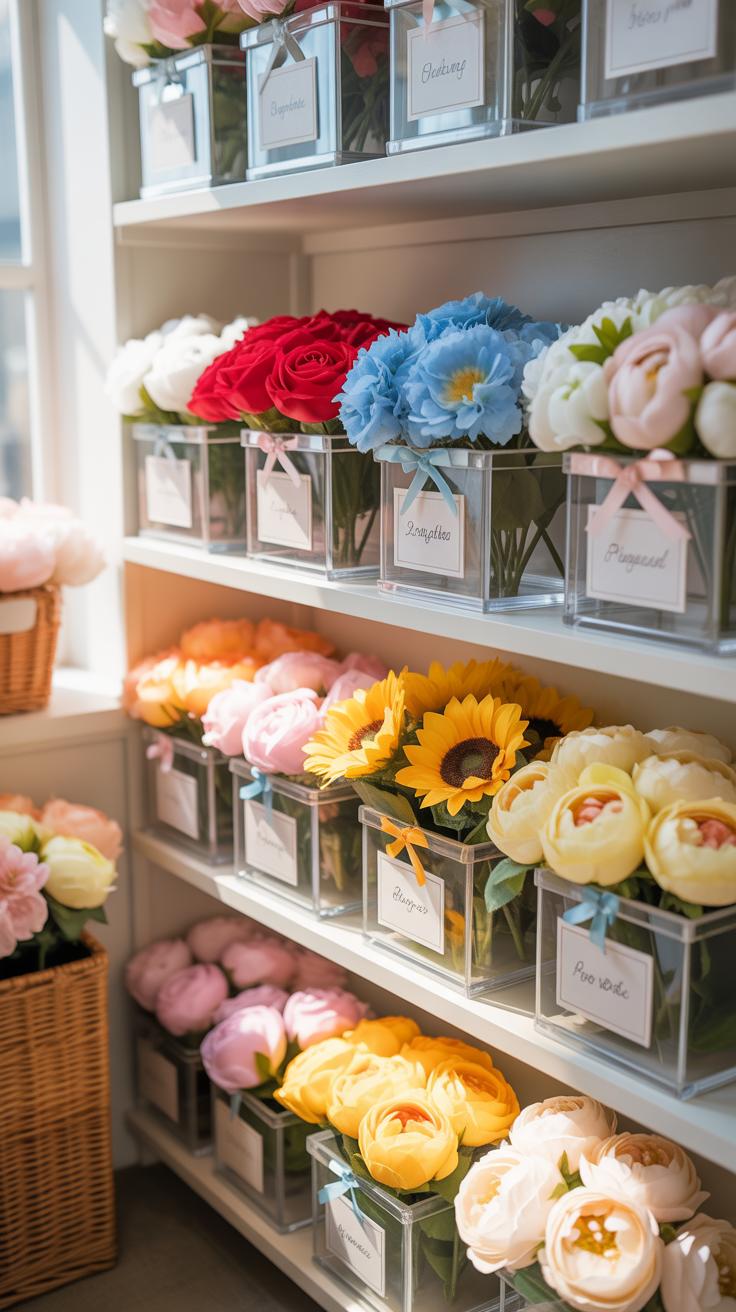
Best Containers And Boxes For Storing Artificial Flowers Without Crushing Petals
Select rigid plastic bins with locking lids to prevent atmospheric moisture and dust from entering. Soft cardboard boxes fail over time and collapse under pressure. Use long, shallow under-bed containers to keep stems straight and heads flat. This prevents the heavy weight of top layers from crushing delicate petals at the bottom. Rigid walls shield silk and polymer materials from physical impact.
Label each bin by season or flower type for quick retrieval. Place acid-free tissue paper between layers to stop dyes from transferring between different colors. Avoid overstuffing containers to maintain the original shape of the blooms. If a flower loses its form, you waste time and money on steam repairs later. Proper spacing ensures the structural integrity of wire-based stems remains intact during transit.
How To Clean Artificial Flowers Before Putting Them Into Long Term Storage
Remove all surface dust before you pack stems away. Dust becomes a permanent grime layer when exposed to temperature changes in storage. Use a soft-bristled brush or a can of compressed air for deep crevices. For plastic or latex coated plants, wipe leaves with a damp microfiber cloth. Do not use harsh chemicals that strip factory coatings or dissolve structural adhesives.

Ensure every component is dry before sealing the container. Trapped moisture triggers structural decay and creates a foul smell in synthetic fabrics. Use a handheld hair dryer on a cool setting to remove any remaining dampness from silk petals. Clean flowers maintain their vibrant color and texture for years. Skipping this tactical step invites mold growth that ruins expensive permanent botanicals and forces costly replacements.
Artificial Flower Storage Ideas DIY Solutions You Can Build At Home
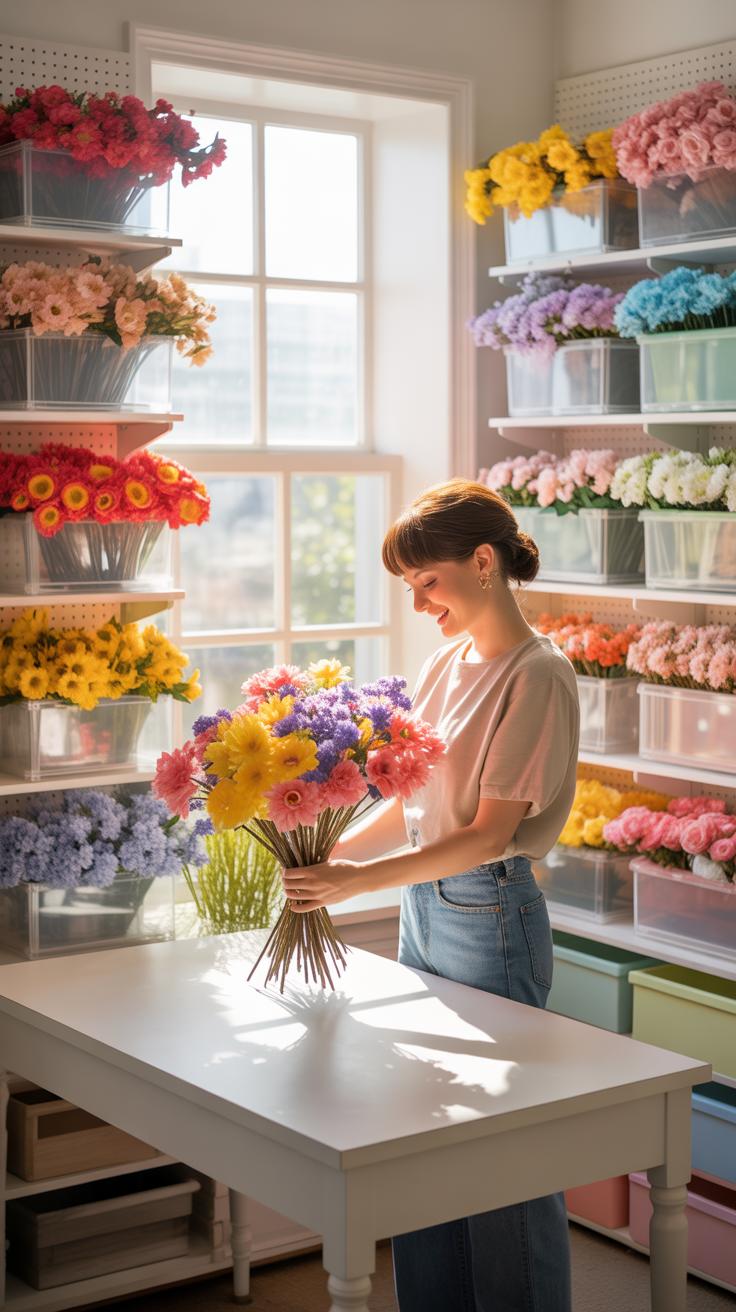
How To Make A DIY Hanging Storage System For Faux Flower Stems
Vertical storage prevents compression of silk and polymer petals. Find a section of wall in a climate-controlled room. Mount a heavy-duty pegboard or a metal grid panel directly to the studs. Use zip ties or floral wire to create individual loops. These loops hold the stems upright without crushing the bloom heads. This method mimics professional florist displays and ensures airflow around the delicate materials.
Organize the stems by species and color to reduce handling time. Frequent touching degrades the fabric and wire integrity. Use s-hooks for hanging pre-made bundles or wreaths. This setup keeps the flowers off the floor and away from dust. It also prevents the heavy weight of stacked bins from deforming the shapes. Always place this rack away from direct sunlight to prevent UV rays from fading the synthetic dyes.
Repurposing Everyday Household Items As Budget Friendly Artificial Flower Storage
Effective storage does not require expensive custom furniture. You can find high-quality solutions in your kitchen or closet right now. Proper containment must prioritize structural support for the stems and protection for the flower heads. Look for containers that offer height and rigidity. These items keep the fake plants upright and stop them from tangling or losing their original factory shape.
- Clear Plastic Wine Racks: These modular units provide individual slots for long-stemmed flowers. They keep different varieties separated and prevent the petals from snagging on each other. The horizontal orientation allows for easy visibility in a dark closet or basement.
- Acid-Free Rectangular Shoe Boxes: Small floral picks and loose silk petals fit perfectly in these containers. Traditional cardboard contains lignin which can yellow fabric over time. Use only acid-free versions to maintain the original color of high-end silk blossoms and leaves.
- PVC Pipe Offcuts: Cut thin PVC pipes into twelve-inch lengths and bundle them together within a larger crate. Place individual stems inside each pipe to keep them perfectly vertical. This method prevents the bottom stems from bending under the weight of the top flowers.
- Over-The-Door Shoe Organizers: Clear plastic pockets allow you to see your entire inventory at once. Tuck one bunch into each pocket to maximize vertical space in small apartments. This keeps the flowers at eye level and protects them from dust or household pets.
- Empty Clean Coffee Cans: Metal or plastic canisters act as sturdy weighted bases for top-heavy arrangements. Fill the bottom with clean pebbles or sand for stability. This prevents the tall stems from tipping over and hitting the floor which could shatter dried elements.

Select storage items that match the scale of your collection. Large wreaths require wide circular bins or heavy-duty garment bags. Small filler flowers need compartmentalized trays to avoid getting lost. Ensure every repurposed container is completely clean and dry before use. Residual moisture or food oils will attract pests and ruin the synthetic fibers. Consistent organization extends the lifespan of your artificial floral investments.
Storing Fake Flowers And Storing Faux Flowers Key Differences By Material
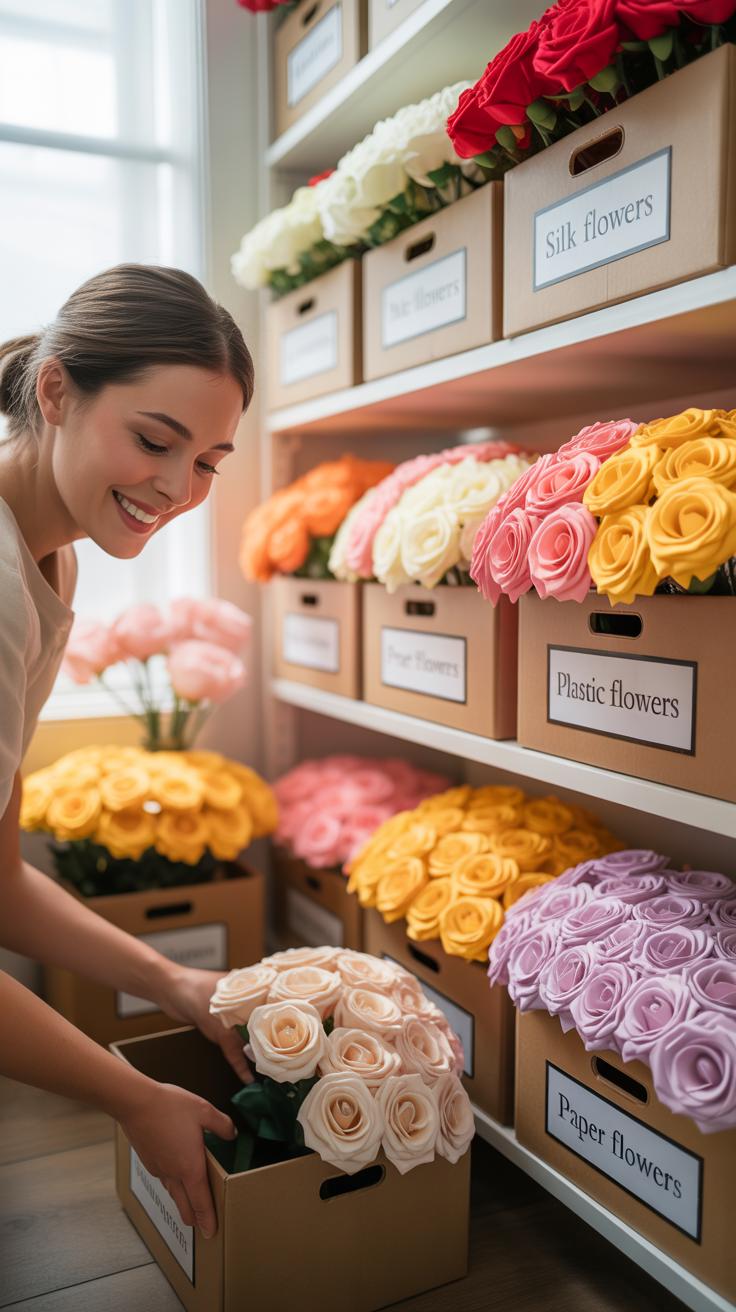
How To Store Silk Faux Flowers Versus Plastic Or Foam Artificial Flowers
Silk flowers consist of delicate fabrics like polyester or real silk. These materials fray easily under pressure. You must store them in hard-sided containers to prevent crushing. Avoid tight packing because fibers lose their shape permanently. Use acid-free tissue paper between layers to stop color transfer. Silk absorbs moisture quickly, which leads to mold growth in humid environments.
Plastic and foam flowers have more structural rigidity. These materials withstand stacking better but become brittle over time. High heat causes plastic to warp and foam to crumble. Store these in climate-controlled areas away from hot attics. Foam flowers specifically require breathable covers to prevent gas buildup. Plastic items can handle heavy plastic bins without the need for delicate fabric lining or specialized paper.
Protecting Faux Flowers From Dust, Humidity, And UV Fading During Storage
Dust acts as an abrasive on artificial petals. It settles into fabric pores and becomes impossible to remove. Use airtight plastic bins or sealed garment bags to block debris. If you use cardboard boxes, tape all seams shut to keep insects out. Proper sealing extends the life of the arrangement by years. Clean every stem with a dry microfiber cloth before sealing the container.

UV light destroys chemical dyes in faux plants. It causes rapid fading and turns white petals yellow. Always choose opaque storage bins rather than clear ones. Keep your containers in dark rooms or basements. Humidity also ruins wire stems by causing rust. Internal wire structures will snap if they oxidize. Use silica gel packets inside your bins to absorb excess moisture and protect the metal cores.
Flower Organization Ideas To Keep Your Collection Sorted And Accessible
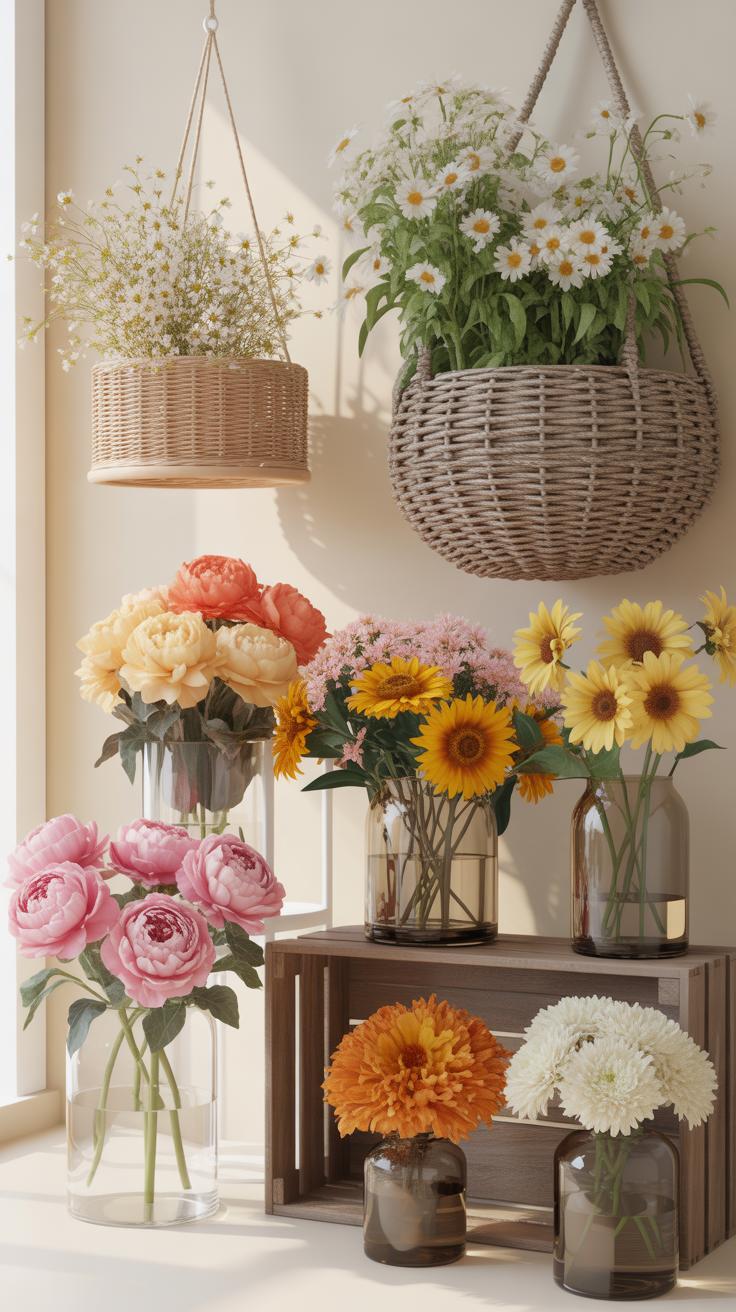
How To Categorize And Label Flowers By Season, Color, Or Occasion
Effective flower organization requires a logic-based system to prevent stock loss and waste. Grouping stems by season allows you to access timely materials for seasonal holidays and events. This method ensures you use older inventory first through a first-in, first-out workflow. Labeling bins with clear dates prevents the use of degraded product that could ruin a professional arrangement or home display.
Color coding provides a tactical advantage for rapid design. Arrange your storage area using the standard color wheel to find complementary shades quickly. Use durable waterproof labels to mark containers with botanical names and arrival dates. This precision allows you to track the lifespan of specific species. Accurate categorization reduces handling time and minimizes mechanical damage to delicate petals during the selection process.
Smart Shelving And Drawer Systems For Efficient Floral Storage At Home
Maximize vertical space to keep your work area clear and functional. Wall-mounted shelving units made of moisture-resistant materials like stainless steel or powder-coated aluminum prevent rust in humid storage environments. Modular systems allow you to adjust shelf heights for varying stem lengths. Proper spacing ensures adequate airflow around each container to prevent the growth of mold and gray rot on the blooms.
- Slotted Stainless Steel Shelving: Metal wire shelves allow for maximum air circulation around flower buckets. This prevents heat buildup and moisture collection. These units are easy to sanitize and resist the corrosive effects of floral preservatives and water treatments.
- Tiered Bucket Racks: Angled racks hold floral containers at a slant for better visibility. This design allows you to see every stem head without pulling buckets off the shelf. It reduces the risk of spilling water or damaging heads during inventory checks.
- Climate-Controlled Drawers: High-end home systems use refrigerated drawers to maintain a consistent temperature of 34 to 38 degrees Fahrenheit. These units protect sensitive flowers from ethylene gas. They provide a dark and stable environment that slows the respiration rate of the plants.
- Clear Polycarbonate Bins: Transparent bins allow for instant visual identification of supplies like floral foam or wire. These heavy-duty plastic containers stack securely to save floor space. They protect dry materials from water splashes while keeping items visible and categorized by utility.
- Wall-Mounted Pegboards: Use pegboards to organize hand tools and floral tape away from wet surfaces. Keeping shears and knives on a vertical board prevents blade dulling and rust. This system places essential equipment at eye level for immediate retrieval during the assembly process.

Drawer systems offer a localized solution for small-scale storage needs. Use shallow drawers for flat-headed blooms or dried materials that require protection from dust and light. Deep drawers can house bulky supplies or heavy vases. Organize drawers using dividers to keep small components like pins and floral tape from mixing. This structural discipline ensures every tool has a dedicated home for maximum efficiency.
Fake Flower Storage Ideas For Seasonal And Holiday Arrangements
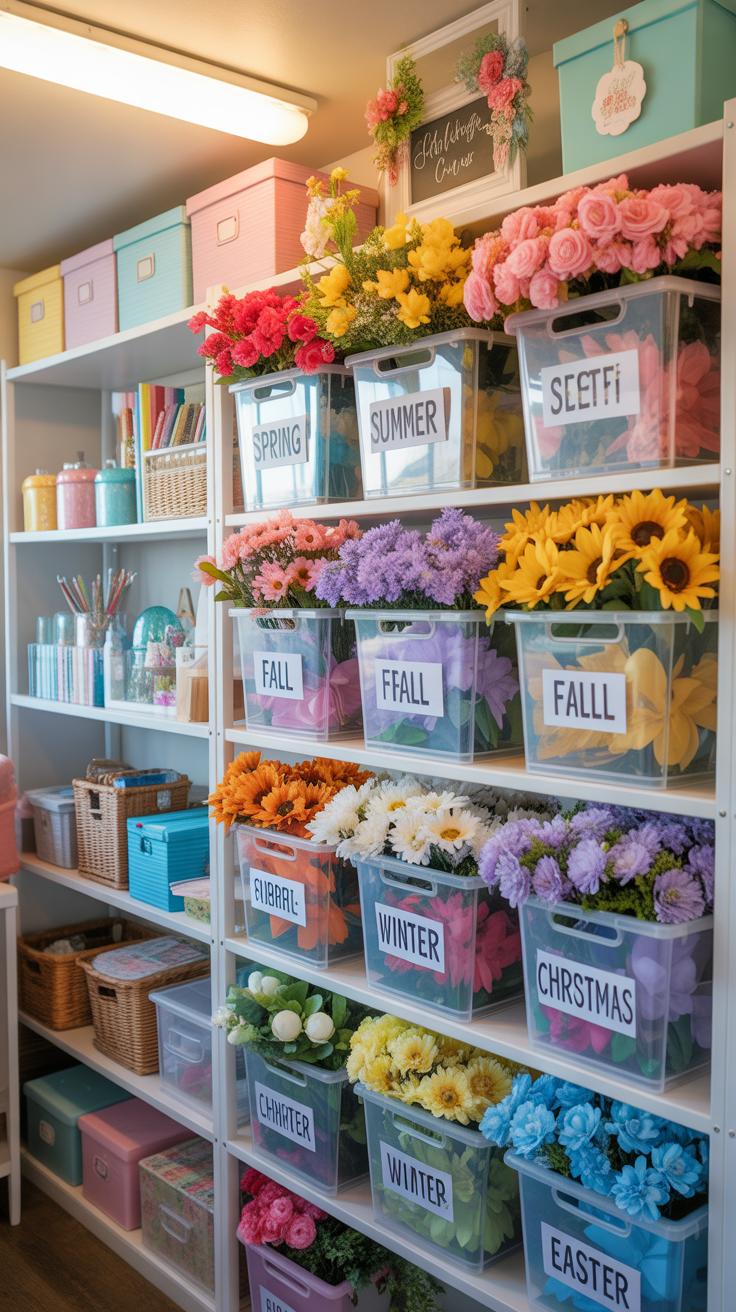
How To Store Holiday Floral Arrangements Without Losing Their Shape Or Color
Artificial holiday flowers use polyester, silk, or plastic polymers. Heat and UV light degrade these materials over time. Store these arrangements in a climate-controlled space to prevent the glue from melting or the fabric from becoming brittle. Avoid attics or garages where temperatures fluctuate. Extreme heat causes petals to lose their original form and weakens the structural wire inside the stems.
Dust acts as an abrasive that ruins fine detail on high-quality floral replicas. Wrap your arrangements in acid-free tissue paper before placing them in containers. This prevents color transfer between different floral pieces. Store the items upright to keep the weight off the delicate petals. Constant pressure creates permanent creases in silk and foam. Use sturdy plastic bins with airtight lids to keep moisture and pests out.
Using Garment Bags And Wardrobe Boxes To Store Large Seasonal Fake Flower Displays
Long floral garlands and tall silk arrangements require vertical storage solutions. Use clear plastic garment bags to hang these items in a spare closet. This method prevents the weight of other boxes from crushing the flowers. Hanging allows the stems to maintain their natural curve. It also blocks dust while keeping the items visible. Use padded hangers to avoid creating sharp kinks in the wire cores.

Wardrobe boxes provide a rigid structure for massive holiday displays. Secure the base of the arrangement to the bottom of the box using heavy duty ties. This stops the display from sliding and hitting the walls of the container. These large boxes keep the flowers away from floor moisture and heavy foot traffic. Mark the boxes clearly to ensure they stay upright during transport. Vertical storage preserves the original design.
Top Flower Tips And Floral Storage Best Practices For Year Round Success
Common Flower Storage Mistakes To Avoid With Both Fresh And Artificial Blooms
People often store fresh flowers near fruit bowls or in warm spots. Ripening fruit releases ethylene gas which rots petals fast. Heat speeds up the metabolic rate of the plant and causes wilting. You must keep fresh stems in cool areas away from direct sunlight. Never leave dying leaves below the water line. These leaves decay and create bacteria that block water uptake in the stem.
Artificial flowers suffer from poor storage habits too. Many people crush silk blooms into tight plastic bins. This causes permanent creases in the fabric. Direct sunlight fades the dyes used in high quality silk and 19th century inspired wax flowers. Humidity also destroys the floral tape and glue holding the stems together. Store them in acid free paper to prevent chemical yellowing over many years of storage.
When To Refresh, Repair, Or Replace Your Stored Flowers For Best Results
Fresh flowers require daily monitoring to stay viable. Check the water clarity every twenty four hours. If the water looks cloudy you must change it immediately. Recut the stems at a forty five degree angle to open new paths for hydration. Remove any petals that show brown spots or soft textures. These signs indicate the flower is past its peak and needs to be discarded.

For permanent botanicals inspect the structure once every season. Use a soft brush or compressed air to remove dust buildup. If petals become loose apply a small amount of clear floral glue to the base. Replace any stems that have lost their original shape or color intensity. Once the fabric frays or the plastic coating cracks the flower no longer looks realistic. Buy new components to maintain a professional display.
Frequently Asked Questions

Why do my fresh flowers wilt so quickly after I bring them home?
Flowers often wilt prematurely due to bacteria growth in the water or a lack of hydration. When stems are cut, they begin to seal over, preventing water absorption. Following essential flower storage tips, like cutting stems at a 45-degree angle and removing submerged leaves, ensures your blooms stay hydrated. Consistent care prevents air bubbles from blocking the vascular system, allowing your bouquet to remain vibrant and upright for much longer.
What is the best way to prepare a vase for long-term flower storage?
To maximize longevity, start with a surgically clean vase to eliminate any lingering bacteria. Fill the container with lukewarm water and mix in a packet of flower food. One of the most practical flower storage tips is to change this water every two days, re-trimming the stems slightly each time. This refreshes the nutrient supply and keeps the water clear, creating the perfect environment for your floral arrangements to thrive and glow.
Can I keep my flowers fresh if I do not have professional flower food?
Absolutely! You can create an effective DIY preservative using common household items like sugar, lemon juice, and a tiny drop of bleach. The sugar provides energy, the acidity helps water travel up the stem, and the bleach kills harmful bacteria. These budget-friendly alternatives are excellent additions to your routine, proving that you do not need expensive supplies to maintain a beautiful, long-lasting display in your home.