
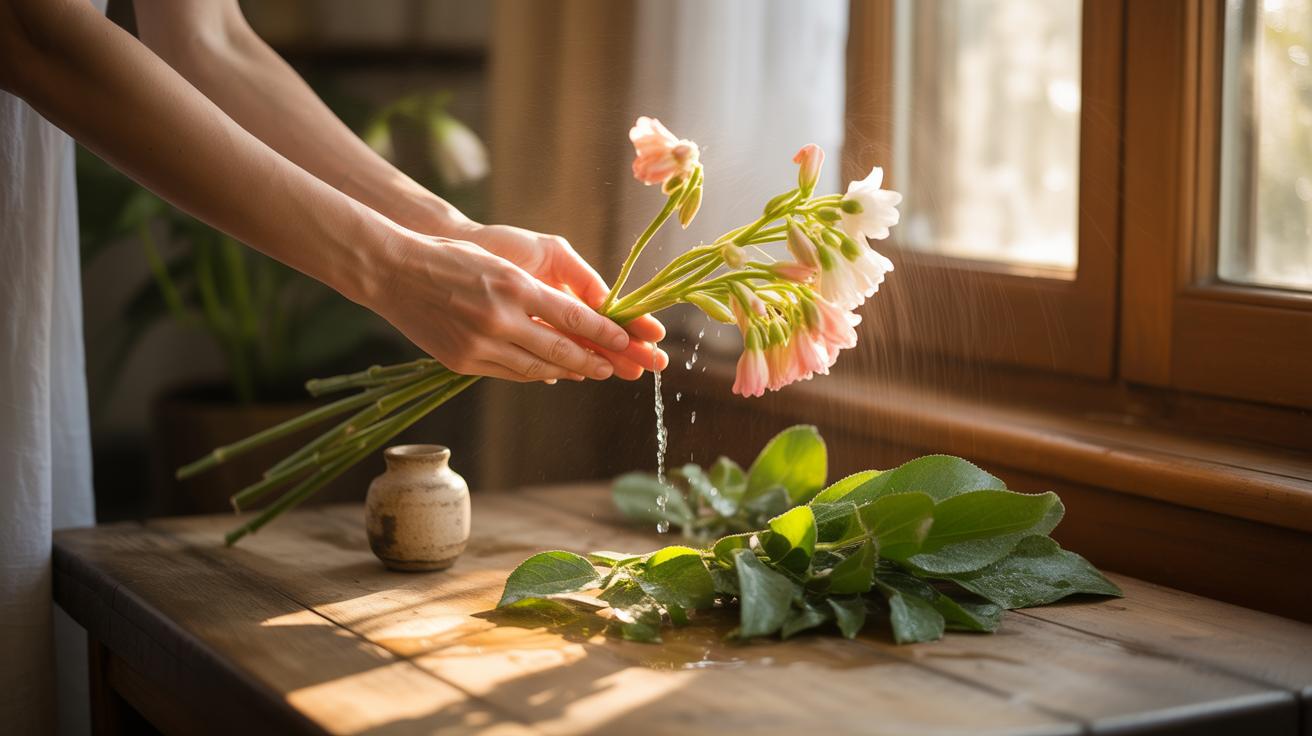
Understanding Why Wilting Flowers Happen In The First Place
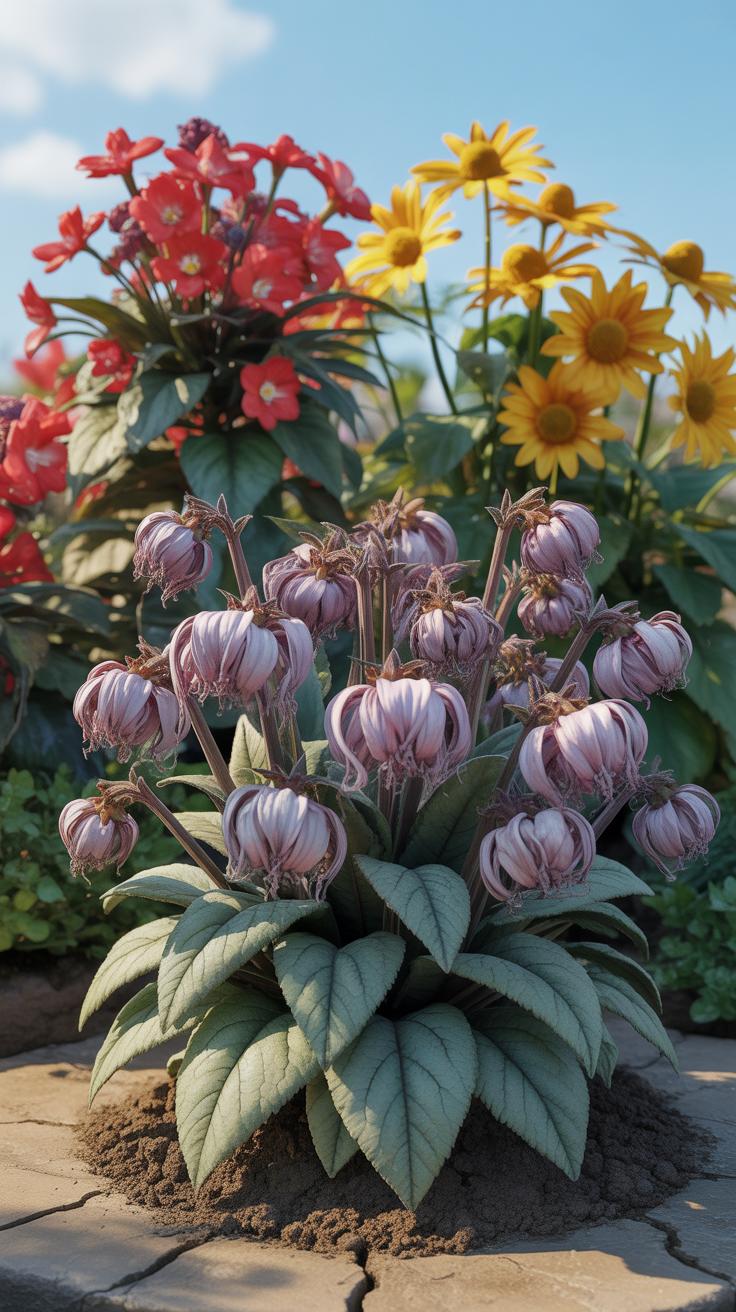
The Science Behind Flower Wilting: Water Loss And Cell Pressure
Flowers rely on turgor pressure to remain upright. This pressure occurs when water fills the vacuoles within plant cells. The water pushes against the cell walls to create a rigid structure. When a flower loses more water through its petals than it takes in through its stem, this internal pressure drops. The cells collapse and the stem loses its ability to support the bloom.
Vascular blockage often stops the flow of water. Air bubbles or bacteria can clog the xylem tubes inside the stem. These tubes act like straws for the plant. If the straw is blocked, the flower cannot hydrate even if the vase is full. This lack of hydration quickly leads to cellular dehydration. You must clear these blockages to restore the pressure and fix the droop.
Common Environmental Triggers That Cause Flowers To Droop Prematurely
Temperature and airflow dictate the rate of moisture loss. High heat increases evaporation from the petals. Placing flowers near a radiator or in direct sunlight speeds up this process. Drafts from air conditioners or open windows also pull moisture out of the plant tissue. These factors force the flower to use its water reserves at an unsustainable pace. This causes the head to hang.
Ethylene gas is another silent killer of fresh bouquets. Ripening fruits like apples and bananas release this gas into the air. Flowers are highly sensitive to ethylene. Exposure triggers the aging process and causes petals to drop or shrivel. Dirty vase water also introduces harmful bacteria. These microbes multiply fast and rot the stem ends. Keep flowers away from fruit and maintain clean water.

How To Revive Wilted Flowers Using The Cold Water Submersion Method
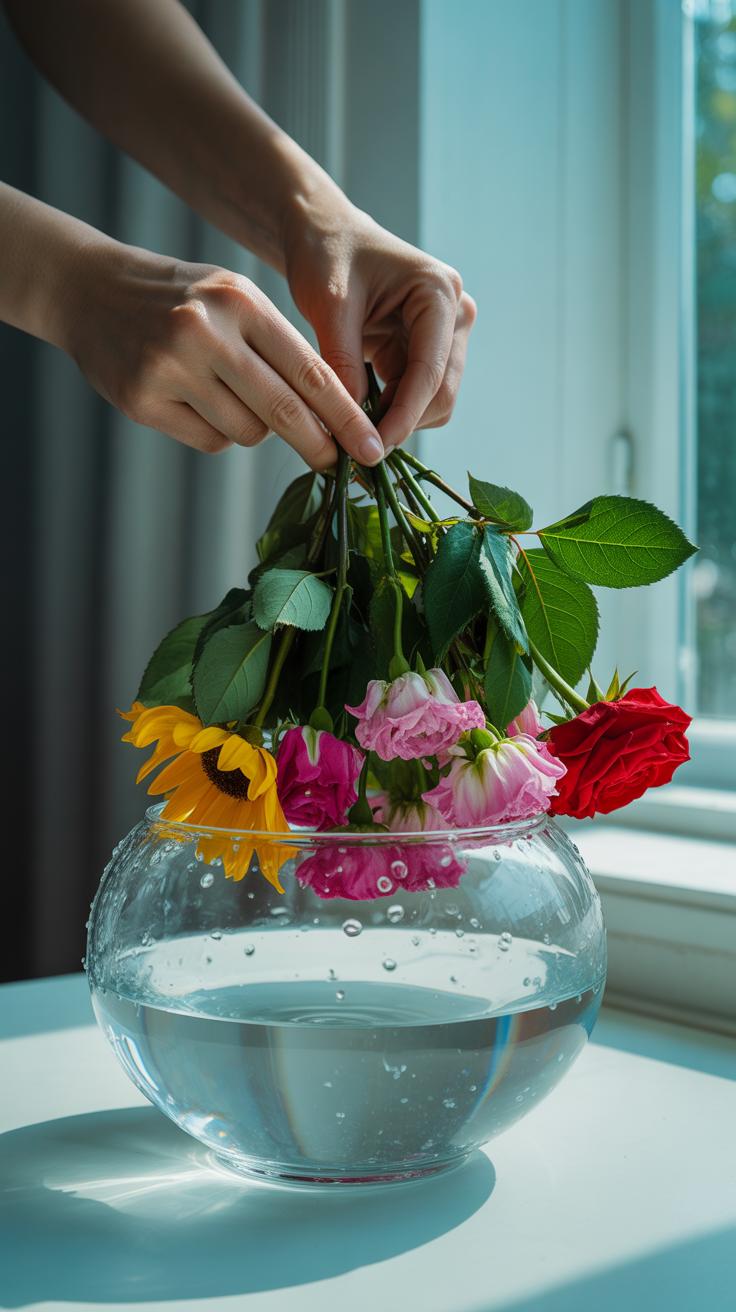
Why Fully Submerging Stems And Heads In Cool Water Works So Well
Cut flowers wilt because they lose more water than they take in. This creates air pockets in the stem called embolisms. These blocks stop water from reaching the petals. Cold water submersion forces water into the plant tissue through osmosis. The pressure of the water bath pushes out trapped air. This process restores turgor pressure to the cell walls quickly.
Hydration occurs through the stem and the flower head simultaneously. Cool water temperatures slow down the respiration rate of the plant. This prevents the flower from burning through its remaining energy. Submersion also cleans away bacteria that thrive in warm environments. This method works best for hardy varieties like roses or hydrangeas. It provides a direct fix for immediate physical dehydration in cut blooms.
Step By Step Guide To The Cold Water Submersion Technique At Home
Prepare a clean basin or bathtub with enough cool water to cover the entire flower. Use filtered water if available to avoid heavy mineral buildup on delicate petals. Trim the stems at a sharp forty-five-degree angle while holding them underwater. This prevents new air from entering the vascular system. Ensure the container is deep enough to allow the flowers to float freely.
- Prepare the Water: Fill a large sink or tub with cool tap water. Avoid ice-cold temperatures as they can shock the plant tissue. Ensure the basin is sanitized to prevent introducing harmful bacteria to the open cuts on the flower stems.
- Trim the Stems: Cut one inch off the bottom of each stem at an angle. Use sharp shears to avoid crushing the water-conducting veins. Perform this cut underwater to ensure no air bubbles enter the stem before the flower goes into the bath.
- Submerge the Flowers: Place the entire flower including the head and leaves into the water. Ensure every part stays below the surface for maximum absorption. Use a light mesh or plastic grate to hold them down if the blooms try to float above the water line.
- Set the Timer: Leave the flowers submerged for thirty to sixty minutes depending on the level of wilting. Hardier flowers can stay under for longer periods. Check the petals periodically to ensure they are regaining their firm texture and upright posture during the soak.
- Dry and Recut: Remove the flowers from the water once they feel firm. Shake off excess moisture gently to prevent mold growth on the petals. Recut the stems one more time before placing them into a clean vase with fresh water and floral preservative.

Monitor the flowers closely after returning them to a vase. Avoid placing the revived blooms in direct sunlight or near heat vents. High temperatures will cause the water to evaporate faster than the newly cleared stems can replace it. Change the vase water every two days to maintain the results. This tactical approach extends the life of your arrangement by several days.
How To Revive Cut Roses And Restore Their Velvety Bloom
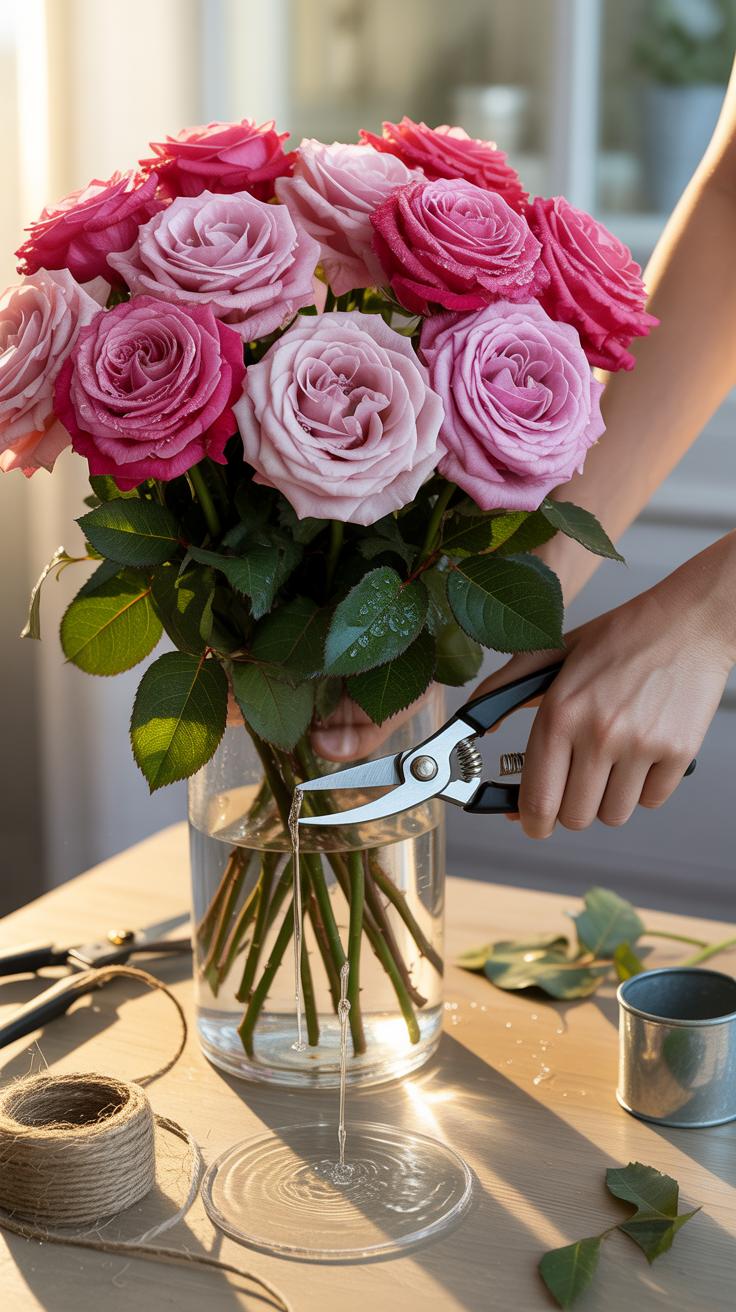
Re Cutting Rose Stems At An Angle: Why It Makes A Measurable Difference
Air bubbles often block the narrow tubes in rose stems. These blockages prevent water from reaching the heavy flower head. You must cut the stem while it stays submerged under water. This method stops new air from entering the vascular system. Use sharp shears to avoid crushing the delicate tissue. A clean cut ensures the plant can pull moisture upward immediately.
An angled cut increases the surface area for water intake. It also prevents the stem from sitting flat against the bottom of the vase. If the stem sits flat, water cannot enter the opening. Aim for a forty five degree angle. This simple physical change maximizes the hydration rate. Consistent re-cutting every two days keeps the pathways open and prevents bacteria from sealing the base.
Using Warm Water And A Clean Vase To Rehydrate Drooping Rose Heads
Warm water moves faster through the stem than cold water. Professional florists use water between one hundred and one hundred ten degrees Fahrenheit. This temperature helps clear air locks quickly. The heat thins the sap and allows for rapid flow to the petals. You must remove any leaves that sit below the water line. Decaying foliage creates bacteria that kill the bloom.

Cleanliness is the most important factor in floral longevity. Wash your vase with bleach to kill all lingering microbes. Bacteria clog the stem and cause the rose head to droop. If the rose is severely wilted, try the immersion method. Submerge the entire rose in a tub of warm water for one hour. This rehydrates the plant through its cells and restores structural integrity.
How To Revive Wilted Roses With Household Remedies You Already Own
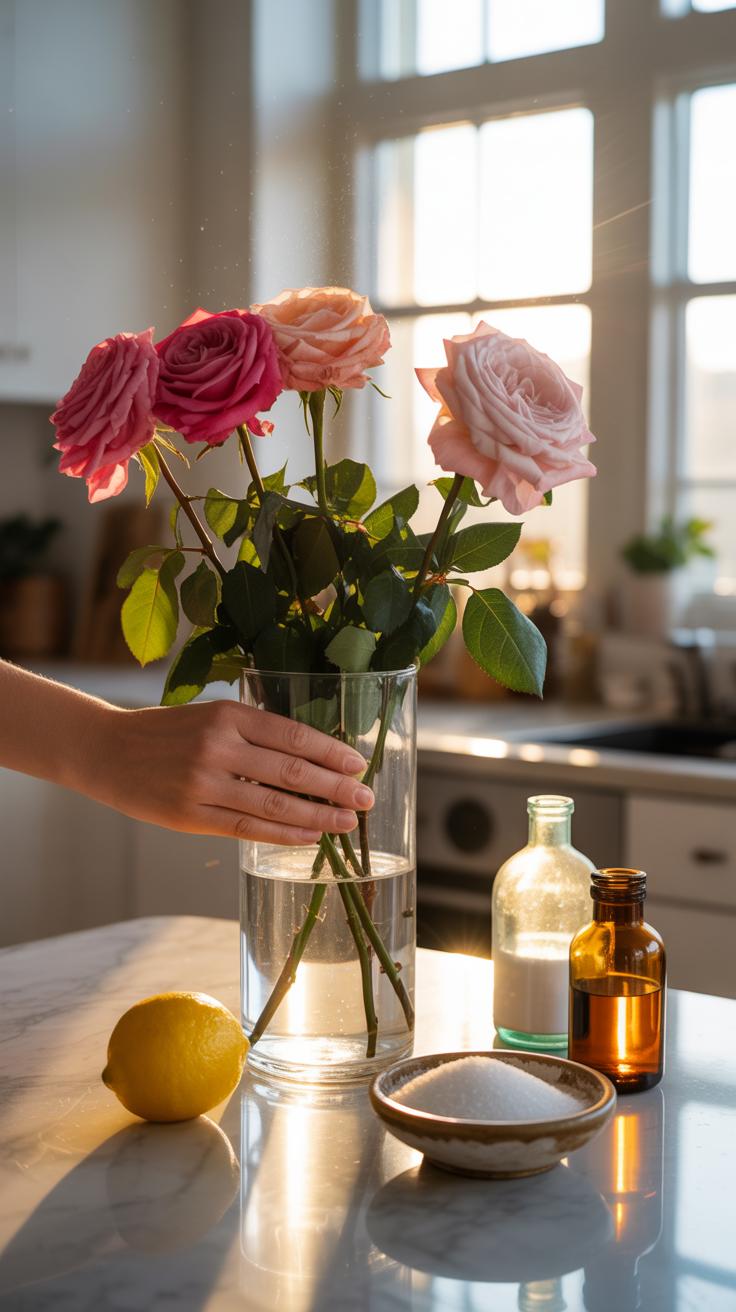
The Role Of Sugar And Apple Cider Vinegar In Homemade Flower Food
Sugar acts as a primary energy source for cut roses. Once you remove a rose from its root system, it loses its ability to produce food through photosynthesis. Adding one tablespoon of granulated sugar to your vase water mimics the natural glucose the plant needs. This provides the carbohydrates required for cell metabolism. It helps the rose head stay upright and prevents premature drooping.
Apple cider vinegar serves as a potent antimicrobial agent in this mixture. Bacteria grow quickly in stagnant vase water and clog the narrow vascular tubes of the rose stem. This blockage prevents water from reaching the bloom. Mixing two tablespoons of vinegar with the sugar creates an acidic environment. This lower pH level keeps the water clear. It ensures the stem can effectively transport nutrients directly to the wilted flower.
Aspirin And Bleach: Fact Checked Home Remedies That Actually Help Roses
Aspirin contains salicylic acid which can lower the pH level of your vase water. A lower pH allows water to flow through the stem at a faster rate. Crush one tablet into a fine powder before adding it to the water to ensure it dissolves completely. This helps the rose maintain its internal water pressure. It effectively combats the wilting process by keeping the vascular system open and functional for longer periods.

Common household bleach is a powerful tool for extending rose life when used in small amounts. Add only one quarter teaspoon of bleach per liter of water. This concentration is enough to kill fungi and bacteria without damaging the plant tissues. Keeping the water sterile is the most effective way to prevent stem rot. Clean water allows the rose to drink freely. This tactical approach prevents the slime buildup that kills most indoor floral arrangements.
How To Revive Cut Hydrangeas When Their Blooms Begin To Droop
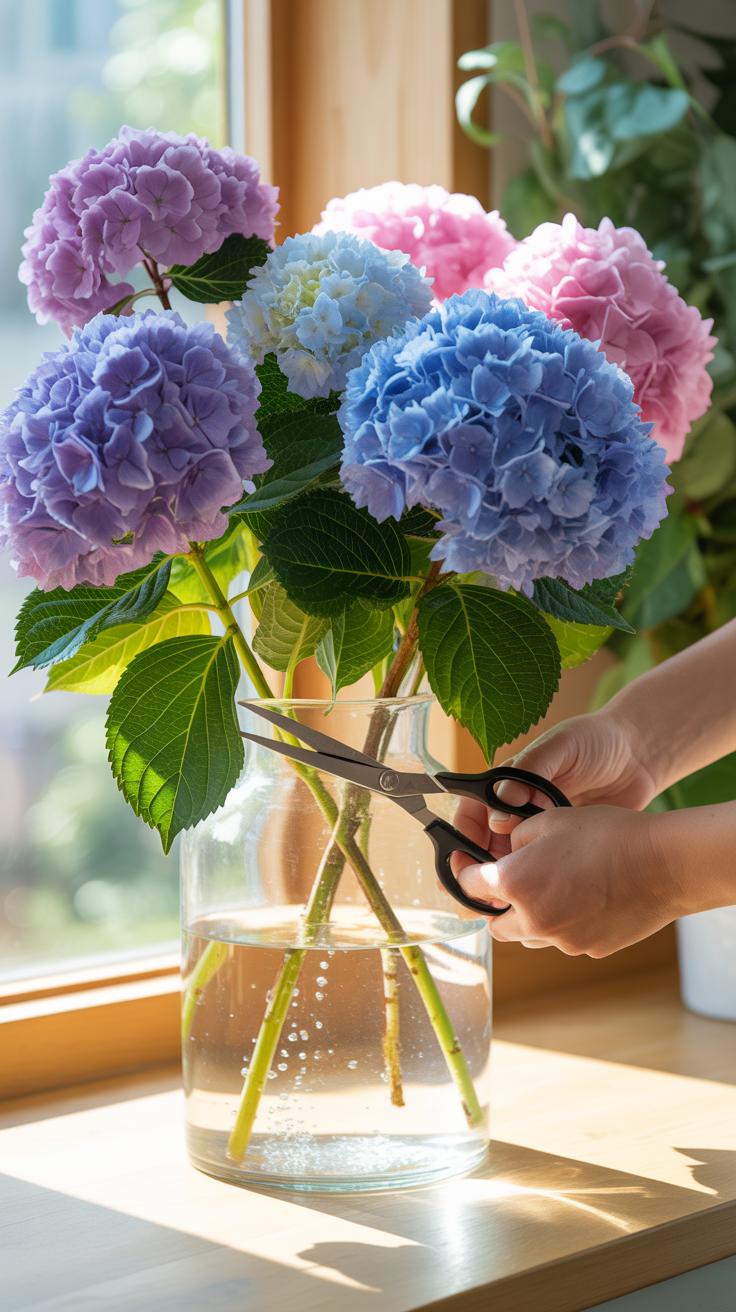
Why Hydrangea Stems Block Easily And How Recutting Solves The Problem
Hydrangeas produce a sticky substance called sap that clogs their vascular system. This residue hardens once you cut the stem from the main plant. The blockage prevents water from traveling up to the flower head. This specific botanical issue causes the petals to lose turgor pressure. When the pressure drops, the heavy bloom starts to sag. You must remove this physical barrier immediately.
To fix the blockage, you must recut the stems at a sharp forty-five degree angle. Use clean shears to avoid crushing the delicate tissue. Do not use dull scissors because they pinch the water vessels shut. Cutting the stem under running water prevents air bubbles from entering the plant. An angled cut increases the surface area for water intake. This simple mechanical action restarts the hydration process.
The Boiling Water Trick For Reviving Cut Hydrangeas Quickly And Safely
The boiling water method removes the waxy sap that regular cold water cannot dissolve. This technique is often called searing the stems. High heat forces air bubbles out of the xylem tubes. These bubbles often block the flow of nutrients in woody perennials. You need about an inch of near-boiling water in a clean glass. This heat treatment acts as a shock to the system.

Trim the wilted stems before placing them in the hot water for thirty seconds. The heat breaks up the hardened clogs at the base. Move the flowers into a vase of room temperature water immediately after the treatment. You will see the blooms return to their firm state within two hours. This strategy works because it restores the internal plumbing of the plant. Do not leave them in hot water too long.
How To Revive Hydrangeas Growing In Pots Or Garden Beds
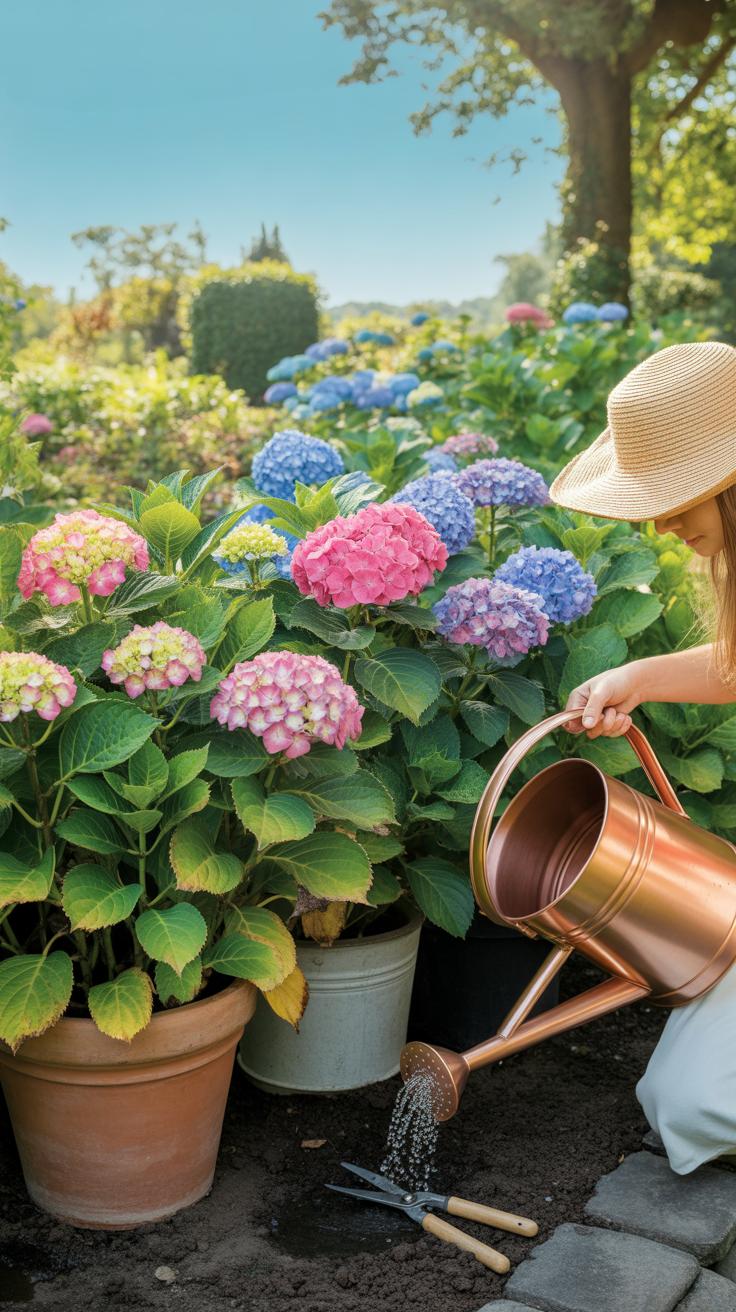
Diagnosing Dehydration Versus Root Issues In A Wilting Potted Hydrangea
Hydrangeas wilt fast when soil moisture drops. Check the soil depth with your finger. Dry soil indicates a simple lack of water. If the soil feels soaking wet but the plant still droops, you have a root problem. Overwatering causes root rot. This prevents the plant from taking up water. Look for yellowing leaves as a sign of drowning roots rather than thirst.
Check the pot weight immediately. A light pot confirms dehydration. A heavy pot suggests poor drainage or fungal issues. Inspect the stems for firmness. Firm stems with limp leaves usually need a deep soak. Soft or mushy stems indicate a dying root system. You must distinguish these two states to save the plant. Adding more water to a rotting hydrangea will kill it.
Deep Watering And Shade Placement To Revive A Hydrangea Flower Outdoors
Revive a parched outdoor hydrangea by saturating the root zone. Apply water at the base of the plant only. Avoid wetting the foliage to prevent fungal diseases. Use a slow drip method or a soaker hose. This ensures the water reaches the deep roots. Surface misting does nothing for a wilted hydrangea. You must rehydrate the entire root ball to see recovery.

Provide temporary shade to lower the plant temperature. Use an umbrella or shade cloth to block direct afternoon sun. High heat forces the plant to lose moisture faster than roots can replace it. Move potted hydrangeas to a north-facing wall or under a tree canopy. Restricting sun exposure stops the transpiration cycle. This allows the hydrangea to recover its internal water pressure without fighting heat.
How To Revive Flowers In A Vase And Keep Them Fresh For Longer
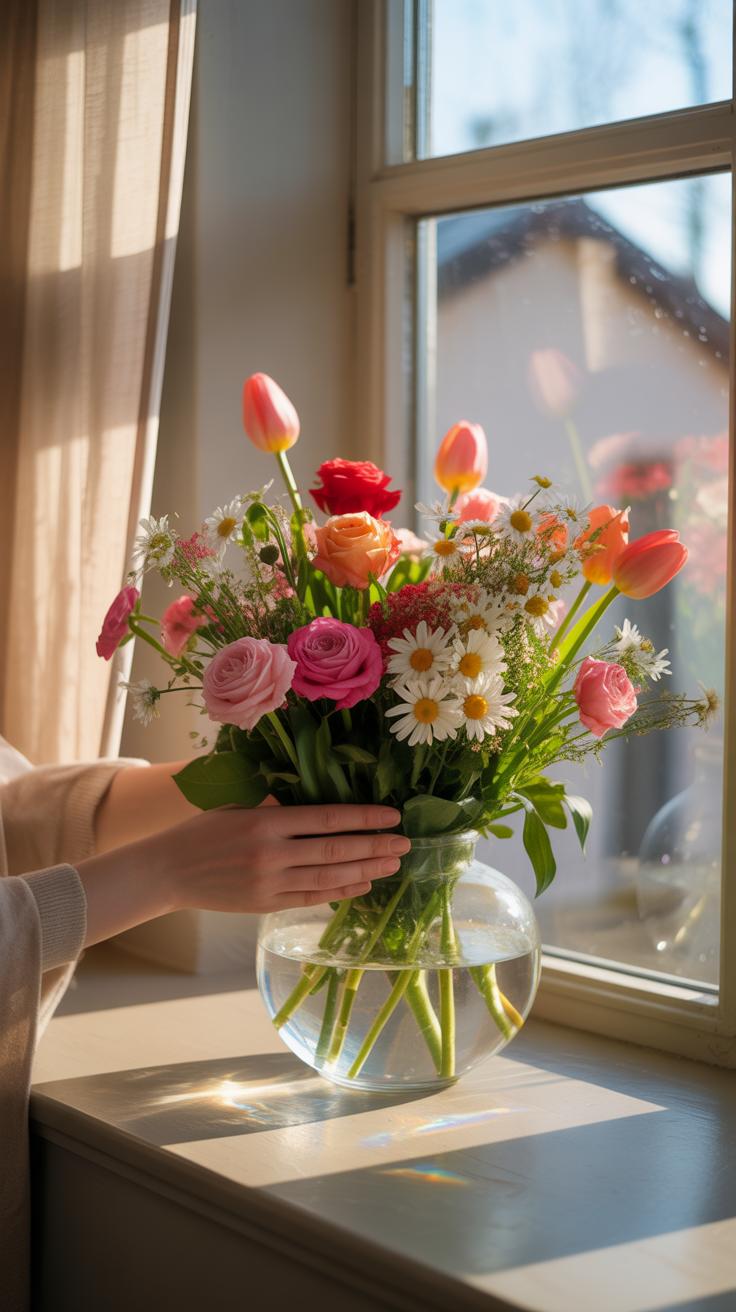
Changing Vase Water Regularly: How Bacteria Build Up Accelerates Wilting
Stagnant water acts as a breeding ground for bacteria. These microorganisms enter the stem through the cut end and clog the vascular system. This blockage prevents the flower from absorbing hydration. When the stem cannot pull water to the petals, the plant loses turgor pressure. This physical failure causes the flower head to droop and the leaves to turn brown.
You must change the water every two days to stop decay. Use a clean vase and scrub the interior surfaces to remove biofilm. Add room temperature water and new floral preservative to maintain a clear environment. Cold water can shock some tropical species, while warm water helps air bubbles move out of the stems. Clean water is the most critical factor for flower health.
Best Vase Placement Tips To Slow Wilting And Maximize Bloom Longevity
Environmental factors directly impact how fast a cut flower dies. High temperatures and dry air accelerate transpiration. This process causes the plant to lose moisture through its petals faster than it can drink. Placing flowers in the wrong spot ruins their lifespan regardless of water quality. You must control the climate around the vase to maintain the internal cell structure of the blooms.
- Avoid Direct Sunlight: UV rays and heat from windows increase the temperature of the petals. This heat triggers rapid aging and causes the water in the vase to grow bacteria faster. Place flowers in indirect light to keep the tissue cool and hydrated.
- Stay Away From Fruit: Mature fruits like apples and bananas release ethylene gas as they ripen. This hormone acts as a signal for flowers to wilt and drop their petals prematurely. Keep your floral arrangements in a separate room from ripening produce.
- Eliminate Drafts: Air vents and fans pull moisture away from the flower surface. Constant airflow creates a dry environment that the plant cannot combat. Position vases away from air conditioning units and heating vents to prevent the stems from drying out.
- Maintain Cool Temperatures: Flowers last longer in cool environments because their metabolic rate slows down. Higher temperatures force the flower to burn through its energy reserves quickly. Professional florists use refrigeration to stall the wilting process and preserve the fresh appearance of the petals.
- Keep Away From Electronics: Television sets and computer monitors give off significant heat while running. This localized heat source creates a microclimate that dehydrates the delicate flower heads nearby. Choose stone or wood surfaces that stay at a neutral temperature throughout the day.

Strategic placement reduces physical stress on the plant. Check the surrounding area for hidden heat sources or gas emitters. A stable environment prevents the flower from working too hard to stay alive. If you control the air and the light, you extend the life of the arrangement by several days. Constant monitoring of the vase location ensures the flowers remain vibrant.
Revive Wilted Flowers With Temperature And Humidity Adjustments
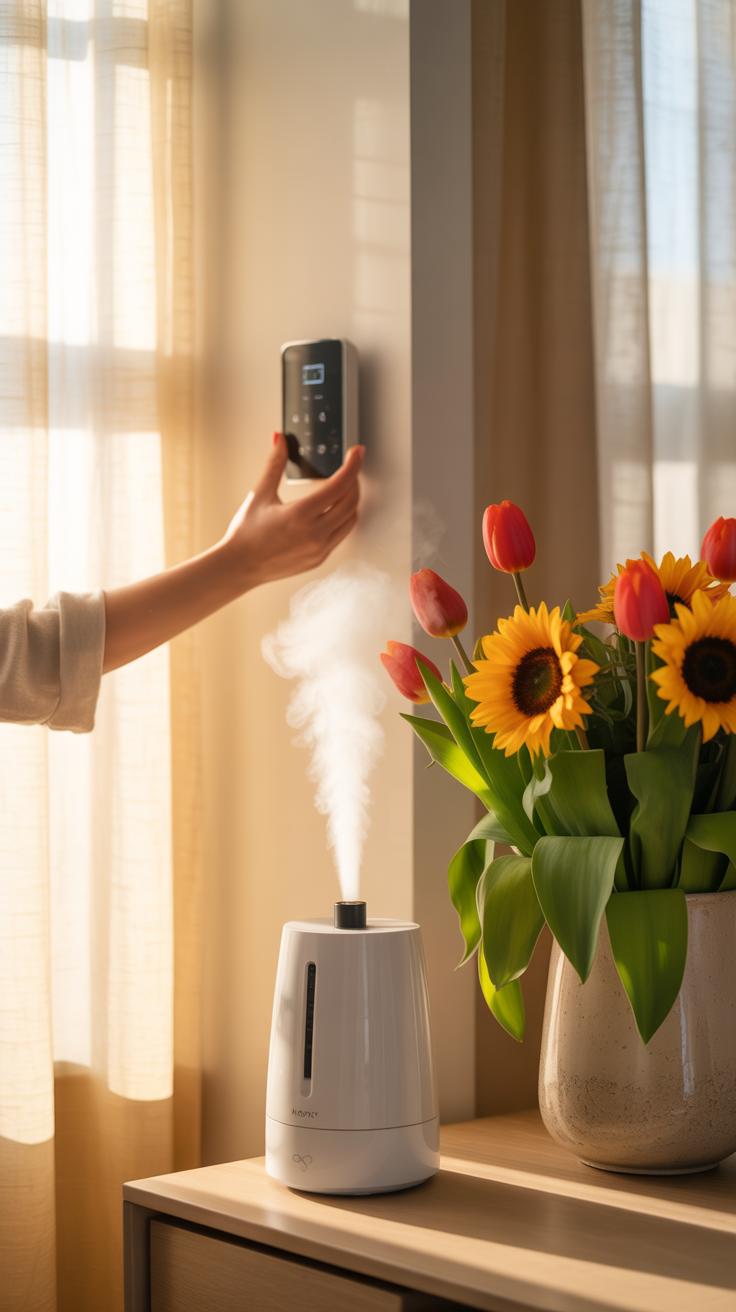
How Room Temperature And Air Conditioning Affect Cut Flower Health
High ambient temperatures accelerate the metabolic rate of cut flowers. This heat forces the plant to consume stored sugars faster. Rapid energy depletion causes heads to droop and stems to soften. Position your vases in cool spots away from direct sunlight. Modern heating systems strip moisture from the air and kill blooms early. Consistency in room temperature keeps the vascular system stable.
Air conditioning units create cold drafts that shock sensitive floral tissues. These machines also pull moisture directly out of the petals through forced air. Move arrangements away from vents and blowing fans to prevent rapid dehydration. Professional florists use consistent cool air to slow aging. Mimic this by keeping your home between sixty five and seventy two degrees Fahrenheit for the best results.
To nurture a garden is to feed not just the body, but the soul. Even a drooping petal holds the promise of tomorrow if given a little love and patience.
Using A Humidity Tray Or Misting Bottle To Rehydrate Delicate Petals
Low humidity levels cause flowers to lose water faster than they can drink it. This imbalance leads to immediate wilting and crispy edges on the petals. You can fix this by creating a localized climate with a humidity tray. Fill a shallow tray with pebbles and water. Place the vase on top of the stones. The evaporating water surrounds the plant with necessary moisture.

Misting provides a direct hit of hydration to the flower heads. Use a fine spray bottle with room temperature water to coat the blooms. This technique simulates a dew laden environment and helps petals remain turgid. Do not overdo it or you might encourage fungal growth. Light misting twice a day is enough to support the stems. This method works best for tropical varieties and thin petaled flowers.
Preventing Wilting Flowers Before It Starts Smart Buying And Prep Habits
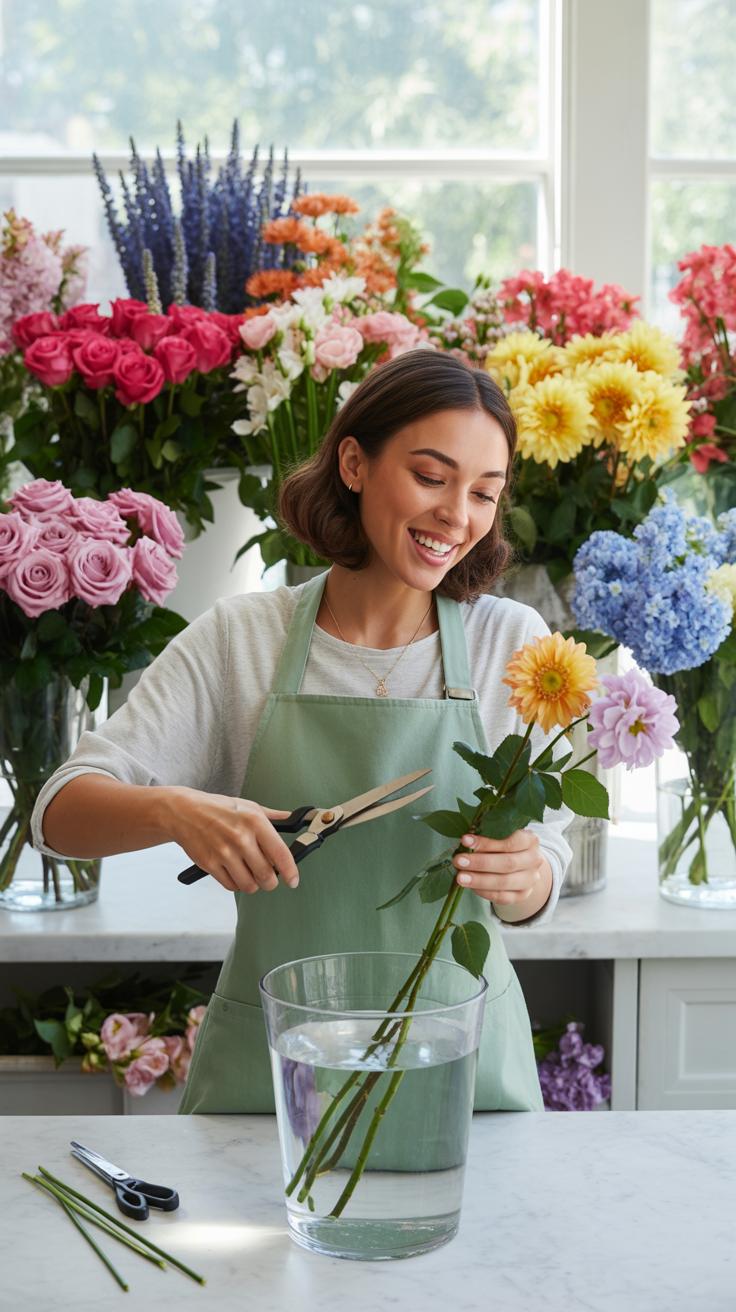
How To Choose Fresh, Long Lasting Flowers At The Market Or Florist
Inspect the flower heads first to ensure they are firm and tight. Avoid blooms that are wide open or show brown edges on the petals. Check the underside of the flower for mold or spots. Healthy petals feel springy and resilient when you touch them gently. If the petals are soft or transparent, the flower is already dying.
Look at the stems and leaves to judge the overall health. Stems must be green and firm, not slimy or gray. Check the water in the bucket for clarity. Murky water indicates high bacterial growth which kills flowers fast. Buy flowers kept in cool areas or refrigerated units. Heat exposure during retail storage ruins the vase life before you get home.
Proper Conditioning Of Fresh Cut Stems Before Arranging In A Vase
Cut the stems at a forty-five degree angle using sharp shears. A slanted cut increases the surface area for water intake. Dull blades crush the vascular system and block hydration. Remove all leaves that will sit below the water line. Decaying foliage creates bacteria that clog the stems. This step is the most critical for preventing early wilting.
Place the prepared stems into lukewarm water immediately after cutting. Use a clean vase scrubbed with bleach to kill lingering germs. Add floral food to provide sugar and acidify the water. This combination keeps the stem pathways open for several days. Keep the arrangement away from direct sunlight and ripening fruit. Ethylene gas from fruit makes flowers age and drop petals prematurely.
Creative Second Lives What To Do With Flowers That Cannot Be Revived
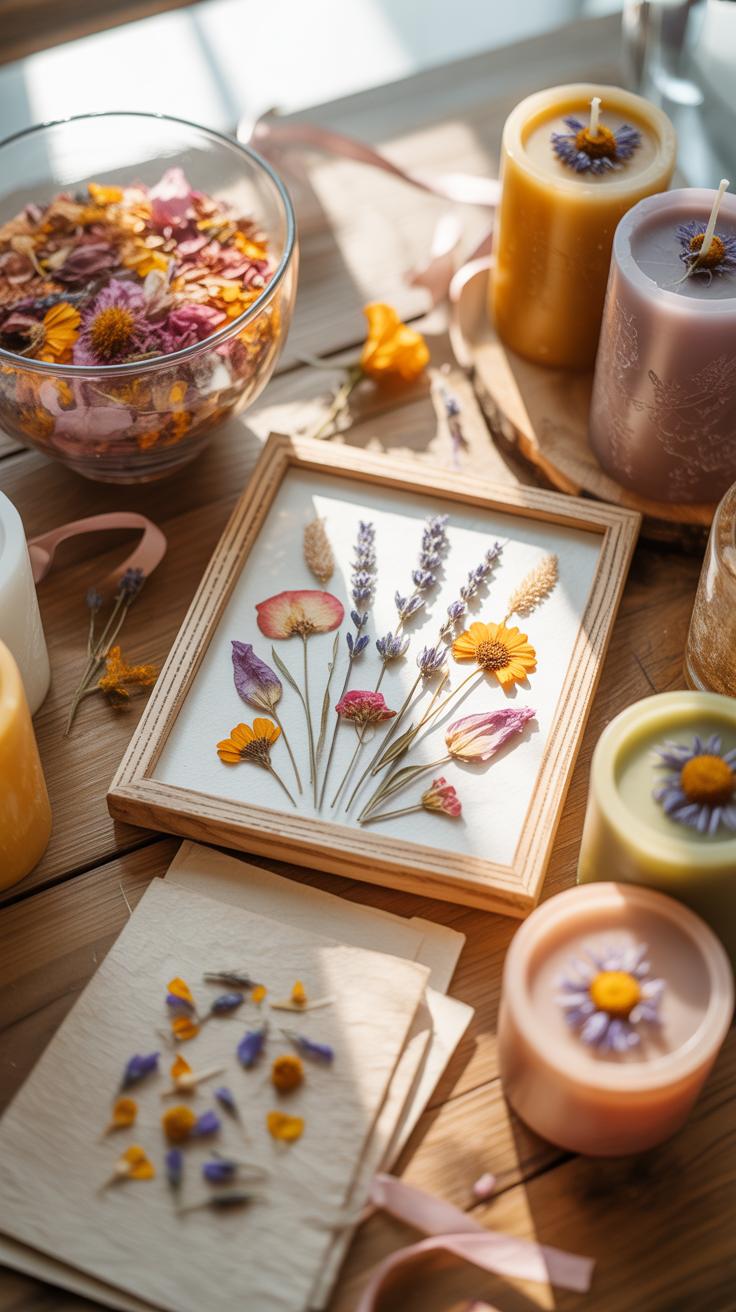
Drying And Pressing Wilted Flowers For Home DéCor And Keepsakes
Air drying preserves physical structure. Hang flowers upside down in a dark and dry space. Darkness prevents UV rays from bleaching the pigments. This method works best for robust varieties like roses and lavender. Ensure air circulation to prevent mold growth during the process. Secure stems with elastic bands to account for shrinkage as moisture leaves the plant tissues.
Pressing flowers creates flat specimens for framing. Place blooms between absorbent sheets of acid free paper. Apply even pressure using a heavy press or large books. This technique dates back to the Victorian era for botanical recording. It removes moisture while maintaining the silhouette of the bloom. Leave the flowers for three weeks to ensure complete desiccation before moving them.
Composting Spent Blooms And Repurposing Petals For Natural Home Uses
Decomposing flowers provide essential nitrogen for garden soil. Remove any plastic tape or wire before adding them to a compost bin. Shredding the stems speeds up the breakdown process significantly. High nitrogen content helps microorganisms decompose carbon rich materials like dried leaves. Avoid composting diseased plants to prevent spreading pathogens. Proper composting turns waste into nutrient dense fertilizer for future growth.
Natural dyes offer a tactical use for colorful petals. Boil spent marigolds or hibiscus to extract organic pigments for fabric. This method utilizes the chemical compounds found in flower cells. You can also create potpourri by mixing dried petals with fixatives like orris root. Store the mixture in glass jars to retain the scent. These applications reduce household waste and provide sustainable raw materials.
Frequently Asked Questions

Why do my cut flowers start drooping so soon after I bring them home?
Flowers usually wilt due to dehydration or air bubbles blocking the stems, preventing water from reaching the petals. Factors like extreme temperature shifts or bacteria in the vase water also play a major role in premature fading. Understanding these causes is the first step in applying effective wilted flower revival tips. By addressing environmental stressors early, you can keep your favorite blooms looking fresh and vibrant for several additional days.
What is the fastest way to perk up a bouquet of drooping roses?
The most reliable of all wilted flower revival tips is the warm water “shock” method. Start by cutting an inch off the stems at a 45-degree angle under running water. Immediately place the stems into a clean vase filled with hot—but not boiling—tap water. The heat helps clear blockages in the vascular system, allowing the flower to hydrate rapidly. You should notice a significant improvement in perkiness within an hour.
Can I save my dying flowers using common household items I already have?
Absolutely, you don’t need expensive floral preservatives to see results. Adding a single teaspoon of granulated sugar provides necessary nutrients, while a tiny drop of bleach or a splash of clear soda helps kill stem-clogging bacteria. Another great tip is using a copper penny or a crushed aspirin tablet in the water. These budget-friendly hacks are accessible ways to extend the life of your anniversary or grocery store bouquets easily.