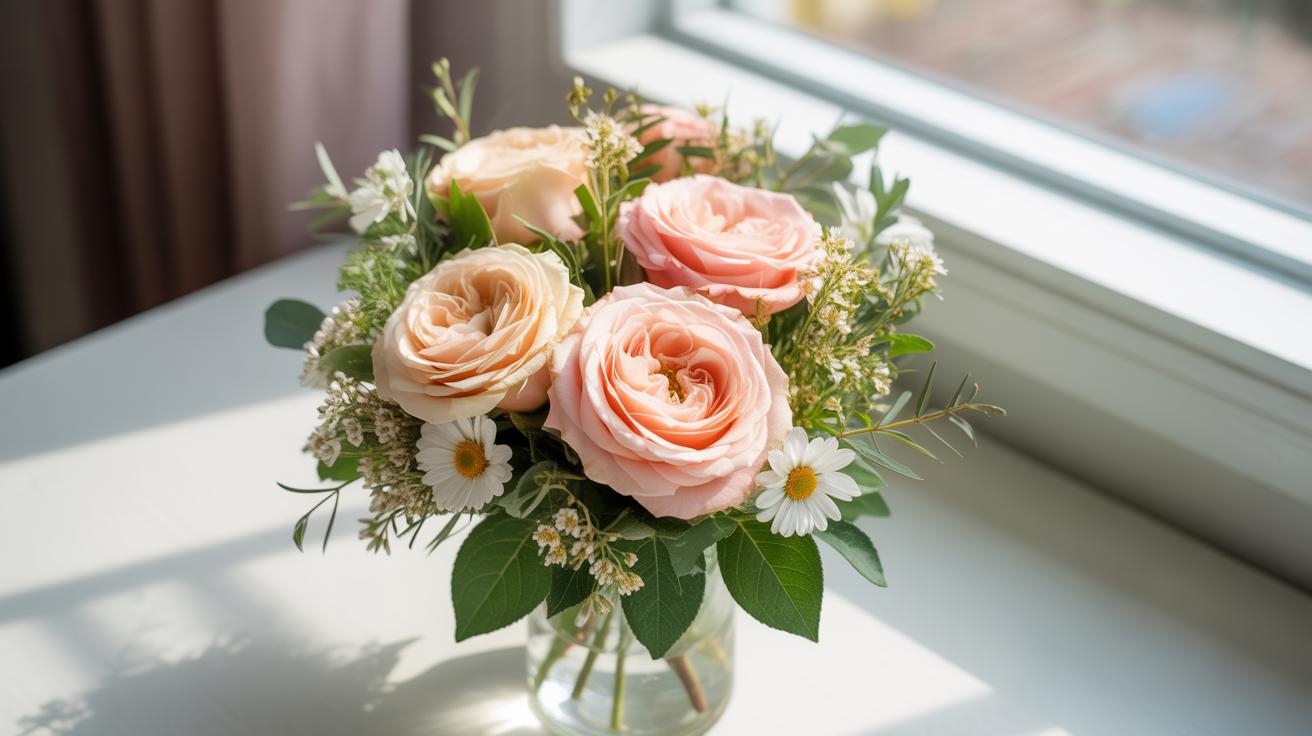
What Makes Peach Floral Arrangements So Popular And Timeless
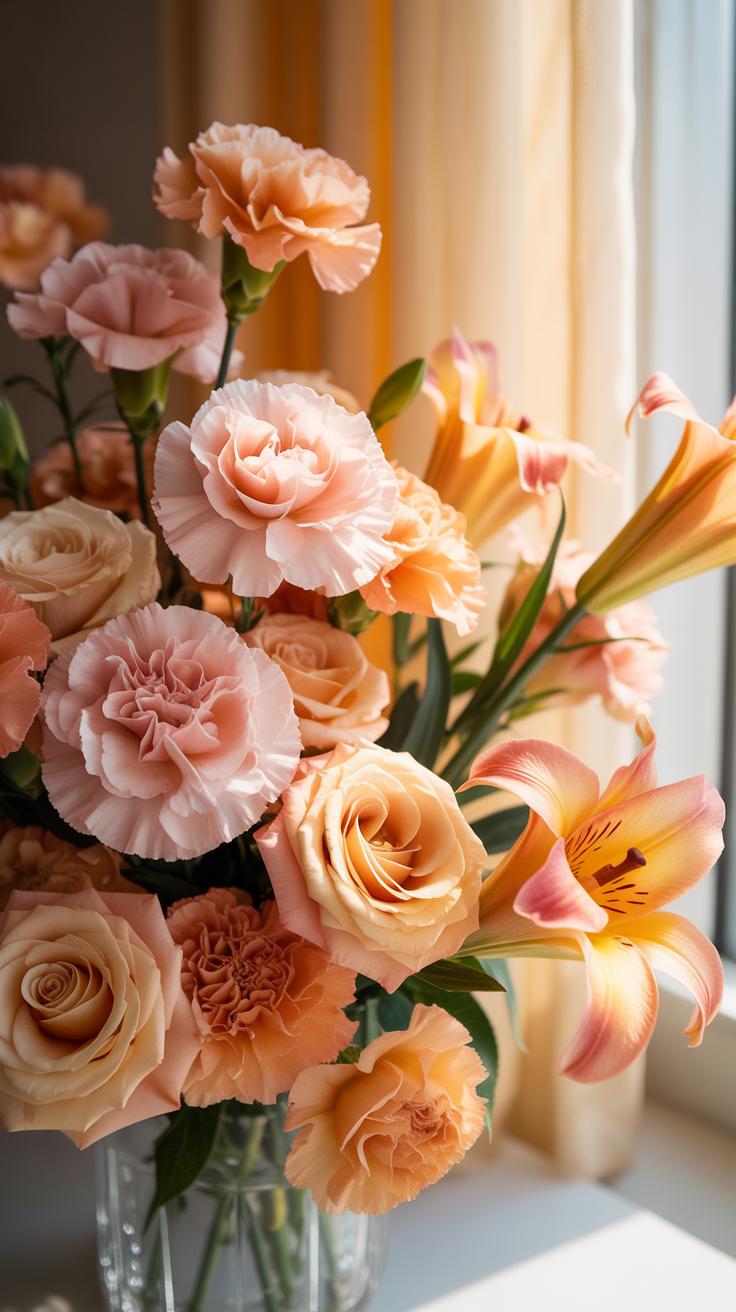
The Warm, Versatile Appeal Of The Peach Color Palette In Floral Design
Peach functions as a high-utility neutral in floral design. It sits between pink and orange on the color wheel. This position allows it to bridge the gap between cool and warm tones. Designers use peach to soften harsh whites or to brighten deep greens. It works in almost every lighting condition. This reliability makes it a primary choice for professional florists and beginners.
The color peach provides high visibility without the visual aggression of red or yellow. It mimics natural skin tones and sunset hues. These associations create a sense of comfort and stability in a room. Peach blooms also blend well with wood textures and metallic accents. You can use these flowers in rustic settings or modern offices. They adapt to the environment instead of clashing with existing decor.
How Peach Flowers Blend Softness And Sophistication In Any Setting
Peach flowers offer a high-end look without the formal stiffness of pure white arrangements. In the Victorian era, peach blossoms symbolized modesty and sincerity. Today, decorators use them to create approachable luxury. The color suggests quality and careful selection. It looks expensive but feels welcoming to guests. This balance is difficult to achieve with bolder colors like purple or blue.
Tactically, peach flowers serve as the perfect transition element in complex designs. They soften the edges of a centerpiece. This creates a smooth visual flow for the viewer. Professional planners often choose peach for corporate events because it looks polished and professional. It does not distract from the main agenda. It adds a layer of refinement to the space while maintaining a calm atmosphere for work.
Best Peach Flowers To Use In Peach Flowers Arrangements For Beginners
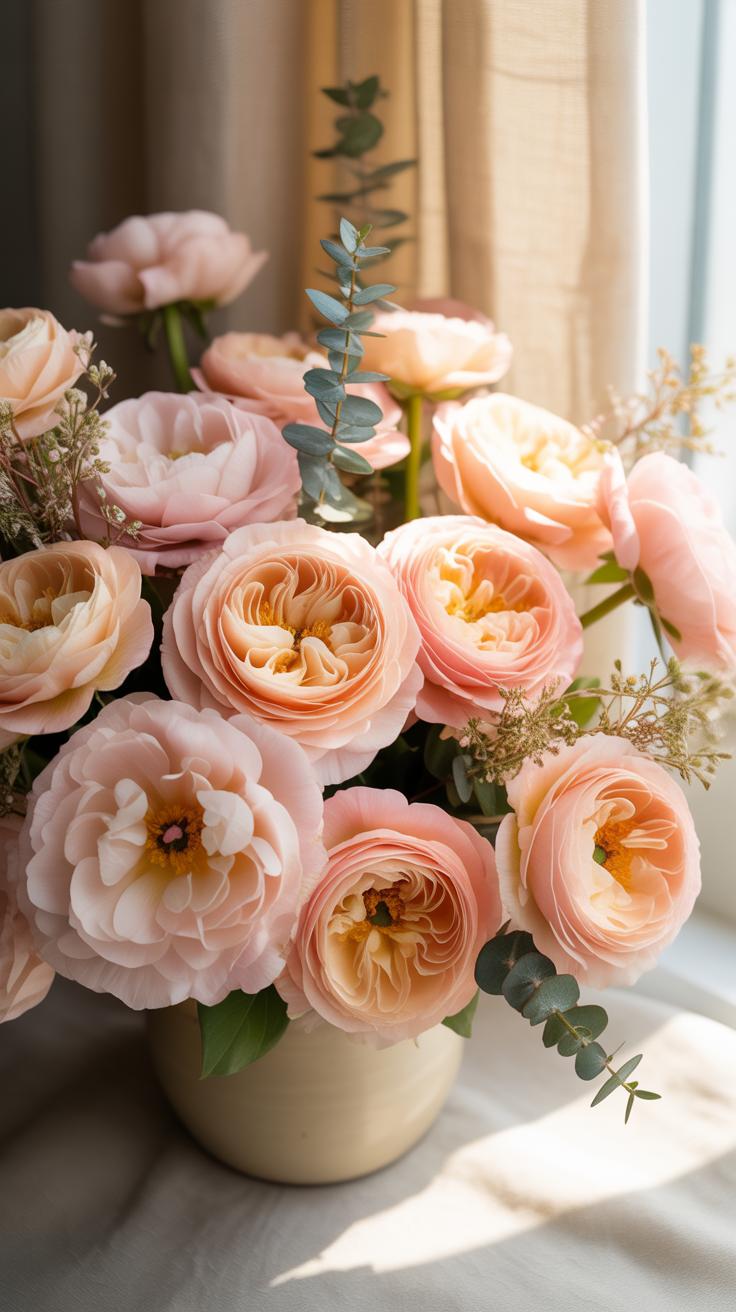
Top Peach Toned Blooms To Look For At Your Local Florist Or Garden
Beginners should select flowers with sturdy stems and predictable shapes. These varieties minimize technical errors during the construction of peach floral arrangements. Local florists usually stock these core species because they hold their color well and resist wilting. Choosing the right species ensures your arrangement maintains its structural integrity. Focus on flowers that provide clear visual impact without requiring complex mechanical support.
- Peach Roses: These are the standard for any peach arrangement. Varieties like Juliet or Campanella offer dense petal counts and strong stems. They provide a focal point that anchors the design and works well with almost any filler greenery you choose.
- Peach Carnations: Professionals use these for their exceptional longevity and ruffled texture. They are cost-effective and fill gaps in an arrangement quickly. Their muted peach tones act as a perfect bridge between brighter orange hues and softer cream colors in your palette.
- Peach Ranunculus: These blooms feature thin, tissue-like petals and curved stems that add natural movement. They are smaller than roses but offer a high-end look. Use them to create a sense of depth and delicate detail in the middle layers of your floral work.
- Peach Gerberas: These flowers have a flat, open face that provides immediate color saturation. They work best in modern, clean designs due to their geometric shape. Their thick stems drink a lot of water, which helps the blossom stay upright and vibrant for several days.
- Peach Stock: This vertical flower adds height and a spicy scent to your work. Each stem contains multiple small blossoms that create a full, lush appearance. It serves as a line flower to define the outer boundaries and dimensions of your floral container.
Color consistency is vital when purchasing your floral materials. Inspect the petals for bruising or brown edges before buying. Different species reflect light differently, so mix textures to add visual interest. A combination of smooth roses and ruffled carnations creates a professional look. Always prioritize the health of the bloom over the specific shade. Healthy stems will last longer and look better in your home.
Seasonal Availability Of Peach Blooms And What To Expect Year Round
Peach flowers are not available in every variety throughout the year. Spring offers the widest selection including tulips and sweet peas. These early season flowers often have softer stems and need careful handling. You will find that spring peach tones tend to be paler and more pastel. Planning your arrangement around these natural cycles ensures you get the freshest product at the lowest possible price point.

Summer and autumn bring hardier peach varieties like dahlias and zinnias. These flowers handle heat better and offer deeper, more saturated peach and apricot tones. During winter, options become more limited to greenhouse-grown roses and carnations. You should adjust your expectations based on the current month to avoid overpaying for imported stems. Stick to what is in season to guarantee that your peach floral arrangements remain vibrant and sturdy.
Essential Tools And Supplies For Creating Peachy Floral Arrangements At Home
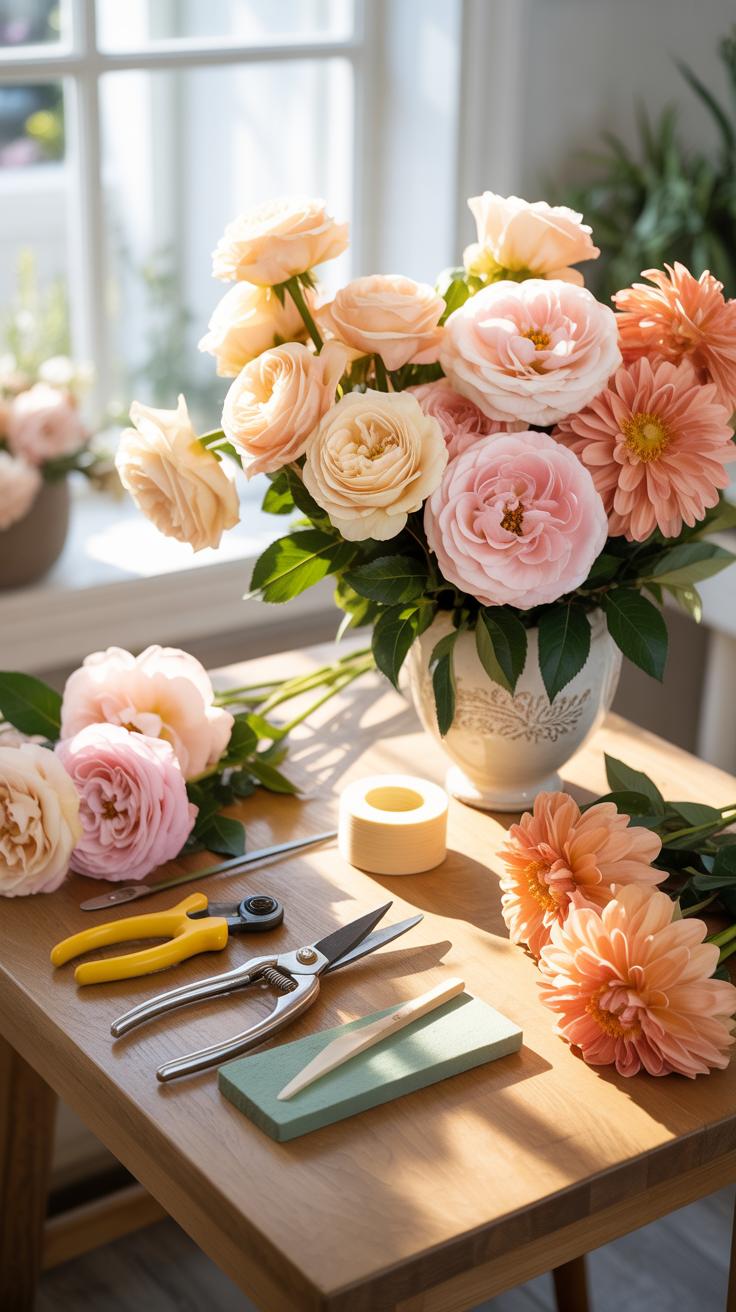
Basic Floral Tools Every Beginner Needs Before Getting Started
Professional floral design requires specific hardware to maintain stem health and structural integrity. You cannot use standard kitchen scissors for this work. Crushing the water conducting tissue in the stems leads to premature wilting. Invest in sharp high carbon steel tools to ensure clean cuts. These foundational items allow you to manipulate botanical materials without damaging the delicate peach colored petals.
- Floral Snips: Use these for thin or soft green stems found on many peach ranunculus and sweet peas. The pointed blades allow for precision cutting in tight spaces within the arrangement. Keep the blades clean and dry to prevent the spread of bacteria.
- Heavy Duty Pruners: You need these for woody stems like peach colored roses or flowering branches. These tools use a bypass blade system to slice through thick fibers without smashing them. They provide the leverage necessary to handle stems that standard scissors cannot cut.
- Stem Stripper: This metal or rubber tool removes thorns and excess foliage from lower stalks. Removing leaves that would sit below the water line prevents rot and bacterial growth. This keeps your water clear and helps the peach blooms last significantly longer.
- Floral Tape: Use waterproof green or clear tape to create a grid across the mouth of your vessel. This grid provides mechanical support for every stem you place. It ensures your peach focal flowers stay exactly where you want them in the design.
- Floral Foam or Frog: Choose a pin frog for Ikebana styles or soaked foam for dense English Garden looks. These mechanics hold water and lock stems at specific angles. They are essential for creating height and width in asymmetrical peach floral arrangements.
Organization is the final step in your initial setup. Keep a clean bucket of room temperature water nearby to hydrate stems immediately after cutting. Use a dedicated area with a waterproof surface to manage the inevitable mess of leaves and trimmings. Having every tool within reach prevents mid process delays. Speed is vital to keep your fresh peach plant material hydrated and vibrant.
Flowers always make people better, happier, and more helpful; they are sunshine, food and medicine for the soul.
Choosing The Right Vase And Vessel To Complement Peachy Tones
The color and texture of your vessel dictate the visual impact of peach palettes. Peach is a warm hue that sits between orange and pink on the color wheel. For a classic look choose cream or white ceramic vessels. These neutral tones provide a clean backdrop that makes the soft peach colors appear more saturated and vibrant to the eye.
Metal containers offer a different strategic advantage for this specific color range. Copper and brass vessels share warm undertones with peach florals. This creates a monochromatic and sophisticated appearance favored in late nineteenth century design movements. For a modern contrast try dusty blue or sage green glass. These cool tones sit opposite peach on the color wheel and create a high impact visual pop.
Step By Step Guide To Building Your First Peach Color Flower Arrangements
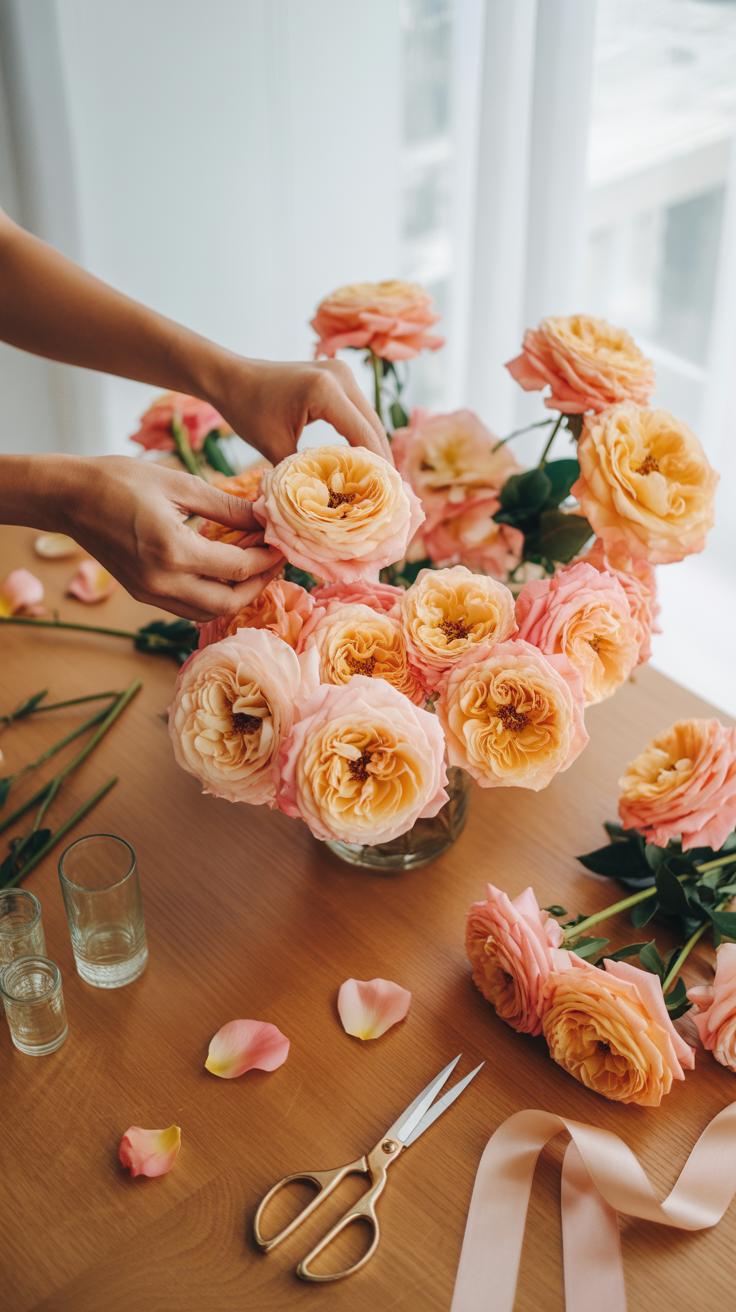
How To Prep, Trim, And Condition Your Peach Blooms Before Arranging
Remove all foliage that sits below the water line of your vase immediately. Submerged leaves rot and produce bacteria that kill peach roses and ranunculus quickly. Use sharp floral shears to cut stems at a forty five degree angle. This increases the surface area for water intake. Professional florists call this conditioning. It ensures your peach blooms stay hydrated and firm during the design process.
Place trimmed stems into lukewarm water mixed with floral preservative. Warm water moves through the stem faster than cold water. Let the flowers drink for at least two hours in a cool, dark room before you start arranging. This stabilizes the petals and prevents premature wilting. Proper prep work determines the lifespan of the arrangement. Accurate conditioning can extend the display time by several days.
Layering Textures And Heights To Create A Balanced Peach Arrangement
Start with a sturdy base of greenery to establish the shape and width. Professional designers use the Golden Ratio to determine height. The arrangement should be one and a half times the height of the container. Place your largest peach flowers near the center to create a focal point. These heavy blooms provide visual weight and anchor the entire design. Proper placement prevents the centerpiece from looking thin.

Build outward by adding secondary flowers at varying heights. Use smaller peach buds or spray roses to fill gaps and add depth. Contrast smooth peach petals with rough textures like seeded eucalyptus or hypericum berries. This technique creates a balanced look without overcrowding the stems. Ensure every flower has enough space to breathe. Strategic layering makes the final product look more expensive and professionally handled.
Designing Peachy Flower Arrangements With Complementary Greenery And Fillers
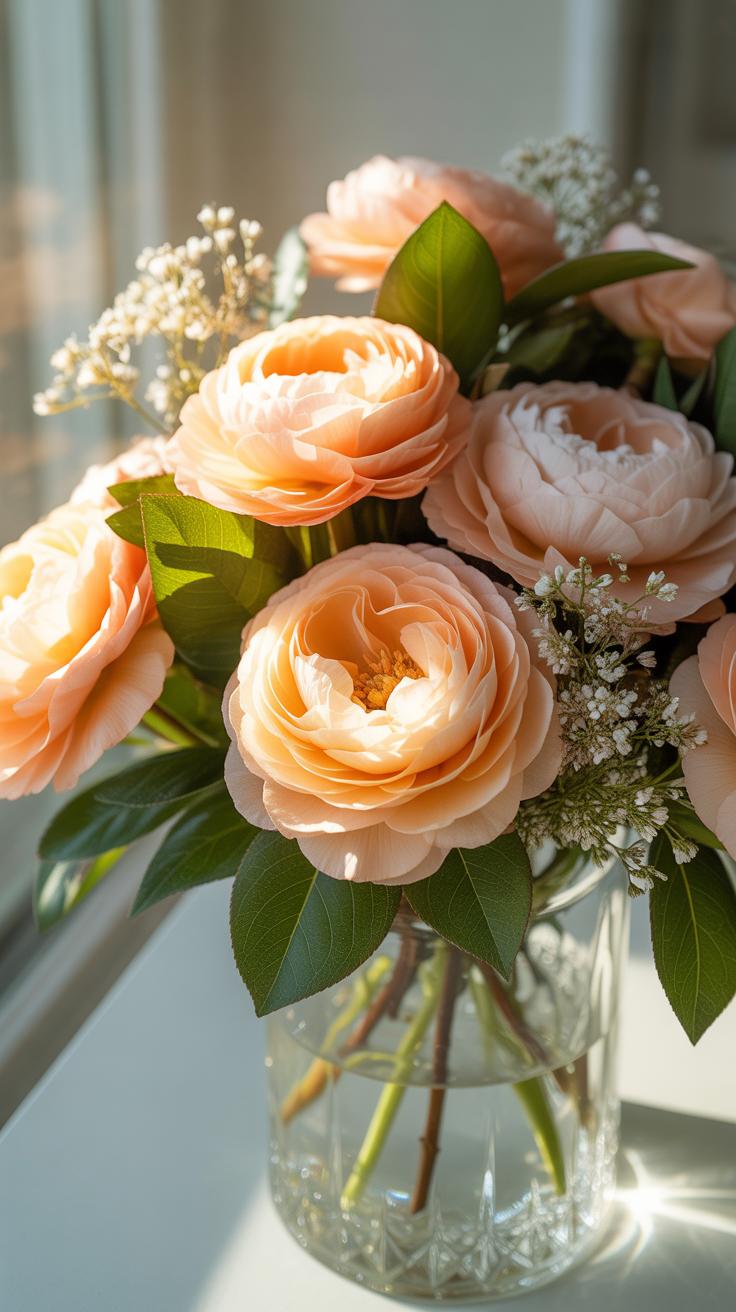
Which Foliage And Filler Flowers Work Best Alongside Peach Blooms
Peach flowers sit between orange and pink on the color wheel. You must choose greenery that provides enough contrast to make these soft tones pop. Dark green foliage creates a classic, high-contrast look that defines the shape of each bloom. Olive branch and ruscus provide sturdy structures. These choices prevent the arrangement from looking washed out. Beginners often fail because they underuse greenery.
Filler flowers add necessary volume and texture without competing for attention. Queen Anne’s Lace and waxflower serve this purpose well. These fillers provide tiny white or cream accents that bridge the gap between peach petals and green leaves. Proper filler placement hides floral foam and plastic mechanics. Use small clusters to fill gaps. This technique ensures the peach blooms remain the primary focus of your design.
Using Baby’S Breath, Eucalyptus, And Dusty Miller To Elevate Peach Tones
Silver and blue-toned greens offer a modern aesthetic for peach arrangements. Eucalyptus leaves have a muted finish that complements the warmth of peach. The cool tones of the leaves make the warm flowers appear more vibrant. This combination follows basic color theory principles. Use seeded eucalyptus for added texture. The heavy drape of these branches helps create a professional, asymmetrical shape in low vessels.
Dusty Miller and Baby’s Breath provide distinct structural benefits. The velvet texture of Dusty Miller adds a physical depth that smooth leaves cannot match. Its grey-white color acts as a neutral base. Baby’s Breath provides a light, airy framework. Modern designers use it in tight clusters rather than scattered sprigs. This method creates a cloud-like effect. It supports the peach blooms while adding significant visual mass to the container.
How To Create Stunning Peach And Pink Wedding Centerpieces On A Budget
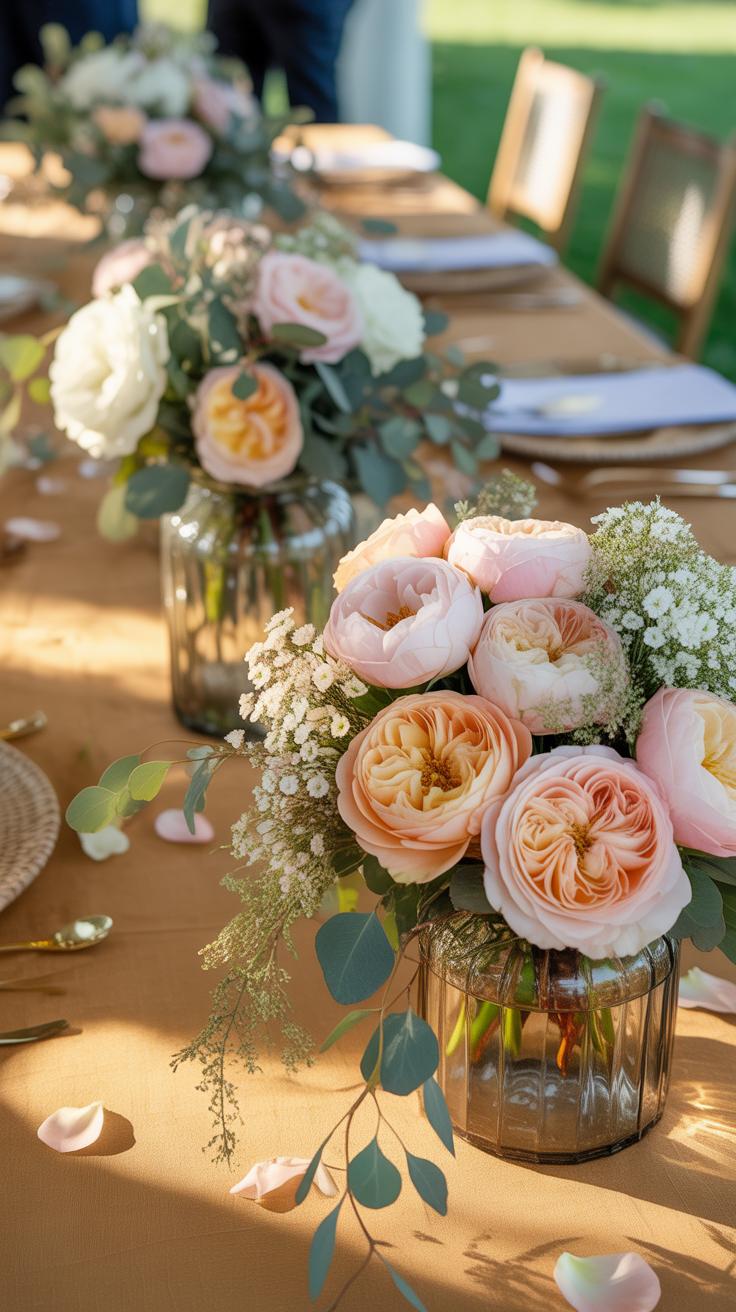
Why Peach And Pink Pairings Create A Romantic And Cohesive Wedding Aesthetic
Peach and pink occupy adjacent positions on the color wheel. This proximity creates a natural analogous color scheme. Designers use these tones to build depth without harsh visual contrast. The warmth of peach balances the cool undertones found in many pink floral varieties. This creates a balanced palette that works well under different lighting conditions common at wedding venues.
This color combination mimics natural gradients found in heritage roses and sunset light. Historically, these shades became prominent in late nineteenth-century bridal design to represent softness. Modern planners use this pairing to achieve a unified look across textiles and flowers. Using these colors together allows for more flower choices. You can mix expensive blooms with cheaper fillers while maintaining a high-end appearance.
Budget Friendly Tips For DIY Peach And Pink Wedding Table Centerpieces
Cost control starts with flower selection. Choose mass-market blooms like carnations or spray roses to fill the base. Use expensive focal flowers like ranunculus or garden roses sparingly. Focus on seasonal availability to avoid high shipping fees. Local wholesale markets offer the best prices for bulk orders. Incorporating greenery like eucalyptus can reduce the total stem count needed for each vessel.

Vessel choice significantly impacts the total project cost. Use glass bud vases in groups rather than large pedestal bowls. Small containers require fewer stems to look full. Scour thrift stores for mismatched clear glass to save money. Mechanics are also vital for staying on budget. Use chicken wire instead of floral foam to hold stems in place. It is reusable and better for the environment.
Planning Peach Flower Arrangements Wedding DCor From Bouquets To Ceremony Arches
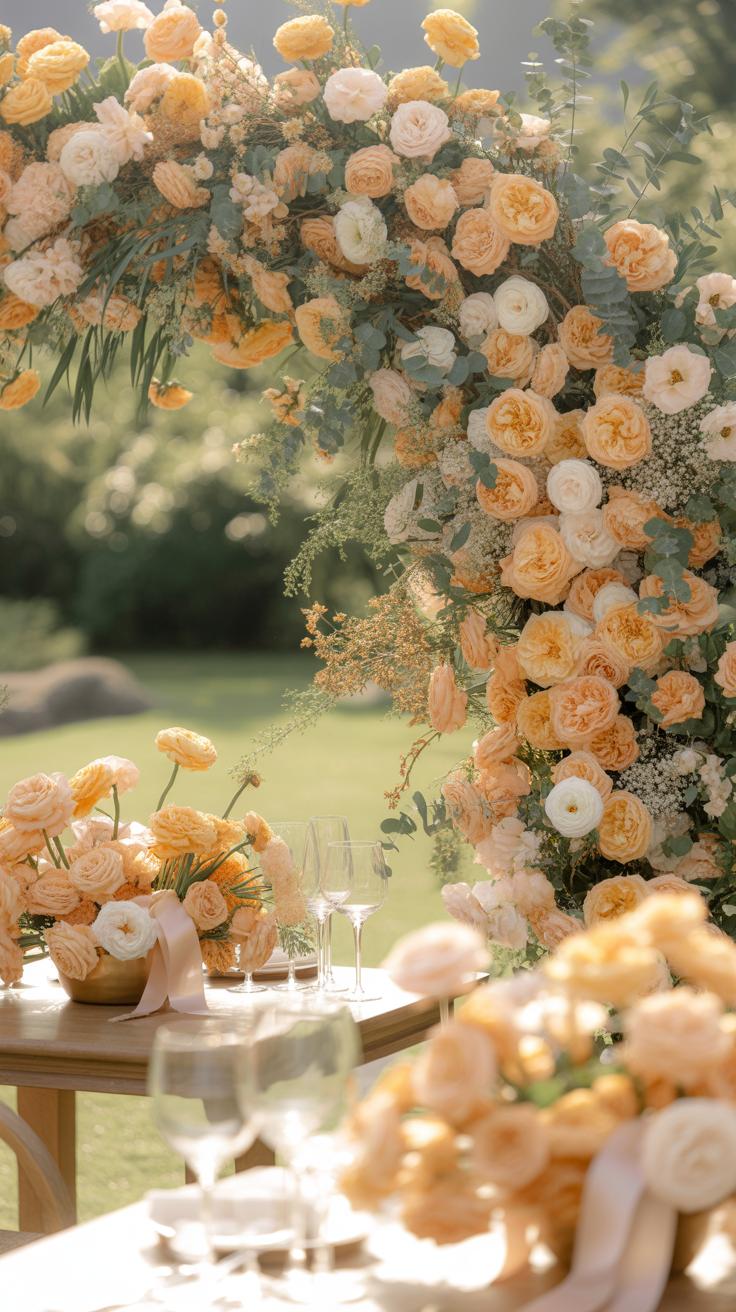
How To Coordinate Peach Wedding Flowers Across Bouquets, Boutonnieres, And Centerpieces
Color continuity defines a professional wedding design. Use one primary peach bloom like a Juliet Rose or Peach Carnation as the anchor for every piece. This anchor flower links the bridal bouquet to the groom’s boutonniere. Limit your palette to three shades. Use light peach, cream, and a deeper coral to create depth. This strategy prevents the floral arrangements from looking flat in professional event photography.
Vary the scale of the flowers based on the arrangement size. Large peach dahlias work well in heavy reception centerpieces. Smaller spray roses fit better on lapels and delicate bridesmaid bouquets. Match your greenery across all items to unify the look. Eucalyptus or olive branches provide a muted green that complements peach tones. Consistent foliage choices ensure the entire wedding venue feels cohesive rather than fragmented or random.
Incorporating Peach Wedding Flowers Into Ceremony Backdrops And Arches
Large scale installations require sturdy mechanics and hydrated stems. Use floral foam cages or water tubes to keep peach flowers fresh during outdoor ceremonies. Heat wilts light colored petals quickly. Position your heaviest peach blooms at the eye level of the seated guests. This placement creates a focal point for the wedding photos. Use trailing vines to soften the hard lines of a wooden or metal ceremony arch.
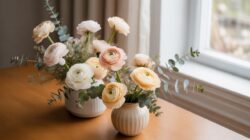
Balance your color distribution to avoid splotchy patches. Distribute peach tones evenly across the backdrop to guide the eye. Use white or ivory blossoms as a base to make the peach pop. Secure every stem with florist wire for stability in wind. A well built arch uses various textures like grasses or dried elements. These additions reinforce the peach highlights without overwhelming the structure with too much weight or cost.
The Charm Of An Apricot Wedding Using Warm Tones To Tell A Floral Story
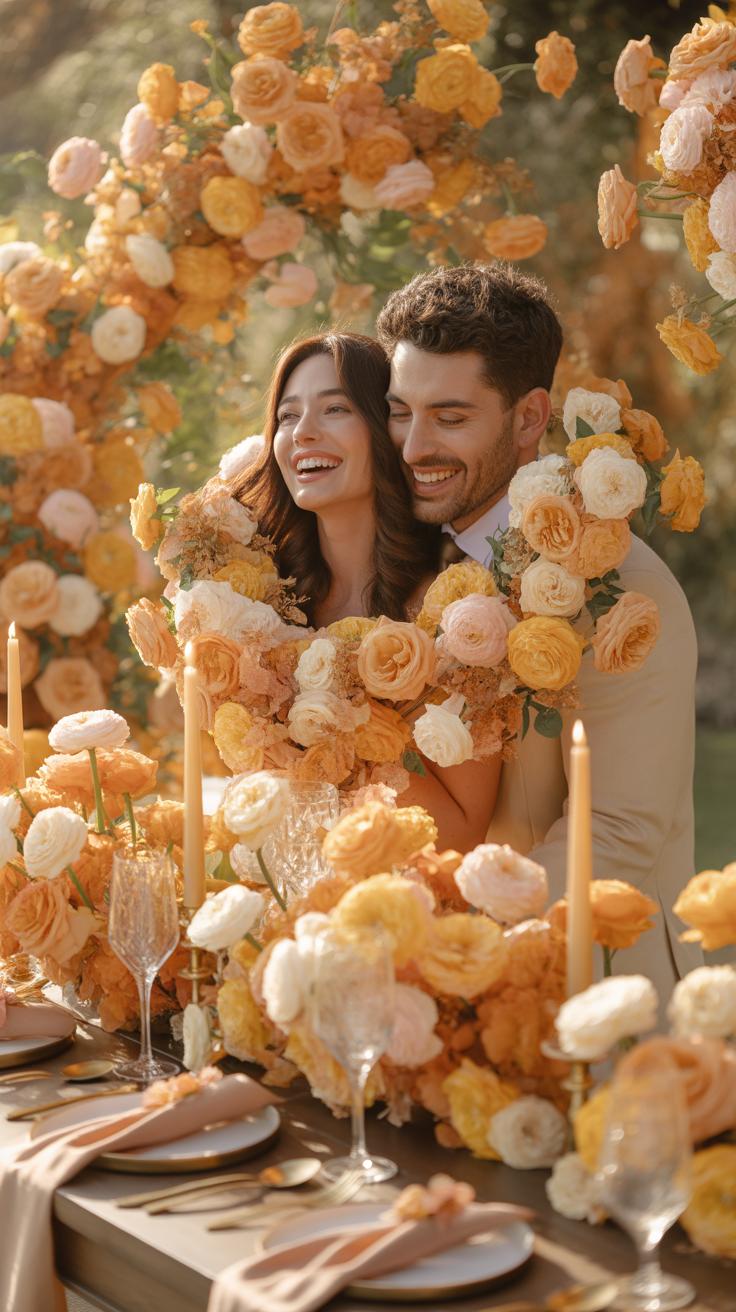
Understanding The Difference Between Apricot And Peach Tones In Floral Design
Peach and apricot belong to the same color family but serve different functional roles. Peach leans toward pink and red undertones. It reflects a softer glow in natural light. Flower varieties like the Juliet rose define this category. Designers use peach to soften a palette. It acts as a bridge between white and darker warm tones. It feels cool despite its orange base.
Apricot contains more yellow and orange pigments. It offers a saturated look that mimics ripened fruit. This tone feels energetic and grounded. You see it in flowers like Shimmer roses or certain ranunculus varieties. Apricot provides high contrast against green foliage. It creates a bold focal point without the harshness of bright orange. Choose apricot when you want a warm and earthy feel.
How Apricot Wedding Palettes Pair Beautifully With Ivory, Cream, And Terracotta
Professional designers pair apricot with ivory and cream to stabilize the arrangement. Ivory provides a clean backdrop that makes the warm tones pop. Cream adds a buttery layer that blends well with apricot yellow undertones. This combination creates a classic look. It avoids the starkness of pure white. Use cream blooms to fill gaps between larger apricot focal flowers. This builds depth in the design.
Terracotta adds a necessary grit to the palette. It provides a dark and earthy anchor. This color works well in ceramic vessels or dried elements like bleached ruscus. The red-brown notes in terracotta pull out the hidden warmth in apricot petals. This tri-color strategy creates a sophisticated desert or Mediterranean aesthetic. It balances light and dark values effectively. Stick to these tones for a cohesive and natural floral story.
Caring For And Extending The Life Of Your Peach Floral Arrangements
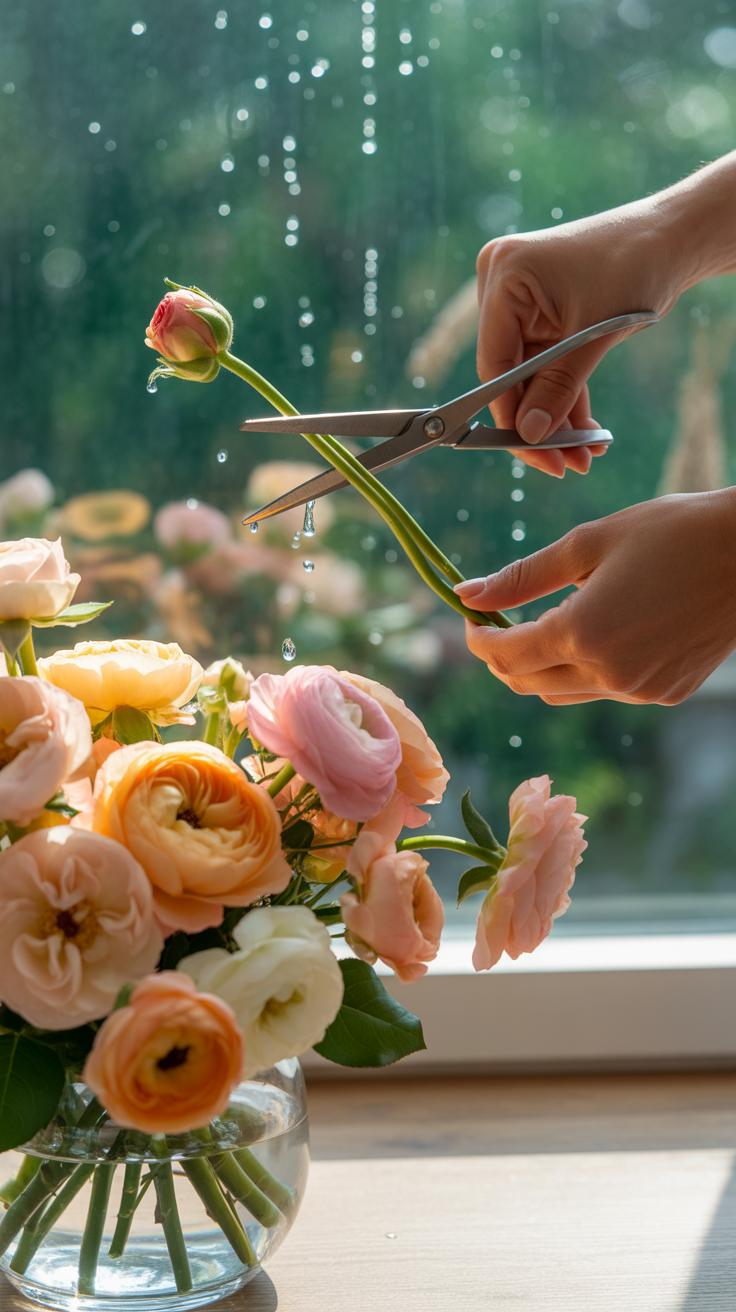
Simple Daily Care Habits That Keep Cut Peach Flowers Fresh For Longer
Bacteria growth kills peach flowers fast. Change the water every single day to stop rot. Use lukewarm water for most soft-stemmed peach varieties like ranunculus or sweet peas. Cold water works best for woody stems like peach blossoms. Trim one half inch off each stem at a sharp angle. This opens the vascular system for better hydration. Remove any leaves touching the water.
Keep the arrangement away from direct sunlight and heat vents. High temperatures cause rapid moisture loss through the petals. Move the vase to a cool area at night to slow the aging process. Do not place peach florals near ripening fruit. Fruit releases ethylene gas which triggers early wilting and petal drop. Consistent monitoring ensures your design lasts the full expected vase life of seven days.
When To Refresh Your Arrangement And How To Repurpose Fading Peach Blooms
Inspect the arrangement every morning for soft or browning petals. Pull individual stems that show signs of decay immediately. Removing dead flowers prevents fungal spores from spreading to the healthy peach blooms. If only the outer petals look bad, carefully pluck them away. Re-cut the remaining stems and move them to a smaller container. Shortening the stems helps water reach the flower head faster.
Repurpose blooms that are past their prime but still hold color. Cut the heads off and float them in a shallow bowl of water. This technique creates a low-profile centerpiece and hides damaged stems. You can also air-dry certain peach varieties like roses or statice. Hang them upside down in a dark and dry space. This preserves the peach hue for permanent dried floral displays or craft projects.
Frequently Asked Questions

What are the best low-maintenance flowers for someone starting out with peach floral designs?
If you are new to floral design, start with hardy varieties like carnations, ranunculus, or standard roses in shades of apricot and coral. These blooms are forgiving, have sturdy stems, and last a long time in water. Selecting blossoms with different textures helps you create professional-looking peach floral arrangements without needing advanced technical skills. Their durability allows beginners to practice placement and layering without worrying about delicate petals wilting quickly.
How can I make my DIY peach centerpiece look professionally styled at home?
To achieve a high-end look, use the “rule of threes” by mixing a focal flower, a filler, and a bit of greenery. Start by creating a base with eucalyptus or ferns, then tuck in your largest blooms at varying heights. When crafting peach floral arrangements, adding a few cream or pale pink sprigs provides necessary depth. Always cut stems at a 45-degree angle to ensure your centerpiece stays vibrant and fresh.
Is it possible to create a beautiful peach-themed display on a tight budget?
Absolutely! You can save money by using seasonal supermarket flowers and elevating them with foraged greenery from your own backyard. Look for inexpensive white blossoms and tint the water with a tiny drop of food coloring, or focus on buying just three “hero” stems in peach and filling the rest of the vase with affordable baby’s breath. A beautiful display is more about the thoughtful color palette than an expensive price tag.