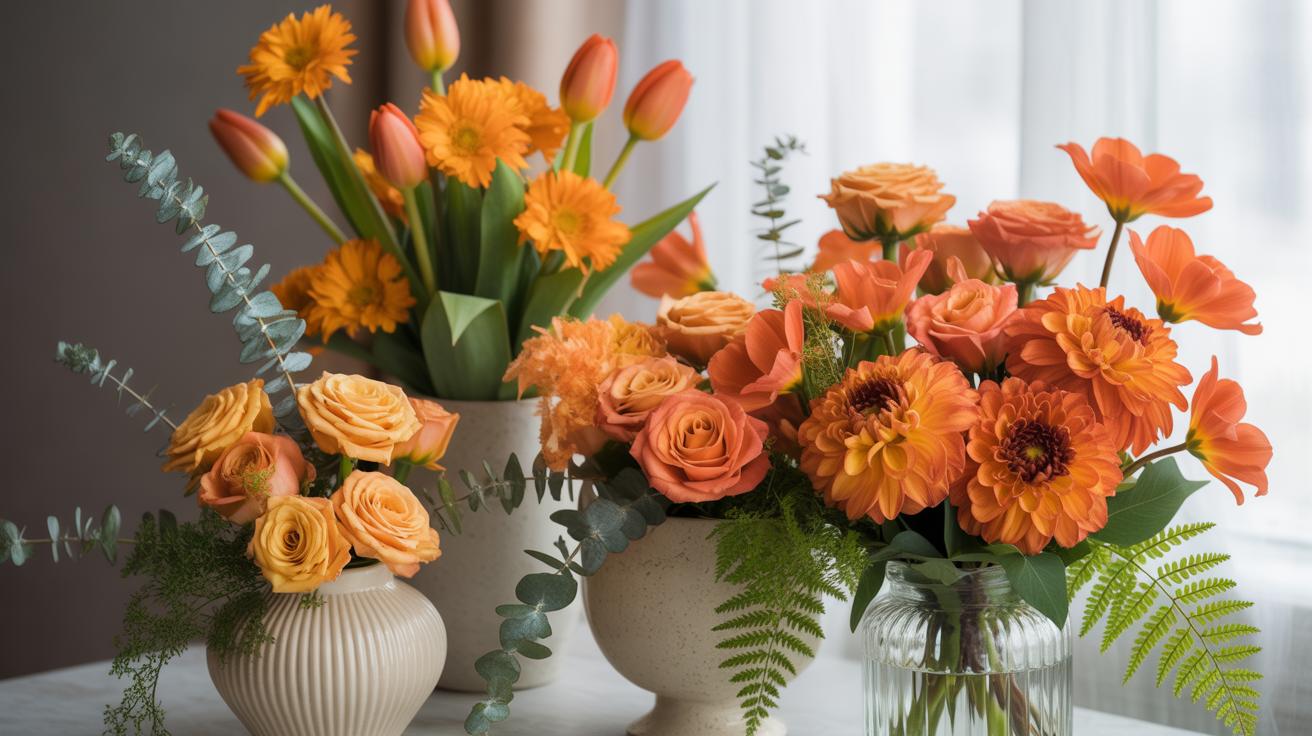
The Timeless Appeal Of Orange Floral Arrangements In Modern DCor
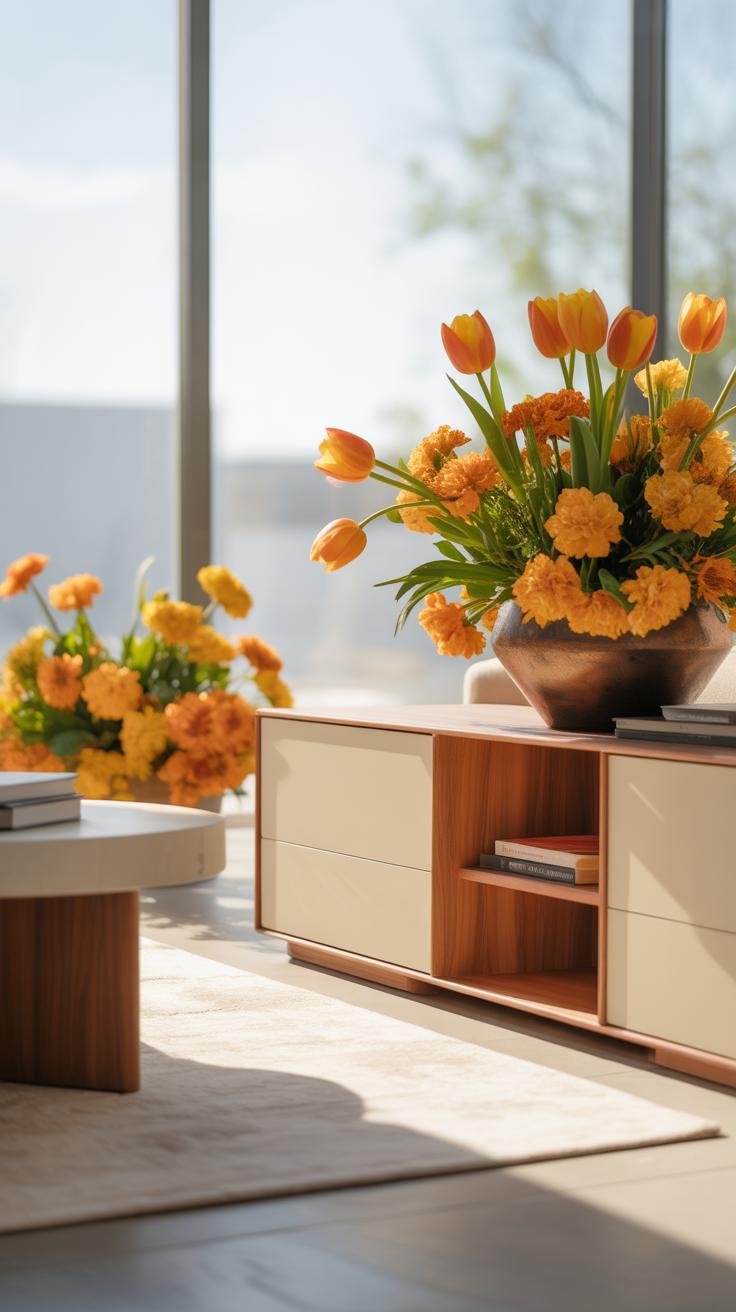
Why Orange Became A Dominant Color In Contemporary Floral Design
Orange gained prominence in design through the mid-century modern movement. Designers used these shades to break away from traditional white and pastel palettes. This shift focused on bold visual impact and organic warmth. Modern floral artists now use All Orange Floral Arrangements to create focal points in minimalist spaces. Orange provides a high-contrast element that works well with industrial materials like concrete and steel.
The rise of monochromatic styling pushed orange to the forefront of the industry. Floral designers use different textures within the same color family to build depth. Varieties like ranunculus, dahlias, and lilies offer various shades from apricot to burnt sienna. This layering technique allows for complex designs without using multiple colors. Professionals select orange because it bridges the gap between seasonal autumn themes and year-round luxury aesthetics.
How Orange Tones Influence Mood And Atmosphere In A Room
Orange tones directly impact the energy of an interior space. Color theory shows that orange stimulates social interaction and boosts appetite. This makes orange arrangements a strategic choice for dining rooms and corporate lounge areas. The color reflects light differently than cooler tones. It adds a sense of physical warmth to a room. Designers use this effect to make large, cold spaces feel more inviting.
The saturation of the orange determines the atmospheric outcome. Bright oranges increase alertness and provide a sense of urgency or excitement. Mutted or rust-colored flowers offer a grounded and stable feeling. Strategic placement of All Orange Floral Arrangements can direct foot traffic or highlight specific architectural features. Modern decorators rely on these flowers to change a room’s temperature without physical heat. Orange remains the most efficient tool for creating immediate visual energy.
Most Popular Orange Flower Arrangements For Home Interiors
Top Orange Bloom Varieties Used In Home Floral Design
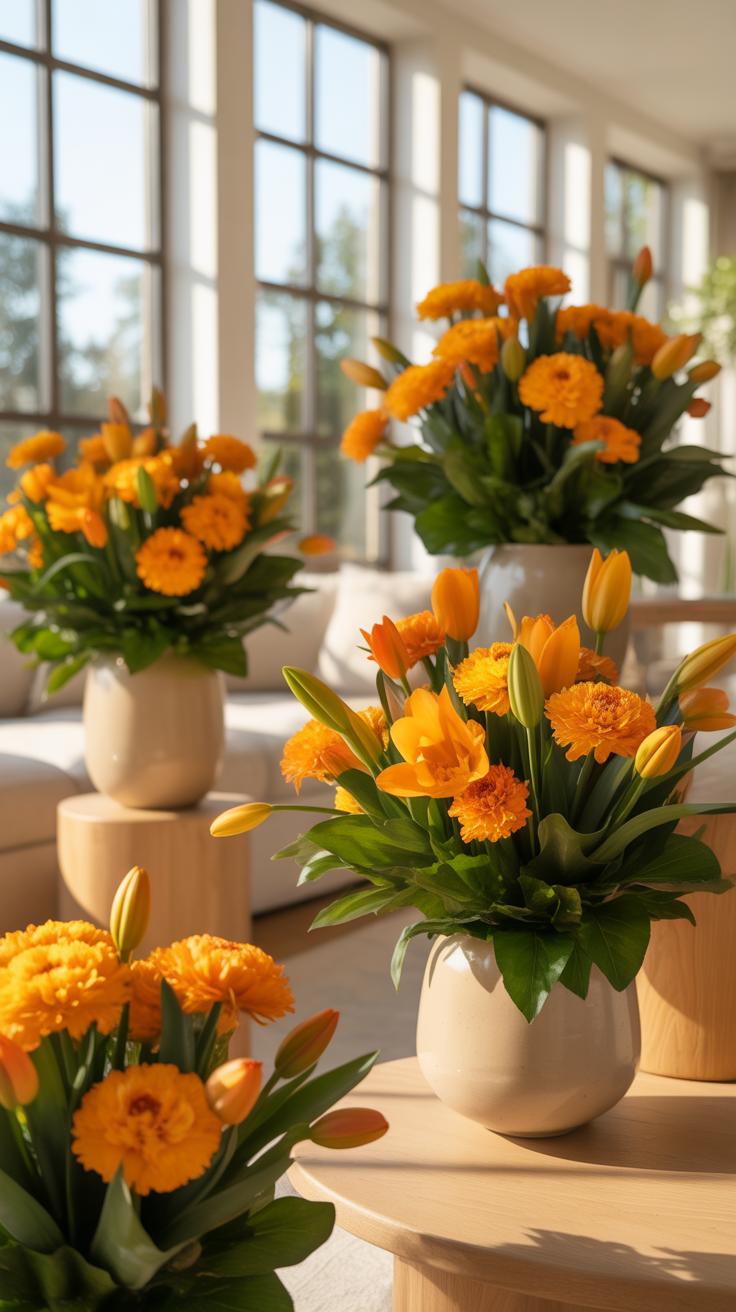
Professional florists select species based on pigment depth and vase life. Ranunculus provides dense petal counts and strong stems for structured work. Double tulips offer a heavy visual weight. Marigolds serve as a staple for their saturated hues and historical significance in cultural decor. Calla lilies provide a sleek profile. These flowers maintain their shape well in indoor climates.
Cut roses in shades like terracotta or burnt coral dominate high-end designs. They offer a classic form that fits most vases. Snapdragons add vertical height and texture to monochromatic displays. Mokara orchids provide a long-lasting exotic option for humid rooms. Designers choose these specific varieties to ensure the arrangement stays vibrant for at least seven days.
Styling Tips For Displaying Orange Flower Arrangements In Living Spaces
Placement dictates the impact of monochromatic orange designs. Put large displays in entryways to create a strong first impression. Use low-profile bowls for dining tables to allow for easy conversation. These flowers pop against navy blue or forest green walls. Neutral rooms benefit from the concentrated burst of energy. Natural light enhances the warm tones of the petals.
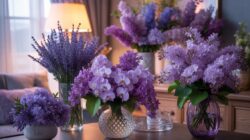
Vase selection changes the style of the arrangement. Use clear glass to show off clean stems and fresh water. Ceramic vessels in slate or charcoal create a modern contrast. Avoid ornate containers that compete with the bright floral colors. Group multiple small bud vases together for a tiered look. Keep the water clear to maintain a professional and clean appearance.
Stunning Orange Florals For Seasonal Celebrations And Holidays
Autumn Inspired Orange Florals That Celebrate The Fall Season
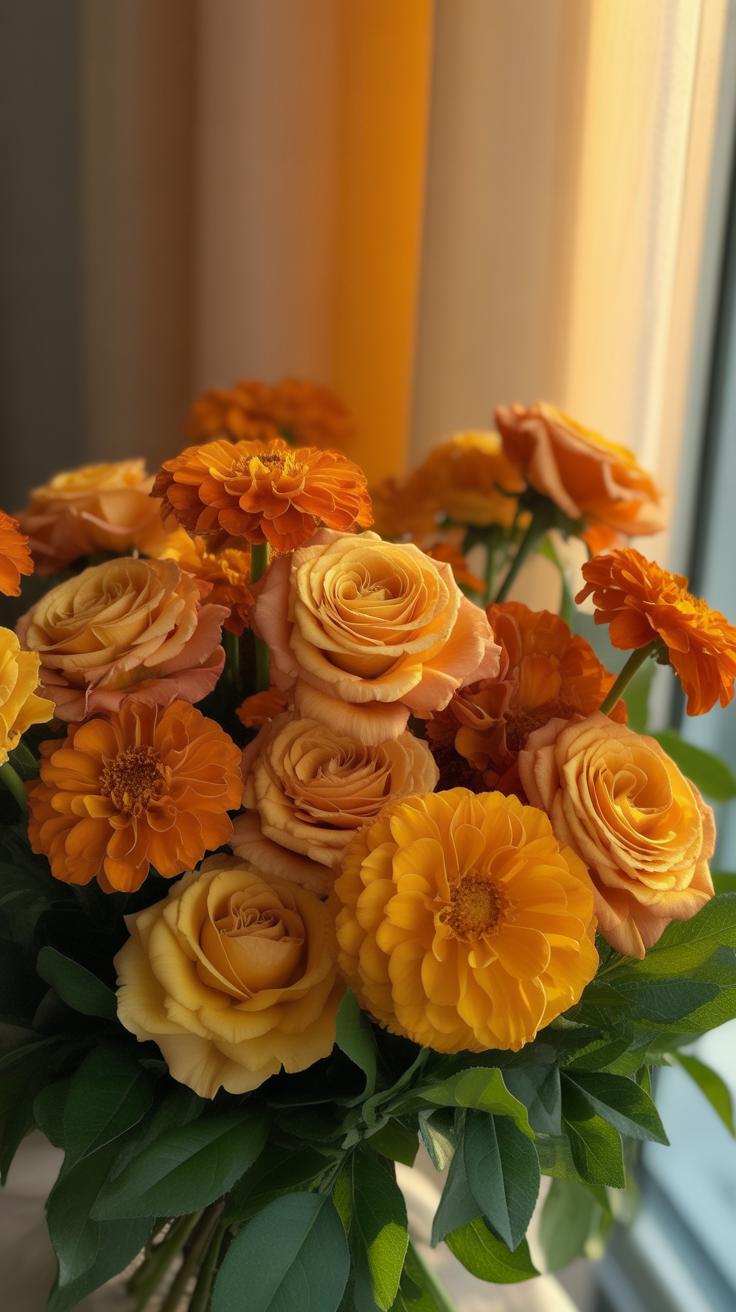
Fall remains the primary season for all orange floral arrangements due to natural harvest cycles. Designers use deep burnt orange tones found in marigolds and chrysanthemums to match the changing foliage. These varieties offer high petal density and durability against dropping temperatures. You must select flowers with thick stems to support heavier thematic elements. Professional florists often incorporate dried seed pods or fruiting branches to add physical texture.
Focus on layering different shades of orange to create visual depth without adding other colors. Using monochromatic gradients prevents the design from looking flat in low evening light. Combine round dahlia blooms with vertical snapdragon spikes to direct the eye through the display. This technique maximizes the impact of the orange palette in large event spaces. Keep the focus on structural integrity and color saturation to maintain a professional standard for seasonal displays.
How To Adapt Orange Floral Designs Across Spring And Summer Themes
Spring and summer require a shift toward brighter and cleaner orange hues. Utilize ranunculus and poppies to achieve a lighter visual weight suitable for warmer months. These species provide a translucent quality when back-lit by natural sun. Avoid the heavy textures of autumn by selecting smooth-petaled varieties. You can maintain the all orange floral arrangements theme by choosing apricot and peach tones that suggest heat and high energy.
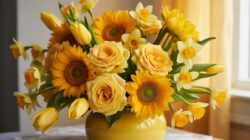
Strategic watering and cooling become critical during these seasons to prevent wilting. Orange tulips and lilies perform well in spring but need consistent hydration. For peak summer, use heat-tolerant zinnias or tropical birds of paradise. These choices ensure the arrangement survives high temperatures at outdoor venues. High-saturation oranges reflect sunlight effectively and stand out against green grass or blue water features. Select flowers with a waxy cuticle to reduce moisture loss in direct sun.
Orange Flowers Arrangements That Define Minimalist Aesthetics
Single Stem Orange Flower Arrangements For Clean, Modern Spaces
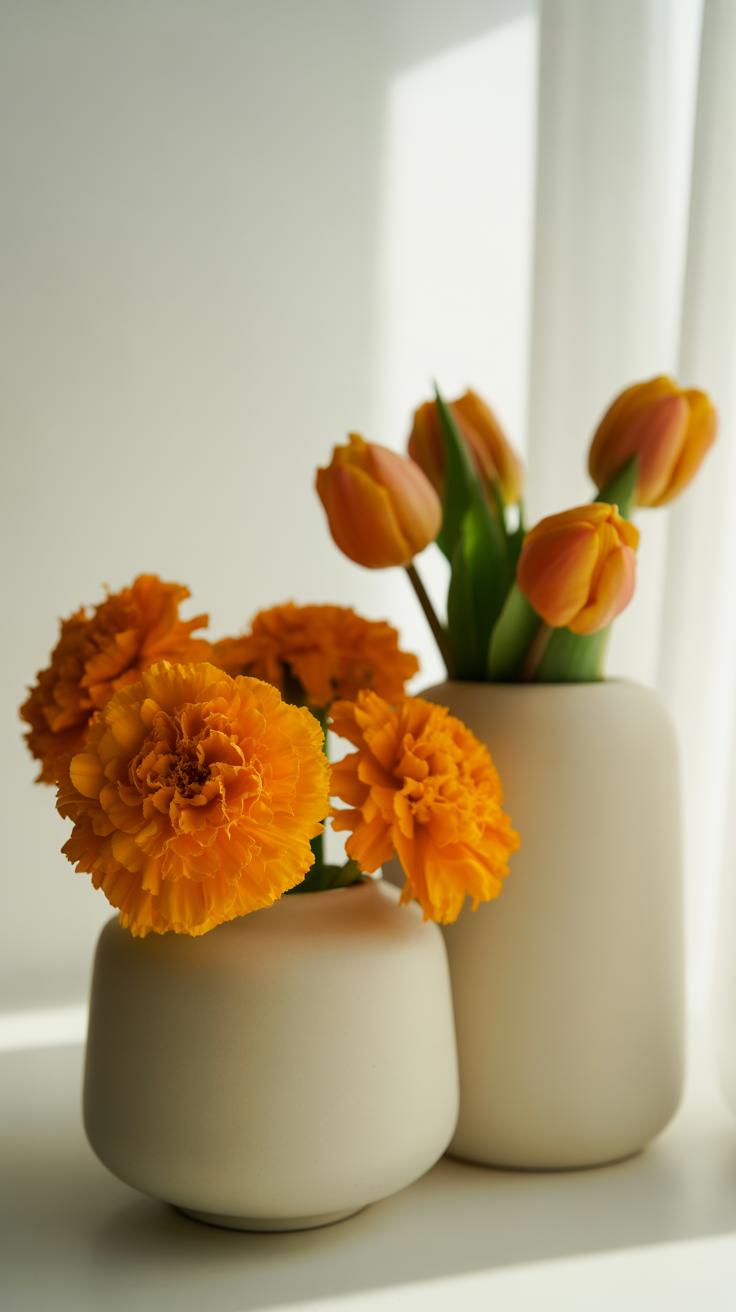
Single-stem arrangements focus on the structural integrity of the plant. Architects and designers use this method to highlight geometric shapes found in nature. An orange Bird of Paradise or a single protea serves as a focal point. These flowers possess rigid stems and bold profiles. They do not require fillers to hold visual weight. Placed in a cylindrical glass vase, they complement industrial or Scandinavian interior designs.
Select flowers with thick, sturdy stalks to ensure longevity and upright posture. Ranunculus or calla lilies provide a saturated orange hue that contrasts against white walls. Positioning a single bloom off-center in a shallow dish creates a deliberate look. This technique removes visual clutter and lowers costs. Maintenance is simple because you only monitor one plant. It forces the viewer to notice the texture and color of the specimen.
Negative Space Techniques That Let Orange Blooms Speak For Themselves
Negative space is the empty area around the flowers. It is a core pillar of Japanese Ikebana. This style emphasizes lines and empty patches rather than dense clusters. By leaving large gaps between orange poppies or lilies, you create a sense of movement. The lack of greenery or secondary colors makes the orange pigment appear more intense. This strategy works best in rooms with neutral color palettes.
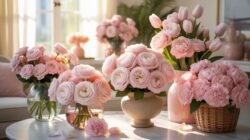
Balanced asymmetry is your primary goal. Use a pin frog or kenzan to secure stems at sharp angles. This allows the orange blooms to reach into the surrounding air. The empty space tells the eye where to look. It prevents the arrangement from looking like a disorganized bush. Professional florists use this method to save on materials while increasing the artistic value. It turns a basic flower into a living sculpture.
Orange Flower Arrangements Wedding Trends Stealing The Spotlight
Bridal Bouquet Styles Featuring All Orange Floral Palettes
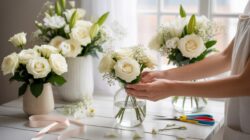
Modern bridal bouquets prioritize texture and depth over simple color matching. Designers use monochromatic orange palettes to create visual impact without distraction. High-end arrangements leverage Ranunculus for their tight petal counts and Calla Lilies for structural integrity. This approach centers on the natural variation within the orange spectrum. It moves from pale apricot to deep burnt sienna to provide necessary contrast.
Structure dictates the style of all orange bouquets. Minimalist brides choose compact Biedermeier styles for a clean look. Garden-style bouquets use loose placements of Dahlias and Poppies to create movement. Proper construction requires securing stems with floral tape before finishing with silk ribbons. This ensures the bouquet maintains its shape during the ceremony. Professional florists treat every stem to prevent wilting under heat or studio lights.
Ceremony And Reception Decor Ideas Using Orange Flower Arrangements For Weddings
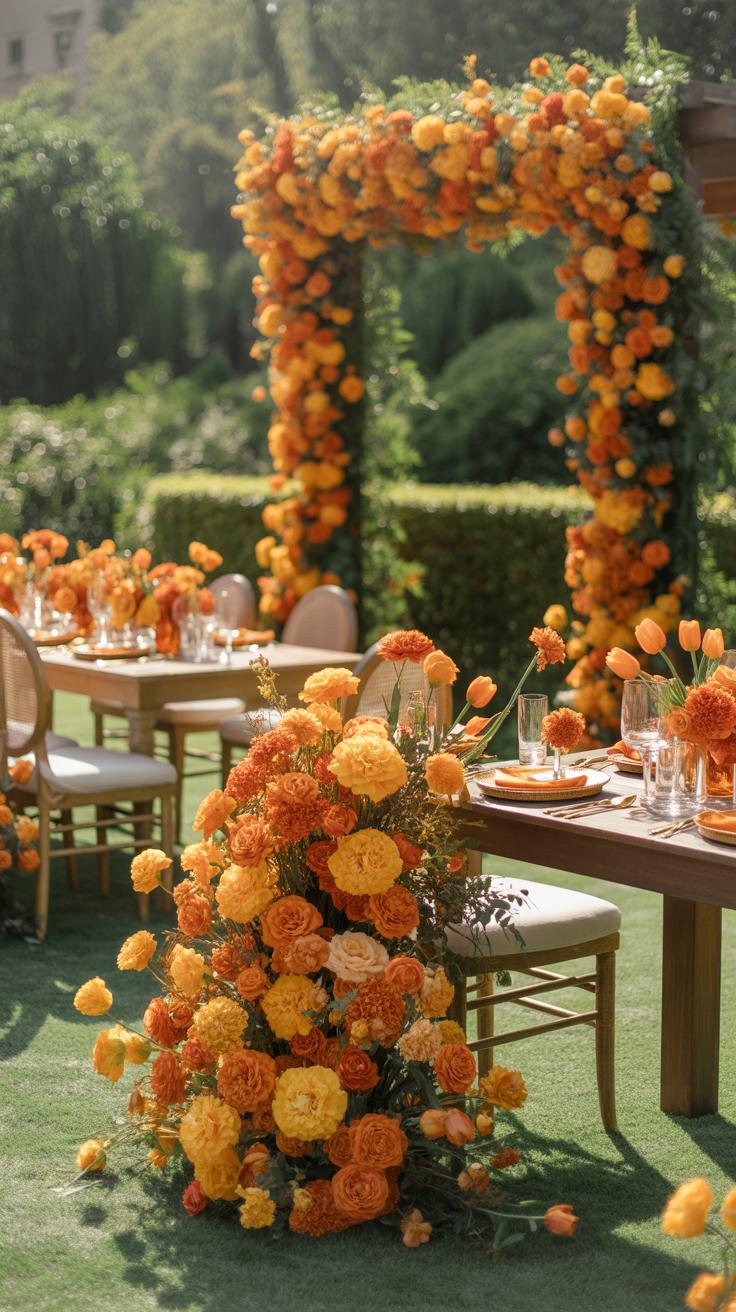
Ceremony spaces benefit from large scale orange installations. Designers place floor meadows along aisles to define the walking path. These arrangements use orange Snapdragons and Gladiolus for height and vertical interest. Using one color simplifies the visual field for guests and photographers. It focuses attention on the couple while saturating the environment with consistent energy. Correct placement ensures the floral decor frames the focal points.
Reception tables require functional floral design. Low profile orange centerpieces allow guests to talk without obstruction. Florists use Marigolds and Zinnias in stone vessels for a grounded feel. High impact events often feature hanging orange floral clouds made of dried and fresh materials. This technique maximizes vertical space in high ceiling venues. Integrated lighting enhances the orange tones during evening hours to maintain a warm atmosphere throughout the night.
Creative Fruit Arrangement Ideas That Incorporate Orange Florals
Combining Citrus Fruits And Orange Blooms For Eye Catching Centerpieces
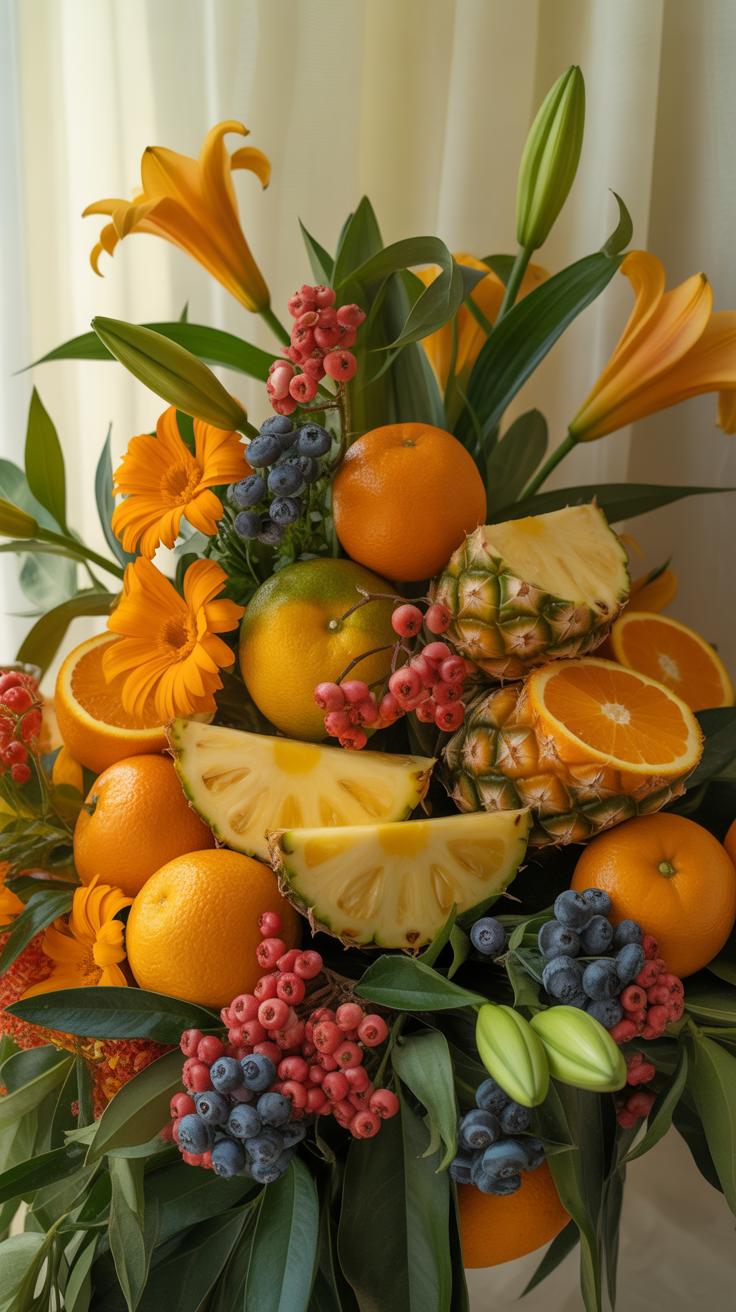
Citrus fruits provide structural support and color reinforcement for all orange floral arrangements. Use navel oranges, tangerines, or kumquats to anchor heavy stems in glass vessels. Sliced citrus creates a visual barrier that hides plastic mechanics and flower foam. The citric acid in the fruit helps inhibit bacterial growth in the water. This technique extends the life of cut flowers like marigolds or ranunculus.
Position whole fruit at the base of the container to add weight. Use wooden floral picks to secure smaller citrus like clementines directly into the arrangement. This creates depth and builds a monochromatic texture. Layering different shades of orange fruit emphasizes the warmth of the flowers. Match the citrus skin texture with specific petals. Pitted orange rinds pair well with the ruffled edges of parrot tulips.
Orange is the color of the sun, trapped in a flower, bringing the warmth of a summer evening into our homes. Like a sunset captured in a vase, these glowing blooms remind us that there is beauty in every changing season.
The Art And History Behind Fruit And Flower Arrangement Traditions
The integration of fruit and flowers dates back to the Baroque and Renaissance eras. Flemish painters often depicted these combinations in still life works to show abundance and wealth. These designs focused on realism and seasonal availability. European decorators used stone fruits and citrus to supplement scarce floral breeds in winter. This established the precedent for mixing edible and decorative elements in formal table settings.
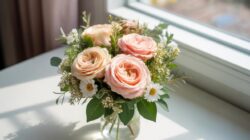
In the Victorian era, the cornucopia became the standard for combining produce and blossoms. This style emphasized the harvest and gratitude. Modern floral design uses these historical cues to create organic and rustic looks. Today, designers use fruit to add architectural interest that flowers alone cannot provide. Using fruit ensures the arrangement stays grounded in the physical space. It bridges the gap between garden growth and culinary presentation.
Fruit Flower Arrangements Blending Natural Textures With Orange Hues
Best Fruit And Flower Pairings That Complement An Orange Color Palette
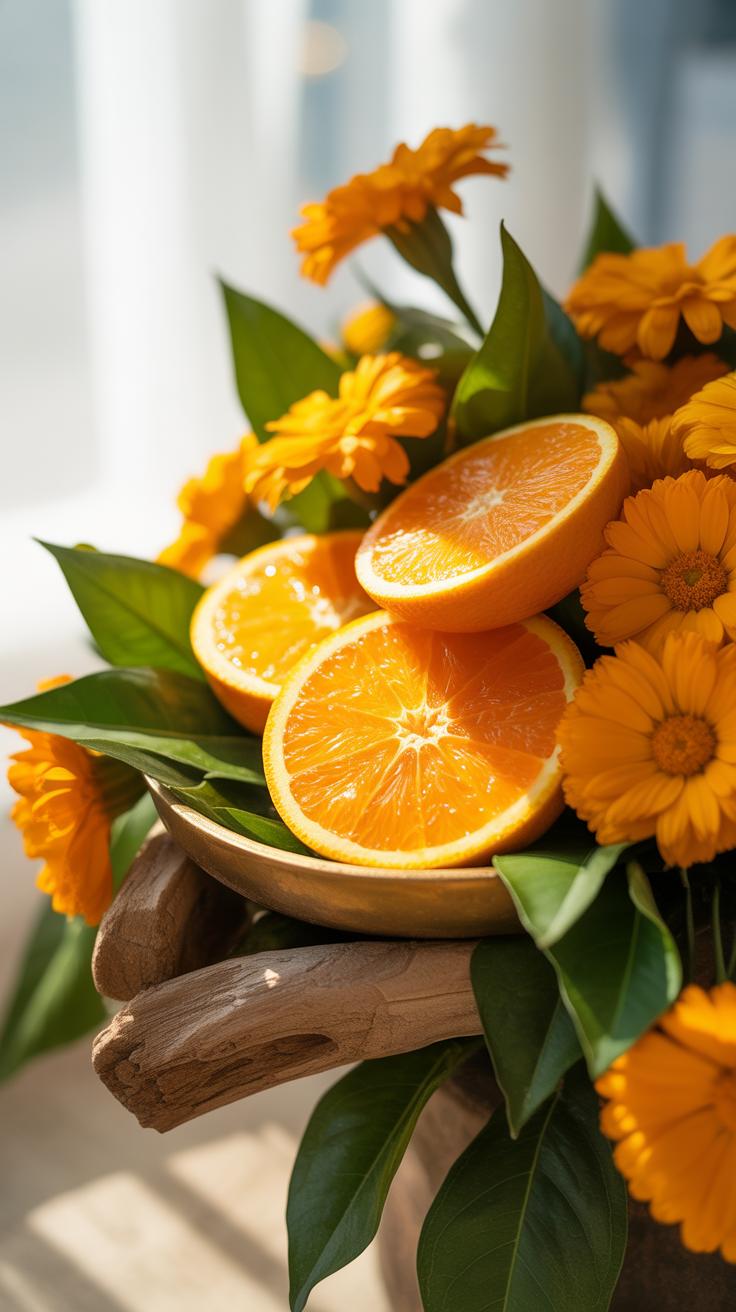
Successful all orange floral arrangements require tonal harmony between botanical and edible elements. Designers select fruit based on skin durability and color saturation to match specific orange shades. Using fruit provides a structural anchor that supports softer stems. This technique dates back to Dutch Still Life paintings where citrus and stone fruits added weight to floral displays. Select items that resist rapid oxidation to maintain professional standards.
- Persimmons: These fruits provide a deep burnt orange shade and a smooth matte finish. Their firm skin and heavy weight make them ideal for low-set focal points in an arrangement. They pair well with ranunculus and lilies.
- Kumquats: These small citrus fruits offer a bright yellowish-orange pop. Their tiny size allows designers to wire them into clusters or trail them along vines. Use them to fill small gaps between large rose heads or dahlias.
- Dried Orange Slices: Dehydrated citrus adds a translucent quality to the design. These slices resist wilting and provide a consistent geometric shape. They work best in rustic or contemporary themes where flat textures are needed for visual contrast.
- Apricots: Stone fruits offer a soft velvet-like skin that absorbs light. This texture contrasts sharply with the waxy petals of tropical orange flowers. Ensure the fruit is slightly under-ripe to prevent bruising and leaking during the event duration.
- Clementine Branches: Keeping the fruit on the branch adds a natural woody element. The green leaves provide a necessary break in a monochromatic orange palette. Use these branches to create height and extend the outer perimeter of the floral design.
Pairing fruit with flowers increases the perceived value of the arrangement. It signals a high-end bespoke style common in luxury event design. Designers must use heavy gauge wire or wooden skewers to secure fruit in place. This prevents the heavy edible components from shifting and crushing delicate flower stems. Proper placement ensures the arrangement remains stable and visually balanced from every viewing angle.
How Texture And Volume Create Visual Depth In Fruit Flower Arrangements
Texture dictates how light interacts with an all orange arrangement. Smooth surfaces like orange peppers or citrus rinds reflect light and create bright highlights. Rough textures like dried seed pods or serrated celosia petals absorb light and create shadows. This interplay of light and dark prevents a monochromatic design from looking flat. Strategic layering of these surfaces gives the arrangement a three dimensional quality.
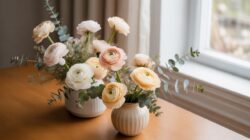
Volume comes from the physical mass of the fruit compared to the airy nature of flowers. Large fruits like pumpkins or oranges fill internal gaps and reduce the number of expensive stems required. This builds a dense core that supports the outward movement of petals and leaves. Using different shapes and sizes creates a rhythm that guides the eye through the piece. Proper volume management ensures the arrangement looks full and professional.
Bold And Lush Orange Arrangements For Event And Party Styling
How Event Florists Build Large Scale Orange Arrangements For Impact
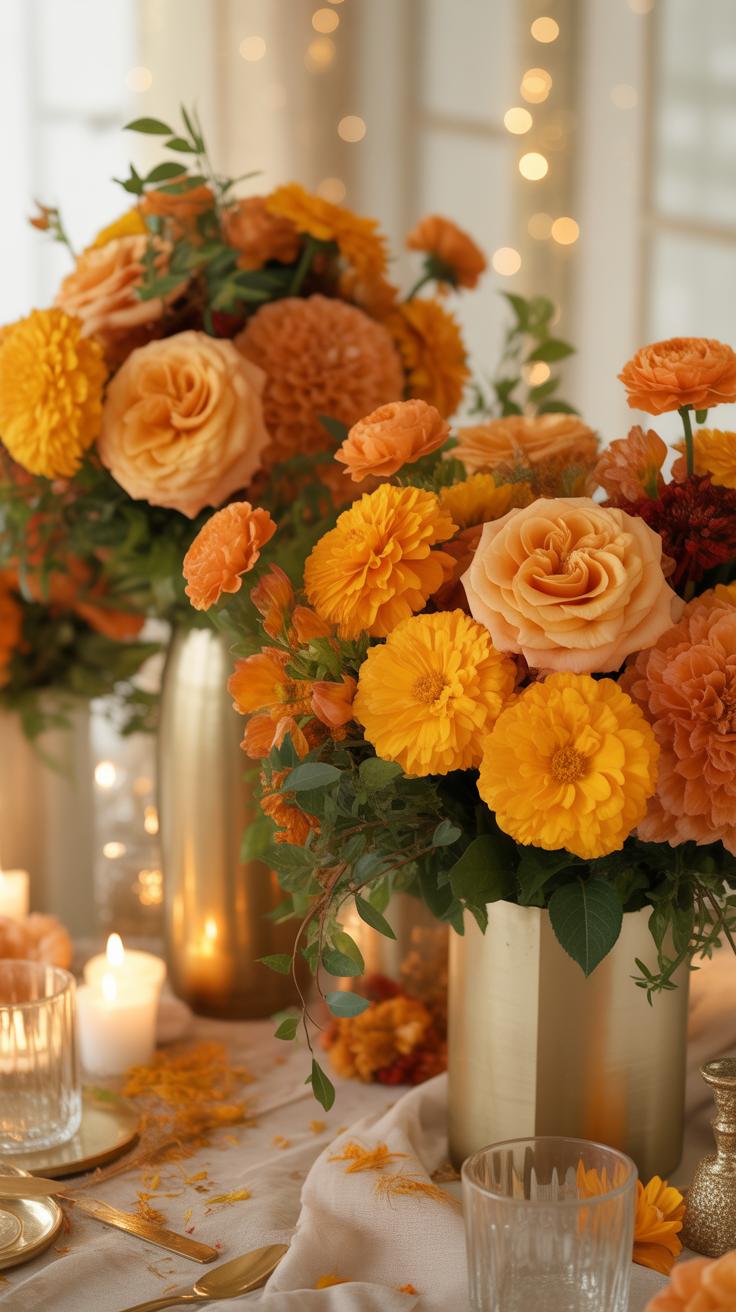
Professional florists create impact by layering textures within the monochromatic orange spectrum. They start with structural branches like orange cotoneaster or bittersweet to define the shape. Then they add mass flowers such as orange hydrangeas or standard roses to build the core volume. This technique ensures the arrangement looks full from a distance. Proper mechanics involve using heavy-duty floral cages and water-saturated foam to support the weight.
Florists use depth to make orange arrangements stand out in large venues. They place darker burnt orange tones at the center and lighter peach or apricot shades on the outer edges. This color grading creates a three-dimensional effect that draws the eye. They also integrate architectural elements like bird of paradise or protea for height. These sturdy stems withstand temperature changes and physical movement during high-traffic events.
Budget Friendly Ways To Achieve Lush Orange Arrangements For Any Gathering
High-volume fillers reduce costs without losing visual weight. Designers use orange carnations and spray roses because they provide massive color coverage for a low price point. Massing these secondary flowers together creates a plush look that rivals expensive garden roses. Incorporating seasonal orange foliage like maple leaves or liquidambar branches also adds size for free. Selecting hardy blooms ensures the arrangements last through the entire event.
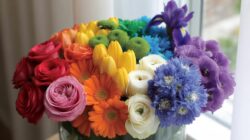
Limiting the variety of flower types simplifies the design process and lowers labor costs. Stick to three distinct shades of orange to maintain the monochromatic theme. Use terracotta pots or copper spray-painted containers to enhance the orange color without buying more flowers. Mixing dried elements like orange slices or tinted bunny tails adds texture for a fraction of the cost. Efficient sourcing from local wholesalers during peak seasons further maximizes your budget.
How To Create Stunning Flower Arrangements With Oranges At Home
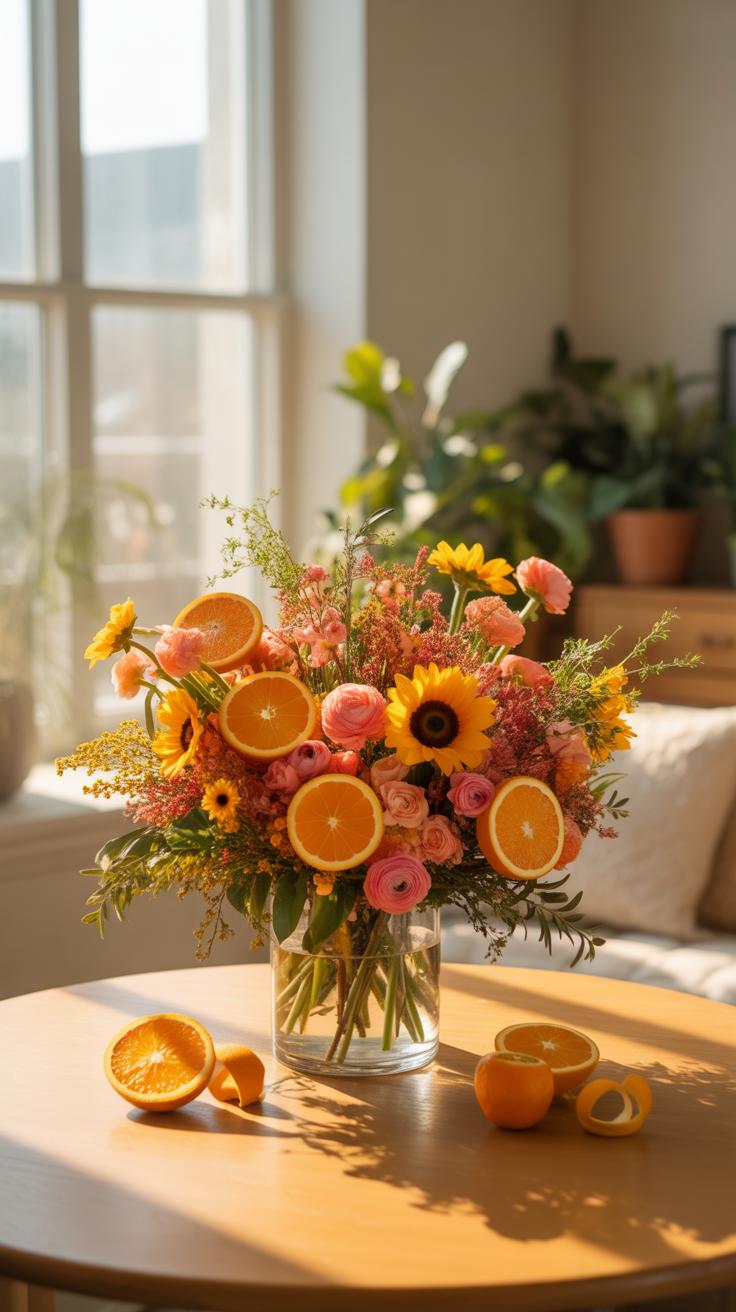
Step By Step Guide To Building Your Own Flower Arrangement With Oranges
Building a monochrome arrangement requires structural planning to prevent a messy appearance. You must layer textures to create visual depth when working with a single color. Start by prepping your citrus and stems to ensure longevity. Proper hydration and clean cuts prevent wilting. Use a grid of floral tape across the vase opening to keep heavy fruit stems and flowers in place.
- Select Your Base: Use sturdy branches or woody stems like orange spray roses or marigolds to establish the shape. The base must support the weight of added citrus elements. Tight clusters create a modern, dense look that highlights the intensity of the orange hue.
- Prepare the Citrus: Slice oranges thinly for a translucent look or keep them whole for bulk. Skewer whole fruit with heavy-gauge floral wire or wooden picks. This allows you to insert the fruit directly into the floral foam or water grid without it sinking.
- Add Primary Blooms: Insert large focal flowers like Ranunculus or Zinnias into the framework. Space them evenly to distribute the color weight. These blooms provide the main visual punch of the arrangement and set the tone for the specific shade of orange.
- Incorporate Texture: Integrate secondary elements like orange Celosia or Bittersweet vines. Texture breaks up the solid blocks of color and adds movement to the design. Use varied heights to guide the eye through the arrangement and create a three-dimensional effect.
- Final Inspection: Fill any gaps with small filler flowers or citrus leaves. Check the arrangement from all angles to ensure no mechanical parts like tape or wire are visible. Refresh the water daily to prevent the acids from the citrus stems from killing the flowers.
Balance the distribution of fruit and petals to maintain stability. Oranges add unexpected weight that can tip light vases. Place heavier fruit lower in the arrangement to lower the center of gravity. This tactical approach ensures the final product is both beautiful and structurally sound. Consistency in color temperature across your selected materials will make the monochromatic theme look professional and intentional.
Choosing The Right Vase And Vessels To Showcase Orange Blooms And Citrus
The vessel dictates the formal or casual tone of the arrangement. Use clear glass cylinders to show off submerged orange slices for a contemporary aesthetic. This technique originates from mid-century modern design where clean lines and visibility were prioritized. Ensure the glass is thick enough to handle the pressure of packed fruit. Transparent vessels emphasize the freshness and internal structure of the citrus.
Stone or terracotta containers provide an Earthy contrast to bright orange tones. These materials pull from Mediterranean architectural styles that naturally pair citrus with clay. Avoid busy patterns on the vase that compete with the texture of the fruit and flowers. Solid white or matte black ceramic works best to make the orange pop. Select a wide-mouthed vessel for dense, mound-shaped designs to ensure all stems reach the water.
Caring For Your All Orange Floral Arrangements To Maximize Longevity
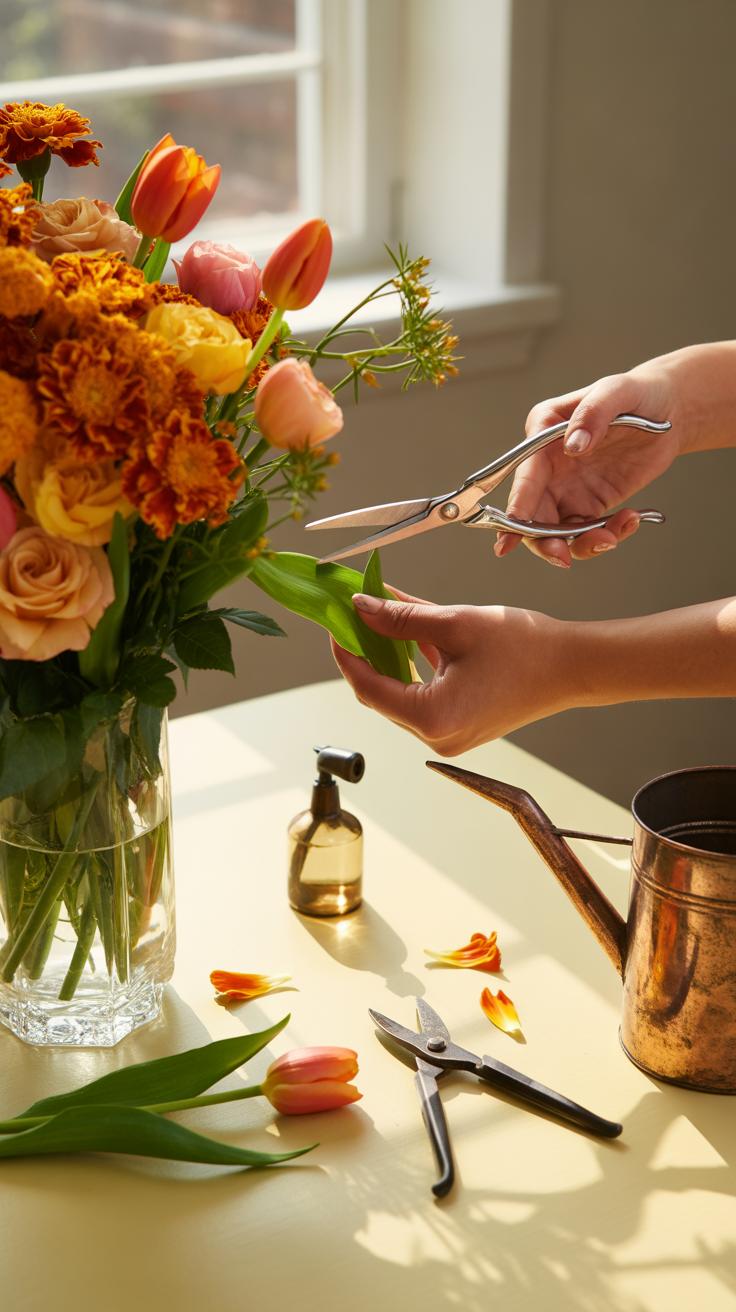
Best Practices For Keeping Orange Flowers Fresh And Vibrant Longer
Start with clean tools and vascular health. Use sharp shears to cut stems at a forty five degree angle under lukewarm water. This prevents air bubbles from blocking water uptake in orange roses and lilies. Change the water every twenty four hours to stop bacteria growth. Bacteria rot stems and dull the bright pigments. Clean the vase with bleach before every use.
Temperature control determines how long the orange color stays bold. Keep arrangements away from direct sunlight and heating vents. High heat speeds up transpiration and causes petals to wilt and brown. Use floral preservatives to provide necessary sugars and acidifiers. These packets balance the water pH levels. Removing lower leaves prevents underwater decay. This simple step keeps the water clear and the flowers healthy.
When And How To Refresh Or Repurpose Fading Orange Floral Arrangements
Watch for signs of aging like petal curling or stem softening. Remove individual wilted stems immediately to protect the remaining healthy flowers. Ethylene gas from dying blooms triggers premature aging in the rest of the arrangement. Recut the surviving stems and move them to a smaller vessel. This compact look maintains the visual impact of the orange palette while removing necessary bulk.
Repurpose orange flowers by drying them before they lose all moisture. Hang marigolds or strawflowers upside down in a dark and dry space. This technique preserves the deep amber and ochre tones for permanent decor. Pressure pressing also works well for flatter orange blooms. Use these dried elements in shadow boxes or wreaths. This transition extends the value of your floral investment long after the fresh stems expire.
Frequently Asked Questions

What are the best flowers to use for a monochromatic orange look?
To create stunning all orange floral arrangements, start by selecting blooms with varying textures and heights. Popular choices include vibrant ranunculus, elegant calla lilies, and ruffled marigolds. For a sophisticated touch, consider adding exotic orange protea or delicate poppies. Mixing different shades—from soft peach to deep terra cotta—adds necessary depth and dimension, ensuring your monochromatic design looks professionally curated rather than flat or overwhelming.
How do I arrange an orange centerpiece that looks modern and professional?
For a modern aesthetic, focus on grouping flowers by variety rather than mixing them randomly. Use a sleek, neutral vase to let the bold colors pop. When building your all orange floral arrangements, start with a structural base of greenery or branches, then layer in your focal flowers at different angles. Keep the silhouette clean and asymmetrical for a contemporary feel that highlights the individual beauty of each fiery stem.
Can I create a beautiful orange floral display on a tight budget?
Absolutely! You can achieve a high-end look without spending a fortune by sourcing seasonal blooms like carnations, zinnias, or daisies, which are naturally affordable and come in brilliant citrus tones. To stretch your budget further, incorporate foraged elements like autumn leaves or dried seed pods. Focusing on one or two statement flowers surrounded by budget-friendly orange filler allows you to enjoy lush, stylish decor without exceeding your financial limits.