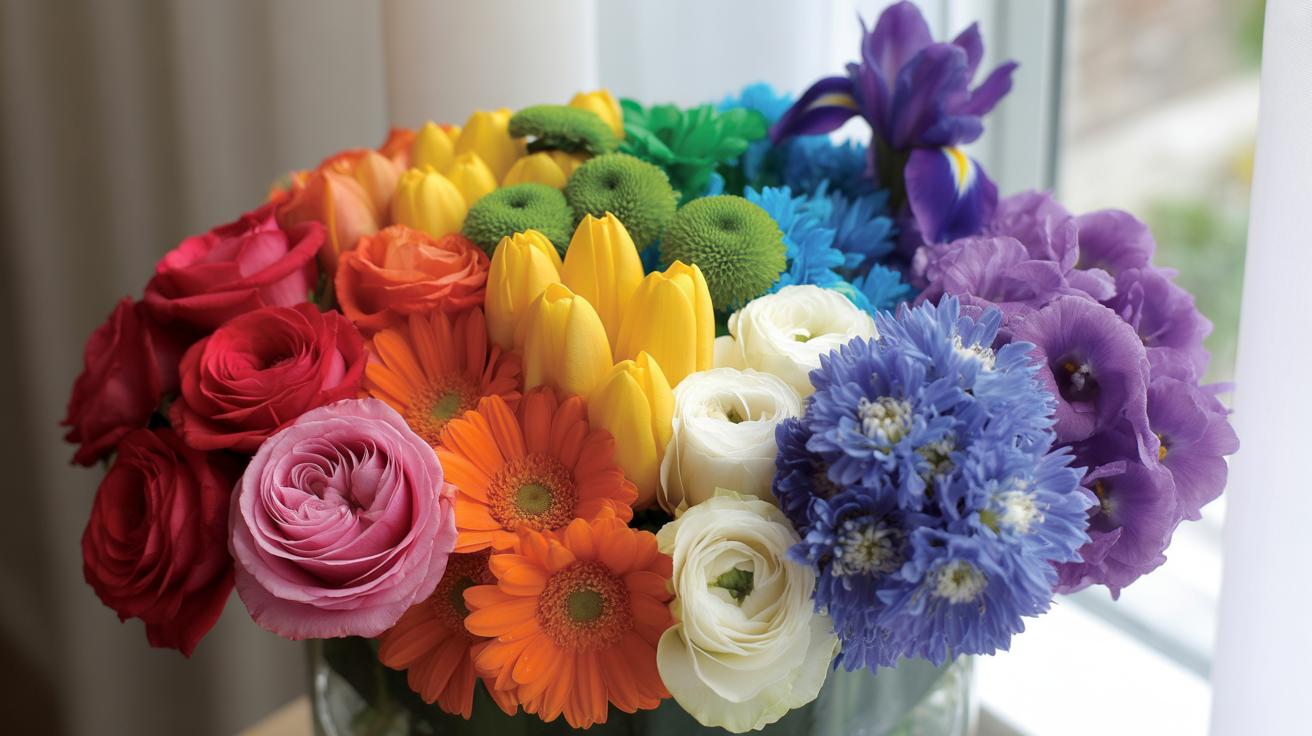
What Is A Rainbow Flower Arrangement And Why Is It So Popular Right Now
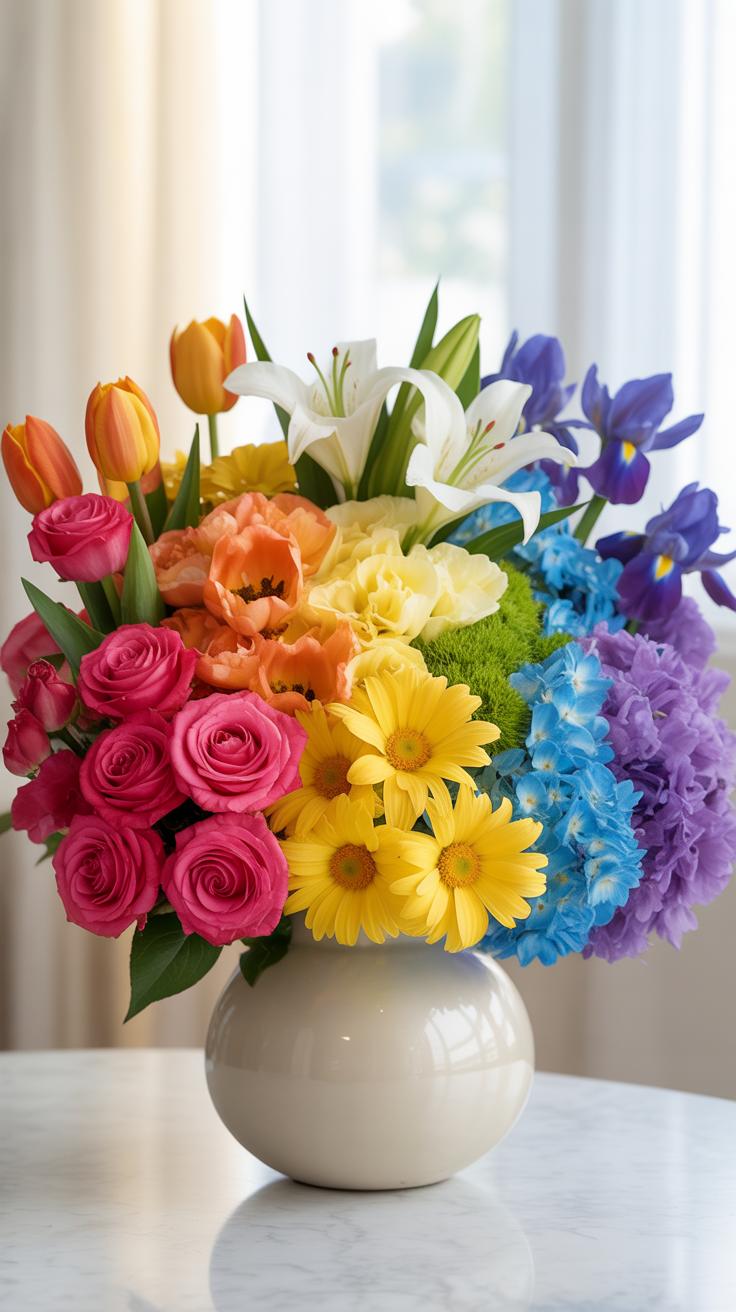
The Origins And Meaning Behind Rainbow Colored Florals
Rainbow floral arrangements use the full visible spectrum of light. This design follows the Roy G. Biv sequence of red, orange, yellow, green, blue, indigo, and violet. Historically, these colors appeared together in Victorian gardens to show wealth and botanical variety. Florists use this specific order to create a natural visual flow. The spectrum represents harmony and the totality of nature in one vessel.
In modern times, rainbow palettes signal inclusivity and celebration. Designers often use these arrangements for pride events and joyful milestones. The meaning has shifted from simple botanical display to a powerful message of unity. You choose this style when you want to make a bold statement. It requires careful selection of primary and secondary colors to avoid a muddy visual result. Proper color theory keeps the design sharp.
Why Rainbow Floral Arrangements Are Trending In Home Decor And Celebrations
Home decor trends currently favor dopamine decor. This movement focuses on bright colors that trigger happiness and energy. Rainbow flowers fit this style perfectly. They serve as a focal point in neutral rooms. Modern consumers want high impact with minimal effort. A single rainbow arrangement provides a complete color solution for any space. It eliminates the need for complex matching with other furniture.
Events also drive the current popularity of this trend. Social media platforms reward high contrast and saturated colors. Rainbow arrangements photograph well and grab attention quickly. Professional florists use them to showcase technical skill in color Transitions. They are common at weddings, birthdays, and corporate events. People want vibrant displays that break away from traditional white or pastel palettes. The rainbow style offers a modern and energetic alternative.
Essential Tools And Supplies You Need To Start Your Rainbow Floral Arrangements
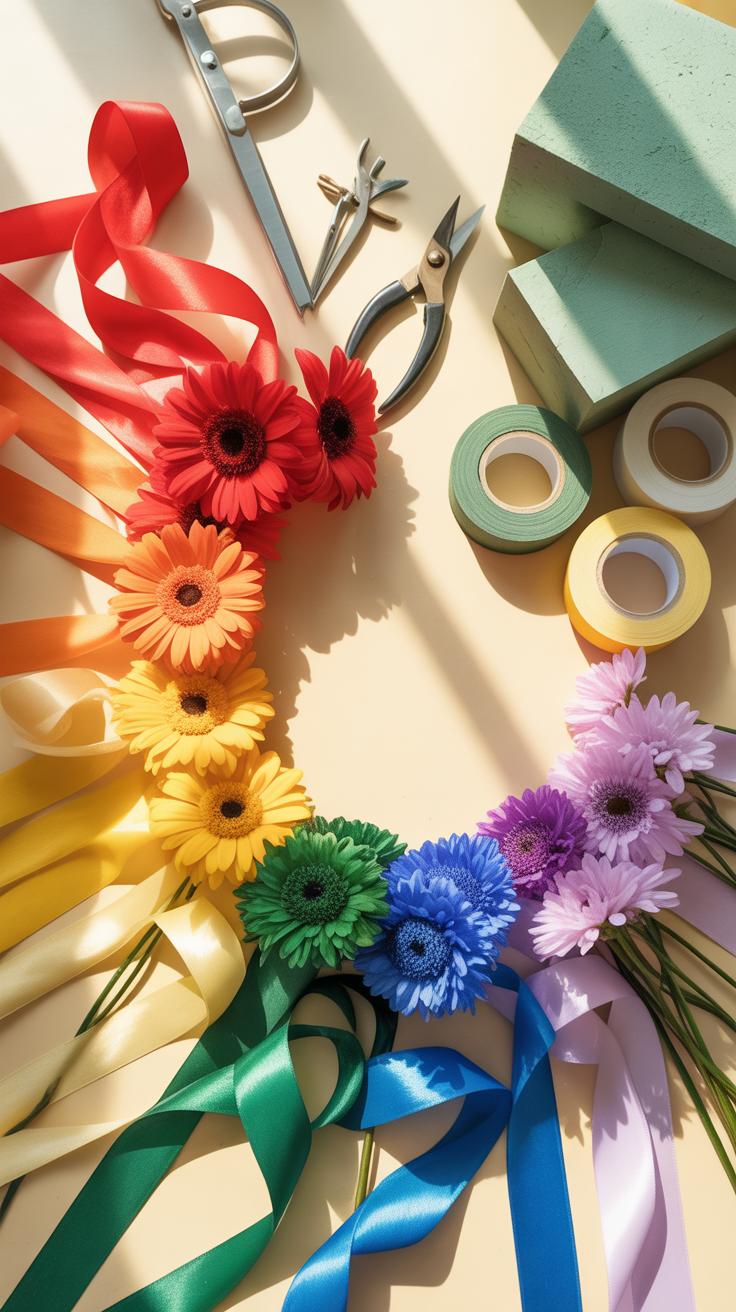
Basic Floral Tools Every Beginner Should Have On Hand
Professional floral design requires specific hardware to maintain stem integrity and arrangement stability. You cannot use standard household scissors because they crush the vascular system of the plant. This prevents water uptake and leads to premature wilting. Invest in high carbon steel blades to ensure clean anatomical cuts. Proper mechanics allow you to position multiple colors precisely within the rainbow spectrum.
- Bypass Pruners: Use these for thick woody stems like roses or hydrangeas. The two blades pass each other like scissors to create a clean slice without bruising the tissue. This tool is vital for the structurally heavy base layers of your arrangement.
- Floral Snips: These lightweight tools feature pointed blades for delicate work. Use them to trim soft green stems and remove foliage. Precision snips allow you to tuck small accent flowers into tight spaces without disturbing the established color gradients of your design.
- Stem Stripper: This tool removes thorns and excess leaves quickly. Eliminating submerged foliage prevents bacterial growth in the water. Clean stems are essential for maintaining the clarity of the water and the overall health of the flowers in a multi color display.
- Floral Tape: Use waterproof green tape to create a grid across the mouth of your container. This grid acts as a mechanical support system. It holds each stem in a specific location. This control is necessary when you are organizing flowers by specific color blocks.
- Floral Foam: This phenolic plastic holds water and provides a 3D matrix for stem placement. It allows for aggressive angles that natural water cannot support. Ensure you soak the foam fully before use to prevent air pockets that cause flowers to die instantly.
Organization of your workspace increases efficiency and reduces waste. Keep your tools sharp and sanitized with isopropyl alcohol to prevent the spread of pathogens between plants. Prepare all your hardware before you touch the flowers. This tactical preparation ensures that your focus remains entirely on color theory and spatial balance during the assembly phase of your project.
Choosing The Right Vase Or Container For A Rainbow Themed Floral Display
The container serves as the foundation for your color story. For rainbow arrangements, neutral tones like white, slate, or clear glass are the standard. These choices do not compete with the vivid hues of the flowers. A cylindrical vase provides a modern look and works well for grouped color blocking. A flared vase allows for a more traditional Victorian style with radiating color layers.
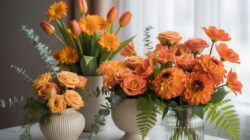
Consider the interior volume of the vessel relative to your stem count. A narrow neck forces stems together and makes distinct color separation difficult. A wide mouth requires more mechanical support like chicken wire or tape grids. Ensure the material is non porous to prevent leaking and staining. Metal containers should have a plastic liner to avoid chemical reactions between the flower food and the metal surface.
Best Flowers To Use For A Vibrant Rainbow Floral Design
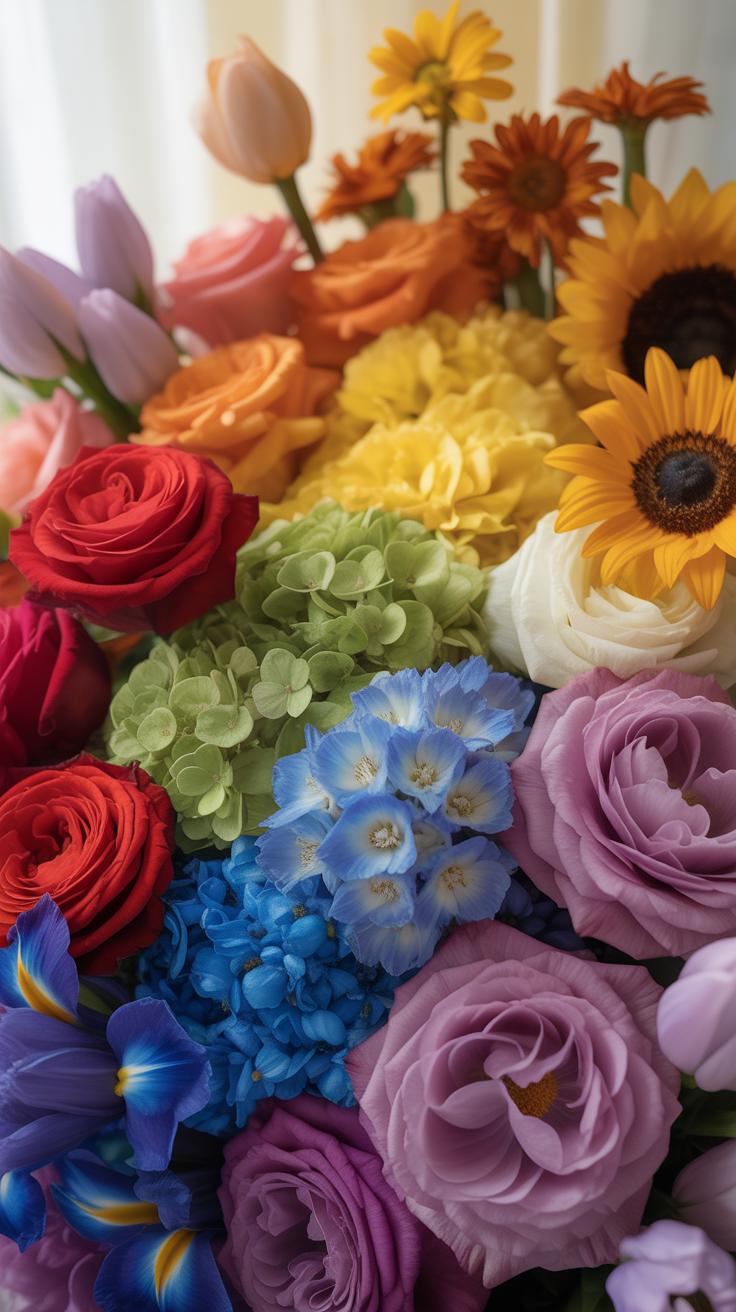
Red, Orange, And Yellow Blooms That Anchor The Warm Side Of Your Rainbow
Red flowers provide the initial visual weight for these designs. Choose Gerbera daisies or carnations for solid blocks of color. These flowers offer flat faces that direct the eye across the arrangement. Use roses for deeper red tones. Red is the longest wavelength in the color spectrum. It demands attention first. Position these blooms at the base or the leading edge of your floral work.
Orange and yellow flowers bridge the gap toward the cool colors. Ranunculus and marigolds provide dense petals that reflect light well. For yellow, use sunflowers or solidago to mimic natural sunlight. These shades increase the perceived brightness of the design. You must place yellow next to green for a smooth transition. This mimics the natural order of the visible light spectrum found in a prism.
Green, Blue, Indigo, And Violet Flowers That Complete The Cool Spectrum
Green flowers act as a bridge between warm and cool tones. Use green hydrangeas or bells of Ireland for textural variety. These plants provide a natural break that prevents color mudding. They stabilize the visual flow of the rainbow. Professional florists use green to fill gaps without adding competing colors. Green creates a resting point for the eye before it moves into the darker blues.
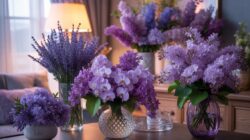
Blue and violet flowers finish the design with depth. True blue is rare so use Delphinium or Eryngium. For indigo and violet, choose Lisianthus or stocks. These flowers often have smaller heads which helps taper the design. Darker shades belong at the end or top of the arc. This creates a sense of completion. Proper placement ensures the cool side does not get lost behind the brighter warm colors.
Understanding Color Order And Spectrum Placement In A Rainbow Arrangement
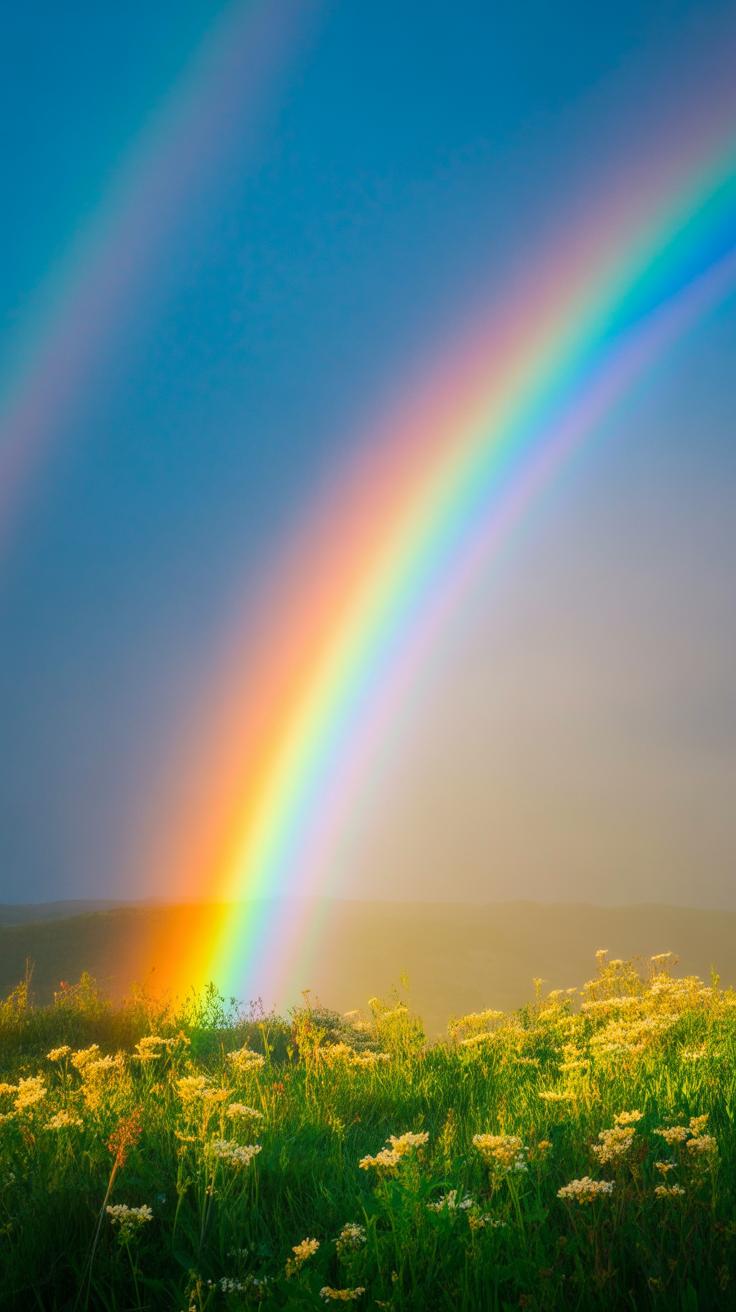
How The ROYGBIV Color Sequence Applies To Floral Design
Rainbow Floral Arrangements require a strict adherence to the visible light spectrum. This order moves from red to orange, yellow, green, blue, indigo, and violet. Scientists identified this sequence to explain how light refracts through prisms. In floral design, following this exact path prevents visual chaos. It creates a logical map for the eye to follow across the display.
You must place mass flowers in these specific color blocks to maintain the spectrum. Red stems occupy the high energy end while violet sits at the low energy end. Designers often skip indigo because few natural flowers possess this true pigment. Substituting deep purple for both indigo and violet keeps the arrangement balanced. Use the color wheel as a physical guide during the construction process.
Tips For Blending Colors Naturally So Your Arrangement Flows Without Looking Harsh
Sharp lines between colors create a striped effect that lacks professional polish. You should use bridge flowers to soften the transitions between primary hues. These are blooms that contain two colors from the spectrum. Bi-color roses or variegated carnations work well for this tactical purpose. They pull the eye from one color block into the next without a sudden visual jolt.
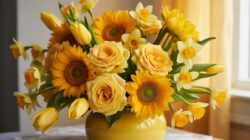
Placement depth also impacts how colors merge. Set darker flowers deeper into the foliage to create natural shadows. Place lighter tints toward the outer edges to catch the light. This technique mimics how colors appear in nature and adds three-dimensional weight. Avoid placing stark white flowers between bright colors as this breaks the flow. Focus on value and saturation to ensure a smooth chromatic progression.
Step By Step Guide To Building Your First Colorful Rainbow Flower Arrangement
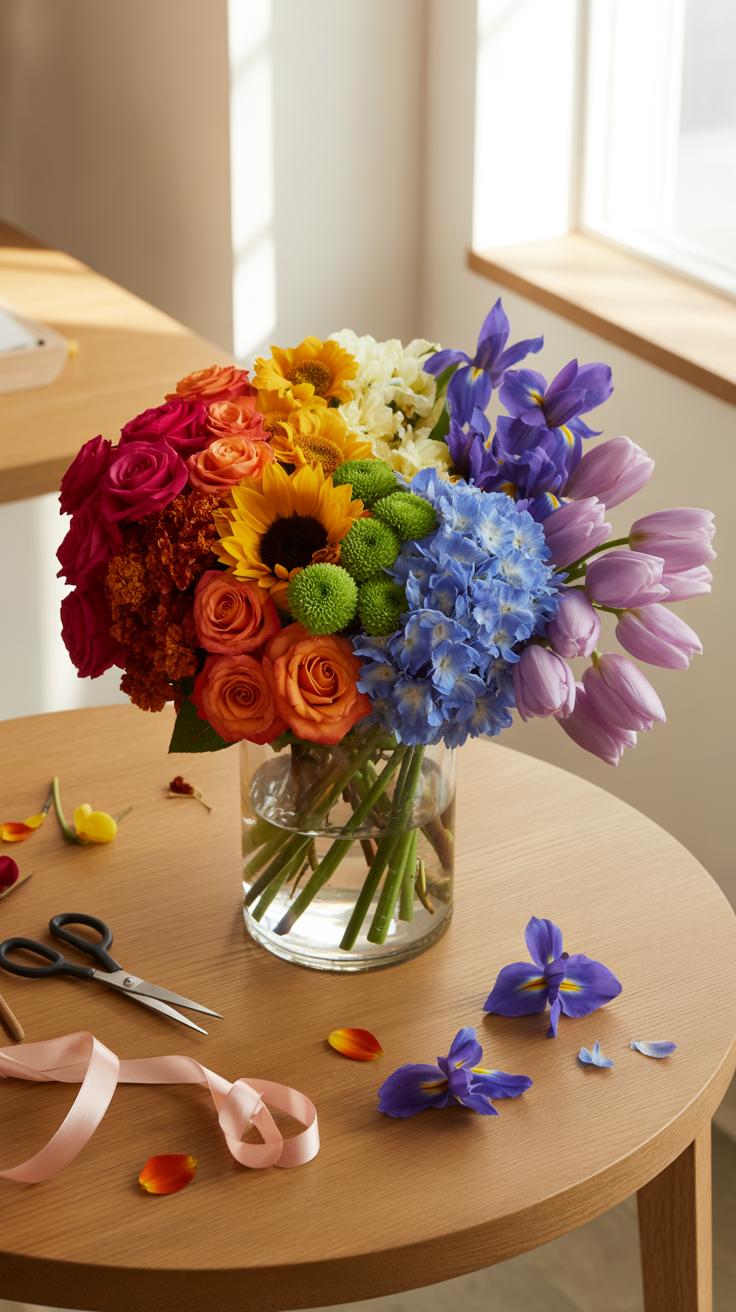
How To Prep Your Flowers And Set Up Your Workspace Before You Begin
Clean your workspace with a bleach solution to kill bacteria. Use a sharp florist knife or shears to cut stems at a forty five degree angle. This increases surface area for water intake. Plunge stems into lukewarm water immediately after cutting. Remove all foliage that falls below the water line. Decaying leaves create ethylene gas which kills flowers and ruins your design.
Organize your blooms by color according to the light spectrum. This follows the standard Roy G Biv sequence used in professional floral design. Place each color group in its own clean bucket. This system prevents confusion during the assembly process. Check your floral foam if you use a vessel. Soak it until it sinks naturally. Do not force it down or you create dry pockets.
Placing Each Color Group To Create A Balanced And Eye Catching Rainbow Effect
Start with your red focal flowers to establish the primary boundary of the arrangement. Professional florists follow the color wheel to ensure a natural transition between hues. Each color must occupy its own distinct zone while slightly overlapping the next shade. This technique creates a cohesive gradient. It prevents the arrangement from looking cluttered. Use height variations to add depth to your circular or linear design.
- Red Foundation: Place dark red blooms at the base or far left to anchor the visual weight. Use sturdy stems like roses or carnations as these hold the structure for the following colors.
- Orange Transition: Insert orange flowers next to the reds. This layer bridges the gap between warm red tones and bright yellow centers. Use various textures to keep the transition smooth and visually interesting to viewers.
- Yellow Highlights: Add yellow blooms to provide a high contrast focal point. These flowers draw the eye and act as a natural separator between the warm tones and the cool blues or greens ahead.
- Green and Blue Fillers: Use green foliage or blue hydrangeas to cool the palette. These deep shades provide the necessary background contrast that makes the brighter rainbow colors pop. Ensure these stems sit slightly deeper in the vase.
- Purple Finish: End the sequence with violet or purple flowers. These dark tones cap the arrangement and provide a sense of completion. Ensure they have enough space to stand out against the greenery and blue stems.
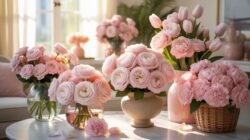
Assess the balance of the arrangement from all angles. Fix any gaps where the transitions look too abrupt. Make sure the height remains consistent across the entire color spectrum unless you want a cascading look. Add small filler flowers to hide the mechanics of the container. Mist the petals with water to maintain hydration. Keep the finished piece away from direct sunlight or heavy air drafts.
How To Create A Pride Flower Arrangements For LGBTQ Events And Celebrations
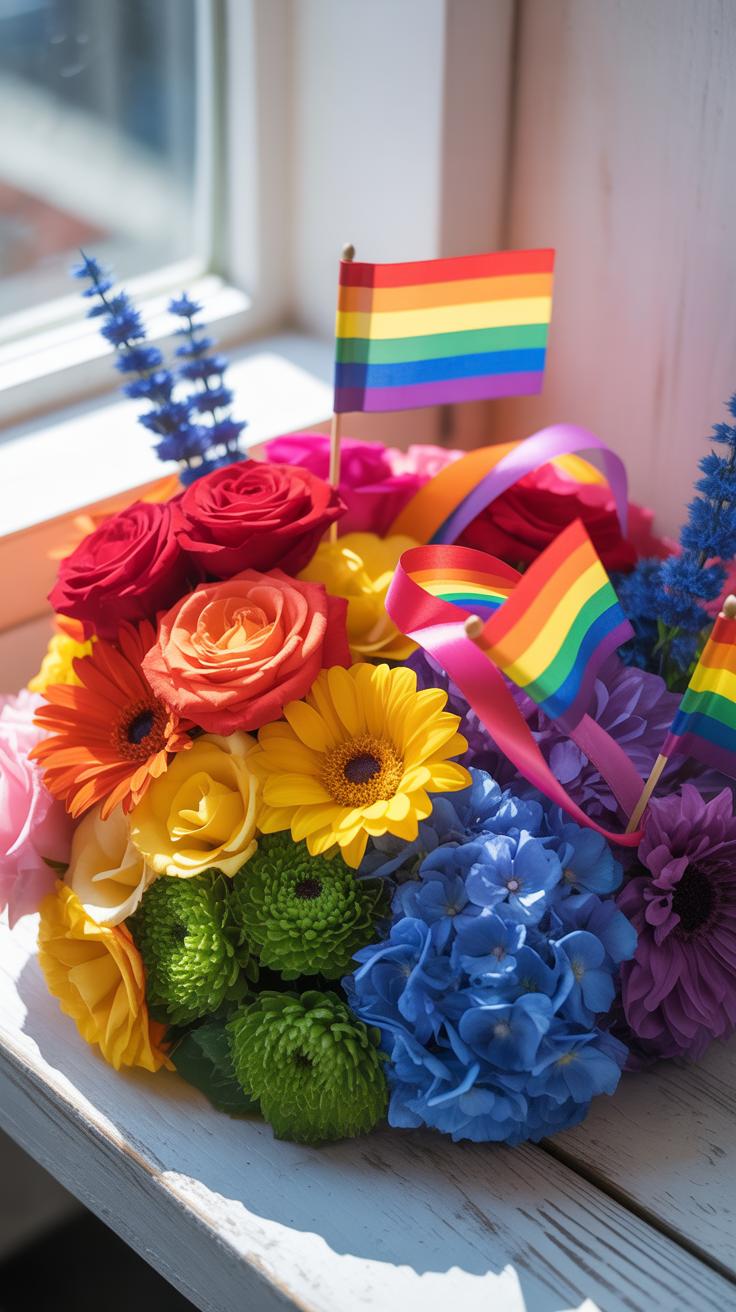
The Symbolism Of The Rainbow Pride Flag And How It Translates Into Florals
The original six color rainbow flag serves as the primary blueprint for these floral designs. Each color carries a specific meaning established by Gilbert Baker in 1978. Red represents life while orange signifies healing. Yellow stands for sunlight and green denotes nature. Blue reflects serenity and violet represents spirit. Successful arrangements respect this order to maintain the integrity of the historical Pride symbol.
Strategic placement of these colors ensures the message remains clear. Designers use a linear or grouped technique to replicate the flag stripes. Blocked color sections work best for visual impact in large venues. This method prevents colors from muddying together. It allows the viewer to recognize the flag immediately. You must maintain the standard color sequence to honor the cultural significance of the movement.
Flower Choices And Color Combinations That Honor Pride Flowers Bouquet Traditions
Select flowers that offer saturated and consistent hues. Red roses or gerbera daisies provide a strong base for the life category. Orange lilies or carnations add height and texture. Yellow sunflowers or solidago represent sunlight effectively. Green hydrangeas or bells of Ireland offer a natural bridge. Blue delphinium and purple iris or statice finish the sequence. Use hardy species to ensure the display lasts through long events.
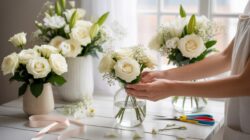
Color saturation is the most important factor in Pride arrangements. Avoid muted pastels or variegated petals that dilute the visual strength of the rainbow. High contrast between each color block improves photo quality and visibility. Grouping similar textures together creates a professional look. This approach mimics the clean lines of a fabric flag. Use clear glass or neutral containers to keep the focus on the floral spectrum.
Budget Friendly Ways To Source Flowers For Your Rainbow Flower Bouquet
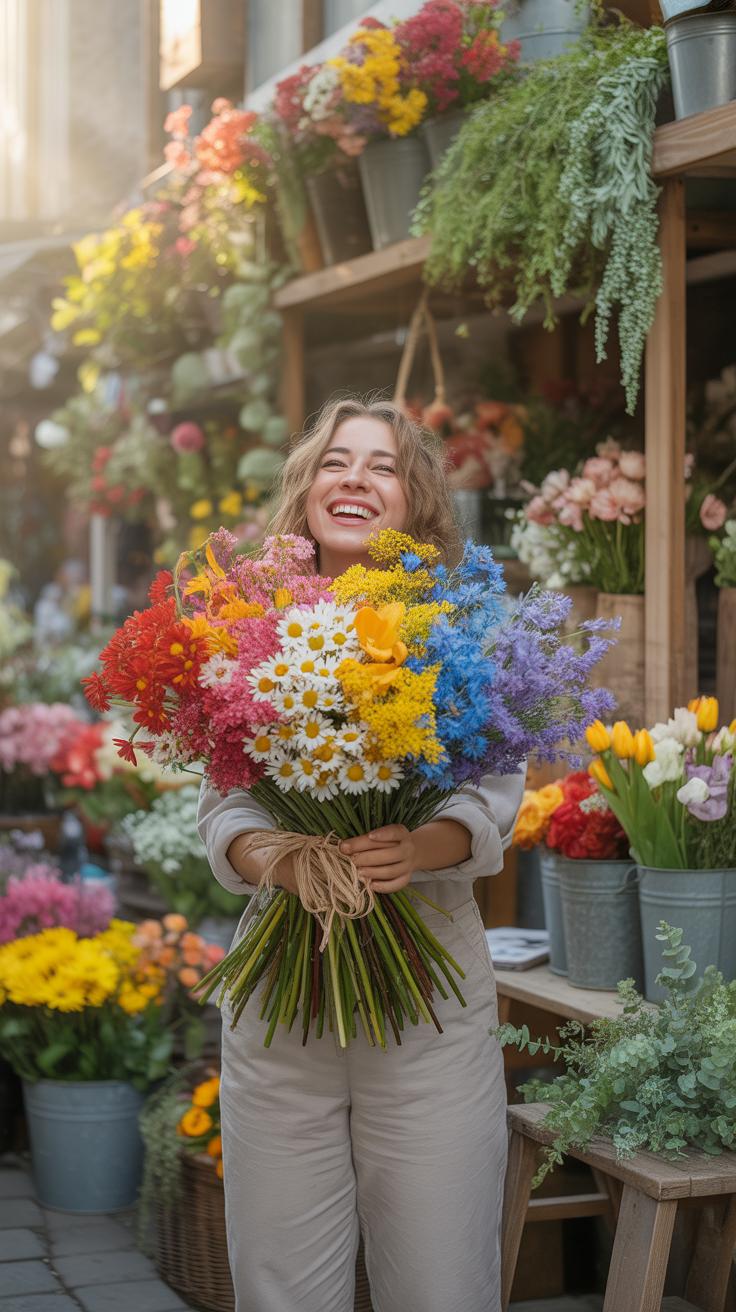
Where To Buy Affordable Fresh Flowers Without Sacrificing Color Variety
Supermarket floral departments offer the most consistent access to cheap primary colors. High volume grocery chains buy stock in bulk to keep prices low. Look for bundles of carnations, chrysanthemums, and alstroemeria. These specific species are naturally available in every shade of the rainbow. They possess long vase lives and provide the base saturation needed for a multi colored design.
Wholesale floral markets often open to the public during early morning hours. Purchasing straight from these hubs eliminates the retail markup added by traditional florists. You must buy by the bunch rather than the stem to see real savings. Target large distributors that stock imported tropicals and dyed fillers. These sources provide the intense blues and purples that occur less frequently in local fields.
The earth laughs in flowers, and a simple rainbow bouquet is enough to capture the sweet sunlight of our childhood memories.
Using Seasonal And Locally Grown Blooms To Reduce Costs And Boost Freshness
Seasonal sourcing relies on the natural bloom cycles of your region. Spring cycles yield yellow daffodils and purple tulips at low costs. Summer brings deep red zinnias and orange marigolds. Using flowers currently in peak production reduces shipping fees and middleman costs. Freshness improves because the distance from the soil to your vase is short. Local stems often last twice as long as imports.
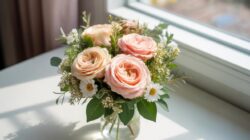
Farmers markets provide direct access to unique colors without the premium price tag of a boutique shop. Growers often sell mixed buckets or seconds that have slight stem bends but perfect color. Use these affordable fillers to build the volume of your rainbow arrangement. Focus on finding one dominant flower for each color band. This strategy keeps your budget under control while ensuring the final design looks dense and professional.
How To Keep Your Rainbow Floral Arrangements Fresh For Longer
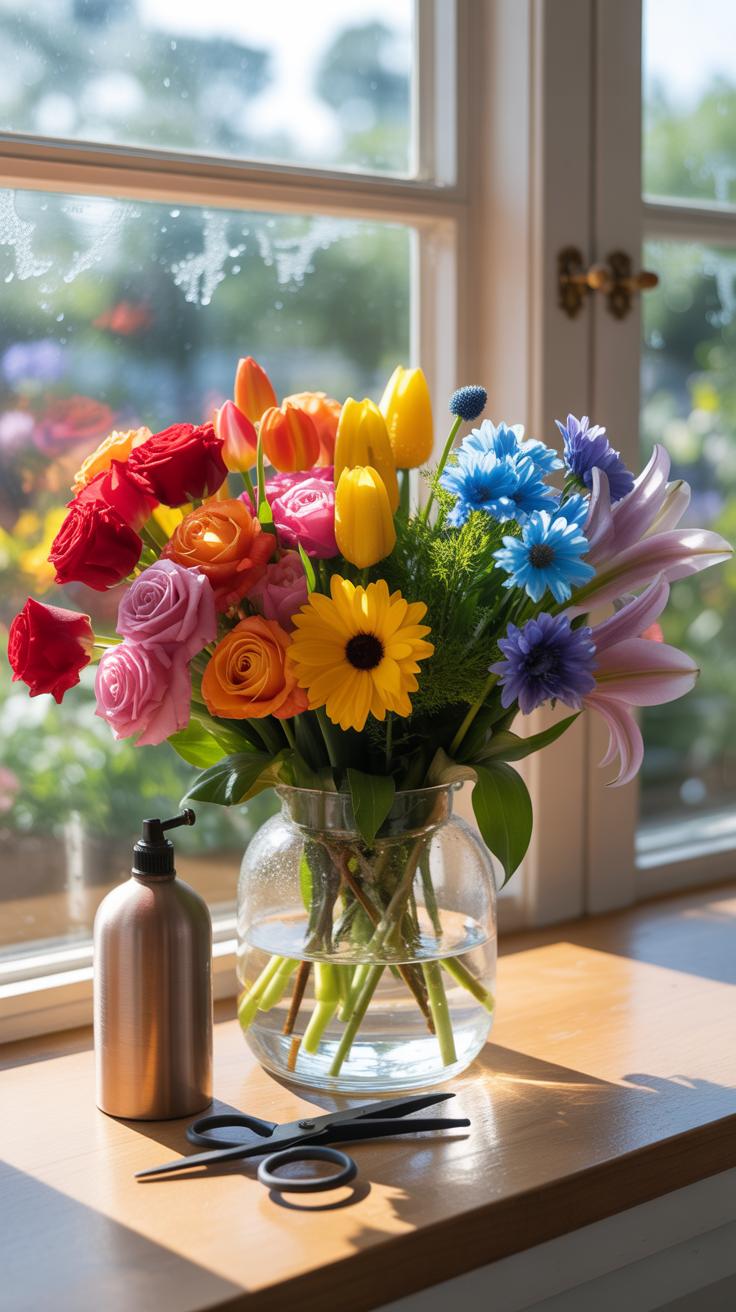
Proper Water, Trimming, And Conditioning Techniques To Extend Bloom Life
Cut stems at a sharp 45-degree angle using sterilized shears. This angle increases the surface area for water intake and prevents the stem from sitting flat against the container bottom. Remove all leaves that fall below the water line immediately. Decaying foliage creates bacteria that clog the vascular system of the flower. Use lukewarm water for most blooms to promote faster hydration.
Conditioning requires resting stems in a cool, dark area for several hours before final placement. This step allows the flowers to absorb maximum moisture without the stress of sunlight. Change the water every two days to maintain clarity and low bacterial counts. Add professional floral preservative to provide sugar for energy and acidifiers to balance pH levels. These steps ensure every color in your spectrum stays vibrant.
Common Mistakes Beginners Make That Shorten The Life Of Their Rainbow Arrangement
Placement kills many rainbow designs prematurely. Beginners often place vases near ripening fruit or in direct sunlight. Fruit releases ethylene gas which triggers early aging and petal drop in sensitive species. High heat evaporates moisture from the petals faster than the roots can replace it. Keep the arrangement away from air vents and drafty windows to prevent rapid dehydration of the delicate blooms.
Dirty tools and containers introduce pathogens that destroy stems within hours. Always scrub your vases with bleach or professional detergent before use. Do not top off old water with new water. This practice keeps bacteria in the reservoir and concentrates harmful salts. Pour out the old liquid entirely and rinse the stems before adding fresh solution. Proper sanitation is the most effective way to protect your floral investment.
Creative Display Ideas For Showcasing Your Rainbow Themed Floral Display At Home Or Events
Indoor Styling Tips For Making Your Rainbow Florals A Centerpiece Statement
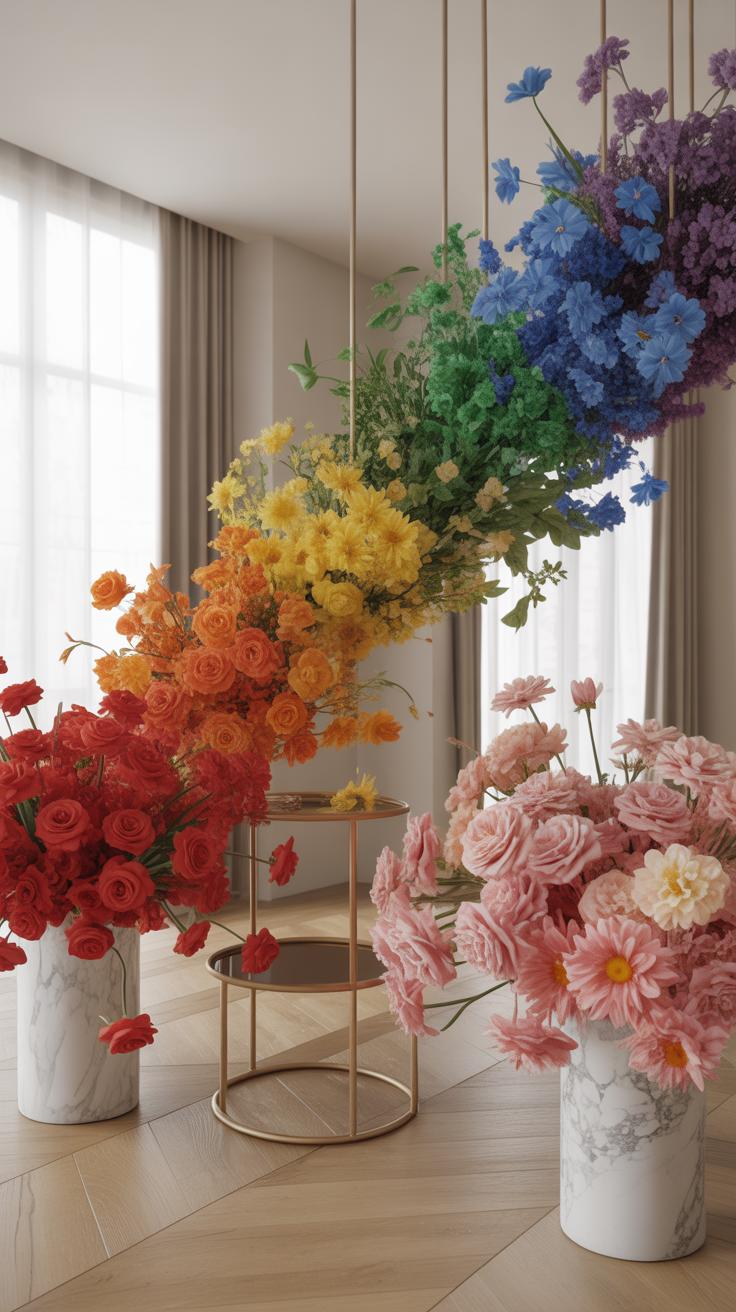
Position your rainbow floral arrangements against a neutral backdrop to maximize visual impact. White or gray walls prevent color clashing and allow the spectral progression to stand out. Place the arrangement at eye level on a mantle or sideboard. This height ensures viewers can see the transition from red to violet clearly. Use directional lighting or natural light to illuminate the petals evenly.
Modern interior design relies on clean lines to balance the complexity of multi-colored displays. Choose a clear glass or solid black vase to ground the vibrant colors. Avoid busy patterns on nearby textiles or rugs. If you place the display in a room with many colors, the rainbow effect loses its purpose. Keep surrounding surfaces clear of clutter to maintain the focus on your floral design.
Using Rainbow Floral Arrangements As Table Centerpieces, Photo Backdrops, And Event DéCor
Long rectangular tables require a series of smaller rainbow arrangements or one continuous floral runner. This linear approach mirrors the natural order of the color spectrum. For round tables, use a tall central vase to create a 360-degree color experience. Guests should see a different hue from every seat. Ensure the height does not block lines of sight across the table to keep the space functional.
Large scale rainbow displays work best as focal points for photography. Arrange flowers in a gradient wall or an arch to create a structured background. Use heavy duty floral foam or chicken wire grids to secure stems in vertical positions. These mechanics must remain hidden to keep the professional look. High traffic areas benefit from sturdy containers that prevent tipping. Match the floral density to the specific event lighting.
How To Adapt Your Rainbow Floral Arrangements For Any Season Or Occasion
Seasonal Flower Swaps That Keep Your Rainbow Design Fresh Year Round
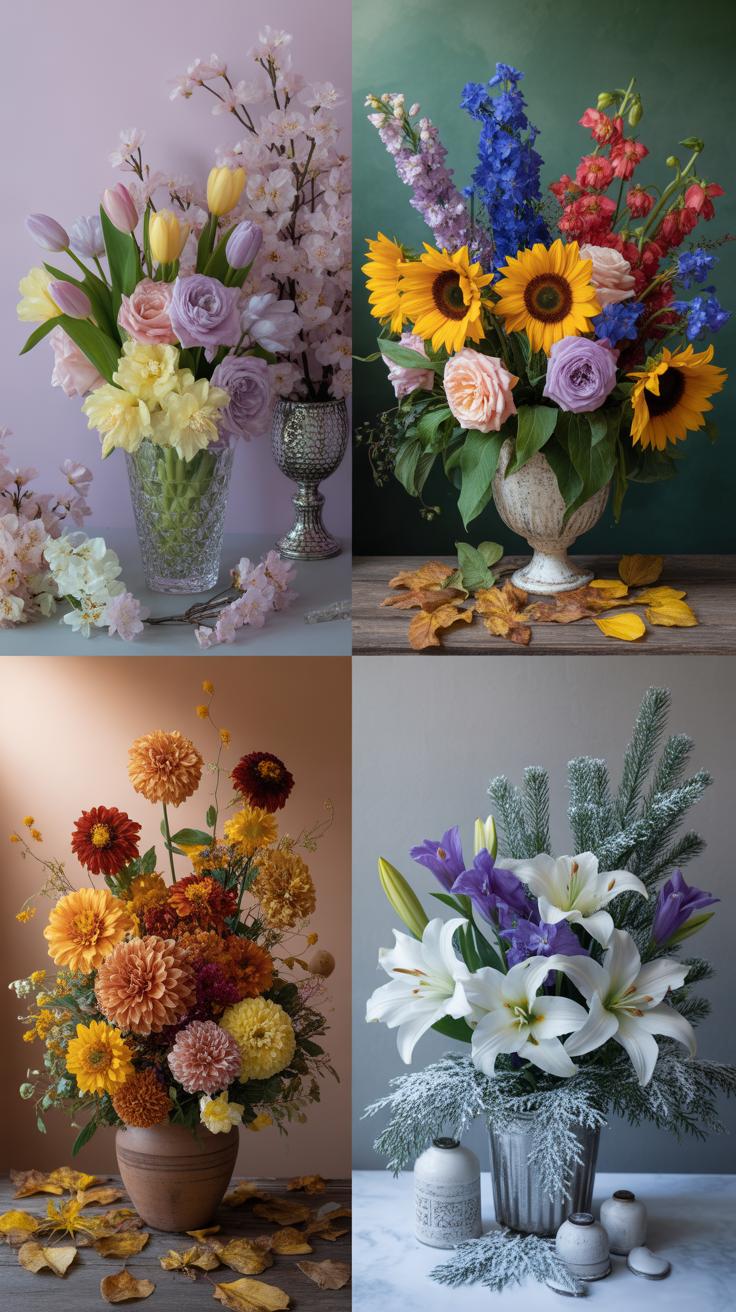
Seasonal availability dictates the durability and cost of your rainbow floral arrangements. In spring, utilize tulips and ranunculus to achieve a high color saturation across the visible spectrum. These bulb flowers offer clean lines and a natural color progression. Summer allows for the use of zinnias and dahlias which provide heat resistance and dense pigment. Selecting flowers in their natural peak prevents premature wilting and reduces your overhead costs.
Transition your palette using textures suited for cooler months. Autumn rainbow designs benefit from tinted eucalyptus and chrysanthemums which hold deep jewel tones effectively. In winter, shift to hardy options like amaryllis or dyed orchids to maintain the color sequence in dry indoor air. Always prioritize locally grown stems to ensure the longest possible vase life. Proper timing of your material selection ensures the rainbow effect remains vibrant and professional.
Scaling Your Rainbow Flower Arrangement From A Small Bud Vase To A Grand Centerpiece
Scaling a rainbow design requires strict adherence to color proportions. For a small bud vase, use one focal stem per color to establish the spectrum without overcrowding the vessel. Precision is vital in small scales because every stem placement is visible. Use a clear grid or floral tape to keep stems upright. This prevents the colors from bleeding together into a muddy visual mess. Small arrangements rely on minimalism.
Grand centerpieces require a structural base like chicken wire or floral foam to support the weight of many stems. Group multiple flowers of the same hue together to create distinct color blocks. This technique ensures the rainbow remains visible from a distance. Increase the volume of green foliage at the base to provide contrast against the bright petals. Larger scales demand more transition flowers to bridge the gap between primary colors effectively.
Frequently Asked Questions

What are the best types of flowers for beginners to use in rainbow floral arrangements?
When starting out, it is best to choose sturdy, affordable blooms with clear, vibrant hues. Carnations, roses, and chrysanthemums are excellent choices because they are available in every color of the spectrum and have long-lasting stems. Using these accessible varieties allows you to experiment with rainbow floral arrangements without worrying about delicate petals wilting quickly as you practice your color transitions and placement techniques.
How do I transition colors smoothly to create a cohesive rainbow effect?
To achieve a professional gradient, follow the “color wheel” order: red, orange, yellow, green, blue, and violet. Place your flowers in small clusters of each color rather than mixing them randomly. For the most seamless rainbow floral arrangements, use “bridge” flowers that share tones of the two colors they sit between. This softens the lines between sections and creates a sophisticated, flowing visual journey for the eye to follow.
Is it expensive to create a multicolored bouquet if I’m on a tight budget?
Not at all! You can easily create a stunning rainbow look by purchasing one or two mixed grocery store bouquets and sorting them by color at home. To fill in gaps without spending much, utilize greenery from your backyard or use white flowers tinted with floral spray. Designing beautiful rainbow floral arrangements is more about your creative color placement than the price tag of the individual stems you choose to use.