
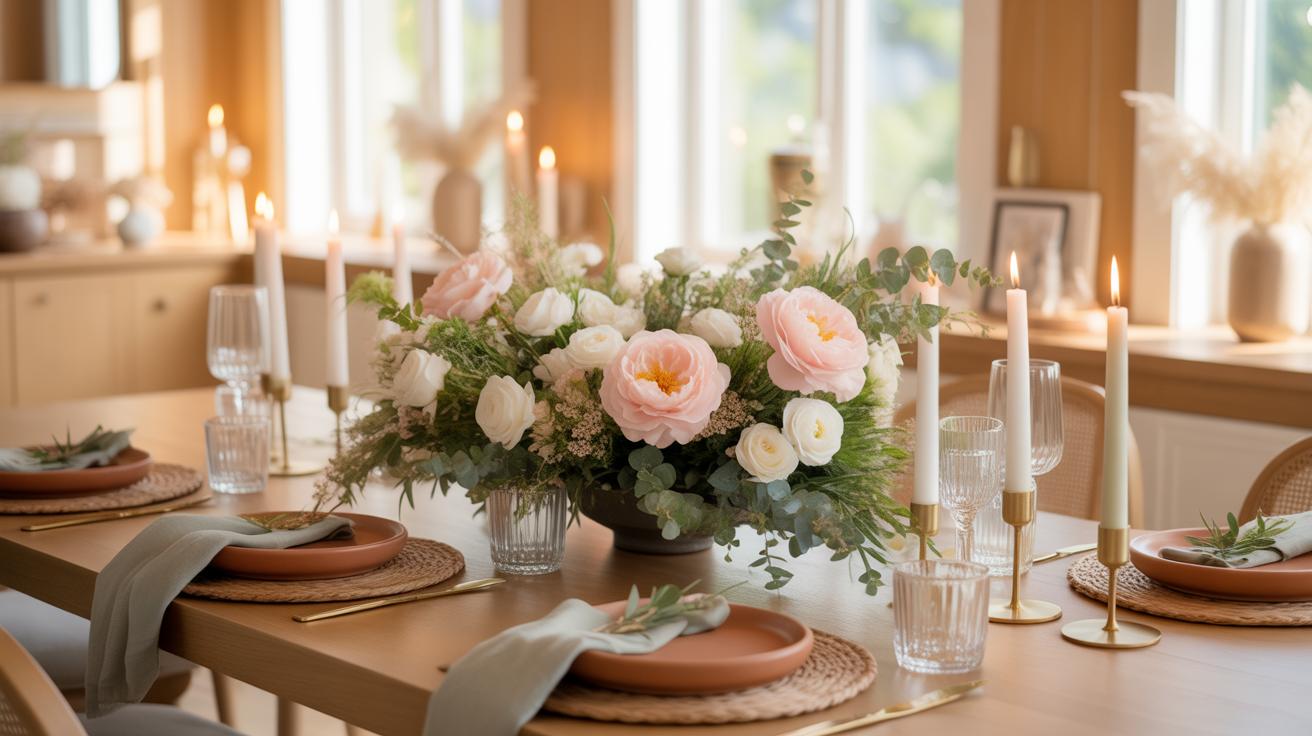
What Makes A Great Tablescape Centerpiece Ideas For Any Occasion
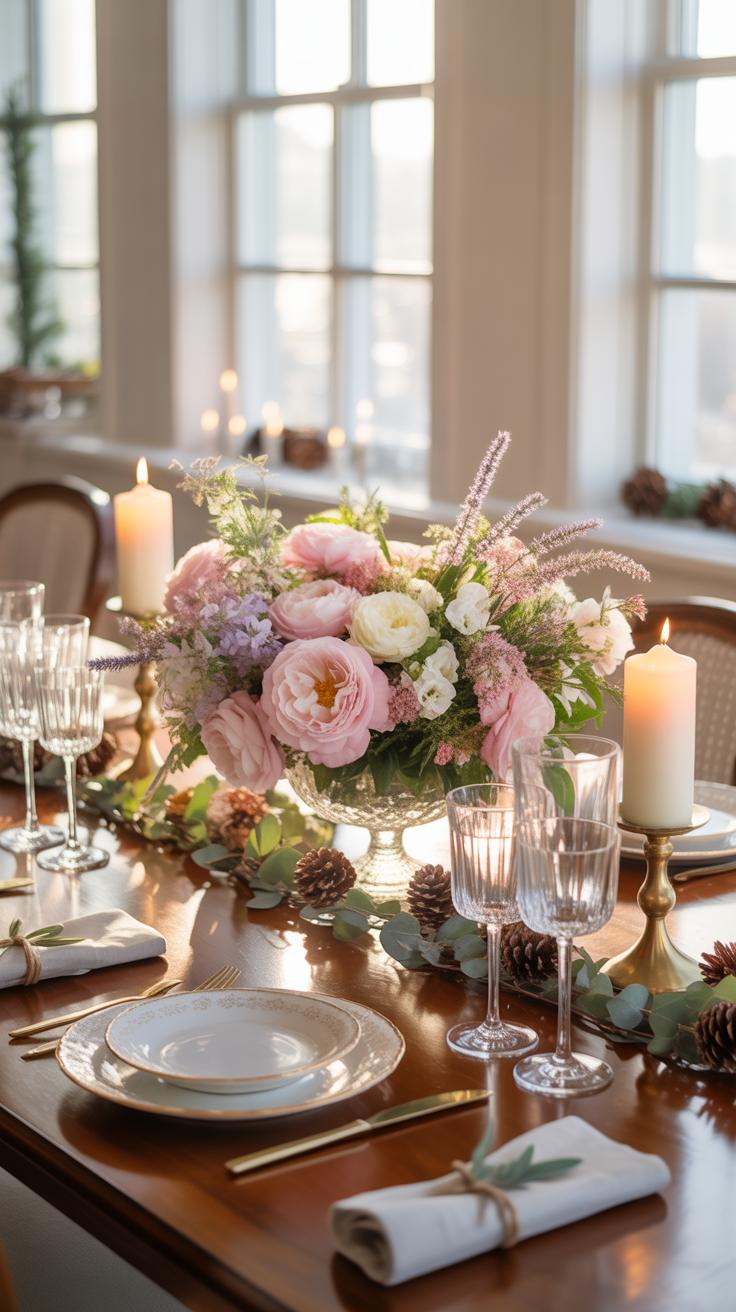
The Core Elements Of A Balanced And Eye Catching Centerpiece
Success requires three distinct components. These are texture, color, and focal points. Texture creates visual depth through material contrast. Stone, wood, and glass provide different light reflections. You must select colors that complement your existing dinnerware. Design a central anchor to draw the eye toward the middle of the table. This anchor serves as the foundation for all other decorative items.
Balance does not mean perfect symmetry. Designers use the rule of thirds to place objects effectively. Distribute weight evenly across the surface to prevent visual clutter. Mix organic materials like linen with hard surfaces like ceramic. This contrast keeps the arrangement grounded. High quality materials endure longer and look better under bright light. Strategic placement ensures every guest sees a curated view from their seat.
How Scale Height And Proportion Shape The Overall Table Setting Decor
Height dictates the flow of conversation. Keep centerpieces below eye level or well above it. Standard sightlines sit between 12 and 18 inches above the table surface. Obstructions frustrate guests and ruin the dining experience. Taller elements like thin taper candles work because they do not block faces. Verticality adds drama without consuming valuable plate space. Precise measurements prevent the decor from crowding the guests.
Proportion relates the centerpiece size to the table dimensions. A small bowl disappears on a large banquet table. Conversely, a massive floral arrangement overpowers a breakfast nook. Leave at least 15 inches of space for place settings and glassware. Scale your decor to fill the center third of the table width. This ratio maintains functionality while providing a professional look. Proper scaling ensures the design feels intentional and controlled.

Rustic Table Centerpiece Ideas That Bring Warmth And Character Indoors
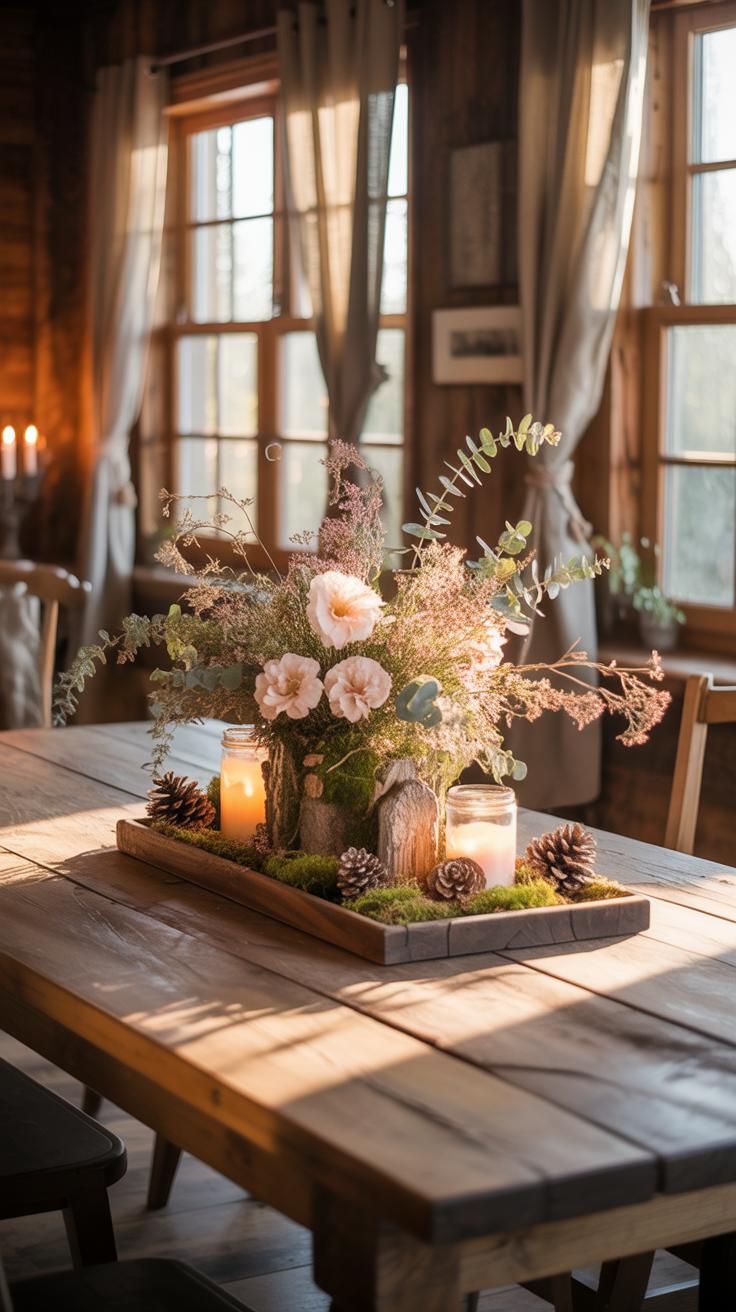
Using Reclaimed Wood, Mason Jars, And Earthy Textures In A Rustic Centerpiece
Reclaimed wood offers a structural base with historical depth. Use a narrow wooden trough or a thick slab of live-edge timber as the anchor. This material introduces natural patina and physical weight to the table. It prevents the design from looking flimsy. Select wood with visible grain and knots to emphasize the raw aesthetic. This foundation supports heavier elements like glass or metal.
Glass vessels like Mason jars provide a functional contrast to rough wood. These jars originated in 1858 for food preservation. Their utility makes them ideal for low-profile flower arrangements or candle holders. Wrap the glass in burlap or twine to add tactile grip. This technique breaks up reflections and softens the look. Stick to clear or green-tinted glass to maintain a grounded and authentic color palette.
How To Style A Farmhouse Inspired Centerpiece For Everyday And Holiday Tables
Farmhouse design focuses on practicality and approachable scale. For everyday use, keep the centerpiece low enough to allow unblocked sightlines. Use a galvanized metal bucket or a ceramic pitcher as a focal point. Fill these containers with seasonal greens like eucalyptus or dried wheat. This setup requires minimal maintenance and handles daily wear effectively. It creates a lived-in feel without cluttering the surface area.

Holiday iterations require layering more textures on the existing base. Add matte black candlesticks or brass accents to elevate the visual hierarchy. Integrate organic items like pinecones, white pumpkins, or fresh berries depending on the season. Layering these items directly on a linen runner adds depth. Avoid shiny plastics or neon colors. Stick to a neutral palette of creams, greys, and browns to ensure a cohesive and professional appearance.
Table Flower Decor How Fresh And Dried Blooms Elevate Your Centerpiece
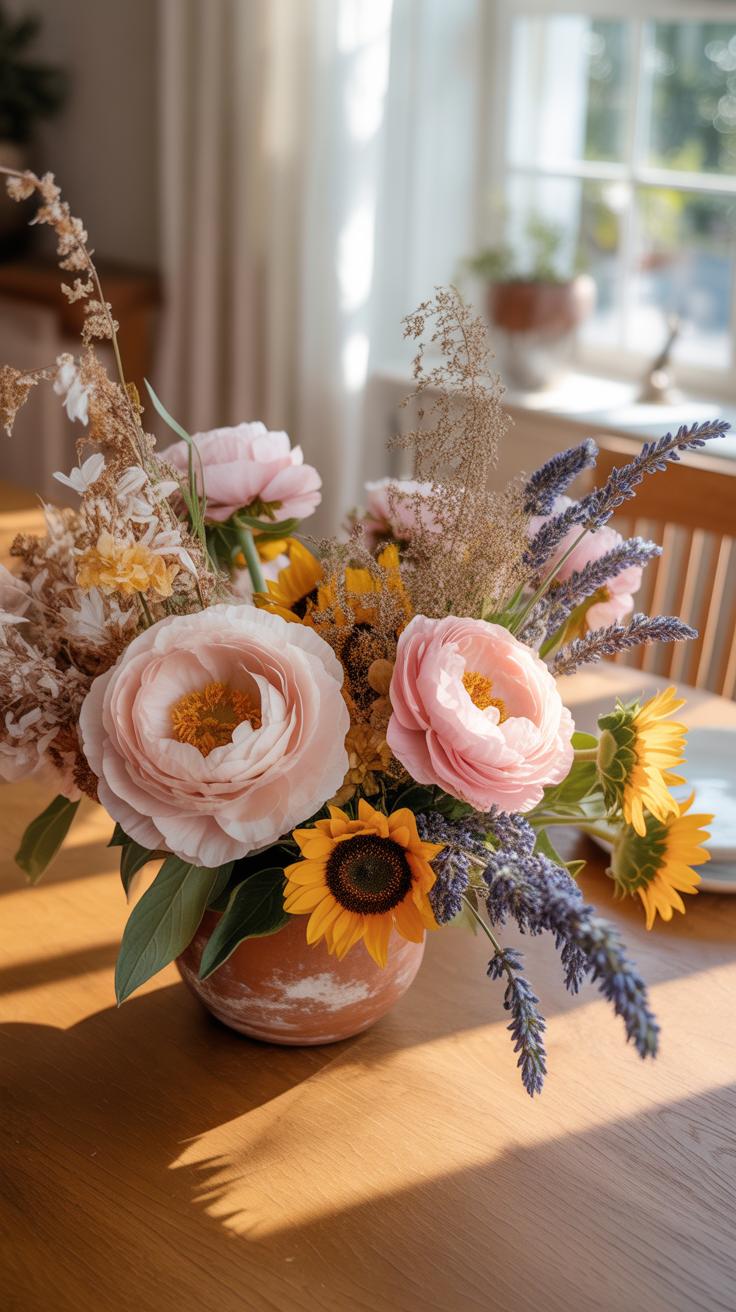
Choosing The Right Flowers And Vessels For A Stunning Floral Centerpiece
Tactical floral design starts with scale. Match the vessel height to the sightline of seated guests. Low squat vases prevent visual barriers during conversation. Tall narrow columns elevate focal points above eye level. Use heavy stone or ceramic bases for top heavy branches. Clear glass shows water clarity but requires stems to be trimmed cleanly. Select materials that reinforce the room architectural style.
Select flowers based on stem strength and hydration needs. Woody stems like hydrangea require deep water and angled cuts. Soft stems like tulips continue to grow toward light sources after placement. Use floral foam for precise structural positioning in wide bowls. Use kenzan frogs for minimalist Japanese style arrangements. These metal spikes hold stems at sharp angles. Mix textures to create depth without adding excessive bulk.
Table Flower Decoration Ideas Using Seasonal Blooms For Year Round Appeal
Seasonal sourcing reduces costs and ensures product freshness. Local blooms last longer because they spend less time in transport. Match the color palette to the natural light of the season. Use bright saturated tones in summer and muted earth tones in autumn. This approach creates a sense of time and place. Incorporate dried elements like pampas grass or seed pods for texture.
- Spring Bulbs: Use tulips and daffodils to signal growth. These flowers have flexible stems that allow for natural movement. Place them in shallow glass troughs to highlight their clean green stems.
- Summer Garden Roses: Focus on scent and volume during peak heat months. High petal counts fill space quickly with fewer stems. Use ceramic pitchers to create a relaxed and approachable farm table look.
- Autumn Dried Foliage: Incorporate preserved oak leaves and dried wheat for stability. These materials require no water and survive for weeks. They reflect the harvest period and add significant vertical interest without wilting.
- Winter Evergreens: Utilize cedar and pine branches as a base for white lilies. The resin in woody evergreens keeps the arrangement sturdy. These stems serve as a natural framework for delicate winter blossoms.
- Year Round Tropicals: Choose anthurium or monstera leaves for modern minimalist settings. These plants have thick waxy skins that resist dehydration. They provide bold geometric shapes that work well in contemporary stone or metal vessels.

Balance fresh blossoms with preserved stems to extend the life of the decor. Rotate the focal flowers every few days as they fade. Keep the base greenery or dried structural elements to maintain the shape. This method keeps the table looking professional with minimal daily maintenance. Always strip leaves below the water line to prevent bacterial growth and odor. Focus on clean lines and healthy stems.
Natural Table Decor Ideas That Celebrate Organic Beauty And Simplicity
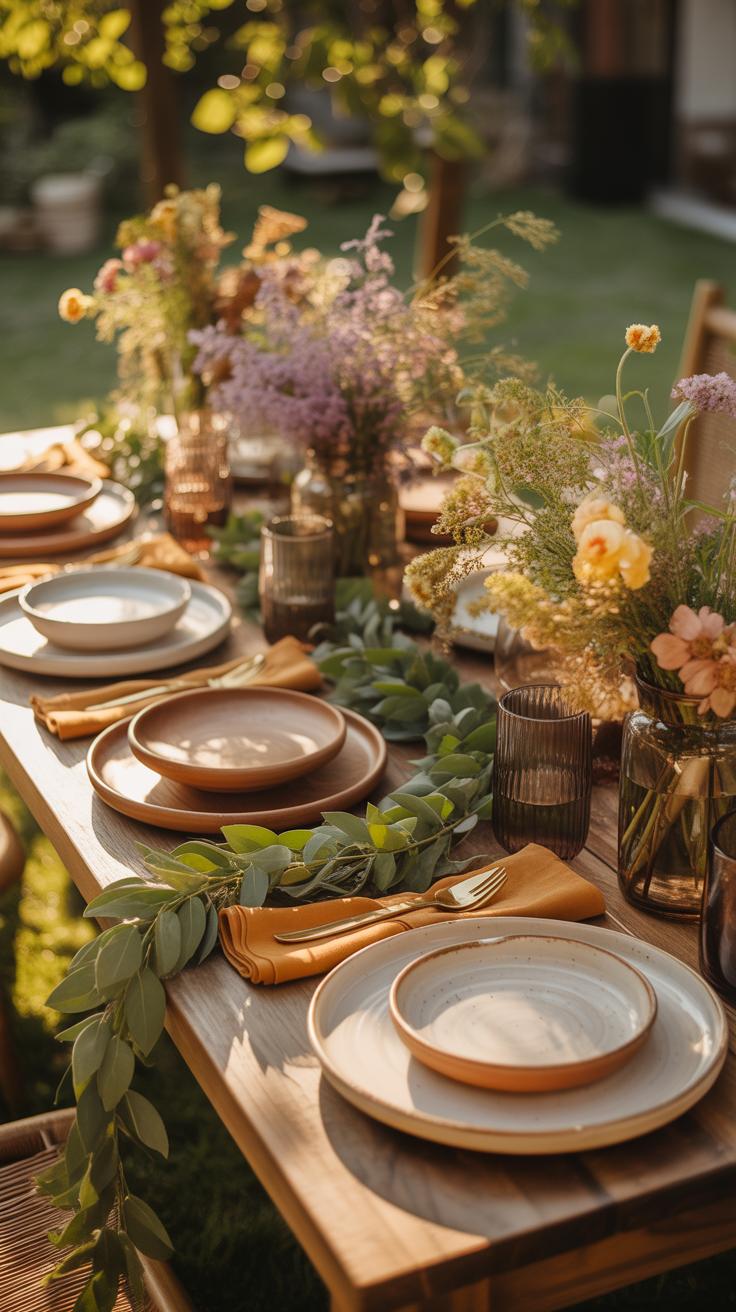
Incorporating Stones, Driftwood, Moss, And Botanicals Into Your Centerpiece
Tactical natural design requires high-contrast textures. Start with a foundation of preserved reindeer moss or sheet moss to create a living base. Place weathered driftwood segments to provide structural height and directional lines. Use river stones or smooth slate to anchor the arrangement. Distribute these elements in an asymmetrical pattern. This mimics how objects naturally settle in an outdoor environment.
Botanicals serve as the finish. Use seasonal branches like eucalyptus or dried seed pods for longevity. These materials do not require water. This makes them ideal for long-term displays. Avoid synthetic fillers. Genuine organic materials change color and texture over time. This adds a sense of realism. Keep the height below eye level. This ensures the centerpiece does not block line of sight across the table.
The table is a meeting place, a ground of communion, the most seedful of all soft places to build a beautiful memory. A thoughtful centerpiece is simply the heart that holds that warmth together.
Why Nature Inspired Centerpieces Work Beautifully In Both Modern And Classic Interiors
Natural elements bridge the gap between architectural styles. In modern interiors, organic shapes break up the rigid lines of glass and steel. They add warmth without introducing visual clutter. Modernism often feels cold. Raw wood and stone provide necessary tactile variation. This creates a balanced environment. The lack of artificial colors ensures the centerpiece remains sophisticated. It does not compete with the architecture.

Classic interiors benefit from the historic connection to the outdoors. Traditional design often features floral motifs and wood furniture. Using actual botanicals reinforces these themes. It avoids the stiffness of formal arrangements. Organic decor feels timeless because it is not tied to a specific manufacturing trend. It adapts to any color palette. Neutral tones found in nature complement both bold antiques and muted contemporary finishes.
Center Piece Decoration Ideas For Formal Dinners And Special Celebrations
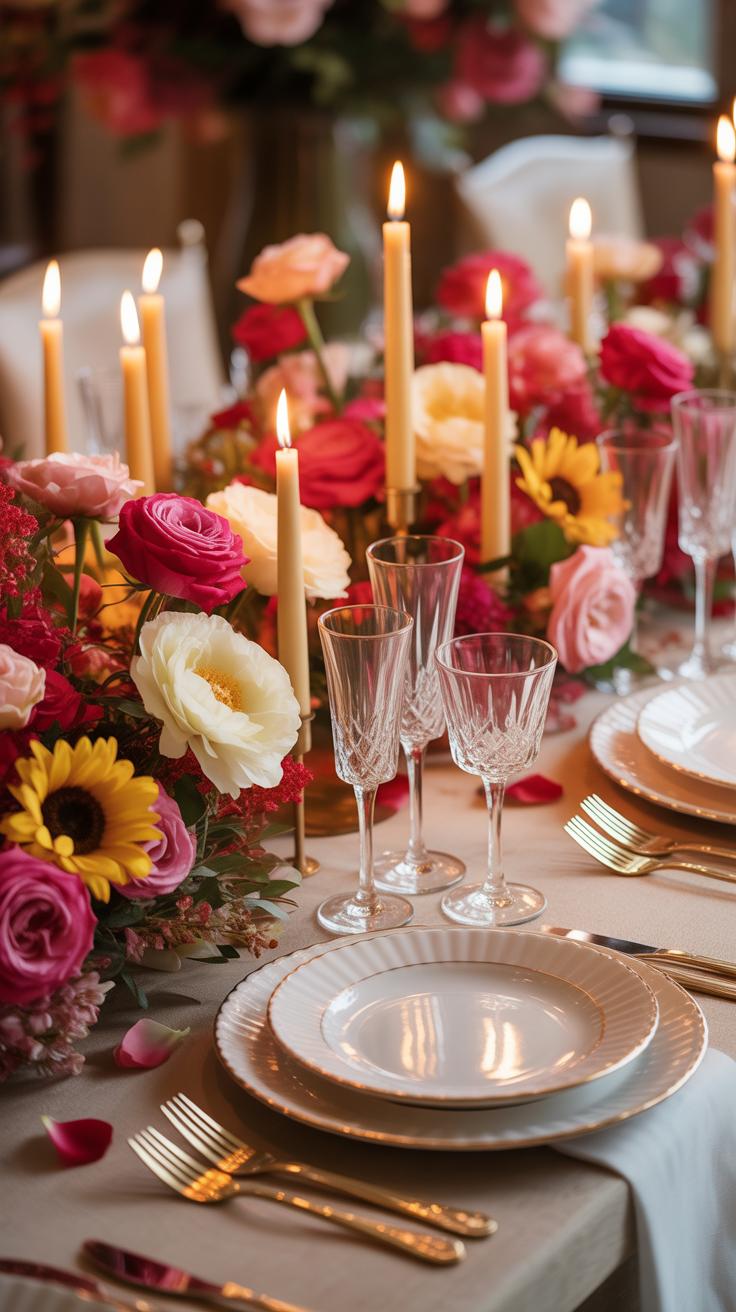
Elegant Candle And Crystal Arrangements That Suit A Formal Dining Setting
Formal dining requires height hierarchy to ensure sightlines remain clear for guests. Use tapered candles in lead crystal holders to draw the eye upward without blocking cross-table conversation. High-quality crystal reflects light and increases the ambient brightness of the room. This technique dates back to 18th-century French court dining where light reflection was essential for visibility. Choose unscented paraffin or beeswax to avoid interfering with food aromas.
Position crystal elements at varying intervals to create rhythmic visual movement. Modern formal settings often use glass cylinders of different heights to house floating candles. This protects flames from drafts and prevents wax spills on expensive linens. Clear glass maintains a clean aesthetic and suits minimalist or neoclassical design themes. Pair these with polished silver or nickel accents to enhance the cool tones of the crystal. Focus on symmetry for a traditional look.
How To Layer Textures And Metallics For A Luxurious Centerpiece Display
Layering textures prevents a centerpiece from looking flat or cheap. Start with a high-thread-count linen runner as a foundation. Place metallic trays or chargers made of brass or stainless steel on top to create a hard-surface contrast. The juxtaposition of soft fabric and cold metal creates a sensory experience common in high-end hospitality design. Mix matte and polished finishes to add depth without causing excessive glare under bright overhead lights.

Incorporate natural elements like slate or marble to ground the metallic shine. These heavy materials provide a structural base for floral or sculptural components. Use gold or bronze accents to provide warmth in evening settings. This strategy aligns with Art Deco principles where mixed metals signaled wealth and industrial progress. Keep the color palette tight to ensure the various textures remain the primary focus. Avoid over-crowding the table to maintain functional space.
Montaje De Mesa Drawing Inspiration From Global Table Setting Traditions
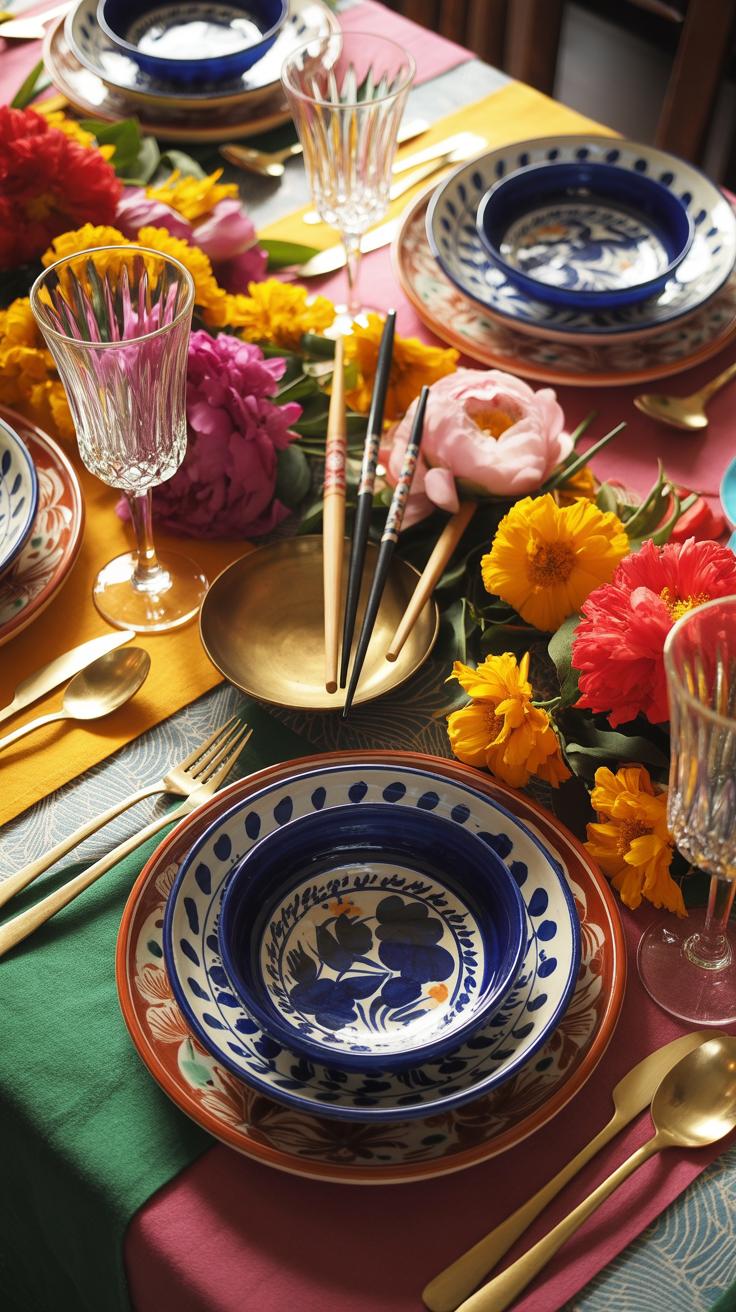
How Different Cultures Around The World Approach The Art Of Table Presentation
Global table traditions focus on specific regional priorities. Japanese aesthetics rely on the concept of Ma, or negative space. This ensures the table looks balanced and uncluttered. They prioritize ceramics and seasonal natural elements. In contrast, French service emphasizes formality and symmetry. This style uses precise placement of silver and crystal. Every element has a functional purpose during the meal service.
Scandinavian design centers on the Hygge philosophy. This approach uses raw wood and simple candles to create warmth. Middle Eastern traditions often favor large communal platters as the centerpiece. This highlights the social aspect of sharing food. Mediterranean settings include fresh produce like lemons or olives directly on the table. Each culture uses local materials to reflect their environment and values through the centerpiece.
Blending International Table Setting Influences Into A Cohesive Modern Centerpiece
You can combine global styles by picking one dominant theme. Use the clean lines of Japanese minimalism for your base layer. Add warmth by using Mediterranean textures like unglazed terracotta or linen. Avoid clashing by sticking to a limited color palette. This keeps the different cultural elements from fighting for attention. A cohesive look requires a strong focal point that grounds the entire design.

Mix high-quality materials from different regions to show contrast. Pair French crystal with rustic Scandinavian wood trays. Use British floral patterns alongside sleek Italian glassware. Ensure every item serves a tactical purpose for your guests. Success lies in the balance of textures and heights. Do not overstuff the table with too many icons. Keep the arrangement low enough to allow for easy conversation across the table.
Dining Table Decor Ideas For Small Spaces Without Sacrificing Style
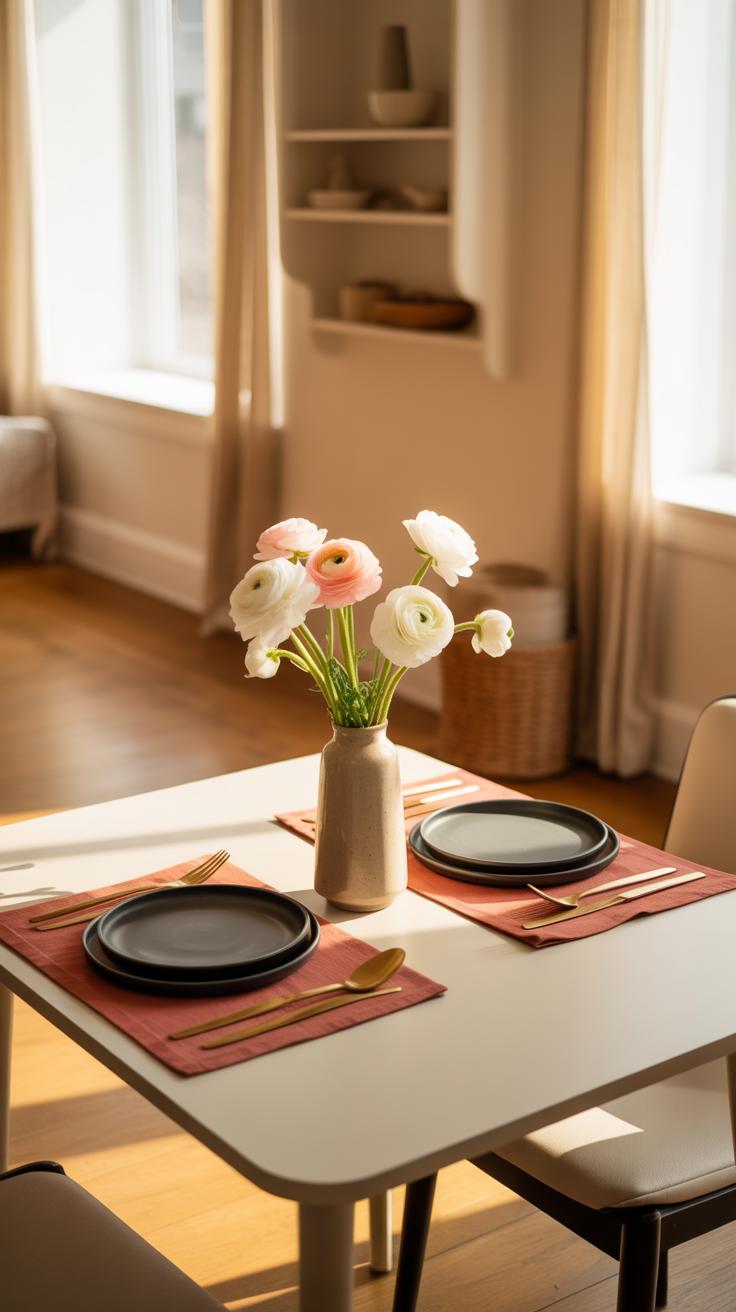
Space Smart Centerpiece Strategies That Keep Compact Dining Tables Functional
Functional dining requires clear sightlines and enough surface area for plates. Large centerpieces fail in small spaces because they block conversation and crowd the table. Use the tray method to maintain order. A single low tray corrals items like salt shakers and a small vase. This creates a focal point that you can move in one motion when you need more room for food.
Scale your decor to the table size. Small tables need items that occupy less than twenty percent of the surface area. Choose heavy materials like marble or solid wood for small bases to prevent tipping. Use odd numbers for your objects to create visual balance without bulk. This strategy ensures the table remains usable for daily meals while looking curated and intentional during off hours.
Vertical And Minimalist Arrangements That Add Impact Without Overcrowding
Verticality solves the footprint problem on narrow tables. Use tall and slender glass bud vases or thin tapered candles to draw the eye upward. This technique utilizes air space instead of table surface. Clear glass prevents visual clutter by allowing light to pass through the objects. You gain height and drama without making the dining area feel cramped or heavy.

The Bauhaus movement proves that less is more in functional design. Apply this by choosing one high quality object instead of a cluster of small trinkets. A single architectural branch in a heavy ceramic pot provides enough visual interest. Focus on clean lines and geometric shapes. This minimalist approach keeps the workspace clear while providing a sophisticated look that fits modern urban living standards.
Seasonal And Holiday Tablescape Centerpiece Ideas To Refresh Your Home Decor
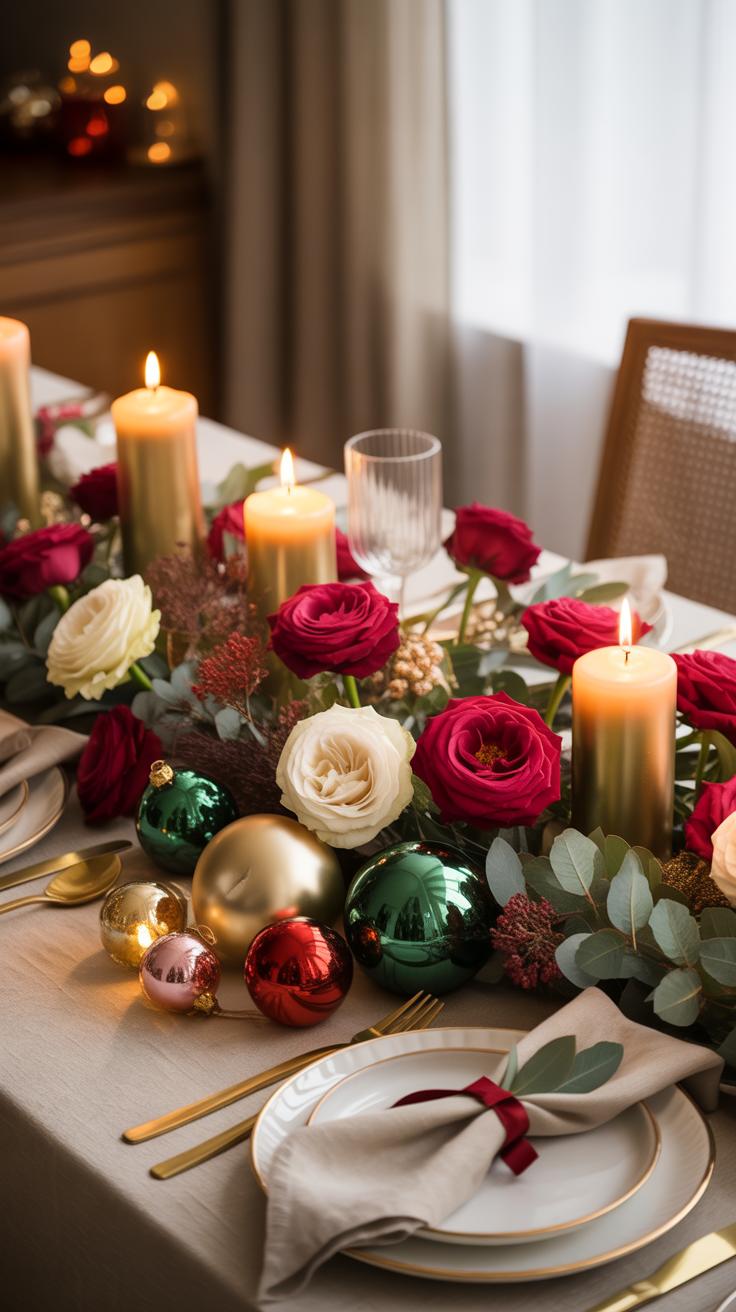
Transitioning Your Centerpiece From Spring And Summer Into Autumn And Winter
Spring and summer centerpieces rely on high light levels and perishable organics. You must shift from ephemeral flowers to durable materials as daylight decreases. Swap glass and acrylic for ceramic and wood to ground the table visually. This change reflects the shift from outdoor living to indoor gatherings. Remove light linens and replace them with heavier weaves like wool or linen blends to create thermal texture.
Autumn and winter require a change in vertical scale. Summer arrangements often use height to mimic garden growth. Winter designs should stay lower to facilitate intimate conversation during longer meals. Replace bright floral scents with neutral or woody aromas to avoid clashing with heavy seasonal food. Focus on light reflection. Use metallic accents or candles to compensate for dark afternoons. This creates a functional focal point that adapts to internal lighting.
Key Materials And Color Palettes To Anchor Each Seasons Centerpiece Theme
Successful seasonal transitions depend on material integrity and color theory. Spring uses pastels and clear glass to maximize natural light. Summer demands saturated hues and stoneware to match intense sun. Autumn requires matte finishes and ochre tones to mirror the harvest. Winter mandates high-contrast palettes like evergreen and cream paired with polished metals. Use these anchors to establish a professional visual hierarchy that reflects the calendar year.
- Spring Glass and Porcelain: Utilize translucent glass and fine white porcelain. These materials reflect early season brightness. They pair well with light greens and soft pinks. This combination emphasizes clarity and new growth.
- Summer Stoneware and Terracotta: Deploy porous ceramics and warm clay vessels. These materials ground the table during hot months. Use them with bold primary colors. They offer a rustic contrast to garden produce and bright outdoor light.
- Autumn Wood and Copper: Integrate dark walnut or oak with brushed copper accents. These materials provide the visual weight needed for fall. They complement deep oranges and browns. The metal adds necessary warmth as natural temperatures drop.
- Winter Pine and Silver: Combine needle evergreens with polished chrome or silver. The cool metal mimics ice while the greenery provides life. Use this with deep navy or charcoal palettes. This creates a formal atmosphere for end-of-year holidays.
- Year-Round Linen Bases: Maintain a high-quality neutral linen runner as a base. This material works in all seasons. Adjust the color of the napkins or the density of the weave to signal the change in temperature.
Select your primary material based on the seasonal light available in your dining area. Heavy woods absorb light and work best in well-lit rooms during winter. Glass and mirrors amplify small amounts of light during dark months. Match your color palette to the local environment to ensure the centerpiece looks intentional. Avoid synthetic textures that look out of place against natural seasonal changes. Use authentic materials for a professional result.
Budget Friendly Tablescape Centerpiece Ideas That Still Look Designer Quality
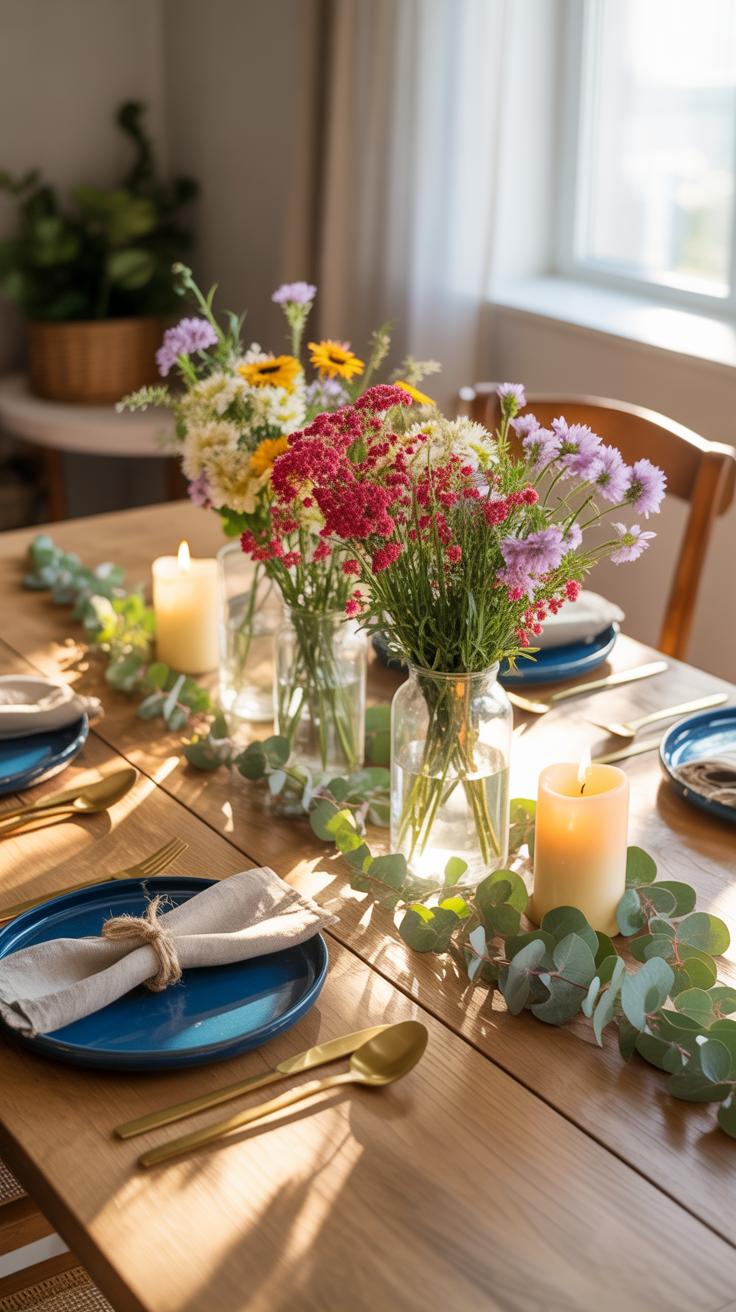
How To Source Affordable Decor From Thrift Stores, Markets, And Your Own Garden
Thrift stores offer high-quality materials like brass, pewter, and lead crystal for low prices. Look for solid metal candle holders and heavy glass vessels. These items often feature better craftsmanship than modern mass-produced plastic alternatives. Clean metal with specialized polish to restore its original luster. Scout estate sales for vintage linens and authentic stoneware to add texture and historical weight to your table.
Your yard provides seasonal foliage that anchors a professional design. Snip branches from evergreen trees or deciduous shrubs to create height and volume. Use local rocks or moss to hide floral foam or stabilize stems. Market vendors often sell bundles of single-variety greens at a discount late in the day. Combine these natural elements with found objects to create a curated and organic focal point.
DIY Centerpiece Techniques That Deliver High End Results On A Modest Budget
Repetition creates visual impact without high costs. Grouping identical glass bottles or mismatched jars painted in a uniform matte finish mimics expensive ceramic sets. Use spray paint with a stone or terracotta texture to upgrade cheap containers. This technique unifies different shapes and sizes into a cohesive collection. Fill them with dried grasses or single stems to maintain a minimalist and sophisticated aesthetic for the room.
Monochromatic color schemes mask the use of inexpensive materials. Choose one hue for all elements to create a bold and expensive look. Use fabric scraps as runners by fraying the edges for a raw linen effect. Submerge hardy flowers like orchids or tulips in water-filled glass cylinders to use refraction for a dramatic display. These methods rely on precise placement and clean lines rather than the price of the components.
Frequently Asked Questions

What are the basic elements I should include in a dining table decorative arrangement?
Creating a stunning look starts with layering different heights and textures to build visual interest. You should begin with a focal point, such as a floral arrangement or a cluster of candles, and then add greenery or decorative objects. Incorporating various tablescape centerpiece ideas ensures your surface feels balanced rather than cluttered, providing a sophisticated foundation for both casual weekday dinners and formal holiday gatherings with friends.
How can I style a beautiful table centerpiece without blocking my guests’ view?
The key to functional styling is maintaining a “conversation zone” by keeping your decor either very low or quite tall and thin. When brainstorming tablescape centerpiece ideas, aim for arrangements that sit below eye level—usually under 12 inches—to allow for easy across-the-table chatting. Alternatively, use slender elevated stands that lift the decor above the line of sight, ensuring your stylish aesthetic never hinders meaningful social interaction.
Is it possible to create a high-end look for my table on a limited budget?
Absolutely! You can achieve a luxury feel by shopping your own home or using affordable natural elements like seasonal fruits, dried eucalyptus, or stones. Grouping simple glass bud vases or thrifted brass candlesticks creates a high-impact silhouette for very little cost. Focus on a cohesive color palette and varying heights to make these DIY tablescape centerpiece ideas look expensive, proving that style is more about intentionality than a large price tag.