What Are Loose Garden Style Bouquets And Why Are They So Popular
The Defining Characteristics Of A Loose Garden Style Bouquet
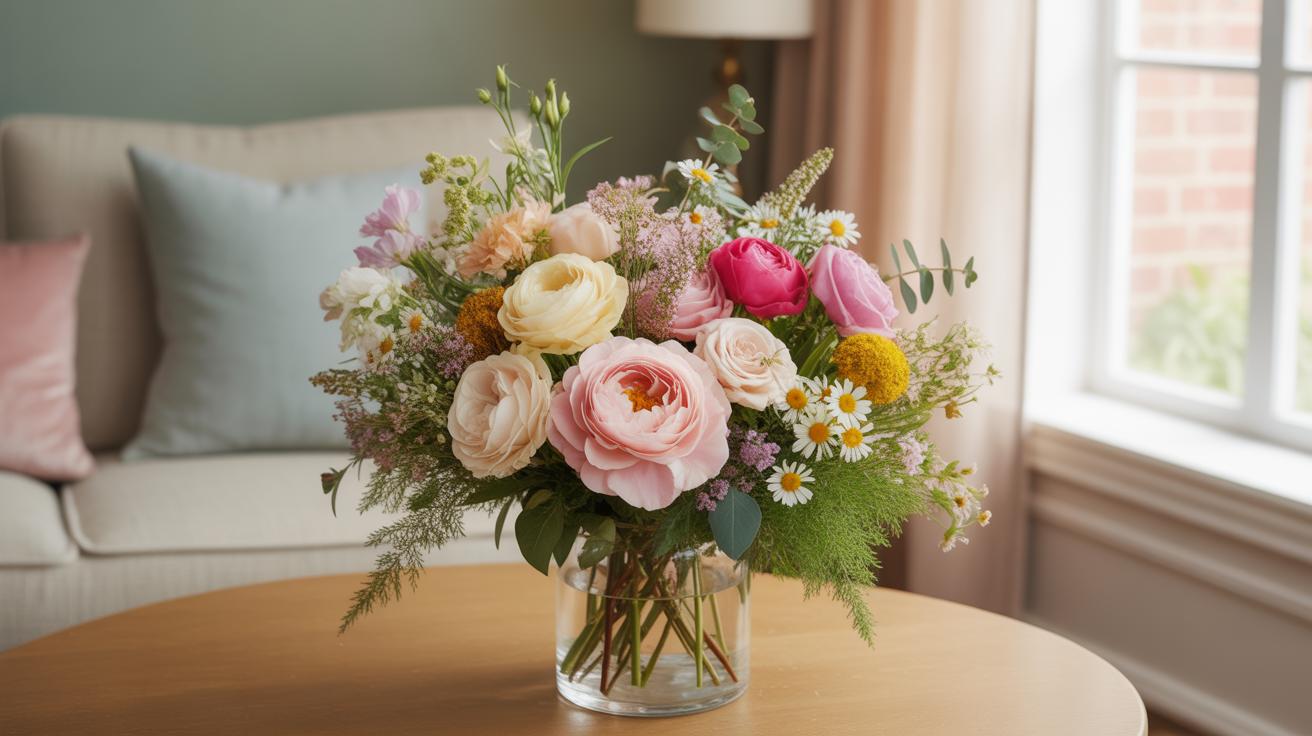
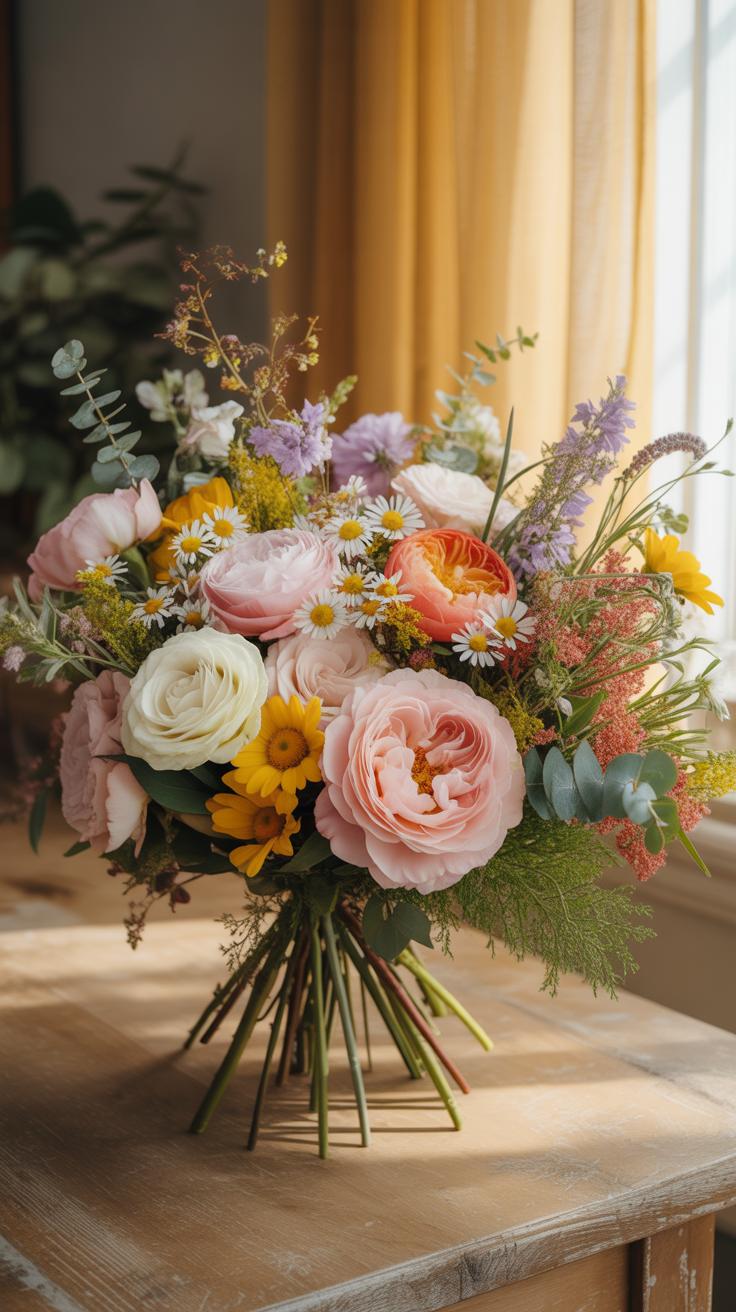
Loose garden style bouquets prioritize a natural and airy look. These arrangements mimic how flowers grow in a real garden. Designers use multiple focal points rather than one central flower. They utilize greenery to create negative space and movement within the piece. The stems usually sit at varying heights. This technique creates a three dimensional shape that looks different from every single angle.
The structure relies on the natural curves of the plant material. Designers select stems with organic bends instead of straight lines. This style often includes seasonal blooms and local foliage to maintain authenticity. The color palettes usually shift gradually rather than using high contrast blocks. Proper mechanics like floral netting or pin frogs support the stems. These tools allow for a wide and expansive silhouette without a forced appearance.
How The Garden Style Aesthetic Differs From Formal Floral Arrangements
Formal floral arrangements focus on symmetry and tight geometric shapes. These include rounds, pyramids, and fans that look uniform from all sides. Traditional styles often hide the stems and use compact clusters of flowers. This approach creates a dense and heavy visual weight. Designers aim for perfection and control over every placement. Formal styles dominated the industry during the mid twentieth century when standardized looks were the norm.
Garden style design rejects rigid rules and strict symmetry. It focuses on asymmetry and a wilder profile. This aesthetic gained traction through the Dutch Masters movement and later the slow flower movement. It allows flowers to breathe and show their natural form. You will see stems reaching outward and nodding downward. This lack of restriction makes the bouquet feel fresh and alive rather than manufactured or stiff.

Best Flowers To Use In A Colourful Bouquet With A Garden Gathered Feel
Seasonal Blooms That Work Best For A Loose, Organic Look
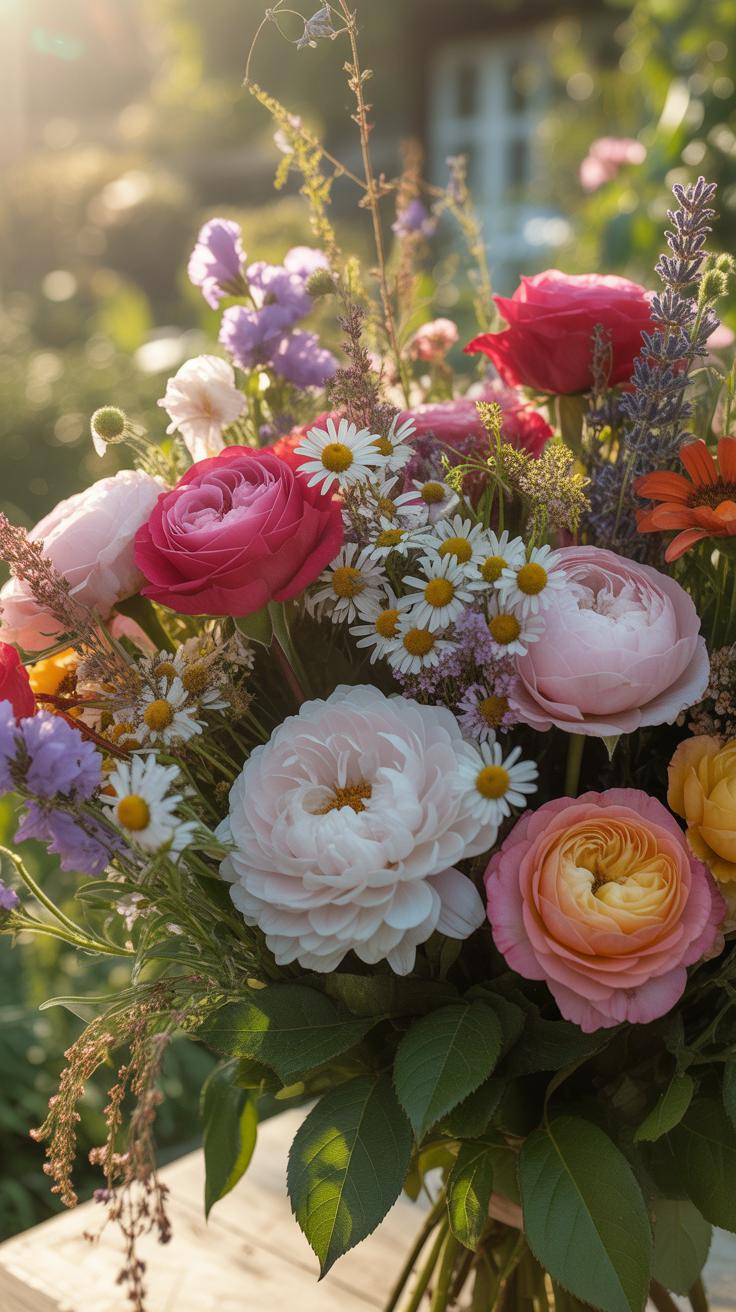
Timing determines the success of a garden style bouquet. Spring offers bulb flowers with flexible stems that lean naturally. Peonies and ranunculus provide the mass required for a focal point. Their heavy heads create the signature drooping shape of this design movement. You must choose flowers with varying stem lengths. This variety mimics how plants grow in a real landscape.
Summer provides heat-tolerant species like zinnias and cosmos. These varieties have thin stems and airy petals. They move easily in a breeze and prevent the arrangement from looking stiff. Autumn shifts the focus to dahlias and woody branches. Using seasonal stems ensures the flowers last longer. It also connects the indoor arrangement to the current outdoor environment for a cohesive look.
Top Flower Varieties And Foliage Picks For A Lush Garden Style Arrangement
Successful garden arrangements require a mix of focal, filler, and airy textures. You need large blooms to anchor the design and small bits to fill gaps. Foliage acts as the structural skeleton. It holds the stems in place without a grid. Select plants with different leaf shapes to increase visual depth. This variety creates a professional and layered appearance.
- Garden Roses: These differ from standard florist roses by their high petal count and scent. Their heavy heads pull the branch down. This creates the natural curve necessary for an organic, loose look.
- Delphinium: Use these for vertical height and structural lines. They break the rounded silhouette of traditional bouquets. Their tiered blooms draw the eye upward and mimic the natural growth patterns found in English gardens.
- Cosmos: These serve as the perfect airy element. Their thin, wiry stems allow the flowers to float above the heavier blooms. They add movement and a whimsical quality that prevents the bouquet from looking static.
- Eucalyptus: This foliage provides a dusty green base that complements most colors. Use various types like seeded or silver dollar for texture. The sturdy stems provide the necessary support for more fragile flowering species.
- Sweet Peas: These climbing flowers add delicate vines and fragrance. Their ruffled petals soften the edges of the arrangement. Use them to create trailing points that spill over the side of the vase or container.

Balance the weight of your materials to prevent the bouquet from toppling. Place the heaviest blooms low and near the center. Use lighter, branching foliage to extend the reach of the bouquet wide. This technique creates the lived-in feel typical of Dutch silk paintings. Proper placement makes a curated arrangement look like it was gathered in minutes from a backyard.
Wildflower Wedding Bouquet Inspiration Loose And Romantic Bridal Ideas
Why A Wildflower Wedding Bouquet Complements Outdoor And Rustic Ceremonies
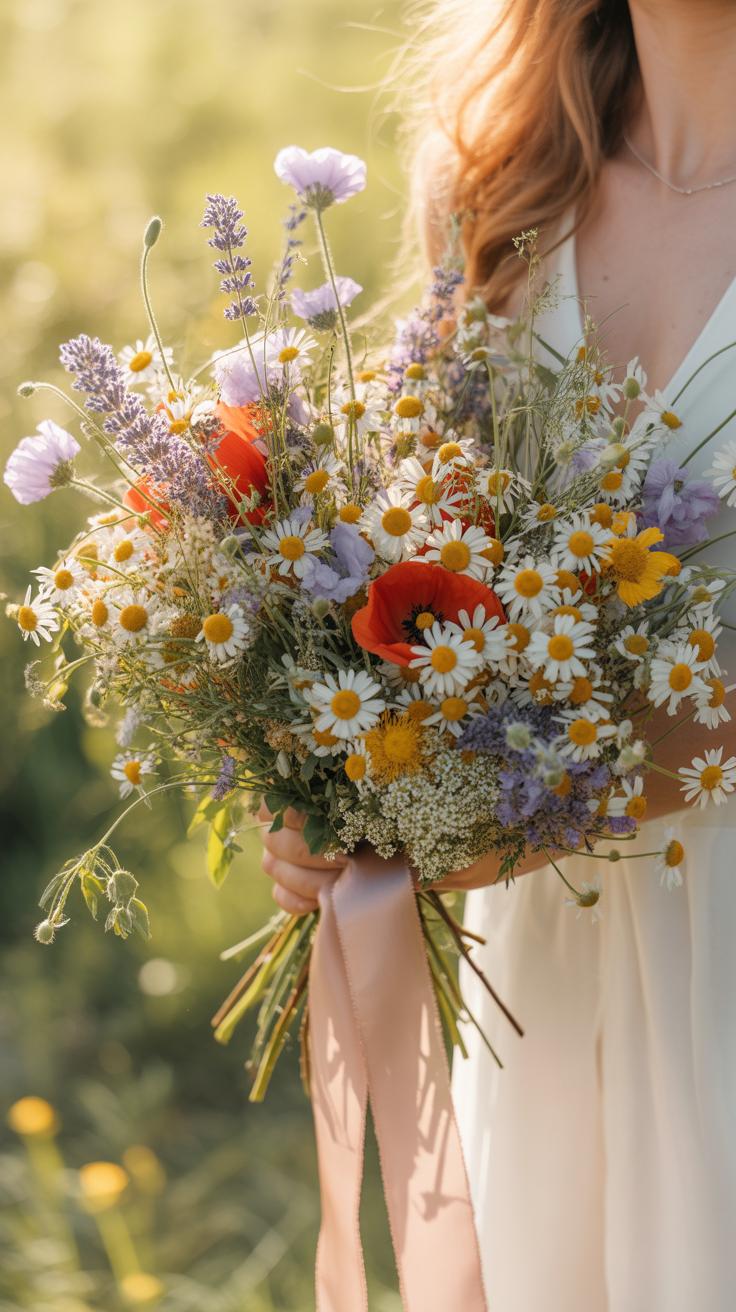
Outdoor ceremonies lack the rigid structure of traditional ballrooms. Loose garden style bouquets match this environment because they mimic how plants grow in nature. These arrangements skip the tight round shapes of formal floristry. Instead, they use varying stem lengths to create air and movement. This design strategy ensures the bouquet does not look out of place against trees, fields, or barns.
Rustic weddings focus on raw materials and honest textures. Wildflower bouquets fit this theme by using local and seasonal stems. This choice connects the event to the specific geography and time of year. Designers often use woody stems and varied foliage to ground the look. This tactical approach avoids the artificial appearance of mass produced flowers. It creates a cohesive visual bridge between the bride and the landscape.
How To Personalize Your Bouquet Wildflower Style For A One Of A Kind Bridal Look
Personalization happens through texture and plant selection rather than standard color matching. Incorporate herbs like rosemary or lavender to add scent and historical meaning. These choices create a sensory experience unique to the individual. Use different types of grasses to add volume without adding bulk. This technique makes the bouquet look gathered rather than manufactured. It ensures no two arrangements look the same.
The binding method also changes the final result. Avoid plastic holders or heavy floral foam. Use natural silk ribbons or vintage lace to secure the stems. Leave some stem lengths exposed to maintain a raw and organic feel. This detail highlights the natural beauty of the plant material. It also allows for easier hydration during the event. Focus on the structural integrity of the stems to ensure the bouquet lasts.
Colorful Wedding Bouquet Ideas That Celebrate Bold And Vibrant Palettes
Choosing A Color Palette For Your Colorful Flower Bouquet Wedding Look
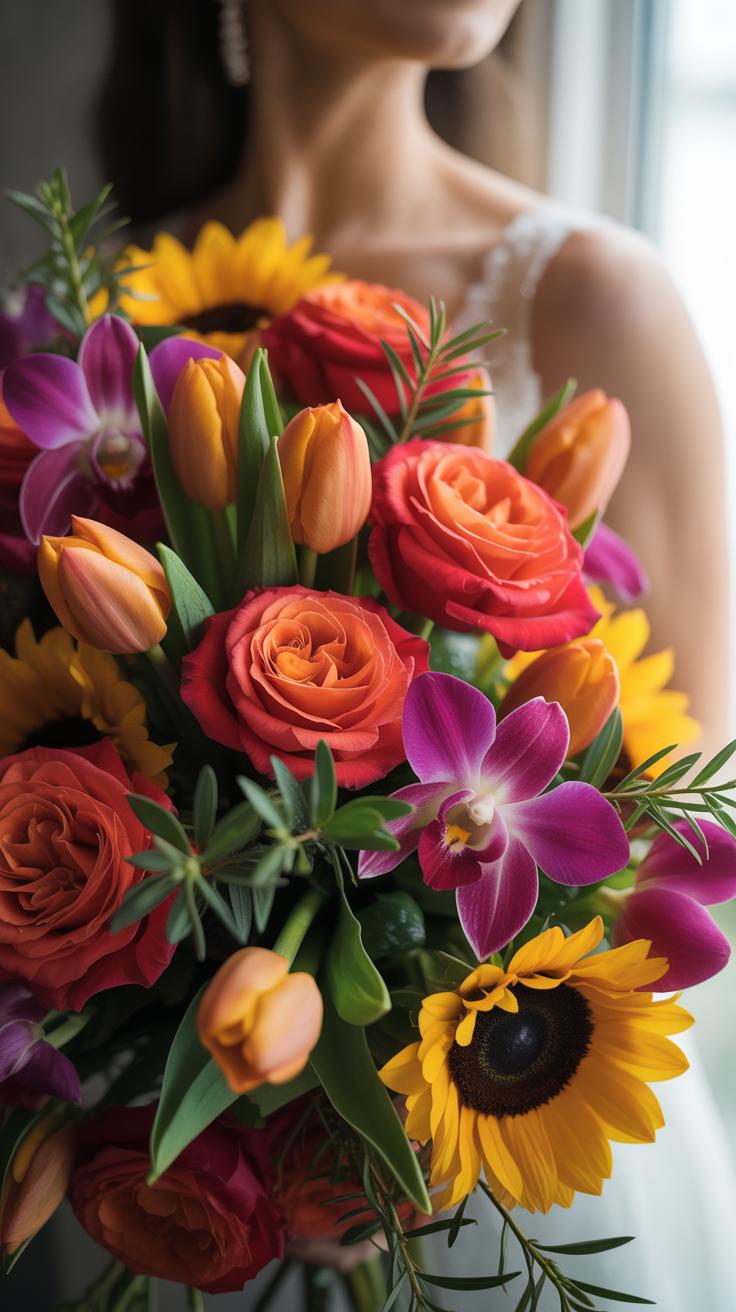
Select colors using the color wheel to ensure visual balance. Complementary schemes use opposite hues like blue and orange to create high contrast. Analogous palettes use neighboring colors like red, orange, and yellow for a cohesive look. High saturation levels define the Loose Garden Style. Use darker tones as anchors to prevent the arrangement from looking flat. Proper color selection directs the eye through the bouquet.
Standard design rules require a dominant color to occupy sixty percent of the arrangement. Use a secondary color for thirty percent and an accent for the final ten percent. This ratio prevents visual clutter in multi-colored designs. Choose stems with naturally varying shades to add depth. Incorporate green foliage to act as a neutral bridge between clashing colors. This strategy ensures the bold palette looks intentional rather than messy.
How A Multi Color Bouquet Can Reflect Your Wedding Theme And Season
Match flower selection to the current solar period for maximum impact. Spring themes rely on bulb flowers like tulips and ranunculus in saturated pinks and purples. Summer allows for heat-tolerant species like zinnias and dahlias in vivid primaries. Autumn palettes shift toward ochre and deep burgundy using dried elements or late-season blooms. Winter designs use evergreen textures contrast against bright berries or forced amaryllis. Seasonality ensures stem strength and color longevity.
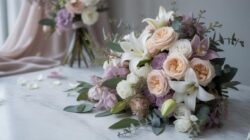
Theme determines the specific texture and structure of the bouquet. A rustic theme benefits from wilder shapes with jagged outlines and varied heights. Modern themes require cleaner lines even when using multiple colors. Loose Garden Style Bouquets use asymmetrical placement to mimic natural growth patterns. This technique allows the colors to flow into each other without rigid boundaries. Use darker hues near the center to create a structural focal point for the eye.
May Flower Bouquets Celebrating Spring With Loose Garden Style Arrangements
Which Spring Blooms Are At Their Peak For May Flower Bouquets
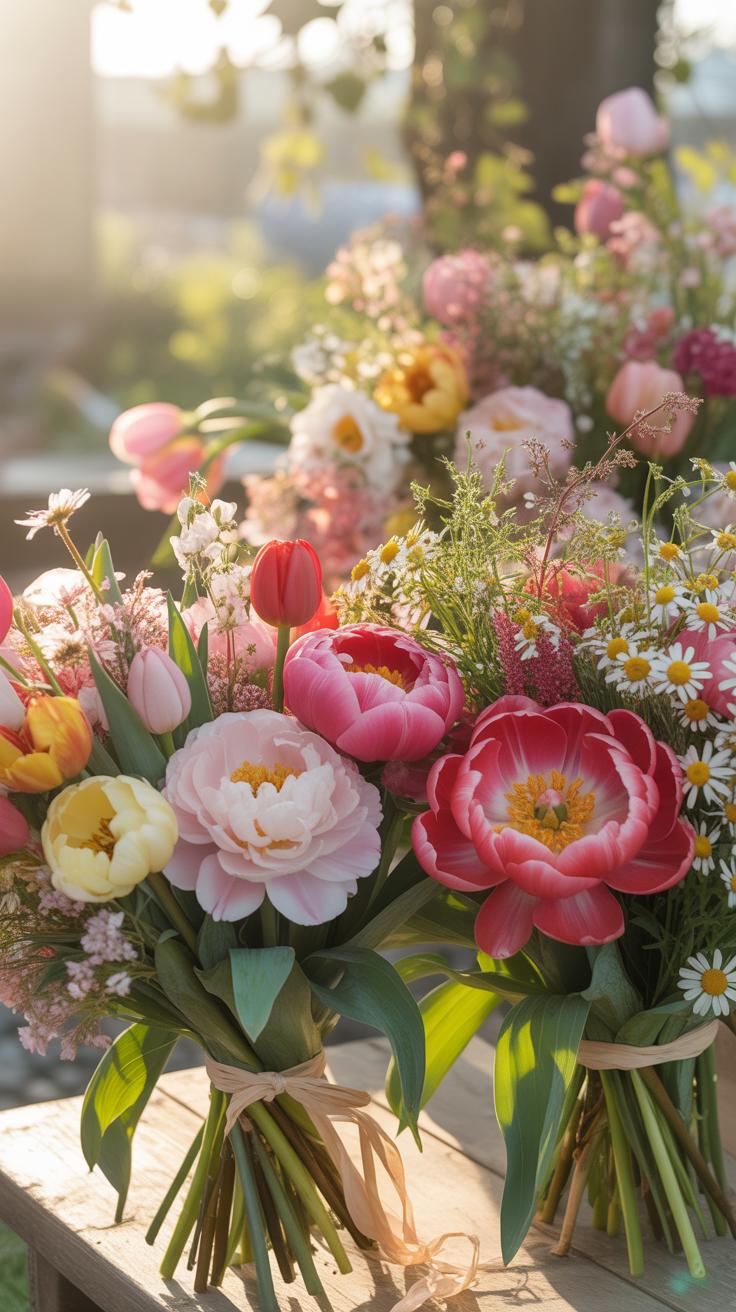
May offers the most diverse selection of seasonal stems for garden style design. Peonies serve as the primary focal point during this window. Their high petal count and heavy heads create the natural droop required for loose shapes. You should also source Dutch iris and sweet peas. These varieties provide the delicate lines and scent that define authentic spring arrangements.
Ranunculus and late season tulips provide necessary texture and color saturation. Look for parrot or fringe tulips to avoid a stiff appearance. Use woody branches like lilac or viburnum for structural support. These stems provide a stable base for softer flowers. They also mimic the natural growth patterns found in early summer gardens. Select blooms with varying stem lengths to ensure a multi-dimensional look.
I would rather have roses on my table than diamonds on my neck. A loose bouquet brings the wild, untamed poetry of the garden right into the heart of the home.
How To Arrange A Fresh May Inspired Garden Bouquet For Your Home
Start with a clean vessel and a floral frog or chicken wire. Grid tape also works to hold stems in place without a dense foam base. Place your woody branches first to establish the width and height. Aim for an asymmetrical triangle shape. Leave gaps between the branches to allow for airflow. This structure supports the heavier focal flowers you will add next.

Insert peonies and ranunculus at different depths within the wire frame. Force some heads to face downward or sideways to mimic natural growth. Add airy elements like sweet peas or bleeding hearts last. These “floaters” should sit above the main canopy. They create movement when air passes through the room. Check the water level daily. Spring stems consume large amounts of water to maintain their turgidity.
Cottage Flower Bouquet Style Bringing Countryside Charm Indoors
The Key Elements That Define A Cottage Flower Bouquet Aesthetic
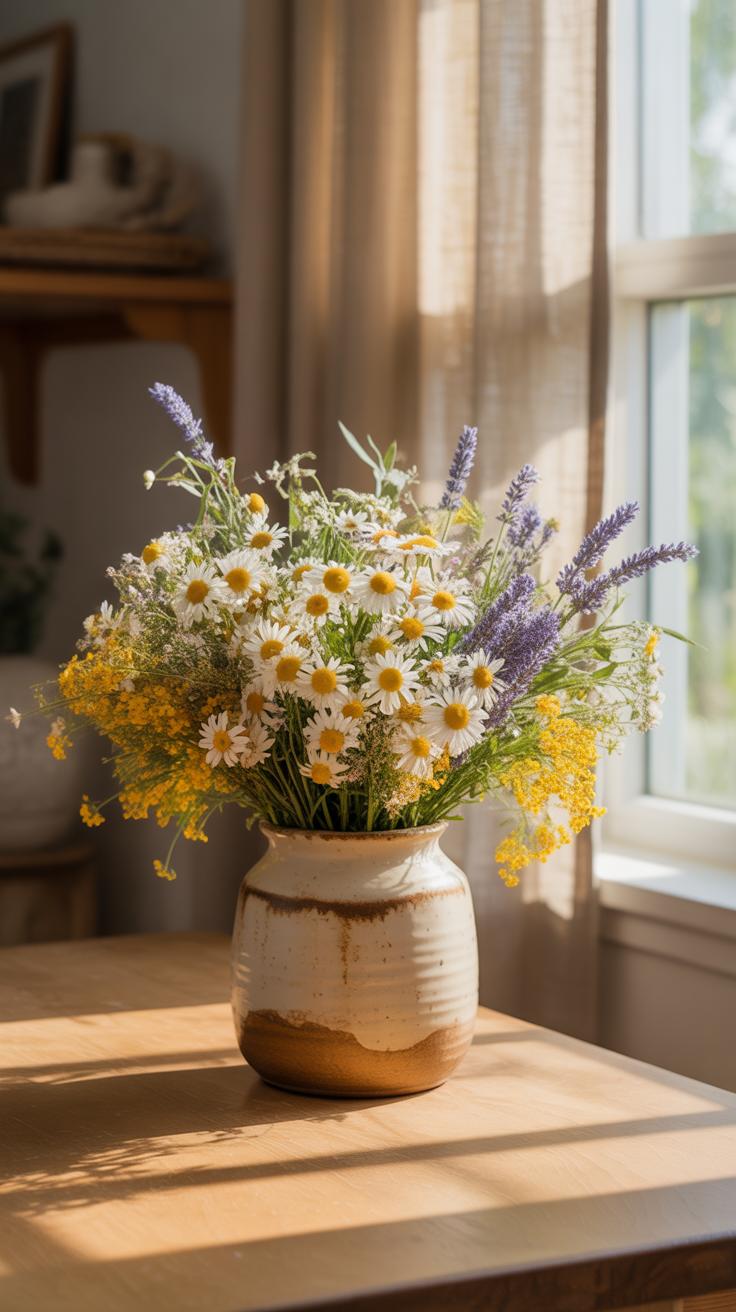
The cottage style focuses on functional beauty and biodiversity. This design mimics the English cottage garden move of the late nineteenth century. You must use a mix of perennials and self-seeding annuals. The bouquet should look gathered rather than staged. It lacks a rigid focal point. Instead, it relies on a dense habit and varied textures to create visual interest.
Precision in stem placement is not the goal here. You need to prioritize a high ratio of foliage to flowers. Use plants like sweet peas, lavender, and delphiniums to achieve the right height. Incorporate herbs such as rosemary or mint for scent and structure. This approach ensures the arrangement feels spontaneous. It reflects the practical tradition of cutting what is currently blooming.
Best Vase Styles And Home Settings For Displaying Cottage Inspired Arrangements
Material choice for the container dictates the final look. Traditional cottage designs work best in utility vessels. Use stoneware crocks, enamel buckets, or glass jars. These materials ground the arrangement in a working-class historical context. Avoid crystal or polished metals. Those materials clash with the informal nature of the stems. Sturdy bases prevent top-heavy stems from tipping the display.
Strategic placement enhances the impact of these bouquets. Position them in high-traffic areas like entryways or kitchen tables. These settings match the casual and hospitable nature of the style. The arrangement should look like a permanent fixture of a lived-in space. Bright, natural light serves the flowers well. Use reclaimed wood surfaces to reinforce the rustic aesthetic without adding unnecessary decorative clutter.
How To Arrange Loose Garden Style Bouquets At Home Like A Florist
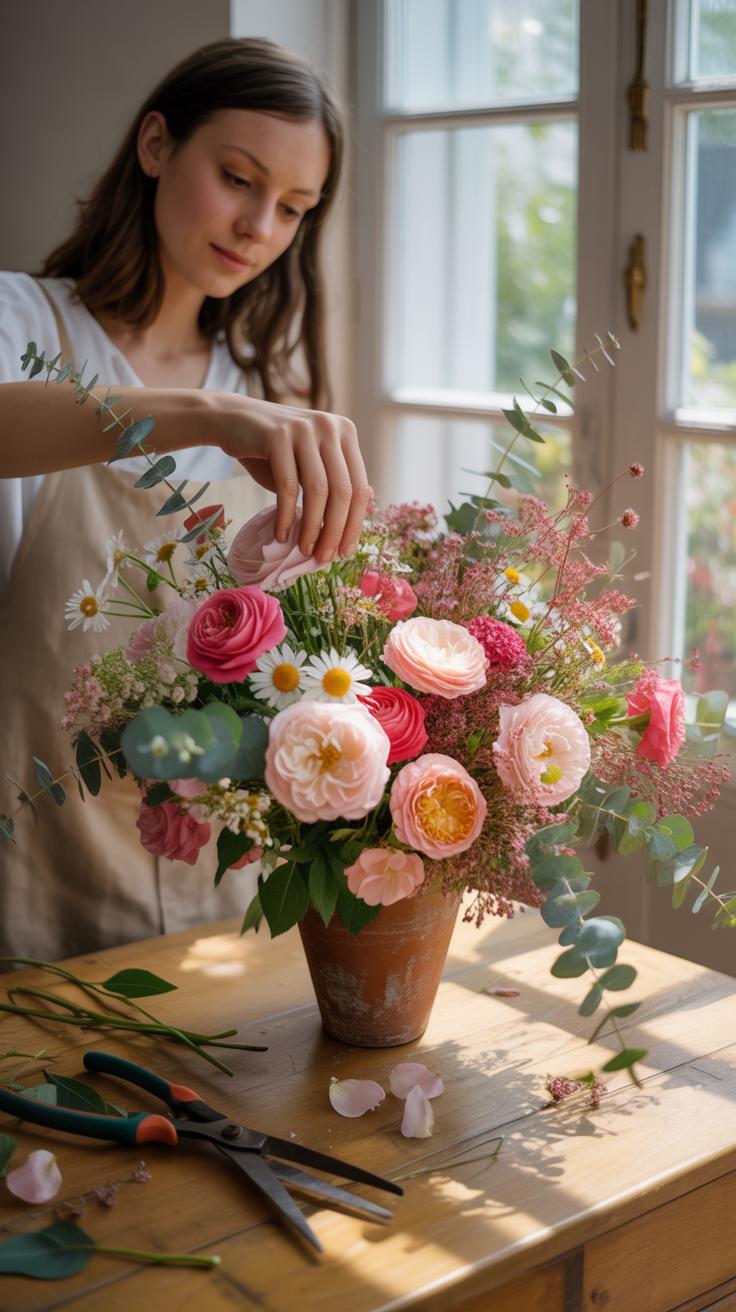
Step By Step Guide To Building A Beautiful Loose Garden Style Bouquet
Start with a clean vessel and fresh water. Professional florists use the grid technique to create a foundation. Use waterproof floral tape to make a tic-tac-toe pattern across the rim. This grid holds stems in place without the need for floral foam. Prepare your stems by stripping all leaves that would sit below the water line to prevent bacterial growth.
- Build the Foundation: Insert woody branches or sturdy greenery first. These stems create the structural skeleton of the bouquet. Angle them outward to establish the width and height of your arrangement. This framework supports the more delicate flower stems you will add later.
- Establish Focal Points: Select your largest or most vibrant blooms as focal flowers. Place them at varying heights and depths within the greenery grid. Avoid perfect symmetry to mimic how flowers grow in nature. Aim for a three-dimensional look by tucking some deeper into the center.
- Add Secondary Blooms: Integrate smaller flowers and textures around your focal points. These fillers bridge the gaps and add visual weight where needed. Use different shapes like spires or clusters to create interest. Ensure every flower has enough space to breathe and show its natural form.
- Layer Airy Textures: Finish the arrangement with delicate or wispy elements like grasses or vines. These light materials should float above the heavier blooms. They provide the movement and blurred edges characteristic of the garden style. Let some pieces spill over the edge of the vase naturally.
- Final Inspection: Rotate the vase to check for holes or flat spots. Adjust stem heights to ensure a balanced but asymmetrical silhouette. Check that all stems reach the water. Use a sharp knife or snips for clean cuts that allow maximum water uptake for a longer vase life.
The garden style relies on the natural movement of stems. Avoid forcing a specific shape on the plant material. Instead, observe the natural curve of each branch and place it so it follows that direction. This technique creates a dynamic look that feels effortless. Constant hydration and cool temperatures will keep your arrangement looking fresh for several days.
Common Mistakes To Avoid When Arranging Garden Style Flowers At Home
Beginners often make the mistake of overcrowding the vase. Too many stems crushed together prevent air circulation and hide the beauty of individual flowers. This pressure also damages delicate petals and stems. Real Garden Style requires negative space. You must leave room for the eye to rest between different blooms. Proper spacing allows each flower to stand out as it would in a garden bed.
Another major error is failing to vary stem lengths. Uniform heights create a flat and artificial appearance. You must cut stems at different intervals to build layers. Another mistake is ignoring the water quality and stem health. Using dirty shears or leaving submerged leaves causes rapid decay. Professional results demand strict hygiene and precise cuts. Keep your tools sharp and your water clear to maintain a healthy arrangement.
Caring For Your Loose Garden Style Bouquets To Make Them Last Longer
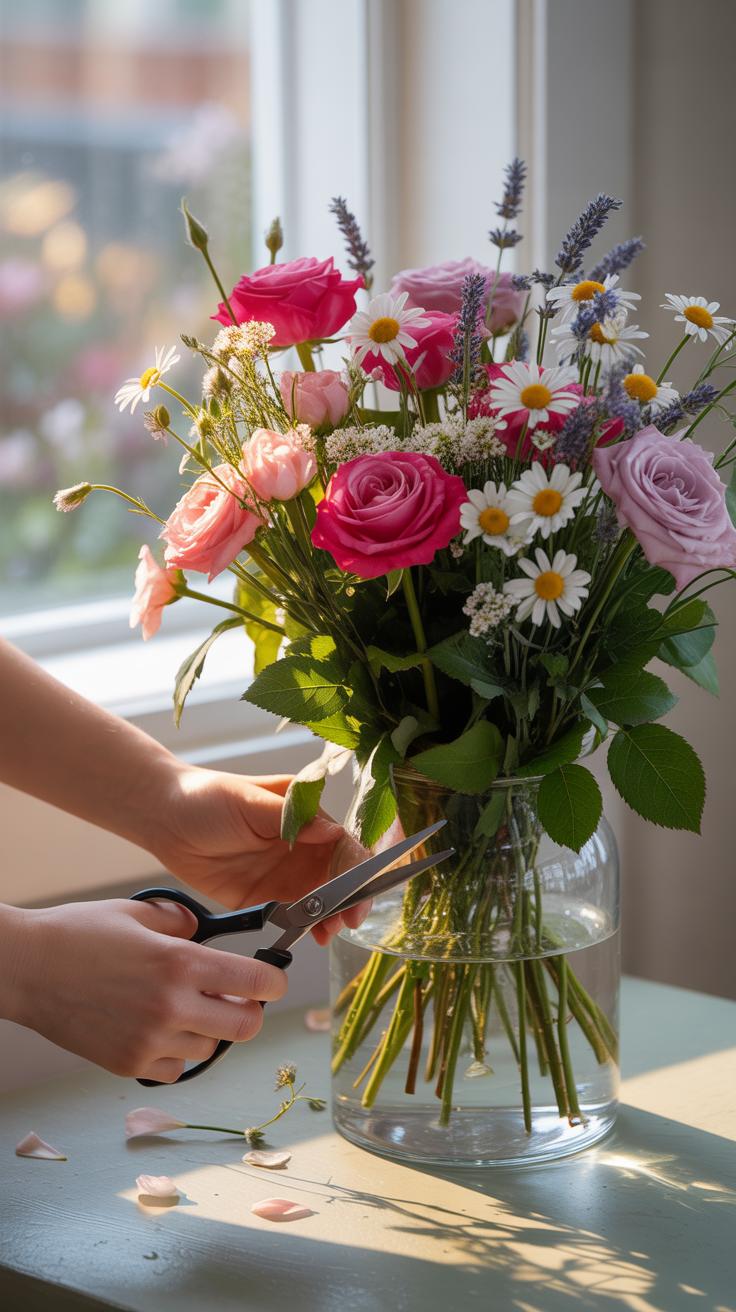
Essential Water And Trimming Techniques To Extend Bouquet Freshness
Clean water acts as the primary lifeline for garden style arrangements. These bouquets use various stem types that drink at different rates. Bacteria growth in the water blocks the stem vessels and causes premature wilting. You must change the water every two days to maintain clarity. Use room temperature water to avoid shocking the delicate blooms often found in garden designs.
Trimming stems correctly ensures the flowers can actually absorb the water provided. Use sharp, bypass shears to avoid crushing the vascular tissue of the plants. Cut every stem at a forty-five-degree angle to increase the surface area for hydration. Remove any leaves that sit below the water line immediately. Decaying foliage creates toxic gases and fuels bacterial growth that kills the entire bouquet.
How Room Temperature, Light, And Placement Affect Your Bouquet’S Lifespan
Heat and light accelerate the aging process of fresh flowers through transpiration. Garden style bouquets often include soft-stemmed varieties that lose moisture rapidly in warm environments. Keep your arrangement away from direct sunlight and heating vents. High temperatures signal the plant to complete its life cycle and drop petals. Cool air slows down this biological clock and preserves the petal structure.

Placement also involves avoiding chemical exposure from household items. Ripening fruit releases ethylene gas which is lethal to fresh cut flowers. This gas causes buds to drop before they even open. Do not place your bouquet near a fruit bowl or in a kitchen with poor ventilation. Select a draft-free location with consistent air temperature. Stability in the environment prevents the stress that leads to wilting.
Frequently Asked Questions

What exactly defines a loose garden style bouquet compared to traditional arrangements?
Unlike stiff, symmetrical floral designs, loose garden style bouquets prioritize a natural and airy aesthetic that mimics how flowers grow in the wild. These arrangements typically feature varying stem lengths, a mix of textures, and plenty of cascading greenery. By embracing imperfections and movement, these bouquets bring a relaxed, organic beauty into your living space, making any room feel more inviting and effortlessly curated.
How can I arrange my own loose garden style bouquets at home?
To create stunning loose garden style bouquets, start with a flared vase to allow stems to spread naturally. Begin by building a structural base with lush greenery, then add your “focal” flowers at different heights and angles. Finish by tucking in delicate “filler” blooms and airy accents like Queen Anne’s Lace. Avoid over-arranging; the goal is to let the flowers breathe and lean as if they were just picked.
Can I achieve this whimsical floral look on a tight budget?
Absolutely! You don’t need expensive imported luxury blooms to create beautiful floral displays. Consider foraging in your own backyard for interesting branches, grasses, and wildflowers to act as the foundation for your arrangement. Supplementing a few store-bought roses with inexpensive greenery and seasonal supermarket stems is a fantastic way to design high-end looking loose garden style bouquets without overspending on professional florist fees or rare floral varieties.