
What Are Vertical Planter Walls And Why Are They So Popular
The Definition And Origins Of Vertical Planter Walls
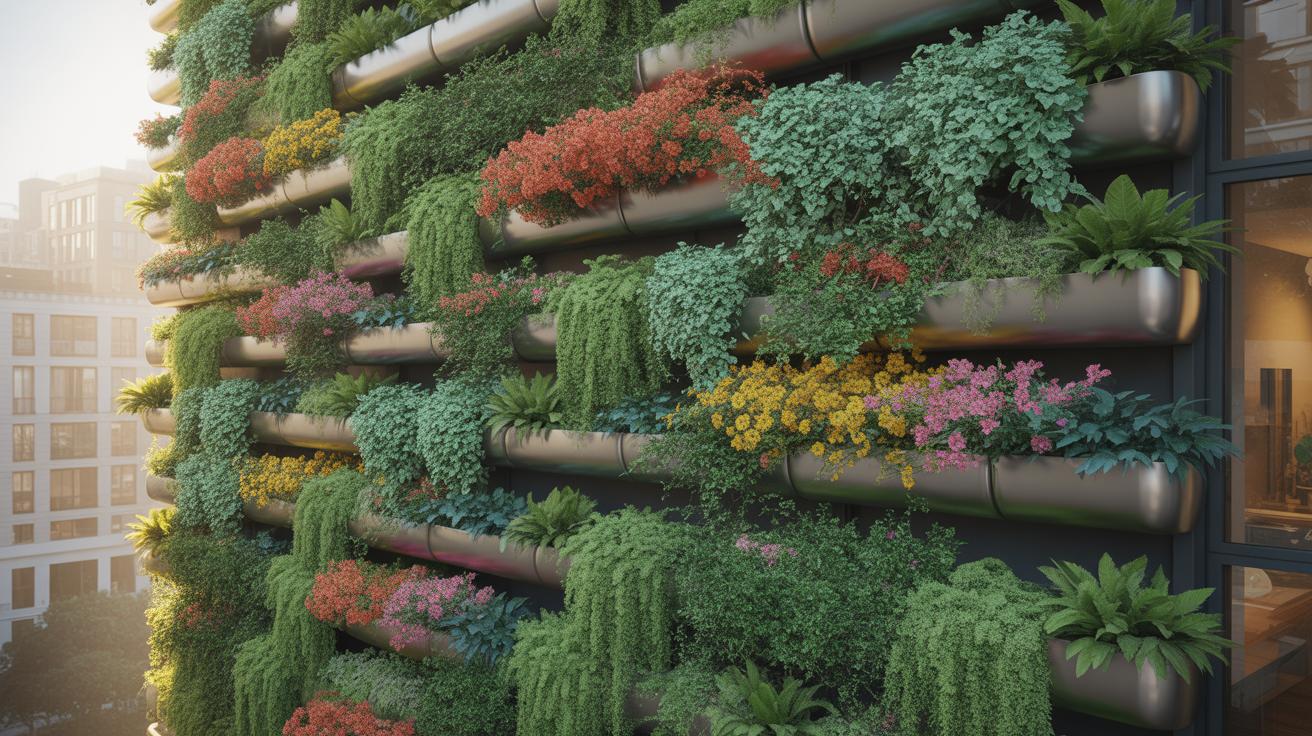
Vertical planter walls are structures that support living vegetation on vertical surfaces. These systems use hydroponics or soil-based pockets to sustain plant life. Patrick Blanc popularized the modern movement in the late twentieth century with his Mur Vegetal technique. He proved that plants do not need soil if they have consistent water and nutrients. This innovation shifted vertical gardening from simple climbing vines to complex architectural features.
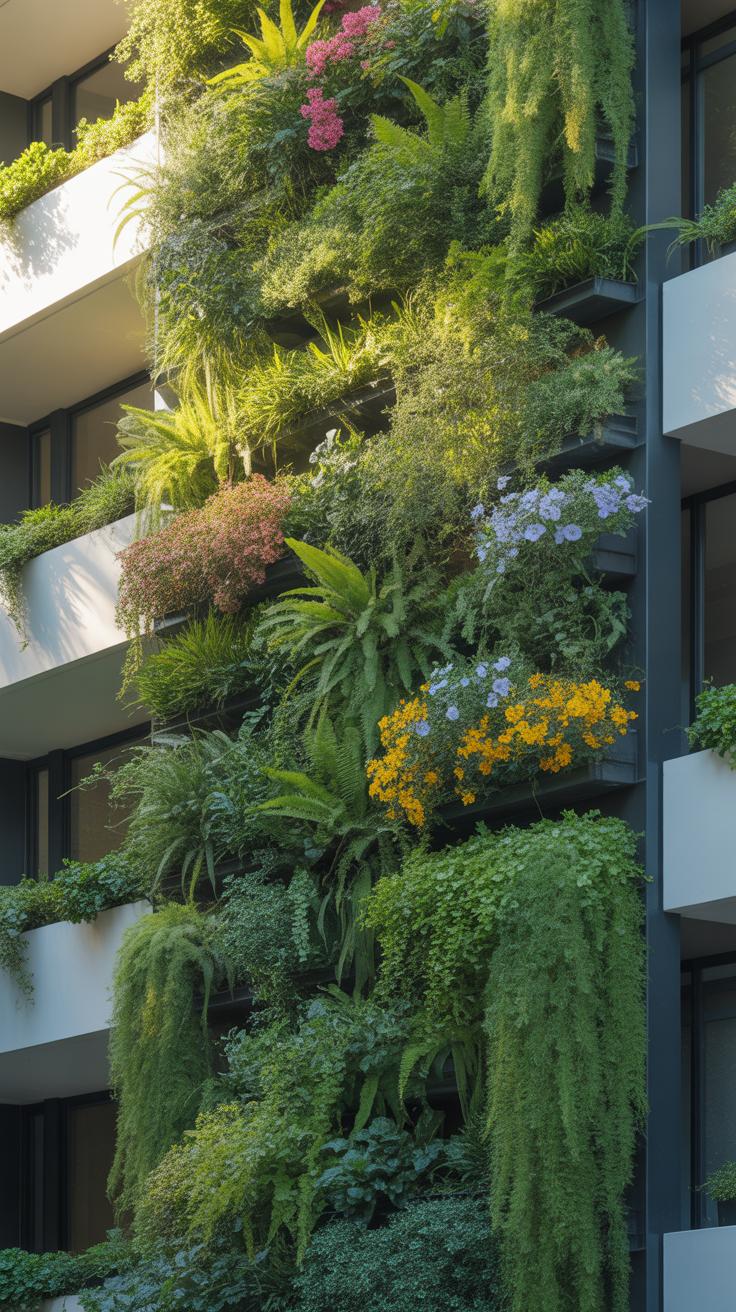
Current designs utilize felt layers, plastic modules, or stainless steel cables to secure plants. These systems attach to load-bearing walls or stand as independent units. They integrate irrigation lines to automate water delivery. Architects use these walls to maximize green space in dense urban zones. This method turns unused air space into productive biological zones. It solves the problem of limited ground area in modern city centers and office buildings.
Key Benefits Of Growing Plants Vertically On A Wall
Vertical walls provide massive thermal regulation for buildings. Plants absorb solar radiation and lower the temperature of the wall surface through transpiration. This process reduces the energy needed for interior cooling during summer months. The dense foliage also acts as an acoustic buffer by absorbing high-frequency sounds. These physical properties make vertical planters a strategic choice for industrial areas and busy transit hubs with high noise levels.
Air quality improves significantly as these walls filter particulate matter from the environment. Plants trap dust and convert carbon dioxide into oxygen through photosynthesis. Beyond environmental factors, these installations increase property values. Lush green surfaces attract more foot traffic to commercial retail spaces. They improve mental focus in corporate offices by providing a direct connection to nature. These systems offer high returns on investment through energy savings and improved occupant health.
Exploring The Best Wall Garden Ideas Outdoor For Every Style
Modern And Minimalist Outdoor Wall Garden Design Concepts
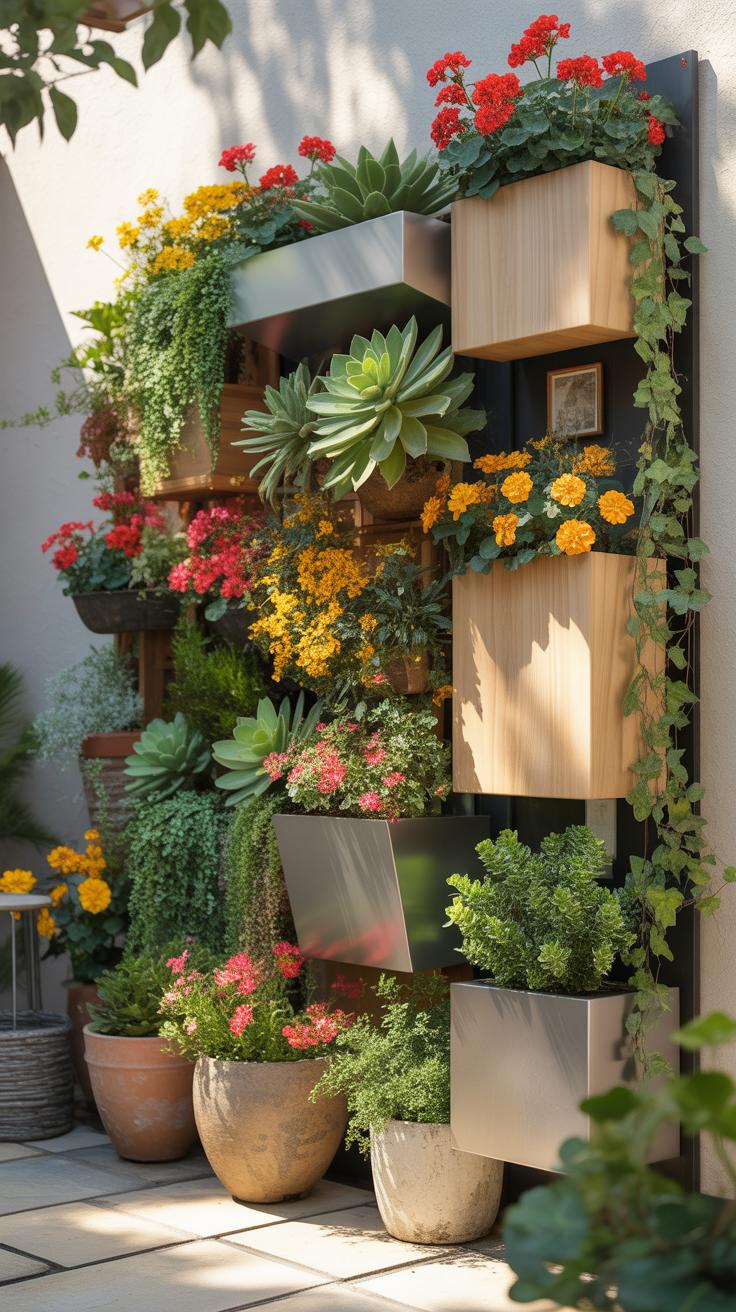
Modern vertical design prioritizes geometric precision and industrial materials. Professionals use powder-coated aluminum or stainless steel modular trays to create clean lines. These systems focus on monochromatic palettes and structural plants like Sansevieria or ornamental grasses. Avoid clutter by using uniform spacing between containers. This approach emphasizes the architecture of the building over the variety of the plants. Use hidden irrigation systems to maintain a sleek look.
High-end minimalist setups often feature felt pocket systems or hydroponic panels integrated into concrete walls. These methods remove the bulk of heavy pots. You must select plants with consistent growth habits to maintain the intended shape. Contrast dark matte hardware against light-colored masonry for visual impact. Focus on the relationship between negative space and foliage. This strategy ensures the vertical installation looks like a permanent architectural feature rather than an afterthought.
Rustic And Natural Outdoor Wall Garden Ideas For Cottage Gardens
Rustic vertical gardens utilize reclaimed materials to blend with natural surroundings. Use untreated cedar or weathered oak to construct tiered planters or ladder frames. This style supports the cottage garden movement by allowing plants to spill over edges naturally. Incorporate terracotta pots held by iron rings for a traditional aesthetic. These materials age over time and develop a patina that complements local flora and traditional stone walls.

Tactically, maximize biodiversity by mixing edible herbs with flowering perennials like lavender or creeping thyme. Use organic coconut coir liners to retain moisture in wire baskets. Positioning these walls near seating areas adds fragrance and texture at eye level. Ensure the support structure can handle the weight of damp soil and mature root systems. This functional design creates a soft boundary while maximizing tight growing spaces in smaller backyard settings.
How To Create A Stunning Vertical Green Wall Outdoor
Choosing The Right Location And Sun Exposure For Your Outdoor Green Wall
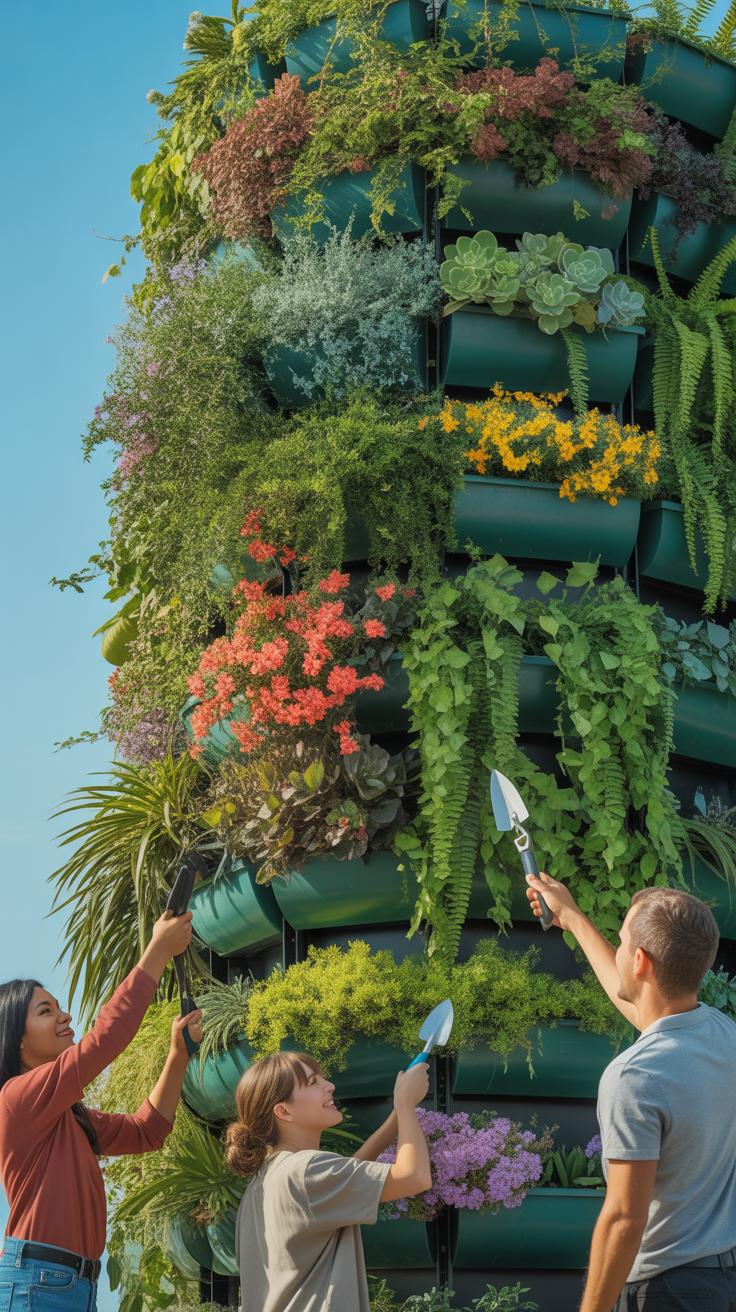
Location dictates the survival of your vertical system. You must measure the solar radiation your wall receives throughout a full day. South facing walls provide intense heat and light. North facing walls remain cool and shaded. Structural integrity also matters because wet soil adds significant weight. Ensure your wall or fence can support 10 to 20 pounds per square foot before installation begins.
Wind exposure accelerates water evaporation and physical stress on foliage. High elevations or open corridors require windbreaks or hardy plant varieties to prevent desiccation. Access to water is the next tactical priority. Position your wall near an existing water source to simplify irrigation setup. Distance from your hose bib increases plumbing costs and complexity. Proper drainage prevents water from pooling at the base of your structure.
Selecting The Best Plants For A Thriving Vertical Green Wall Outdoors
Plant selection requires matching species to your specific microclimate. Use native perennials to ensure survival through local temperature swings. Succulents work best for south facing walls with high heat and low water access. Ferns and mosses thrive in shaded, damp conditions on north facing surfaces. Always group plants with identical water and light needs together. This prevents overwatering one species while starving another.

Root depth and growth habits determine success in confined vertical pockets. Avoid plants with aggressive taproots that can damage the structure or outgrow the container quickly. Focus on trailing or clumping varieties that cover the hardware efficiently. Grasses and sedges provide architectural texture and resist pests well. Heuchera and vinca offer reliable color and coverage in many climates. Research the mature size of each plant to avoid overcrowding.
Step By Step Guide To Building A DIY Vertical Garden Wall
Essential Materials And Tools Needed For Your DIY Vertical Garden Wall
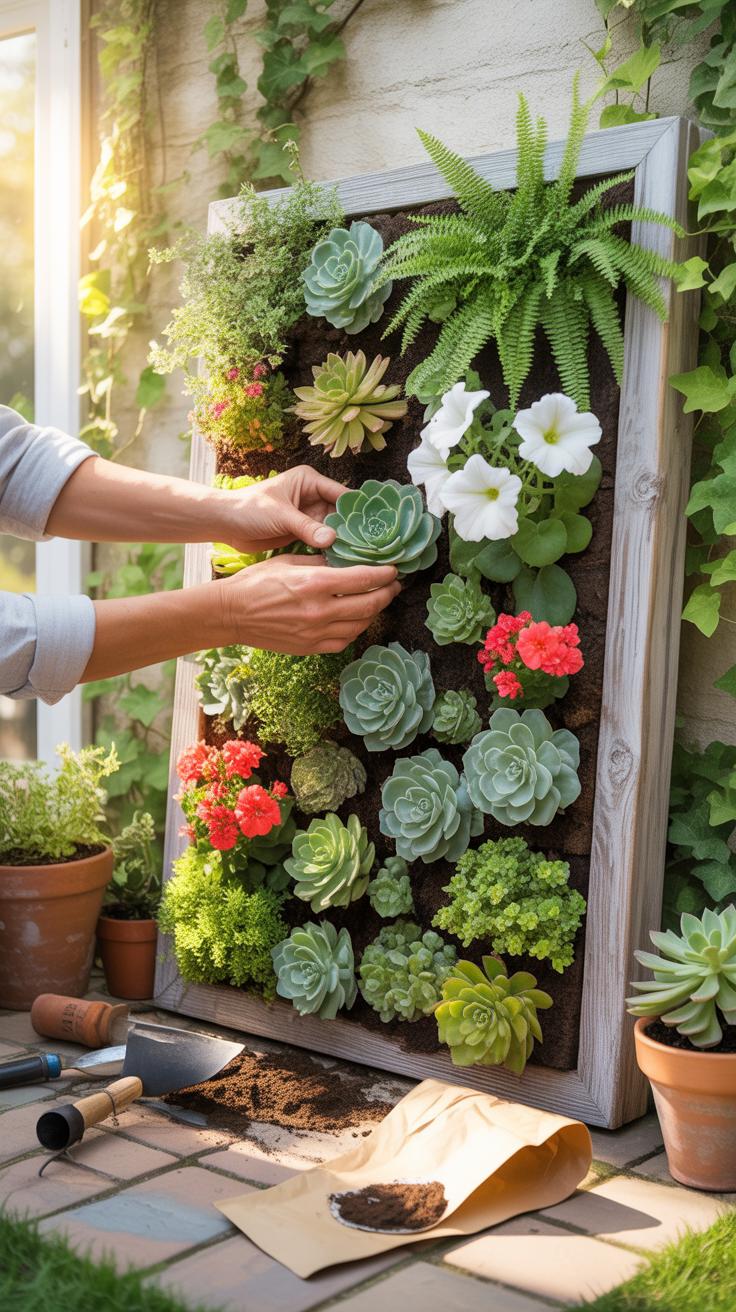
Success starts with picking professional-grade components that withstand constant moisture and heavy weight. You must select a frame material like pressure-treated wood or galvanized steel to prevent premature rot or rust. Standard hardware logic applies here because weak fasteners cause structural failure when soil becomes saturated. Buy materials that match your specific environment whether you are building indoors or outdoors.
- Pressure-Treated Lumber: Use rot-resistant wood for the primary frame to ensure longevity. It handles the weight of wet soil and resists decay caused by constant water exposure.
- Geotextile Fabric: This breathable felt or synthetic liner holds the growing medium in place. It allows roots to breathe while preventing soil from washing out of the pockets during irrigation.
- Corrosion-Resistant Fasteners: Choose stainless steel or galvanized screws and anchors for assembly. Standard steel will rust quickly due to the high humidity levels found near the plant root zones.
- Drip Irrigation Kit: Install a dedicated water delivery system featuring 1/4-inch tubing and pressure-compensated emitters. Manual watering often fails in vertical setups because gravity pulls moisture down too quickly.
- Potting Mix: Select a lightweight soil substitute containing perlite or coconut coir. Heavy garden soil compacts too easily and puts unnecessary physical stress on the wall mount and frame.
Gathering these items before you begin prevents project delays and ensures a safe build. High-quality tools like a power drill, level, and miter saw are necessary for precise fitment. Measure your space twice to confirm the load-bearing capacity of your chosen wall. You are building a living machine that requires durable parts to function over several growing seasons without falling apart.
How To Assemble And Secure Your DIY Vertical Garden Wall Structure
Build the frame on a flat ground surface before mounting it to the wall for better accuracy. Square the corners and use heavy-duty wood glue along with screws to create rigid joints. If you are using a felt pocket system, staple the fabric layers tightly to the backboard with industrial staples. Ensure the fabric is taut to prevent bulging when you add the weight of the plants.

Mount the finished structure to the wall using a French cleat or heavy-duty masonry anchors. Leave a one-inch gap between the planter and the wall surface to allow air circulation and prevent mold growth. This air gap protects your home siding or drywall from moisture damage over time. Check the level one last time before adding soil and plants to ensure even water distribution across all rows.
Designing A Beautiful Vertical Wall Garden That Suits Your Space
Planning Your Vertical Wall Garden Layout For Maximum Visual Impact
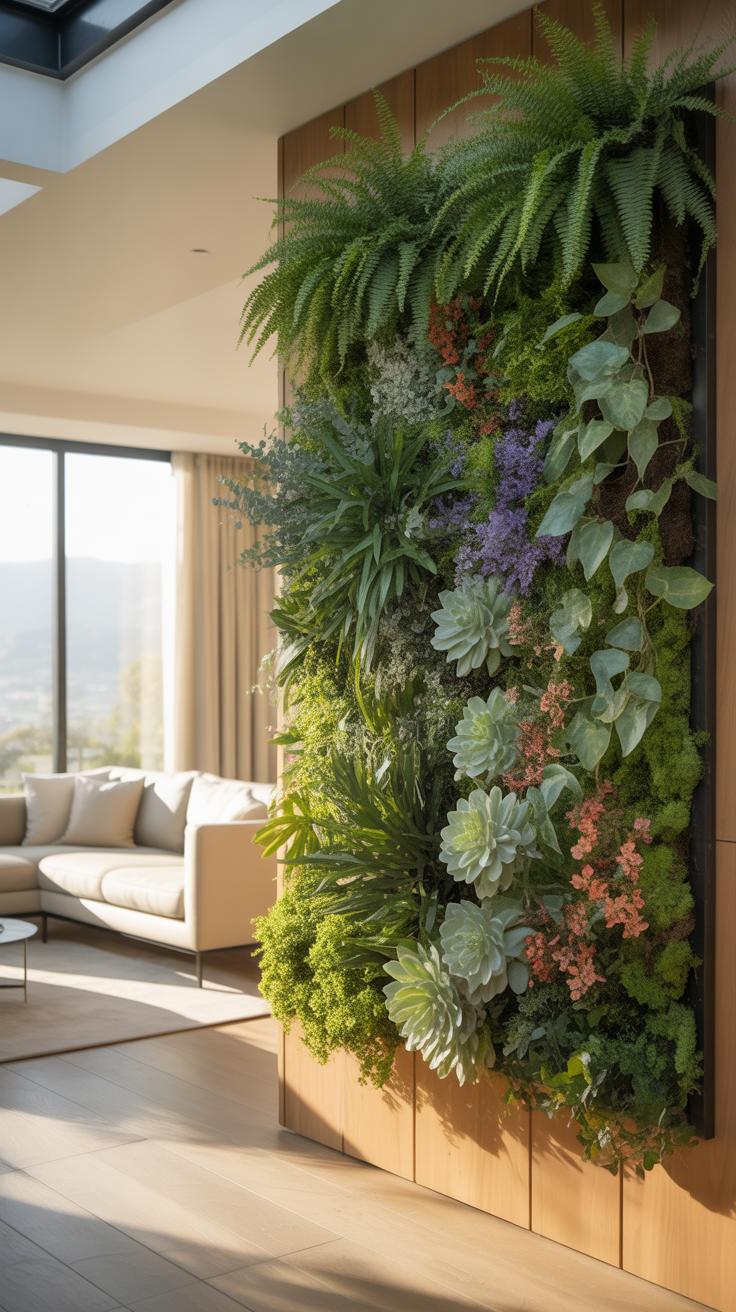
Vertical garden design requires a clear focal point to draw the eye. Identify the primary viewing angle before mounting any hardware. Use the rule of thirds to position bold plants or architectural features. This technique creates a natural balance that prevents the wall from appearing cluttered. Space your modules according to the mature width of your chosen species to ensure full coverage without overcrowding.
Consider the surrounding architecture and lighting conditions. Modernist designs often use grid patterns for a clean look. Organic layouts favor staggered placements that mimic natural rock faces. Use darker foliage at the base to ground the installation visually. Map your irrigation lines during this phase to prevent visible tubing from ruining the aesthetic. Proper planning ensures the structure supports both the weight and the visual goals.
Mixing Colors Textures And Plant Types In Your Vertical Wall Garden
Effective plant selection balances contrast and harmony. Pair fine-textured leaves like ferns against broad-leaved species like Monstera to create depth. Use a limited color palette to maintain a professional look. Monochromatic schemes use different shades of green to emphasize texture variations. Complementary colors create high energy. Ensure all plants in a specific zone share the same light and water needs to prevent maintenance failures.
Incorporate trailing plants at the edges to soften the hard lines of the planters. Use upright species in the center to provide structure and height. This layering technique mimics natural ecosystems. Track the growth rates of each species to prevent aggressive plants from smothering slower growers. Consistent leaf shapes create a sense of rhythm across the wall. Strategic grouping makes a small vertical space feel like a massive living landscape.
Best Plants To Use For A Thriving Plant Wall Outdoor
Flowering And Foliage Plants That Perform Best On An Outdoor Plant Wall
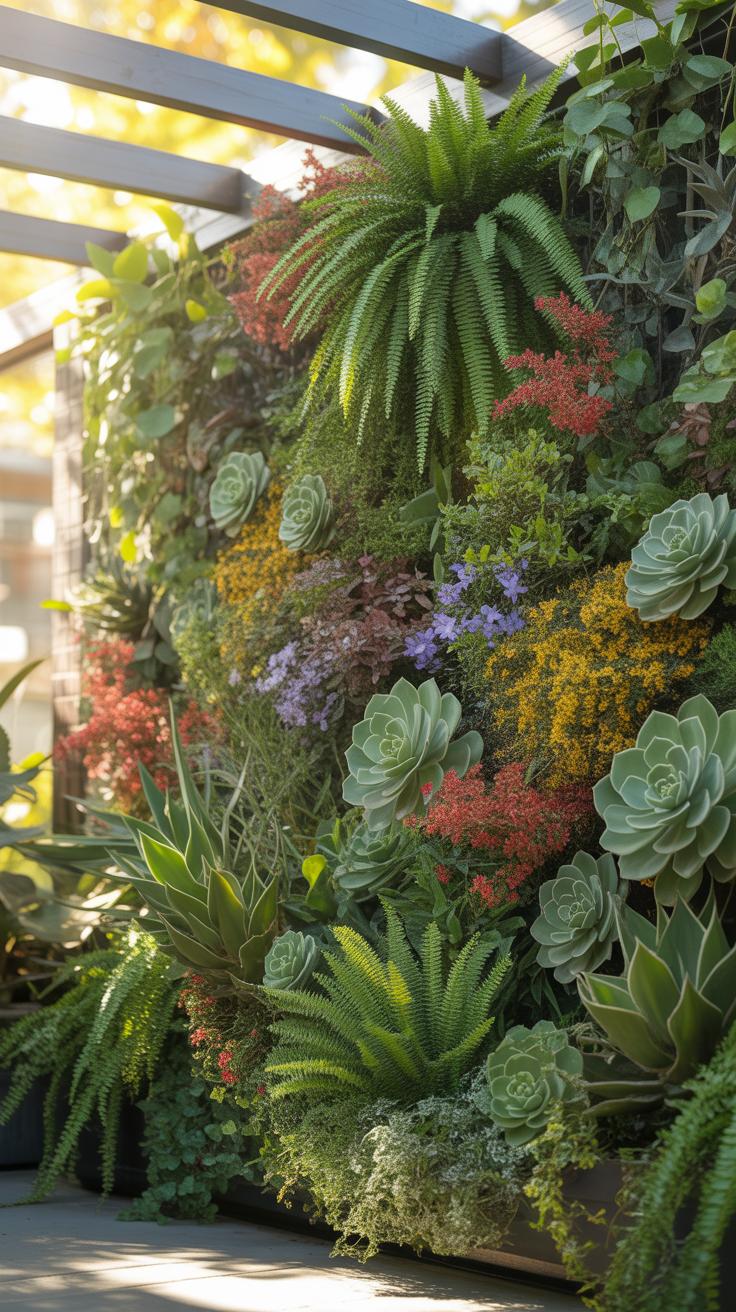
Outdoor walls face harsh wind and light. You must select plants with high tolerance for these variables. Heuchera works well because it offers robust foliage in multiple colors. Ferns like the Western Sword Fern excel in shaded vertical setups. Creeping Jenny provides a trailing effect that covers the structural components of the wall quickly. These species withstand the vertical drainage patterns common in modular systems.
Succulents like Sedum and Sempervivum are the standard for low-maintenance sun walls. They store water in their leaves which helps during irrigation failures. For flowering options, choose Petunias or Calibrachoa for seasonal color. These plants have shallow root systems suited for pockets or felt layers. Ensure you group plants by water needs. Putting a drought-tolerant succulent next to a thirsty fern will cause one to die.
Edible Herbs And Vegetables That Grow Well On A Plant Wall Outdoor
Vertical farming requires high nutrient turnover. Herbs are the most efficient choice for outdoor walls. Basil, mint, and chives grow rapidly in small containers. They benefit from the increased airflow found in vertical systems which prevents fungal diseases. Mint is aggressive and should have its own pocket to stay contained. Pockets provide the isolation needed to manage growth and prevent one herb from overtaking others.

Leafy greens like kale, spinach, and loose-leaf lettuce thrive in vertical layouts. They do not need deep soil to produce high yields. Standard wall depths of six to eight inches are sufficient for these crops. Avoid heavy root vegetables like carrots or large brassicas like cabbage. These put too much physical weight on the mounting hardware. Stick to lightweight crops that you can harvest frequently to keep the wall balanced.
Wall Mounted Planters Indoor Bringing The Vertical Garden Concept Inside

Top Types Of Wall Mounted Planters For Indoor Spaces And Interiors
Indoor vertical systems rely on three primary builds: modular trays, pocket systems, and hydroponic panels. Modular plastic or ceramic trays offer the best moisture control for drywall protection. These units often feature internal reservoirs to prevent leaks. Manufacturers design these systems to mimic the Clean Line aesthetic of Mid-Century Modern or minimalist interior movements. Standardized mounting brackets allow for easy removal when plants require maintenance or replacement.
Professional interior designers prioritize felt pocket systems for large scale green walls. Modern felt composites breathe well and prevent root rot in high humidity rooms. However, waterproof backboards are mandatory to stop structural rot. Hard shell linear troughs provide a cleaner look for high traffic corridors. Choose powder coated aluminum for long term durability against corrosion. Most commercial installs use automated drip lines hidden behind the mounting frame to ensure consistent hydration.
Best Low Light Plants For Wall Mounted Planters In Indoor Environments
Selecting the right nursery stock determines the success of an indoor vertical wall. Light levels drop significantly just two feet away from windows. Most interiors operate in the 50 to 150 foot-candle range. Plants must tolerate these low light conditions while managing the limited root space of wall containers. Focus on species with high transpiration efficiency and slow growth rates to minimize heavy pruning cycles.
- Pothos (Epipremnum aureum): This vine thrives in nearly any light condition and tolerates irregular watering. Its trailing habit quickly covers the visible hardware of the planter. Use this for fast coverage and high durability in office settings.
- Snake Plant (Sansevieria): These upright succulents handle low light and dry soil and require very little maintenance. Their vertical structure provides great contrast against trailing species. They are ideal for shallow planters because they possess a compact and non-aggressive root system.
- ZZ Plant (Zamioculcas zamiifolia): This species survives in low light corners where other plants die. It features waxy leaves that resist pests and retain moisture for long periods. It grows slowly which means it will not outgrow its wall mounted container quickly.
- Heartleaf Philodendron (Philodendron hederaceum): This plant adapts well to consistent indoor temperatures and lower light levels. It produces deep green foliage that drapes elegantly over the edges of modular trays. It is a reliable performer for beginners and professional landscapers alike.
- Peace Lily (Spathiphyllum): These plants indicate water needs by drooping slightly so you know exactly when to irrigate. They handle shade well and offer a distinct leaf shape compared to typical vines. Use them to add texture and occasional white blooms to the wall.
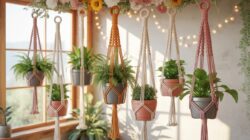
Irrigation management remains the biggest hurdle for indoor vertical gardening. Overwatering causes fungal growth and soil gnats in stagnant indoor air. Successful managers use moisture sensors and well draining potting mixes composed of peat and perlite. Ensure the planter design allows for adequate airflow between the wall and the unit. This prevents mold growth on the building substrate and keeps the plant roots healthy over several years.
Creative Outdoor Garden Wall Ideas To Inspire Your Next Project
Using Repurposed And Upcycled Materials For Unique Outdoor Garden Wall Ideas
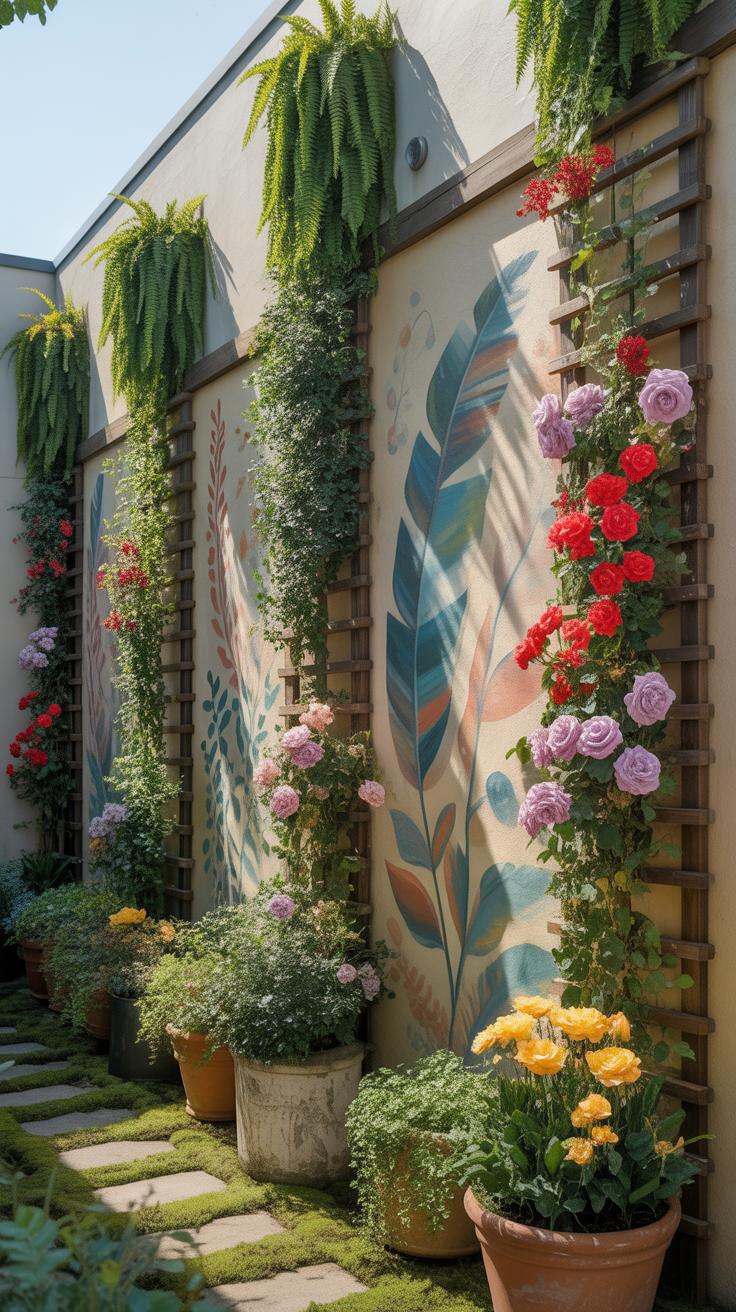
Repurposing industrial materials reduces costs and creates durable vertical structures. Use heat-treated shipping pallets to avoid chemical off-gassing into your soil. Secure heavy wooden frames directly to load-bearing masonry. Reclaimed cedar or redwood provides natural rot resistance without synthetic sealants. These materials support heavy soil loads and withstand exterior moisture cycles. Proper mounting hardware prevents structural failure during high wind events.
Upcycling metal items like corrugated steel panels or vintage troughs adds a modern industrial aesthetic. Steel offers excellent rigidity for securing modular potting systems. Clean all surfaces to remove rust or old paint that might leach toxins. Apply a clear outdoor-grade coating to prevent further oxidation. Combine metal backings with felt pockets or plastic containers. This method builds a rugged foundation for high-density planting in small urban footprints.
To plant a garden is to believe in tomorrow, even when it climbs toward the sky to touch the sun.
How To Incorporate Water Features And Lighting Into Your Outdoor Garden Wall
Integrated irrigation systems simplify maintenance for tall vertical installations. Install a drip line at the top of the wall to allow gravity to distribute water. Connect low-voltage submersible pumps to a bottom reservoir for closed-loop recycling. This setup prevents water waste and keeps foliage hydrated during peak heat. Ensure all electrical components have a Ground Fault Circuit Interrupter for safety. Use waterproof connectors for all wiring.

Strategically placed lighting extends the utility of your garden wall into the night. Use LED strip lights under planter lips to highlight leaf textures. Direct low-voltage spotlights toward the base to create dramatic upward shadows. Choose warm-spectrum bulbs to mimic natural light and reduce glare. Position fixtures away from water spray to prevent short circuits. Quality lighting improves security and visibility while emphasizing the vertical depth of the plant arrangement.
Maintaining And Caring For Your Vertical Plant Wall Outdoor Year Round
Watering, Fertilizing, And Irrigation Solutions For A Vertical Plant Wall Outdoor
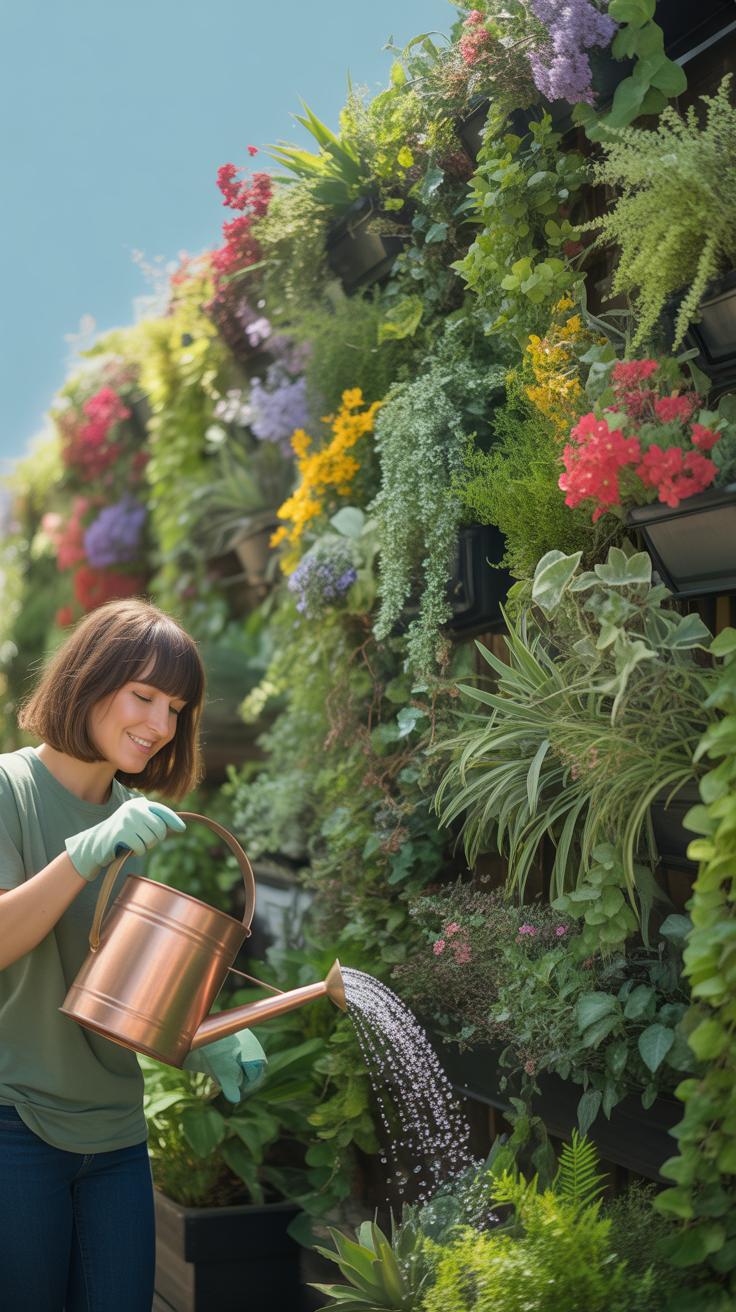
Gravity pulls water downward and dries out the top layers of your wall faster than the bottom. You must install a dedicated drip irrigation system to ensure even moisture distribution across the entire structure. Manual watering leads to uneven growth and plant loss in vertical systems. Use pressure-compensating emitters to deliver a precise amount of water to every pocket regardless of its height or location.
Nutrients wash out of vertical containers quickly due to limited soil volume and frequent drainage. Connect a fertigation injector to your irrigation line to deliver liquid fertilizer directly to the roots. Use a balanced water-soluble formula to prevent salt buildup in the growing medium. Monitor your runoff at the base of the wall. Change your feeding schedule based on the growth stage and local heat levels.
Seasonal Care Tips And Troubleshooting Common Vertical Plant Wall Problems
Extreme temperatures require immediate tactical shifts to protect your investment. In summer check for leaf scorch and increase irrigation frequency during peak sun hours. In winter you must drain your irrigation lines to prevent pipe bursts from freezing water. Wrap the structure in frost blankets if you live in a cold climate. Select cold-hardy species if you intend to keep the wall active during winter months.
Pests and diseases spread rapidly in the dense foliage of a vertical system. Inspect the back of leaves for mites and aphids every week. Prune dead or yellowing leaves to improve airflow and stop fungal growth. If a plant dies remove it and the old soil immediately to prevent pathogen spread. Check for leaks or clogged emitters often. Water pooling at the bottom indicates a drainage blockage or over-watering.
Frequently Asked Questions

What are the main benefits of installing a vertical planter wall in a small home?
Vertical planter walls are a game-changer for urban dwellers and those with limited floor space. By utilizing unused wall area, you can introduce lush greenery into your home without creating clutter. These living installations improve indoor air quality, act as natural sound insulation, and provide a stunning visual focal point. They allow you to enjoy the therapeutic benefits of gardening regardless of your square footage or outdoor access.
How do I properly water the plants in a vertical system without making a mess?
Maintaining vertical planter walls requires a strategic approach to moisture. For smaller indoor setups, many people use a specialized long-neck watering can or a manual pressure sprayer to reach higher pockets. For larger installations, integrated drip irrigation systems with hidden drainage trays are ideal. These systems ensure each plant receives consistent hydration while a bottom reservoir catches any excess runoff, protecting your interior walls and floors from water damage.
Are vertical planter walls expensive to build and maintain for beginners?
You can absolutely create beautiful vertical planter walls on a modest budget. While high-end professional systems can be pricey, DIY options using recycled wooden pallets, felt hanging pockets, or terracotta pots on a wire grid are very affordable. The ongoing costs are also minimal, primarily involving basic potting soil and a selection of hardy plants. Starting small allows you to learn the maintenance routine without a significant upfront financial investment.