Why Outdoor Planter Arrangements Are The Easiest Way To Add Curb Appeal
The Instant Visual Impact Of Well Placed Patio Flower Pots
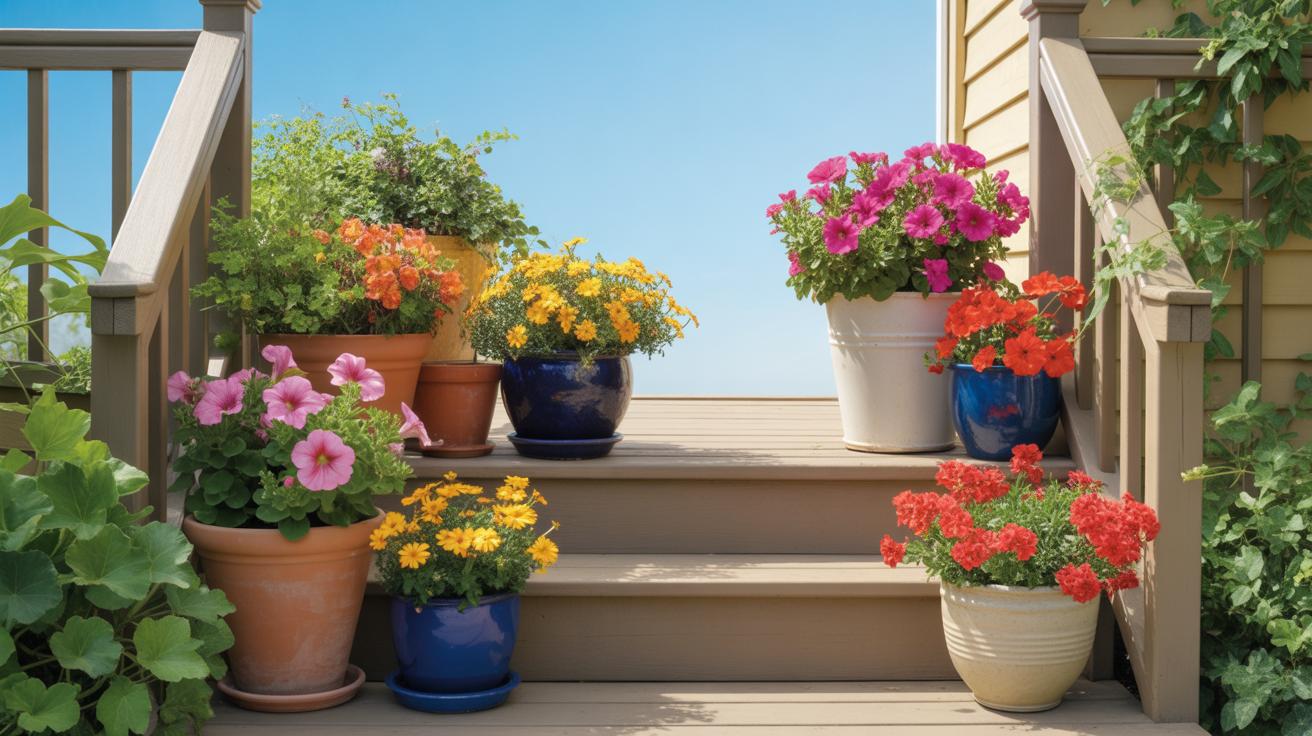
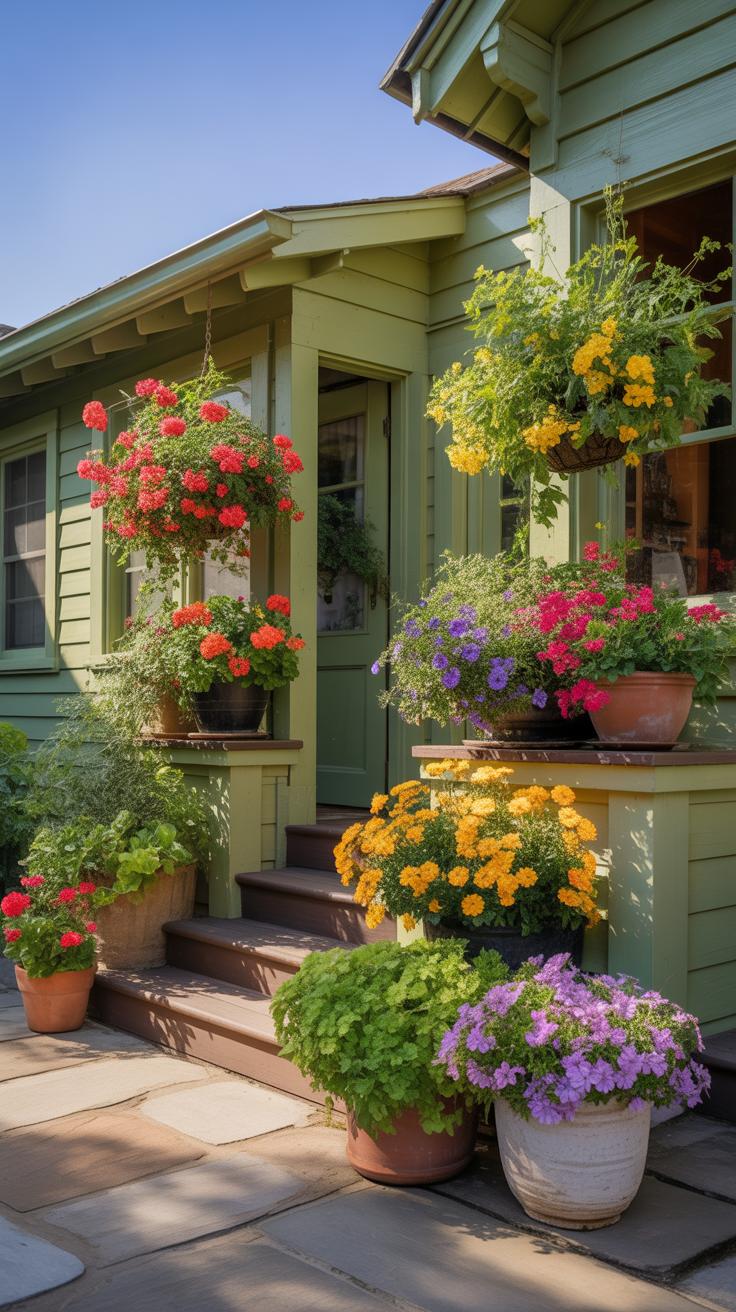
Strategic placement of patio flower pots creates immediate focal points. High contrast containers draw the eye to entryways and architectural features. This technique directs visitor attention and hides structural flaws. Use symmetry to establish order and balance. Matching pots on either side of a door signal a formal design style. This setup increases property value by creating a clean and finished appearance.
Color and height play critical roles in visual impact. Tall planters add vertical interest to flat landscapes. Bright blooms against neutral walls create depth. This method allows for quick updates to a home exterior without permanent changes. You can swap plants as seasons change to maintain a fresh look. Professionals use these arrangements to frame views and guide foot traffic toward the front door effectively.
How Container Gardens Outperform Traditional Garden Beds For Beginners
Container gardens provide total control over soil quality and drainage. Traditional garden beds often suffer from poor native soil or invasive weeds. Pots allow you to use premium potting mixes tailored to specific plant needs. This eliminates the struggle of amending hard clay or sandy ground. Beginners face fewer pests and fewer soil-borne diseases in isolated containers. Maintenance takes less time and physical effort.
Planters offer mobility that permanent beds lack. You can move pots to follow the sun or protect plants from harsh storms. This flexibility ensures survival during extreme weather transitions. Proper drainage holes prevent root rot more effectively than heavy ground soil. You manage water levels with precision. These factors lead to higher success rates for new gardeners. Controlled environments simply yield better results with less work.
Choosing The Right Containers Plant Container Ideas Outdoors That Actually Work
Material Matters: Terracotta, Resin, Wood, And Fiberglass Compared
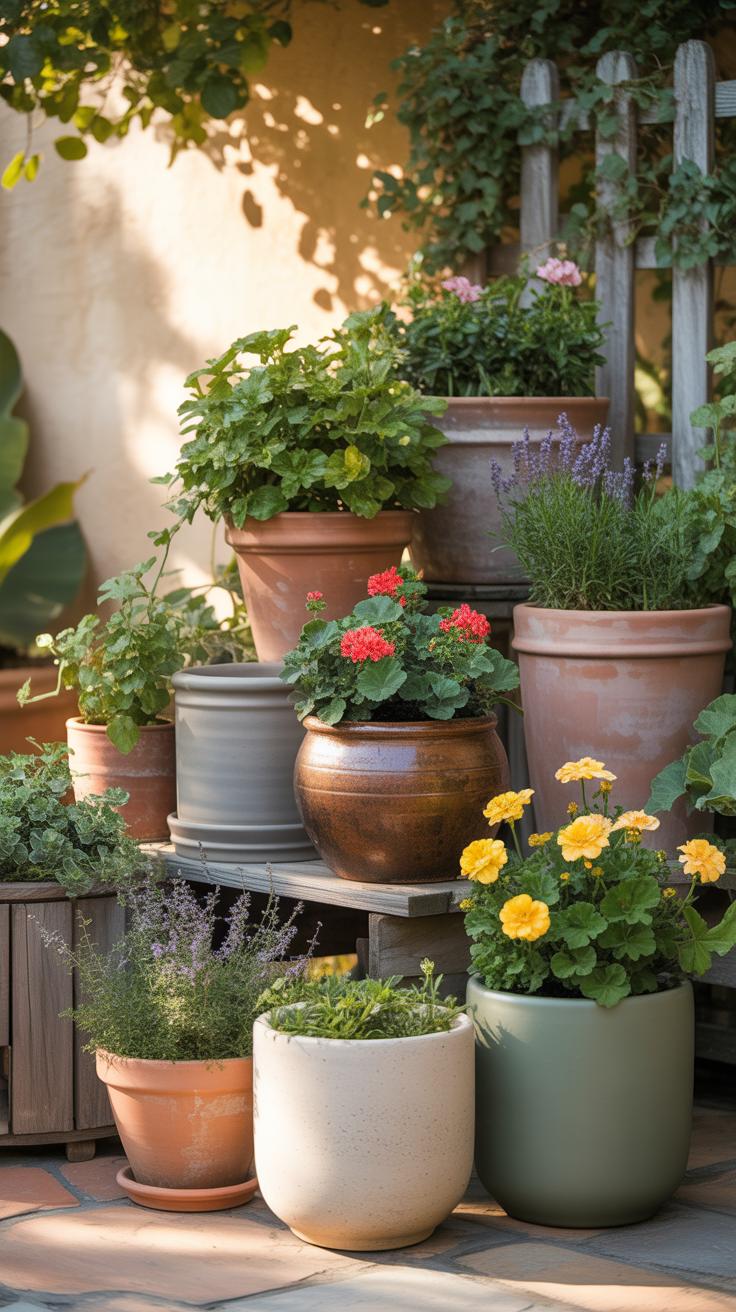
Terracotta offers a classic look and high breathability. The porous clay pulls moisture away from the soil. This prevents root rot but requires frequent watering in hot climates. It cracks easily in freezing temperatures. Resin provides a lightweight alternative that mimics stone or clay. It resists UV damage and holds moisture better than terracotta. Resin works best for high-traffic areas where weight is a concern.
Wood planters offer natural insulation for roots. Cedar and redwood resist rot and insects without chemicals. They require periodic sealing to maintain structural integrity over time. Fiberglass sits at the high end of professional landscaping. It withstands extreme weather without warping or fading. These containers are very strong but remain easy to move. Choose fiberglass for long-term installations on balconies or rooftops.
Size, Drainage, And Shape: What To Look For Before You Buy
Container size dictates the health of your outdoor planter arrangements. Small pots dry out fast and restrict root growth. Aim for a depth of at least twelve inches for most plants. Large volumes of soil hold more water and stabilize temperature. Bigger pots also provide a heavy base. This prevents the wind from knocking your plants over. Buy the largest container your space allows.
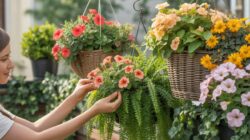
Drainage holes are the most critical feature of any pot. Roots will drown in standing water without a clear exit path. Ensure the container has multiple holes at the bottom. Drill extra holes if the factory ones are too small. Shape also impacts stability and aesthetics. Tall, narrow pots save floor space but tip over easily. Wide, low bowls work best for shallow-rooted flowers and succulents.
The Thriller Filler And Spiller Formula For Stunning Summer Planter Designs
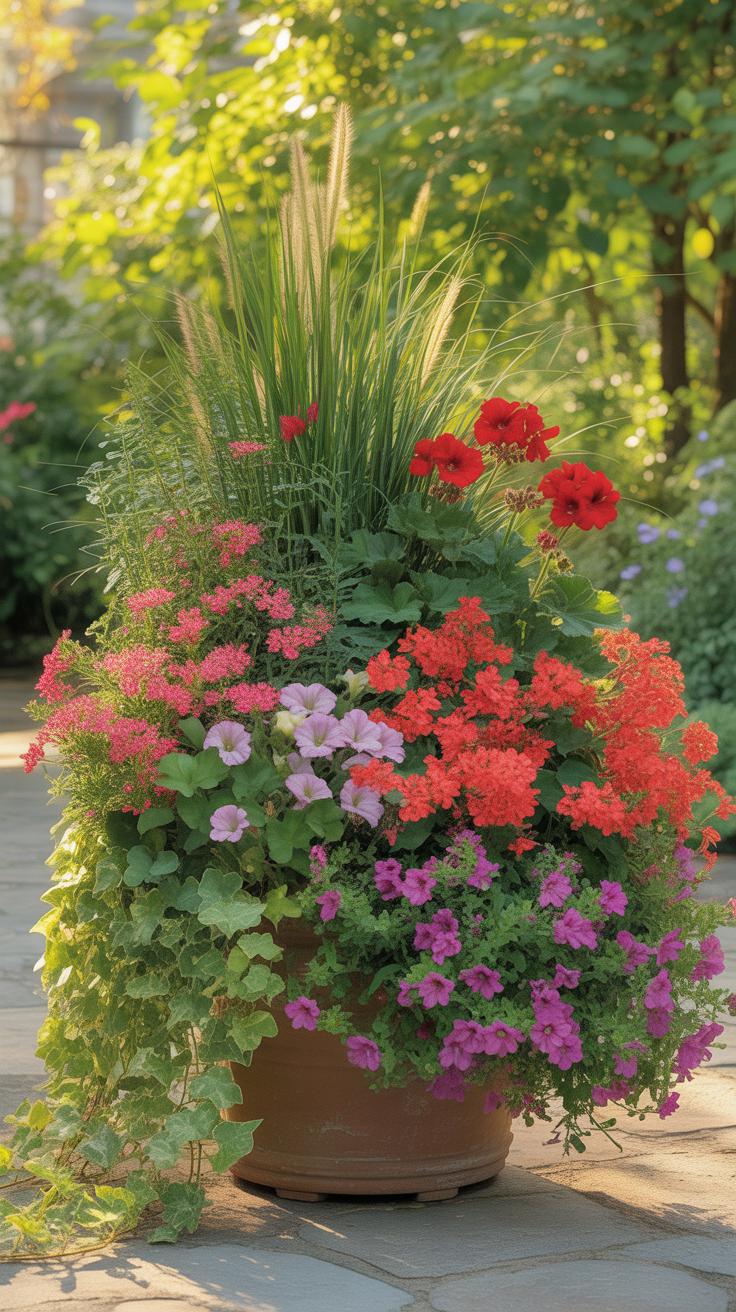
Understanding The Classic Three Part Planting Combination Method
The thriller, filler, and spiller method provides a functional framework for container garden composition. This technique uses vertical layering to create a balanced visual focal point. The thriller serves as the center or rear vertical element. It draws the eye upward and establishes the height of the arrangement. You must select a plant with strong structural integrity to anchor the entire container properly.
The filler and spiller elements manage the horizontal and downward space. Filler plants occupy the mid-section to hide the stems of the thriller and create a dense appearance. Spiller plants grow over the edge of the pot to soften hard lines. This strategy ensures the container looks complete from every angle. Successful execution requires matching the light and water needs of all three plant layers.
Best Plant Pairings That Thrive Together In A Single Container
Effective pairings require plants with identical cultural requirements. You cannot mix desert succulents with moisture-loving tropicals in a single pot. Standard summer arrangements often utilize heat-tolerant species from similar climate zones. Focus on growth habits that complement rather than compete for space. These specific combinations ensure that one vigorous species does not choke out the root systems of the secondary plants.
- Purple Fountain Grass and Lantana: This pairing works because both species thrive in full sun and high heat. The grass provides a vertical, textured thriller while the lantana creates a dense, flowering filler layer. Both require well-draining soil and regular watering.
- Canna Lily and Petunias: Canna lilies provide a bold, broad-leaf vertical element for large containers. Trailing petunias act as a vigorous spiller that fills gaps quickly. These plants both consume high levels of nutrients and require consistent moisture levels throughout the summer.
- Dracaena Spike and Vinca: The dracaena offers a sharp, architectural thriller that withstands wind. Vinca serves as an excellent filler with waxy leaves that resist dehydration. This combination is ideal for beginners because both plants are durable and tolerate inconsistent watering schedules.
- Angelonia and Sweet Potato Vine: Angelonia provides upright, snapdragon-like flowers that stay tidy as a filler. The sweet potato vine is a fast-growing spiller that covers the pot’s exterior. Both plants require at least six hours of direct sunlight and thrive in humid summer conditions.
- Caladium and Dichondra Silver Falls: Use this pairing for shaded areas where flowering plants struggle. Caladiums offer large, colorful leaves as the filler or focal point. The silver falls dichondra spills over the edges with a unique metallic texture that thrives in filtered light.
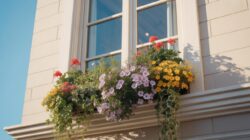
Sunlight exposure dictates the success of these pairings. Measure the actual hours of direct sun hitting your designated spot before selecting your species. Grouping plants by their water consumption prevents root rot in drought-tolerant varieties. Use a high-quality potting mix to support the intensive nutrient demands of multiple plants in a confined space. Consistent pruning maintains the balance between these different growth habits.
Top Container Gardening Flowers That Bloom All Season Long
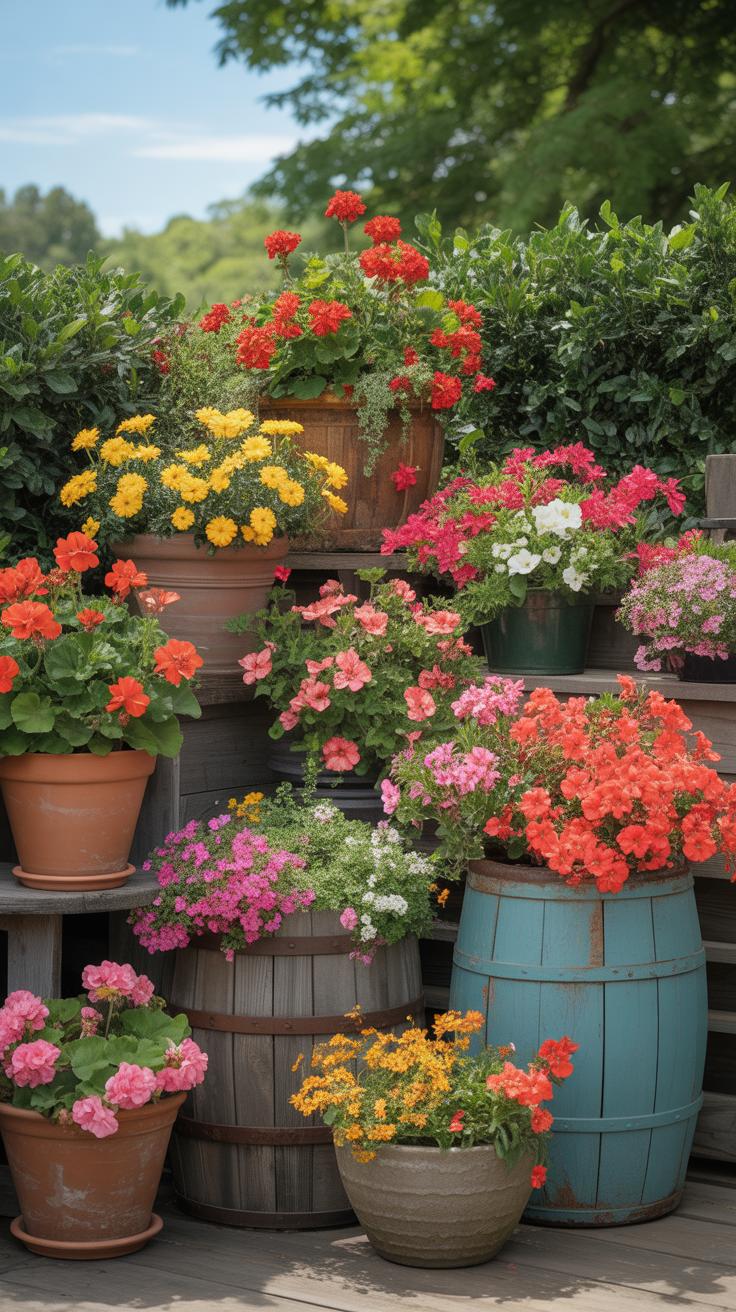
Sun Loving Annuals That Deliver Non Stop Color From Spring To Fall
Maintaining high impact color in outdoor planter arrangements requires species with high metabolic rates and heat tolerance. Focus on Lantana and Profusion series Zinnias for constant bloom cycles. These plants thrive in full sun and resist drought once established. They do not require deadheading to produce new buds. This saves maintenance time and ensures the container stays full and vibrant through the peak summer heat.
Select high performance hybrids like Supertunias for vertical spill and consistent flowering. These engineered varieties skip the seed production phase. They put all energy into flower development instead of seed pods. Fertilizer application determines the success of these plants. Use a water soluble fertilizer every two weeks to sustain the rapid growth. Proper drainage is mandatory to prevent root rot in high volume sun containers.
Shade Tolerant Flowers That Thrive On Covered Patios And Porches
Low light environments require plants that manage limited photosynthesis efficiently. Tuberous Begonias and New Guinea Impatiens provide the most reliable color in deep shade. These plants feature thick stems and broad leaves to maximize light absorption. They provide dense foliage and large blooms without direct sun exposure. Keep the soil consistently moist but never saturated. Overwatering in shade leads to fungal issues due to slow evaporation.
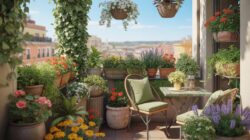
Modern Fuchsia varieties and Caladiums work well for structural variety in shaded pots. Use Fuchsias for hanging elements and Caladiums for colorful foliage pivots. These plants prefer cooler temperatures found under porch roofs or awnings. Use a potting mix with high organic matter to retain necessary moisture levels. Rotate the containers every week to ensure even growth on all sides. This prevents the arrangement from leaning toward the light source.
Making A Statement With Big Planters Outdoor Ideas For Entryways And Patios
Symmetrical Vs. Asymmetrical Placement: Which Style Suits Your Space
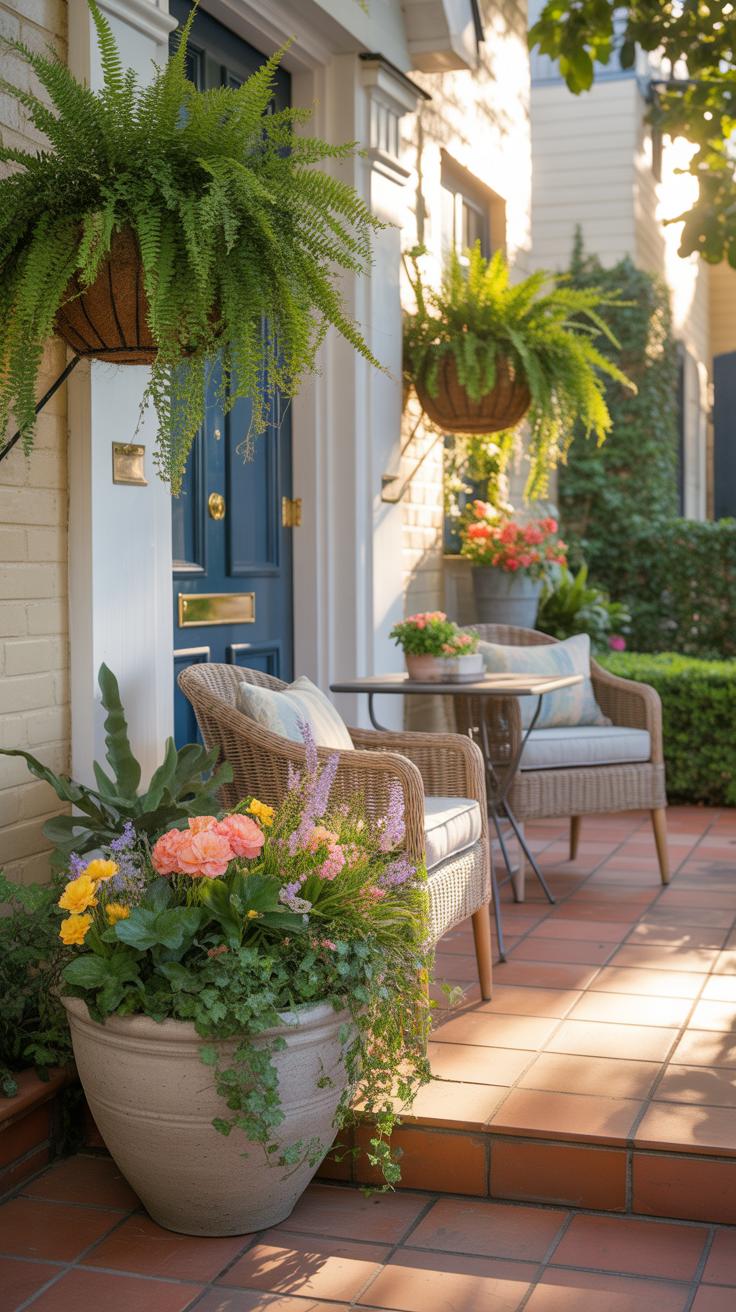
Symmetrical placement relies on formal balance to create order. You place identical pots on both sides of a door or path. This technique stems from Classical Greek and Roman architecture. It signals stability and prestige to anyone entering the space. Use this layout for traditional homes or narrow entryways. Perfect symmetry directs the eye toward the center of the frame.
Asymmetrical placement offers a modern look that feels less rigid. You group different sized pots on one side of a space. This creates a visual weight that feels natural and relaxed. Professional designers use odd numbers to achieve this balance. Choose three containers of varying heights to create a triangle shape. This method works best on wide patios or open corner areas.
To plant a garden is to believe in tomorrow, and even a single pot on a porch can hold the whole world’s beauty. Sometimes the simplest touch of green is all it takes to bring the warmth of home outdoors.
Bold Focal Point Plants That Fill Large Containers With Confidence
Large containers require plants with aggressive structural presence. Yucca and Agave provide sharp lines and year-round durability for hot climates. These plants serve as the “thriller” in the standard thriller, filler, and spiller design model. For cooler regions, use Boxwood or Japanese Maple. These species offer dense foliage and maintain their shape under heavy pruning. Choosing the wrong scale makes the pot look empty.
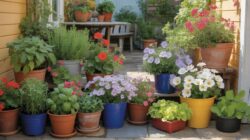
Focus on root ball size and growth rate when selecting centerpieces. A large pot needs a plant that can reach at least half the height of the container. Use evergreen shrubs if you want a permanent structural element. Perennials like ornamental grasses add movement but require seasonal cutting. Ensure the soil volume provides enough weight to prevent the plant from tipping over during high winds.
Seasonal Refresh Strategies For Your Patio Pots Year Round
How To Transition Your Containers From Summer Blooms To Fall Foliage
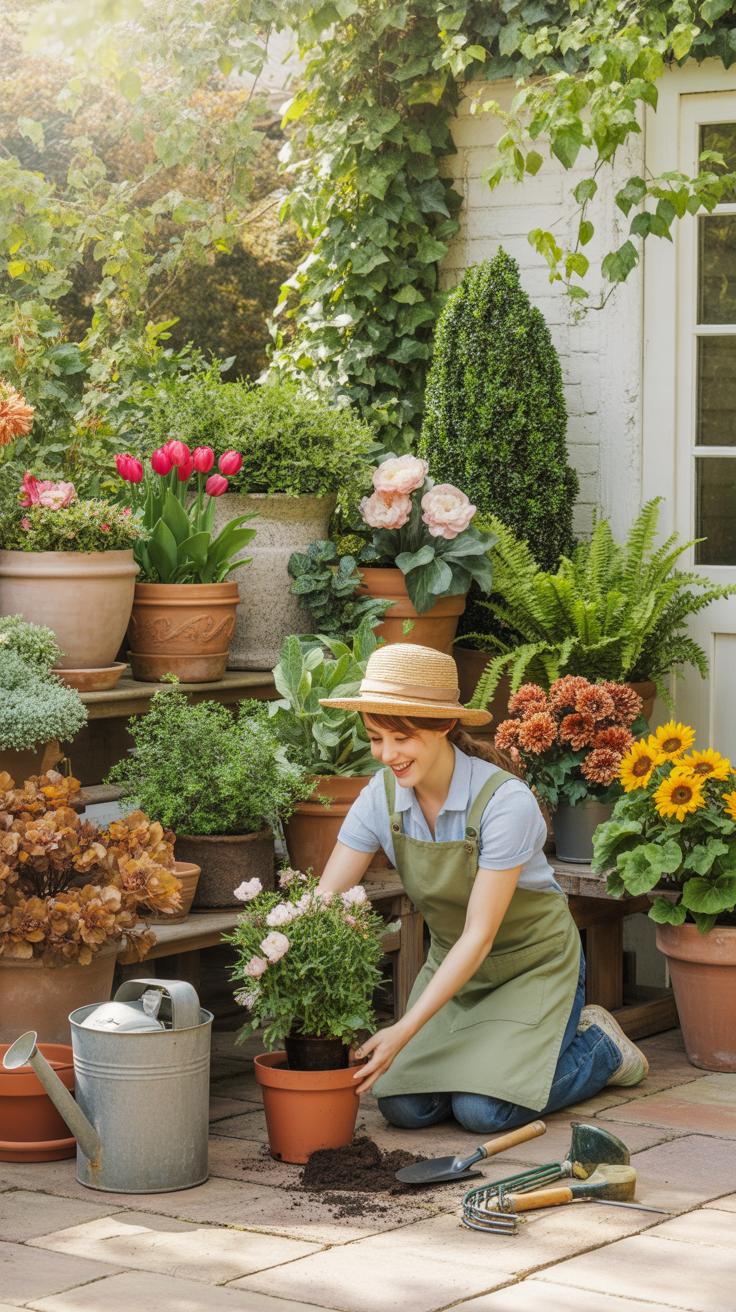
Summer annuals often fail when night temperatures drop below fifty degrees. Remove spent heat-loving plants like petunias or coleus immediately. Keep structural elements like grasses or ivy that tolerate cooler air. Inspect the soil for pests or nutrient depletion before adding new plants. Replace the top three inches of potting mix to provide fresh nitrogen for the upcoming autumn growth cycle.
Select cold-hardy species that provide texture rather than just bloom color. Use ornamental peppers for height and kale for dense low-level coverage. Incorporate perennial sedums or heucheras that can survive light frosts. Group containers together to trap heat and protect root systems from early freezes. These tactics ensure your outdoor planter arrangements remain visually dense as daylight hours decrease and plant metabolism slows down.
Simple Winter And Early Spring Ideas To Keep Patio Pots Looking Fresh
Frozen soil prevents traditional planting during winter months. Shift your strategy from living growth to preserved structural elements. Use evergreen boughs and birch poles to maintain vertical interest in empty pots. These materials do not require water and resist wind damage. In early spring, select plants that tolerate erratic temperature swings. Focus on species that can survive late snow or morning frost.
- Evergreen Branches: Insert cut fir or pine boughs directly into the soil. They provide deep green color and wind resistance. Space them evenly to create a full appearance that lasts until the ground thaws.
- Birch Poles: Place three white birch logs of varying heights in the center of the pot. This adds vertical structure and light contrast against dark winter backgrounds. Secure them deeply to prevent tipping during storms.
- Hellebores: Plant these perennials in late winter as they bloom during cold snaps. They provide thick waxy leaves and downward-facing flowers. Hellebores handle shade and cold better than almost any other early season species.
- Winterberry Branches: Add deciduous holly stems for bright red color contrast. The berries stay on the branch even in freezing temperatures. These serve as a visual focal point when most other plants are dormant or brown.
- Pansies and Violas: Introduce these in early spring once soil is workable. They survive frost and provide immediate color. Keep them watered during dry spring winds to ensure the roots establish quickly before the summer heat.
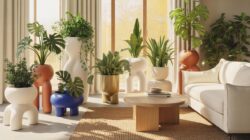
Transitioning to spring requires monitoring soil moisture levels closely. Wind and sun can dry out containers even when the air is cold. Remove winter mulch and boughs once the night temperature stays above freezing. Check for drainage holes blocked by ice or debris. Clean the edges of your pots to remove salt or dirt buildup from the winter months.
Creative Outdoor Plants In Pots Ideas For Small Balconies And Tight Spaces
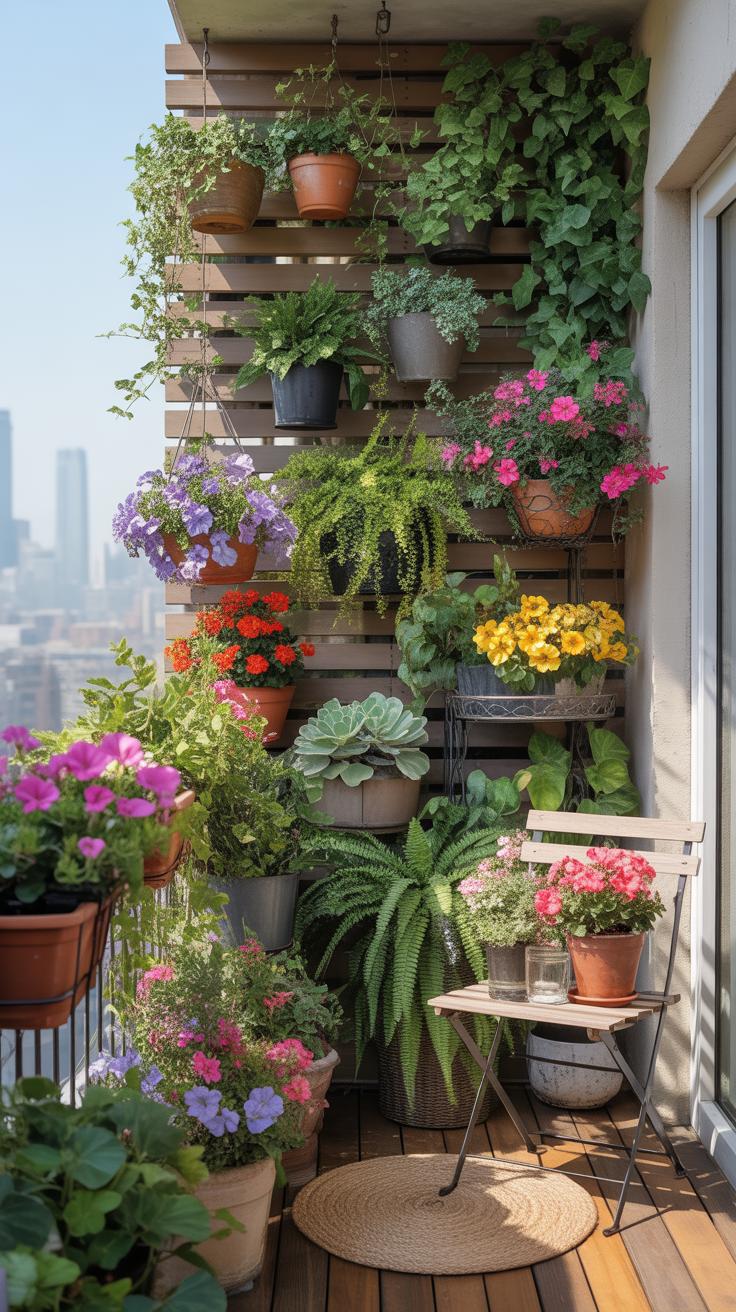
Vertical Stacking And Tiered Shelf Arrangements To Maximize Limited Space
Vertical gardening shifts the focus from floor area to wall height. Use tiered shelving units to create a wall of greenery. This method allows you to grow more plants in a small footprint. Metal or wood ladders provide sturdy support for multiple pots. Gravity helps with irrigation when you align pots vertically. Water from the top pots can drain into those below.
Position taller plants on the bottom shelves to maintain balance. Place trailing species on upper levels to create a living curtain effect. Secure shelving units to walls or railings to prevent wind damage. This setup improves air circulation around the foliage. Better airflow reduces the risk of fungal diseases in cramped quarters. Tiered systems also ensure that every plant receives adequate sunlight throughout the day.
Lightweight Pot Choices And Compact Plant Varieties For Urban Outdoor Areas
Weight limits often restrict balcony gardening. Use fiberglass or resin pots instead of heavy ceramic or stone. These materials withstand temperature changes without cracking. They are easy to move when you need to rearrange your space. Lightweight containers also reduce the structural load on elevated decks. Choose pots with built-in drainage holes to prevent root rot in confined environments.
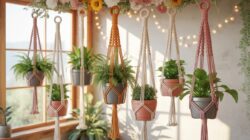
Select dwarf or columnar plant varieties designed for small spaces. Boxwood and columnar evergreens provide structure without spreading horizontally. Compact herbs like bush basil and creeping thyme thrive in small containers. These varieties reach a set size and stop growing. This prevents plants from becoming root-bound or overgrown. Stick to a unified color palette to make a small space feel larger and more organized.
Watering Feeding And Maintaining Your Garden Pot Ideas For Long Term Success
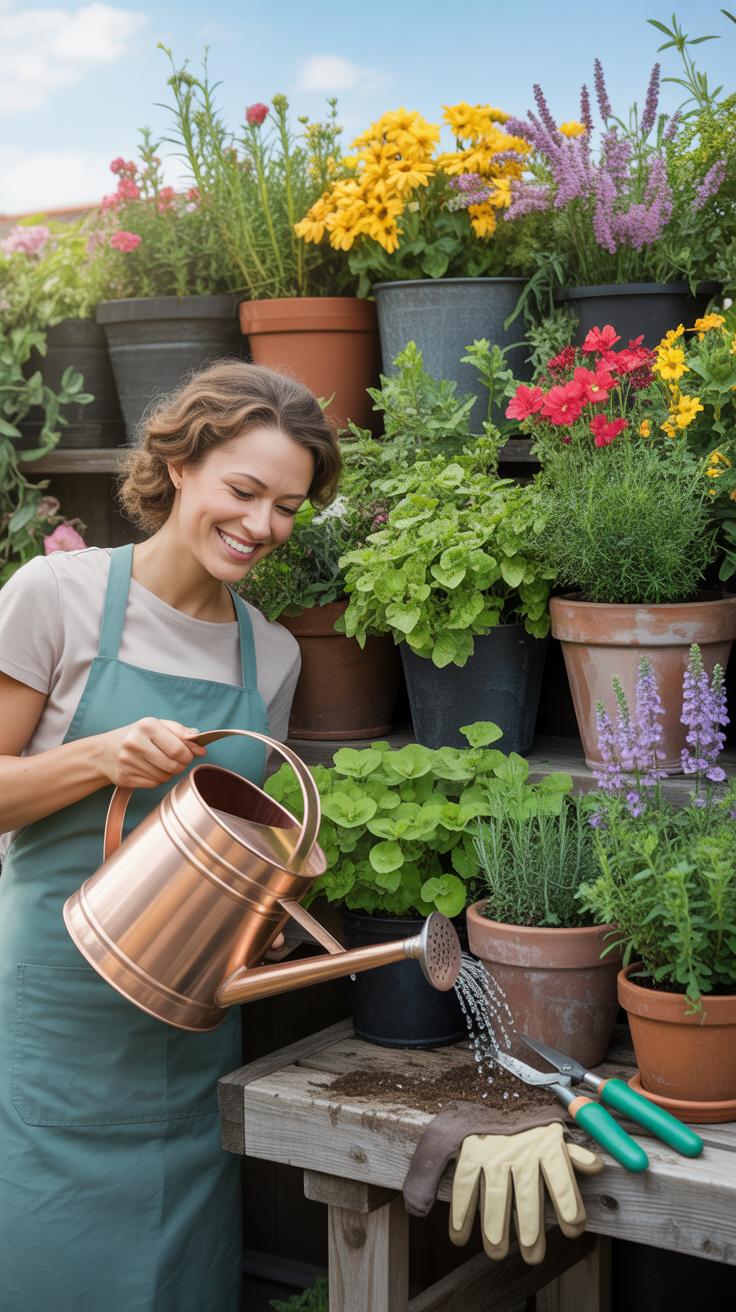
How Often To Water Outdoor Containers And Signs You Are Over Or Under Watering
Outdoor containers lose moisture faster than ground soil due to evaporation through pot walls and limited volume. Check soil daily by inserting a finger two inches deep. If the soil feels dry, apply water until it drains from the bottom holes. High temperatures and wind speed up water loss. Grouping pots together reduces evaporation. Direct water at the soil level to prevent fungal growth on leaves.
Overwatering causes yellow leaves and a foul smell from the soil. This indicates root rot from lack of oxygen. Underwatering causes wilting and crisp edges on leaves. If the soil pulls away from the pot sides, it is too dry. Rehydrate the root ball by soaking the entire base in a bin of water. Consistent moisture levels prevent stress and increase the lifespan of your plants.
Fertilizing Schedules And Soil Mix Upgrades That Keep Every Flower Pot Idea Thriving
Plants in pots exhaust soil nutrients within six weeks. Frequent watering leaches minerals out of the drainage holes. Apply a balanced liquid fertilizer every two weeks during the growing season. Use a slow-release granular option at the start of spring for baseline nutrition. Different plants require specific ratios. Use high phosphorus for blooms and high nitrogen for foliage. Do not fertilize dormant plants.
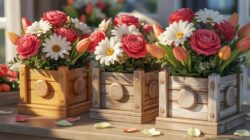
Upgrade your soil mix annually to prevent compaction and salt buildup. Replace the top three inches of old dirt with fresh compost or potting media. This adds organic matter and improves drainage. Use perlite or vermiculite to keep the structure light. Heavy garden soil suffocates container roots and limits growth. Proper soil aeration ensures roots can absorb the nutrients you provide. High-quality soil is your best defense against pests.
Frequently Asked Questions

What is the easiest way for a beginner to design a beautiful outdoor planter?
The simplest method for beginners is the “Thriller, Filler, Spiller” formula. Start by placing a tall, eye-catching plant in the center (the thriller). Surround it with mounded, colorful flowers (the fillers) to take up space. Finally, add trailing vines or ivy (the spillers) to drape over the edges. This classic approach ensures professional-looking outdoor planter arrangements every time, even if you have never gardened before.
How do I ensure my plants stay healthy in a container over the summer?
Success with outdoor planter arrangements depends on proper drainage and hydration. Always use a high-quality potting mix rather than garden soil, and ensure your container has drainage holes to prevent root rot. During peak summer heat, check the moisture levels daily. Adding a layer of mulch on top can help retain moisture, while regular deadheading of spent blooms will encourage your arrangement to stay lush and vibrant all season long.
Can I create stunning planters without spending a lot of money?
Absolutely! You can achieve high-end looks on a budget by repurposing household items like old wooden crates, galvanized buckets, or ceramic bowls as containers. To save even more, consider buying smaller starter plants that will grow into the space or propagating cuttings from your existing garden. Focus on high-impact, affordable annuals like marigolds or petunias to create lush, full designs that look expensive without the heavy price tag.