Understanding The Role Of A Bouquet For Wedding Ceremonies
The Historical Significance Of The Wedding Bouquet
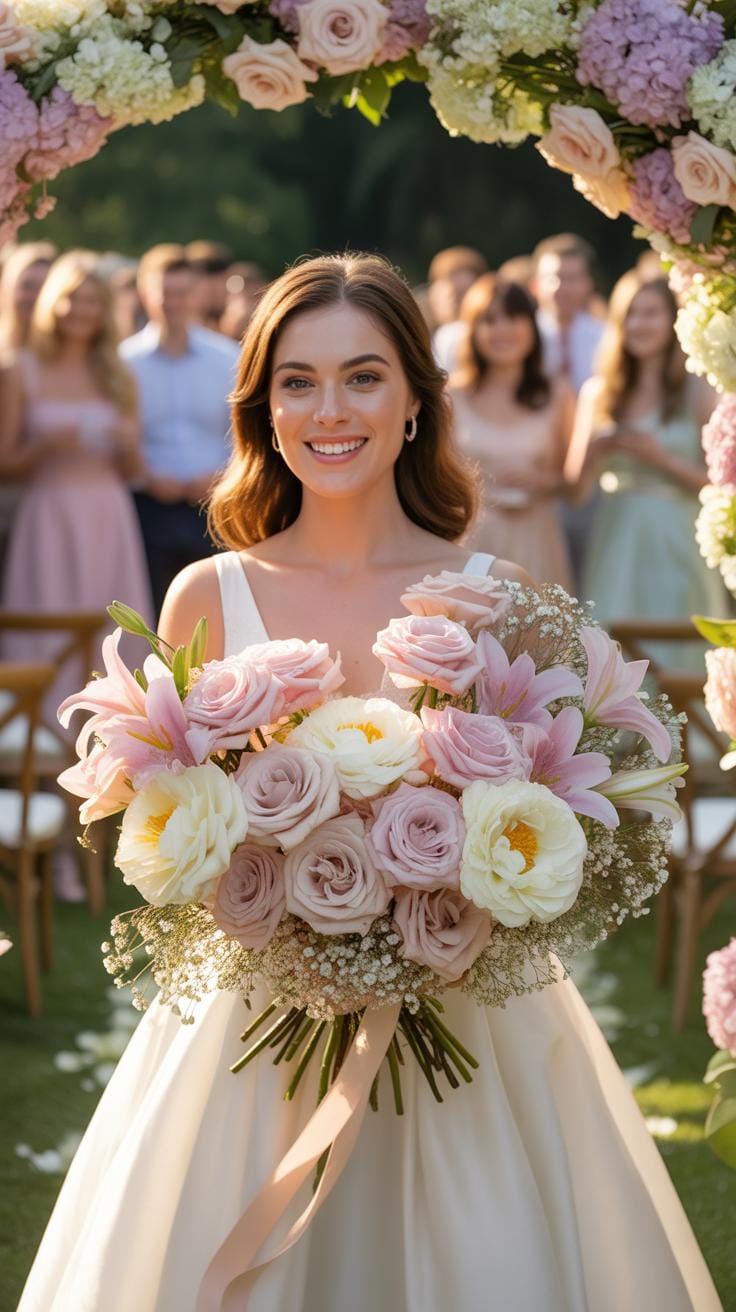
The wedding bouquet began as a functional tool rather than a decorative accessory. Ancient Greeks and Romans carried bundles of garlic, grains, and pungent herbs. These materials served a specific purpose. They believed the strong scents would ward off evil spirits and bad luck. The bouquet functioned as a protective talisman for the couple. It symbolized fertility and a hope for a successful harvest in their new life together.
By the Victorian era, the focus shifted from protection to communication. Queen Victoria popularized the use of fresh flowers during her 1840 wedding. This period introduced floriography, also known as the language of flowers. Brides selected specific blooms to send secret messages to their partners and guests. Roses meant love while lilies represented purity. This transition turned the bouquet into a sophisticated medium for expression and social signaling.
How Your Bouquet Sets The Tone For The Entire Wedding Aesthetic
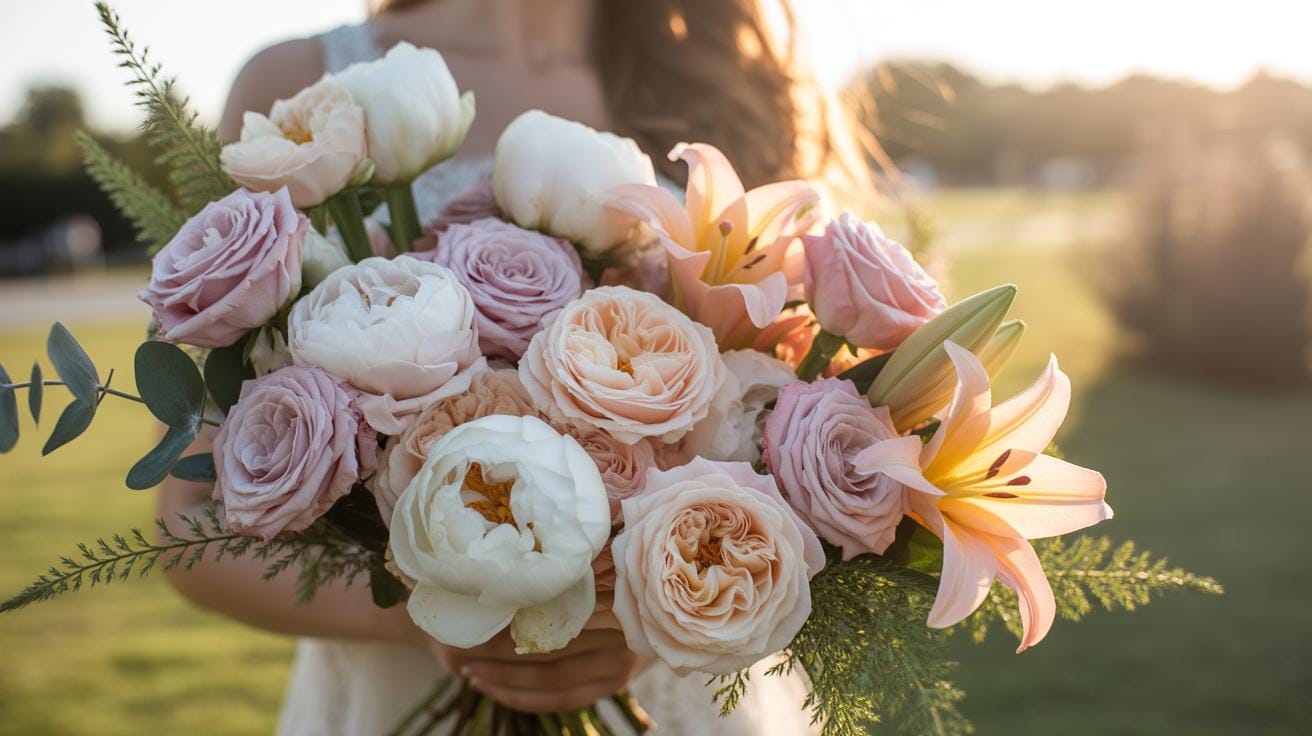
The bridal bouquet acts as the visual anchor for the entire ceremony. It dictates the color palette and the level of formality for the event. A structured bouquet with tight roses signals a traditional and formal atmosphere. A loose arrangement with diverse greenery suggests a natural or rustic theme. Floral designers use the bouquet as a blueprint to coordinate centerpieces, boutonnieres, and altar decor.
Strategic flower selection impacts the tactile and visual texture of the wedding. Hardier blooms like protea create a modern and edgy look. Soft petals like peonies establish a classic and soft environment. The bouquet bridges the gap between the bridal attire and the venue. It ensures the design remains cohesive across all photographs and guest interactions. Professional planners use this accessory to harmonize the various design elements of the day.

Exploring Popular Bridal Bouquet Ideas For Every Wedding Style
Romantic And Classic Bouquet Styles That Never Go Out Of Fashion
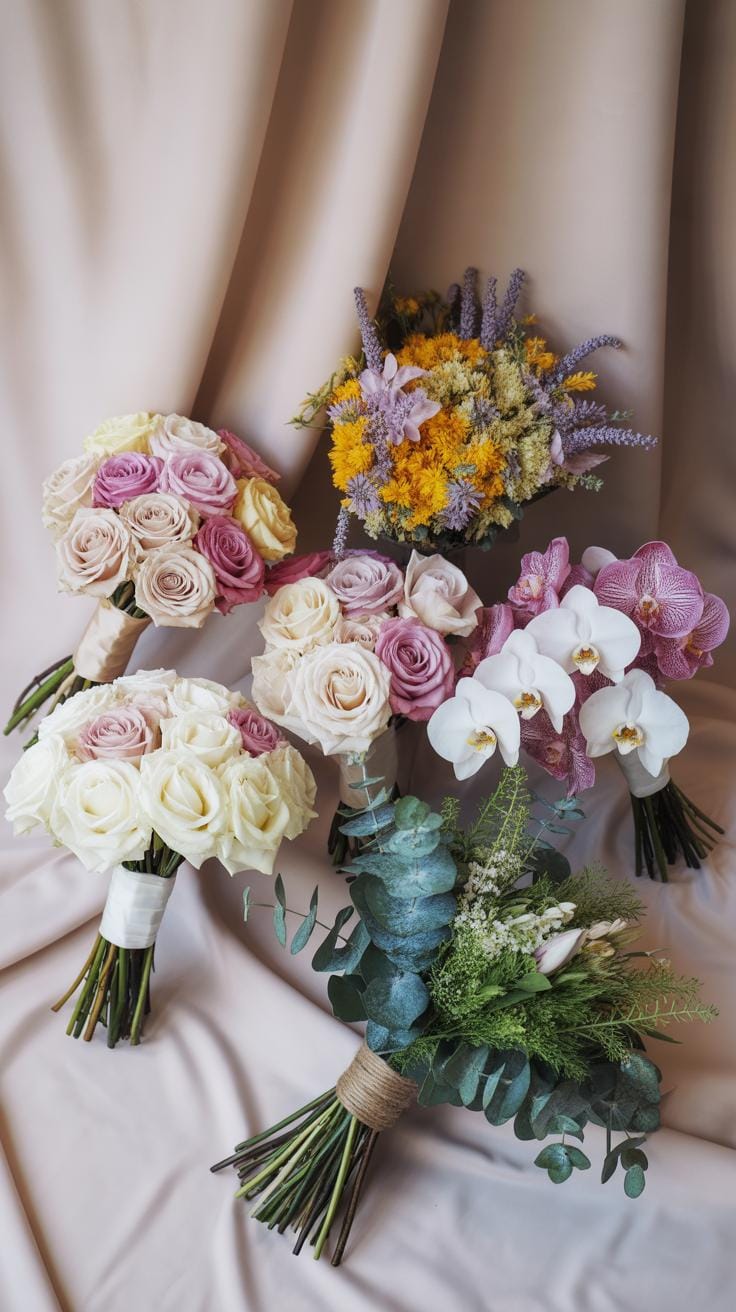
Classic bridal bouquets rely on symmetry and established floral traditions. The round mound remains the most requested shape for formal events. It uses dense clusters of roses, peonies, or ranunculus. Florists secure these stems tightly to create a uniform look. This style gained massive popularity in the nineteenth century. It works because it emphasizes color and texture without distracting from the gown.
Traditional cascaded bouquets offer a more dramatic silhouette for formal ceremonies. These designs feature a teardrop shape that flows downward. You use wiring techniques to guide stems into specific positions. Ivy and stephanotis often provide the structural base for this look. Skilled designers balance the weight to ensure the bride can carry it comfortably. This style suits long trains and ornate cathedrals.
Modern And Minimalist Bouquet Concepts For The Contemporary Bride
Modern bouquet design focuses on negative space and architectural lines. Contemporary brides often choose single stem arrangements or sparse groupings. You select one high impact flower like a protea or a long stemmed calla lily. This approach reduces visual clutter and highlights the natural form of the plant. It costs less in materials but requires precise placement. Minimalist styles fit industrial or gallery venues.

The hoop bouquet serves as a functional alternative to traditional hand tied bunches. Florists attach greenery and blooms to a metal or wooden ring. This design keeps hands free and creates a geometric focal point. You use floral wire and adhesive to secure the elements. It provides a clean look that does not wilt easily. This tactical choice works well for outdoor weddings and modern minimalist themes.
How To Choose Simple Wedding Bouquets Without Sacrificing Elegance
Why Less Is More: The Beauty Of Simple Floral Arrangements
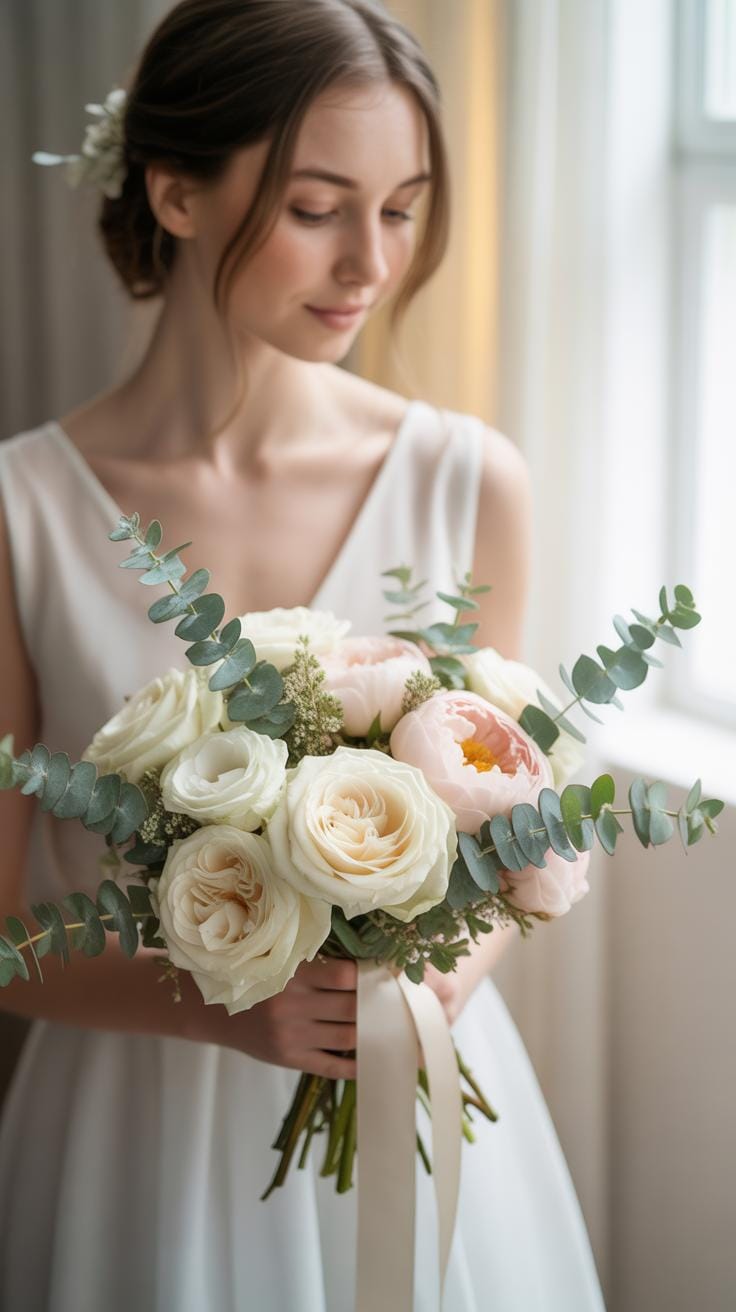
Simple wedding bouquet ideas focus on structure and form rather than excessive volume. These designs highlight the natural shape of each stem. This approach follows the principles of minimalist design movements from the mid-twentieth century. Florists use a limited color palette to create visual impact. You avoid visual clutter by restricting the number of plant species. This strategy ensures the flowers complement the dress instead of hiding it.
Modern minimalism relies on the intentional use of negative space. A smaller bouquet allows the eye to rest on key focal points. This technique requires high quality materials because every stem is visible. You cannot hide bruised petals or weak stems in a sparse arrangement. Using fewer flowers also reduces the physical weight of the bouquet. A lighter weight makes the arrangement easier to carry during long ceremonies and photo sessions.
Best Flower Choices For An Understated Yet Stunning Bridal Bouquet
Selecting the right species is the foundation of a simple bouquet. You must choose flowers with strong silhouettes and sturdy stems. Large blooms with high petal counts provide enough visual weight to stand alone. Monofloral arrangements use only one type of flower for a cohesive look. This method creates a clean aesthetic that works well in formal settings. Focus on seasonal availability to ensure the freshest possible blooms.
- Calla Lilies: These flowers offer a sleek and architectural shape that requires very little padding. Their long and smooth stems create a clean vertical line. You can carry a few stems tied with a simple silk ribbon for a sophisticated look.
- Peonies: These large blooms provide significant volume with just three or four flower heads. They work best in late spring when their natural size is at its peak. Their round shape creates a classic silhouette that feels soft but remains uncluttered.
- Long Stem Roses: Selecting a single color of long stem roses provides a timeless minimalist design. Remove all thorns and most leaves to emphasize the clean lines of the stems. This choice references traditional bridal aesthetics while following modern design rules for simplicity.
- Hydrangeas: A single large hydrangea head acts as a complete bouquet on its own. The dense cluster of small petals creates a textured look without needing additional filler plants. This is a cost-effective way to achieve a full appearance with minimal botanical variety.
- Orchids: A single phalaenopsis orchid stem offers a cascading effect that looks expensive and deliberate. These flowers are durable and stay fresh for hours without a constant water source. Use them for a modern tropical or high-fashion wedding theme.
Hand-tied techniques remain the standard for simple arrangements. Use high-quality satin or grosgrain ribbon to secure the stems. The wrap should be tight and finish about two inches above the bottom of the stalks. This keeps the bouquet secure while exposing the natural green of the stems. Proper construction ensures the flowers do not shift during the wedding. Simple designs require precision because there are no extra leaves to mask mistakes.
The Timeless Appeal Of The Cascade Bouquet For Formal Weddings
What Defines A Cascade Bouquet And Why Brides Love It
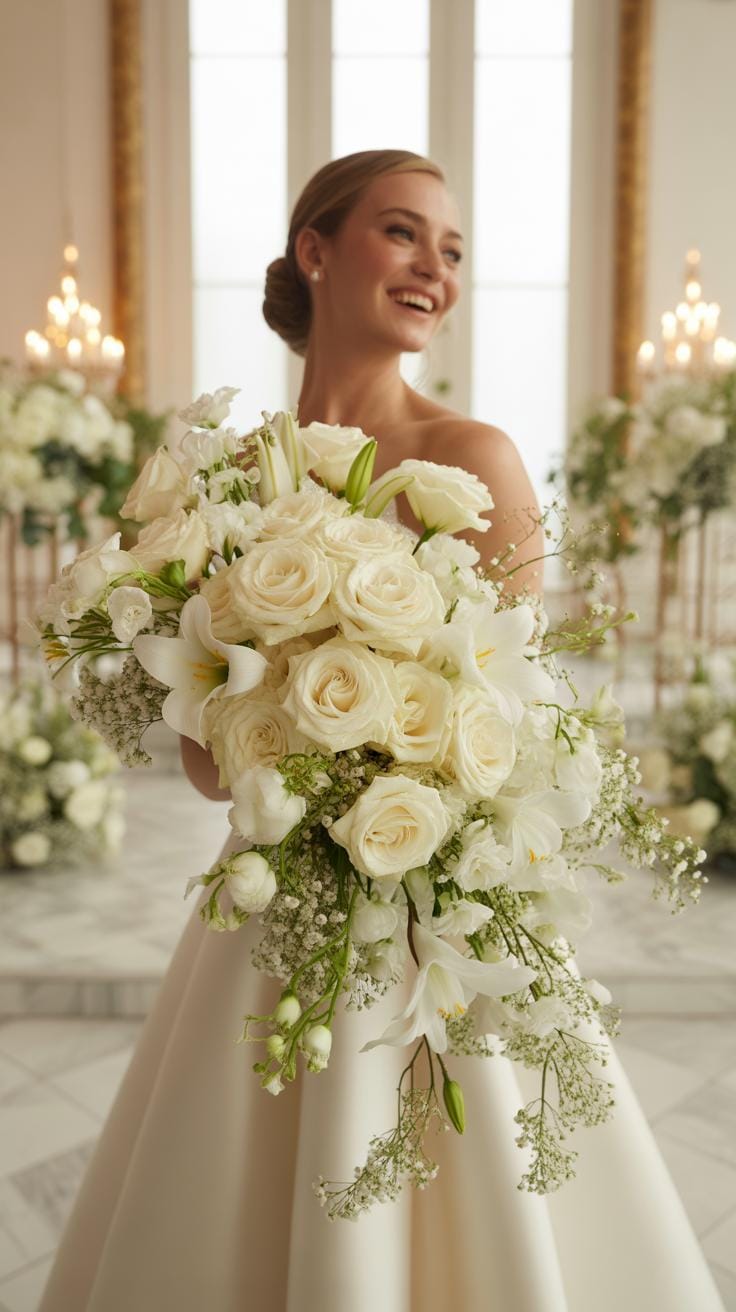
The cascade bouquet features a distinct downward flow of flowers. This style uses a rounded top that tapers into a point at the bottom. Florists often call it a tear drop or trail bouquet. It became popular in the 1920s and peaked again in the 1980s. This design emphasizes luxury and opulence. It relies on a strong structural base to support the hanging stems.
Brides choose this style for its high visual impact and formal tone. It draws the eye downward and creates a vertical line. This shape adds drama to the wedding ceremony and looks impressive in photos. The construction requires specialized skills like wiring and taping individual blooms. It holds more greenery and flowers than a standard handheld bunch. This make it a premium choice for traditional events.
How To Style A Cascade Bouquet To Complement Your Wedding Gown
Select this bouquet style only if your gown can handle the weight. The cascade works best with full A-line or ball gown silhouettes. These dresses provide the necessary scale to balance the flower arrangement. If the bouquet is too large, it will hide your waistline or overwhelm a simple dress. Always align the width of the bouquet with your own hip width to maintain proper body proportions.

Modern cascade designs use loose greenery like eucalyptus or ivy to create motion. Avoid this style if your dress features intricate beadwork on the front skirt. The hanging stems will block the detail of the garment. Hold the bouquet at your belly button to show off your waist. Keep the trail centered to ensure your silhouette remains symmetrical. Proper positioning prevents the heavy arrangement from looking messy or accidental.
Embracing Nature With A Wildflower Bouquet For A Boho Wedding
Choosing The Right Wildflowers For A Natural And Organic Bouquet Look
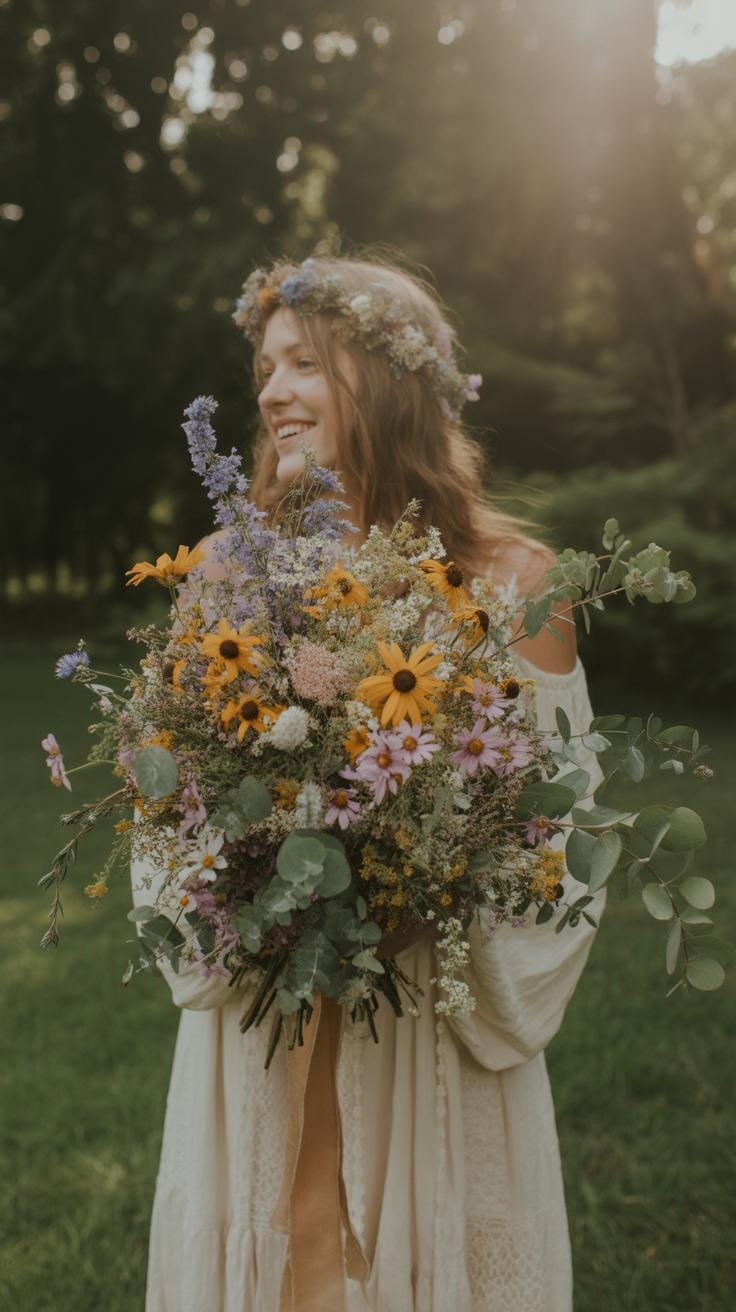
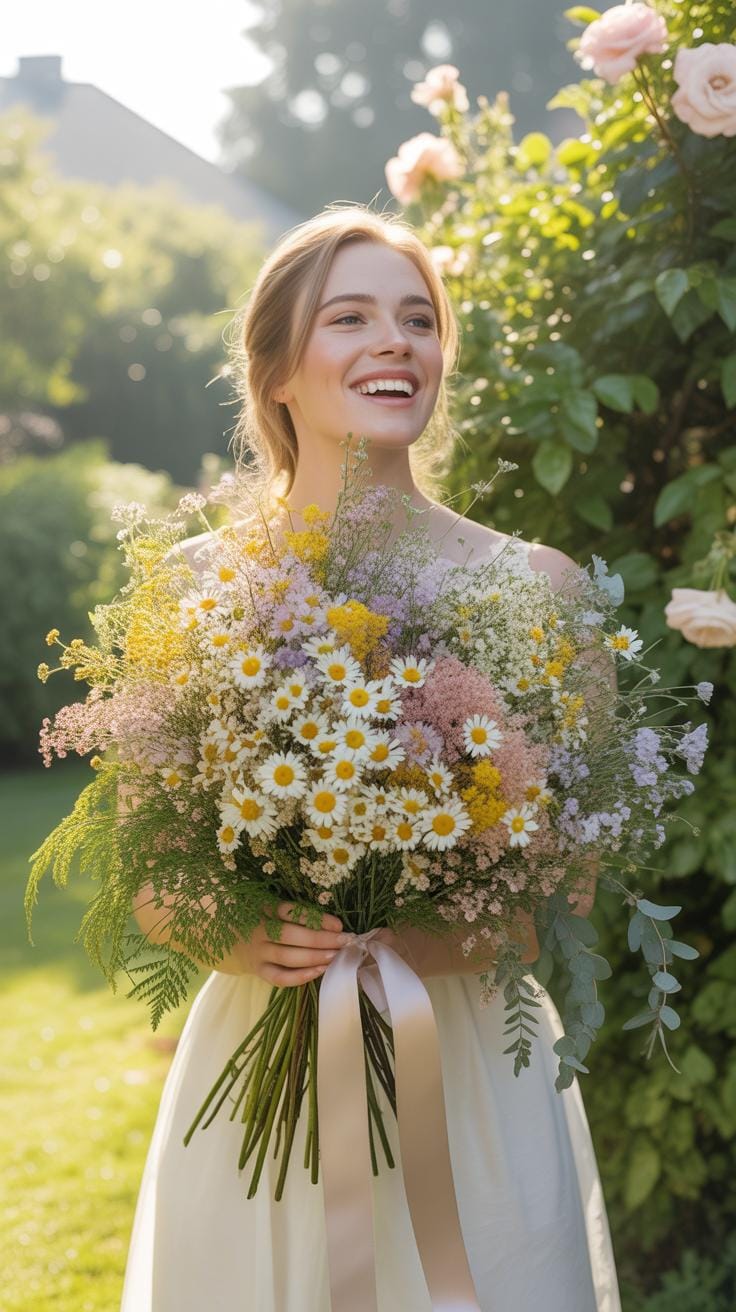
Select species that mimic the local landscape to achieve an authentic boho aesthetic. Focus on seasonal flowers with varying stem lengths and head shapes. Use primary focal blooms like poppies or cosmos for visual weight. Integrate filler plants such as Queen Annes lace or baby breath to create volume. These choices ensure the arrangement looks gathered rather than manufactured. Prioritize durability to prevent wilting during outdoor ceremonies.
Research the bloom cycles of your specific region before finalizing your selection. Hardier varieties like coneflowers and sunflowers withstand heat better than delicate field grasses. Incorporate textural elements like thistle or eucalyptus for depth. Avoid overly symmetrical or engineered hybrids that ruin the organic feel. A successful wildflower selection relies on a mix of heights and colors found in nature. Stick to three main colors to maintain visual order.
How To Arrange A Wildflower Bouquet That Feels Effortlessly Beautiful
Build the arrangement using a loose hand tied technique. Start with a foundation of greenery to establish the shape. Add focal flowers at different heights to create a three dimensional look. Do not pack the stems too tightly. Airflow between the blooms mimics how flowers grow in a meadow. Use a simple twine or silk ribbon to secure the stems. This reinforces the raw and rustic design movement.
Avoid a perfectly round silhouette to maintain the bohemian style. Allow some stems to spill over the sides for an asymmetrical finish. Use a spiral binding method to keep the stems organized without looking rigid. Trim the ends to a uniform length once the structure is secure. Check the balance from every angle to ensure no gaps exist. This method produces a professional result that appears relaxed and natural for any wedding.
Top Brides Bouquet Ideas To Match Every Season And Color Palette
Seasonal Flower Selections: What Blooms Best In Spring, Summer, Fall And Winter
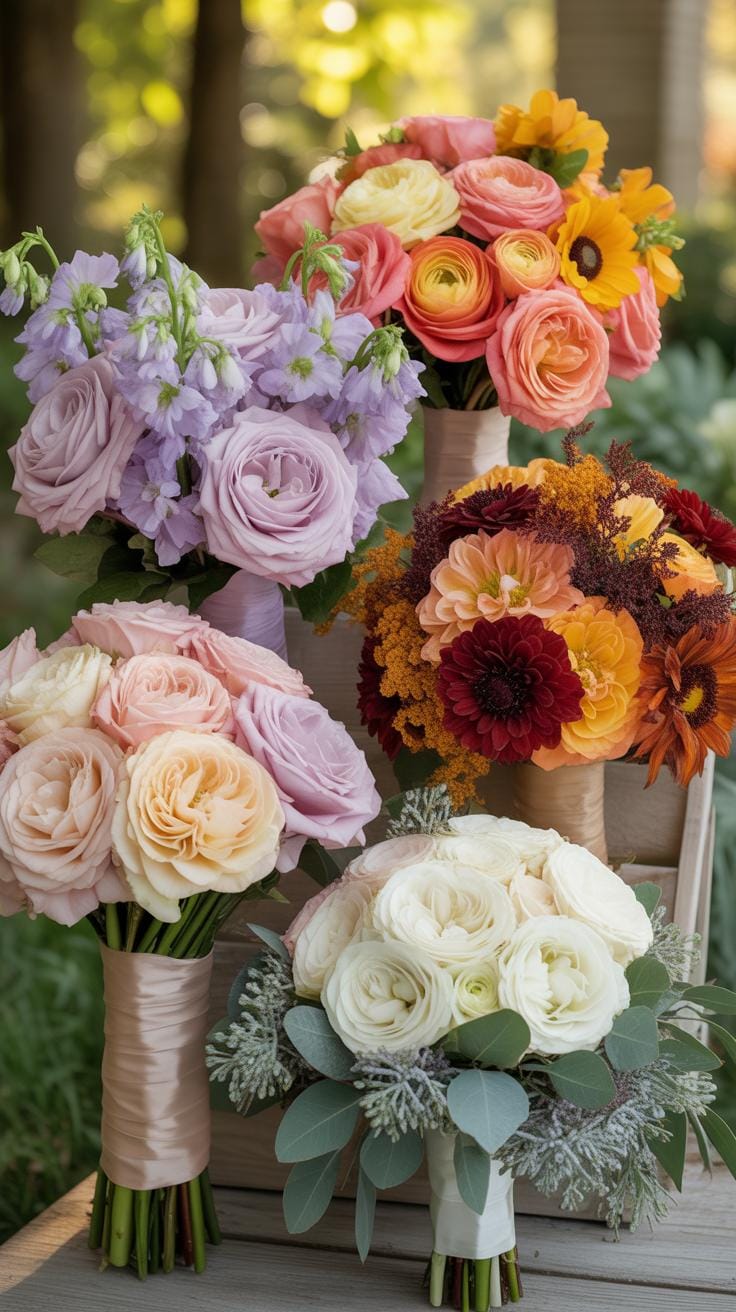
Spring dictates the use of bulb flowers like peonies and tulips when stems are flexible and fresh. These blooms thrive in cooler temperatures and offer natural structural variety. Summer heat requires hardy varieties like dahlias and zinnias that resist wilting under direct sun. Select flowers based on local farm schedules to ensure maximum hydration. This approach minimizes transport damage and keeps costs predictable during high demand months.
Fall designs rely on textural elements like dried grasses and late season mums. These materials handle fluctuating humidity levels without losing their shape. Winter bouquets focus on evergreen foliage and forced bulbs like amaryllis. Use orchids or waxflowers for durability in freezing conditions. Selecting seasonal stems ensures the vascular system of the plant remains open. Native plants always provide the most reliable performance for any outdoor event schedule.
Coordinating Your Bouquet Colors With Your Wedding Theme And Bridesmaid Dresses
Color coordination starts with the color wheel to find high contrast or harmonious matches. Use complementary colors like blue dresses with orange tinted blooms to create visual tension. High contrast palettes ensure the bouquet does not disappear against the bridesmaid gowns. Check the fabric sheen before selecting flower finishes. Satin dresses often require matte foliage to balance the light reflection in professional event photography.
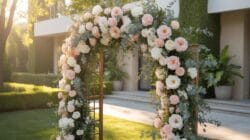
Neutral themes benefit from varied green tones to build depth without adding clashing pigments. Match the undertone of the floral white to the bridal gown to avoid a yellowed appearance. Cool toned fabrics require silver based greenery like eucalyptus or dusty miller. Warm fabrics pair better with gold toned grasses or ruscus. Strategic color placement directs the eye toward the bride and maintains a cohesive visual identity across the entire wedding party.
Mastering Wedding Bouquet Design Shape Texture And Structure
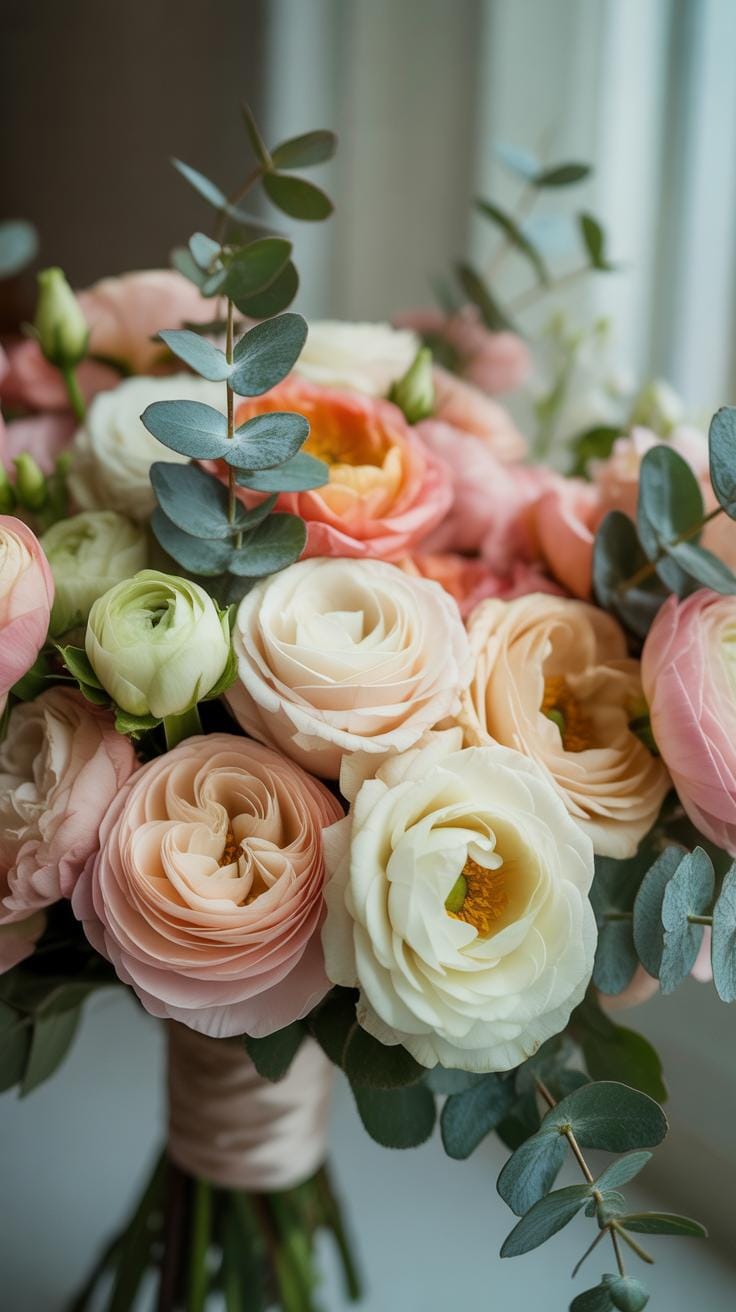
Understanding Bouquet Shapes: Round, Posy, Hand Tied And Nosegay Styles Explained
Round bouquets use a dense arrangement to create a perfect sphere. These designs often feature a single flower type like roses or carnations for a clean look. The posy is a smaller version of the round style. It is light enough to hold in one hand. Brides often choose posies for their bridesmaids because they do not overwhelm the dress or the frame.
Hand-tied bouquets look natural and loose. Florists bundle the stems together and tie them with ribbon or twine. This style shows the raw stems at the bottom. The nosegay is a compact cluster of flowers and greenery focused on fragrance. Historically, people used nosegays in the 15th century to mask bad odors. Today, they serve as a stiff, formal option for traditional ceremonies.
Essential Tips For Working With A Florist To Achieve Your Dream Bouquet Design
Communicate your budget and color palette before the first meeting. Bring photos of your dress and the venue to provide context. A florist needs to see the fabric and scale of your gown to suggest the right bouquet size. Detailed visual aids prevent costly misunderstandings. Be honest about your favorite flowers but stay open to seasonal substitutions that save money.
- Define Your Budget Early: Share your total floral budget immediately. This allows the designer to select specific blooms that fit your price range without compromising the overall aesthetic or structural integrity of the arrangement.
- Provide Visual References: Bring high-quality photos of bouquets you like and ones you dislike. Categorizing images helps the florist identify the exact textures and shapes that appeal to your personal style.
- Consider Seasonal Availability: Ask which flowers are in season during your wedding month. Using local, seasonal blooms ensures freshness and reduces shipping costs. Out-of-season flowers often wilt faster and cost significantly more.
- Discuss Stem Mechanics: Ask how the florist will secure the bouquet. Options include floral foam, wire, or natural clutch stems. The construction method affects the weight of the bouquet and how long the flowers stay hydrated.
- Request a Mockup: Schedule a trial session to see a sample bouquet. Seeing the physical arrangement allows you to adjust the size, weight, or color balance before the final event arrives.
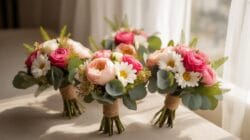
Trust the expertise of your floral professional regarding structural integrity. Large bouquets require internal wiring to prevent drooping during long photo sessions. Ask about the weight of the final product. A heavy bouquet causes fatigue and poor posture. Ensure the florist uses high-quality floral tape and ribbon to secure the stems. Proper mechanics keep the design together from the ceremony through the reception.
Creating An Elegant Lily Bouquet For A Sophisticated Wedding Day Look
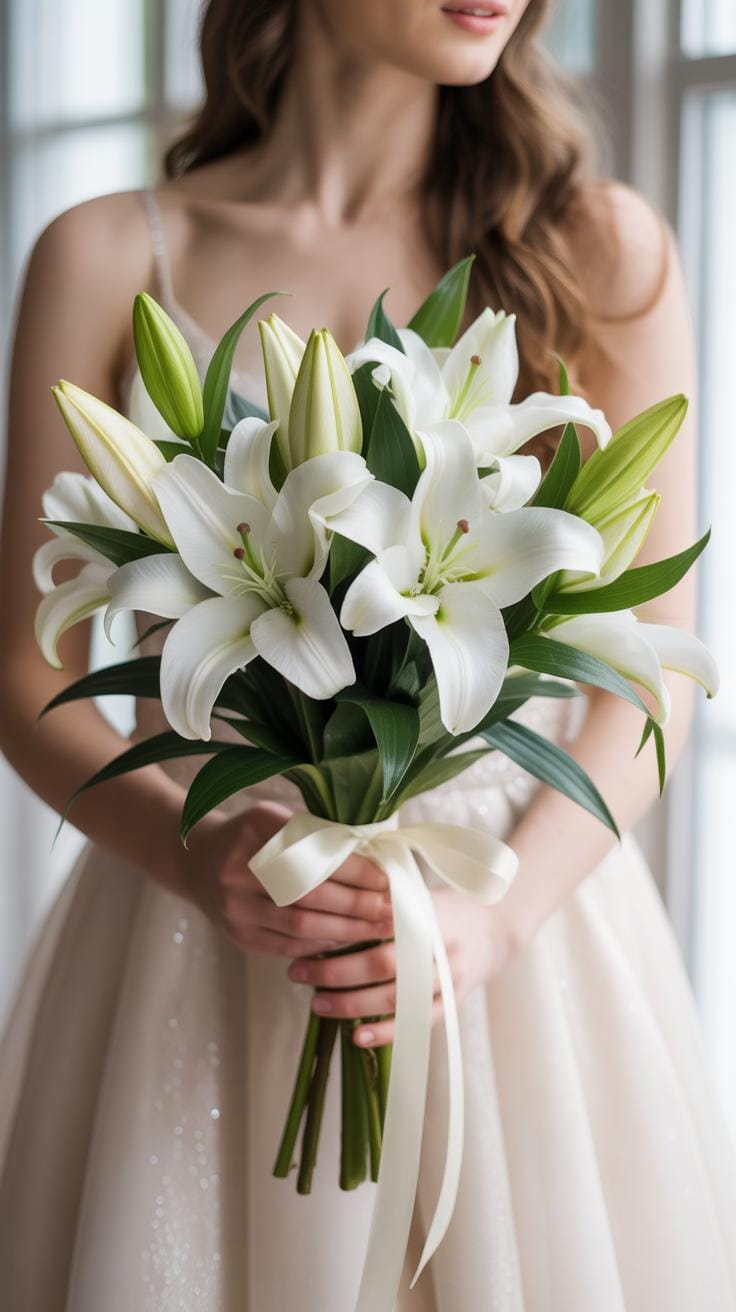
Why Lilies Are A Timeless And Meaningful Choice For Bridal Bouquets
Lilies represent a standard in formal floral design due to their structural integrity and historical symbolism. In Victorian floral language, the lily signified purity and refined beauty. Modern weddings utilize these blooms for their large surface area and clean lines. They command attention without requiring excessive fillers. This makes them a cost-effective but high-impact choice for brides seeking an upscale and polished aesthetic.
The architectural shape of the lily provides a clear focal point for any arrangement. Varieties like Calla lilies and Longiflorum lilies offer different silhouettes to suit specific wedding themes. Their thick stems make them durable for long events. They resist wilting better than delicate garden flowers. Choosing lilies ensures the bouquet remains crisp and professional from the ceremony through the evening reception photos.
Love is the flower you’ve got to let grow, but a bouquet is the art of weaving those memories together.
How To Pair Lilies With Complementary Flowers And Greenery For Maximum Impact
Pairing lilies requires a focus on scale and texture. Large Oriental lilies work best with smaller, supporting flowers like spray roses or stephanotis. These secondary blooms fill gaps without competing for visual dominance. Use dark, glossy foliage like Ruscus or Salal to provide a high-contrast background. This contrast makes the white or pale petals of the lily stand out. It creates a professional and clean look.
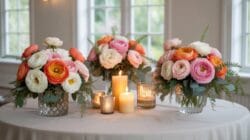
Strategic placement of greenery defines the shape of the bouquet. For a cascading look, use eucalyptus or ivy to draw the eye downward. For a tight round bouquet, keep the greenery minimal and tucked beneath the blooms. Avoid using too many different colors. Limit the palette to two or three tones to maintain a sophisticated feel. This disciplined approach prevents the arrangement from looking cluttered or disorganized during the event.
Budget Friendly Wedding Bouquet Ideas Without Compromising On Beauty
How To Source Affordable Blooms While Maintaining A High End Bouquet Appearance
Sourcing seasonal flowers reduces costs and ensures freshness. Local farms provide stems without high shipping fees or middleman markups. Focus on large focal flowers like hydrangeas or garden roses to fill space quickly. These blooms cover more surface area than smaller varieties. This strategy requires fewer total stems to achieve a lush look. Using fewer, high-quality focal pieces creates a professional and expensive aesthetic.
Incorporate greenery to add volume for a lower price point. Foliage like eucalyptus or ruscus costs less than premium floral stems. Designers use massing techniques from the Modernist movement to create visual impact with simple materials. Grouping identical, inexpensive flowers together creates a clean and intentional design. Avoid rare imports that require air freight. Sticking to domestic crops keeps the budget low while maintaining high visual quality.
DIY Vs. Professional Florist: Which Option Is Right For Your Wedding Bouquet
DIY bouquets save money but require significant time and labor. You must buy tools like floral tape, shears, and buckets relative to your flower volume. Proper cold storage is essential to prevent wilting before the event. Most beginners underestimate the time needed for hydration and prep. Choose this path only if you have a dedicated workspace and help. It works best for simple, rustic styles.
Professional florists offer technical expertise and reliable sourcing. They understand mechanics like wiring and water tubes that keep flowers alive in heat. A pro handles the logistics of delivery and setup. This removes stress during the wedding morning. If your design involves complex structures or delicate blooms, hire a professional. You pay for their skill in color theory and structural integrity. This ensures your bouquet lasts through the entire ceremony.
Frequently Asked Questions

What are the most popular styles for a modern bride?
Modern brides are currently moving toward organic, asymmetrical shapes rather than perfectly round arrangements. Popular wedding bouquet ideas include the “garden-style” look, which uses plenty of greenery and varying stem lengths for a whimsical feel. Cascading bouquets are also making a major comeback, offering a dramatic, high-fashion aesthetic. Whether you prefer minimalist single-variety bunches or lush, multi-textured designs, the goal is to reflect your personal style through unique floral combinations.
How do I choose flowers that will stay fresh all day?
To ensure your wedding bouquet ideas look vibrant from the ceremony to the final dance, choose hardy blooms like roses, orchids, or lilies. Always keep your arrangement in a cool, shaded spot when not in use and trim the stems at an angle before placing them in water. If you are getting married in high heat, consider using succulents or tropical greenery, as these varieties withstand wilting much better than delicate wildflowers.
Can I create a beautiful arrangement on a tight budget?
Absolutely! You can achieve stunning results by focusing on seasonal blooms and incorporating cost-effective “filler” greenery like eucalyptus or ferns. Another smart tip is to choose a few large, focal flowers—like hydrangeas or dahlias—which take up more space and require fewer stems overall. Mixing premium silk flowers with real greenery is another excellent way to save money while still achieving a high-end, professional look for your special day.