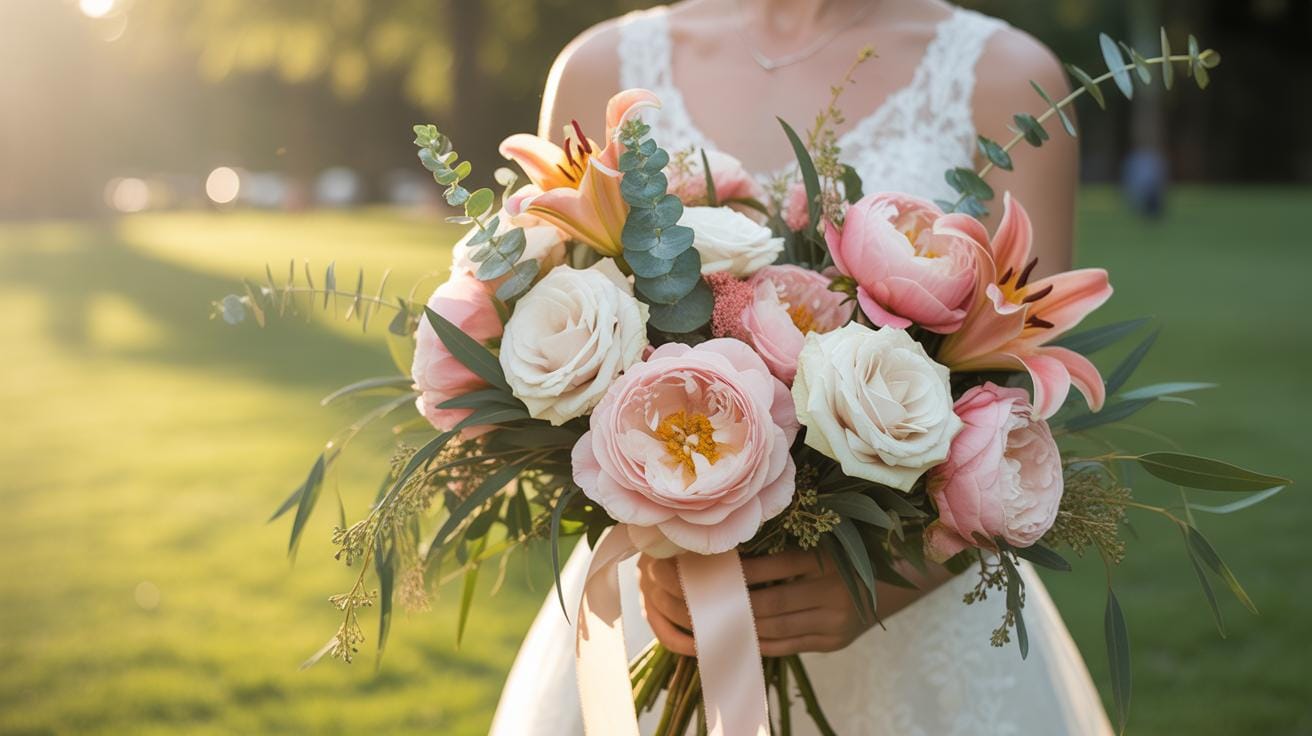
What Is A Bridal Bouquet And Why Does It Matter On Your Wedding Day
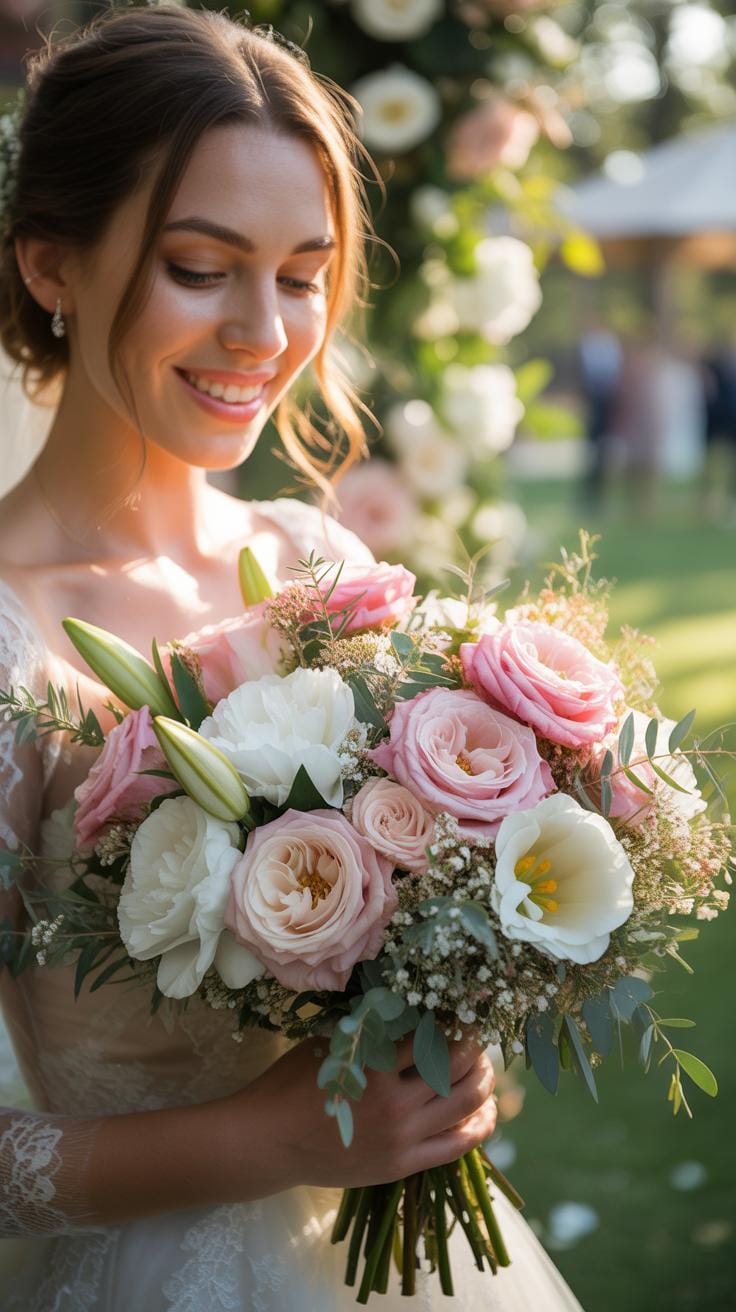
The History And Symbolism Behind The Bridal Bouquet
Early bridal bouquets served a functional purpose to mask body odor before modern hygiene standards. Ancient Greeks and Romans carried bundles of garlic, grains, and pungent herbs. These materials symbolized fertility and warded off evil spirits. By the Victorian era, the meaning shifted toward silent communication. Flowers became a secret language for couples to express specific emotions or intentions without speaking.
Queen Victoria popularized the modern floral bouquet during her 1840 wedding. She chose moss rose and myrtle to signify love and domesticity. This choice redirected wedding trends from edible herbs to decorative blooms. Today, bouquets reflect the personality and heritage of the bride. They act as a visual bridge between ancient tradition and contemporary style. The arrangement remains the most significant accessory of the ceremony.
How The Right Bouquet Complements Your Overall Wedding Look
The bouquet acts as the focal point of your visual presentation. It balances the proportions of your wedding dress. A large arrangement can overwhelm a simple sheath gown. Conversely, a small bouquet might disappear against a heavy ballgown. Correct scaling ensures that the flowers enhance your frame rather than distracting from it. Strategic floral design also highlights specific details of your garment like lace or beading.
Color theory plays a vital role in this coordination. The bouquet provides a necessary contrast to the white or ivory fabric of the dress. It ties the bridal party together by echoing the colors found in bridesmaid dresses and table settings. Professional planners use the bouquet to set the tone of the event. A structured bundle communicates formality, while an organic shape suggests a more relaxed or natural atmosphere.

Exploring The Most Popular Brides Bouquet Ideas For Every Wedding Theme
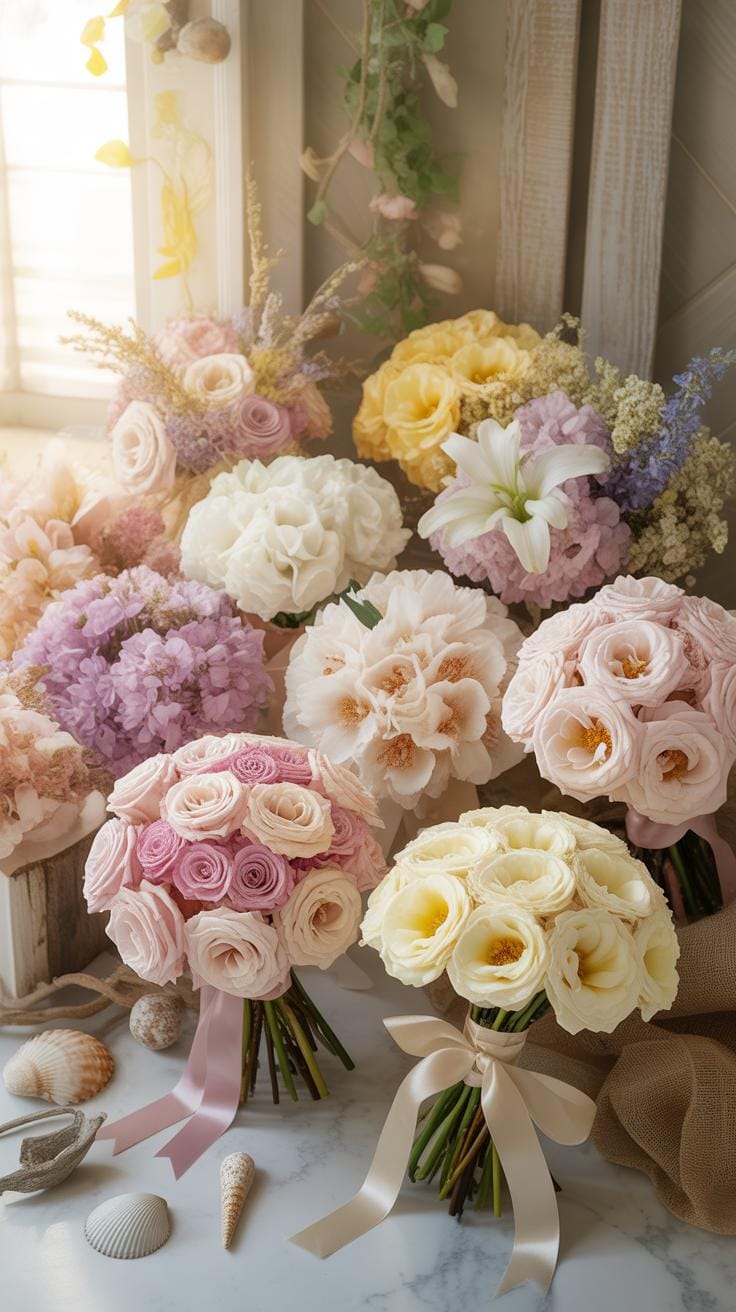
Matching Your Bouquet Style To Your Wedding Theme And Venue
Your bouquet must align with the architectural scale of your venue. Grand cathedrals require long trails or large volume to avoid disappearing against the backdrop. Minimalist gallery spaces demand structured forms like the composite or single stem. Aligning the floral mass with the room size prevents visual imbalance. Choose shapes that complement the venue lines to ensure the design looks intentional and professional.
Theme dictates the botanical selection and construction method. Industrial settings favor architectural greenery and exposed stems. Traditional ballroom settings require formal symmetry and dense floral placement. Match the textures of your flowers to the venue materials. Rough stone walls pair well with wilder organic shapes. Polished marble demands clean edges and tight blooms. Precise coordination between the setting and the bouquet creates a cohesive aesthetic.
Classic Vs. Contemporary Bouquet Ideas Brides Are Loving Right Now
Classic styles rely on proven geometry and historic tradition. The round posy remains the standard for formal ceremonies due to its clean profile and structural integrity. Biedermeier designs offer a focused concentric pattern that emphasizes color contrast. These styles suit traditional silk or satin gowns. They provide a predictable silhouette that photographs well from every angle. Use these for a timeless look that avoids fleeting trends.

Contemporary designs prioritize movement and negative space over rigid symmetry. Modern florists use the asymmetrical hand-tied style to create a gathered look. This approach mimics natural growth patterns and uses varying stem lengths. The pageant or presentation bouquet has also returned as a sleek alternative for modern minimalist weddings. These styles focus on the individual character of each bloom rather than a uniform mass. Design for the current era by embracing imperfection.
Top Bridal Bouquet Ideas Based On Flower Meaning And Color Palette
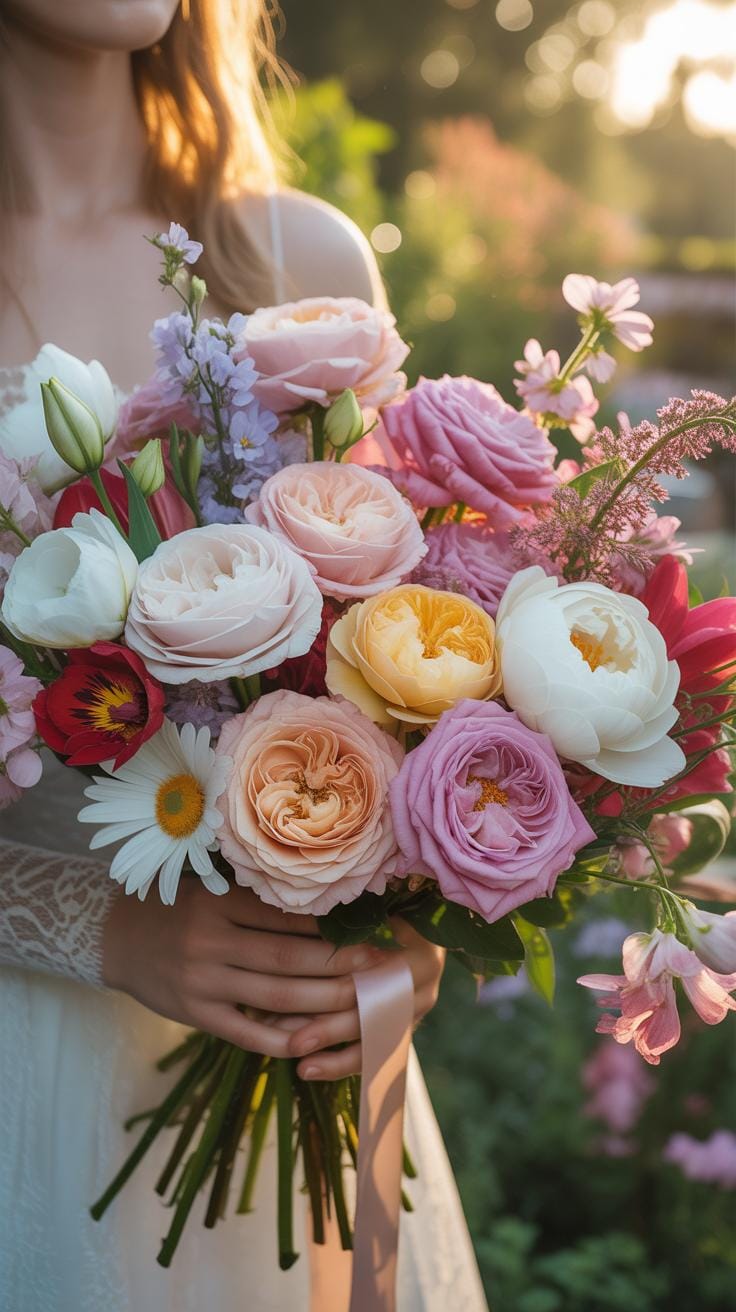
Understanding Flower Symbolism When Choosing Your Bridal Blooms
Flower meanings stem from floriography. This practice became a formal language during the Victorian era. People used specific blooms to send secret messages. In a bouquet, these meanings add a layer of personal intent. You must select flowers that match your message. Roses signify love while lilies represent purity. Researching these historical definitions ensures your floral choices carry the correct sentiment.
Do not ignore the cultural context of your flowers. White carnations mean pure love in many Western cultures. In other regions, certain blooms represent grief or bad luck. Every flower speaks a silent language. Strategic selection prevents conflicting messages. Use historical botanical dictionaries to verify meanings before finalizing your order. This step ensures your bouquet aligns with the tradition and values of your wedding day.
How To Build A Color Palette That Ties Your Bouquet To Your Wedding Day
A strong color palette starts with the color wheel. Designers use complementary or analogous schemes to create visual balance. Your bouquet must contrast or match your primary wedding colors. High contrast creates a bold focal point for photos. Monochromatic schemes offer a clean and modern look. Use warm tones like red and orange for energy. Use cool tones like blue for a calm effect.
Texture impacts how colors appear to the eye. Darker shades absorb light and provide depth in the center of the arrangement. Lighter tints catch the light and draw attention to the edges. Proper color placement directs the eye of the viewer. Balance your palette by using the sixty thirty ten rule. This means sixty percent main color, thirty percent secondary, and ten percent accent. This ratio ensures a professional result.
Choosing The Best Bouquet For Wedding Style Shape And Size Guide
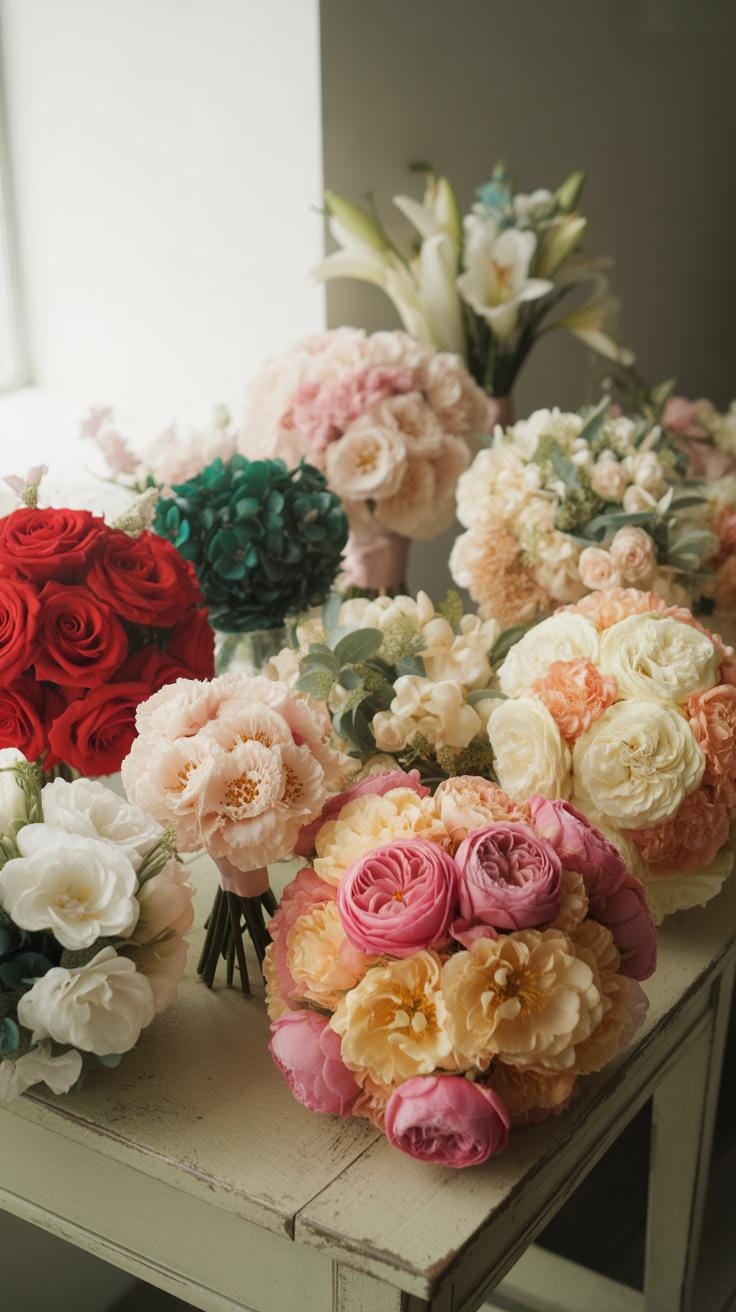
Round, Posy, Nosegay, And Other Bouquet Shapes Explained
Round bouquets remain the industry standard for formal weddings. Florists use a uniform arrangement of flowers to create a dense sphere. This style often features roses or peonies. The posy is a smaller version of this circle. It usually fits in one hand. It works well for bridesmaids or flower girls. These shapes offer a structured look that hides the stems and mechanics.
Nosegay bouquets emphasize greenery and focal blooms. They use more foliage than standard round styles. This creates a slightly organic edge while keeping a small diameter. Biedermeier bouquets take this further by placing flowers in distinct concentric rings of color. This 19th-century German style provides a geometric and highly controlled appearance. Choose these shapes if you want a clean and deliberate visual impact on the wedding day.
How Bouquet Size Should Relate To Your Dress Silhouette And Body Type
Bouquet scale must balance your physical frame and dress volume. A large arrangement can easily overwhelm a petite bride or a slim sheath dress. It hides the detail of the gown and ruins the visual line. If you wear a massive ball gown, a tiny nosegay will disappear against the fabric. You must match the diameter of the flowers to the widest part of your dress silhouette for balance.

Professional designers use the golden ratio to determine size. The bouquet should not be wider than your waistline. This ensures the viewer focuses on your face rather than the floral heavy lifting. If the dress features intricate lace or beadwork on the bodice, keep the bouquet compact. Long cascading styles suit tall brides and simple gowns. Choose your size based on ergonomics and the total visibility of your dress features.
Beautiful Wedding Flower Arrangements Ideas To Coordinate With Your Bouquet
Coordinating Your Bridal Bouquet With Ceremony And Reception Florals
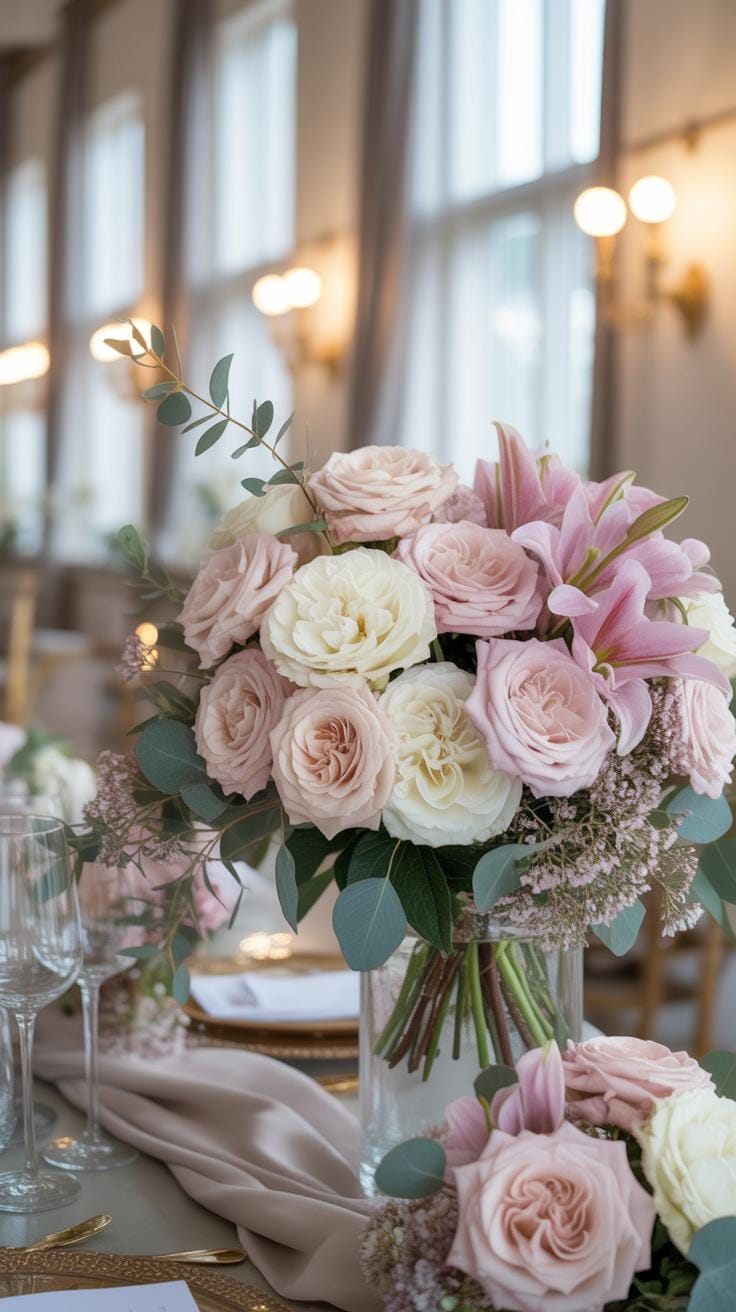
The bridal bouquet serves as the visual anchor for all secondary floral installations. You must pull specific flower species and color ratios from the handheld arrangement into larger ceremony pieces. Use the same movement and density found in the bouquet for altar sprays or pew markers. This creates a logical visual transition as the bride moves through the ceremony space toward the focal point.
Consistency in stem texture prevents a disjointed aesthetic between the bride and her environment. If the bouquet features structured architectural blooms like Calla lilies, carry that rigidity into the reception centerpieces. Use the same foliage varieties to ground the table settings. Matching the greenery ensures the reception decor feels like a deliberate extension of the bridal party’s personal flowers rather than a separate design project.
Every flower is a soul blossoming in nature, and when bound together with love, they tell the story of your most beautiful day.
Choosing A Unified Floral Design Language Across Your Entire Wedding
Select one dominant design movement to guide every floral decision. A Victorian inspired event requires tighter groupings and traditional round shapes in both the bouquet and the room. A mid century modern theme demands local, seasonal blooms with clean lines and minimal filler. Defining this language early stops you from mixing incompatible styles. It keeps the visual narrative clear for guests and photographers throughout the day.
Technical execution relies on repetition of shape and form. If the bridal bouquet uses a cascading Biedermeier style, apply those layered patterns to the buffet and bar arrangements. This repetition reinforces the chosen theme without requiring identical flower counts in every vase. Use various sizes of the same containers to maintain the design language across different scales. Proper scaling ensures the flowers fit the room while honoring the bouquet style.
How To Create Elegant Simple Wedding Bouquets That Still Make A Statement
Why Less Is More: The Case For Minimalist Bridal Bouquet Design
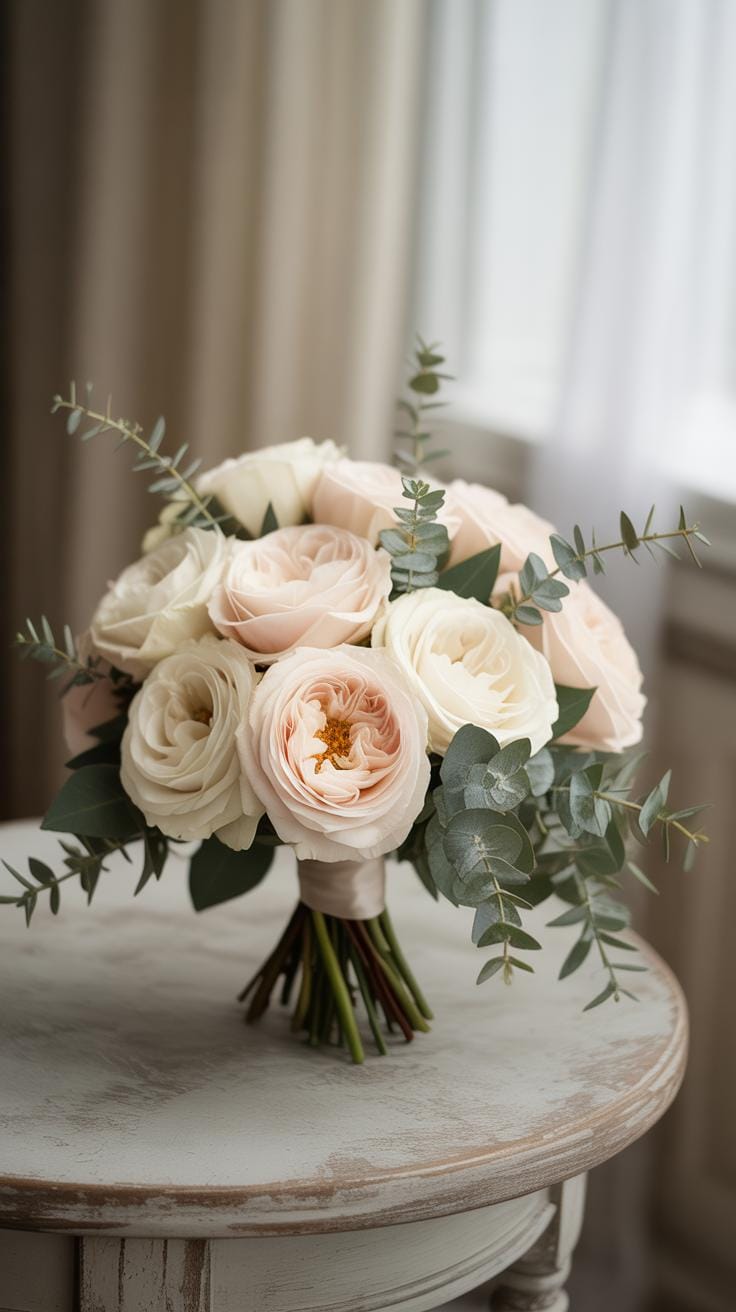
Minimalism in floral design focuses on form and negative space. A single species or a monochromatic palette removes visual noise. This strategy highlights the texture of the petals and the shape of the arrangement. Modern brides use this approach to avoid clashing with intricate dress details. A clean design ensures the flowers complement the attire rather than distract from it.
Strategic simplicity relies on high-quality stems and precise construction. Builders use the Biedermeier technique or clean clutch ties to create structure. This method originates from early nineteenth-century European design principles emphasizing geometric harmony. You achieve a premium look by selecting a few exceptional blooms. Efficiency in design saves time during assembly and reduces the total weight for the bride to carry.
Best Flower Choices And Greenery For A Clean, Simple Wedding Bouquet
Select flowers with strong silhouettes and sturdy stems for minimalist work. Focal flowers must hold their shape without excessive support wire. Traditional choices include blooms that offer high surface area and smooth textures. These selections create a cohesive look while maintaining a low profile. Avoid fillers that shed or create a messy outline. Use greenery sparingly to define the outer edges.
- Calla Lilies: These flowers provide a sleek and modern architectural line. Their thick waxy stems eliminate the need for floral tape or internal wiring. They work best in presentation style bouquets where the long stems remain visible and clean.
- Long Stem Roses: Stick to a single color to maintain a minimalist aesthetic. Remove all thorns and lower leaves to create a smooth handle. A tight cluster of roses creates a dense dome that looks intentional and expensive without needing fillers.
- Orchids: Phalaenopsis or Cymbidium orchids offer high visual impact with very few stems. Their natural drape provides movement without adding bulk. Use them as a single focal point or a cascading element to create a sophisticated and high-end profile.
- Peonies: These large blooms fill space quickly due to their high petal count. Three to five stems can create a full bouquet. Their spherical shape provides a classic silhouette that requires zero additional greenery to look finished and professional.
- Ruscus: This greenery offers a deep green color and a very clean leaf structure. It does not wilt easily and provides a sharp contrast against white or pale blooms. Use Italian Ruscus for a delicate trail or Israeli Ruscus for a rigid frame.
Balance the visual weight by grouping the same species together. This technique is called zoning and makes a simple arrangement look deliberate. Ensure every stem serves a purpose in the final shape. If a leaf or bud breaks the clean line, remove it immediately. Professional minimalist bouquets succeed because of strict editing. Finalize the design with a high-quality silk or grosgrain ribbon wrap.
The Art Of The Cascade Bouquet A Timeless And Dramatic Bridal Choice
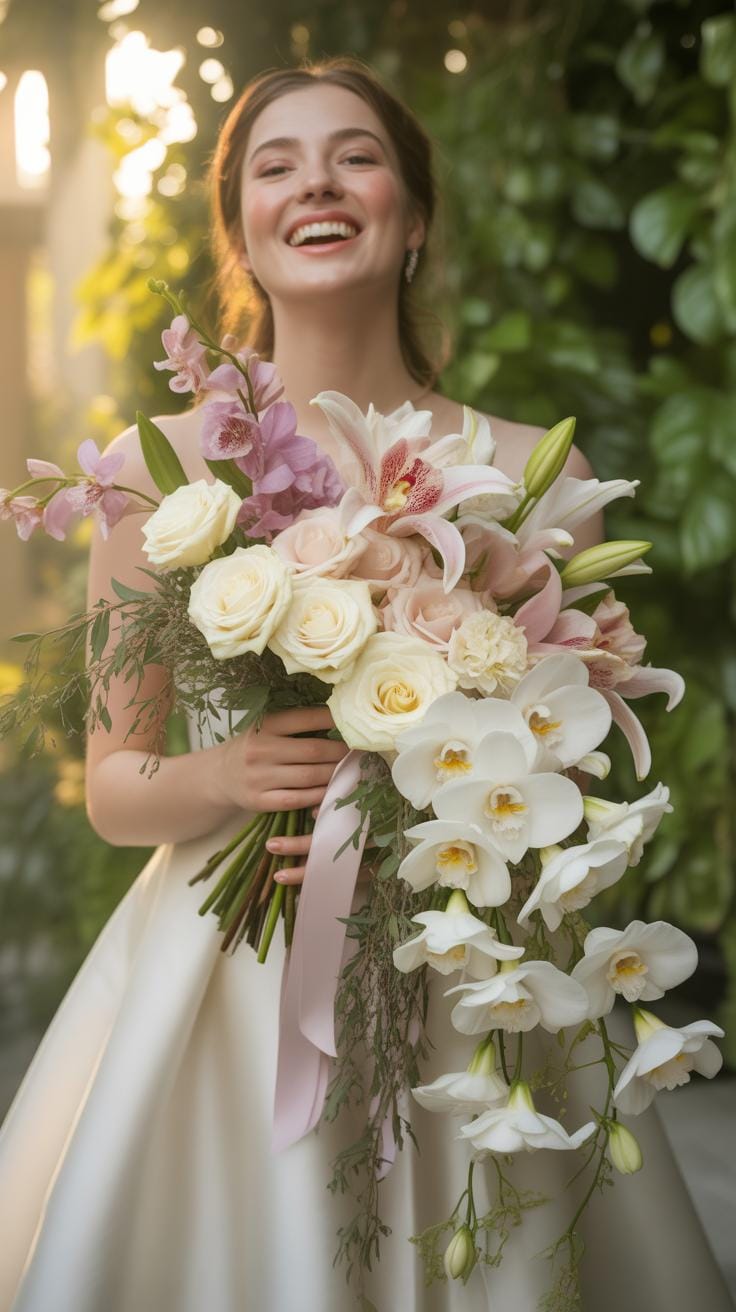
What Is A Cascade Bouquet And What Makes It So Iconic In Bridal Fashion
The cascade bouquet is a formal floral arrangement that spills downward from the hands. Floral designers create a teardrop or “waterfall” shape that tapers at the bottom. This style gained massive popularity in the early twentieth century. It represents the most traditional option for formal weddings. You choose this style when the gown has a long train or significant volume. It balances heavy fabric through vertical lines.
The design became a global standard after high-profile royal weddings in the 1980s. It uses a mix of primary focal flowers and trailing greenery to achieve length. Unlike round bouquets, the cascade requires a rigid internal structure. Florists often use wire or plastic holders to maintain the downward flow. This style marks a departure from modern minimalism. It focuses on opulence and scale. Use it to create a strong vertical focal point.
Step By Step Tips For Constructing A Cascade Bouquet With Your Florist
Construction starts with a sturdy foundation. You must choose between a hand-tied method or a foam-filled plastic holder. The holder provides a water source for the blooms. This is critical for keeping trailing vines alive during long ceremonies. Modern florists use floral wire to manipulate the direction of every stem. This ensures the bouquet does not collapse under its own weight or lose its tapered shape.
- Foundation Selection: Decide between a plastic bouquet holder or natural stems. Holders allow for more complex angles and provide constant hydration. This choice dictates how long the flowers stay fresh.
- Mechanical Wiring: Use gauge wire to support heavy flower heads. This technique prevents stems from snapping. It allows the florist to curve blooms into a specific downward arc. It adds necessary durability.
- Primary Focal Placement: Position the largest flowers at the top center. These blooms act as the visual anchor. They draw the eye before it follows the trail downward. Common choices include lilies, roses, or orchids.
- Trailing Greenery Integration: Select vines like ivy or eucalyptus to establish the length. These materials form the skeleton of the “tail.” They provide the movement and texture required for a successful waterfall effect.
- Final Balance Check: View the arrangement from the side and front. The weight must be balanced so the bride can hold it comfortably. A poorly balanced bouquet will tilt forward or strain the wrists during the walk.
Review the final weight of the arrangement during your consultation. Cascade bouquets are heavier than other styles due to the volume of plant material. Test the grip size of the handle. It must fit your hand securely to prevent accidents. Ensure your florist uses finishing spray to lock in moisture. This prevents the delicate trailing ends from wilting. Firmly anchor all elements to survive movement and photography sessions.
Mastering Wedding Bouquet Design Working With A Florist Vs DIY
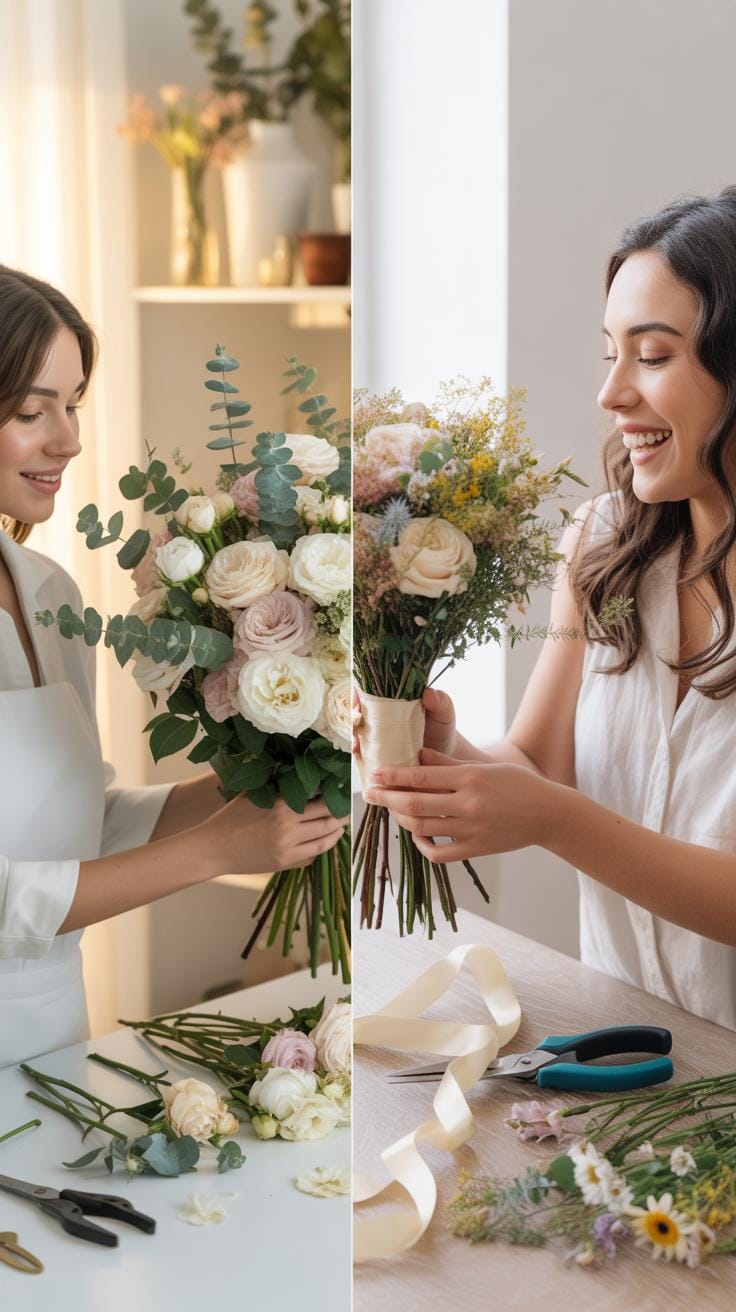
What To Expect When Working With A Professional Wedding Florist
Professional florists offer technical mastery and supply chain access that amateurs cannot replicate. They source high-grade blooms from global wholesalers and local farms. These experts understand seasonal availability and botanical compatibility. They manage the cold chain to keep flowers fresh until the event starts. Hiring a pro removes the risk of total floral failure. You pay for their mechanical skills and logistical infrastructure.
A florist handles the architectural integrity of the bouquet. They use professional tools like waterproof floral tape and various gauge wires to secure heavy stems. This ensures the arrangement remains stable during the ceremony and photos. Pros also manage the cleanup and disposal of green waste. This service allows you to focus on other wedding tasks. It is a strategic move for complex or oversized designs.
DIY Wedding Bouquet Design: Tools, Techniques, And Honest Considerations
The DIY approach requires specific tools and advanced planning to succeed. You need sharp floral shears, thorn strippers, and high-quality floral wire. Do not use standard household scissors because they crush the stems. This prevents the flower from drinking water and causes early wilting. You must also secure a dedicated cool space for storage. Most people underestimate the time required to process raw stems properly.
Design your bouquet at least one day before the wedding. Use the spiral technique to place stems to create a balanced look. This method involves crossing stems at a single point to maintain control. Always strip all leaves that will sit below the water line. Bacteria grow on submerged foliage and kill the blooms quickly. Success requires practicing your chosen style several times with grocery store flowers first.
Creating The Perfect Spring Wedding Bouquet Seasonal Flowers And Inspiration
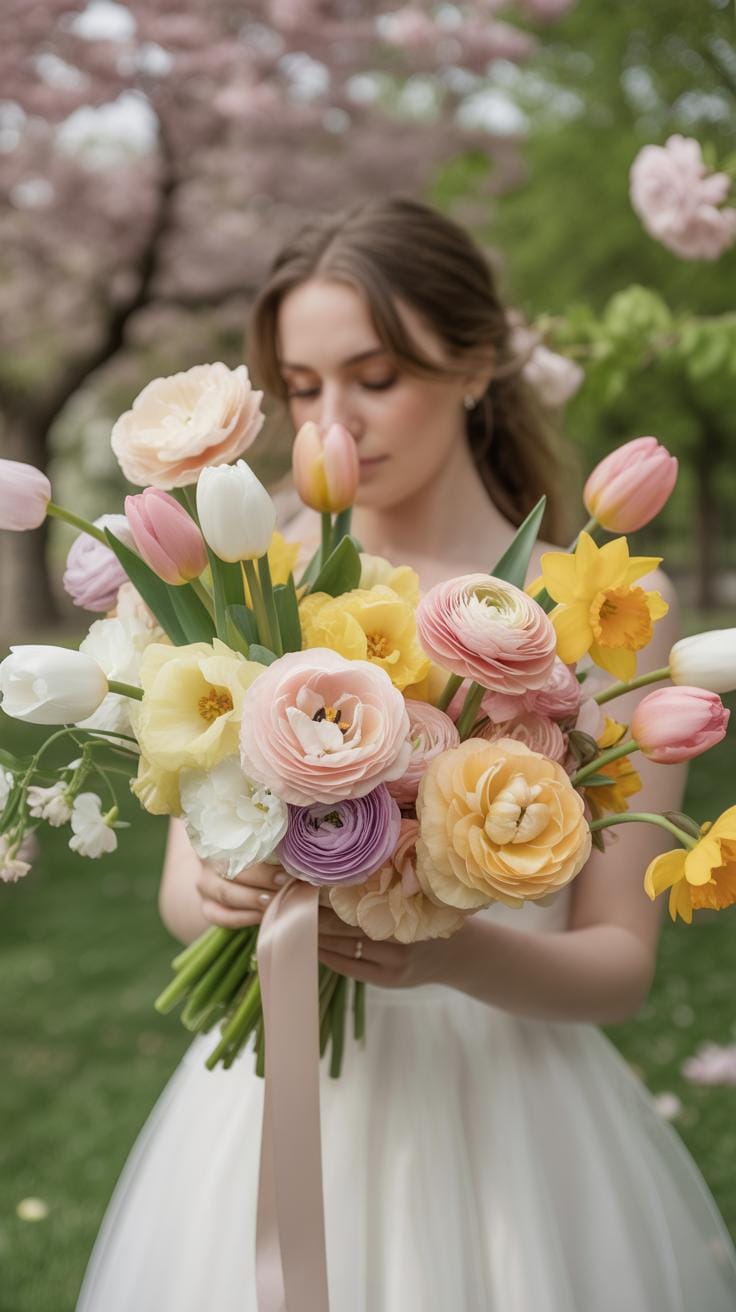
The Best Spring Blooms To Feature In A Fresh And Romantic Bridal Bouquet
Spring offers flowers with high water content and soft stems. Peonies serve as the primary focal point because of their large head size and layered petals. Sweet peas provide necessary fragrance and delicate movement to the arrangement. Ranunculus offer a structured circular form that mimics roses but fits the season better. These flowers grow naturally in cooler temperatures and thrive in early wedding months.
Tulips and hyacinths add vertical lines and texture to the design. Use parrot tulips for a more organic shape and fringed edges. Lily of the valley provides a traditional and high-end finish for smaller bouquets. These stems are light and require careful handling to prevent bruising. Focus on seasonal availability to ensure the strongest possible stems. Natural light colors define this specific period of floral design.
How To Keep A Spring Wedding Bouquet Fresh From Morning Ceremony To Reception
Hydration is the most critical factor for spring stems. Submerge the stems in cool water immediately after every photo session. Use a clean glass or plastic vessel to avoid bacterial growth in the water. Cut one inch off the bottom of the stems at a forty-five degree angle before placing them in water. This increases the surface area for water intake and keeps the petals firm.
Temperature control prevents wilting and petal drop. Store the bouquet in a refrigerator or a cool dark room until the ceremony starts. Avoid placing the flowers near fruit or in direct sunlight. Ethylene gas from fruit causes flowers to age faster and die. Use a floral sealant spray to lock moisture into the petals. These mechanical steps ensure the arrangement looks sharp for the entire event duration.
Preserving And Personalizing Your Bridal Bouquet Styles As A Lasting Keepsake
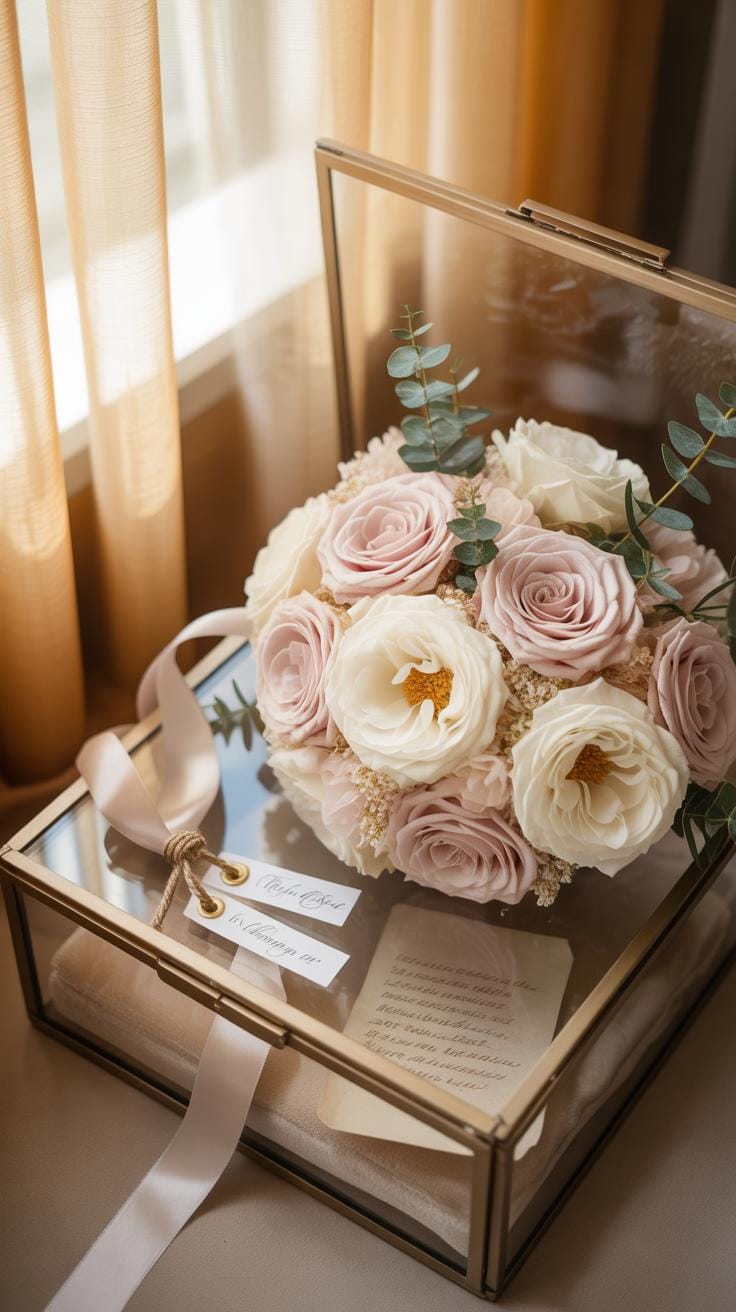
Popular Methods For Preserving Your Wedding Bouquet After The Big Day
Professional flower preservation requires immediate action after the ceremony. Silica gel drying remains the industry standard for maintaining the structural integrity of complex flower heads. This method uses porous granules to pull moisture from the petals quickly. It prevents the browning and wilting common in air drying. You must start this process within forty-eight hours of the event to ensure the colors do not fade or bleed.
Freeze drying offers the most advanced results for long-term storage. Technicians place the bouquet in a vacuum chamber to sublimate the water from the plant cells. This technique prevents the shrinking associated with traditional heat or air methods. Resin casting serves as another tactical option for modern brides. Specialists submerge dried flowers in clear epoxy resin. This creates a durable block that protects the organic material from air and dust permanently.
Personal Touches That Make Your Bridal Bouquet Uniquely Yours
Personalization transforms a standard arrangement into a historical artifact. Many designers incorporate vintage heirlooms like lace from a mother’s wedding gown to wrap the stems. This adds physical texture and connects the bouquet to a specific family lineage. Metal charms or lockets attached to the binding serve as subtle focal points. These items provide a weighted balance to the natural movement of the foliage and create a custom aesthetic.
Strategic floral choices also reflect individual identity through botanical symbolism. Some brides select specific herbs like rosemary for remembrance or lavender for devotion based on Victorian traditions. These choices are deliberate and data-driven rather than purely decorative. Using non-floral elements like structural succulents or architectural berries changes the silhouette of the bouquet. These additions ensure the design stands out in professional photography and reflects the specific style of the event.
Frequently Asked Questions

What are the most popular bridal bouquet styles for beginners to consider?
When starting your search, it is helpful to explore classic bridal bouquet styles like the round posy or the hand-tied arrangement. The round style offers a timeless, symmetrical look that works with any dress, while hand-tied bouquets provide a more relaxed, “just picked” garden feel. Understanding these basic shapes helps you communicate your vision clearly to a florist while ensuring your choice complements your overall wedding theme and silhouette.
How do I choose the right bridal bouquet styles to match my wedding dress shape?
Selecting the right bridal bouquet styles depends heavily on your gown’s silhouette. For a dramatic ball gown, a large, lush cascade bouquet creates a beautiful balance. If you are wearing a sleek sheath or mermaid dress, a smaller nosegay or a delicate pageant-style bouquet is often more flattering. The goal is to ensure your flowers enhance your look without overwhelming the intricate details of your dress or hiding your natural waistline.
Are there ways to achieve stunning floral looks on a limited budget?
Absolutely! To save money, focus on using seasonal blooms and plenty of textured greenery like eucalyptus or ferns. Selecting a few “statement” flowers and filling the rest with cost-effective stems can create a luxurious aesthetic for less. You can also repurpose your bridesmaid flowers as reception centerpieces. Minimalist designs, such as a single long-stemmed calla lily, offer a high-fashion look that remains incredibly budget-friendly for any modern bride.