
What Are Peony Flowers And Why Are They So Beloved By Gardeners
The Origin And History Of Peony Flowers Around The World
Peony flowers originate from Asia, Southern Europe, and Western North America. Chinese gardeners cultivated these plants over two thousand years ago. Early growers used the roots and seeds for medicinal purposes. They believed the plant could treat headaches and asthma. By the Tang Dynasty, the peony became a symbol of wealth and status. It eventually reached Japan and Europe during the eighteenth century.
European breeders focused on crossing different species to create modern hybrids. They wanted larger blooms and stronger stems for garden displays. French nurseries led this movement in the nineteenth century. They developed many of the classic varieties gardeners still use today. These plants moved to North America with early settlers. They remain a staple in temperate climates because they survive harsh winters and live for decades.
Why Peony Flowers Are A Timeless Favorite In Home Gardens
Gardeners choose peonies because they offer a high return on investment. These perennials can live for fifty to one hundred years in the same spot. They require very little maintenance once you establish them. You do not need to dig them up or divide them every year. Their massive blooms provide significant visual impact in late spring. They also serve as excellent cut flowers for indoor use.
The plants are deer and rabbit resistant due to their chemical makeup. This makes them ideal for rural or open suburban landscapes. Their foliage stays green and structured after the blooming season ends. This provides a solid backdrop for other summer plants. They thrive in cold climates because they need a chilling period to set buds. This hardiness ensures survival in zones three through eight without extra protection.

Understanding The Different Types Of Peony Plant Flower Photo Worthy Varieties
Herbaceous, Tree, And Itoh Peonies: What Makes Each Type Unique
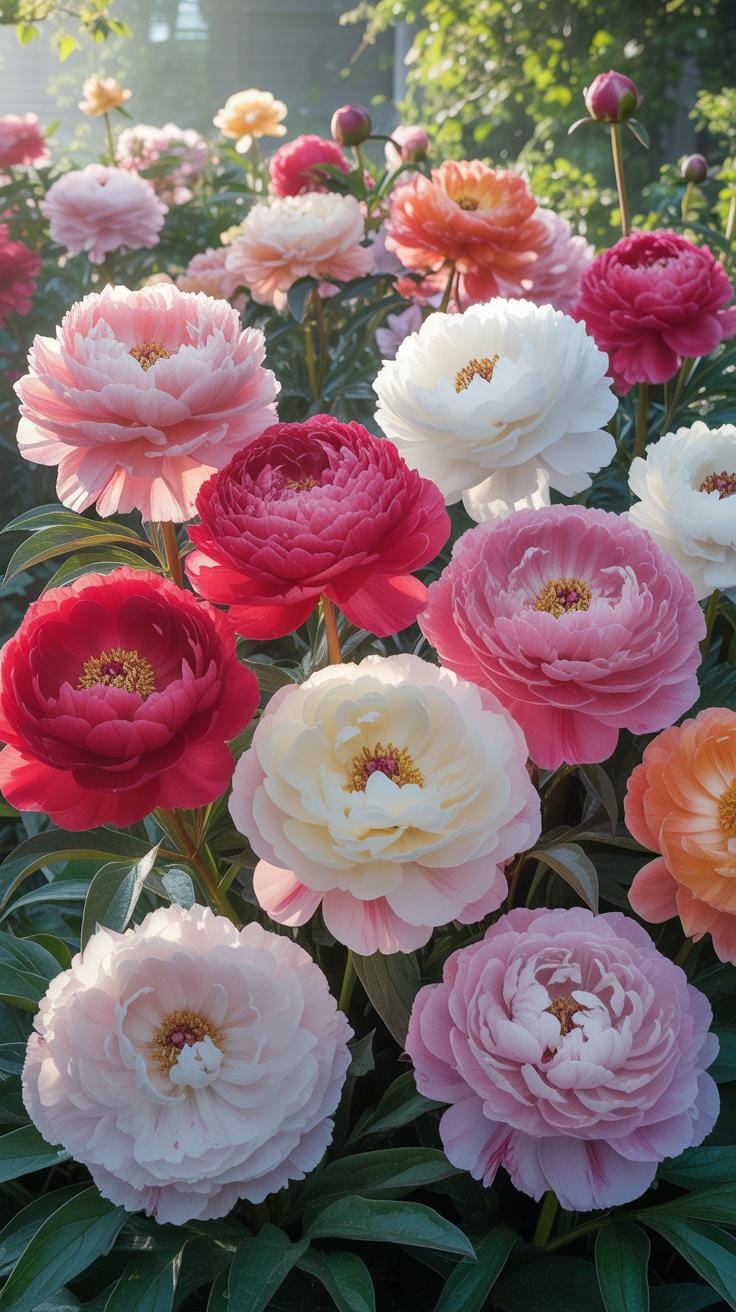
Herbaceous peonies represent the standard garden variety. These plants die back to the ground every winter. They regrow from underground tubers each spring. These varieties usually require staking because their heavy flower heads pull the stems down. They thrive in colder climates and need a chill period to set buds. This type offers the most fragrance and traditional bloom shapes for gardeners.
Tree peonies differ because they create a woody stem structure. These stems do not die back during the winter months. They grow slower than herbaceous types but reach greater heights. The flowers are often larger and bloom earlier in the spring season. Itoh peonies are a hybrid of these two types. They provide the massive blooms of tree peonies with the sturdy regrowth of herbaceous plants.
Peonies are the easiest things in the world to grow, for they take care of themselves. Plant them in the sun and they will bring a touch of grandmother’s garden to your heart every spring.
Popular Peony Flower Varieties That Are Perfect For Beginner Gardeners
Beginners should prioritize the Festiva Maxima variety for reliable results. This herbaceous peony has grown in gardens since 1851. It produces large white blooms with small crimson flecks. The stems are relatively strong compared to other older cultivars. It resists common diseases well and adapts to various soil types. This variety provides a high success rate for those new to planting peonies in temperate zones.

The Sarah Bernhardt variety is another tactical choice for new growers. This plant produces massive double pink flowers that define the classic peony look. It is exceptionally hardy and survives harsh winters without much protection. You must provide a wire cage for support because the blooms are heavy. Growers also value the Coral Charm variety. It is an early bloomer that changes color as the flower ages through the week.
How To Choose The Right Spot For Growing Peony Flowers In Your Garden
Sunlight And Soil Requirements Every Peony Plant Needs To Thrive
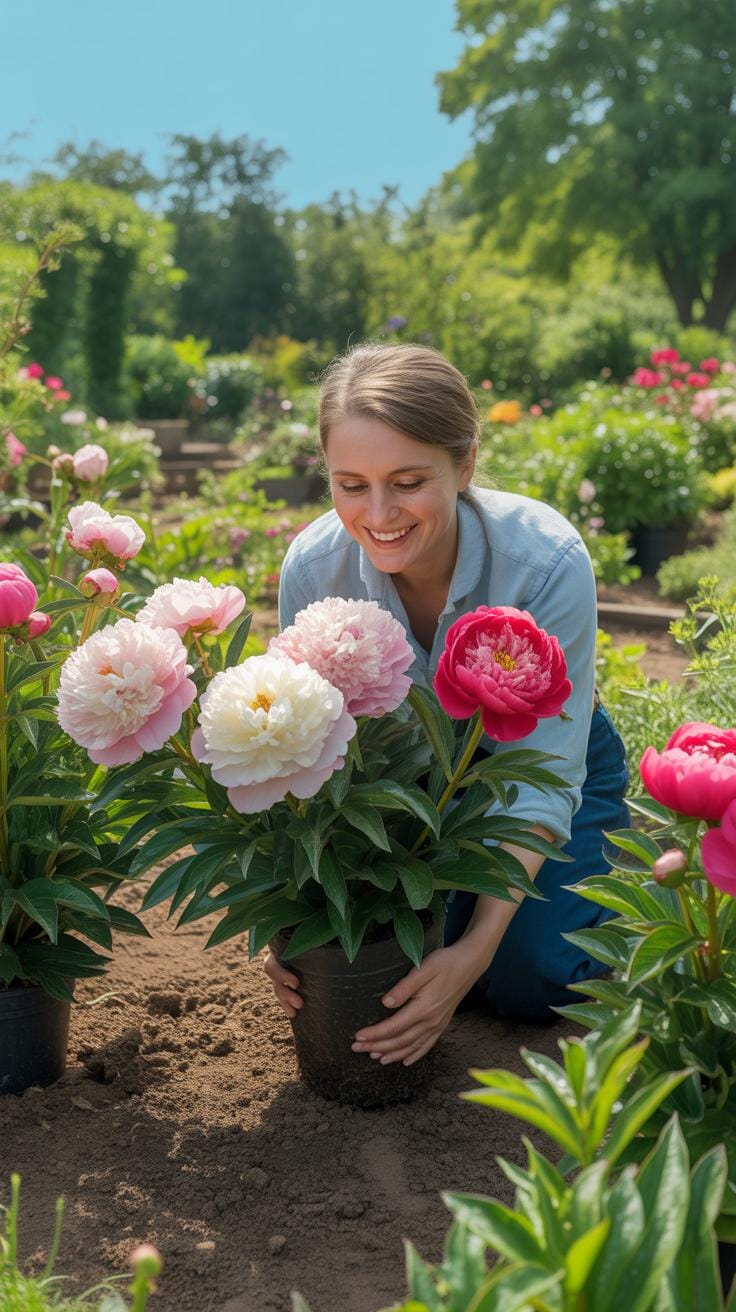
Peonies require full sun to produce large blooms and strong stems. Select a location that receives at least six to eight hours of direct light daily. Lack of sun leads to weak growth and fungal diseases like botrytis. Avoid placing them near large trees or shrubs. These competitors steal vital nutrients and water. Proper light ensures the plant builds enough energy for next year.
The soil must drain well to prevent root rot. Peonies prefer a neutral to slightly acidic pH between 6.5 and 7.0. Heavy clay soils need organic matter like compost to improve drainage. Sandy soils require amendments to hold moisture. Never plant peonies in standing water or low spots. Good air circulation around the foliage is also critical. Space plants three feet apart to stop powdery mildew.
Climate Zones And Temperature Conditions Best Suited For Peony Flowers
Most peony varieties thrive in USDA Hardiness Zones 3 through 8. These plants need a cold dormant period to set flower buds for the spring. Temperatures must drop below 40 degrees Fahrenheit for several weeks during the winter. Without this chilling period, the plant will grow leaves but no flowers. Gardeners in warmer southern zones must choose specific early-blooming varieties to find success.

Extreme heat during the blooming season can wilt the flowers quickly. Position your peonies where they have protection from harsh afternoon sun in hotter climates. High winds also damage the heavy flower heads. Use natural windbreaks or sturdy stakes to support the stems. Strategic placement reduces physical stress on the plant. Consistent weather patterns allow the peony to establish a deep and permanent root system over many years.
Step By Step Guide To Planting Peony Flowers For The First Time
When And How To Plant Peony Roots For The Best Results
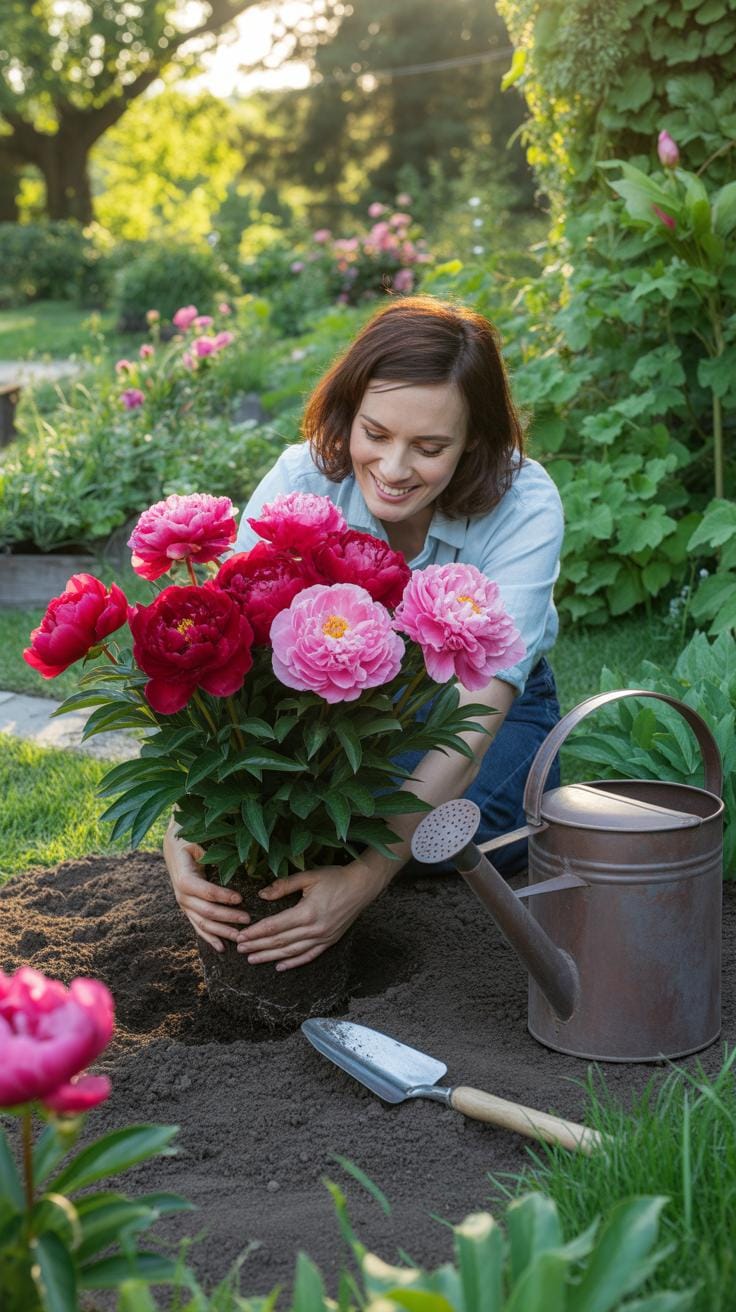
Timing determines the survival of your peonies. You must plant bare-root divisions in autumn before the first hard frost. This allows the roots to establish themselves in cooling soil while the plant is dormant. Avoid spring planting if possible. Spring-planted peonies suffer from heat stress and often fail to bloom for several years. Success depends on following this natural cycle to ensure root development.
Precision depth is the most critical factor during the planting process. You must locate the eyes, which are the small pink buds on the root. Set these eyes exactly one to two inches below the soil surface. Planting them too deep prevents flowering entirely. Shallow planting exposes the buds to freeze damage. Dig a hole twice as wide as the root mass to allow for easy expansion.
Essential Planting Tips And Materials Every Beginner Should Have Ready
Successful planting requires specific tools and soil amendments. You cannot rely on poor soil for these long-lived perennials. Peonies require a site with full sun and excellent drainage to prevent root rot. Heavy clay or standing water will kill the plant within one season. Gather your materials before you break ground to ensure the roots do not dry out during the process.
- Bare-root Divisions: Select healthy roots with three to five eyes for the fastest results. These divisions establish more reliably than container-grown plants in most climates. Ensure the roots are firm and free from soft spots or mold.
- Low-nitrogen Fertilizer: Use a balanced or low-nitrogen organic fertilizer during the planting stage. High nitrogen levels promote leaf growth but weaken the stems and reduce flower production. Focus on phosphorus to encourage strong and healthy root systems.
- Sharp Spades: Accurate hole dimensions require a sharp garden spade. You need to create a flat-bottomed hole that allows roots to spread naturally without crowding. Clean tools also prevent the spread of fungal diseases like Botrytis between different plants.
- Compost: Mix aged compost into the native soil to improve structure and nutrient content. Peonies are heavy feeders that stay in the same spot for decades. Proper soil preparation now eliminates the need for aggressive fertilization later in the plant life.
- Garden Stakes: Support systems are necessary for heavy double-bloom varieties. Install metal hoops or wooden stakes at the time of planting or early spring. This prevents the heavy flowers from sagging or snapping during rainstorms and high winds.

Position the plant away from large trees or aggressive shrubs. Peonies do not like competition for moisture or nutrients. They thrive in open areas with good air circulation to keep foliage dry. Once you place the root and fill the hole, firm the soil gently with your hands. Avoid stepping on the site as this compacts the earth and can snap the delicate eyes.
How To Care For Your Pink Peony Flower And Keep It Blooming Season After Season
Watering, Fertilizing, And Mulching Your Peony Plants The Right Way
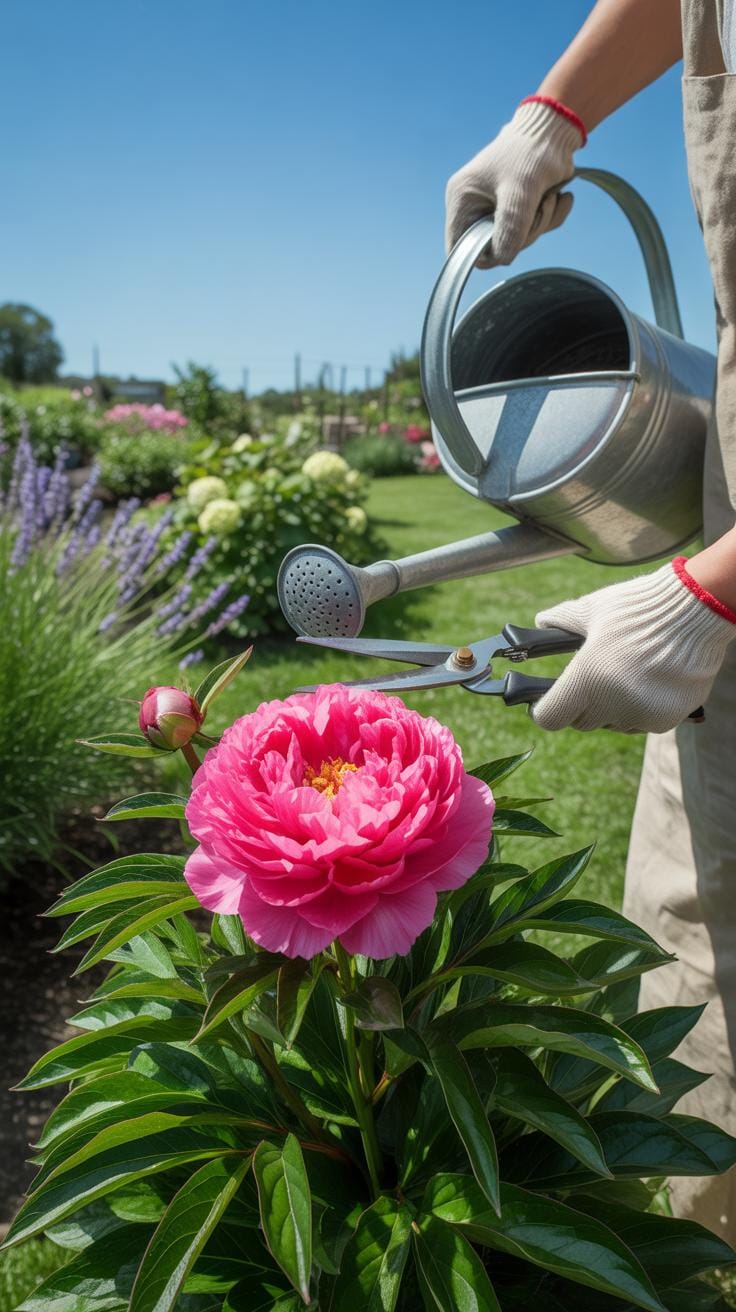
Established peonies require deep watering once per week during the growing season. You must provide at least one inch of water to reach the deep root systems. Focus the water at the base of the plant to avoid wetting the foliage. Wet leaves promote fungal diseases like botrytis blight. Increase frequency during extreme heat or drought to prevent the soil from drying out completely.
Apply a low nitrogen fertilizer in early spring when new shoots are several inches tall. Use a 5-10-10 or 10-20-20 formula to support root and bloom health without forcing excessive leaf growth. Too much nitrogen weakens the stems and reduces flower production. Apply a thin layer of organic mulch like bark or pine needles to retain moisture. Keep mulch away from the crown to prevent rot.
How To Deadhead And Prune Peony Flowers To Encourage Healthy Growth
Deadhead spent blooms immediately by cutting the stem back to the first strong leaf. This process stops the plant from wasting energy on seed production. Removing old flowers also prevents petals from falling onto the foliage, which often leads to mold. Clean your shears with rubbing alcohol between plants. This prevents the spread of pathogens across your garden. Proper deadheading keeps the plant looking tidy.

Cut the entire plant down to ground level in late autumn after the first hard frost. Remove all stems and leaves from the garden site. Do not compost this material because it may harbor disease spores or pests over winter. Burning or discarding the debris ensures a healthy start for the next spring. Leaving old stems provides a habitat for harmful insects and fungal infections that kill young buds.
Common Peony Flower Problems And How To Fix Them Before They Spread
Identifying And Treating Botrytis Blight And Other Fungal Issues In Peonies
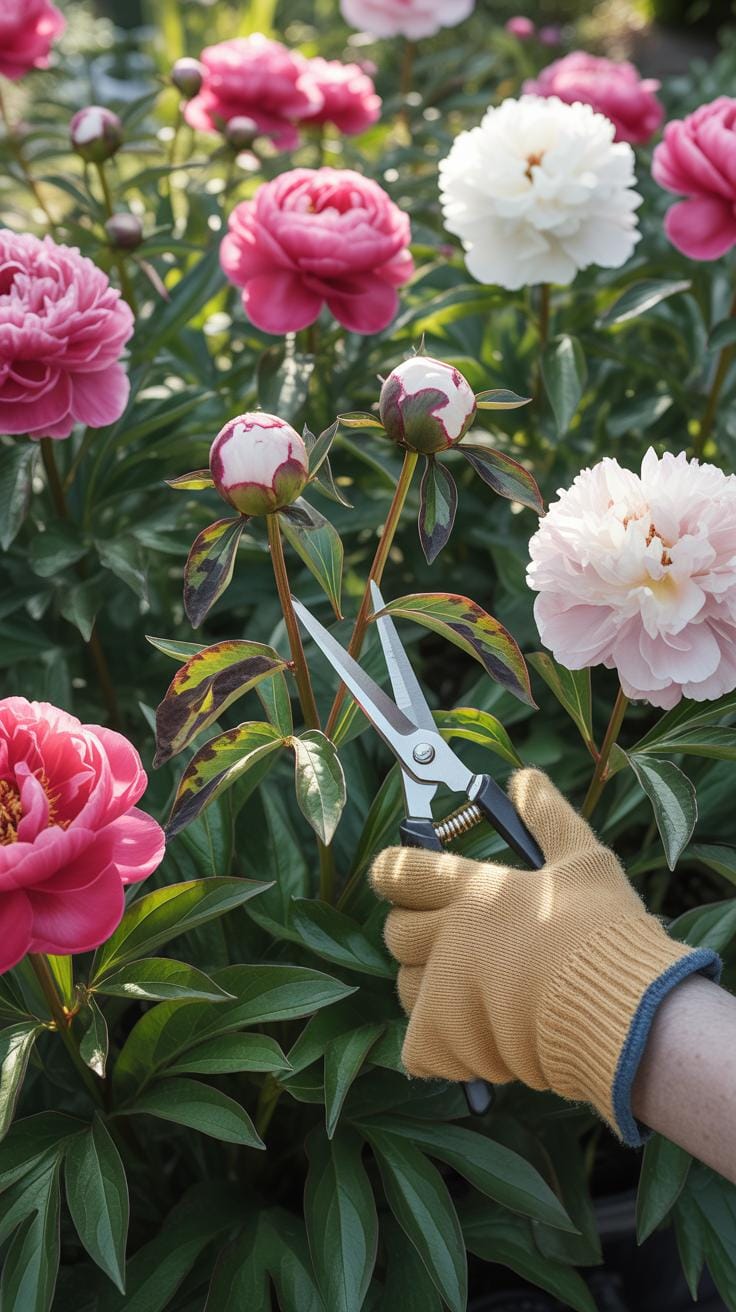
Botrytis blight is the most frequent fungal threat to peony health. It appears as dark brown or black spots on young stems and leaves. Damp spring weather accelerates its spread rapidly. The fungus causes buds to turn black and die before they open. You must monitor plants during cool and wet cycles. Early detection prevents the disease from moving into the crown.
Sanitation is the primary defense against fungal infections. Remove and destroy any infected plant parts immediately. Do not compost diseased foliage because spores survive the winter in organic matter. Cut stems to ground level every fall to eliminate hiding spots for pathogens. Improve air circulation by spacing plants correctly. Targeted fungicide applications can work if you apply them early in the growing season.
Why Your Peony Is Not Blooming And The Simple Fixes That Actually Work
Peonies fail to produce flowers for specific mechanical or environmental reasons. They are hardy plants but have strict requirements for light and depth. If you ignore these needs, the plant will grow green leaves but zero buds. Most experts find that basic adjustments to the planting site solve bloom issues. You must evaluate the environment to identify which growth factor is missing.
- Planting Depth: Peony eyes must sit exactly two inches below the soil surface. Planting them too deep prevents flower development entirely. Lift the clump in fall and reset the roots at the correct shallow level.
- Light Exposure: These plants require at least six to eight hours of full sun daily. Shady spots result in weak stems and no flowers. Move the peony to a brighter location if trees or structures block the sunlight.
- Nitrogen Overload: Excess nitrogen fertilizer promotes lush green foliage but kills flower production. Stop using high-nitrogen lawn fertilizers near your flower beds. Switch to a balanced fertilizer with higher phosphorus to encourage bud set.
- Immature Plants: Young peonies need time to establish their complex root systems before blooming. New transplants often take two or three years to produce their first flowers. Avoid moving the plant frequently because each move resets this clock.
- Late Frost: Unusually cold spring temperatures can kill developing flower buds before they emerge. If a freeze is predicted after growth starts, cover the plants with buckets or burlap. Remove the covers as soon as temperatures rise again.

Check the health of the root system if the plant remains stunted. Root knot nematodes can sap energy and stop flower production over time. Inspect the roots for small swellings or galls during the fall dormant period. Healthy roots are firm and smooth. Replacing the soil and selecting resistant varieties is the only way to beat a heavy nematode infestation.
Capturing Stunning Peony Photography Tips For Photographing Flowers Photography Peonies At Home
Best Natural Light Conditions For Capturing Beautiful Peony Pictures Photography
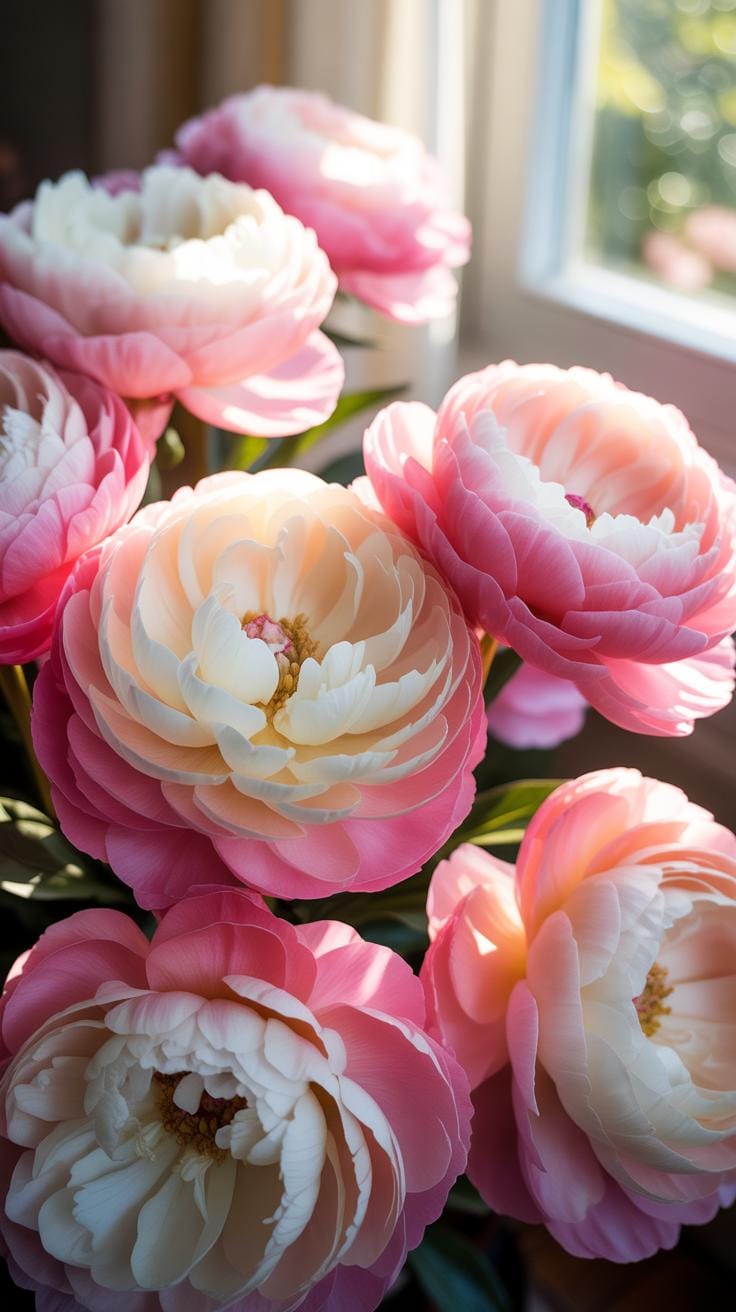
Timing dictates the quality of your image. Direct midday sun creates harsh shadows and blown out highlights on delicate peony petals. You must shoot during the golden hour shortly after sunrise or before sunset. This directional light adds depth to the flower form. Overcast days provide the best soft light. Clouds act as a giant natural softbox to eliminate high contrast transitions.
Position the peony near a north facing window for indoor shots. This provides consistent cool light without the heat of direct rays. Heat causes cut peonies to open too fast or wilt. Use a white foam board to reflect light back into the shadowed side of the bloom. This technique balances the exposure. It keeps the details in the center of the flower visible and sharp.
Simple Composition And Background Ideas To Elevate Your Peony Photo Shots
Focus on the internal geometry of the peony. Use a macro lens to capture the fine details of the guard petals and the central stamens. Place the main subject off center using the rule of thirds. This creates a more dynamic image than a centered shot. Ensure the focus stays sharp on the closest petal. Blur the rest of the bloom to create depth.

Background choice determines the professional quality of the shot. Use dark matte boards to make light pink or white peonies pop. Neutral tones like gray or beige prevent color casting on the petals. Remove distracting garden clutter from the frame. A clean background forces the viewer to look at the flower texture. Move the pot or vase away from walls to create a soft blur.
Creating A Peony Flower Aesthetic In Your Home With Cut Blooms And Arrangements
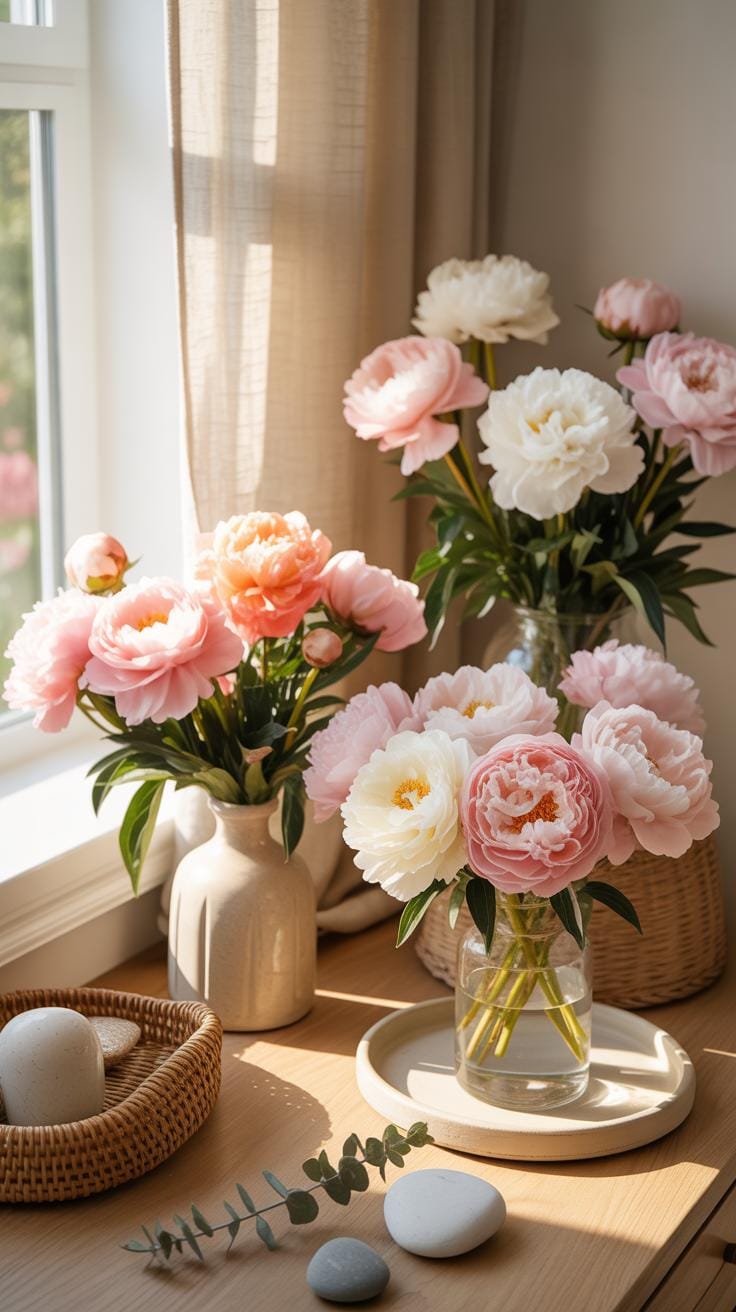
How To Cut And Condition Peony Flowers So They Last Longer In A Vase
Cut peonies at the marshmallow stage for maximum vase life. Feel the flower bud before you cut it. It should feel soft and squishy like a marshmallow. If it is hard like a marble, it will not open in the vase. Use sharp, clean shears to prevent crushing the stem. This ensures the flower can drink water immediately without any physical barriers.
Remove all leaves that sit below the water line in your vase. Rotting foliage creates bacteria that kills flowers fast. Cut the stems at a 45-degree angle under lukewarm water. This increases the surface area for water intake. Place the stems in a clean bucket of cool water in a dark room for two hours before arranging. This conditioning period strengthens the blooms.
Easy Floral Arrangement Styles That Highlight The Natural Beauty Of Peonies
The Dutch Still Life style focuses on the heavy heads of peony flowers. Use a heavy ceramic or glass vessel to support the weight. These flowers have large diameters and need a solid base. Place stems at different heights to mimic natural growth. This movement became popular in the 17th century because it showcases the individual bloom shape and petals without overcomplicating the design.

The Monobotanical style uses only one type of flower for a clean look. Fill a round bowl with several stems of the same variety. This technique highlights the texture and color of the petals. Keep the stems short so the heads sit just above the rim. This creates a dense dome of color. It is a simple tactic for beginners who want a high-end look quickly.
Exploring Hoa Peony The Cultural Significance Of Peonies Across Asia And Beyond
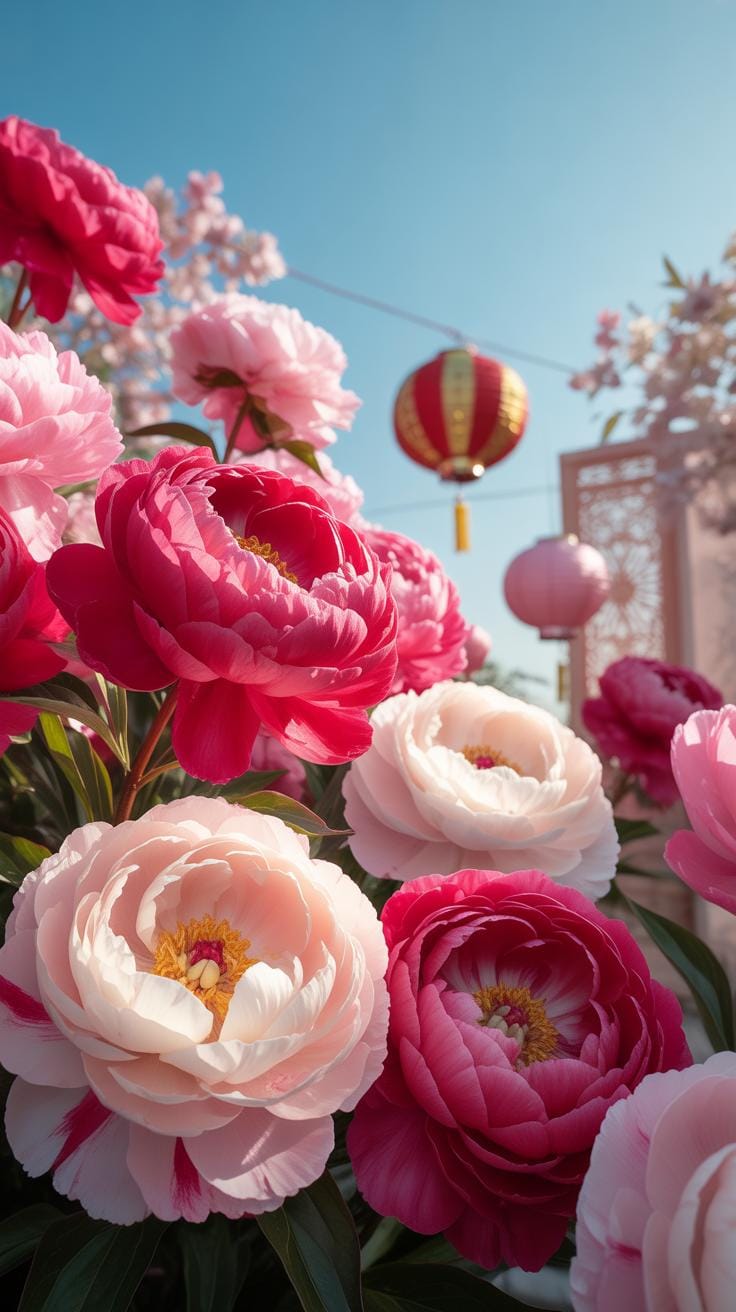
The Role Of The Peony As Chinas Revered National Flower And Cultural Symbol
China considers the peony the king of flowers. It represents wealth, honor, and social status. Historically, the Tang Dynasty fueled its popularity. Emperors grew these flowers in royal gardens. This established the plant as a symbol of the ruling class. People often call it the flower of riches and prestige. It remains a deeply rooted icon in Chinese national identity today.
The flower serves as a major economic driver in cities like Luoyang. Farmers grow thousands of varieties for medicine and display. Traditional Chinese medicine uses the root bark for cooling the blood. It treats inflammation and pain. This utility combined with visual appeal secures its status. The plant is more than decoration. It is a functional and high-value asset in Chinese history and modern trade.
How Peony Flowers Are Celebrated In Art Literature And Traditional Festivals
Peonies dominate Eastern art forms. Painters use the heavy blooms to show bold vitality. You see them on silk scrolls and fine porcelain. In literature, poets compare the flower to feminine beauty and strength. These depictions are not random. Artists use the flower to signal prosperity. It is a standard motif in decorative arts across Asia, originating from ancient woodblock prints.
Festivals center on the blooming season. The Luoyang Peony Festival attracts millions of visitors. People travel specifically to see the spring peak. This event drives massive tourism revenue. Beyond China, the Japanese use the flower in traditional tattoo art and gardens. It symbolizes bravery and honor there. Global designers still use these historical patterns in modern textiles. The flower maintains its relevance through these visual traditions.
Frequently Asked Questions

Are peonies difficult for beginner gardeners to grow?
Not at all! While they look incredibly sophisticated, peonies are actually some of the most resilient perennials you can choose. Once established, these hardy plants require very little maintenance and can thrive for decades. The key is to plant them in a sunny spot with well-draining soil. As long as you provide a stable environment, growing beautiful peony flowers is a rewarding and straightforward project for any novice.
How do I properly plant peonies to ensure they bloom?
Success starts with the depth of the root. When planting your peony flowers, ensure the “eyes” or buds are only one to two inches below the soil surface. Planting them too deep is the most common reason they fail to bloom. Choose a location with at least six hours of full sun and provide plenty of space for airflow. Water them deeply during their first growing season to help the root system flourish.
Is it expensive to start a peony garden from scratch?
Starting a garden can be very budget-friendly if you shop strategically. While mature potted plants are pricier, purchasing “bare root” peonies in the fall is a cost-effective way to acquire premium varieties. Since these plants live for nearly a hundred years, they are a fantastic long-term investment. You can also check with local gardening groups for divisions, as many experienced gardeners are happy to share their surplus tubers for free.