

Why A Florist Pricing Guide Is More Important Than Ever In TodayS Market
The Growing Demand For Pricing Transparency Among Flower Buyers
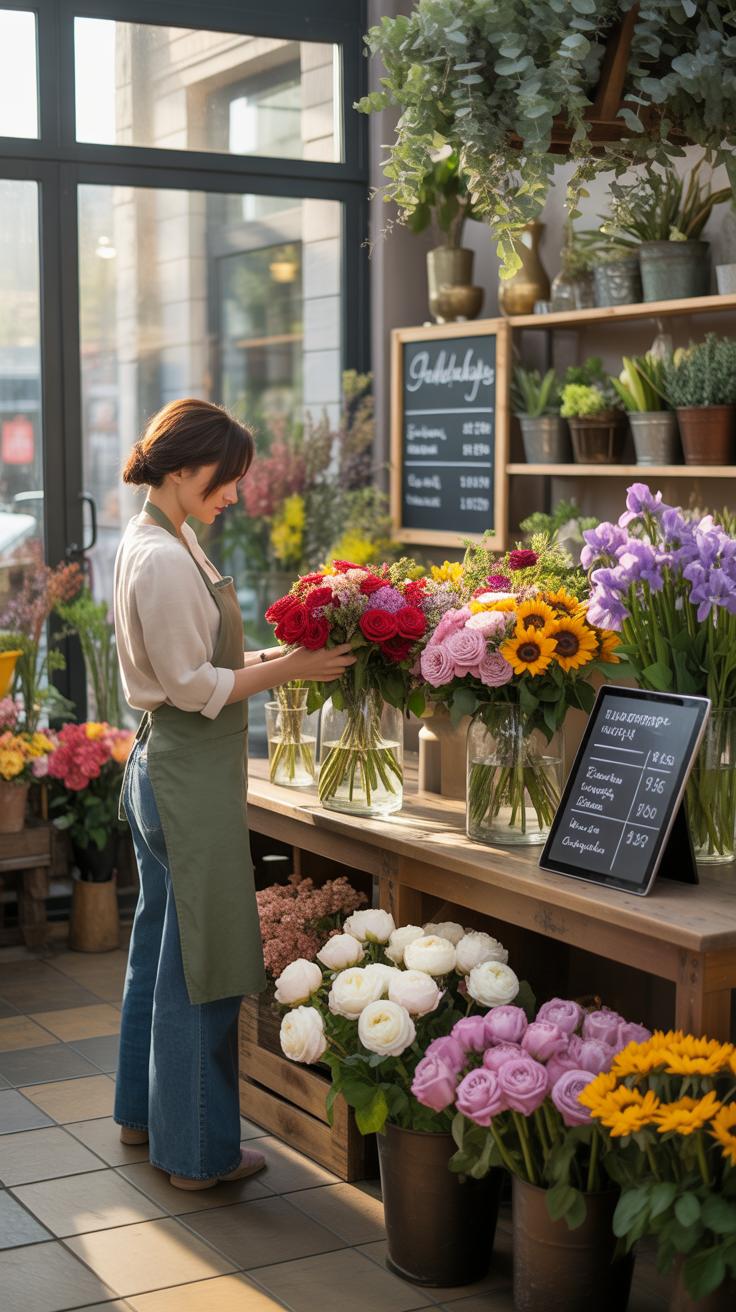
Modern consumers expect immediate price clarity before they commit to a purchase. They compare local shops against national order-gatherers in seconds. A public Florist Pricing Guide builds trust and filters out low-budget leads. If you hide your prices you lose potential customers to more transparent competitors. Transparency proves that your business is organized and your prices are fair.
Buyers now value detailed breakdowns of what they are paying for. They want to see the difference between a standard arrangement and a premium one. Clear pricing reduces the time spent on empty inquiries. It allows your staff to focus on high-value sales. You must show your rates to stay competitive. A clear guide establishes you as a professional authority.
How Rising Wholesale Flower Costs Are Pushing Florists To Rethink Their Pricing Guides
Wholesale prices fluctuate wildly due to fuel costs and supply chain shifts. Traditional fixed pricing models no longer protect your profit margins. You must update your Florist Pricing Guide to reflect these real-time increases. Sticking to old rates will quickly drain your cash flow. Successful florists now use dynamic pricing to stay profitable. You cannot ignore rising costs and survive.
Recalculating your margins is a tactical necessity in the current economy. Labor and hard goods like foam and glass also cost more now. A standard markup of three times wholesale may not cover your overhead anymore. You need a data-driven guide to justify your service fees to clients. Factoring in these variables ensures your business remains sustainable. Adjust your guide today to reflect the new market reality.

Understanding Floral Pricing What Goes Into The Cost Of A Floral Arrangement
Breaking Down The Core Components Of Floral Pricing: Flowers, Labor, And Overhead
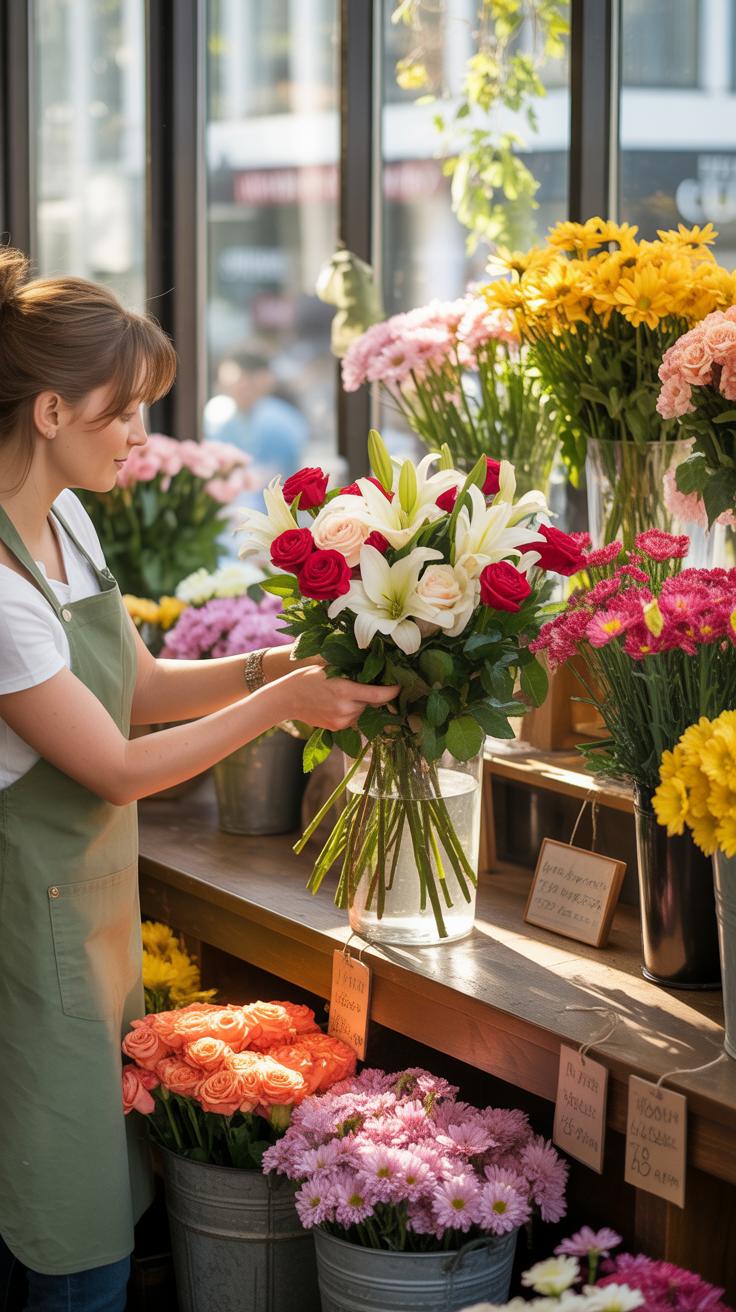
Standard floral pricing follows a strict formula to ensure profitability. The wholesale cost of flowers usually carries a markup of three to four times. This covers the perishable nature of the product and high waste levels. You must account for every stem used in the design. Professional florists treat every petal as inventory. Accurate tracking prevents profit leaks during busy holiday seasons.
Labor and overhead represent the remaining price pillars. Most shops charge a labor fee of twenty percent of the retail total. Specialized custom work requires a higher rate for time spent on technical construction. Overhead includes rent, cooling costs for refrigeration, and delivery vehicle maintenance. Use these fixed costs to determine your minimum order value. Ignoring these expenses will lead to a net loss on small orders.
How Seasonal Availability And Import Costs Directly Affect Your Floral Pricing Strategy
Seasonal shifts dictate flower costs and availability. Local flowers cost less during their natural peak growth times. Conversely, out of season blooms require expensive climate controlled transport. Prices for specific flowers like roses or peonies spike during high demand periods like Valentine’s Day. You must adjust your retail prices to reflect these wholesale market fluctuations. Failure to track weekly price sheets renders your pricing guide obsolete.

Import costs add layers of complexity to your strategy. Most flowers arrive through major hubs like Miami or Amsterdam. Shipping fees, customs duties, and fuel surcharges increase the base cost of every stem. Global supply chain disruptions directly impact your bottom line. Successful florists source locally when possible to avoid these volatile international costs. Maintain a flexible pricing model that responds to shipping rate changes in real time.
How To Build A Florist Price List That Attracts And Retains Clients
Key Elements Every Professional Florist Price List Should Include
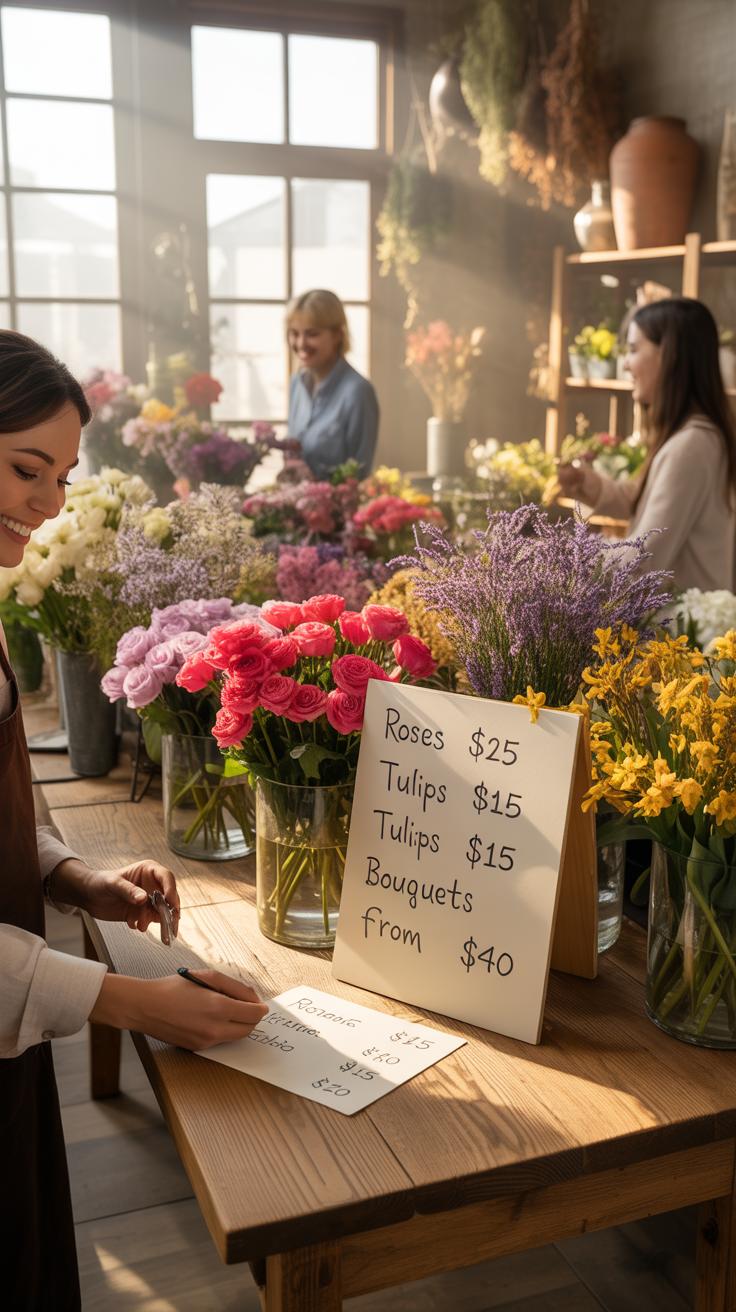
A professional Florist Pricing Guide converts prospects by removing uncertainty. You must standardize your offerings to ensure the client understands exactly what they are buying. Clarity in your price list prevents scope creep and protects your profit margins. Use specific categories and tiered options to help customers choose a price point that fits their budget while maintaining your minimum revenue requirements.
- Base Arrangement Tiers: List specific prices for small, medium, and large daily arrangements. Providing three clear choices helps clients make quick decisions and sets a baseline for your labor and inventory costs.
- Stem Count Ranges: Define the approximate number of premium and filler flowers included at each price level. This transparency builds trust and helps customers visualize the value difference between a budget bouquet and a luxury centerpiece.
- Delivery and Handling Fees: State your flat rates or zone based delivery charges clearly on the list. Highlighting these costs upfront prevents checkout friction and ensures you cover the rising price of fuel and vehicle maintenance.
- A La Carte Event Items: Include individual prices for common items like boutonnieres, corsages, and bud vases. This allows event planners to build their own packages while ensuring you hit your necessary markup on smaller, labor intensive pieces.
- Standard Markup Multipliers: Specify your standard industry markup for specialty hard goods like vases and floral foam. Documenting these costs internally and sharing a simplified version with clients ensures everyone understands the true cost of materials and design.
Labor costs are often the most overlooked part of a florist price list. You should explicitly factor in your design time as a percentage of the total order or a flat hourly rate. This ensures you get paid for your expertise and the physical work of processing stems. Without these documented elements, you risk inconsistent quoting that confuses your regular customers and hurts your brand reputation.
Common Pricing Mistakes Florists Make And How To Avoid Undervaluing Your Work
Many florists fail because they price based on emotion rather than math. Lowballing your services to win a contract eats your profit and attracts clients who do not value your skill. You must track every stem, piece of wire, and foot of ribbon used in a design. If you do not account for these small expenses, your overhead will eventually consume your business and stop your growth.

Stop using the same markup for every flower regardless of its season or scarcity. You need a dynamic Florist Pricing Guide that reflects market shifts and procurement difficulties. Always add a buffer for waste and spoilage to your base costs. This practice protects your business from the financial impact of damaged shipments or unsold inventory. Charge what you are worth to ensure your shop stays open for years.
Wedding Flower Price Guide What Couples Should Realistically Budget For
Average Wedding Flower Price List Ranges For Bouquets, Centerpieces, And Ceremony DéCor
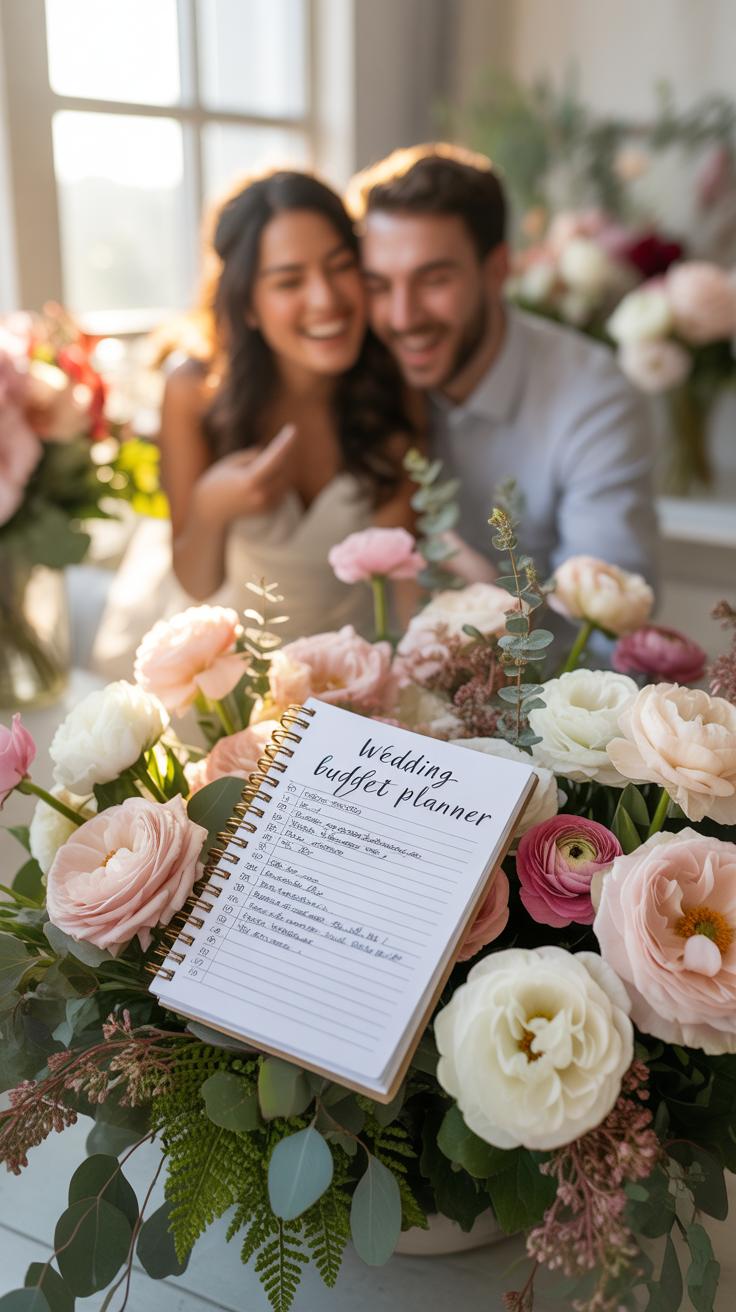
Couples must budget ten to fifteen percent of their total wedding costs for flowers. Reliable industry benchmarks show bridal bouquets range from one hundred fifty to three hundred fifty dollars. Bridesmaid bouquets typically cost seventy-five to one hundred twenty-five dollars each. These figures depend on stem count and seasonal availability. High demand for specific blooms like peonies significantly increases these base prices.
Reception centerpieces vary based on size and complexity. Low arrangements often start at one hundred twenty dollars while tall designs exceed three hundred dollars. Large ceremony installations like floral arches begin at five hundred dollars and can reach several thousand. Labor costs for setup and teardown add another twenty percent to the total bill. These ranges reflect standard professional rates in the current market.
How Florists Use A Wedding Flower Price List To Set Expectations Early In The Consultation
Experienced florists present a clear price list during the initial meeting to filter unrealistic expectations. This document functions as a reality check for clients with Pinterest boards and small budgets. Professionals use these fixed ranges to show what certain dollar amounts actually buy. It prevents wasted time on designs the couple cannot afford. Transparency builds trust and establishes a professional boundary immediately.

The price list also serves as a negotiation tool for substitutions. When a preferred flower exceeds the budget, the florist uses the guide to suggest lower-cost alternatives. This tactical approach keeps the design vision intact without overspending. It shifts the conversation from abstract ideas to concrete financial decisions. Professionals use this data to secure a deposit and finalize the contract scope quickly.
Using A Florist Price List Template To Streamline Your Floral Business Operations

What Makes A Great Florist Price List Template And Where To Find Reliable Ones
A professional template must include itemized sections for labor, hard goods, and floral stems. Reliable templates use formulas based on standard industry markups of three to four times the wholesale cost. You need a layout that separates everyday arrangements from event work. This structure prevents math errors during busy seasons. Trade associations like the Society of American Florists offer vetted resources for standard pricing sheets and operational documents.
Software platforms specifically for florists provide the most accurate templates. These digital tools sync with real-time wholesale data from major flower markets. Using a spreadsheet from a general business site often ignores specific floral variables like spoilage and stem counts. Seek templates that allow for seasonal price adjustments. Constant market shifts require a dynamic document rather than a static paper list. Update your costs monthly to maintain your profit margins.
How Customizing Your Florist Price List Template Can Reflect Your Brand And Market Position
High-end studio florists must adjust templates to prioritize design fees and premium sourcing costs. If your brand focuses on rare Dutch imports or local sustainable blooms, your price list must justify those higher price points. Standard templates act as a floor for your pricing. Tailor the descriptions to emphasize specific techniques like kenzan arrangements or hand-tied bouquets. This strategic alignment ensures your operational costs match your visual brand identity.

Market positioning dictates how you present the template to clients. A retail shop uses a list for quick transactional sales of roses or lilies. An event florist uses the template as a quoting tool for custom installations. Adjusting your markup for labor reflects your expertise level. Experts in complex floral mechanics charge more than basic shops. Use your price list to filter for your ideal client by setting clear minimum spends.
Wedding Floral Pricing Guide Trends What Top Florists Are Doing Differently In 2024
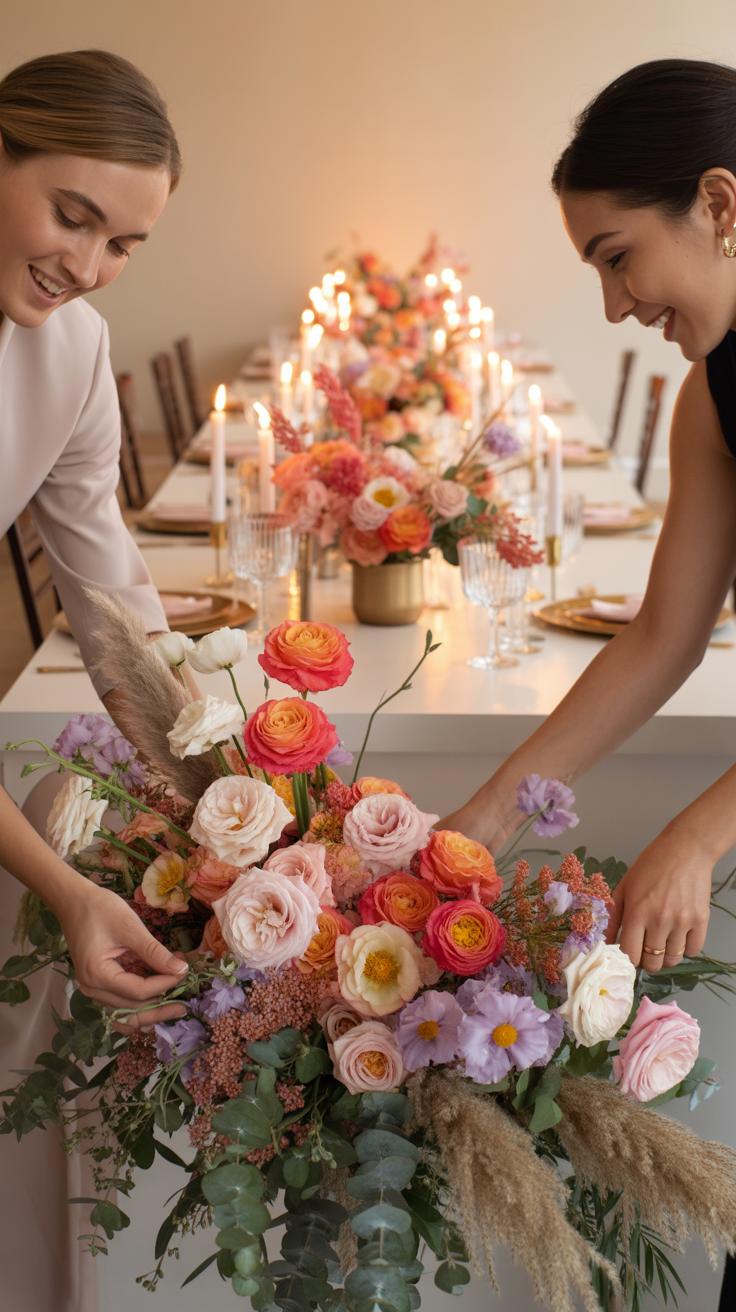
The Shift Toward Tiered Package Pricing In Modern Wedding Floral Pricing Guides
Modern wedding florists now move away from custom quotes for every lead. They use tiered pricing models to qualify clients immediately. This system creates clear boundaries for labor and floral varieties. Standard tiers often include basic personals, mid-range ceremony decor, and high-end full installations. Florists set these price floors to protect profit margins. This approach stops time wasting on low-budget inquiries that cannot afford professional service.
Tiered structures allow florists to standardize their buying lists. They use specific flower types for each price level. This consistency improves inventory management and reduces waste. Clients like the transparency of a tiered Florist Pricing Guide. It removes the mystery of floral costs. Florists spend less time on administrative tasks and custom proposals. They focus on executing designs that fit within a profitable and pre-defined framework.
Pricing is the craft of honoring each petal’s journey while ensuring your passion continues to bloom seasons from now.
Why More Florists Are Offering À La Carte Options Alongside Their Wedding Floral Pricing Guide
Many florists now add à la carte menus to their service offerings. This strategy targets the growing micro-wedding and elopement market. These clients want high-quality designs but do not need full-service setup or teardown. An à la carte section in a Florist Pricing Guide lists fixed prices for individual items. This includes bridal bouquets, boutonnieres, and centerpieces. It simplifies the ordering process for both the florist and the buyer.

The à la carte model relies on studio pickup or simple delivery. Florists eliminate the need for on-site staff and heavy equipment. This reduces overhead costs significantly. It allows a business to take on multiple small events in one weekend to boost revenue. Clear pricing for individual items prevents scope creep. It ensures the florist gets paid for every stem and ribbon used. This tactical shift maximizes efficiency in a competitive market.
Innovative Floral Business Ideas That Start With Getting Your Pricing Guides Right

How Subscription Flower Services And Event Packages Are Reshaping Floral Business Ideas
Subscription models stabilize cash flow for modern florists. You must calculate recurring labor and inventory costs accurately within your Florist Pricing Guide to succeed. Standardized arrangements allow for bulk buying of stems. This reduces waste and increases your profit margins. Fixed pricing ensures customers know what to expect monthly. Accurate guides prevent price creep and keep your delivery routes profitable over long terms.
Event packages simplify the sales process for weddings and corporate galas. Instead of custom quotes for every stem, create tiered pricing levels. This strategy anchors your value and speeds up the booking process. Use your pricing guide to define what each tier include specifically. Clear boundaries stop scope creep during the design phase. You protect your time and maintain a consistent profit for every event you book.
Using Digital And Printable Pricing Guides To Market Your Floral Business More Effectively
Digital pricing guides act as lead magnets for your floral brand. They establish your authority before a client even calls you. Transparency builds trust with modern buyers who want fast answers. Use a PDF or a hidden web page to share your baseline costs. This filters out low-budget clients who cannot afford your work. It saves you hours of unpaid consultation time every week.
- Tiered Service Menus: Create three distinct price points for common arrangements. This uses the psychology of choice to guide customers toward an optimized middle option. It simplifies inventory management by limiting the variety of stems you must stock weekly.
- Transparent Delivery Fees: List your delivery zones and associated costs clearly. Hidden fees frustrate buyers and cause cart abandonment. Accurate mileage and labor calculations ensure you do not lose money on remote drop-offs or difficult setups.
- Seasonal Price Adjustments: Document how holidays like Valentine’s Day affect your base rates. Explain the rise in wholesale costs during peak demand months. This educates your customers and justifies higher prices when global flower supplies tighten or shipping costs spike.
- Labor Markup Breakdowns: Detail your standard markup for design time and hard goods. Professional florists typically use a triple-markup on fresh product plus a percentage for labor. Show these standards to justify your professional expertise over grocery store floral departments.
- Add-On Upsell Lists: Include a specific list of luxury upgrades in your guide. Suggest premium vases or rare stem varieties as simple add-ons. Clear pricing for these extras encourages impulsive spending and boosts the average order value for every transaction.

Printable guides provide a tangible sales tool for in-person consultations. Handing a physical document to a bride or event planner shows professionalism. It keeps the conversation focused on your established rates. You avoid the trap of haggling over individual flower prices. A well-designed guide reinforces your brand identity. It ensures your team quotes the same prices every time. Consistent pricing leads to predictable growth.
How To Keep Your Floral Pricing Guide Updated As The Industry Evolves

When And How Often You Should Review And Revise Your Floral Pricing Guide
Review your pricing guide at least twice a year to maintain profit margins. Wholesale flower costs fluctuate based on growing seasons and global imports. Fuel surcharges and cargo costs change without warning. You must adjust your markup to cover these shifts. Check your overhead expenses every six months. Utilities and rent often rise annually. Do not wait for a financial loss to update your rates.
Monthly reviews are necessary for high-volume shops during peak wedding seasons. Analyze your labor hours versus your estimated design time. If custom installations take longer than planned, raise your labor percentage. Track cost of goods sold weekly to catch supply chain price hikes early. Rapid adjustments protect your cash flow. Update your guide before you book events for the following calendar year to ensure future profitability.
Tracking Industry Benchmarks And Competitor Pricing To Keep Your Florist Pricing Guide Competitive
Monitor local market rates to stay relevant. High-end studios and retail shops set different price floors. Visit competitor websites to analyze their base package pricing. Do not price match blindly. Use their data to find gaps in your own pricing guide. Analyze how they charge for delivery and setup. Ensure your service fees align with the local standard while still covering your specific vehicle and labor costs.

Join trade organizations to access national price data and labor trends. These benchmarks show if your hard goods markup is too low. Compare your flower math against industry standards like the standard three-times markup. If your competitors charge more for premium blooms like peonies, adjust your tiered pricing. Accurate data prevents you from leaving money on the table. Use these facts to justify price increases to your recurring clients.
Frequently Asked Questions

What exactly is a florist pricing guide and why do I need one?
A florist pricing guide is a comprehensive breakdown of the costs associated with floral arrangements, labor, and delivery. Whether you are planning a wedding or a simple home refresh, this guide helps you understand the market value of different blooms. By consulting a reliable guide, you can set realistic expectations for your floral budget while ensuring you receive high-quality designs that align with current industry standards and seasonal availability.
How can I use a florist pricing guide to calculate my event floral costs?
To calculate your costs effectively, start by listing every arrangement needed, from bridal bouquets to centerpieces. Cross-reference your list with a florist pricing guide to estimate the base cost per item. Don’t forget to factor in “service fees,” which usually account for 20% of the total. This practical approach allows you to adjust flower varieties or arrangement sizes to stay within your desired financial range before meeting with a designer.
Is it possible to get high-end floral designs on a limited budget?
Absolutely! You can achieve a luxurious look without the premium price tag by focusing on “impact” flowers. Ask your florist for locally grown, seasonal stems or larger blooms like hydrangeas that fill space quickly. Many people use a price guide to identify affordable foliage alternatives that provide a lush, expensive aesthetic. Being flexible with specific flower types while maintaining a strict color palette often leads to beautiful, cost-effective results.