
Understanding The Basics Of A Flower Business Before You Start Delivering
What Running A Local Flower Operation Actually Looks Like Day To Day
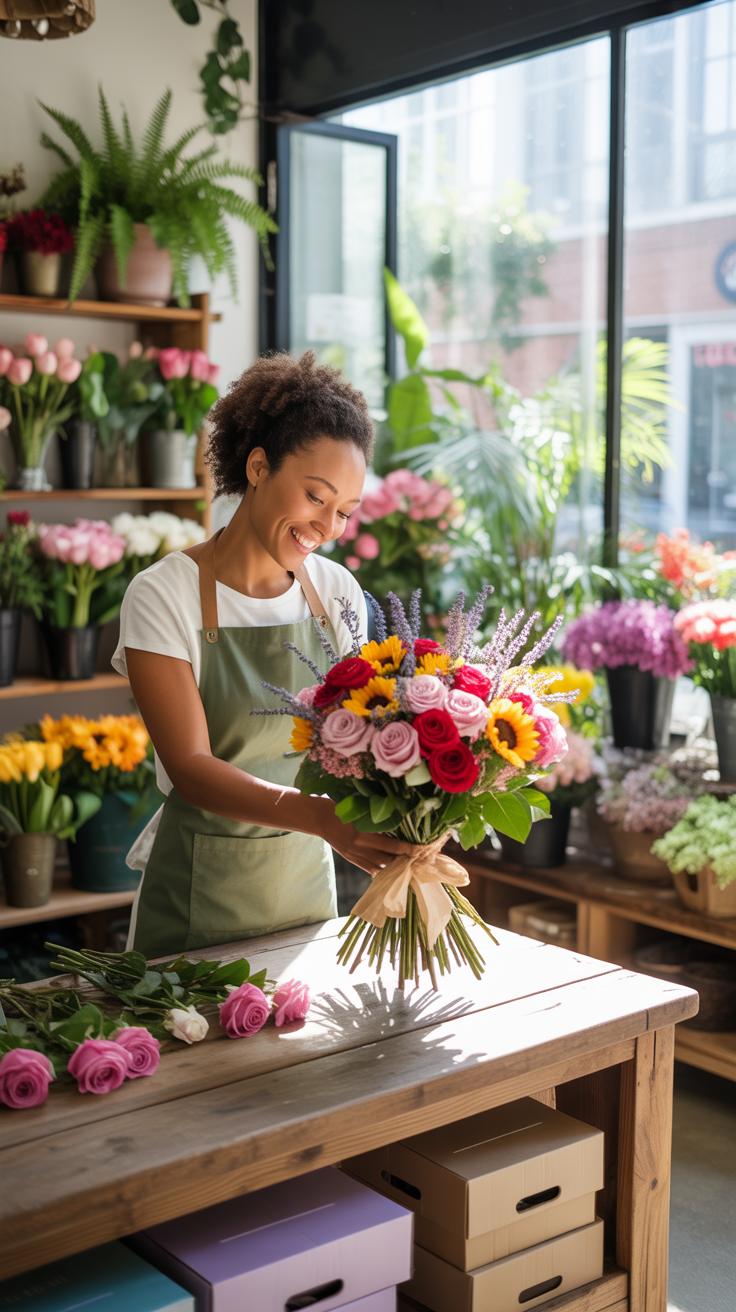
The daily schedule of a flower shop starts before sunrise. Most owners visit local wholesalers or regional floral markets around five in the morning. They select fresh inventory based on seasonal availability and existing orders. Reliable stock acquisition is the foundation of high quality delivery. You cannot deliver what you do not have in the cooler. Precision and timing dictate every move.
Processing stems is the next critical task. Staff must trim leaves and cut ends at an angle to ensure hydration. They place flowers in clean buckets with specific nutrient solutions. This step prevents bacterial growth and extends the life of the arrangement. Organization in the back room determines the speed of the delivery drivers. Efficient space management keeps the workflow moving during the lunch rush.
Why Knowing Your Local Market Helps You Deliver Flowers More Effectively
Regional trends dictate which floral styles sell best in your specific area. A coastal town might demand loose garden styles while a corporate city hub prefers compact European pave designs. Understanding these preferences helps you stock the right materials. It reduces waste and ensures your delivery van carries items people actually want. Researching your local demographic prevents costly inventory mistakes.
Traffic patterns and local geography impact your delivery success directly. Some neighborhoods have gated entries or difficult parking that slows down your drivers. Knowing these obstacles allows you to set realistic delivery windows for your customers. Strategic route planning saves fuel and keeps flowers cool in the van. You must master your local map to maintain a profitable and reliable delivery service.

Practical Flower Delivery Service Ideas That Work For Small And Large Orders
Guidance On How To Offer Same Day And Scheduled Delivery Without Overcomplicating Your Setup
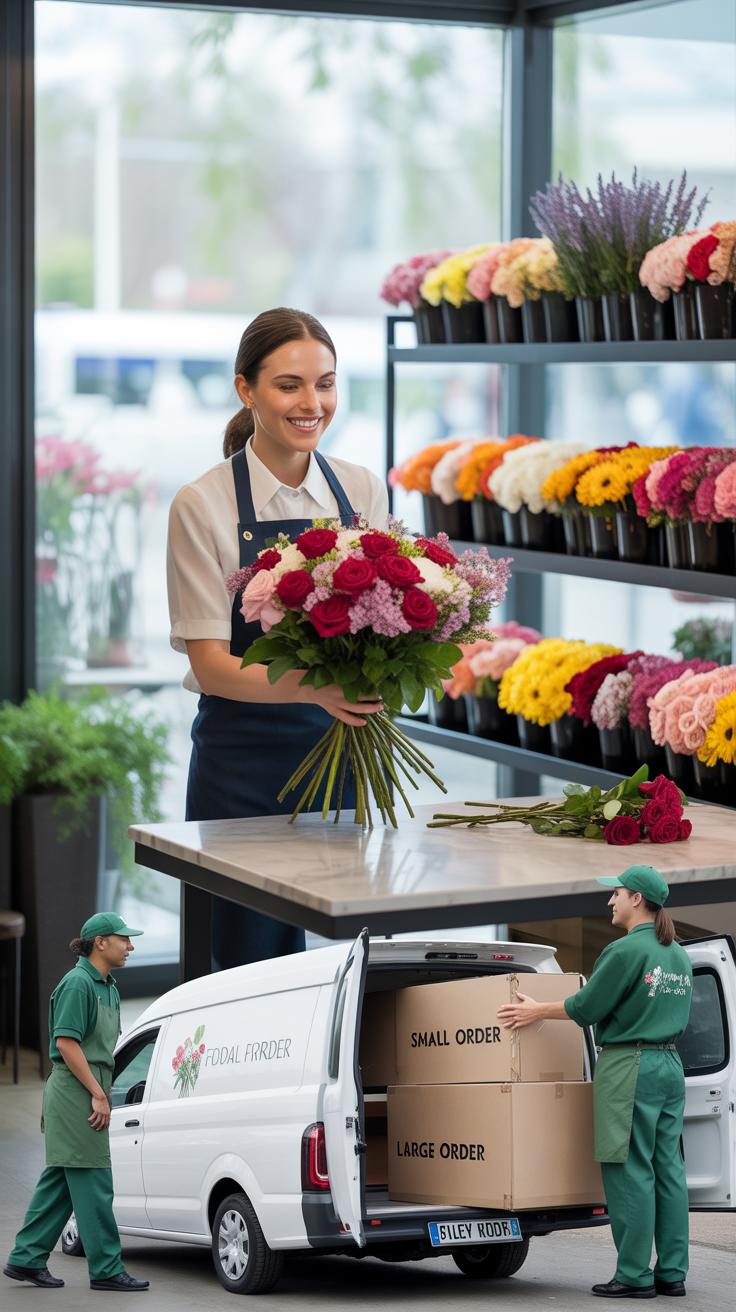
Successful same day delivery depends on strict order cut-off times. Set a clear deadline like noon for all immediate orders. This gives your team a fixed window to assemble and dispatch arrangements. Use a zone based delivery map to calculate travel times. Focus on a limited radius for quick turnarounds. Limit your menu to high turnover stems during peak hours to ensure fast fulfillment.
Scheduled deliveries require a robust digital calendar system to prevent overlaps. Batch your orders geographically to save fuel and time. Grouping multiple drops in the same neighborhood increases efficiency for both small and large tasks. Use automated confirmation emails to reduce customer service calls. This keeps the workflow steady and prevents sudden bottlenecks in your daily operations. A disciplined schedule protects your margins.
Creative Ways To Package Flower Orders That Impress Recipients On Arrival
Protective packaging must balance function with presentation. Use heavy gauge kraft paper to wrap stems before placing them in boxes. This material provides structural support and mimics traditional florist techniques from the twentieth century. Damp cotton wraps at the base of the stems keep the flowers hydrated during transit. Secure the bundle with twine to prevent shifting and bruising during the ride.

Large orders benefit from custom cardboard inserts that lock vases into place. Use corrugated dividers to stop glass from shattering. For modern luxury looks, use rigid boxes with magnetic closures. This method protects the delicate blooms from wind and temperature changes. Clean lines and sturdy materials show professional care. Proper boxing ensures the flowers look exactly as they did when they left your shop.
Essential Flower Care Tips To Keep Blooms Fresh From Shop To Doorstep
How Water, Temperature, And Humidity Affect Cut Flower Freshness During Delivery
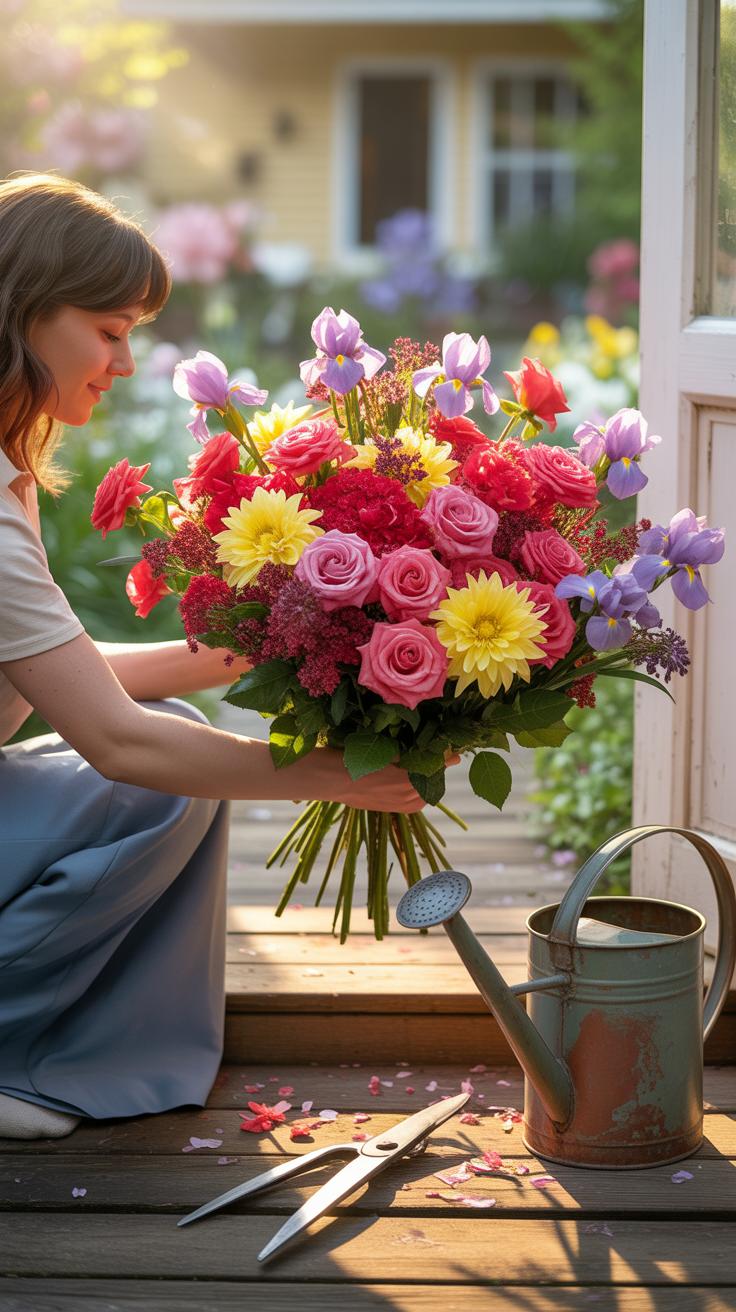
Cut flowers die because of water loss and bacterial growth. Transpiration pulls moisture out of petals faster than the stems can drink it. Heat speeds up this process and triggers ethylene gas production. This gas causes wilting and petal drop. You must maintain a cool environment to slow the plant metabolism. Cold air holds less moisture, so you must also manage the surrounding humidity levels.
Water quality determines how long the blooms stay turgid. Air bubbles in the stem block water intake. This condition is called a vascular embolism. High temperatures during delivery cause these air pockets to expand quickly. You must shield flowers from direct sunlight and drafts. Even short exposure to high heat ruins the cell structure. Consistent temperature control is the most effective way to ensure a successful delivery.
Best Practices For Conditioning Flowers Before They Leave Your Hands
Proper conditioning starts with clean equipment and sharp tools. Bacteria in dirty buckets clog the stem vessels and prevent hydration. Use professional floral shears to make clean cuts without crushing the tissue. Crushed stems cannot absorb water efficiently. You must prepare the stems correctly to maximize their lifespan during the transition from the shop to the final customer destination.
- Stem Recutting: Cut at least one inch off each stem at a sharp angle. This increases the surface area for water absorption. Use a sharp blade to avoid tearing the delicate plant tissue.
- Foliage Removal: Strip all leaves that will sit below the water line in the vase. Decaying organic matter creates bacteria that kill flowers. Clean stems keep the water clear and healthy for longer.
- Hydration Treatments: Use professional floral preservatives to lower the water pH level. These solutions provide necessary carbohydrates and biocides. This treatment moves water up the stem faster and prevents the growth of harmful microbes.
- Temperature Acclimation: Place flowers in a cool, dark area for two hours before delivery. This hardening process helps the plant stabilize its internal moisture. Drastic shifts in temperature cause immediate stress and shorten the overall vase life.
- Ethylene Management: Keep flowers away from ripening fruit and exhaust fumes. These sources release ethylene gas which triggers rapid aging. Proper ventilation in your workspace and delivery vehicle prevents early wilting or loss of flower heads.

Stable stems require secure packaging to prevent physical damage during transport. Use hydration packs or water tubes for long trips. These tools keep the cut ends submerged until the recipient places them in a permanent vase. Check every water source for leaks before loading the vehicle. Strategic packing ensures the flowers arrive in the same condition they left your shop.
Transporting Flower Arrangements Safely Without Damaging Petals Or Stems
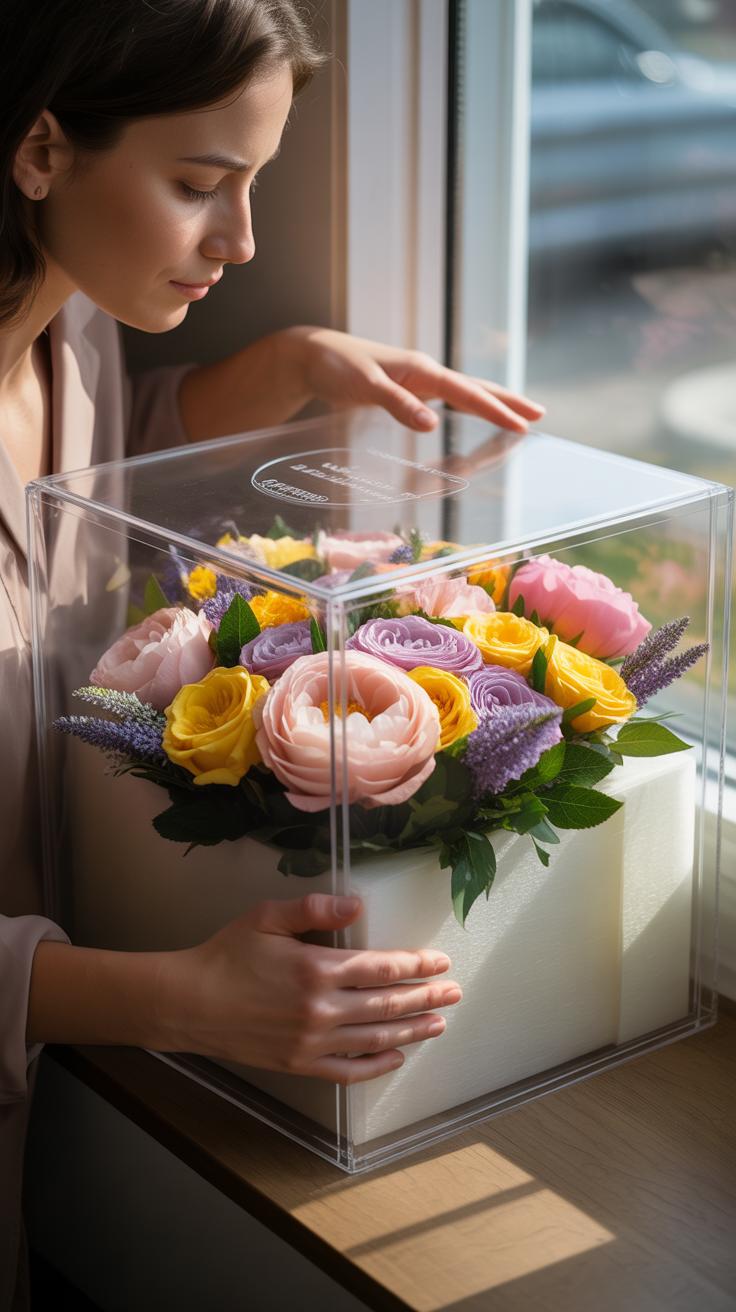
Securing Arrangements In A Vehicle To Prevent Tipping And Bruising
Place flower containers inside heavy cardboard boxes to lower the center of gravity. Fill the empty spaces around the vase with crumpled newspaper or foam blocks to eliminate sliding. These materials absorb shocks from sudden stops and turns. Proper bracing ensures the arrangement remains upright during transit. Avoid placing flowers on car seats because the tilt causes water to spill and stems to shift.
The floorboard of the passenger side offers the most stability for floral transport. This flat surface minimizes the vibration felt by delicate petals. Use a non-slip rubber mat to grip the base of the box. Secure taller arrangements with seat belts if necessary to prevent top-heavy vases from flipping. Constant movement causes friction which leads to petal bruising. Steady positioning preserves the structural integrity of the design.
The Role Of Temperature Controlled Transport In Keeping Flowers Alive Longer
Extreme heat and cold cause rapid cellular breakdown in cut flowers. High temperatures increase the rate of transpiration which dehydrates the blooms. Keep the vehicle interior between sixty and seventy degrees Fahrenheit to slow down the aging process. Direct airflow from air conditioning vents must never hit the petals. Forced air strips moisture from the surface and causes premature wilting and browning.

Winter transport requires pre-warming the vehicle to prevent thermal shock. Sudden exposure to freezing air can kill tropical varieties instantly. Use insulated bags or floral sleeves to create a barrier against the outside environment during the walk to the car. Professional florists have used shaded transport methods for decades to block solar radiation. Maintaining a consistent temperature extends the vase life for the final recipient significantly.
Practical Flower Tips For Handling Last Minute And Rush Delivery Situations
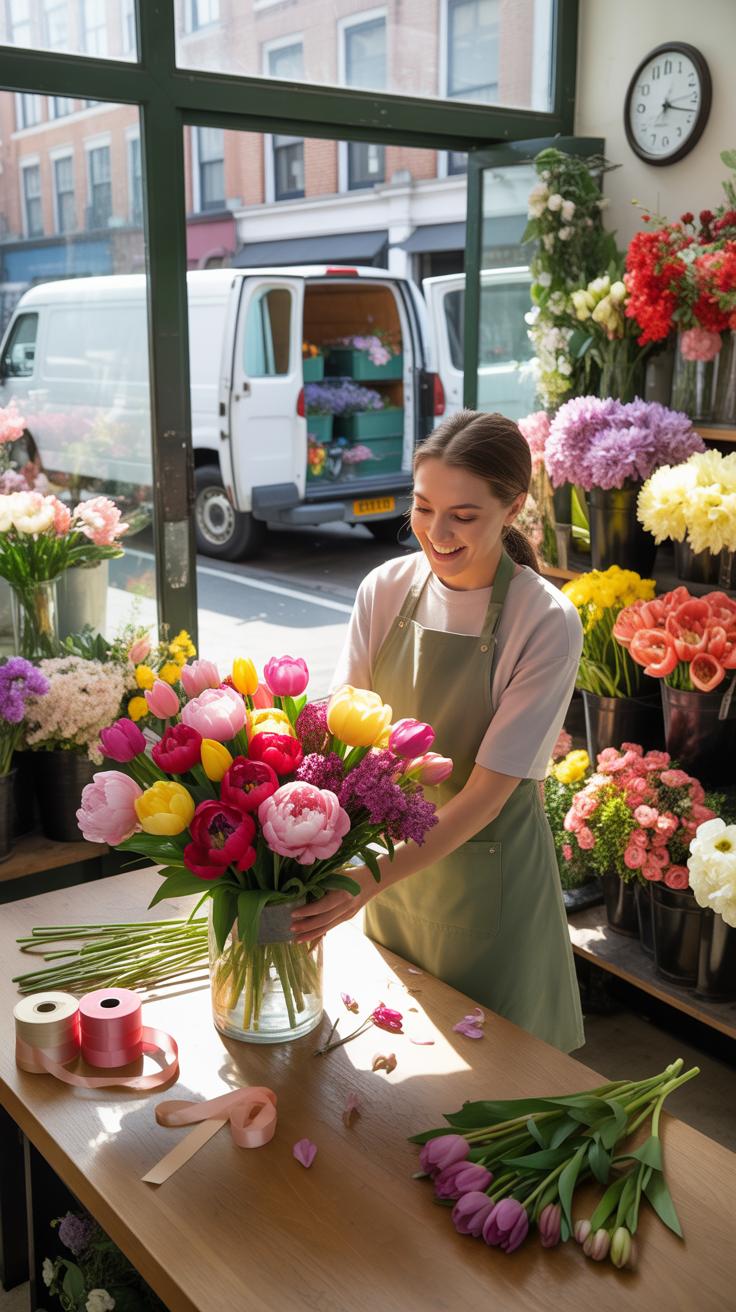
Route density dictates delivery speed. When orders stack up, categorize them by proximity rather than order time. Use mapping software to group deliveries into clusters. This reduces fuel costs and time spent on the road. Assign your most experienced driver to the dense cluster. Send the new driver on long, simple routes. This strategy maximizes the number of orders completed before the afternoon cutoff.
Check inventory status before accepting a rush order. Do not promise a specific flower variety if it is not in the cooler. Use pre-made arrangements for last-minute walk-ins or online orders. This saves labor time during peak hours. Keep a clean workspace to avoid delays. Messy tables slow down the design process. Organization prevents errors when pressure increases. Fast processing keeps your delivery schedule on track.
Clear communication prevents costly redeliveries. Always verify the recipient’s phone number and gate code before the driver leaves the shop. Call the customer immediately if a specific flower is unavailable. Offer a direct substitute of equal value. This proactive step stops complaints before they start. Send a digital photo of the final arrangement to the sender. This builds trust and proves the quality of work.

Document every delivery attempt with a time-stamped photo. If the recipient is not home, leave a professional door hanger with clear instructions. Digital tracking updates provide peace of mind to the buyer. Use simple language in all confirmation emails. Avoid technical florist jargon that confuses the customer. Accurate data entry during the sale ensures the driver finds the correct address. These habits protect your reputation and your bottom line.
Using A Flower Arrangement Care Guide To Educate Customers After Delivery
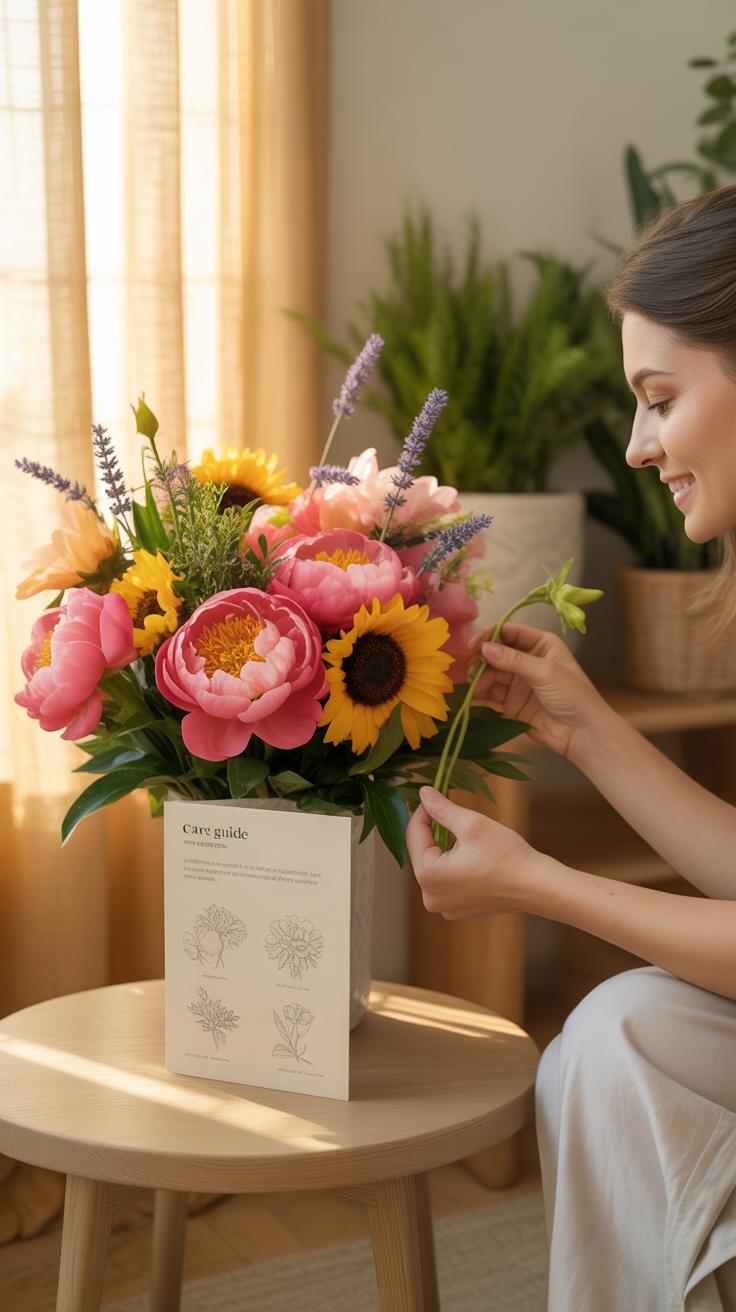
What To Include In A Simple Flower Care Card That Customers Will Actually Read
Customers often ignore long manuals but follow short directives. A care card must focus on high-impact actions that prevent premature wilting. Most recipients do not know that bacteria growth in water is the primary cause of flower death. By providing a clear list of daily maintenance tasks, you transfer the responsibility of longevity to the customer while ensuring they succeed.
- Stem Trimming: Instruct customers to cut one inch off each stem at a forty-five-degree angle before placing them in water. This increases the surface area for hydration. Use sharp shears to avoid crushing the vascular system of the plant.
- Water Replacement: Advise changing the water every forty-eight hours to prevent bacterial colonies from forming. Clean water keeps the stems clear and allows for maximum nutrient uptake. Murky water signals that the flowers are already beginning to decay.
- Leaf Removal: Tell users to strip any leaves that sit below the water line. Organic matter submerged in water rots quickly and releases gases that kill the blooms. Keeping the water surface clear is a vital step for hygiene.
- Placement Strategy: Direct customers to keep arrangements away from direct sunlight, heating vents, and ripening fruit. Ethylene gas from fruit and excessive heat from the sun will cause petals to drop. A cool, shaded spot extends the life of the display.
- Flower Food Usage: Explain how to use the provided preservative packet correctly. These packets contain bleach to kill bacteria, citric acid to lower pH, and sugar to provide energy. Mixing the packet with the correct volume of water is essential.
Small care cards work best when they use bold headers and minimal text. Use a thick cardstock that resists water damage in case it gets splashed during the unboxing. Strategic placement of this card on top of the bouquet ensures the recipient sees it immediately. Education prevents customer dissatisfaction caused by environmental factors outside of the delivery driver’s control.
A flower does not think of competing with the flower next to it, it just blooms. Sending a hand-picked bouquet from a local shop is a simple way to let someone know they are remembered.
How Sharing After Delivery Care Instructions Builds Trust And Repeat Business
Sharing care instructions proves you value the product after the sale is complete. Most shops stop communicating once the payment clears. When you provide a guide, you demonstrate expertise and a commitment to quality. Customers see this as added value rather than a sales pitch. This transparency reduces the number of refund requests caused by poor home maintenance.

Repeat business depends on the customer’s emotional connection to the flowers. If a bouquet lasts ten days instead of three, the customer feels they received a high return on their investment. They will associate your brand with freshness and reliability. Loyal clients prefer vendors who help them succeed. This simple educational tool turns a one-time buyer into a long-term advocate for your business.
How Flower Subscription Boxes Can Simplify Your Local Delivery Routine
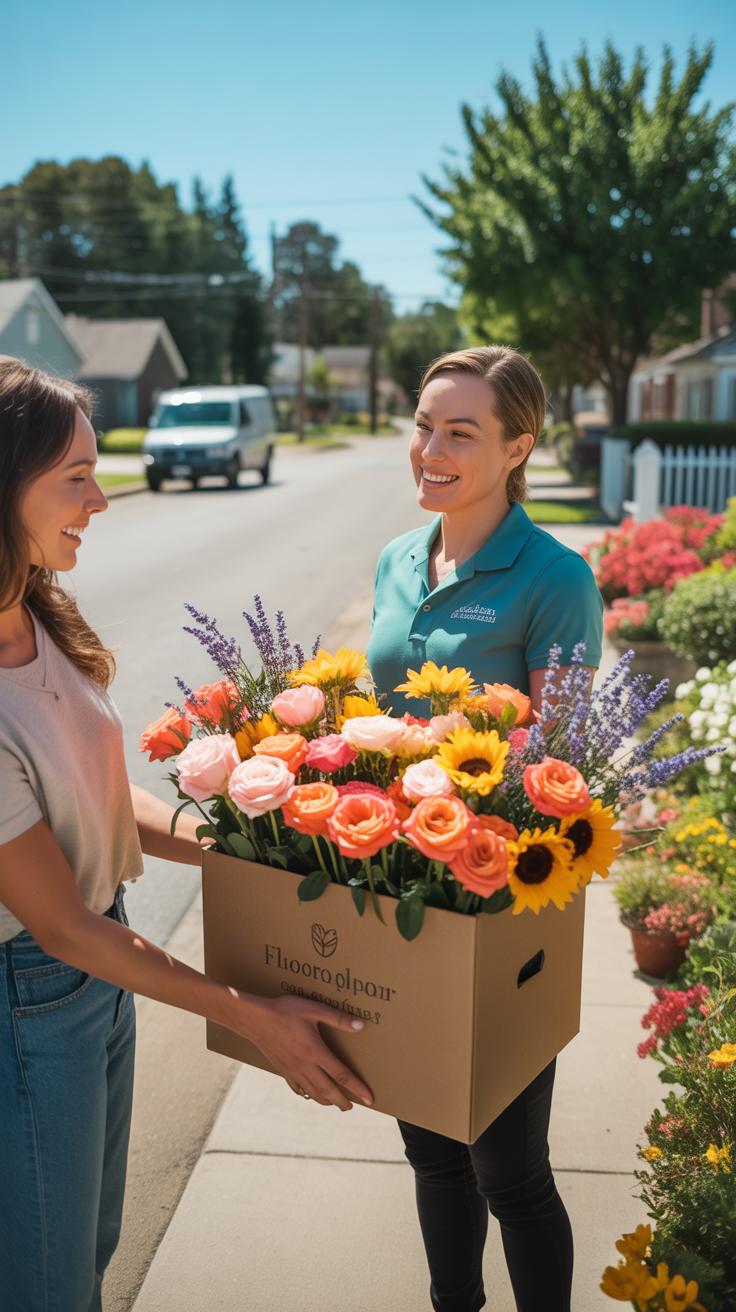
Why Recurring Subscription Orders Make Delivery Planning More Predictable And Efficient
Flower subscriptions eliminate the chaos of last minute logistics. You shift from reactive ordering to proactive scheduling. This allows you to secure specific inventory well before high demand dates. Suppliers offer better pricing when you commit to regular volumes. You save time by removing the search and checkout process for every single event. Automation ensures you never miss an important delivery date again.
Predictable order volume improves delivery route density. You can group drop offs in the same neighborhood on specific days. This reduces fuel costs and driver hours. Regular schedules allow you to optimize vehicle maintenance and staffing levels. Data from recurring orders helps you forecast seasonal labor needs accurately. You stop guessing about daily demand and start operating with a lean and fixed logistics budget.
How To Structure A Local Flower Subscription That Works For Both You And Your Customers
Successful subscriptions depend on clear tiers and flexible frequency options. Let customers choose weekly, bi weekly, or monthly intervals. Stick to standard vase sizes to keep your supply costs low and consistent. Offer a specific day of the week for all subscription deliveries. This creates a reliable routine and simplifies driver manifests. Use durable seasonal blooms to ensure longevity and reduce replacement requests.

Transparency on billing and cancellation builds long term trust. Provide a digital portal where clients can pause service when they go on vacation. This prevents wasted product and delivery attempts at empty buildings. Focus on high quality base materials like roses or lilies for consistency. Limit customization to keep your assembly line fast and efficient. Standardized packaging protects the stems and speeds up the loading process significantly.
Building A DIY Flower Delivery Setup That Is Affordable And Easy To Scale
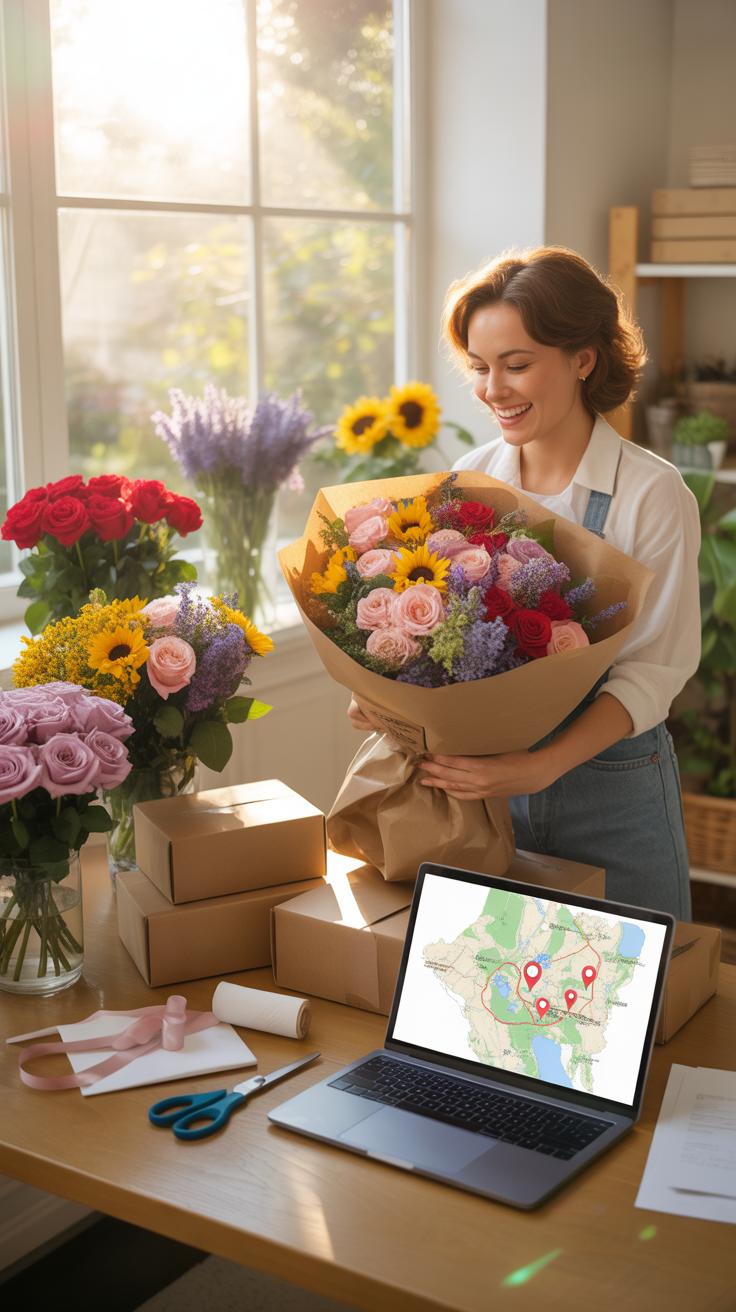
Essential Supplies And Tools You Need To Run A DIY Local Flower Delivery Operation
A professional DIY delivery operation requires a stable vehicle environment. Use heavy plastic crates to prevent buckets from tipping during sharp turns or sudden stops. Non-slip rubber mats protect your trunk from water damage. Hydration is the priority for flower health. Use clean five-gallon buckets filled with cool water and floral preservative. These tools keep stems firm and prevent wilting while the vehicle is in motion.
Thermal protection is necessary for temperature control. Use insulated blankets or silver reflective shields to block heat in summer and trap warmth in winter. Sharp clippers and a dedicated water source allow for quick stem recuts on the go. Carry a basic toolkit for emergency repairs to packaging. This setup ensures the product reaches the client in peak condition. Focus on stability and temperature to minimize stock loss during transport.
How To Use Free And Low Cost Tools To Manage Routes Orders And Customer Updates
Efficient delivery relies on smart routing. Use free mapping tools like Google Maps to batch orders by neighborhood. This reduces fuel costs and keeps your schedule tight. Enter all delivery addresses into a shared digital spreadsheet for easy tracking. This method centralizes your data without expensive software. Organizing stops by geographic proximity is the fastest way to scale. It saves time and prevents driver burnout.

Customer communication must be automated to save time. Use basic messaging apps to send arrival updates. Take a photo of the flowers at the door as proof of delivery. This builds trust and provides a digital record for your files. Simple email templates can handle order confirmations and feedback requests. These low-cost habits professionalize your service. Clear data management keeps your operation profitable as your order volume grows over time.
Frequently Asked Questions

Why should I choose a local florist over a national online brand?
Choosing a local florist ensures your bouquet contains fresher, seasonal blooms rather than flowers that have spent days in transit. When you follow local flower delivery tips and order directly, you support small businesses in your community and often receive a more artistic, custom design. Local shops have firsthand knowledge of the area, which guarantees your arrangement arrives in peak condition and at the perfect temperature for your specific climate.
How can I ensure my flowers arrive fresh and on time?
To guarantee a successful surprise, always provide a specific delivery window and a secondary contact number for the recipient. One of the most effective local flower delivery tips is to place your order at least forty-eight hours in advance, especially during holidays. Additionally, verify the delivery address twice and include helpful details like gate codes or specific apartment instructions to help the driver navigate your neighborhood quickly and efficiently.
Is it possible to find beautiful flower delivery options on a tight budget?
Absolutely. You can save money by asking for “designer’s choice” using seasonal stems, which allows the florist to use their most abundant and affordable inventory. Avoid major holidays when prices peak and consider picking up the arrangement yourself to waive delivery fees. Communication is key; simply tell your florist your exact budget upfront, and they will suggest hearty, long-lasting flowers that offer the most visual impact for your dollar.