
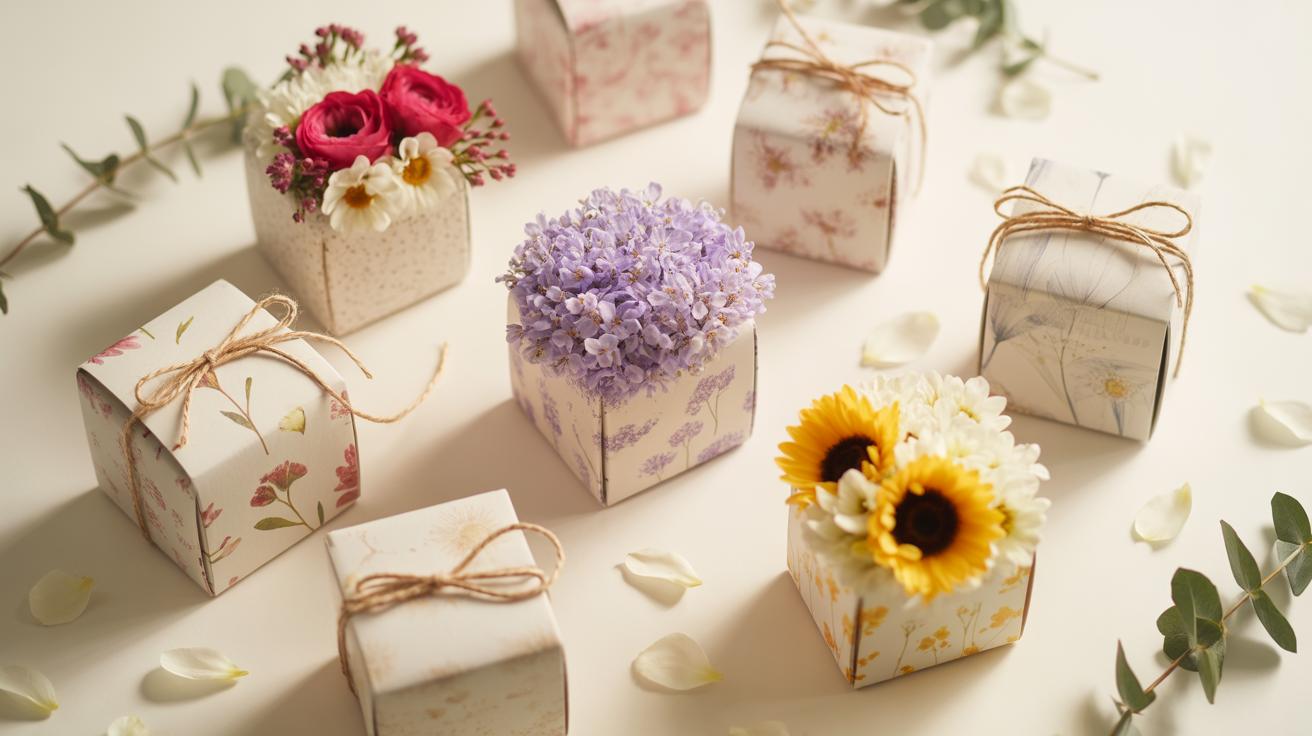
What Is Floral Subscription Packaging And Why Does It Matter
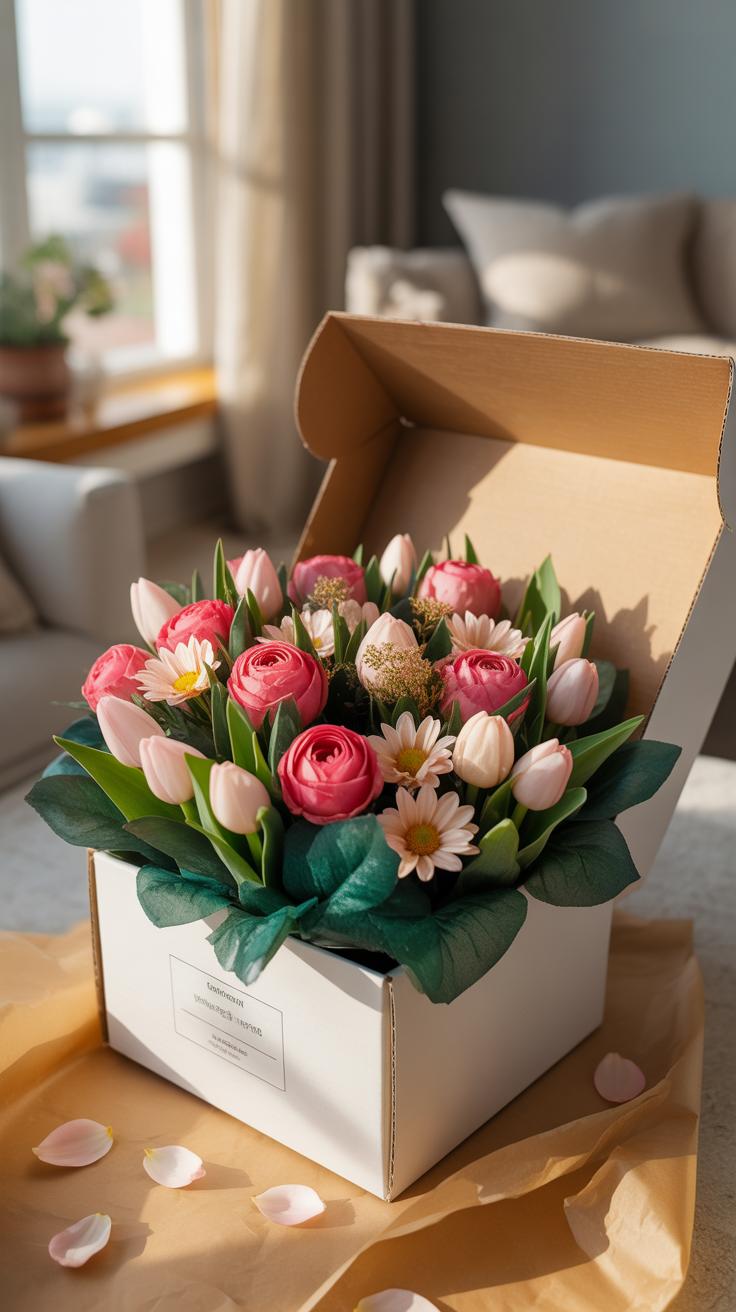
Understanding The Role Of Packaging In A Flower Subscription
Floral subscription packaging serves as a structural shield for perishable goods. It prevents mechanical damage during the transit process. Cut flowers are fragile biological products. They require stable temperatures and humidity levels to survive. Effective packaging maintains this microclimate. It must also accommodate hydration methods like gel packs or wet wraps. These components extend the vase life of the product once it arrives.
The packaging also facilitates efficient logistics and handling. Standardized box dimensions allow for predictable shipping costs and carrier compatibility. Proper interior bracing stops the stems from shifting or snapping. You must ensure the design allows for gas exchange to prevent ethylene buildup. This gas accelerates wilting and decay. High-quality materials like corrugated cardboard provide the necessary rigidity without adding excessive weight to the final shipment.
How Packaging Shapes The Customers First Impression
Packaging acts as the primary physical touchpoint for your brand. Most floral subscriptions bypass traditional retail interactions. The box represents your only chance to communicate quality and reliability. A clean and functional design signals professional standards. Customers judge the value of the subscription before they see the flowers. If the exterior looks damaged or cheap, the perceived quality of the brand immediately drops.
Strategic design uses colors and typography to reinforce brand identity. This practice draws from the Modernist movement where form follows function. Minimalist layouts reduce visual noise and highlight the product. The unboxing process must be intuitive and mess-free. If a customer struggles to open the package, the experience fails. Clear instructions and intentional placement of contents build trust. This trust leads to higher retention rates for your subscription service.

Creative Flower Delivery Inspiration Where To Find Your Packaging Style
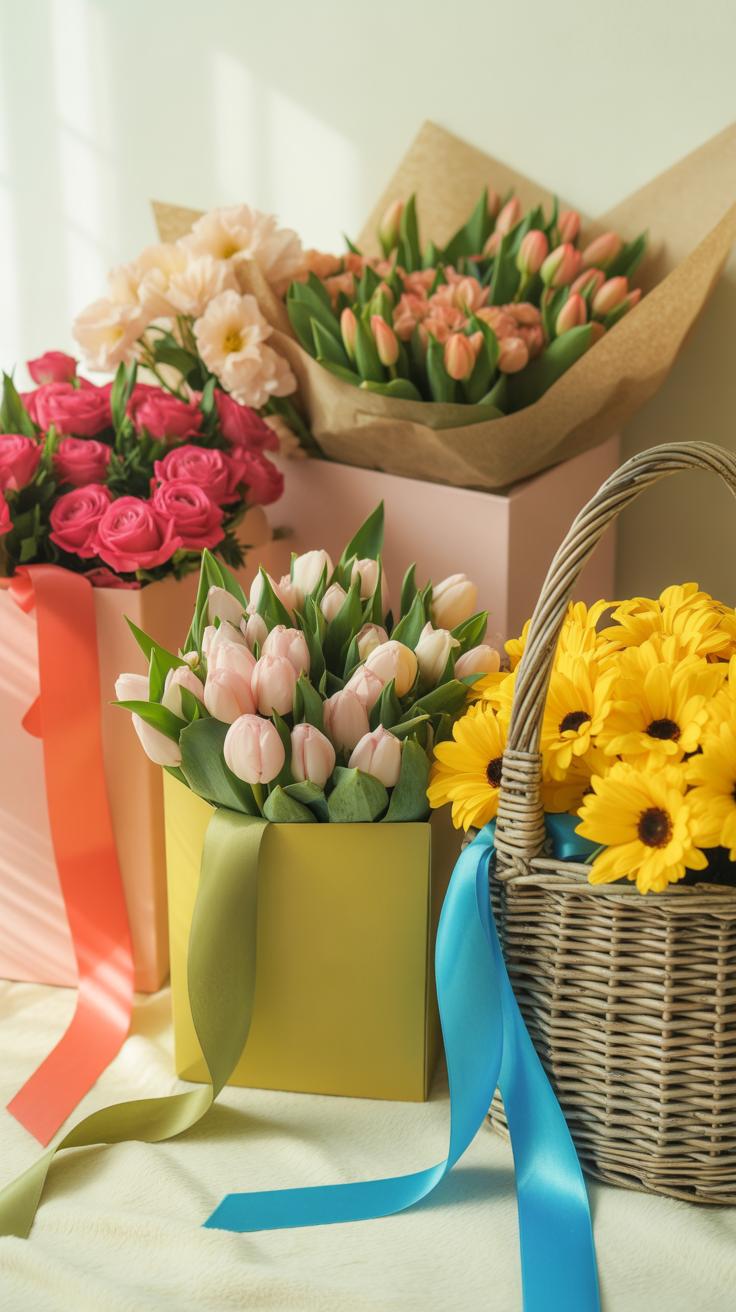
Drawing Packaging Ideas From Seasonal Floral Trends
Seasonal changes dictate the color palette and physical requirements of your shipment. Spring subscriptions require light paper wraps to prevent petal bruising. Summer heat demands insulated liners or water-storing gels to maintain turgidity during transit. Match your box inserts to the stem thickness of the season. Use rigid dividers for heavy autumn branches and soft tissue for delicate spring bulbs to ensure safe arrival.
Visual trends shift with the calendar. Use saturated tones and heavy recycled kraft paper for winter shipments to suggest warmth. Switch to translucent vellum or lighter paper weights in spring to reflect the airiness of the blooms. Alignment with the natural cycle builds trust with customers. They see that you understand the product and the environment. Seasonal material choices also optimize your shipping costs by utilizing local supplies.
How Botanical Gardens And Florists Influence Packaging Aesthetics
Botanical gardens provide historical blueprints for plant preservation. These institutions use specific moisture-wicking papers and structural supports to protect rare specimens. Study their archival methods to improve your long-distance shipping resilience. Emulate the clean labeling and scientific detail found in Victorian herbariums. This style adds an educational value to your brand. It communicates a high level of expertise and care to the recipient.

Modern florists influence packaging through minimalist design and efficient assembly. High-end shops prioritize the unboxing experience by using branded seals and custom-printed tapes. Observe how urban boutiques use geometry to secure stems without excessive plastic. Their use of natural fibers like jute and hemp reduces environmental impact. Use these professional cues to refine your box layout. Simple structural changes can replace expensive fillers while maintaining a premium look.
Choosing The Right Flower Delivery Box For Your Subscription
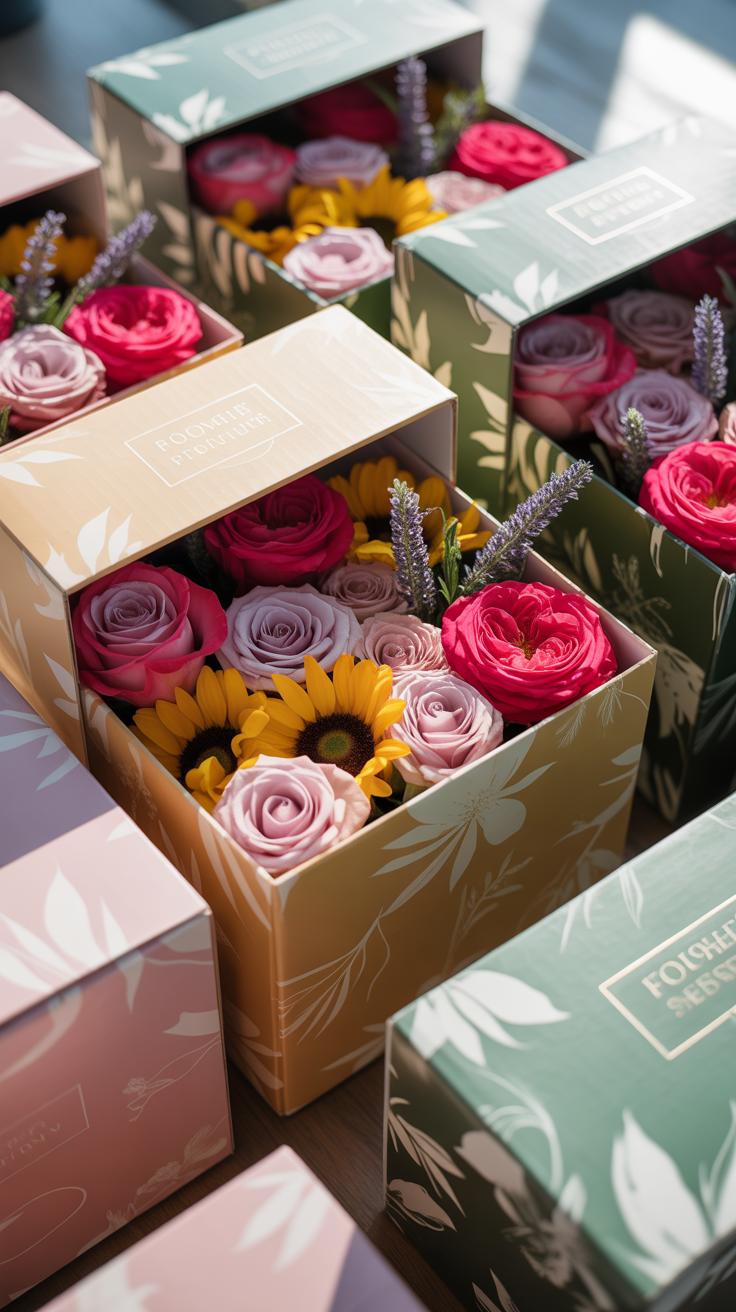
Guidance Box Size Shape And Structural Integrity For Fresh Flowers
Box dimensions dictate the health of the bouquet during transit. You must match the box length to the longest stem. Excess space allows the flowers to slide and bruise. A snug fit prevents movement without crushing the petals. Choose rectangular boxes for long-stemmed roses or lilies. Square boxes work for dense bunches. Height matters because it protects the delicate flower heads from downward pressure.
Structural integrity ensures the box survives the weight of other packages. Couriers stack boxes in trucks. Your packaging must resist crushing to protect the stems inside. Use double-walled construction for larger shipments. This design absorbs impact and maintains its shape. Moisture also weakens cardboard quickly. Select boxes with a water-resistant coating to prevent the bottom from falling out when stems leak or condensate.
Corrugated Vs Kraft Vs Rigid Boxes Which Works Best For Blooms
Corrugated cardboard is the industry standard for floral shipping. It features a fluted layer between two flat liners. This design provides superior cushioning and insulation. The air pockets in the flutes protect flowers from temperature shifts. It is lightweight and keeps shipping costs low. Most subscription services use B-flute or E-flute corrugated board. These options balance strength with a clean and professional look for customers.

Kraft boxes are single-layer paperboard and lack structural strength. They work only for hand-delivered bouquets or lightweight dried flowers. Rigid boxes offer the highest protection but cost significantly more to produce and ship. These are better for luxury high-end subscriptions where the unboxing experience justifies the price. For a standard floral subscription, corrugated boxes provide the best utility. They handle the moisture and physical stress of the delivery cycle.
Flower Subscription Boxes Simple Design Approaches Anyone Can Execute
Minimalist Wrapping Techniques That Look Professional On A Budget
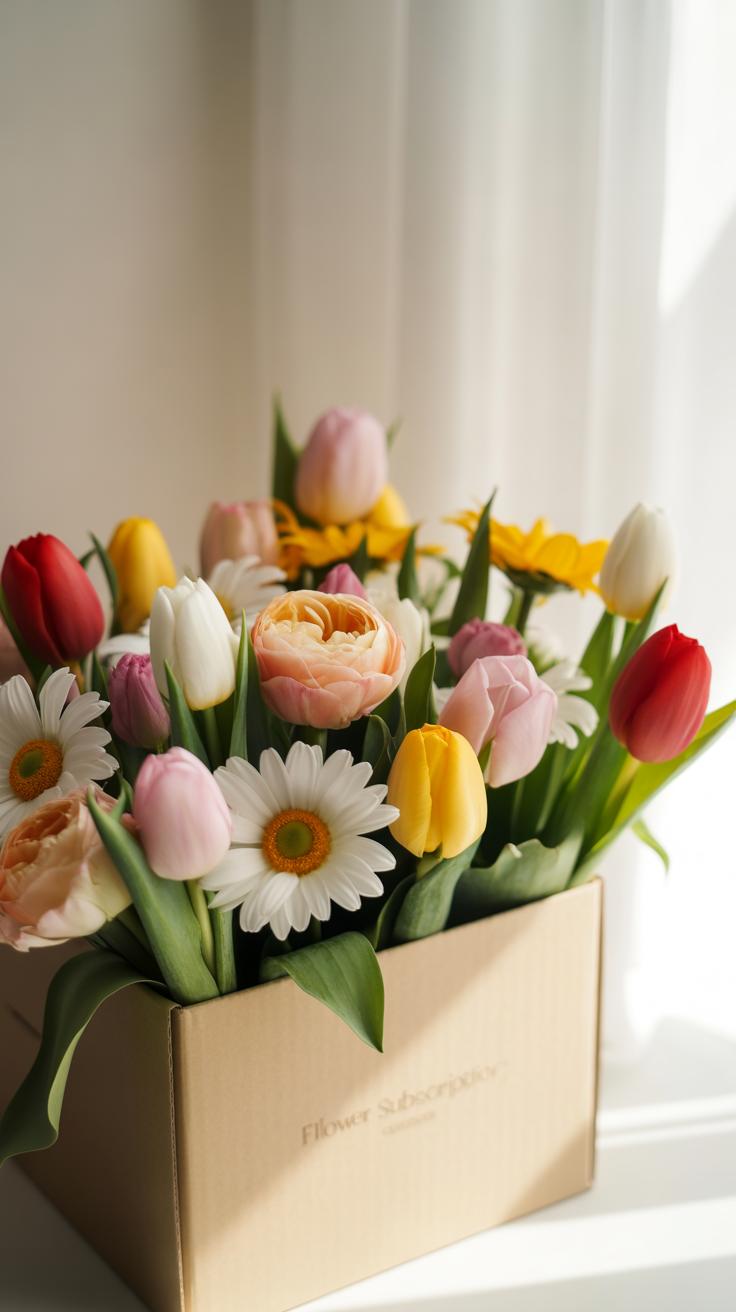
Minimalism stems from the De Stijl and Bauhaus movements which prioritize function over ornament. Use plain kraft paper to wrap stems tightly. This material provides structural integrity and moisture resistance at a low cost. Neutral tones ensure the natural colors of the flowers remain the primary focus. Fold the paper into a sharp cone shape to protect delicate petals during transit and handling.
Secure the wrap with natural twine or a single piece of paper tape. Avoid plastic ribbons that add waste and look cheap. Professional presentation relies on clean lines and tight folds rather than decorative patterns. Ensure the stems are cut to a uniform length before wrapping. This creates a flat base that prevents the bouquet from shifting inside the outer shipping container during delivery.
Essential Materials Needed To Build Your Flower Subscription Box
Standardizing your packing inventory reduces overhead and streamlines the assembly line. You must select materials that balance weight and protection to keep shipping costs low. Corrugated cardboard serves as the industry standard for the outer shell due to its high crush resistance. Each component must serve a specific role in keeping the plants hydrated and stable from the warehouse to the customer front door.
- Macerated Paper Pads: Use these recycled liners to absorb excess moisture and provide a soft cushion for the blooms. They prevent bruising during rough transit by filling the empty gaps between the flowers and the box walls.
- Waterproof Stem Wraps: Soak these sponges or fabric cloths in water and wrap them around the base of the stems. Cover the wet material with a compostable plastic bag to maintain hydration without leaking onto the cardboard box.
- Corrugated Inserts: Insert these custom cardboard dividers to lock the flower stems into a fixed position. Movement inside the box causes most transit damage so these inserts are vital for maintaining the structural integrity of the arrangement.
- Pressure Sensitive Tape: Seal your boxes with high strength adhesive tape to prevent tampering and accidental opening. Use paper based options to remain consistent with a recyclable brand image while ensuring the box remains shut under heavy stack pressure.
- Temperature Control Liners: Add metallic or foam insulation during extreme summer or winter months to regulate the internal climate. Flowers are highly sensitive to thermal shock and these liners help maintain a consistent temperature range until final delivery.

Quality control starts with the raw materials you stock in your fulfillment center. Cheap materials fail during the last mile of delivery which leads to costly replacement orders and lost subscribers. Test your box strength by performing a standard drop test before finalizing your supplier. Invest in high grade basics to ensure your floral subscription packaging survives the logistical chain while looking professional and clean.
Flower Delivery Box Ideas That Keep Blooms Fresh In Transit
Using Water Tubes And Hydration Packs To Extend Flower Freshness
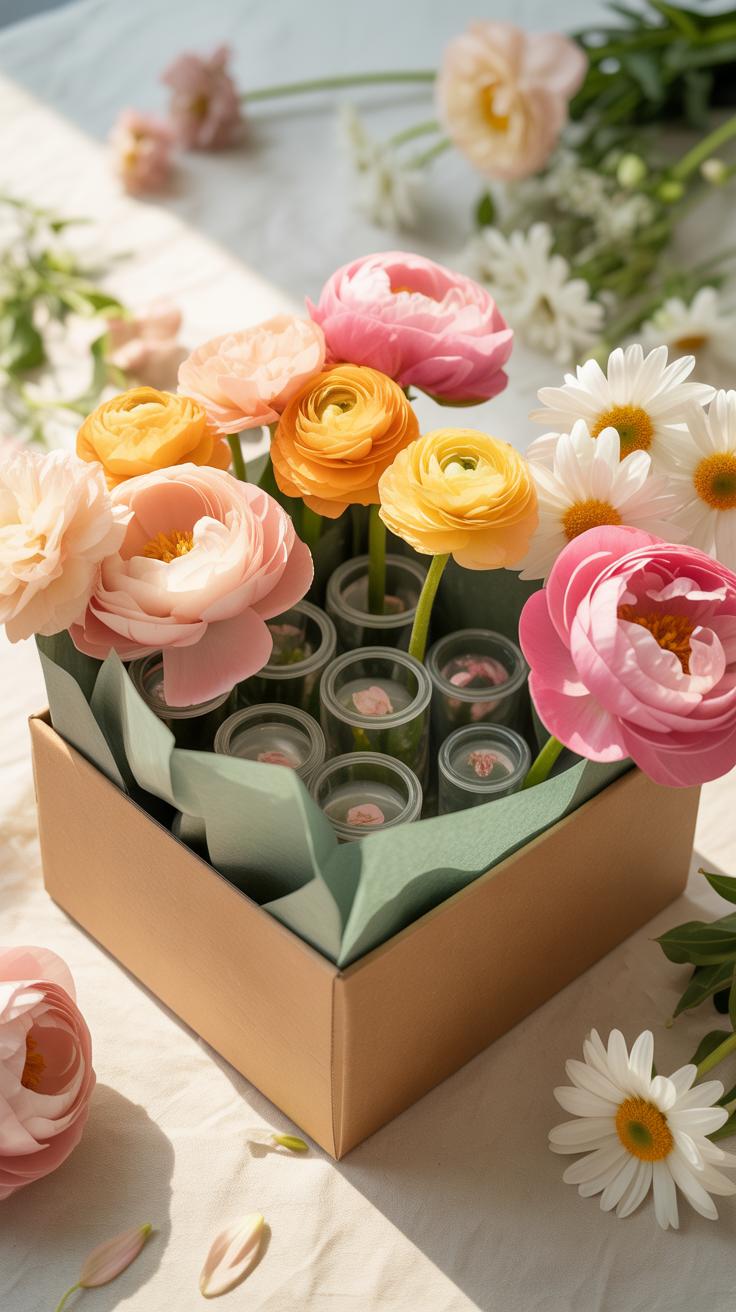
Water tubes provide a localized water source for single stems. These plastic or rubber-capped vials prevent moisture loss during the first forty-eight hours of shipping. Use them for high-value focal flowers like roses or lilies. Ensure the seal is tight to prevent leaks inside the cardboard box. This method keeps the vascular system of the flower active while the rest of the bouquet remains dry.
Hydration packs use compostable sponges or gel-based wraps to cover the entire stem base. Wrap these packs in waterproof film or specialized paper to lock in moisture. This technique allows the flowers to drink throughout the transit cycle. It works better than tubes for large bouquets because it services all stems simultaneously. Secure the wrap with a rubber band to maintain constant contact with the cut ends.
Earth laughs in flowers, and a simple brown paper wrap is all they need to carry that joy home.
How Insulating Liners And Temperature Control Protect Delicate Petals
Insulating liners act as a thermal barrier against external heat and cold. Most shippers use reflective foil or recycled denim pads to line the inner walls of the box. These materials maintain a stable internal temperature by slowing down heat transfer. This prevents the blooms from wilting in summer or freezing in winter. Proper insulation extends the shelf life of the flowers by several days.

Temperature control often requires phase-change materials like gel ice packs. Place these packs at the bottom of the box, separated from the petals by a layer of corrugated paper. Direct contact with ice will damage the plant tissue. Cold packs manage the ambient air temperature to slow the respiration rate of the flowers. This keeps the blooms in a dormant state until they reach the customer.
Flower Subscription Ideas Personalizing Your Packaging For Repeat Customers
Adding Handwritten Notes, Seasonal Cards, And Care Instructions
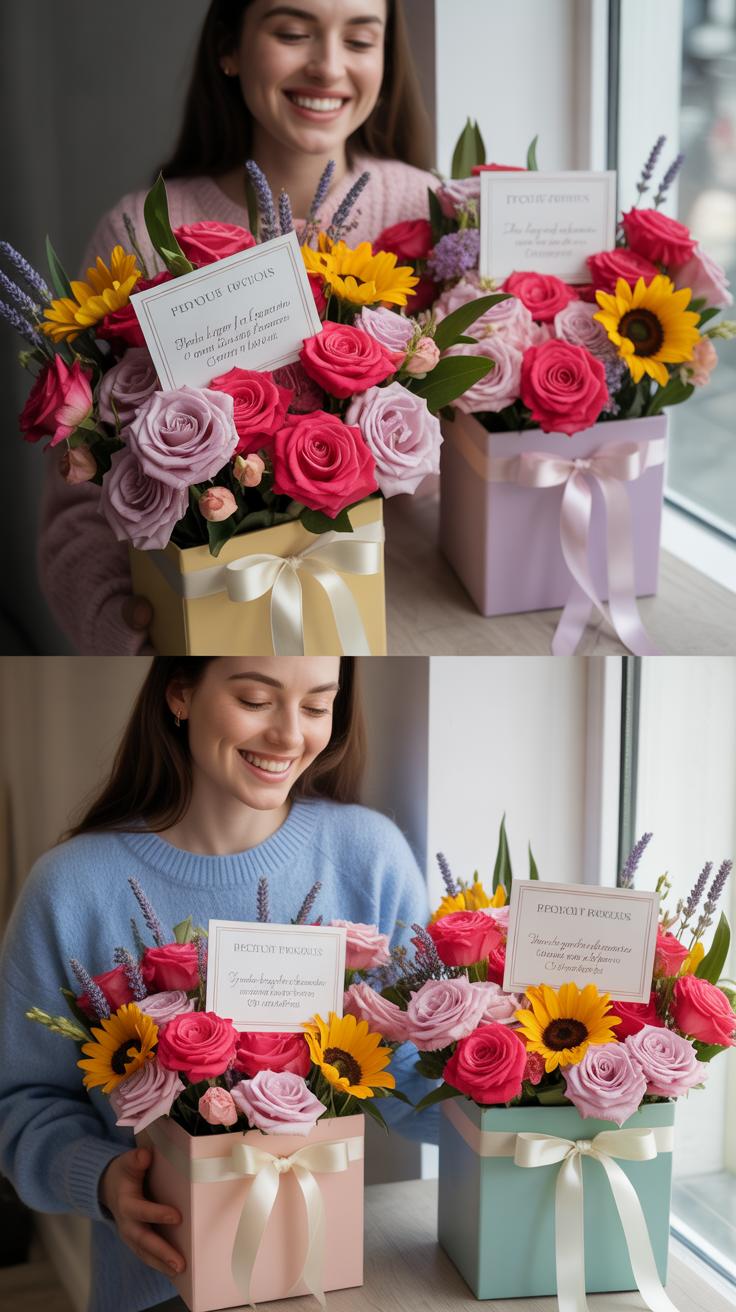
Personal writing builds customer retention by creating a direct link between the sender and the recipient. Standard printed packing slips feel cold and industrial. Use heavy cardstock for handwritten notes to signal quality. A brief message acknowledging the repeat order increases loyalty. Keep the text short and legible. This manual step proves that a human inspected the shipment before it left the facility.
Include clear care instructions to ensure the product lasts. Use seasonal cards to provide relevant context for the specific flower varieties inside. Explain how to trim stems and when to change the water. Proper education prevents early wilting and reduces refund requests. High quality printed cards act as a physical reminder of your brand. Place these documents on top of the flowers so they are seen immediately upon opening.
Custom Ribbon, Twine, And Tissue Paper As Branding Elements
Texture and color define the unboxing experience. Custom ribbons should use grossgrain or cotton for a premium feel. Avoid cheap plastic ribbons that fray easily. Twine offers a rustic aesthetic and secures the stems without damaging delicate tissue. These materials keep the arrangement stable during transit. Branding these elements with a logo or specific color palette reinforces brand recognition without requiring expensive printed boxes.
Tissue paper serves as the primary barrier against bruising. Acid free tissue prevents chemical transfer to the petals. Layer the paper to create a cushion. Choose colors that contrast with the flowers to make the colors pop. Fold the paper edges neatly to demonstrate attention to detail. This layer protects the investment and builds excitement. Use consistent materials every month so your customers recognize your signature style instantly.
Sustainable Flower Delivery Packaging Eco Friendly Options That Still Impress
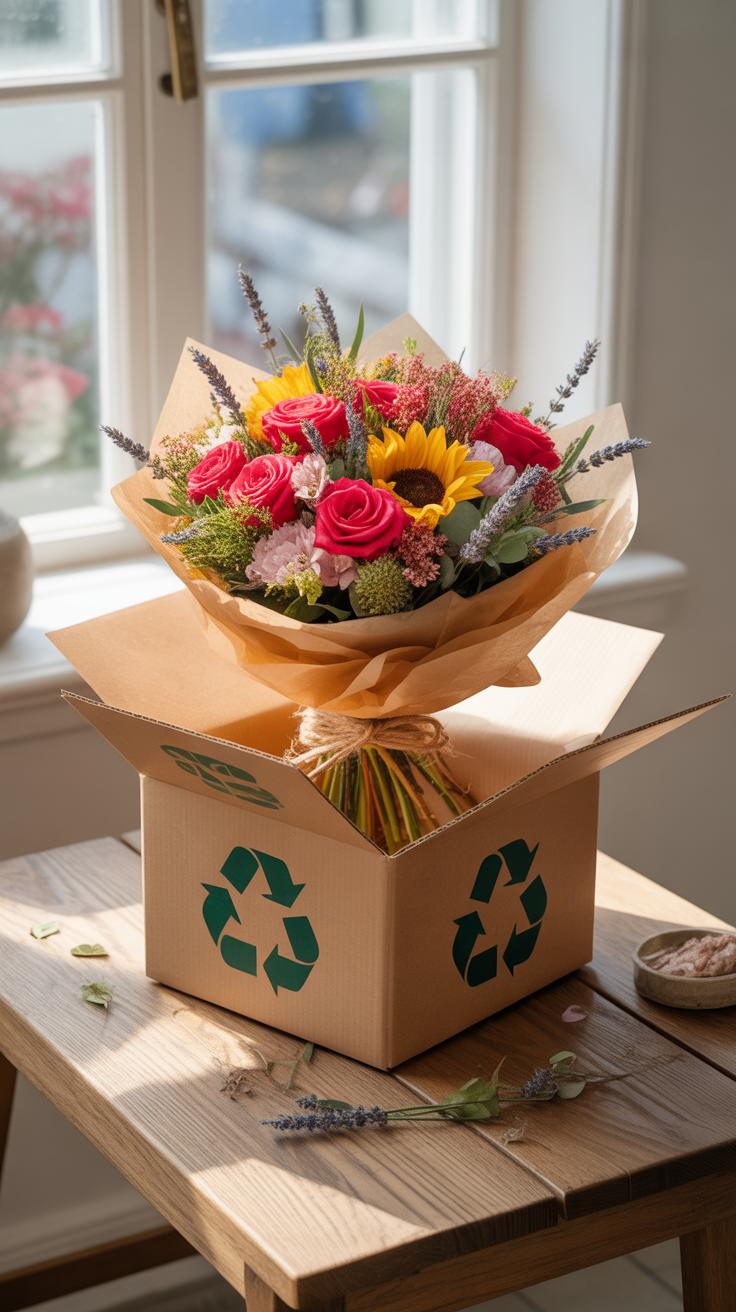
Biodegradable And Recyclable Materials Commonly Used In Floral Packaging
Standard floral delivery relies on kraft paper and corrugated cardboard for structural integrity. These materials offer high tensile strength and easy recyclability. Designers now use FSC certified paper to ensure ethical sourcing. For hydration, compostable hydration wraps made from cellulose or PLA replace traditional petroleum plastics. These wraps keep stems wet during transit but break down in home compost bins within weeks.
Modern engineering adds water resistant coatings to paper inserts. These bio waxes allow paper to handle moisture without losing shape. Jute and hemp twine serve as natural ties for bouquets. These plant based fibers eliminate the need for synthetic ribbons or rubber bands. Using monochromatic printing with soy based inks ensures the entire package remains backyard compostable. This shift removes plastic waste from the delivery stream.
Why Sustainable Packaging Choices Are Resonating With Modern Flower Subscribers
Today’s flower subscribers prioritize the life cycle of every purchase. They view excess plastic as a burden to manage. Packaging that is easy to recycle or compost reduces friction for the customer. It aligns the beauty of the product with the ethics of the brand. Subscription models thrive on repeat business. Loyal customers expect brands to minimize environmental impact with every recurring shipment.

The rise of the zero waste movement directly influences consumer habits in the floral industry. Customers often share their unboxing experiences on social media platforms. Visible sustainability serves as a powerful marketing tool for the business. It signals quality and thoughtful design rather than cheap mass production. Using eco-friendly materials builds trust between the florist and the subscriber. This trust keeps retention rates high over time.
Floral Packaging Ideas For Special Occasions And Gift Deliveries
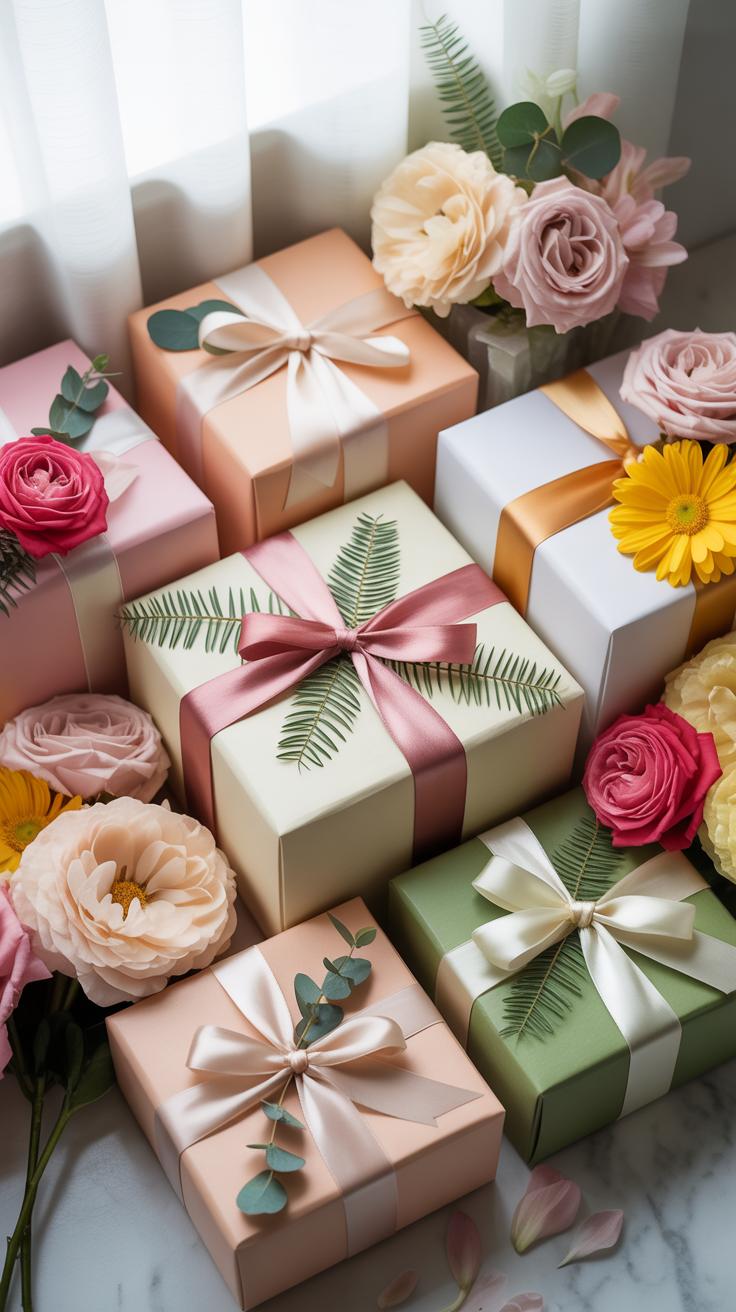
Seasonal Packaging Themes For Holidays Birthdays And Anniversaries
Seasonal packaging aligns your product with the customer calendar. Use deep red and gold tones for winter holidays to signal value and urgency. Switch to light pastels and kraft paper for spring events like Mother Day. These color shifts signal a premium curated experience without changing your core inventory. Use specific color palettes to trigger emotional responses associated with traditional gift giving cycles.
Effective floral packaging requires durable materials that withstand climate changes. Use thicker waxed liners during winter to protect stems from freezing temperatures. Switch to breathable linen wraps during summer months to prevent mold growth in high humidity. These technical choices ensure the product arrives in peak condition regardless of the season. Strategic material selection reduces waste and lowers the rate of customer returns during peak periods.
Simple Gift Wrap Upgrades That Transform A Standard Delivery Into A Keepsake
Standard deliveries become premium gifts through texture and layers. Add a heavy weight vellum overlay to protect the blooms inside the box. This layer creates a barrier against friction during transit. Use a wide cotton grosgrain ribbon to secure the wrap instead of plastic tape. This material change increases the perceived value of the box immediately. Most customers reuse high quality ribbons which keeps your brand visible.

Personalization drives repeat subscription sales. Include a thick cardstock insert for handwritten notes. Use a minimalist black and white design to maintain a clean aesthetic. This approach allows the flowers to remain the focal point of the delivery. Secure the gift card with a wax seal or a metal eyelet for a finished look. These small hardware additions signal high quality craftsmanship and justify a higher price point.
Running A Flower Subscription Service Packaging Logistics And Cost Management
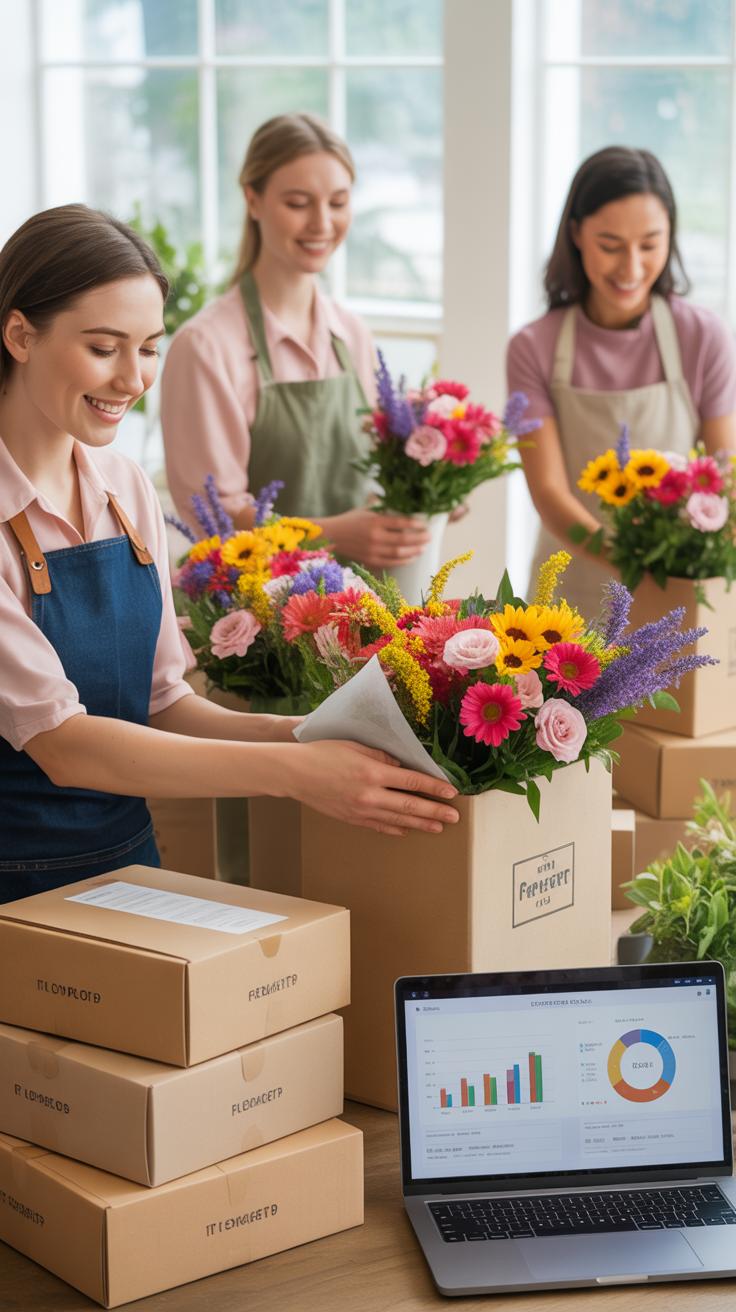
Balancing Packaging Quality With Per Box Cost For Subscription Businesses
Subscription models live or die by the customer acquisition cost and the lifetime value ratio. You cannot spend your entire margin on a box. High quality packaging protects the product and reduces costly replacements. Select corrugated cardboard with a high burst strength to prevent crushing during transit. This saves money by lowering the rate of damaged goods and customer churn over time.
Control costs by purchasing materials in bulk quantities. Standardize your box sizes to fit various bouquet volumes. Custom printing adds cost so consider using branded stamps or stickers on generic kraft boxes for early stage growth. This approach maintains a professional look without the high price of short run custom printing. Focus your budget on moisture retention liners which directly impact the lifespan of the flowers.
Practical Steps To Streamline Your Packaging Workflow For Weekly Deliveries
Efficiency in the packing shed determines your hourly labor cost. You must organize your workspace to minimize physical movement. Set up a linear assembly line where flowers move from hydration to wrapping and boxing without backtracking. Proper staging of materials ensures that your team never stops to look for tape or tissue paper. This structure maintains a high output rate every single week.
- Batch Prep Work: Fold all boxes and pre-cut your twine and paper before the flowers arrive. Doing these tasks in bulk prevents bottlenecks during the sensitive packing window when flowers must stay cool.
- Moisture Management: Use hydration gels or wet packs to keep stems drinking during transit. Pre-soaking these materials in large bins allows for rapid application. This step is critical for maintaining product quality in the mail.
- Standardized Inserts: Use a single size of internal support to keep different bouquet types from shifting. Adjustable cardboard inserts or notched dividers work best. They eliminate the need for excess plastic void fill or bubble wrap.
- Label Automation: Integrate your shipping software directly with your subscription platform to print labels in bulk order. Apply labels to boxes before they are filled. This reduces errors and ensures that every customer receives the correct floral arrangement.
- Waste Disposal: Place large trash bins at each station to keep the work area clear. Removing debris immediately prevents slip hazards and keeps the workflow moving. A clean station is a fast station for high volume flower subscription fulfillment.
Review your timing data after every delivery cycle. Look for stages where workers slow down or hit obstacles. Small changes in how you stack finished boxes can save minutes per hour. Logistics management is about shaving seconds off recurring tasks. Consistent speed leads to lower overhead and higher profit margins. Implement these steps to keep your floral business lean and scalable for future growth.
Common Floral Subscription Packaging Mistakes And How To Avoid Them
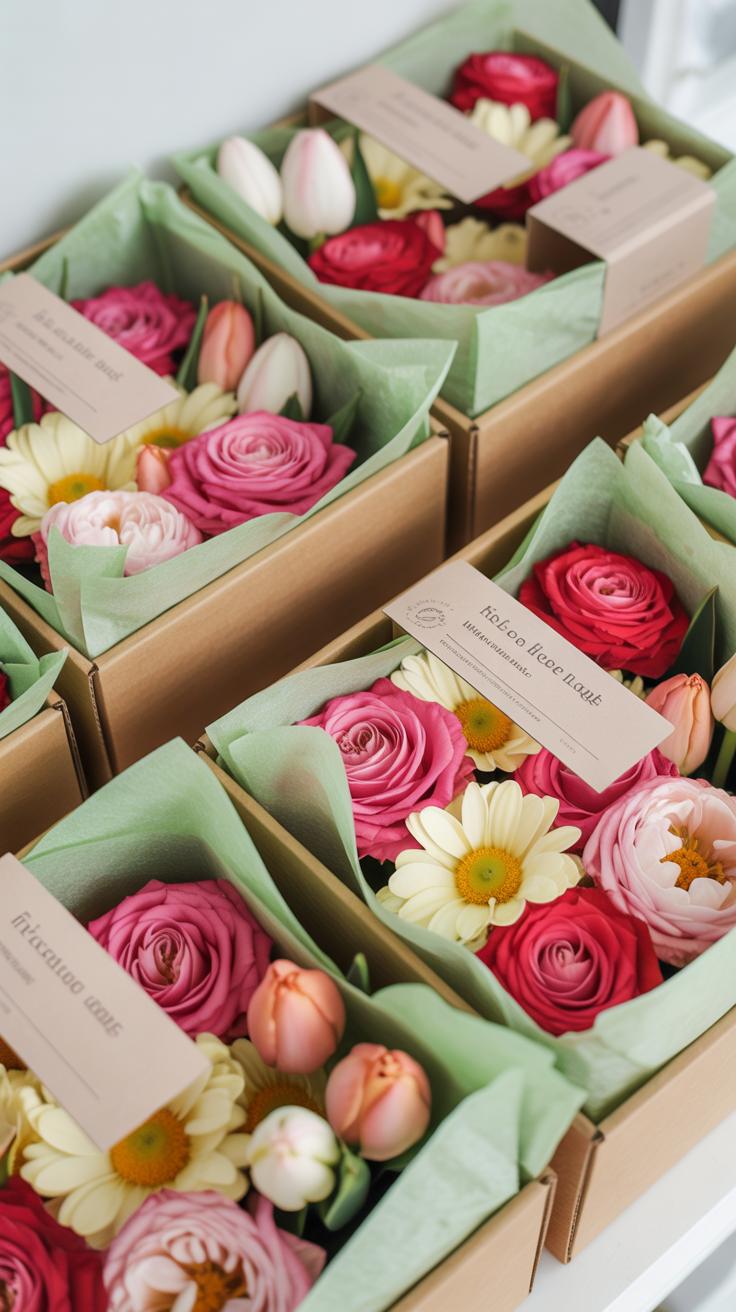
Packaging Errors That Lead To Damaged Or Wilted Flowers Upon Arrival
Thermal failure is the primary cause of product loss in floral shipping. Many businesses use standard cardboard without insulating liners. This allows extreme heat or cold to penetrate the box rapidly. Temperature spikes cause petals to brown or freeze within hours. You must use reflective barriers or specialized foam inserts during peak summer and winter months to maintain a stable internal temperature.
Mechanical damage occurs when stems move freely inside the container. Loose flowers collide with the box walls during transit. This friction bruises delicate petals and breaks stems. Secure every bouquet with notched internal supports or cable ties anchored to the base. Use hydration packs or soaked foam to prevent moisture loss. Dry stems lose turgidity fast. Simple rubber bands are not enough to ensure safe delivery.
How To Gather Customer Feedback To Continuously Improve Your Packaging
Direct data collection provides the best roadmap for packaging upgrades. Send a targeted survey to customers immediately after they receive their first box. Logistics issues often stay hidden unless you ask. Focus your questions on the condition of the blooms and the ease of unboxing. High churn rates usually signal a recurring quality problem. Quantitative scores help you track if structural changes actually work over time.
Use visual evidence to verify reported damage. Force customers to upload photos of wilted or broken flowers to your support portal. This documentation helps you identify specific weak points in your box design. You can also spot patterns with specific carriers or transit routes. Analyze this feedback every month to refine your material choices. Consistent monitoring prevents small packaging flaws from becoming expensive long term liabilities for your subscription business.
Frequently Asked Questions

What are the basic components needed for simple floral subscription packaging?
To get started, you only need a few essential supplies to create a beautiful presentation. Most beginner floral subscription packaging relies on sturdy kraft paper, moisture-retaining hydration wraps for the stems, and a durable outer box to prevent crushing. Using high-quality shears and twine adds a professional touch. Focus on breathable materials that protect the blooms during transit while maintaining a curated, boutique aesthetic that your subscribers will love unboxing each month.
How do I ensure flowers stay fresh inside their packaging during delivery?
Heat and dehydration are the biggest challenges for floral subscription packaging. To keep stems hydrated, wrap the ends in damp paper towels followed by a compostable plastic bag or eco-friendly wax wrap secured with a rubber band. Always choose corrugated boxes that provide enough structural support to avoid bruising the petals. Including a small packet of flower food and clear care instructions ensures the longevity of the arrangement once it arrives.
Can I create professional-looking flower packaging on a tight budget?
Absolutely! You don’t need expensive custom-printed boxes to make an impact. Affordable floral subscription packaging can be achieved by using plain recycled brown paper and personalizing it with a custom rubber stamp or hand-written notes. Repurposing tissue paper as a colorful liner or using natural jute twine provides a high-end, artisan feel without the premium price tag. Simple, clean lines and sustainable materials often look more sophisticated than over-designed plastic alternatives.