
Understanding How The Flower Wholesale Market Works
The Structure Of A Wholesale Flower Market And Who Can Buy From It
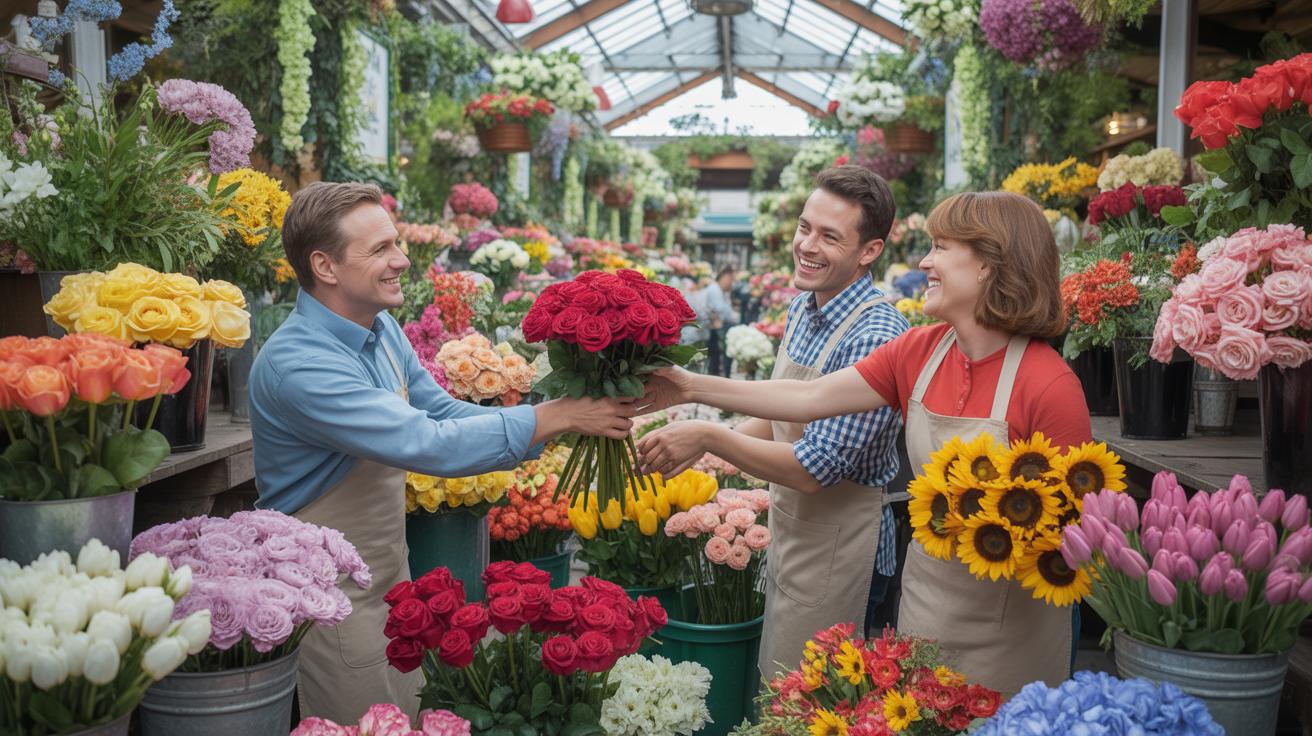
The wholesale flower market operates as a high volume bridge between global growers and local businesses. Massive auction houses like Royal FloraHolland set global price benchmarks through a Dutch auction system. This system moves perishable stock quickly to keep products fresh. Most wholesalers buy from these auctions or directly from large farms in South America, Africa, and Europe to supply regional hubs.
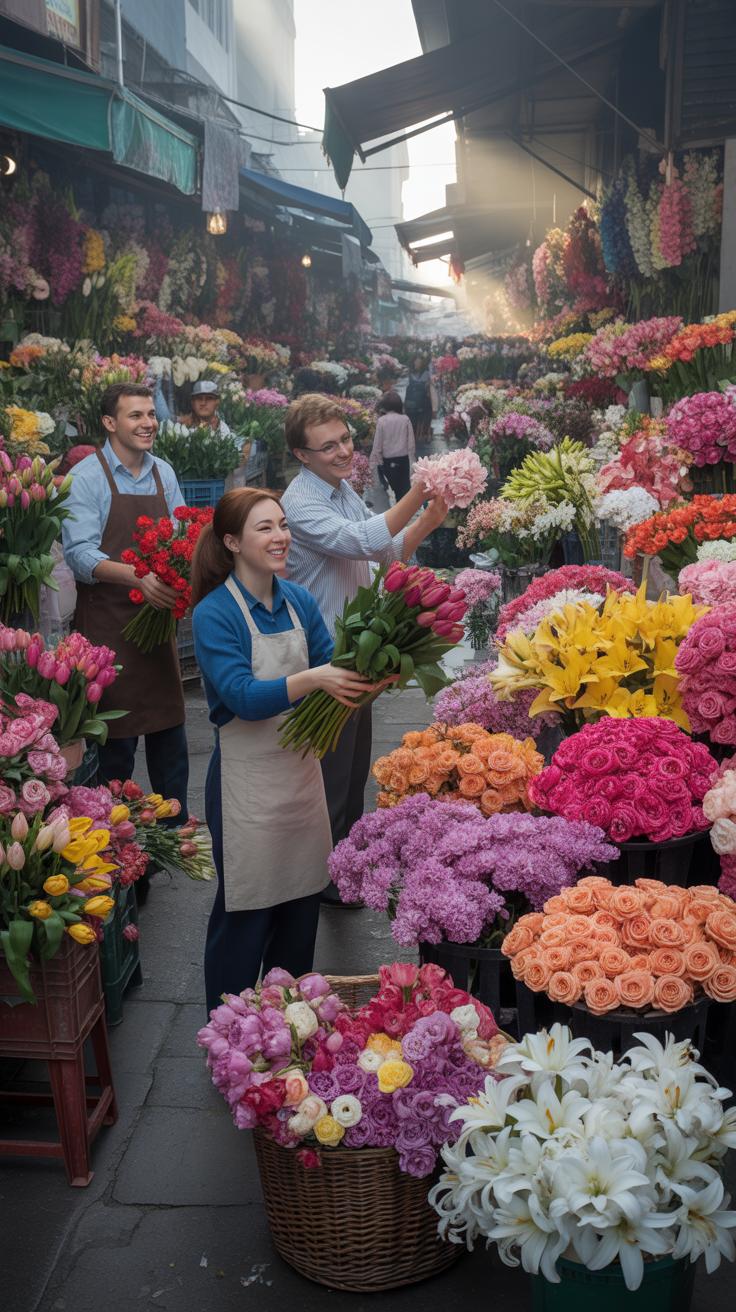
Access to these markets generally requires a registered business license and a resale certificate. Wholesalers restrict sales to floral professionals to protect the industry price structure. They do not want to compete with their own retail customers. Some markets offer limited public access on specific days but charge higher prices. True wholesale buying requires documented proof of business operations and tax identification numbers.
Key Differences Between Retail And Wholesale Flower Purchasing
Retail flower buying focuses on convenience and finished design work for individual consumers. Florists add value through cleaning, hydrating, and arranging stems for immediate display. The retail price covers the cost of labor, studio overhead, and wastage. You pay for a finished product that requires no additional work. Retail shops typically buy small quantities frequently to maintain fresh inventory for daily walk in traffic.
Wholesale buying involves purchasing flowers in bulk units known as bunches or boxes. You buy raw product that arrives in a dry state or unprocessed condition. This requires immediate labor to trim stems and hydrate the plants. You assume all risk for spoilage or broken stems within the pack. Buying at this level demands knowledge of specific flower grades and seasonal availability to ensure quality and value.

How To Choose The Right Wholesale Flowers For Your Needs
Matching Flower Varieties To Seasonal Availability And Event Style
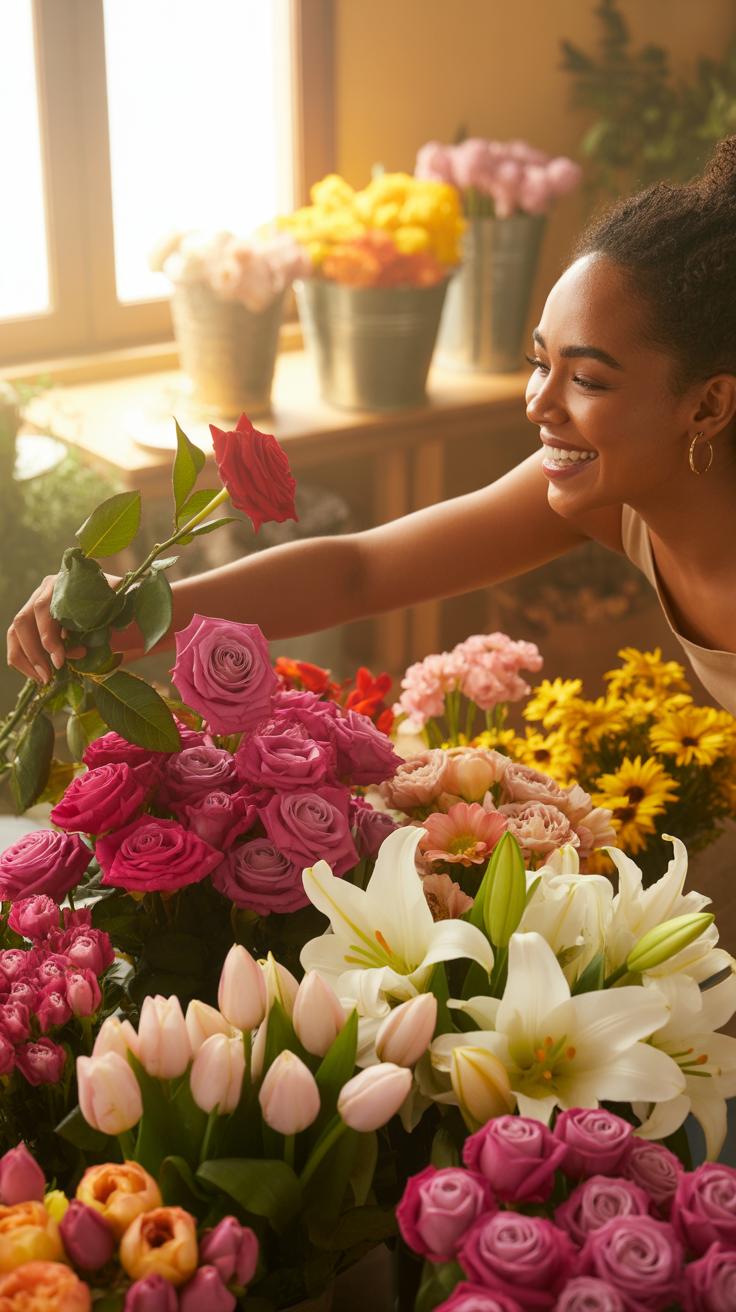
Buying flowers in their natural growing season reduces costs and improves product longevity. Local harvests offer the best hydration levels and shortest transport times. You must align your design style with the physical properties of the bloom. High-petal count flowers like peonies suit romantic styles but require specific temperature controls. Consult seasonal calendars to avoid paying premium prices for imported goods out of production.
Event style dictates the structural requirements of your wholesale order. Minimalist modern designs require clean lines from calla lilies or tropicals. Traditional Dutch-style arrangements need mass flowers and diverse textures. Do not force out-of-season blooms into a tight budget. Use hardy greenery to fill volume when primary focal flowers are scarce. This strategy ensures the arrangement holds its shape throughout the entire length of your event.
Quality Indicators To Look For When Selecting Wholesale Flowers
Inspect the calyx and stem ends for immediate signs of health. Firms stems and green, crisp leaves indicate proper hydration and recent harvest. Avoid any product with slimy stems or brownish discoloration at the base. These signs point to bacterial growth and poor water hygiene. Check the flower heads for bruising or petal drop. Tight buds offer a longer shelf life for multi-day events.

Check for signs of botrytis or gray mold on the inner petals. This fungus spreads quickly in humid shipping containers and ruins entire batches. Squeeze the flower head gently near the base to check for firmness. Soft or mushy heads indicate the bloom is past its prime. Reliable wholesalers maintain a cold chain from the farm to the warehouse. Constant temperature control prevents premature blooming and petal wilt.
Decoding The Wedding Flower Price Guide Before You Order
What Factors Drive Wedding Flower Costs At The Wholesale Level
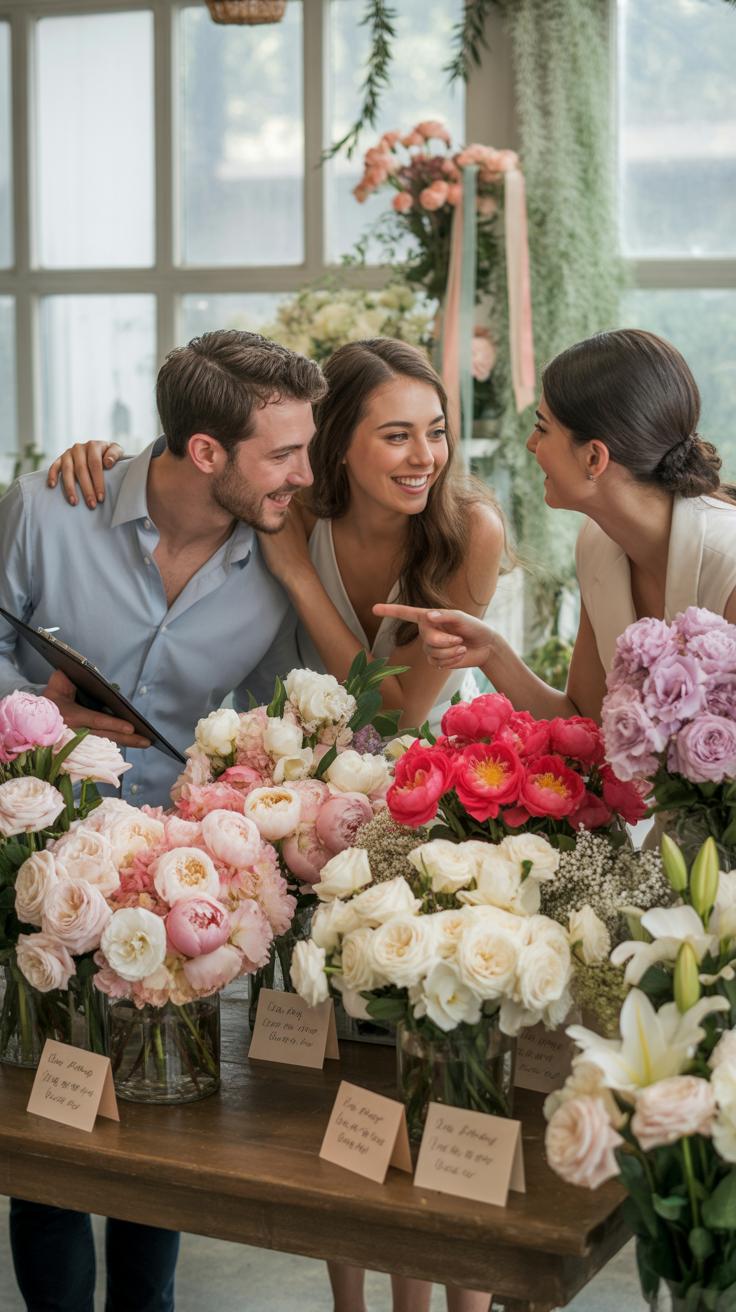
Supply and demand dictate the primary price shifts in the wholesale market. Major holidays like Valentine’s Day and Mother’s Day spike demand for specific varieties like red roses and peonies. Growers increase prices because labor and shipping costs rise during these peaks. Seasonal availability also matters. Buying out-of-season blooms requires long-distance air freight. This adds significant surcharges to your base per-stem cost.
Fuel prices and climate conditions directly impact your final invoice. Transporting fragile cold-chain cargo is expensive. Drought or unexpected frost in major growing regions like Colombia or Ecuador reduces yields. This scarcity drives up auction prices in the Netherlands and local markets. You must monitor global weather patterns and fuel trends. These factors determine if your favorite flower stays within the necessary profit margin for your event.
Deep in their roots, all flowers keep the light. Remember that choosing the right blooms is like preserving a memory of the sunshine itself.
How To Use A Wedding Flower Price Guide To Set A Realistic Budget
A price guide acts as a baseline for your procurement strategy. Start by identifying the price-per-stem for anchor flowers like ranunculus or hydrangeas. Use these figures to calculate your total cost of goods. Do not forget to account for a ten percent waste margin. Professional buyers use these guides to spot price gouging and negotiate better rates. Knowledge of current market rates keeps your margins safe.

Compare your guide against actual availability from several wholesalers. Guides reflect historical averages but real-time stock levels vary. Build your budget around hard numbers for greenery and filler flowers first. These items stabilize the total cost while you flex the budget for premium focal blooms. Effective budgeting requires aggressive tracking of these shifts. Stick to the guide to avoid overspending on emotional purchases during the buying process.
Buying Cut Flowers In Bulk What Every Buyer Should Know
How Cut Flowers Are Graded, Packaged, And Priced At Wholesale
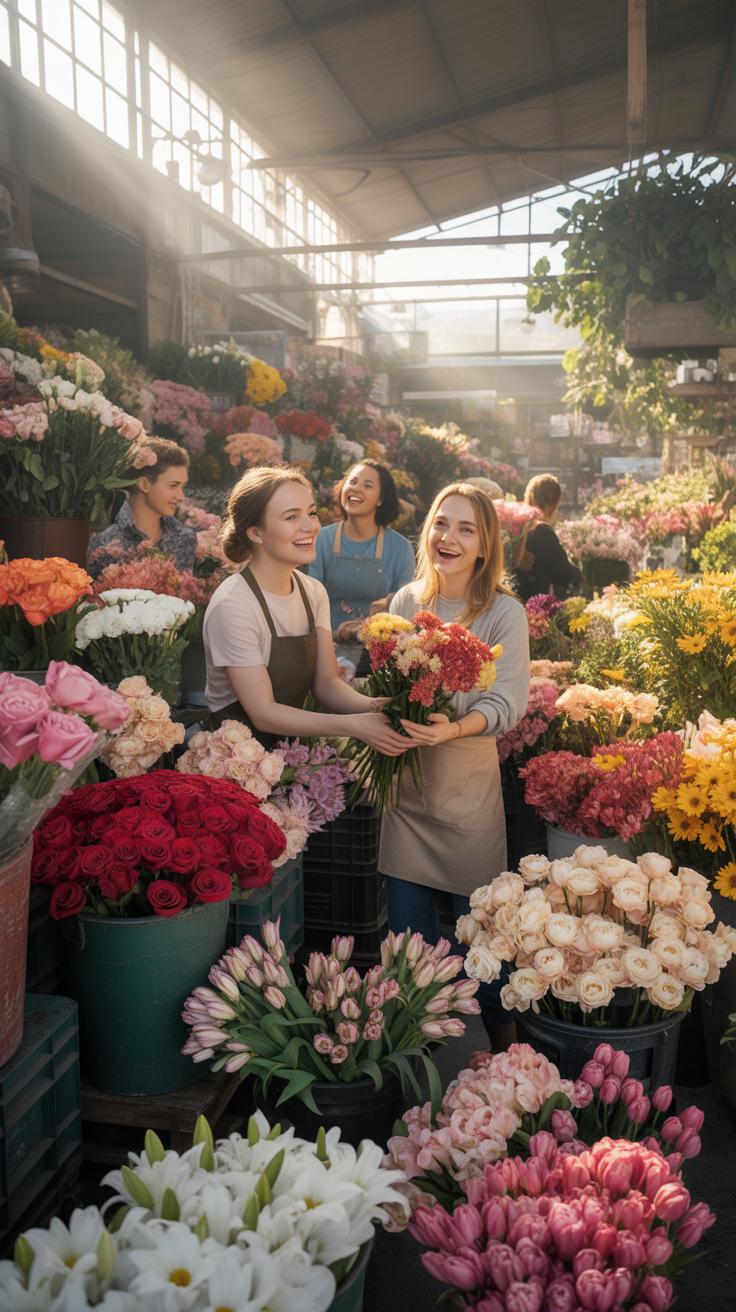
Wholesale grading depends on stem length, bloom size, and petal count. Growers categorize flowers to ensure uniform quality across a shipment. Higher grades feature longer, thicker stems and larger heads. Lower grades usually satisfy mass market needs or short arrangements. Buyers must match the grade to the specific design requirement to avoid overpaying for unnecessary stem length or wasting money on weak blooms.
Pricing fluctuates based on seasonal demand and global supply chain logistics. Most wholesalers sell stems in bunches of ten or twenty-five. Large-scale buyers often purchase by the full hamper or quarter box to reduce per-unit costs. Standardized packaging protects delicate heads during transit. Proper insulation and moisture packs are essential for long-distance shipping. Buyers must understand these units to calculate accurate profit margins on every order.
Extending The Vase Life Of Cut Flowers After A Wholesale Purchase
Processing bulk flowers starts with immediate hydration and temperature control. Stems undergo air embolism during dry shipping. Every buyer should cut one inch off each stem at a sharp angle. Use clean buckets and sterilized tools to prevent bacterial growth. Remove all foliage that sits below the water line. This action keeps the water clear and allows the bloom to receive maximum nutrients.

Environmental factors dictate the speed of bloom decay. Keep flowers away from direct sunlight and ripening fruit. Ethylene gas from fruit and old flowers causes rapid wilting. Professional coolers maintain a steady temperature between thirty-four and thirty-eight degrees Fahrenheit. This cold environment slows the respiration rate of the plant. Constant monitoring of water levels ensures the flowers stay hydrated and firm until the final event or sale.
Top Tips For Running A Successful Flower Shop On Wholesale Buying
How Flower Shop Owners Can Negotiate Better Wholesale Pricing
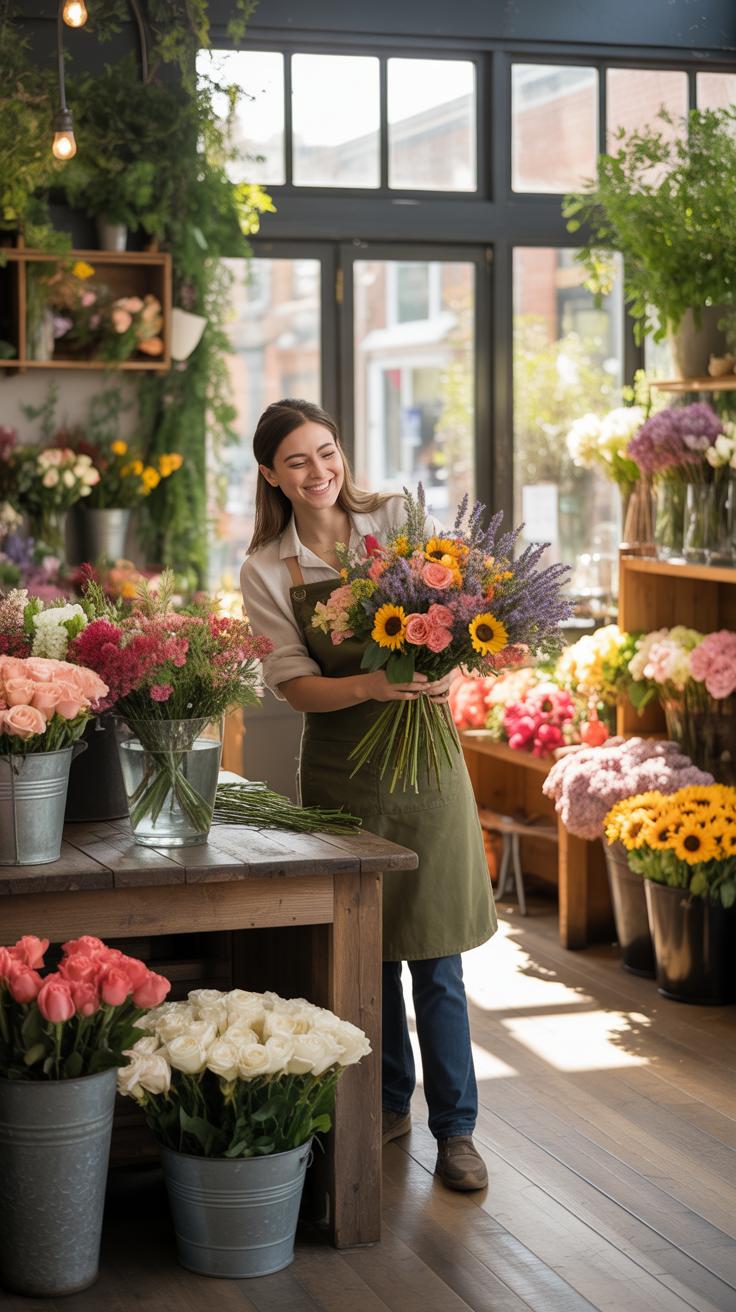
Volume drives your leverage with wholesalers. Consolidate your buying to one or two primary vendors to increase your account value. Consistent, large orders make you a priority client. Suppliers offer better rates to shops that pay invoices early. Establish a history of reliability before asking for discounts on staple items like roses or hydrangeas. High volume and prompt payments are your best bargaining chips.
Pay attention to seasonal shifts and farm direct pricing. Buy during the peak of a specific flower’s natural season to get the lowest rates. Ask for “standing orders” for your weekly essentials. This commitment guarantees the wholesaler a sale and secures a lower price for you. Watch the market every morning. Use real-time data to challenge price hikes and negotiate credits for poor quality stems immediately.
Inventory Management Strategies To Reduce Waste In A Flower Shop
Waste kills your profit margins. Track every stem that enters your cooler. Use a First-In, First-Out system to ensure older stock sells first. Set strict temperature controls at 34 to 38 degrees Fahrenheit to slow respiration. Monitor humidity levels to prevent petal rot. Process stems immediately upon arrival with clean tools and fresh water. Proper hydration extends shelf life and reduces the number of discarded flowers.

Design your arrangements based on current inventory age. Use older stems for daily shop work and save fresh shipments for weekend events. Train staff to recognize early signs of decay. Move aging stock into dried floral projects or promotional bundles before they become a total loss. Accurate sales data helps you buy only what you need. Stop overbuying just to fill space. Data-driven purchasing keeps your inventory lean and profitable.
How To Source Bulk Flowers For Weddings Without Overspending
Planning Your Flower Quantities: How Much Is Enough For A Wedding
Accurate stem counts prevent waste and save money. Use a recipe-based system for every arrangement. A standard bridal bouquet requires thirty to forty stems. Bridesmaid bouquets need twenty stems each. Do not guess these numbers. Precise planning ensures you order exactly what the design requires. Over-ordering by even ten percent across a large wedding creates significant unnecessary costs. Stop buying by the bunch without a plan.
Standardize your vessel sizes to control volume. Small centerpieces often require ten to fifteen stems. Large installations like arches need a mix of greenery and focal blooms. Calculate the total count for every flower type before placing the order. Account for a five percent breakage rate for delicate varieties like ranunculus. This buffer protects your design without bloating the budget. Stick to your spreadsheet to maintain strict financial control.
Trusted Sources For Ordering Bulk Flowers For Weddings On A Budget
Wholesale flower markets provide the best pricing for large orders. Local flower farms offer fresh product but may have limited seasonal variety. Most professional planners use direct-to-retail wholesalers for consistent quality. These sources ship in original grower bunches. This reduces handling fees and keeps prices low. Buying from a direct importer removes the middleman markup. Verified wholesalers offer better scale than local retail florists.

Online bulk shippers provide flat-rate pricing and door-to-door delivery. These companies source from South America or Holland. They specialize in high-volume items like roses and carnations. Always check the shipping terms and arrival dates. Flowers need two days to hydrate before the event. Reliable sources provide tracking and temperature-controlled shipping. Avoid sources that cannot guarantee specific delivery windows. Consistent timing is as important as the price per stem.
Navigating Bulk Flowers Wholesale Platforms And Suppliers
Online Vs. In Person Bulk Flowers Wholesale: Pros, Cons, And Best Practices
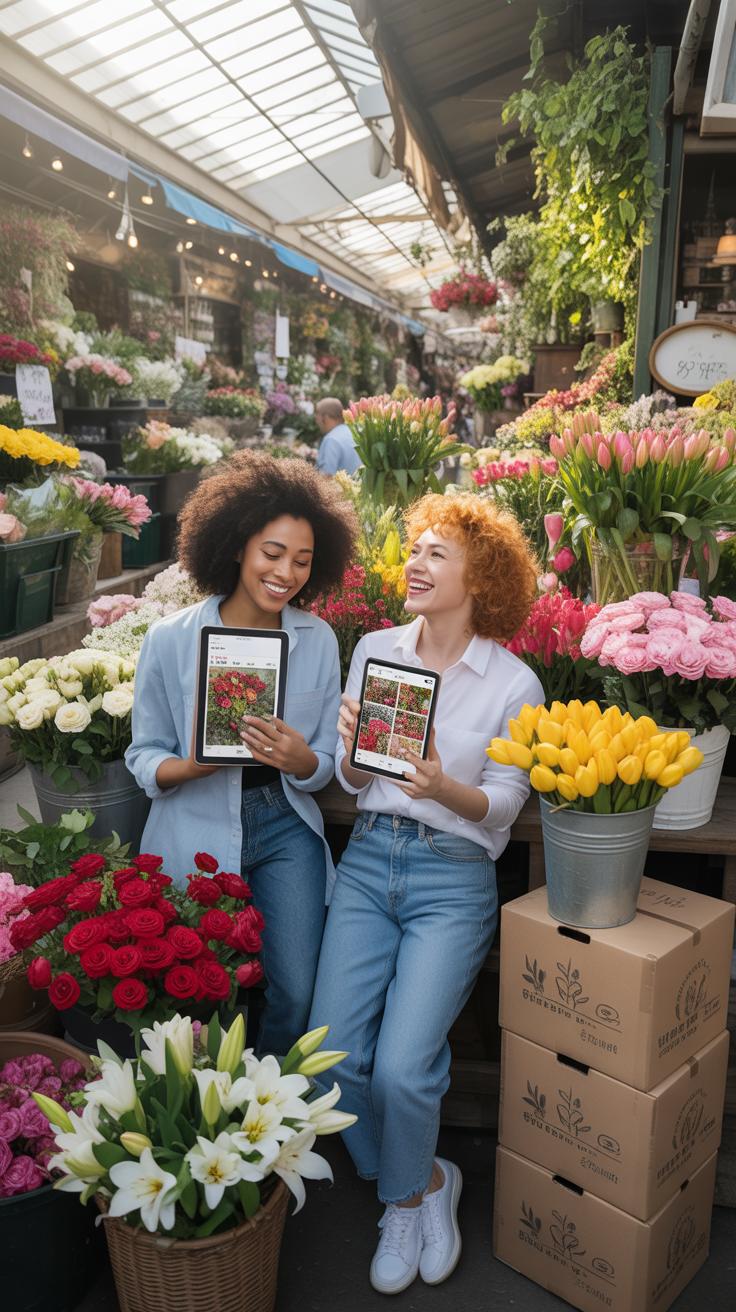
Online platforms offer speed and a global inventory. You can source specific varieties from South America or Holland with one click. These sites provide transparency in pricing and availability. However, you lose the ability to touch the product before payment. You must trust the supplier’s grading standards. Digital buying saves time for high-volume shops that plan well in advance of their delivery dates.
In-person buying at a local terminal market allows for immediate quality control. You check for petal bruising and stem strength yourself. This method eliminates shipping risks like temperature fluctuations during transit. Local wholesalers also offer last-minute solutions for unexpected shortages. The downside is limited selection and higher labor costs. You must wake up early to beat competitors to the best stock on the floor.
Red Flags To Watch For When Vetting A Bulk Flowers Wholesale Supplier
Low prices often mask poor logistical management or old stock. A reliable supplier provides clear photographs and honest descriptions of their grading system. You must verify their shipping methods and cold chain protocols. Reliable wholesalers invest in refrigerated transport to maintain flower dormancy. If a vendor lacks a clear claims policy for damaged goods, do not send them your money.
- Opaque Pricing Structures: Professional wholesalers provide clear, landed costs that include shipping and duties. If a supplier hides fees until the final invoice, they are not a transparent partner for your business growth.
- Poor Communication Response: Fast communication is vital in the floral industry because products are highly perishable. A supplier who takes over twenty-four hours to answer basic inventory questions will likely fail you during a shipping crisis.
- Lack of Cold Chain Documentation: Flowers die quickly without consistent refrigeration from the farm to your door. Ask for specific details on their cooling processes. Avoid any vendor that cannot explain their temperature control during airport transfers.
- Vague Return Policies: Reliable wholesalers have a standard operating procedure for credits and returns. They should require photos of damaged stems within twenty-four hours of delivery. If the policy is verbal or inconsistent, look elsewhere.
- Limited Variety and Consistency: High-quality suppliers maintain steady relationships with reputable farms. If their inventory fluctuates wildly or they frequently substitute varieties without notice, they will ruin your design consistency. Reliable vendors provide what they promise.
Vetting a supplier requires a clinical look at their track record. Look for established businesses with positive reviews from other professional florists. Ask for references and call them to verify delivery reliability. A cheap price is a liability if the product arrives dead or too late for the event. Your reputation depends entirely on the stability of your wholesale partner and their logistical discipline.
Sourcing Bulk Wedding Flowers Trends Shaping The Industry In 2025
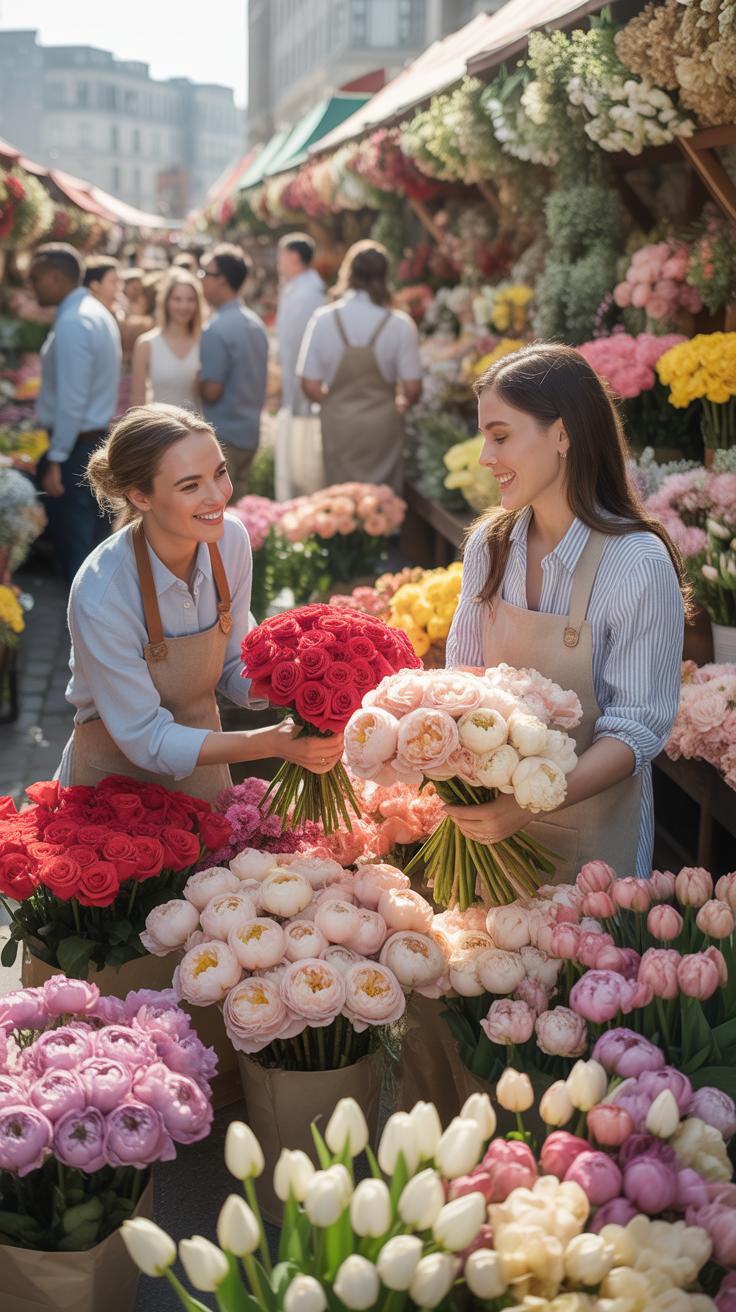
Trending Flower Varieties And Color Palettes Dominating Bulk Wedding Flowers
Bulk buyers now demand high petal counts and structural depth. Garden roses and ranunculus remain the primary choices for volume orders due to their dense heads. These varieties provide more visual coverage per stem than standard carnations. Buyers are moving away from pure white. They now select muddy tones like sahara sand and toasted mauve. These colors hide minor bruising better during long shipping routes.
Order data shows a shift toward monochromatic gradients. Modern designs use various shades of a single color to create texture. This approach simplifies the procurement process for large events. Wholesale buyers can focus on a single color family while mixing different flower types. This strategy reduces the risk of color clashing. It also allows for easier substitutions if specific varieties face supply chain delays or crop failures.
Sustainability And Eco Conscious Sourcing In Bulk Wedding Flowers
Sustainability is now a logistical requirement rather than a niche preference. Wholesale platforms now tag products with specific farm certifications. These labels verify fair labor practices and reduced chemical usage. Buyers prioritize local growers during peak seasons to minimize carbon emissions from air freight. This reduces the total time flowers spend in transit. Freshness increases while the overall environmental footprint of the wedding event drops significantly.
Packaging waste is the next target for tactical improvement. Professionals are requesting bulk shipments without individual plastic sleeves. They also avoid floral foam which contains microplastics. Instead, they use reusable wire supports and compostable tape. This shift changes how you estimate labor costs for processing. Removing plastic at the source saves time during the hydration stage. It also aligns with the growing demand for zero-waste event production.
Using A Wedding Flower Order Sheet To Stay Organized And On Budget
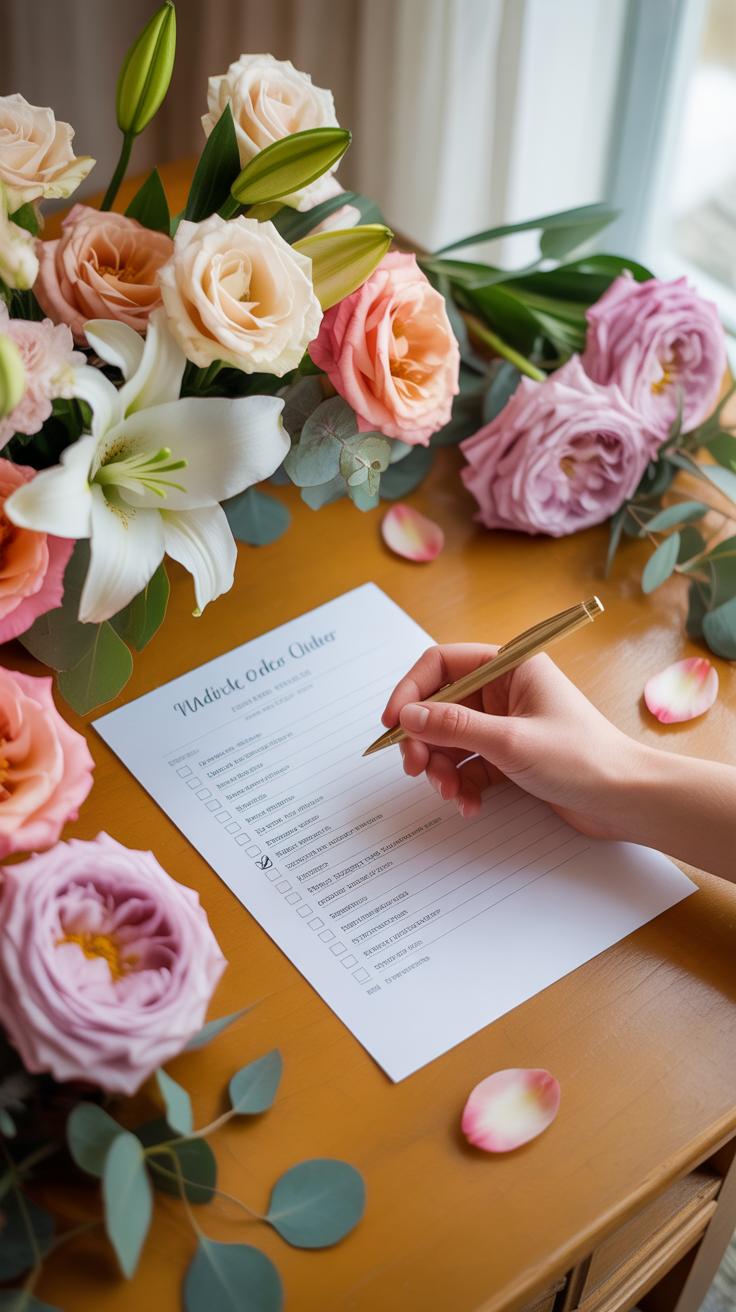
What To Include In A Comprehensive Wedding Flower Order Sheet
A detailed order sheet serves as your tactical blueprint for wholesale procurement. You must track every stem to avoid overbuying or falling short during assembly. Effective sheets break down the floral needs by event location and specific use. This precision allows you to calculate exact stem counts based on your design recipes. You eliminate guesswork and ensure your budget stays on target from start to finish.
- Botanical and Common Names: List the exact genus and species along with the common name. This prevents ordering the wrong variety when similar names exist. It ensures the wholesaler delivers the specific color and texture your design plan requires for the event.
- Stem Count and Bunch Size: Record the total stems needed and the standard bunch size for each variety. Wholesale flowers often sell by the bunch rather than the individual stem. Knowing these increments helps you round up correctly and manage your total bulk volume.
- Unit Price and Total Cost: Track the cost per stem and the total price for each category. Market prices fluctuate based on season and availability. Monitoring these figures in real time allows you to adjust your quantities if specific flower prices spike suddenly during the week.
- Recipe Breakdowns: Detail exactly how many flowers go into each bouquet, centerpiece, or installment. Linking your total order to individual recipes helps you manage inventory during the actual design process. It ensures you do not accidentally use stems meant for the bridal bouquet in low-priority tables.
- Supplier Contact and Delivery Window: Include specific vendor details and arrival times on the primary sheet. Proper logistical planning keeps the flowers fresh and minimizes handling time. You need to know exactly when and where each shipment arrives to coordinate your cold storage and processing labor effectively.
Review your order sheet against your inventory list upon delivery. Check for damaged stems or missing colors immediately. Use the documented counts to verify you received exactly what you paid for. High-volume events leave no room for error. Keeping this data central allows for quick adjustments if the wholesaler makes a distribution mistake or if global supply issues affect your specific shipment.
How A Wedding Flower Order Sheet Helps Coordinators And Florists Align
The order sheet acts as the single source of truth for the entire production team. It bridges the gap between the creative vision and the logistical reality. When coordinators and florists share a standardized sheet, they eliminate communication errors regarding color palettes and specific flower varieties. Everyone sees the same quantities and logistics. This transparency ensures that the final set up matches the client expectation perfectly.
Shared sheets also simplify on-site troubleshooting during the event setup. If a shipment arrives damaged, the coordinator can instantly see which arrangements are affected by the loss. They can then work with the florist to reallocate stems from less visible areas based on the documented recipes. This level of organization maintains professionalism under pressure. It keeps the project on schedule without requiring constant back and forth communication.
Wholesale Flower Buying Tips That Experienced Florists Swear By
Timing Your Orders Right: When To Buy For Maximum Freshness And Value
Professional buyers track the global auction clock to secure the best inventory. Most major wholesalers receive their primary shipments on Mondays, Wednesdays, and Fridays. You must place orders at least forty-eight hours before these arrivals. This strategy ensures you get the first pick of the highest grade stems. Buying early in the week provides the longest vase life for weekend events and retail sales.
Avoid purchasing bulk inventory on Thursdays or Fridays for immediate use. These stems have often sat in the cooler since Monday. Their shelf life is already half gone. Monitor the Dutch market holidays and South American flight schedules. Disruptions in these logistics hubs cause price spikes and supply shortages. Time your high-volume purchases during non-peak weeks to secure lower prices and better floral health.
Building Long Term Supplier Relationships To Unlock Better Wholesale Deals
Reliability is your best currency when dealing with wholesalers. Pay your invoices on time to establish a high credit rating within the industry. Suppliers prioritize loyal shops when rare varieties or limited colors become available. A solid payment history often leads to waived delivery fees or lower minimum order requirements. Treat your sales representative as a strategic partner rather than just a vendor.
Good relationships grant you access to “off-sheet” inventory. Wholesalers frequently have overstock that they do not list on their public websites. They offer these deep discounts to their most trusted accounts first. Provide clear feedback on quality issues immediately with photos for documentation. This direct communication stops repeat problems and ensures you receive credits without a fight. Local loyalty pays off during the high-demand wedding season.
Frequently Asked Questions

What are the main benefits of purchasing flowers in bulk for the first time?
Buying in bulk is a game-changer for anyone hosting a large event or decorating a spacious home. The primary advantage is the significant cost savings compared to retail florists, allowing you to access premium blooms at a fraction of the price. By following essential wholesale flower buying tips, such as ordering hearty varieties like roses or carnations, beginners can achieve a professional, high-end look while staying well within their creative comfort zone.
How should I prepare and care for my flowers once they arrive from the wholesaler?
Proper preparation is vital for longevity. Start by hydrating your blooms immediately; trim the stems at a forty-five-degree angle and place them in cool, clean water with floral preservative. One of the best wholesale flower buying tips is to allow your flowers at least twenty-four hours to drink and open fully before arranging them. Always remove any submerged foliage to prevent bacterial growth, ensuring your displays stay vibrant and fresh for days.
Can I buy wholesale flowers without a professional floral license or business tax ID?
Most people assume bulk buying is reserved for pros, but many online wholesalers and local flower markets now cater directly to the public. While some exclusive trade warehouses require a license, many reputable suppliers offer “DIY” packages or open-access days for enthusiasts. This accessibility makes it easier than ever to enjoy luxury stems on a budget, provided you plan your delivery dates carefully to account for the necessary bloom time.