
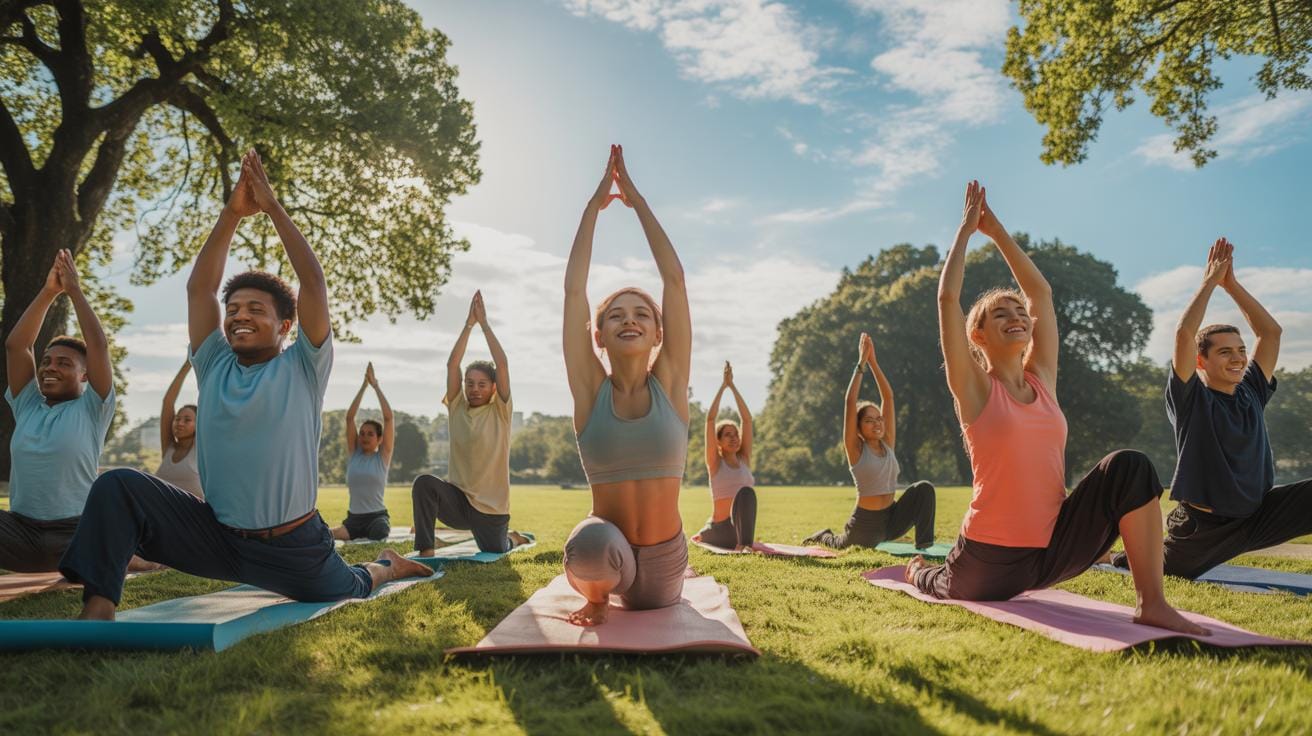
The Benefits of Flexibility Exercises in Workouts and Yoga
Flexibility exercises are essential for anyone starting a new workout routine or practicing yoga. These exercises improve the range of motion in your joints, reduce the risk of injuries, and enhance overall physical performance. For beginners, flexibility exercises offer a gentle introduction to movement, helping muscles warm up and prepare for more intense activity.
In yoga, flexibility exercises are key for achieving and maintaining various poses. They help release muscle tension, promote relaxation, and improve balance. This article will cover the benefits of flexibility exercises, how to perform them safely in workouts and yoga, and tips to get started effectively.
Benefits Of Flexibility Exercises
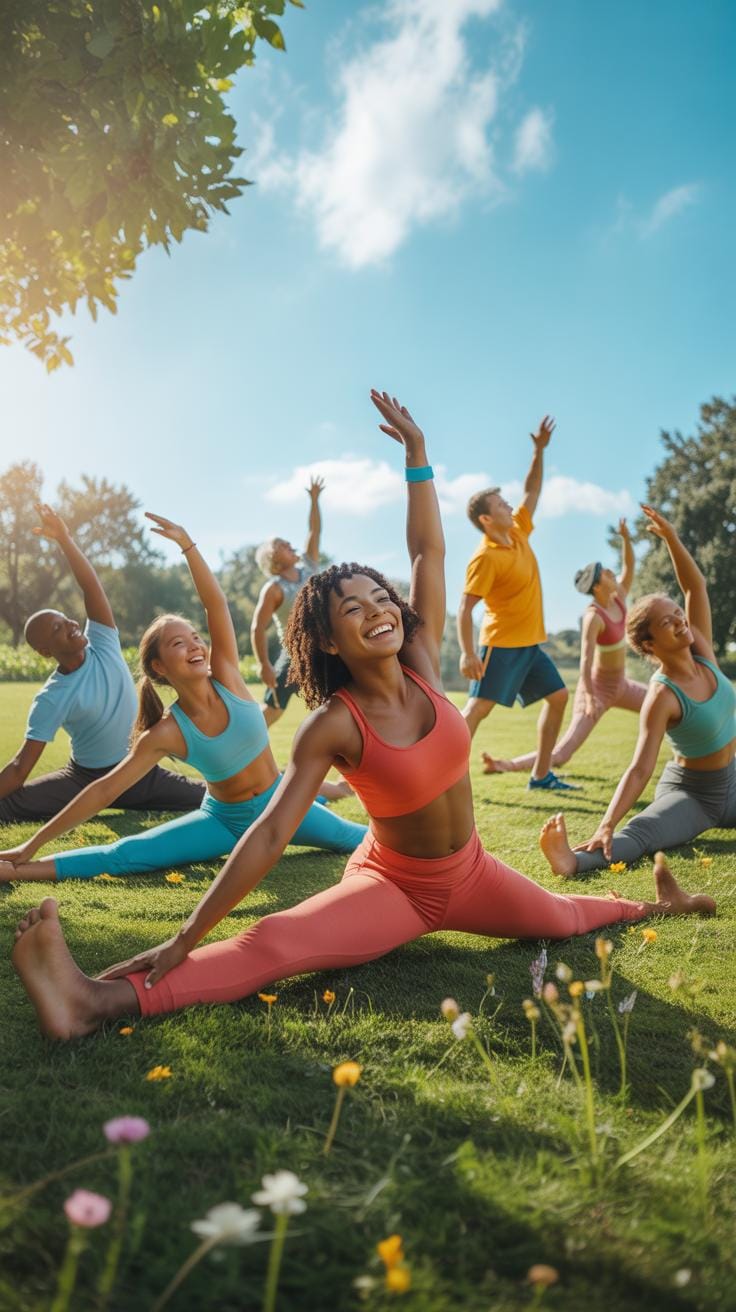
Flexibility exercises bring several benefits, especially if you’re just starting out with workouts or yoga. One of the key advantages is improved joint mobility. When your joints move more freely, it’s easier to perform various movements without stiffness or pain, which is something many beginners quickly notice. Imagine being able to squat or reach with less discomfort — that’s largely due to increased flexibility.
These exercises also lower your risk of injury. By gently stretching muscles and tendons around joints, flexibility exercises help prevent strains and sprains. I’ve seen this firsthand: people who include regular stretching tend to bounce back faster and avoid common workout injuries.
Better muscle recovery is another plus. After a tough workout, stretching can help ease muscle tightness, reduce soreness, and promote blood flow. This means less downtime and a quicker return to your routine.
And don’t overlook how flexibility can boost performance. With a greater range of motion, your muscles work more effectively. Whether you’re lifting weights or doing yoga poses, you can move more confidently and with better form.
Why Flexibility Matters In Fitness
Flexibility plays a bigger role in fitness than many realize. When your muscles and joints are flexible, movements feel smoother and require less effort. This can make workouts less tiring, oddly enough. Stiff muscles resist movement and tire out faster.
Also, flexible muscles tend to stay healthier. Tightness can cause discomfort and even lead to muscle imbalances or injuries over time. When you stretch regularly, your muscles maintain a good length-tension balance, which supports overall fitness and well-being.
There’s also an element of comfort during exercise. Stretching can make you feel less restricted, which may reduce the tendency to cut workouts short simply because your body feels tight or uncomfortable.
How Flexibility Helps In Yoga
In yoga, flexibility isn’t just helpful—it’s essential. It allows you to enter and hold poses properly. If your muscles and joints don’t move well, you might compensate in unsafe ways, risking injuries or missing the full benefits of the pose.

Flexibility supports deeper relaxation too. When your body isn’t fighting against stiffness, it can settle more easily into restful states during poses like Savasana. It’s interesting how increased flexibility sometimes helps you feel calmer and less tense mentally.
While some yoga traditions emphasize flexibility, others focus more on strength and balance, so flexibility interacts with these elements uniquely depending on your practice.
Common Flexibility Exercises For Beginners
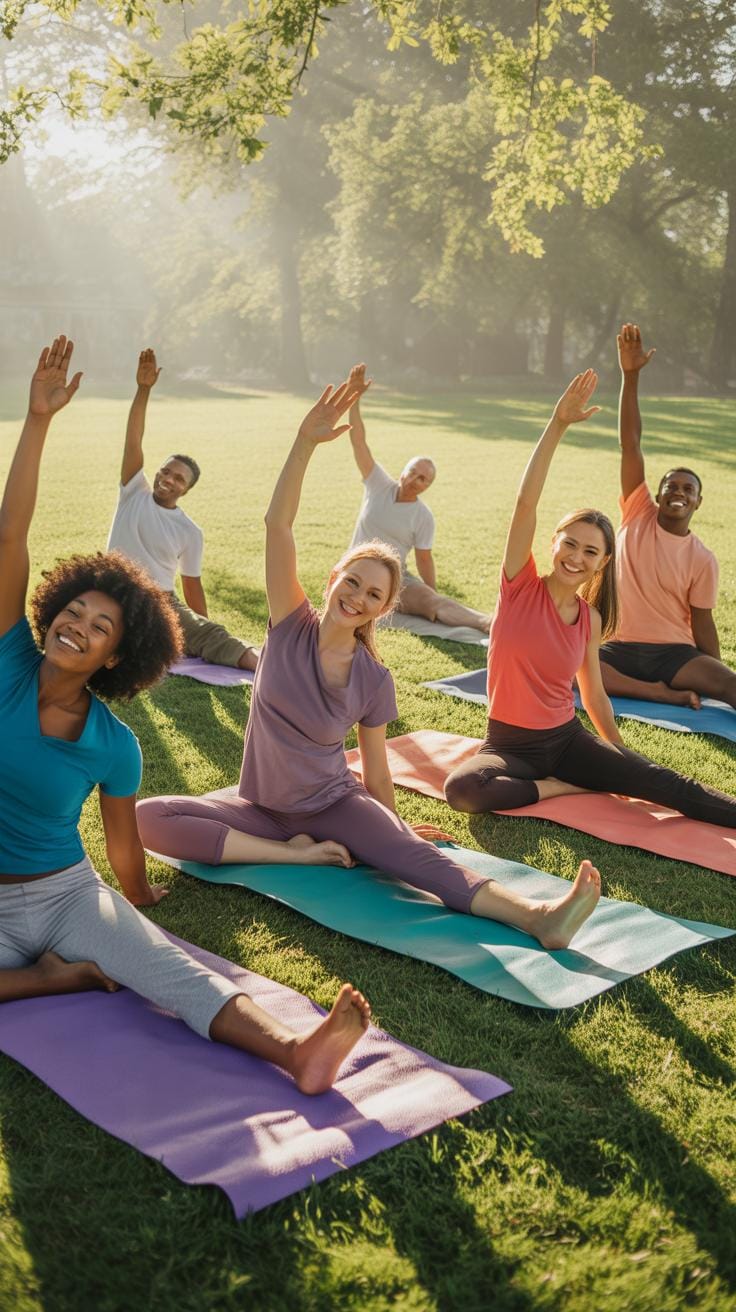
When starting with flexibility exercises, it’s wise to focus on moves that stretch out major muscles without overcomplicating things. There are two main types you’ll want to know: static and dynamic stretches. Static stretches involve holding a position, while dynamic stretches are more about gentle movement that warms things up.
Here are some static stretches you might try:
- Hamstring stretch: Sit on the floor and reach toward your toes, feeling a pull at the back of your thigh.
- Quadriceps stretch: Standing, bend one knee so your foot moves toward your buttock. Grab your ankle to stretch the front of your thigh.
- Shoulder stretch: Bring one arm across your chest and use the opposite arm to gently pull it closer for a good shoulder stretch.
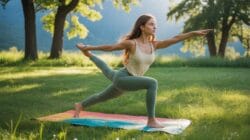
For dynamic stretches that loosen up your body before any workout, consider these:
- Arm circles: Swing your arms gently in circles, starting small and gradually getting bigger.
- Leg swings: Hold onto a stable surface and swing one leg forward and backward to loosen your hips.
- Torso twists: Stand with feet shoulder-width apart and twist your upper body side to side, keeping your hips facing forward.
These exercises are easy enough to fit into most routines and help prepare your body while minimizing injury risk. You might find some movements easier than others; that’s perfectly okay. The key is consistency and listening to your body—don’t push too hard, but keep exploring your range of motion bit by bit. What kind of stretch feels the most natural to you? Experimentation can be surprisingly revealing.
Flexibility Exercises Versus Strength Training
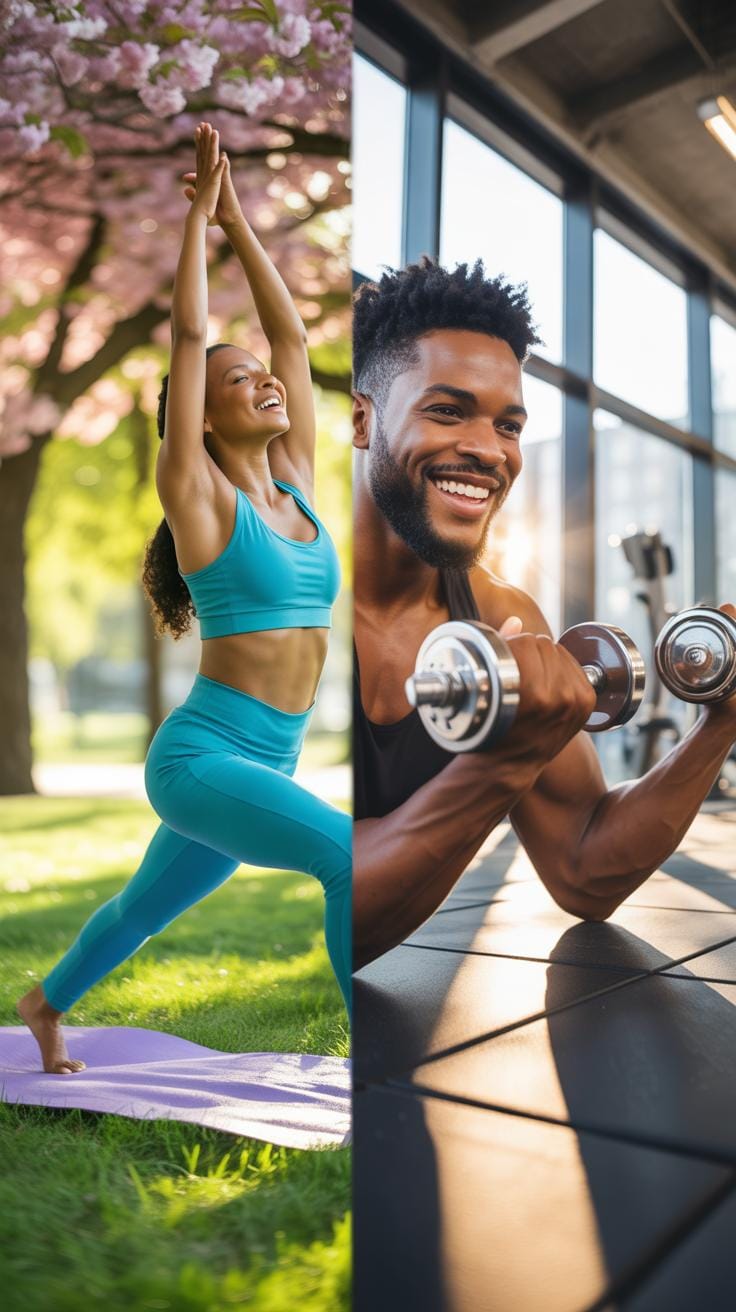
When you think about flexibility exercises and strength training, they might feel like two very different worlds. Flexibility drills, such as stretching and yoga poses, mainly help your body move more freely. They increase your range of motion, allowing joints and muscles to bend or stretch without pain or restriction. On the flip side, strength training aims to build muscle, improve endurance, and boost power through resistance, like lifting weights or doing bodyweight exercises.
One way to look at it: flexibility trains your body’s capacity to move smoothly, while strength training focuses on making your muscles tougher and more resilient. It’s easy to see these as separate tasks, but they actually work best when combined.
Purpose Differences Between Flexibility And Strength
Flexibility exercises mostly target your muscles and connective tissues to become more elastic. This means less stiffness and often fewer injuries during movement. Think about how much easier it is to reach for something on a high shelf or twist your torso when your muscles allow greater extension.
Strength training, though, builds muscle fibers and improves joint stability. It’s about power — the ability to lift, push, or resist force. Without this strength, even the most flexible body won’t perform well in demanding activities.
How To Combine Both Effectively
Balancing these two types of training can be tricky but rewarding. You might start a session with strength exercises to activate muscles, then move into stretches or yoga to cool down and increase flexibility. Or, some prefer flexibility work early on to loosen tight muscles before lifting weights.
Try a schedule that alternates: a couple of days focused on strength, interspersed with lighter flexibility days. Combining these approaches helps maintain muscle health and joint mobility over time. It’s kind of like giving your body a chance to both grow stronger and stay loose—one doesn’t have to dominate the other.
Steps To Start Flexibility Exercises Safely
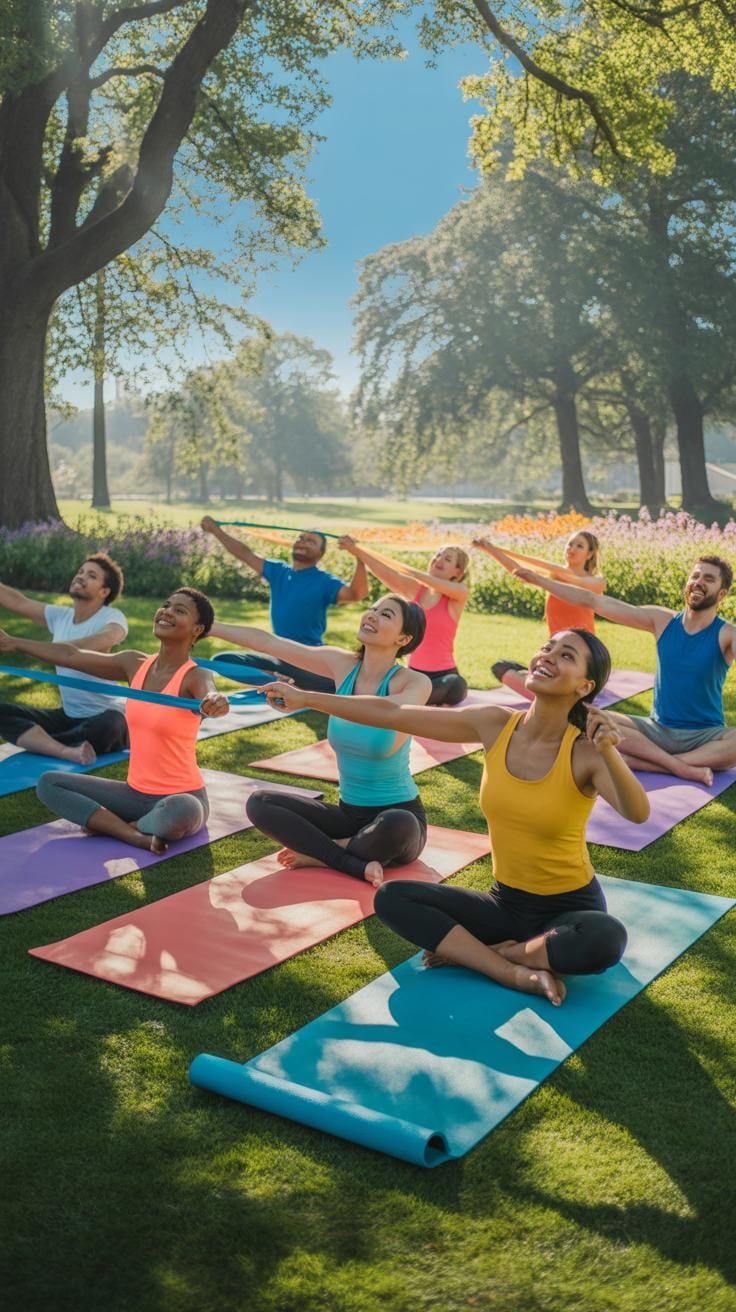
Before jumping into flexibility exercises, it’s good to have a small checklist at hand. First, pick a quiet spot—whether at home or in a gym where you won’t be disturbed. Then, dress comfortably; tight clothes might restrict your movement, but overly loose can get in the way too.
Start with gentle movements to warm up your body. Don’t rush into deep stretches cold. It helps to set a timer for about 10 minutes of light cardio or joint rotations. This prepares your muscles and joints for stretching.
Also, have a clear plan of which body parts you want to focus on. Stretching every muscle at once can be overwhelming and ineffective. Begin with larger muscle groups like hamstrings or shoulders; this routine will feel balanced.
Keep water nearby, and don’t force any stretch to the point of pain. If it hurts, ease up. Finally, if you feel dizzy or uncomfortable, pause and reassess your approach.
Warmup Routine Before Stretching
A simple yet effective warmup might be a combination of walking in place and arm circles. Spend about five minutes walking lightly, gradually increasing your pace. Then, rotate your arms forward and backward in slow, controlled motions.
Try some gentle neck rolls and hip circles too. These small motions wake up your joints and increase blood flow. You don’t have to break a sweat, but your body should feel ready—not stiff or tight.
Basic Stretching Guidelines
- Hold each stretch steadily for around 20-30 seconds. Avoid bouncing as it might strain muscles.
- Breathe slowly and deeply throughout. Focus on exhaling as you ease into the stretch.
- Don’t push stretches beyond a comfortable limit. A slight tension is okay, but sharp pain is a signal to stop.
- Stay mindful. If your mind wanders, you may not notice overstretching.
- Repeat stretches two or three times if you feel your muscles relaxing further.

Many beginners rush or hold their breath during stretches, which actually reduces effectiveness. I know I’ve done that myself. Slowing down and syncing breath with movement changes everything, surprisingly.
Tools To Enhance Flexibility Workouts
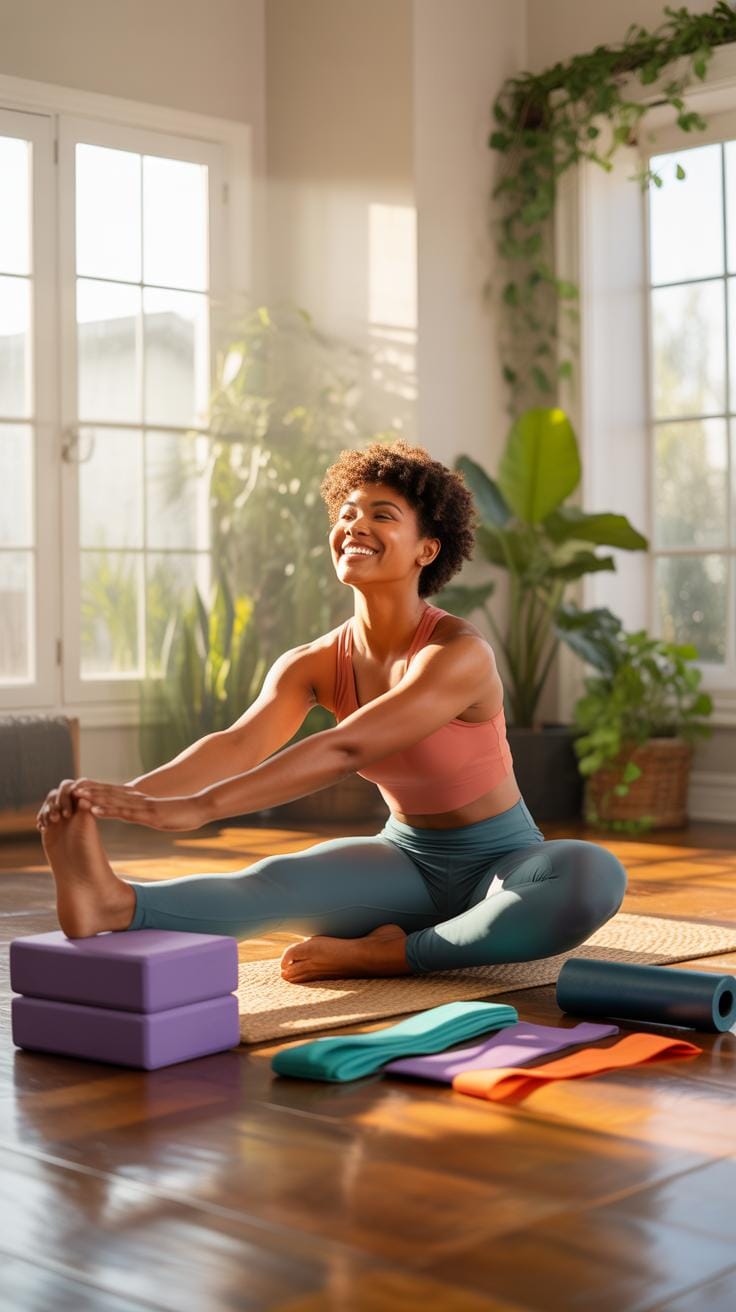
When starting out with flexibility exercises, using the right tools can make a real difference. Tools like yoga blocks, straps, and foam rollers are more than just accessories; they offer practical support to help you stretch deeper without strain. If you’ve ever felt stuck in a pose or worried about overstretching, these tools might be just what you need.
Using Yoga Props For Flexibility
Yoga blocks and straps are particularly helpful for beginners. Blocks act as sturdy extensions of your hands, allowing you to reach the floor in standing poses without compromising your alignment. This can prevent injury and build confidence in your practice. Straps, on the other hand, offer a gentle way to increase your reach in forward bends or seated stretches. They help keep tension where it should be and reduce the risk of pulling muscles too hard. If you’re hesitant about a stretch, these props give you a safer way to explore it.
Role Of Foam Rollers
Foam rollers might seem simple, just a cylinder of foam, but their role in improving tissue flexibility and muscle recovery is quite interesting. By rolling your muscles over the roller, you can release tension and break up tight spots, which might otherwise limit your range of motion. This process, called self-myofascial release, can feel a bit uncomfortable at first—some call it a “good pain.” After a few sessions, you may notice reduced soreness and better mobility. While foam rolling doesn’t replace stretching, using it before or after exercises can prepare your muscles or help them recover faster.
Mistakes To Avoid With Flexibility Exercises
Overstretching Risks
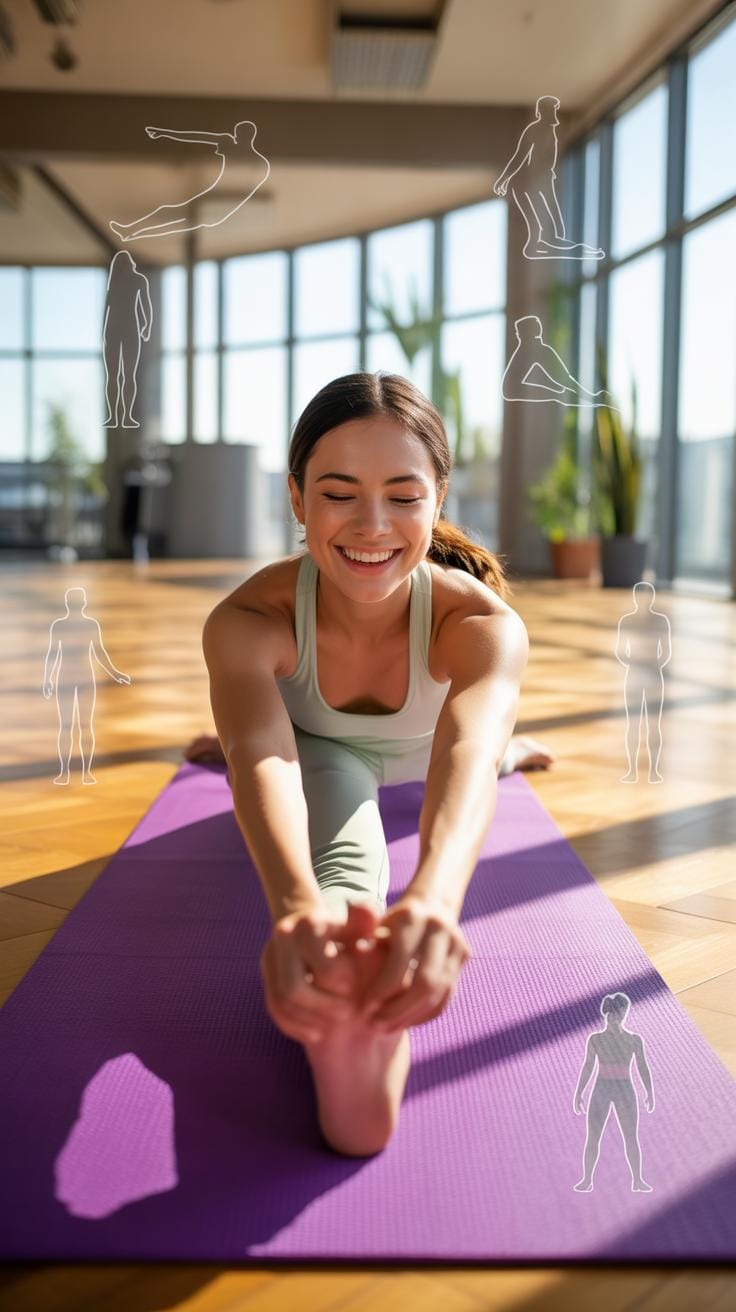
Overstretching is a common misstep that can sneak up on beginners. You might feel like pushing further means faster progress, but it’s tricky—muscles and joints can get hurt when stretched beyond their limits. Signs like sharp pain, sudden stiffness, or lingering soreness after a session should raise a red flag. Sometimes, you might confuse a good stretch with discomfort, but there’s a difference. Pains that last or feel intense aren’t just part of the process; they hint you’ve gone too far.

To avoid these risks, ease into stretches gently. Listen to your body—if it tenses up or objects, respect that boundary. Stretching should feel slightly uncomfortable but never painful. Gradually increase your range over time, allowing tissues to adapt without damage. This careful approach keeps you safe and helps build flexibility sustainably.
Ignoring Warmups Or Cooldowns
Skipping warmups or cooldowns might seem like a time-saver, but it often backfires. Warm muscles are more pliable and respond better to stretching. Jumping straight into flexibility work with cold muscles can increase injury risk. It’s a bit like trying to bend a frozen branch—it’s likely to snap.
Cooldowns are equally important. They help relax your muscles and might reduce next-day soreness. Without proper cooldown, tightness can linger, potentially undoing some flexibility gains. A warmup can be a few minutes of light activity like walking or slow jogging, while cooldown stretches should be gentle and calming.
Measuring Progress In Flexibility
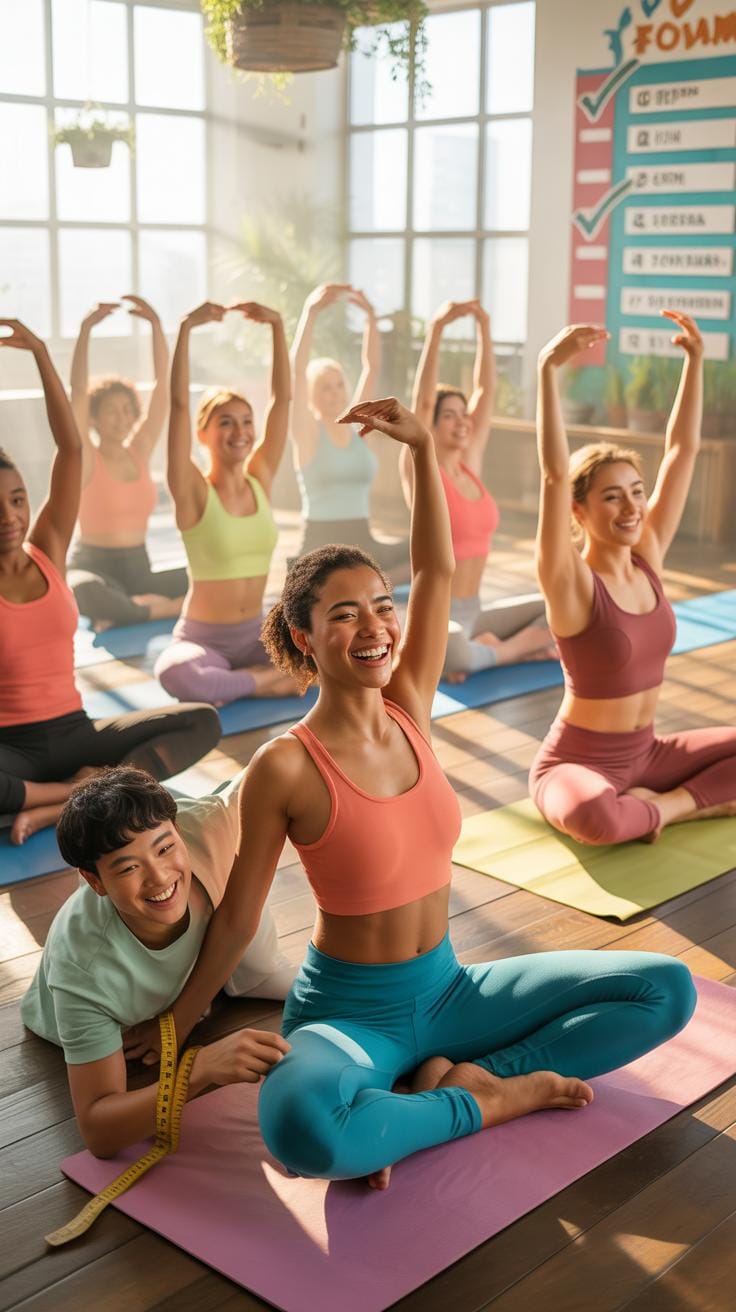
Tracking your improvement in flexibility can feel a bit abstract at first—it’s not like you have obvious numbers to measure every day. But there are simple and practical ways to get a sense of your progress without needing fancy equipment.
Joint Range Of Motion Tests
Tests like touching your toes or the shoulder stretch are classic benchmarks most beginners can try at home. For example, if you couldn’t quite reach your toes last week but can now, that’s a clear sign of improvement. The shoulder stretch is another useful one: cross an arm over the chest and try to grab your opposite shoulder blade with the other hand. If the stretch feels easier or you reach farther with time, then your flexibility is increasing.
Flexibility Journals Or Apps
Writing down your daily or weekly stretching routines and goals can make a surprising difference. You might not notice subtle gains week-to-week, but a quick glance back after a few weeks often reveals progress you’d otherwise forget. Alternatively, there are mobile apps tailored to flexibility routines that let you log exercises, record durations, and even set reminders. They offer a structured way to stay accountable, which can be motivating—though some people find them a bit rigid. It’s worth trying both to see which suits you better.
Integrating Flexibility Into Yoga Practice
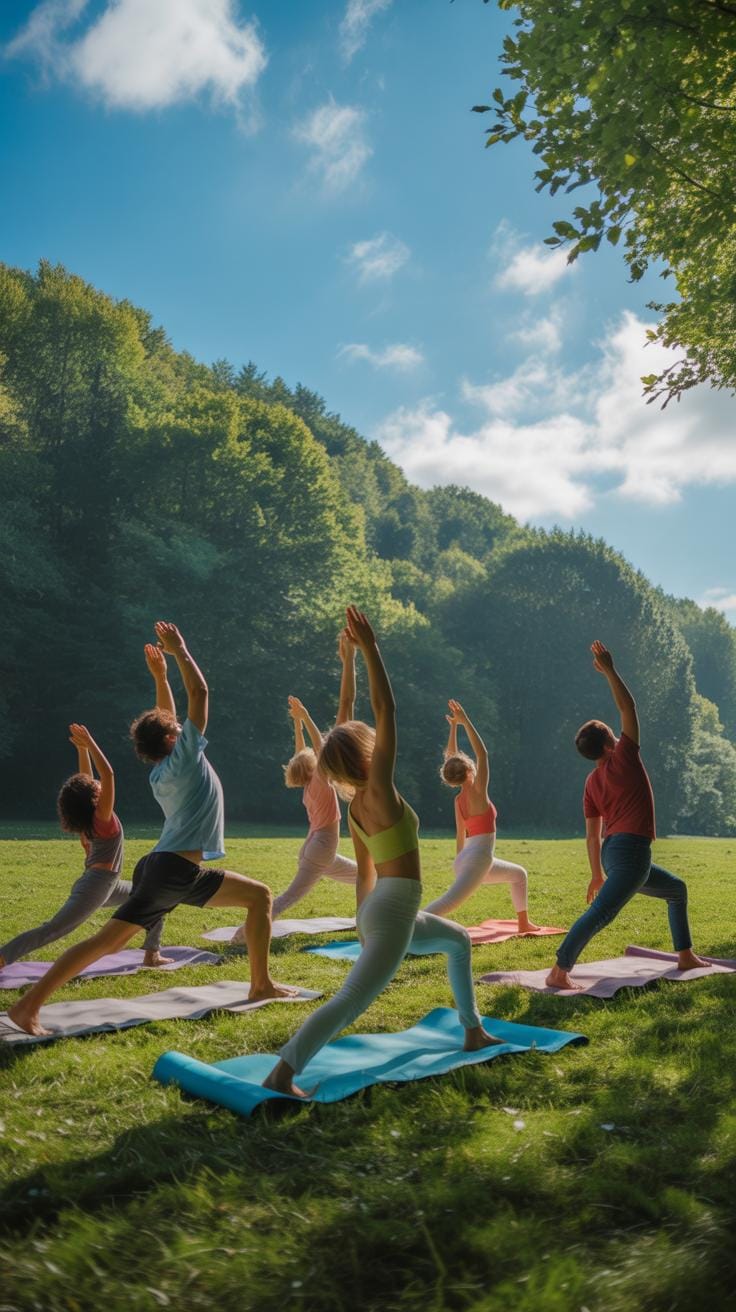

When you think about adding flexibility exercises to your yoga routine, it might seem like just another chore. But, honestly, it can make your practice smoother and less frustrating. For beginners especially, it helps to prepare your body gently. Start with simple stretches that wake up your muscles, like seated forward bends or gentle twists. These warm-ups signal your body to loosen up before you dive into deeper poses.
Before moving into difficult positions, target areas like your hamstrings and hips with light, controlled stretches. This might feel a bit slow or even awkward initially, but it really pays off. Trust me, those first few sessions might test your patience, but you’ll notice your muscles relaxing over time.
Stretching Before Yoga Poses
Prepping your muscles can save you from strain. For instance:
- Try calf stretches by pressing your hands against a wall, stepping one foot back, and keeping your heel down.
- A gentle neck stretch, tilting your head side to side, helps release tension before balancing poses.
- Hip openers, like lying on your back and crossing one ankle over the opposite knee, relax tight hips.
Don’t rush these; take your time to feel the stretch and breathe deeply. It helps to ease your body in rather than push it blindly.
Cooldown Stretches Post Yoga
After your session, cooling down is just as important as warming up. Post-yoga stretches help your muscles relax and prevent stiffness. Consider these:
- Child’s Pose soothes the back and stretches the hips.
- Spinal twists while lying down can relieve built-up tension in the spine.
- Butterfly stretch, sitting with the soles of your feet together, opens your inner thighs gently.
These stretches might feel subtle, but they encourage longer-term flexibility improvements. I find that when you slow down and really sink into these poses, your muscles thank you by loosening up more than expected.
Do you ever wonder if you’re stretching enough or if you’re overdoing it? It’s tricky—listening to your body is key, but there’s always a bit of guesswork involved. Just keep exploring, and flexibility will gradually become a natural part of your yoga journey.
Sample Flexibility Routine For Beginners
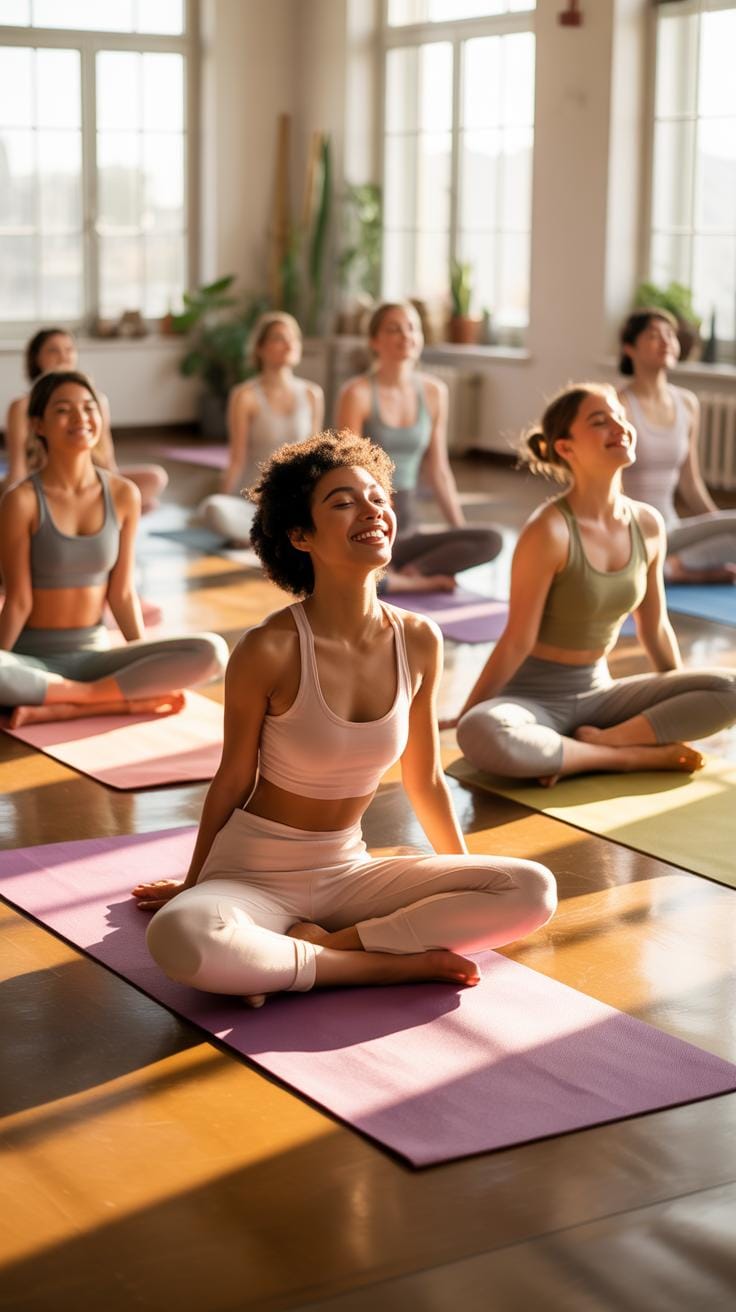
Creating a simple routine to start with might seem straightforward, but it’s really about balance and consistency. For beginners, a daily plan of about 10-15 minutes focusing on gentle stretches works well. You can try this:
- Neck stretches: Slowly tilt your head side to side, holding for 15 seconds each way.
- Shoulder rolls: Roll shoulders forward and backward in circles, 10 times each direction.
- Hamstring stretch: Sit on the floor, stretch one leg out, reach for your toes for 20 seconds, then switch.
- Cat-Cow stretch: On hands and knees, alternate arching and rounding your back for 10 breaths.
- Chest opener: Clasp hands behind your back and gently lift your arms, hold for 15 seconds.
Try holding each stretch just long enough to feel some tension but not pain. This short daily session may not seem like much, but later, it adds up.
Daily Stretching Plan
Make stretching part of your daily routine. It needn’t be complicated. Start each day or end it with your 10-15 minute stretch session. The idea is to be regular.
You might find mornings work best when muscles are cooler, or evenings when your body has loosened up. Perhaps mixing it up keeps boredom away.
Weekly Progression Tips
Every week, consider adding just a bit more time or intensity. Instead of jumping straight to 30 seconds per stretch, increase by 5 seconds weekly. If a stretch begins to feel easier, deepen it slightly but gently.
Don’t rush this; flexibility improves gradually. If you push too hard, soreness and setbacks may occur. Listening to your body is key—it’s a slow journey, sometimes with small steps forward and a few backward.
Overall, consistency beats intensity when starting flexibility exercises. It’s tempting to try too much at once but patience often yields better results.
Conclusions
Adding flexibility exercises to your beginner workouts or yoga sessions can improve your mobility, reduce stiffness, and support injury prevention. These exercises are easy to include in your routine and offer lasting benefits for your body’s function and recovery.
Start with simple stretches and gradually increase your range as your muscles become more flexible. Consistency and proper technique are key. By prioritizing flexibility, you will build a strong foundation for your fitness and wellness journey.