
Vision Board Examples for Sport and Health Fitness
Manifestation boards, also called vision boards, offer a practical way to visualize your goals, especially for sport and health fitness. They bring together images, words, and symbols that reflect your personal fitness targets and inspire consistent effort. This method helps keep your focus sharp and drives positive actions toward your fitness journey.
In this article, you will find examples and tips on how to build a manifestation board tailored to sport and health fitness. We will cover how to select motivating images, set clear objectives, track progress, and avoid common mistakes. This guide aims to help you create a board that keeps your fitness ambitions alive and achievable.
How To Start Your Manifestation Board
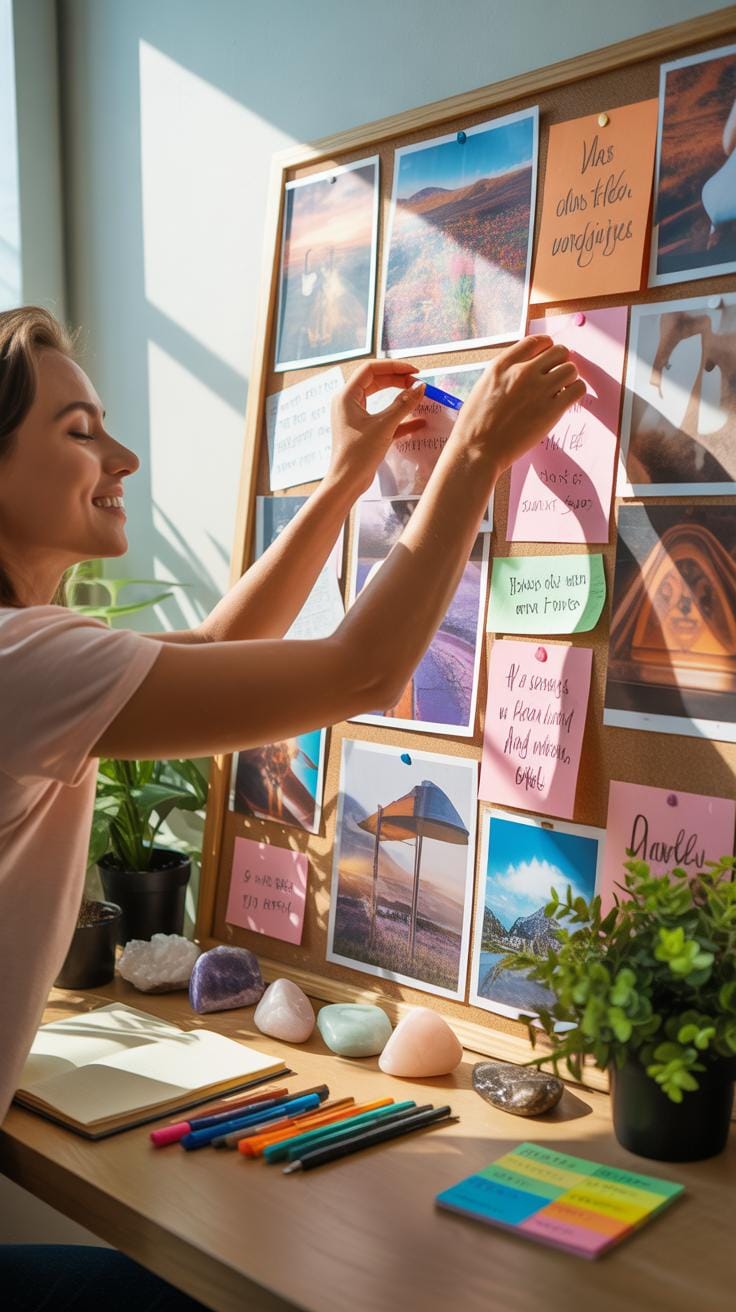
Starting your manifestation board for sports and health fitness can seem simple, but it helps to plan the steps carefully. First, pick a base board that fits your space and style. This could be something as straightforward as a corkboard, poster board, or even a digital platform if you prefer tech-based organization. You’ll need basic supplies like scissors, glue or pins, markers, and printouts or magazine cutouts that represent your fitness goals. A ruler might help for neat arrangements, but that’s optional.
Begin by gathering images, quotes, or stats that motivate you. Even if you find yourself unsure exactly what to include, start anyway—sometimes the process clarifies the vision. Set up the board in a place you see often, so it keeps your goals fresh in your mind. Over time, this board becomes a kind of daily reminder and motivation tool.
Picking The Right Board And Materials


Choosing your board depends on what feels easiest and most accessible for you. Corkboards are popular because you can easily pin and move around items. Poster boards offer a flat surface where glue works well, making it less flexible but tidier. Digital apps for vision or manifestation boards are gaining traction too — they allow reorganizing without mess and are convenient if you spend much time with your phone or computer.
Paper types can vary — some prefer colorful cardstock for a more vibrant look, others stick with plain white to keep things simple and clean. Magazines, printouts, or photographs all work. You might experiment with layering textures or adding small objects, but that can get tricky if you want to keep the board portable. Whatever you use, make sure it’s something you feel comfortable interacting with regularly.
Organizing Your Space For Assembly

Creating your manifestation board requires a space that invites focus and creativity. Choose a spot with good lighting, enough room to spread out your materials, and minimal distractions. I’ve found I work best when my workspace feels calm — no urgent to-dos visible nearby, and perhaps a cup of tea within reach. It doesn’t have to be fancy; even a kitchen table can work.
Try to keep the area tidy before you begin. Having clutter around can make it harder to concentrate on the images and ideas you want to bring to life. Set your materials out neatly and allow time for the process; rushing through can lead to a less meaningful board. The environment influences your mindset, so take a moment to make your space inviting.
Selecting Effective Visuals For Goals


Picking the right visuals for your manifestation board, especially for sport and health fitness goals, isn’t just about aesthetics. It’s about capturing what truly motivates you and reflects your aspirations. Sometimes, you might find an image that instantly sparks energy—an athlete crossing a finish line or a healthy meal that looks delicious—and that’s a good sign you’ve found something meaningful.
When it comes to sports achievement, photos of people in action, dynamic movements, or team celebrations often work well. They remind you of the excitement and commitment required to excel. You might include symbols like a stopwatch to represent speed, or a trophy to signify success.
For health improvements, consider visuals like before-and-after transformations, fresh fruits and vegetables, or peaceful yoga poses. These evoke a sense of balance and ongoing progress. Quotes also play a crucial role here. Phrases like “Progress, not perfection” or “One step at a time” can keep you grounded and persistent.
Feel free to tailor your board with icons that speak to you personally—a pair of running shoes if you’re focused on endurance, or a heart symbol for overall wellness. It’s not about having perfect images, but about creating a space that nudges you forward when motivation wanes. Which images push your limits? Which affirmations spark the will to keep going?
Setting Clear And Measurable Objectives


When you create a manifestation board, the key is to be precise about your fitness targets. Vague goals like “get fit” or “exercise more” don’t really hold your attention over time. Instead, try to pin down what exactly you want to achieve and by when. For example, instead of “lose weight,” you might say “lose 5 pounds in a month.” This kind of clarity not only keeps your motivation sharper but also makes tracking progress easier. You can look at your board daily and know exactly what you’re aiming for, which feeds your drive.
Breaking down goals into smaller pieces can work well. Think about short-term milestones like hitting the gym three times a week or running a certain distance by month’s end. These act like checkpoints on your way to bigger ambitions, such as running a marathon or dropping 20 pounds over a year. Keeping short-term and long-term goals visible helps you see the bigger picture while appreciating small wins.
Numbers play a crucial role in this. Adding measurable targets — such as how many reps you want to complete, the weight you aim to lift, or the miles you plan to run — makes your progress tangible. It’s not just about how you feel, but what you can count and watch improve. On a manifestation board, including these metrics might mean writing down “20 push-ups” or “run 3 miles 4 times a week.” Seeing those numbers every day encourages you to either repeat or beat them, helping keep the momentum going.
Effective Layouts For Your Manifestation Board
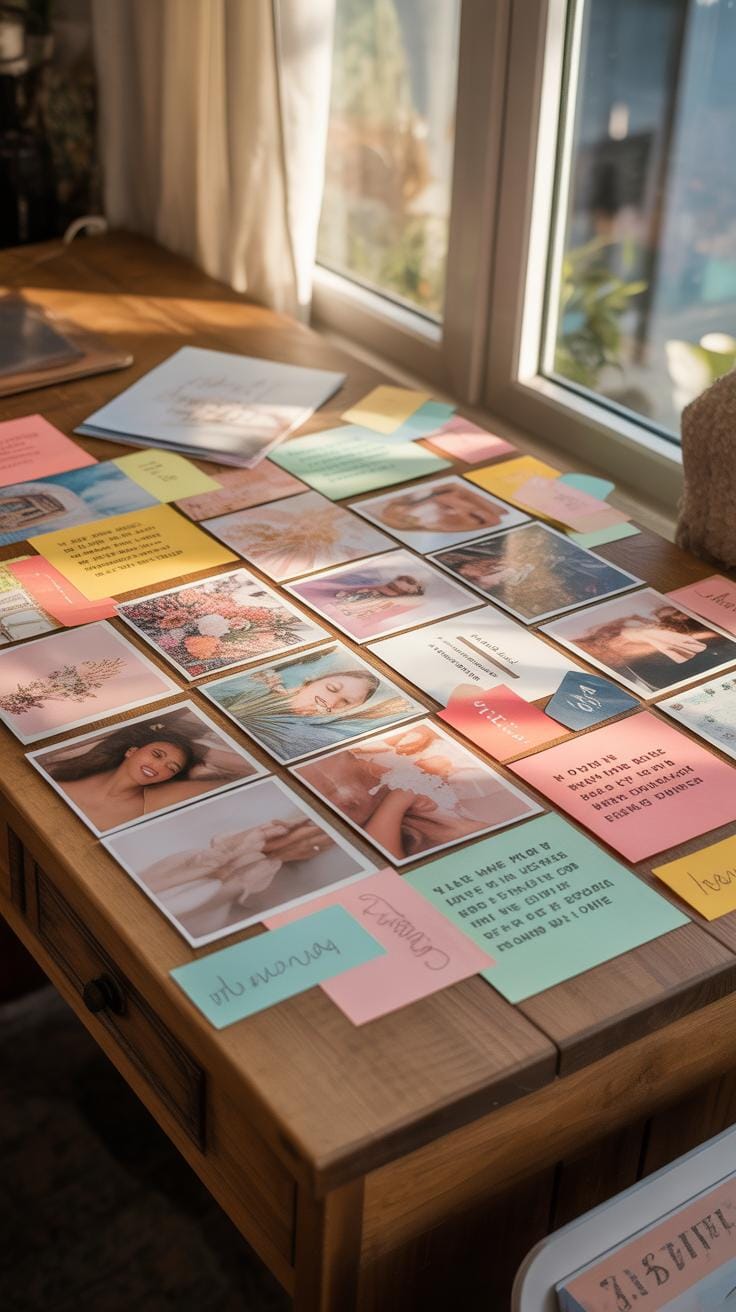
When it comes to designing your manifestation board, the layout you choose can really shape how effective it feels. You want something clear enough that when you glance at it, your goals immediately snap into focus. But it also should fuel your motivation, hitting you with just the right amount of inspiration to keep you going.

One thing to remember — clarity doesn’t have to mean boring. You might prefer straightforward structures, or maybe something less rigid, more personal. Both can work well, depending on how you connect with your board on a daily basis.
Grid Style For Organized Goal Tracking
A grid layout is like a visual checklist. I find dividing the board into neat sections helps separate different fitness goals or types of workouts. For instance, one section could be dedicated to strength training, another to cardio, and a third to nutrition or mental health. This way, you can track each goal distinctly without them blending together or overwhelming you.
The grid acts as a constant reminder of what you’re aiming for in each category, making it easier to spot where you might be slacking or excelling. Plus, it offers a satisfying sense of order and progress. You don’t have to be too strict with it — it’s okay to add little notes or stickers that don’t perfectly fit in their boxes. The main thing is that every goal has its own place.
Collage Style For Creative Visual Impact
On the flip side, a collage style lets you throw in pictures, quotes, and motivating phrases in a freeform, overlapping fashion. This approach appeals especially to those who like things a bit messy, less restrained. I’ve found this style can pack a punch because of its artistic vibe — it’s like your goals are bursting with energy, literally layered on top of each other.
It might feel less organized, but that can be a good thing if you find grids too rigid or uninspiring. The varied textures, sizes of images, and scattered words keep your eyes moving, constantly discovering new inspiration. It’s like the board is alive — but just enough to keep you motivated without getting distracting.

So, whether you prefer tidy grids or expressive collages, the best layout is one that you find compelling enough to engage with daily. If you start feeling disconnected from your board, it might be time to switch up the style. After all, your manifestation board should work for you — not the other way around.
Daily Use Checklist To Stay On Track
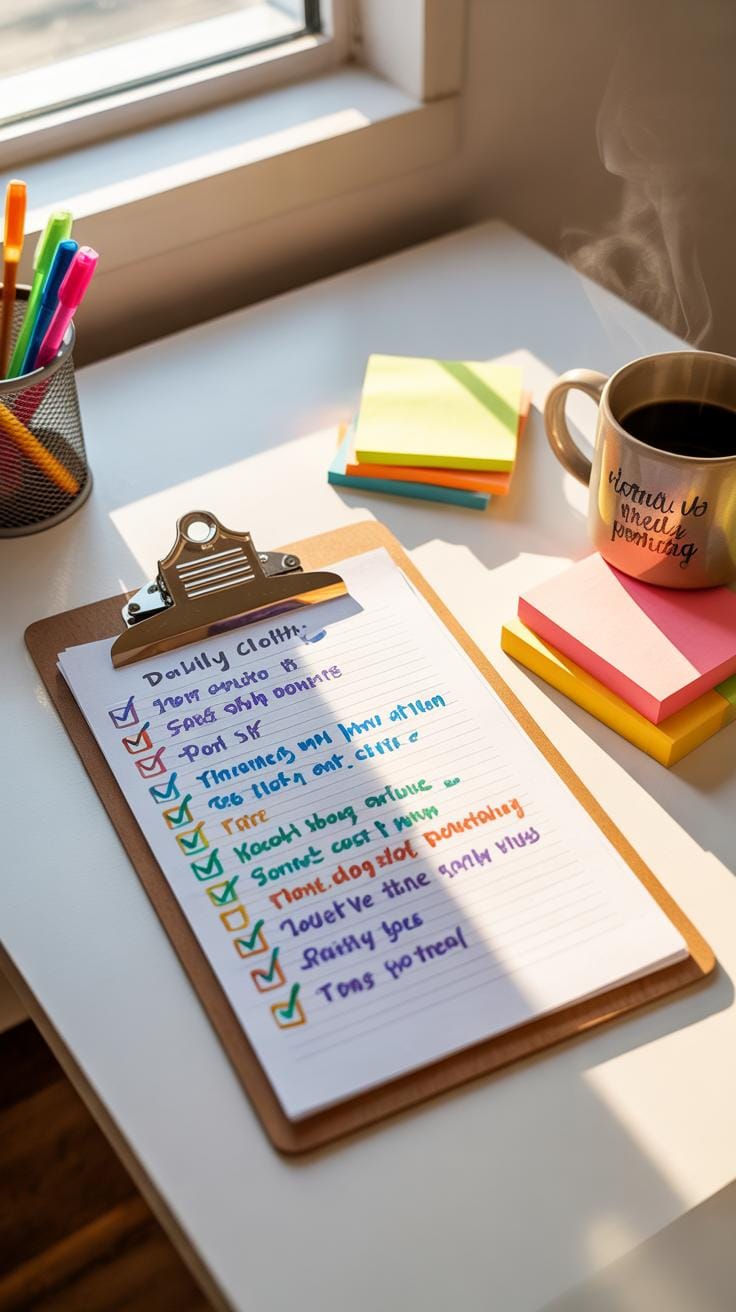
Staying consistent with your manifestation board for sport and health fitness means more than just glancing at it occasionally. Creating a daily checklist can make all the difference. You might start by setting specific, achievable targets for the day—like completing 30 minutes of cardio or prepping a healthy meal. Then, after your workout, note how you felt and what you accomplished. Did you push a little harder? Or maybe you struggled, but that’s okay too.
Adding simple reminders such as hydrating adequately, taking moments for mindful breathing, or reviewing one motivational image or phrase from your board can reinforce your commitment. It’s not a long list; even three or four small tasks done daily can build momentum over time. You may find that checking off these items gives a quiet sense of achievement, pushing you forward even when motivation dips.
This habit nudges you to be honest with yourself regularly and makes your fitness journey a bit more manageable, day by day.
Morning Visualization And Goal Review
Beginning your day by spending a few minutes with your manifestation board could shape your mindset in unexpected ways. Imagine standing there, eyes resting on your chosen images—perhaps a runner crossing a finish line or a balanced meal plate—and quietly setting your intentions. What one fitness goal deserves your focus today? Maybe it’s hitting a new personal best or simply staying active despite a busy schedule.

This moment is not about pressure but about gently deciding where your energy goes. I’ve noticed that when I do this, even on rough mornings, it feels like resetting an internal compass. You might find yourself more purposeful, less likely to skip workouts or fall back on old habits.
Even if some days feel routine, reminding yourself what you truly want can add fresh meaning to your actions.
Evening Reflection And Adjustment
As the day winds down, spending time to reflect on your progress helps close the loop. Look at your board again and consider your achievements or the obstacles faced. Did you stick to your workout plan? What went well, and what got in the way? Jotting down notes about these moments can reveal subtle patterns—like how stress impacts your energy or what rewards actually motivate you.
It’s okay if goals need tweaking. Perhaps you aimed too high or too low. Adjust your intentions without guilt; this process isn’t about perfection but growth. Sometimes, a small shift in targets can keep things realistic and prevent frustration.
This nightly ritual, even if brief, encourages a conversation with yourself about your health journey, making it more flexible and, surprisingly, more personal.
Tracking Progress And Adjusting Goals


Tracking progress on your manifestation board can make a meaningful difference. It’s not just about pasting images or words—it’s about seeing how far you’ve come. Maybe you use stickers to mark milestones or colored ticks to show completed workouts. Writing brief notes next to your goals can also help you reflect on what’s working or what’s hard. I’ve found that even just jotting a quick “felt stronger today” or “need to stretch more” adds a personal touch that makes the board live and breathe.
Updating goals isn’t always straightforward. Sometimes, your body changes quicker than your plans. For instance, if you resolved to run 5k in a certain time, and suddenly you’re hitting that target early, do you push for 10k? Or maybe an injury calls for a different focus—strength over running, perhaps. When this happens, it’s okay to tweak the board. You don’t erase effort; you redirect it.
Knowing when to reset goals can be tricky. Ask yourself: Have I reached this goal? Is this goal still relevant to my current health? If the answer leans ‘no,’ it might be time for a change. Your manifestation board isn’t a permanent record; think of it like a map that adapts as your journey unfolds.
Avoiding Common Mistakes With Boards

When you’re using a manifestation board for your fitness journey, it’s easy to trip up on a few common errors that can really sideline your progress. You might not realize it, but some mistakes can quietly sap your motivation or make your board less effective.
Choosing Unrealistic Or Vague Goals
One big pitfall is setting goals that are either too vague or just not realistic. If you say, “I want to be fit” with no clear targets, it’s hard to know where you’re actually headed. Alternatively, craving something out of reach like losing 20 pounds in a week usually just leads to frustration. Clear, achievable goals keep you motivated and on track. When goals are fuzzy or too ambitious, it feels like chasing shadows — and motivation drops off fast. So, your goals must be specific and within your grasp, otherwise, the board might end up feeling like a collection of wishes rather than a roadmap.
Ignoring Board Updates Or Reviews
Another common mistake is to set up the board, glance at it for a day or two, then forget it. Really, your manifestation board is a tool that needs regular checking, tweaking, and engagement. If you let it gather dust, it loses power. Think of it more like a living project — your goals and circumstances evolve, so your board should too. When you ignore your board, it becomes background noise, and you miss the chance to reconnect with your vision, re-energize your efforts, or adjust for new insights.

So, keep your eyes on that board often. Update it when things change. Review your progress usually, maybe at the start or end of a week. This ongoing relationship keeps your intentions fresh and your momentum going.
Comparing Manual And Digital Boards

When thinking about manifestation boards for fitness goals, the choice between physical and digital can feel a bit puzzling. Physical boards let you literally touch and arrange images, notes, or quotes, making the experience quite personal. Many people find that this tactile engagement helps keep their focus sharper because the board occupies real space in their daily environment, like a kitchen wall or bedroom door. You see it, you interact with it. This visibility can keep goals top of mind effortlessly.
On the flip side, digital boards bring a different set of perks that sometimes outweigh the hands-on appeal of physical boards. They’re easy to update—no scissors or glue needed—and you can carry them anywhere on your phone or tablet. Plus, with many apps syncing to activity trackers, they offer data-driven motivation, showing progress alongside your visual goals. But, this convenience can also make the board easy to ignore when buried in countless other apps.
So, which one fits you better? It may depend on how you prefer to engage with your goals daily. Do you need a constant, eye-catching reminder or a handy tool that evolves instantly as you do? This question might not have a straightforward answer, but considering these aspects certainly nudges you closer to what could work best for your fitness manifestation journey.
Examples Of Sport And Fitness Boards

Looking closely at some real-world manifestation boards for sport and health fitness, you can see how focused visuals and clear targets come together. One example centers around a runner’s goals. It includes pictures of running shoes and scenic paths, alongside specific pace targets. You might find a note pinned on the board marking milestones like “5K in 25 minutes” or “Half marathon by fall.” Motivational quotes such as “Run the day, don’t let it run you” are scattered around to keep spirits high on tough days. This mix of imagery and numbers helps keep the runner’s mind sharp, balancing inspiration with measurable progress.
Another board takes a broader approach—aimed at a healthier lifestyle, not just exercises. It highlights diet plans, sleep hygiene tips, and stress relief methods. Photos of fresh vegetables, a sleep tracker chart, and reminders for meditation form part of this vision. The person behind this board shares how it helped reduce their midday fatigue and improved focus at work. Seeing their goals daily creates that kind of gentle push, without overwhelming. It’s interesting how a simple board can foster real change by nudging habits step by step.
Conclusions
Manifestation boards combine visualization and goal setting in a simple, effective tool for fitness motivation. By carefully selecting powerful images and clear short-term and long-term goals, you can push yourself forward every day. Regularly updating your board ensures it remains relevant and inspiring as you progress.
Using a manifestation board can strengthen your mindset and commitment toward sport and health fitness. Applying the techniques shared here will give structure to your ambitions and help you stay accountable. This practical approach supports consistent habits and helps transform your fitness dreams into real achievements.