

A Morning Yoga Flow for a Refreshing Daily Routine
Morning Yoga Flow is a great way to start your day. It combines gentle movements and breathing exercises to wake up your body. This daily yoga workout routine can help improve your focus, flexibility, and mood. Doing it regularly sets a calm and positive tone for the day ahead.
In this article, you will learn about key benefits of morning yoga, how to create a flow that suits your needs, and tips to keep your practice consistent. Whether you are new or have practiced yoga before, this guide will provide simple advice and examples to refresh your daily workout routine.
What Is Morning Yoga Flow
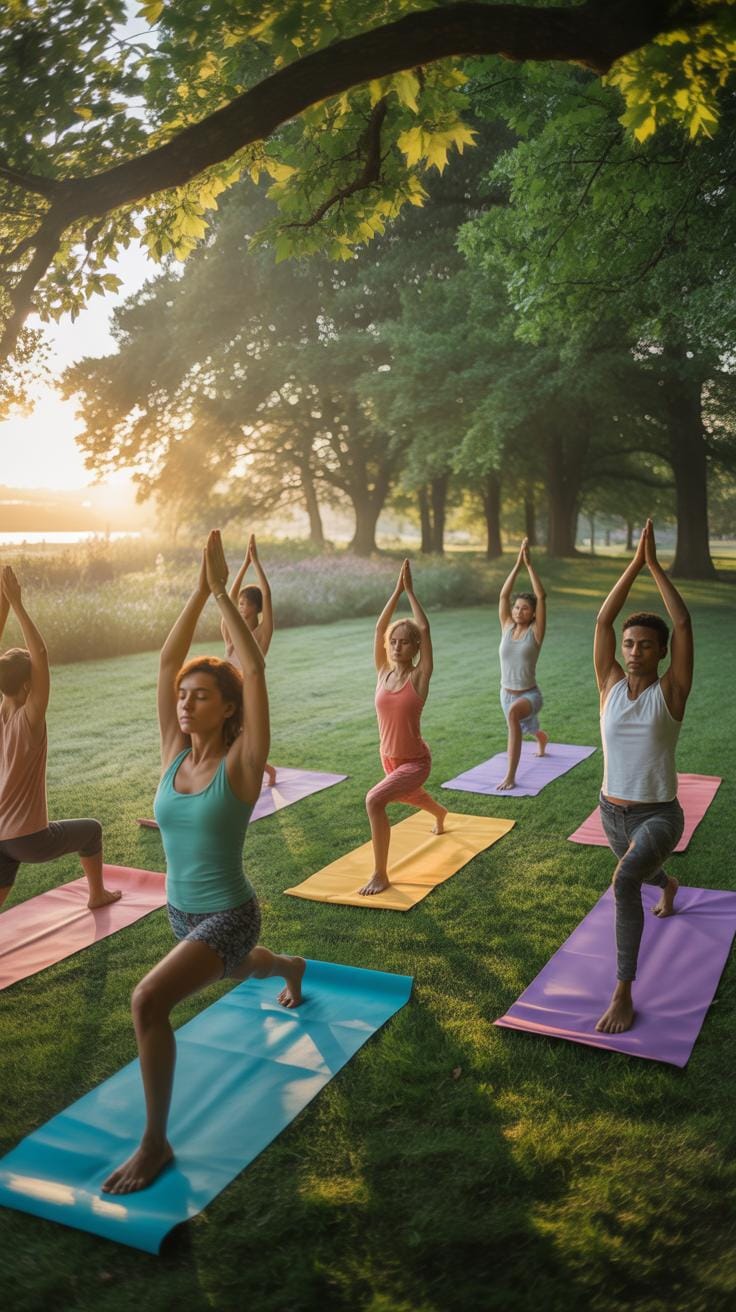
Morning yoga flow is a gentle yet purposeful sequence of yoga postures and breathing exercises designed to wake up your body and mind. It typically involves moving through a series of poses that stretch and strengthen, all linked with breath to create a fluid motion. The flow can be slow or a bit brisk depending on your energy level that morning or personal preference. Its main goal is to prepare you—not just physically—but mentally for the day ahead. It’s about shifting your awareness inward, grounding yourself, and creating a baseline of calm and focus. I’ve found on some mornings this kind of practice helps me shake off the remnants of sleepiness and sparks energy that lingers as the day goes on. You might feel how your muscles loosen without strain, and your mind settles, even if just for a moment.
Core Elements Of Morning Yoga
You’ll find a few key things in most morning yoga flows. Breathing is essential—often slow, deep belly breaths or rhythmic breathing that sets the pace of movement. Poses commonly include gentle stretches like cat-cow or downward dog, standing poses such as mountain or warrior that build strength and balance, and some twists or slight backbends to energize the spine. These movements are generally sequenced to gradually warm the body, from slower, easier postures to more engaged ones, then back to calmness as the practice winds down. The flow itself tends to be shorter than an evening or longer session—around 15 to 30 minutes is common—to fit into busy mornings but still feel satisfying.
Why Choose Morning Over Other Times
There’s something about morning yoga that might suit the body’s natural rhythms better than other times of day. Your body is fresh but not stiff from being in one position most of the night, so the stretches might feel particularly relieving. Mentally, yoga in the morning can clear away the fog that many feel upon waking and replace it with a sense of clarity. This clarity isn’t about rushing or forcing productivity but more about the calm alertness needed for planning your day. Also, practicing yoga in the morning can help anchor a routine that sets a positive tone for the hours ahead. Yet, some mornings it feels just right, and on others, maybe not so much. Still, many return to it because their mind and body seem to enjoy the quiet start before the world kicks in.
How To Build Your Morning Flow

Creating your own morning yoga flow, well, it’s not something that fits into a rigid mold. Think of it more as a gently unfolding process. Start by picking poses that welcome your body awake—maybe gentle twists, cat-cows, or standing stretches. You don’t want to rush or overwhelm yourself first thing, so timing is key. Fifteen to twenty minutes can do wonders, but if you feel inspired, extend it. And about skill levels—don’t hesitate to swap in easier or tougher poses depending on how you feel that day. It’s your practice, after all, so feel free to shift and play with it.
Step By Step Setup Checklist
Before you begin, it helps to set the stage. Here’s a simple checklist you might overlook:
- Clear a quiet space with enough room to stretch out comfortably.
- Gather props like a yoga mat, blocks, or a cushion if you need extra support.
- Wear something comfortable—restrictive clothes rarely help when you’re moving and breathing deeply.
- Set a gentle alarm to remind you without startling you awake.
- Take a moment to set your intention or simply breathe and center your mind before starting.
It may seem obvious, but even these small preps can shift your mindset into a calmer, more focused state.
Adjusting Poses For Your Needs
Remember, morning stiffness or any physical concern calls for adaptation. If your hamstrings are tight, try bending your knees in a forward fold rather than locking them straight. Not feeling strong enough for a plank? Drop to your knees first. Every pose has variations, which you can explore until you find what suits your body today. Your flexibility or strength might change day to day, so go easy and adjust as needed. There’s no “perfect” pose, just the pose that feels right.
Benefits Of Morning Yoga Routine
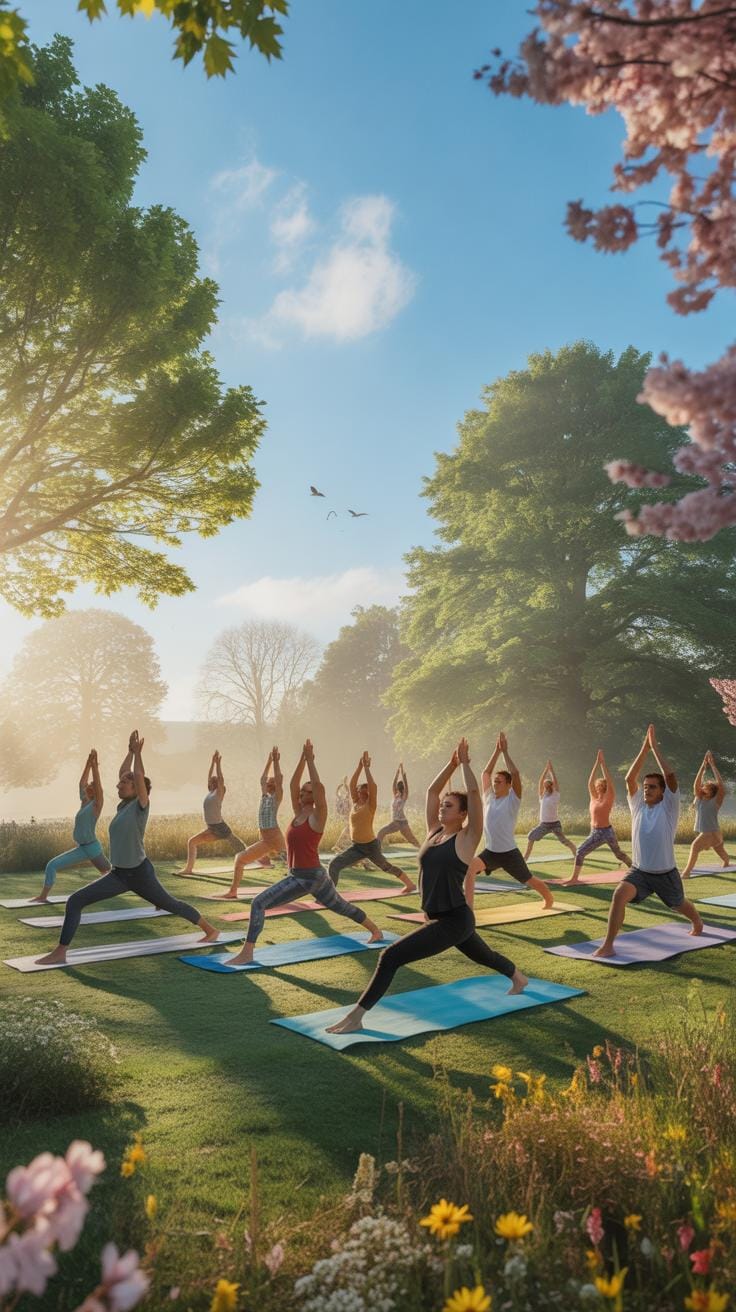

Starting your day with a morning yoga flow can gently prepare both your body and mind for what lies ahead. Physically, it helps loosen muscles that might feel stiff from sleep, gradually increasing flexibility and building strength. Have you noticed how poses like Downward Dog stretch your calves and hamstrings, while Plank Pose engages your core muscles early in the day? These movements wake up your body without harsh impact, easing you into activity smoothly.
Mental clarity is another big plus. A focused morning practice tends to calm the mind, reducing tension and stress that often accumulate overnight. Breathing exercises during yoga stimulate the parasympathetic nervous system. As a result, many notice a quieting of anxious thoughts and an enhanced ability to concentrate throughout the day. I find this part especially helpful on busy mornings when distractions can easily pull me off track.
Morning yoga may also boost your mood by encouraging mindfulness and present-moment awareness. It feels like setting a positive tone before the day’s demands kick in. And while the scientific community is still exploring all the mechanisms behind this, many practitioners report feeling more energized and balanced.
So, why not try incorporating gentle stretches and mindful breaths into your morning routine? Even a brief session can create ripple effects that last well beyond the first cup of coffee.
Morning Vs Evening Yoga Flow
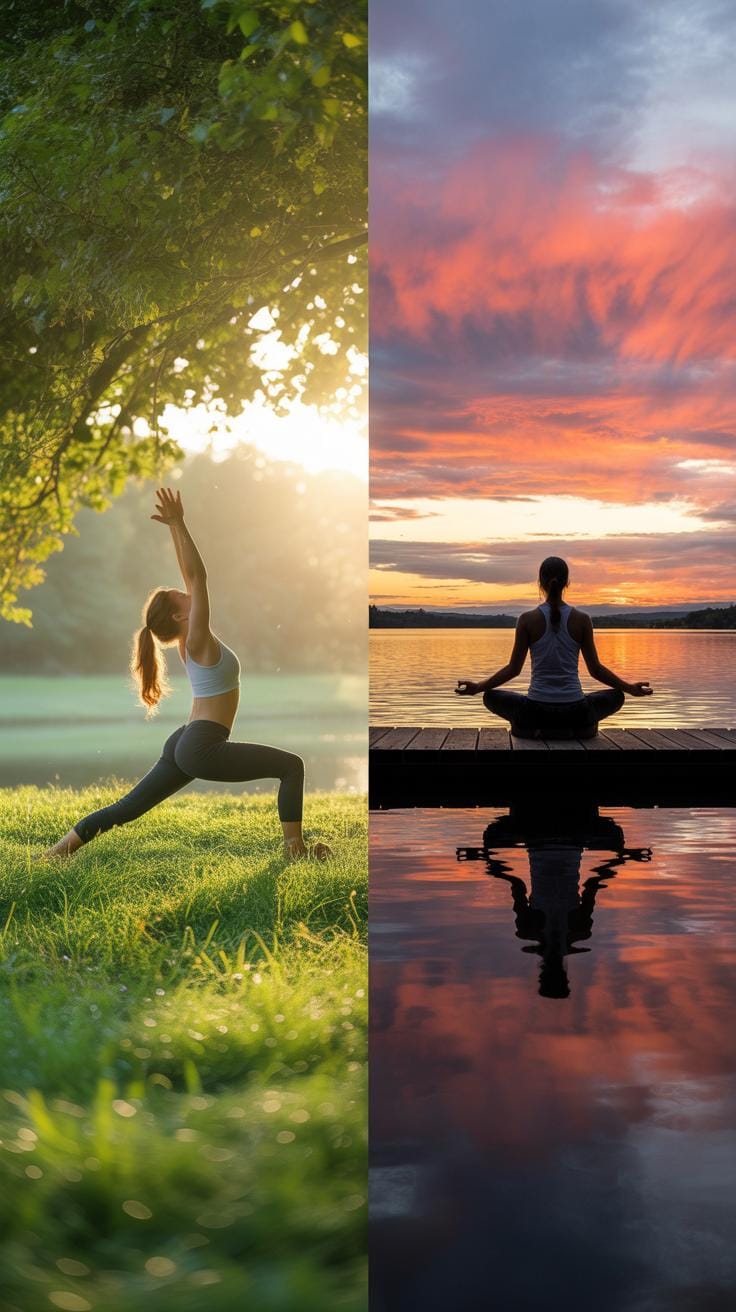
Practice Intensity, Goals, and Body Readiness
Morning yoga flow and evening yoga flow tend to differ quite a bit, often shaped by the body’s state and what you want to achieve at that moment. In the morning, your body might feel a bit stiff from sleep. So, the flow usually starts gentle—think slow stretches and breathing focused on awakening your muscles and mind. The goal here is to prepare your body for the day, gently coaxing it into movement.
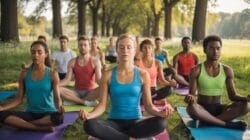
Evening yoga flows often ramp up or cool down differently. Your body has been active all day, so it might feel more flexible but also more tense from stress or posture habits. Evening sessions could be slower, restorative, or more focused on releasing tension—sometimes incorporating longer holds and calming breath work. The intensity might vary depending on your energy level, but relaxation tends to be a primary goal.
Energy Boost Vs Relaxation
Morning yoga usually includes poses that stimulate circulation and awake the nervous system. Sun Salutations or gentle lunges can activate energy reserves. Contrastingly, evening yoga leans more towards forward bends and gentle twists that help calm the nervous system. It’s interesting—the morning flow tries to spark your alertness, while the evening flow aims to soothe you into rest.
For example, a morning Warrior I pose can build focus and momentum, while a seated forward fold in the evening might encourage introspection and calm. It’s like they’re designed for opposite ends of the day.
When To Choose Each Routine
Choosing whether to practice in the morning or evening often depends on your lifestyle and what you want from yoga. If you need a burst of energy and mental clarity to start your day, morning yoga can be a solid choice. But if your day ends with tension and stress, evening flows might help you unwind and sleep better.
Sometimes, you might even switch it up depending on the day’s demands. There’s no one right answer, really. Maybe try both at different times and see how your body and mind respond—you might be surprised by which suits you best.
Common Mistakes To Avoid

Skipping Warm Up Poses
Warming up before your morning yoga flow isn’t just a luxury—it’s a necessity. Skipping these gentle start-up moves can leave your muscles tight and joints stiff, making the actual poses harder to do and increasing the risk of injury. When you jump straight into demanding stretches, your body hasn’t had the chance to gradually adjust.
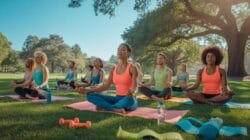
Simple warm-up poses like Cat-Cow, gentle spinal twists, or even a few rounds of Child’s Pose can help prepare your muscles and nerves for what’s to come. These poses gently increase blood flow and improve mobility. Sometimes it’s tempting to rush through the warm-up, especially if you’re pressed for time, but spending just 5 to 10 minutes here can make a big difference in how your whole practice feels.
Ignoring Body Signals
One tempting mistake in morning yoga is pushing yourself too hard, ignoring what your body is telling you. It might be easy to mistake discomfort for progress, but ignoring pain or tightness can cause injuries that set you back rather than move you forward. Yoga should respect your current limits—not challenge them aggressively.
Pay close attention to sensations during your practice. If a pose feels sharp or painful, ease off or adjust. Maybe hold the pose for less time, or use props like blocks or straps. Sometimes, less is more. Listening to your body might feel frustrating when you want to push through, but it actually helps build a safer, more sustainable routine that will serve you better in the long run.
Equipment And Space Setup
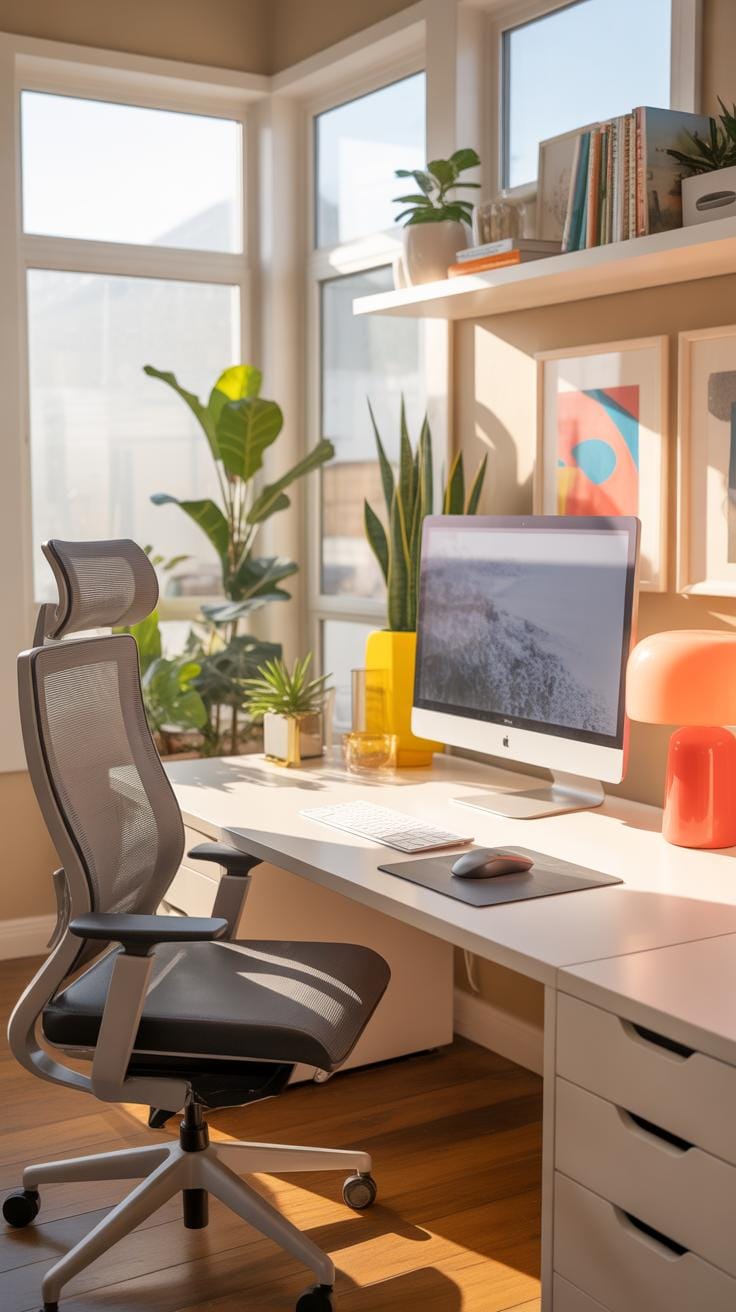
Starting your morning yoga flow benefits a lot from the right setup. It’s not just about rolling out a mat; having some simple equipment nearby can help you ease into your practice smoothly. A good quality yoga mat is essential, providing the foundation and grip you need. Beyond that, props like yoga blocks, straps, blankets, or bolsters can make a big difference. They’re not just fancy extras; they support your body, improve comfort, and keep you safe, especially when you’re working through challenging poses or just waking up.

Setting up your space is just as important. Pick a quiet corner with good natural light if possible. You want a spot that invites calm and focus, not interruptions. Try to keep this area tidy and free from distractions like phones, clutter, or noisy appliances. Maybe light a candle or use a diffuser with calming scents, if that suits you. The goal is to create a little sanctuary where your attention can fully turn inward, even if only for a short practice.
Must Have Yoga Props
Here are a few props that many people find helpful during their morning flow:
- Yoga Blocks: These provide support during standing poses or help if your flexibility is still waking up.
- Yoga Straps: Great for gently extending your reach and maintaining alignment, especially if stiff from sleep.
- Bolsters or Cushions: Add comfort during seated poses or restorative poses, allowing muscles to relax.
- Blankets: Useful for extra padding or warmth during cool mornings or longer holds.
Each prop can subtly change how a pose feels and improve your confidence, which sometimes matters more than the perfect execution.
Creating A Distraction Free Zone
Choosing the right location isn’t always easy. Ideally, it’s somewhere quiet, where you won’t be interrupted by family, pets, or work alarm clocks. But not everyone has a designated room, so get creative. A corner in your bedroom, near a window or balcony, can work just fine. The key is to keep this space organized and dedicated. Even small steps like putting away your phone or turning off notifications can make a noticeable difference.
Think about the ambiance too. Soft natural light, a subtle scent, or calming background sounds might help you slip into your rhythm. Yet, you might discover you prefer plain silence, or maybe some gentle morning music. The point is, test what feels right and be okay with changing it up sometimes. The space you choose should invite your mind to settle, not wander, but it doesn’t have to be perfect.

Have you noticed how much your environment impacts your practice? Even small distractions can pull you away from that fresh sense of focus and energy you’re after. That’s why setting this up thoughtfully, even if it takes experimenting, is worth the effort.
Tracking Your Progress

Keeping track of your morning yoga flow progress can feel a bit tricky sometimes. It’s not always obvious how much better you’re getting, right? One way is to keep a simple journal or use an app designed for yoga practice. Writing down what you do each day, the poses you practiced, how you felt before and after—these notes might seem small but add up over weeks.
There are handy apps too, like Yoga Tracker or Daily Yoga, that let you log your sessions, note milestones, and even remind you to stay consistent. They sometimes offer charts, which can make progress visible and more rewarding.
Measuring Physical And Mental Gains
Noticing improvements doesn’t have to be complicated. You can test your flexibility by seeing how far you reach in a forward fold or by how steady you are in a balance pose like Tree. Strength gains might show in holding poses longer without wobbling or feeling less tired afterward.

Mental clarity is a bit more subtle. Maybe you find yourself less reactive in stressful moments or calmer overall after practicing consistently. You might even realize you’re focusing better during the day. Keep an eye on these little signs—they could be your progress markers.
Do you feel you’ve become more patient with yourself? That’s a powerful sign too. Tracking isn’t about perfection; it’s noticing the subtle shifts. And sometimes, just deciding to note those shifts is itself progress.
Sample Morning Yoga Flow Routine
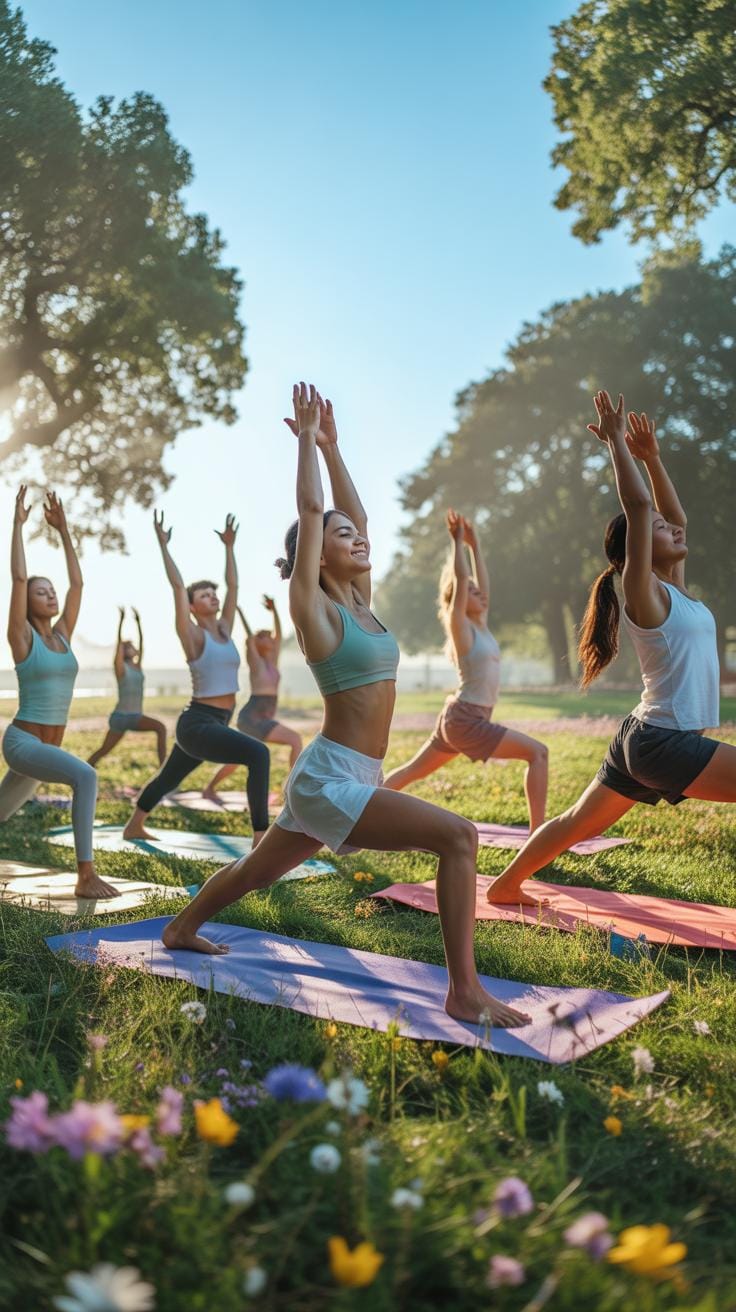
Here’s a morning yoga flow that you might find refreshing. It takes about 20 minutes, just enough to shake off sleep and prepare your body for the day. The flow combines movement and breath in a way that’s gentle but effective.
Start seated, cross-legged, with your hands resting on your knees. Close your eyes briefly, taking three deep breaths—inhale through the nose, exhale through the mouth. This sets a calm tone.
- Cat-Cow Pose (2 minutes): Come onto all fours. On each inhale, arch your back by lifting your chest and tailbone (Cow); on each exhale, round your spine, tucking your chin and tailbone (Cat). Synchronize breath with movement—inhale to arch, exhale to round.
- Downward Dog (2 minutes): Push back with your hips high. Pedal your feet gently to awaken your calves. Take slow, steady breaths. Try to keep your spine long without forcing your heels down.
- Low Lunge with Twist (3 minutes): Step your right foot forward between your hands, lower your left knee. On an inhale, sweep your left arm up and twist gently to the right. Hold for 3 breaths, then switch sides.
- Mountain Pose (1 minute): Stand tall with feet hip-width apart. Reach arms overhead on inhale, then slowly bring them down with an exhale. Feel your length.
- Sun Salutation A (8 minutes): Move through these poses smoothly: Upward Salute, Forward Fold, Halfway Lift, Chaturanga, Upward Dog, Downward Dog, stepping or jumping forward, and rising back up. Coordinate each movement with your breath for flow—generally, inhale to lift or open, exhale to fold or lower.
- Child’s Pose (4 minutes): Rest here, arms forward or by your sides, forehead on the mat. Breathe deeply and allow your body to relax before the day begins.

Throughout, the key is to link your breath and movement. When shifting from one pose to the next, use your inhale to reach or expand and your exhale to fold or release. This keeps transitions gentle yet purposeful. If you lose rhythm, pause and take a breath before continuing. Your flow doesn’t have to be perfect—just present.
Tips For Staying Consistent

Keeping a morning yoga flow alive every day isn’t always easy. Life tends to get in the way — maybe your alarm doesn’t go off on time or you just don’t feel like moving. Yet, small, practical strategies can make a difference.
One approach is to carve out a specific time for practice that genuinely fits your lifestyle. It might be five minutes instead of thirty; that’s okay. Stretching goals like “do something active” may feel less daunting too.
Sometimes, motivation dips, and that’s normal. To tackle this, try these:
- Set gentle reminders on your phone or sticky notes where you’ll see them.
- Reward yourself occasionally—maybe a soothing cup of tea after your flow.
- Pair yoga with something you enjoy like listening to favorite music or a podcast.
Basically, create a little ritual that feels rewarding and not like a chore. It might take a bit to find your groove, but once you do, sticking with your practice feels more natural than forcing it.
Setting Realistic Goals
It’s tempting to dive in with high expectations, but realistic goals are more sustainable. For instance, starting with three days a week or a shorter routine might be better than daily long sessions, especially if mornings feel rushed.
This lets you build up gradually without feeling guilty or discouraged. Ask yourself: What time frame really works for me? What is manageable even on busy days? The answers can surprise you, and adapting your goals is okay.
Creating Motivational Reminders
Motivation isn’t always stable. To keep it alive, physical or digital cues help. Place your yoga mat somewhere visible, or set timers with uplifting messages. Even a quick sticky note with “feel good, move now” might nudge you.
Pairing yoga with something you look forward to adds appeal. Some find morning tea after practice perfect; others link it to journaling or a walk. What small reward or ritual could work for you? Experiment and see.
In the end, it’s less about perfection and more about returning to the practice, day after day—even if some days are just a few deep breaths. What keeps you coming back is worth exploring.
Conclusions
Incorporating a Morning Yoga Flow into your daily routine can improve physical and mental health. You gain energy, reduce stiffness, and create a habit of wellness. Starting small and practicing consistently builds lasting benefits. Choose movements that feel right for your body and adjust as needed.
By following the tips and chapters in this article, you can enjoy a refreshing daily yoga workout. Use this time for yourself to boost your energy and calm your mind. Your day will begin with strength and focus, supporting overall wellbeing and balance in life.