
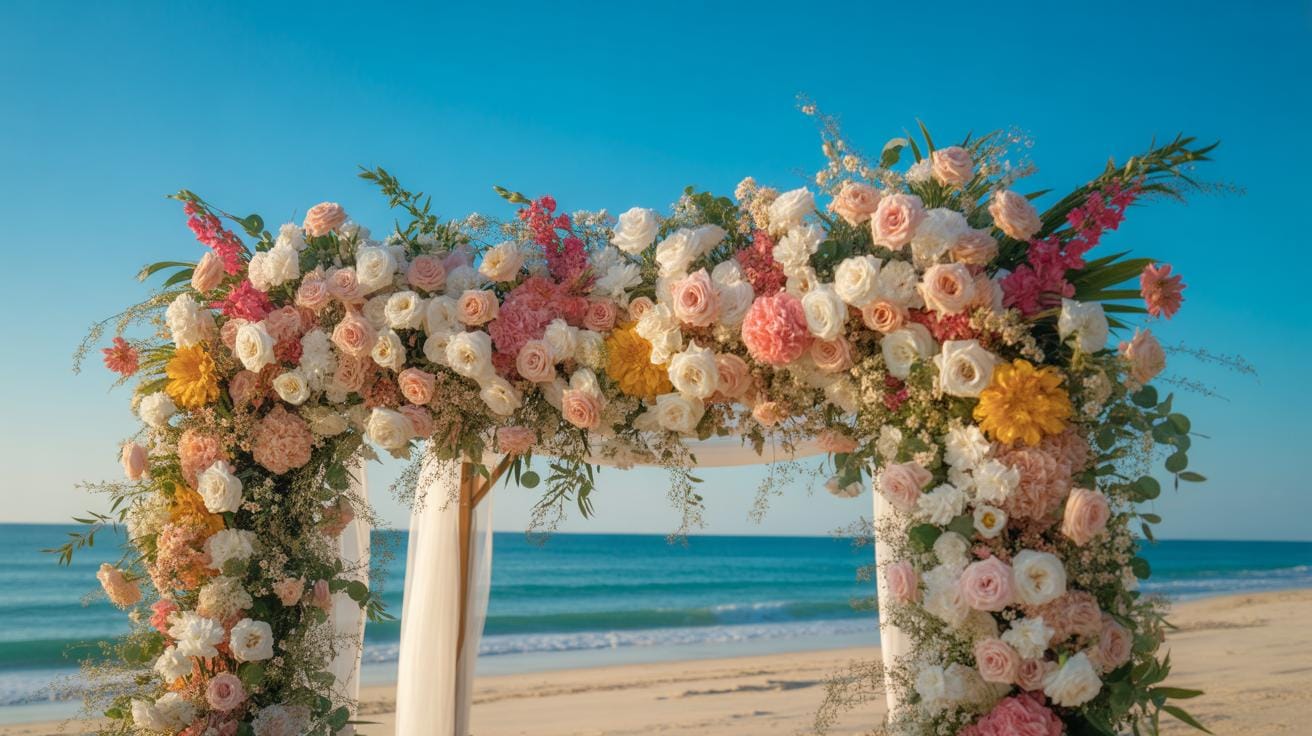
What Makes Destination Wedding Flowers Uniquely Special
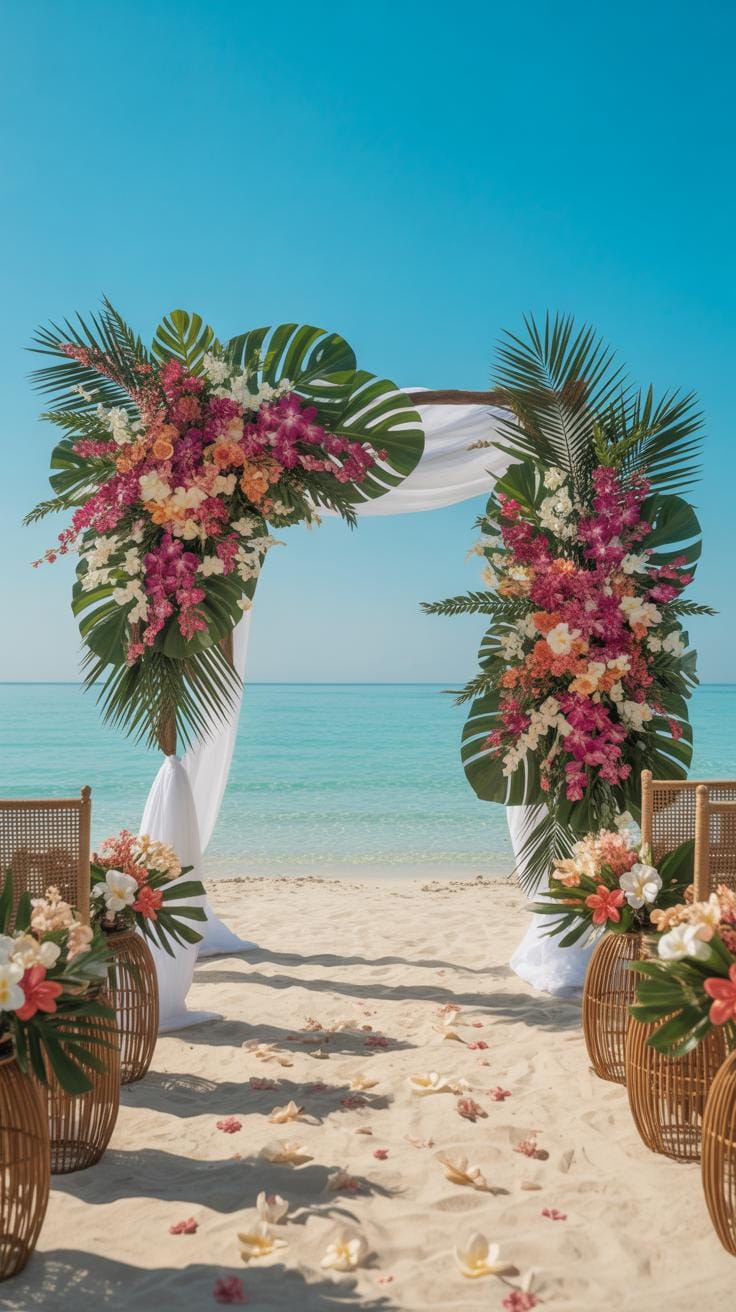
How Location Shapes Your Floral Identity
Location dictates every floral choice. Climate and geography determine which species survive the event. A beach ceremony requires salt-tolerant plants like orchids or tropical palms. High humidity or intense heat will wilt soft petals like hydrangeas in minutes. Successful planners match the floral palette to the local environment. This creates a cohesive look that feels integrated rather than forced.
Infrastructure and logistics further define the design. Remote islands often lack cold storage and specific wholesalers. Designers must source local flora or pay high import fees. This reality shifts the aesthetic toward native blooms and architectural greenery. Using local materials ensures freshness and reduces the risk of dead inventory. Hardiness becomes the primary design metric in extreme environments.
The Emotional Role Of Flowers In A Destination Wedding Setting
Flowers serve as the primary visual anchor for guests in an unfamiliar place. They bridge the gap between the couple and the landscape. In a destination setting, the floral design communicates the tone of the entire trip. Minimalist designs suggest a modern focus. Elaborate installations create a sense of occasion. These visual cues help guests transition from travelers to wedding participants.
Designers use scent and color to fix the event in memory. Distinctive local blooms create a sensory link to the specific region. This emotional connection lasts long after the wedding ends. Tactical placement of flowers at key touchpoints guides the guest experience. Flowers act as a silent host. They welcome visitors and define the areas for celebration and reflection.

Choosing The Right Tropical Flowers Wedding Style For Your Venue
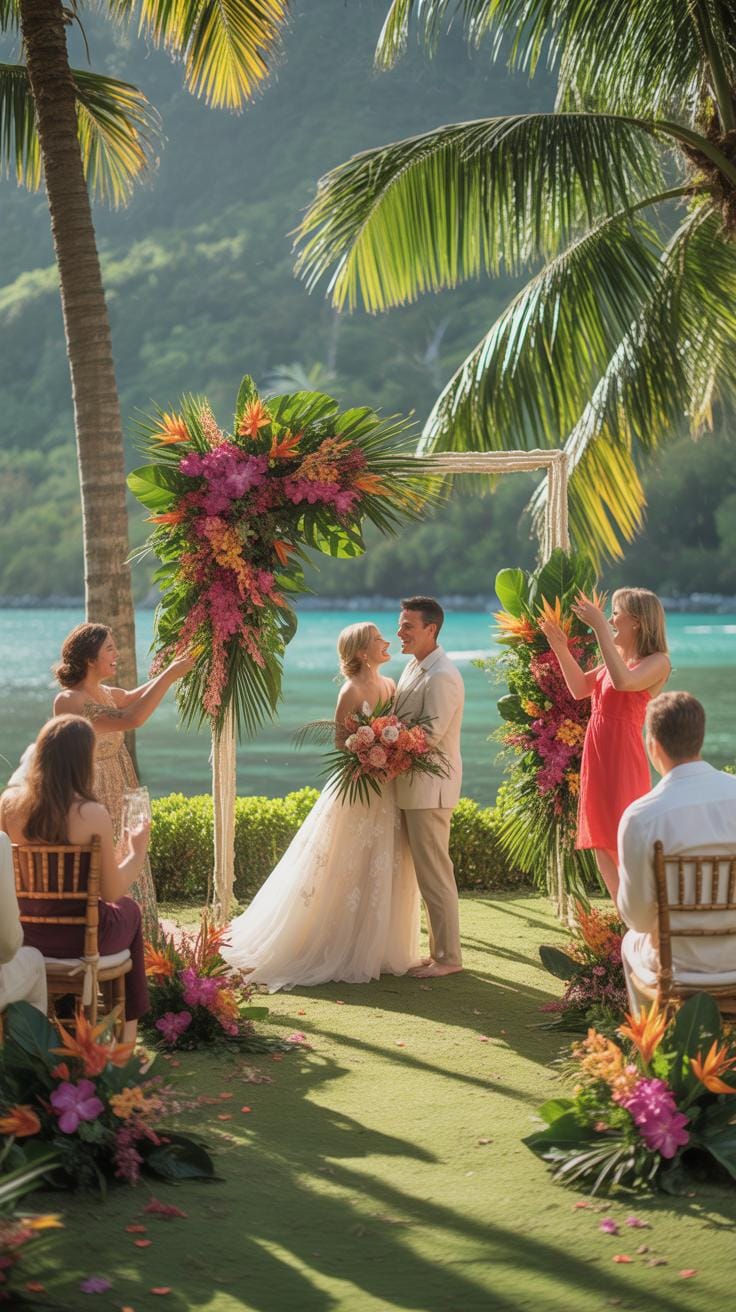
Matching Floral Styles To Indoor Vs. Outdoor Destination Venues
Outdoor venues like beaches or gardens demand structural integrity. High winds and direct sun cause delicate petals to wilt in minutes. Use hardy species like Anthuriums or Proteas for these settings. These flowers have waxy coatings that lock in moisture. This prevents the arrangement from looking dead before the ceremony starts. Avoid thin-petaled flowers like Sweet Peas or Hydrangeas in exposed coastal areas.
Indoor venues allow for more fragile European-style designs. Ballrooms and chapels provide climate control. This environment protects soft blooms from heat and wind. You can use Orchids or Lilies here without fear of rapid browning. Match the scale of the flowers to the ceiling height. High ceilings require tall, architectural arrangements to fill the void. Use heavy stone or metal vases to anchor large floral displays indoors.
To create flowers that truly sing, you must listen to the landscape and let the local blooms tell the story of the place where you are.
How Climate And Season Influence Your Tropical Flower Selections
Climate dictates your floral budget and survival rate. High humidity helps tropical plants but destroys soft-stemmed varieties. Research the dew point of your destination. If the air is dry, your flowers need constant hydration sources. Use water tubes for every individual stem in your installations. This hidden hardware keeps the flowers turgid. Do not rely on misting alone to keep tropicals alive in arid heat.

Seasonality affects both price and flower size. Importing out-of-season blooms to a remote island increases costs through refrigerated freight. Peak hurricane or monsoon seasons also disrupt supply chains. Local sourcing ensures the freshest product. Flowers grown in the destination climate perform better than imports. They are already acclimated to the local temperature and moisture levels. Always align your flower choices with the local growing calendar to ensure quality.
Exotic Wedding Flowers The Most Stunning Blooms For Your Big Day
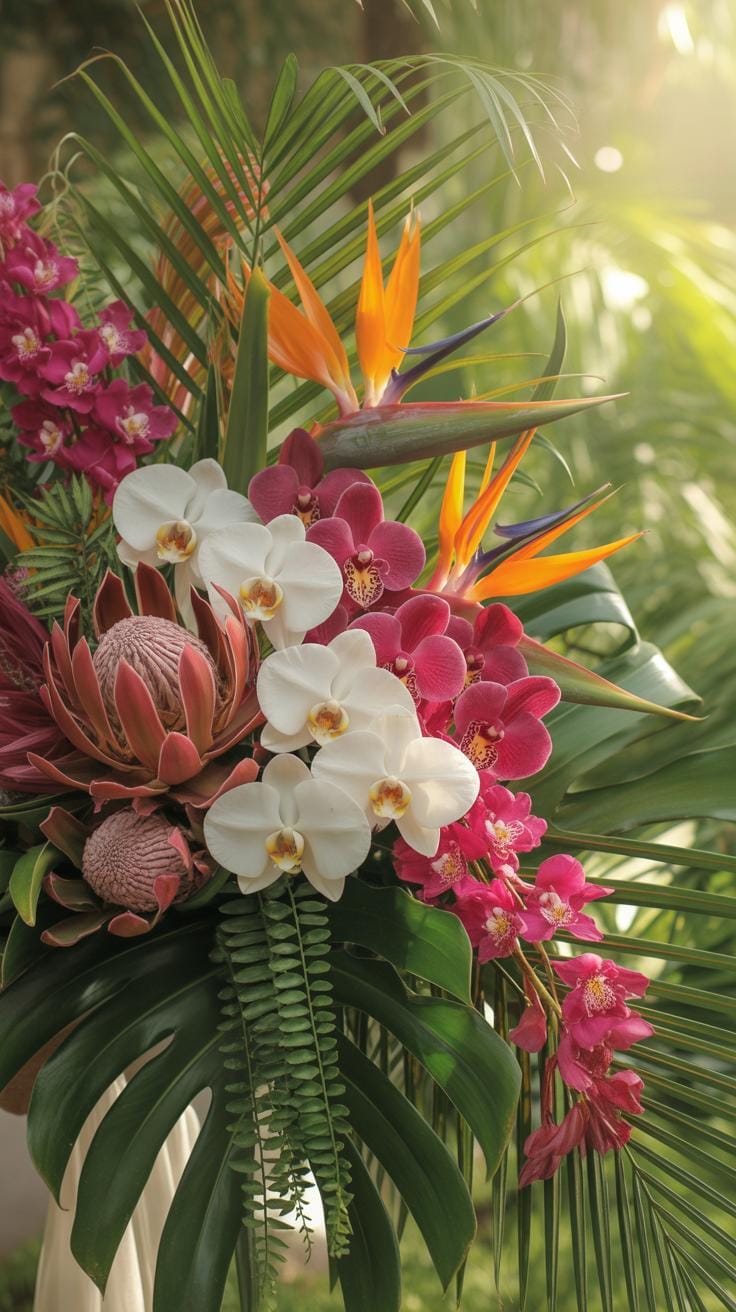
Top Exotic Blooms That Thrive In Warm Destination Climates
Tropical climates demand durable flora with high moisture retention and thick cell structures. Standard roses wilt under intense solar radiation and humidity. You must select species that evolved in equatorial regions to ensure your arrangements survive the ceremony and reception. These plants maintain their structural integrity and color saturation even when exposed to direct heat for several hours without water.
- King Protea: These flowers feature thick, woody stems and leathery bracts. They resist wilting in dry heat and provide a massive focal point for bouquets. Their prehistoric appearance adds a structural element that survives harsh coastal winds better than soft petals.
- Anthurium: Also known as laceleaf, these have a waxy coating that prevents dehydration. Their heart-shaped spathes come in vibrant reds, greens, and whites. They are ideal for beach weddings because they do not bruise easily when handled by staff during setup.
- Orchids: Varieties like Phalaenopsis and Cymbidium are staples in tropical design. They possess a natural ability to pull moisture from the air. Designers use them for cascading bouquets because their stems are flexible yet strong enough to support multiple large blooms.
- Bird of Paradise: This bloom is chemically designed for high-temperature environments. Its rigid structure and bold orange and blue hues remain stable in peak afternoon sun. It works best in tall architectural centerpieces where height and sharp lines are required for visual impact.
- Ginger Lily: These heavy, cone-shaped flowers offer a dense texture that occupies significant space in large installations. They are incredibly hardy and release a subtle scent that complements salt air. Use them to provide weight at the base of floral arches or large floor displays.
Sourcing these blooms locally reduces transportation stress and environmental shock. Importing temperate flowers into a tropical zone often leads to rapid browning during the transition from cold storage to ambient heat. Local exotic species are biologically tuned to the specific humidity levels of your destination. This choice guarantees that your floral investment looks fresh until the end of the night.
How To Combine Exotic Flowers For Maximum Visual Impact
Successful design requires a balance between architectural weight and delicate movement. Place large, heavy blooms like Protea or Ginger Lily as your primary anchors first. Use these to establish the shape and center of gravity for your arrangement. These dense elements provide the necessary visual foundation. Their presence allows the eye to rest before moving toward smaller or more intricate details in the display.
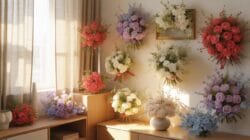
Layer in lighter textures such as orchids or ferns to create depth. Proximity and contrast are your primary tools here. Dark green tropical foliage makes bright floral colors pop. Do not overstuff the arrangement. Negative space allows the unique geometry of exotic petals to stand out. This approach ensures your flowers look intentional rather than cluttered. Strategic placement maximizes the value of each individual bloom in your design.
Tropical Flower Bouquet Inspiration Designing The Perfect Bridal Bouquet
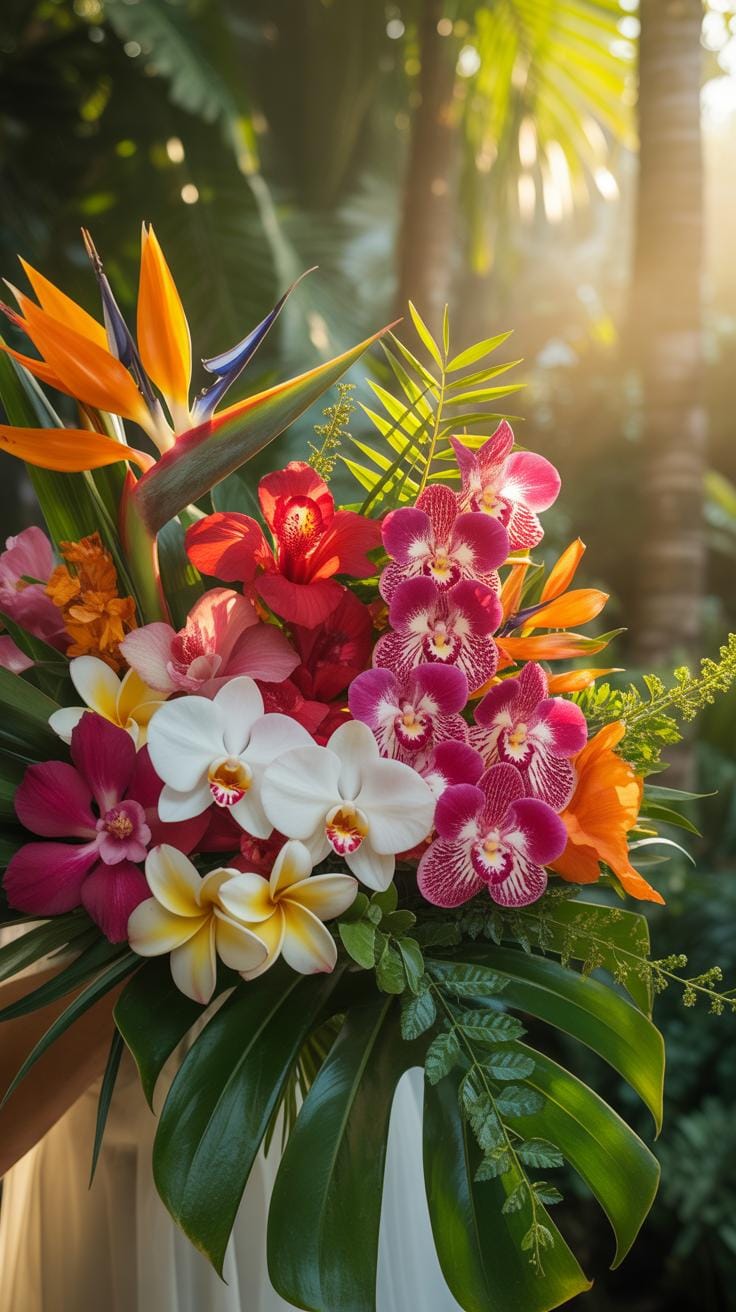
Bouquet Shapes And Sizes That Suit Destination Wedding Brides
The geography and climate of your venue dictate bouquet construction. Large cascade bouquets provide visual impact but fail in high winds or extreme heat. Heavy stems increase physical fatigue during long outdoor ceremonies. Practical brides choose the hand-tied clutch or the round posy. These shapes allow for easy hydration and transport. They also withstand the mechanical stress of coastal breezes without losing their structural integrity.
Scale must match the bridal silhouette and the wind conditions of the location. Overstated arrangements often obscure intricate dress details in professional photography. Smaller bouquets utilize fewer stems, which lowers the overall weight. This choice prevents the flowers from wilting quickly in tropical humidity. Focus on compact designs to ensure the bouquet remains a manageable accessory rather than a logistical burden throughout the wedding day.
Wedding Bouquets Tropical Simple: Elegant Minimalist Approaches
Minimalism in tropical design relies on the architectural strength of individual stems. A single King Protea or a few Bird of Paradise stems create a high-contrast focal point. This approach reduces the count of delicate filler flowers that die first in high temperatures. Professional florists use glossy foliage like Monstera or Ti leaves to provide structure. This creates a clean look that emphasizes form over excessive volume.

Simple designs require technical precision in stem placement. Use clear floral tape or waterproof wire to secure the stems without adding bulk. Select locally sourced varieties to ensure maximum freshness and reduced transit stress. Minimalist bouquets dry more evenly, allowing for easier preservation if desired. This style suits the modern aesthetic and performs better under harsh sun than complex, multi-species arrangements that require constant misting and care.
Dream Wedding Beach Florals Creating Arrangements That Withstand The Elements
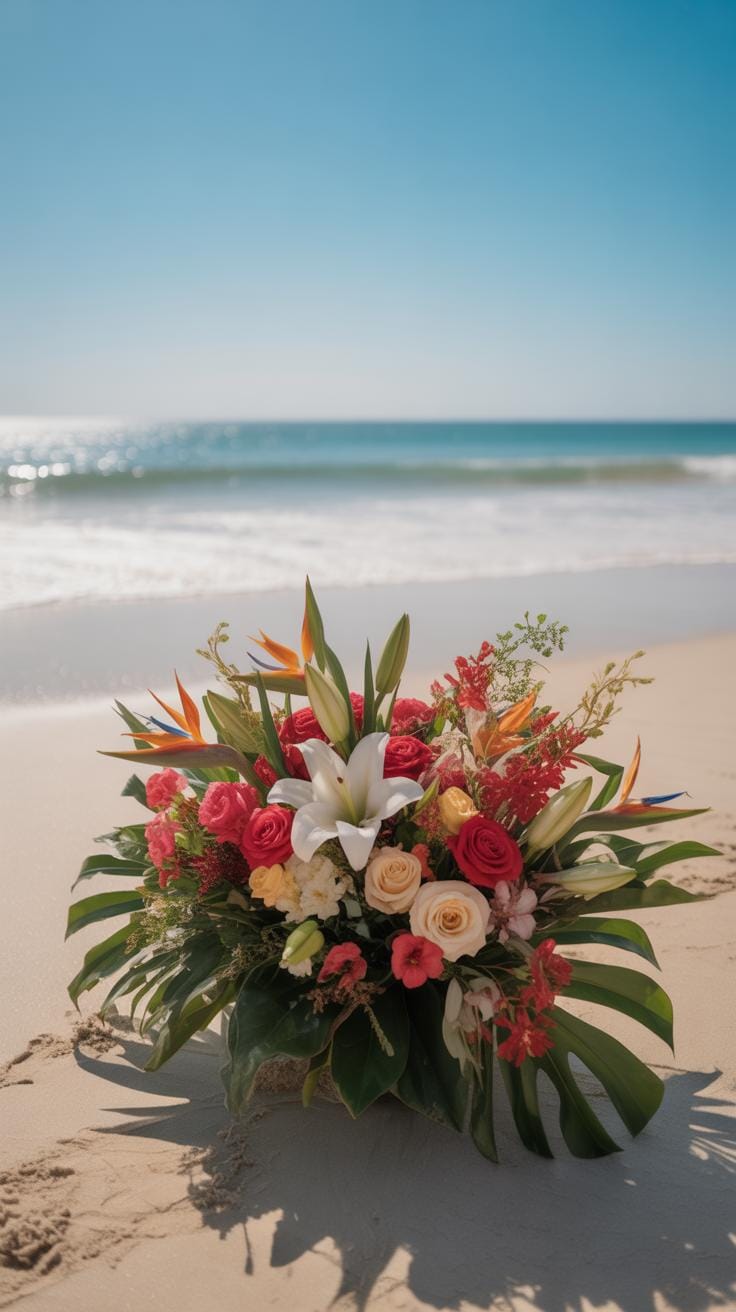
Best Hardy Tropical Flowers For Outdoor Beach Ceremonies
Select flowers with thick, waxy cuticles to resist salt spray and rapid dehydration. Anthuriums and Orchids, specifically the Dendrobium and Phalaenopsis varieties, excel in high humidity. These species evolved in tropical climates to retain moisture within their petals. They do not wilt as quickly as temperamental garden roses or hydrangeas. Choose these for structures that face direct sunlight for several hours.
Proteas and Ginger flowers offer structural integrity and heat resistance. Their rigid stems and dense bracts withstand strong coastal winds without snapping or bruising. These plants handle high temperatures because of their Mediterranean and tropical origins. Use them as anchors in large installations. They maintain their shape and color from the morning setup until the event concludes. Reliable performance reduces the need for constant maintenance.
Practical Tips For Keeping Beach Wedding Flowers Fresh All Day
Beach environments demand aggressive hydration strategies and thermal protection. Direct sun exposure triggers transpiration, causing plants to lose water faster than they can absorb it. Use heavy-duty floral foam soaked in water treated with floral preservatives to provide a constant reservoir. Strategic placement and physical barriers protect delicate blooms from the mechanical damage caused by persistent ocean breezes and salt air.
- Hydration Chambers: Store all arrangements in a temperature-controlled environment until the absolute last minute. Use portable coolers or air-conditioned vans to delay the onset of heat stress. Rapid cooling stabilizes the metabolic rate of the cut flowers before they move to the hot ceremony site.
- Anti-Transpirant Sprays: Apply a clear wax-based finishing spray to every petal and leaf surface. This coating creates a thin barrier that locks moisture inside the plant tissue. It prevents the dry sea air from pulling water out of the cells. Apply this early in the morning for maximum effectiveness.
- Strategic Anchoring: Secure all tall arrangements with heavy steel bases or sandbags hidden within the decor. Coastal gusts can easily topple top-heavy floral pillars. Use heavy-gauge floral wire and zip ties to fix individual stems to the structural frame. This prevents wind from stripping the blooms away during the vows.
- Water Tubes: Insert individual orchid stems into water-filled plastic vials before placing them into larger designs. These tubes provide a dedicated water source independent of the main foam base. This technique ensures that high-value focal flowers stay turgid even if the primary water source fails or dries out in the sun.
- Stem Searing: Cauterize the ends of woody stems like Poinsettia or certain tropical greens to seal in the sap. Dip the bottom inch of the stem into boiling water for thirty seconds. This process clears air bubbles from the vascular system. It allows the plant to pull water more efficiently once placed in the final arrangement.

Avoid using delicate soft-petaled flowers like Sweet Peas or Lilies in full sun. These varieties lack the cellular structure to survive intense ultraviolet rays. Use succulents and air plants as hardy alternatives for boutonnieres and hair pieces. These plants store water in their leaves and require zero external irrigation during the event. Smart material selection combined with chemical sealants ensures the decor looks professional until the final photo.
Fairytale Beach Wedding DCor Tropical Floral Arrangements Wedding Ideas
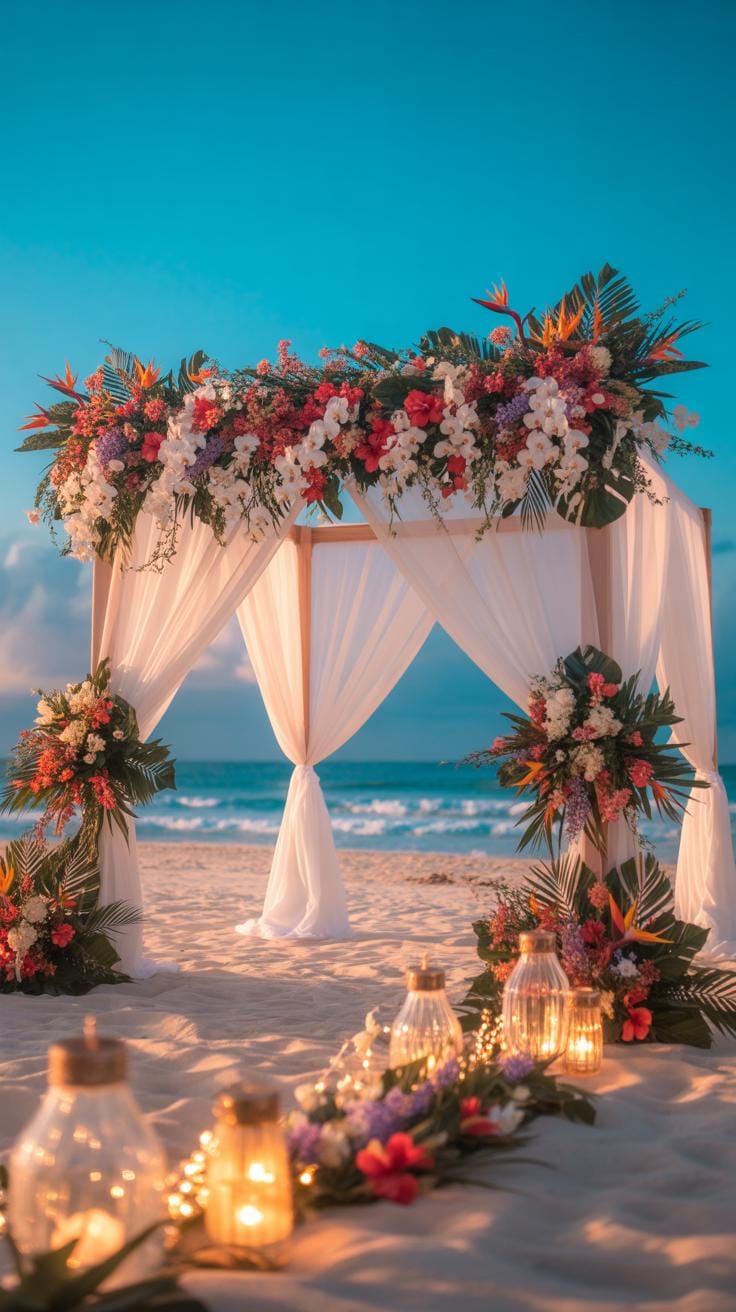
Ceremony Arch And Aisle Floral Designs For A Fairytale Atmosphere
Construct the ceremony arch using local hardwoods or bamboo to resist high coastal winds. Use heavy water tubes for every stem to prevent wilting in direct sun. Focus on large-scale foliage like Monstera or King Protea to create structural depth. These hearty species maintain their shape better than soft-petaled flowers. Secure all floral foam cages with industrial-grade zip ties to the permanent frame.
Define the aisle with weighted floral nests rather than scattered petals. Wind quickly removes loose petals from the sand, ruining the visual line. Use low-profile arrangements in heavy ceramic or stone vessels to lower the center of gravity. Integrate driftwood or local coral rocks to anchor the designs. This method ensures the aisle remains intact from the processional through the final photography session.
Tropical Floral Arrangements Wedding: Reception Table Centrepiece Concepts
Select low-profile vessels for outdoor reception tables to prevent tip-over from ocean breezes. Use a combination of Anthurium and Ginger for long-lasting color without fragrance interference. These waxy tropicals do not drop pollen onto guest plates or linens. Combine these with Orchids for a refined aesthetic. Ensure the mechanics remain hidden by using thick ti leaves to wrap the internal glass or foam.
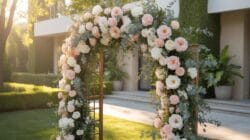
Utilize submerged floral designs to maximize heat resistance. Placing stems entirely underwater in tall cylinders prevents dehydration from salt air. Use distilled water to avoid mineral spotting on the glass. This technique provides a clean look that does not obstruct guest sightlines. Strategically place LED submersibles at the base to illuminate the arrangements after sunset. This approach creates a high-end look with minimal maintenance requirements.
Tropical Bouquet Wedding And Beyond Florals For The Entire Wedding Party
Coordinating Bridesmaid Bouquets And Boutonnieres With Tropical Themes
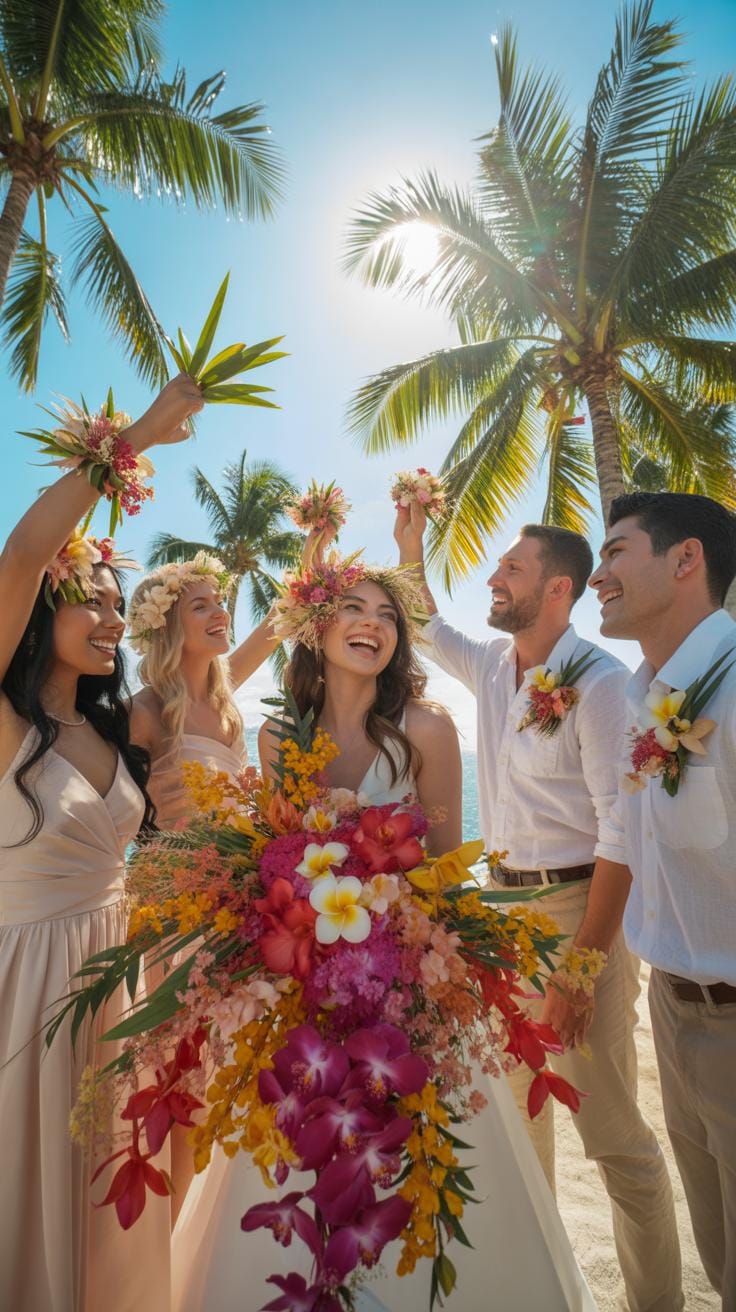
Bridesmaid bouquets must anchor the visual hierarchy without overshadowing the bride. Use smaller versions of the bridal bouquet or single-variety arrangements. Focus on durable species like Protea or Anthurium. These flowers withstand high heat and humidity levels. Stick to a limited palette to maintain a clean look. Use local foliage like Monstera leaves to provide structure and bulk without adding significant cost.
Boutonnieres require hardy materials to survive physical contact during the ceremony. Avoid delicate petals that brown quickly in the sun. Use a single orchid bloom or a small succulent for maximum longevity. Secure the stems with floral tape and hide the mechanics with twine or raffia. This ensures the accessory remains upright on linen or light cotton suits. Keep the design minimal to prevent the lapel from sagging.
Floral Hair Accessories And Crowns For A Dream Beach Wedding Bridal Party
Floral crowns require specific construction techniques for outdoor environments. Use aluminum wire to create a lightweight frame. Select flowers with high water retention like Orchids or spray roses. Spray finished pieces with an anti-transpirant to seal in moisture. This prevents wilting during long sun exposure. Pin hairpieces securely into the hair to combat ocean breezes. Avoid heavy designs that shift during movement.
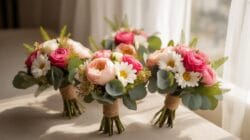
Individual blooms provide a versatile alternative to full crowns. Secure a single Plumeria or Hibiscus behind the ear for a traditional look. Use professional floral adhesive for better stability than traditional pins. This method works well for fine hair or minimalist styles. Ensure any fresh greenery is clean and free of insects before placement. Balance the scale of the floral piece with the hairstyle to maintain visual proportion.
Working With Local Florists And Sourcing Destination Wedding Flowers Responsibly
How To Vet And Collaborate With A Local Destination Florist
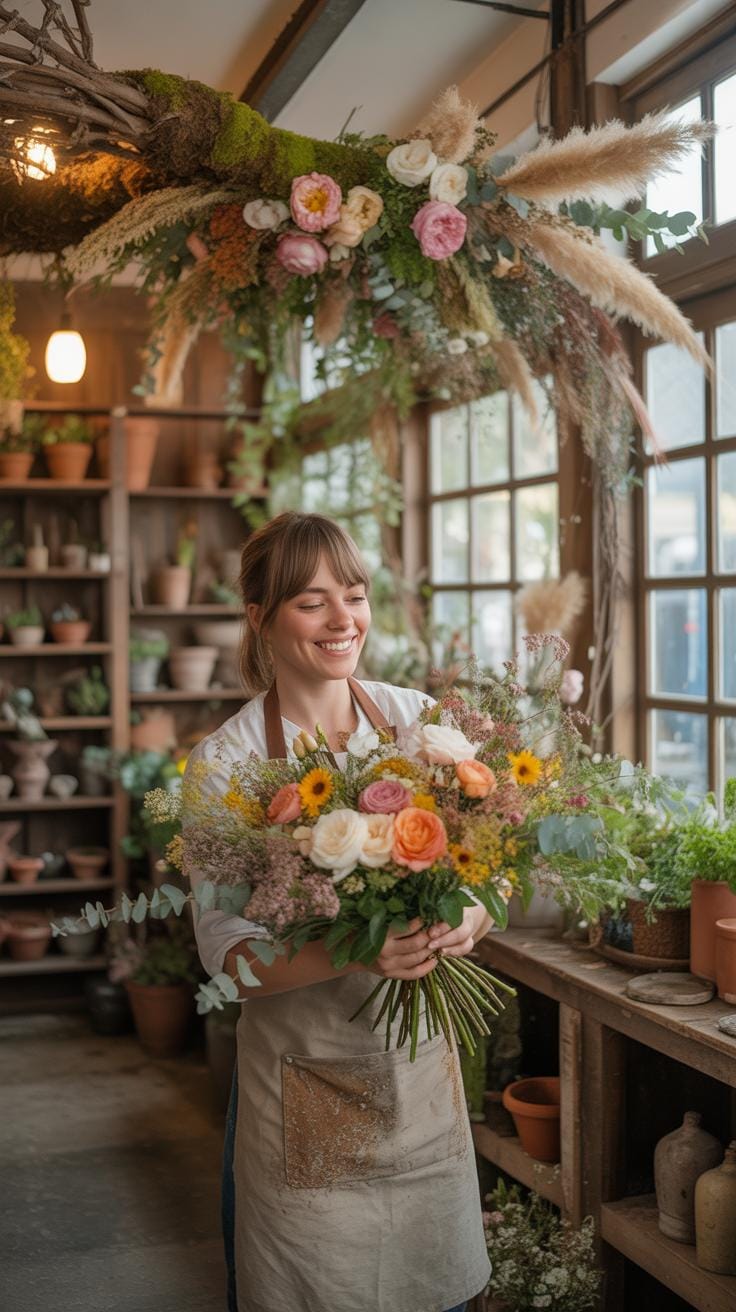
Vetting a local florist requires a deep dive into leur past work in the specific climate. Review their portfolio for outdoor events held in high humidity or heat. Request raw photos from weddings they managed from start to finish. This proves they understand how to keep blooms alive in harsh conditions. Check their references for reliability and punctuality. Local vendors must handle the logistics of remote delivery.
Communication is the most critical part of the collaboration process. Use clear visual aids and color swatches to avoid language barriers. Detailed contracts must define specific flower varieties and backup options. Establish a firm timeline for the installation and teardown phases. Confirm that they have access to cold storage at the venue. This prevents floral wilting before the ceremony begins. Professionalism ensures the design stays intact until the event ends.
Sustainable And Ethical Sourcing Of Tropical And Exotic Wedding Flowers
Ethical sourcing focuses on the origin of each stem. Prioritize florists who buy from farms with fair labor certifications. These certifications ensure workers receive fair wages and safe conditions. Ask for flowers grown in the destination region to reduce carbon emissions from air freight. Local sourcing also supports the local economy. It ensures the flowers are fresh because they did not travel across oceans in cargo holds.
Minimize environmental impact by avoiding floral foam in designs. This plastic material does not biodegrade and harms local water systems. Request reusable mechanics like chicken wire or metal frogs for arrangements. Use native plants that thrive naturally in the environment without excessive water or pesticides. Foraging local greenery is an option if done legally and responsibly. This approach creates a design that respects the natural ecosystem of your destination.
Frequently Asked Questions

What should I first consider when choosing flowers for a wedding abroad?
When selecting destination wedding flowers, the most important factor is the local climate and seasonality. Flowers that thrive in a cool, temperate environment may wilt quickly in a tropical setting. Focus on hardy, heat-resistant blooms like orchids, proteas, or succulents if you are heading to a warm locale. Choosing native varieties ensures your arrangements look vibrant throughout the ceremony while celebrating the natural beauty of your chosen getaway.
How can I ensure my floral arrangements stay fresh in a different climate?
Keeping your destination wedding flowers fresh requires careful planning and hydration. Start by sourcing blooms from local florists who understand the regional weather patterns. Use floral foam or water tubes for installations and keep bouquets in a cool, shaded area until the very last moment. For beach settings, opt for waxy-leafed greenery and sturdy tropical flowers that can withstand salt spray and direct sunlight without losing their stunning structural integrity.
Are there ways to save money on floral decor for a destination wedding?
You can easily manage your budget by prioritizing local, seasonal flora rather than paying high shipping fees for imported stems. Consider repurposing your ceremony arrangements, such as moving altar pieces to the reception head table. Using more greenery or local wildflowers can also reduce costs significantly. By embracing the indigenous plants of your destination, you create a sophisticated look that feels authentic to the location without overspending on your floral budget.