What Is A Floral Table Runner And Why It Transforms Your Table DCor
Understanding The Role Of A Floral Runner In Interior Styling
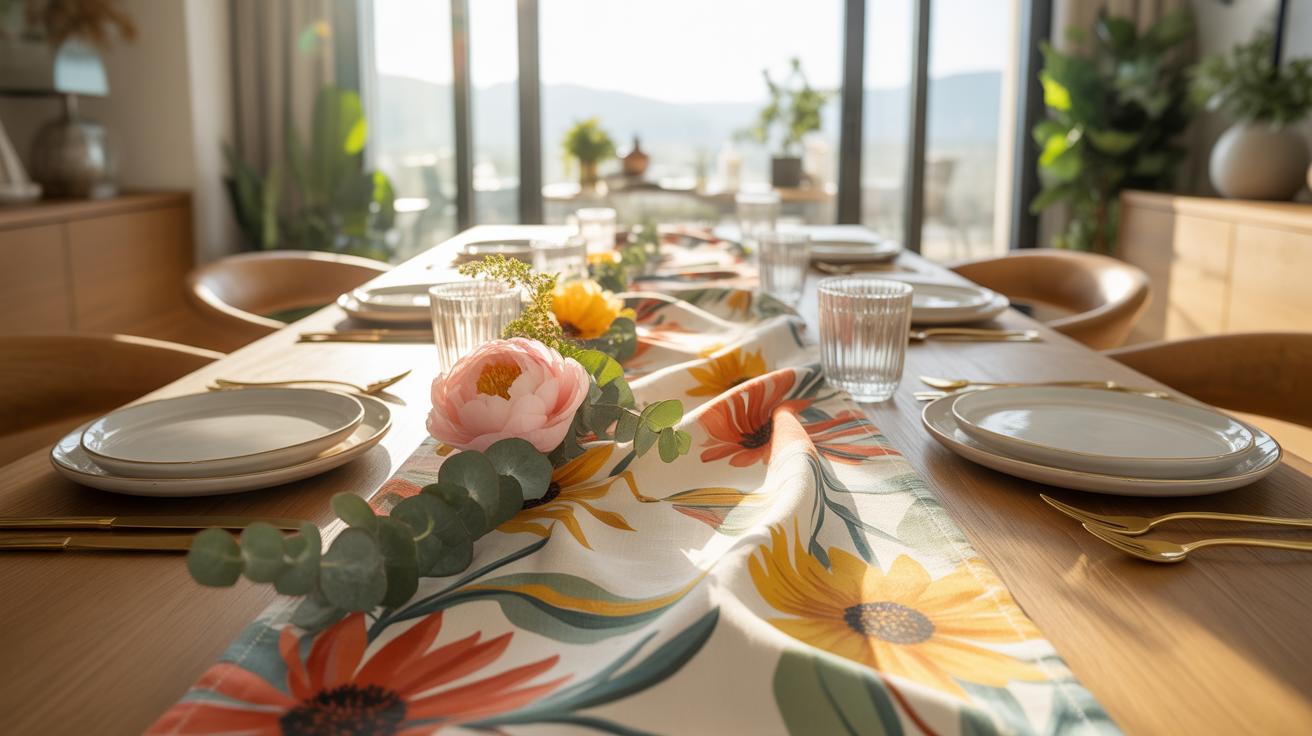
A floral table runner is a long strip of fabric featuring botanical patterns. It sits on top of a table or over a tablecloth. Designers use it to define the center of the surface. This piece creates a visual anchor for centerpieces and place settings. It protects the table wood or stone from heat and scratches. The runner adds vertical lines that guide the eye.
Modern interior design relies on floral runners to bridge the gap between hard furniture and soft textiles. These items incorporate color and texture without the cost of full upholstery. Floral patterns often reference the Arts and Crafts movement or traditional English country styles. Today, they serve as a practical tool for layering. Layering adds depth to a room and makes a space feel finished rather than empty.
How A Floral Table Runner Sets The Mood For Any Occasion
The specific floral print dictates the atmosphere of the room. Small calico prints feel casual and rustic. Large botanical illustrations create a formal or traditional tone. Material choice matters as much as the pattern. Heavy linen or jacquard runners suit upscale dinners. Light cotton or polyester blends work for daily use. The runner acts as a foundation for the entire tablescape and coordinates other decorative elements.
Strategic use of floral runners allows for quick seasonal shifts. Warm sunflowers or deep roses signal autumn or winter. Bright daisies and light greenery indicate spring or summer. This change is faster and cheaper than buying new furniture. A runner provides a high-impact visual update. It signals to guests the level of formality for the meal. You control the room energy by selecting specific floral scales and color palettes.
Top Floral Table Runner Ideas For Every Home Aesthetic
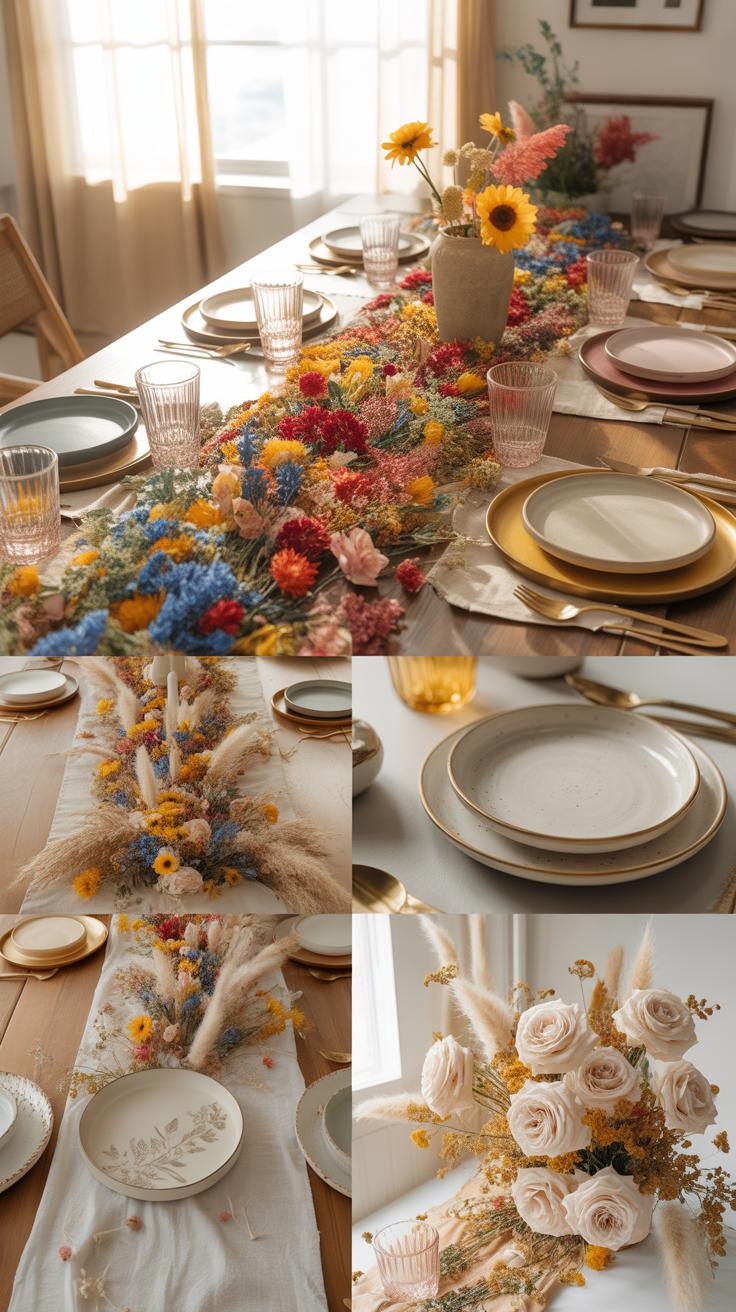
Matching Floral Runner Styles To Modern, Rustic, And Bohemian Interiors
Modern interiors require minimalist floral designs. Choose high-contrast patterns with plenty of negative space. Use structured fabrics like heavy cotton or poly-blends. Keep the color palette limited to two or three tones. Geometric floral shapes work best here. Avoid busy prints that clutter the visual field. Sharp lines and clean edges maintain the sleek look of modern dining environments.
Rustic and bohemian styles demand different textures. Rustic rooms benefit from burlap or linen runners with muted wildflower prints. This mirrors the natural feel of wood furniture. Bohemian spaces allow for vibrant colors and intricate botanical patterns. Use fringed edges or woven textures to add depth. These styles prioritize comfort and organic shapes. Select designs that look hand-painted or printed with woodblocks for authenticity.
Seasonal Floral Table Runner Ideas To Keep Your Decor Fresh Year Round
Adapt your table decor to the current season to maintain relevance. Spring calls for thin fabrics and pastel colors like lavender or mint. Use prints of tulips or cherry blossoms. Summer requires bolder palettes and high-durability fabrics. Choose vibrant sunflower or tropical leaf patterns. These choices reflect the natural light and energy of the warmer months. Heat-resistant materials are practical for outdoor summer dining events.
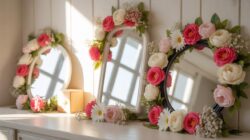
Shift to deeper tones and heavier weights for fall and winter. Autumn runners should feature burnt orange and deep red hues with dried floral imagery. Use thick canvas or jacquard weaves. Winter designs focus on evergreen motifs and darker backgrounds. Deep navy or forest green fabrics hide spills well during holiday feasts. Selecting seasonal runners ensures your dining space never looks outdated. Match fabric weight to the ambient temperature.
Crocheted Table Runners A Timeless Handmade Floral Option
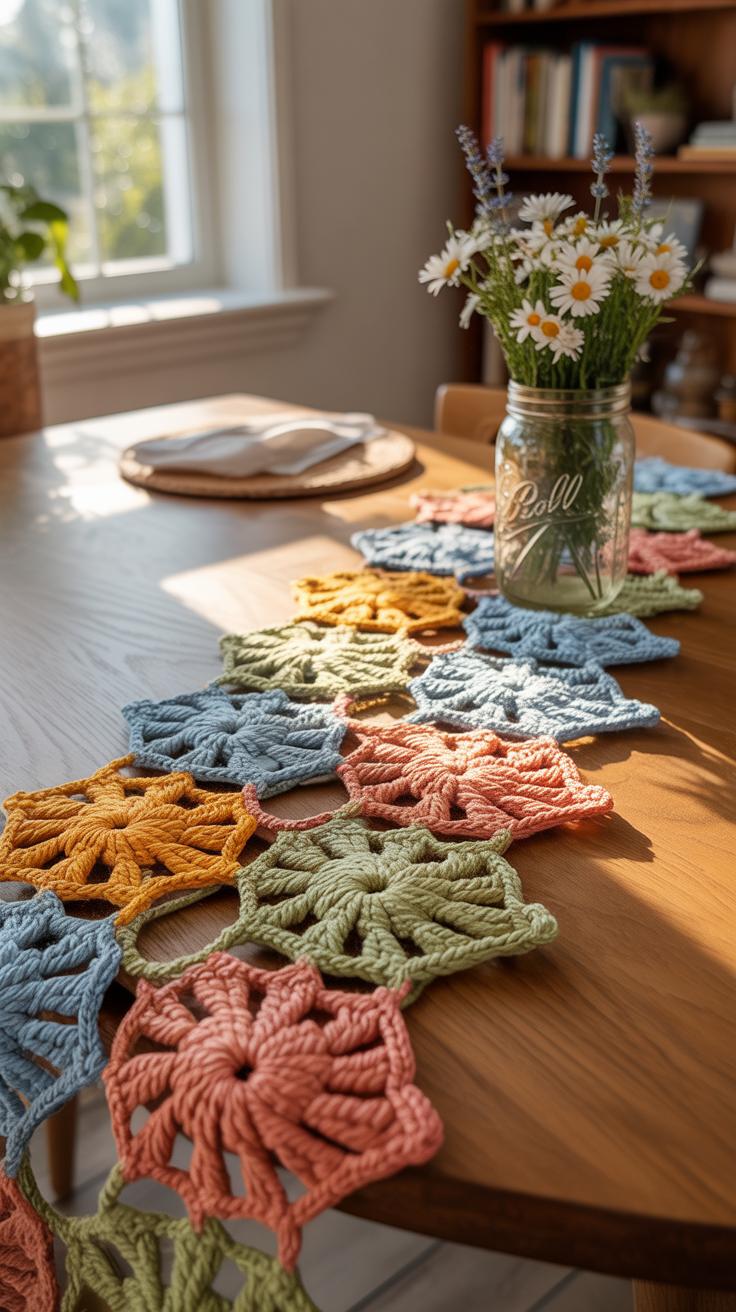
Why Crocheted Table Runners With Floral Motifs Never Go Out Of Style
Crocheted floral runners persist because they provide physical texture that flat fabrics cannot match. This tradition stems from the tactile nature of Irish crochet and filet lace techniques. These methods create raised patterns that catch light and shadow on a table surface. Homeowners use these pieces to soften hard wood or glass furniture. The handmade look signals customized quality and attention to detail in a room.
The durability of cotton thread ensures these runners last for decades. Unlike printed synthetic cloths, high-quality crochet resists fraying and handles repeated washing well. This longevity makes them a standard in traditional and farmhouse interior design. Designers use floral motifs to break up the rigid lines of rectangular dining tables. The geometric repetition of flower patterns provides a visual rhythm that anchors the entire room layout.
How To Choose The Right Crochet Table Runner Pattern For Your Home
Select a pattern based on the level of formality you need for the space. Filet crochet uses a grid system to create flat, recognizable floral images. This style works best for modern or minimalist settings because it remains low profile. If you want a bold statement, choose dimensional patterns like the popcorn stitch. This creates raised flower petals that add significant depth and a vintage feel to the table.

Thread weight determines the final look and functionality of the runner. Use thin size ten cotton thread for delicate lace that requires a formal aesthetic. Heavier yarns or chunky cotton cords create a rustic appearance suitable for daily use. Analyze the color of your table before choosing the thread color. White or ecru provides high contrast on dark wood. Choose a solid color to highlight the intricate stitch work of the floral design.
Getting Started With A Crochet Runner Free Pattern For Floral Designs
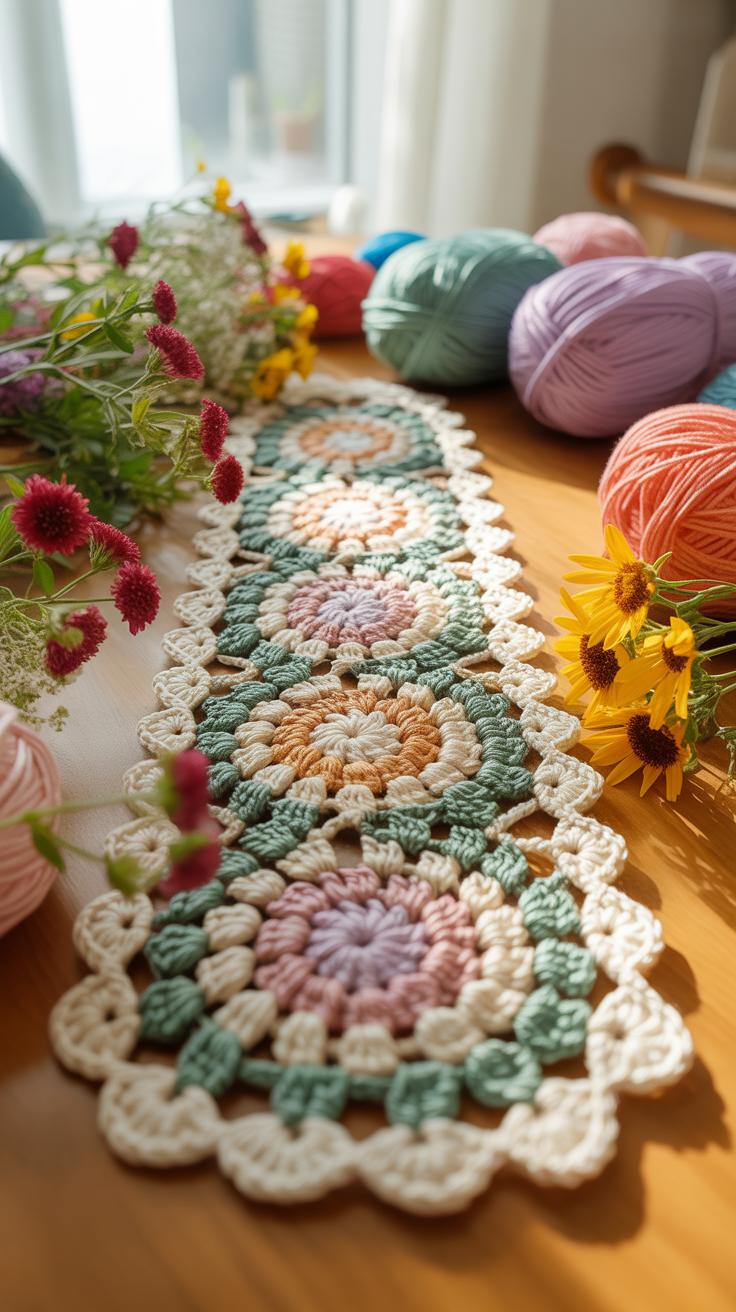
Essential Materials You Need To Begin Your Crochet Table Runner Project
Crochet projects require specific tools to ensure a high quality finish. The weight of your yarn dictates the scale of the floral motifs. Mercerized cotton is the standard for table runners because it offers durability and a slight sheen. Choosing the correct hook size prevents loose stitches that distort the design. Proper preparation reduces errors during the assembly phase of your runner.
- Mercerized Cotton Yarn: This material undergoes a chemical process to increase luster and strength. It resists fraying and holds its shape better than standard wool or acrylic. Use size 10 thread for delicate lace or worsted weight for a modern bold look.
- Ergonomic Crochet Hooks: Select a hook size that matches your yarn choice as indicated on the yarn label. Metals like aluminum provide a smooth glide for fast stitching. Ergonomic handles reduce hand fatigue during long sessions of repetitive floral petal construction.
- Stitch Markers: These plastic rings track the start of rounds in circular floral motifs. They prevent counting errors in complex patterns. Markers are essential when working with fine threads where stitches are difficult to see with the naked eye.
- Large Eye Tapestry Needle: You need this tool to weave in loose yarn ends securely. A blunt tip prevents the needle from piercing the fibers of the finished runner. This ensures the back of your floral design looks as clean as the front.
- Fabric Stiffener or Blocking Mats: Blocking is the final step to flatten curled edges on floral designs. Use rust proof pins on foam mats to stretch the lace into its final shape. Applying a stiffening solution helps the runner stay flat on the table.
Quality materials determine the longevity of your home decor. Cheap yarn pilling will ruin the aesthetic of intricate floral patterns quickly. Investing in steel hooks for fine thread work provides the precision needed for traditional Victorian styles. Organze your supplies before starting to maintain a steady workflow. Proper tools allow you to focus on the technical execution of the pattern.
Where To Find Reliable And Beginner Friendly Crochet Runner Free Patterns Online
Digital databases provide the most extensive collections of free crochet patterns. Ravelry serves as the primary industry standard for pattern lookups. It allows users to filter by yarn weight and difficulty level. This ensures you find a project that matches your current skill set. Look for patterns with high ratings and community photos to verify the accuracy of the written instructions.
Manufacturer websites also host verified free patterns to promote their yarn lines. Brands like Yarnspirations and Lion Brand provide professionally edited PDFs. These resources include clear diagrams for floral charts. Charts are vital for visual learners who struggle with long text abbreviations. Using these verified sources reduces the risk of encountering mathematical errors in the stitch counts.
Runner Flowers Using Real And Faux Blooms To Style Your Table
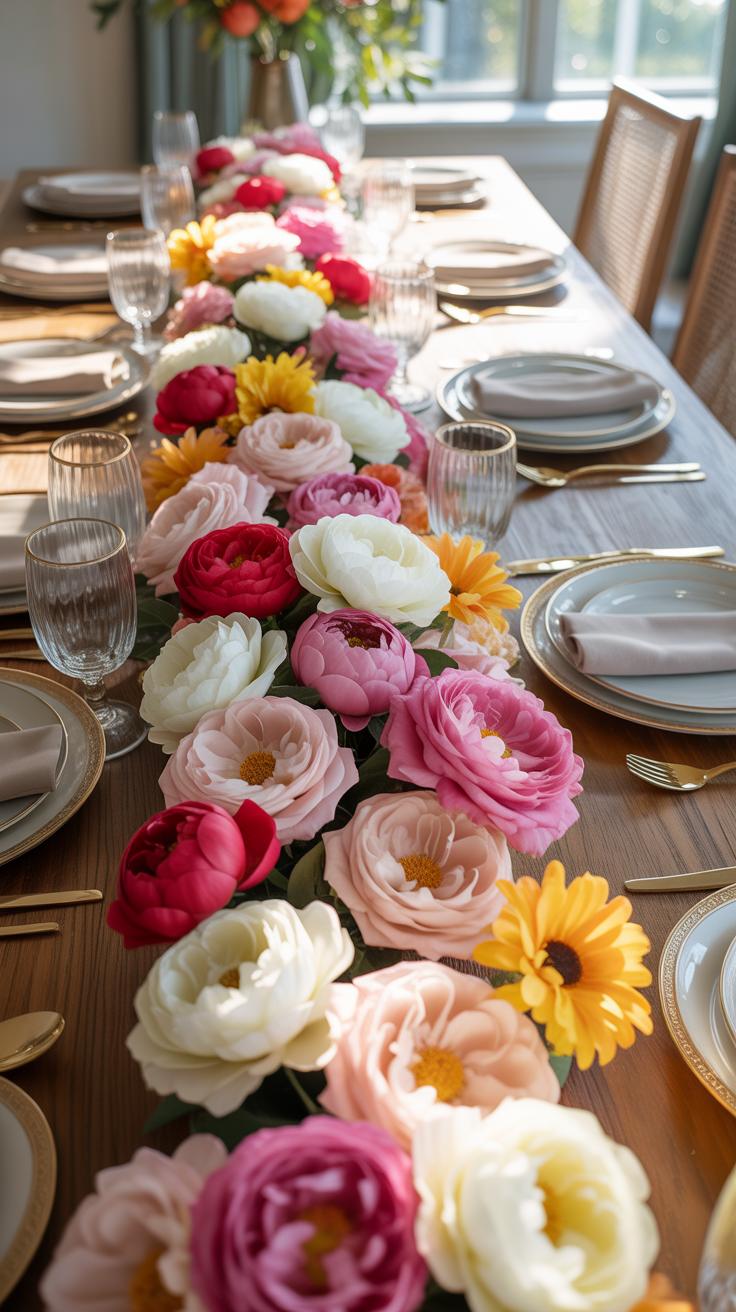
The Pros And Cons Of Fresh Runner Flowers Versus High Quality Faux Alternatives
Fresh flowers provide natural scent and organic movement. They offer the highest level of detail for formal events. However, live blooms wilt quickly without a water source. You must assemble these runners on the day of the event. This increases labor costs and timing pressure. Real stems also leak moisture that can damage wood tables or expensive linens. Use them for short durations only.
High-quality silk or polymer flowers offer long-term value. You can reuse these materials for multiple seasons. Modern manufacturing creates realistic textures that mimic live petals. Faux stems do not require water or maintenance. This allows for early setup and complex designs. They lack natural fragrance but eliminate allergy risks. Invest in premium brands to avoid a plastic look. Cheap alternatives fail under close inspection by guests.
Best Flower Varieties That Work Beautifully As Table Runner Arrangements
Choose hardy flowers for the best structural results. Hydrangeas provide bulk and cover floral foam effectively. Their large heads create a dense base for the runner. Roses offer classic appeal and maintain their shape for hours without water. Orchids add a high-end architectural element to the design. Utilize eucalyptus or ruscus for the greenery base. These species resist wilting and provide a clean professional finish.

Avoid delicate blooms like sweet peas or poppies for runners. These varieties collapse within minutes of being cut. Use ranunculus for a layered look that remains stable. Carnations serve as excellent gap fillers because they are durable and affordable. If using tropical styles, anthuriums provide a waxy coating that traps moisture inside the plant. This longevity makes them ideal for long tables. Select stems based on their survival rate outside of vases.
Creating A Long Low Floral Arrangement For A Stunning Table Runner Effect
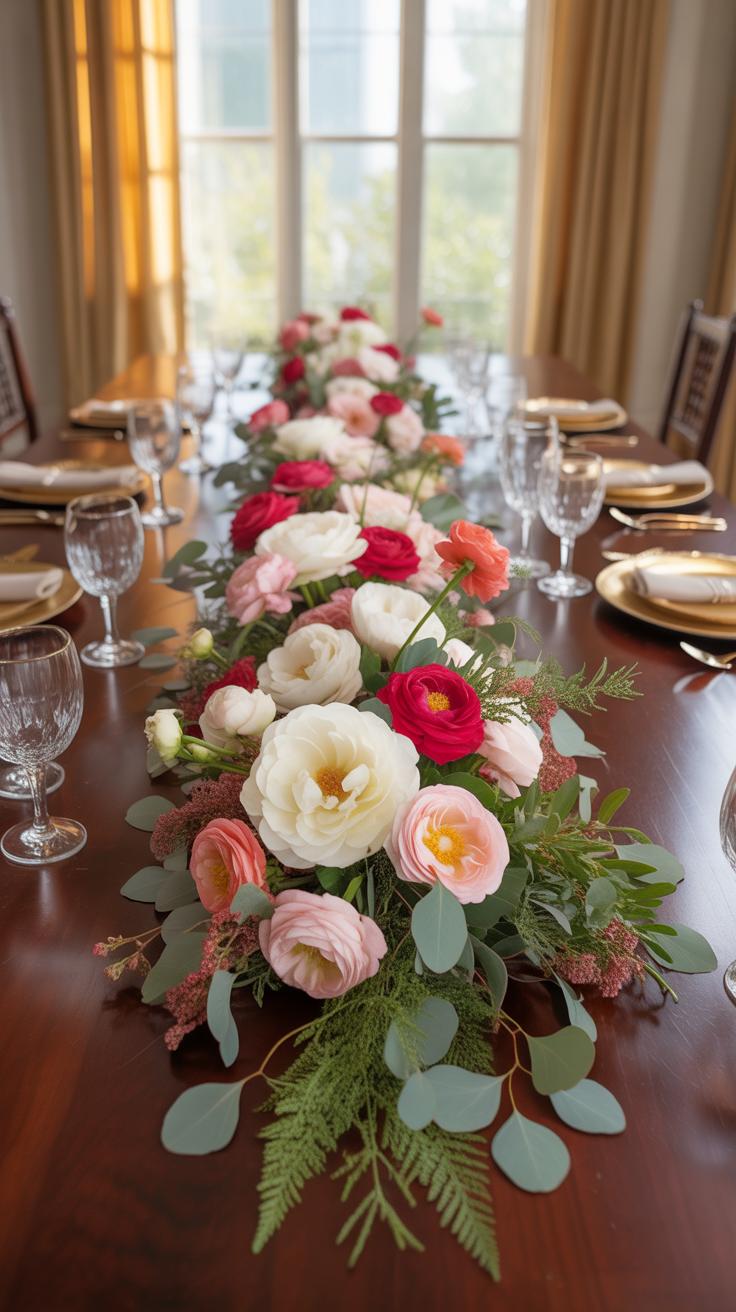
Design Principles Behind A Well Balanced Long Low Floral Arrangement
Balance and scale determine the success of a low floral runner. Low arrangements must stay under twelve inches tall. This height allows guests to see each other across the table. Use the golden ratio to guide your proportions. Ensure the width of the runner does not exceed one third of the table surface. This preserves space for place settings and essential glassware.
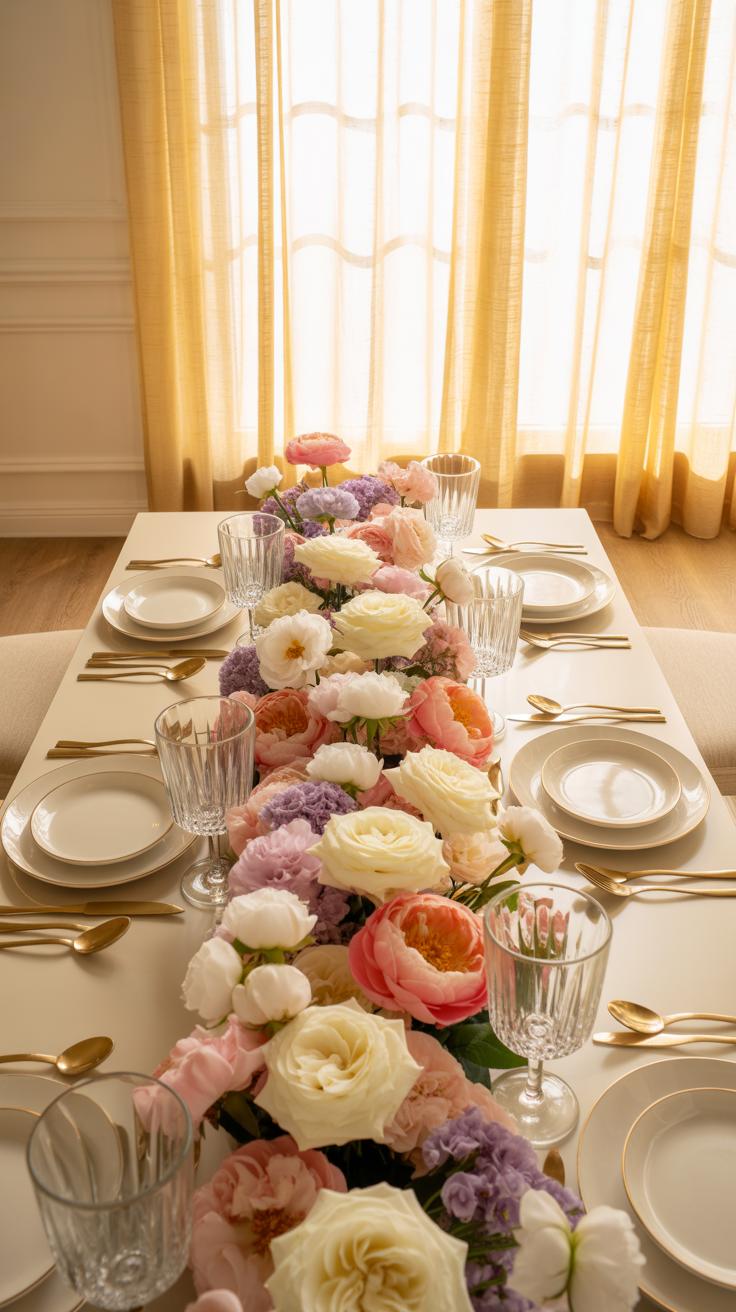
Symmetry creates a formal look while asymmetry feels modern. Use focal flowers at regular intervals to guide the eye along the table length. Distribute weight evenly so the runner does not look heavy on one end. Incorporate greenery to hide the base and create a cohesive line. A strong horizontal axis keeps the design stable. Proper spacing prevents the arrangement from looking cluttered or sparse.
Step By Step Tips For Assembling A Long Low Floral Runner Centerpiece At Home
Standard mechanics ensure the longevity and stability of your floral display. Start with a narrow tray or a series of shallow blocks. Use floral foam or chicken wire to hold stems in place. Always soak foam in water mixed with flower food before you begin. This step provides a constant moisture source for every bloom. Your base layer must provide a solid foundation.
- Prepare the Base: Place soaked floral foam into a shallow plastic tray or liner. Secure the foam with waterproof floral tape to prevent shifting. Ensure the container is clean and leak proof to protect your table surface from water damage.
- Establish the Framework: Insert greenery around the edges of the foam first. Let the leaves touch the table surface to hide the container. Use different textures like eucalyptus or ruscus to create a lush and professional border for your arrangement.
- Add Focal Flowers: Place your largest blooms at a slight angle along the top and sides. Distribute these flowers evenly to maintain a consistent visual weight. Keep the stems short to ensure the arrangement stays low and does not obstruct any sight lines.
- Insert Secondary Blooms: Fill the gaps between focal flowers with smaller blossoms or filler plants. Use varying heights within the low profile to add depth and interest. Ensure all stems reach the water source to prevent wilting during your event or dinner.
- Final Inspection: Look at the runner from every seat at the table. Fill any visible holes with small sprigs of foliage or moss. Check that no stems are loose. Mist the completed arrangement with a finishing spray to lock in moisture and extend the life.
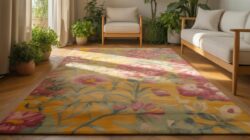
Precision matters during the final assembly phase. Check for any exposed mechanics or bald spots from every angle. Guests will view this arrangement from a seated position so the top and sides need equal attention. Keep the water levels consistent throughout the week. Trim any dead heads immediately to maintain a fresh appearance. This tactical approach ensures a clean and professional floral result.
Altarpiece Flowers Drawing Inspiration From Sacred Floral Arrangements
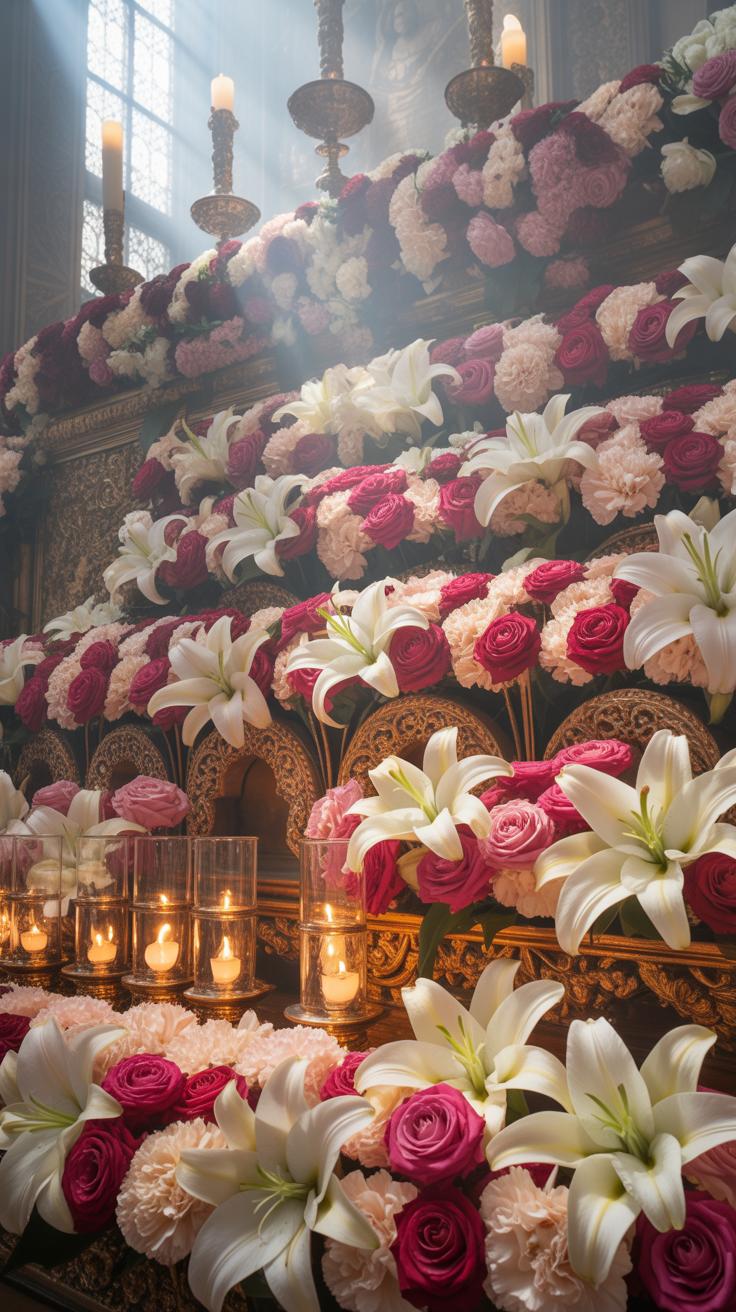
The Historical Influence Of Altarpiece Flowers On Formal Table Runner Styling
Altarpiece floral design originated in religious spaces during the Renaissance and Baroque periods. These arrangements used a strong central focal point. Designers built height and symmetry to draw the eye upward. This structured approach transitioned from stone altars to long banquet tables in royal courts. It established the standard for formal linear layouts. Symmetry provided a sense of order and prestige for high-ranking guests.
Large scale arrangements required heavy containers and structural support. Historical stylists used metal frogs or clay to hold stems in place. This technique allowed for heavy lilies and roses to stand upright. Modern table runner designs still mirror this massing of blooms. We see this influence in the “long and low” centerpiece style. This method ensures everyone at the table has a clear sightline while maintaining grandeur.
How To Adapt Altarpiece Flower Arrangements Into Elegant Home Table Runners
Adapting sacred styles for the home requires scaling down the volume. Scale the flowers to fit the narrow width of a standard table. Use a continuous line of foliage to create a base. This mimics the horizontal spread of an altar frontal. Choose one or three main focal points to anchor the design. This creates a rhythmic flow that leads the eye across the entire surface.
Practicality dictates the height of home arrangements. Keep the tallest stems below eye level to allow for conversation. Use florist foam or a chicken wire grid to mimic the stability of historic stone vessels. Select flowers with long vase lives like carnations or orchids. These hardy choices maintain their structure over several days. Simple repetition of materials ensures a cohesive look that feels intentional and disciplined.
Table Runner Ideas Beyond Fabric Mixed Media Floral Approaches
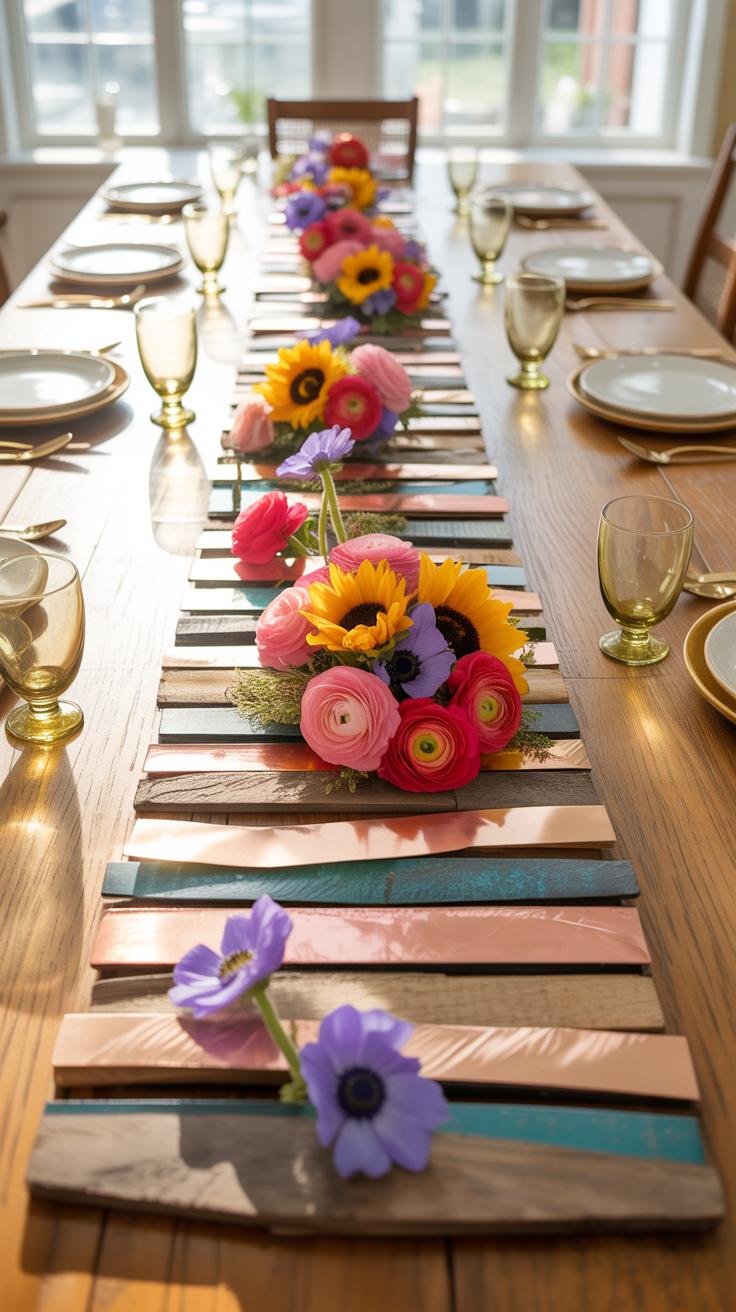
Combining Fabric, Greenery, And Blooms For A Layered Floral Table Runner Look
Layering requires a structural base to support weight and moisture. Start with a neutral linen or cotton runner to protect the table surface. Place a heavy garland of seeded eucalyptus or ruscus directly on top of the fabric. Use these greens as a mechanical grid to hold individual floral stems. This method eliminates the need for bulky plastic foam and creates a natural profile.
Position primary focal flowers like roses or peonies in the center of the greenery. Tuck smaller filler blooms and textures into the gaps to build height and depth. Ensure the greenery spills over the edges of the fabric to hide hard lines. This strategy adds physical dimension that flat fabric cannot achieve alone. It creates a professional look by mixing organic textures with soft textiles.
Earth laughs in flowers, and a simple linen bloom across your table brings the garden’s timeless joy indoors. Every gathering becomes a cherished memory when framed by the soft beauty of nature.
Using Dried Botanicals And Pressed Flowers To Create Lasting Table Runner Displays
Dried botanicals offer a permanent solution for home decor. Use preserved hydrangeas, pampas grass, and craspedia for a display that lasts months. These materials do not require water, which prevents damage to wood tables. You can arrange them weeks before an event. This approach saves time and reduces waste compared to fresh cuts. It fits the current trend of sustainable interior design.
Pressed flowers allow for a low-profile mixed-media design. Sandwich thin, dried petals between clear acrylic or glass panels to create a modern runner. This technique keeps the table surface flat for plates and glassware. It protects the delicate organic matter from spills and heat. Use this method to showcase specific colors and shapes without the bulk of a traditional centerpiece. It provides a clean and clinical aesthetic.
Caring For And Storing Your Floral Table Runner To Maintain Its Beauty
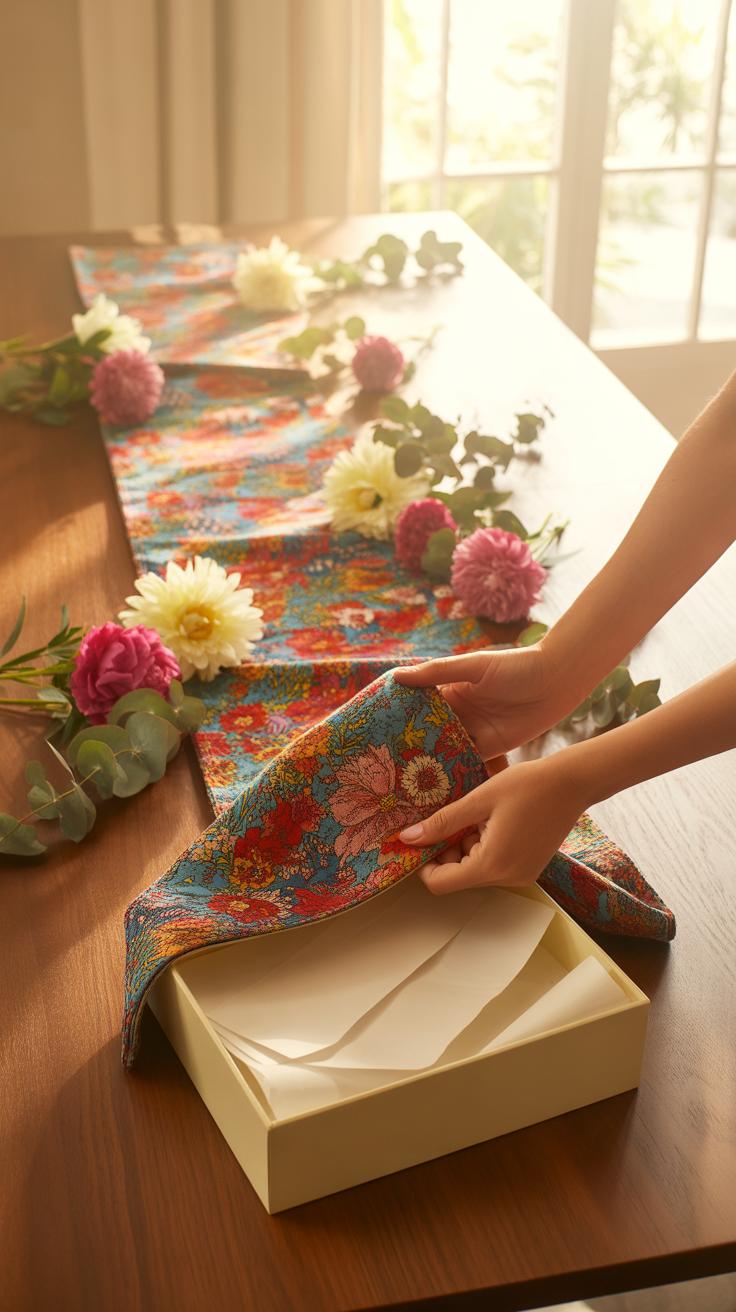
Best Practices For Washing And Maintaining Fabric Floral Table Runners
Fabric runners require strict adherence to material specifications to prevent shrinking or color bleed. For cotton and linen blends, use cold water and a mild detergent. Heat destroys natural fibers and fades intricate floral prints over time. Always pre-treat organic stains immediately to prevent permanent setting in the weave. Air drying is the safest method for preserving the structural integrity and original dimensions of the textile.
Ironing requires precise temperature control based on the fabric type. Use a pressing cloth to protect screen-printed floral patterns from direct heat. This prevents the design from melting or cracking. If the runner contains synthetic fibers like polyester, avoid high heat entirely to prevent glazing. Proper maintenance ensures the colors remain vibrant and the fabric resists fraying. Regular inspection for loose threads will extend the life of the piece.
How To Properly Store Crocheted And Delicate Floral Runners Between Uses
Delicate crocheted runners or lace pieces demand flat storage to maintain their shape. Gravity pulls on heavy stitches when you hang these items. This stretching permanently deforms the floral patterns. Wrap the runner in acid-free tissue paper to prevent yellowing or fiber degradation. Avoid plastic bins that trap moisture and cause mildew. Use breathable cotton bags or flat archival boxes to protect the intricate needlework from dust and pests.
Folding creates permanent creases that weaken the threads at the fold line. Rolling the runner around a cardboard tube is a superior method. This technique eliminates pressure points and keeps the item ready for immediate use. Store the rolled runner in a cool and dry location away from direct sunlight. UV rays break down natural dyes and weaken cotton threads. Careful storage rituals preserve the craftsmanship of heirloom-quality floral table runners for years.
Frequently Asked Questions

What are the best floral table runner ideas for someone new to decorating?
If you are just starting out, look for floral table runner ideas that feature neutral backgrounds with small, delicate prints. Soft watercolor designs or simple botanical outlines are incredibly versatile and less intimidating than bold patterns. These understated pieces allow you to experiment with tablescaping without overwhelming your existing dining room decor, making it easy to transition your home’s aesthetic through different seasons and occasions.
How do I style a floral table runner for a formal dinner party?
To elevate your table, layer your floral table runner over a crisp, solid-colored tablecloth to create depth. Choose a runner with rich, moody tones or elegant embroidery for a sophisticated touch. Complement the botanical design by pulling colors from the fabric for your napkins and centerpieces. Adding tapered candles and metallic chargers will polish the look, ensuring your floral table runner ideas feel intentional, upscale, and perfectly coordinated.
Can I find stylish floral table runner options if I am on a strict budget?
Absolutely! You can achieve a high-end look without spending a fortune by looking for cotton or linen-blend fabrics at discount home goods stores. Another great tip is to repurpose vintage floral scarves or fabric remnants as unique DIY runners. These affordable floral table runner ideas offer a custom, artisanal feel to your dining space, proving that you do not need a luxury budget to create a beautiful and welcoming home atmosphere.