
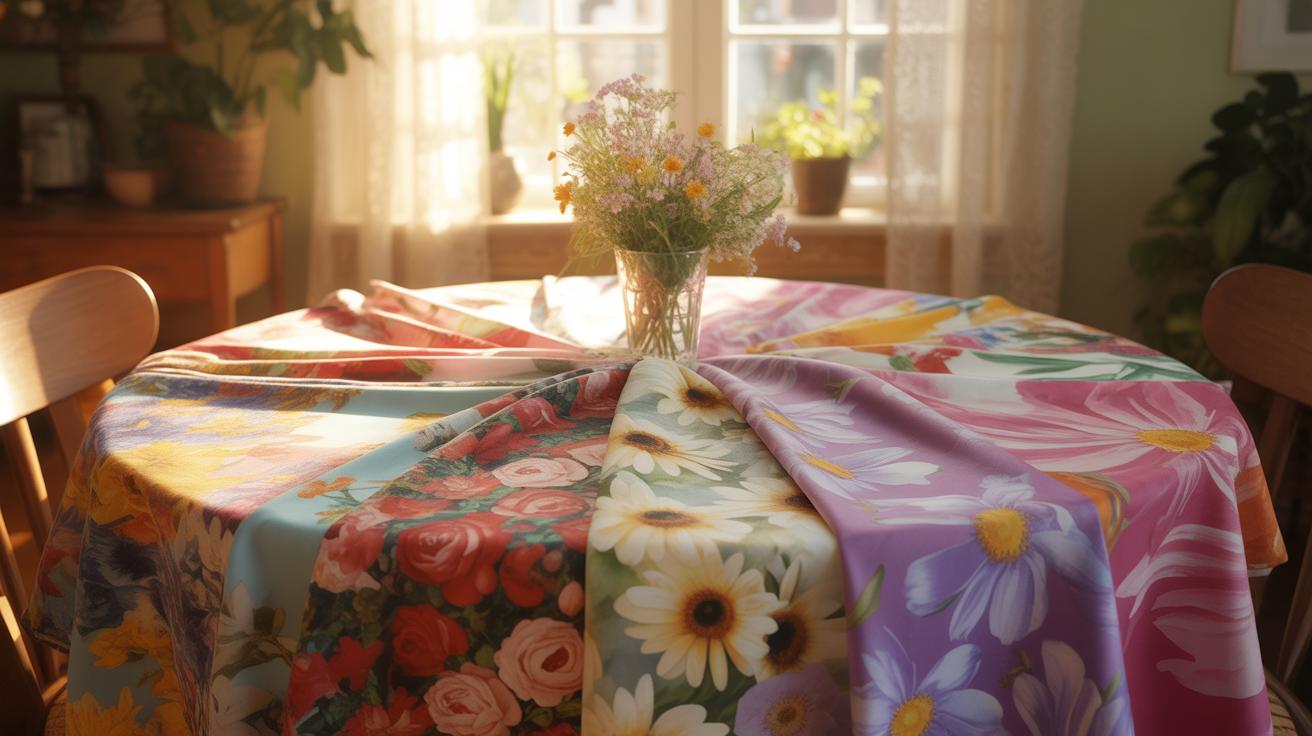
Why A Floral Tablecloth Is A Timeless Home DCor Essential
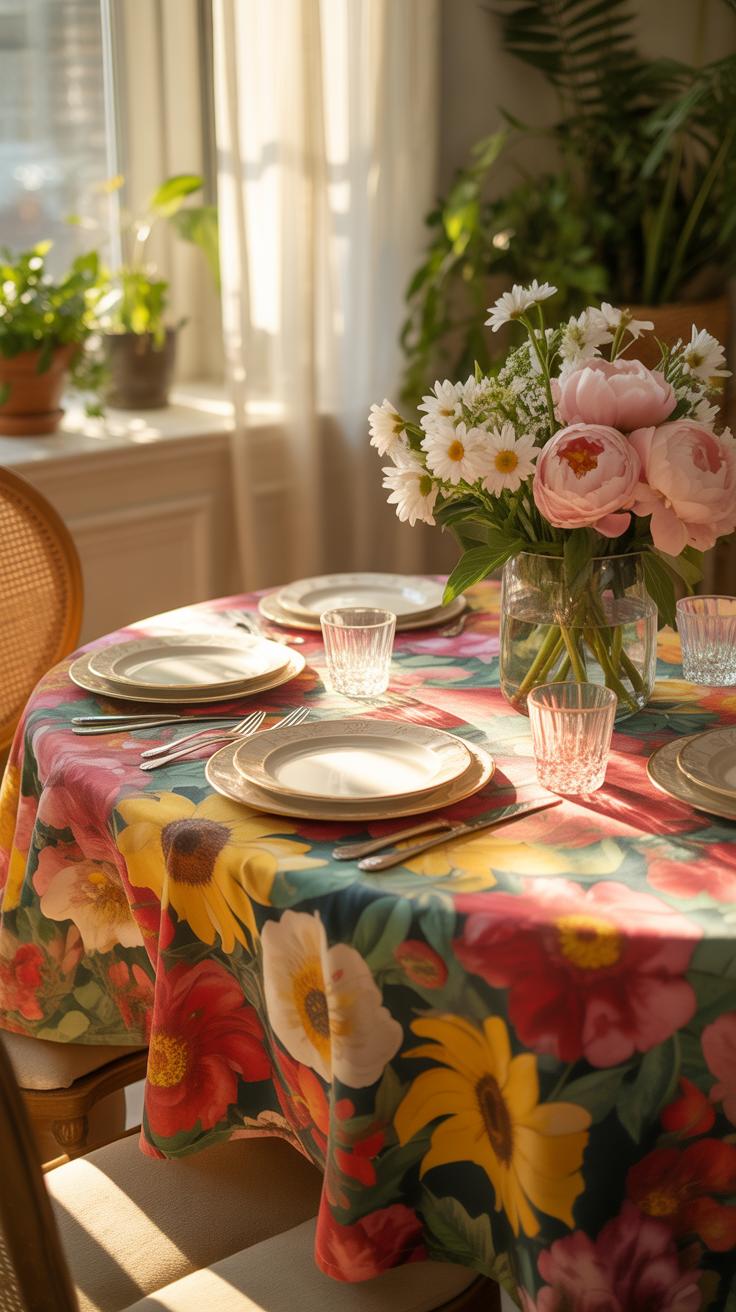
The Enduring Appeal Of Floral Patterns In Interior Design
Floral patterns persist in home design because they bridge the gap between nature and architecture. Historically, these motifs emerged from the Arts and Crafts movement and the Victorian era. Designers used botanical prints to soften the rigid lines of urban furniture. This tradition remains relevant today. Florals provide a visual break from monochromatic modernism. They offer a reliable way to add color.
Today, floral patterns serve as a structural tool for interior designers. They help define the formality of a dining space. Small, repetitive ditsy prints suggest a casual country environment. Large, bold botanical prints align with maximalist or modern styles. High-quality linen and cotton fabrics ensure these designs endure daily use. Choosing a floral pattern links a home to long-standing global textile traditions.
How A Single Floral Tablecloth Can Anchor A Room’S Entire Aesthetic
A floral tablecloth functions as the primary focal point in a dining room. It dictates the color palette for the surrounding space. You select wall paint or napkins based on the dominant hues in the fabric. This single piece of textile organizes the visual hierarchy of the room. It draws the eye to the center. It makes the table the main event.
Tactically, this item covers large surface areas with a unified theme. It hides table imperfections while establishing a mood instantly. You can change the entire season of a room by swapping one cloth. A dark floral adds weight and drama for winter. A bright floral lightens a dark room for summer. Use the tablecloth as the foundation for all other design choices in the space.

Exploring Tablecloth Ideas Styles And Patterns For Every Taste
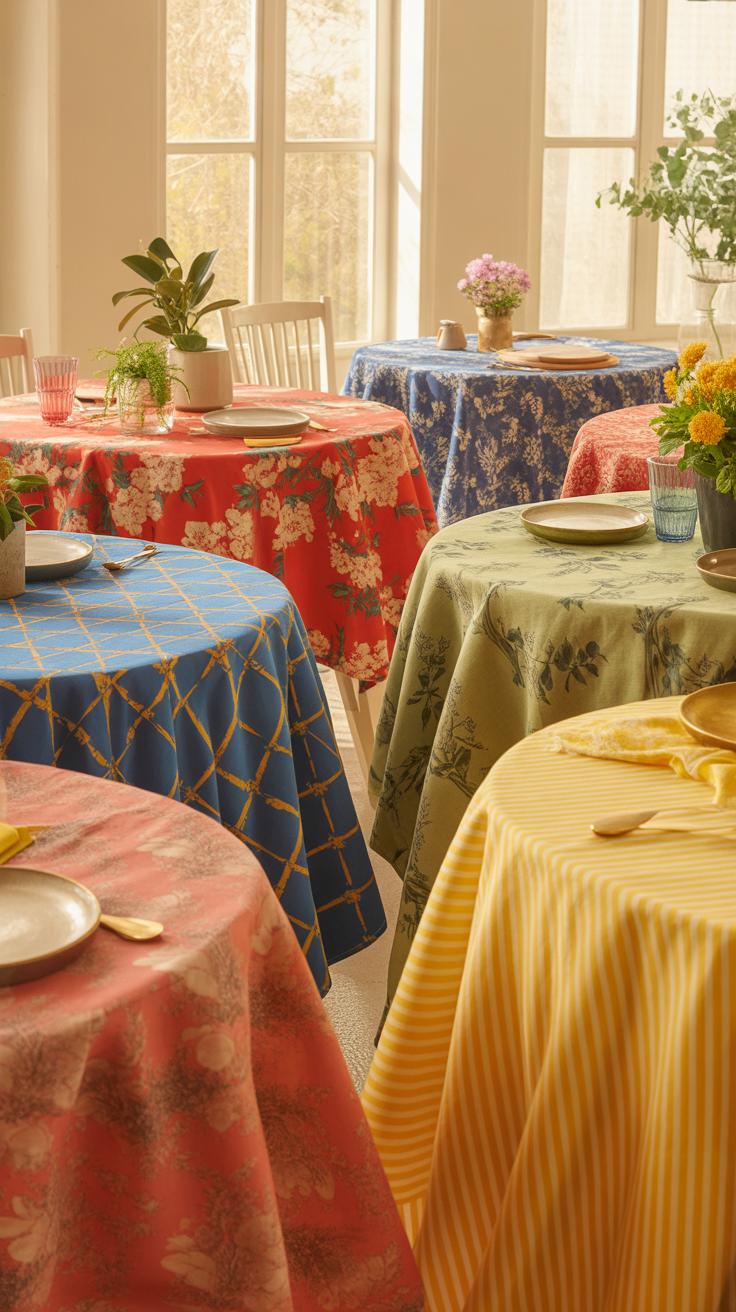
From Subtle Botanical Prints To Bold Maximalist Blooms: Choosing Your Style
Subtle botanical prints use fine lines and neutral colors. These patterns often draw from traditional herbarium illustrations. They provide a clean look for modern dining spaces. Small scale prints prevent the fabric from overwhelming the room. These designs work well on linen or cotton blends. Use them to create a calm environment for daily meals without drawing excessive attention to the table surface.
Bold maximalist blooms focus on large scale graphics and high contrast colors. These patterns use heavy saturation to create a focal point. They often take inspiration from the Arts and Crafts movement or Dutch still life paintings. Large floral motifs change the perceived size of a room. This style suits formal dining areas where the table acts as a main design element. Match these with simple dinnerware to avoid visual clutter.
Matching Floral Tablecloth Patterns To Your Existing Home DéCor
Successful design requires matching the floral scale to your room size. Large rooms handle wide patterns without looking crowded. Small kitchens benefit from micro floral prints that maintain a sense of open space. Consider the color temperature of your walls. Warm floral tones like reds and yellows suit traditional wood furniture. Cool blues and greens pair better with modern metal or glass surfaces for a cohesive look.

Evaluate the architectural style of your home before selecting a print. Victorian homes accommodate dense chintz patterns with historical accuracy. Mid-century modern interiors require abstract or geometric floral shapes to maintain the period aesthetic. Check the fabric weight for practical application. Thick canvas resists wear in high traffic areas. Light cotton works for seasonal updates. Always coordinate the secondary colors in the pattern with your existing seat cushions and curtains.
Choosing The Right Tablecloth Fabric For Beauty And Durability
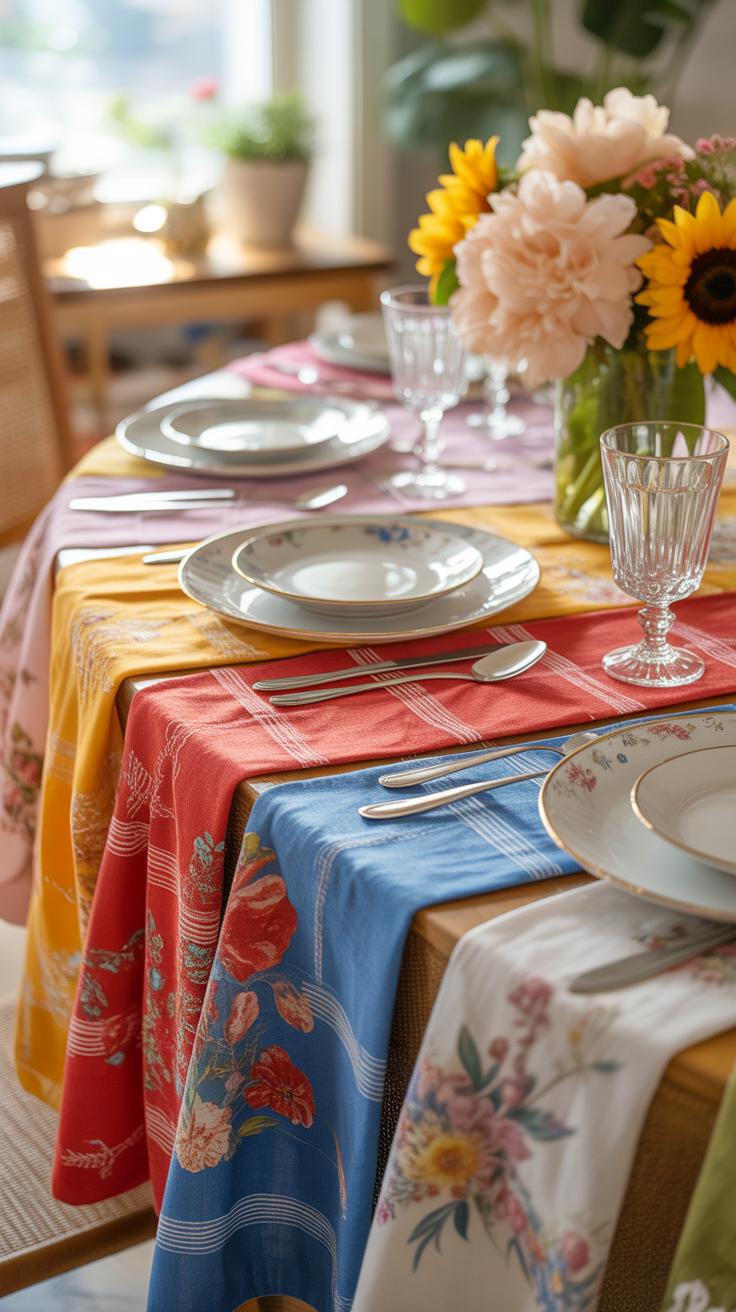
Popular Tablecloth Fabric Options: Cotton, Linen, Polyester, And Blends Compared
Fabric choice dictates both the lifespan and the visual impact of your floral patterns. Natural fibers like cotton and linen offer a classic aesthetic but require significant maintenance. Synthetic options like polyester prioritize utility and stain resistance. You must evaluate the frequency of use before selecting a material. High-traffic dining areas need durable fabrics that can withstand repeated washing without fading the print.
- 100% Cotton: This natural fiber provides a soft texture and excellent color absorption for vibrant floral prints. It is breathable and biodegradable. However, it wrinkles easily and may shrink if you wash it in hot water. It works best for casual, daily dining.
- Linen: Derived from the flax plant, linen is the gold standard for formal dining and historical accuracy. It features a distinct slubbed texture that adds depth to floral designs. It is highly durable and becomes softer with age but requires professional pressing.
- Polyester: This synthetic fabric resists wrinkles and stains effectively. It holds digital floral prints with high precision and does not shrink. It is the most cost-effective option for large events. The trade-off is a less natural feel and lower heat resistance.
- Polyester-Cotton Blends: These hybrids combine the comfort of cotton with the durability of polyester. They are easy to launder and require little to no ironing. This balance makes them a tactical choice for busy households that want a premium look without the high maintenance.
- Coated Fabrics: Options like oilcloth or acrylic-coated cotton offer a wipe-clean surface. These are essential for outdoor use or homes with small children. The coating protects the floral design from spills and sun damage while maintaining a crisp, professional appearance.
Blended fabrics often provide the best ROI for modern homeowners. They manage to mimic the hand-feel of natural fibers while utilizing synthetic strengths. When you choose a blend, you reduce the time spent on garment care. Ensure the polyester content is high enough to prevent significant shrinking. This strategy keeps your floral patterns looking sharp and aligned over many years of regular use.
How Fabric Weight And Weave Affect The Look And Feel Of Floral Prints
Fabric weight determines how the tablecloth drapes over the edges of your furniture. Heavyweight fabrics like canvas or damask stay in place and provide a formal, high-end appearance. These thicker materials prevent the table surface from showing through the cloth. A heavy weave also allows for complex embroidery or woven floral patterns. Choose heavier weights for winter settings or traditional dining rooms.

Lightweight weaves like voile or organza create a sheer, airy effect suitable for spring themes. These fabrics allow light to pass through, which softens the visual impact of the floral motifs. However, thin fabrics lack durability and move easily with the slightest breeze. You should use them primarily for decorative layering rather than heavy dining. Match the weave density to your specific functional requirements to ensure the best performance.
Decorative Table Setting With Floral Tablecloth Styling Tips That Work
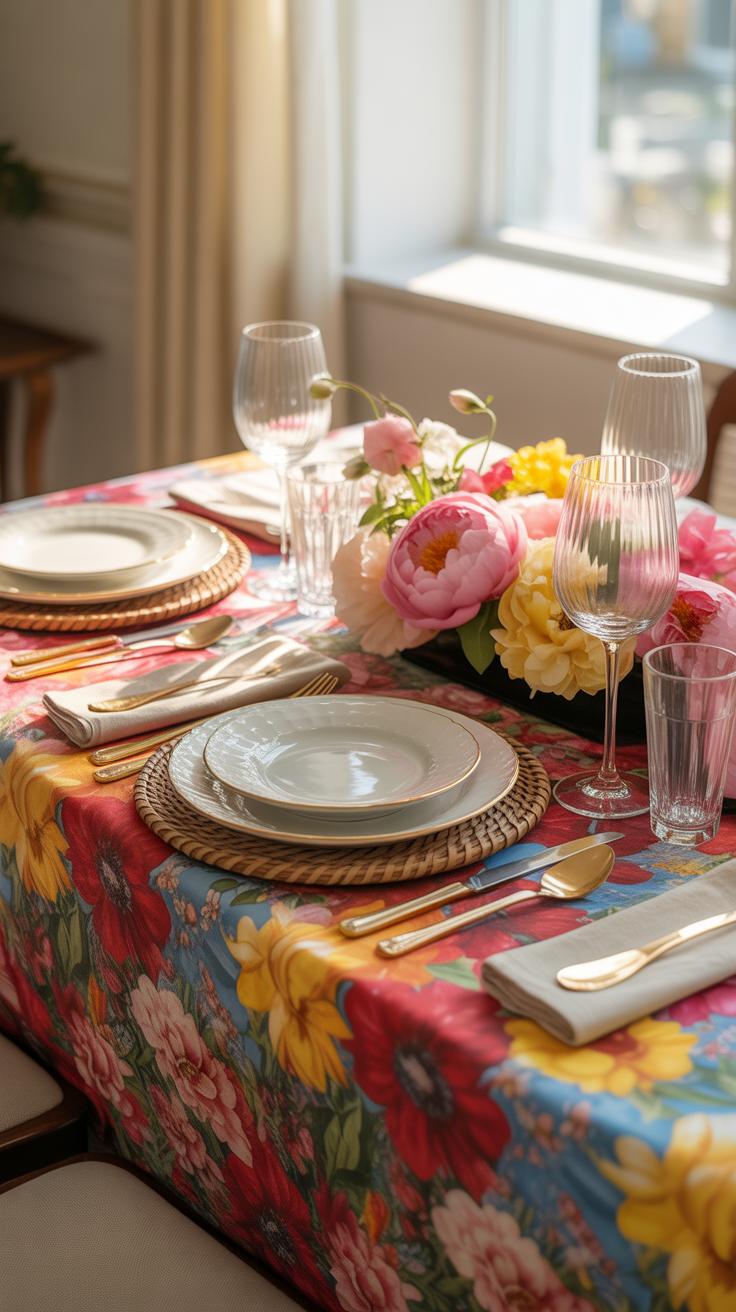
Layering Centerpieces, Napkins, And Tableware Over A Floral Tablecloth
Layering requires a clear visual hierarchy. Use solid color chargers to create a physical border between the patterned fabric and your plates. This prevents the dishes from disappearing into the floral print. Choose stoneware or ceramic pieces with clean lines to offset busy botanical motifs. Keep the tallest items in the center to maintain sightlines. This structural approach ensures the table feels organized rather than cluttered.
Position napkins to break up repetitive patterns. Use a tri-fold or rectangular fold to introduce sharp geometric lines against organic flower shapes. Solid linens in a heavy weight provide necessary tactile contrast. Use simple wood or metal napkin rings to ground the design. These materials add weight and stability to the visual field. Proper layering creates depth by separating the background fabric from the functional dining tools.
A dining table is the heart of the home, where we weave together the threads of our lives. A beautiful floral cloth reminds us that every meal can feel like a gathering in a sun-drenched garden.
Color Coordination Strategies For A Cohesive And Elegant Table Setting
Select one minor color from the floral print to serve as your accent hue. Use this specific shade for your glassware or candles. This technique pulls the design together without overwhelming the eyes. Neutral tones like white or cream provide a safe baseline for traditional patterns. If the floral has a dark background, use metallic cutlery to add light and contrast. Precise color matching creates a professional look.
Avoid mixing multiple competing patterns on the same surface. Stick to monochrome accessories if the tablecloth features more than three distinct colors. High-contrast pairings work best for modern settings, while tonal shifts suit classic environments. Use the natural green of the stems in the print as a guide for floral arrangements. This ensures the physical plants complement the textile art. Consistent color math prevents the table from looking chaotic.
Vintage Kitchen With Floral Tablecloth Celebrating Classic Charm
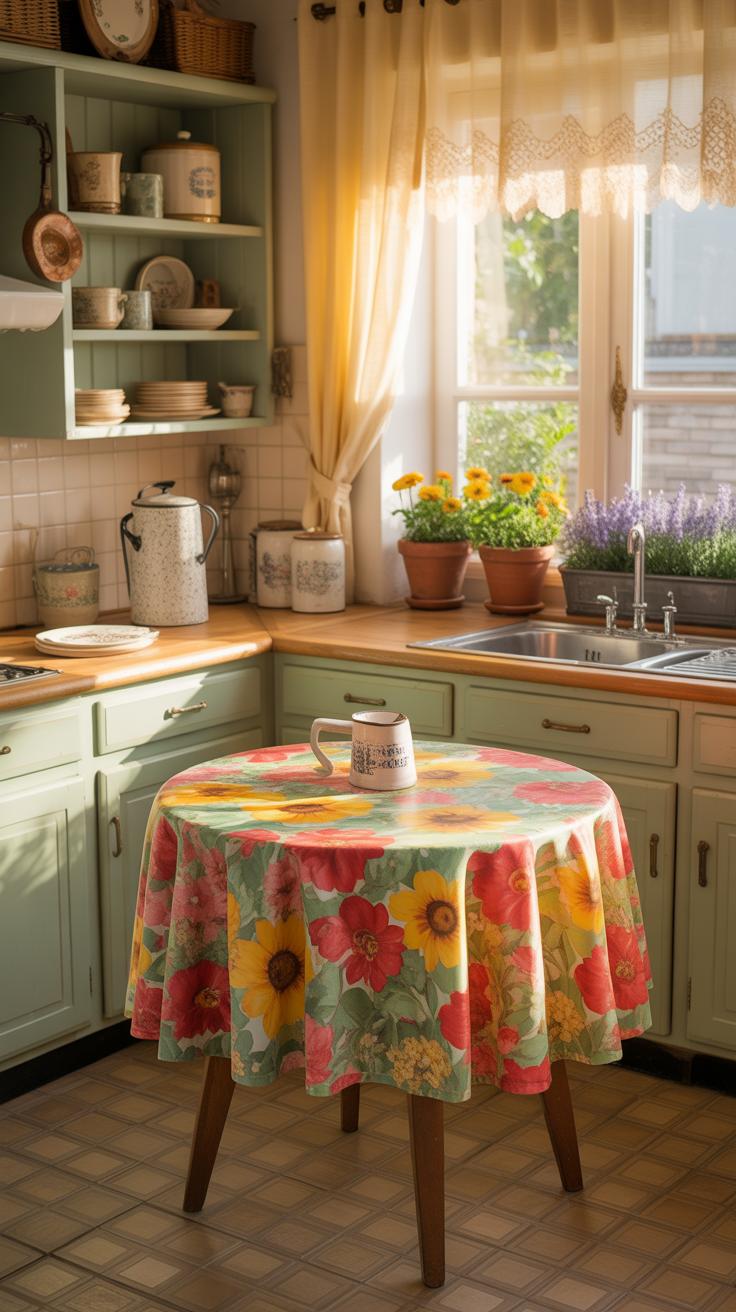
Iconic Vintage Floral Tablecloth Designs And The Eras That Inspired Them
The 1940s and 1950s defined the peak of printed cotton kitchen linens. Manufacturers like Wilendur used heavy weight sailcloth to handle daily wear. These designs featured large scale botanicals and border prints. Designers drew inspiration from victory gardens and regional wildflowers. These textiles moved floral patterns from formal dining rooms into the functional kitchen. They offered affordable color during difficult economic times.
Print techniques shifted after 1950 from hand screen printing to faster rotary methods. This change allowed for more intricate shading and smaller repeat patterns. The 1930s focused on feed sack florals with tiny buds and soft pastels. By the late 1960s, patterns transitioned into bold pop art florals with saturated dyes. Understanding these shifts helps you identify authentic vintage pieces versus modern reproductions. Look for selvedge edges to confirm age.
How To Style A Vintage Kitchen With Floral Tablecloth Accents Today
Modern styling requires balance to avoid a cluttered appearance. Pair a busy vintage print with solid colored stoneware to ground the look. Use the primary color in the floral pattern for your napkins and seat cushions. This creates a cohesive visual line across the room. Avoid matching patterns too closely. Contrast a dense floral cloth with simple glass or wood accessories for a clean and functional aesthetic.

Integrate old linens with modern kitchen surfaces like quartz or stainless steel. The organic shapes of the flowers soften the hard lines of contemporary appliances. Tactical placement matters. Use a square cloth on a round table to show the drape of the fabric. Always check for fabric rot and sunlight damage before washing old textiles. Hand wash with mild soap to maintain the integrity of the original vegetable or chemical dyes.
Floral Tablecloth Garden Decor Bringing The Outdoors To Your Table
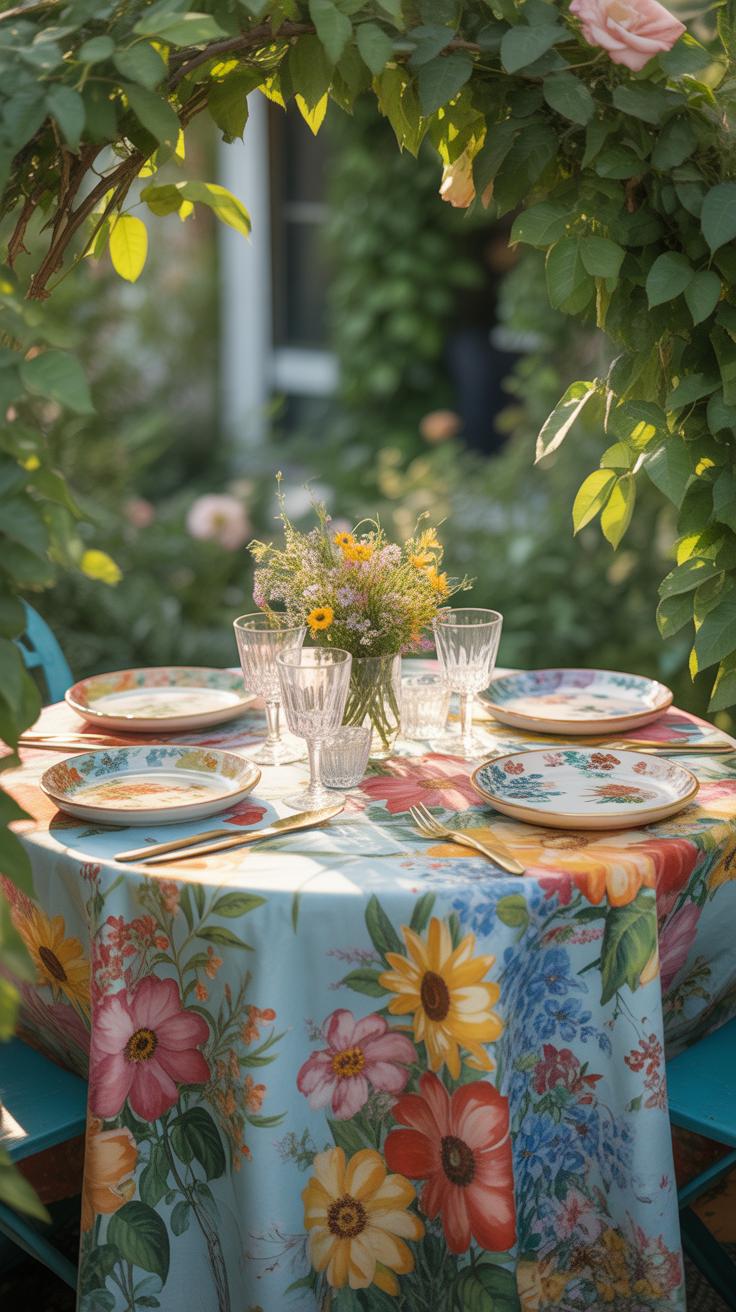
Using Floral Tablecloths For Al Fresco Dining And Outdoor Garden Parties
Select floral linens that mirror the local foliage. This creates a visual bridge between the furniture and the natural landscape. In formal English garden settings, use structured patterns with local botanical accuracy. This aligns the tabletop with the surrounding horticulture. Proper placement requires heavy weights or clips to prevent wind interference. Secure the fabric tight to avoid snagging on rustic garden chairs or rough stone surfaces.
Contrast the tablecloth pattern with your physical garden features. Use green-heavy prints if your patio lacks plant life. This adds a sense of lushness to barren concrete or wood decks. Complement the linen with simple ceramic dishware to avoid visual clutter. Busy floral patterns work best with solid-colored plates. Use wooden chargers to ground the design in earthy textures. This strategy ensures the table stands out without clashing with nature.
Best Fabric Choices And Print Scales For Floral Tablecloth Garden Decor Settings
Choose treated polyester or heavy acrylic-coated cotton for outdoor use. These materials resist UV rays and prevent sun fading over time. They also provide water resistance against spills and rain. Natural linen works for high-end events but requires heavy starching to maintain its shape. Avoid thin silks or delicate lace that snag on outdoor wood. Durability is the priority for any fabric exposed to the elements and rough surfaces.
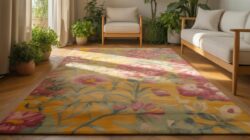
Scale the print to the size of the gathering. Use large-scale botanical prints for long trestle tables to create a bold impact. Small ditsy prints work better on intimate round bistro tables. Large patterns can overwhelm small spaces, while tiny prints get lost on massive tables. Match the print density to your garden density. Sparse floral patterns suit wild, overgrown areas. Dense, packed floral prints provide color in manicured, minimalist courtyards.
The Art Of The Embroidered Tablecloth Texture Craft And Elegance
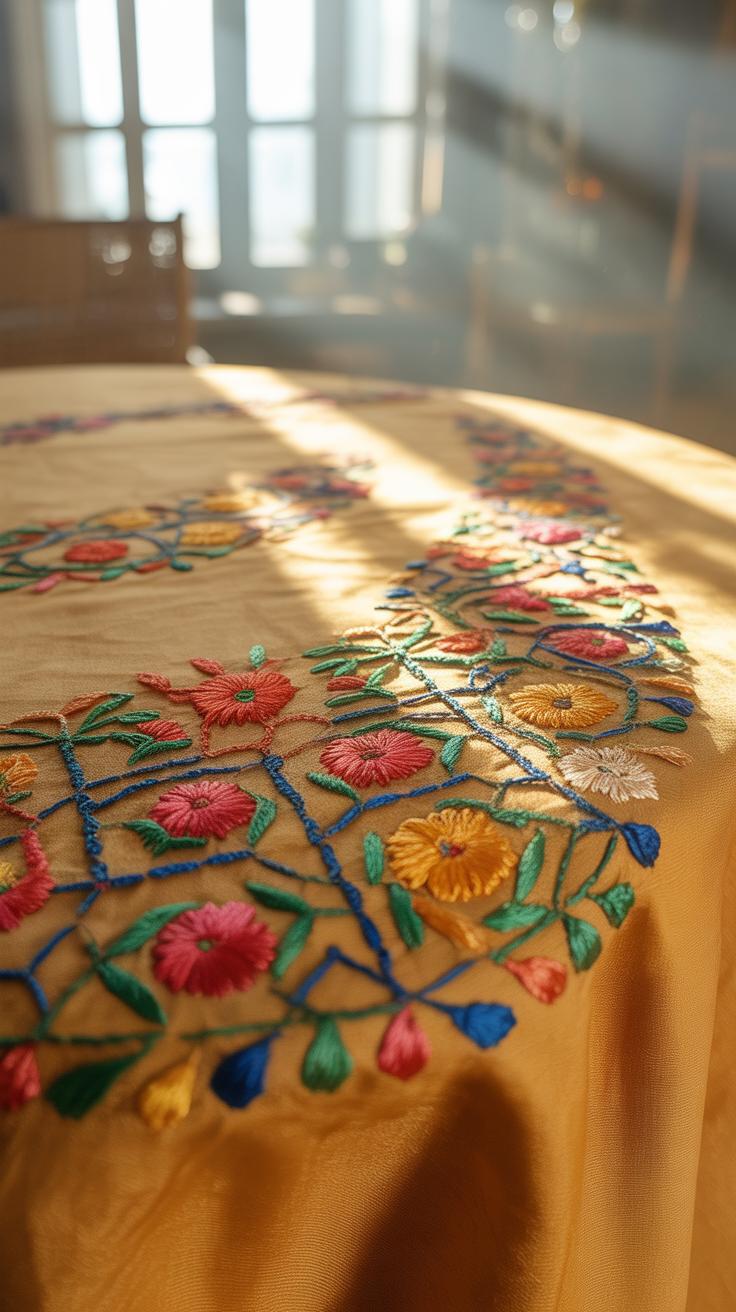
A Brief History Of Embroidered Tablecloths And Their Cultural Significance
Hand-stitched linens serve as a record of domestic history and social status. Historically, embroidery transitioned from a functional repair technique to a display of wealth during the Renaissance and Baroque periods. European households used white work and silk threads to signify prosperity. Floral motifs emerged as standard patterns because they mirrored botanical studies and garden designs popular among the global elite.
In the nineteenth century, the Industrial Revolution introduced machine embroidery, making these designs accessible to the middle class. Despite mass production, hand-embroidered floral pieces remained the gold standard for formal dining. Modern collectors value these items for their tactile quality and artisanal connection. They represent a bridge between traditional craftsmanship and contemporary interior design, offering a level of detail that printed fabrics cannot replicate.
How To Care For And Display An Embroidered Floral Tablecloth Properly
Embroidered linens require specific handling to maintain their structural integrity. High-quality threads can snag or bleed if you wash them incorrectly. You must prioritize stain removal without damaging the delicate fibers of the base fabric. Proper storage is equally important to prevent permanent creasing or yellowing of the textile. Follow these tactical steps to preserve the life and appearance of your floral investment.
- Pre-treat Stains Immediately: Use a mild oxygen-based cleaner on organic stains. Avoid bleach because it weakens natural fibers like linen and cotton over time. Apply the cleaner directly to the spot with a soft brush before washing the entire piece manually in lukewarm water.
- Hand Wash Only: Mechanical agitation in a washing machine destroys fine embroidery. Submerge the cloth in a clean basin with pH-neutral detergent. Gently squeeze the water through the fabric without wringing or twisting the material, as this distorts the floral patterns and shifts the threads.
- Air Dry Flat: Never put embroidered tablecloths in a mechanical dryer. High heat shrinks natural fibers at different rates than the embroidery thread. Lay the cloth flat on a clean white towel. This prevents the weight of the water from stretching the fabric out of its original shape.
- Iron While Damp: Press the cloth on the reverse side while it is still slightly moist. Use a thick, soft towel underneath to allow the embroidery to sink in. This technique protects the raised texture of the flowers and prevents the iron from flattening the decorative stitching.
- Store Rolled Not Folded: Avoid folding embroidered linens for long periods. Permanent creases can snap threads and cause fabric splits. Roll the tablecloth around an acid-free cardboard tube. Cover the roll with a clean white cotton sheet to shield it from dust and harmful ultraviolet light.

Display these cloths on a solid-colored underlay to make the embroidery pop. Use a heavy felt pad beneath the cloth to provide a smooth surface and protect your table from heat. Position the central floral motifs to align with your table settings for a symmetrical look. Selective use during high-traffic events prevents unnecessary wear. Only bring out these pieces when you can monitor table activity to avoid permanent damage.
Spring Tablecloths Seasonal Floral Ideas To Celebrate The Season
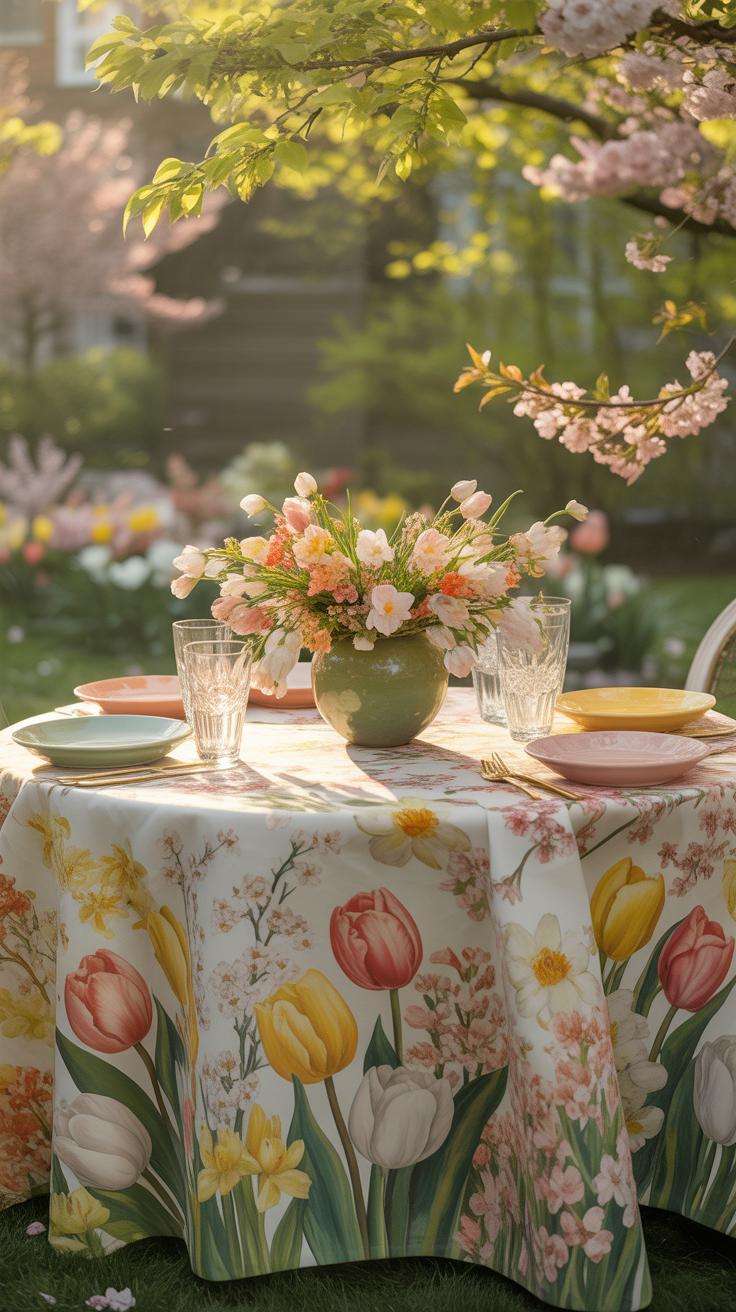
Best Floral Motifs And Color Palettes For Spring Tablecloths In 2024
Modern spring design focuses on botanical accuracy. For 2024, choose prints featuring tulips, daffodils, and cherry blossoms. These motifs reflect the actual blooming cycle of the season. Use a color palette centered on soft greens, pale yellows, and lavender. These colors mimic new growth found in nature. Avoid neon shades. Stick to muted pastels that provide a clean and calm look for the dining area.
Material choice impacts the visual weight of the floral pattern. Select linen or cotton blends for a crisp drape. These natural fibers hold dye better than synthetics. They ensure that small floral details remain sharp and visible. Use block print techniques for a handcrafted appearance. This method adds depth to the fabric without overcomplicating the design. High quality textiles improve the overall professional feel of the room.
Transitioning Your Spring Tablecloth Look Into Summer Without Losing The Floral Feel
Shift your table design by swapping accessories rather than the entire cloth. Retain your spring floral base but change the napkins to deeper jewel tones. This creates a bridge between seasons. Replace delicate glass vases with heavy stoneware or terracotta. These materials ground the light spring patterns. They prepare the space for the heat of summer. It is a cost effective way to maintain style consistency.

Adjust the floral density for a summer transition. Pair your existing spring cloth with woven placemats made of jute or seagrass. The organic texture instantly signals a change in climate. It makes the floral print feel more rugged and sun drenched. Focus on tactile contrasts to move away from the softness of spring. This strategy keeps your decor relevant as outdoor temperatures rise and the natural light changes.
Frequently Asked Questions

How do I choose the right floral pattern for my dining room style?
Selecting the perfect design depends on your room’s existing aesthetic. For a modern look, opt for oversized, abstract blooms in neutral tones. If you prefer a vintage or cottagecore vibe, smaller ditsy prints are ideal. When exploring floral tablecloth ideas, consider the scale of the pattern; large prints make a bold statement in spacious rooms, while delicate florals prevent smaller dining areas from feeling cluttered or overwhelmed.
How can I style a floral tablecloth without making the table look cluttered?
Balance is essential when working with busy botanical prints. To keep the look sophisticated, pair your linens with solid-colored dinnerware that pulls a specific hue from the fabric. Use simple glassware and a minimalist centerpiece, such as a few green branches or white candles. These floral tablecloth ideas work best when you allow the pattern to be the focal point while keeping the rest of the place settings clean and understated.
Are there affordable ways to get a high-end floral look on a budget?
Absolutely! You can achieve a luxury feel without the designer price tag by choosing high-quality cotton blends or treated polyester that mimics linen. Look for seasonal sales at big-box home stores or explore thrift shops for unique vintage finds. Another budget-friendly tip is to use a floral table runner over a plain white cloth you already own, providing a high-impact floral aesthetic for a fraction of the cost of a full lace-trimmed cloth.